Convertible Bunk Beds
If you're looking to maximize space in your kids' room or guest bedroom, convertible bunk beds are the perfect solution for creating a versatile and functional sleeping area. These innovative pieces of furniture offer the convenience of easily transforming from a traditional bunk bed setup to separate twin beds, providing flexibility for different room layouts and sleep arrangements. Whether you're furnishing a shared children's room or setting up a cozy guest space, convertible bunk beds combine style and practicality to meet your needs.
Sort
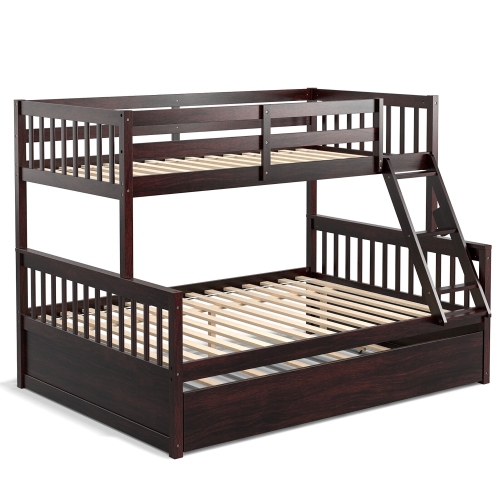
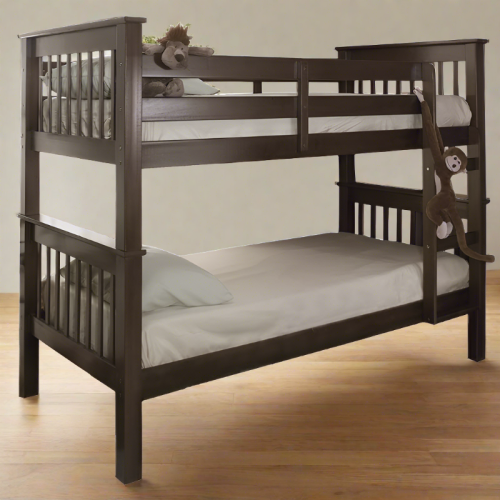
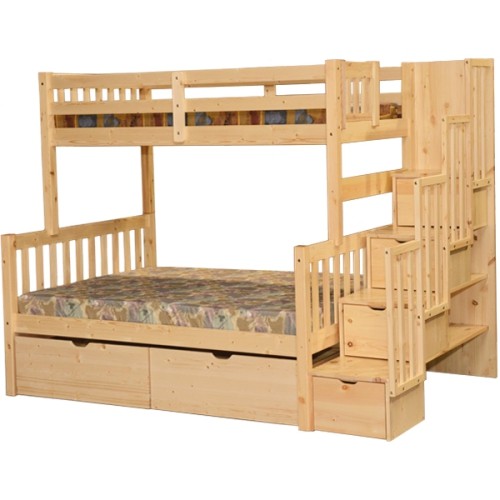
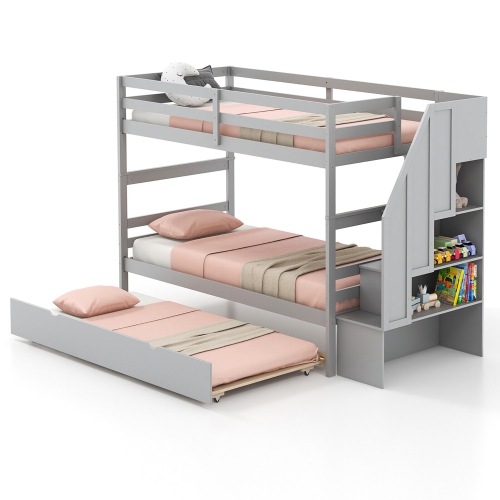
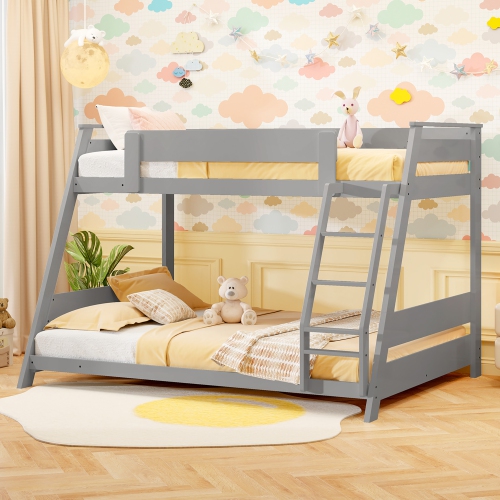
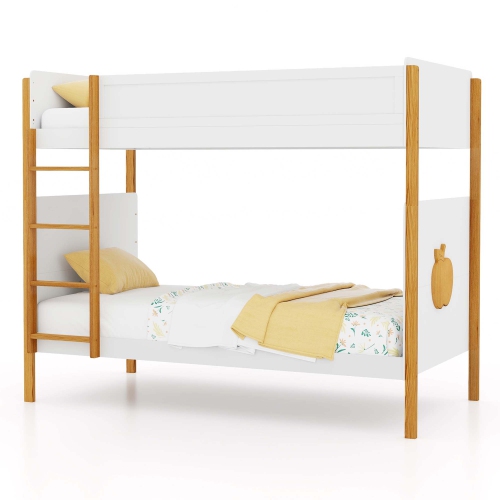
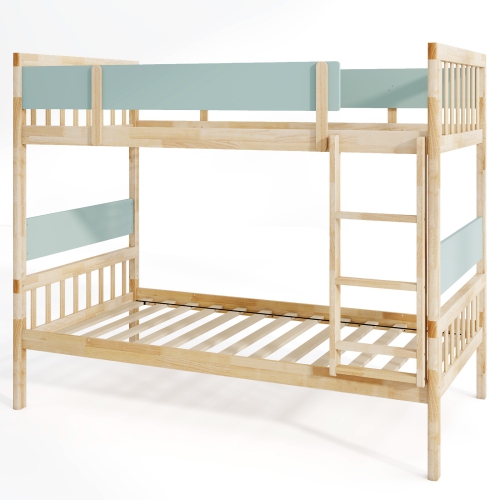
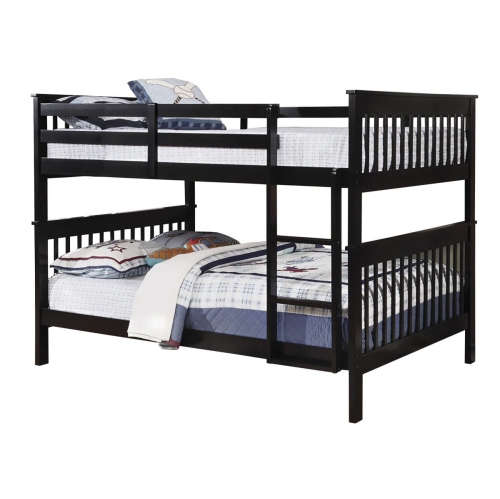
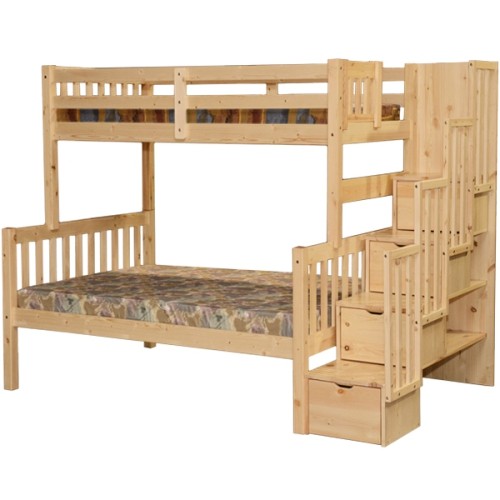
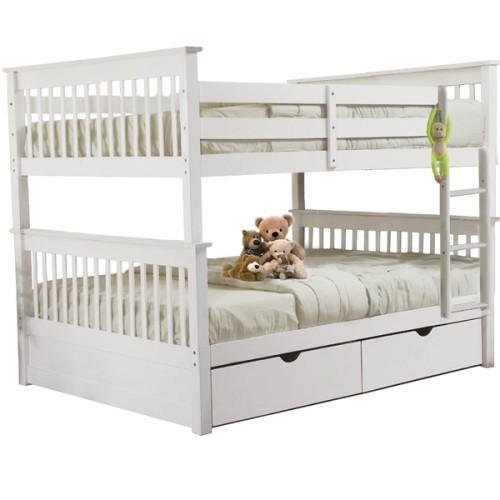
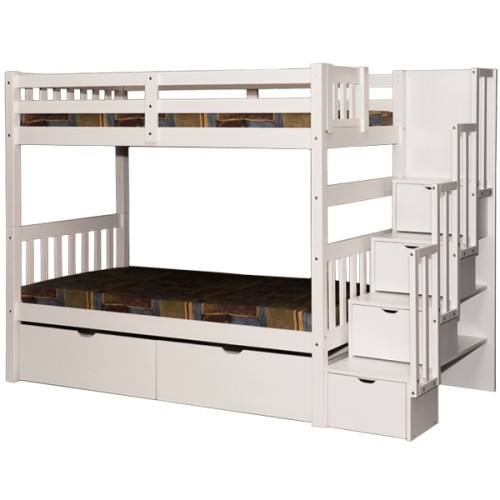
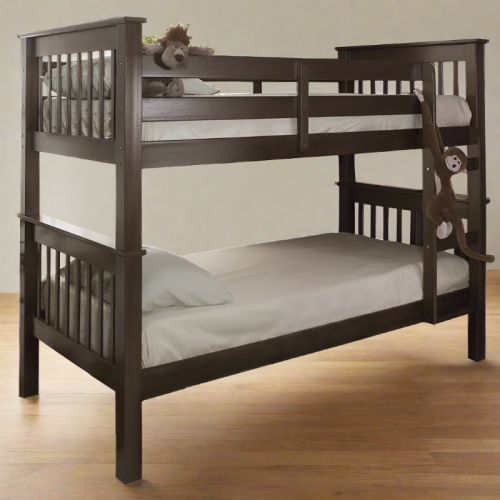

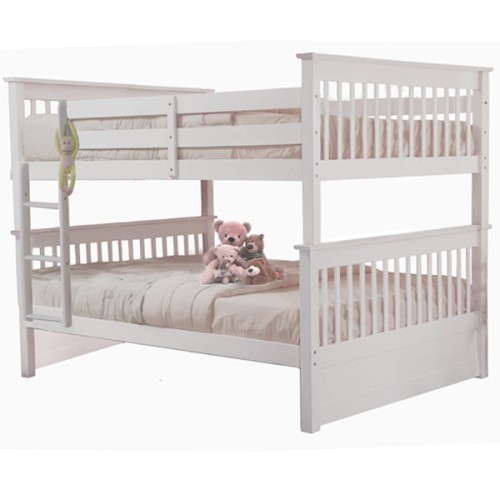
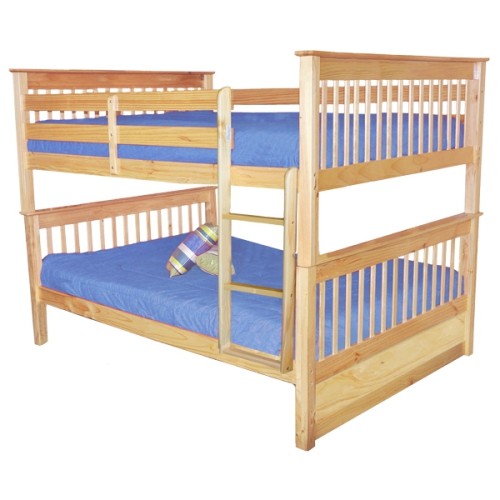
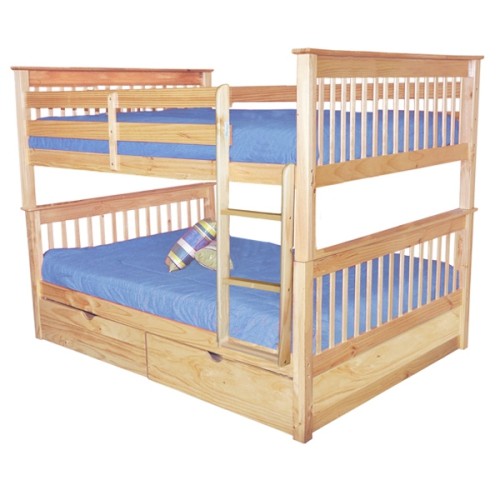
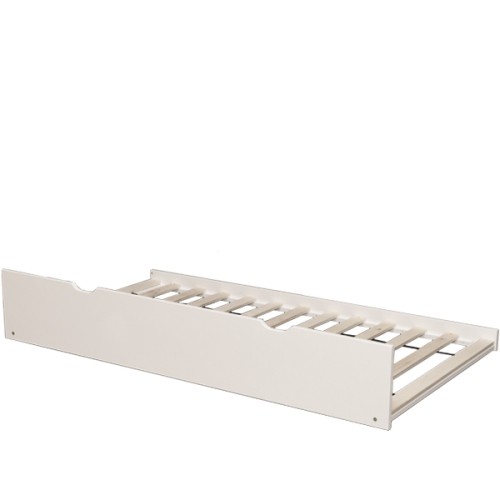







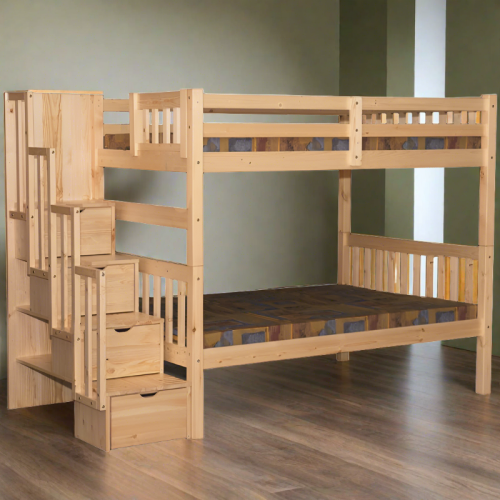
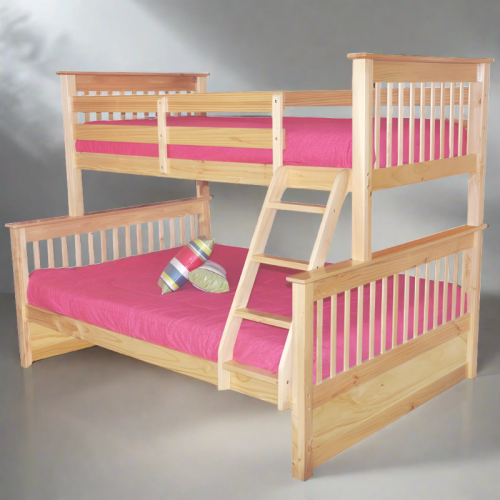
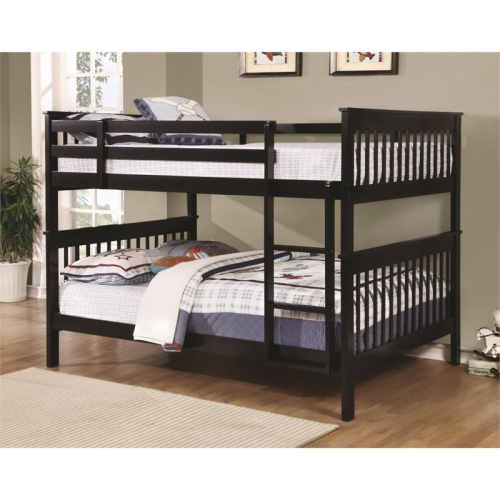
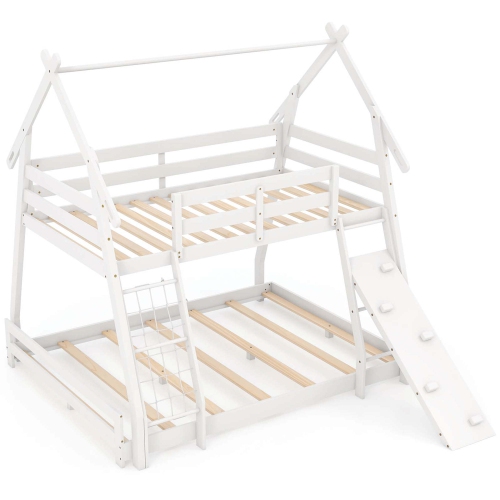
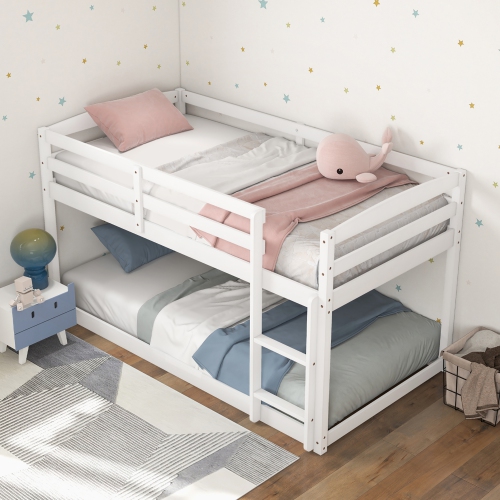
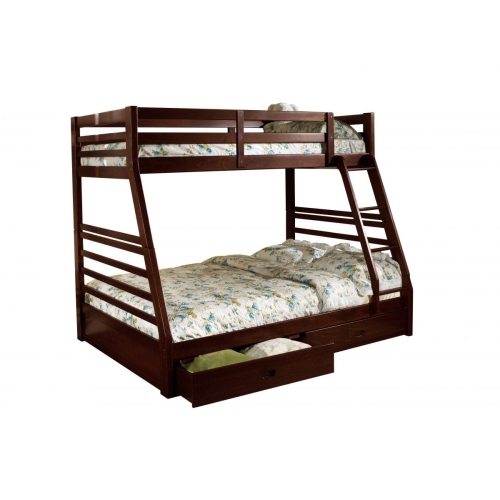
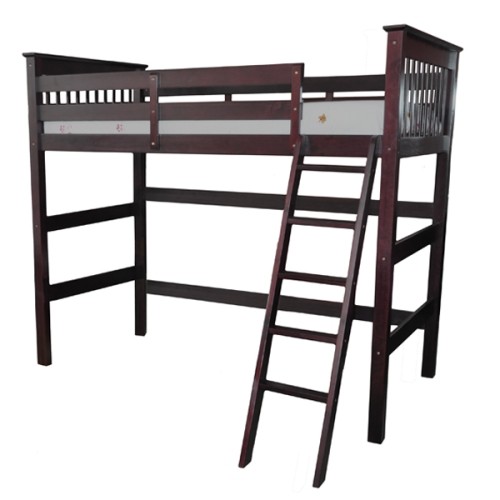
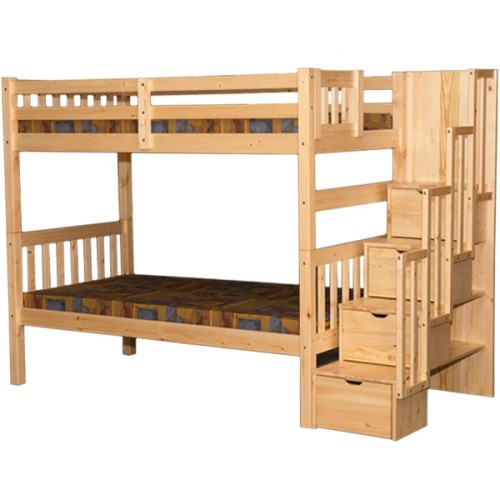

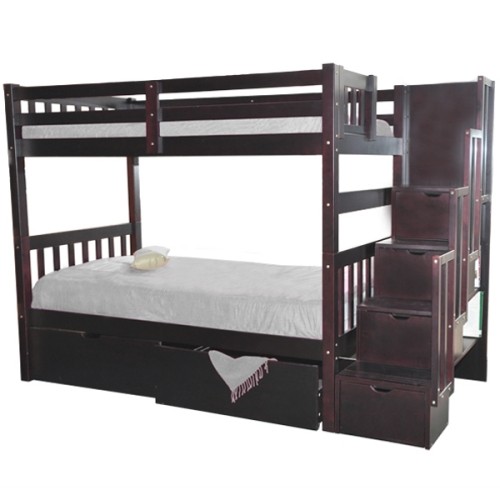
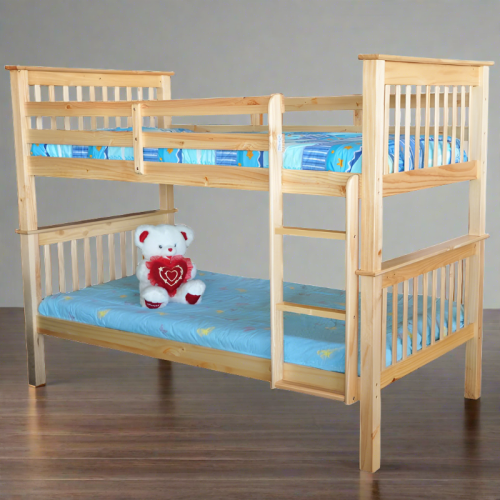
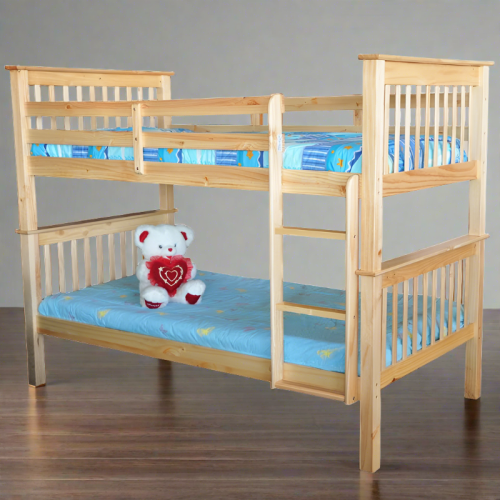
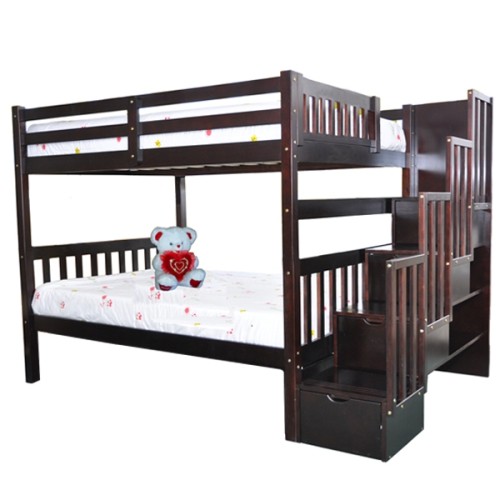
Flexible sleeping options for changing spaces and growing families
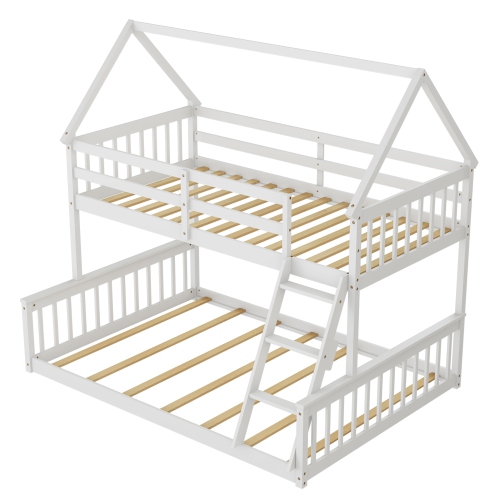
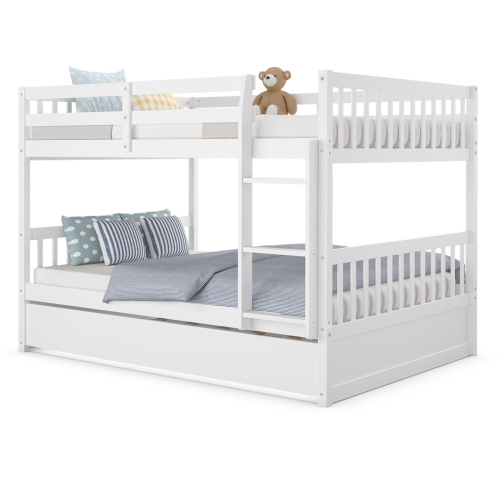
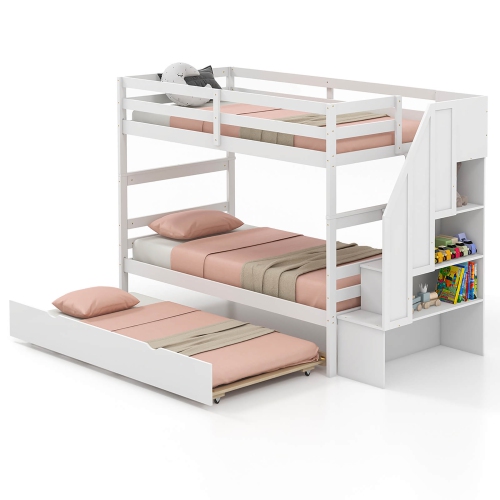
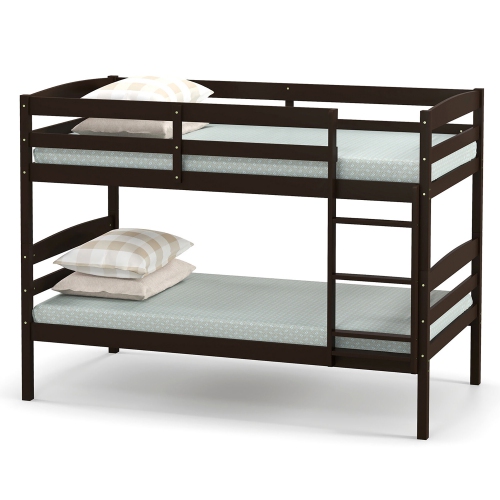
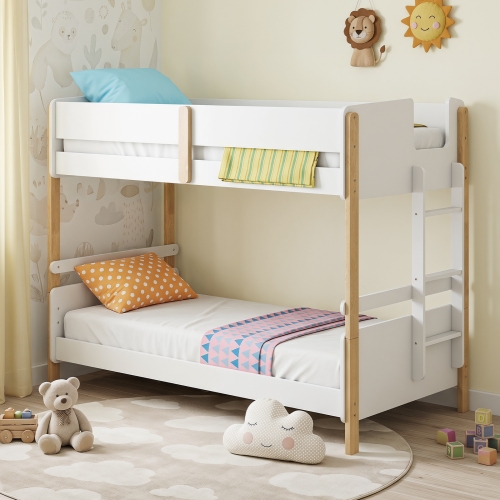
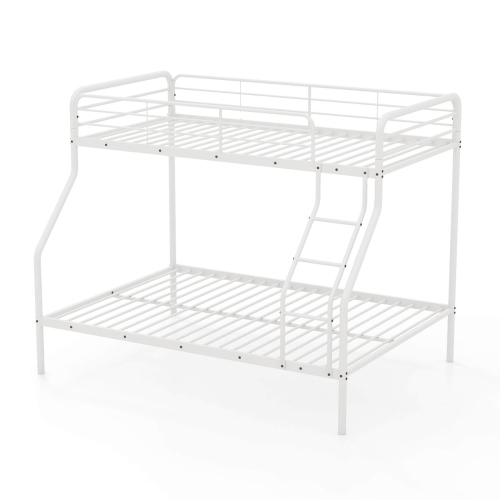
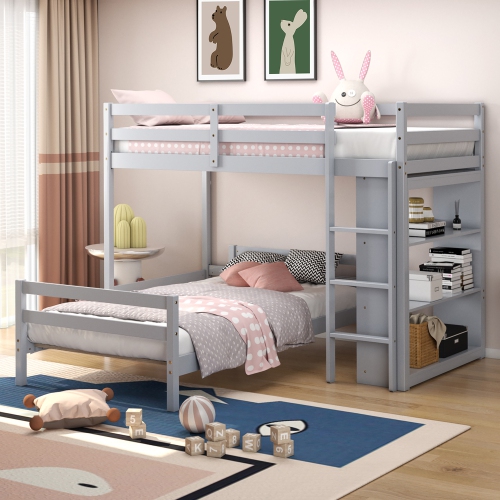
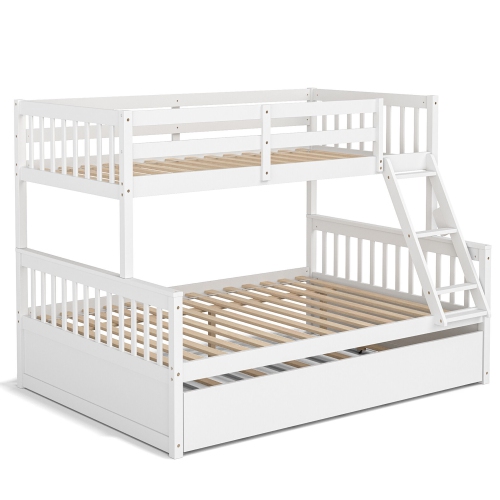
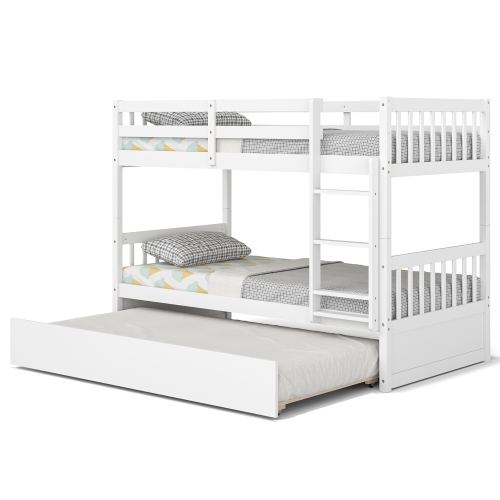
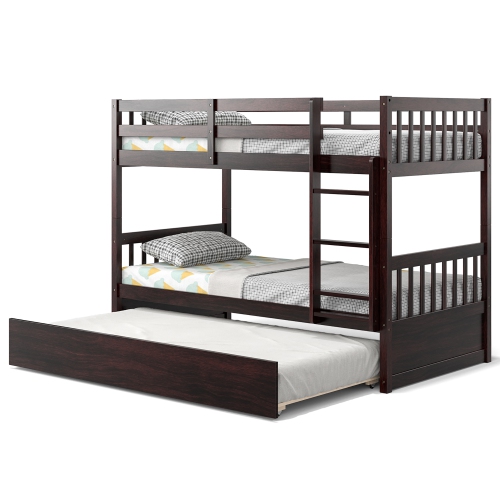
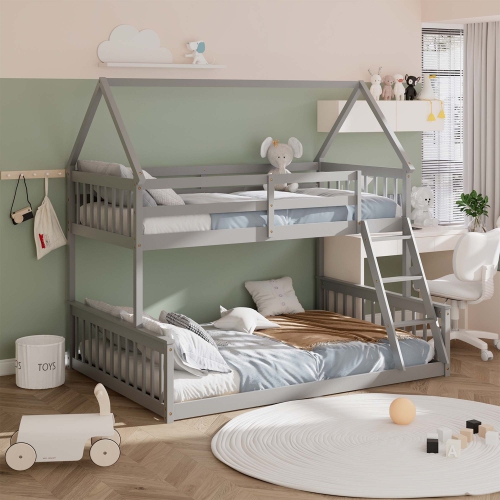
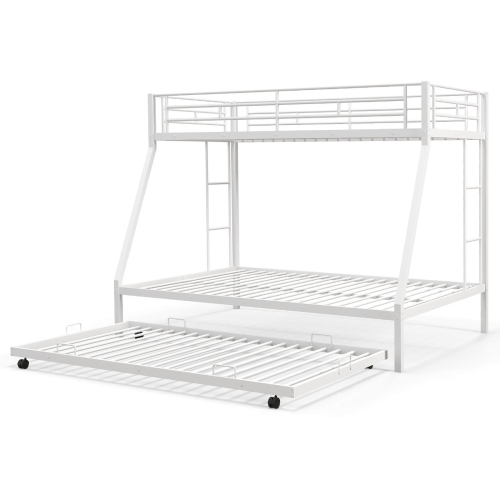
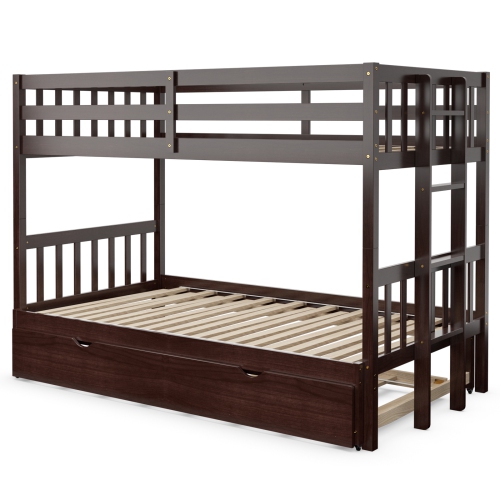
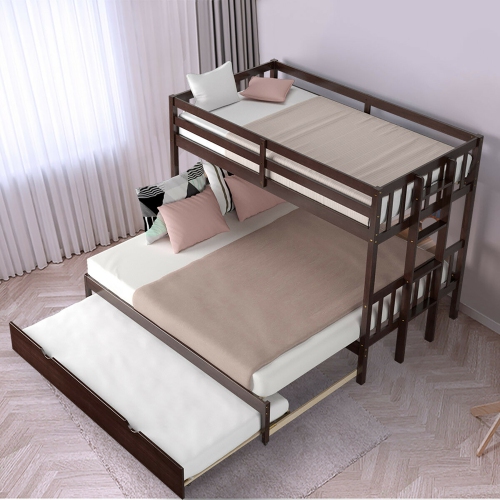
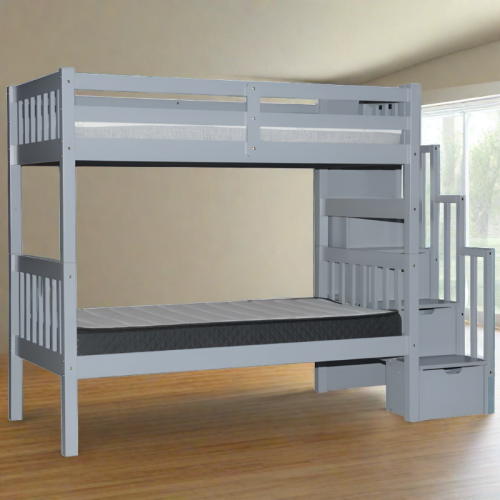
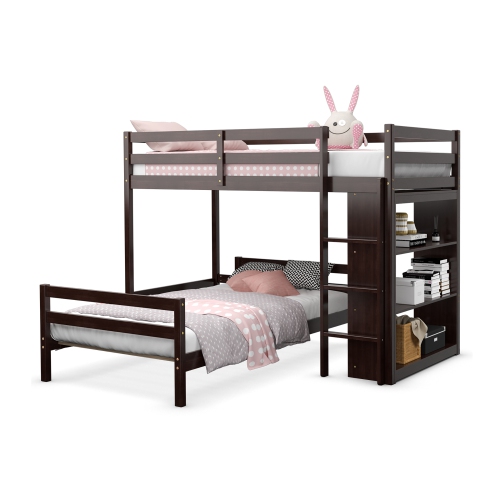
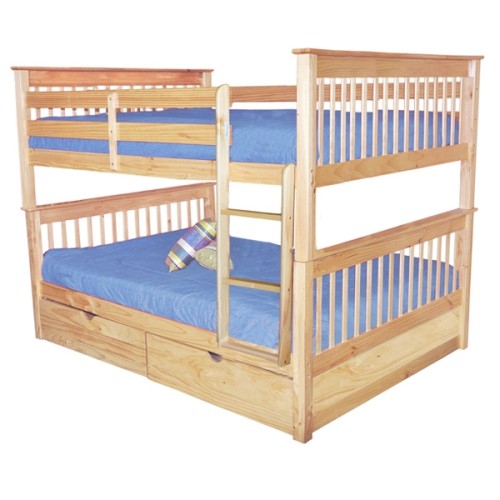
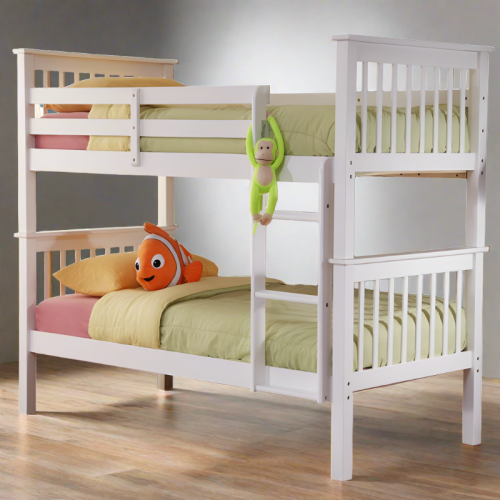
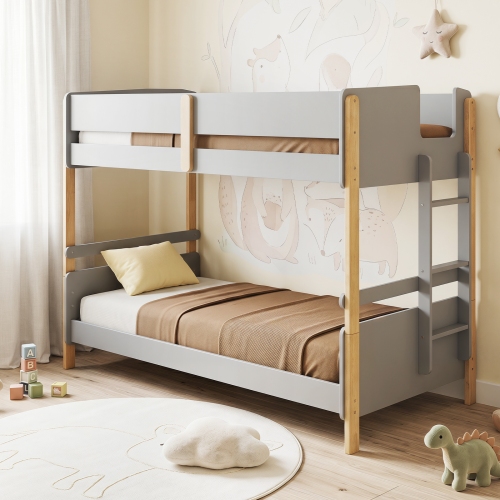
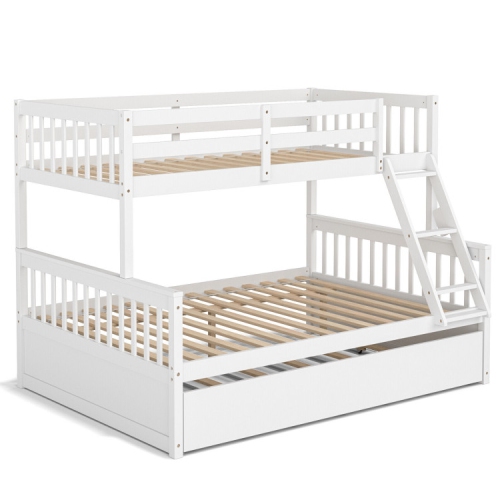
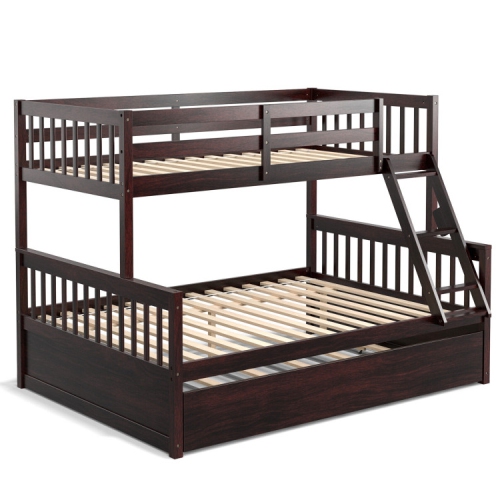
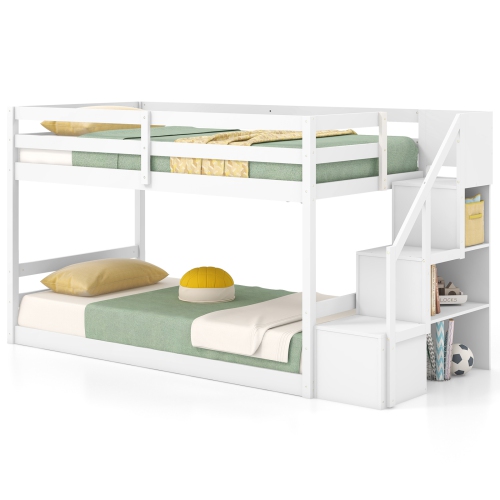
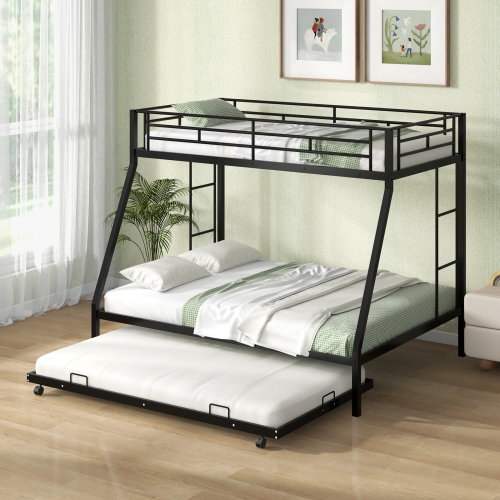
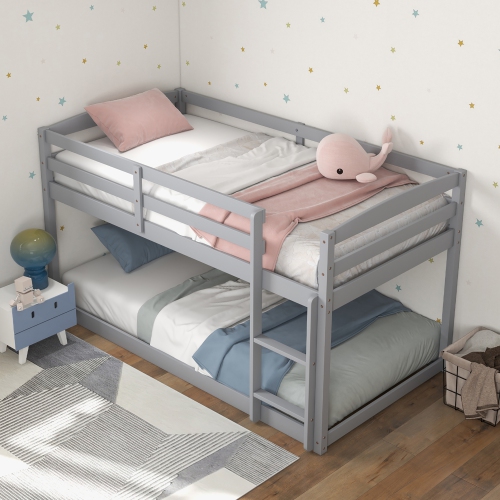
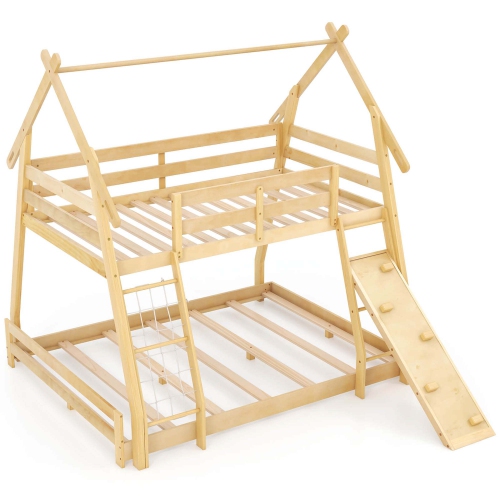
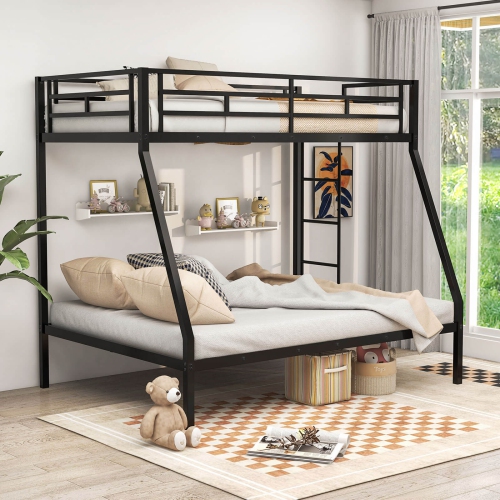
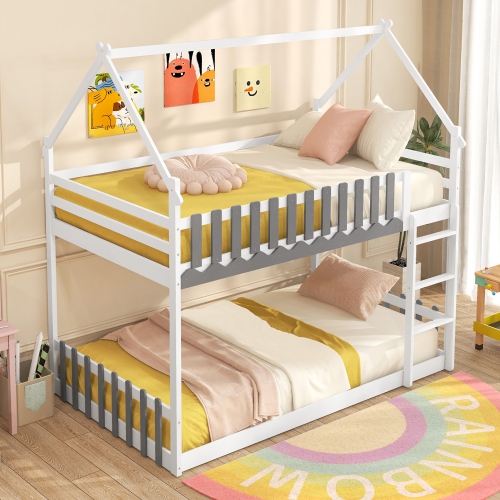
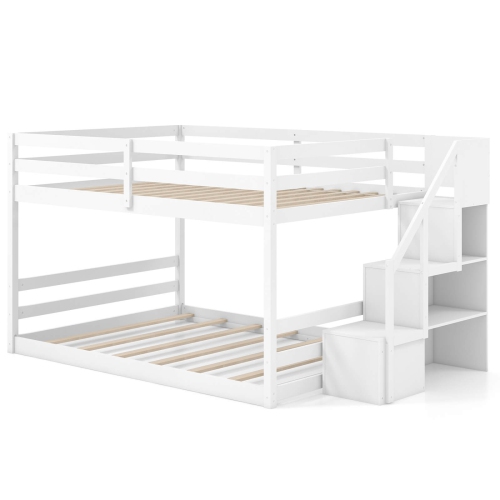
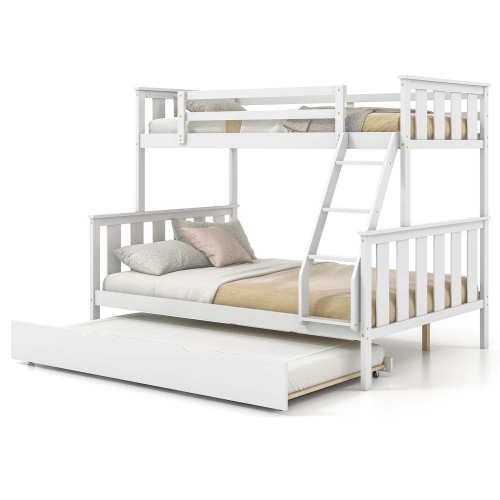
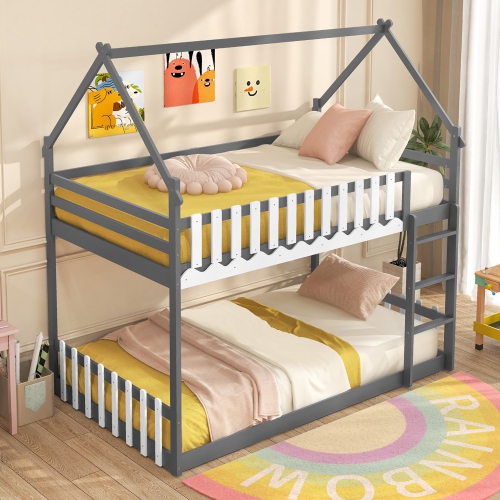
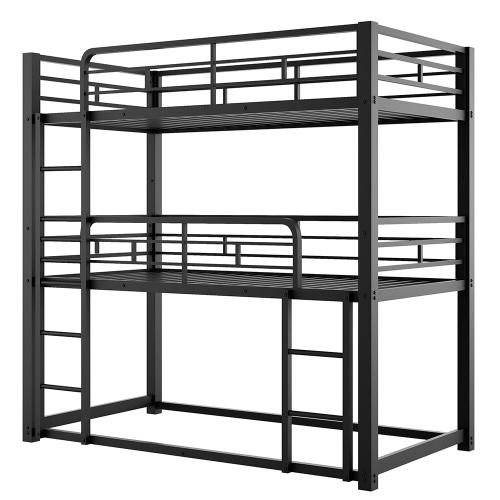
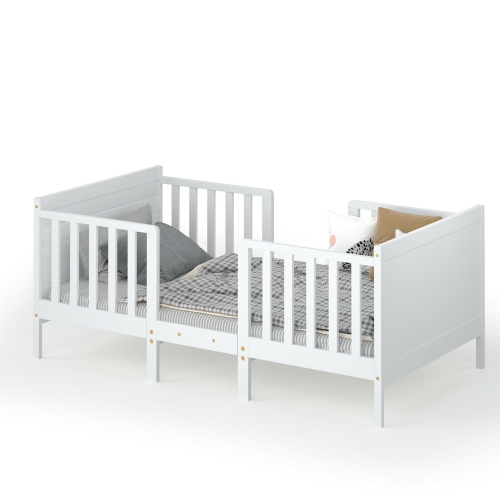
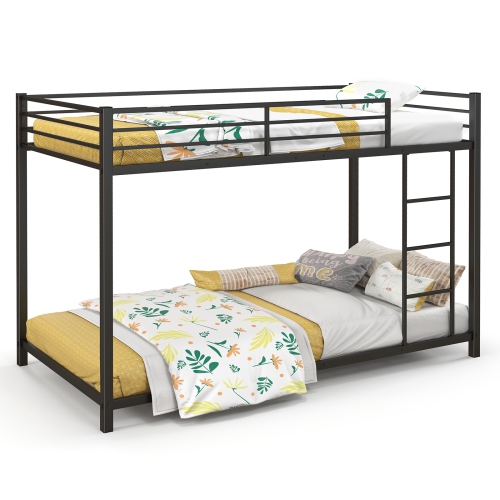
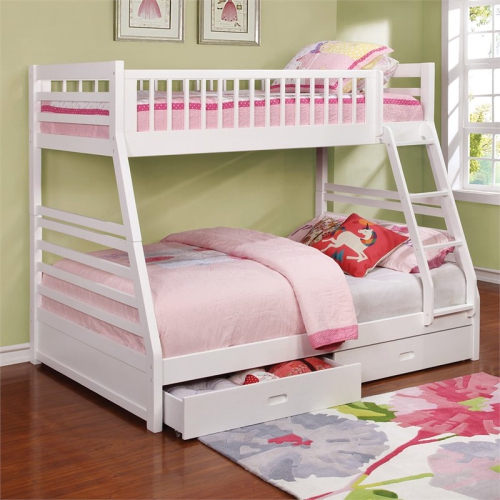
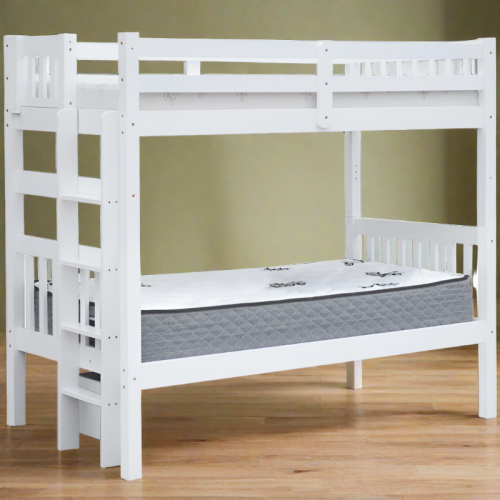
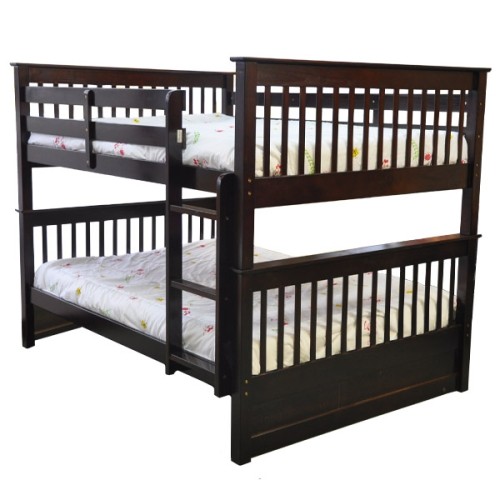
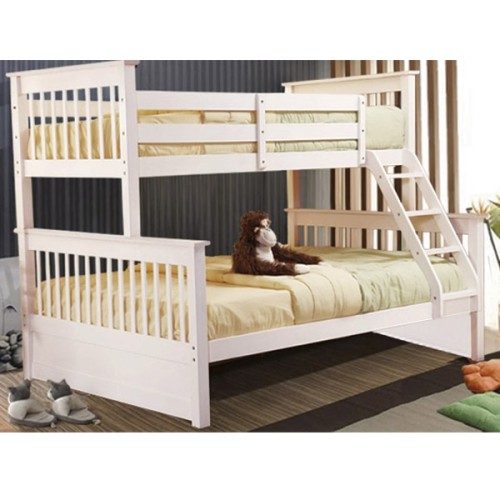
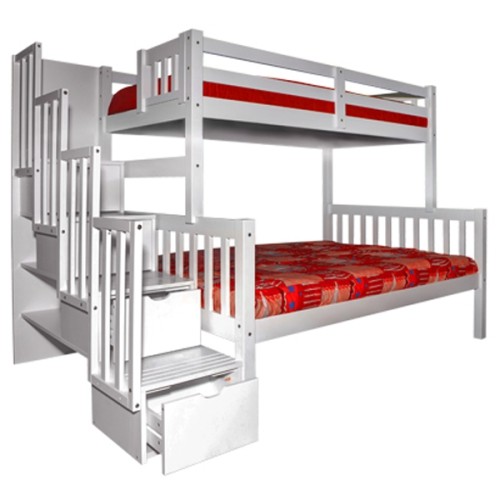
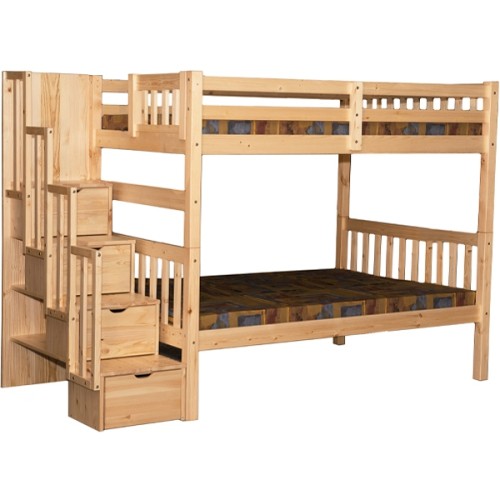
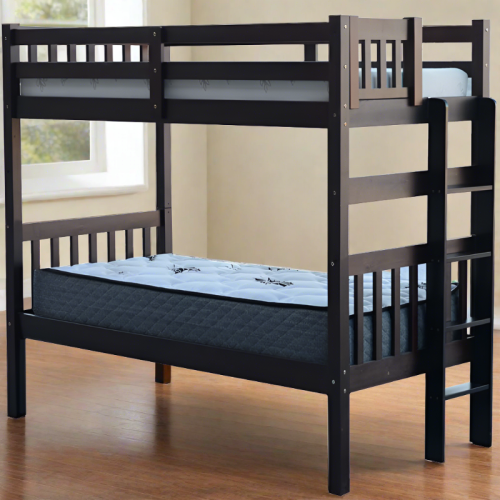
Convertible bunk beds bring flexibility to bedrooms where every square inch matters. Designed to use vertical space efficiently, they typically stack two sleeping surfaces while offering the option to separate the frame into two standalone beds as needs change. Some designs can also be arranged in an L-shape, set up as loft-style furniture, or paired with a trundle for occasional sleeping space, although the available configurations vary by model. This adaptability makes convertible bunk beds a practical choice for shared children’s rooms, sleepover spaces, vacation homes, guest rooms, and compact apartments. A room that feels open and easy to navigate with one bunked frame can be rearranged later when children want more personal space, when siblings have separate rooms, or when a bedroom takes on a new purpose. Families often appreciate how a single purchase can serve through several stages of life rather than being limited to one arrangement. Younger children may use the stacked configuration to leave more floor area for play, reading, or storage, while older children may prefer two separate beds placed on opposite sides of the room. In a guest room, the beds can remain stacked when floor space is needed for luggage or a desk, then be separated when visiting relatives or friends need more privacy. For a thoughtful gift, a convertible bunk bed can suit families moving into a new home, preparing a shared nursery or children’s room, or making a flexible guest area for overnight visitors. When comparing options, begin with the mattress size and the room’s measurements. Twin bunk beds are often a convenient fit for children’s rooms and narrower spaces, while full-size configurations provide more sleeping room for teens or adults but require greater width and clearance. Measure the wall, ceiling height, doorways, stairwells, and the path used to bring the frame into the room. Leave enough space around ladders, guardrails, drawers, and trundles for comfortable access, and check that the ceiling leaves suitable clearance above the upper mattress.
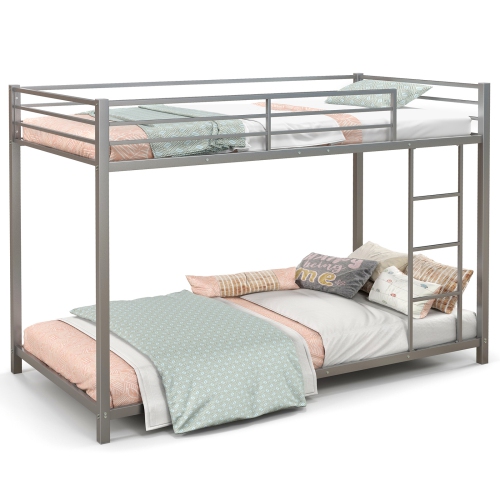
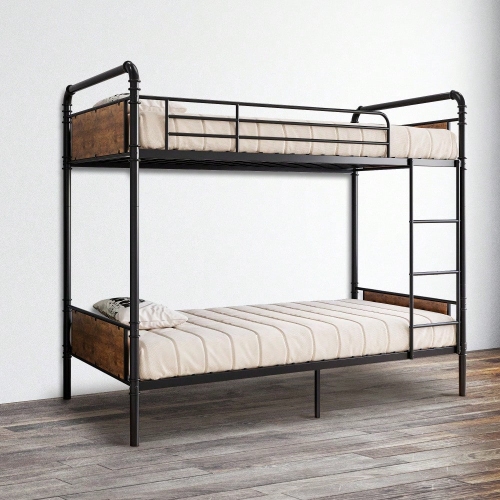
Construction and layout have an important effect on how a convertible bunk bed feels in everyday use. Wood frames can bring a warm, familiar look to a bedroom and may complement dressers, bookshelves, and other bedroom furniture. Metal frames often have a lighter visual profile and can suit rooms with a modern or streamlined style. Regardless of the material, look for a sturdy frame, well-supported slats, secure connectors, and a ladder positioned in a way that works with the room’s layout. A bed that separates into two pieces may require different hardware or support components in its standalone configuration, so review the product details carefully to understand what is included and whether any parts must be stored for later conversion. Mattress compatibility also matters: confirm the recommended mattress dimensions, thickness limits, and weight ratings for each sleeping surface. The upper bunk usually has a maximum mattress height so that the guardrails remain effective, and the lower bunk may have different clearance requirements if a trundle or storage drawer sits beneath it. Storage features can add useful capacity in rooms where closets are already full. Pull-out drawers are convenient for bedding, pyjamas, toys, shoes, or seasonal clothing, while a trundle can create an extra sleeping surface for a visiting cousin or a spontaneous sleepover. Keep in mind that drawers and trundles need enough open floor space to roll out fully, so mark their travel path before arranging other furniture. If the bed converts into an L-shape or loft arrangement, think about how the new footprint affects windows, outlets, heating vents, and walkways. Assembly is another practical consideration. Convertible frames may involve multiple stages and can be easier to build with two adults, particularly when aligning long rails or lifting an upper section into place. Once assembled, periodically check fasteners and connection points, especially after converting the configuration or moving the bed.
Safety should remain central when choosing and using any bunk-style furniture. Follow the manufacturer’s age guidance, weight limits, assembly instructions, and recommendations for ladder and guardrail placement. The upper sleeping surface should have a guardrail on the appropriate sides, and the frame should sit on a level floor without rocking. Position the bed away from window blind cords, ceiling fixtures, radiators, and other hazards, and avoid placing heavy objects where they could fall onto a sleeping area. Use a mattress that fits the frame closely, with no significant gaps along the sides or ends. Children should be shown how to use the ladder carefully, and the area around the bed should stay clear of loose toys and clothing that could cause a trip. A convertible bunk bed can be especially useful during the cooler months, when families spend more time indoors and a well-organized bedroom needs to handle play, reading, homework, and sleep without feeling crowded. It can also help prepare a home for overnight guests without dedicating an entire room to a rarely used bed. For an alternative arrangement with a more lounge-oriented profile, explore Convertible Daybeds, which can provide a comfortable place to sit during the day and sleep at night. Before making a final choice, compare the available configurations, dimensions, materials, mattress requirements, storage features, assembly details, and safety specifications against the people who will use the bed and the room where it will go. The right convertible bunk bed should fit naturally into the space today while giving the bedroom practical options for tomorrow.
Construction and layout have an important effect on how a convertible bunk bed feels in everyday use. Wood frames can bring a warm, familiar look to a bedroom and may complement dressers, bookshelves, and other bedroom furniture. Metal frames often have a lighter visual profile and can suit rooms with a modern or streamlined style. Regardless of the material, look for a sturdy frame, well-supported slats, secure connectors, and a ladder positioned in a way that works with the room’s layout. A bed that separates into two pieces may require different hardware or support components in its standalone configuration, so review the product details carefully to understand what is included and whether any parts must be stored for later conversion. Mattress compatibility also matters: confirm the recommended mattress dimensions, thickness limits, and weight ratings for each sleeping surface. The upper bunk usually has a maximum mattress height so that the guardrails remain effective, and the lower bunk may have different clearance requirements if a trundle or storage drawer sits beneath it. Storage features can add useful capacity in rooms where closets are already full. Pull-out drawers are convenient for bedding, pyjamas, toys, shoes, or seasonal clothing, while a trundle can create an extra sleeping surface for a visiting cousin or a spontaneous sleepover. Keep in mind that drawers and trundles need enough open floor space to roll out fully, so mark their travel path before arranging other furniture. If the bed converts into an L-shape or loft arrangement, think about how the new footprint affects windows, outlets, heating vents, and walkways. Assembly is another practical consideration. Convertible frames may involve multiple stages and can be easier to build with two adults, particularly when aligning long rails or lifting an upper section into place. Once assembled, periodically check fasteners and connection points, especially after converting the configuration or moving the bed.
Safety should remain central when choosing and using any bunk-style furniture. Follow the manufacturer’s age guidance, weight limits, assembly instructions, and recommendations for ladder and guardrail placement. The upper sleeping surface should have a guardrail on the appropriate sides, and the frame should sit on a level floor without rocking. Position the bed away from window blind cords, ceiling fixtures, radiators, and other hazards, and avoid placing heavy objects where they could fall onto a sleeping area. Use a mattress that fits the frame closely, with no significant gaps along the sides or ends. Children should be shown how to use the ladder carefully, and the area around the bed should stay clear of loose toys and clothing that could cause a trip. A convertible bunk bed can be especially useful during the cooler months, when families spend more time indoors and a well-organized bedroom needs to handle play, reading, homework, and sleep without feeling crowded. It can also help prepare a home for overnight guests without dedicating an entire room to a rarely used bed. For an alternative arrangement with a more lounge-oriented profile, explore Convertible Daybeds, which can provide a comfortable place to sit during the day and sleep at night. Before making a final choice, compare the available configurations, dimensions, materials, mattress requirements, storage features, assembly details, and safety specifications against the people who will use the bed and the room where it will go. The right convertible bunk bed should fit naturally into the space today while giving the bedroom practical options for tomorrow.
Top selling and popular products
-
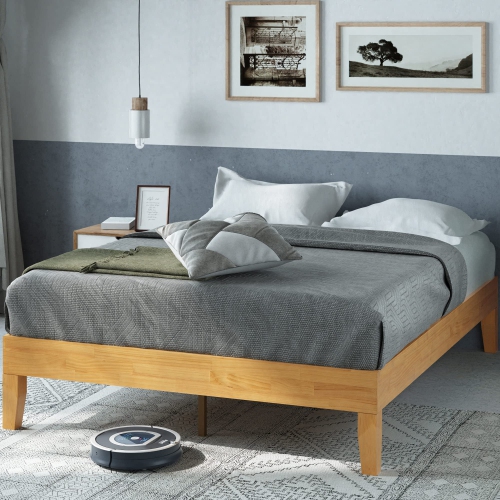 Your price for this item is $493.52
 -
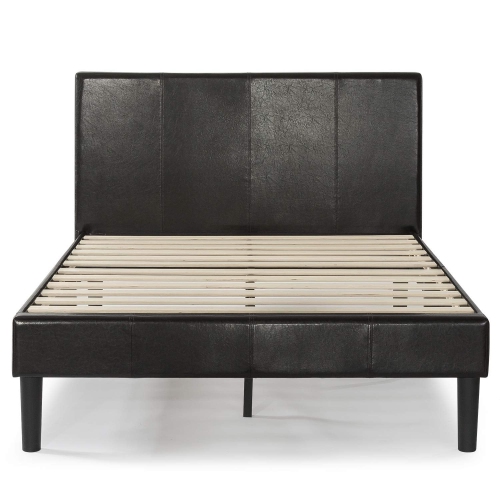 Your price for this item is $611.85
 -
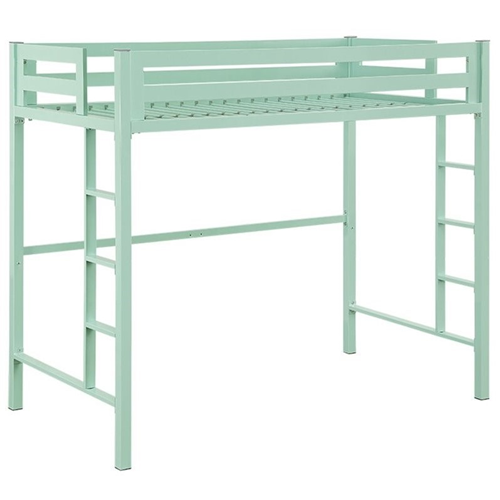 Your price for this item is $824.18
 -
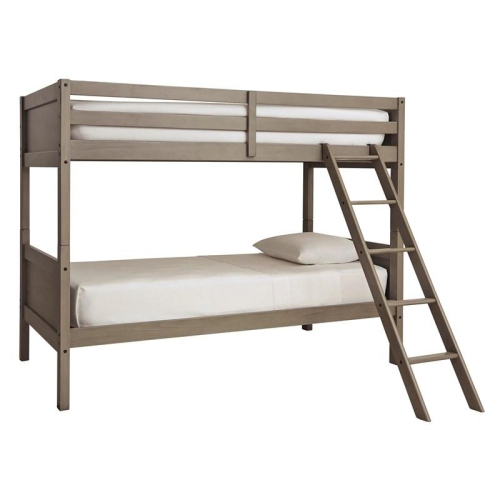 Your price for this item is $799.99
 -
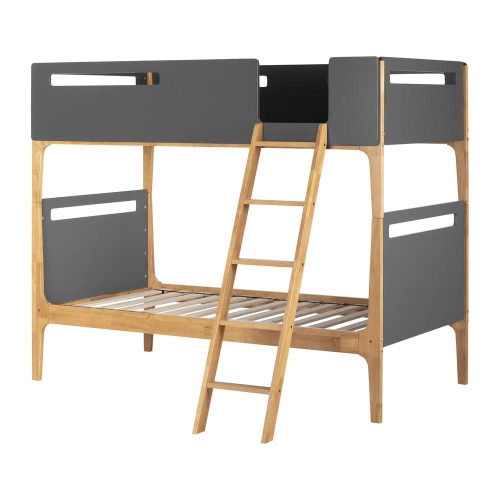 Your price for this item is $985.42
 -
 Your price for this item is $157.99
 -
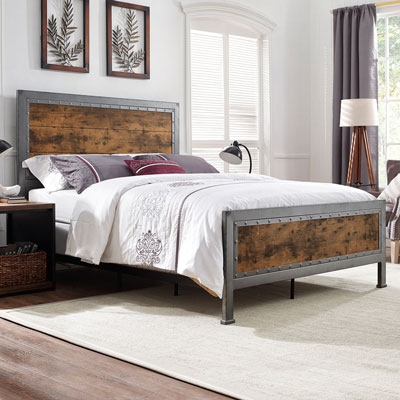 Your price for this item is $862.99
 -
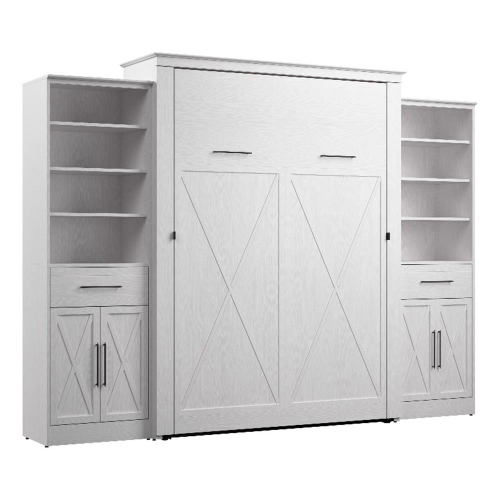 Your price for this item is $3519.99
Discover more categories related to Convertible Bunk Beds
Top Collections:
Pokemon Centers, Kindle Devices, Best Budget Office Chairs, Apple iPhones 16, Best Laptops for Writers, iPhone 15 Apple, Canon G7X Cameras, Refurbished Apple Laptops, Alarm Clock, Motorola Razr Phones
Some products may be subject to Environmental Handling Fees
(EHF) depending on your province.
Learn more about EHFs.