Cooling Mattress Protectors
Achieve the perfect night's sleep with a cooling mattress protector that combines comfort and innovation. Designed to enhance your sleeping experience, these protectors offer a refreshing layer that helps regulate temperature while safeguarding your mattress from spills, allergens, and wear. Whether you're a hot sleeper or simply looking to extend the life of your mattress, these protectors provide an ideal solution for maintaining a clean and comfortable sleeping environment. Explore options that cater to various sizes and materials, ensuring you find the perfect fit for your needs. Embrace a cooler, more restful night with the right cooling mattress protector.
Sort



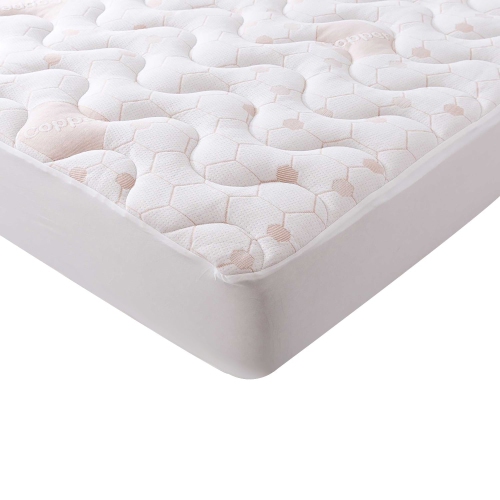
Why cool-touch fabric is only part of the story
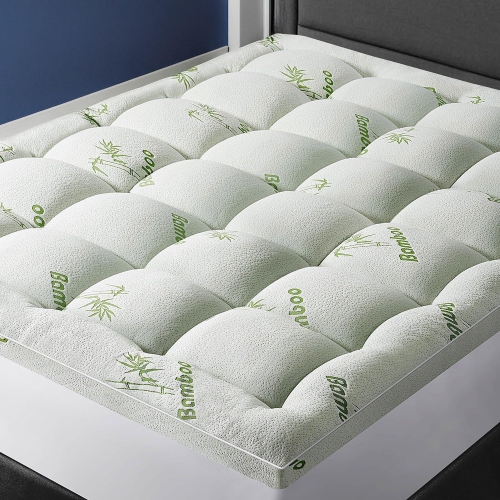
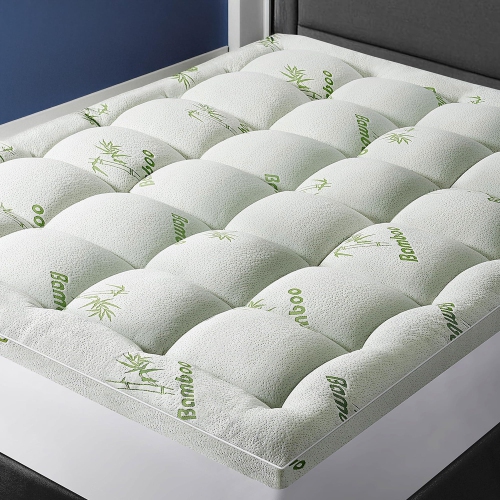
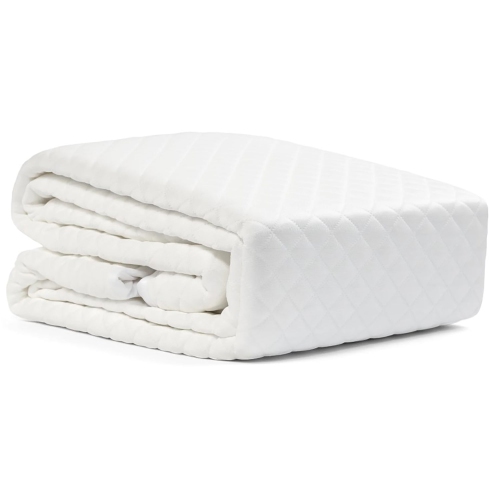
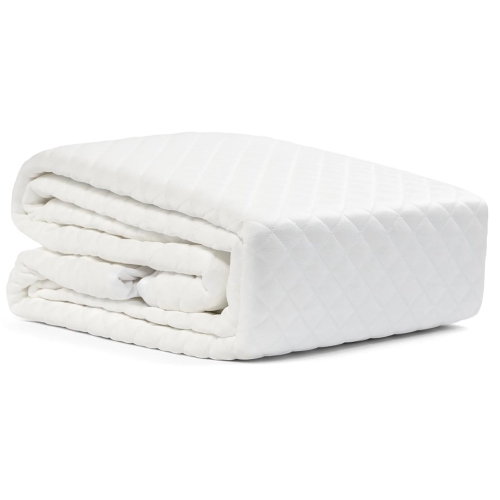
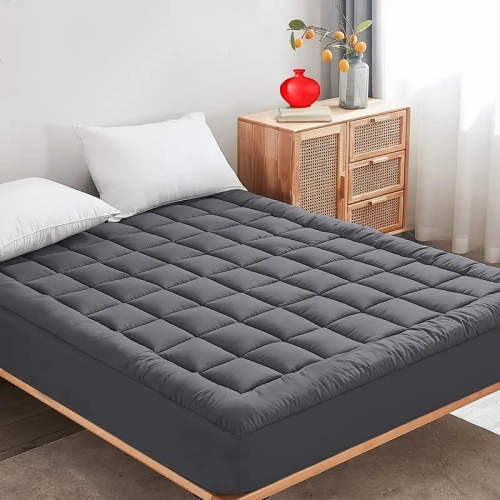
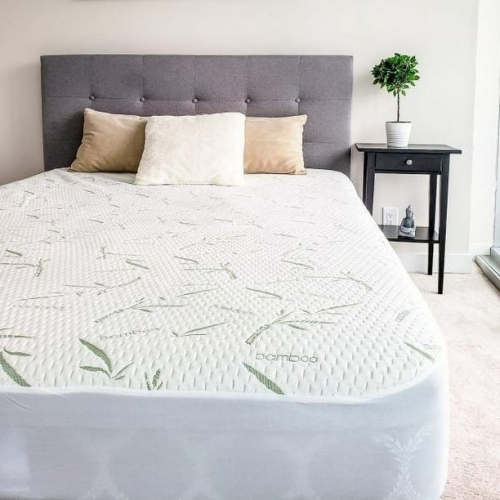
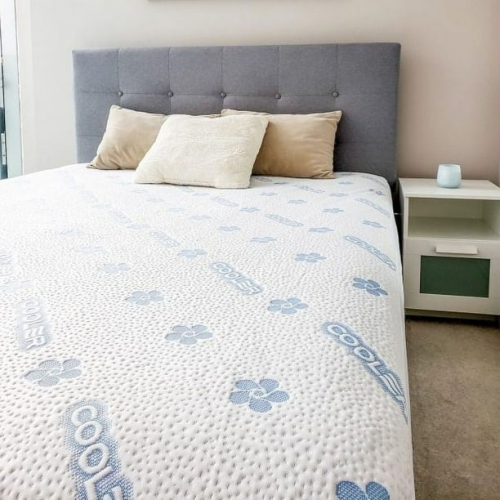
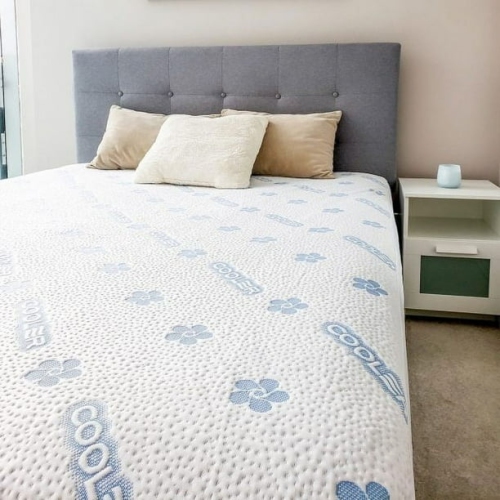
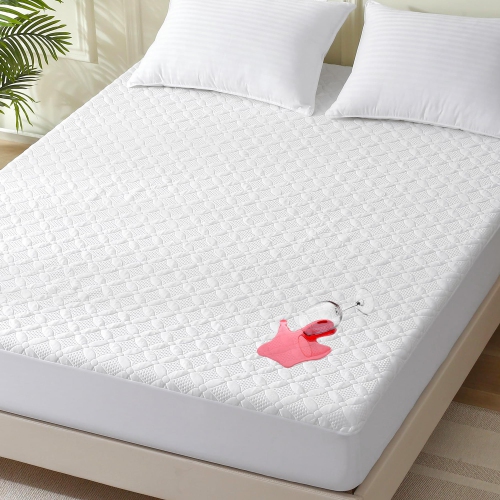
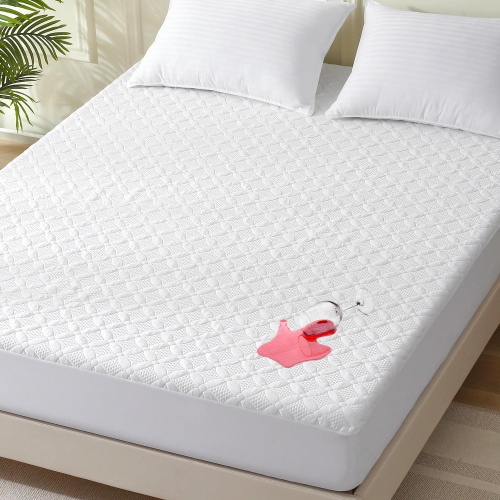
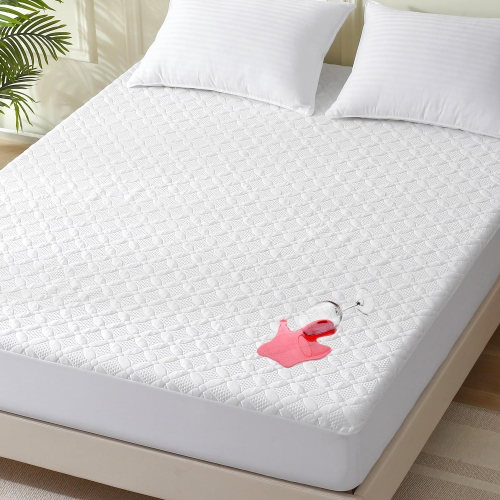
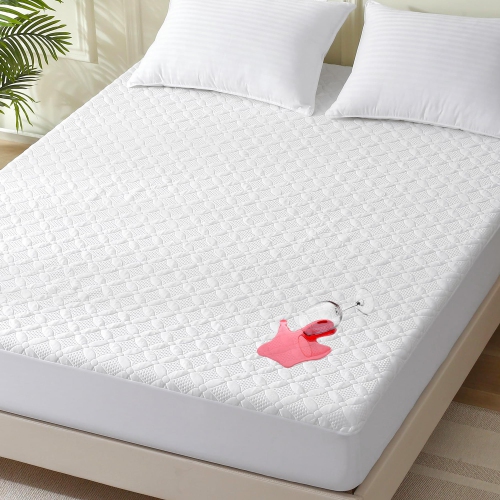
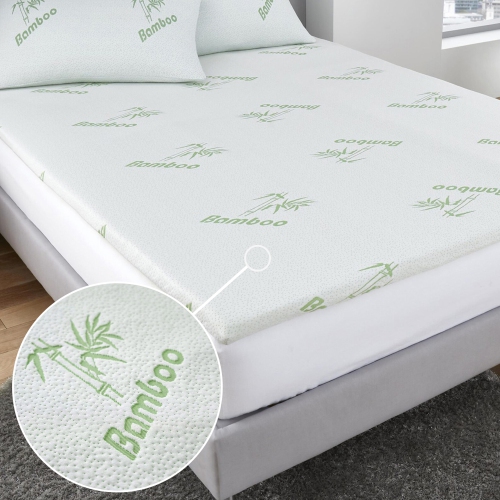
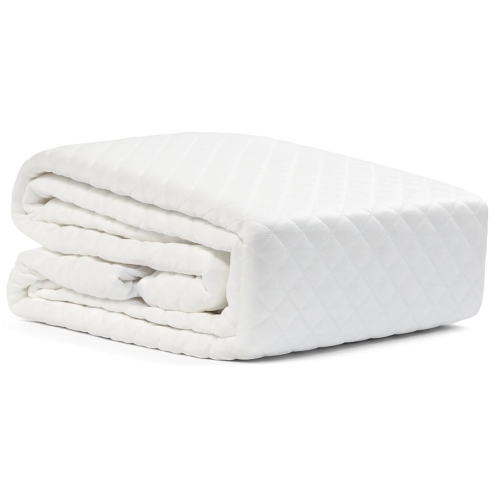
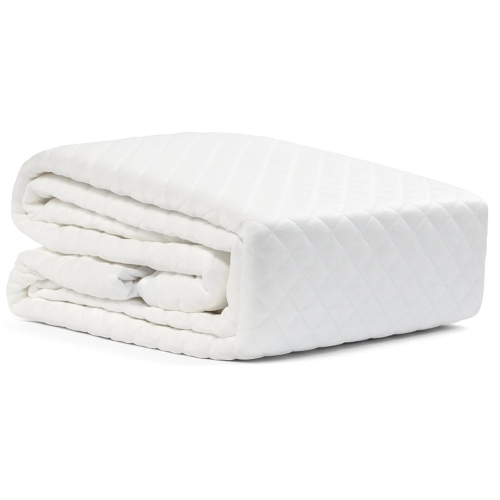
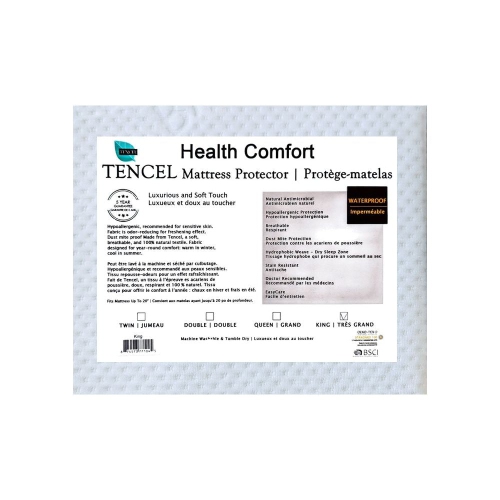
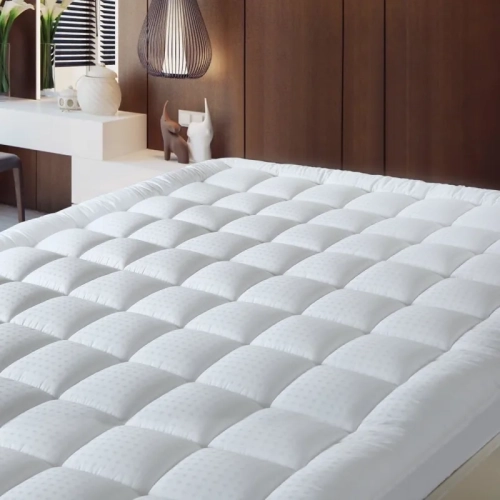
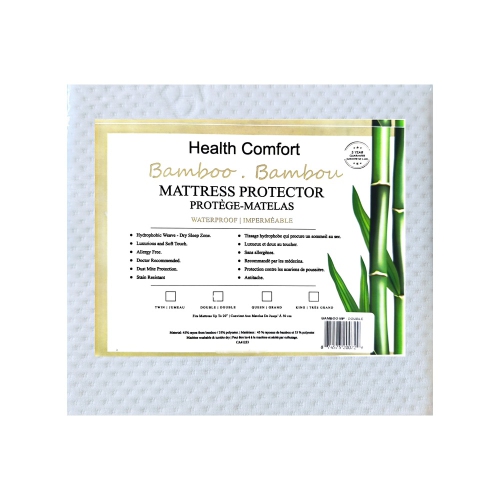
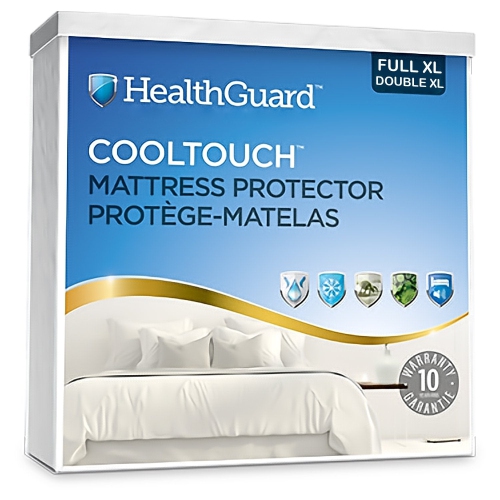
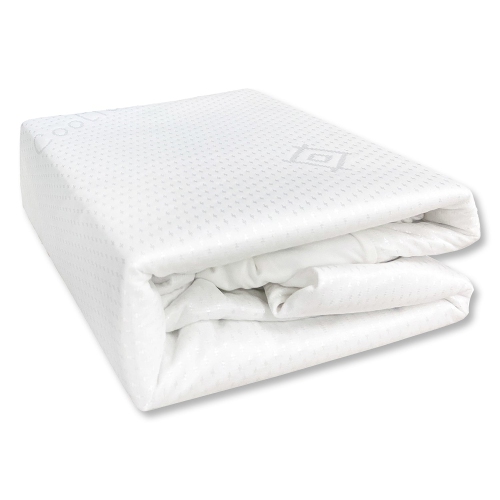
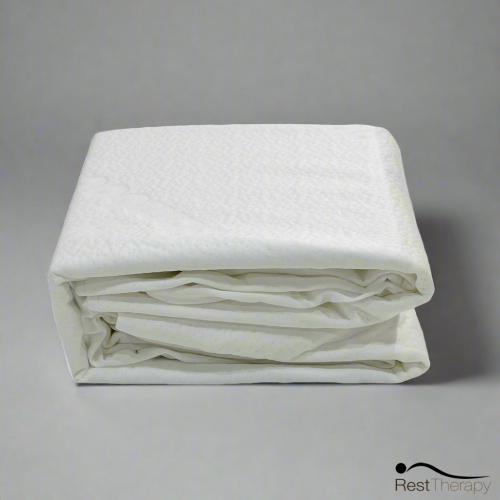
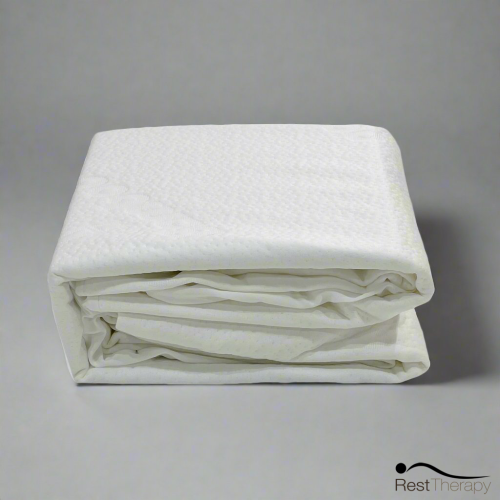
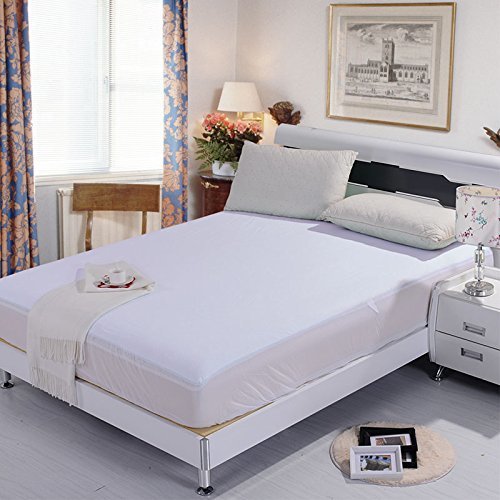
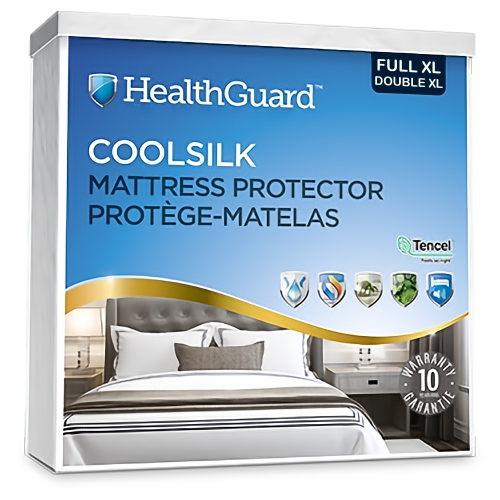
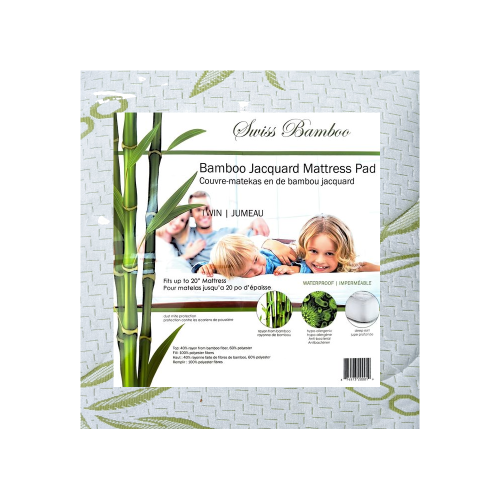
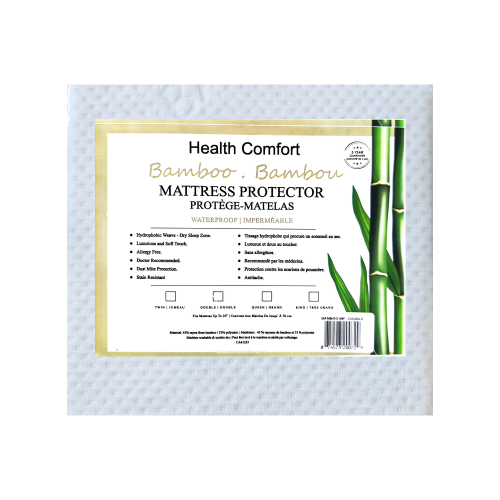
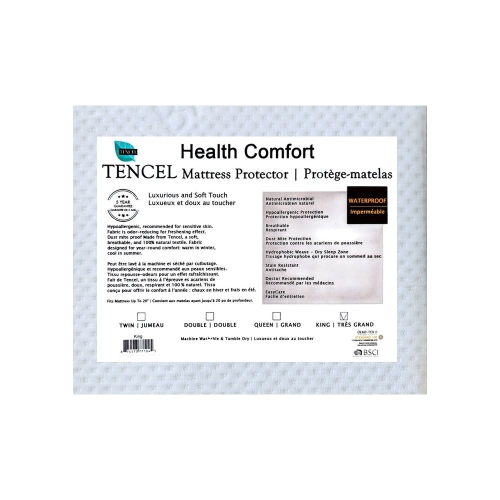
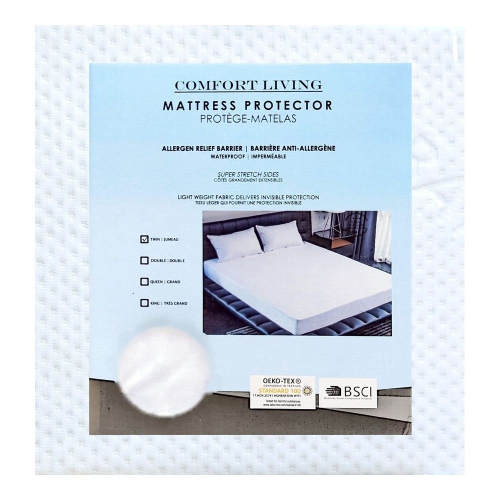
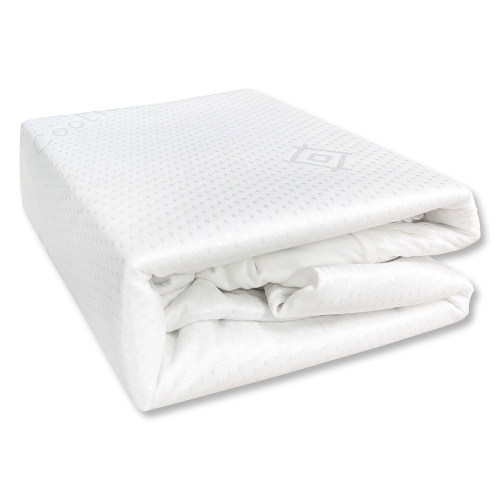
Cooling mattress protectors add a thin layer between your mattress and fitted sheet to help manage surface warmth and moisture while protecting the bed from everyday wear. Depending on their construction, they may also provide a barrier against spills, perspiration, and other liquids. Unlike a mattress topper, which adds cushioning and can change how a bed feels, a protector is generally designed to preserve the mattress’s existing support and comfort. The cooling effect can come from several different features: cool-to-the-touch fibres, moisture-wicking fabric, breathable construction, or phase-change materials that absorb and release heat within a particular range. These features serve different purposes. A smooth, polyethylene-blend surface may feel cool when you first lie down, while moisture-wicking fabric helps move perspiration away from the skin so it can spread and dry. Phase-change materials help moderate fluctuations in surface warmth, but their capacity to absorb heat is limited; they do not actively refrigerate the bed. A cooling mattress protector therefore works as one part of a bedding setup rather than as a guarantee of an entirely cool night. Sheets, blankets, sleepwear, and the mattress beneath it all influence the result. A thick layer placed over a cool-touch protector may make that initial sensation less noticeable, and tightly woven or heavy bedding can limit moisture release. For someone who often wakes with a damp patch beneath their shoulders, moisture management may matter more than the first cool sensation at bedtime. For someone who wants to protect a mattress without adding a thick quilted layer, a lightweight, low-profile design may be the better fit. Cooling protectors can also be useful on shared beds where each sleeper experiences warmth differently. If the mattress itself retains more heat than feels comfortable, exploring cooling mattresses can help put the protector’s role in perspective: it protects and modifies the sleep surface, but it cannot completely change the construction underneath.
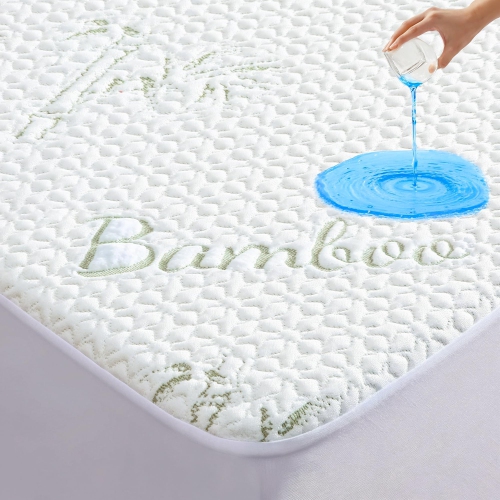
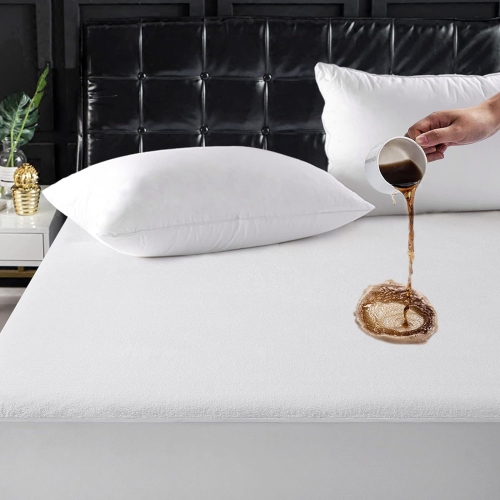
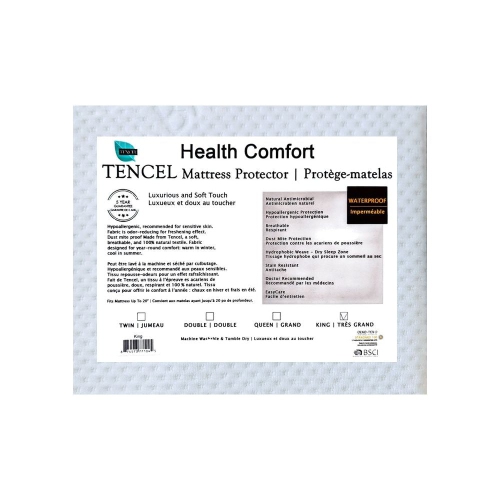
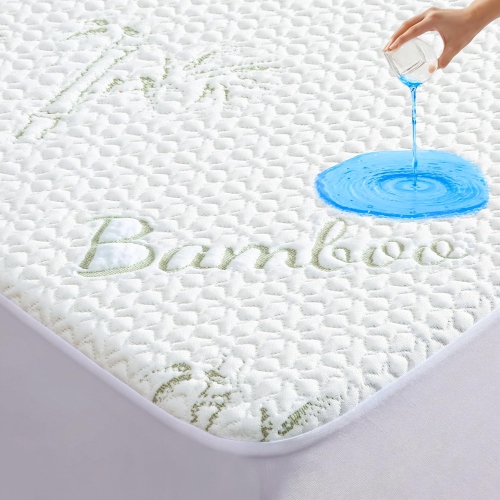
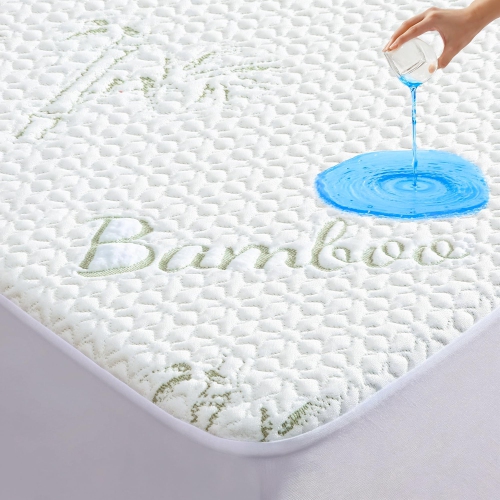
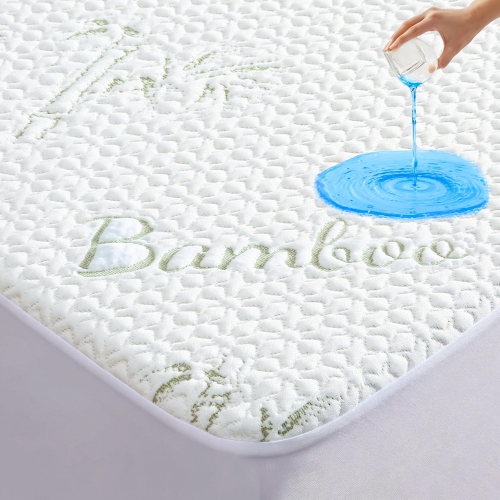
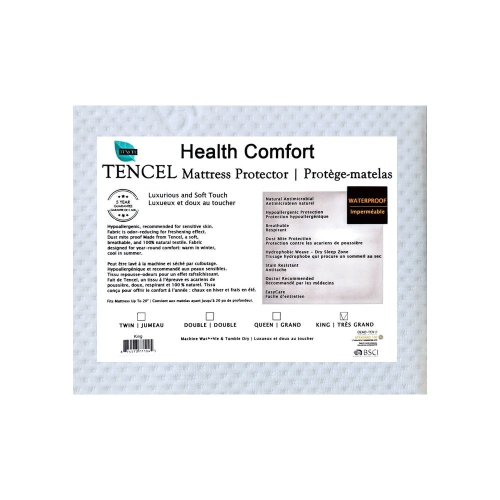
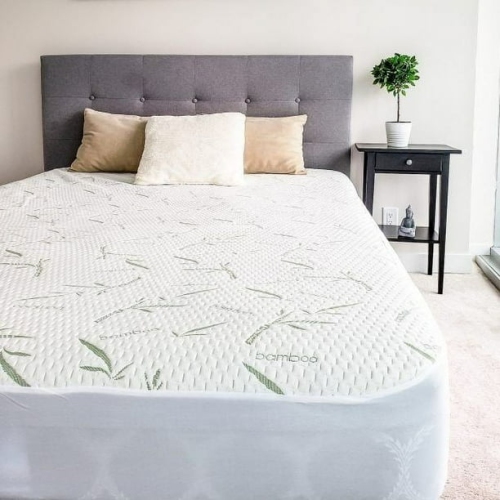
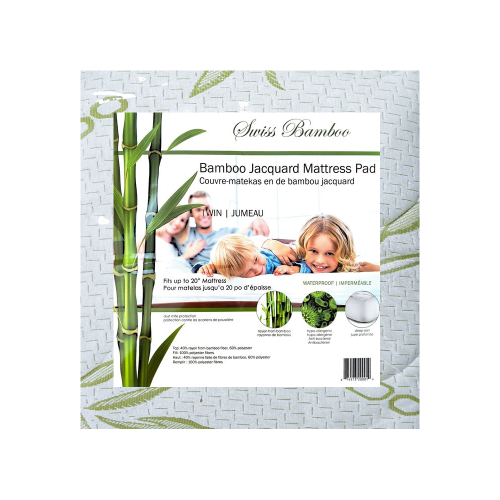
Materials and protective layers make a noticeable difference to how a cooling mattress protector feels in daily use. Cotton offers a familiar, soft surface and absorbs moisture, though absorption alone does not mean a fabric will dry quickly. Lyocell and viscose made from bamboo can provide a smooth hand and moisture absorption, while engineered polyester blends may be designed to wick moisture and dry readily. Fibre names tell only part of the story: knit structure, fabric weight, finishing treatments, and the backing all affect performance. Polyethylene-blend fabrics are often used for their cool initial feel, while phase-change treatments offer a different approach to managing heat at the sleep surface. Neither feature automatically makes a protector waterproof. For protection against spilled water or overnight accidents, look for an explicitly stated waterproof barrier rather than relying on terms such as cooling, moisture-wicking, or water-resistant. Water-resistant fabric may tolerate a small splash without providing the same protection against a larger spill or prolonged contact. Some waterproof protectors use a thin polyurethane membrane intended to block liquid while allowing water vapour to pass through. Vapour transfer is not the same as unrestricted airflow, and any backing can affect how warm the bed feels. Coverage matters as much as the material: a waterproof top does not necessarily mean the stretch skirt or sides are waterproof too. A fitted protector covers the upper sleep surface and wraps around the mattress edges, whereas a full encasement surrounds the mattress and closes with a zipper. Claims about allergen or bedbug protection require their own stated features and should not be assumed from the cooling label. For an adult dealing with night-time perspiration, the balance between moisture handling and softness may be the priority. For a child’s bed or a household where pets sometimes climb onto the bedding, reliable liquid protection and straightforward washing may carry more weight. Quiet fabric is another practical consideration, especially for light sleepers who notice rustling whenever they turn over.
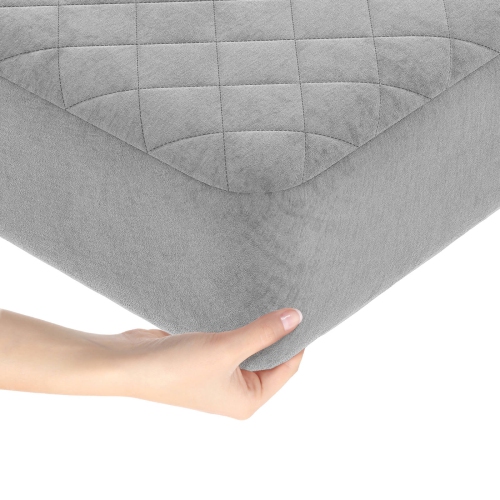
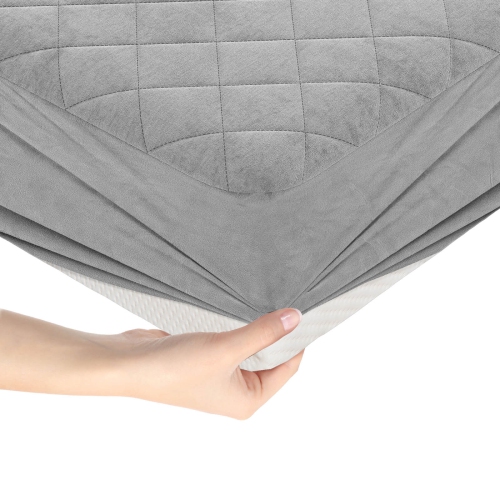
A secure fit helps a cooling mattress protector stay smooth beneath the sheet instead of gathering into folds around the hips or pulling loose at a corner. Match both the mattress size and its actual depth, since two queen mattresses can have very different profiles. Measure from the bottom edge to the top of the sleeping surface, including any topper that will sit beneath the protector. Compare that measurement with the stated pocket-depth range rather than choosing by the bed-size label alone. A shallow pocket can strain the seams and elastic, while excess fabric may shift unless the skirt holds it securely. On an adjustable bed, a flexible skirt and suitable depth allowance help the protector move with the mattress; split mattresses generally need separately fitted protectors when the sides move independently. Surface texture also deserves attention. A fine knit can sit discreetly beneath a fitted sheet, while thicker quilting may add softness and slightly alter the feel of the bed. Care requirements are particularly important for a layer expected to handle frequent washing. Check whether machine washing and tumble drying are permitted, and follow the stated wash and dryer settings. Excessive heat, bleach, fabric softener, or certain stain treatments can damage some membranes, coatings, and moisture-management finishes, so the care label should take precedence over a general bedding routine. Dry the protector fully before putting it back on the mattress, paying attention to seams and folded edges where moisture may linger. Keeping a spare makes it easier to maintain coverage while one is being washed, particularly on beds that need frequent changes. Over time, inspect the underside for peeling, cracking, or separation, and check whether the elastic still holds the corners firmly. Strong stitching, a resilient skirt, and care instructions that suit the household’s laundry habits all contribute to practical durability. The most useful cooling mattress protector is one that combines the required level of protection with a comfortable surface, a dependable fit, and upkeep that is easy to maintain.
Materials and protective layers make a noticeable difference to how a cooling mattress protector feels in daily use. Cotton offers a familiar, soft surface and absorbs moisture, though absorption alone does not mean a fabric will dry quickly. Lyocell and viscose made from bamboo can provide a smooth hand and moisture absorption, while engineered polyester blends may be designed to wick moisture and dry readily. Fibre names tell only part of the story: knit structure, fabric weight, finishing treatments, and the backing all affect performance. Polyethylene-blend fabrics are often used for their cool initial feel, while phase-change treatments offer a different approach to managing heat at the sleep surface. Neither feature automatically makes a protector waterproof. For protection against spilled water or overnight accidents, look for an explicitly stated waterproof barrier rather than relying on terms such as cooling, moisture-wicking, or water-resistant. Water-resistant fabric may tolerate a small splash without providing the same protection against a larger spill or prolonged contact. Some waterproof protectors use a thin polyurethane membrane intended to block liquid while allowing water vapour to pass through. Vapour transfer is not the same as unrestricted airflow, and any backing can affect how warm the bed feels. Coverage matters as much as the material: a waterproof top does not necessarily mean the stretch skirt or sides are waterproof too. A fitted protector covers the upper sleep surface and wraps around the mattress edges, whereas a full encasement surrounds the mattress and closes with a zipper. Claims about allergen or bedbug protection require their own stated features and should not be assumed from the cooling label. For an adult dealing with night-time perspiration, the balance between moisture handling and softness may be the priority. For a child’s bed or a household where pets sometimes climb onto the bedding, reliable liquid protection and straightforward washing may carry more weight. Quiet fabric is another practical consideration, especially for light sleepers who notice rustling whenever they turn over.
A secure fit helps a cooling mattress protector stay smooth beneath the sheet instead of gathering into folds around the hips or pulling loose at a corner. Match both the mattress size and its actual depth, since two queen mattresses can have very different profiles. Measure from the bottom edge to the top of the sleeping surface, including any topper that will sit beneath the protector. Compare that measurement with the stated pocket-depth range rather than choosing by the bed-size label alone. A shallow pocket can strain the seams and elastic, while excess fabric may shift unless the skirt holds it securely. On an adjustable bed, a flexible skirt and suitable depth allowance help the protector move with the mattress; split mattresses generally need separately fitted protectors when the sides move independently. Surface texture also deserves attention. A fine knit can sit discreetly beneath a fitted sheet, while thicker quilting may add softness and slightly alter the feel of the bed. Care requirements are particularly important for a layer expected to handle frequent washing. Check whether machine washing and tumble drying are permitted, and follow the stated wash and dryer settings. Excessive heat, bleach, fabric softener, or certain stain treatments can damage some membranes, coatings, and moisture-management finishes, so the care label should take precedence over a general bedding routine. Dry the protector fully before putting it back on the mattress, paying attention to seams and folded edges where moisture may linger. Keeping a spare makes it easier to maintain coverage while one is being washed, particularly on beds that need frequent changes. Over time, inspect the underside for peeling, cracking, or separation, and check whether the elastic still holds the corners firmly. Strong stitching, a resilient skirt, and care instructions that suit the household’s laundry habits all contribute to practical durability. The most useful cooling mattress protector is one that combines the required level of protection with a comfortable surface, a dependable fit, and upkeep that is easy to maintain.
Top selling and popular products
-
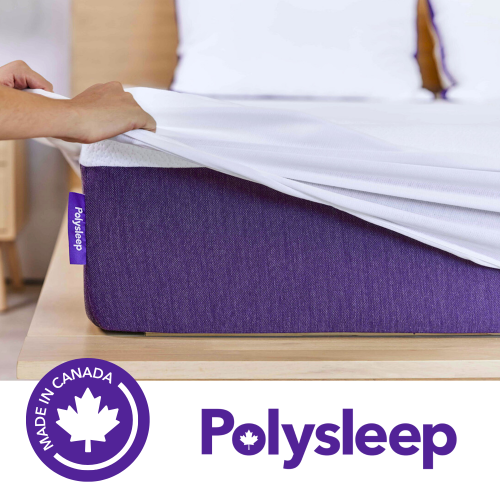 Your price for this item is $260
 -
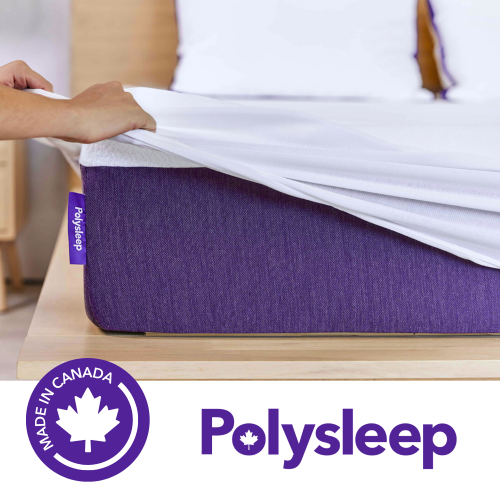 Your price for this item is $230
 -
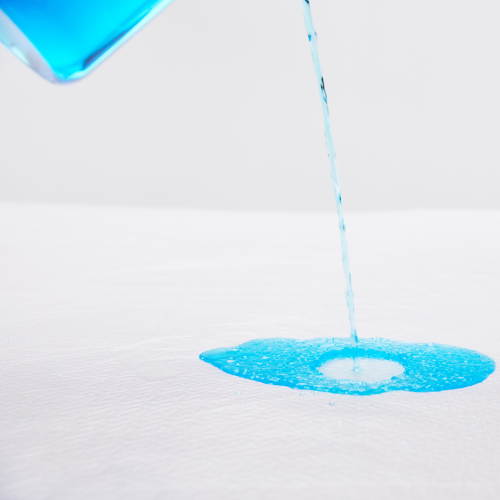 Your price for this item is $260
 -
 Your price for this item is $240
 -
 Your price for this item is $270
 -
 Your price for this item is $270
 -
 Your price for this item is $250
 -
 Your price for this item is $65.99
Discover more categories related to Cooling Mattress Protectors
Top Collections:
Pokemon Centers, Kindle Devices, Best Budget Office Chairs, Apple iPhones 16, Best Laptops for Writers, iPhone 15 Apple, Canon G7X Cameras, Refurbished Apple Laptops, Alarm Clock, Motorola Razr Phones
Some products may be subject to Environmental Handling Fees
(EHF) depending on your province.
Learn more about EHFs.