Cooling Memory Foam Mattresses
Experience the ultimate in comfort and support with this selection of cooling memory foam mattresses. Crafted to provide a restful night's sleep, these mattresses are designed to contour to your body, offering pressure relief and temperature regulation for a truly rejuvenating slumber. Say goodbye to tossing and turning as you sink into the plush layers of memory foam that cradle you throughout the night. Whether you prefer a firm or plush feel, these Cooling Memory Foam Mattresses cater to every sleep style, ensuring you wake up feeling refreshed and ready to take on the day.
Sort
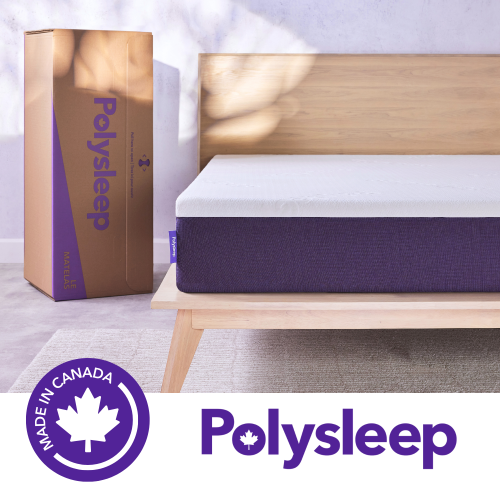
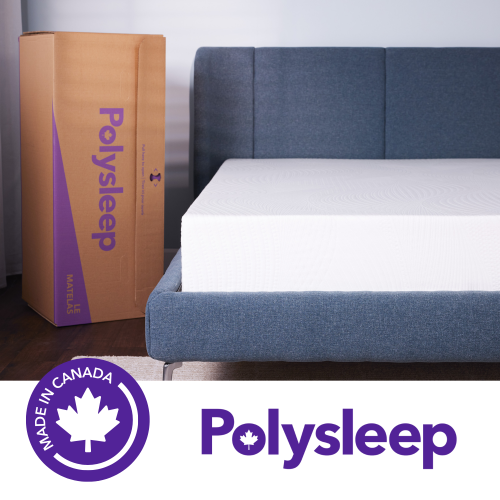
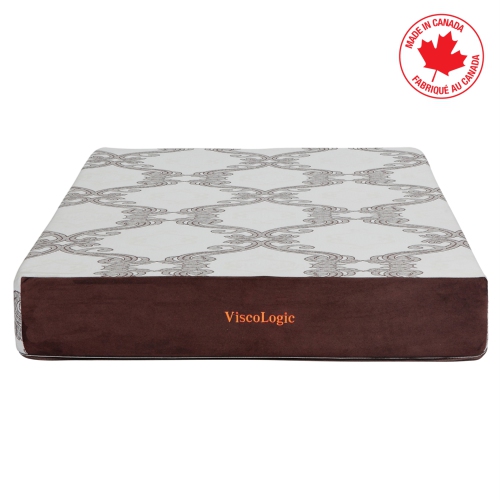
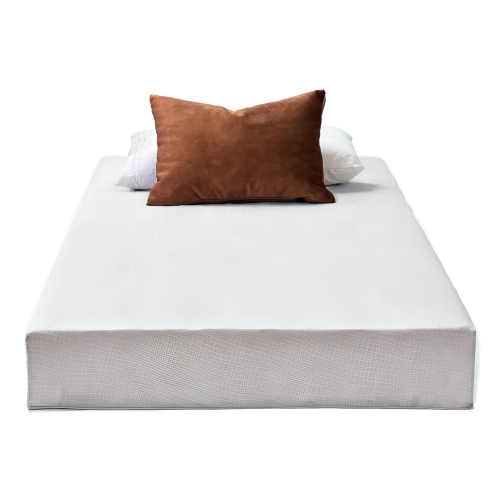
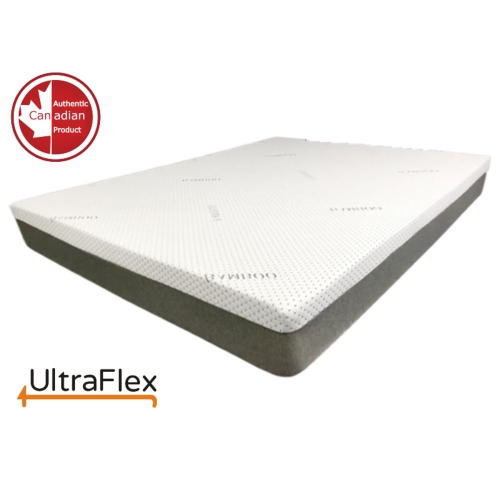
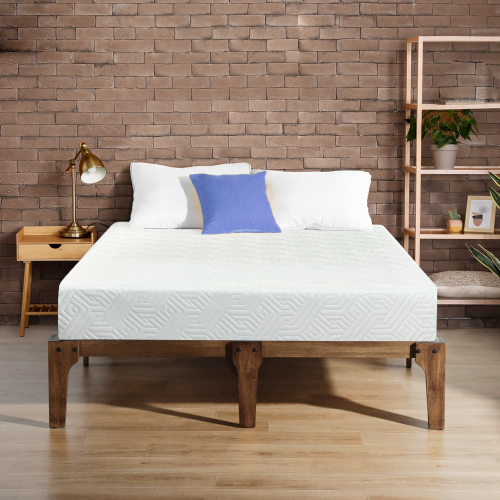
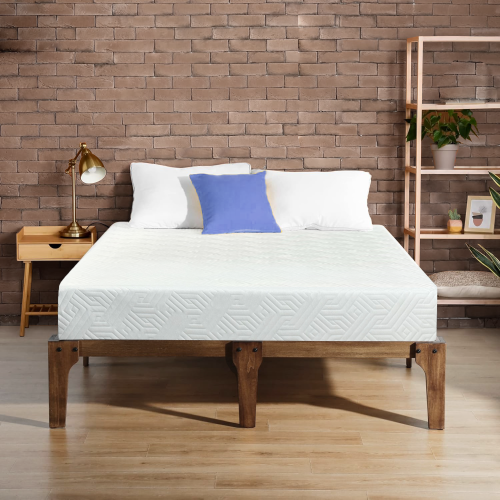
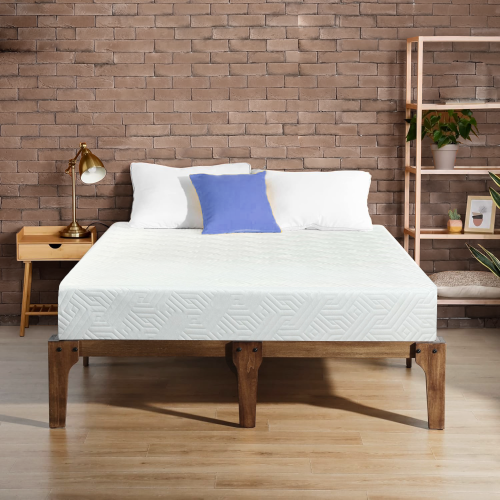
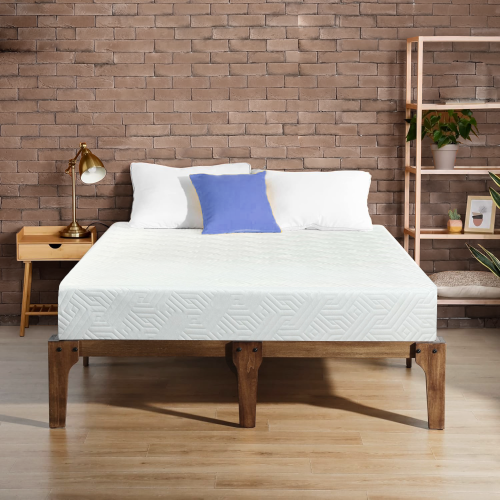
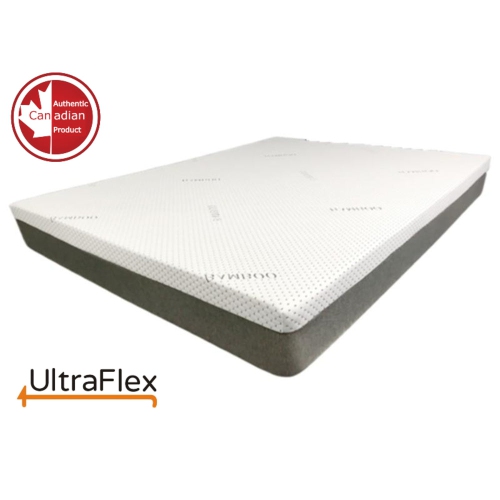
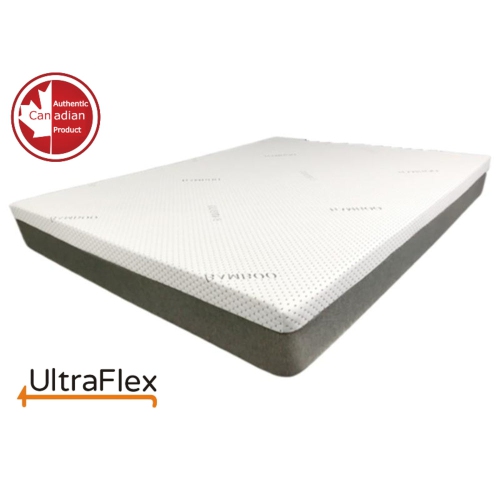
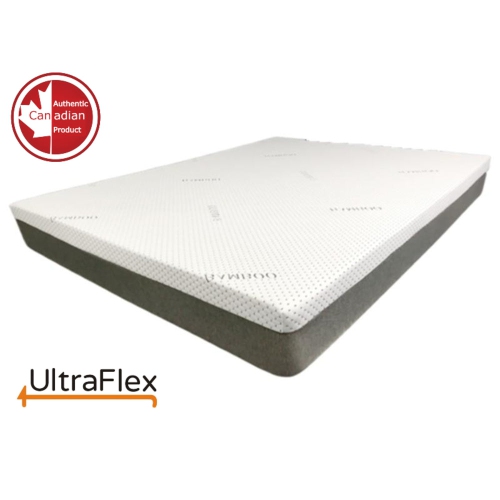
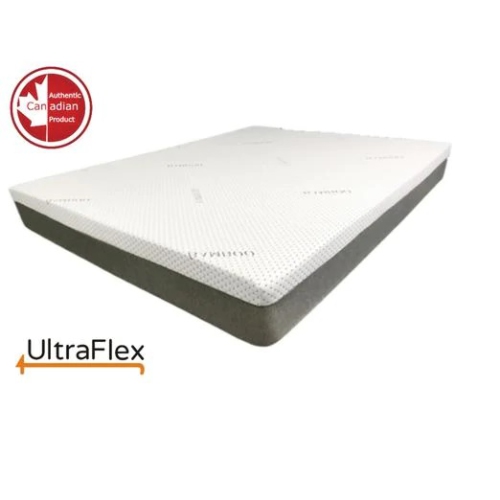
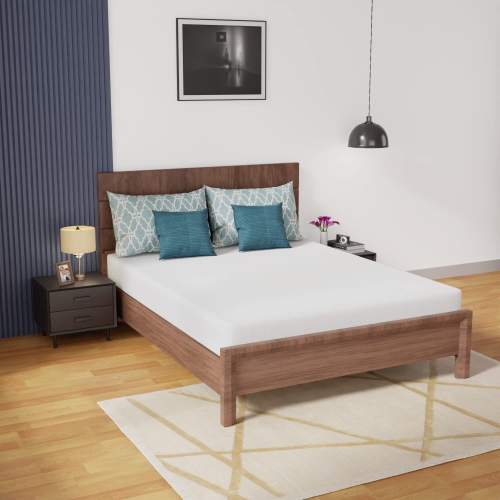
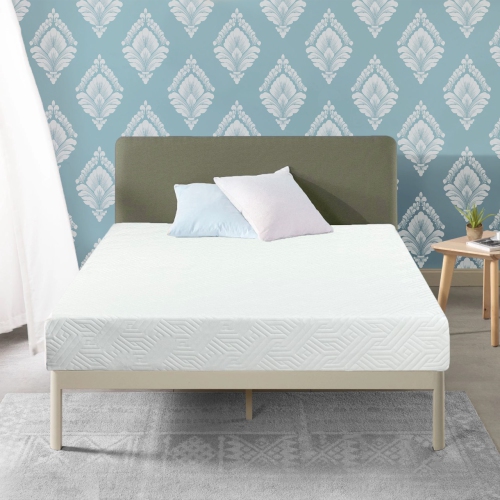
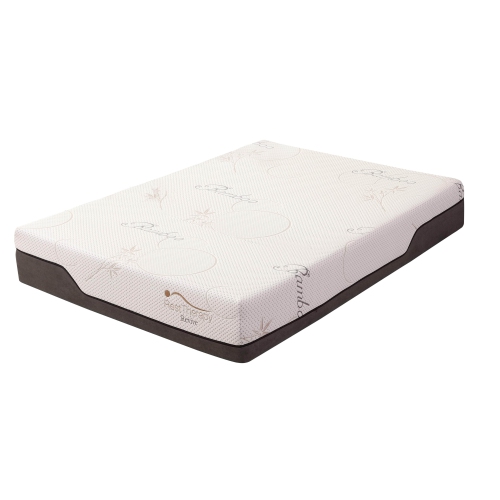
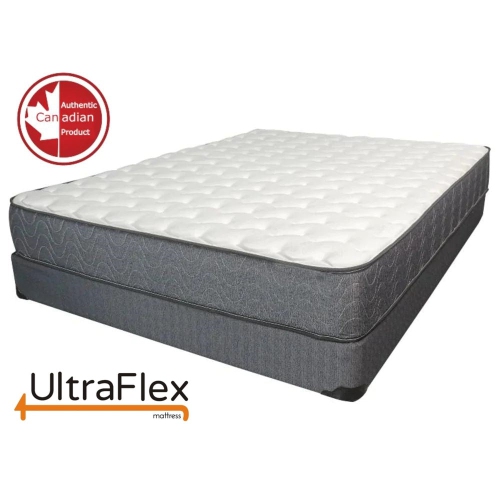
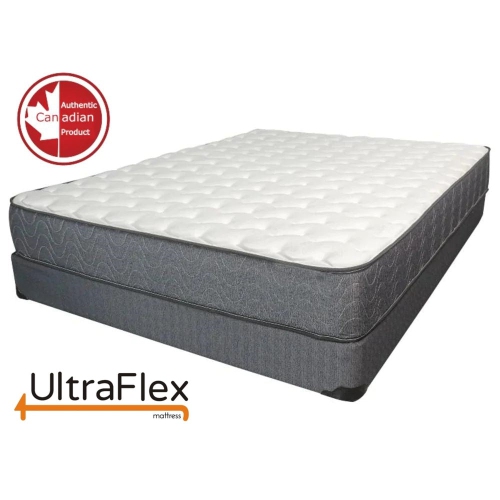
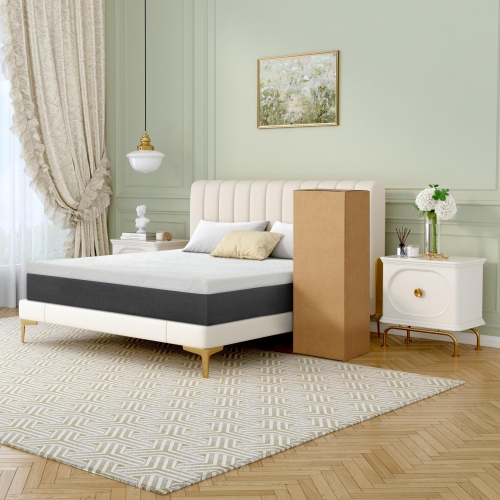
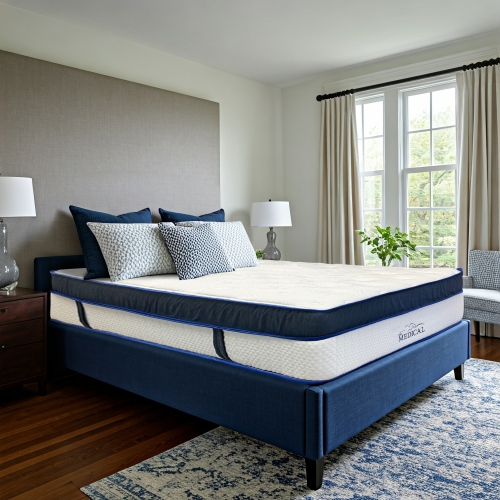
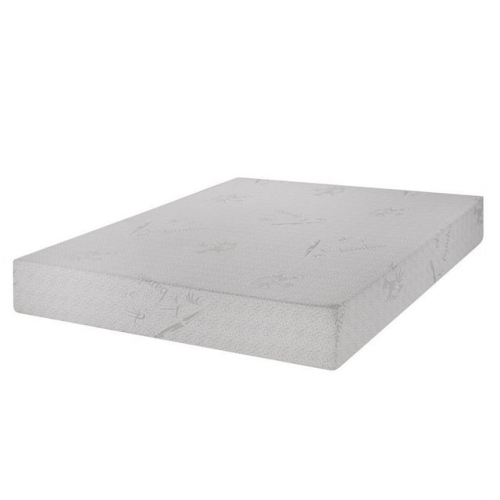
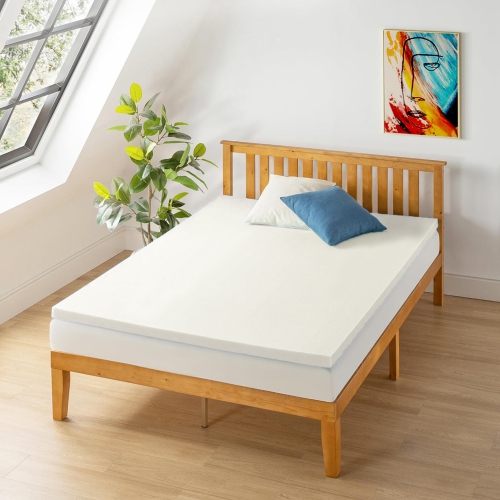
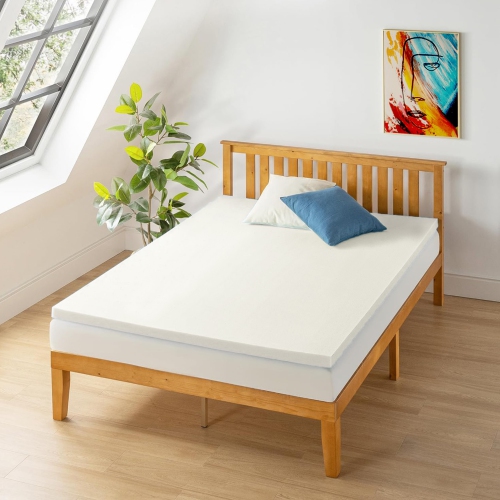
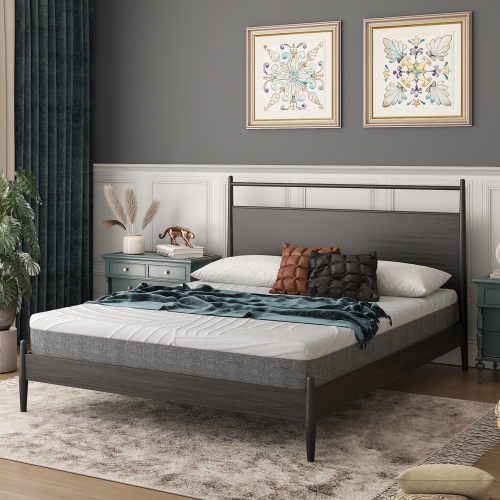
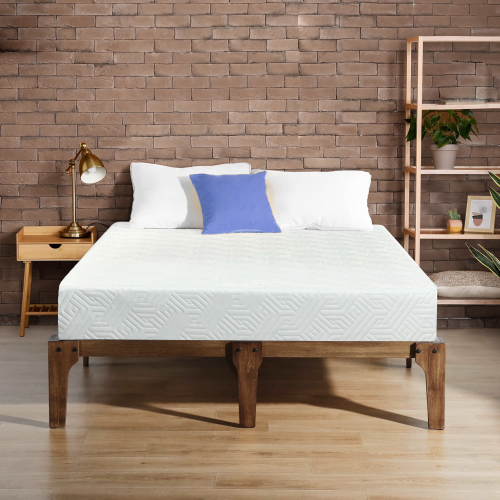
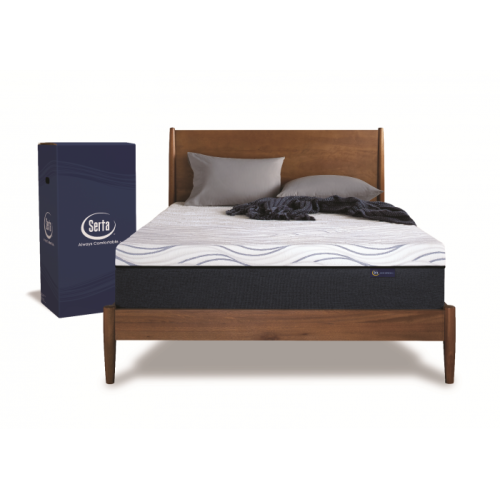
![VISCOLOGIC [] Fusion-Gel 12" Thick Gel-Infused Cool Memory Foam Mattress (King)](https://multimedia.bbycastatic.ca/multimedia/products/500x500/138/13898/13898470.jpeg)
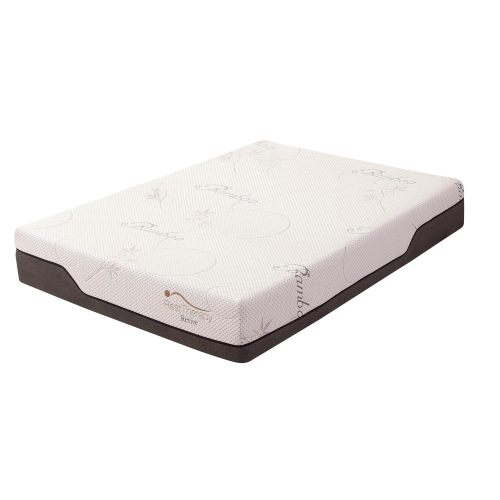
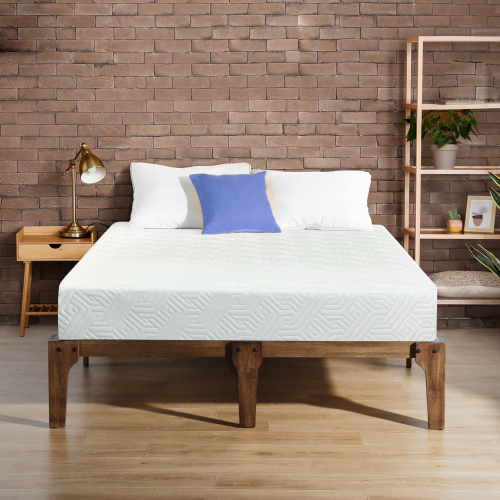
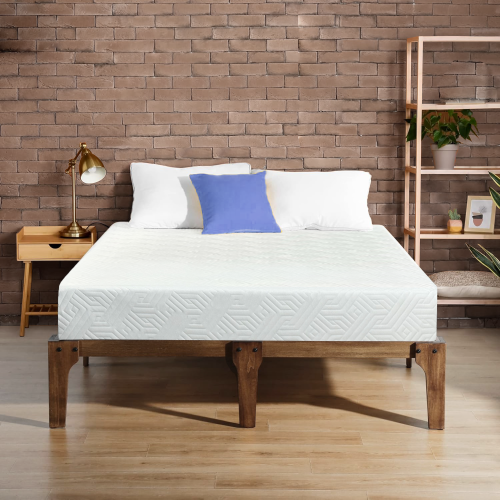
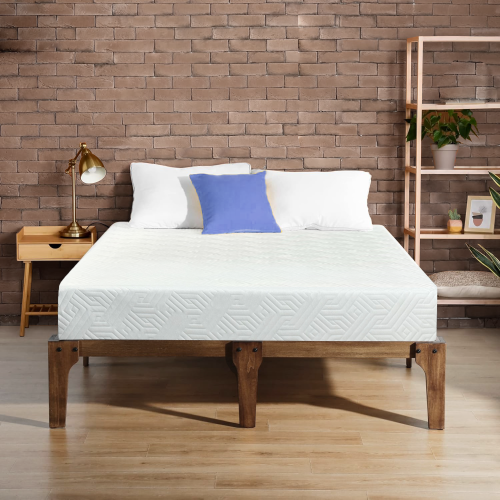
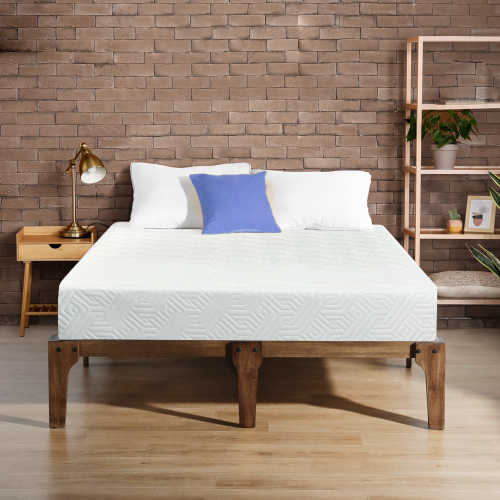
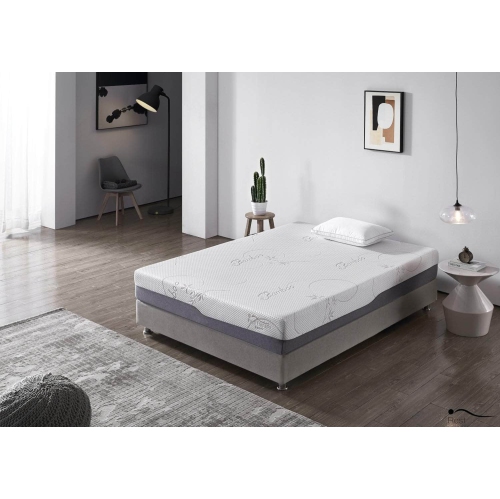
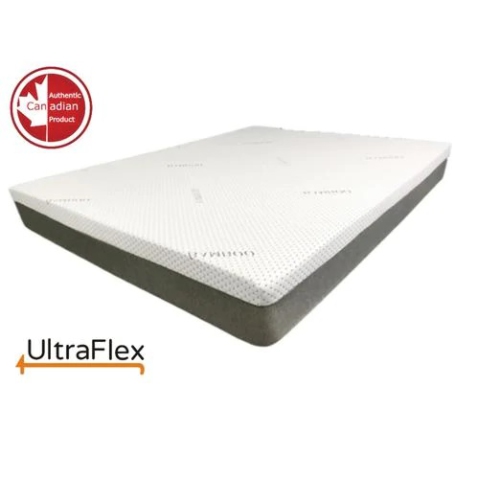
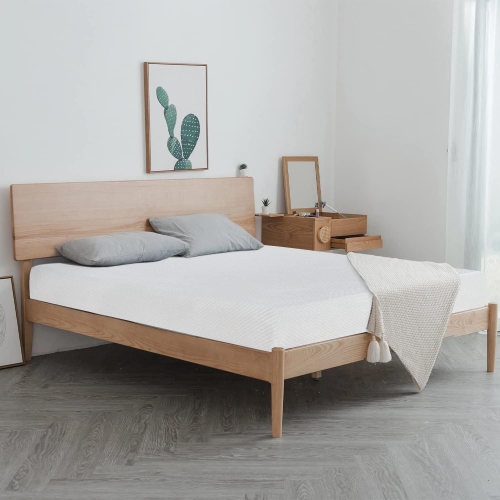
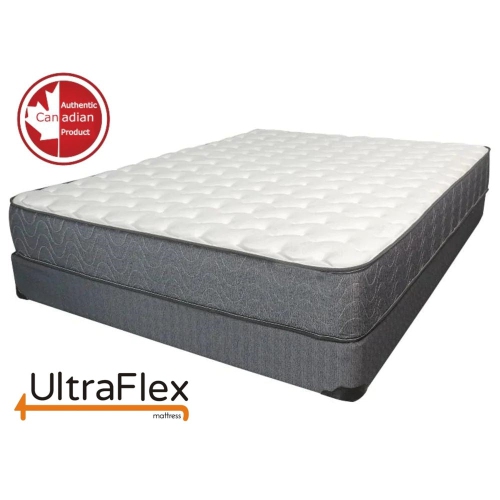
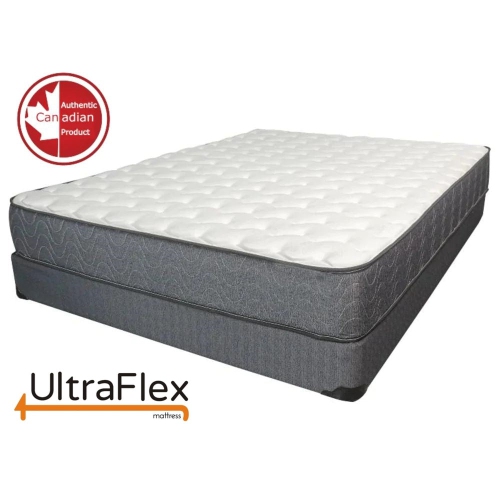
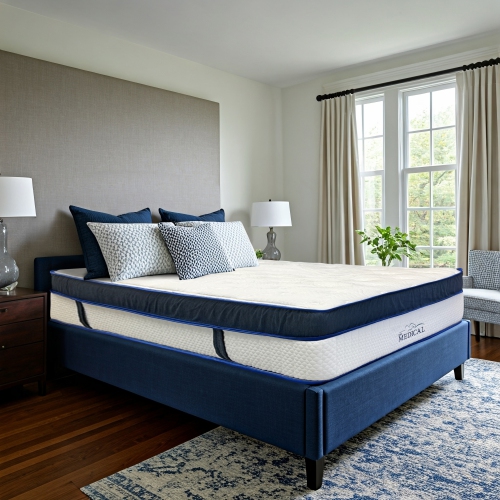
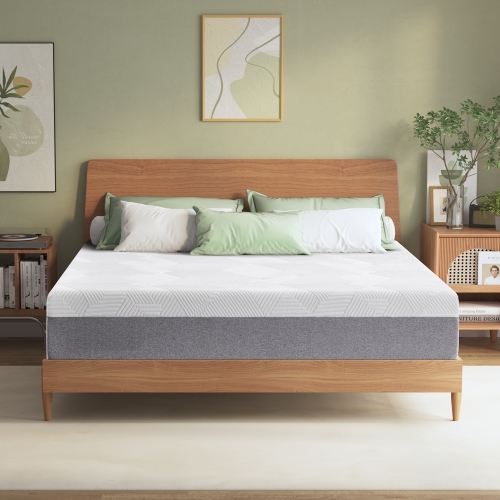
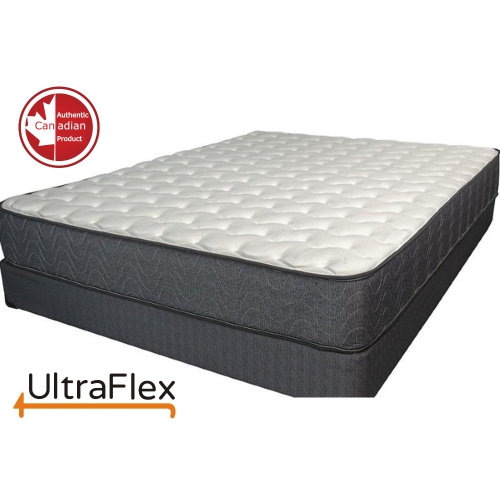
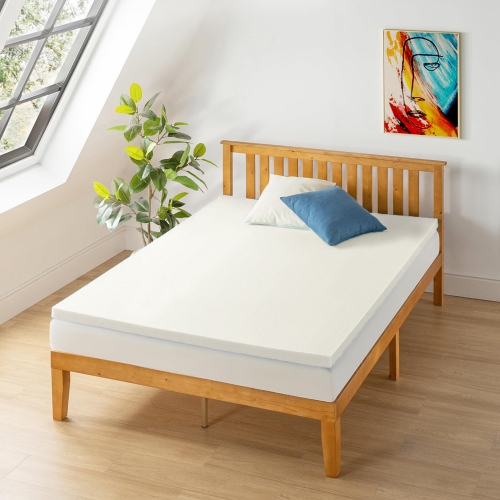
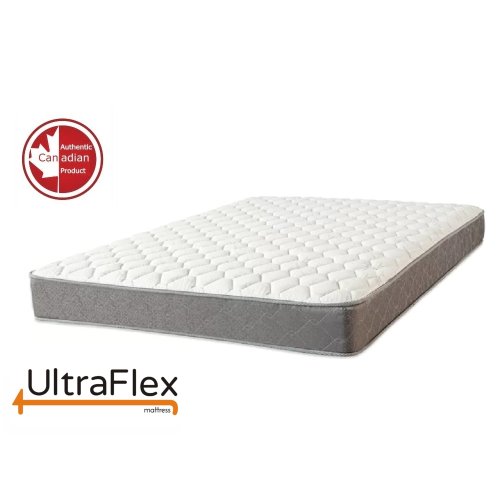
![VISCOLOGIC [] Fusion-Gel 12" Thick Gel-Infused Cool Memory Foam Mattress (Full/double)](https://multimedia.bbycastatic.ca/multimedia/products/500x500/138/13898/13898478.jpeg)
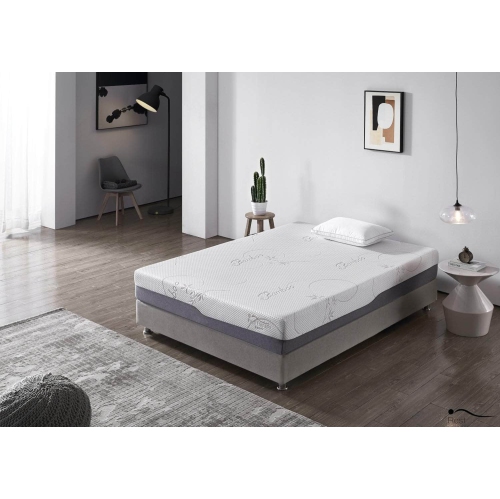
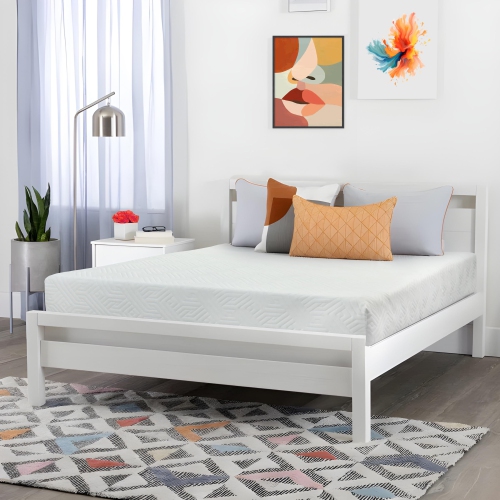
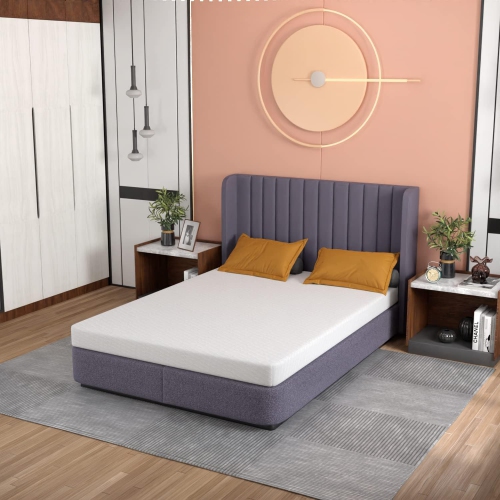
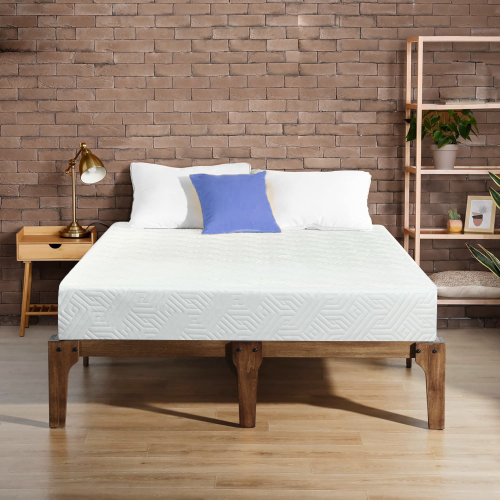
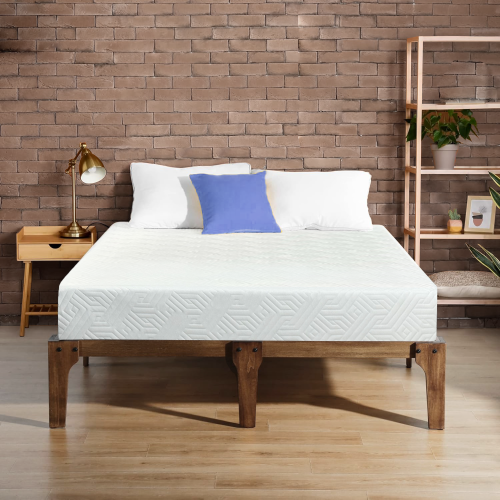
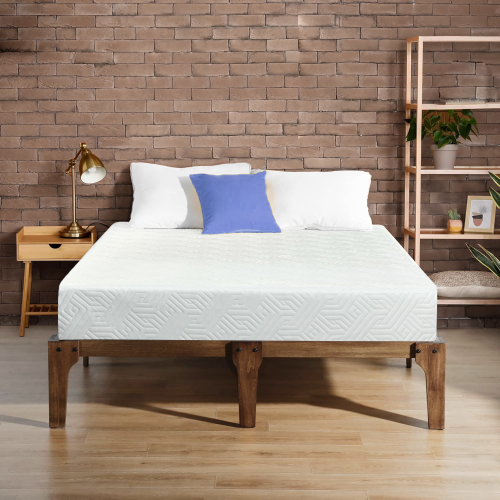
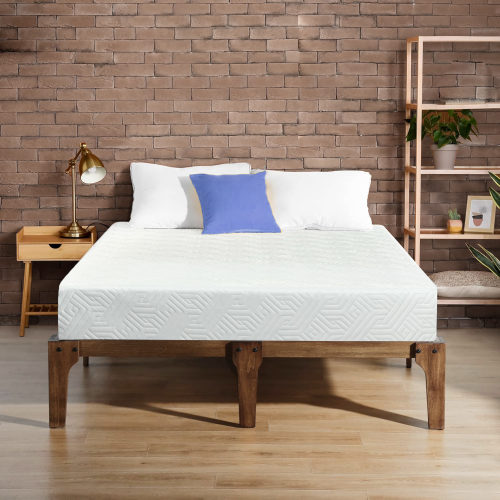
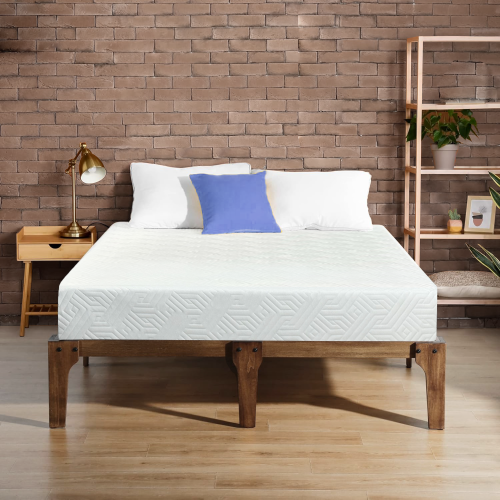
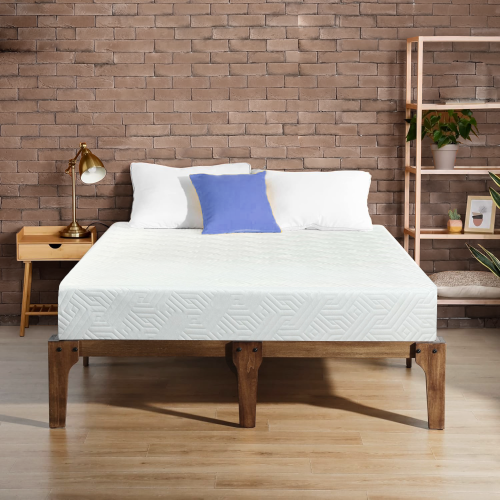
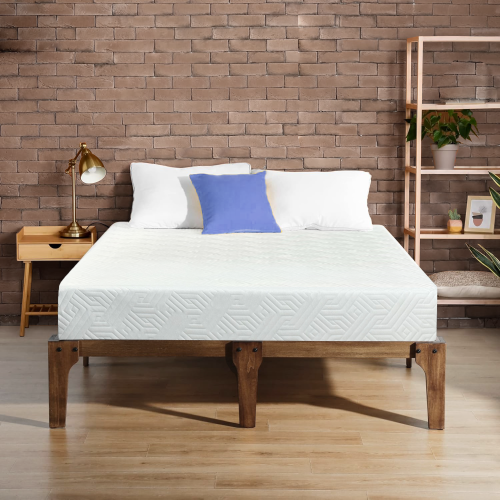
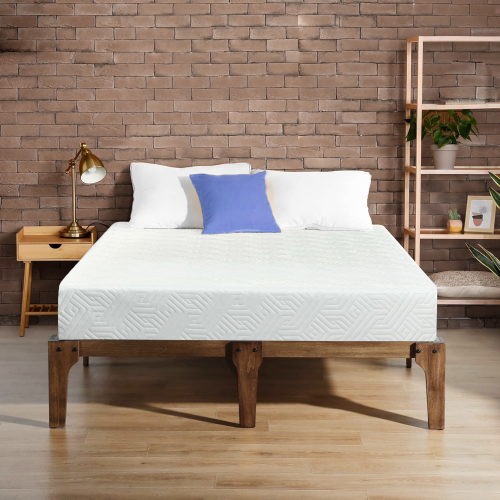
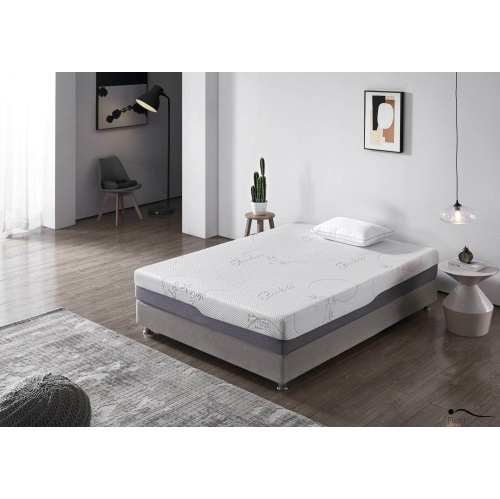
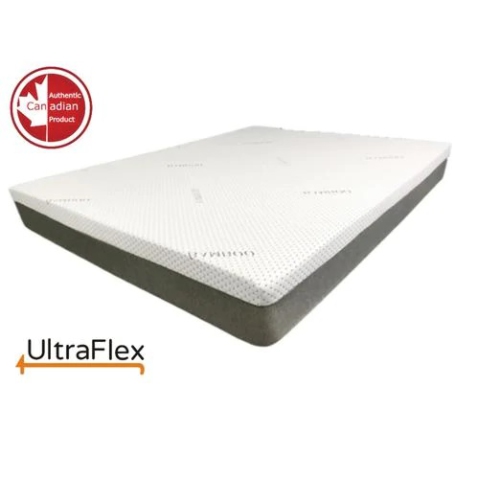
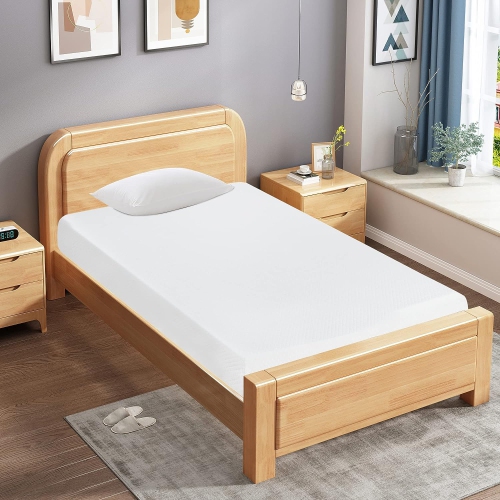
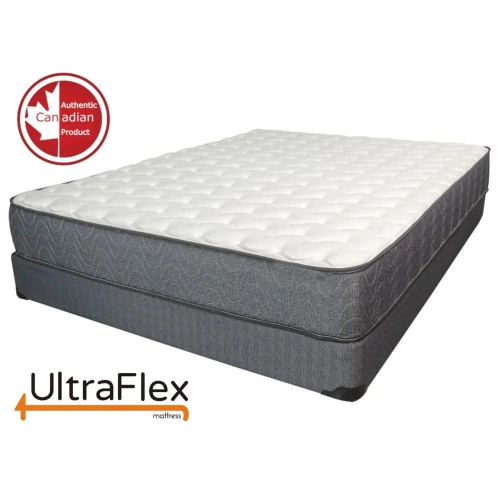
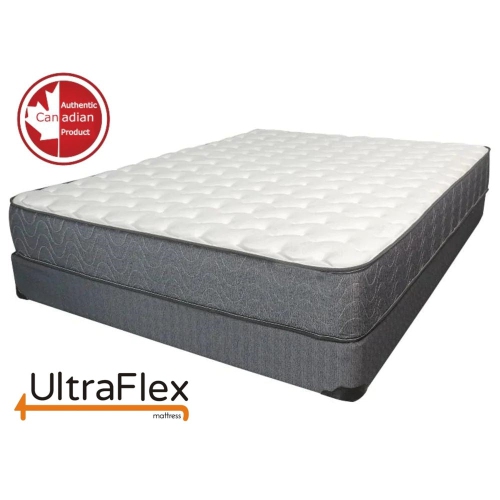
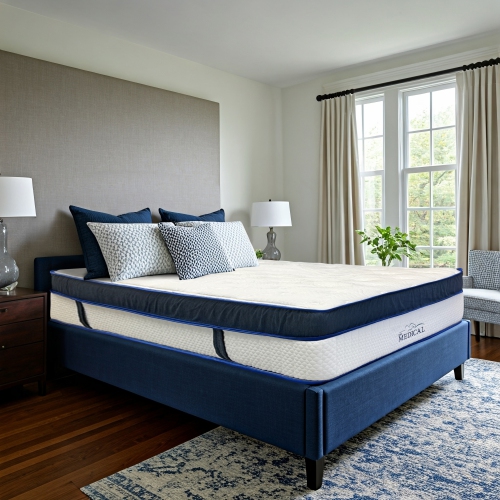
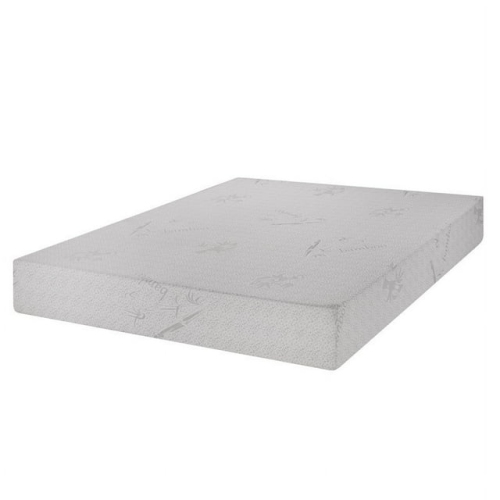
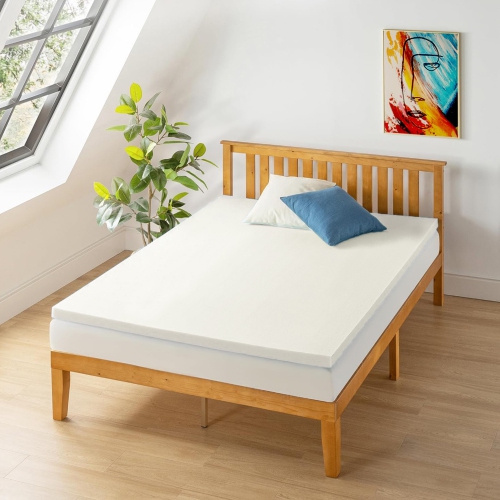
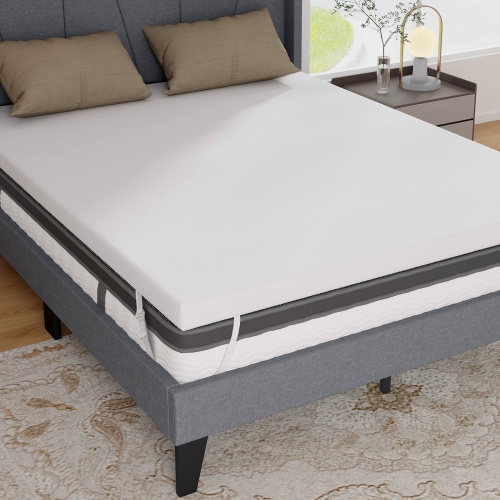
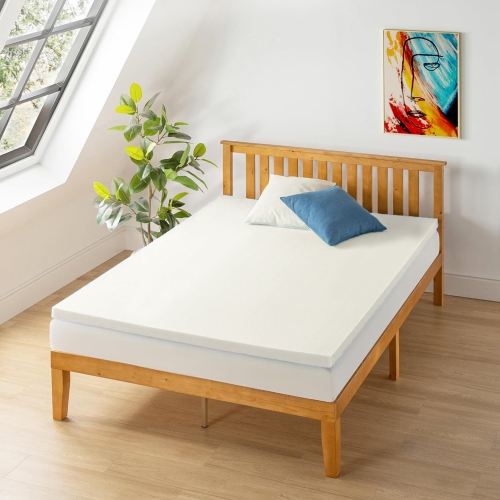
![VISCOLOGIC [] Fusion-Gel 12" Thick Gel-Infused Cool Memory Foam Mattress (Twin/single)](https://multimedia.bbycastatic.ca/multimedia/products/500x500/138/13898/13898471.jpeg)
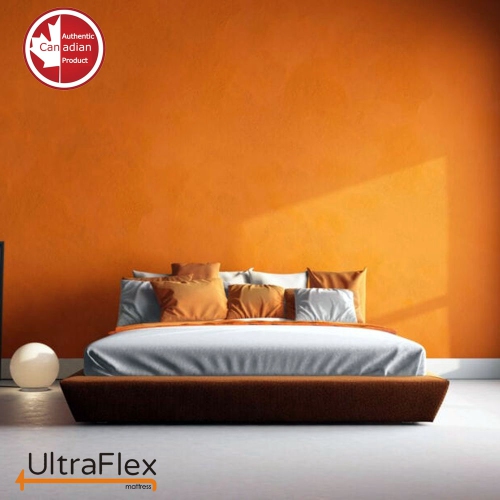
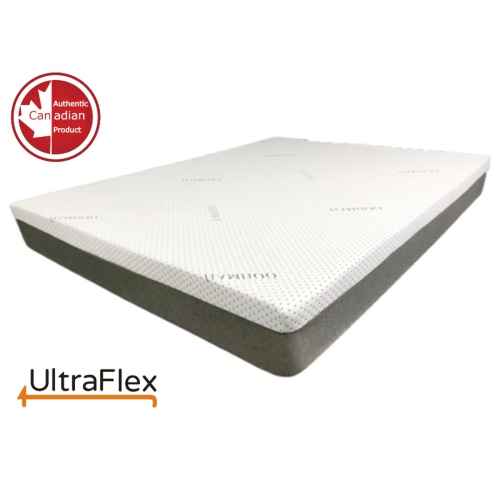
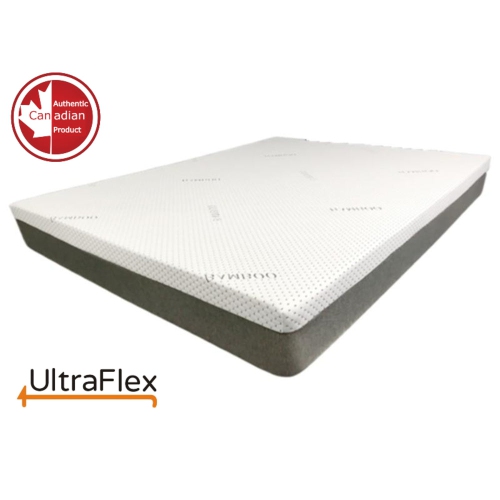

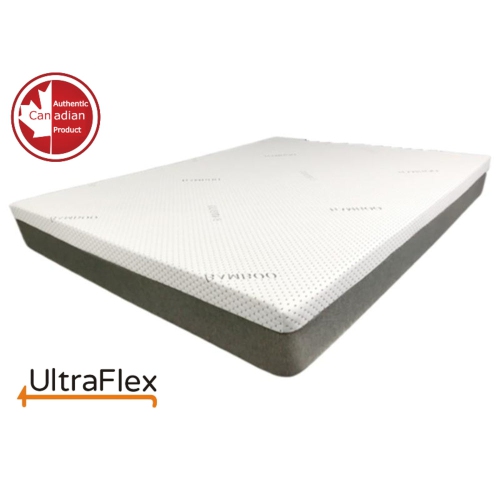
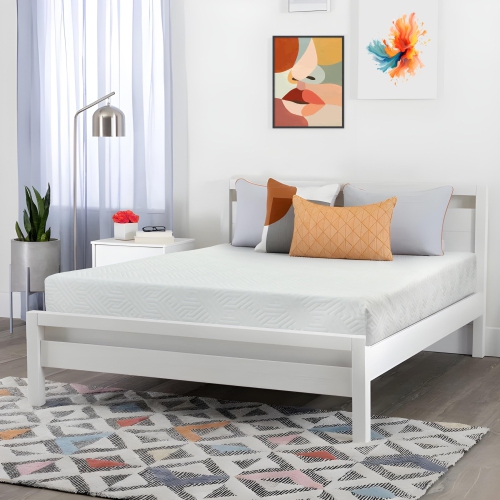
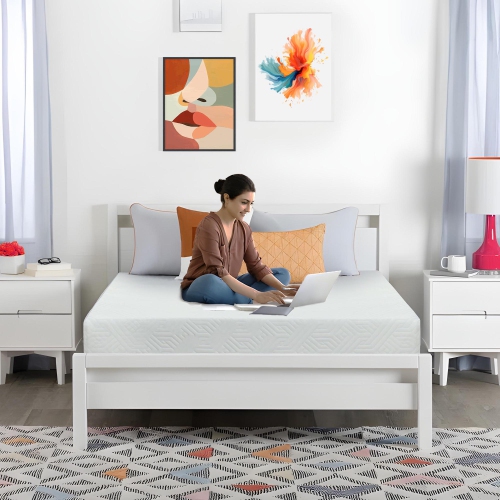
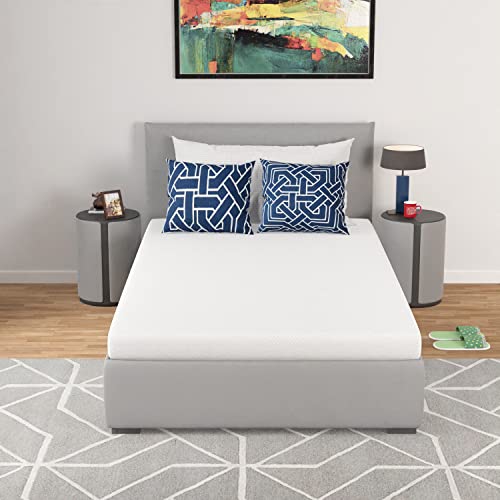
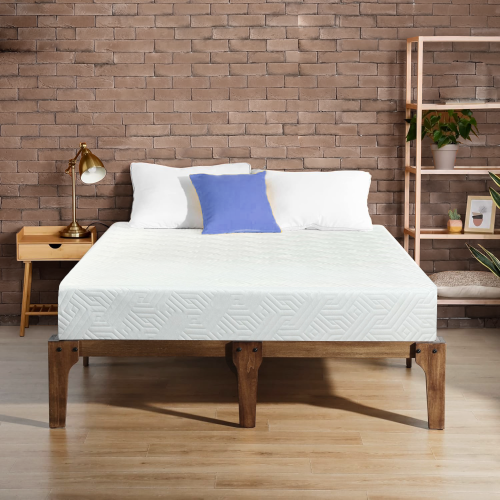
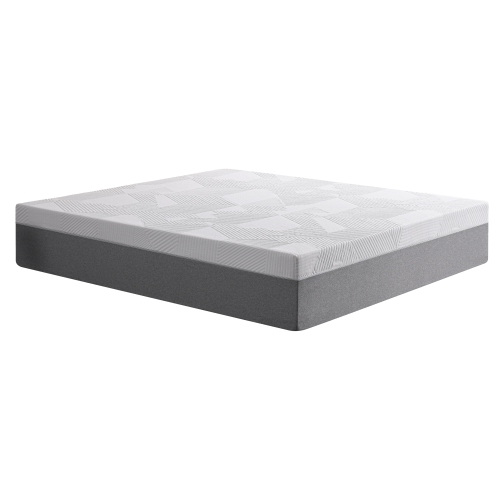


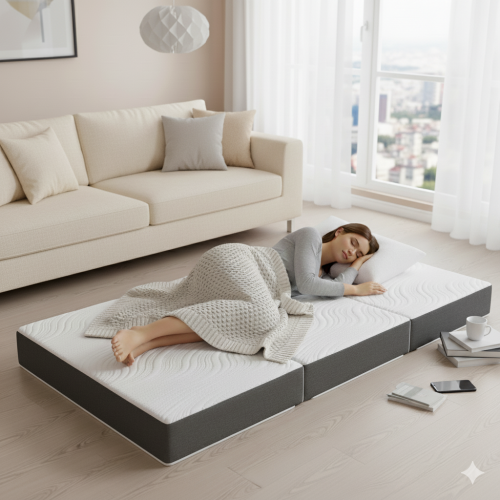
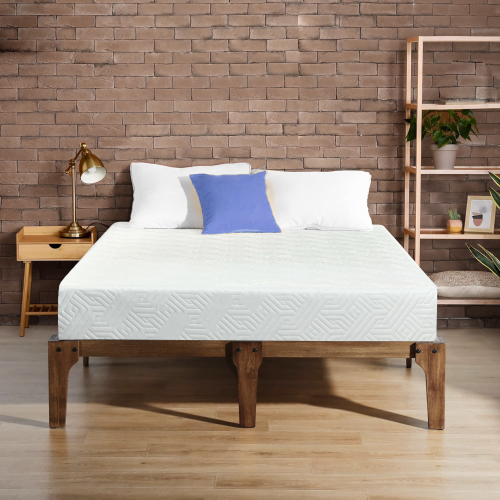
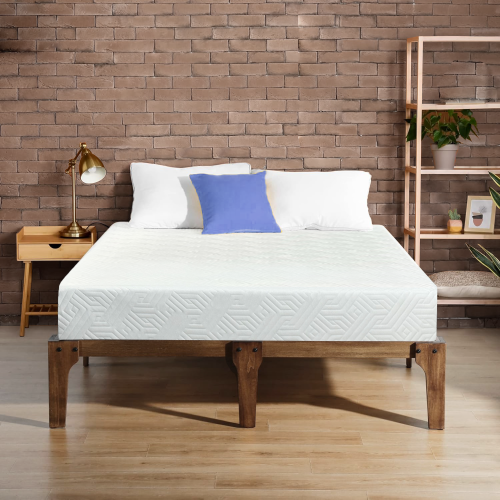
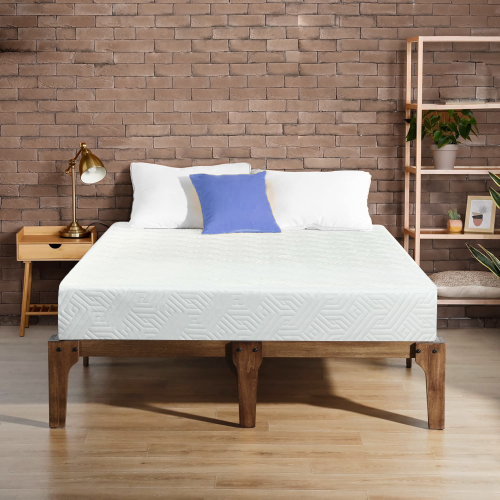
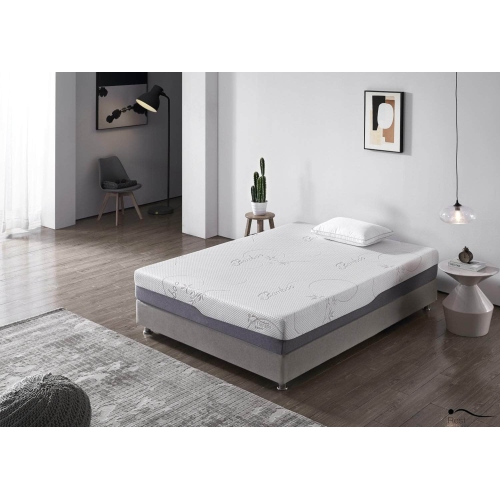
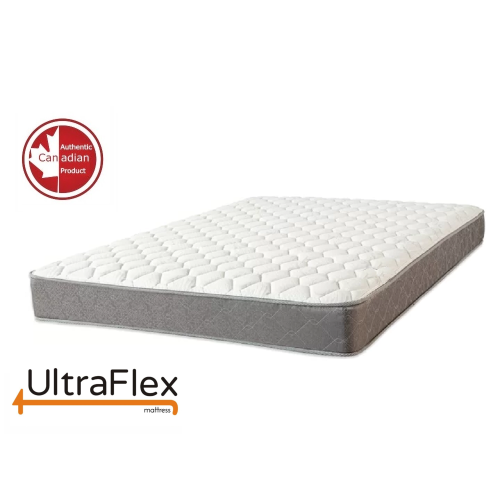
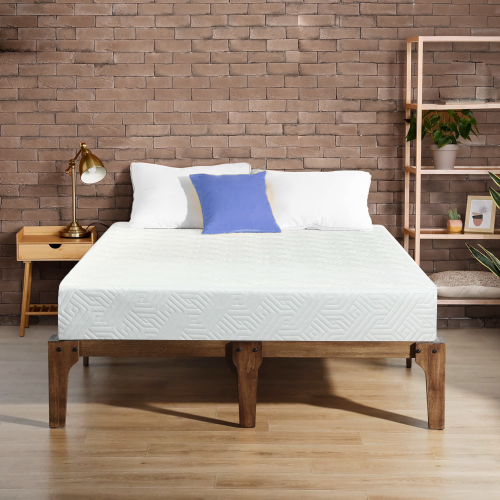
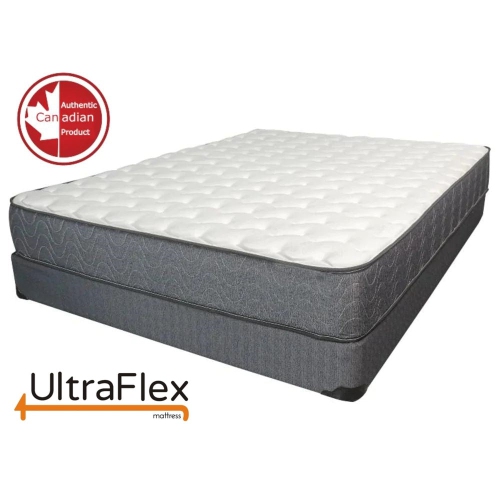
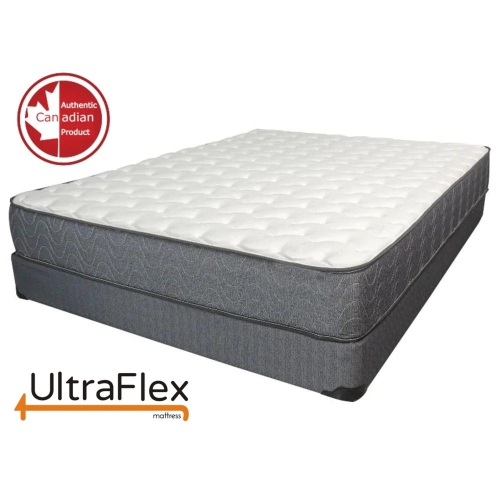
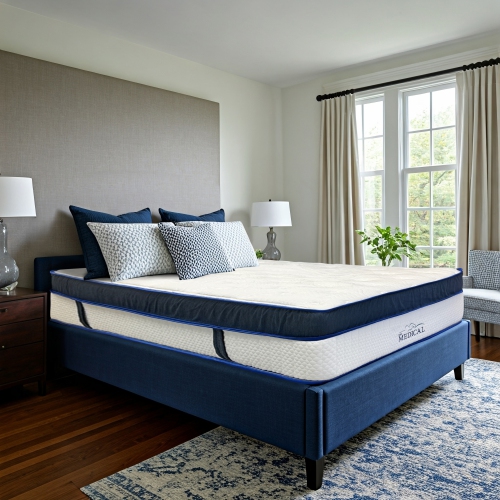
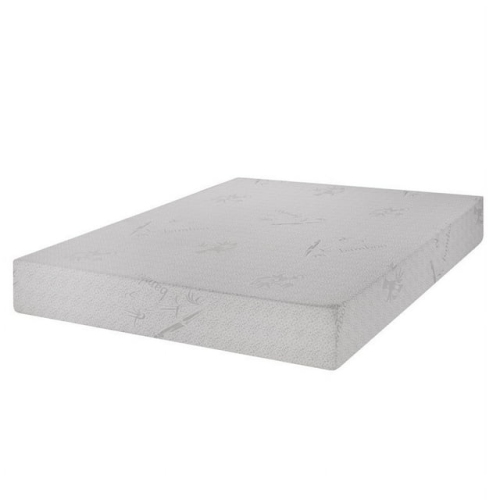
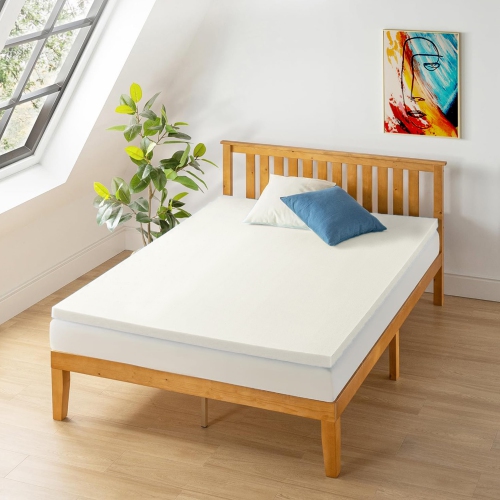
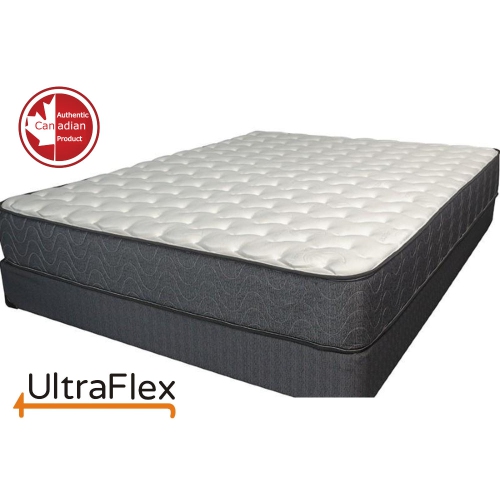
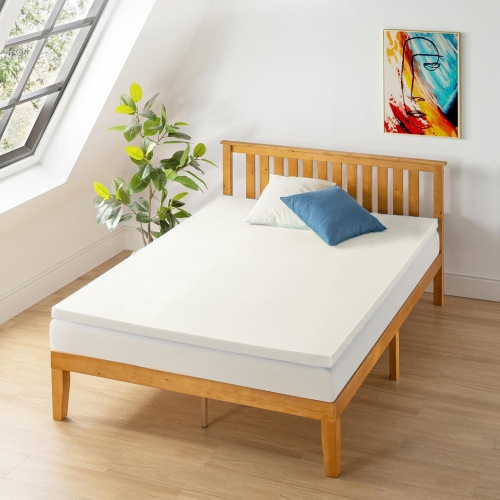
![VISCOLOGIC [] Fusion-Gel 12" Thick Gel-Infused Cool Memory Foam Mattress (Queen)](https://multimedia.bbycastatic.ca/multimedia/products/500x500/138/13898/13898477.jpeg)





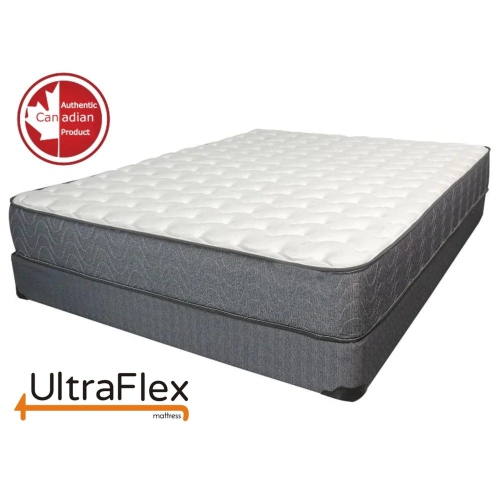
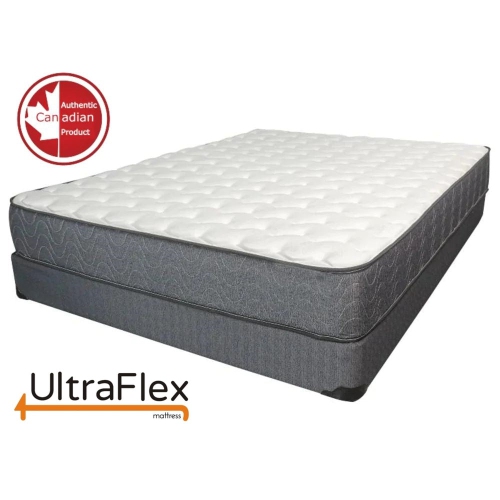
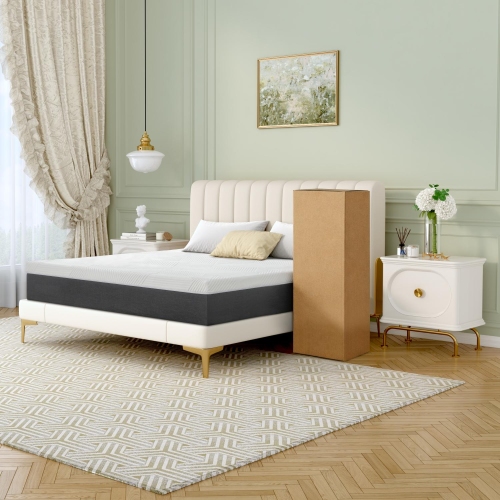
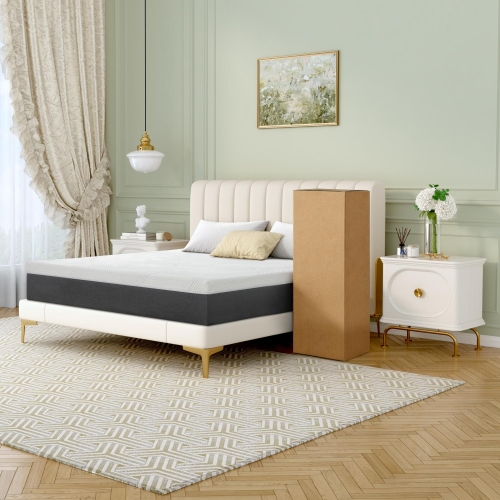

Why cooling comfort depends on more than foam
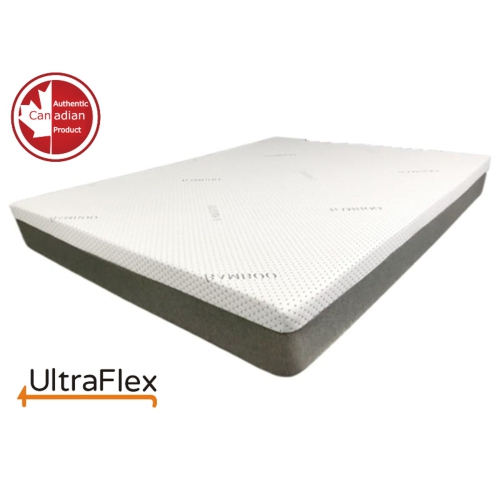
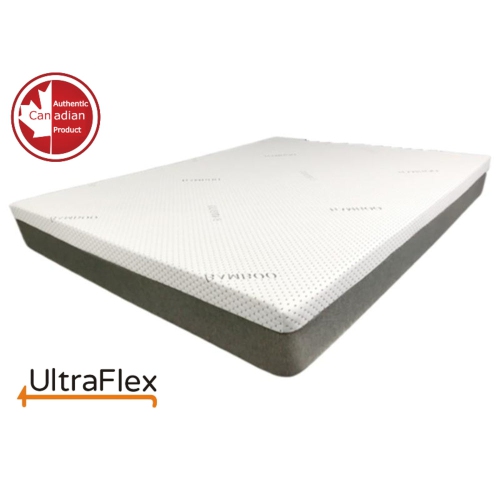
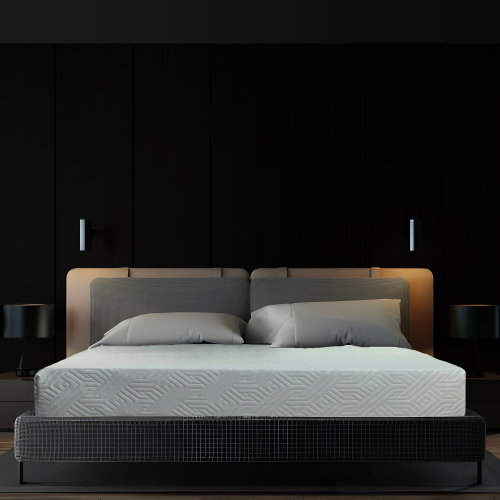
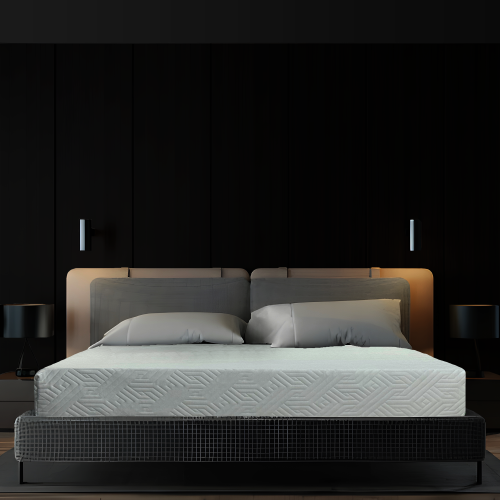
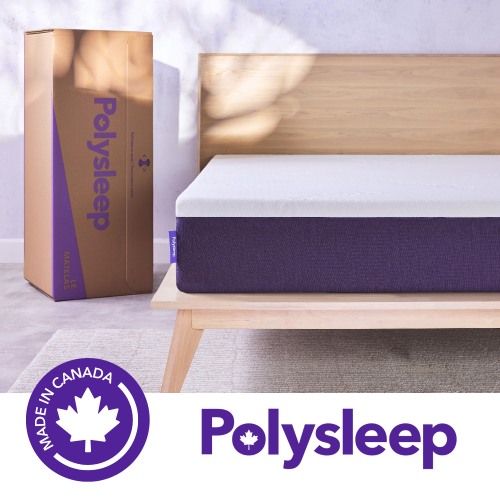
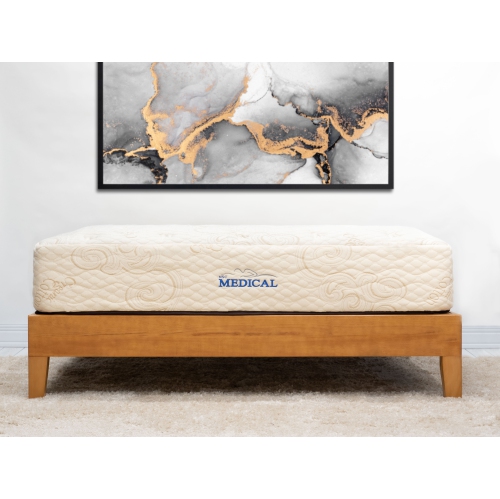
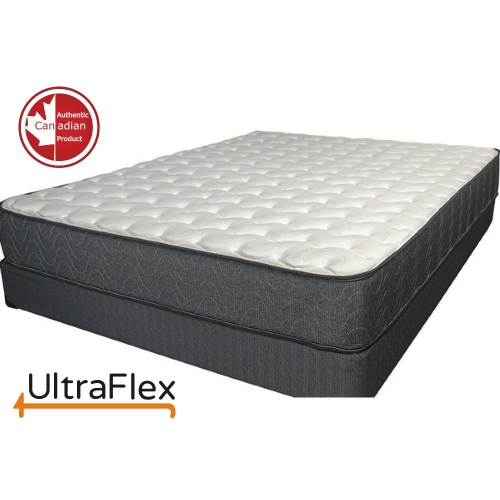
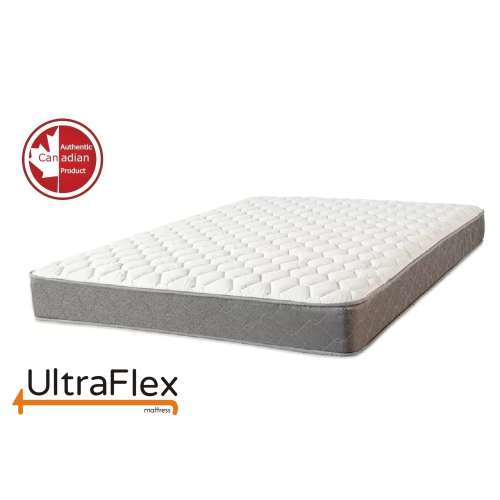
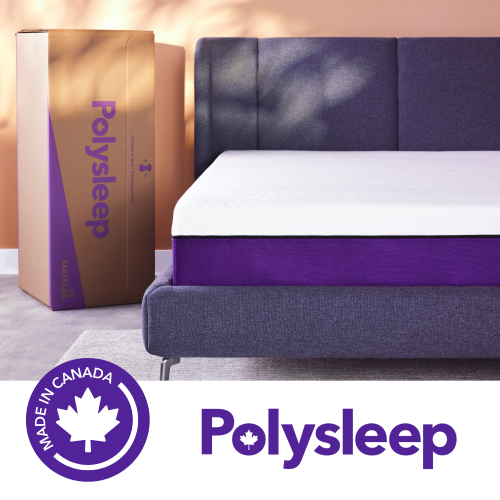
Cooling memory foam mattresses combine contouring foam with materials or construction features designed to reduce heat buildup around the sleep surface. These features may include gel-infused foam, open-cell foam, ventilation channels, breathable covers, or fabrics that feel cool on contact. Memory foam responds to body heat and pressure, gradually shaping itself around areas such as the shoulders and hips rather than pushing back immediately. That close contact creates the cushioned, cradling feel many sleepers enjoy, but it can also limit airflow against the body. Cooling designs address that trade-off in different ways. Open-cell structures allow air to move through interconnected spaces within the foam, while perforations create additional pathways for ventilation. Gel, copper, or graphite infusions are intended to help distribute heat, although an infusion alone does not establish how cool a mattress will feel throughout the night. Some covers use phase-change materials that absorb and release heat within a particular temperature range to moderate changes at the surface. A cool-to-the-touch cover can feel refreshing when someone first lies down, but that initial sensation is not the same as continuous cooling. Most cooling mattresses do not actively refrigerate the bed; their performance depends on the full construction, bedding, and the person using them. An all-foam mattress typically places memory foam comfort layers over a firmer support core, creating a relatively quiet surface that can absorb movement when a partner turns over. A memory foam hybrid combines foam comfort layers with a coil support system, leaving more open space within the mattress for airflow. Neither construction guarantees a particular sleeping experience: foam thickness, cover fabric, firmness, and support all contribute. For someone who enjoys the gentle hug of memory foam but often feels too warm beneath the covers, these construction details are more useful than a cooling label alone. A breathable knit cover and a ventilated comfort layer serve different purposes, and their benefits depend on how they work together.
Comfort depends as much on fit and support as it does on cooling features. Side sleepers often appreciate enough cushioning for the shoulder and hip to settle into the surface without feeling compressed, while back sleepers may prefer a balance that cushions the lower back without letting the pelvis sink too deeply. Stomach sleepers generally need a firmer, more supportive feel to help limit excessive sinking through the middle of the body. These are starting points rather than fixed rules, since body weight, proportions, and personal preference affect how the same mattress feels. A lighter sleeper may experience a mattress as noticeably firmer than a heavier sleeper does. Someone who changes positions frequently may also prefer a less enveloping comfort layer that makes rolling over easier. Mattress thickness does not, by itself, indicate firmness or durability: a thick mattress can feel firm, and a thinner mattress can feel soft. The arrangement and properties of its layers matter more. For couples, memory foam's ability to reduce motion transfer can be useful when one person gets up earlier or shifts position repeatedly, though movement isolation varies by construction. Edge support deserves attention too, particularly for anyone who sleeps close to the side or sits on the mattress while getting dressed. Size affects both sleeping space and the room around the bed. Twin and twin XL sizes suit narrower spaces, with twin XL providing extra length; double, queen, and king sizes provide progressively more width. Actual dimensions should match the bed frame, foundation, and bedroom layout, with enough clearance to open drawers and move comfortably around the bed. A mattress intended for an adjustable base needs explicit compatibility with that base, while a slatted frame needs spacing that meets the mattress manufacturer's requirements. For a main bedroom, regular guest use, or a young adult's first apartment, the right combination leaves room to stretch out while providing consistent support. Mattress depth also affects fitted-sheet pocket requirements and the finished bed height, especially when paired with a tall foundation.
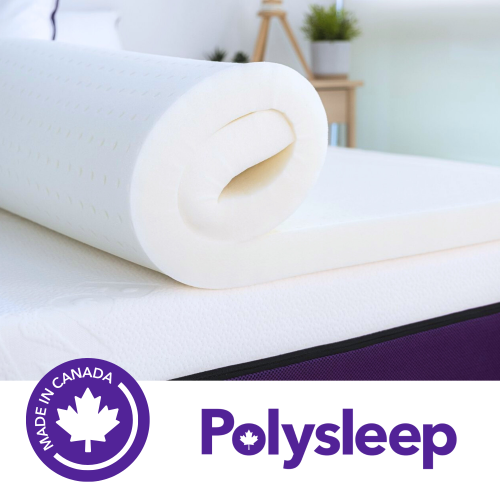
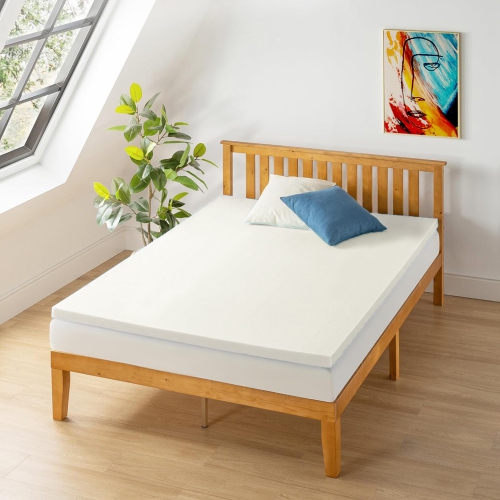
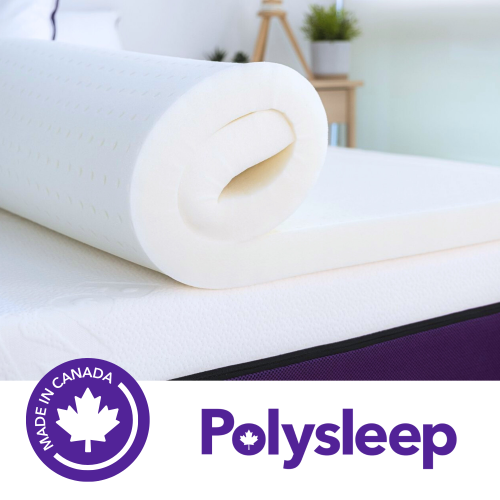
Bedding and everyday care help preserve the feel of a cooling memory foam mattress. A dense mattress pad or thick, heavily padded protector can create a barrier between the sleeper and a cooling cover, reducing the sensation the cover was designed to provide. Breathable sheets and a protector with suitable moisture-management properties can help the sleep surface feel less clammy, although waterproof layers vary in how readily they allow moisture vapour to pass through. Cooling performance is best understood as a whole-bed characteristic rather than a property of one layer. For a mattress that remains supportive but needs a different surface feel, Cooling Mattress Toppers offer a separate cushioning layer, but they cannot repair sagging or replace a worn-out support core. With a new compressed mattress, allow the expansion time specified by the manufacturer before judging its shape or firmness. Some foam mattresses release an odour after unpacking; ventilation and following the product's setup directions can help it dissipate. Care instructions also matter when dealing with spills. A zippered cover is not necessarily removable or machine washable, so its care label should be checked before unzipping or laundering it. Where spot cleaning is permitted, use the specified method, avoid soaking the foam, and let the area dry completely before replacing bedding. Excess moisture can be difficult to remove from deep foam layers. Many layered mattresses are designed to stay with one side facing up and should not be flipped; head-to-foot rotation may help distribute wear if the manufacturer permits it. Long-term durability depends on foam quality, construction, the support underneath, and how the mattress is used. Higher foam density can contribute to durability, but density is not the same as firmness and does not guarantee a cooler surface. Clear material specifications, foundation requirements, and warranty terms provide useful context alongside comfort descriptions. Together, these details help distinguish a mattress that simply feels cool at first touch from one whose cushioning, airflow, and support suit everyday sleep.
Comfort depends as much on fit and support as it does on cooling features. Side sleepers often appreciate enough cushioning for the shoulder and hip to settle into the surface without feeling compressed, while back sleepers may prefer a balance that cushions the lower back without letting the pelvis sink too deeply. Stomach sleepers generally need a firmer, more supportive feel to help limit excessive sinking through the middle of the body. These are starting points rather than fixed rules, since body weight, proportions, and personal preference affect how the same mattress feels. A lighter sleeper may experience a mattress as noticeably firmer than a heavier sleeper does. Someone who changes positions frequently may also prefer a less enveloping comfort layer that makes rolling over easier. Mattress thickness does not, by itself, indicate firmness or durability: a thick mattress can feel firm, and a thinner mattress can feel soft. The arrangement and properties of its layers matter more. For couples, memory foam's ability to reduce motion transfer can be useful when one person gets up earlier or shifts position repeatedly, though movement isolation varies by construction. Edge support deserves attention too, particularly for anyone who sleeps close to the side or sits on the mattress while getting dressed. Size affects both sleeping space and the room around the bed. Twin and twin XL sizes suit narrower spaces, with twin XL providing extra length; double, queen, and king sizes provide progressively more width. Actual dimensions should match the bed frame, foundation, and bedroom layout, with enough clearance to open drawers and move comfortably around the bed. A mattress intended for an adjustable base needs explicit compatibility with that base, while a slatted frame needs spacing that meets the mattress manufacturer's requirements. For a main bedroom, regular guest use, or a young adult's first apartment, the right combination leaves room to stretch out while providing consistent support. Mattress depth also affects fitted-sheet pocket requirements and the finished bed height, especially when paired with a tall foundation.
Bedding and everyday care help preserve the feel of a cooling memory foam mattress. A dense mattress pad or thick, heavily padded protector can create a barrier between the sleeper and a cooling cover, reducing the sensation the cover was designed to provide. Breathable sheets and a protector with suitable moisture-management properties can help the sleep surface feel less clammy, although waterproof layers vary in how readily they allow moisture vapour to pass through. Cooling performance is best understood as a whole-bed characteristic rather than a property of one layer. For a mattress that remains supportive but needs a different surface feel, Cooling Mattress Toppers offer a separate cushioning layer, but they cannot repair sagging or replace a worn-out support core. With a new compressed mattress, allow the expansion time specified by the manufacturer before judging its shape or firmness. Some foam mattresses release an odour after unpacking; ventilation and following the product's setup directions can help it dissipate. Care instructions also matter when dealing with spills. A zippered cover is not necessarily removable or machine washable, so its care label should be checked before unzipping or laundering it. Where spot cleaning is permitted, use the specified method, avoid soaking the foam, and let the area dry completely before replacing bedding. Excess moisture can be difficult to remove from deep foam layers. Many layered mattresses are designed to stay with one side facing up and should not be flipped; head-to-foot rotation may help distribute wear if the manufacturer permits it. Long-term durability depends on foam quality, construction, the support underneath, and how the mattress is used. Higher foam density can contribute to durability, but density is not the same as firmness and does not guarantee a cooler surface. Clear material specifications, foundation requirements, and warranty terms provide useful context alongside comfort descriptions. Together, these details help distinguish a mattress that simply feels cool at first touch from one whose cushioning, airflow, and support suit everyday sleep.
Top selling and popular products
-
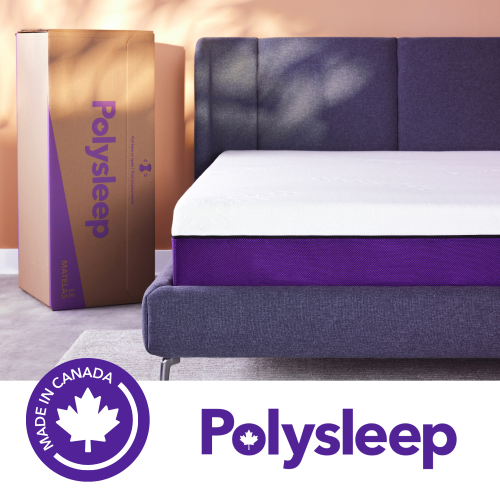 Your price for this item is $1195
 -
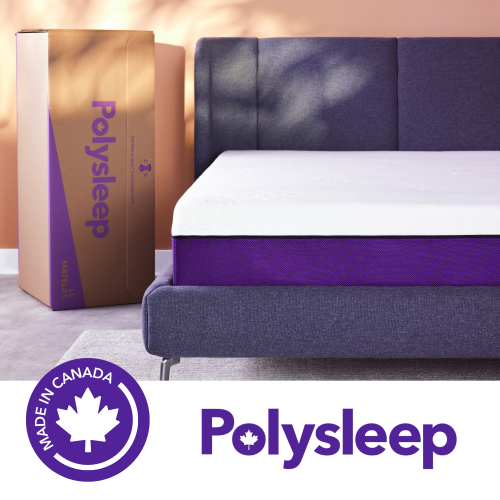 Your price for this item is $1395
 -
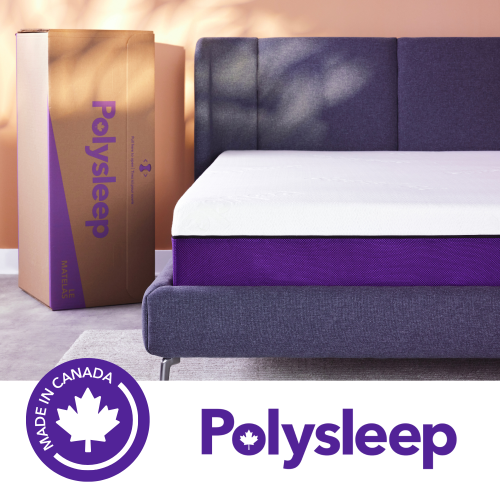 Your price for this item is $1095
 -
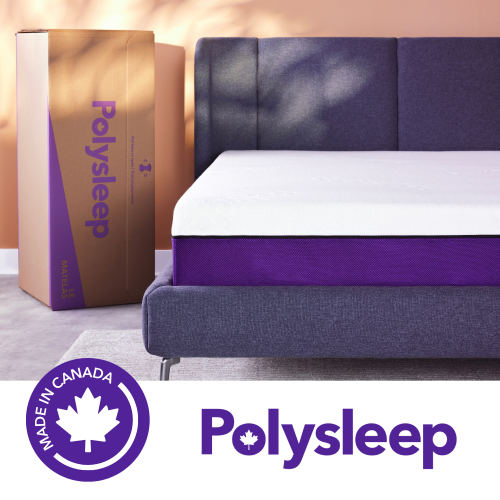 Your price for this item is $945
 -
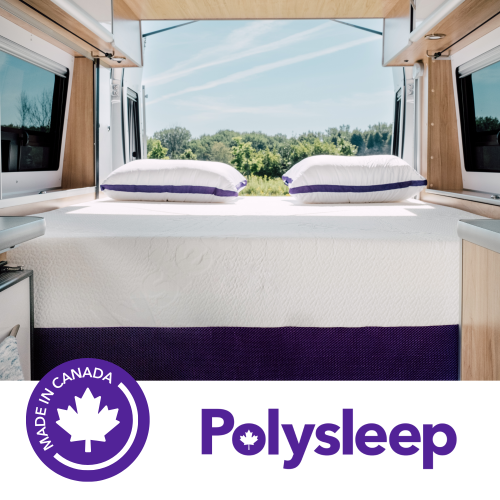 Your price for this item is $1199
 -
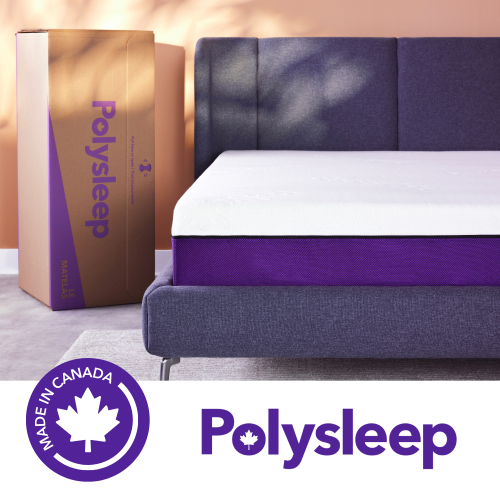 Your price for this item is $1395
 -
 Your price for this item is $895
 -
 Your price for this item is $920
Discover more categories related to Cooling Memory Foam Mattresses

Top Collections:
Pokemon Centers, Kindle Devices, Best Budget Office Chairs, Apple iPhones 16, Best Laptops for Writers, iPhone 15 Apple, Canon G7X Cameras, Refurbished Apple Laptops, Alarm Clock, Motorola Razr Phones
Some products may be subject to Environmental Handling Fees
(EHF) depending on your province.
Learn more about EHFs.