Copper Cookware
Upgrade your kitchen with the timeless elegance and superior performance of copper cookware. Known for its excellent heat conductivity and distribution, copper pots and pans are a favorite among professional chefs and home cooks alike. Elevate your culinary skills with our selection of high-quality copper cookware, designed to not only enhance your cooking experience but also add a touch of sophistication to your kitchen decor. Discover the perfect pieces to create delicious meals with precision and style.
Sort
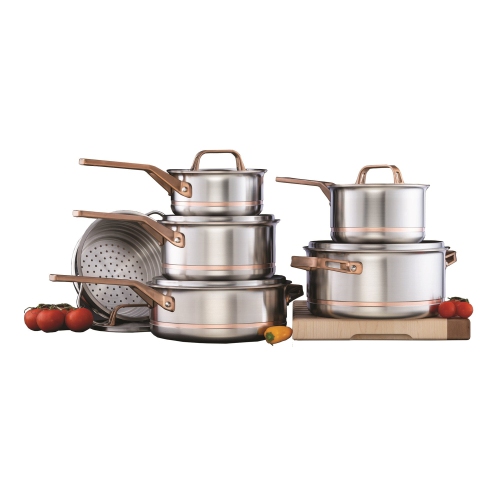
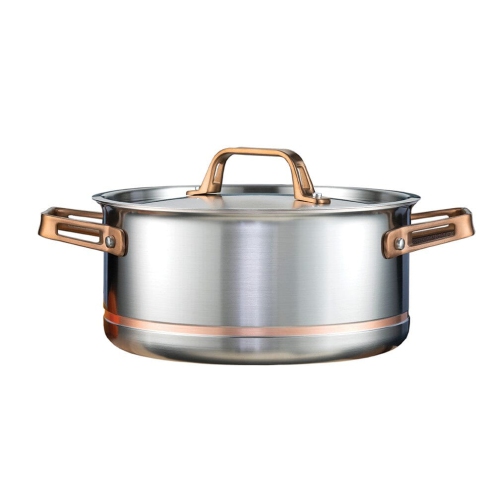
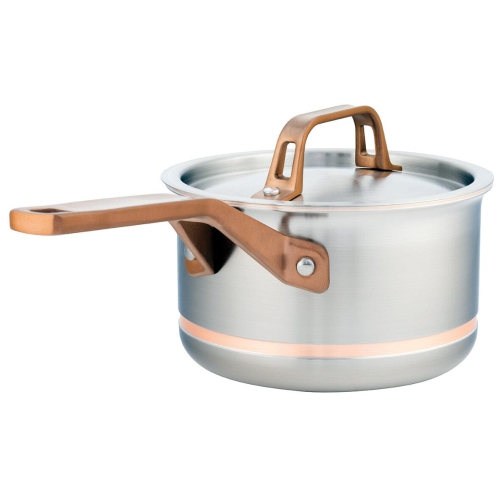
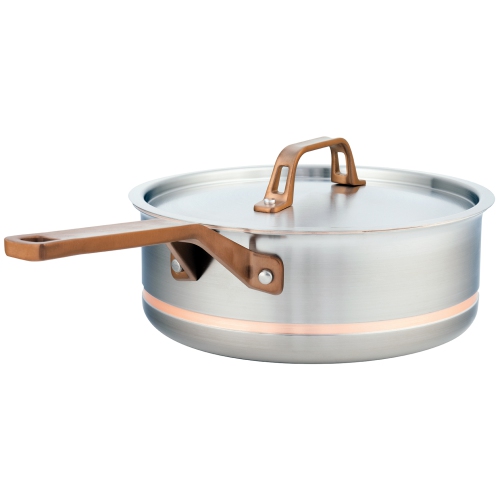

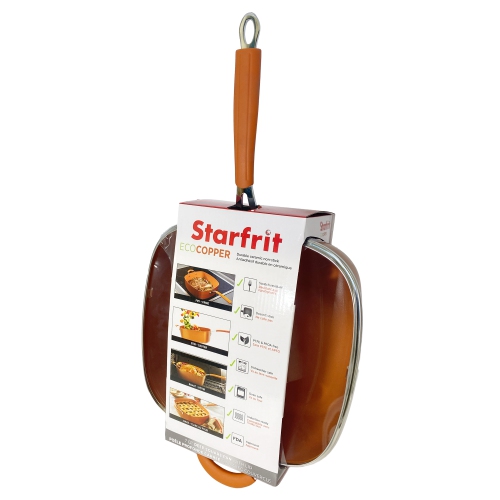
Why copper’s construction matters more than its colour
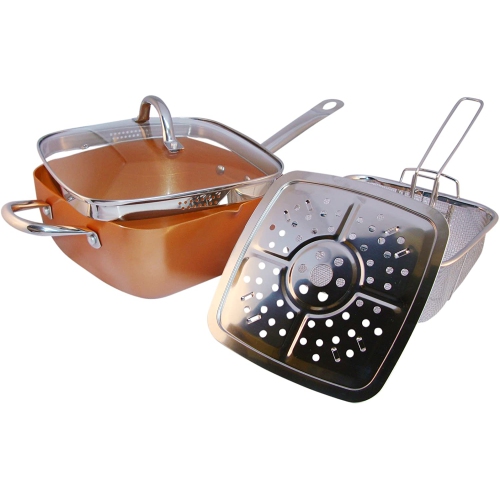
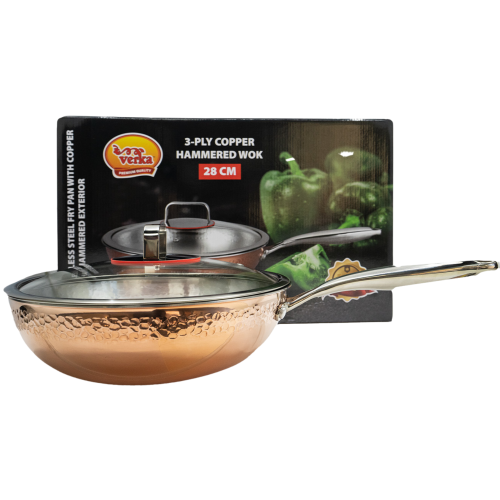
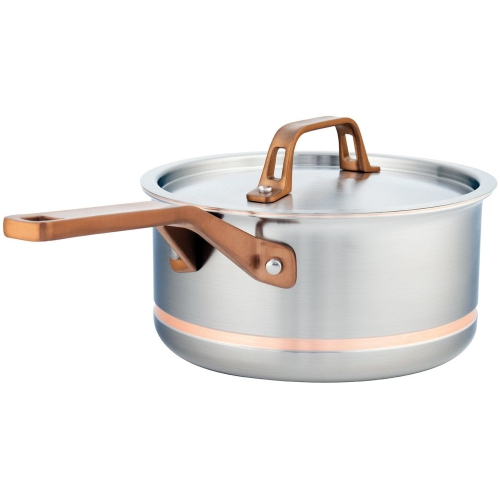
Copper cookware brings a warm metallic finish to the kitchen, but its appeal goes well beyond appearance. Copper conducts heat exceptionally well, helping warmth spread across the cooking surface and allowing a pan to respond promptly when the burner setting changes. That responsiveness is useful when butter needs to foam without browning too far, a cream sauce needs a gentle simmer, or caramel needs careful attention as it turns amber. Actual performance depends on the cookware’s thickness, construction, and cooking surface, so the word “copper” alone does not tell the whole story. Traditional copper cookware has a substantial copper body with a thin food-safe lining, usually tin or stainless steel. Copper-core cookware places copper within layers of other metals, while copper-coloured cookware may have an aluminium body and a coating that gives it a similar look without the same construction. These distinctions matter for both cooking and care. A copper finish describes colour, not necessarily the metal responsible for distributing heat. For general-purpose cooking, a suitable interior lining keeps food from direct contact with the copper, which can react with acidic ingredients such as tomatoes, citrus juice, and wine. Stainless steel offers a durable cooking surface that tolerates everyday use well, though foods may stick without appropriate heat control and cooking fat. Tin provides a smooth surface that can release food readily with proper technique, but it is softer and more sensitive to high heat. Neither lining makes every cooking task effortless, and each suits a slightly different approach in the kitchen. Copper cookware can appeal to experienced home cooks who enjoy fine temperature adjustments as well as enthusiastic beginners who prefer to learn with responsive tools. During the cooler months, that control is just as relevant to a silky gravy or a small batch of custard as it is to a quick pan sauce made after an everyday supper. The benefit is especially noticeable in cooking that rewards steady attention rather than prolonged, unattended heat.
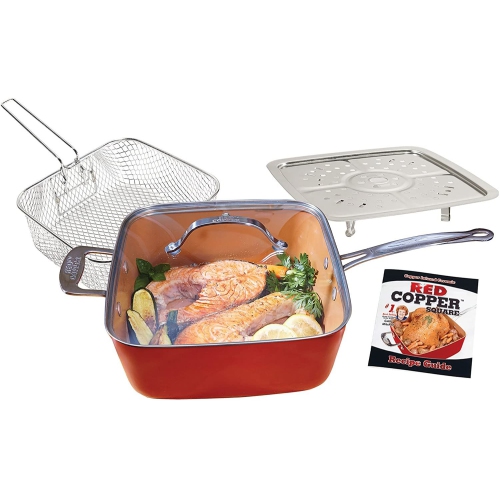
Shape, capacity, and compatibility help determine how comfortably copper pots and pans fit into a cooking routine. A broad frying pan gives mushrooms room to brown instead of crowding together and steaming, while a saucepan with higher sides suits porridge, sauces, and smaller portions of soup. A sauté pan combines a wider cooking surface with sides that help contain liquid when browned ingredients are finished in a sauce. Larger vessels suit family meals and batch cooking, although a full pot can be heavy, particularly when its construction includes thick layers of metal. The useful size is not simply the largest one that fits in a cupboard: the base should suit the burner, the cooking surface should accommodate usual portions, and the handles should leave enough room to work safely. A helper handle can make a substantial pan easier to lift with two hands. Secure attachments, a comfortable grip, and sufficient clearance for oven mitts matter when carrying food from the hob to a trivet. Metal handles may become hot, and an oven-safe body does not automatically mean that every handle or lid can tolerate the same temperature. The stated heat limits for the complete piece are important for dishes that move from burner to oven. Hob compatibility also deserves close attention. Copper itself is not magnetic, so traditional copper cookware generally requires a purpose-built magnetic base or outer layer to work on induction. A stainless steel interior alone does not establish induction compatibility. For glass cooking surfaces, a smooth, flat base helps maintain contact, and lifting rather than sliding a heavy pan helps prevent scratches. Sets can provide a coordinated range of shapes, while individual pieces can fill a particular gap, such as a responsive saucepan for someone who already owns larger cooking vessels. Storage space is another practical consideration, especially where long handles and fitted lids share a compact cupboard. For a kitchen palette that pairs warm metallic tones with a stronger accent colour, Red Cookware offers a different visual direction, though colour should always be considered separately from material and cooking performance.
Care routines play a large part in the long-term appeal of copper cookware. Many traditional copper pieces need handwashing with mild washing-up liquid and a soft sponge, followed by thorough drying to limit water marks. Letting cookware cool before washing helps avoid abrupt temperature changes, and soaking a cooled pan briefly can loosen food without aggressive scrubbing. Dishwasher suitability varies with construction and finish; a copper-coloured surface should not be treated as bare copper, and cleaning methods intended for one may damage the other. Exposed copper gradually darkens into a patina through ordinary use. This change in appearance is distinct from damage to the cooking surface and generally does not prevent the copper from conducting heat effectively. Some cooks enjoy the mellow finish, while others prefer to maintain a brighter shine with a cleaner suitable for the exterior. Polishing products belong only on the surfaces identified in their directions, not indiscriminately on linings, coated finishes, or handles. Tin-lined cookware needs particular care: wooden or silicone utensils help protect the soft lining, and an empty pan should not be left heating on a burner. Sustained high heat and hard scraping can shorten the lining’s useful life. If the lining wears through and exposes copper on the cooking surface, the piece needs assessment and appropriate repair before further general-purpose use. Traditional tin linings can often be restored by a qualified specialist, whereas stainless steel linings have different repair limitations. Protective separators can reduce scuffs when pans are stacked, and dry storage keeps surfaces ready for the next meal. For gifting, copper cookware is well suited to someone who enjoys cooking and appreciates both practical tools and a distinctive kitchen finish. A housewarming, wedding, or shared household gift is more useful when the recipient’s hob, cooking habits, and willingness to handwash are considered. The lasting appeal lies in that fit: cookware with the right construction, manageable weight, and suitable care requirements can earn its place through daily use rather than appearance alone.
Shape, capacity, and compatibility help determine how comfortably copper pots and pans fit into a cooking routine. A broad frying pan gives mushrooms room to brown instead of crowding together and steaming, while a saucepan with higher sides suits porridge, sauces, and smaller portions of soup. A sauté pan combines a wider cooking surface with sides that help contain liquid when browned ingredients are finished in a sauce. Larger vessels suit family meals and batch cooking, although a full pot can be heavy, particularly when its construction includes thick layers of metal. The useful size is not simply the largest one that fits in a cupboard: the base should suit the burner, the cooking surface should accommodate usual portions, and the handles should leave enough room to work safely. A helper handle can make a substantial pan easier to lift with two hands. Secure attachments, a comfortable grip, and sufficient clearance for oven mitts matter when carrying food from the hob to a trivet. Metal handles may become hot, and an oven-safe body does not automatically mean that every handle or lid can tolerate the same temperature. The stated heat limits for the complete piece are important for dishes that move from burner to oven. Hob compatibility also deserves close attention. Copper itself is not magnetic, so traditional copper cookware generally requires a purpose-built magnetic base or outer layer to work on induction. A stainless steel interior alone does not establish induction compatibility. For glass cooking surfaces, a smooth, flat base helps maintain contact, and lifting rather than sliding a heavy pan helps prevent scratches. Sets can provide a coordinated range of shapes, while individual pieces can fill a particular gap, such as a responsive saucepan for someone who already owns larger cooking vessels. Storage space is another practical consideration, especially where long handles and fitted lids share a compact cupboard. For a kitchen palette that pairs warm metallic tones with a stronger accent colour, Red Cookware offers a different visual direction, though colour should always be considered separately from material and cooking performance.
Care routines play a large part in the long-term appeal of copper cookware. Many traditional copper pieces need handwashing with mild washing-up liquid and a soft sponge, followed by thorough drying to limit water marks. Letting cookware cool before washing helps avoid abrupt temperature changes, and soaking a cooled pan briefly can loosen food without aggressive scrubbing. Dishwasher suitability varies with construction and finish; a copper-coloured surface should not be treated as bare copper, and cleaning methods intended for one may damage the other. Exposed copper gradually darkens into a patina through ordinary use. This change in appearance is distinct from damage to the cooking surface and generally does not prevent the copper from conducting heat effectively. Some cooks enjoy the mellow finish, while others prefer to maintain a brighter shine with a cleaner suitable for the exterior. Polishing products belong only on the surfaces identified in their directions, not indiscriminately on linings, coated finishes, or handles. Tin-lined cookware needs particular care: wooden or silicone utensils help protect the soft lining, and an empty pan should not be left heating on a burner. Sustained high heat and hard scraping can shorten the lining’s useful life. If the lining wears through and exposes copper on the cooking surface, the piece needs assessment and appropriate repair before further general-purpose use. Traditional tin linings can often be restored by a qualified specialist, whereas stainless steel linings have different repair limitations. Protective separators can reduce scuffs when pans are stacked, and dry storage keeps surfaces ready for the next meal. For gifting, copper cookware is well suited to someone who enjoys cooking and appreciates both practical tools and a distinctive kitchen finish. A housewarming, wedding, or shared household gift is more useful when the recipient’s hob, cooking habits, and willingness to handwash are considered. The lasting appeal lies in that fit: cookware with the right construction, manageable weight, and suitable care requirements can earn its place through daily use rather than appearance alone.
Top selling and popular products
-
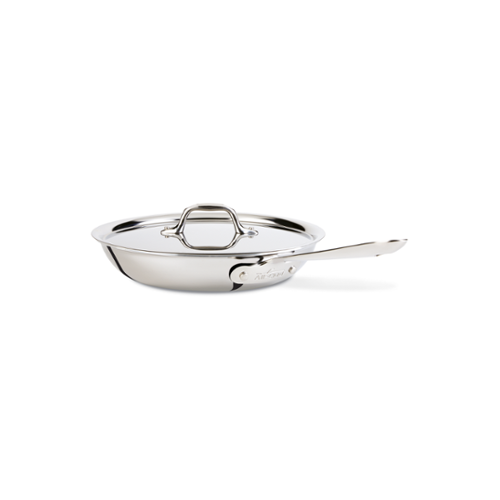 Your price for this item is $137.7
 -
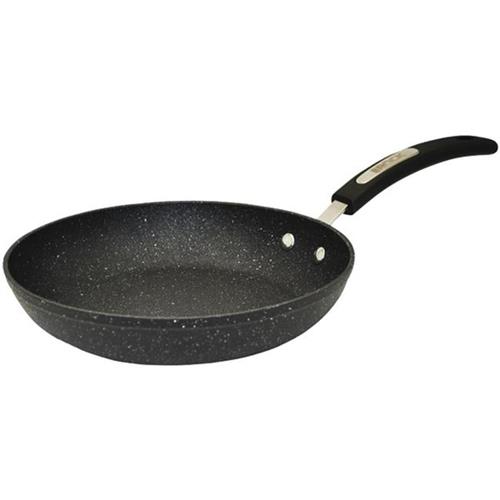 Your price for this item is $33.97
 -
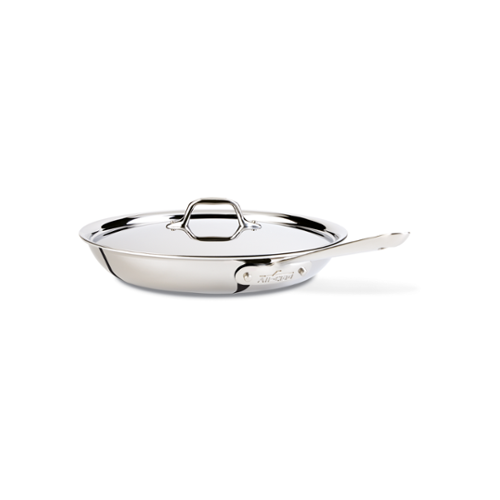 Your price for this item is $289.04
 -
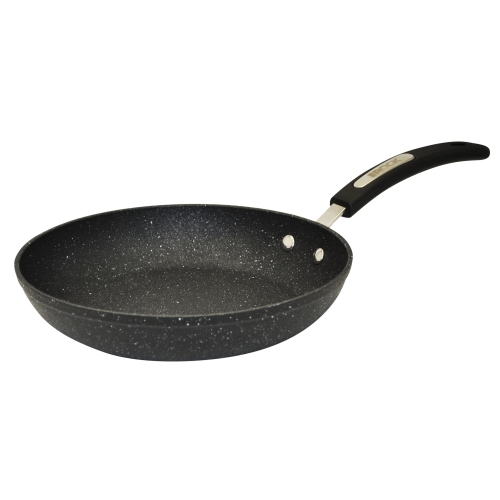 Your price for this item is $29.99
 -
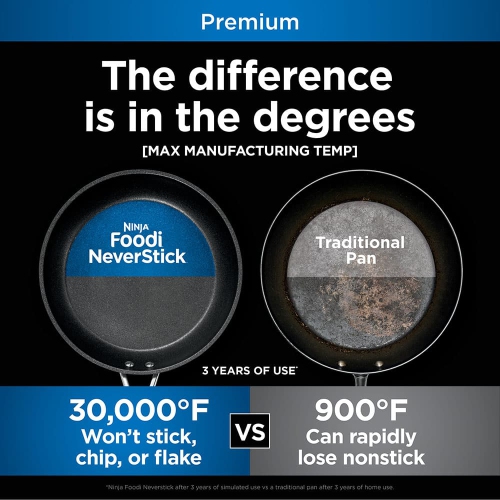 Your price for this item is $139.53
 -
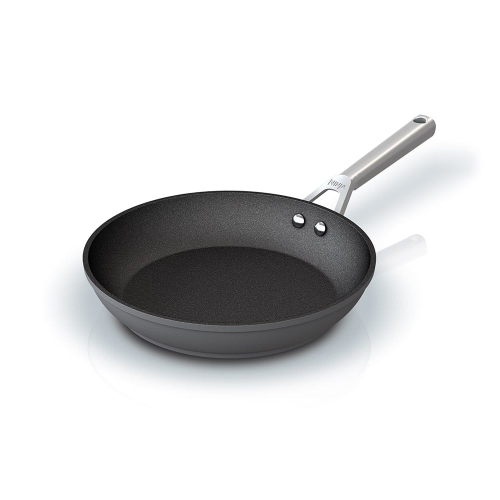 Your price for this item is $100.73
 -
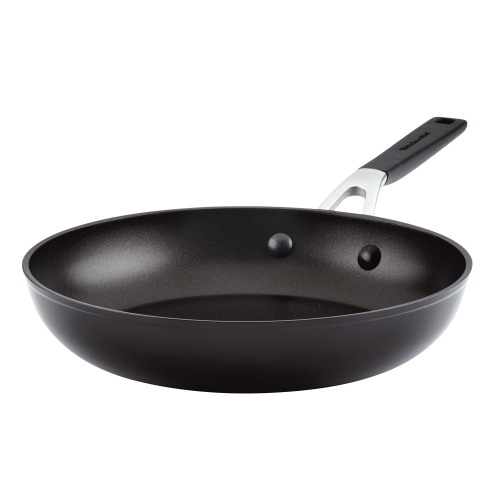 Your price for this item is $49.99
 -
 Your price for this item is $399
Discover more categories related to Copper Cookware

Top Collections:
Pokemon Centers, Kindle Devices, Best Budget Office Chairs, Apple iPhones 16, Best Laptops for Writers, iPhone 15 Apple, Canon G7X Cameras, Refurbished Apple Laptops, Alarm Clock, Motorola Razr Phones
Some products may be subject to Environmental Handling Fees
(EHF) depending on your province.
Learn more about EHFs.