Red Cookware
Red cookware is a type of cookware that is used for cooking and food preparation. Red cookware can be used for cooking, baking, and serving food. Here are some great red-colored pots and pans on the market today.
Sort
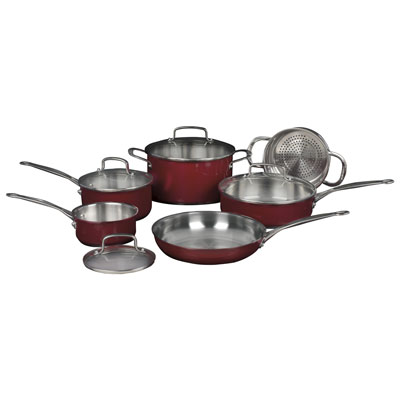
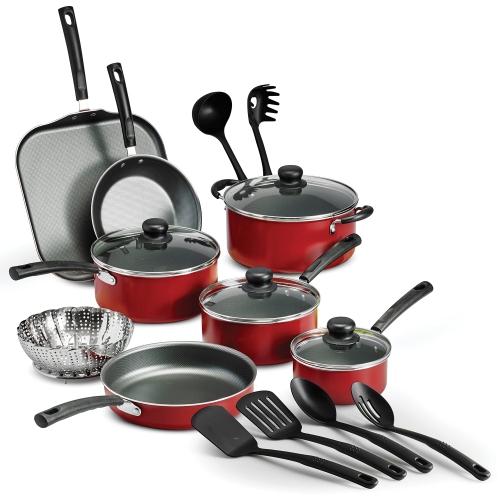
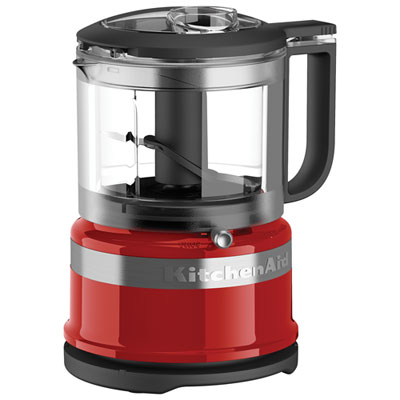
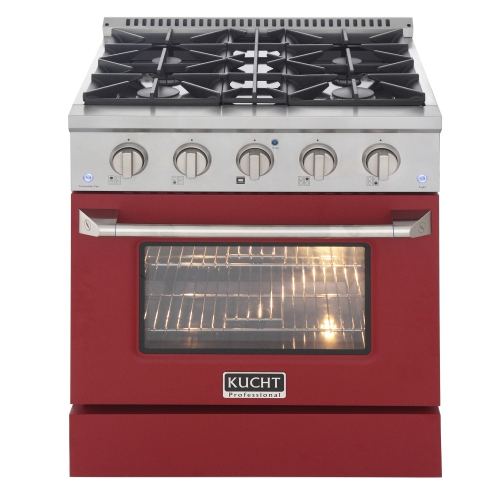
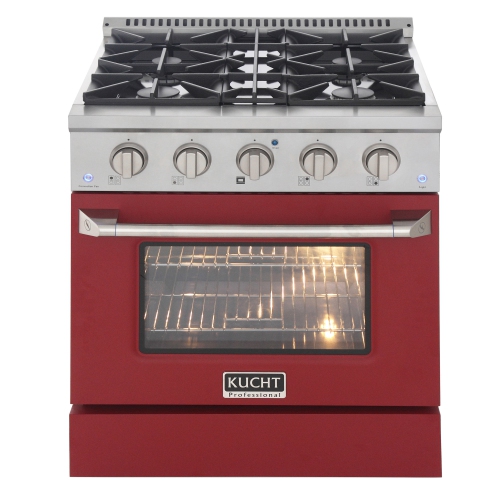
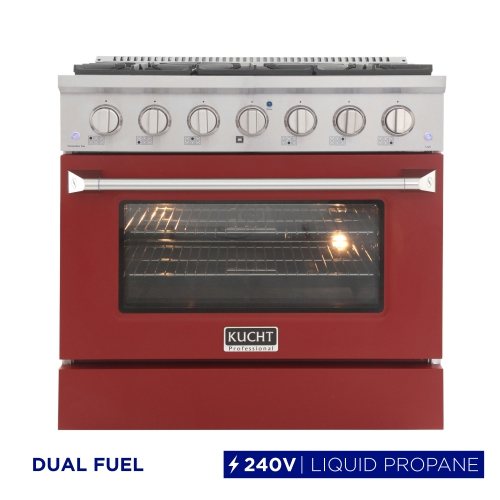
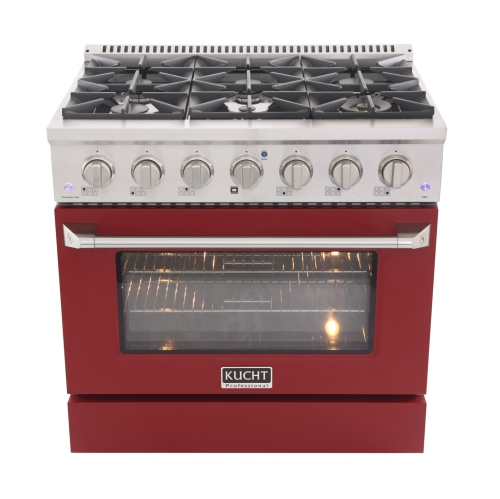
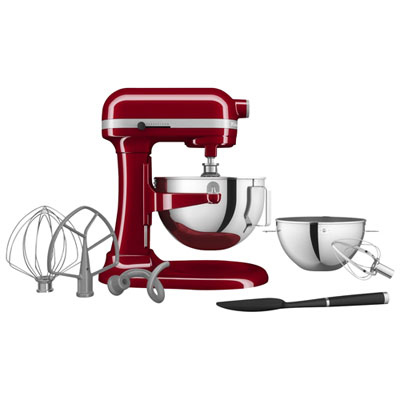
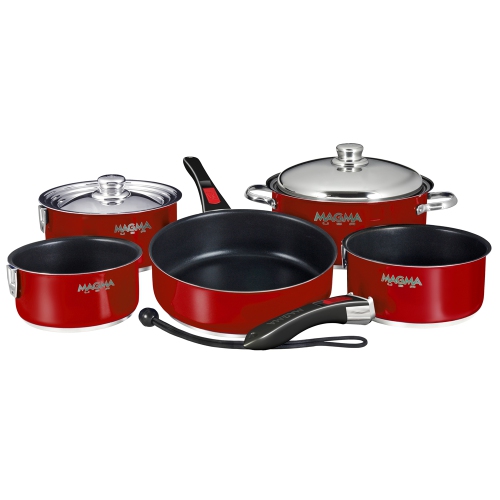
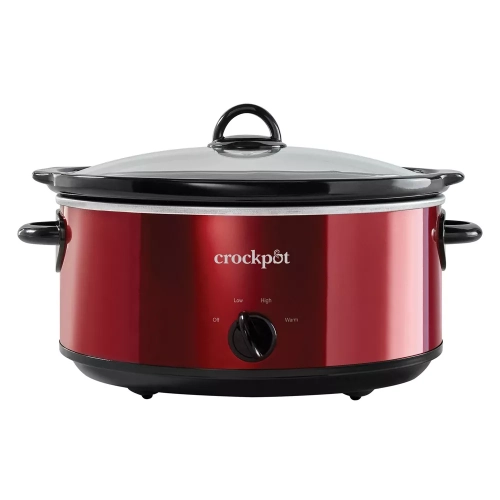
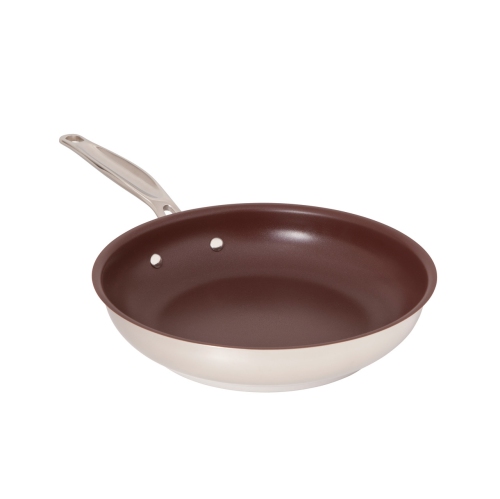
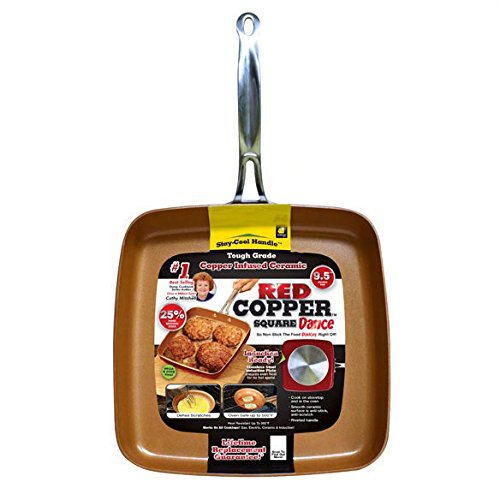

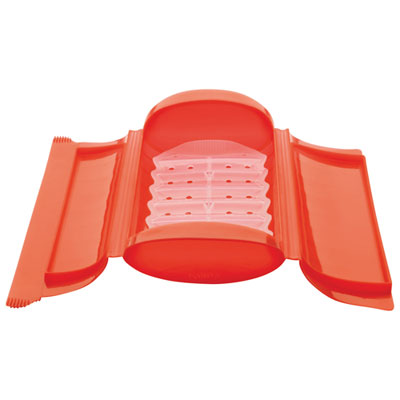
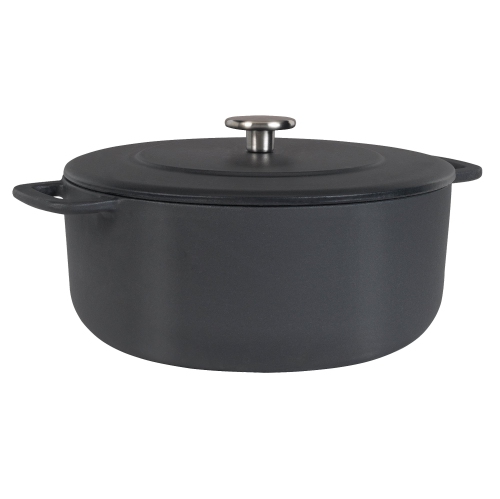
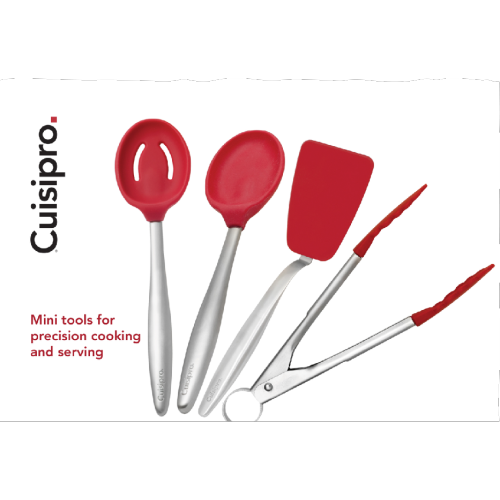
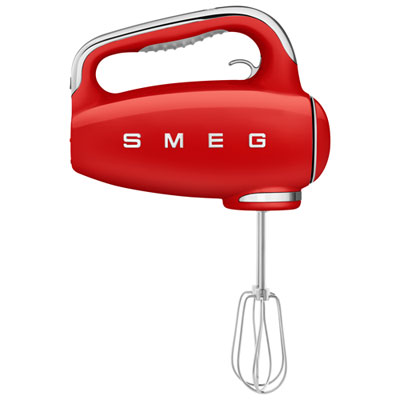
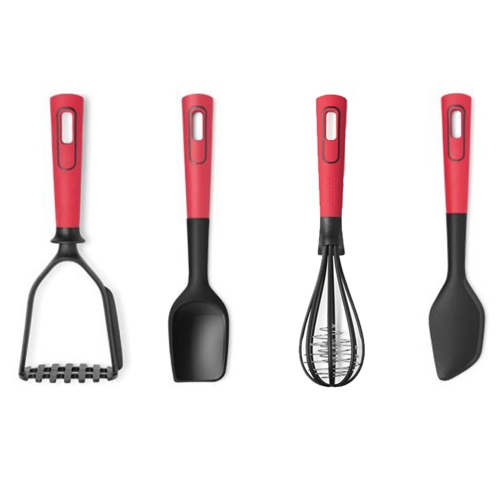
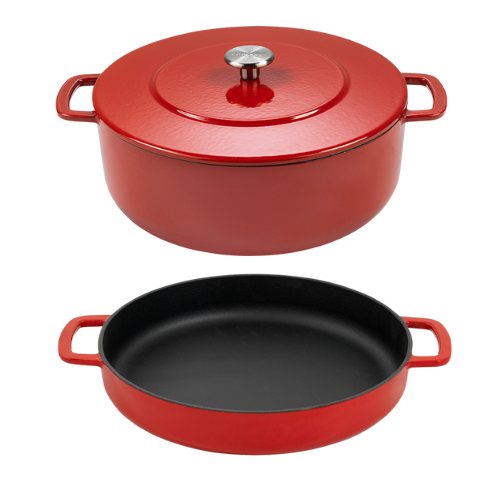
Warm colour meets practical performance in everyday cooking
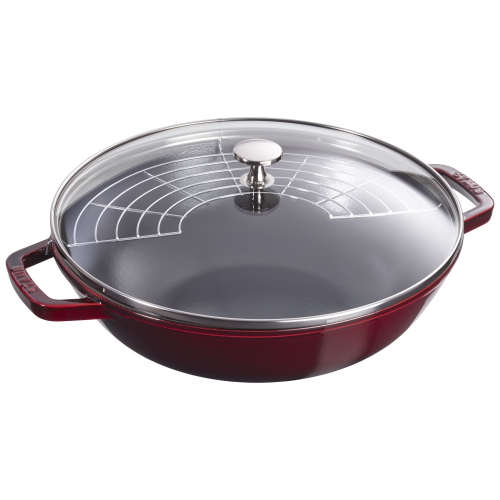
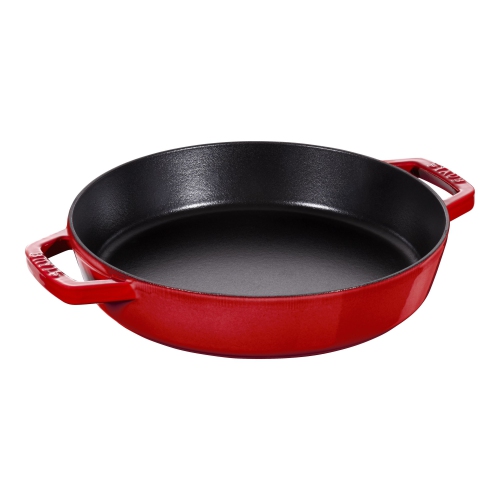
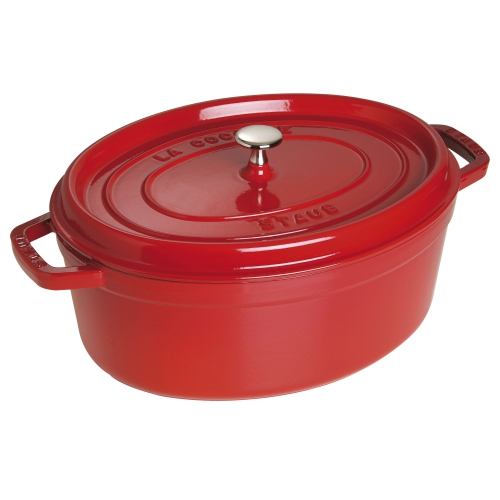
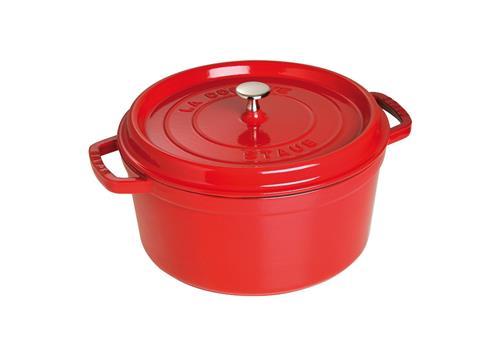
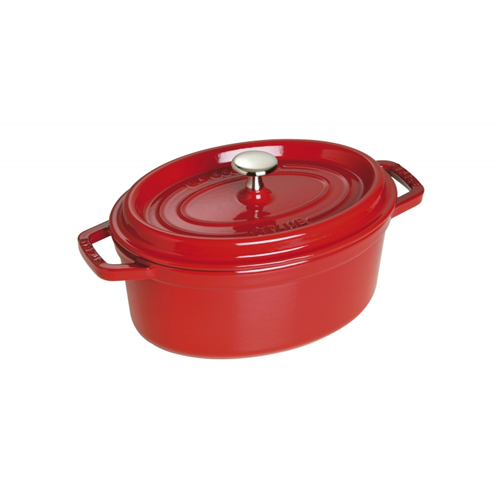
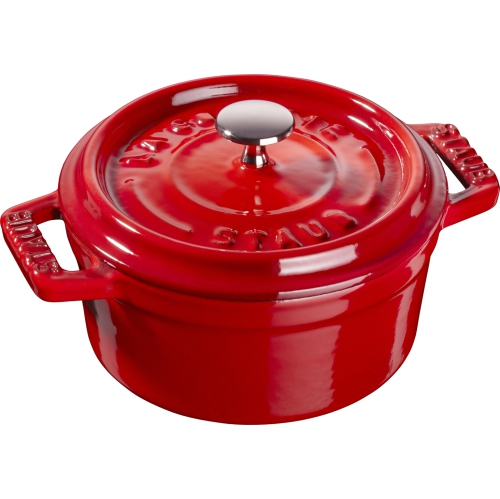
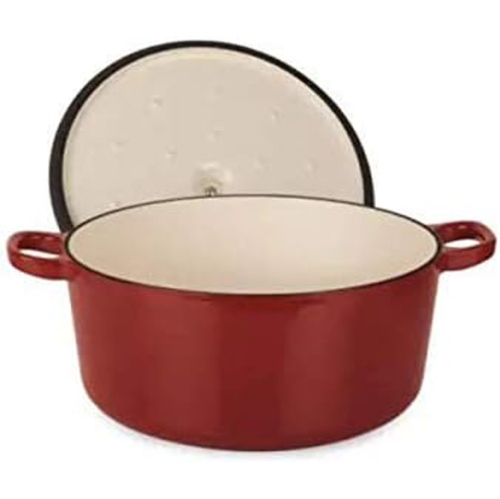
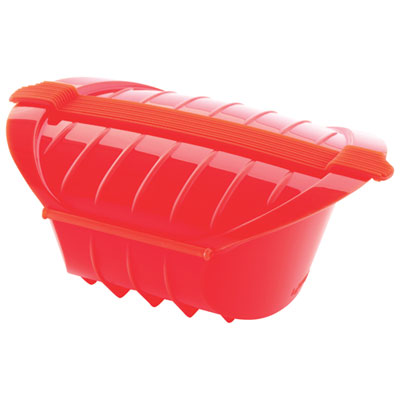
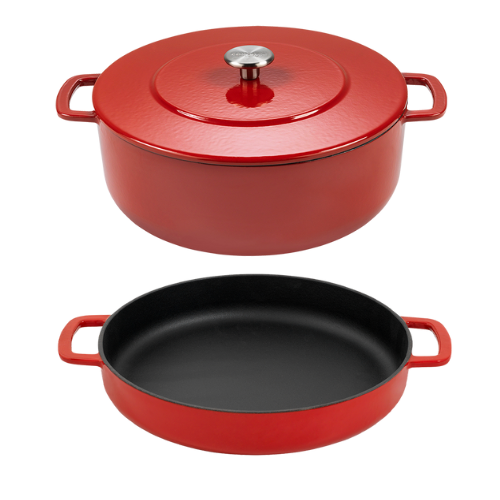
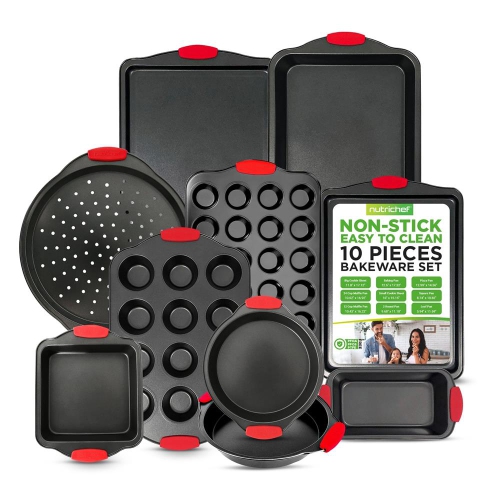
Red cookware brings warmth, personality, and a confident pop of colour to the kitchen while offering the practical features needed for everyday cooking. Available in a range of shapes, sizes, and materials, red cookware can include frying pans for quick breakfasts and weeknight sautés, saucepans for warming soups and preparing sauces, stockpots for pasta and family-sized meals, roasting pieces for cooler-weather dinners, and versatile covered pots for braising, baking, and slow cooking. The colour may range from bright cherry and classic enamel red to deep burgundy, metallic red, or textured finishes, making it easy to choose a look that complements stainless steel appliances, natural wood accents, neutral cabinetry, or a more colourful kitchen. When selecting a red cookware set or individual pieces, consider the meals you prepare most often and the number of people you usually serve. A compact saucepan and skillet can cover the basics in a smaller household, while larger pots and coordinated sets are useful for family cooking, entertaining, batch preparation, and shared meals. Red cookware can also make a thoughtful gift for someone moving into a new home, setting up a first kitchen, getting married, or simply refreshing a well-used collection. A coordinated finish gives the kitchen a polished appearance, while practical pieces can be used often rather than stored only for special occasions. During the warmer part of the year, a red skillet can handle grilled-style vegetables, seared fish, and quick pasta dishes, while covered pots and deeper pans become especially useful for hearty recipes during the cooler months. Whether displayed on open shelving or kept in a cupboard, red cookware combines decorative appeal with the everyday convenience of purpose-built kitchen tools.
Material has a major effect on how cookware heats, cooks, and feels in use. Enameled cast iron is valued for its substantial construction and excellent heat retention, making it well suited to slow braises, stews, soups, casseroles, and bread baking. It takes longer to heat than lighter cookware, but it holds a steady temperature and can move from stovetop to oven when the manufacturer’s instructions allow. Stainless steel cookware is a dependable choice for searing, browning, boiling, and preparing sauces, with a durable cooking surface that responds well to proper preheating and a small amount of cooking oil. Stainless steel pieces with an aluminium or copper core may distribute heat more evenly, which can be helpful when cooking delicate foods or working with sauces that need consistent temperature control. Ceramic nonstick cookware is often chosen for its easy food release and lighter feel, making it convenient for eggs, pancakes, fish, vegetables, and lower-fat cooking. Nonstick surfaces generally perform best over low to medium heat, with silicone, wood, or other approved utensils used to help protect the finish. Aluminium cookware can also provide quick heating and easy handling, while textured or coated interiors may offer a balance between everyday convenience and responsive cooking. Before buying, check whether each piece is compatible with your stovetop. Induction burners require cookware with a magnetic base, and not every aluminium, ceramic, or specialty piece will work with induction. Gas and electric ranges may offer broader compatibility, but a flat base is still important for stable contact and even heating. It is also worth confirming oven-safe temperatures, whether lids and handles can go into the oven, and whether the cookware is suitable for use under a broiler. These details can make the difference between a pan that suits your routine and one that requires more limitations than expected. For cooks comparing finishes and materials, exploring complementary options such as Copper Cookware can provide additional context about heat response, care requirements, and kitchen style.
Care requirements should be part of the decision, particularly when choosing cookware with a glossy, metallic, enamelled, or nonstick exterior. Allow hot cookware to cool before washing to reduce the risk of thermal shock, and follow the care guidance supplied with the piece. Many red cookware items can be cleaned with warm water, mild dish soap, and a soft sponge, while abrasive pads and harsh cleaners may dull the finish or mark the surface. Ceramic nonstick interiors often benefit from gentle hand-washing, even when a piece is labelled dishwasher-safe, because repeated exposure to strong detergents and high heat can affect the appearance and performance of the coating over time. Enameled surfaces should be treated with care around hard impacts, and cast iron pieces may be heavy enough to require a stable surface and two-handed handling. Stainless steel may develop heat marks or food residue, but prompt soaking and appropriate cookware cleaner can help restore its appearance. Think about storage as well: stackable pieces, removable handles, and nesting shapes can free up cupboard space, while separate pan protectors can help prevent contact between cookware surfaces. Matching lids, generous handles, and comfortable grip design are useful details when moving a full pot from the stovetop to the table. Red cookware works especially well for cooks who enjoy serving meals directly from the kitchen, since the bold finish can bring visual warmth to family dinners, weekend breakfasts, and gatherings with friends. It is equally suitable for an experienced home cook building a specialised collection and for a new cook looking for approachable pieces that make everyday preparation feel more inviting. By balancing colour, capacity, material, stovetop compatibility, oven use, cleaning, and storage, you can choose red cookware that fits naturally into your kitchen and supports everything from quick weekday meals to slow-cooked dishes shared during the cooler months.
Material has a major effect on how cookware heats, cooks, and feels in use. Enameled cast iron is valued for its substantial construction and excellent heat retention, making it well suited to slow braises, stews, soups, casseroles, and bread baking. It takes longer to heat than lighter cookware, but it holds a steady temperature and can move from stovetop to oven when the manufacturer’s instructions allow. Stainless steel cookware is a dependable choice for searing, browning, boiling, and preparing sauces, with a durable cooking surface that responds well to proper preheating and a small amount of cooking oil. Stainless steel pieces with an aluminium or copper core may distribute heat more evenly, which can be helpful when cooking delicate foods or working with sauces that need consistent temperature control. Ceramic nonstick cookware is often chosen for its easy food release and lighter feel, making it convenient for eggs, pancakes, fish, vegetables, and lower-fat cooking. Nonstick surfaces generally perform best over low to medium heat, with silicone, wood, or other approved utensils used to help protect the finish. Aluminium cookware can also provide quick heating and easy handling, while textured or coated interiors may offer a balance between everyday convenience and responsive cooking. Before buying, check whether each piece is compatible with your stovetop. Induction burners require cookware with a magnetic base, and not every aluminium, ceramic, or specialty piece will work with induction. Gas and electric ranges may offer broader compatibility, but a flat base is still important for stable contact and even heating. It is also worth confirming oven-safe temperatures, whether lids and handles can go into the oven, and whether the cookware is suitable for use under a broiler. These details can make the difference between a pan that suits your routine and one that requires more limitations than expected. For cooks comparing finishes and materials, exploring complementary options such as Copper Cookware can provide additional context about heat response, care requirements, and kitchen style.
Care requirements should be part of the decision, particularly when choosing cookware with a glossy, metallic, enamelled, or nonstick exterior. Allow hot cookware to cool before washing to reduce the risk of thermal shock, and follow the care guidance supplied with the piece. Many red cookware items can be cleaned with warm water, mild dish soap, and a soft sponge, while abrasive pads and harsh cleaners may dull the finish or mark the surface. Ceramic nonstick interiors often benefit from gentle hand-washing, even when a piece is labelled dishwasher-safe, because repeated exposure to strong detergents and high heat can affect the appearance and performance of the coating over time. Enameled surfaces should be treated with care around hard impacts, and cast iron pieces may be heavy enough to require a stable surface and two-handed handling. Stainless steel may develop heat marks or food residue, but prompt soaking and appropriate cookware cleaner can help restore its appearance. Think about storage as well: stackable pieces, removable handles, and nesting shapes can free up cupboard space, while separate pan protectors can help prevent contact between cookware surfaces. Matching lids, generous handles, and comfortable grip design are useful details when moving a full pot from the stovetop to the table. Red cookware works especially well for cooks who enjoy serving meals directly from the kitchen, since the bold finish can bring visual warmth to family dinners, weekend breakfasts, and gatherings with friends. It is equally suitable for an experienced home cook building a specialised collection and for a new cook looking for approachable pieces that make everyday preparation feel more inviting. By balancing colour, capacity, material, stovetop compatibility, oven use, cleaning, and storage, you can choose red cookware that fits naturally into your kitchen and supports everything from quick weekday meals to slow-cooked dishes shared during the cooler months.
Top selling and popular products
-
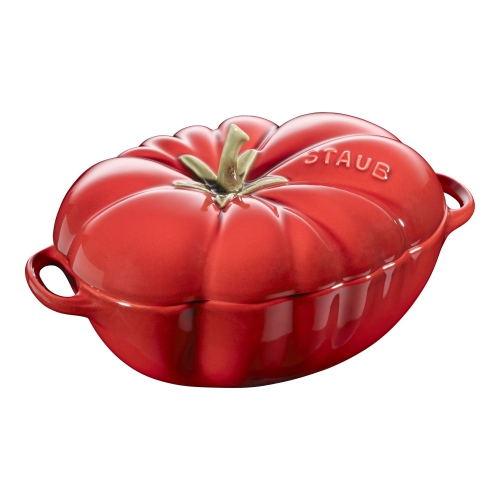 Your price for this item is $59.99
 -
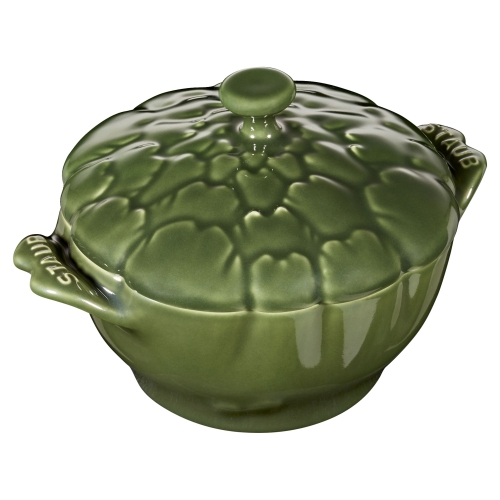 Your price for this item is $59.99
 -
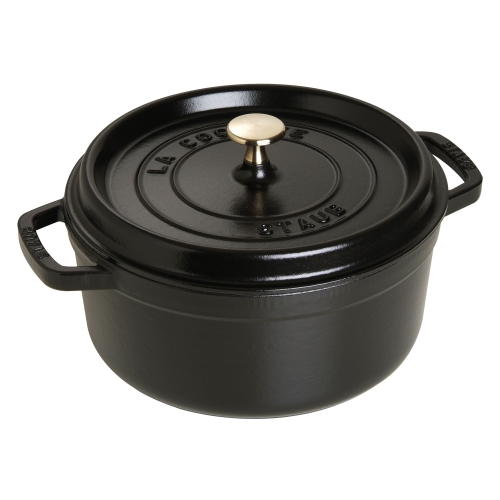 Your price for this item is $399.99
 -
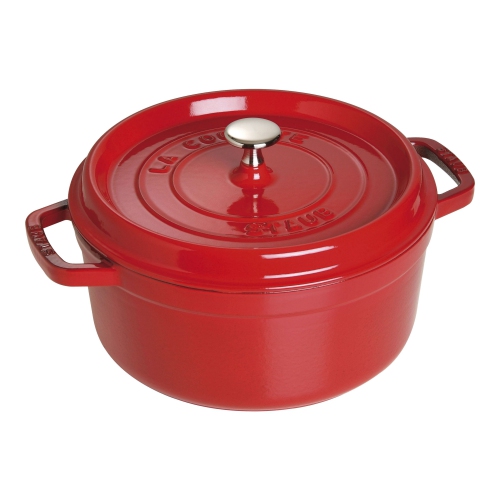 Your price for this item is $399.99
 -
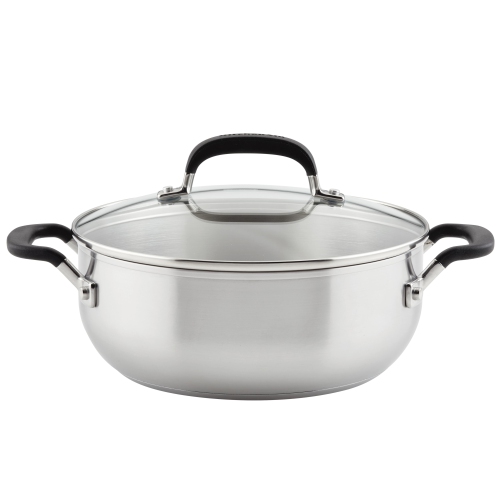 Your price for this item is $69.99
 -
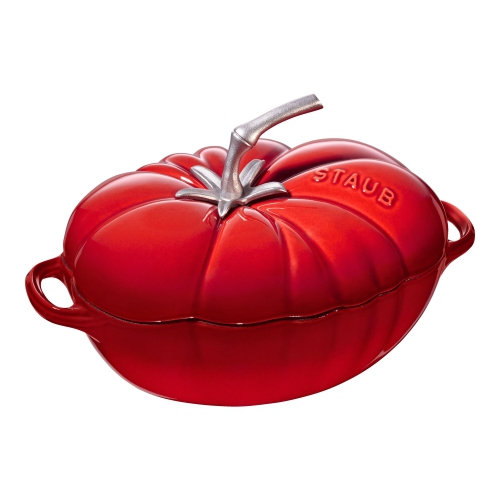 Your price for this item is $399.99
 -
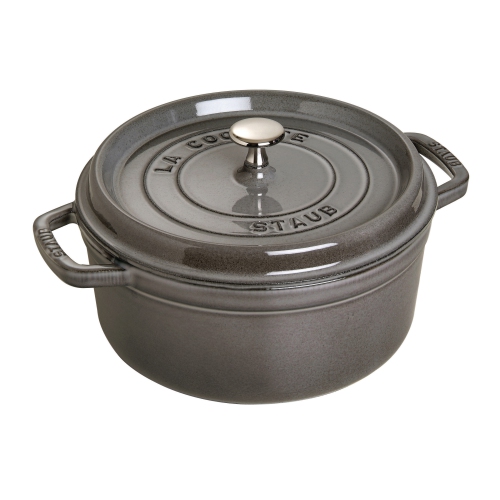 Your price for this item is $399.99
 -
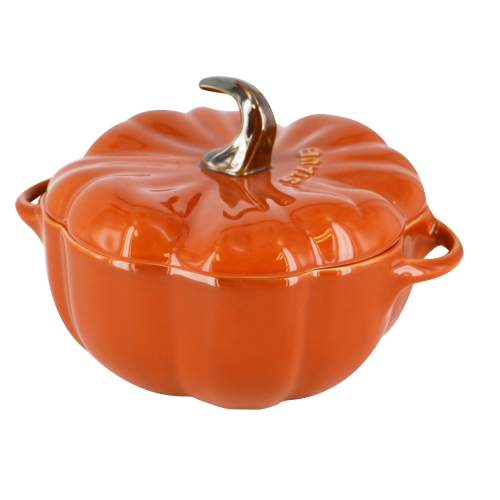 Your price for this item is $69.99
Discover more categories related to Red Cookware
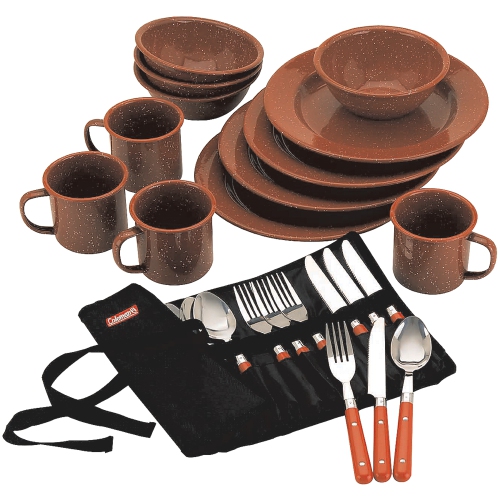
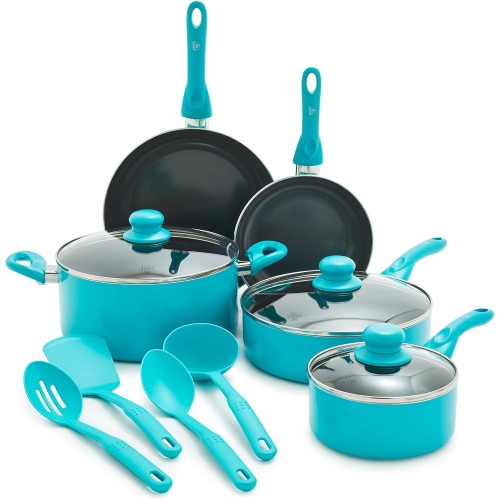
Top Collections:
Pokemon Centers, Kindle Devices, Best Budget Office Chairs, Apple iPhones 16, Best Laptops for Writers, iPhone 15 Apple, Canon G7X Cameras, Refurbished Apple Laptops, Alarm Clock, Motorola Razr Phones
Some products may be subject to Environmental Handling Fees
(EHF) depending on your province.
Learn more about EHFs.