Cordless Light Bulbs
Upgrade your lighting game with our selection of cordless light bulbs. Say goodbye to the hassle of tangled cords and limited placement options. These innovative bulbs provide a convenient and flexible lighting solution for any room in your home. Whether you're looking to create a cozy atmosphere or brighten up your workspace, our range of cordless light bulbs offers a variety of options to suit your needs. With easy installation and long-lasting performance, these bulbs are a must-have addition to your home lighting collection. Discover the freedom of cordless lighting today!
Sort

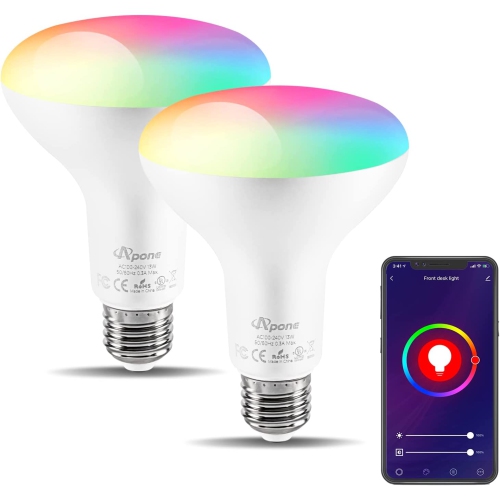
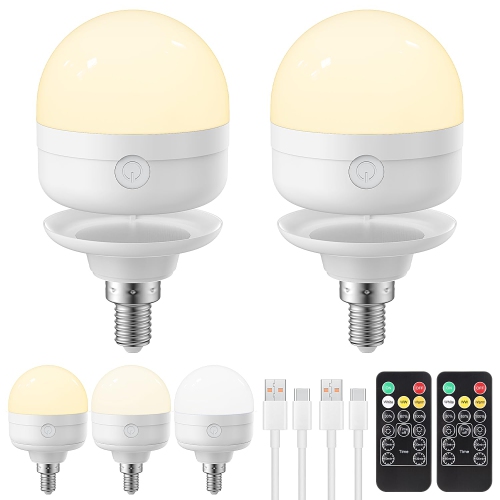

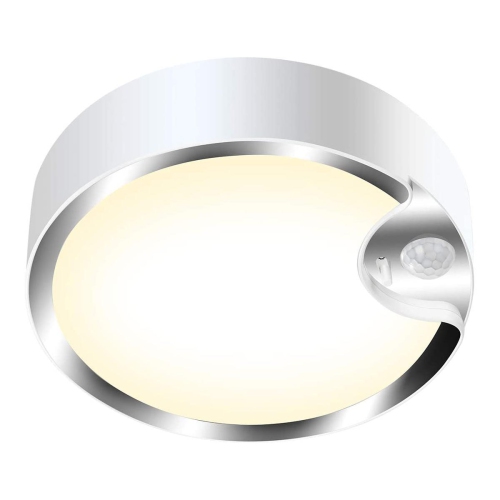
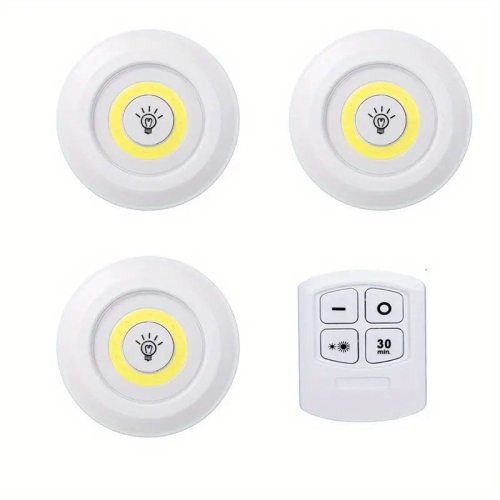
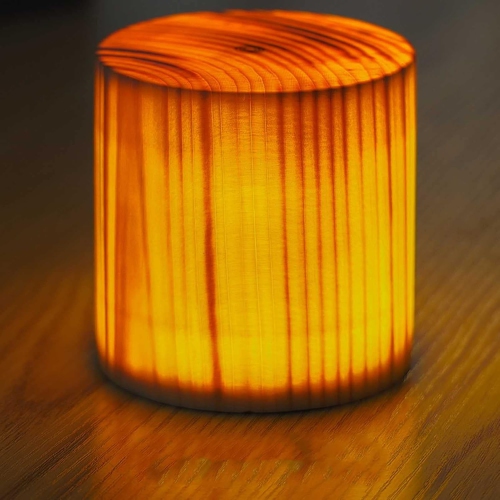
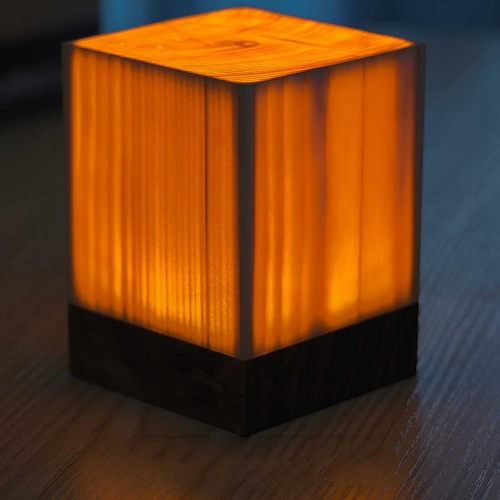

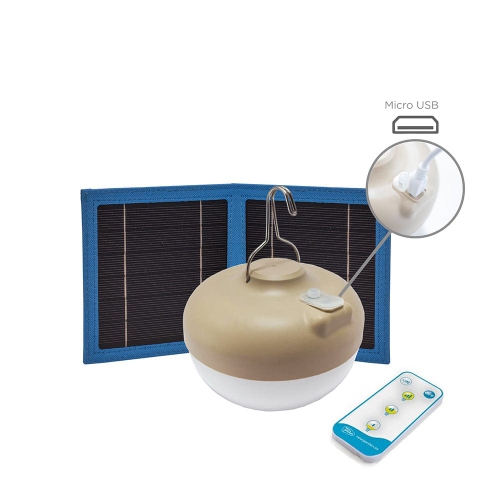
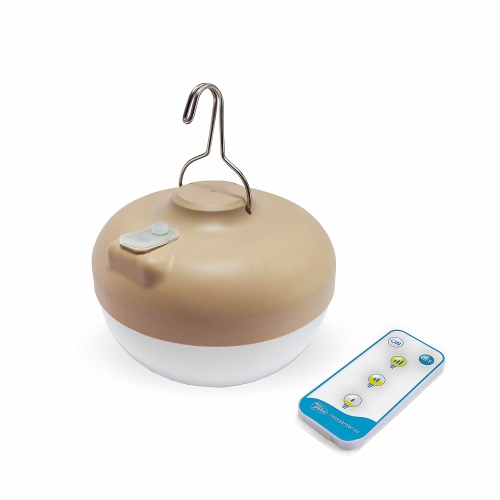
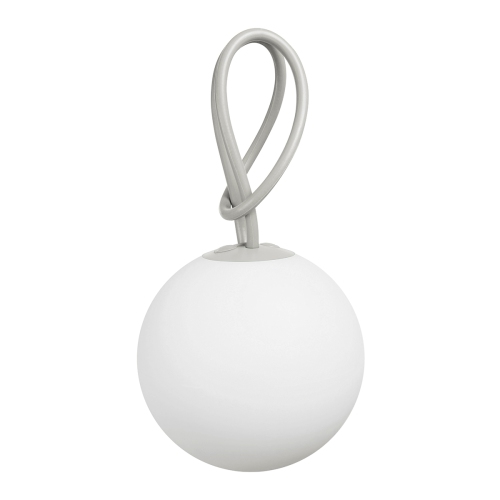
Wireless control does not always mean battery power
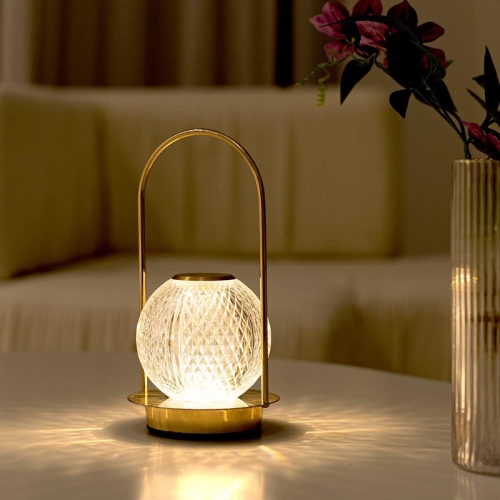
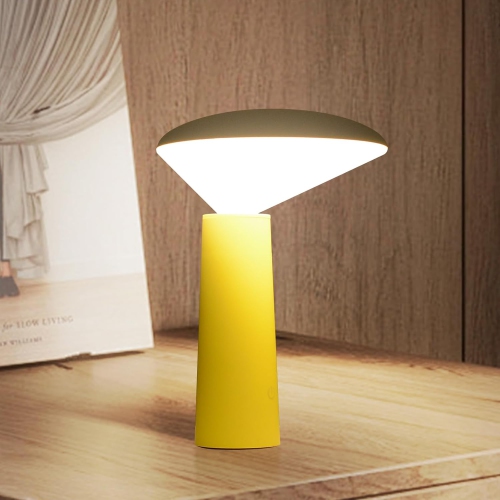
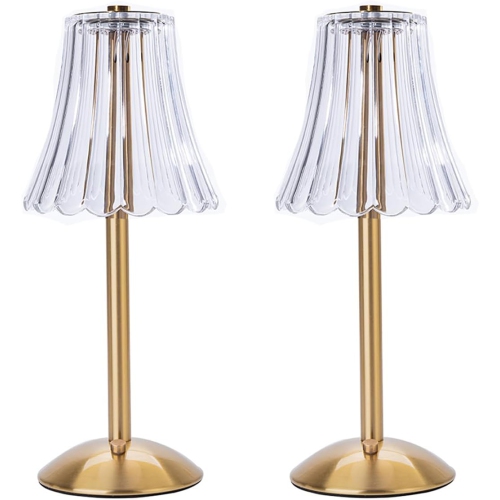
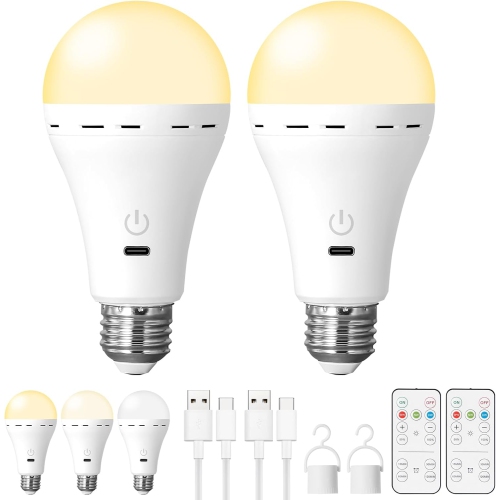
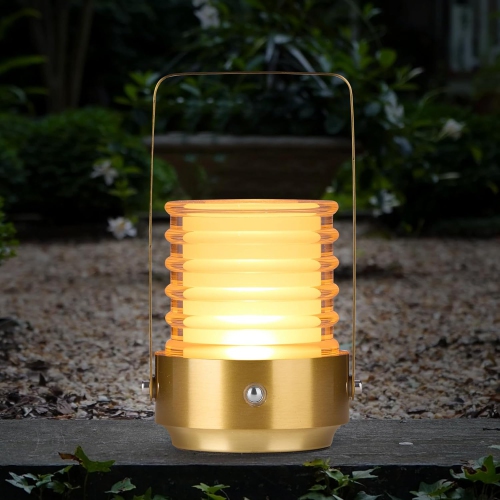
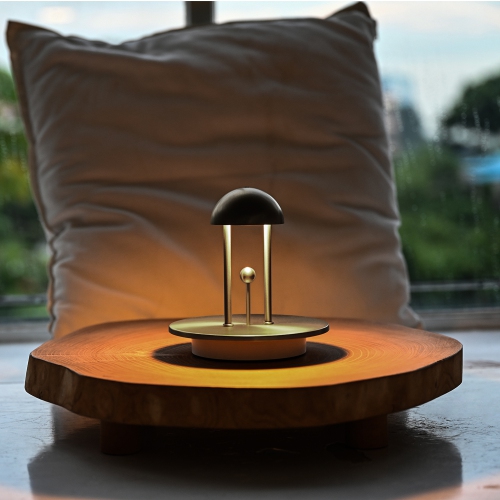
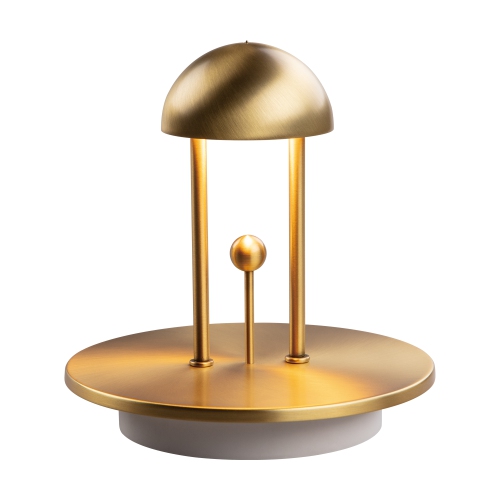
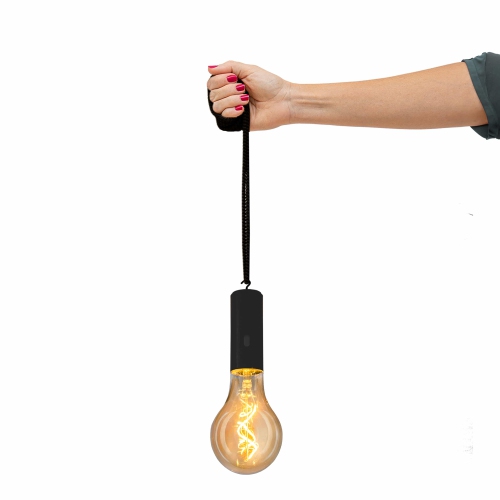
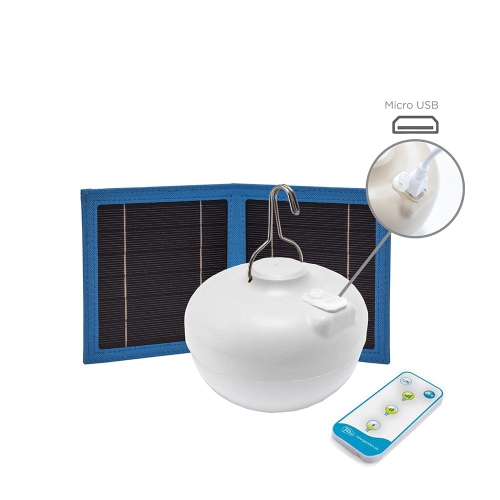
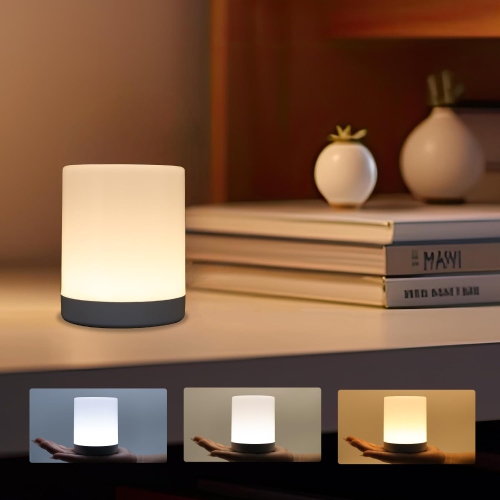
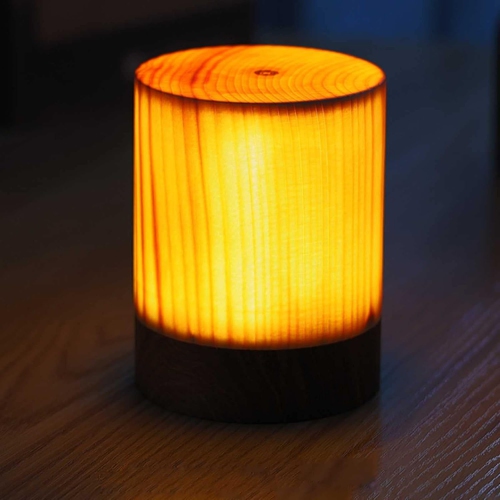
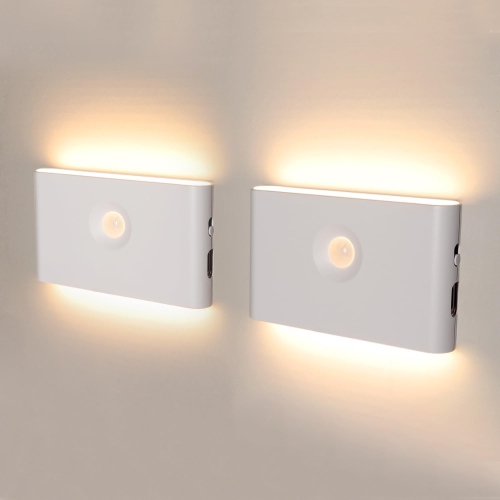
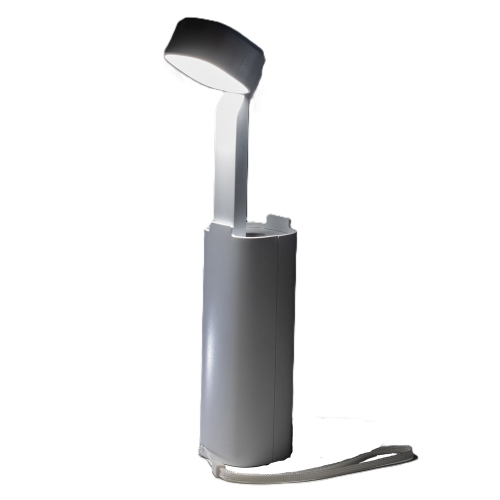
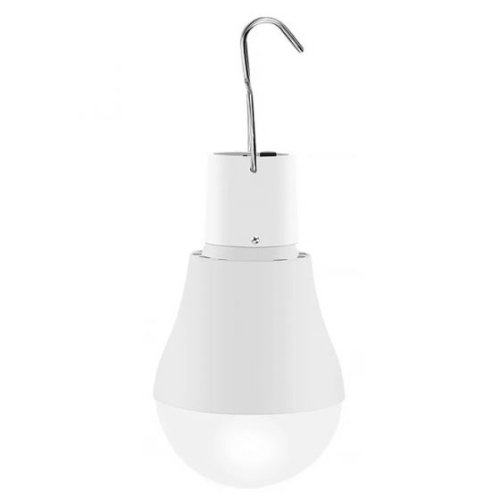
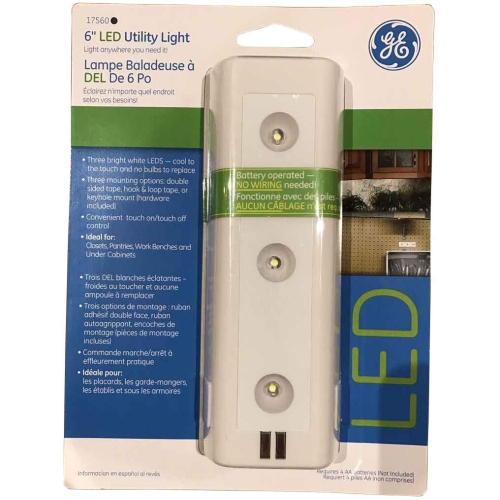
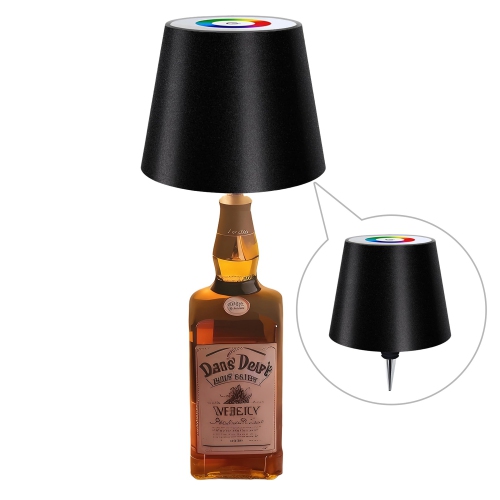
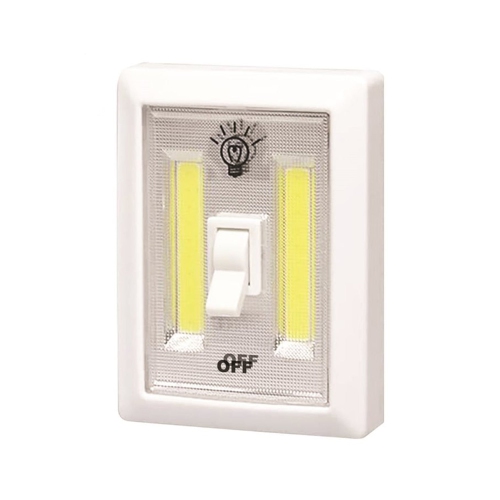
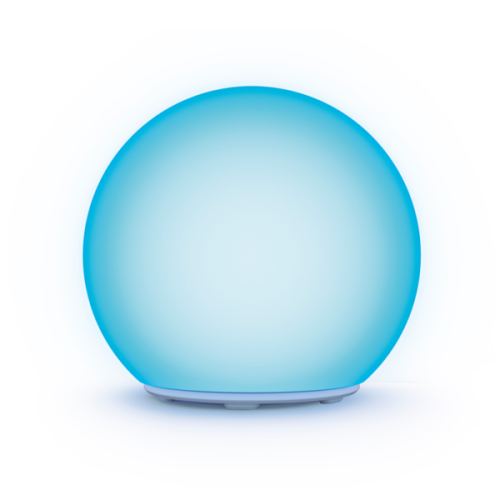
Cordless light bulbs provide illumination from a battery rather than relying on continuous power from a wired light socket. Depending on the design, they may use a built-in rechargeable battery or replaceable batteries, with controls on the bulb, a handheld remote, or a compatible app. The distinction between cordless and wireless matters: a Wi-Fi or Bluetooth smart bulb can receive commands wirelessly while still needing electricity from a powered fixture. A smart bulb is not necessarily battery powered, and a rechargeable bulb does not necessarily offer smart-home features. For a wall sconce beside a reading chair, a decorative lamp on a console table, or an accent light away from an outlet, the useful feature is the ability to illuminate without a live electrical connection during use. Some battery-operated bulbs fit standard lamp sockets, while others need a dedicated holder or mounting accessory. There are also rechargeable backup bulbs designed to work in powered fixtures and provide light during an outage, subject to the fixture and circuit requirements specified for that design. These categories can look similar, so the power source, charging method, and intended installation deserve as much attention as the bulb’s shape. For lighting that can be recharged between uses, rechargeable battery powered light bulbs offer an alternative to designs that require replacement batteries. Charging may take place through a USB connection, a separate charging accessory, or a powered socket, depending on the bulb. A renter adding light to an approved freestanding fixture, a reader brightening a tucked-away chair, and someone dressing a display shelf may all have different needs, even when each is looking for cordless lighting. Matching the bulb to that everyday purpose helps distinguish a gentle decorative glow from practical task lighting. It also helps set realistic expectations: a compact battery bulb intended for occasional accent lighting may not provide the brightness or operating time needed to illuminate a whole room.
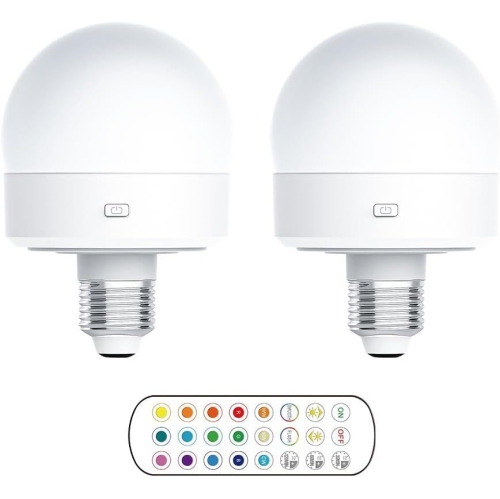
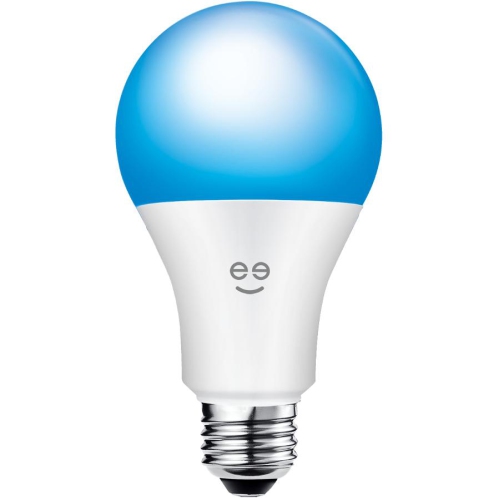
Light output, colour temperature, and battery runtime shape how cordless bulbs feel in daily use. Lumens describe brightness, making them more useful than wattage alone when comparing how much light a bulb produces. A shaded bedside lamp may need only a soft pool of light for winding down, while a reading corner benefits from enough illumination to make printed text comfortable to see. The lampshade matters, too: dense fabric and dark finishes absorb more light, whereas a pale, open shade allows more illumination to reach the surrounding space. Colour temperature describes the appearance of white light, with lower Kelvin values generally producing a warmer, more golden tone and higher values appearing cooler and crisper. Adjustable white light offers flexibility when the same fixture serves as both background lighting and a reading light. Colour-changing functions are another option for decorative accents, although coloured settings may produce less usable illumination than a white-light setting. Dimming can make a bulb more versatile and may extend battery runtime, but advertised operating times often depend on the brightness level and mode used during testing. A bulb used at full output throughout an evening will usually need charging sooner than one used briefly at a low setting. Battery capacity, charging time, and the ease of removing the bulb all affect convenience. In a tall sconce, frequent removal for charging may be awkward; in an accessible table lamp, the same routine may be straightforward. Remote controls are helpful for fixtures that are difficult to reach, but their range, aiming requirements, and ability to control bulbs individually vary. App-based functions require compatible connectivity, and some systems need a separate hub or a particular Wi-Fi network band. Scheduling and voice control should be treated as features to verify rather than assumed benefits of cordless lighting. For a guest room or a gift recipient who prefers simple controls, an accessible button or clearly labelled remote may be more useful than a long list of connected functions.
Physical fit and construction are just as important as lighting features. The base type must match the intended socket or holder, and familiar bulb shapes do not guarantee identical dimensions. Battery housings can make a cordless bulb longer, wider, or heavier than a conventional LED bulb, affecting clearance beneath a shade or inside a decorative fixture. A bulb described as A19, for example, identifies a general shape and size rather than confirming every detail of socket compatibility or clearance. Check the full dimensions, base designation, and fixture requirements, especially where a shade attaches close to the bulb. Screw-in battery bulbs should only be used in the powered or unpowered arrangements expressly supported by their instructions; a socket that accepts the base mechanically is not proof of electrical compatibility. Enclosed fixtures also require specific suitability because restricted airflow can affect heat management and service life. Many cordless bulbs use plastic housings and diffusers to keep weight manageable, while some designs incorporate metal components or glass. Plastic can be practical where bulbs are handled regularly for charging, though no material makes a bulb immune to damage from a fall. For removable holders, secure attachment and a stable fixture help prevent movement during everyday use. Care is generally straightforward: switch the bulb off, disconnect it from charging or electrical power as applicable, and follow its cleaning directions, typically using a soft, dry cloth. Keep charging ports and contacts free of dust, avoid immersing the bulb, and use the specified charging equipment. Rechargeable batteries gradually lose capacity with use, so battery replaceability and warranty coverage can matter for longer-term ownership. Indoor bulbs should not be assumed suitable for damp spaces or outdoor fixtures without the appropriate rating. For bedside lighting, decorative sconces, or occasional accent use, cordless bulbs can reduce dependence on nearby outlets while keeping placement flexible. As a gift, they are most useful when the recipient’s fixture dimensions, preferred controls, and charging routine are known. The best match is a bulb that fits safely, produces the desired light, and is easy to keep ready for its intended use.
Light output, colour temperature, and battery runtime shape how cordless bulbs feel in daily use. Lumens describe brightness, making them more useful than wattage alone when comparing how much light a bulb produces. A shaded bedside lamp may need only a soft pool of light for winding down, while a reading corner benefits from enough illumination to make printed text comfortable to see. The lampshade matters, too: dense fabric and dark finishes absorb more light, whereas a pale, open shade allows more illumination to reach the surrounding space. Colour temperature describes the appearance of white light, with lower Kelvin values generally producing a warmer, more golden tone and higher values appearing cooler and crisper. Adjustable white light offers flexibility when the same fixture serves as both background lighting and a reading light. Colour-changing functions are another option for decorative accents, although coloured settings may produce less usable illumination than a white-light setting. Dimming can make a bulb more versatile and may extend battery runtime, but advertised operating times often depend on the brightness level and mode used during testing. A bulb used at full output throughout an evening will usually need charging sooner than one used briefly at a low setting. Battery capacity, charging time, and the ease of removing the bulb all affect convenience. In a tall sconce, frequent removal for charging may be awkward; in an accessible table lamp, the same routine may be straightforward. Remote controls are helpful for fixtures that are difficult to reach, but their range, aiming requirements, and ability to control bulbs individually vary. App-based functions require compatible connectivity, and some systems need a separate hub or a particular Wi-Fi network band. Scheduling and voice control should be treated as features to verify rather than assumed benefits of cordless lighting. For a guest room or a gift recipient who prefers simple controls, an accessible button or clearly labelled remote may be more useful than a long list of connected functions.
Physical fit and construction are just as important as lighting features. The base type must match the intended socket or holder, and familiar bulb shapes do not guarantee identical dimensions. Battery housings can make a cordless bulb longer, wider, or heavier than a conventional LED bulb, affecting clearance beneath a shade or inside a decorative fixture. A bulb described as A19, for example, identifies a general shape and size rather than confirming every detail of socket compatibility or clearance. Check the full dimensions, base designation, and fixture requirements, especially where a shade attaches close to the bulb. Screw-in battery bulbs should only be used in the powered or unpowered arrangements expressly supported by their instructions; a socket that accepts the base mechanically is not proof of electrical compatibility. Enclosed fixtures also require specific suitability because restricted airflow can affect heat management and service life. Many cordless bulbs use plastic housings and diffusers to keep weight manageable, while some designs incorporate metal components or glass. Plastic can be practical where bulbs are handled regularly for charging, though no material makes a bulb immune to damage from a fall. For removable holders, secure attachment and a stable fixture help prevent movement during everyday use. Care is generally straightforward: switch the bulb off, disconnect it from charging or electrical power as applicable, and follow its cleaning directions, typically using a soft, dry cloth. Keep charging ports and contacts free of dust, avoid immersing the bulb, and use the specified charging equipment. Rechargeable batteries gradually lose capacity with use, so battery replaceability and warranty coverage can matter for longer-term ownership. Indoor bulbs should not be assumed suitable for damp spaces or outdoor fixtures without the appropriate rating. For bedside lighting, decorative sconces, or occasional accent use, cordless bulbs can reduce dependence on nearby outlets while keeping placement flexible. As a gift, they are most useful when the recipient’s fixture dimensions, preferred controls, and charging routine are known. The best match is a bulb that fits safely, produces the desired light, and is easy to keep ready for its intended use.
Top selling and popular products
-
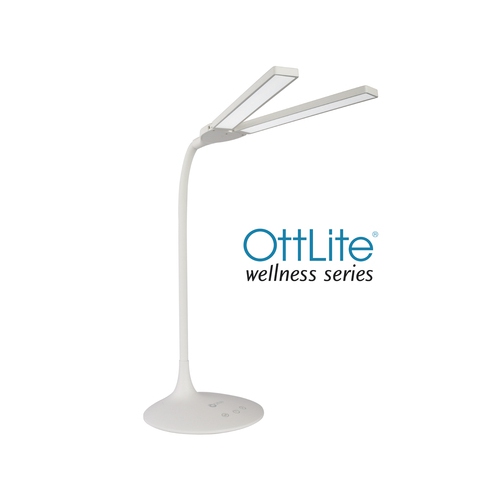 Your price for this item is $114.95
 -
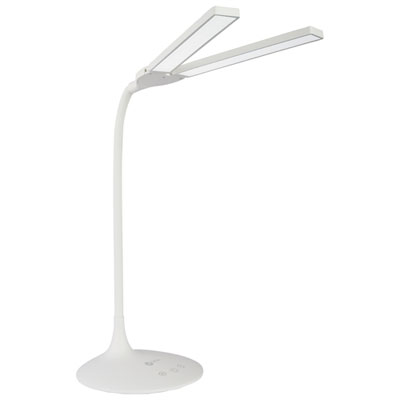 Your price for this item is $79.99
 -
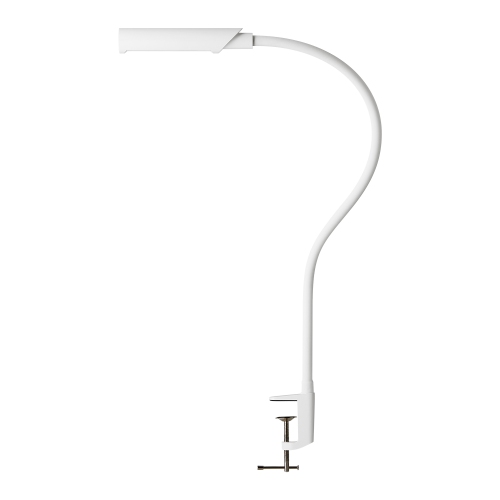 Your price for this item is $79
 -
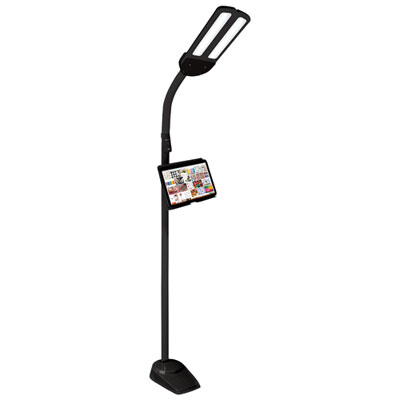 Your price for this item is $279.99
 -
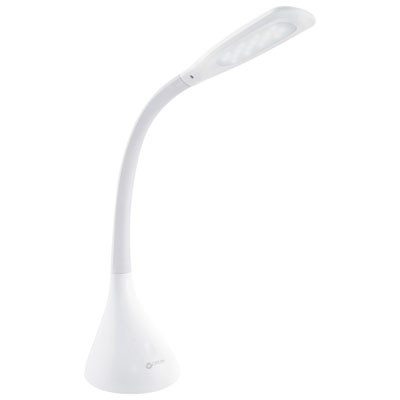 Your price for this item is $59.99
 -
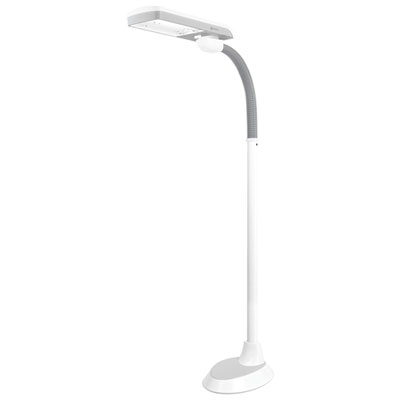 Your price for this item is $199.99
 -
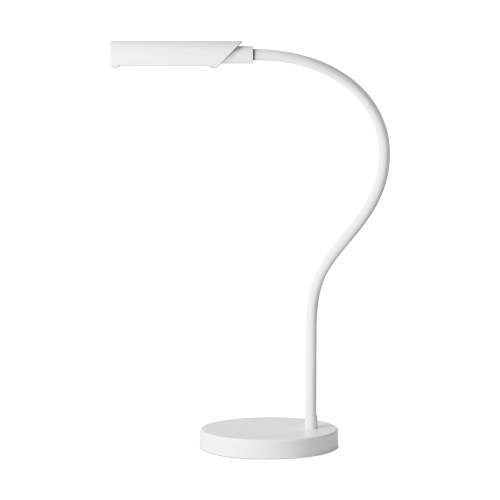 Your price for this item is $119
 -
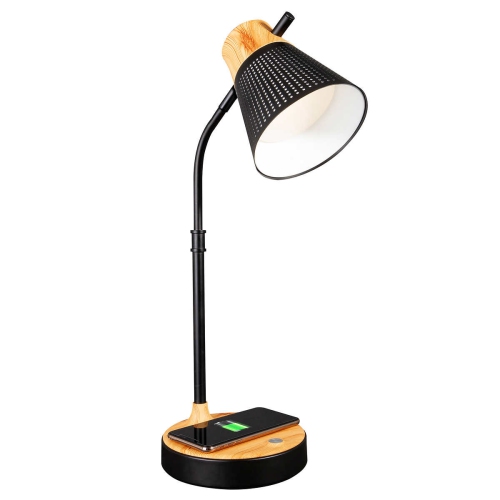 Your price for this item is $112.98
Discover more categories related to Cordless Light Bulbs
Top Collections:
Pokemon Centers, Kindle Devices, Best Budget Office Chairs, Apple iPhones 16, Best Laptops for Writers, iPhone 15 Apple, Canon G7X Cameras, Refurbished Apple Laptops, Alarm Clock, Motorola Razr Phones
Some products may be subject to Environmental Handling Fees
(EHF) depending on your province.
Learn more about EHFs.