Cordless String Trimmers
Looking for a hassle-free way to keep your lawn looking pristine? Look no further than cordless string trimmers! Say goodbye to the limitations of cords and fuel with these convenient and versatile tools. Perfect for tackling overgrown grass and weeds in hard-to-reach areas, cordless string trimmers offer the freedom to move around your yard with ease. Whether you're a seasoned gardener or a weekend warrior, these innovative tools are designed to make yard work a breeze. Say hello to effortless lawn maintenance with cordless string trimmers!
Sort
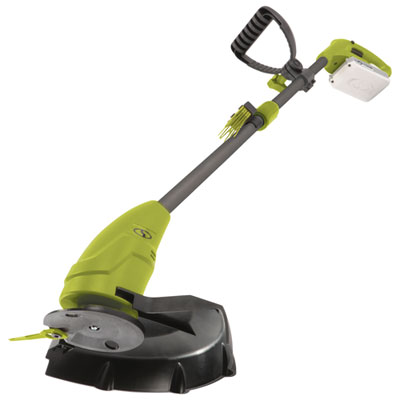
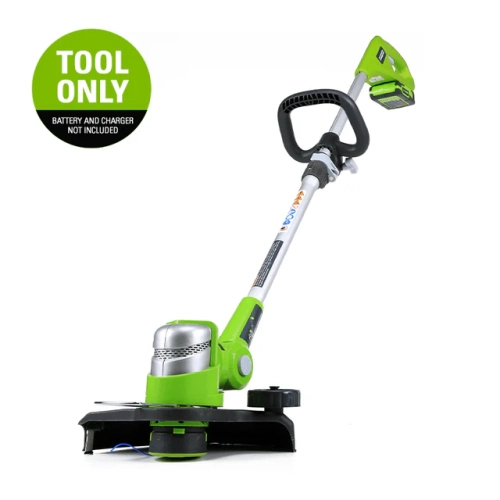
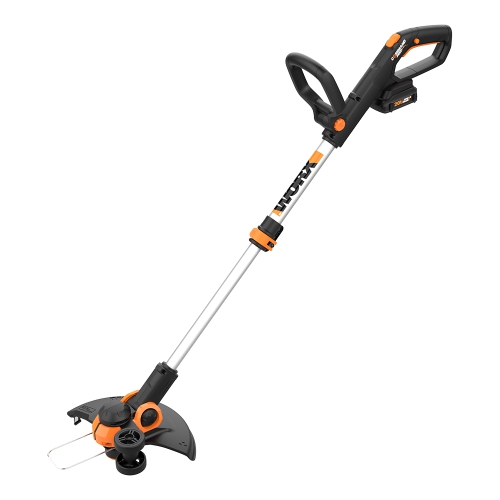
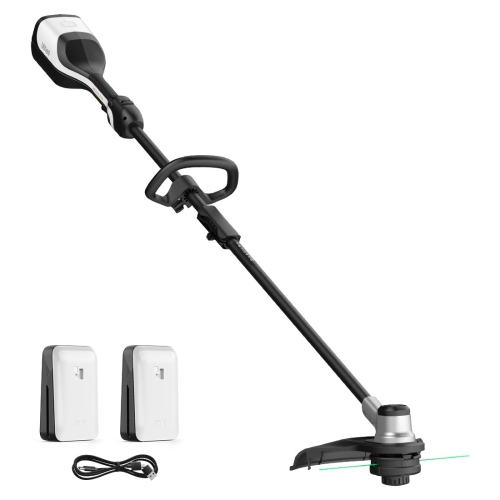
![GREENWORKS 40V 13-Inch Cordless String Trimmer, Tool Only (No Battery Or Charger Included) [75+ Compatible Tools]](https://multimedia.bbycastatic.ca/multimedia/products/500x500/179/17944/17944789.png)
What to know about power, runtime, comfort, and line feed
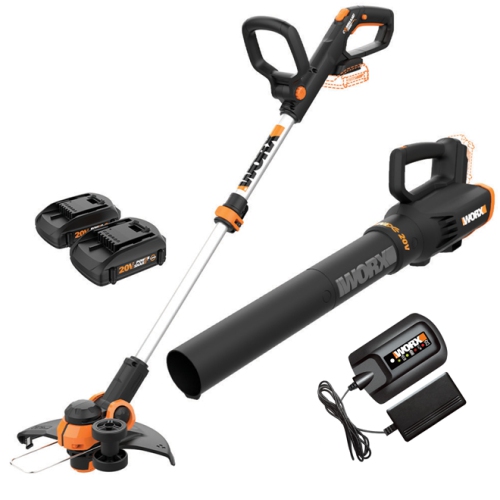
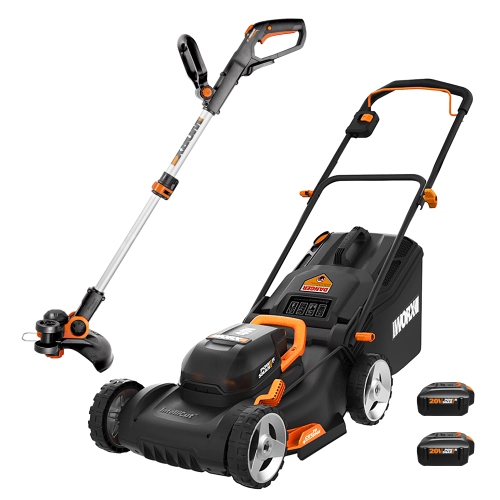
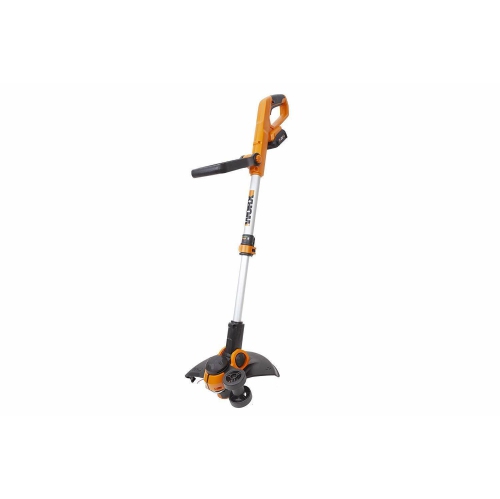
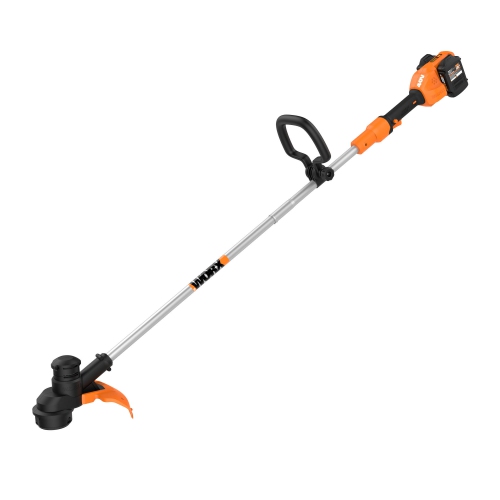
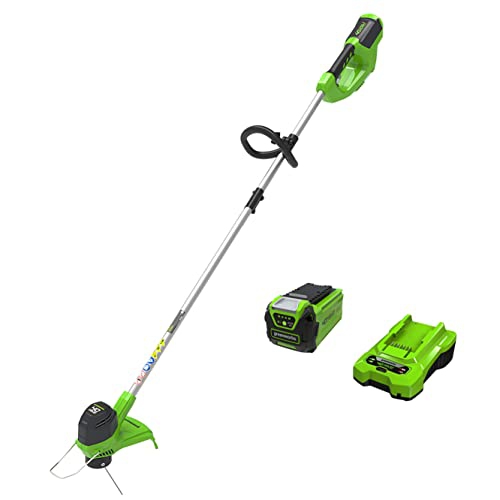
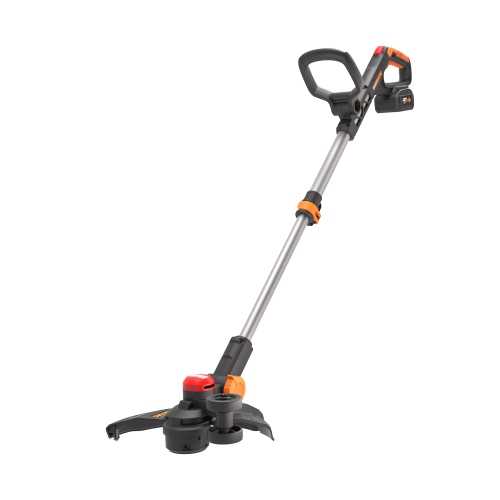
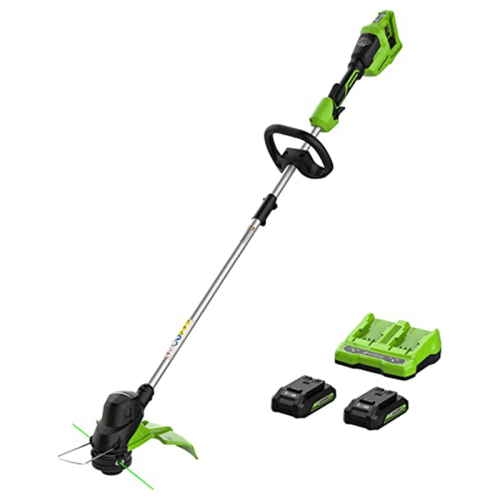
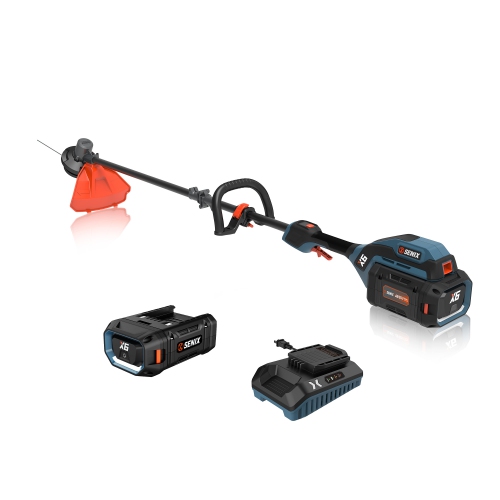
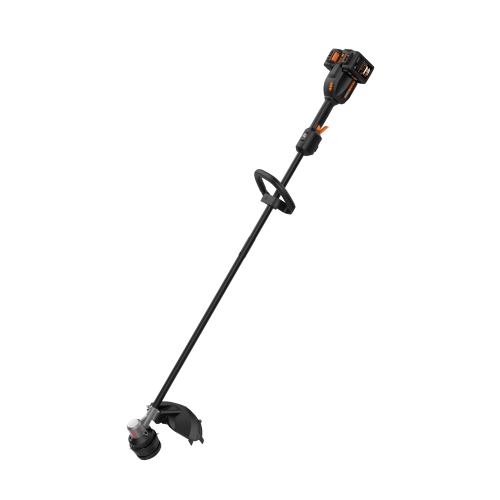
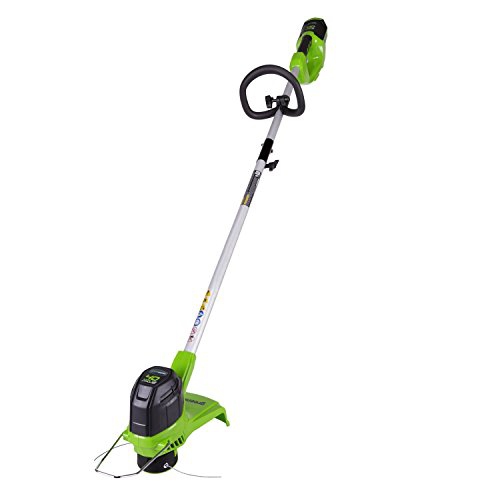
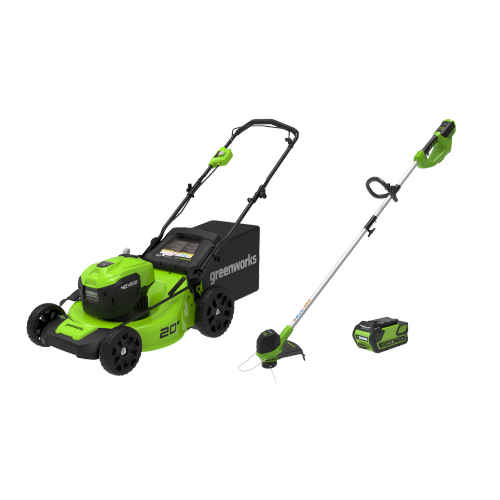
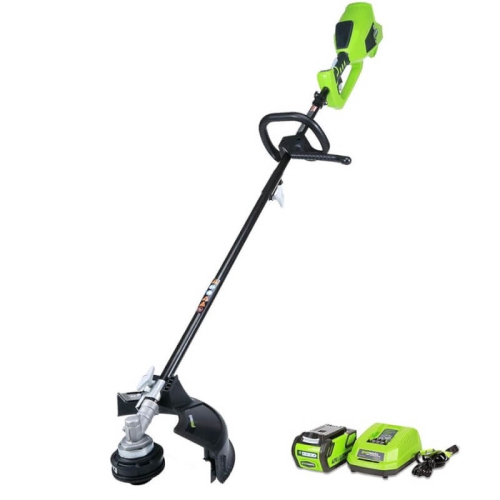
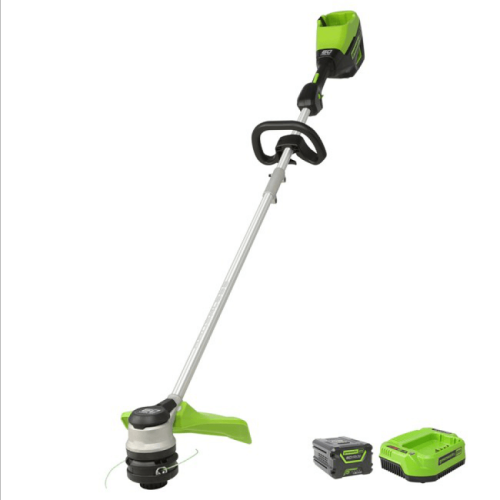
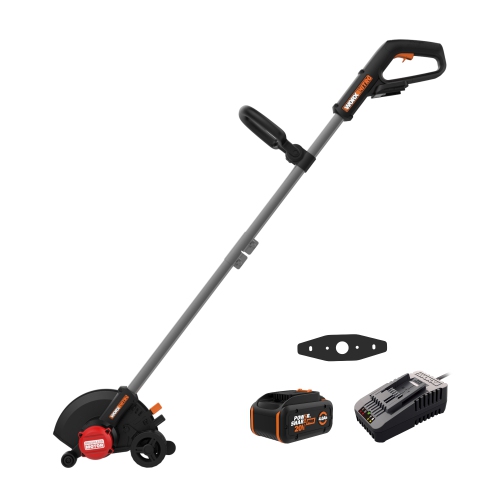
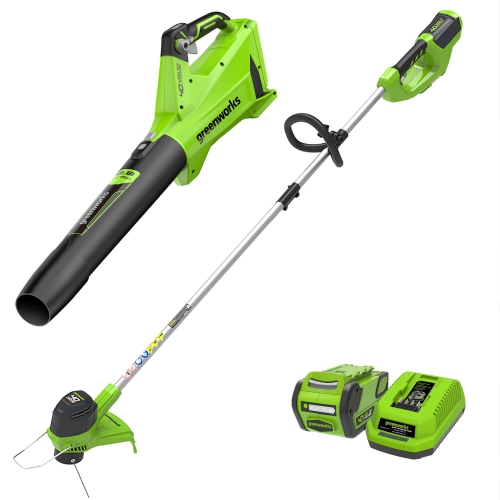
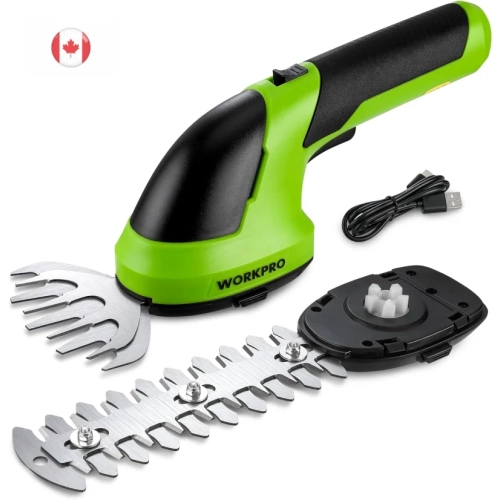
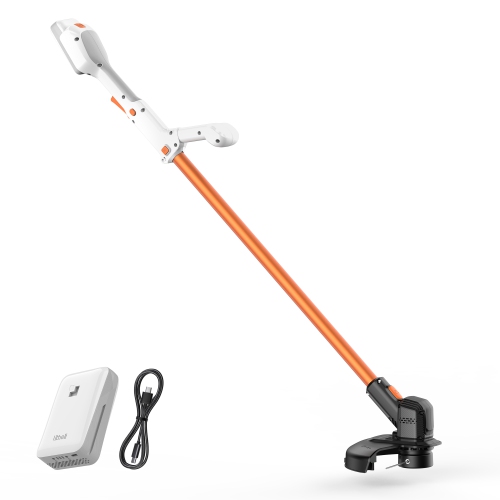
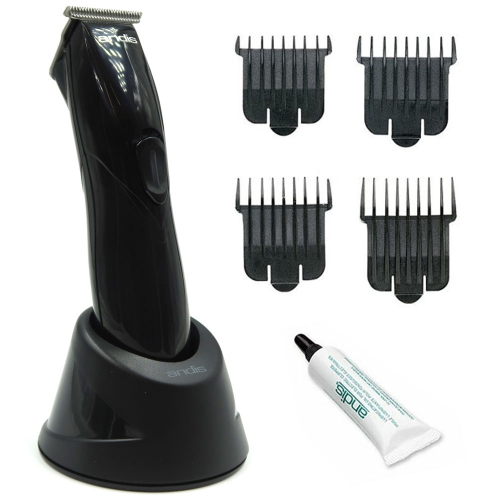
Cordless string trimmers make it easier to keep grass, weeds, and untidy growth under control in the places a lawn mower cannot reach. They are especially useful along fences, garden borders, retaining walls, walkways, decks, sheds, and the edges of driveways, where a narrow strip of grass can quickly make an otherwise neat yard look unfinished. Because these trimmers run on rechargeable batteries, there is no pull cord to manage and no fuel to measure or store before starting a trimming session. Many people appreciate the simple routine: insert a charged battery, press the start control, and guide the cutting head along the edge of the lawn. A cordless string trimmer can be a practical addition for homeowners with small urban yards, larger properties with extensive edging, and anyone who wants a convenient tool for quick touch-ups between mowing days. It can also be a thoughtful gift for a new homeowner, a family member maintaining a cottage, or someone preparing a garden for entertaining during the warmer seasons. When the weather begins to cool, it remains useful for clearing grass that has grown around garden structures, posts, steps, and outdoor storage areas before the yard is put to rest. For users who prefer a more defined border, a model with a pivoting head or an edging mode can help create a clean line beside pavement. Dedicated Cordless Edgers are another option when precise boundary work is the main priority, while a trimmer is generally the more flexible choice for reaching uneven ground, tall weeds, and awkward corners.
Power and battery design are among the most important considerations when choosing cordless string trimmers. Lower-voltage models are often well suited to smaller lawns, light grass, and occasional maintenance, while higher-voltage systems can provide greater cutting strength for dense growth, longer sessions, or larger properties. Voltage is only part of the picture, since battery capacity, commonly expressed in amp-hours, also affects how long a trimmer can run between charges. Runtime varies with the thickness of the vegetation, the length of the cutting line, the speed setting, and whether the user is trimming continuously or pausing to move around obstacles. As a general reference, some battery string trimmers may provide roughly 20 to 45 minutes of active use per charge, although real-world results can differ. A spare compatible battery can be helpful when the work extends beyond a single charge, particularly for properties with long fence lines or several garden areas. Look at the cutting swath as well: a narrower swath can offer better control around flower beds and tight spaces, while a wider swath can cover more ground with each pass. Adjustable swaths provide a useful middle ground. Weight and balance matter just as much as power. A lighter trimmer may be more comfortable for brief edging jobs or users who prefer less strain on their arms, whereas a larger unit may be better equipped for thick weeds but require more frequent breaks. Features such as a variable-speed trigger, adjustable handle, telescoping shaft, shoulder strap, and rotating head can make it easier to match the tool to the task and the user’s height. A guard should shield the operator from flying clippings, and a well-placed line-cutting blade can help maintain a consistent cutting length.
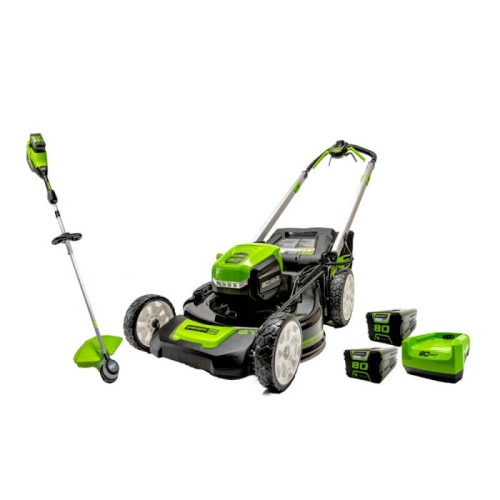
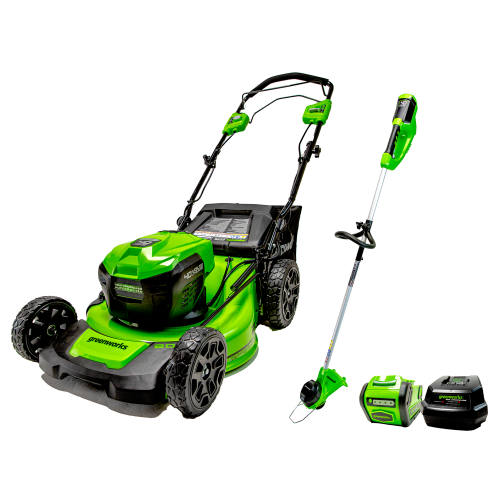
The line-feed system can have a noticeable effect on the experience of using cordless string trimmers. Automatic feed systems release line as needed, while push-button command feed systems allow the user to extend the line with a control on the trimmer. Traditional bump-feed designs release more line when the head is tapped against the ground, which some experienced users prefer because it offers direct control. It is worth checking the line diameter and replacement process before buying, especially if the trimmer will be used on tougher weeds or rough areas near stone and concrete. Many models use a two-line head for faster cutting, while lighter designs may use a single line for simpler maintenance and reduced weight. Some cordless string trimmers are part of attachment-capable systems, allowing one motor unit to work with other outdoor-tool attachments such as a pole saw, hedge trimmer, or cultivator. This can be convenient for shoppers who want to build a coordinated collection, but it is important to confirm that the battery, charger, shaft connection, and attachments are compatible. Before each use, clear toys, stones, sticks, and other objects from the work area, then wear eye protection, sturdy footwear, and clothing that covers exposed skin. Keep people and pets at a safe distance because grass, gravel, and pieces of line can be thrown from the cutting head. Work at a steady pace rather than forcing the trimmer into tall growth, and angle the head so clippings are directed away from paths, windows, vehicles, and garden beds. Afterward, remove debris from the guard and head, inspect the line, store the battery according to the manufacturer’s instructions, and keep the tool in a dry place. With the right combination of power, runtime, comfort, cutting width, and line-feed style, cordless string trimmers can make routine yard care feel quicker, tidier, and far less cumbersome during both the growing season and the cooler months.
Power and battery design are among the most important considerations when choosing cordless string trimmers. Lower-voltage models are often well suited to smaller lawns, light grass, and occasional maintenance, while higher-voltage systems can provide greater cutting strength for dense growth, longer sessions, or larger properties. Voltage is only part of the picture, since battery capacity, commonly expressed in amp-hours, also affects how long a trimmer can run between charges. Runtime varies with the thickness of the vegetation, the length of the cutting line, the speed setting, and whether the user is trimming continuously or pausing to move around obstacles. As a general reference, some battery string trimmers may provide roughly 20 to 45 minutes of active use per charge, although real-world results can differ. A spare compatible battery can be helpful when the work extends beyond a single charge, particularly for properties with long fence lines or several garden areas. Look at the cutting swath as well: a narrower swath can offer better control around flower beds and tight spaces, while a wider swath can cover more ground with each pass. Adjustable swaths provide a useful middle ground. Weight and balance matter just as much as power. A lighter trimmer may be more comfortable for brief edging jobs or users who prefer less strain on their arms, whereas a larger unit may be better equipped for thick weeds but require more frequent breaks. Features such as a variable-speed trigger, adjustable handle, telescoping shaft, shoulder strap, and rotating head can make it easier to match the tool to the task and the user’s height. A guard should shield the operator from flying clippings, and a well-placed line-cutting blade can help maintain a consistent cutting length.
The line-feed system can have a noticeable effect on the experience of using cordless string trimmers. Automatic feed systems release line as needed, while push-button command feed systems allow the user to extend the line with a control on the trimmer. Traditional bump-feed designs release more line when the head is tapped against the ground, which some experienced users prefer because it offers direct control. It is worth checking the line diameter and replacement process before buying, especially if the trimmer will be used on tougher weeds or rough areas near stone and concrete. Many models use a two-line head for faster cutting, while lighter designs may use a single line for simpler maintenance and reduced weight. Some cordless string trimmers are part of attachment-capable systems, allowing one motor unit to work with other outdoor-tool attachments such as a pole saw, hedge trimmer, or cultivator. This can be convenient for shoppers who want to build a coordinated collection, but it is important to confirm that the battery, charger, shaft connection, and attachments are compatible. Before each use, clear toys, stones, sticks, and other objects from the work area, then wear eye protection, sturdy footwear, and clothing that covers exposed skin. Keep people and pets at a safe distance because grass, gravel, and pieces of line can be thrown from the cutting head. Work at a steady pace rather than forcing the trimmer into tall growth, and angle the head so clippings are directed away from paths, windows, vehicles, and garden beds. Afterward, remove debris from the guard and head, inspect the line, store the battery according to the manufacturer’s instructions, and keep the tool in a dry place. With the right combination of power, runtime, comfort, cutting width, and line-feed style, cordless string trimmers can make routine yard care feel quicker, tidier, and far less cumbersome during both the growing season and the cooler months.
Top selling and popular products
-
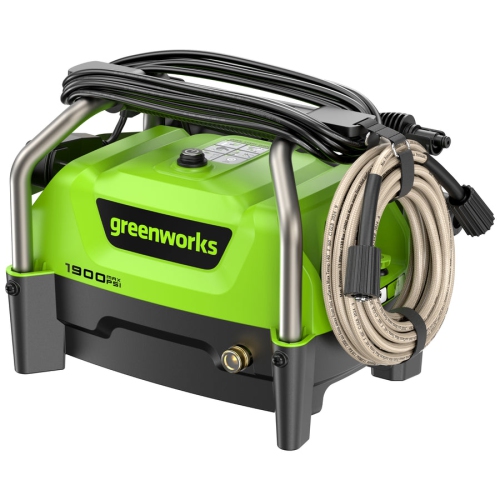 Your price for this item is $169.99
 -
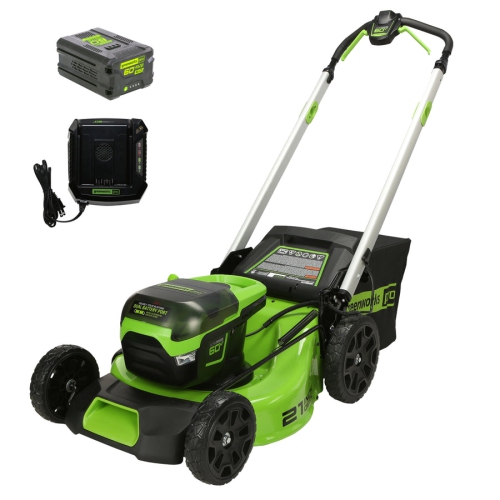 Your price for this item is $554.39
 -
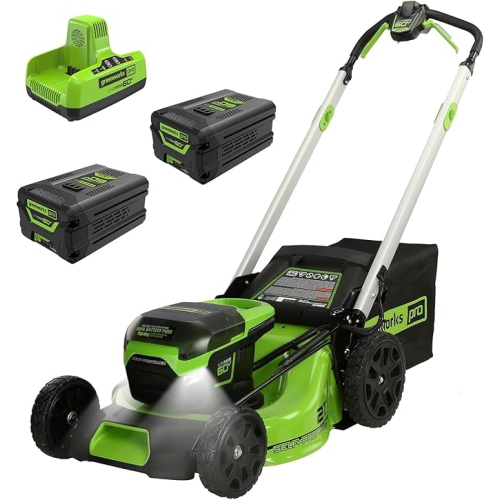 Your price for this item is $879.99
 -
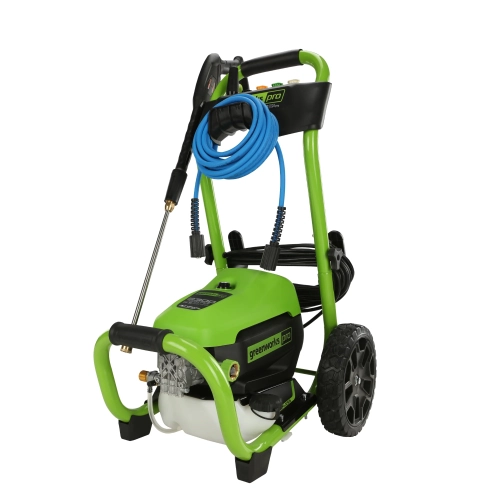 Your price for this item is $439.99
 -
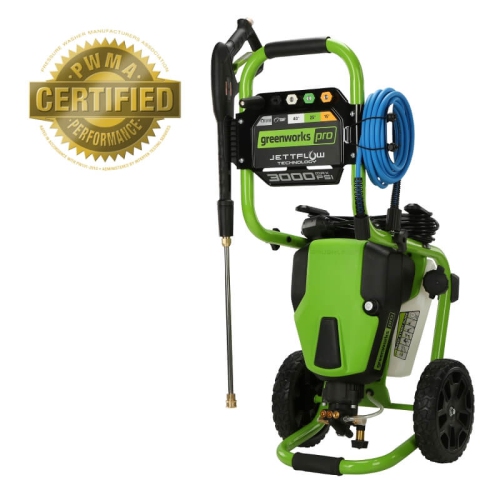 Your price for this item is $499
 -
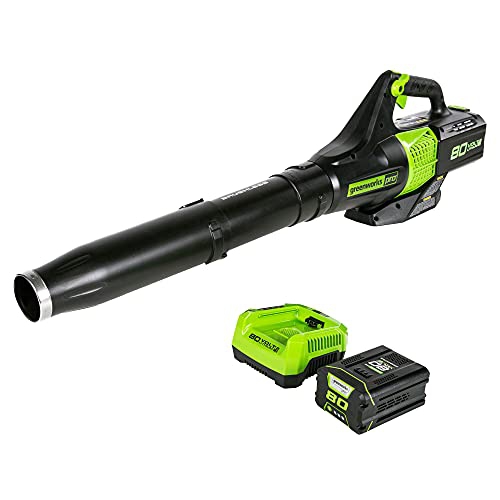 Your price for this item is $255
 -
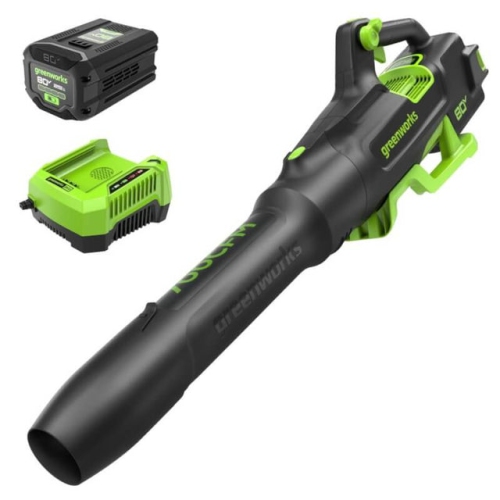 Your price for this item is $272
 -
 Your price for this item is $329.99
Discover more categories related to Cordless String Trimmers

Top Collections:
Pokemon Centers, Kindle Devices, Best Budget Office Chairs, Apple iPhones 16, Best Laptops for Writers, iPhone 15 Apple, Canon G7X Cameras, Refurbished Apple Laptops, Alarm Clock, Motorola Razr Phones
Some products may be subject to Environmental Handling Fees
(EHF) depending on your province.
Learn more about EHFs.