Cordless Lawn Mowers
Looking to maintain a pristine lawn without the hassle of cords and gas? Look no further than cordless lawn mowers. These inn ovative machines offer a convenient and eco-friendly solution to traditional lawn care. With their powerful batteries and advanced cutting systems, cordless lawn mowers provide the freedom to roam your yard without being tethered to a power source. Whether you have a small urban garden or a sprawling suburban lawn, these versatile machines deliver exceptional performance, making lawn maintenance a breeze. Say goodbye to the noise, fumes, and limitations of corded or gas-powered mowers and embrace the future of effortless lawn care with cordless options.
Sort


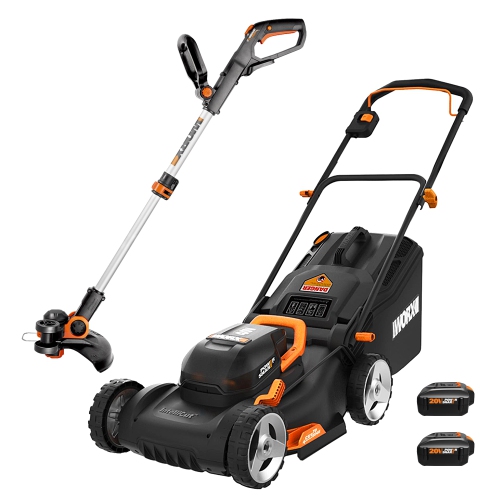
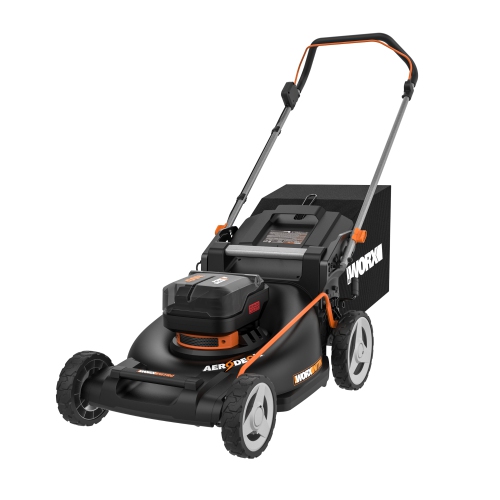


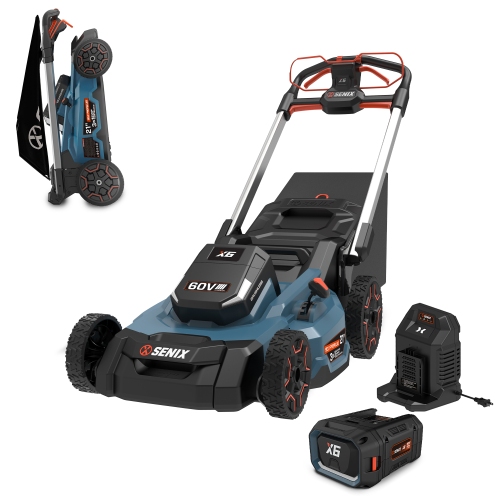

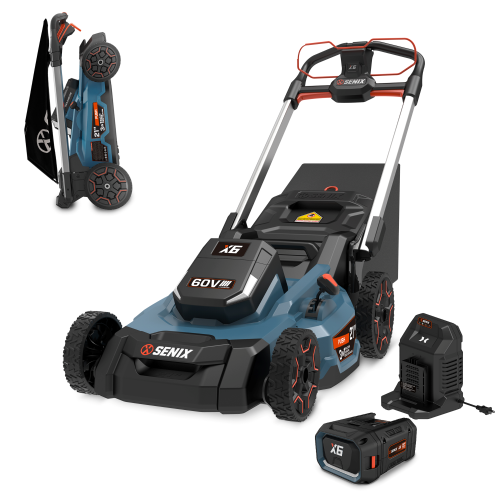



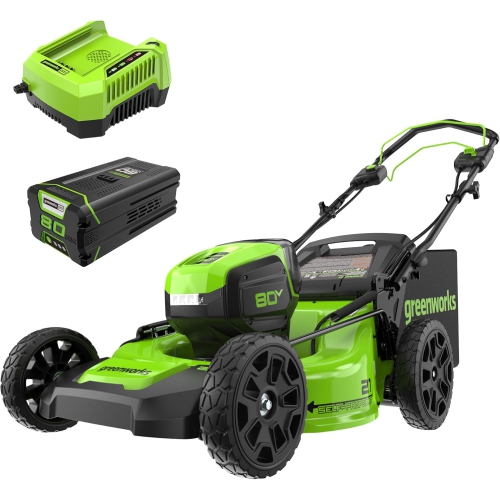
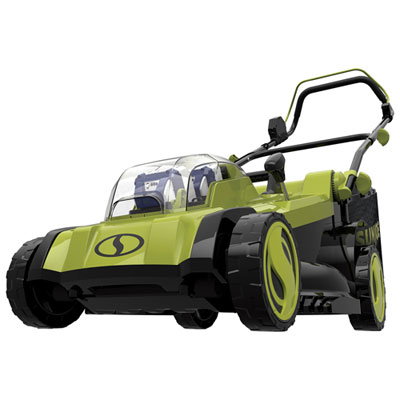
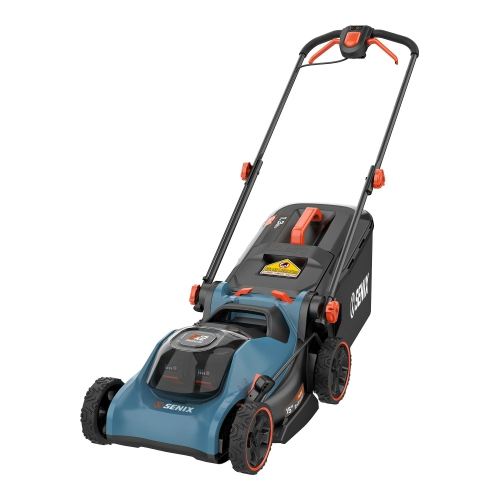
Why mower runtime depends on more than battery capacity
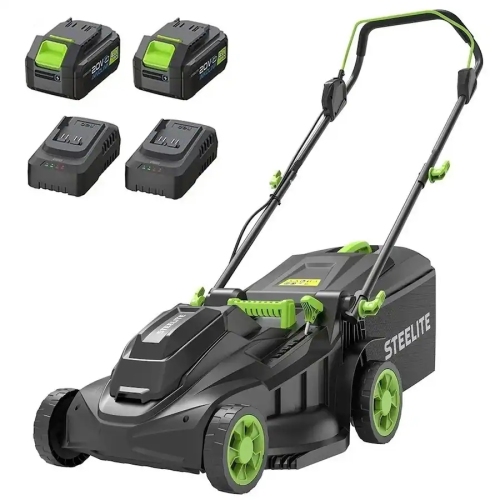
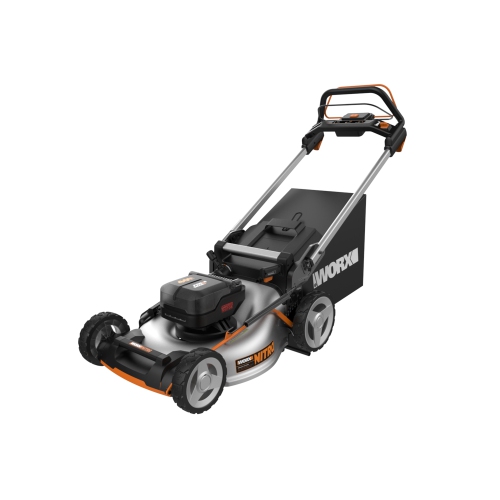
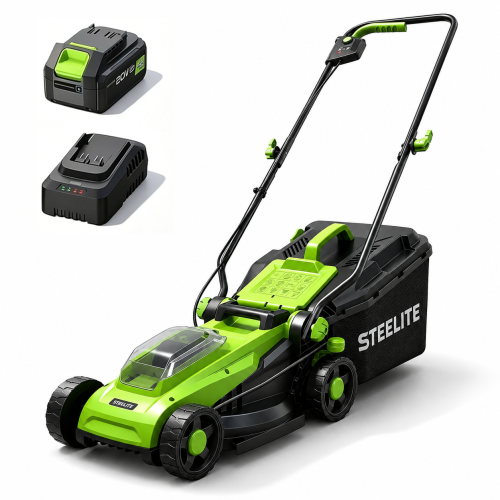
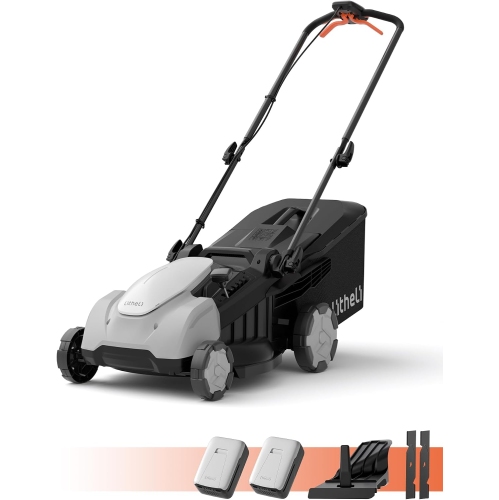
Cordless lawn mowers are electric lawn mowers powered by rechargeable batteries, typically lithium-ion, so they can cut grass without a trailing extension cord. They do not require gasoline, engine oil changes, or spark plugs, and they generally operate more quietly than gasoline-powered mowers, although the motor and spinning blade still produce sound. Within the broader range of Electric Lawn Mowers, cordless designs offer freedom of movement around trees, garden beds, and pathways without needing to manage a cord across the lawn. They can suit homeowners maintaining a compact front yard, a fenced backyard, or a larger lawn when battery capacity and mower design match the work involved. Runtime depends on more than the battery label: grass height, thickness, moisture, cutting height, terrain, and the use of self-propulsion all affect how much ground a mower can cover. A runtime estimate measured under light cutting conditions may not reflect a yard with dense grass and several slopes. Battery capacity, expressed in amp-hours, is useful when comparing batteries within the same voltage platform, but voltage alone does not establish how long a mower will run or how well it will cut. Some designs use one battery, while others require two batteries together or provide an additional battery position. That distinction matters when assessing the complete setup, along with whether batteries and a compatible charger are included. Charging time also affects convenience, particularly when mowing separate areas on the same day. An interchangeable battery system can be practical for households using other compatible cordless yard tools, but compatibility must be confirmed for the exact platform rather than assumed from a matching voltage. For a small, straightforward lawn, a lighter mower may be easier to handle than a larger machine with more capacity than the space requires. For longer mowing sessions, the relationship between usable runtime, charging arrangements, and the lawn’s actual cutting demands becomes more important than any single specification.
The mower’s cutting deck determines the width of each pass and has a noticeable effect on manoeuvrability. A wider deck can reduce the number of passes across an open lawn, while a narrower deck can be easier to steer through a side gate, around a raised flower bed, or between closely spaced shrubs. Overall dimensions matter as much as cutting width when the mower needs to pass through a shed doorway or share storage space with bicycles and garden tools. Push mowers rely on the operator to move them forward, which can work well on relatively level ground with shorter mowing routes. Self-propelled designs assist forward movement and may make longer stretches or gentle inclines less tiring, although slope limits still depend on the manufacturer’s instructions. Adjustable drive speed can help match the mower’s pace to a comfortable walking speed, especially where a route includes frequent turns. Wheel size, tread, mower weight, and handle position also influence how the machine feels over uneven ground. Cutting-height adjustment allows the grass length to be matched to the lawn’s needs, and a single-lever system can simplify changing the setting across all wheels. Mulching, bagging, and discharge options offer different ways to manage clippings. Mulching cuts clippings into smaller pieces and returns them to the lawn, while bagging collects them for removal and can leave a tidier finish around patios and walkways. A grass catcher’s capacity, handle placement, and attachment design affect how easy it is to lift, empty, and reinstall. Deck construction is another practical consideration: steel adds weight and can be sturdy, while composite or polymer decks resist rust and may reduce overall weight. Neither material alone guarantees durability; construction quality, blade condition, cleaning, and storage all contribute. Brushless motors and automatic power adjustment are additional features found on some cordless mowers, with potential benefits for motor efficiency and response to changing grass density. Their usefulness is best considered alongside the mower’s cutting system and intended workload.
Comfort and routine care have a lasting effect on how satisfying a cordless lawn mower is to use. Height-adjustable handles can improve fit for different users, while folding handles help reduce the space needed between mowing sessions. Some mowers are designed for upright storage, but that capability should be confirmed rather than assumed. Carry handles and manageable weight can make a difference where the route to the lawn includes steps, provided the mower is stopped and handled according to its instructions. Starting usually involves a safety control and a button or lever rather than a pull cord, making the starting process straightforward without removing the need for careful handling. Battery-powered operation does not make the blade harmless: safety interlocks, protective footwear, clear mowing areas, and keeping children and pets away remain important. A cordless mower avoids several gasoline-engine maintenance tasks, but it is not maintenance-free. A sharp, balanced blade helps produce a cleaner cut, while accumulated clippings beneath the deck can interfere with cutting and collection. Cleaning methods vary by design, and a mower should not be hosed down unless its instructions specifically allow it. Before cleaning, clearing a blockage, or inspecting the blade, the battery and any removable safety key need to be disconnected as directed by the manufacturer. Batteries also need suitable care, including the correct charger, protection from damage and moisture, and storage within the specified temperature range. For longer periods without use, the battery’s storage charge guidance is especially relevant. Keeping the mower clean and dry, checking fasteners and wheels, and replacing worn parts can help preserve its performance. For a first home with a manageable lawn, the appeal may be simple starting and compact storage; for an established household, it may be easier movement around landscaping or compatibility with existing yard tools. The strongest fit is a mower whose size, controls, cutting options, and battery setup make regular lawn care feel manageable from the first pass to the final strip along the fence.
Top selling and popular products
-
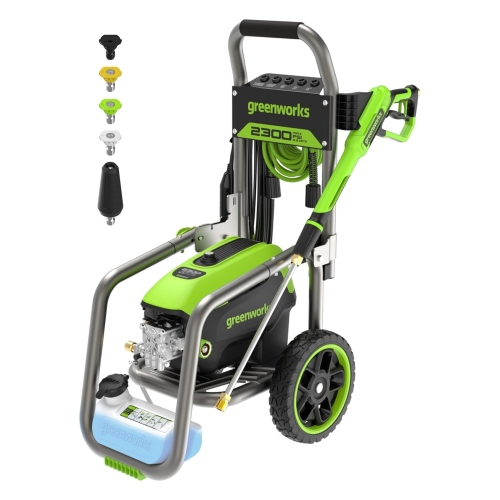 Your price for this item is $569.99
-
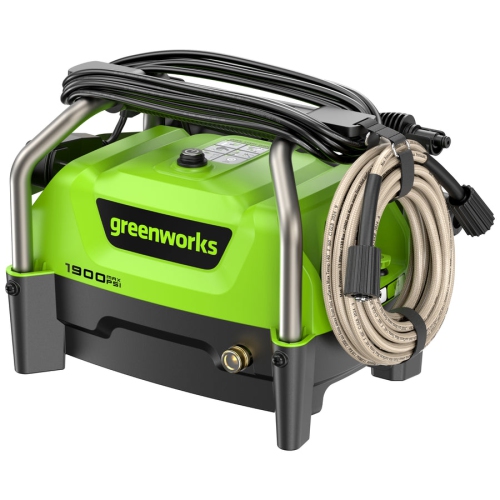 Your price for this item is $199.99
-
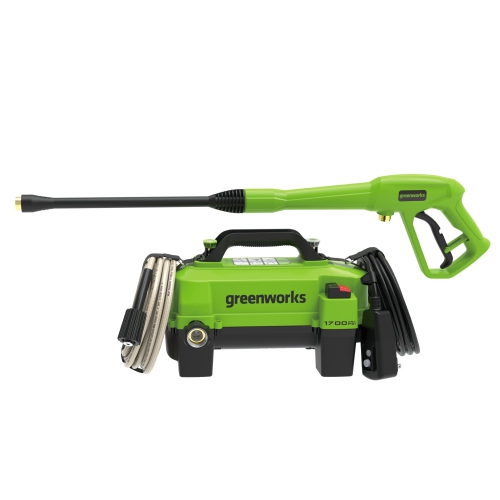 Your price for this item is $179.99
-
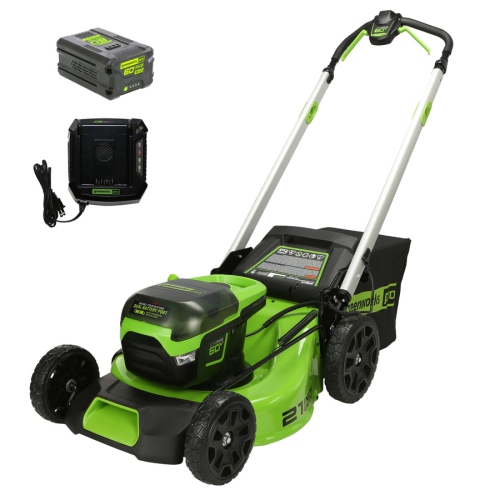 Your price for this item is $839.99
-
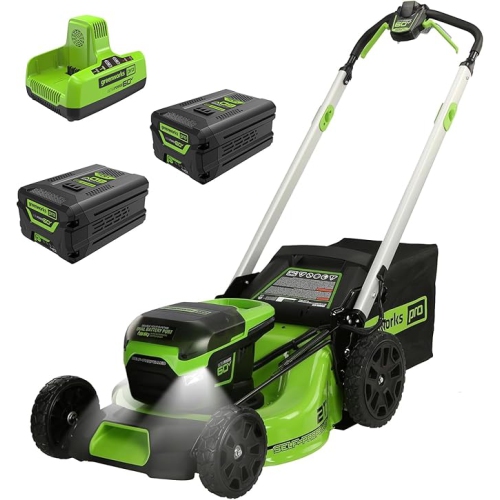 Your price for this item is $939.99
-
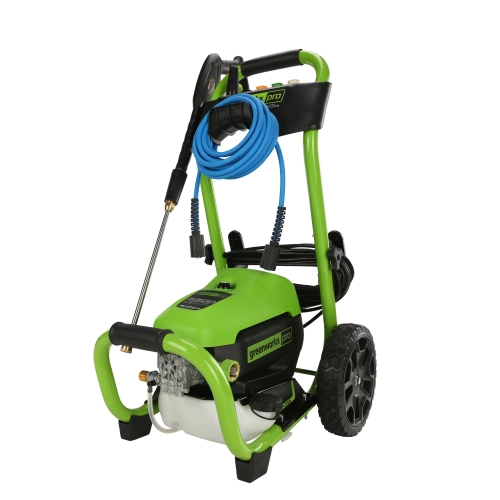 Your price for this item is $459.99
-
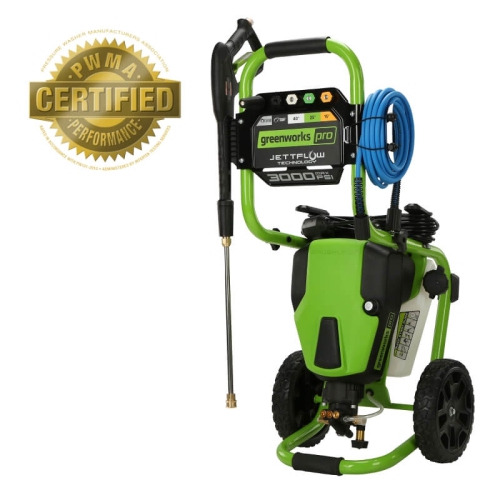 Your price for this item is $539.99
-
 Your price for this item is $569.99
Discover more categories related to Cordless Lawn Mowers
Top Collections:
Best Black Friday Deals This Year, Best Black Friday Deals On Electronics, Kindle Devices, Pokemon Centers, Best Black Friday Deals On Apple Products, Best Cameras for Sports Photography, Dyson Airwrap, Pokémon 30th Celebration Cards, Apple iPhone 17 Pro, Canon G7X Cameras
Some products may be subject to Environmental Handling Fees
(EHF) depending on your province.
Learn more about EHFs.