Corner Glass Desks
Corner glass desks are designed to fit perfectly in almost any corner, making the most of your available space while adding a touch of sophistication to your decor. With their transparent glass surfaces and sturdy construction, these desks offer a contemporary look that effortlessly blends with almost any design aesthetic. Here are some great options avaialble.
Sort
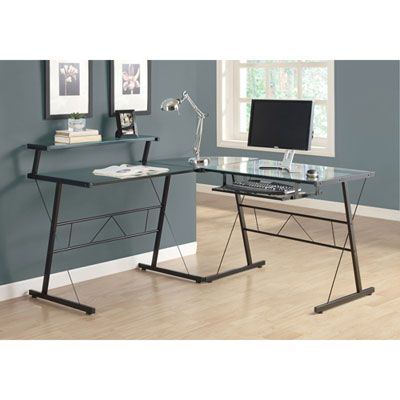
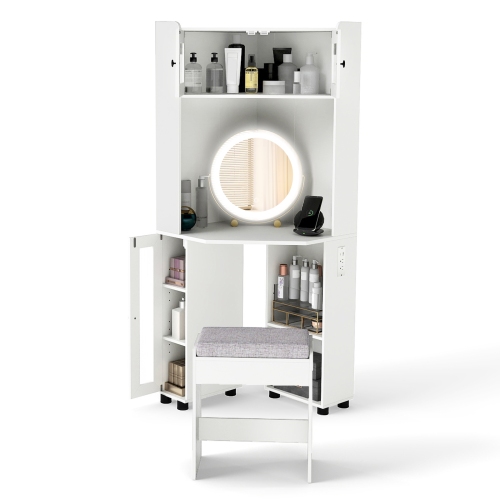

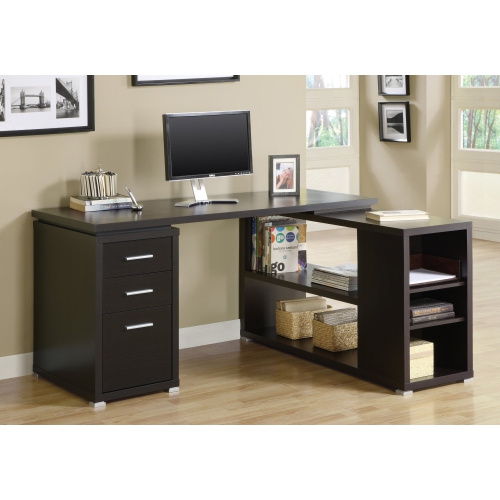
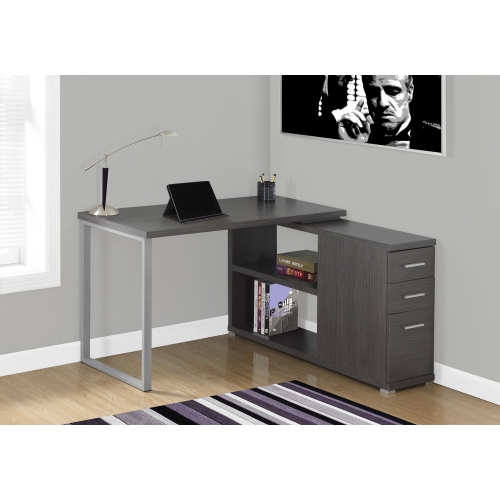

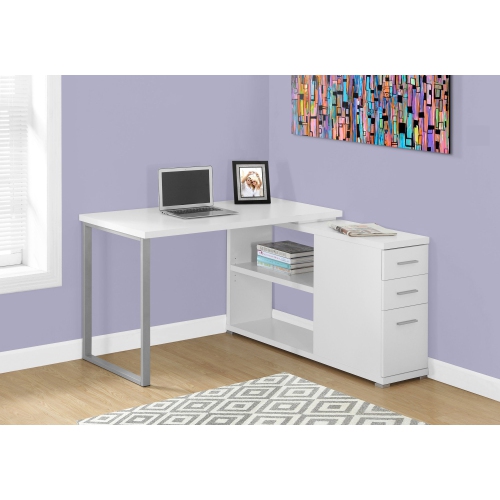
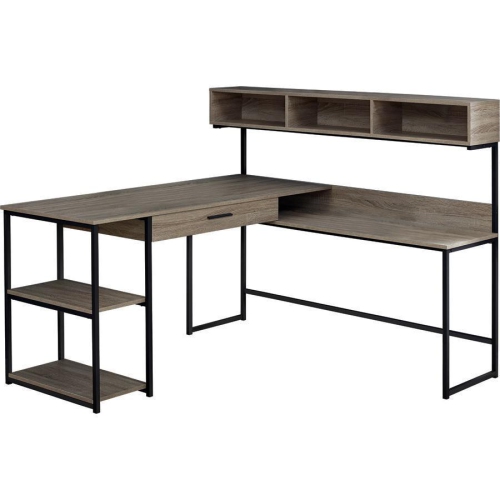
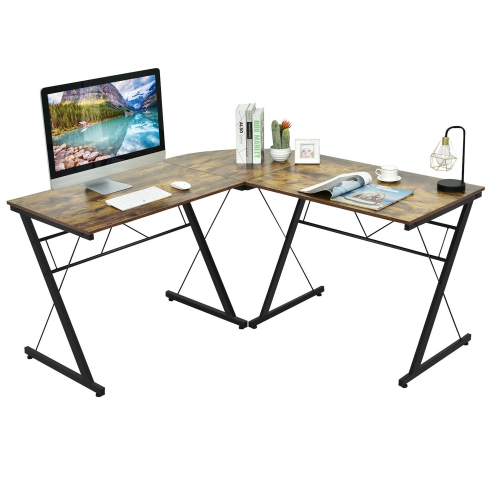
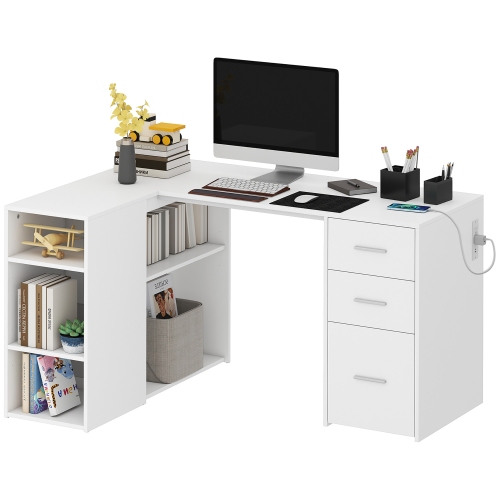
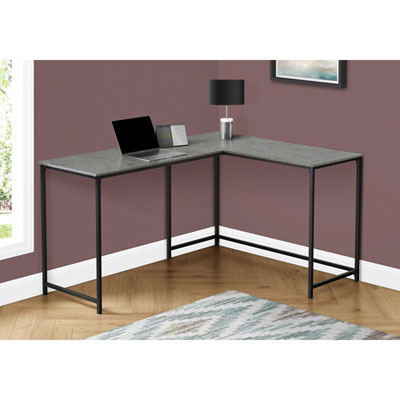
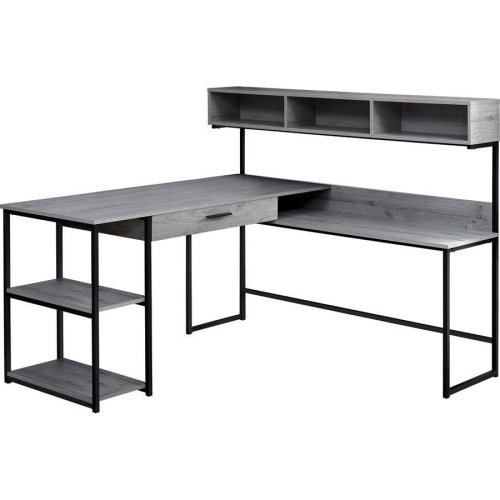
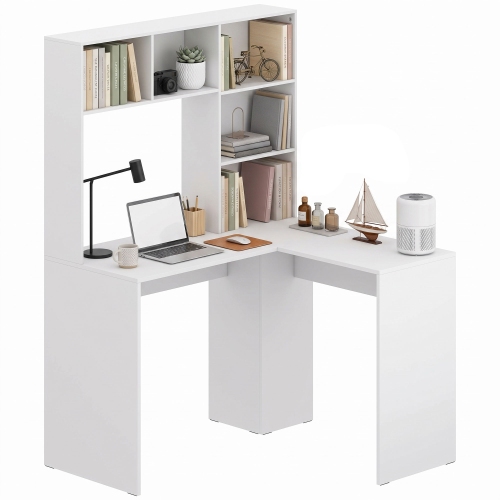
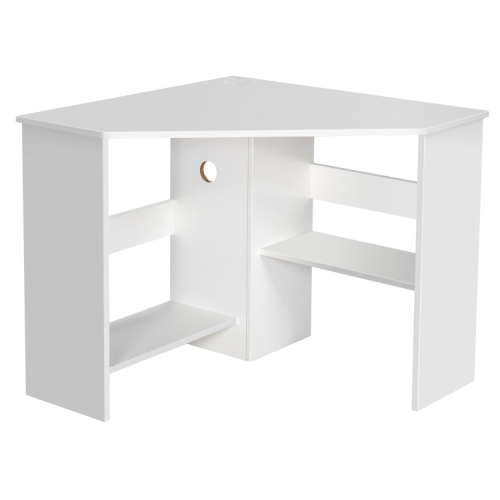
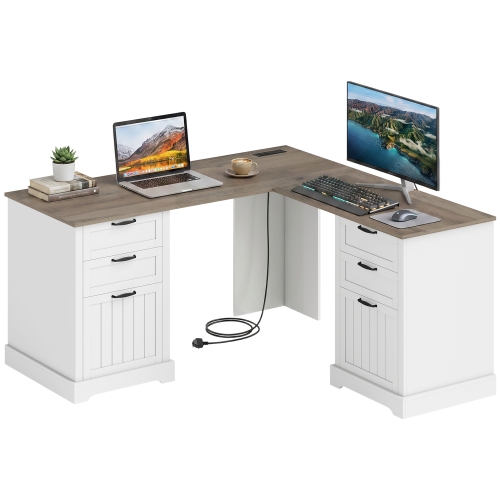
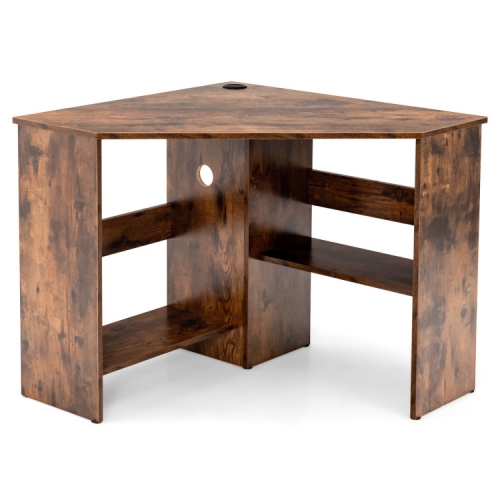
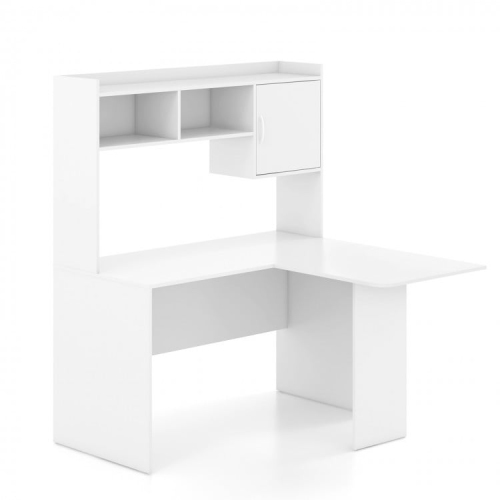
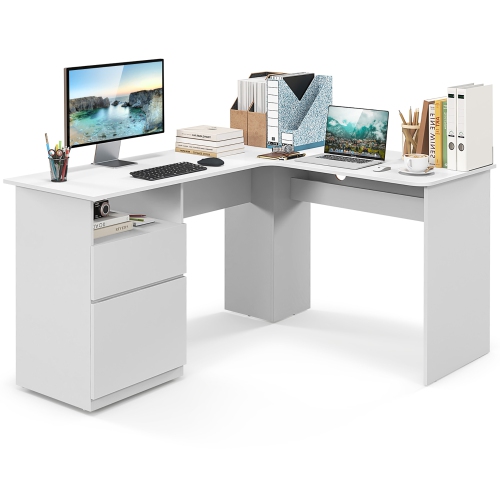
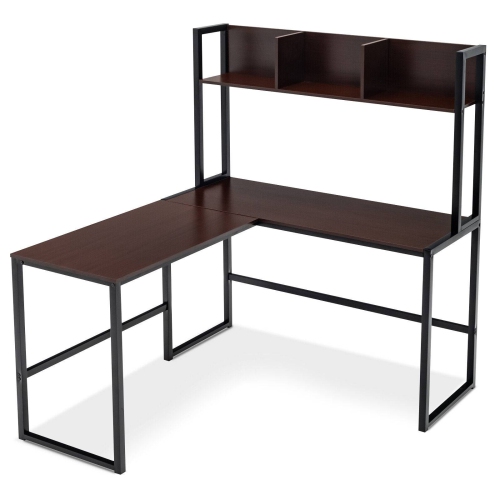
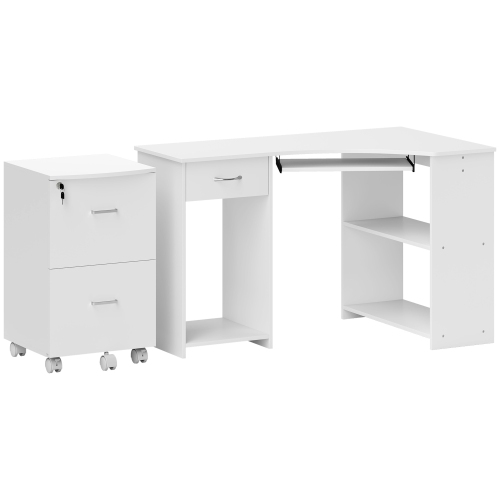
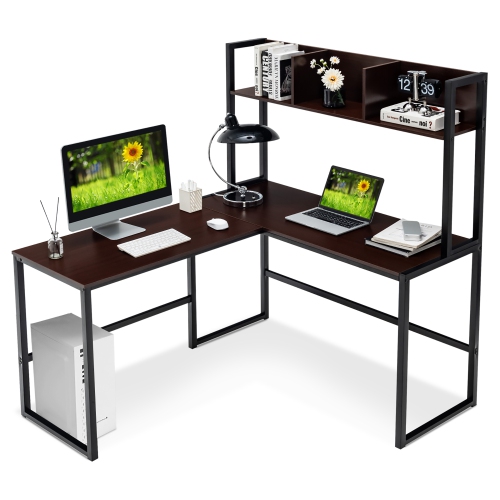
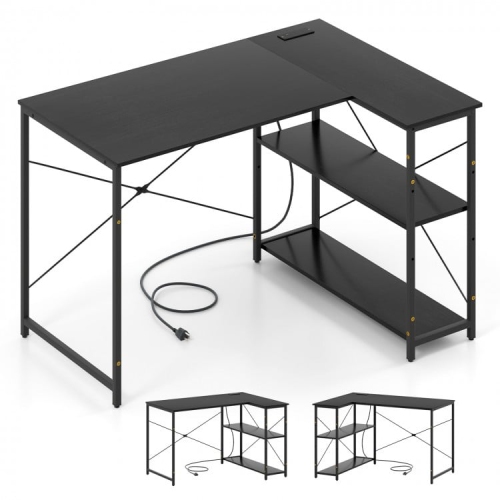
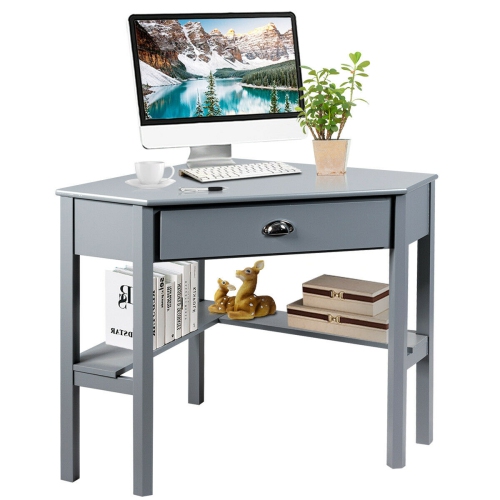
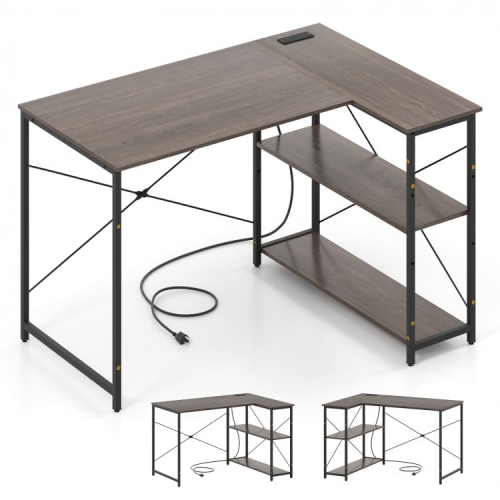
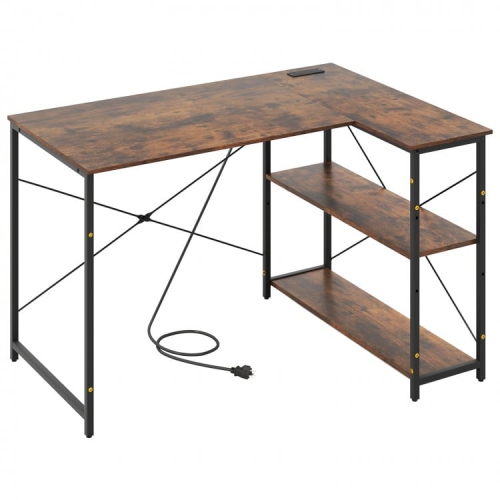
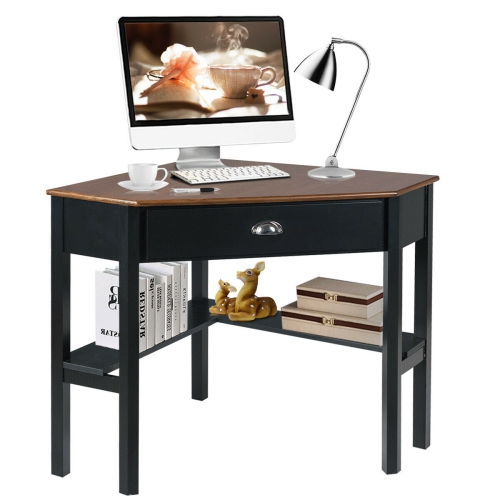
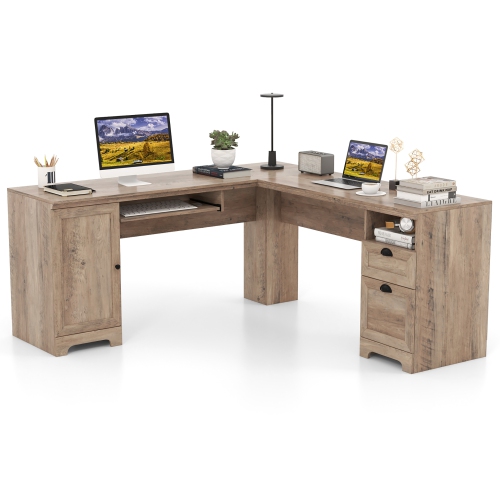
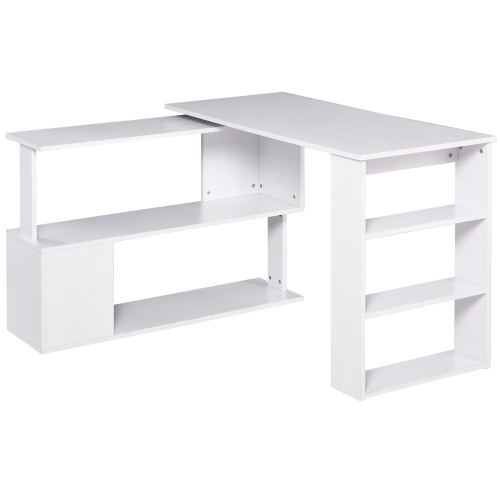
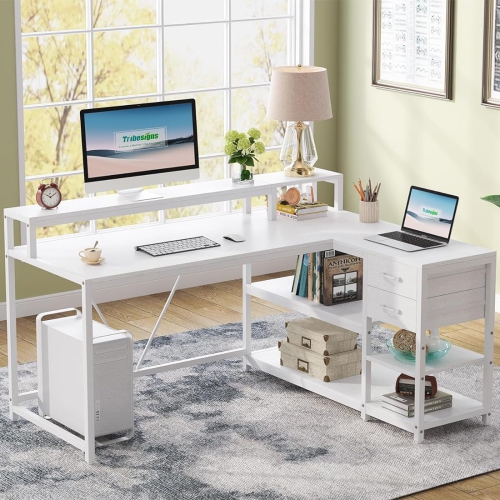
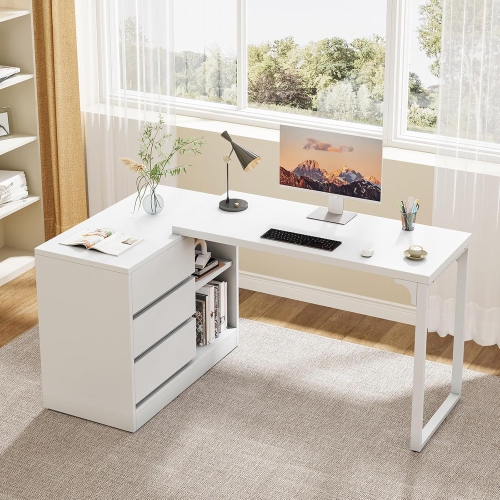
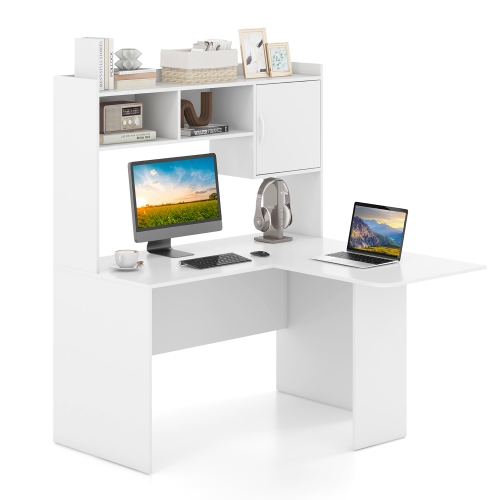
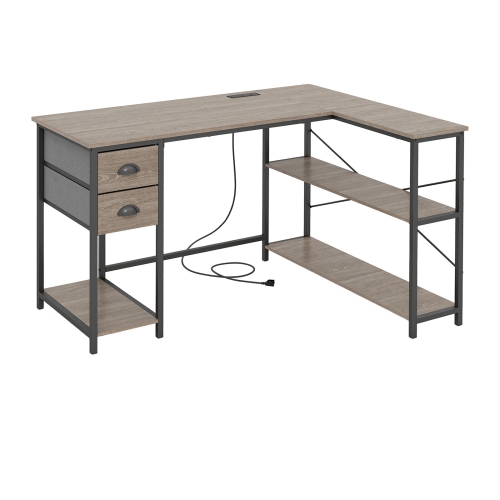
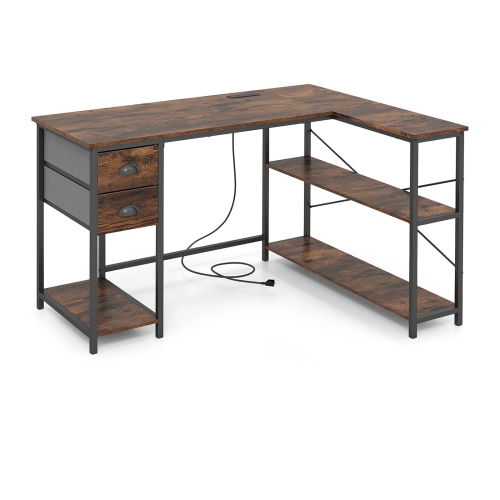
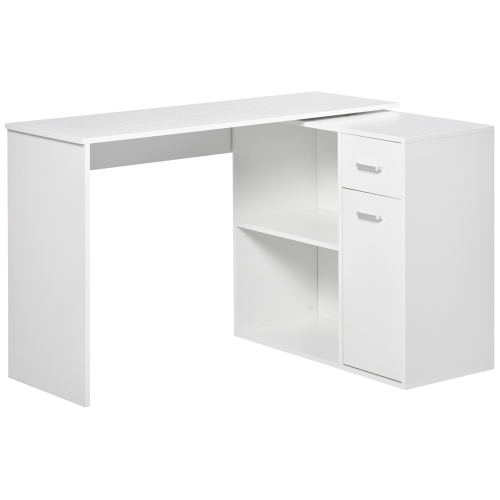
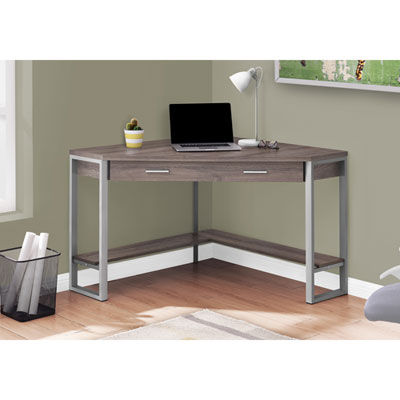
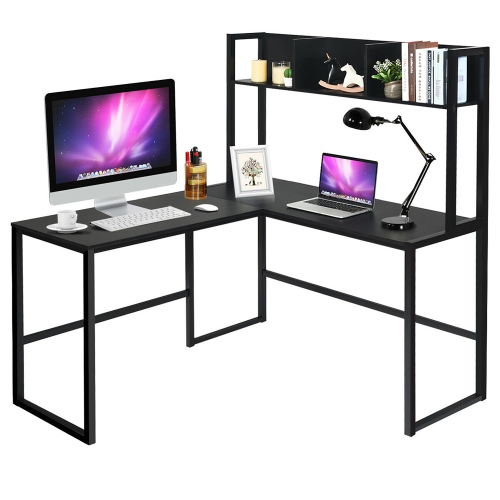

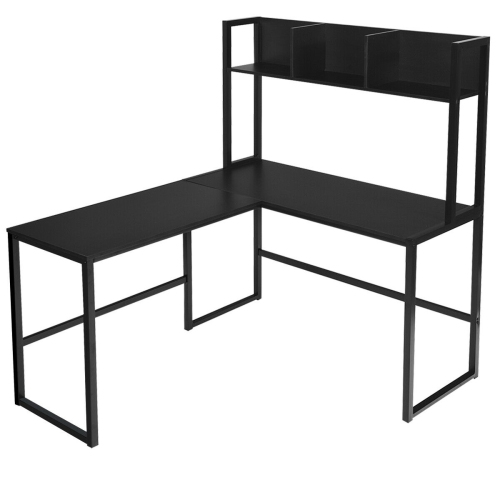
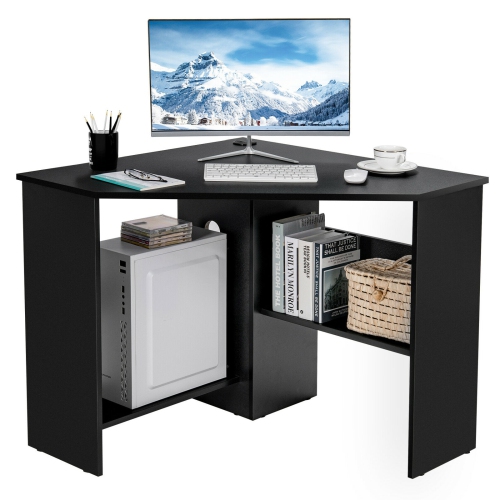
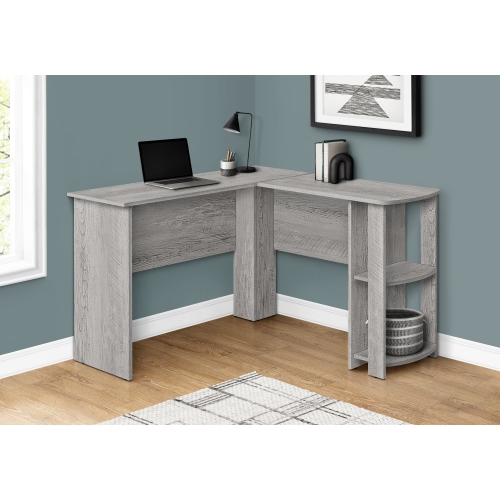
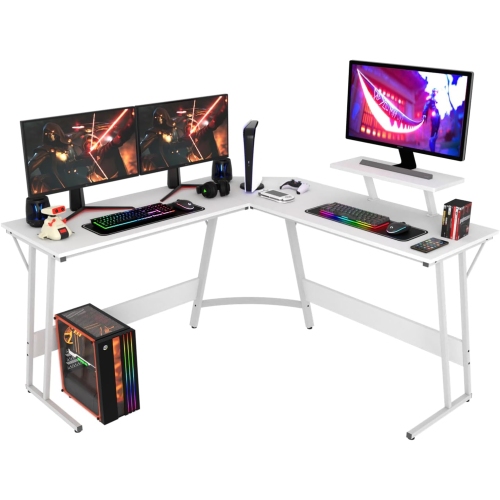
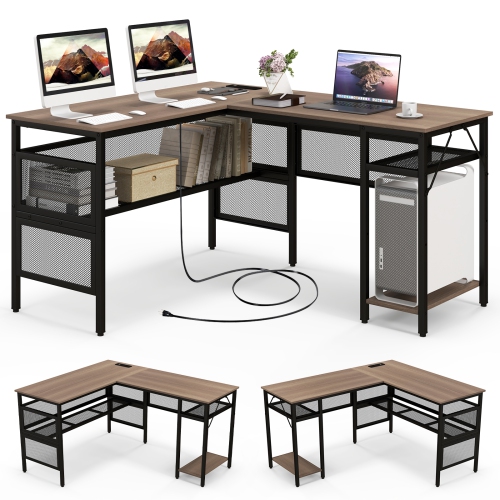

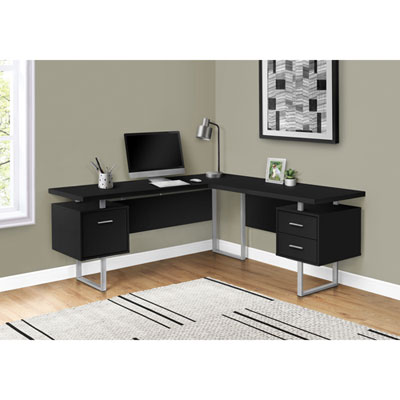
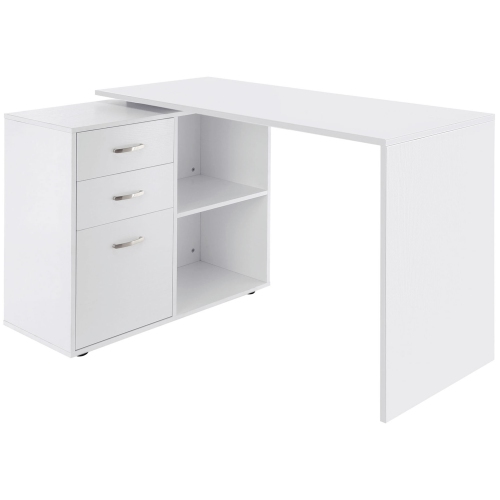
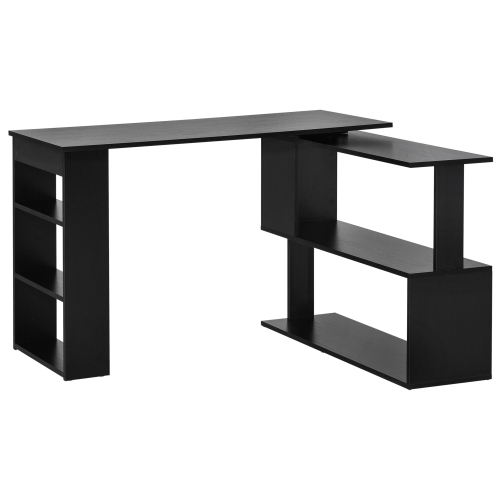
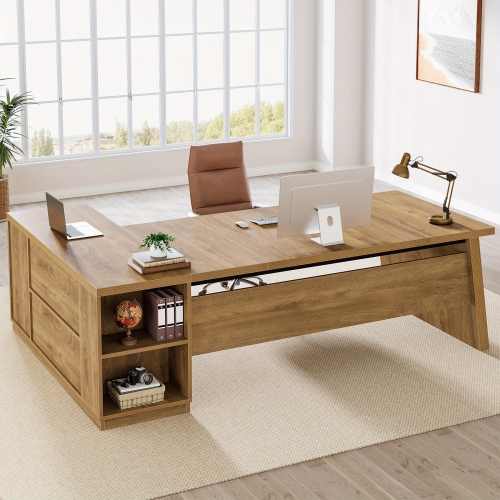
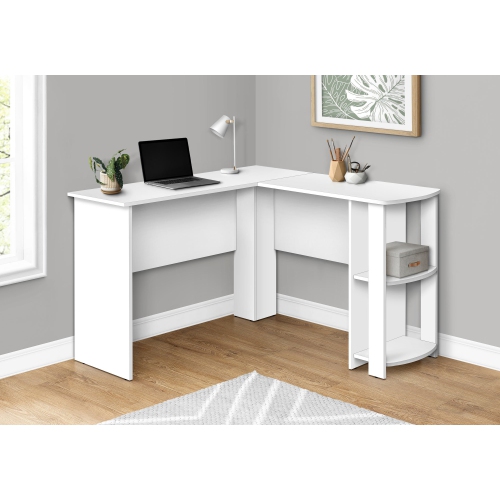
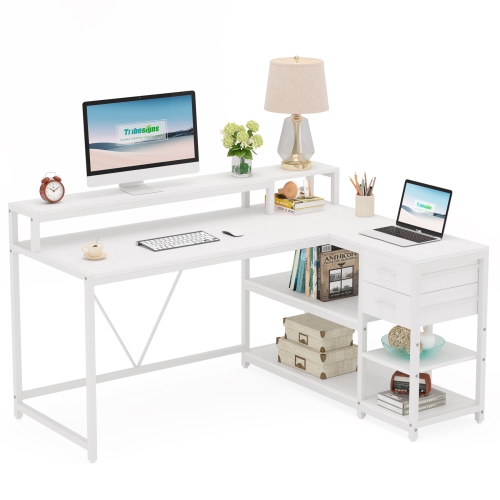
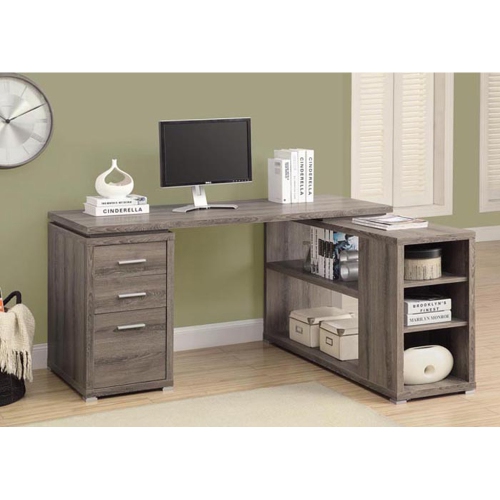
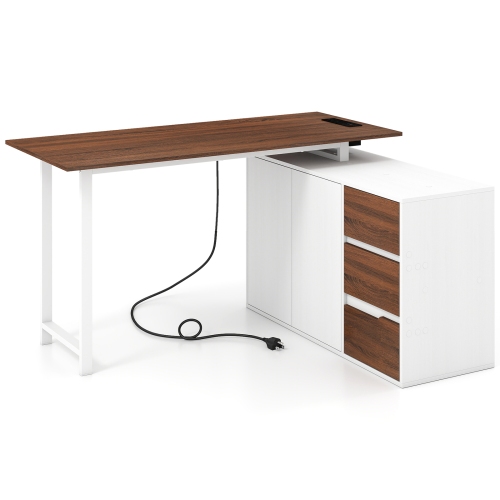
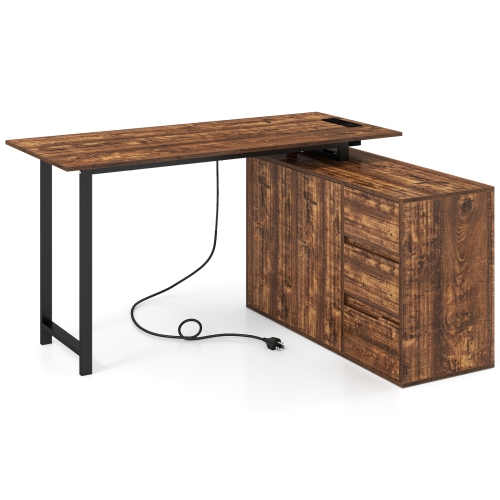
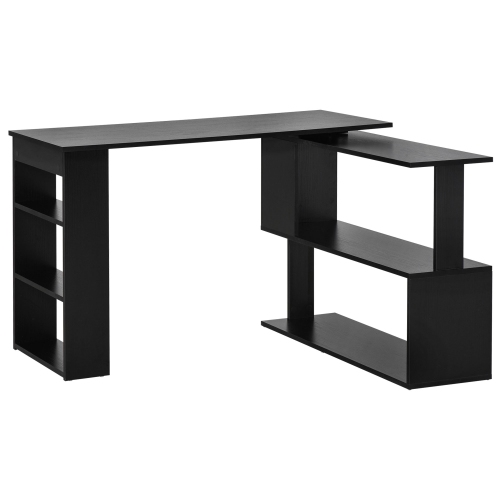
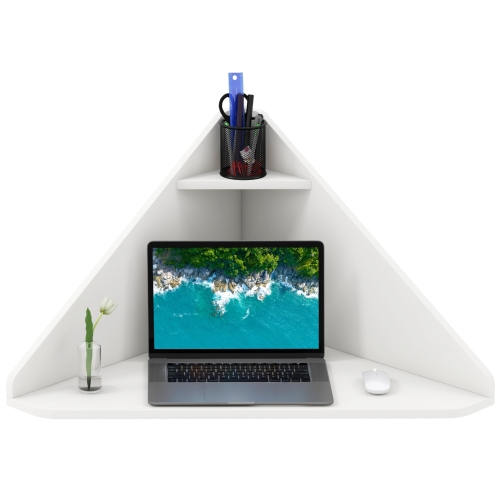
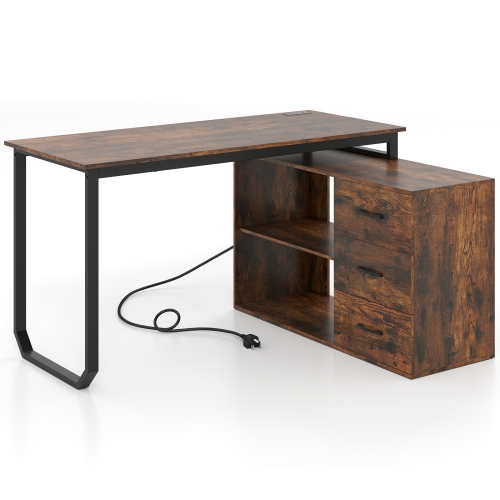
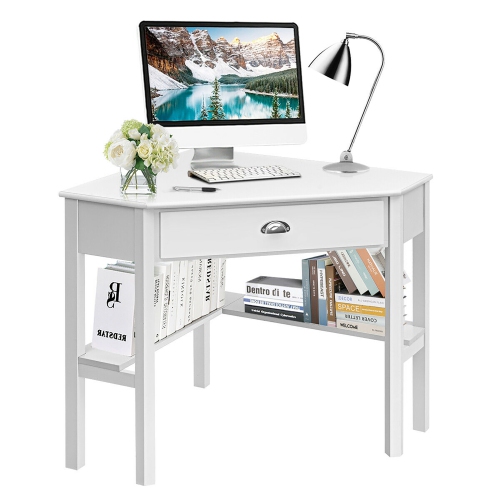
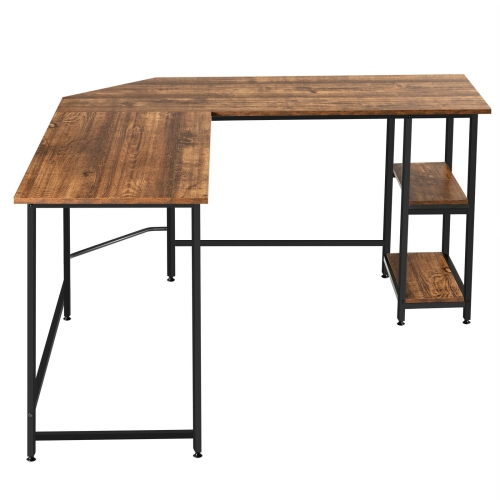

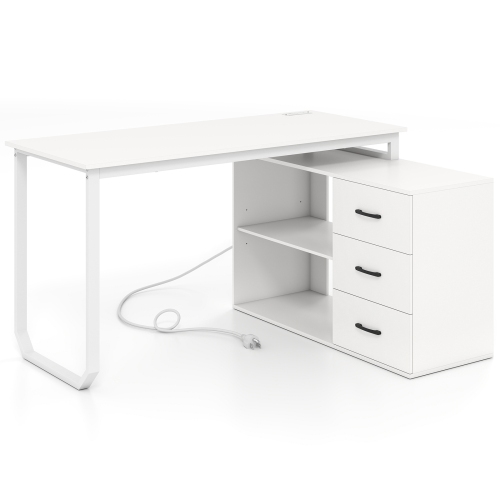
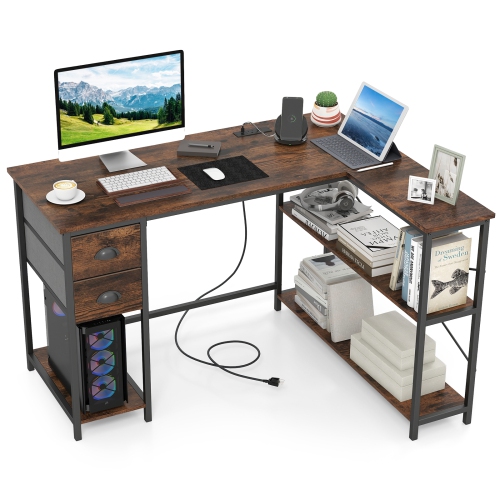
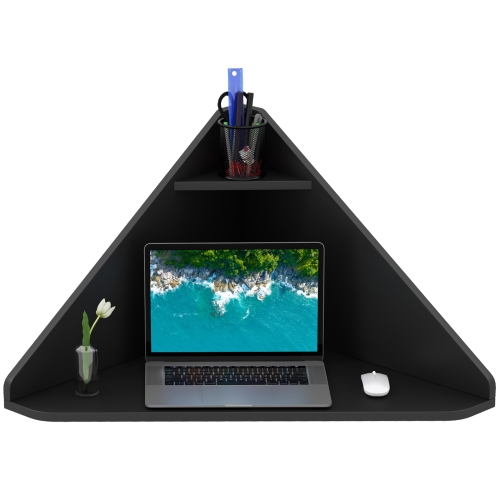

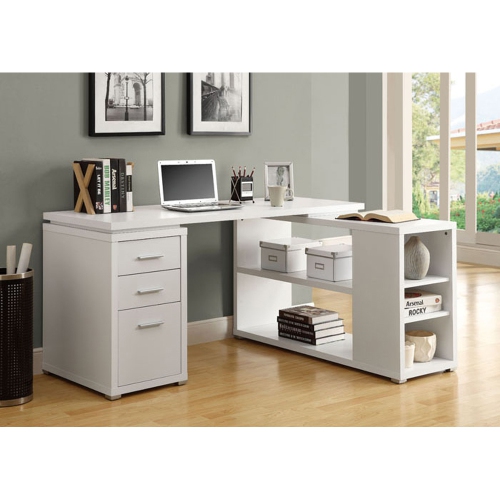
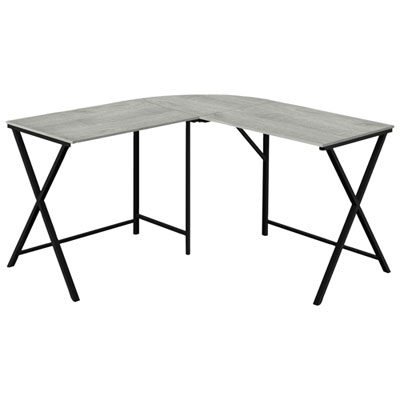
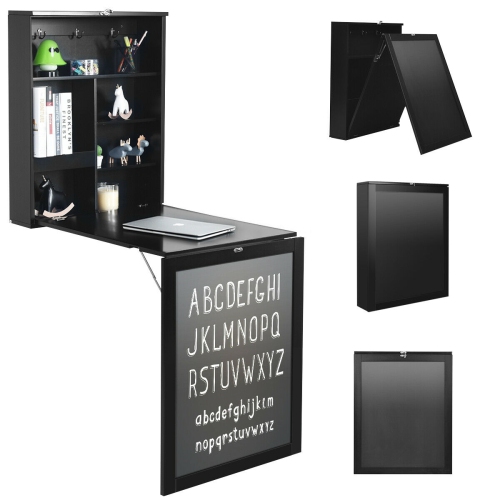

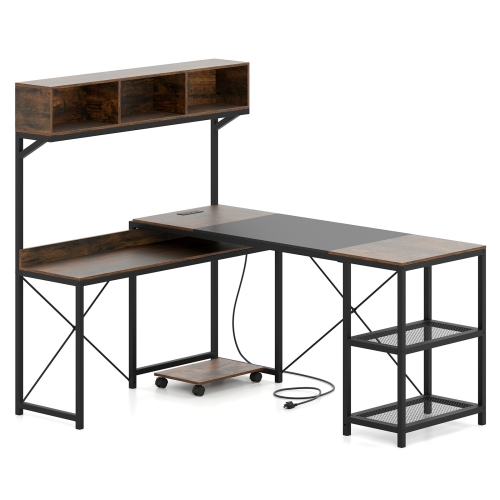
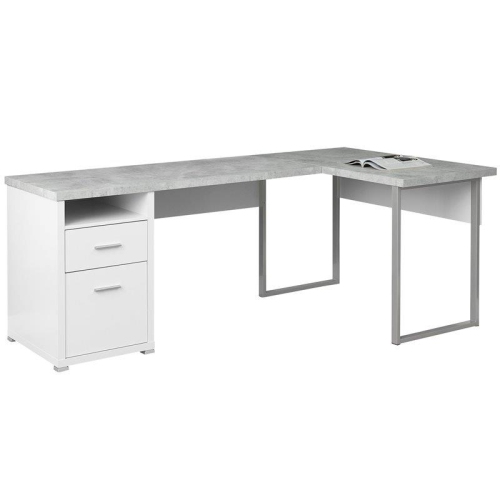
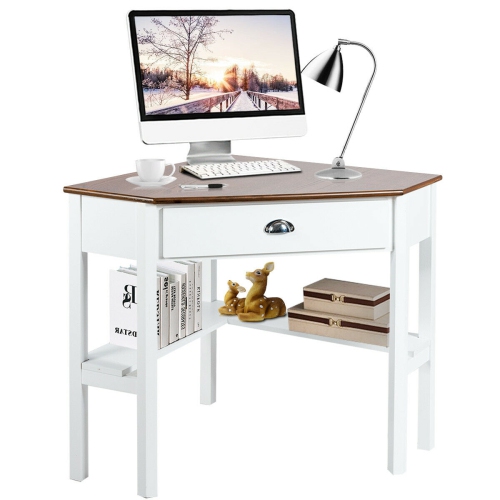
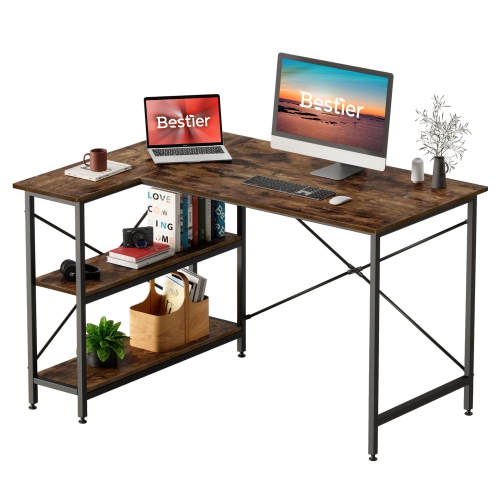
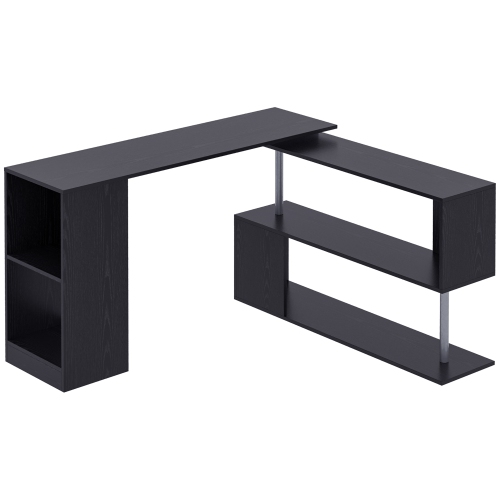
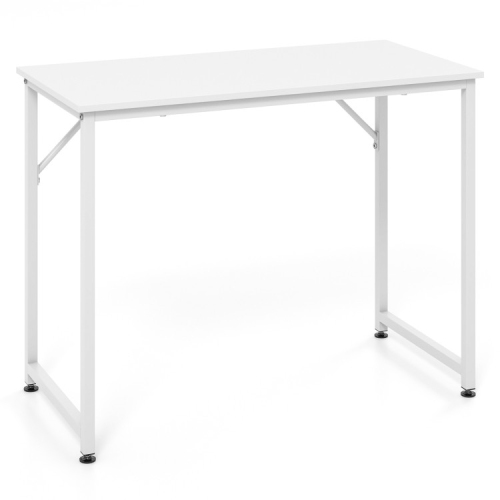
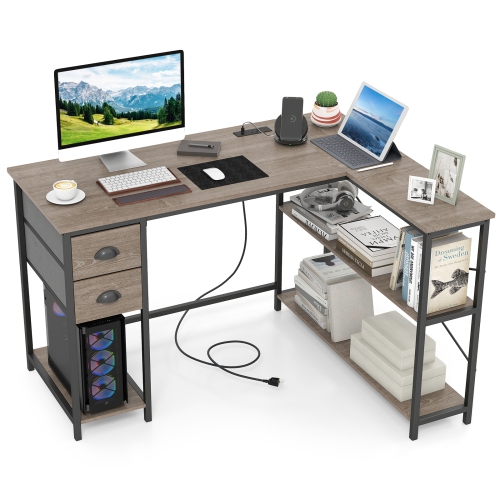
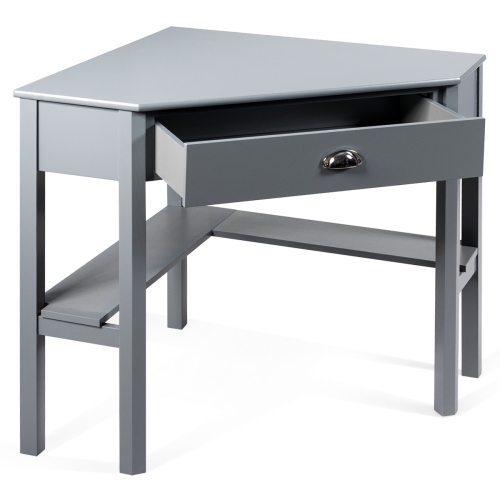
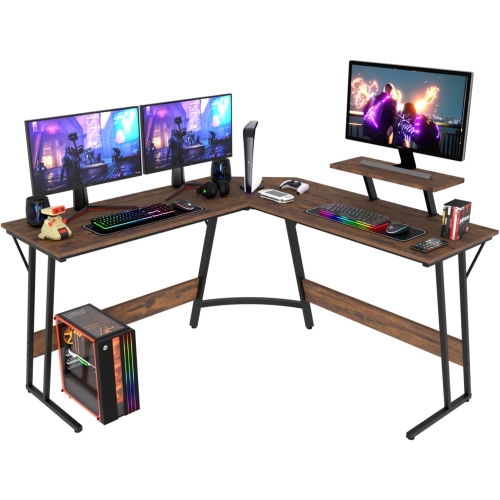
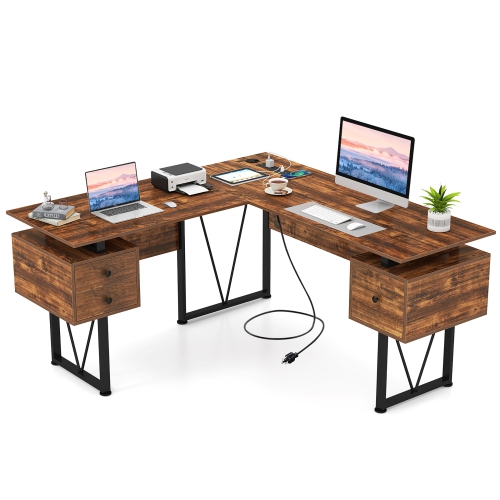
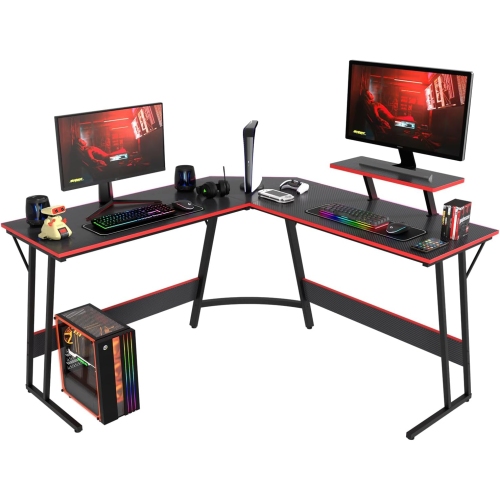
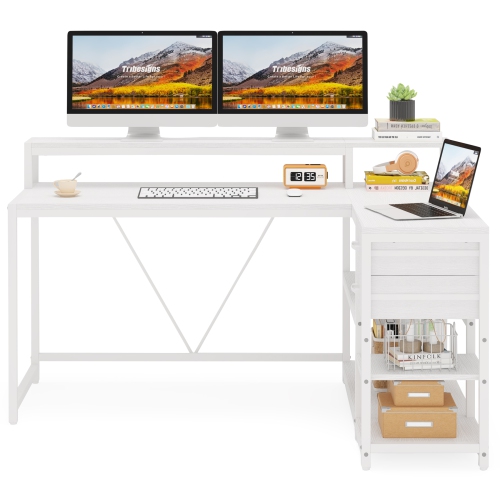
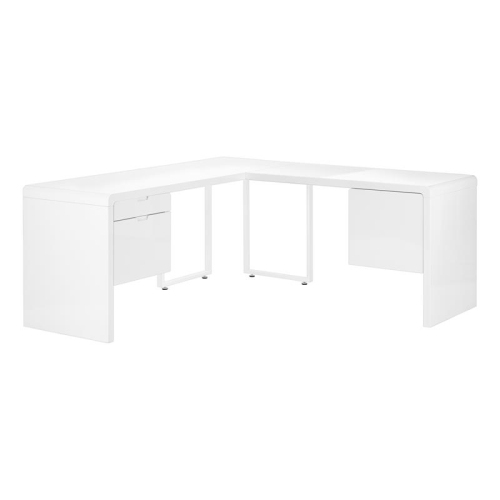
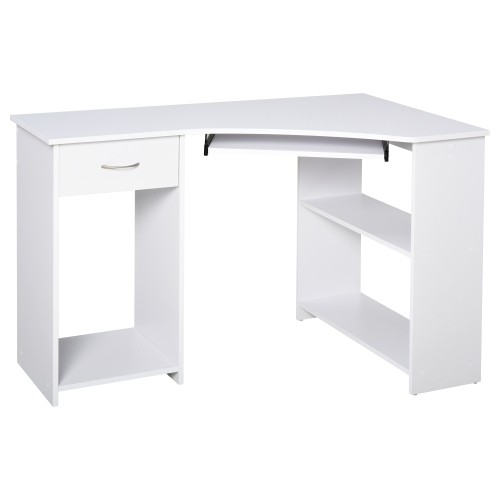
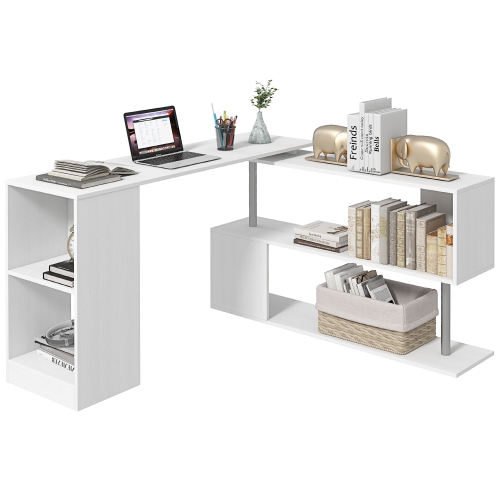
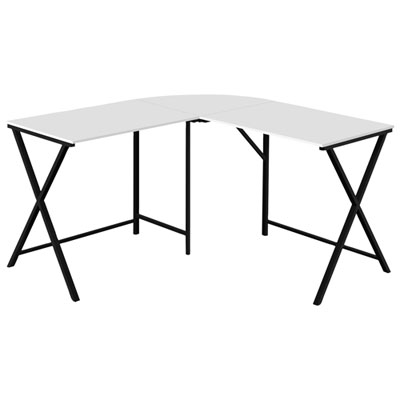
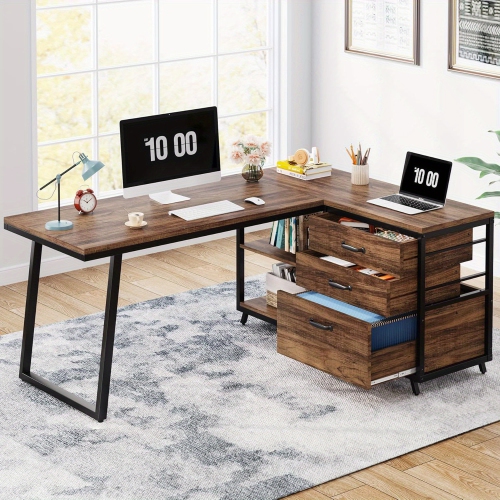
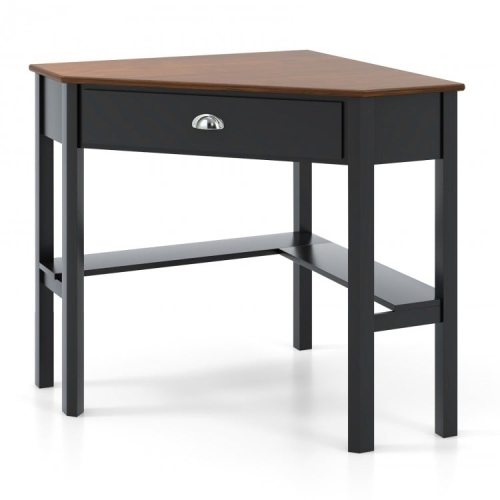
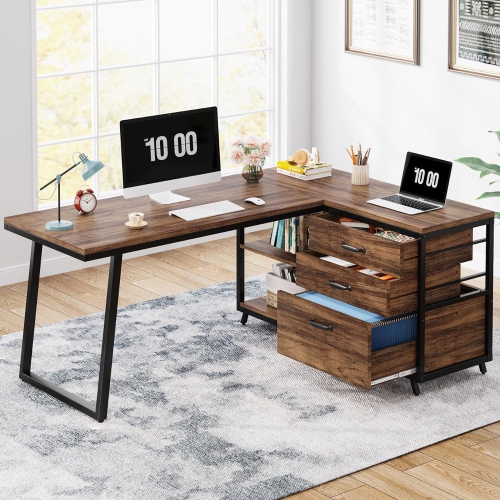
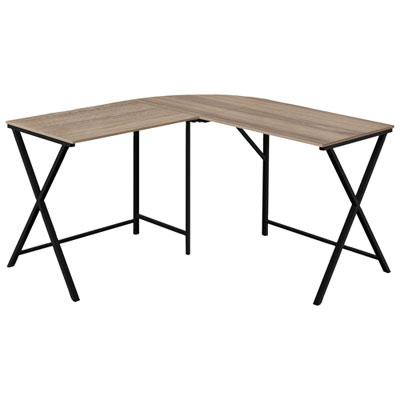
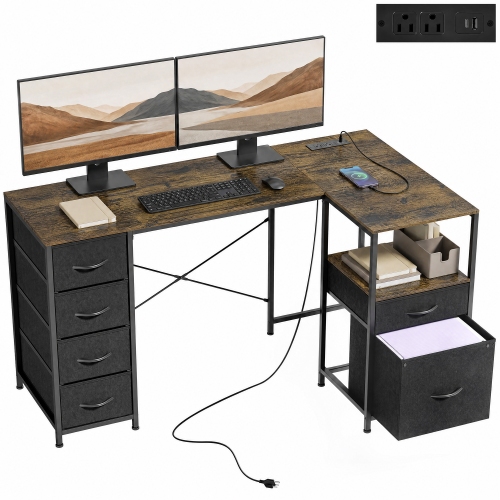
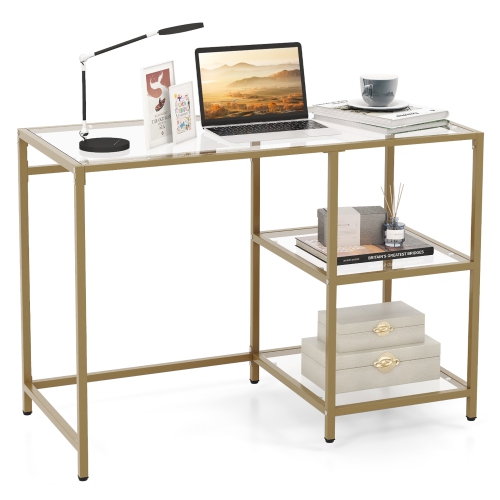
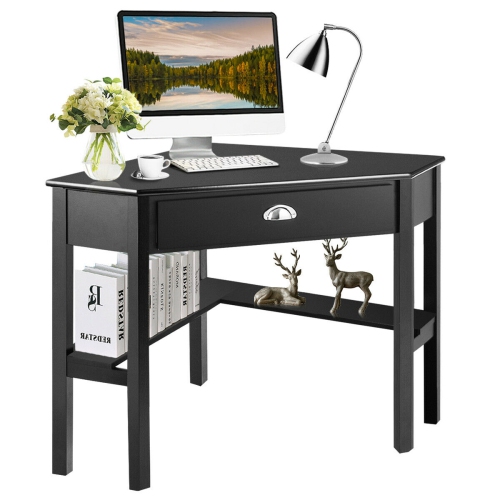
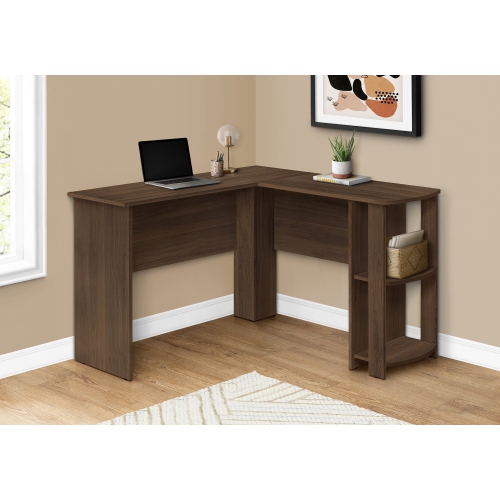
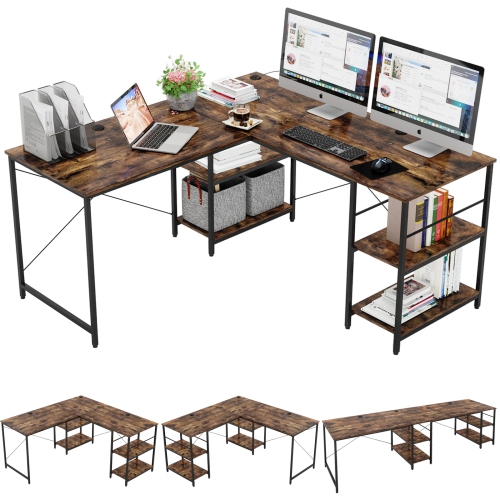
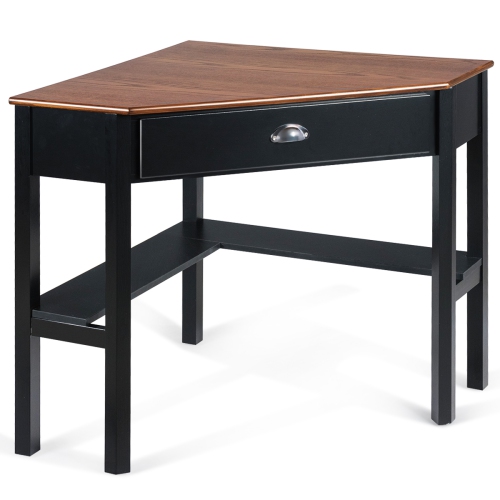
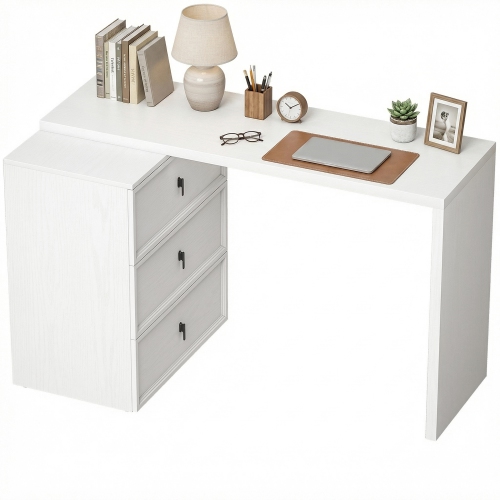
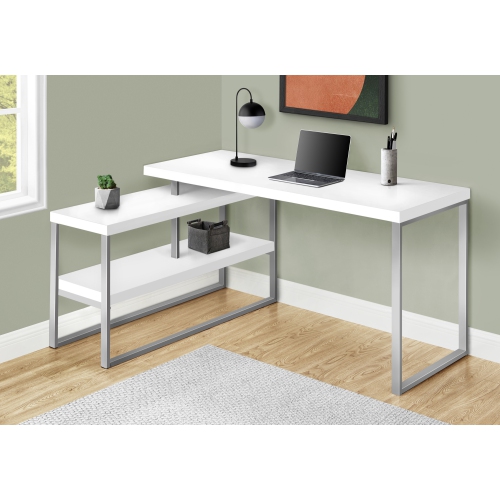
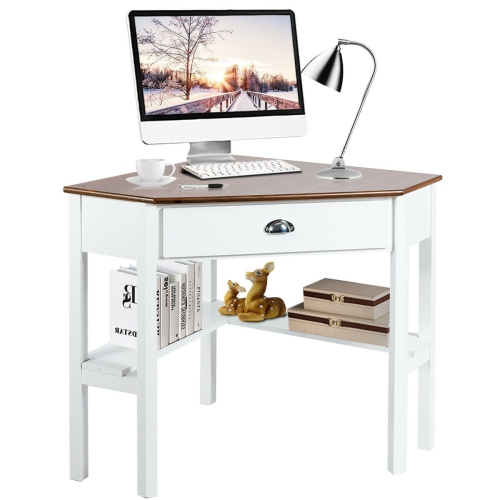
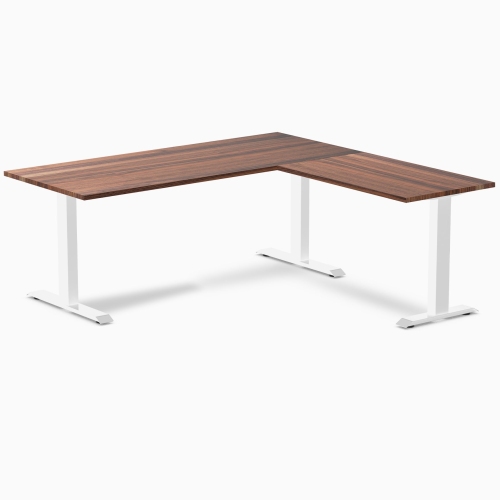
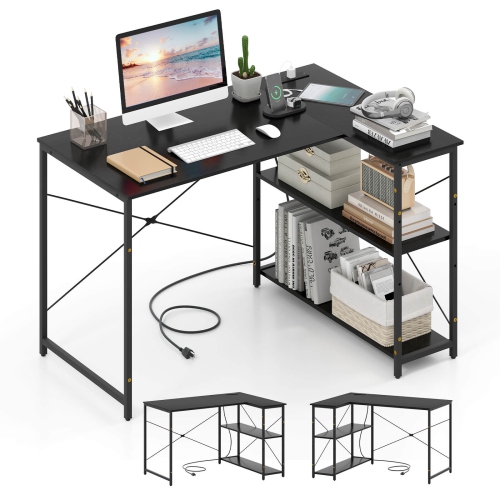
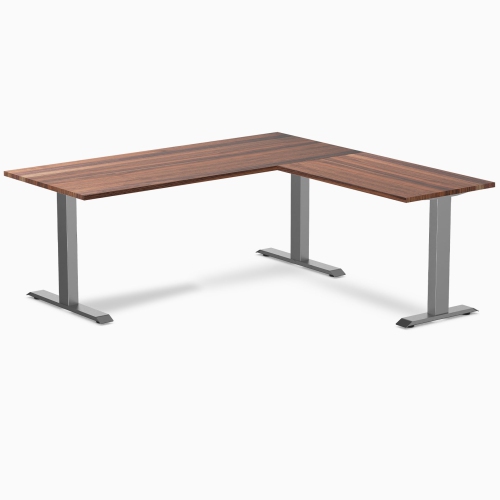

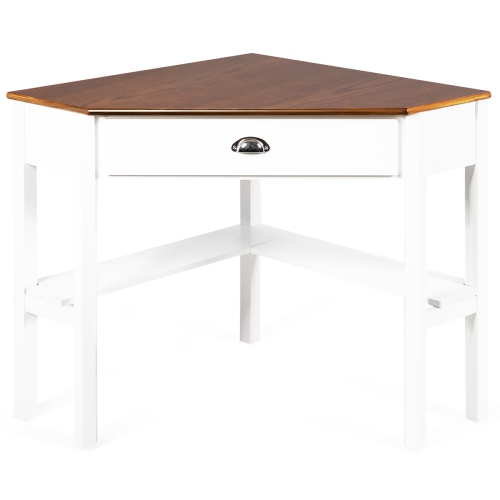
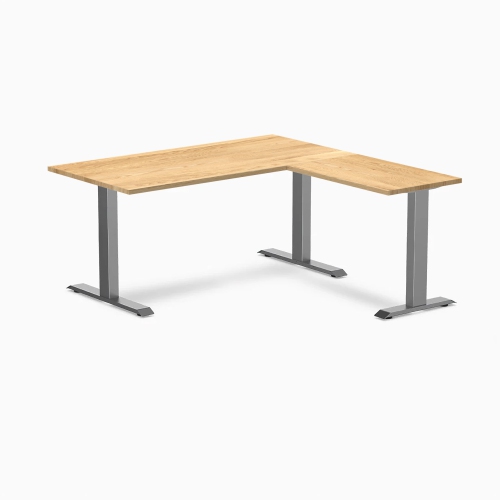
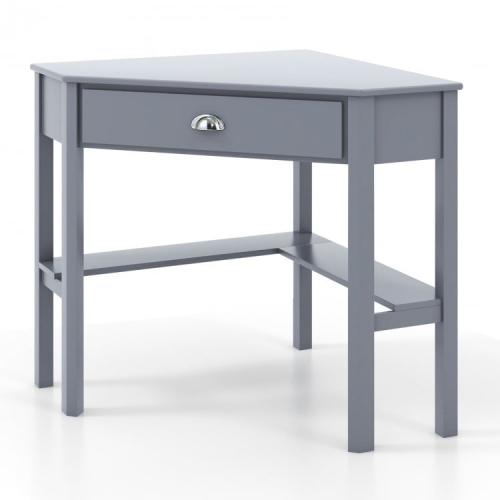

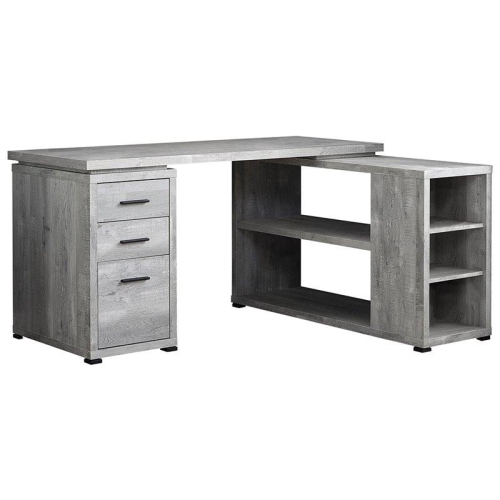
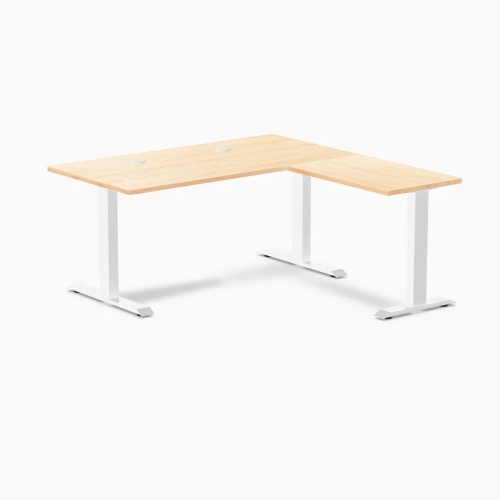
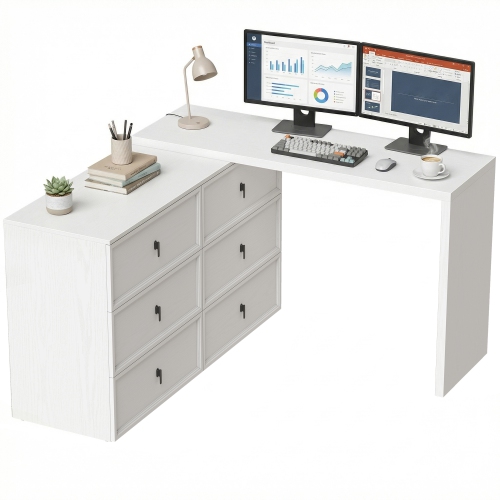
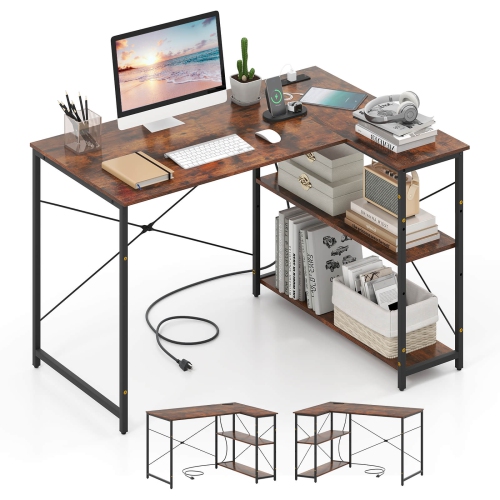

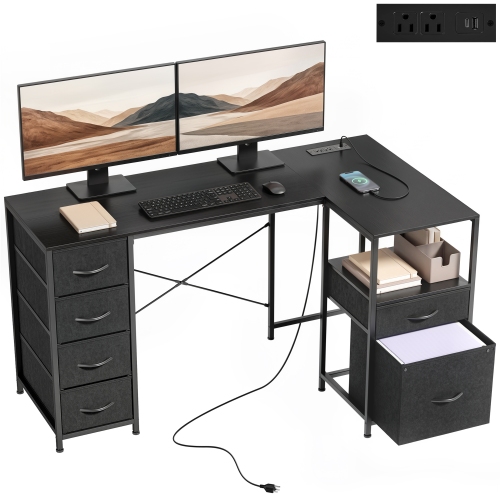
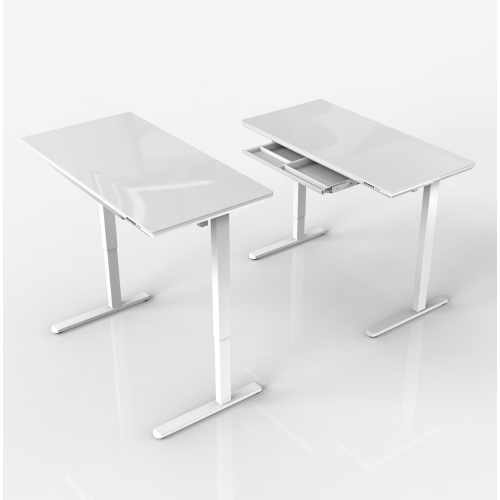
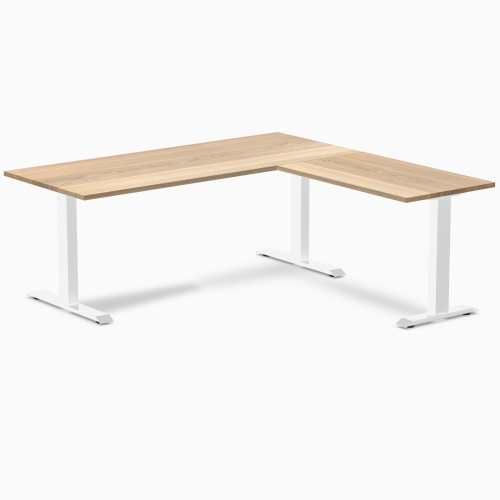
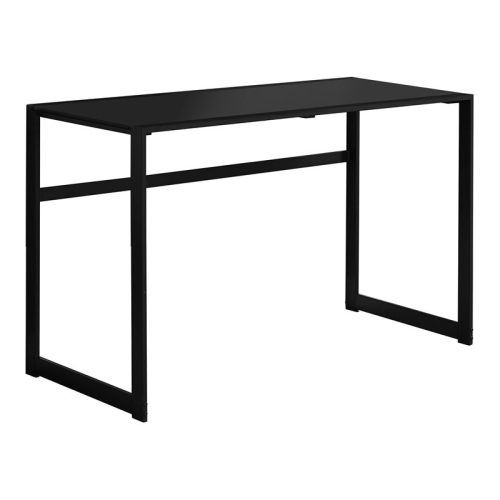
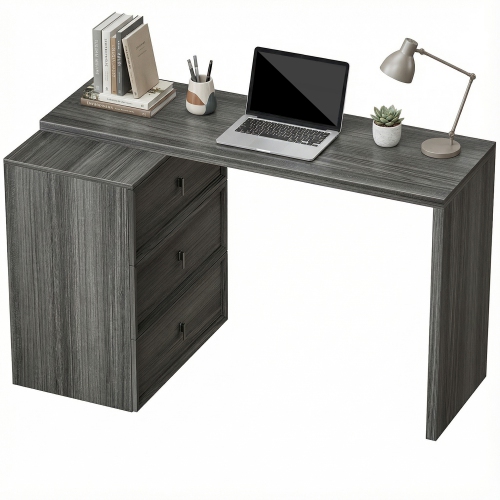
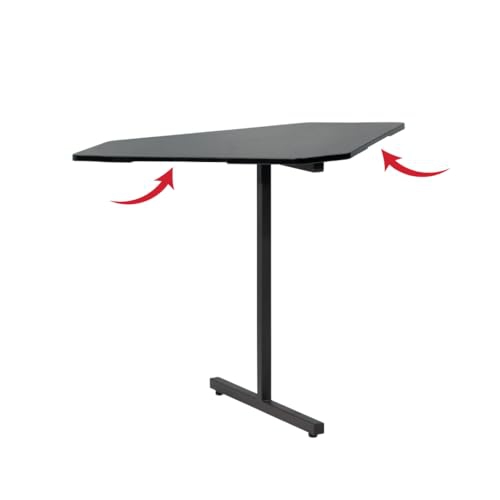
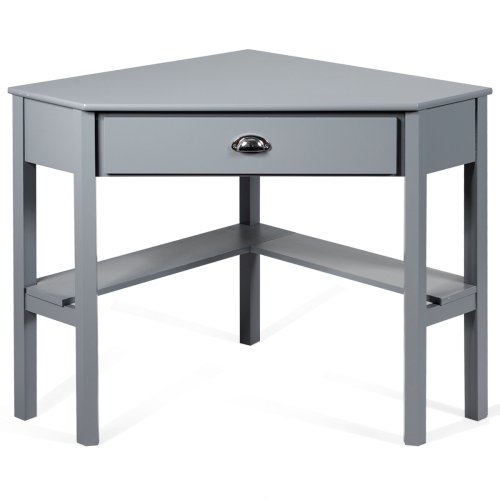
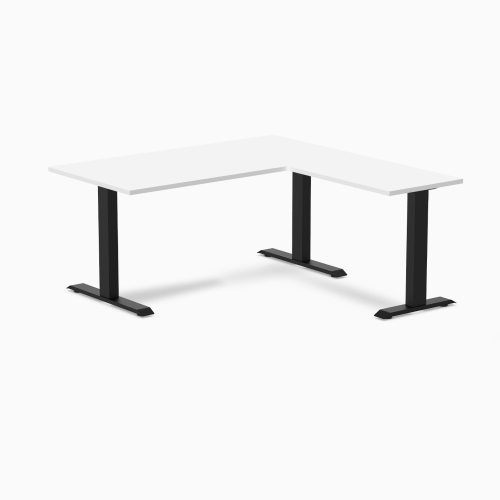
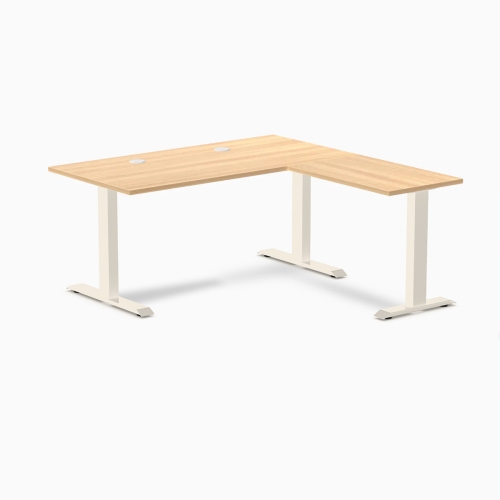
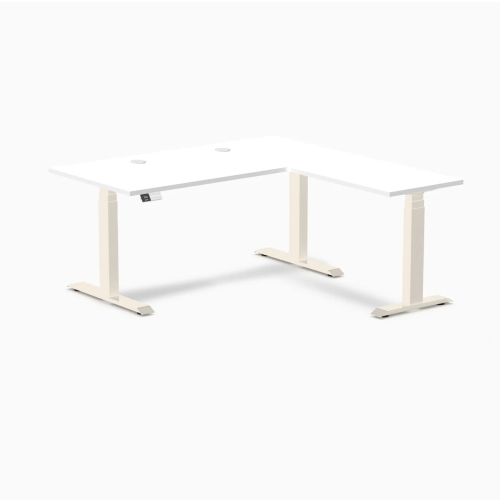
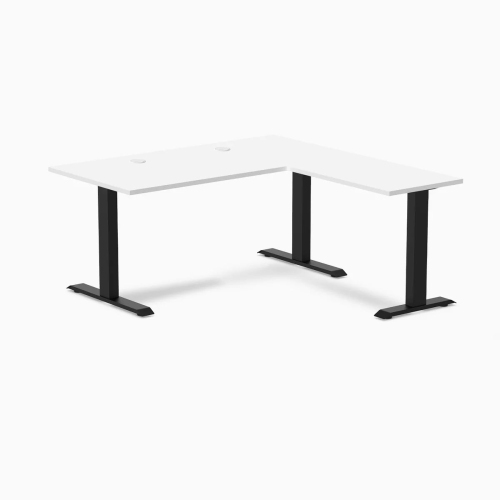
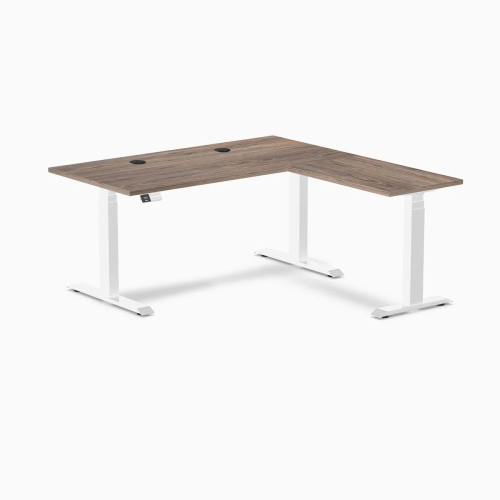
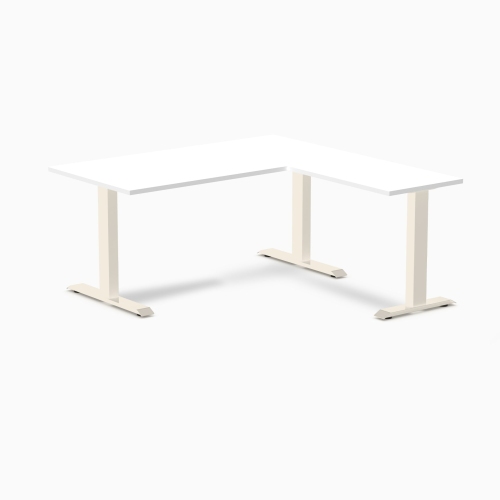
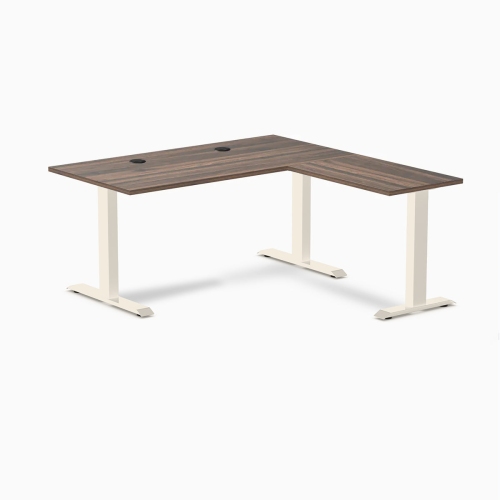
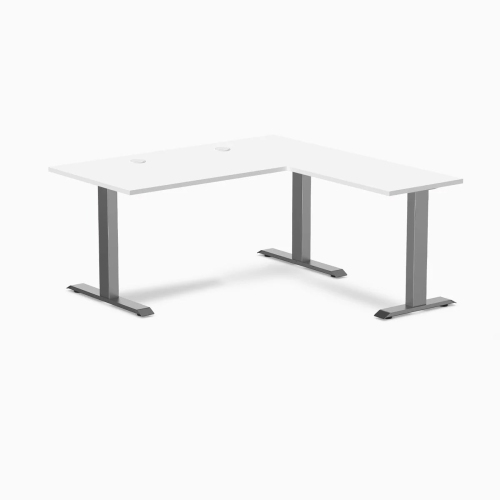
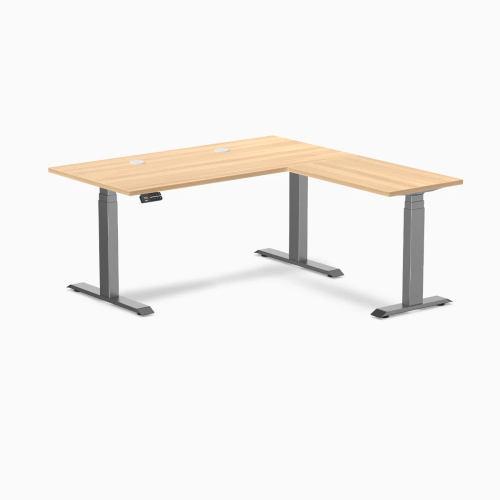
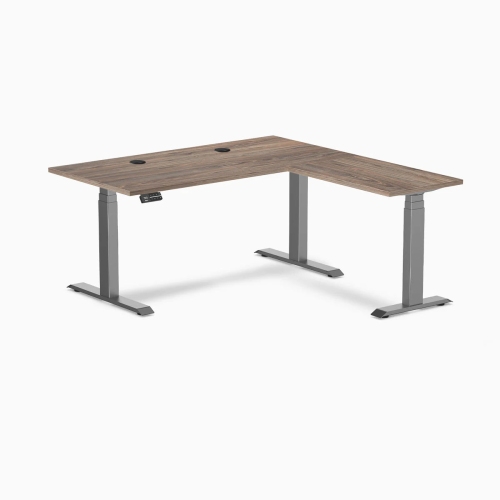
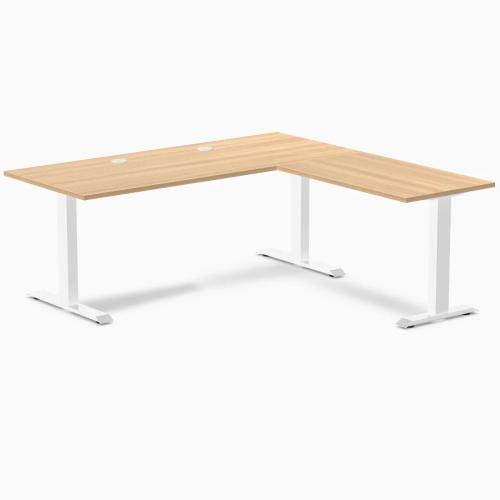
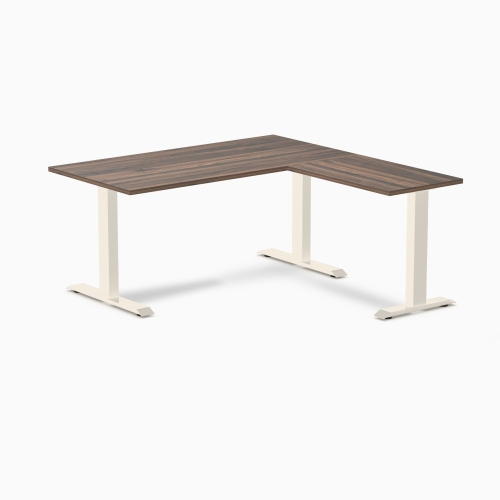
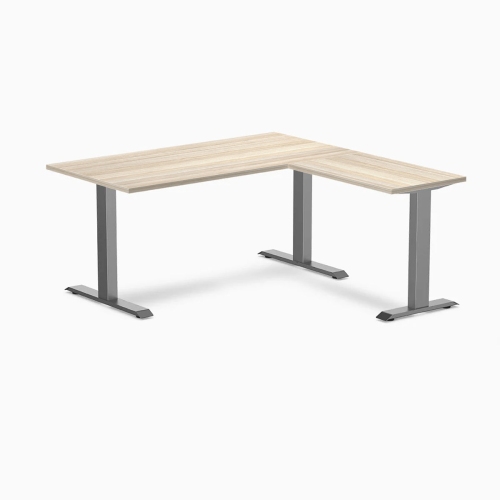
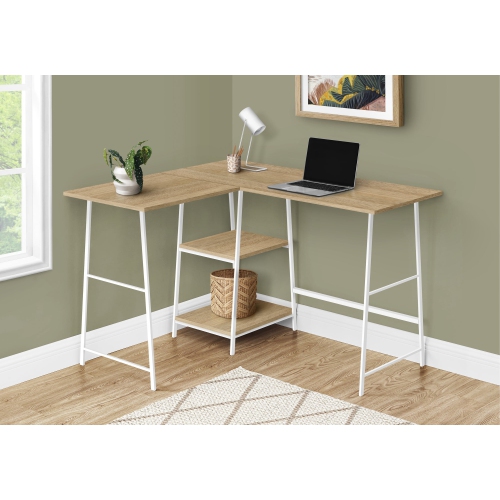
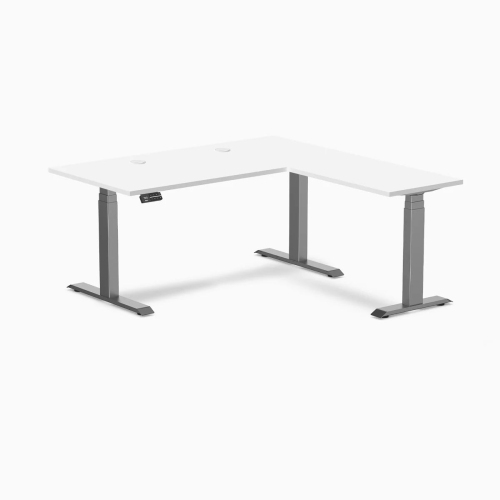
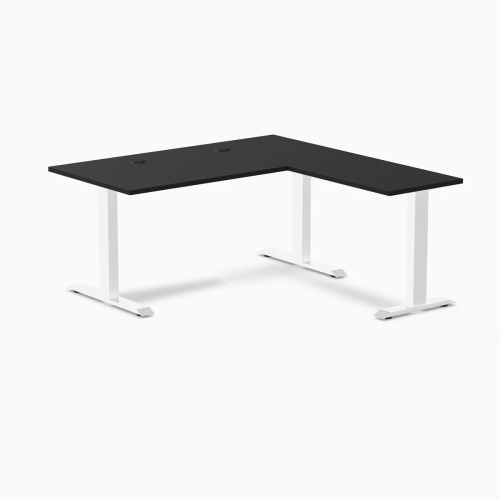
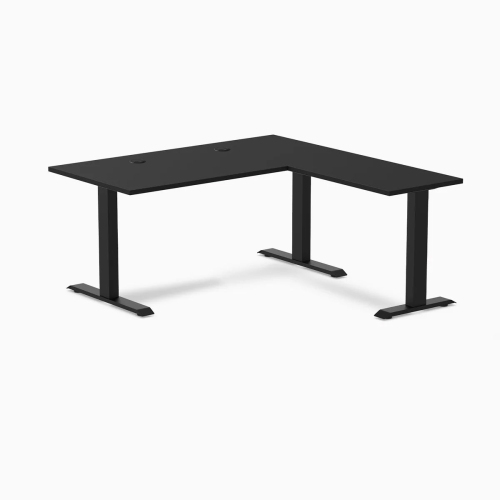
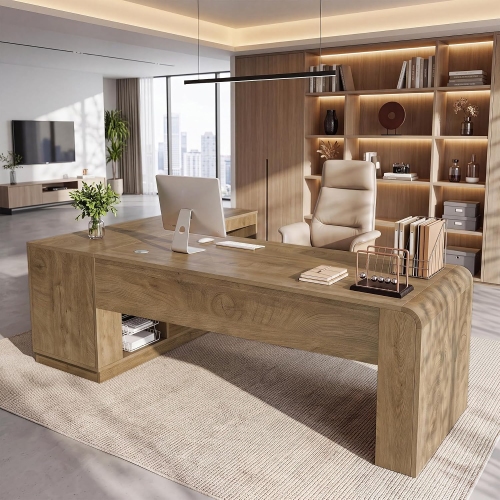
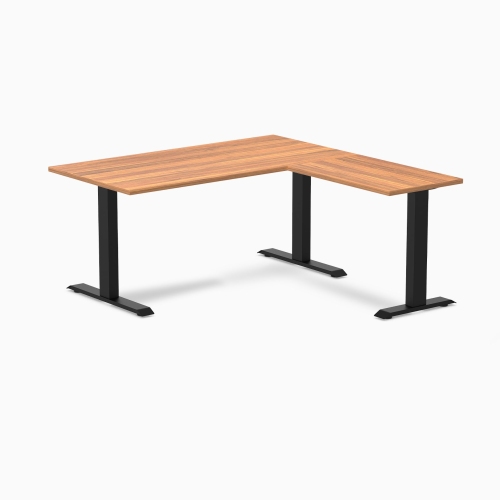
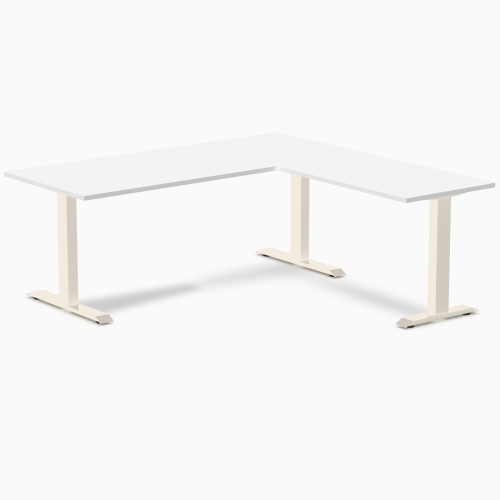
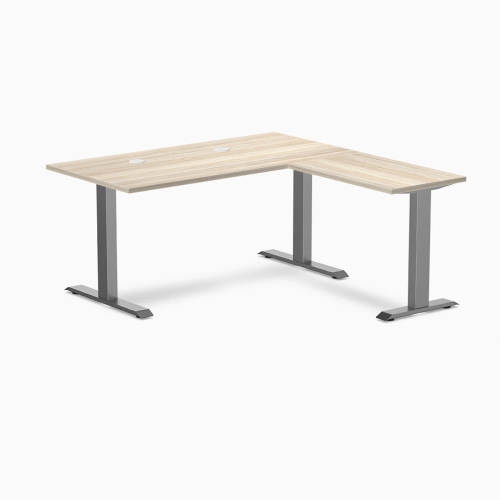
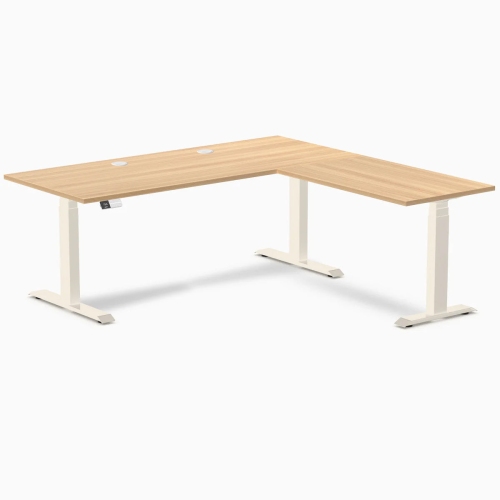
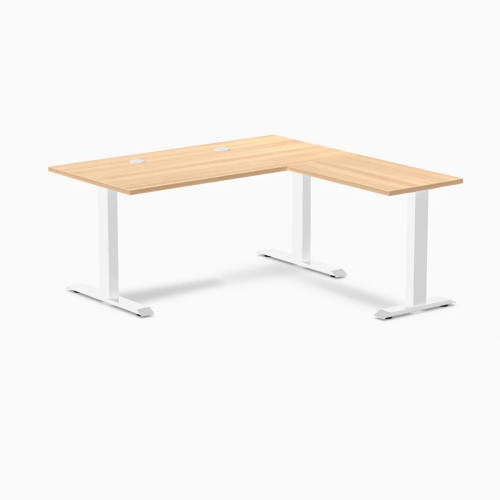
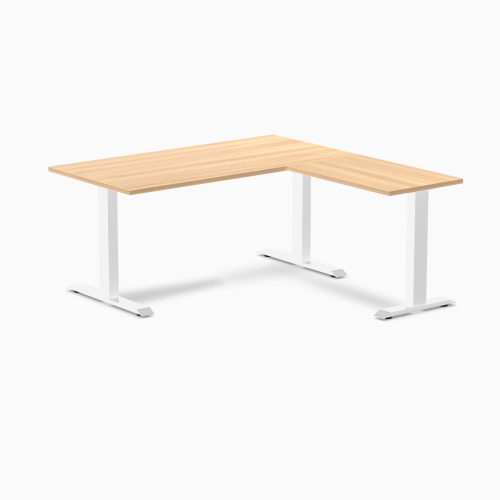
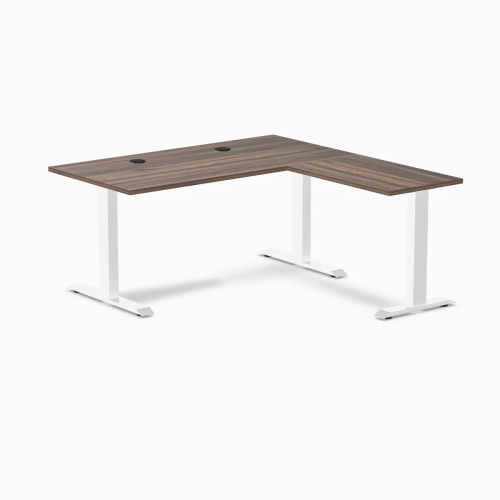
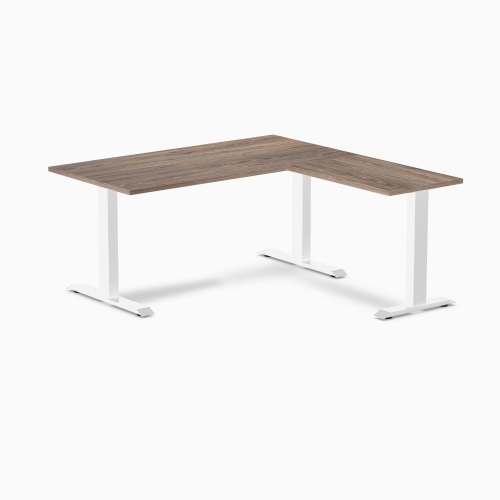
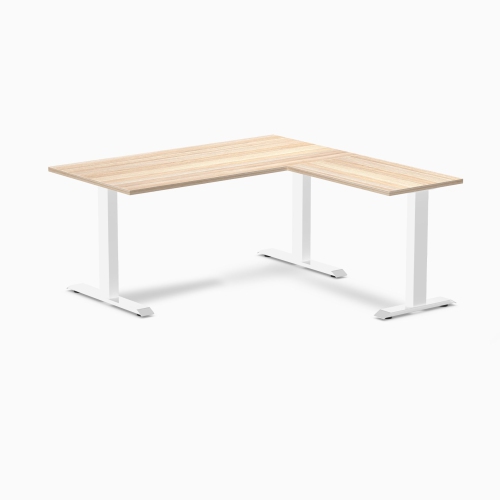
Glass work surfaces that help small rooms feel open
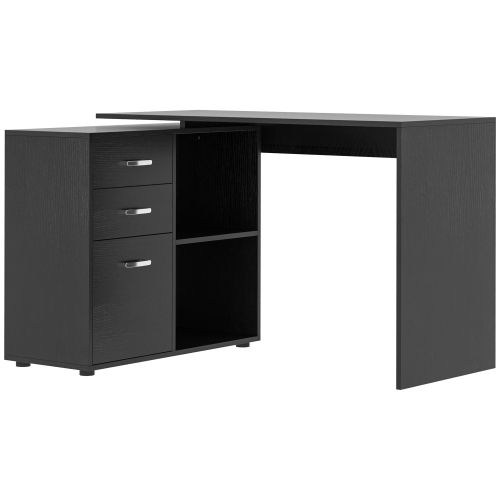
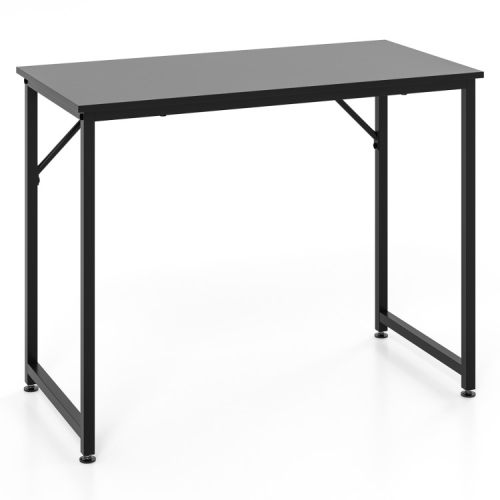
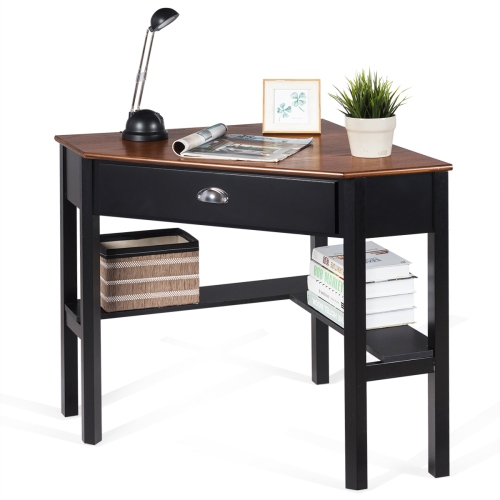
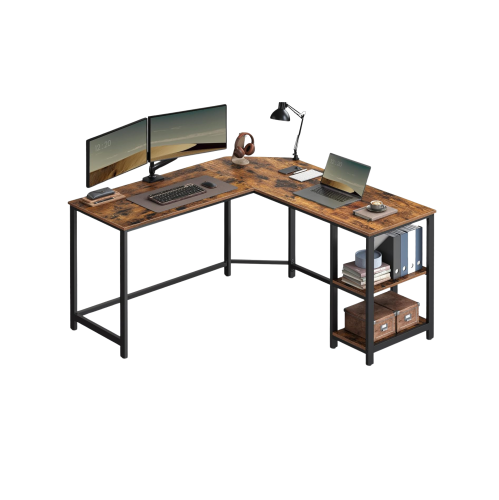
Corner glass desks bring a defined work surface to a room without the visual weight of a solid desktop. Positioned where two walls meet, they can make practical use of a space that might otherwise hold little more than a lamp or a storage basket. Their transparent or lightly tinted surfaces allow the lines of the frame, flooring, and surrounding furniture to remain visible, helping a compact home office or shared living area feel less crowded. The category includes small desks with angled backs, triangular corner surfaces, and larger L-shaped layouts with two connected work areas. Each shape serves a different purpose: a compact corner desk can accommodate a laptop and notebook, while an L-shaped glass desk provides separate zones for a computer setup and paperwork. Glass also suits interiors where clean lines matter, from a spare bedroom with pale walls to a study furnished with darker wood shelving. Clear glass has a light, unobtrusive appearance, while tinted or frosted finishes can soften reflections and make the surface less transparent. Many designs pair a tempered glass desktop with a metal frame. Tempered glass is stronger than ordinary glass, although it can still be damaged, particularly along its edges. Steel supports can provide rigidity, while the placement of crossbars and legs influences both stability and usable legroom. Frame finishes also affect the overall look: darker metal creates a more defined outline, and lighter finishes can blend into a bright room. The appeal is not simply decorative. A glass surface is smooth and easy to wipe, and its open appearance can help a dedicated workstation sit comfortably alongside everyday household furniture. For someone working from home, studying, managing household paperwork, or spending time at a computer, a corner layout creates a recognizable place to settle in without necessarily requiring a separate office. The right configuration depends on whether that place needs to function as a quiet writing nook, a full workstation, or a shared desk used for different tasks throughout the day.
Fit involves more than the length of the desktop. A corner glass desk needs enough wall space on both sides, sufficient depth for the equipment it will hold, and room for a chair to move freely. Baseboards, electrical outlets, window trim, and nearby doors can all affect how closely the frame sits against the walls. In a small room, a desk that looks compact from above may still feel restrictive if its supports block the chair or its return extends into a walkway. An L-shaped layout is useful when one surface holds a monitor and keyboard while the other stays clear for writing, reference materials, or a drawing tablet. The return may be fixed on one side, reversible, or assembled from interchangeable sections, so the configuration matters when a room has a doorway or cabinet beside the intended desk position. A rounded working edge offers a different approach to the same space; Curved Corner Desks can be worth considering when a softer outline better suits the room layout. With any corner desk, the usable depth at the seated position is more meaningful than the outer footprint alone. A screen needs space behind the keyboard, and notebooks should not have to balance at the edge. Multi-monitor setups also depend on the desk’s stated load capacity and the distribution of weight across its panels. Glass thickness alone does not establish how much a desk can safely support; the frame, attachment points, and manufacturer’s limits matter as well. Monitor arms require particular attention because clamps concentrate pressure over a small area, and not every glass desktop is compatible with them. Freestanding monitor bases may be more suitable where clamping is not permitted. Beneath the surface, crossbars, shelves, and keyboard trays can change how comfortably a chair tucks in. A computer tower needs stable support and clear ventilation, while cables need a route that does not interfere with feet or chair wheels. Transparent glass leaves these details visible, making tidy cable placement especially noticeable.
Daily comfort and care help determine whether a corner glass desk remains a useful part of the room. Desk height, chair adjustment, and monitor position work together: shoulders should stay relaxed when typing, feet need support, and the screen should sit at a comfortable viewing distance. A slide-out keyboard tray can free desktop space, but its height and width must suit the person using it, including enough room for a mouse. Glass can feel cool and firm beneath the forearms, so a suitable desk mat may make writing and extended computer use more comfortable. A mat also gives an optical mouse a consistent tracking surface, since some sensors do not work reliably directly on clear glass. Lighting deserves attention as well. A lamp aimed across the desktop or a bright window reflected in the glass can create glare, whereas a different desk position or adjusted light angle can make the workspace easier to use. Fingerprints, dust, and water marks tend to show on glass, particularly darker tinted finishes. Routine cleaning with a soft cloth and a cleaner approved for the surface helps preserve its appearance; abrasive pads can scratch it, and excess liquid should be kept away from joints and nearby electronics. Coasters and protective pads under accessories can reduce marks and direct contact with hard objects. Durability also depends on careful handling. Glass panels should not be used as seats or steps, and chipped edges or cracks warrant stopping use and seeking the manufacturer’s advice rather than treating them as cosmetic flaws. During assembly or a move, protecting panel edges and following the specified lifting method helps prevent damage. In households with children or pets, the position of exposed corners and the security of cables are additional considerations. For students, remote workers, and people setting up a dedicated gaming space, the lasting value of a corner glass desk lies in the balance between useful surface area, comfortable access, and a room that still feels open. When the dimensions and configuration match everyday habits, the desk becomes a practical home for focused work rather than simply a striking piece of furniture.
Top selling and popular products
-
 Your price for this item is $97.99
-
 Your price for this item is $89.99
-
 Your price for this item is $84.99
-
 Your price for this item is $97.99
-
 Your price for this item is $649
-
 Your price for this item is $749
-
 Your price for this item is $649
-
 Your price for this item is $649
Discover more categories related to Corner Glass Desks
Top Collections:
Best Black Friday Deals This Year, Best Black Friday Deals On Electronics, Kindle Devices, Pokemon Centers, Best Black Friday Deals On Apple Products, Best Cameras for Sports Photography, Dyson Airwrap, Pokémon 30th Celebration Cards, Apple iPhone 17 Pro, Canon G7X Cameras
Some products may be subject to Environmental Handling Fees
(EHF) depending on your province.
Learn more about EHFs.