Cotton Sheets for Sensitive Skin
Cotton Sheets for Sensitive Skin offer a gentle and comfortable bedding option designed to help you enjoy a restful night’s sleep. With their soft texture and breathable feel, these sheets are an ideal choice for those seeking extra comfort. Explore a variety of sizes, colors, and patterns to find the perfect fit for your bedroom and personal style. Upgrade your sleep experience with Cotton Sheets for Sensitive Skin and discover a cozy retreat every night.
Sort

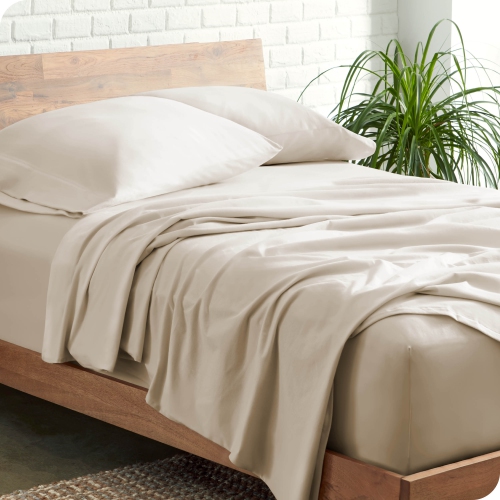
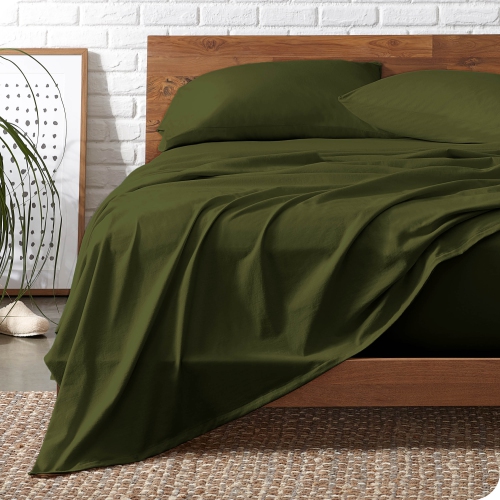
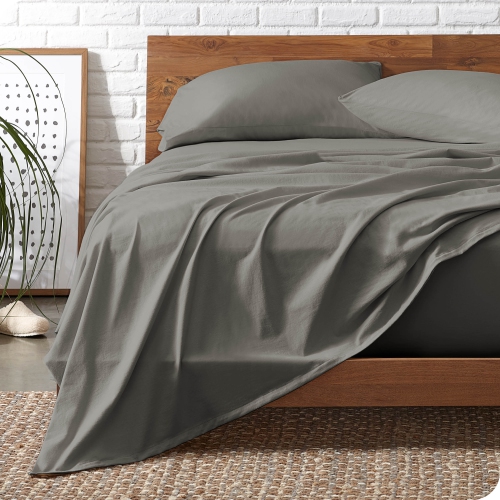
Why cotton softness depends on more than thread count
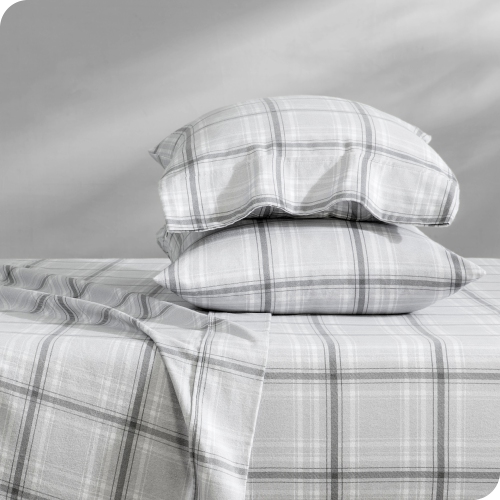
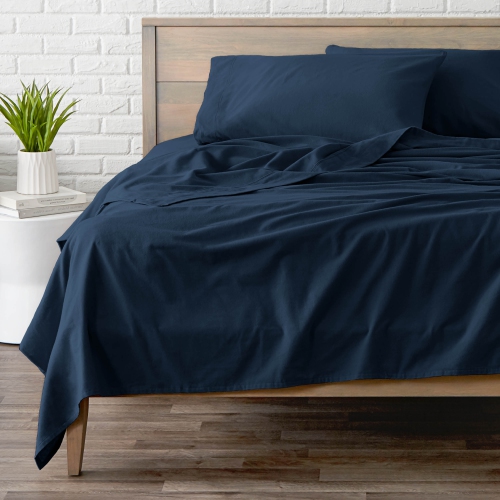
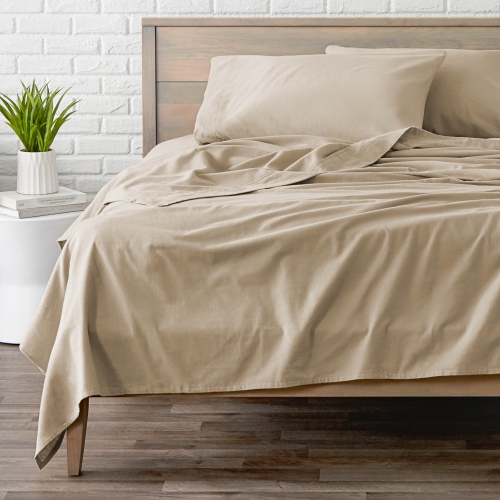
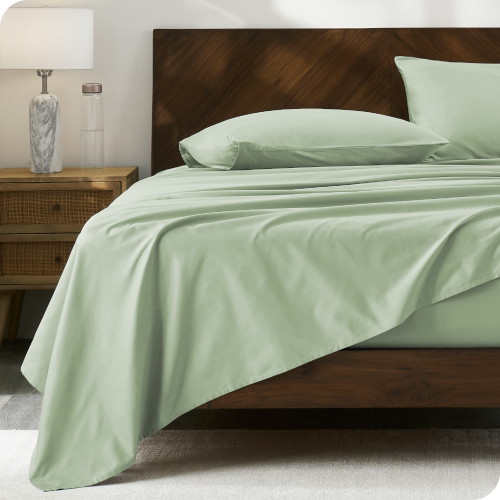
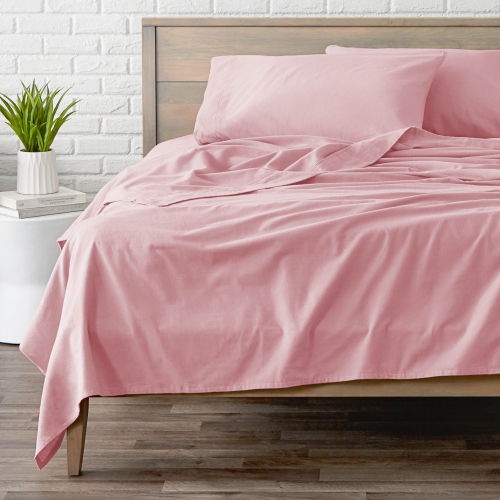
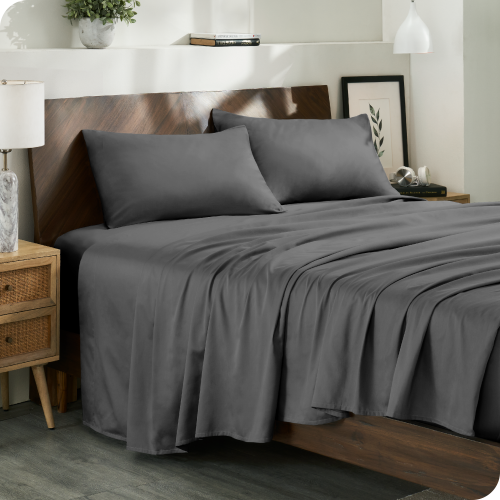
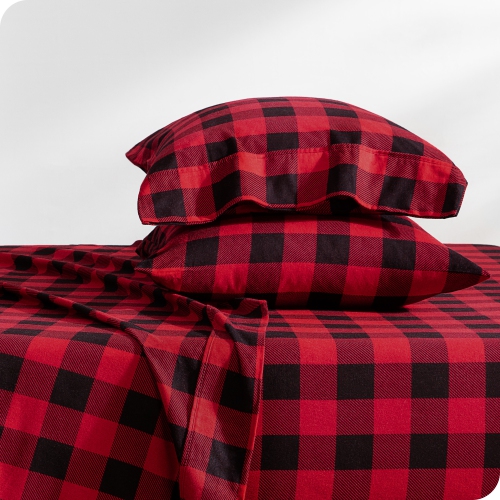
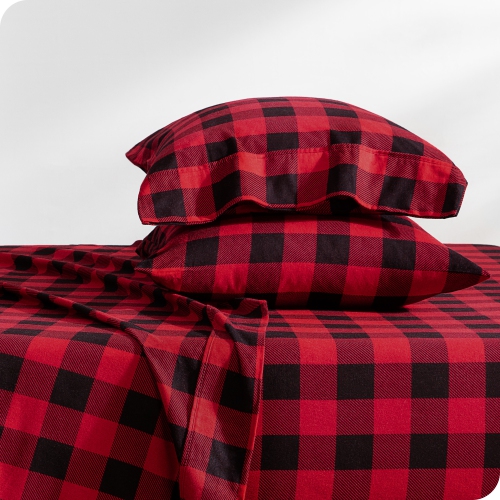
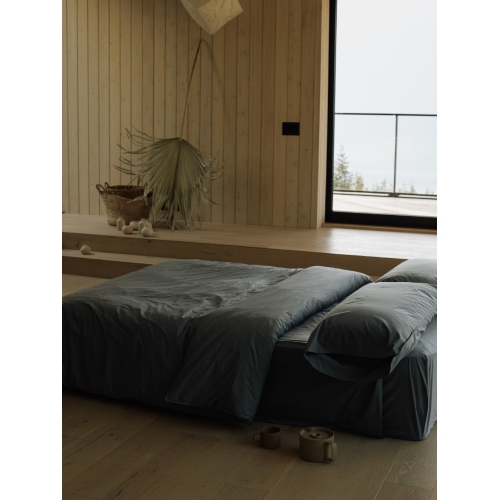
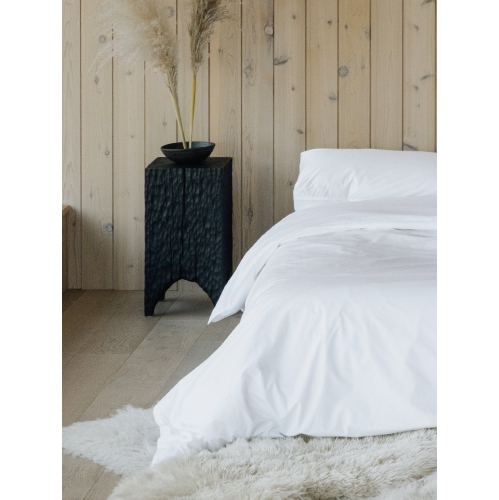
Cotton sheets for sensitive skin bring together a smooth surface, breathable fabric, and everyday washability, making them a practical choice for bedding that stays in close contact with the body for hours at a time. A useful starting point is 100% cotton with a soft, even weave and clearly described fabric treatments. Cotton absorbs moisture and allows air to pass through the fabric, although its feel and drying performance depend on the weave, thickness, and construction. For someone bothered by rough bedding, the difference can be noticeable where a cheek rests on a pillowcase or a shoulder presses against the fitted sheet. Long-staple cotton has longer fibres that can be spun into smoother yarns with fewer exposed ends, helping reduce the fuzzy texture that may develop with wear. Combed cotton has been processed to remove shorter fibres and can also offer a more uniform feel. These details are often more useful than a high thread count alone, which does not guarantee softness, durability, or suitability for sensitive skin. Cotton percale has a crisp, matte finish and a relatively light, structured feel, while cotton sateen has a smoother drape and a subtle sheen. Cotton jersey is knitted rather than woven, giving it the familiar stretch and softness of a cotton T-shirt, though its surface and fit can change with repeated use. Personal preference matters: one sleeper may enjoy the clean, dry feel of percale, while another finds sateen more comfortable against easily irritated skin. A broader selection of Soft Cotton Sheets can help put these fabric textures in context. Whatever the construction, softness should extend beyond the main panel to the hems, pillowcase openings, and any decorative details. Raised embroidery, coarse trim, or prominent seams may be less comfortable where they touch bare skin, even when the surrounding fabric feels smooth.
Fibre content, finishes, and textile certifications offer different pieces of information when comparing cotton sheets for sensitive skin. A label stating 100% cotton identifies the fibre composition; a cotton-rich blend also contains another fibre, which can change the fabric’s texture, absorbency, stretch, and care needs. Organic cotton describes how the cotton was produced, but the word “organic” alone does not establish that a finished sheet is free of dyes or processing treatments. The Global Organic Textile Standard, commonly called GOTS, covers certified organic fibre content and requirements for textile processing, including restrictions on certain chemical inputs. OEKO-TEX STANDARD 100 indicates that a textile has been tested for harmful substances against the certification’s requirements. Neither certification guarantees that every person will tolerate a fabric, and a “hypoallergenic” description is not a promise that irritation cannot occur. Undyed cotton may appeal to someone who prefers to avoid added colourants, while unbleached fabric may retain a creamy tone or small natural variations. Those descriptions do not mean a sheet has had no processing, so any known sensitivity is best considered alongside the actual material and finish information. White sheets are not necessarily undyed or unbleached, and coloured sheets are not automatically unsuitable for sensitive skin. Likewise, easy-care or wrinkle-resistant wording may indicate a finish worth checking if particular treatments have caused discomfort before. People living with eczema or contact dermatitis may appreciate bedding with a smooth texture and simple care requirements, but cotton sheets do not treat these conditions. Persistent irritation deserves advice from a healthcare professional rather than repeated changes based only on fabric claims. For everyday selection, a clearly stated composition, a comfortable surface, and care instructions that suit the household provide a more reliable basis than broad promises about purity. Familiar preferences also count: someone who already sleeps comfortably on plain cotton pillowcases may prefer a similar texture across the rest of the bed.
Fit and upkeep help preserve the qualities that make cotton bedding comfortable in the first place. A fitted sheet should match both the mattress size and its full depth, including any topper that sits beneath the sheet. A queen-size label alone does not establish whether the pockets will accommodate a deeper mattress, and an overly generous pocket can leave excess fabric gathered beneath the sleeper. Secure elastic and an appropriate pocket depth help keep the surface flat, limiting the folds and bunching that can feel bothersome under a hip or shoulder. Flat sheets need enough width and length for the preferred amount of tuck, while pillowcases should fit without compressing the pillow or leaving a large flap of loose fabric near the face. Set contents vary, so the number and dimensions of pillowcases matter as much as the main sheet measurements. Care is equally important for bedding used against sensitive skin. Washing before first use can remove some residual processing substances and handling dust; following the care label helps protect the fibres and maintain the intended fit. For someone sensitive to fragrance, a fragrance-free detergent may be preferable, used in the recommended amount so it can rinse out properly. Fabric softeners, scent boosters, and dryer sheets add substances that may not suit every sleeper, and an extra rinse can be useful when detergent residue is a concern. Cotton can shrink, particularly when care instructions are not followed, while excessive drying can weaken fibres over time. Regular laundering, thorough drying before storage, and rotating between sets support consistent care without relying on added fragrance for a fresh feel. Durable stitching, neatly finished hems, and resistance to pilling are worth considering for frequently washed bedding, although no cotton fabric is immune to wear. These practical qualities make cotton sheets suitable for primary bedrooms, guest beds, and older children’s beds where softness and straightforward laundering are priorities. As a housewarming gift or a thoughtful bedding refresh, they are most useful when the recipient’s mattress depth, preferred weave, colour preferences, and sensitivities are known. The best match is bedding that feels comfortable from pillowcase to fitted sheet and remains easy to care for through regular use.
Fibre content, finishes, and textile certifications offer different pieces of information when comparing cotton sheets for sensitive skin. A label stating 100% cotton identifies the fibre composition; a cotton-rich blend also contains another fibre, which can change the fabric’s texture, absorbency, stretch, and care needs. Organic cotton describes how the cotton was produced, but the word “organic” alone does not establish that a finished sheet is free of dyes or processing treatments. The Global Organic Textile Standard, commonly called GOTS, covers certified organic fibre content and requirements for textile processing, including restrictions on certain chemical inputs. OEKO-TEX STANDARD 100 indicates that a textile has been tested for harmful substances against the certification’s requirements. Neither certification guarantees that every person will tolerate a fabric, and a “hypoallergenic” description is not a promise that irritation cannot occur. Undyed cotton may appeal to someone who prefers to avoid added colourants, while unbleached fabric may retain a creamy tone or small natural variations. Those descriptions do not mean a sheet has had no processing, so any known sensitivity is best considered alongside the actual material and finish information. White sheets are not necessarily undyed or unbleached, and coloured sheets are not automatically unsuitable for sensitive skin. Likewise, easy-care or wrinkle-resistant wording may indicate a finish worth checking if particular treatments have caused discomfort before. People living with eczema or contact dermatitis may appreciate bedding with a smooth texture and simple care requirements, but cotton sheets do not treat these conditions. Persistent irritation deserves advice from a healthcare professional rather than repeated changes based only on fabric claims. For everyday selection, a clearly stated composition, a comfortable surface, and care instructions that suit the household provide a more reliable basis than broad promises about purity. Familiar preferences also count: someone who already sleeps comfortably on plain cotton pillowcases may prefer a similar texture across the rest of the bed.
Fit and upkeep help preserve the qualities that make cotton bedding comfortable in the first place. A fitted sheet should match both the mattress size and its full depth, including any topper that sits beneath the sheet. A queen-size label alone does not establish whether the pockets will accommodate a deeper mattress, and an overly generous pocket can leave excess fabric gathered beneath the sleeper. Secure elastic and an appropriate pocket depth help keep the surface flat, limiting the folds and bunching that can feel bothersome under a hip or shoulder. Flat sheets need enough width and length for the preferred amount of tuck, while pillowcases should fit without compressing the pillow or leaving a large flap of loose fabric near the face. Set contents vary, so the number and dimensions of pillowcases matter as much as the main sheet measurements. Care is equally important for bedding used against sensitive skin. Washing before first use can remove some residual processing substances and handling dust; following the care label helps protect the fibres and maintain the intended fit. For someone sensitive to fragrance, a fragrance-free detergent may be preferable, used in the recommended amount so it can rinse out properly. Fabric softeners, scent boosters, and dryer sheets add substances that may not suit every sleeper, and an extra rinse can be useful when detergent residue is a concern. Cotton can shrink, particularly when care instructions are not followed, while excessive drying can weaken fibres over time. Regular laundering, thorough drying before storage, and rotating between sets support consistent care without relying on added fragrance for a fresh feel. Durable stitching, neatly finished hems, and resistance to pilling are worth considering for frequently washed bedding, although no cotton fabric is immune to wear. These practical qualities make cotton sheets suitable for primary bedrooms, guest beds, and older children’s beds where softness and straightforward laundering are priorities. As a housewarming gift or a thoughtful bedding refresh, they are most useful when the recipient’s mattress depth, preferred weave, colour preferences, and sensitivities are known. The best match is bedding that feels comfortable from pillowcase to fitted sheet and remains easy to care for through regular use.
Top selling and popular products
-
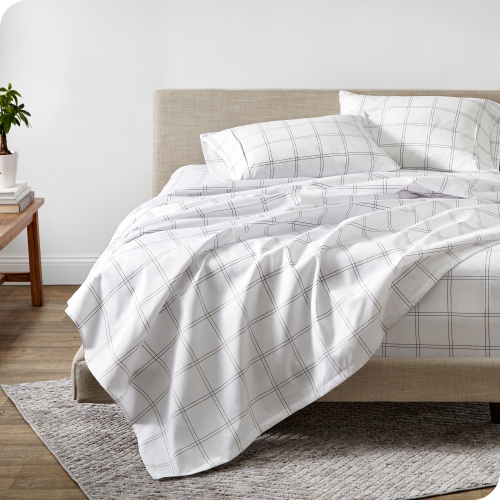 Your price for this item is $95.99
 -
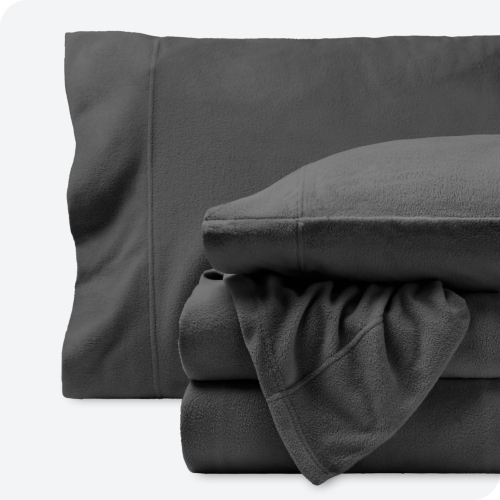 Your price for this item is $122.99
 -
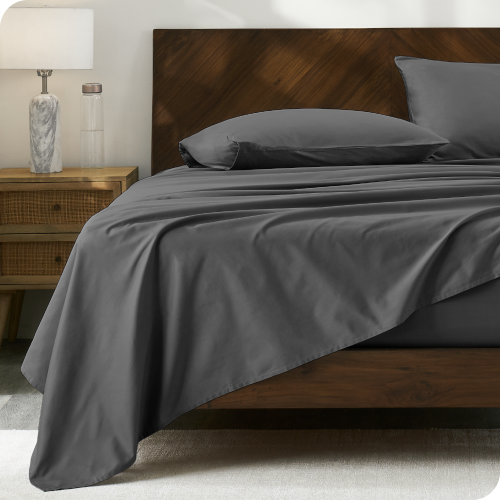 Your price for this item is $156.99
 -
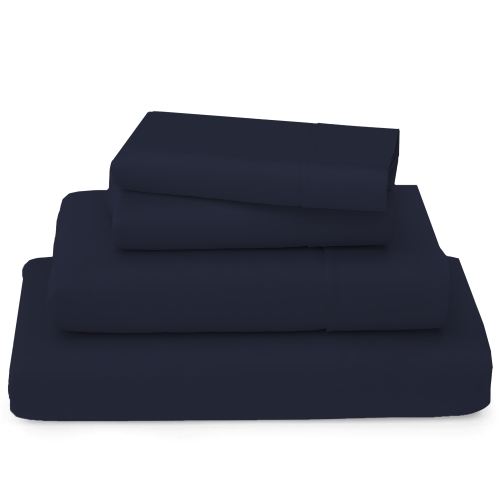 Your price for this item is $34.99
 -
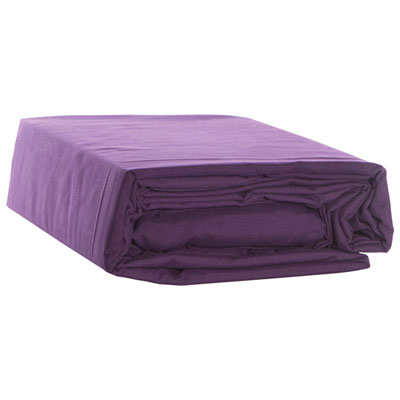 Your price for this item is $80.98
 -
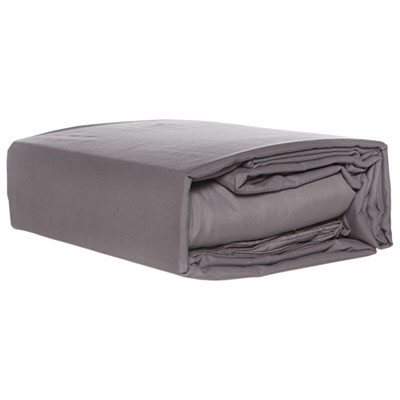 Your price for this item is $99.99
 -
 Your price for this item is $80.99
 -
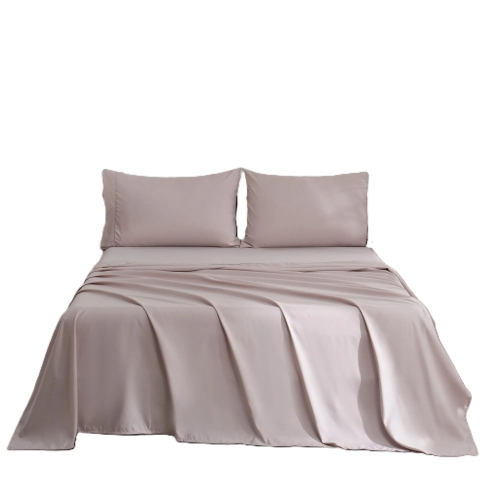 Your price for this item is $270
Discover more categories related to Cotton Sheets for Sensitive Skin
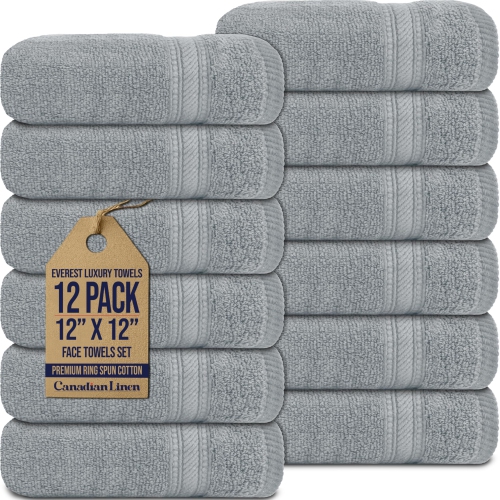
Top Collections:
Pokemon Centers, Kindle Devices, Best Budget Office Chairs, Apple iPhones 16, Best Laptops for Writers, iPhone 15 Apple, Canon G7X Cameras, Refurbished Apple Laptops, Alarm Clock, Motorola Razr Phones
Some products may be subject to Environmental Handling Fees
(EHF) depending on your province.
Learn more about EHFs.