Countup Timers
Countup timers are essential tools for anyone looking to track elapsed time with precision and ease. Whether you're timing a workout, monitoring a presentation, or managing a project, these timers provide a straightforward solution to keep you on track. Available in various styles and functionalities, countup timers are designed to meet diverse needs, offering reliability and convenience for both personal and professional use. Explore the options available to find the perfect timer that fits seamlessly into your routine.
Sort
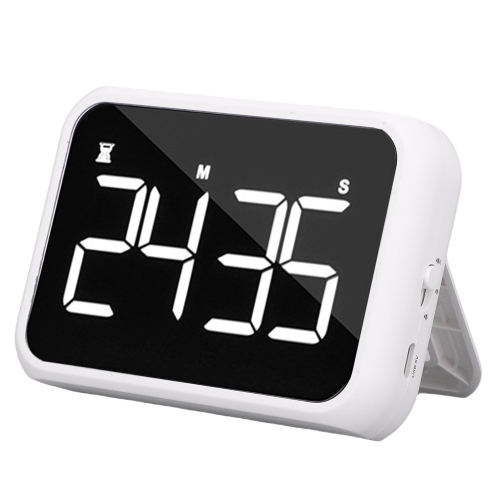
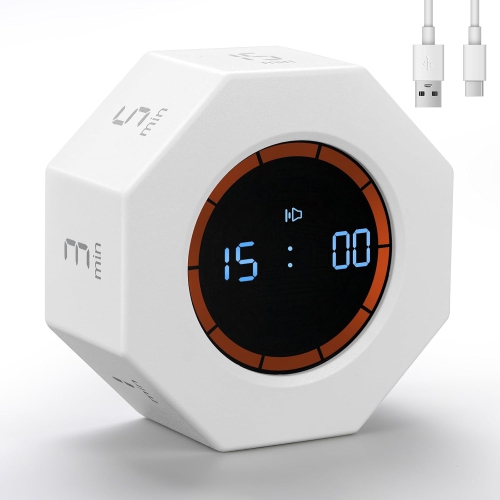
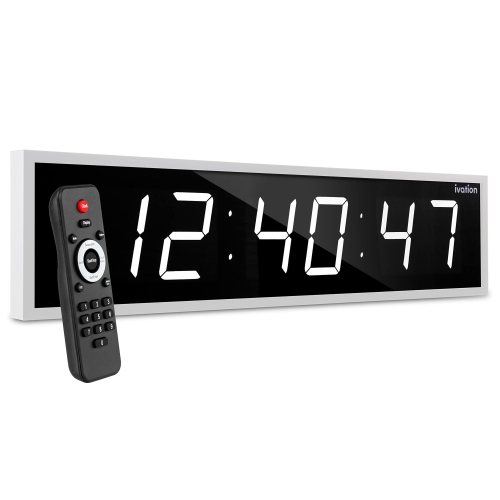
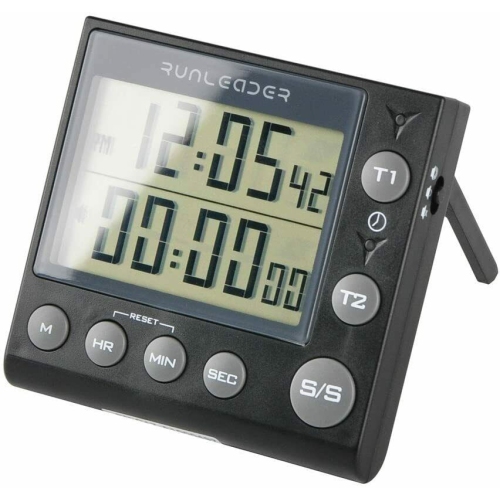
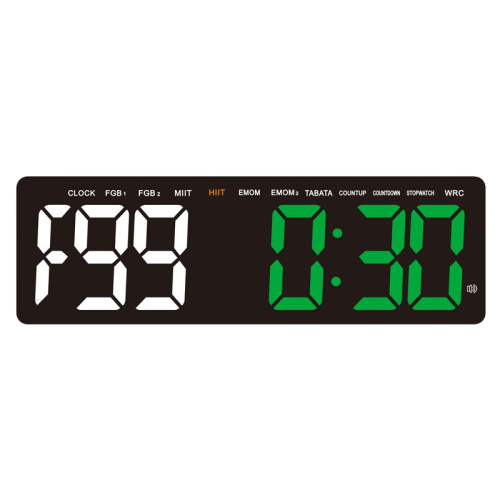
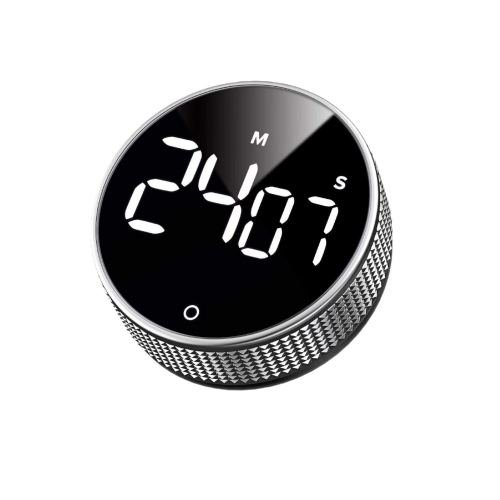
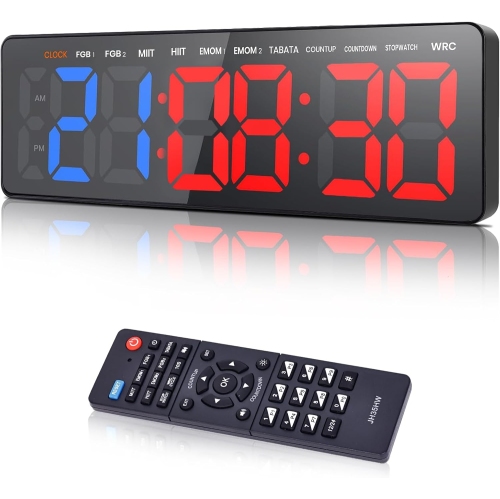
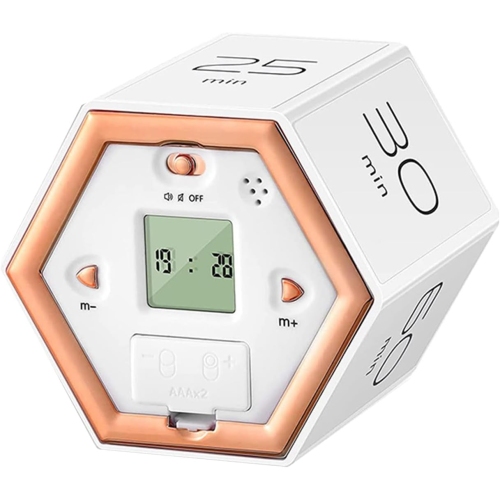
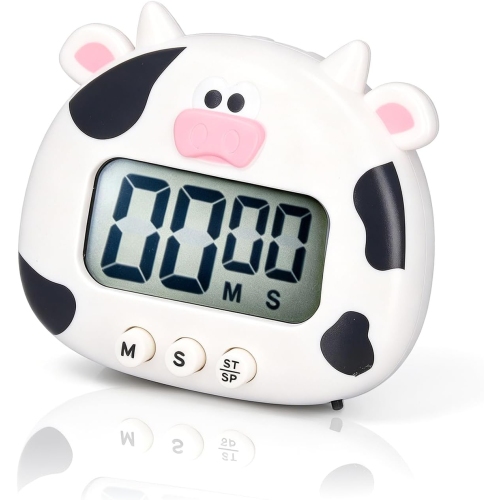
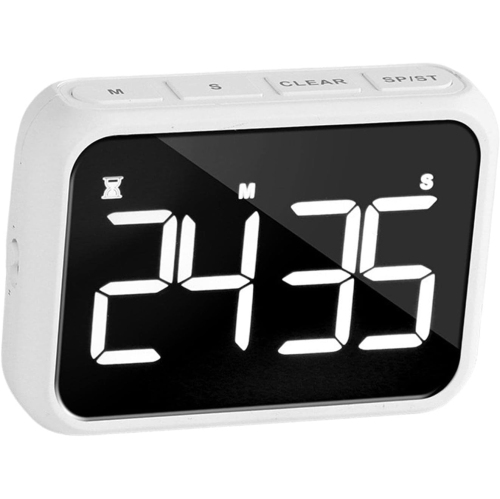
Elapsed time tracking for cooking, workouts, and focused routines
Countup timers, also known as stopwatches or elapsed time clocks, measure how much time has passed rather than counting down to zero. Most begin at zero when you press start, then move forward in seconds, minutes, and hours until you pause or reset them. Some models can start from a chosen point, making them useful when you need to continue tracking an activity after an interruption or record time that has already elapsed. Clear displays and straightforward controls make it easy to see the running total at a glance, whether the timer is placed on a countertop, held in your hand, attached to clothing, or positioned beside exercise equipment. When comparing countup timers, consider the size and readability of the screen, the layout of the start, stop, pause, and reset buttons, the length of the timing range, and whether the unit is comfortable to carry. A large display can be helpful in a busy kitchen or gym, while a compact design may be more convenient for a coach, student, traveller, or anyone moving between rooms. Other practical details include a loud or quiet operation, lap or split-time functions, memory features, a wrist strap or clip, and a magnetic or stand-up design. If a timer will be used around food preparation, look for a surface that is easy to wipe clean; for training, a secure grip and controls that are simple to operate during movement can make a noticeable difference. Battery type and replacement convenience are also worth checking, particularly when a timer will be used every day. A dependable countup timer should feel uncomplicated: start it with one deliberate press, pause it without losing the reading, and reset it when the next activity begins.
In the kitchen, a countup timer helps capture the real duration of a task, from the moment pasta enters boiling water to the time dough spends resting beneath a tea towel. It can help cooks learn how long a familiar recipe takes in a particular oven or on a specific cooktop, which is useful when adjusting preparation routines or coordinating several dishes. Unlike a countdown, a countup display keeps showing the total elapsed time when a recipe does not have one exact finish point. It can also be handy for steeping coffee or tea, letting bread rise, monitoring a slow simmer, or timing a cooling period before food is served. In fitness and sport, the same simple forward-moving display can track a run, swim, circuit, stretch, recovery interval, practice drill, or set of repetitions. A runner may start the timer at the trailhead and check the final time at the finish, while someone doing home workouts can use it to see how long a circuit takes without repeatedly checking a phone. Coaches, referees, teachers, and team captains may appreciate an easy-to-read stopwatch for drills and activities where quick timing matters. At home or in a work area, countup timers can support focused routines by showing how long has been spent on reading, studying, cleaning, cooking, sorting, or completing a project. This makes them useful for noticing patterns without turning every task into a strict deadline. A student might record the length of a practice session, a hobbyist might time a craft technique, and a family might use one to make turn-taking during a game feel fair. For people who prefer to keep phones away from the table, treadmill, or workspace, a dedicated timer provides the essential timing function without notifications or unrelated distractions.
When choosing a countup timer as a gift, think about the recipient’s routine and where the timer is likely to be used. It can be a thoughtful choice for a home cook building confidence with recipes, a fitness enthusiast tracking progress, a young athlete learning pacing, or a student who benefits from a visible record of focused practice. It may also suit a parent, teacher, trainer, or caregiver who regularly organizes short activities and needs a timing tool that can be reset quickly between participants. A timer with a large, high-contrast display may be especially helpful for people who want to read the numbers from across a room, while a small clip-on design can be convenient for walks, practices, and outdoor activities. For use during cooler months, a simple physical timer can be easier to operate than a phone when hands are busy with gloves, ingredients, equipment, or household tasks. As the weather warms, it can move naturally from the kitchen counter to the patio, garden, garage, sports field, or campsite. People who enjoy measuring personal progress may also use a countup timer to compare running times, track recovery, practise a musical passage, or build consistency in a daily habit. Some activities call for a traditional stopwatch format with lap readings, while others only need a clear elapsed-time counter that starts and stops reliably. Exploring related Stopwatch Timers can help narrow the selection for activities where split times, compact portability, or athletic timing features are important. The best choice is the one that matches the setting: easy controls for quick starts, a display that can be read without squinting, and a construction suited to the pace of everyday use. Whether it sits beside a mixing bowl, rests on a desk, or travels in a gym bag, a countup timer offers a practical way to see time passing and turn that information into better planning, steadier routines, and more confident performance.
In the kitchen, a countup timer helps capture the real duration of a task, from the moment pasta enters boiling water to the time dough spends resting beneath a tea towel. It can help cooks learn how long a familiar recipe takes in a particular oven or on a specific cooktop, which is useful when adjusting preparation routines or coordinating several dishes. Unlike a countdown, a countup display keeps showing the total elapsed time when a recipe does not have one exact finish point. It can also be handy for steeping coffee or tea, letting bread rise, monitoring a slow simmer, or timing a cooling period before food is served. In fitness and sport, the same simple forward-moving display can track a run, swim, circuit, stretch, recovery interval, practice drill, or set of repetitions. A runner may start the timer at the trailhead and check the final time at the finish, while someone doing home workouts can use it to see how long a circuit takes without repeatedly checking a phone. Coaches, referees, teachers, and team captains may appreciate an easy-to-read stopwatch for drills and activities where quick timing matters. At home or in a work area, countup timers can support focused routines by showing how long has been spent on reading, studying, cleaning, cooking, sorting, or completing a project. This makes them useful for noticing patterns without turning every task into a strict deadline. A student might record the length of a practice session, a hobbyist might time a craft technique, and a family might use one to make turn-taking during a game feel fair. For people who prefer to keep phones away from the table, treadmill, or workspace, a dedicated timer provides the essential timing function without notifications or unrelated distractions.
When choosing a countup timer as a gift, think about the recipient’s routine and where the timer is likely to be used. It can be a thoughtful choice for a home cook building confidence with recipes, a fitness enthusiast tracking progress, a young athlete learning pacing, or a student who benefits from a visible record of focused practice. It may also suit a parent, teacher, trainer, or caregiver who regularly organizes short activities and needs a timing tool that can be reset quickly between participants. A timer with a large, high-contrast display may be especially helpful for people who want to read the numbers from across a room, while a small clip-on design can be convenient for walks, practices, and outdoor activities. For use during cooler months, a simple physical timer can be easier to operate than a phone when hands are busy with gloves, ingredients, equipment, or household tasks. As the weather warms, it can move naturally from the kitchen counter to the patio, garden, garage, sports field, or campsite. People who enjoy measuring personal progress may also use a countup timer to compare running times, track recovery, practise a musical passage, or build consistency in a daily habit. Some activities call for a traditional stopwatch format with lap readings, while others only need a clear elapsed-time counter that starts and stops reliably. Exploring related Stopwatch Timers can help narrow the selection for activities where split times, compact portability, or athletic timing features are important. The best choice is the one that matches the setting: easy controls for quick starts, a display that can be read without squinting, and a construction suited to the pace of everyday use. Whether it sits beside a mixing bowl, rests on a desk, or travels in a gym bag, a countup timer offers a practical way to see time passing and turn that information into better planning, steadier routines, and more confident performance.
Top selling and popular products
-
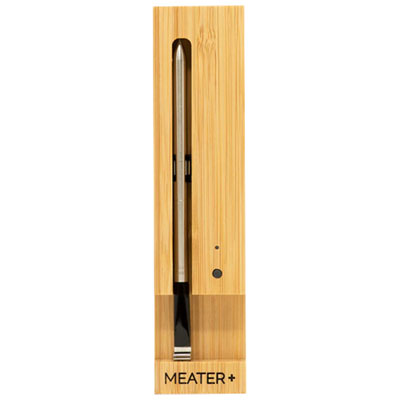 Your price for this item is $149.99
 -
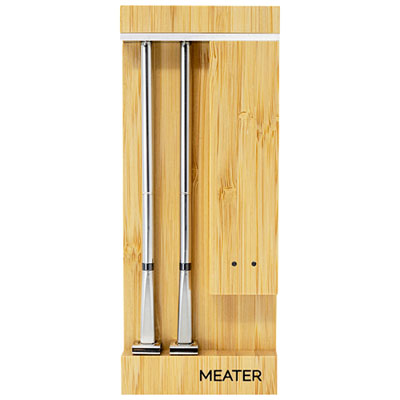 Your price for this item is $269.99
 -
 Your price for this item is $99.99
 -
 Your price for this item is $69.74
 -
 Your price for this item is $45.99
 -
 Your price for this item is $149.99
 -
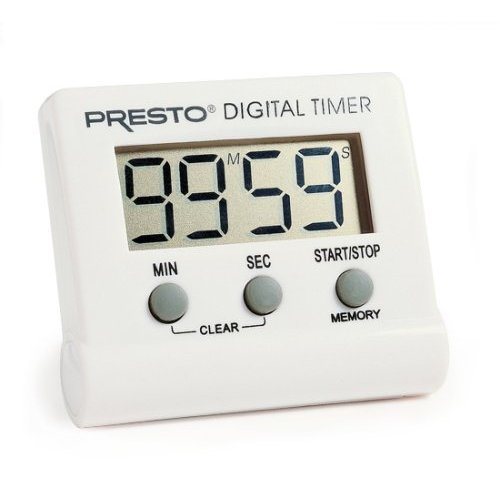 Your price for this item is $12.99
 -
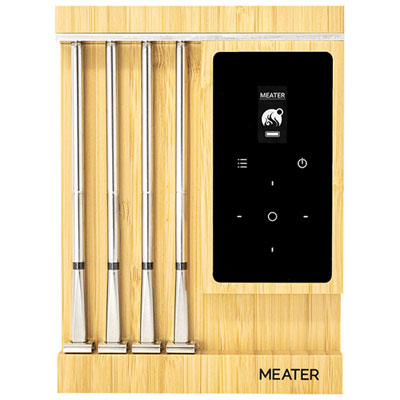 Your price for this item is $479.99
Discover more categories related to Countup Timers
Top Collections:
Pokemon Centers, Kindle Devices, Best Budget Office Chairs, Apple iPhones 16, Best Laptops for Writers, iPhone 15 Apple, Canon G7X Cameras, Refurbished Apple Laptops, Alarm Clock, Motorola Razr Phones
Some products may be subject to Environmental Handling Fees
(EHF) depending on your province.
Learn more about EHFs.