Countdown Timers
Countdown timers are essential tools that help us keep track of time in a convenient and efficient manner. Whether you're looking to enhance your productivity, stay organized, or simply add a touch of excitement to your daily routine, countdown timers have got you covered. From sleek digital options to stylish analog designs, Best Buy offers a wide range of countdown timers to suit every need and preference. Explore our collection today and discover the perfect timer to help you stay on top of your schedule with ease.
Sort

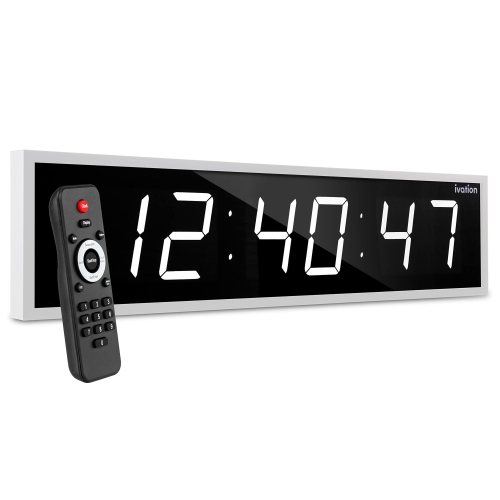
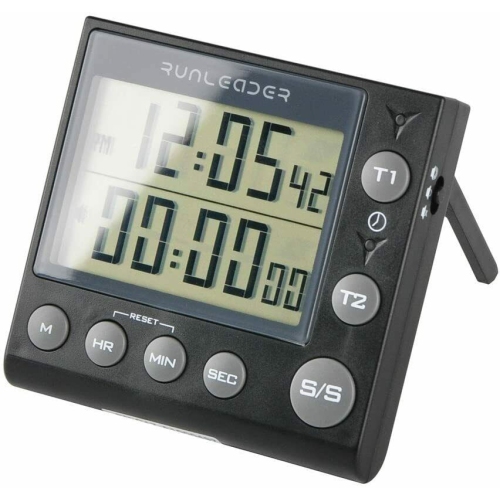
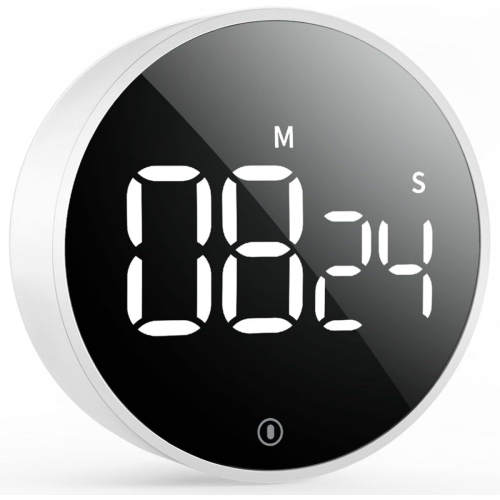
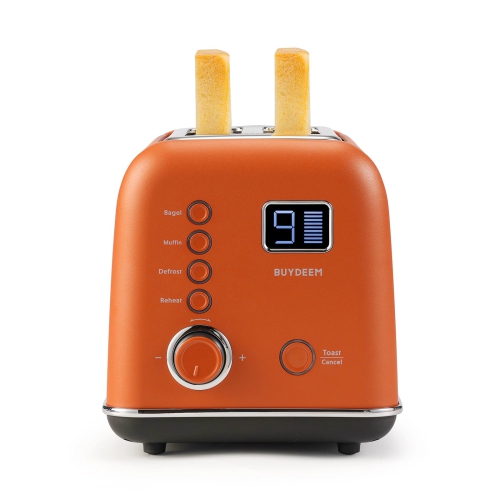
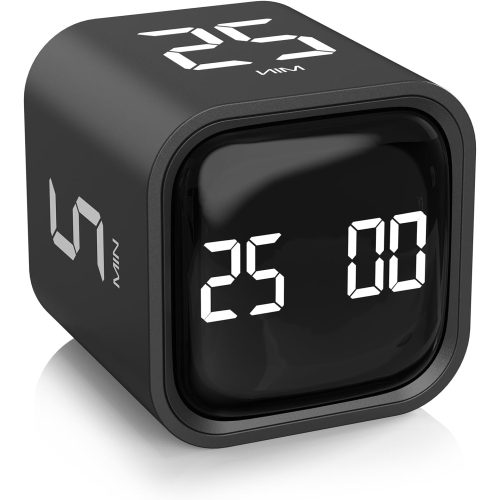
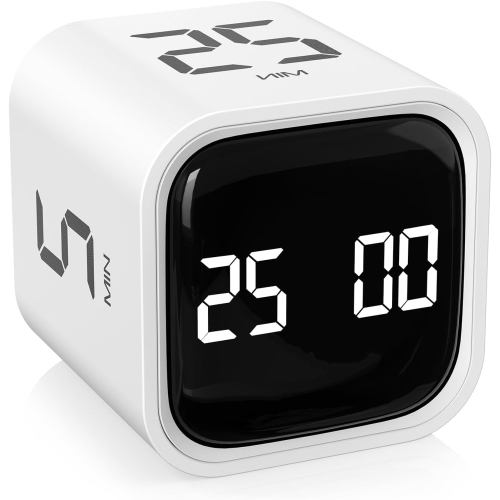
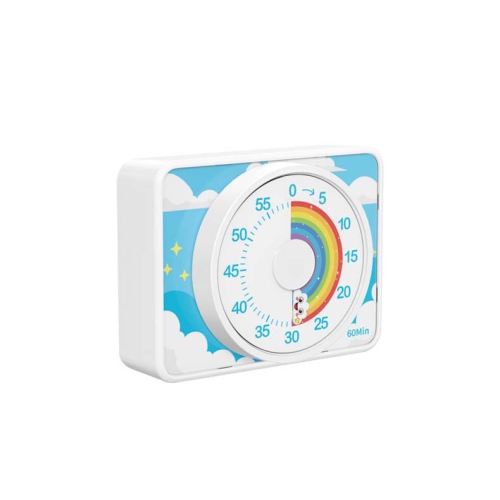
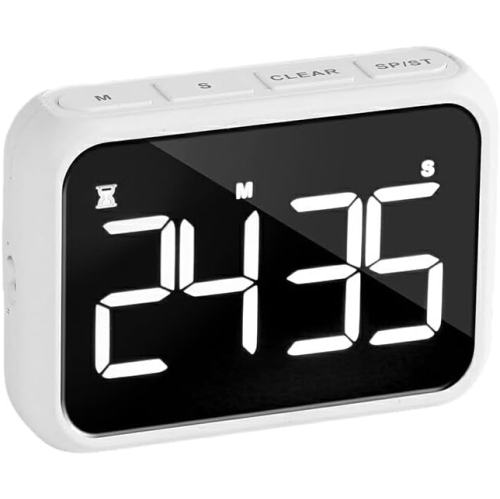
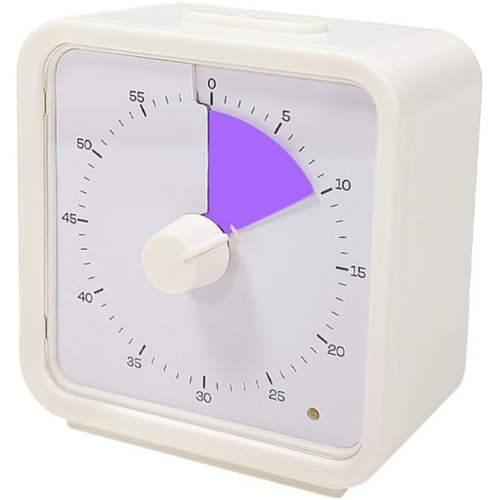
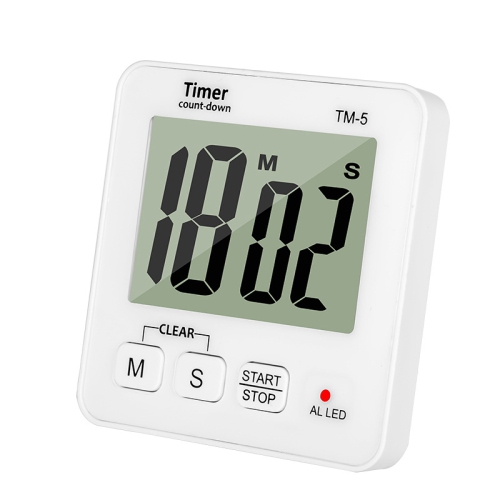
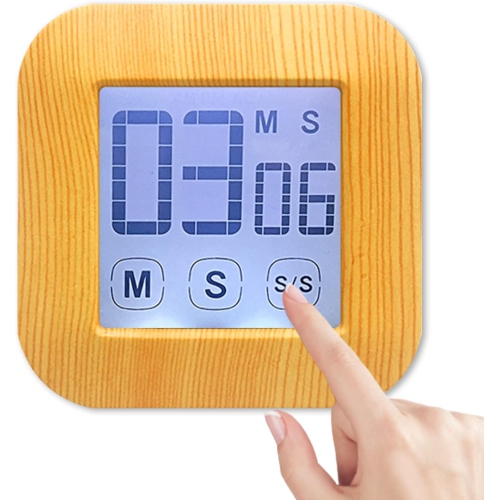
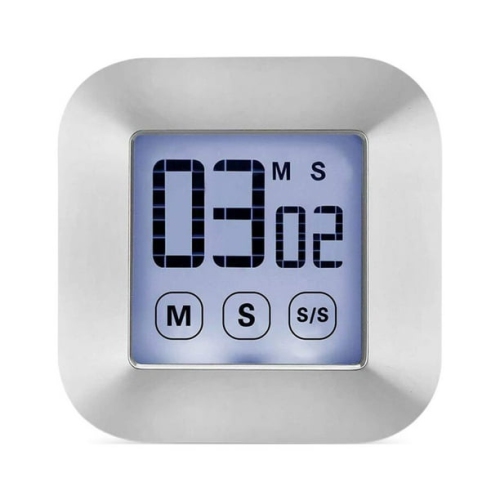
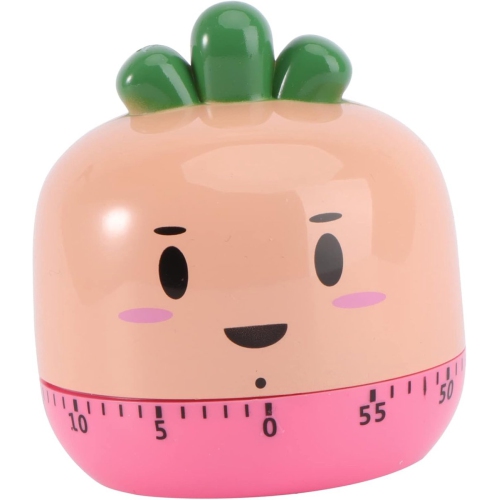
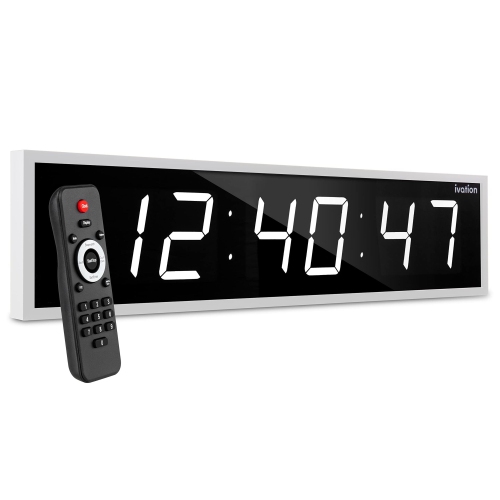
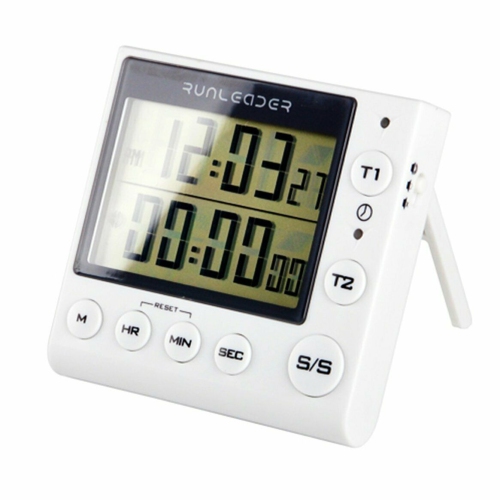



A visible finish point for everyday routines
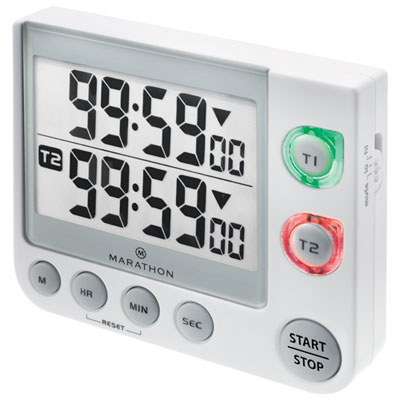
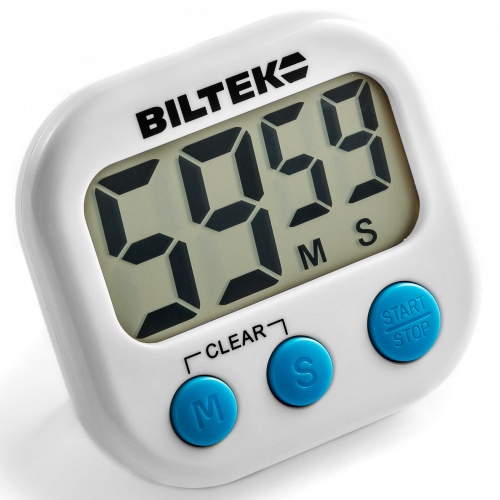
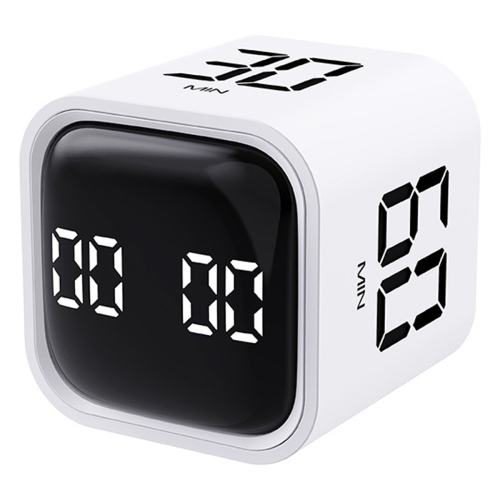
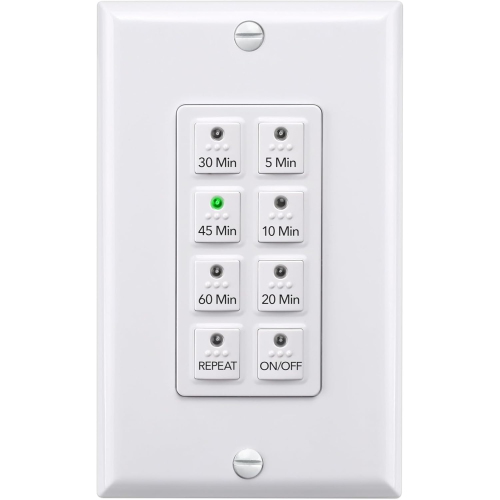
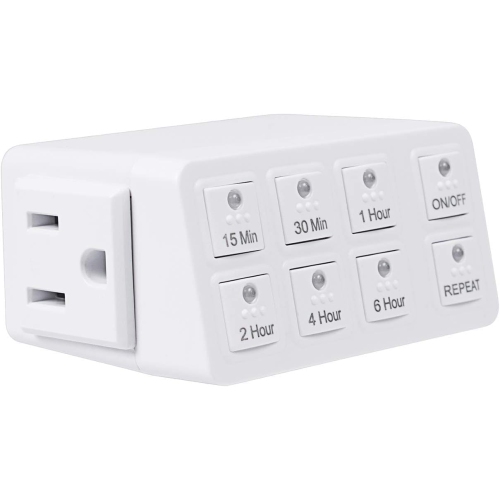
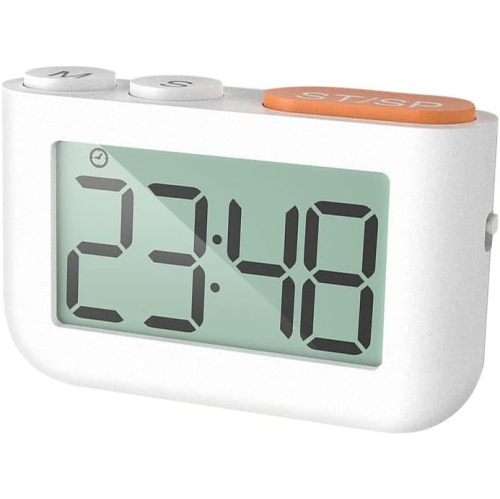
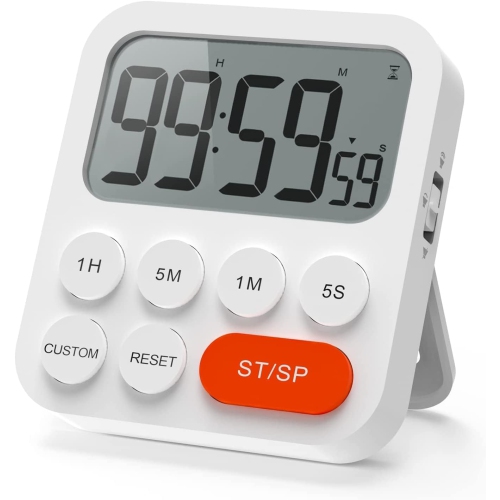
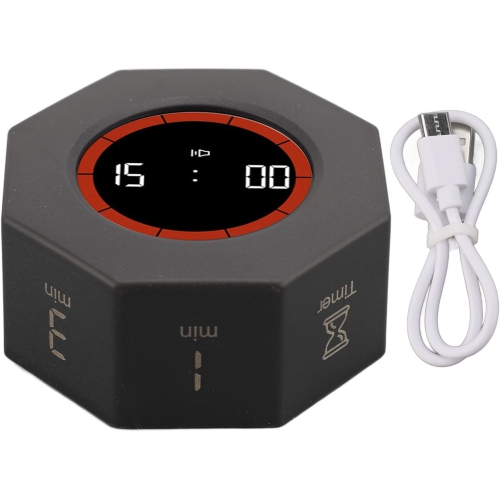
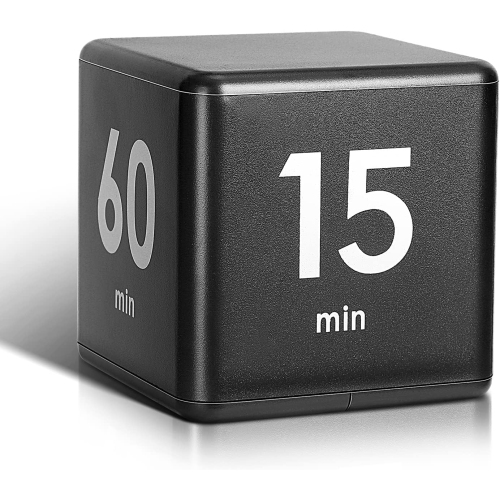
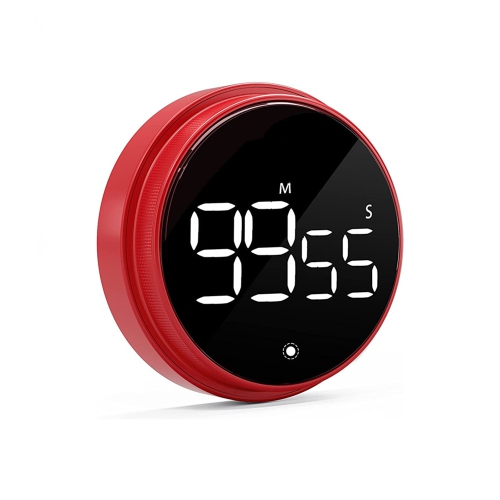
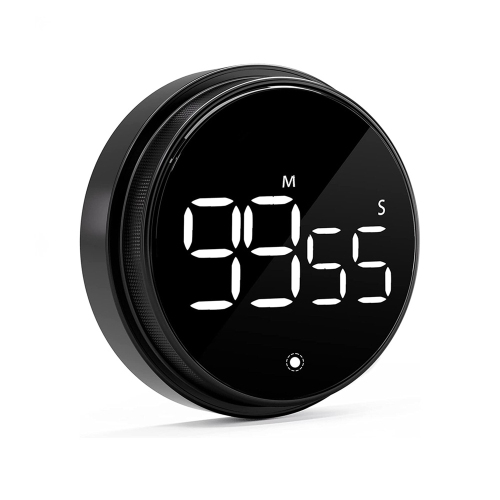
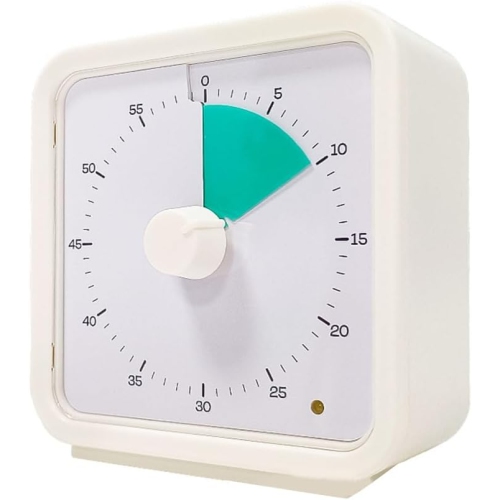
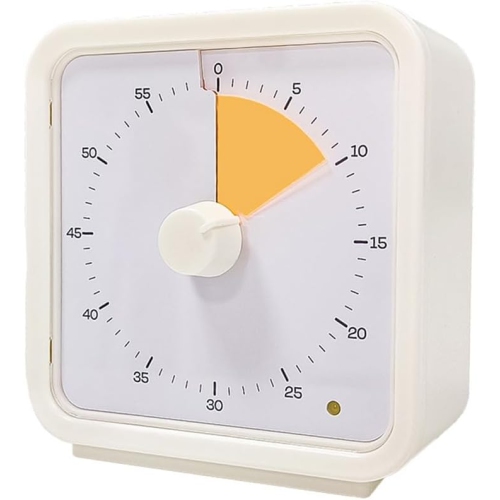
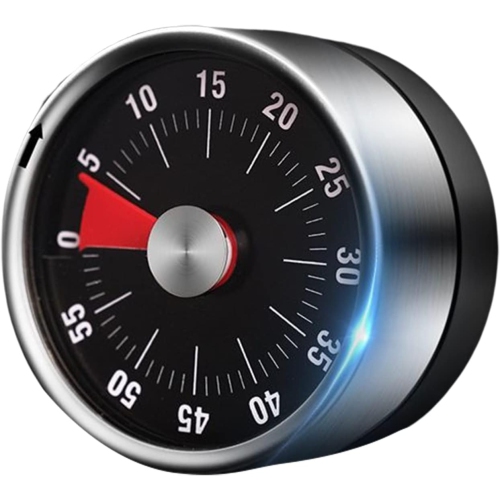
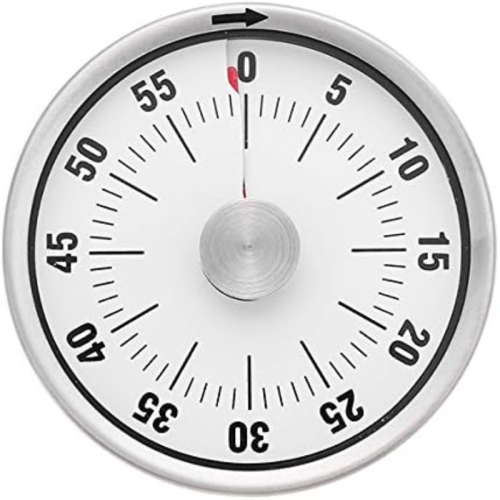
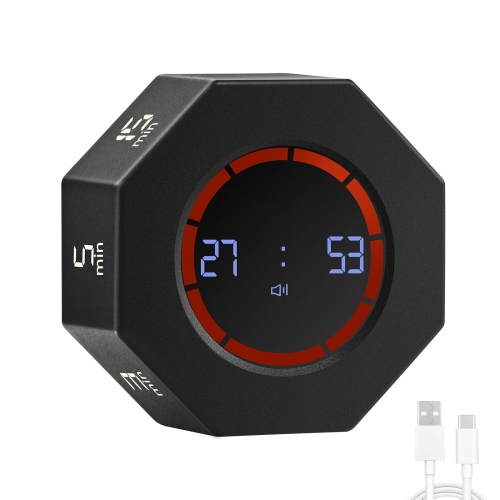
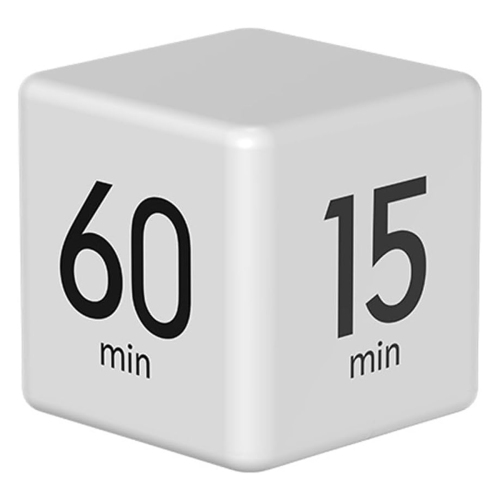
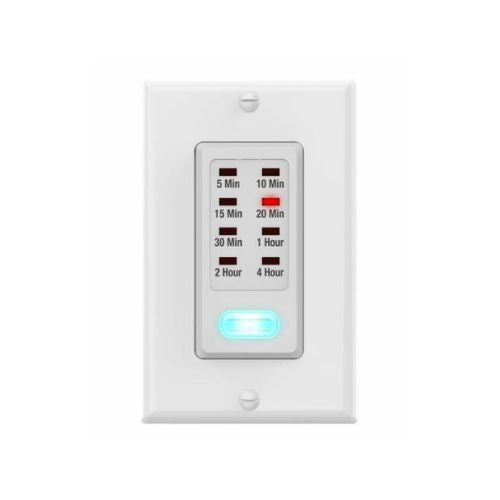
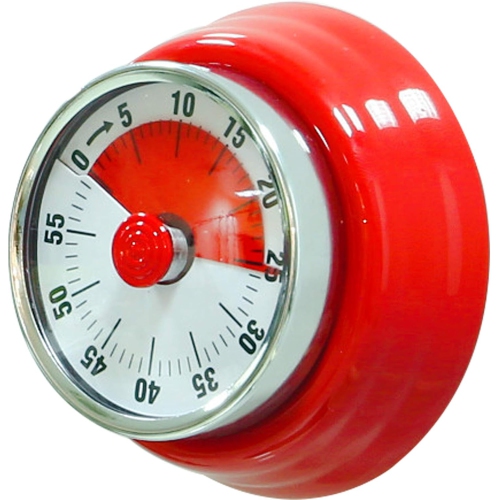
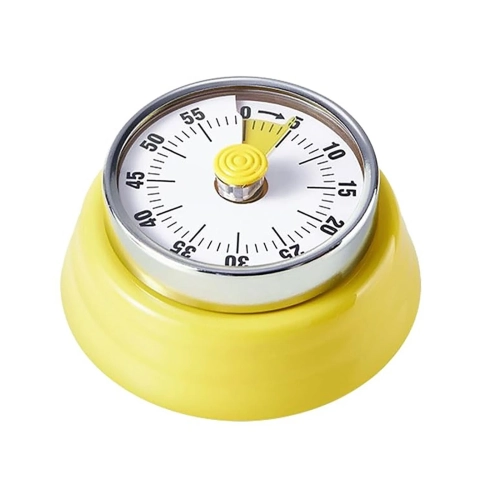
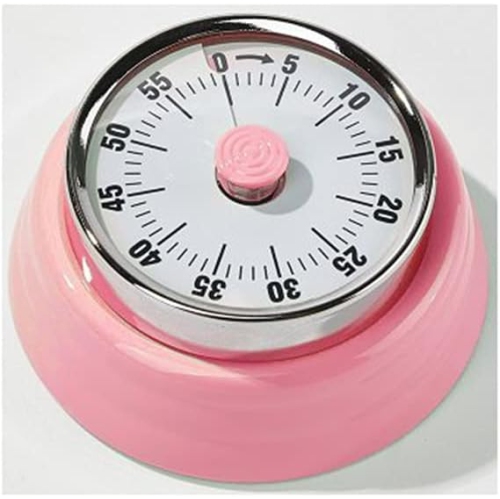
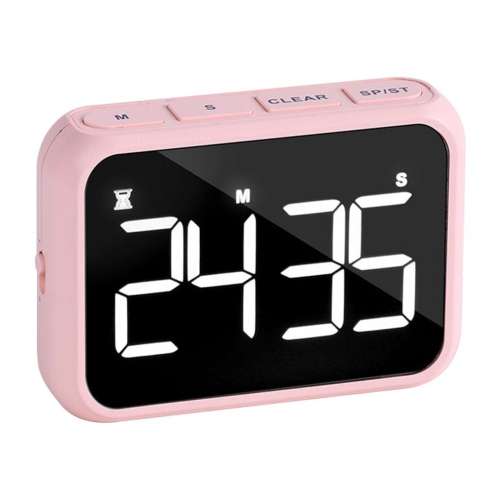
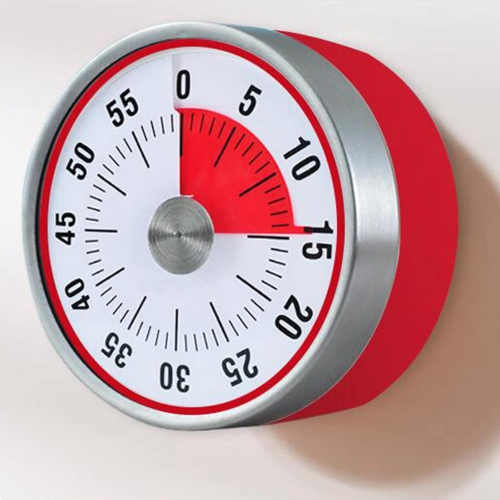
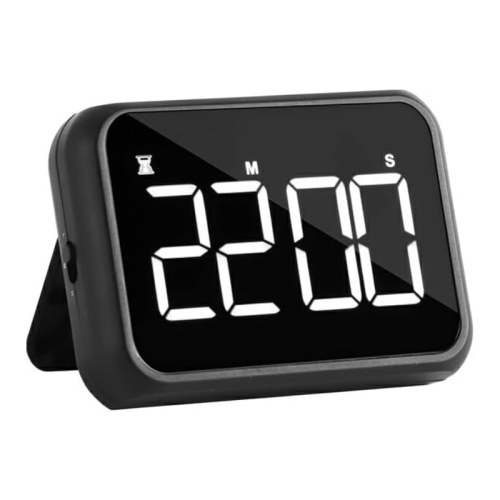
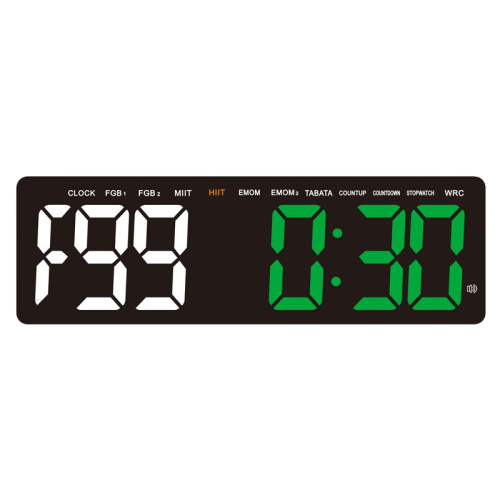
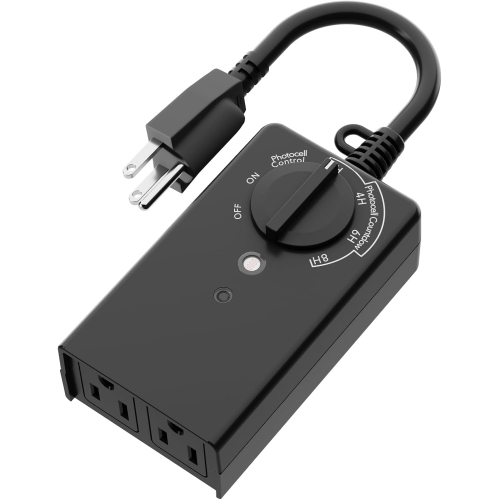
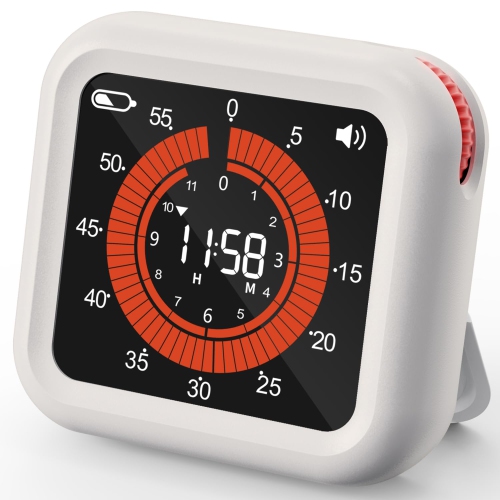
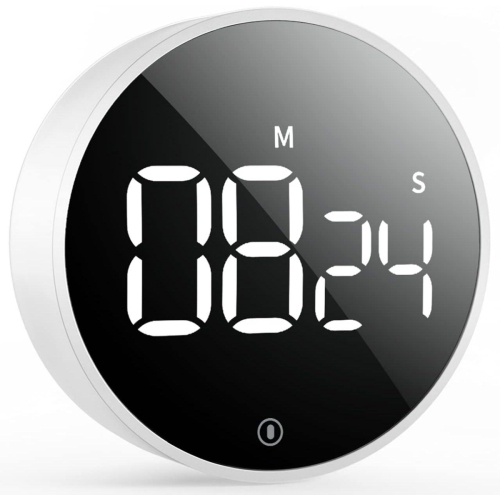
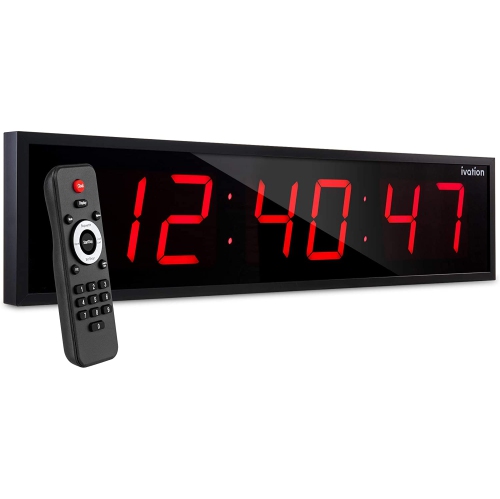
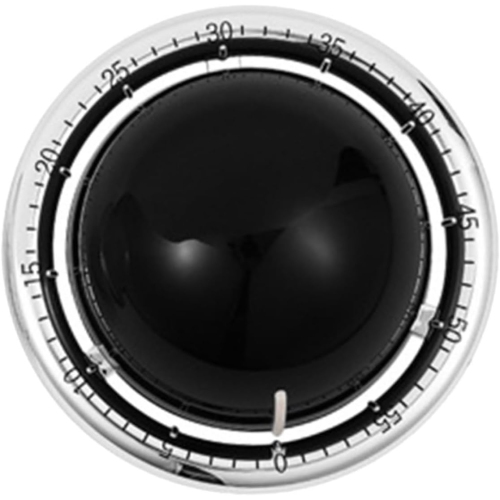
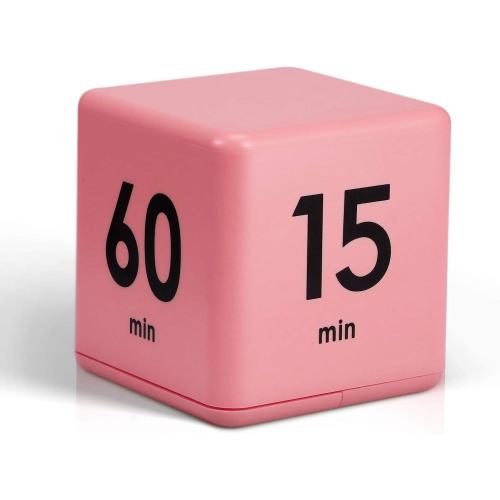
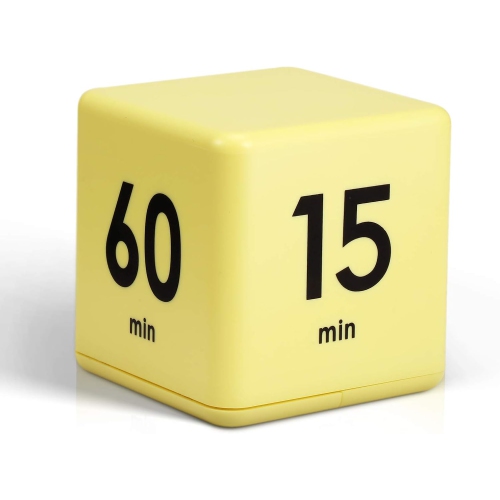
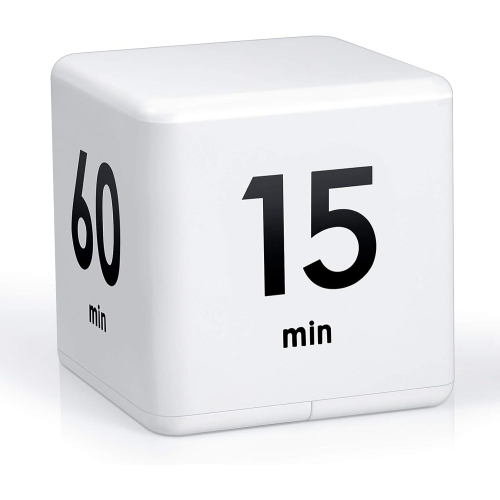
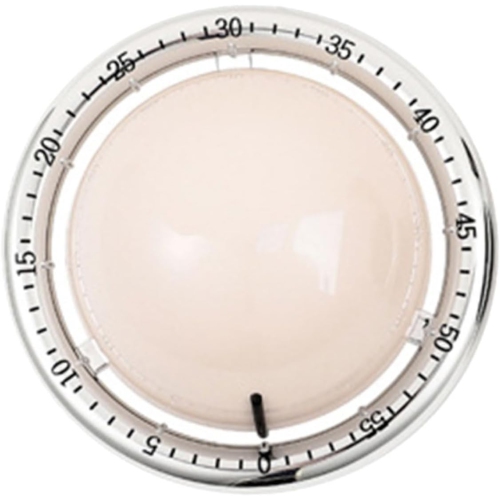
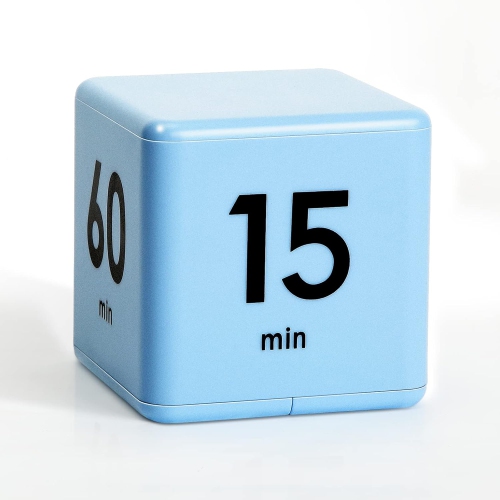
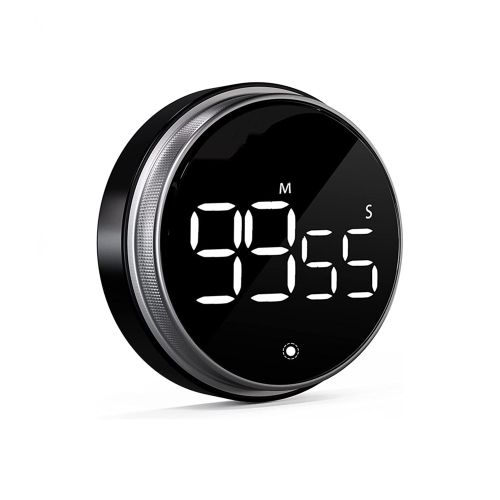
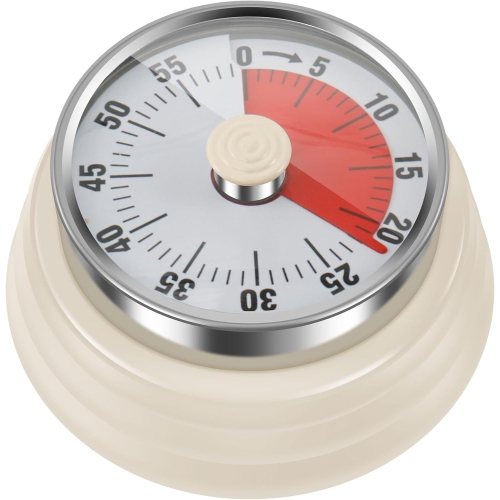
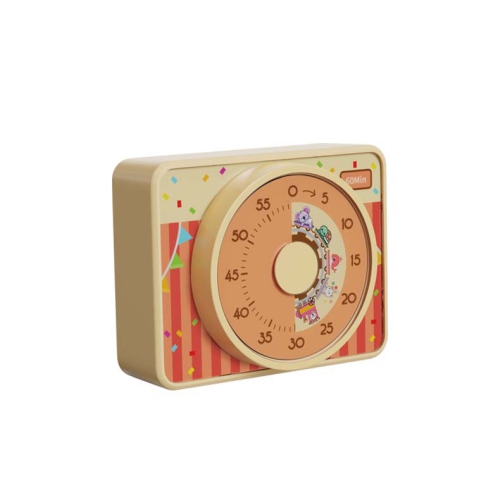
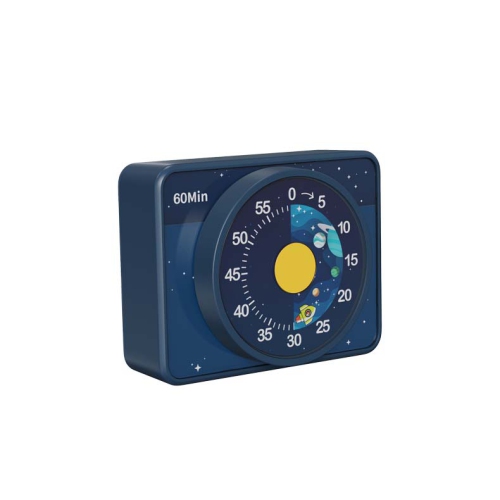
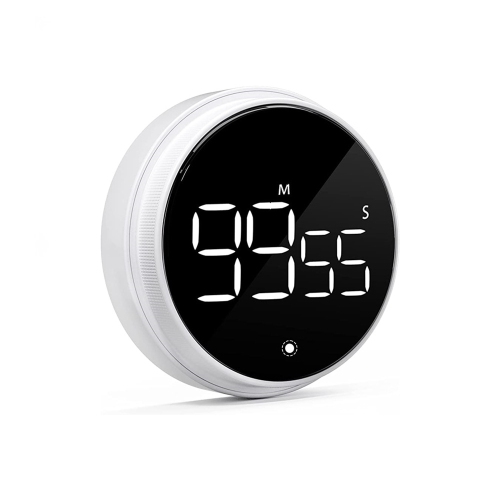
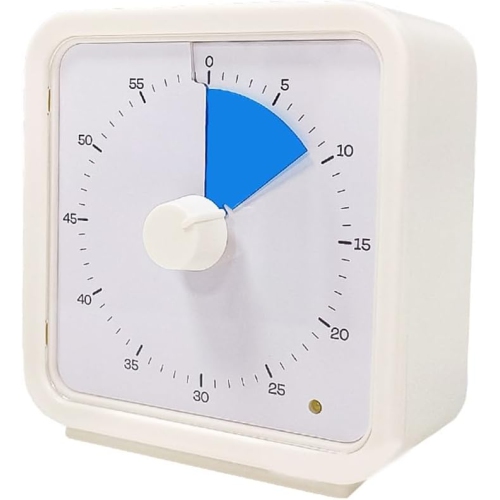
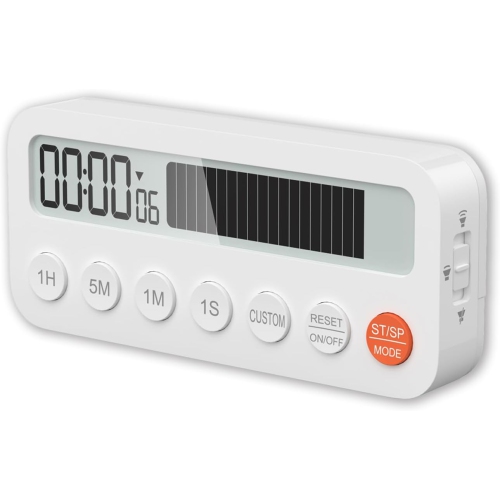
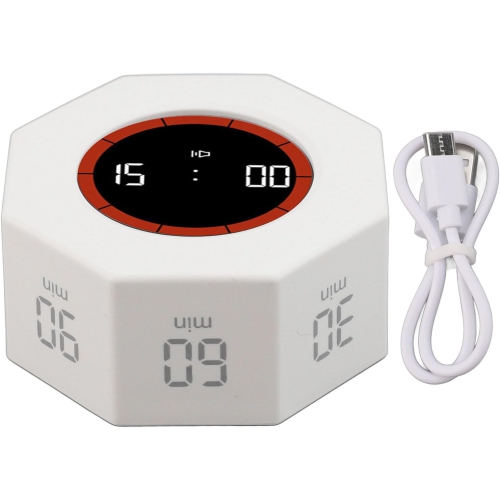
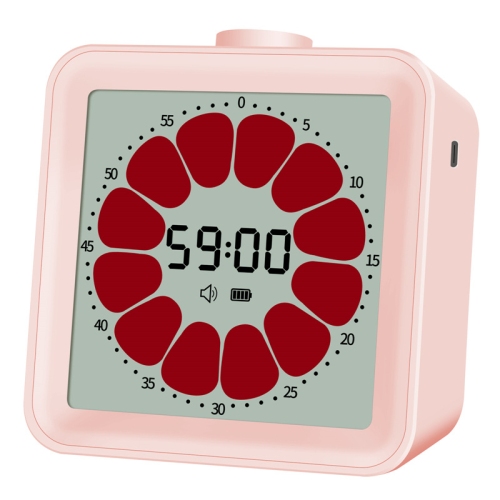
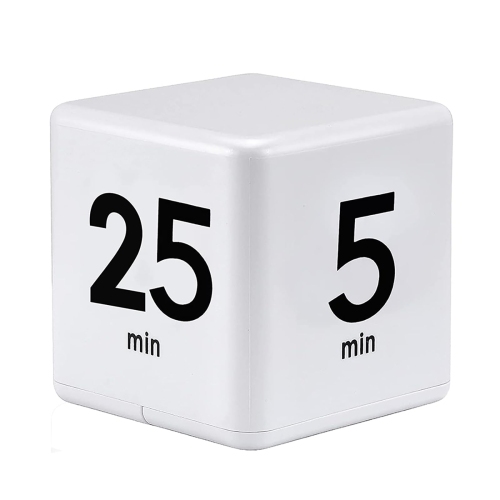
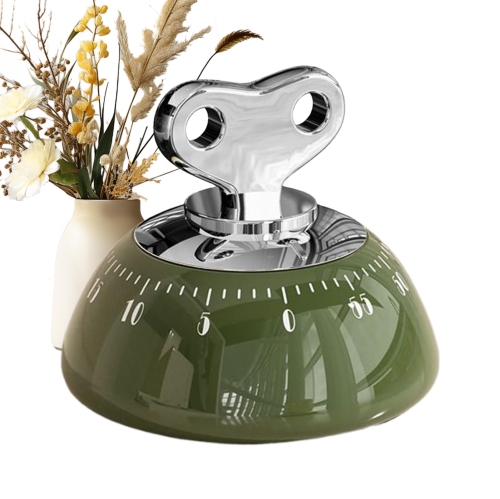
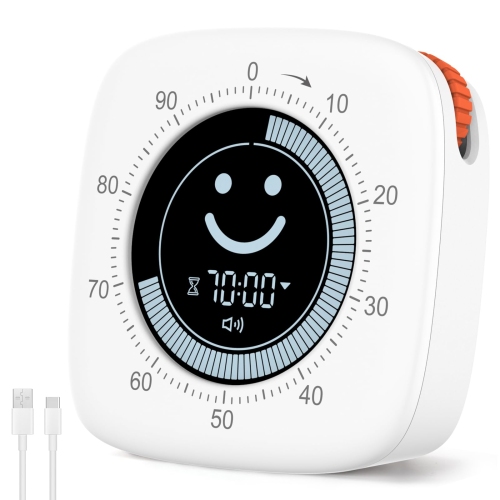
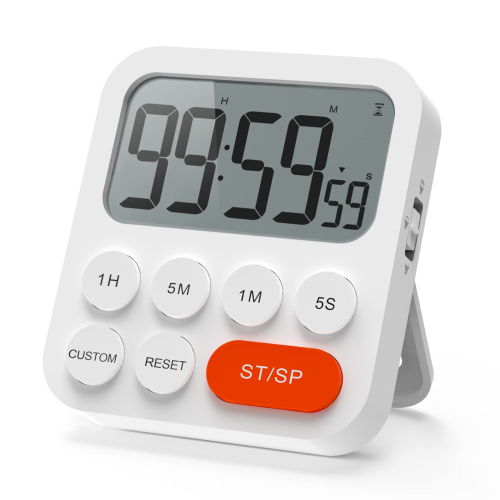
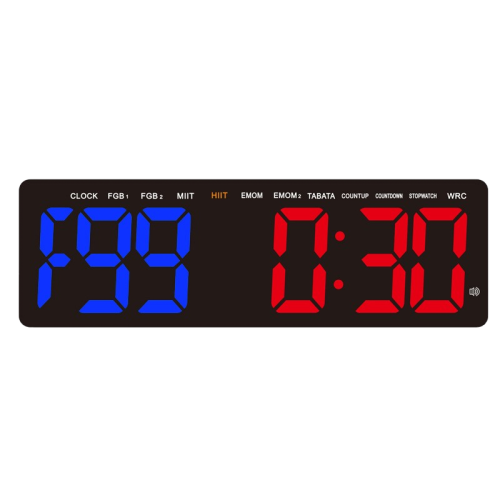
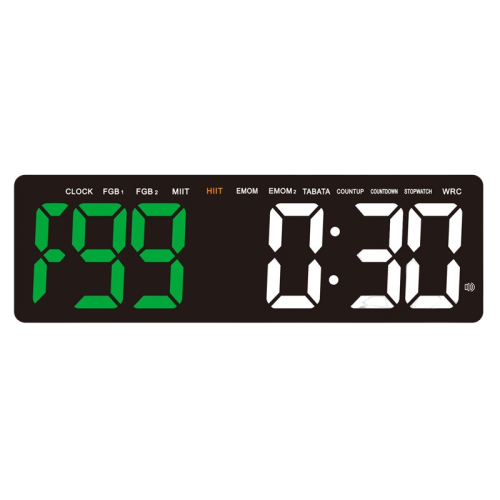
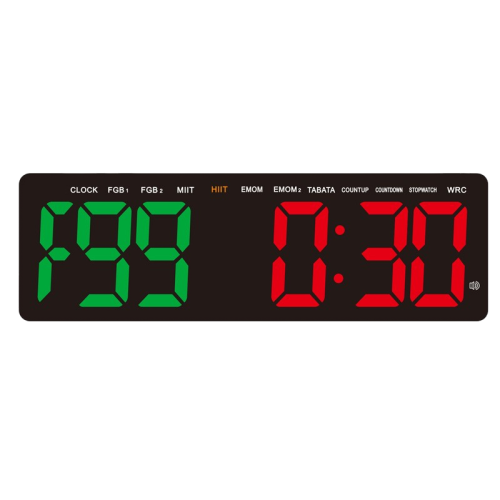
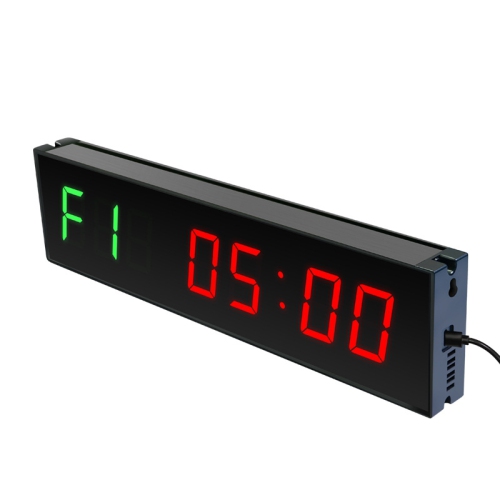
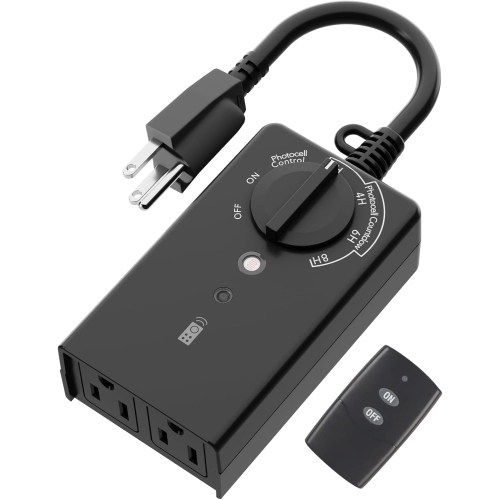
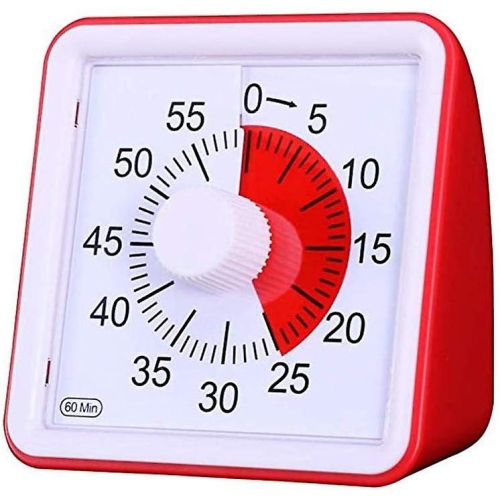
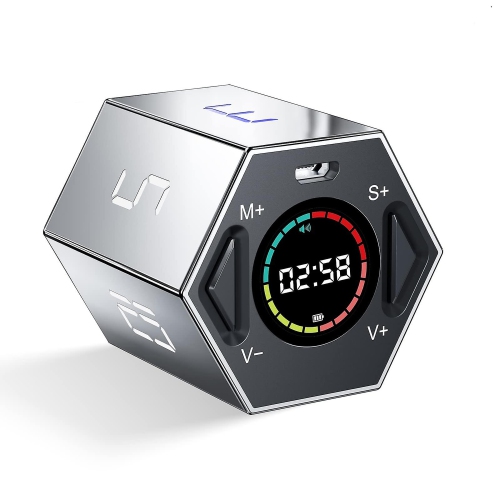
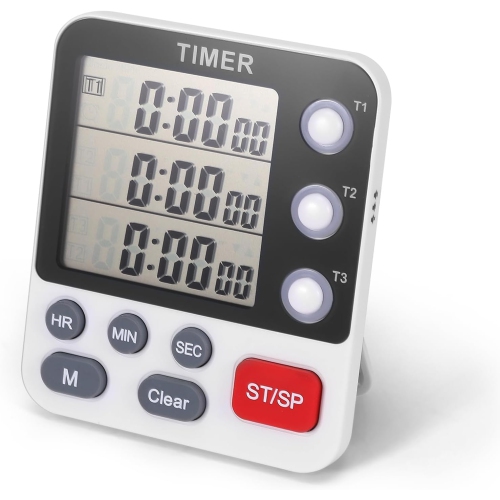
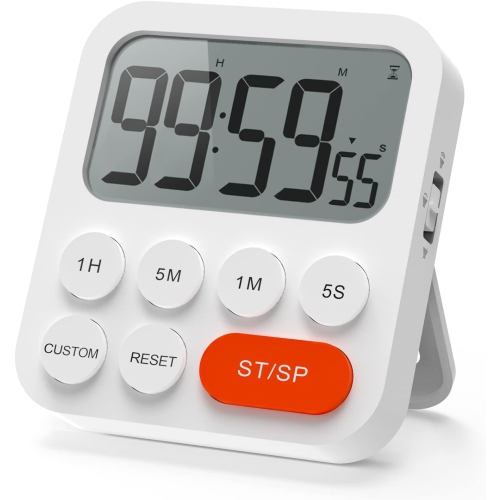
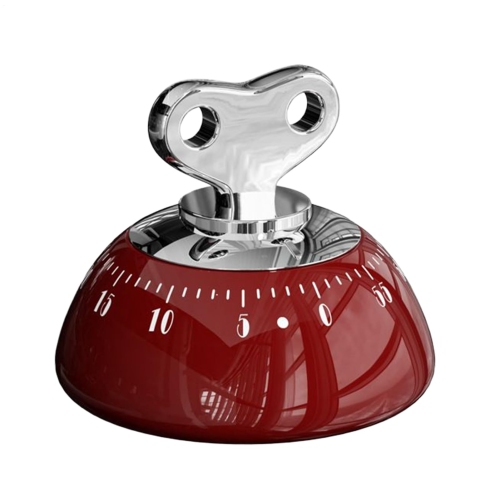
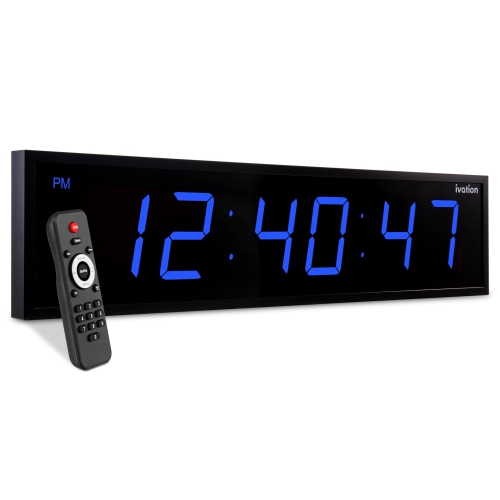
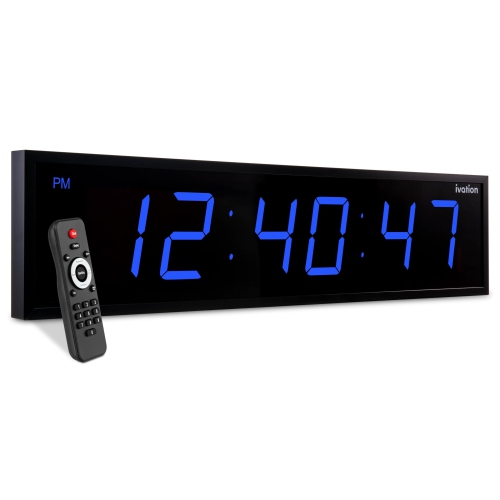
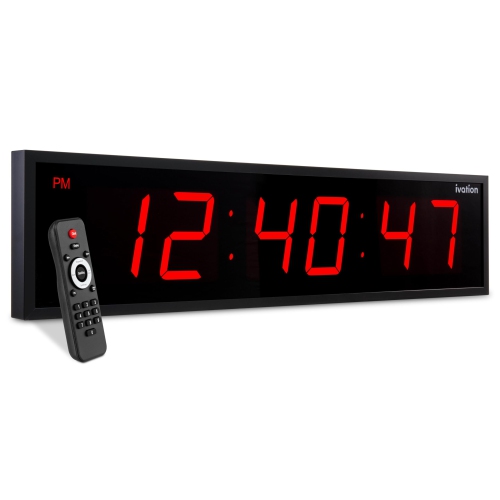
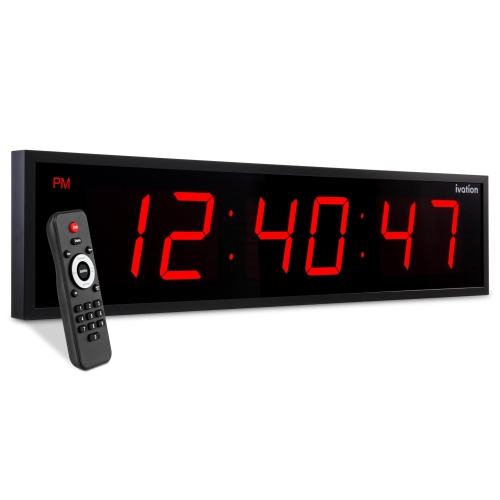
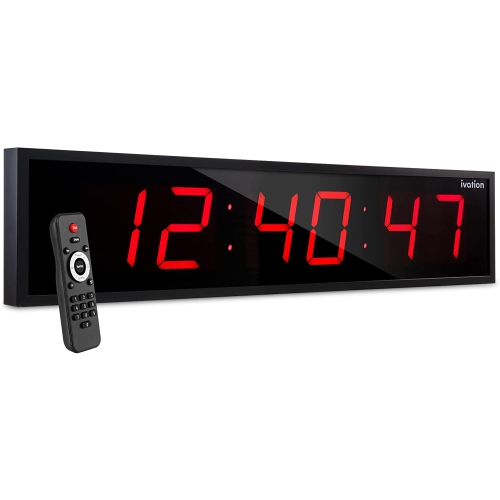
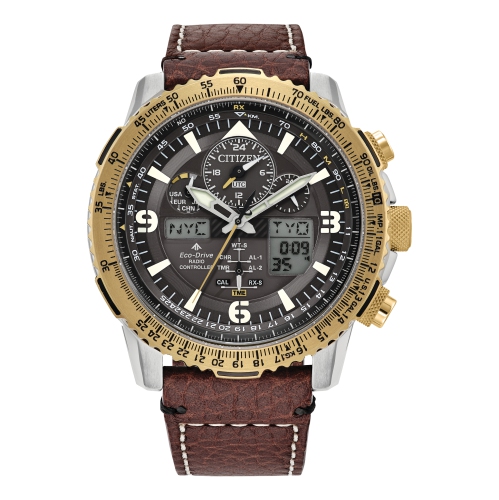
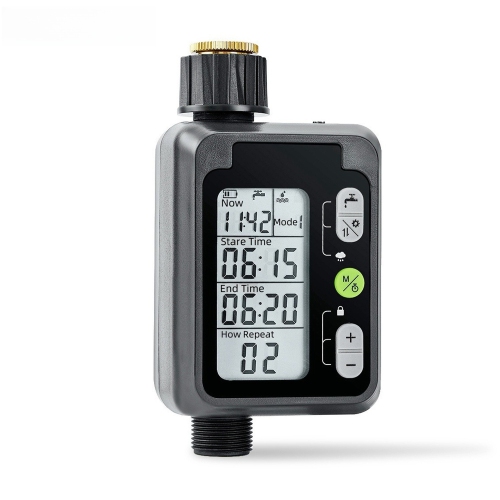
Countdown timers measure the time remaining in a set period, counting backwards from a chosen duration to zero. Unlike a stopwatch, which records elapsed time by counting upwards, a countdown timer makes the finish point visible from the start. That simple distinction makes these devices useful for cooking, studying, exercise, presentations, games, and everyday routines. A timer set for twenty minutes can keep a tray of biscuits on schedule, mark a focused reading session, or give everyone at a meeting a clear sense of how much discussion time remains. Most duration timers work in hours, minutes, or seconds, while date-based countdown clocks track the interval before a particular event or milestone. These serve different purposes: a short-duration timer suits repeated tasks, whereas an event countdown needs calendar settings and a display that can show longer spans of time. Online countdown tools run in a browser, but a dedicated physical timer offers a separate display and controls without requiring an open computer or phone screen. For anyone who finds phone notifications distracting, that separation can be especially useful during homework or concentrated work. Digital countdown timers typically show the remaining time numerically; visual timers may also use a shrinking coloured section, a ring, or another graphic to show time passing. A numerical readout helps with precise tasks, while a visual display can make the idea of “ten minutes left” easier to grasp at a glance. Neither format is inherently better for every situation. The right fit depends on whether someone needs exact timing beside a mixing bowl, an easy-to-read cue across a classroom, or a quiet reminder on a desk. Shoppers comparing electronic displays and push-button controls can also explore Digital Timers for related options. The most useful timer is often the one whose display, controls, and alert suit the task closely enough that using it becomes a natural part of the routine.
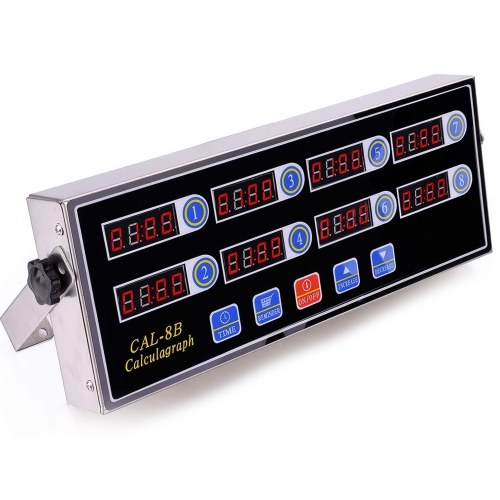
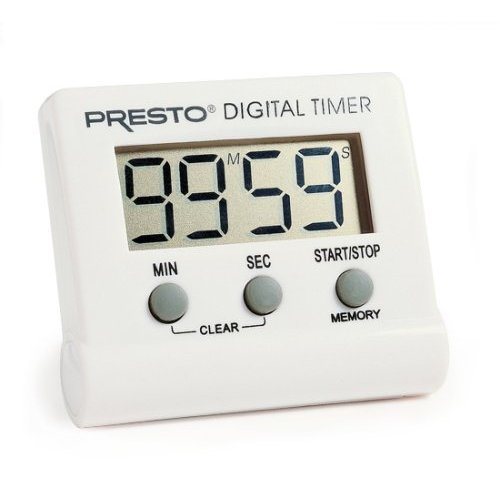
Display size and control layout have a noticeable effect on everyday use. Large digits with strong contrast are easier to read from a kitchen island or the back of a meeting room, but the overall size still needs to suit the surface where the timer will sit. A compact timer can fit beside a laptop without crowding a desk; a larger freestanding display may be more practical when several people need to see it at once. Viewing angle matters as much as digit height, particularly when the screen sits below eye level. Backlighting can improve visibility in dim spaces, although illumination settings and their effect on battery life vary by design. For frequently repeated tasks, a memory function can reduce the need to enter the same duration each time. Direct-entry buttons may make longer settings quicker to programme, while a dial can offer a straightforward way to set a short interval. Pause and resume controls are useful when a task is interrupted, and a lock function, where included, can help prevent accidental changes. Maximum timing duration deserves attention: a timer intended for a brief exercise interval may not accommodate a long cooking task or a countdown lasting several days. Multiple independent channels can help when two dishes have different finishing times, provided each countdown is clearly identified. For workouts, interval functions can alternate activity and rest periods without repeated manual resets. Alerts also need to match the setting. An audible alarm may be helpful when attention is elsewhere, while a flashing light or vibration option can offer a less disruptive cue in shared spaces. Adjustable volume and an alarm that continues until acknowledged may matter for some routines, but these features are not universal. A silent visual timer requires a clear line of sight, and a vibrating timer needs to be positioned where the user can notice it. These practical details often make more difference than a long list of functions that rarely get used.
Materials, placement, and care help determine how well a countdown timer holds up to regular handling. Plastic housings are generally lightweight and easy to move between rooms, while designs with metal components may have a heavier feel. Neither material alone guarantees durability; secure buttons, a stable base, a well-fitted battery cover, and clear care instructions are equally relevant. A magnetic back can keep a timer off a crowded worktop, but it needs a compatible metal surface and enough grip to stay in place when buttons are pressed. A folding stand should support the display securely, and a clip or lanyard attachment should suit the way the timer will be carried. Wearable formats need a comfortable, secure fit that does not interfere with movement. In a kitchen, splashes, flour, and sticky fingertips make smooth, accessible surfaces useful, though wipe-clean construction does not necessarily mean waterproof protection. Follow the stated cleaning directions, avoid immersing a timer unless it is expressly designed for that use, and keep it away from direct heat. Battery-powered designs offer flexible placement, while rechargeable or plug-in formats bring charging or outlet access into the decision. Checking the power source and replacement battery type helps avoid interruptions during a familiar routine. Countdown timers can also be thoughtful, practical gifts for students, home cooks, teachers, board-game enthusiasts, or people who prefer a visible structure for daily tasks. A child learning to tidy up before moving to another activity may find a coloured countdown easier to understand than an abstract time estimate, while a presenter may want a discreet display that stays readable beside speaking notes. Age suitability matters for younger users, especially where removable batteries or small parts are involved. For shared use, clear controls and an easy reset can be more valuable than advanced settings. A timer provides a cue rather than supervision: cooking still requires attention, exercise intervals should match the person’s ability, and important safety tasks should not depend on a general-purpose countdown alone. Matched to its intended use, a well-chosen timer brings a clear, visible endpoint to tasks without adding unnecessary complexity.
Display size and control layout have a noticeable effect on everyday use. Large digits with strong contrast are easier to read from a kitchen island or the back of a meeting room, but the overall size still needs to suit the surface where the timer will sit. A compact timer can fit beside a laptop without crowding a desk; a larger freestanding display may be more practical when several people need to see it at once. Viewing angle matters as much as digit height, particularly when the screen sits below eye level. Backlighting can improve visibility in dim spaces, although illumination settings and their effect on battery life vary by design. For frequently repeated tasks, a memory function can reduce the need to enter the same duration each time. Direct-entry buttons may make longer settings quicker to programme, while a dial can offer a straightforward way to set a short interval. Pause and resume controls are useful when a task is interrupted, and a lock function, where included, can help prevent accidental changes. Maximum timing duration deserves attention: a timer intended for a brief exercise interval may not accommodate a long cooking task or a countdown lasting several days. Multiple independent channels can help when two dishes have different finishing times, provided each countdown is clearly identified. For workouts, interval functions can alternate activity and rest periods without repeated manual resets. Alerts also need to match the setting. An audible alarm may be helpful when attention is elsewhere, while a flashing light or vibration option can offer a less disruptive cue in shared spaces. Adjustable volume and an alarm that continues until acknowledged may matter for some routines, but these features are not universal. A silent visual timer requires a clear line of sight, and a vibrating timer needs to be positioned where the user can notice it. These practical details often make more difference than a long list of functions that rarely get used.
Materials, placement, and care help determine how well a countdown timer holds up to regular handling. Plastic housings are generally lightweight and easy to move between rooms, while designs with metal components may have a heavier feel. Neither material alone guarantees durability; secure buttons, a stable base, a well-fitted battery cover, and clear care instructions are equally relevant. A magnetic back can keep a timer off a crowded worktop, but it needs a compatible metal surface and enough grip to stay in place when buttons are pressed. A folding stand should support the display securely, and a clip or lanyard attachment should suit the way the timer will be carried. Wearable formats need a comfortable, secure fit that does not interfere with movement. In a kitchen, splashes, flour, and sticky fingertips make smooth, accessible surfaces useful, though wipe-clean construction does not necessarily mean waterproof protection. Follow the stated cleaning directions, avoid immersing a timer unless it is expressly designed for that use, and keep it away from direct heat. Battery-powered designs offer flexible placement, while rechargeable or plug-in formats bring charging or outlet access into the decision. Checking the power source and replacement battery type helps avoid interruptions during a familiar routine. Countdown timers can also be thoughtful, practical gifts for students, home cooks, teachers, board-game enthusiasts, or people who prefer a visible structure for daily tasks. A child learning to tidy up before moving to another activity may find a coloured countdown easier to understand than an abstract time estimate, while a presenter may want a discreet display that stays readable beside speaking notes. Age suitability matters for younger users, especially where removable batteries or small parts are involved. For shared use, clear controls and an easy reset can be more valuable than advanced settings. A timer provides a cue rather than supervision: cooking still requires attention, exercise intervals should match the person’s ability, and important safety tasks should not depend on a general-purpose countdown alone. Matched to its intended use, a well-chosen timer brings a clear, visible endpoint to tasks without adding unnecessary complexity.
Top selling and popular products
-
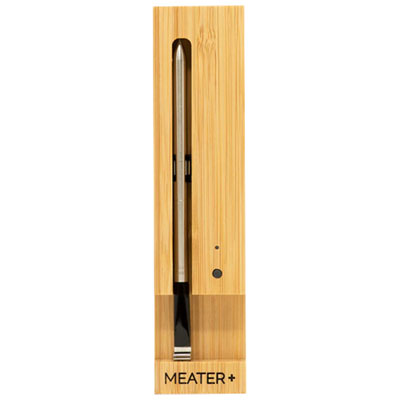 Your price for this item is $149.99
 -
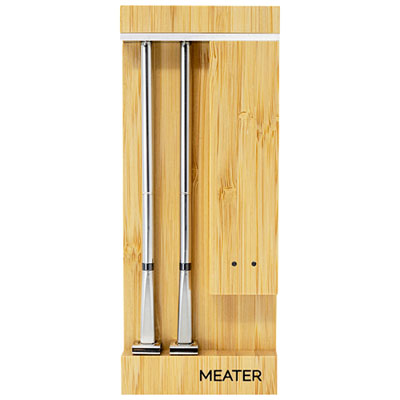 Your price for this item is $269.99
 -
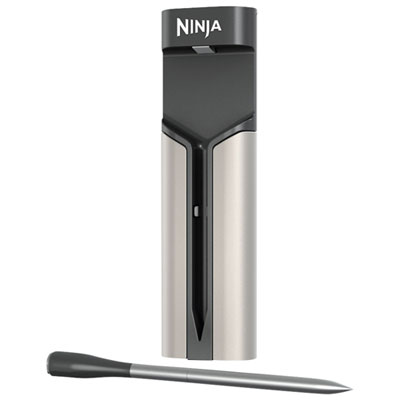 Your price for this item is $99.99
 -
 Your price for this item is $69.74
 -
 Your price for this item is $45.99
 -
 Your price for this item is $149.99
 -
 Your price for this item is $12.99
 -
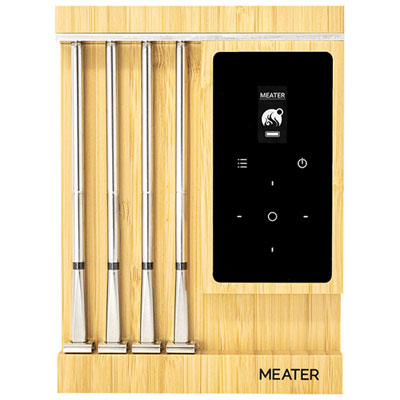 Your price for this item is $479.99
Discover more categories related to Countdown Timers
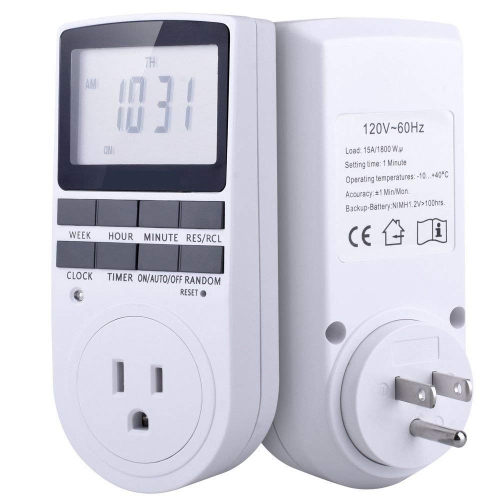
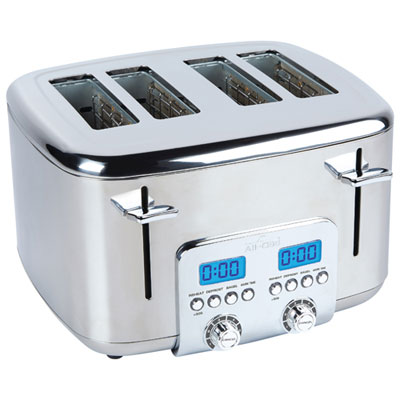
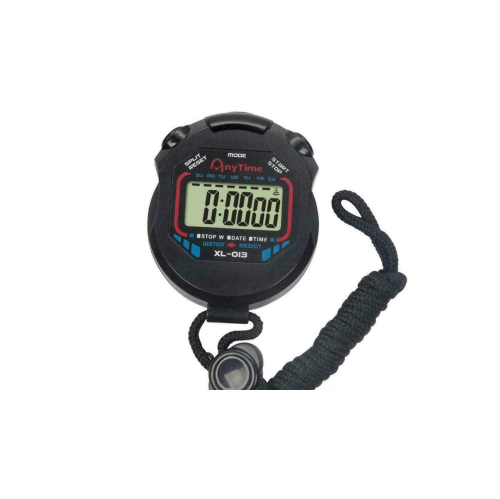
Top Collections:
Pokemon Centers, Kindle Devices, Best Budget Office Chairs, Apple iPhones 16, Best Laptops for Writers, iPhone 15 Apple, Canon G7X Cameras, Refurbished Apple Laptops, Alarm Clock, Motorola Razr Phones
Some products may be subject to Environmental Handling Fees
(EHF) depending on your province.
Learn more about EHFs.