Cream Ceramic Table Lamps
Cream Ceramic Table Lamps offer a timeless touch to any room, blending seamlessly with a variety of décor styles. Their neutral hue and elegant ceramic construction bring warmth and sophistication to living rooms, bedrooms, or home offices. Whether you're looking to create a cozy reading nook or elevate your bedside table, Cream Ceramic Table Lamps make it easy to enhance your space with both style and soft illumination. Explore a range of designs and find the perfect accent to complement your home.
Sort
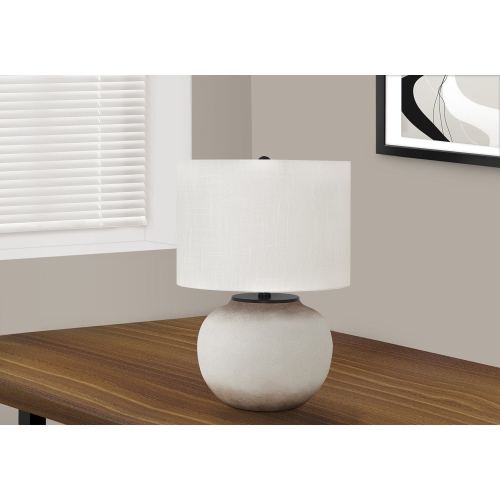
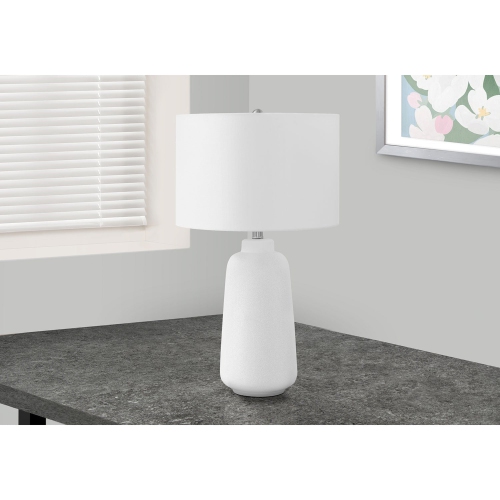
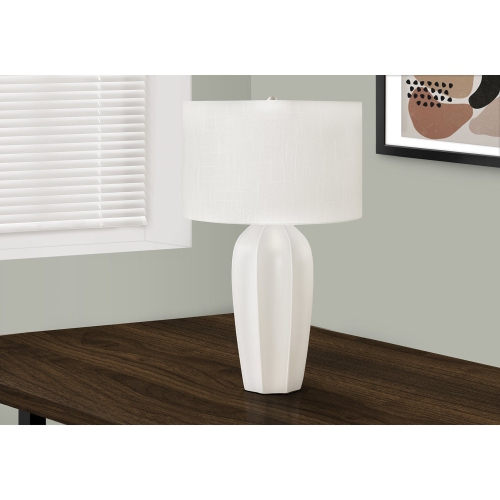
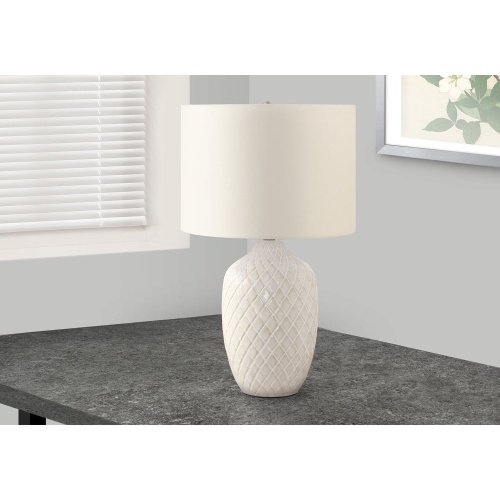
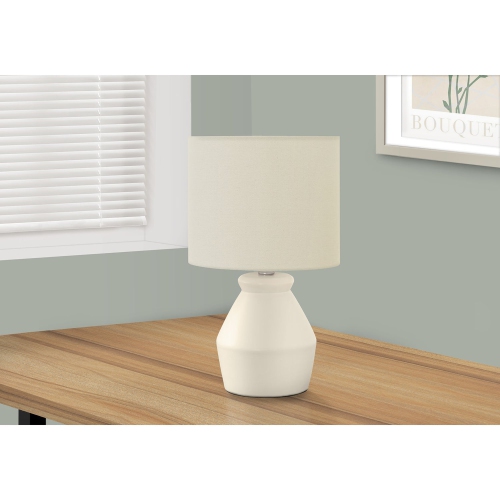
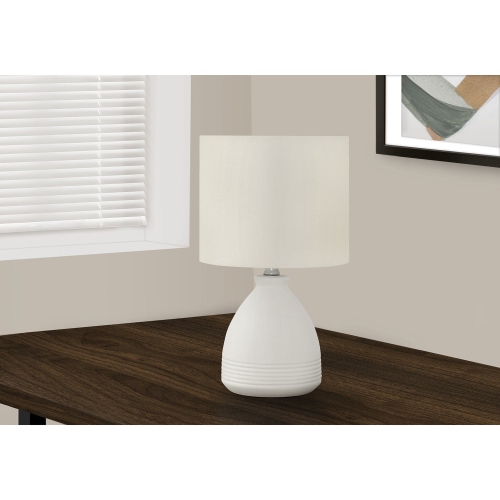
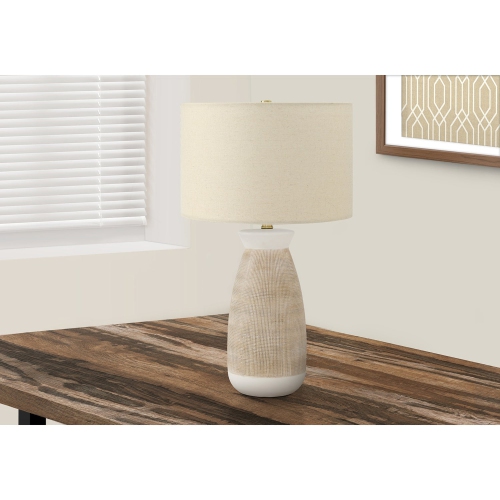
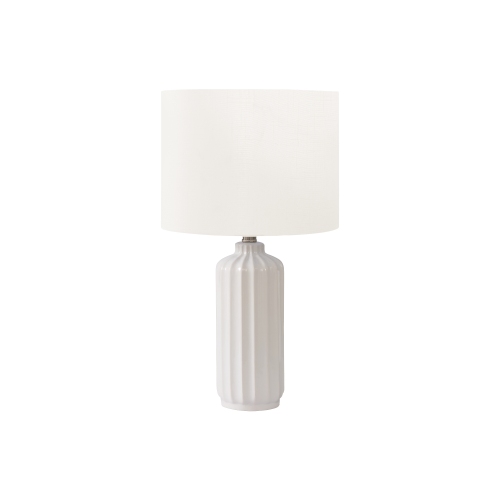
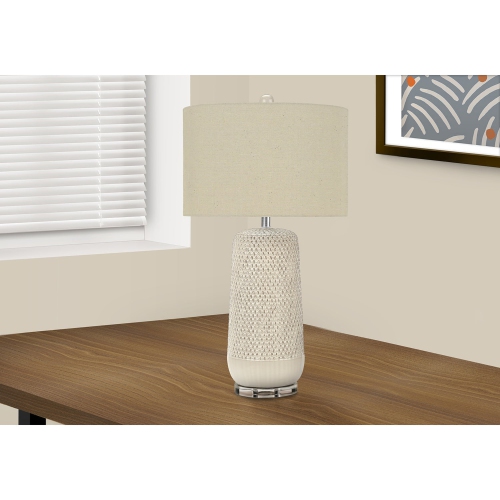
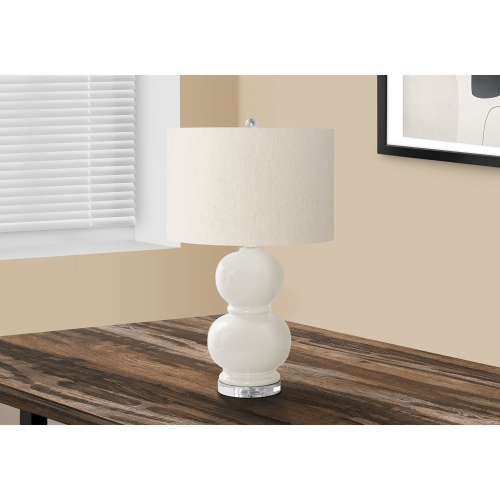
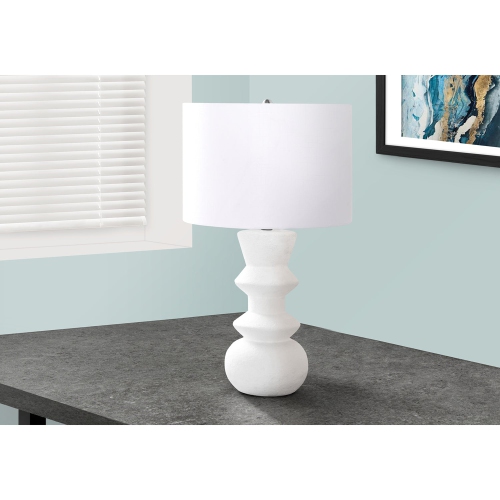

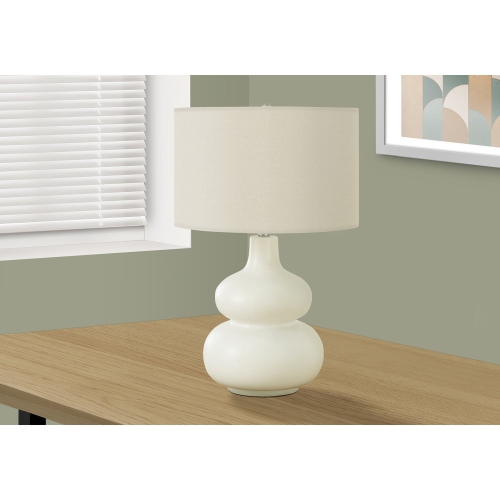
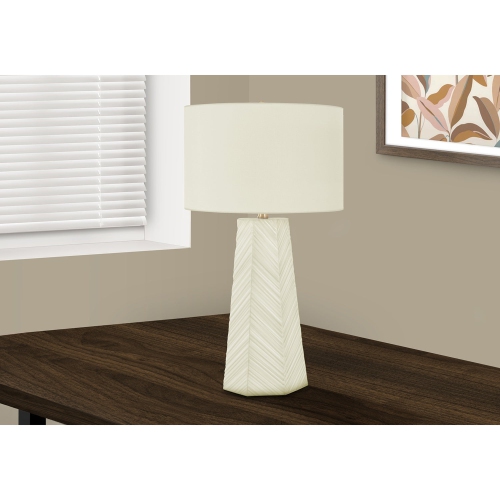

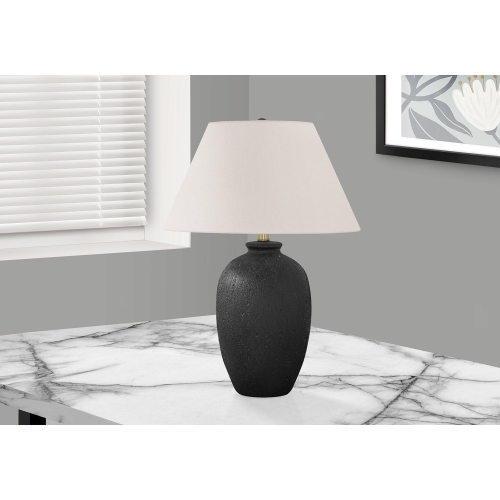
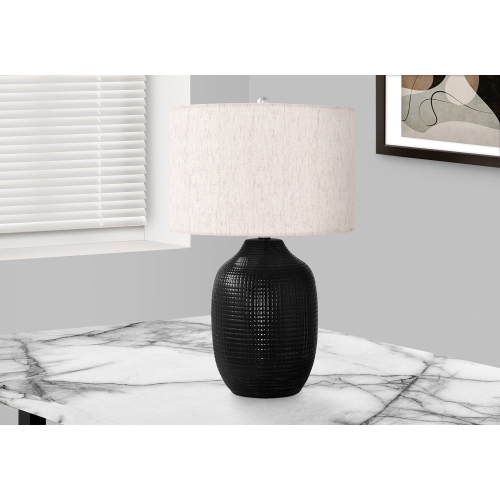
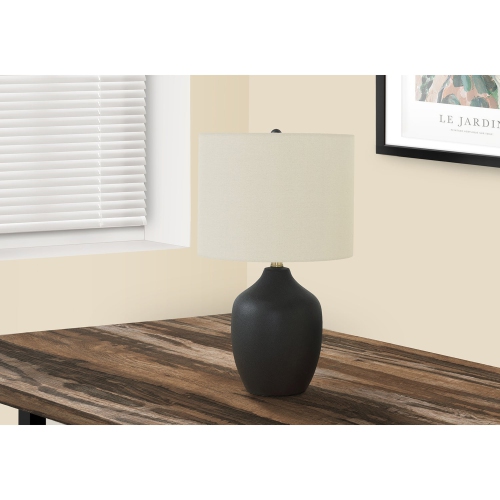
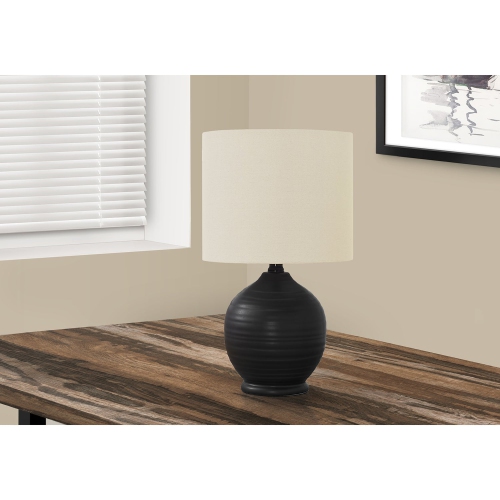
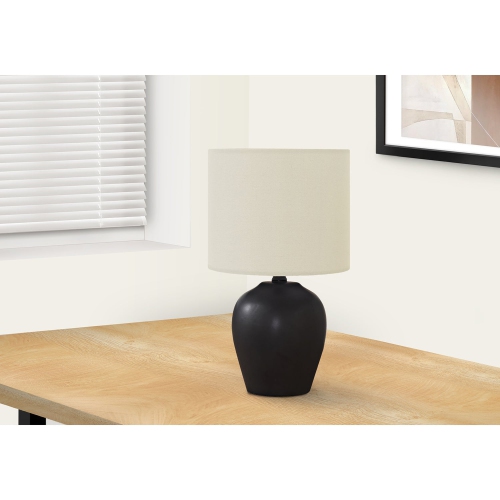
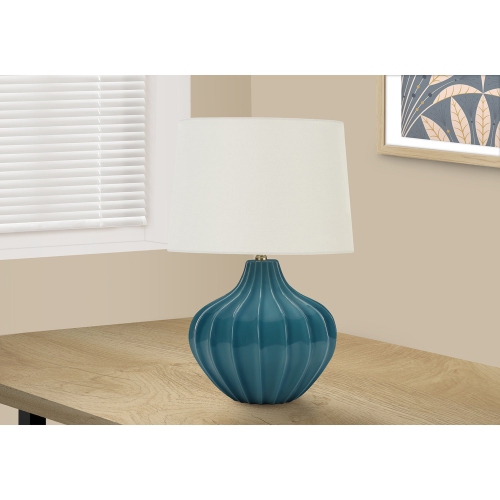
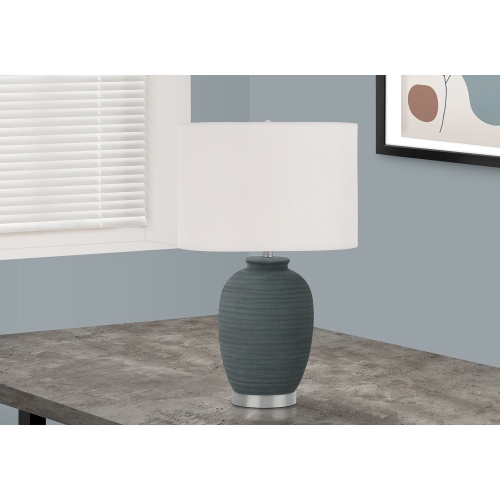
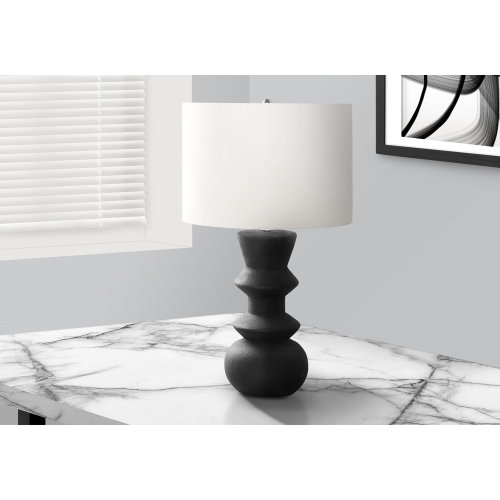
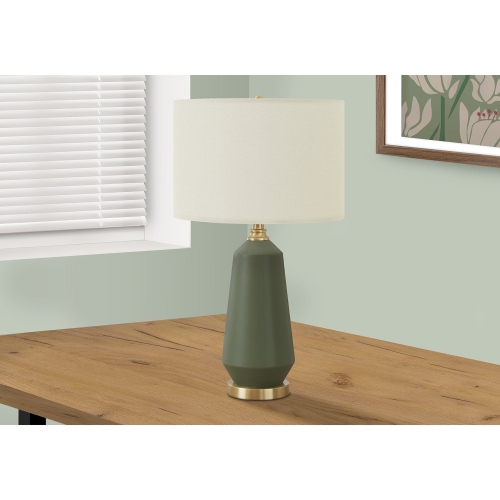
Warm-toned bases offer a softer alternative to bright white
Cream ceramic table lamps combine a pale, warm-toned base with practical lighting for bedside tables, living room side tables, consoles, and home office furniture. Their colour sits between crisp white and deeper beige, making them a useful choice for rooms where a bright white accessory would feel too stark. Cream can have yellow, pink, or grey undertones, so its appearance depends partly on nearby surfaces and the light falling across it. Against walnut furniture, a cream base creates a gentle contrast; beside pale oak, linen upholstery, or a light-coloured wall, it contributes to a quieter, more tonal arrangement. Ceramic also brings substance and texture to a small footprint. A rounded base can soften the straight edges of a cabinet, while a tall, narrow profile leaves more usable space on a compact bedside table. Glazed finishes range from smooth and glossy to softly matte, and each interacts differently with light. Glossy ceramic catches highlights and makes curved shapes more noticeable, while matte finishes keep the emphasis on form and colour. Ribbed, fluted, or subtly textured surfaces add detail without relying on a bold pattern. These differences help cream ceramic table lamps suit several interior styles, from clean-lined contemporary spaces to traditional bedrooms and relaxed living rooms. The shade has just as much influence on the overall look. A straight-sided drum shade gives a rounded base a more streamlined silhouette, while a tapered shade creates a familiar, classic outline. Fabric shades can reveal their weave when illuminated, adding another layer of texture. Cream paired with an ivory shade tends to look softly coordinated, whereas a white shade introduces a clearer contrast. For a paler alternative, White Ceramic Table Lamps offer a different starting point for coordinating with white cabinetry, painted furniture, or brighter neutral interiors. In either colour family, the relationship between the base, shade, and surrounding furniture matters more than matching every finish exactly.
Size and placement determine whether a table lamp feels comfortable to use as well as balanced within the room. Overall height includes the shade, but shade width often has the greatest effect on how much space the lamp occupies. On a narrow nightstand, a broad shade may project beyond the tabletop even when the ceramic base fits comfortably. Leaving room for a book, glasses, and a glass of water makes the arrangement more practical, and keeping liquids away from the lamp helps protect its electrical components. On a deeper living room side table, a fuller base and wider shade can look more proportionate beside a substantial sofa. A lamp used for reading should direct enough light towards the page without leaving the bare bulb in the reader’s line of sight. Checking the shade position from a seated position is more useful than judging height while standing. For bedside use, the switch should be easy to reach without stretching across the table; rotary switches, cord switches, and touch controls each feel different in daily use, and features vary by design. Cord length and outlet position also deserve attention before deciding where a lamp will sit. A cord that reaches an outlet without crossing a walkway makes placement simpler and reduces a tripping risk. Light output depends on the bulb and shade together, not on the ceramic base colour alone. Lumens indicate brightness, while colour temperature describes whether the light appears warmer or cooler. A bulb around 2700 K generally gives a warm appearance that works well for relaxed bedside or living room lighting. A denser shade can soften the light reaching the room, while a more translucent fabric allows a broader glow. For reading, sewing, or other close work, sufficient brightness and useful light direction take priority over atmosphere. Check the socket type, maximum permitted wattage, and any dimming requirements, and use only compatible bulbs. A dimmable bulb does not make every lamp dimmable; the bulb, lamp controls, and any separate dimmer need to work together.
Ceramic is valued for its firm structure and lasting finish, but it needs thoughtful handling. A ceramic lamp base can resist everyday wear while still being vulnerable to chips or cracks if knocked against a hard surface or dropped. Weight alone does not guarantee stability: the width of the base, the height of the lamp, and the surface beneath it all affect how securely it stands. A level tabletop away from busy edges is especially important in households with children or pets. Felt or other protective pads, when included or suitable for the design, can help limit contact marks on furniture, though the lamp should still sit flat rather than rock. When moving it, unplug it first and support the base instead of lifting by the shade, socket, or cord. Routine care is usually straightforward. With the lamp switched off, unplugged, and cool, remove dust using a soft, dry cloth. If the care directions permit a lightly damp cloth on a glazed base, keep moisture away from the socket and electrical fittings, and dry the surface afterwards. Unglazed sections and textured finishes may need gentler treatment because moisture or residue can settle into the surface. Abrasive cleaners can dull a glaze, while fabric shades are generally better suited to gentle dusting or another method specified by the manufacturer. These practical details matter for lamps used daily in bedrooms, shared living spaces, or reading corners. A matching pair can give bedside tables a coordinated appearance, while a single sculptural base can anchor a console arrangement beside a shallow tray or framed photograph. On a home office credenza, a shaded lamp can supplement overhead lighting, although detailed desk work may still benefit from an adjustable task light. Cream ceramic table lamps can also make thoughtful housewarming or wedding gifts when the recipient’s furniture scale and preferred style are known. Their understated colour is adaptable, but shade size, switch placement, and intended use remain personal considerations. A well-chosen lamp brings together a pleasing shape, comfortable illumination, and a finish that feels at home among the materials already in the room.
Top selling and popular products
-
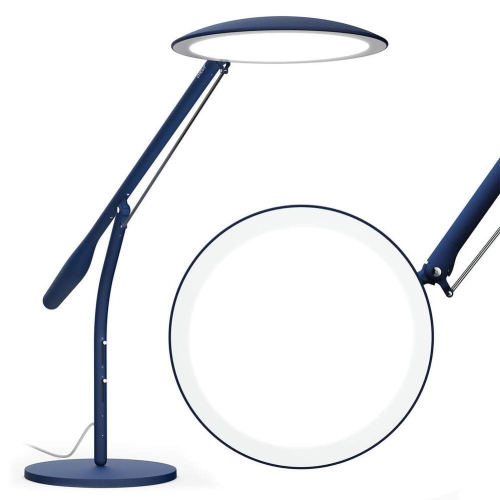 Your price for this item is $198.55
-
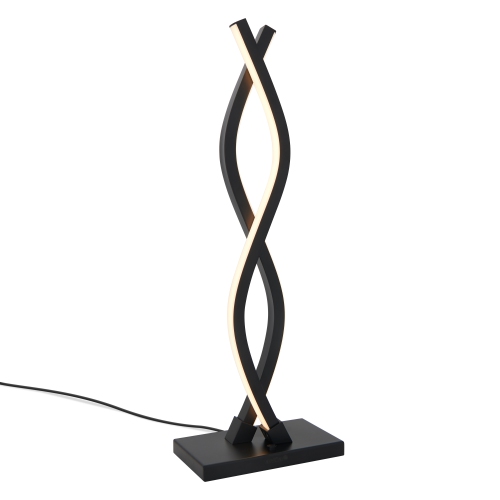 Your price for this item is $79.99
-
 Your price for this item is $119.99
-
 Your price for this item is $119.99
-
 Your price for this item is $29.99
-
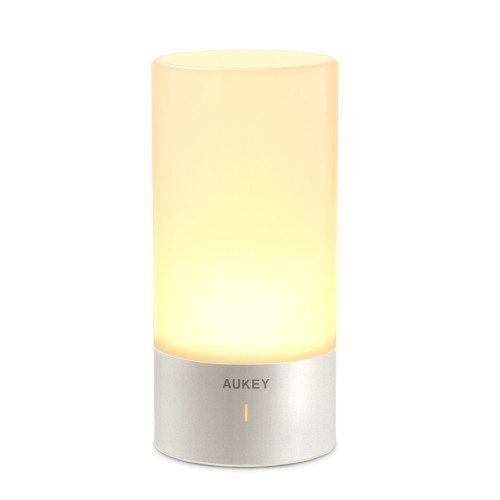 Your price for this item is $79.99
-
 Your price for this item is $98.35
-
 Your price for this item is $199.99
Discover more categories related to Cream Ceramic Table Lamps

Top Collections:
Best Black Friday Deals This Year, Best Black Friday Deals On Electronics, Kindle Devices, Best Black Friday Deals On Apple Products, Best Budget Office Chairs, Best Cameras for Sports Photography, Dyson Airwrap, Canon G7X Cameras, Best Laptops for Writers, Samsung Galaxy Phones
Some products may be subject to Environmental Handling Fees
(EHF) depending on your province.
Learn more about EHFs.