Cross Line Lasers
Cross Line Laser tools are essential for achieving precise alignment in a variety of projects, from home renovations to professional construction tasks. Designed to help users save time and increase accuracy, Cross Line Lasers project clear horizontal and vertical lines for easy reference. Whether you're installing shelves, hanging pictures, or tackling complex layout jobs, these versatile tools offer reliable performance for both beginners and experienced users. Explore a wide selection of Cross Line Laser options to find the perfect fit for your next project.
Sort
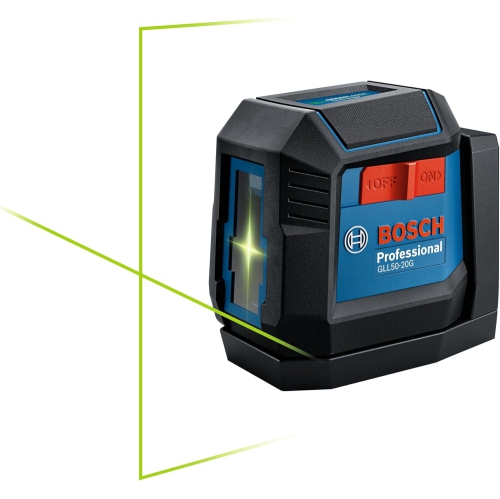

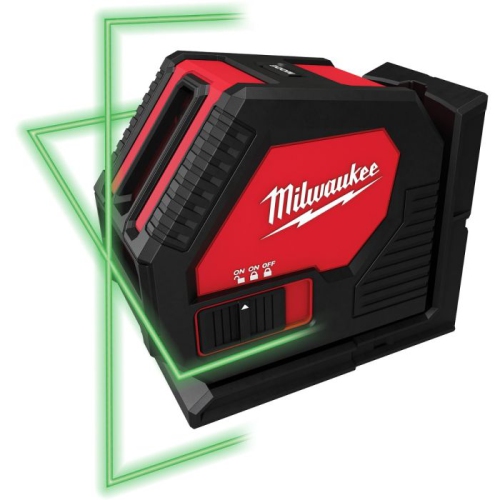
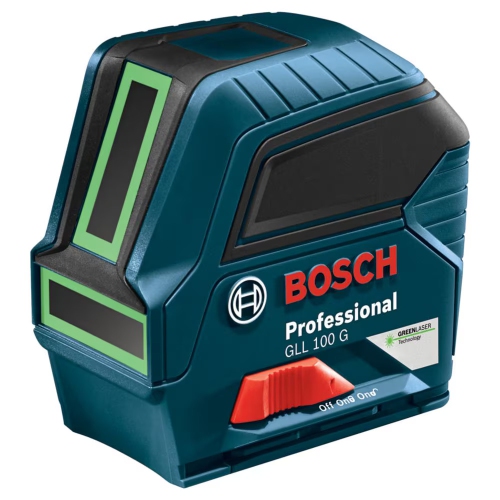
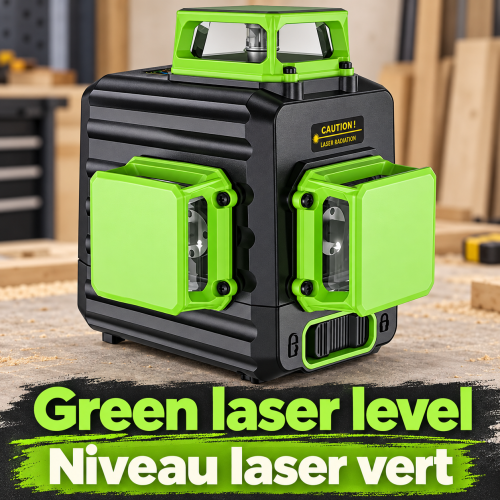
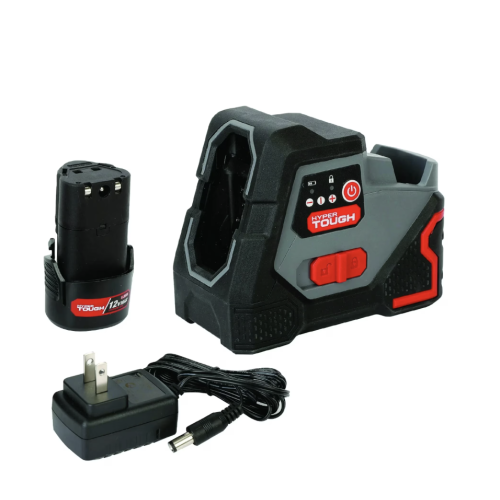
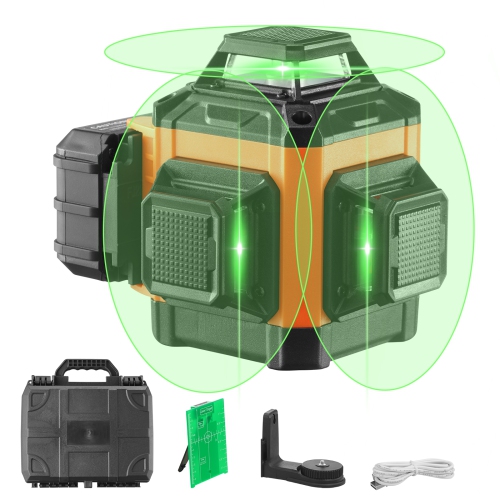
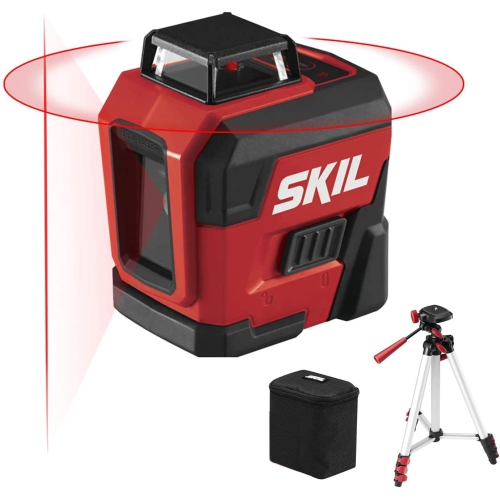
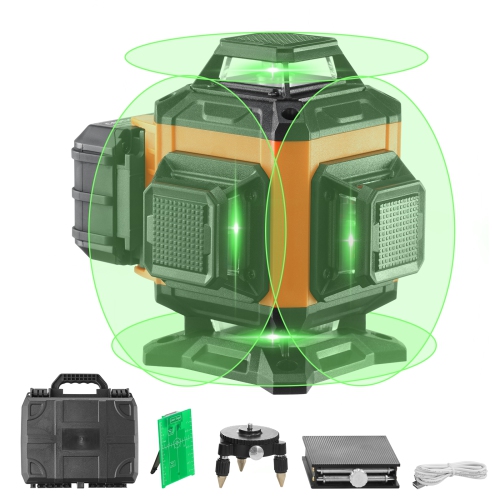
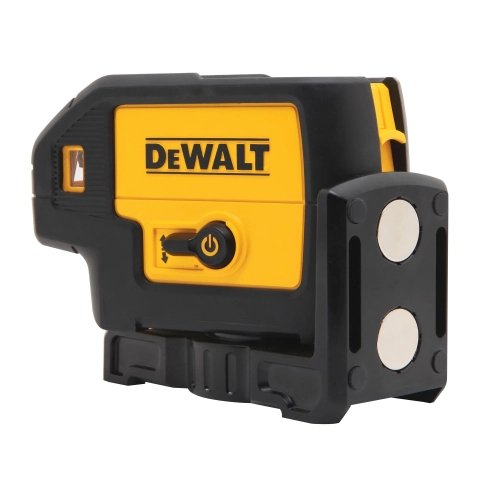
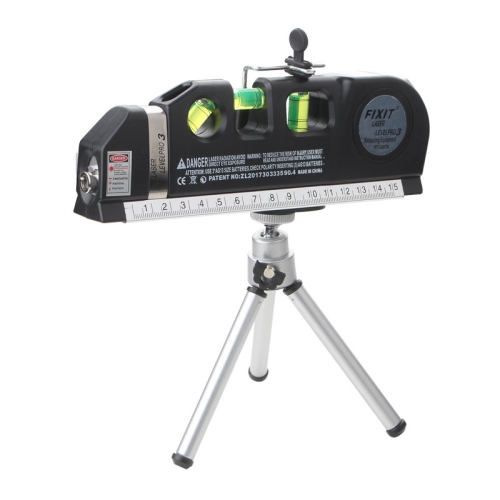
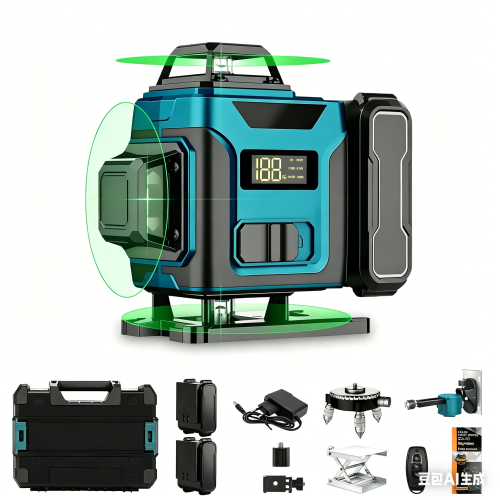
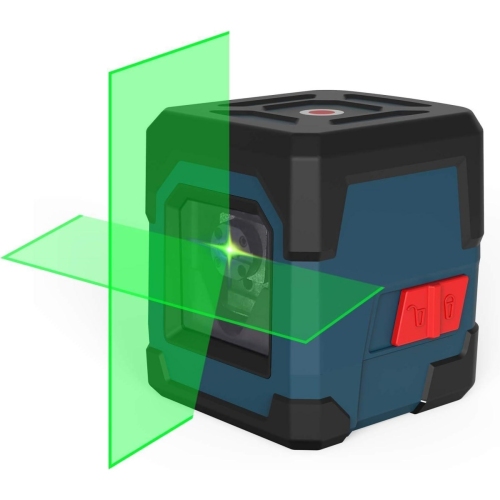

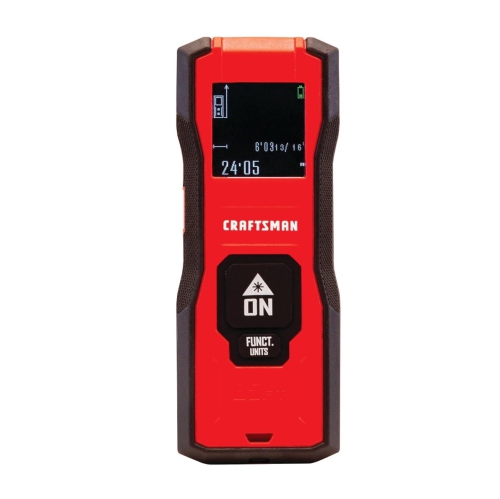
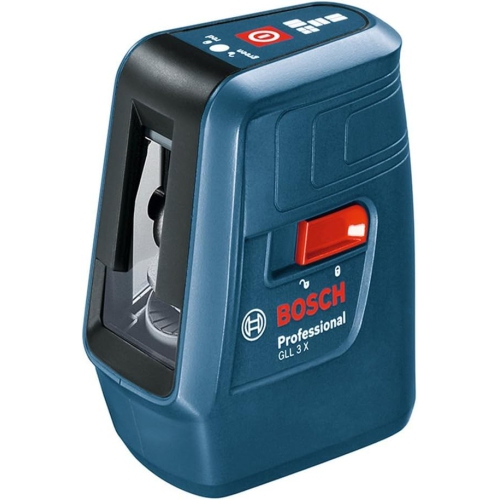
Level and plumb references that leave both hands free
Cross-line lasers project a horizontal line and a vertical line that intersect at a 90-degree angle, creating a visible reference for levelling and alignment. The horizontal line helps establish level across a surface, while the vertical line provides a plumb reference from top to bottom. This combination is useful for hanging pictures, positioning shelves, setting cabinet heights, laying out tile and aligning wall coverings. Instead of repeatedly transferring marks with a spirit level, a projected line provides a continuous reference across the working area, leaving both hands free for measuring, marking and fastening. For a gallery wall above a sofa, the horizontal line can establish a consistent height for several frames; during a kitchen installation, it can help carry a cabinet reference height along a wall. The intersection is particularly useful when a layout needs both directions visible at once, such as a vertical tile joint meeting a level starting row. Cross-line lasers support layout work rather than replacing every measuring tool: a tape measure still establishes spacing and dimensions, and a spirit level can check the installed component itself. A projected cross also does not, by itself, confirm that two adjoining walls form a square corner. Many models use a self-levelling pendulum that settles into position when the housing is within its specified adjustment range. An out-of-level warning may flash the lines or otherwise indicate that the tool needs repositioning. Some designs also offer a manual or locked-line mode for angled layouts, such as a row of frames following a staircase. In that mode, the projected line is an alignment reference, not a confirmation of level or plumb. These distinctions make cross-line lasers practical for homeowners taking on detailed improvements as well as installers, renovators and tradespeople who need repeatable layout references throughout a project.
Line visibility, projection coverage and mounting flexibility affect how comfortably a cross-line laser fits into a workspace. Red and green beams both provide alignment references, although green lines often appear brighter to the human eye under comparable conditions. Apparent brightness is not the same as accuracy, and visibility also depends on ambient lighting, working distance and the colour and texture of the surface receiving the beam. A line that looks crisp on a pale painted wall may be harder to follow across dark cabinetry, patterned tile or a reflective backsplash. Published accuracy and working-range specifications are therefore more informative than beam colour alone. Accuracy is generally expressed as a permitted deviation over a stated distance, while the visible working range describes how far the line can be used under the manufacturer’s test conditions. Longer distances can make small alignment errors more noticeable, particularly when a reference extends across a wide room. Line thickness matters for precise marking, too: using the centre of the projected line consistently helps avoid differences caused by marking along opposite edges. Basic cross-line designs project a cross over a limited area, while some configurations provide wider coverage or additional laser planes. A 360-degree horizontal plane can carry a reference around a room with fewer tool moves, but that capability is not standard on every cross-line laser. Likewise, receiver-assisted operation requires a compatible laser, operating mode and detector; it should not be assumed from the presence of a bright beam. Mounting options can be just as important as projection features. A tripod offers adjustable height on an open floor, a clamp can attach to a suitable support, and a magnetic bracket can hold against an appropriate steel surface. Thread size, bracket compatibility and clearance around the laser windows all affect fit. Fine adjustment can help place a line on an existing pencil mark without repeatedly shifting the entire tool. A stable mount keeps the reference steady while work continues nearby.
Durability and care are especially relevant for a tool that may move between a cupboard, a toolbox and an active renovation space. Cross-line lasers commonly combine rigid housings with protective rubber sections around vulnerable edges, while recessed windows can help shield the optical components from incidental contact. These features do not make the internal levelling mechanism immune to impact. A stated drop rating or dust and water resistance rating describes specific tested protection, rather than permission to handle the tool roughly or expose it without limits. After a significant knock, checking accuracy according to the manufacturer’s procedure can reveal a problem before it carries through to a row of cabinets or a finished tile layout. Keeping the laser windows clear also helps preserve a clean, readable line; a soft cloth and the recommended cleaning method are preferable to abrasive materials that could scratch the surface. A fitted case provides a dedicated place for the laser, bracket and small accessories, reducing loose movement during transport. Where a transport lock is provided, it secures the pendulum for storage and carrying. Power arrangements deserve similar attention to everyday use. Replaceable batteries can be convenient for occasional household projects, while rechargeable designs may suit frequent work sessions; runtime varies with the number of active lines and the selected operating mode. A battery indicator helps prevent an interrupted layout, and stored tools benefit from the battery care specified in their instructions. Safe placement is part of using any visible laser: beams should not be directed towards eyes, people or animals, and reflective surfaces require care because they can redirect the light. Laser visibility glasses, where offered, are not automatically protective eyewear. For a capable DIY enthusiast, a cross-line laser can make a useful gift when its mounting options and features match the projects they enjoy. For broader layout needs, Construction Lasers includes related tool types with different projection patterns and working capabilities. The practical value of a cross-line laser remains its ability to make a level or plumb reference visible exactly where careful placement matters.
Top selling and popular products
-
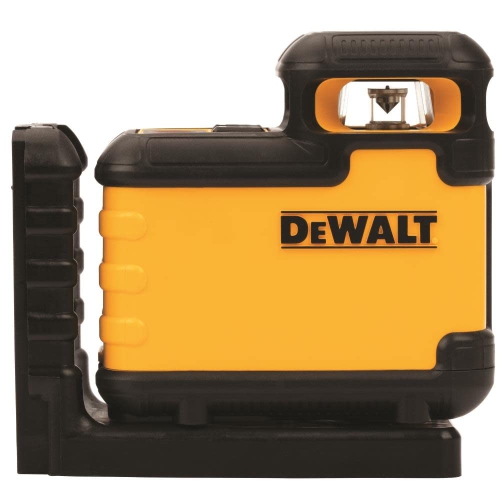 Your price for this item is $144
-
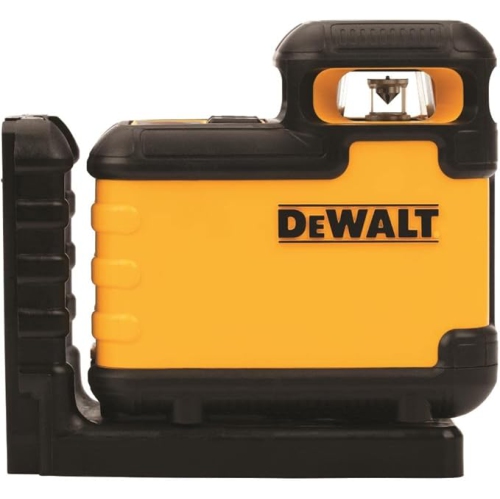 Your price for this item is $189
-
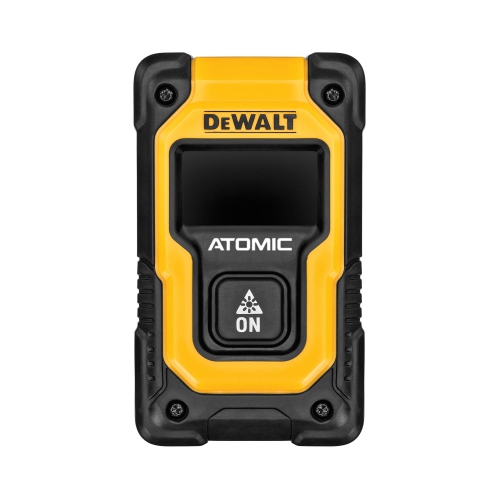 Your price for this item is $39.93
-
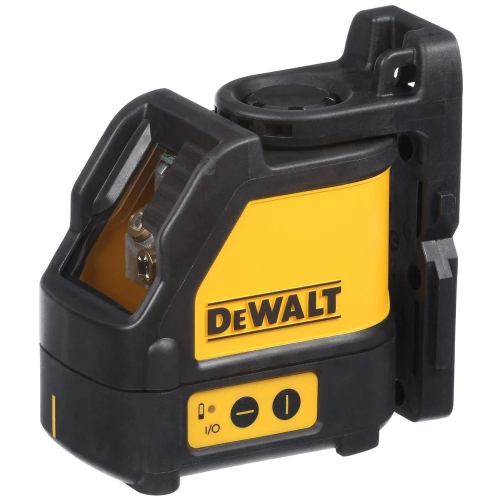 Your price for this item is $124.99
-
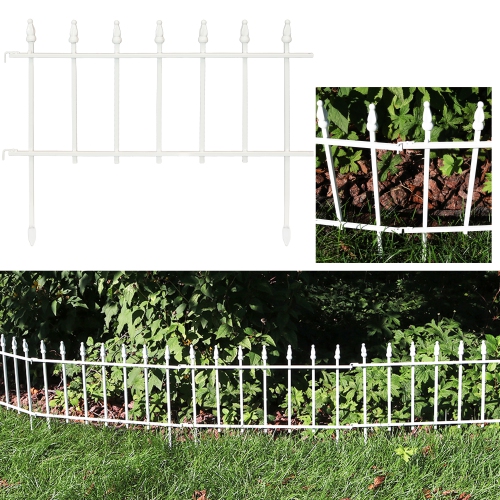 Your price for this item is $124.55
-
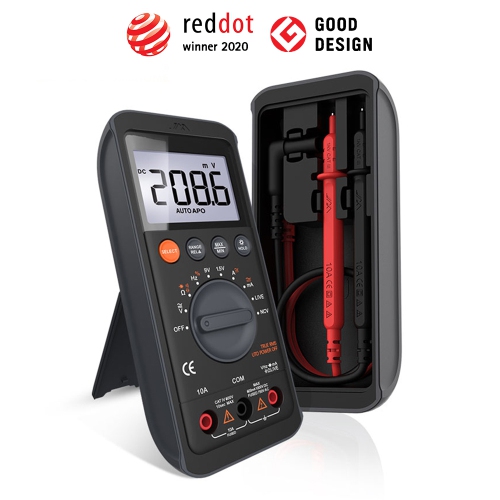 Your price for this item is $60.99
-
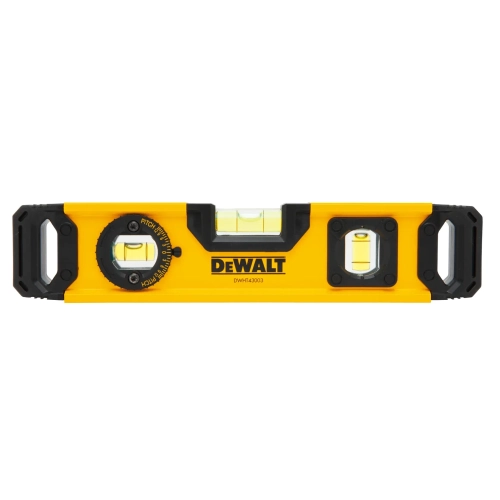 Your price for this item is $39
-
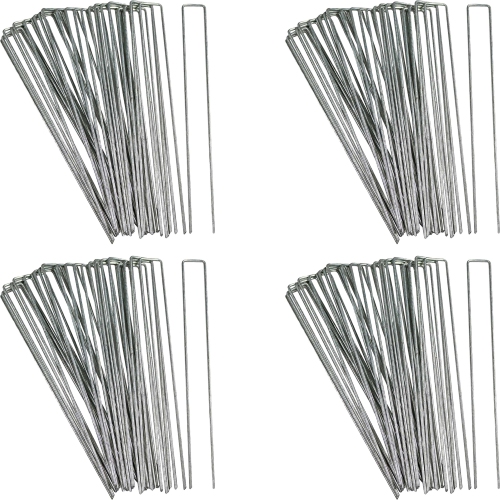 Your price for this item is $76.35
Discover more categories related to Cross Line Lasers
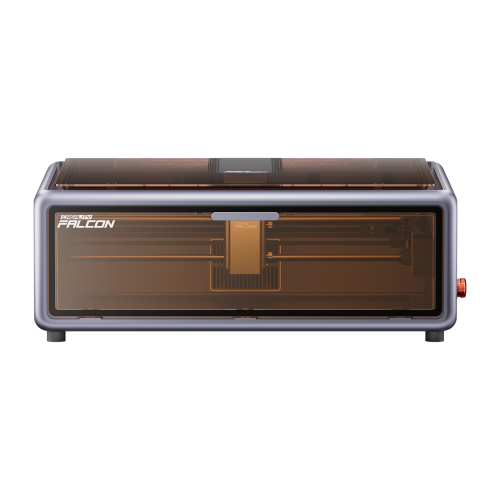
Top Collections:
Best Black Friday Deals This Year, Best Black Friday Deals On Electronics, Kindle Devices, Pokemon Centers, Best Black Friday Deals On Apple Products, Best Cameras for Sports Photography, Dyson Airwrap, Pokémon 30th Celebration Cards, Apple iPhone 17 Pro, Canon G7X Cameras
Some products may be subject to Environmental Handling Fees
(EHF) depending on your province.
Learn more about EHFs.