Crystal Ceiling Lights
Illuminate your space with elegance and sophistication by exploring this exquisite collection of crystal ceiling lights. Elevate the ambiance of almost any room with the dazzling sparkle and timeless beauty that crystal lighting fixtures provide. From modern designs to classic styles, this curated selection offers a variety of options to suit every taste and decor preference.
Sort

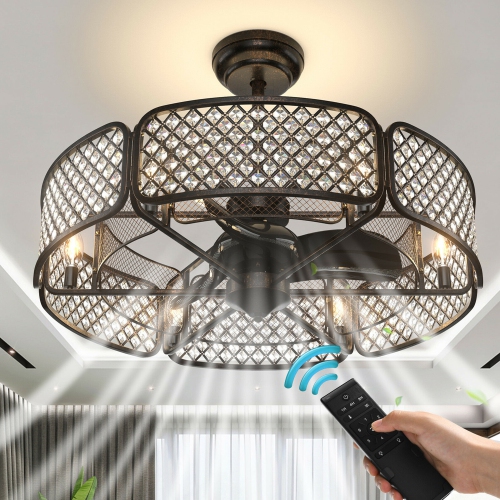
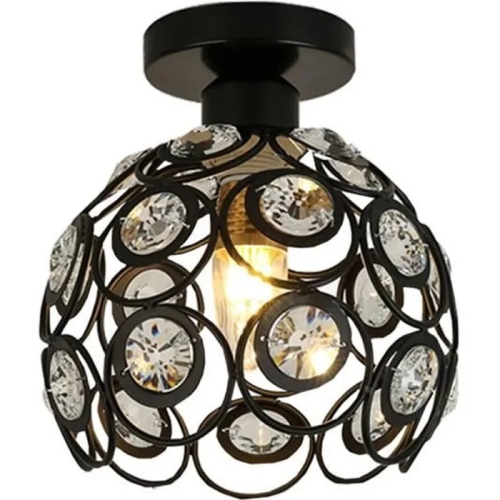
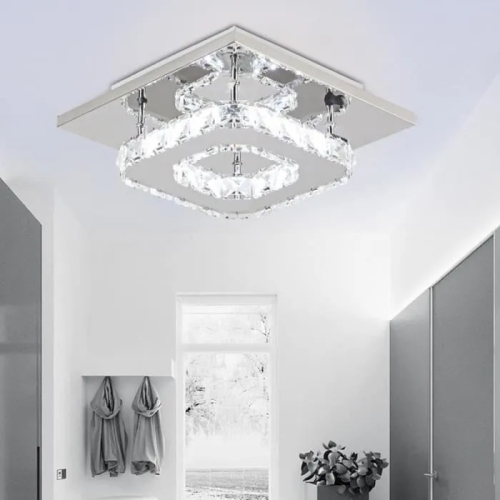
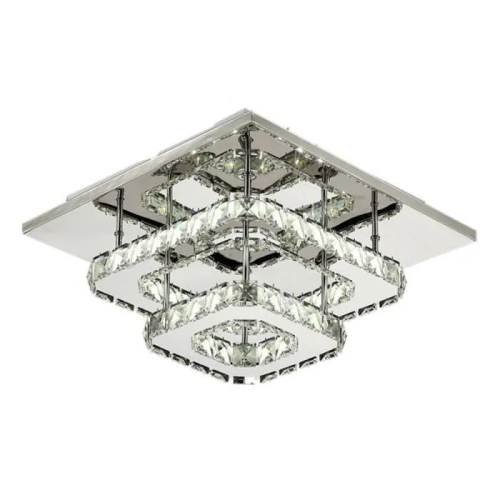
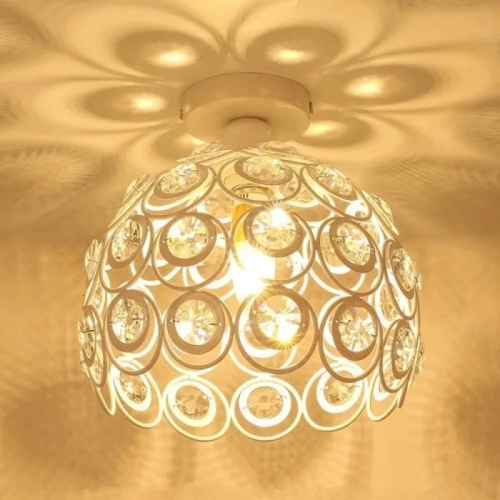
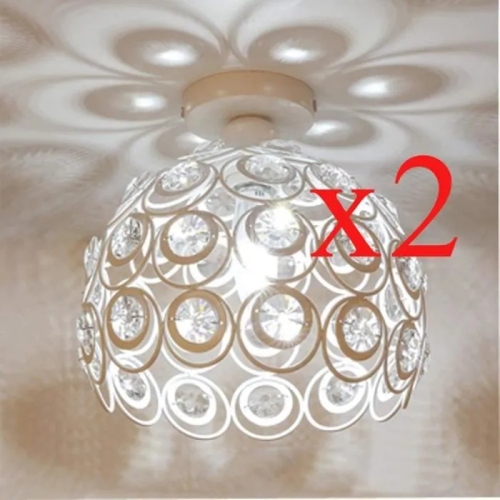

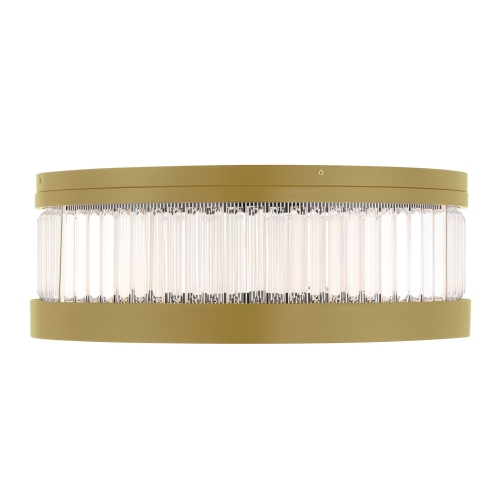
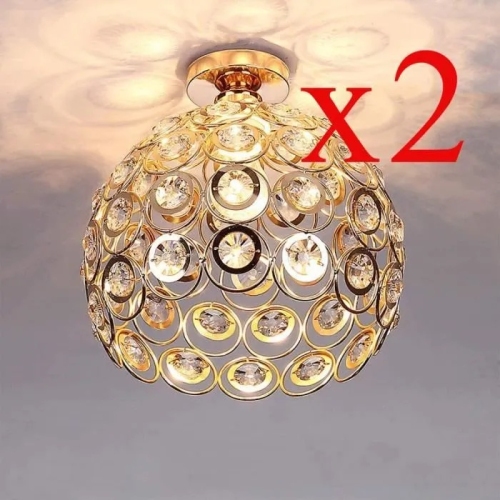
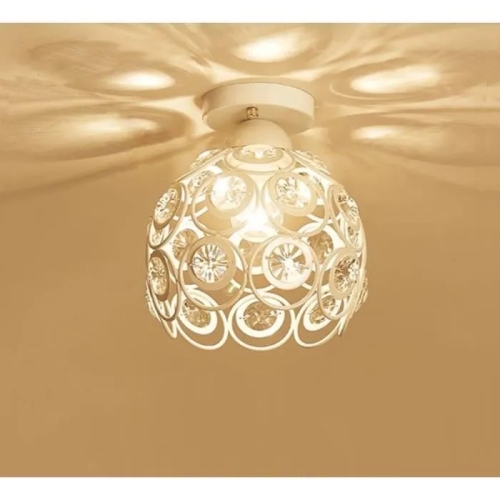
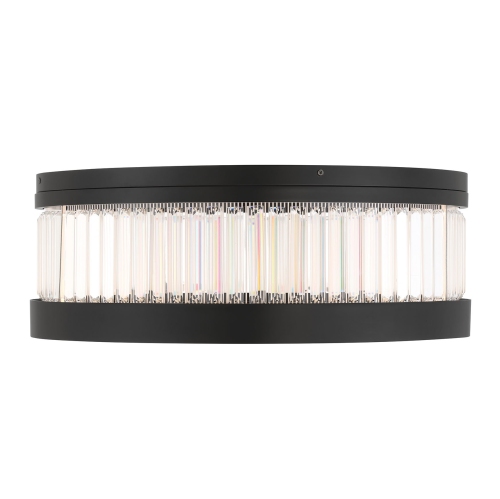
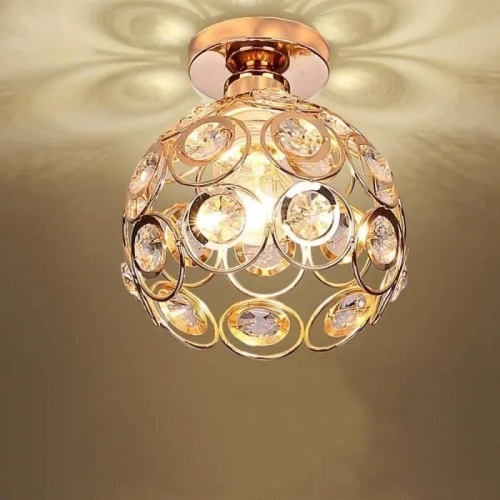
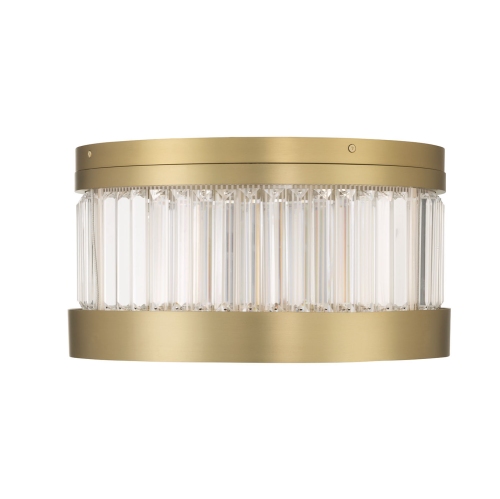

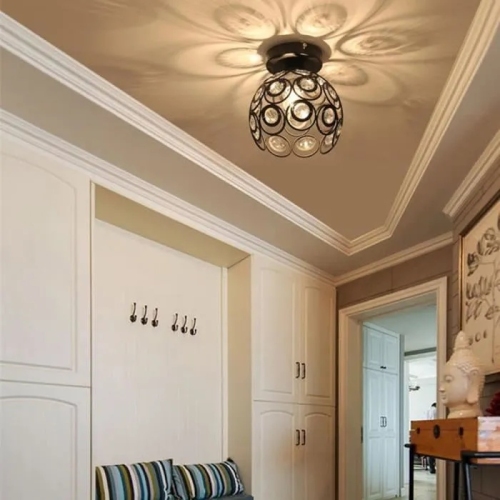

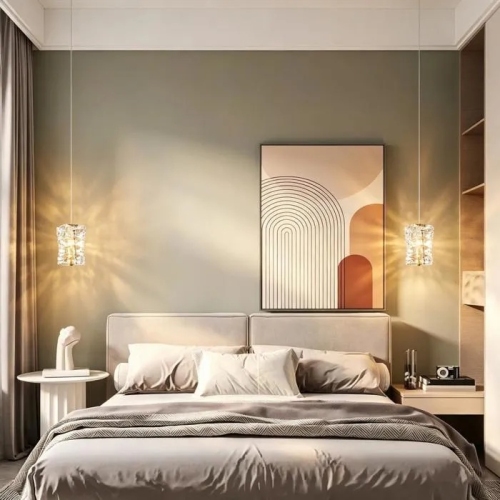
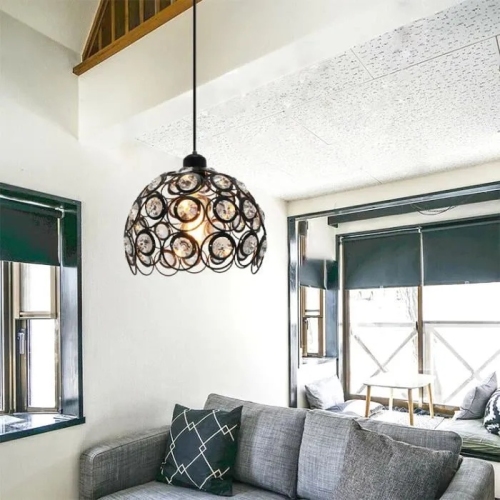
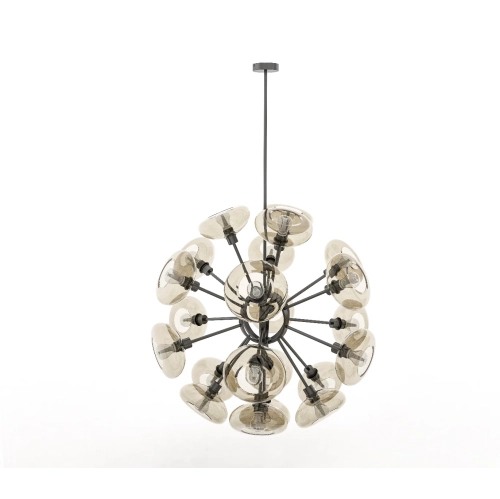
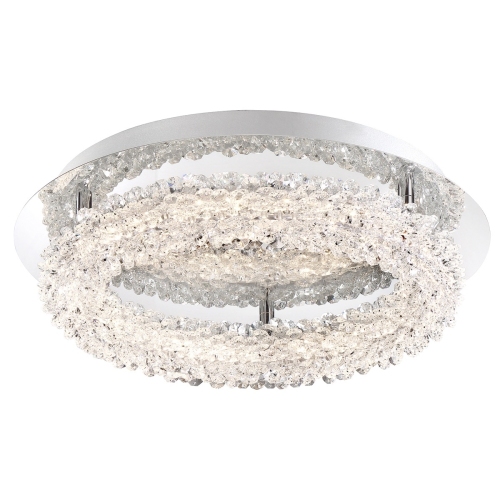
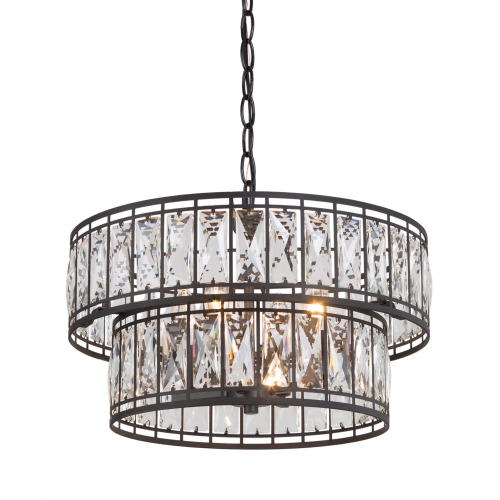
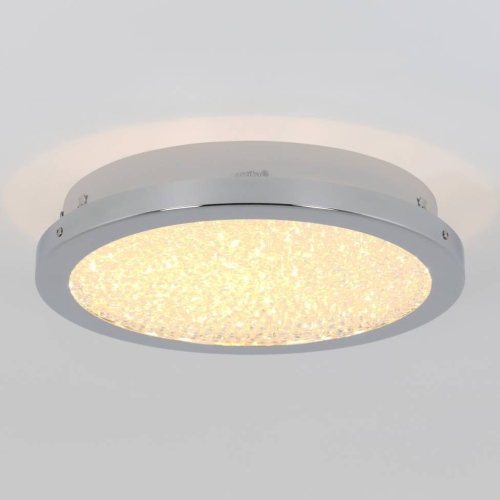
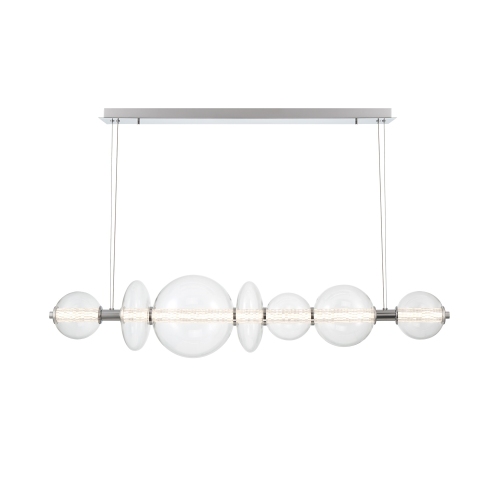
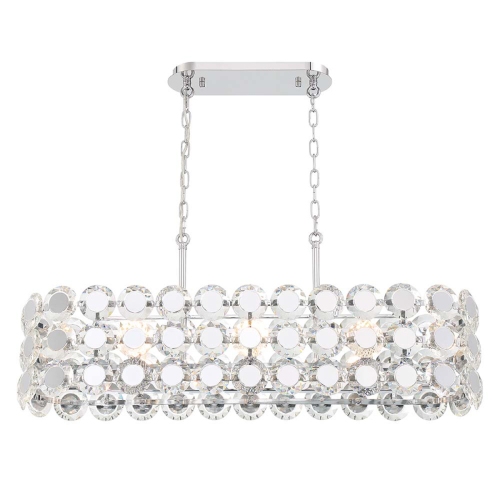
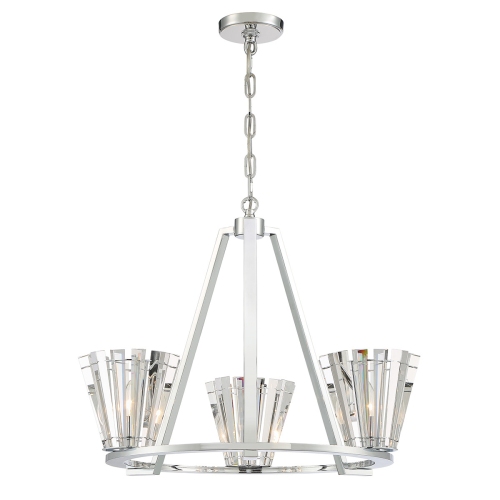
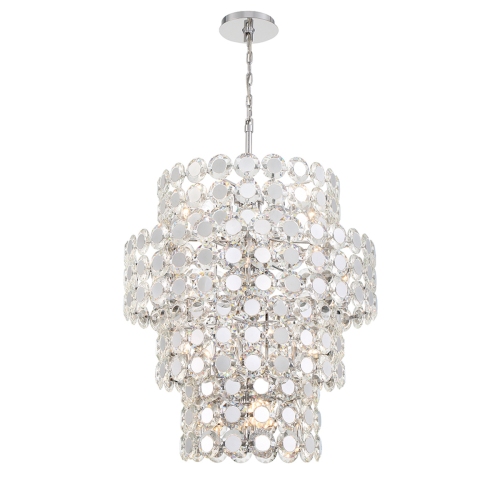
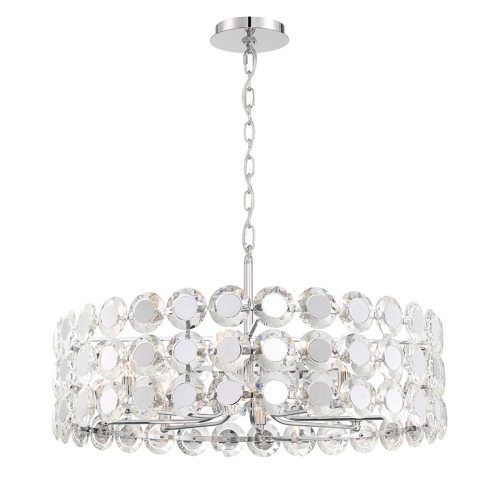
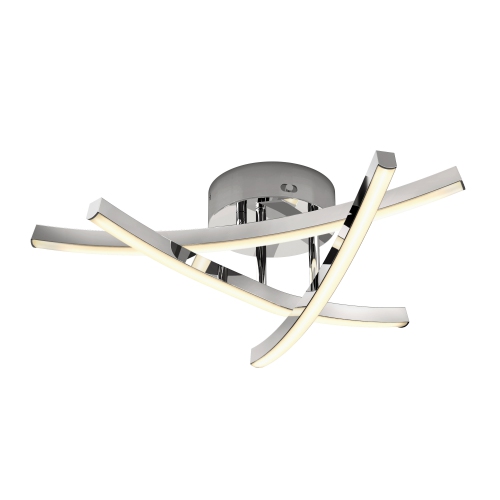
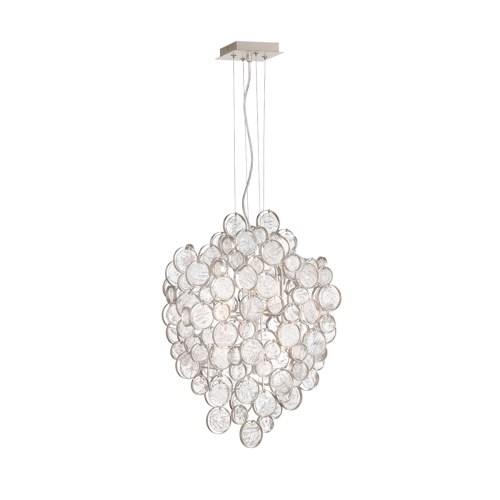
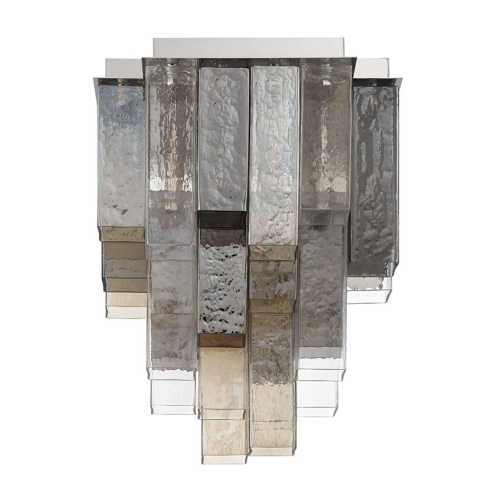
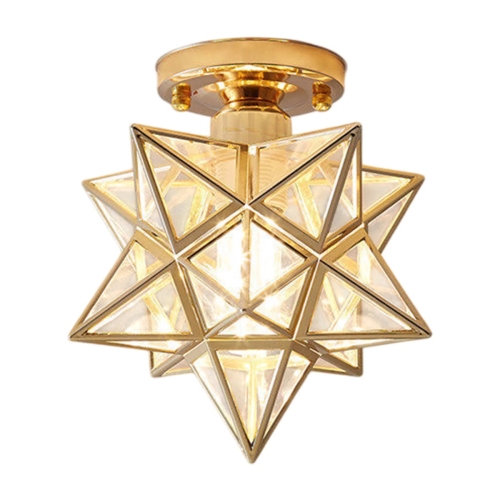
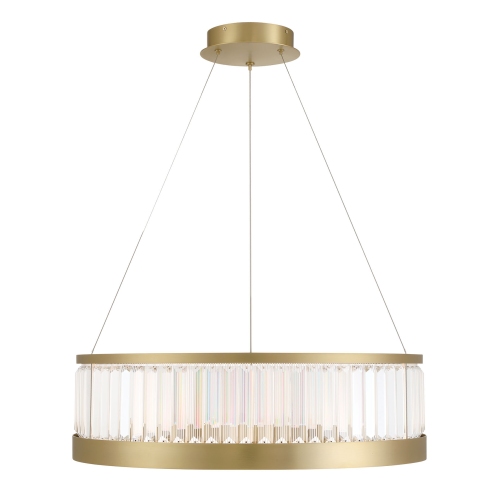
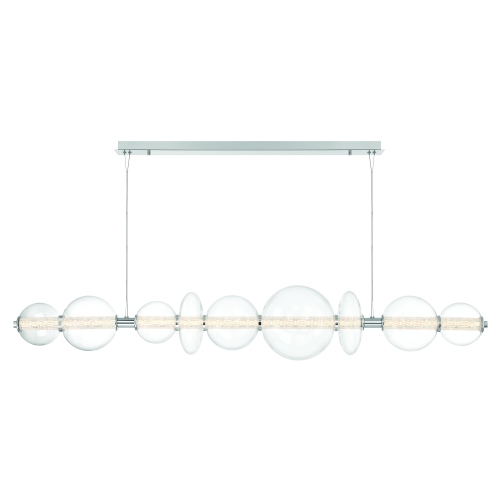
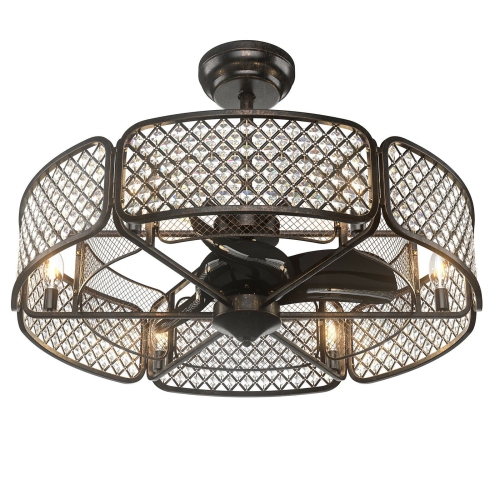
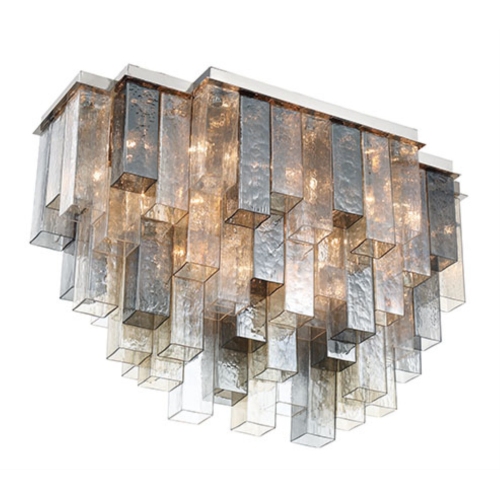

How crystal accents and fixture height shape a room
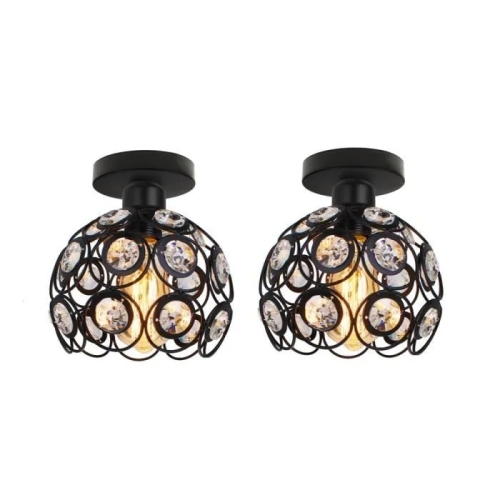
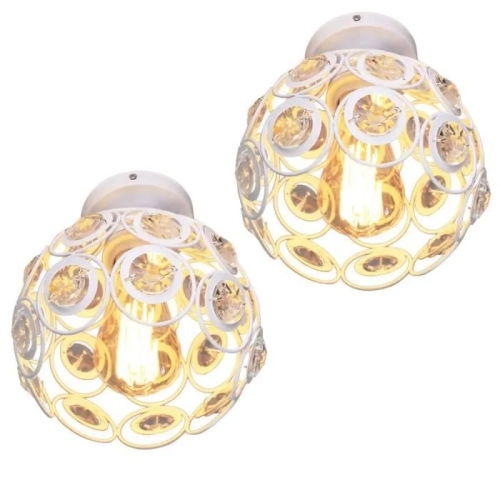
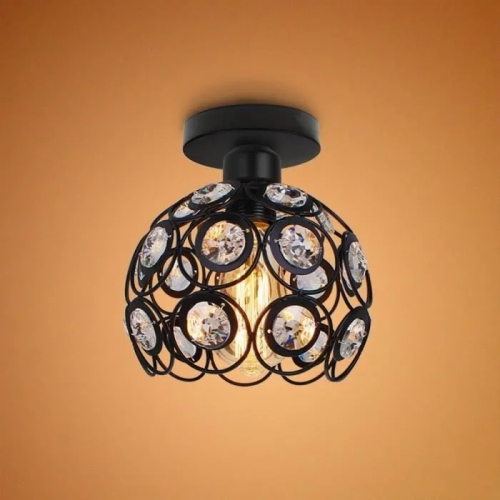
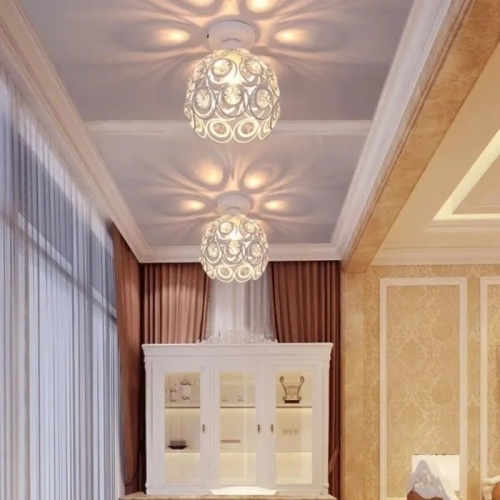
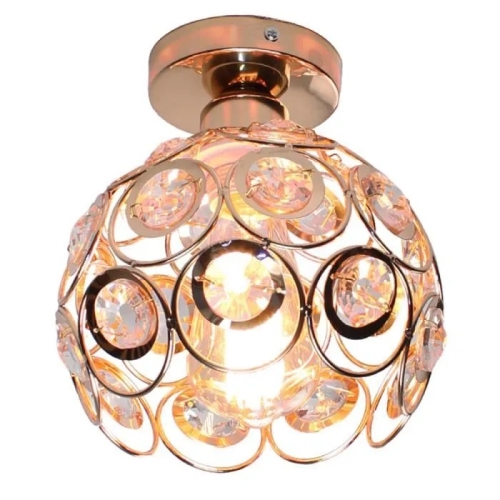
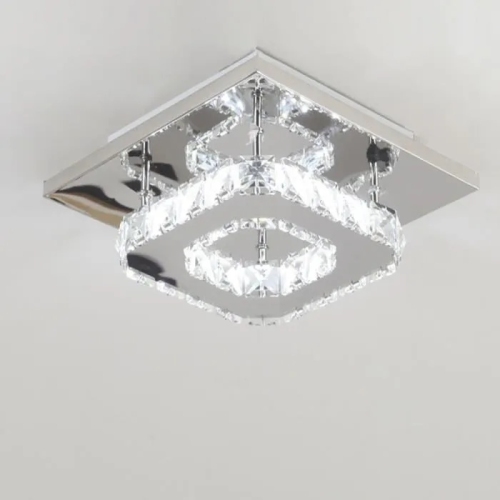
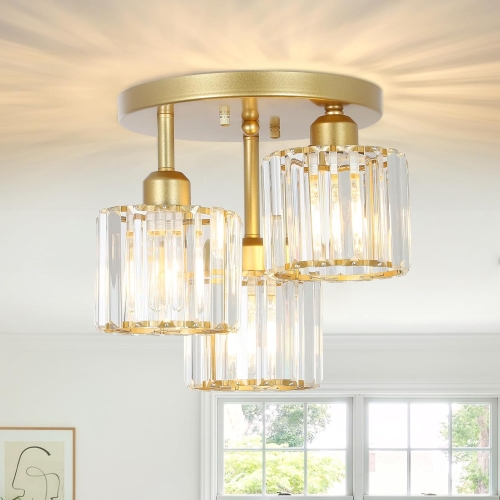
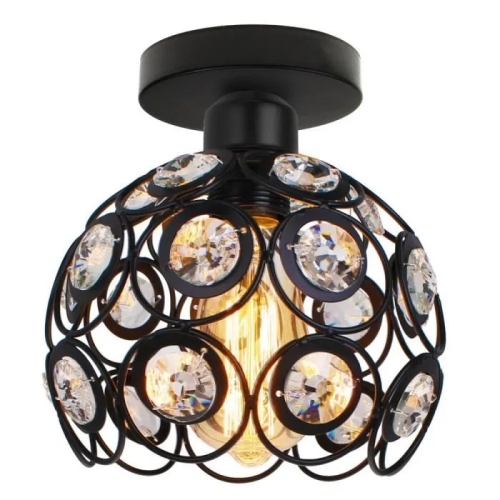
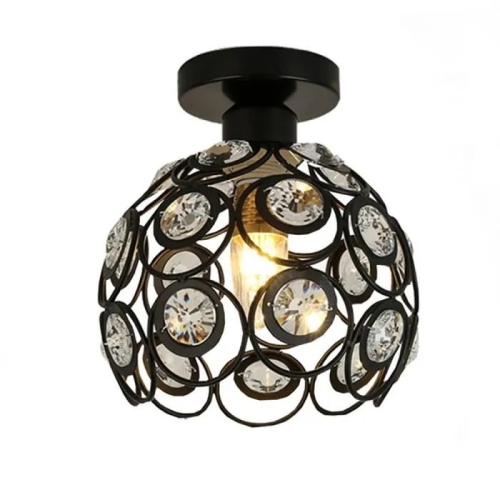
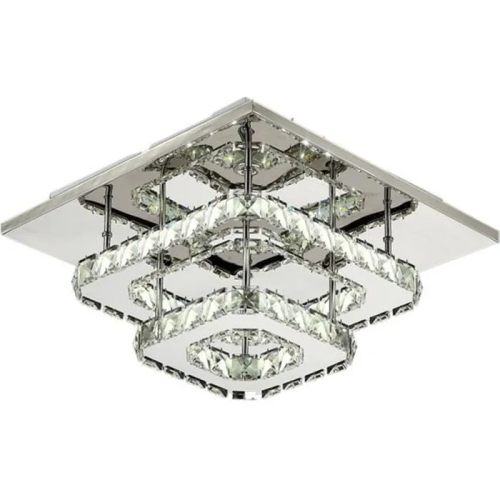
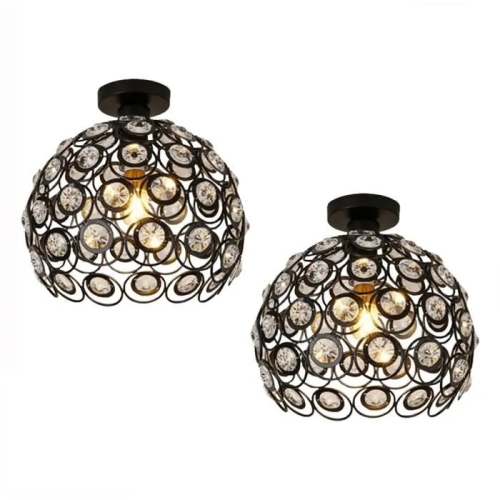
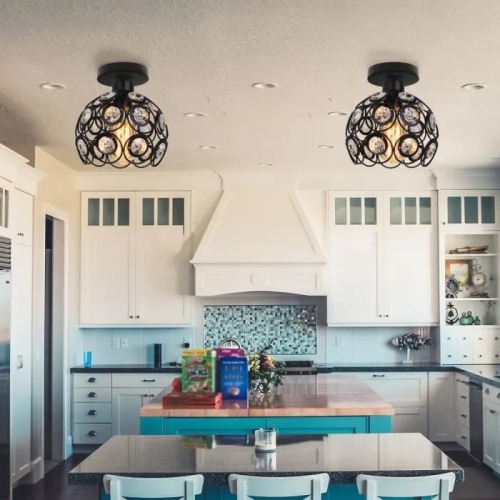
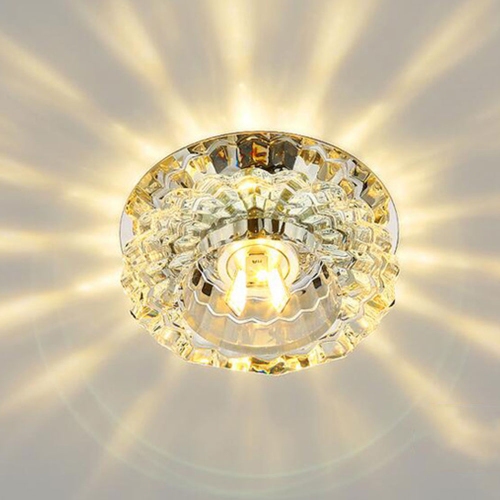
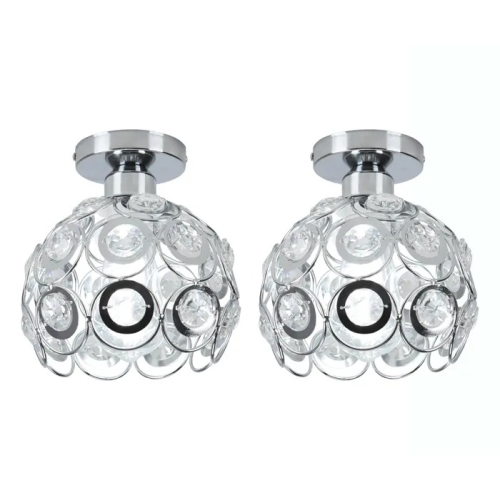
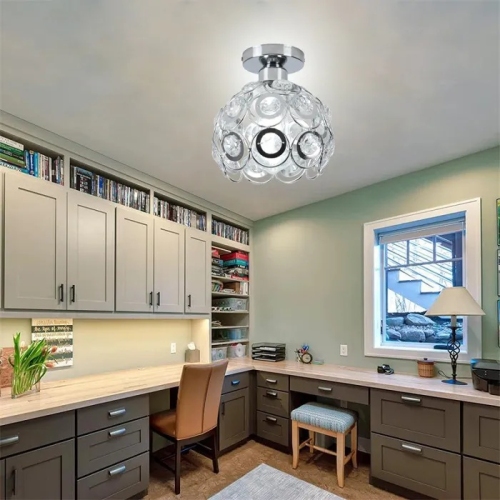
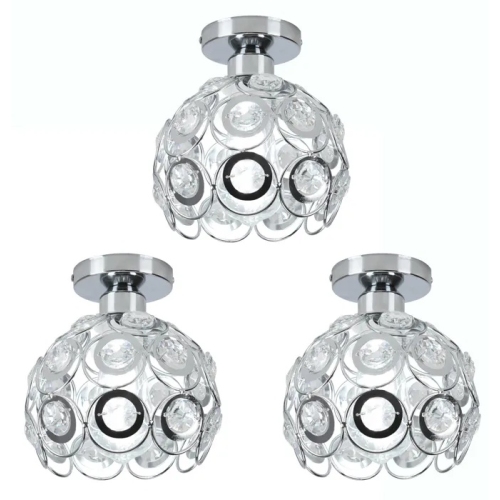
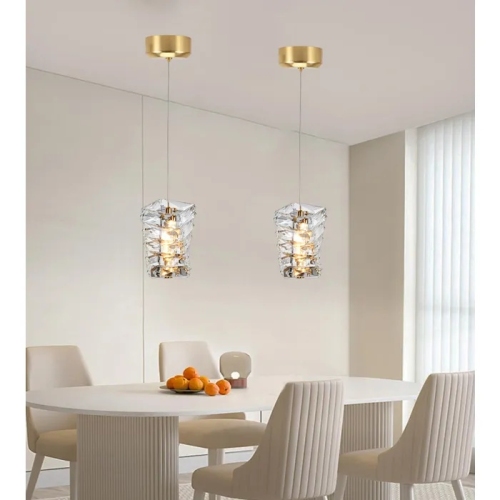
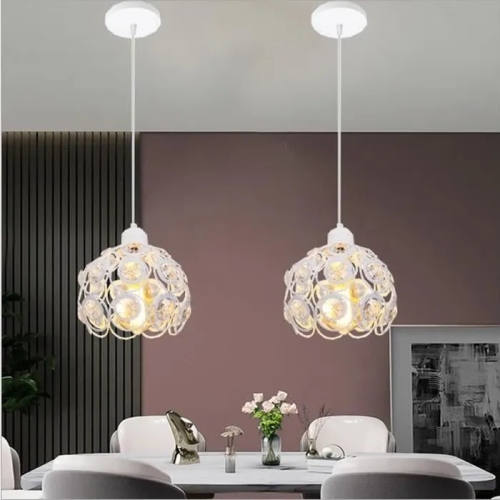
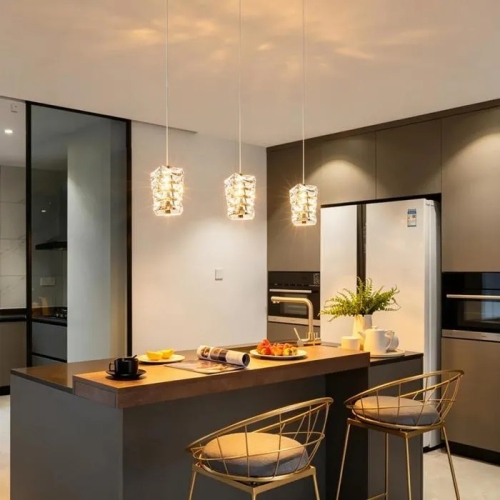
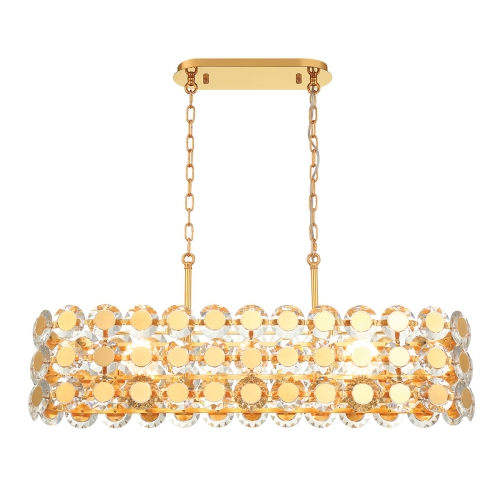
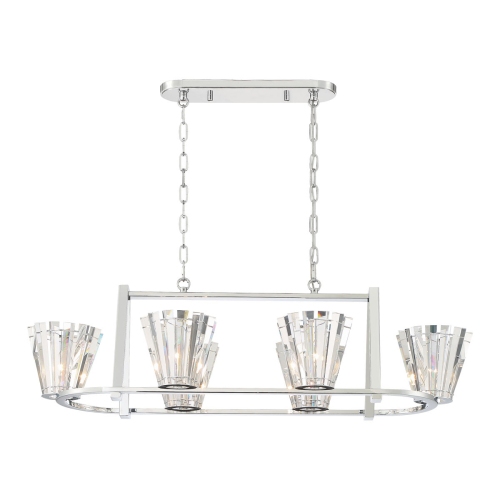
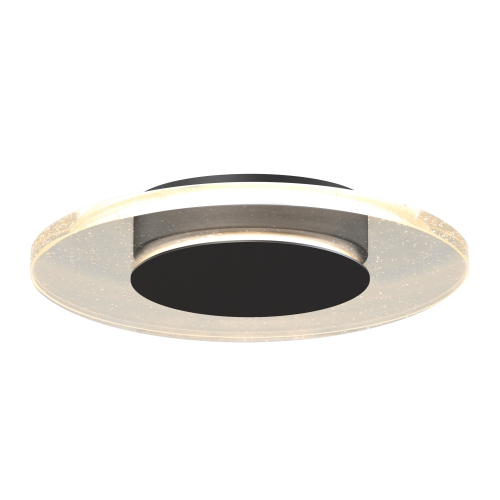
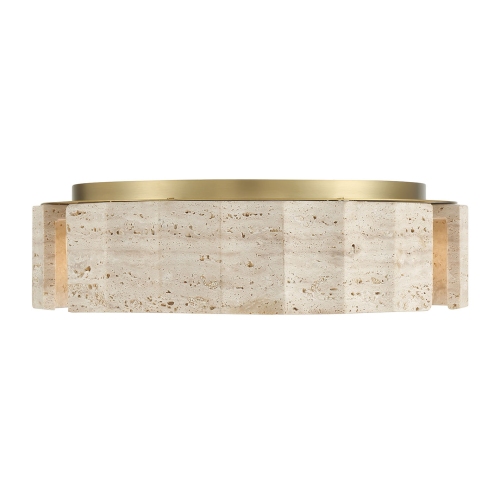
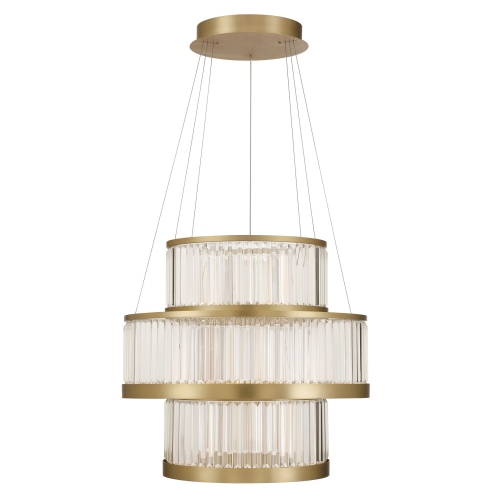
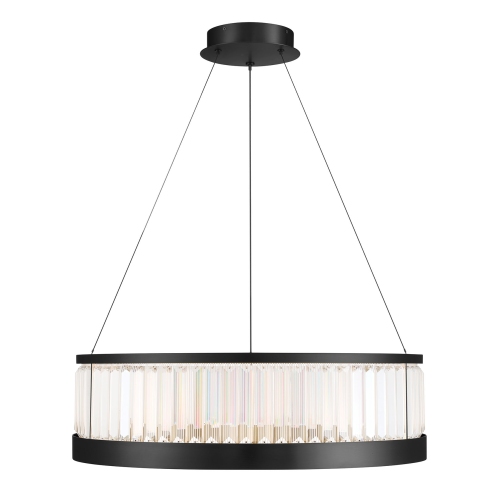
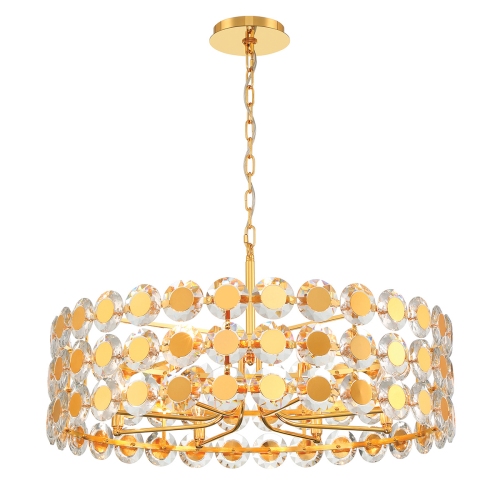
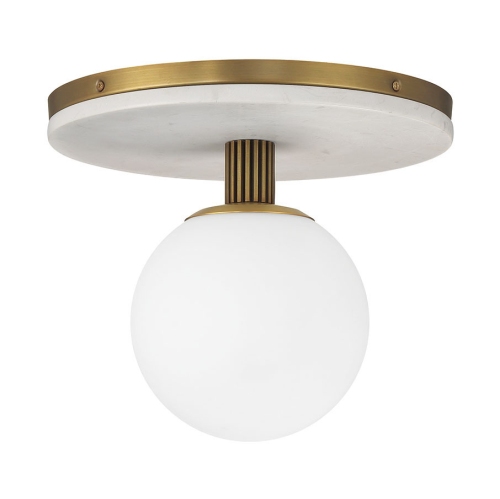
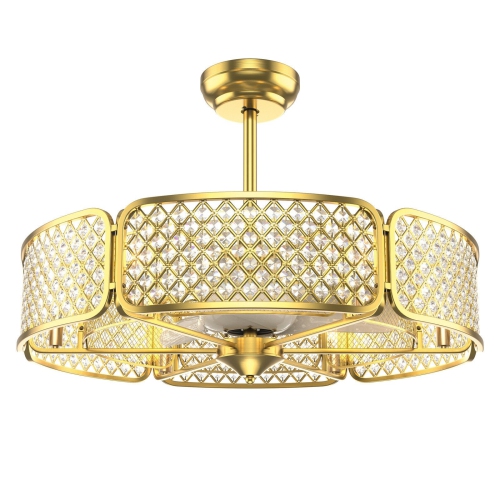
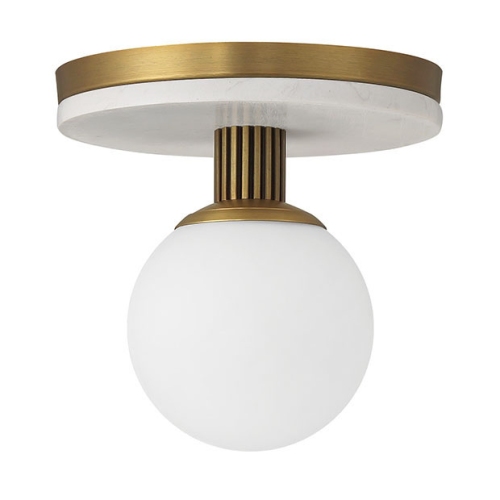
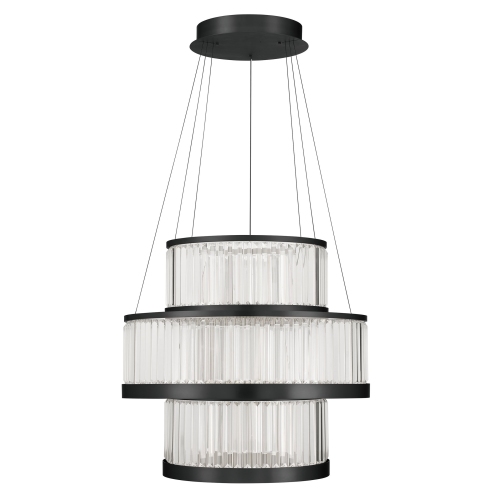
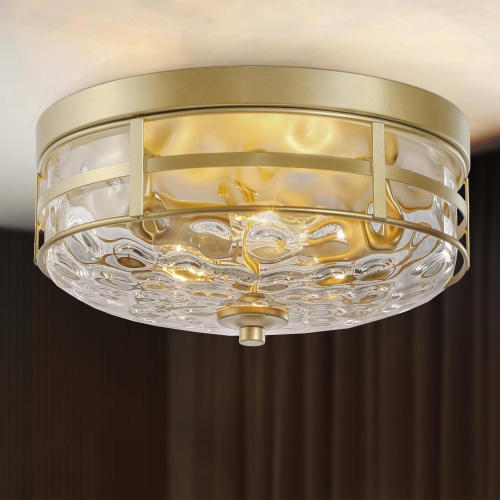
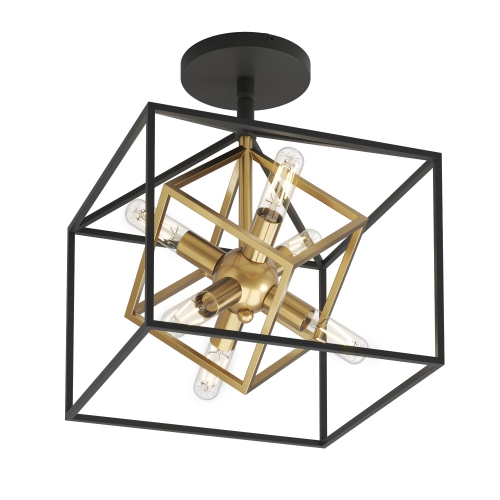
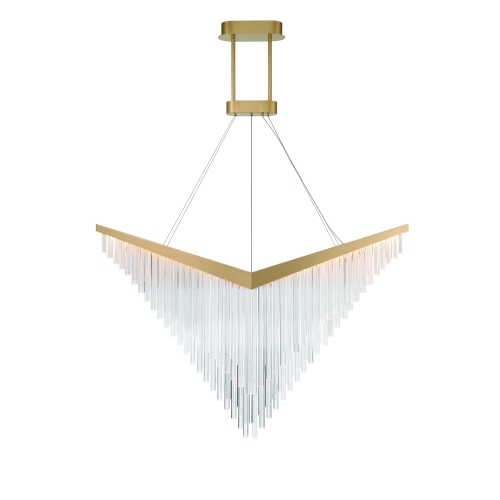
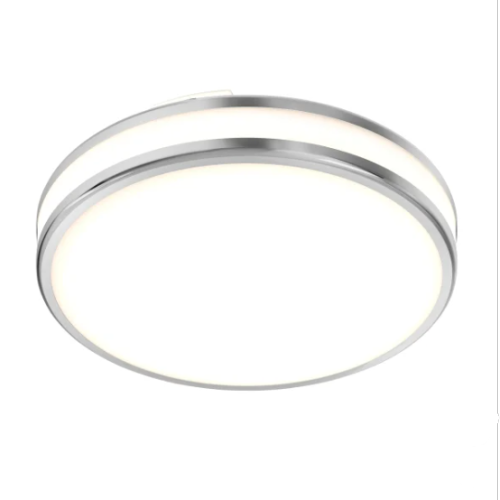
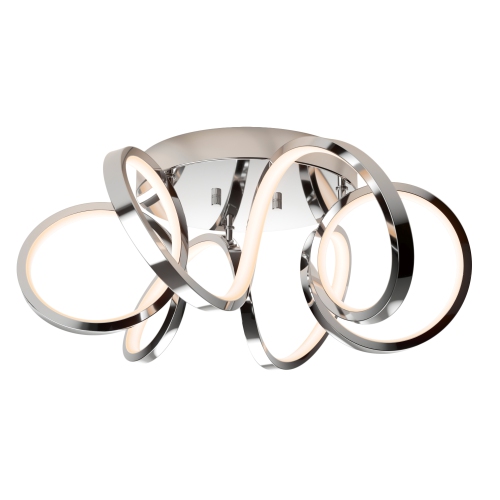
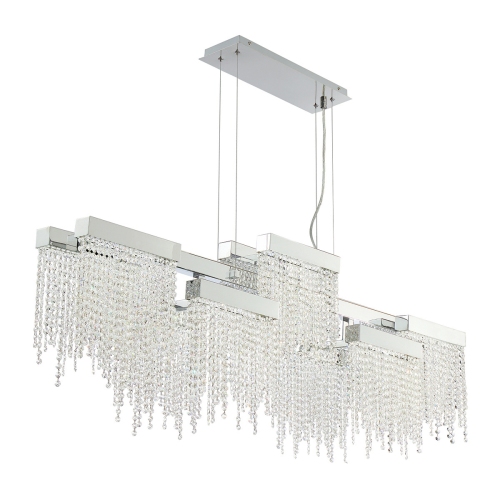
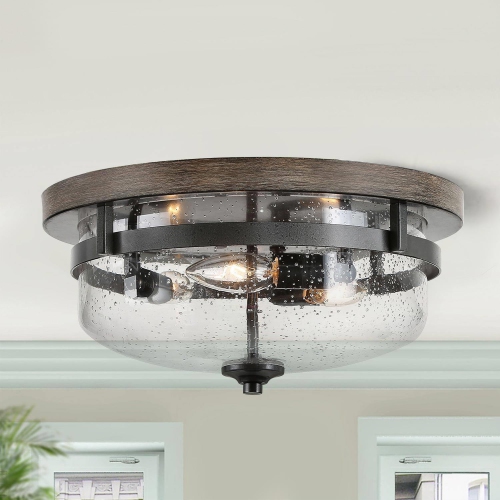
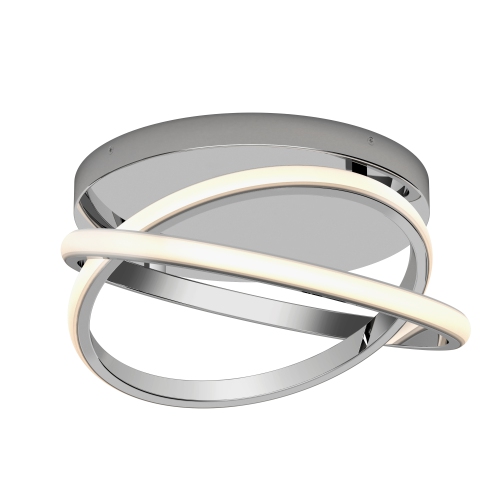
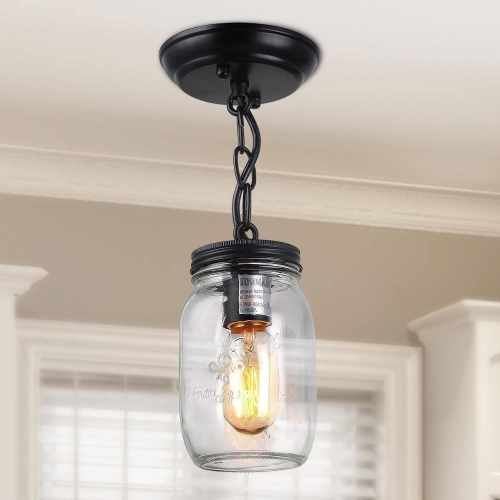
Crystal ceiling lights combine overhead illumination with faceted crystal or glass accents that catch and redirect light, bringing sparkle and texture to a room. The category includes flush-mount fixtures that sit close to the ceiling, semi-flush designs suspended a short distance below it, and chandelier-style fixtures with a more pronounced drop. Flush mounts are often a practical fit for rooms with 8- to 9-foot ceilings, particularly where people need to walk beneath the fixture. Semi-flush designs leave a gap between the fixture and ceiling, allowing light to spread above and around the frame as well as down into the room. Longer suspended designs can create a focal point over a dining table or within a taller entrance, provided the placement leaves suitable clearance. Crystal accents range from small geometric pieces set into a shade to hanging prisms, bead strands, and layered drops. A compact round fixture can bring detail to a hallway without dominating it, while a broader arrangement of crystals can hold its own above a substantial dining table. Shape matters as much as diameter: a shallow drum has a different visual weight from a tiered fixture, even when both have a similar width. In a bedroom, the fixture’s height also affects how prominent it feels when viewed from the bed. Metal finishes help connect the light to the rest of the space. Chrome and polished nickel pair naturally with mirrored surfaces and cool-toned hardware, while brass and gold-toned finishes add warmth beside wood furniture and cream-coloured upholstery. Black frames create a stronger outline around clear crystal, making the fixture’s structure part of the design. Within the wider range of Ceiling Lights, crystal styles can suit both traditional interiors and clean-lined rooms; the effect depends on the frame, proportions, and amount of ornament rather than crystal alone.
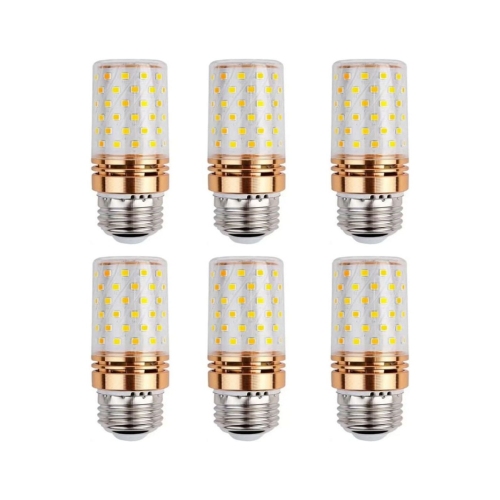
The character of a crystal ceiling light comes from both its decorative materials and its light source. Faceted pieces produce reflections and highlights, while frosted glass or an inner diffuser can soften the view of the bulbs. Clear accents tend to reveal more of the frame and lamps inside; tinted or smoked pieces change the appearance even when the fixture is switched off. Material descriptions deserve attention because crystal, cut glass, and acrylic accents are not interchangeable. Their weight, clarity, surface finish, and care requirements can differ, and a fixture’s overall weight also depends on its metal frame and the number of hanging pieces. A well-finished frame, secure attachment points, and consistently fitted accents contribute to a tidy appearance and dependable everyday use. Lighting specifications determine how that decorative structure performs in the room. Lumens describe light output, whereas wattage describes power consumption, so wattage alone does not establish how bright a fixture will feel. The direction of the light, shade construction, ceiling height, and surrounding wall colours also influence the result. Warm-white light around 2700K to 3000K often works well in bedrooms, living rooms, and dining spaces, where it complements wood tones and creates a softer impression. A more neutral white can suit spaces where a clearer appearance is preferred. Fixtures with replaceable bulbs may use bases such as E26 or G9, but the required base, bulb dimensions, and maximum permitted wattage must match the fixture’s specifications. Some designs use integrated LEDs instead, making the stated light output, colour temperature, and service information especially relevant. Dimming is another separate consideration: the fixture or bulbs and the wall dimmer all need to be compatible. A dimmable crystal light can provide fuller illumination for setting a table, then a gentler level for a meal, without relying on a different ceiling fixture. In rooms used for reading, cooking, or detailed tasks, overhead crystal lighting works best alongside appropriately placed task lighting rather than as the only source of light.
Fit and installation details are just as important as the visible design. Overall dimensions should include the lowest crystal drop, not simply the height of the metal frame, and any adjustable suspension needs enough range for the intended location. In a narrow passage, a wide or low-hanging fixture can feel intrusive even if its style suits the room. Above a dining table, its relationship to the tabletop and nearby sightlines matters more than how dramatic it looks in isolation. A canopy must suit the mounting location, and the ceiling electrical box and supporting structure must be appropriate for the fixture’s weight. Larger crystal arrangements can be heavier than their delicate appearance suggests. Installation by a qualified electrician helps address wiring, support, and applicable local requirements; recognized Canadian electrical safety certification is another important specification to confirm. Assembly can also involve attaching individual strands or prisms, so the finished appearance may depend on careful placement rather than simply mounting a complete shade. Rooms with moisture require particular attention. A crystal fixture intended for a dry bedroom is not automatically suitable for a bathroom, and the required location rating depends on its position and exposure. Everyday care is generally straightforward when it follows the manufacturer’s directions. With power switched off and the fixture cool, gentle dusting helps prevent a dull film from collecting on facets and metalwork. Cleaning products suitable for glass may not be suitable for plated finishes, and unnecessary pulling on strands can strain small connectors. Accessible placement makes occasional cleaning and bulb replacement easier, especially for fixtures with several layers of hanging accents. In a frequently used entrance, a shallow design can provide decorative detail without crowding the space; in a sitting room, a more sculptural arrangement can echo the curves of furniture or the geometry of a rug. The most successful crystal ceiling lights balance that visual presence with comfortable illumination, appropriate proportions, and care requirements that suit daily life.
Top selling and popular products
-
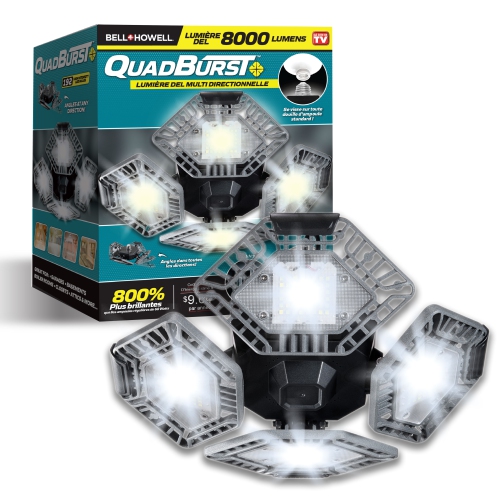 Your price for this item is $49.95
-
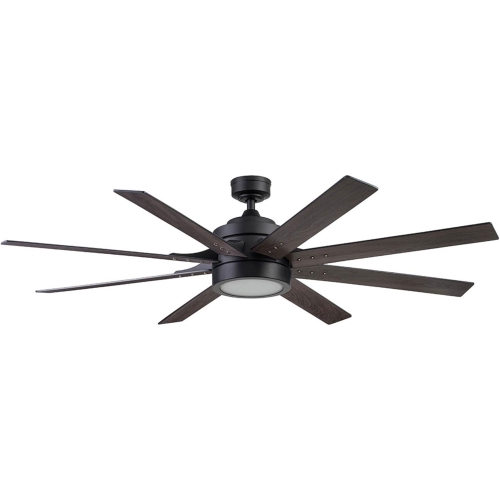 Your price for this item is $491.99
-
 Your price for this item is $239.99
-
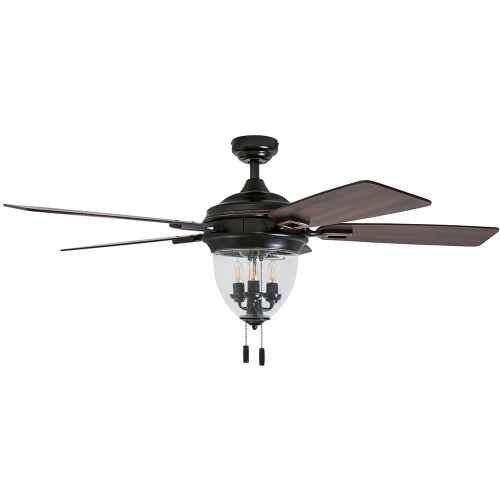 Your price for this item is $368.99
-
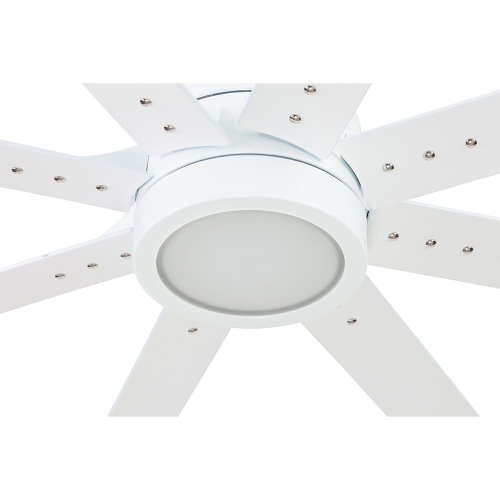 Your price for this item is $502.99
-
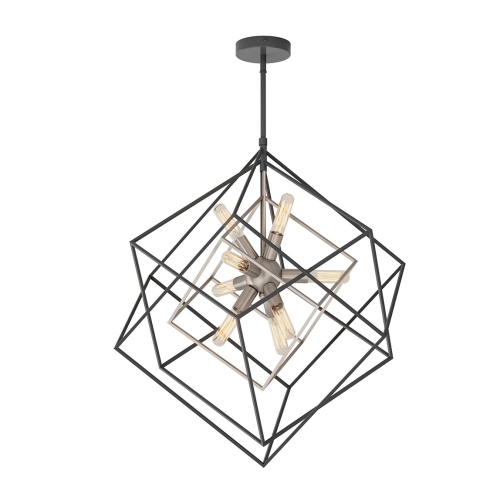 Your price for this item is $299
-
 Your price for this item is $239.99
-
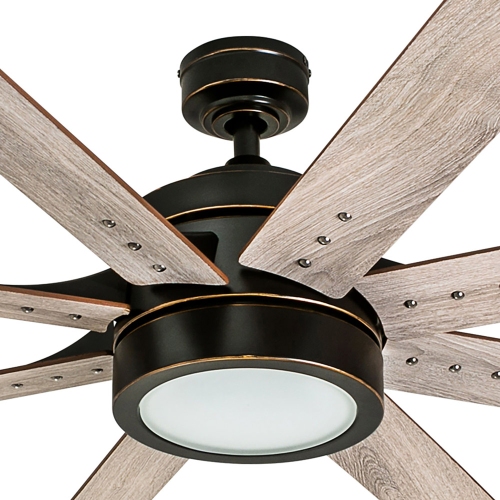 Your price for this item is $536.99
Discover more categories related to Crystal Ceiling Lights
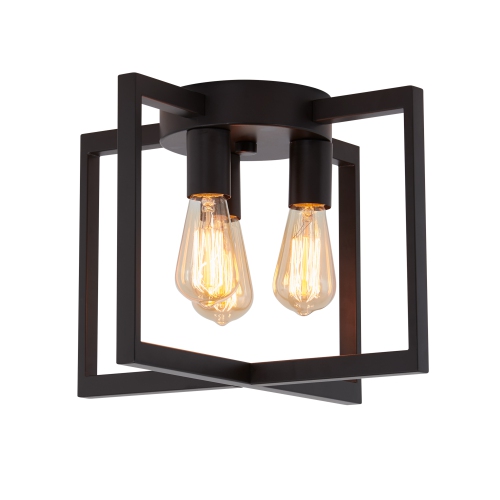
Top Collections:
Best Black Friday Deals This Year, Best Black Friday Deals On Electronics, Kindle Devices, Pokemon Centers, Best Black Friday Deals On Apple Products, Best Cameras for Sports Photography, Dyson Airwrap, Pokémon 30th Celebration Cards, Apple iPhone 17 Pro, Canon G7X Cameras
Some products may be subject to Environmental Handling Fees
(EHF) depending on your province.
Learn more about EHFs.