Cubby Kids Bookcases
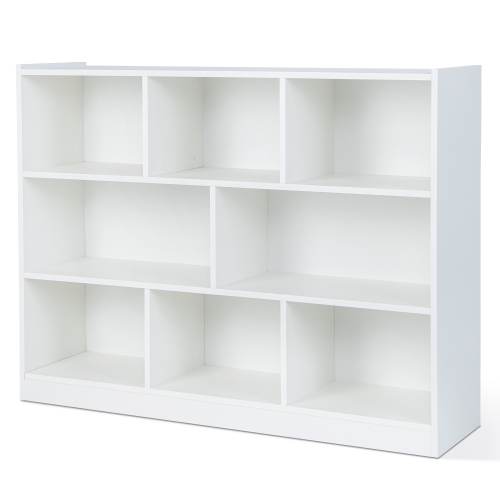
Looking for the perfect bookcase to organize your child's growing collection of books and toys? Look no further than our selection of cubby kid bookcases. These stylish and functional bookcases are designed specifically with kids in mind, offering a fun and practical storage solution for their favorite stories and playtime essentials. With a variety of sizes, colors, and configurations available, you'll be sure to find the perfect cubby kids bookcase to suit your child's room decor and organizational needs. Say goodbye to clutter and hello to a tidy and inviting space with our cubby kid bookcases.
Sort
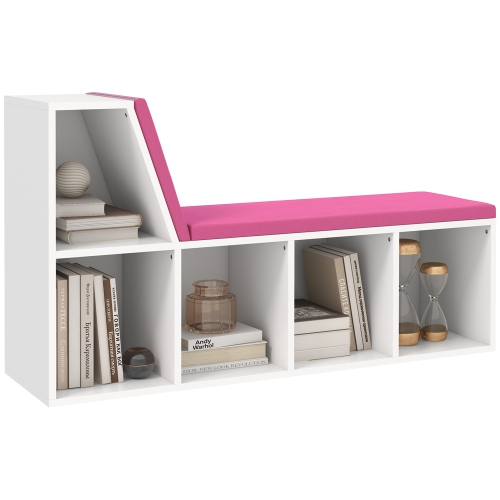
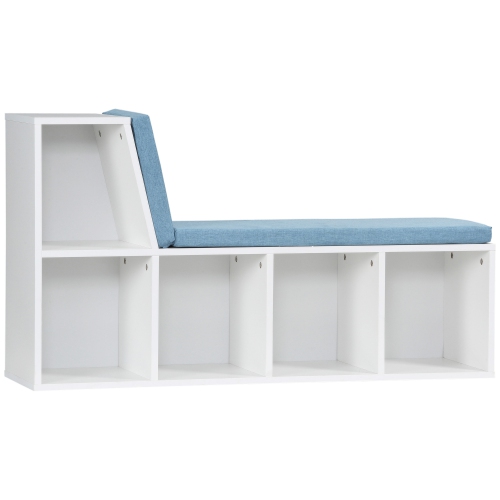

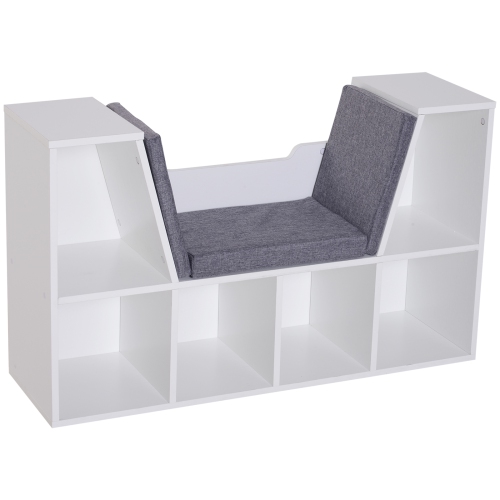
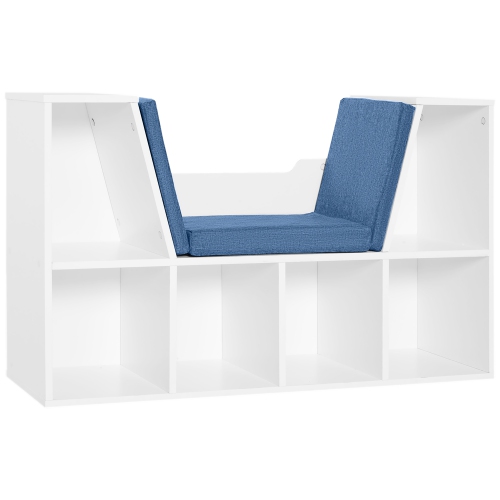
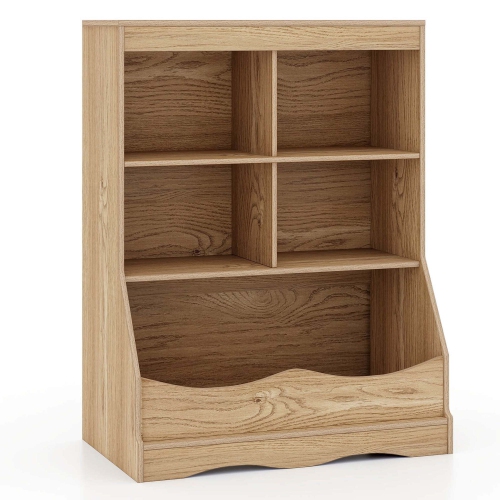
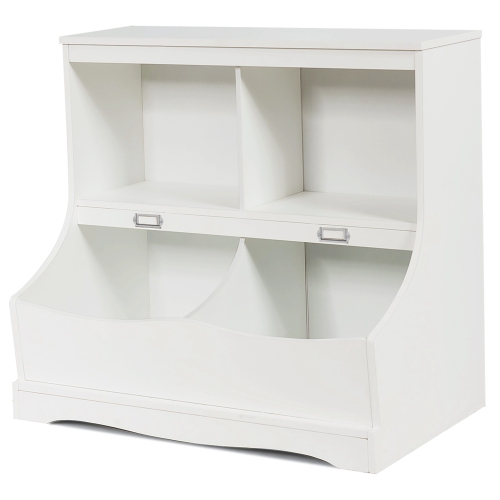
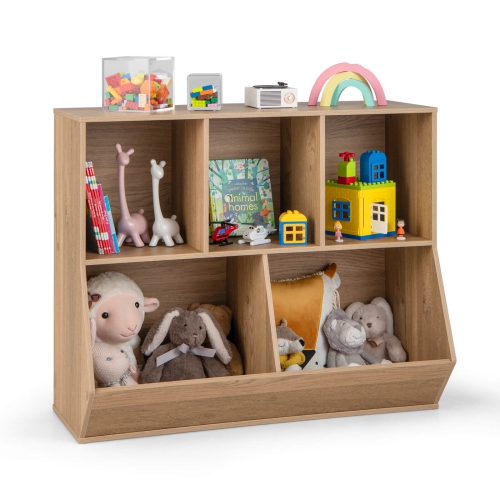
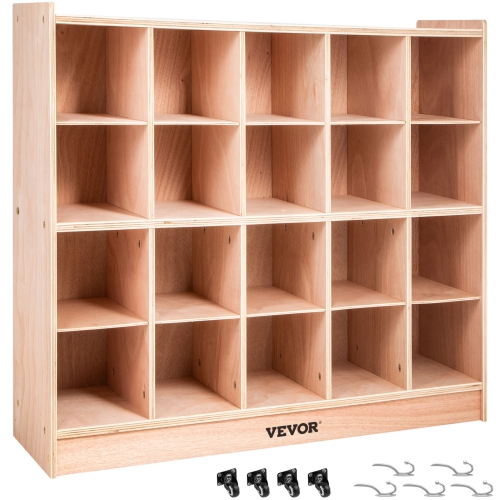
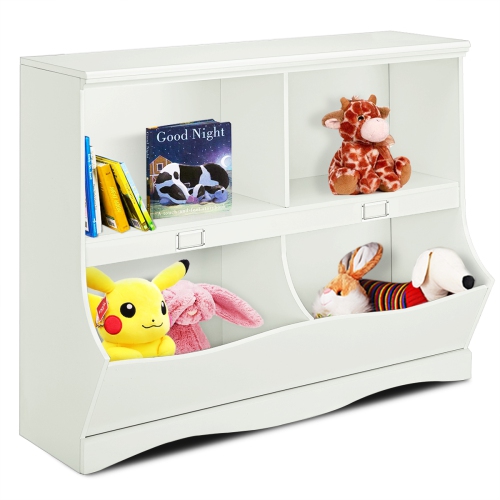
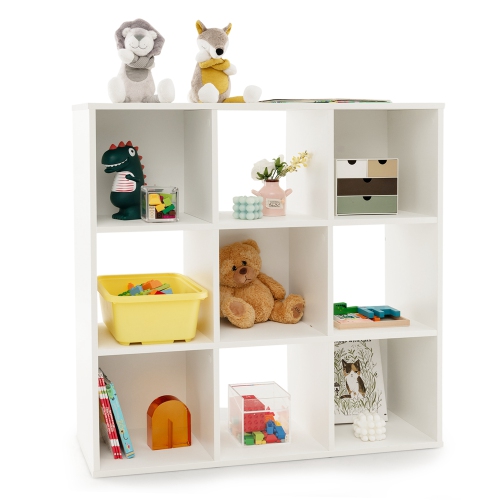
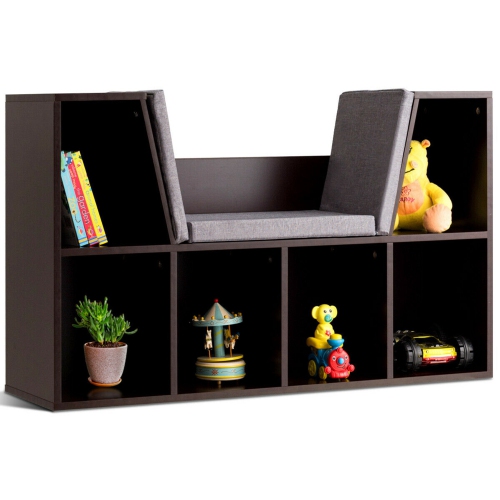
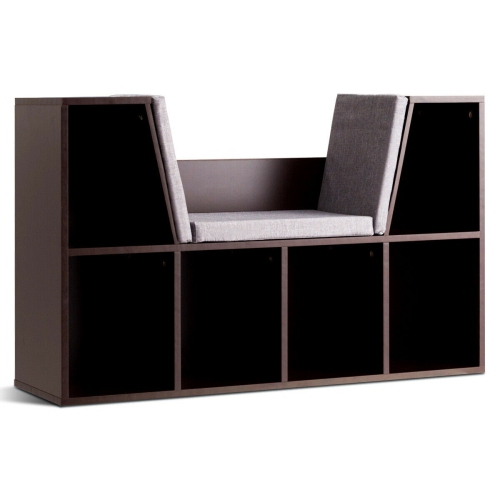
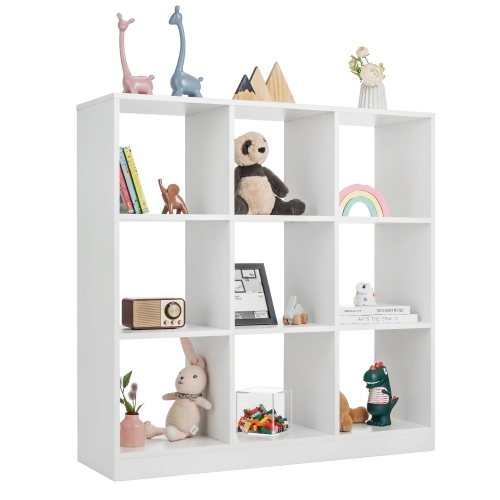
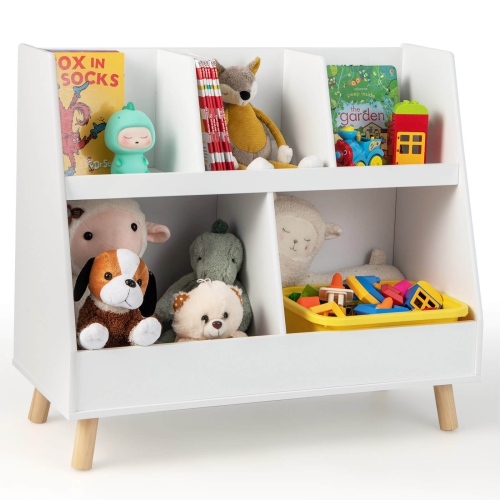
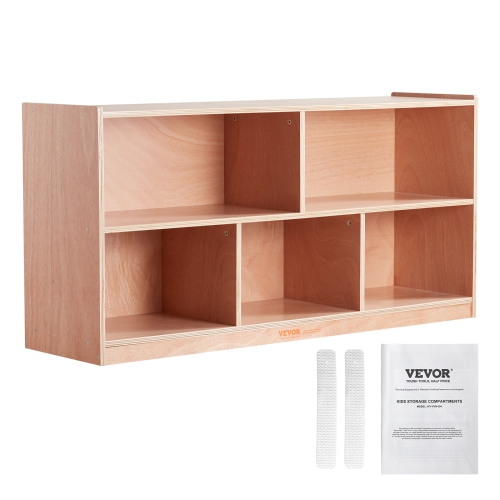
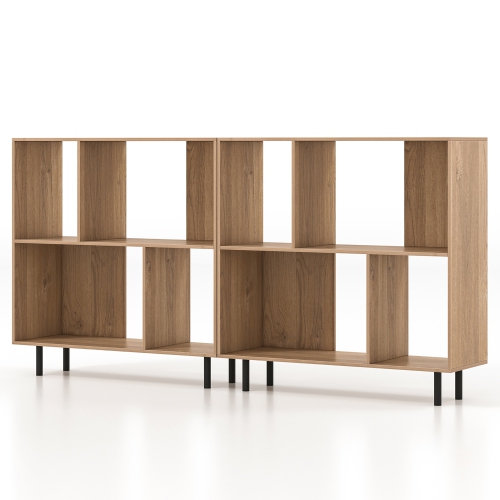
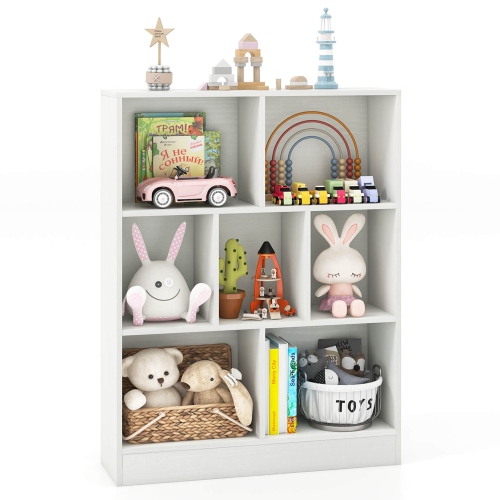
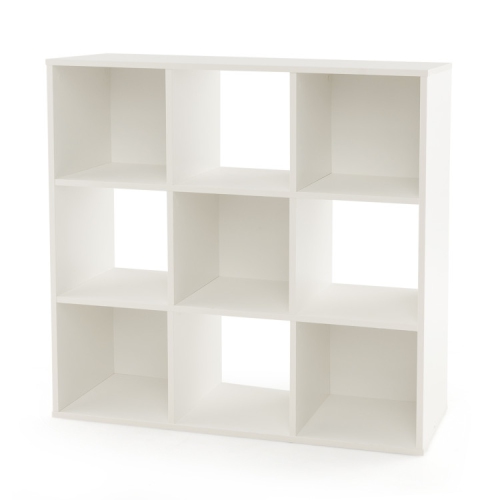
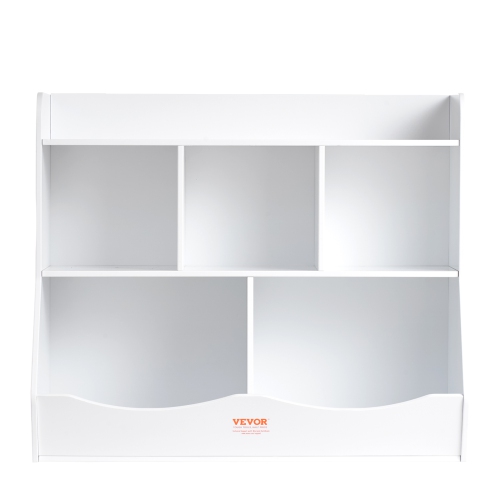
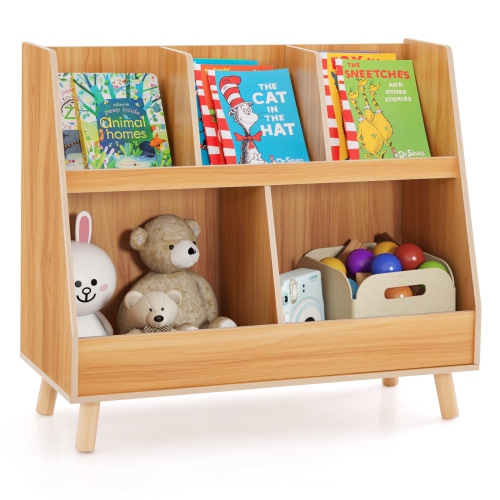
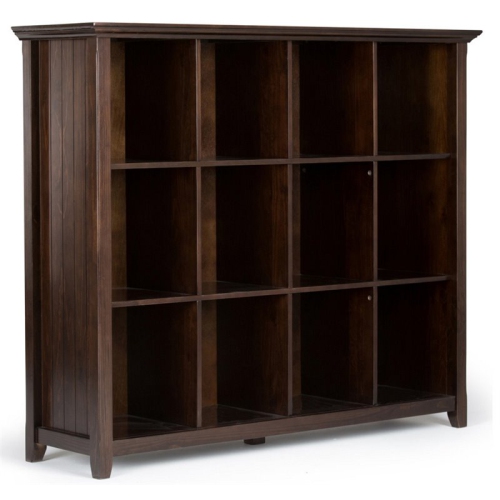
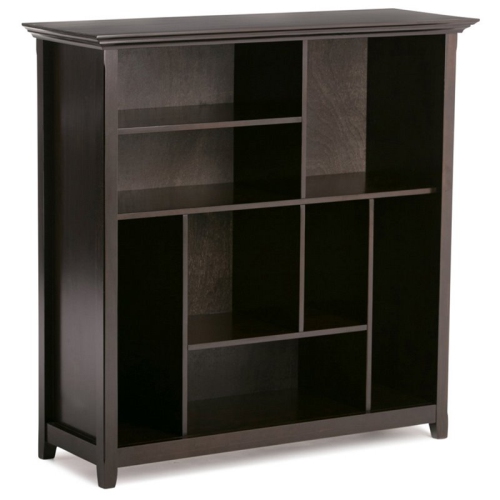
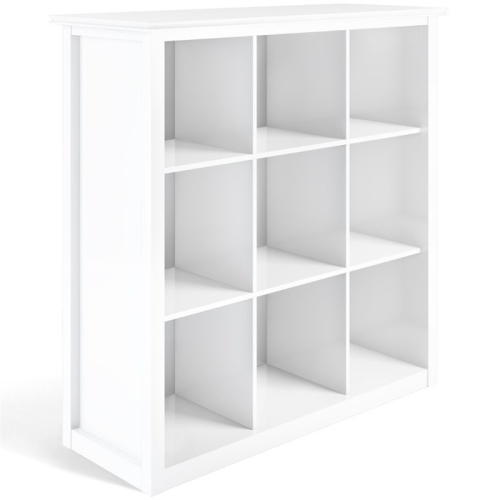
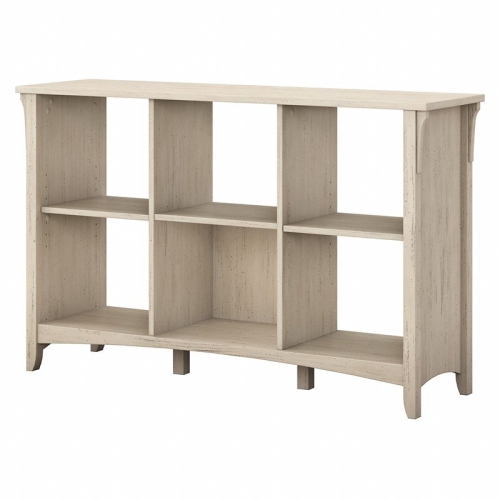
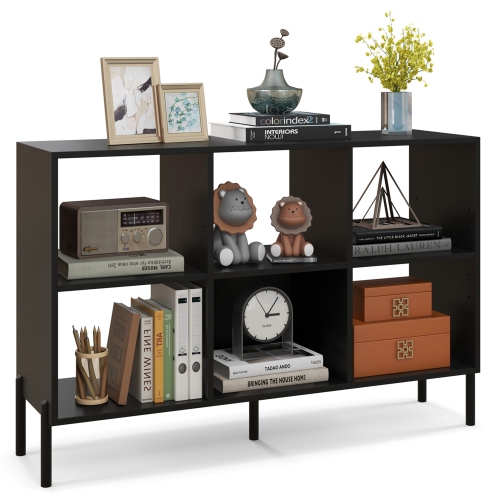
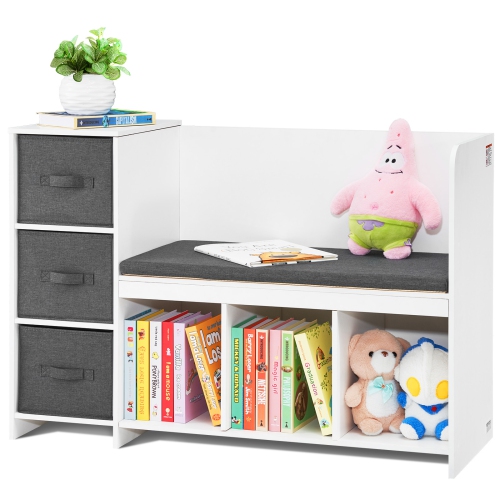
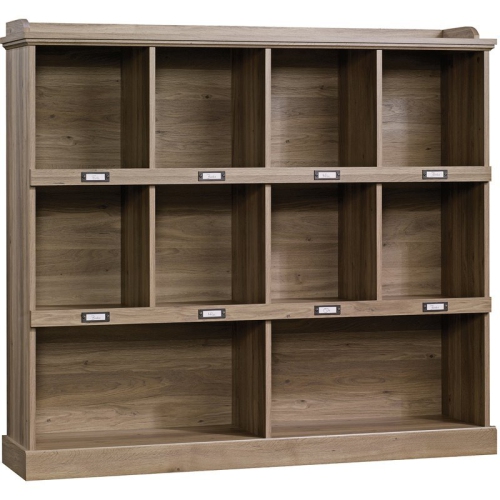
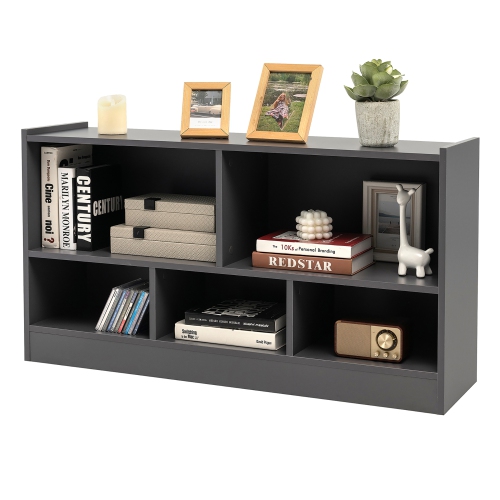
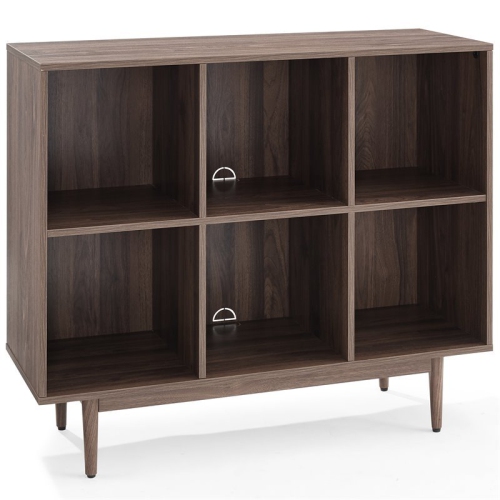
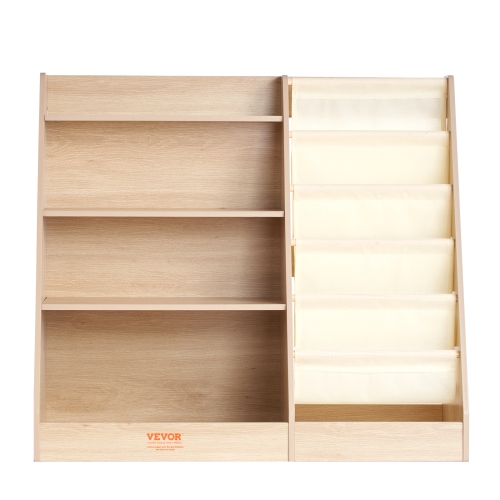
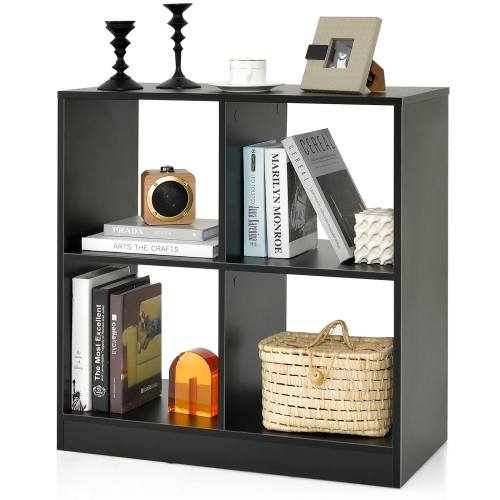
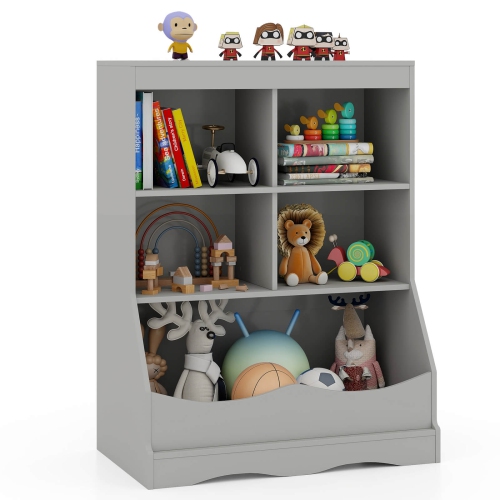
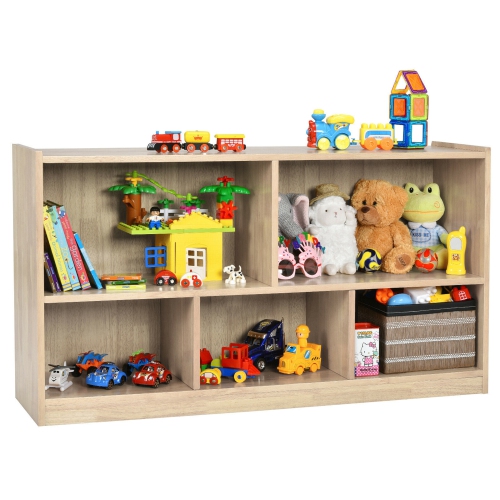
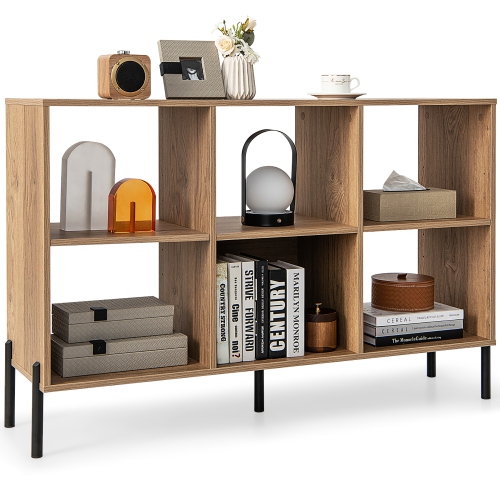
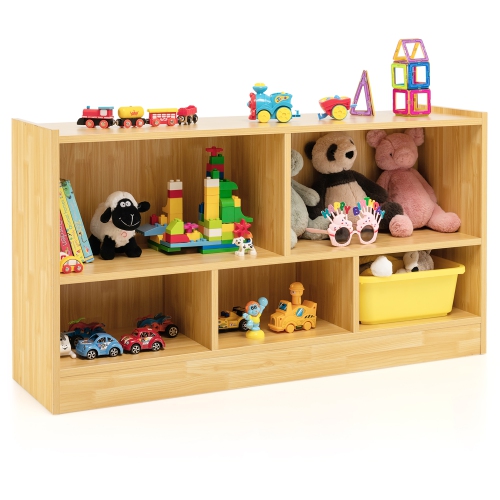
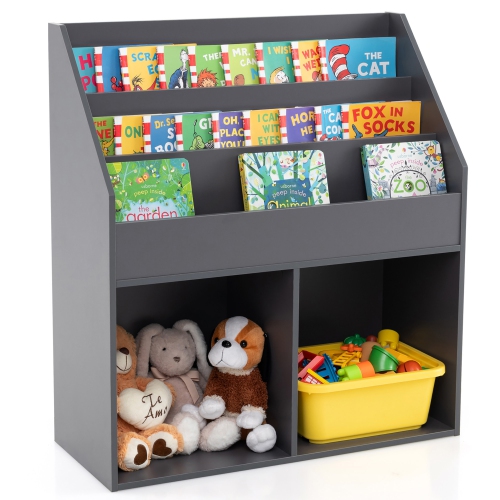
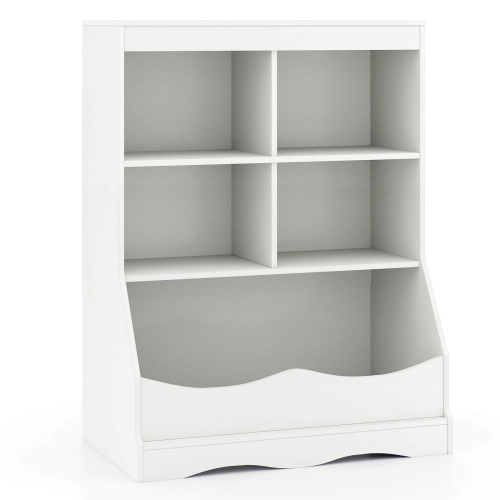
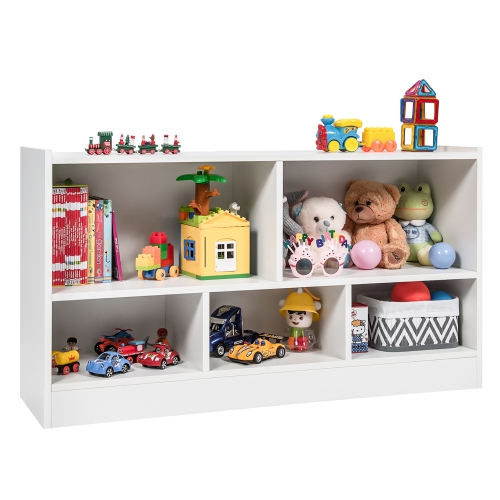
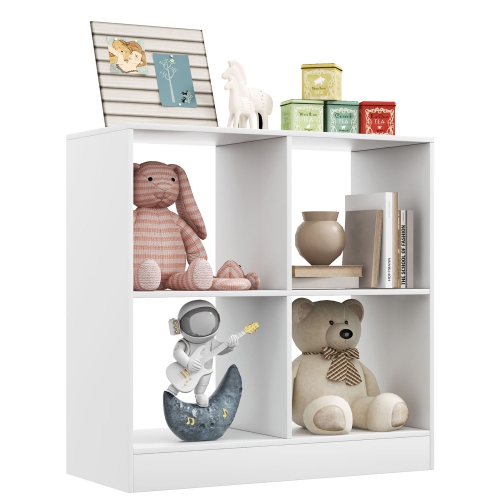
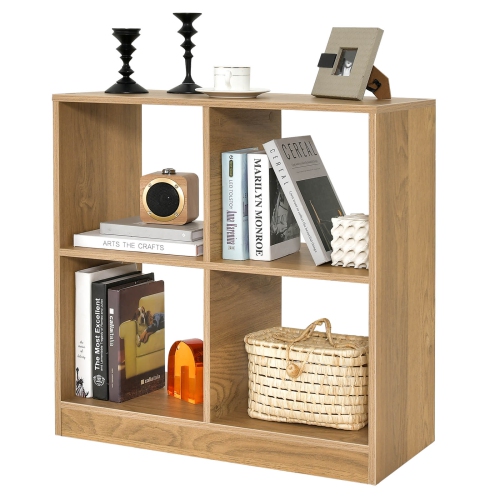
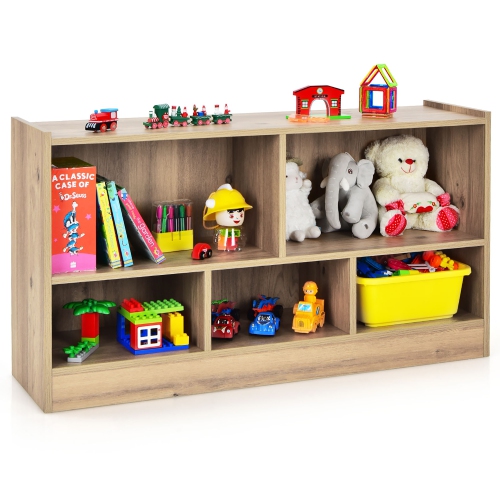
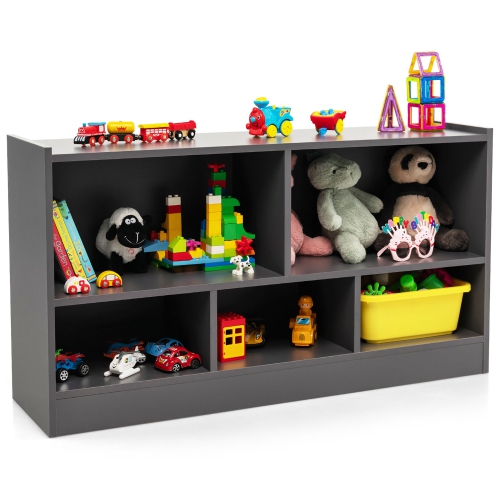
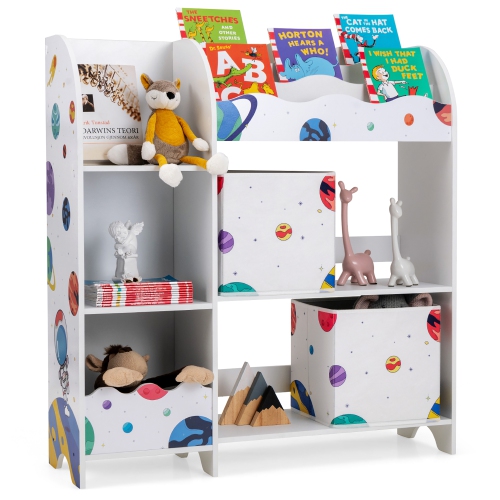
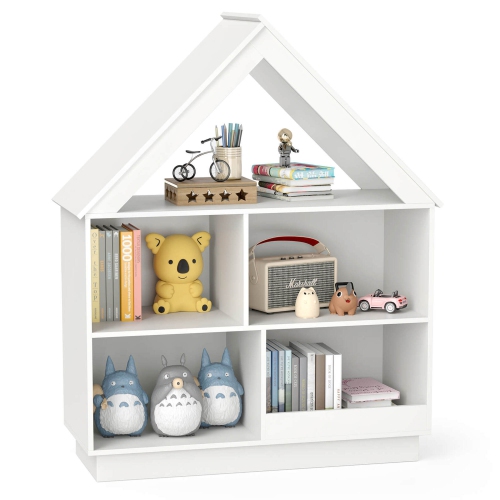
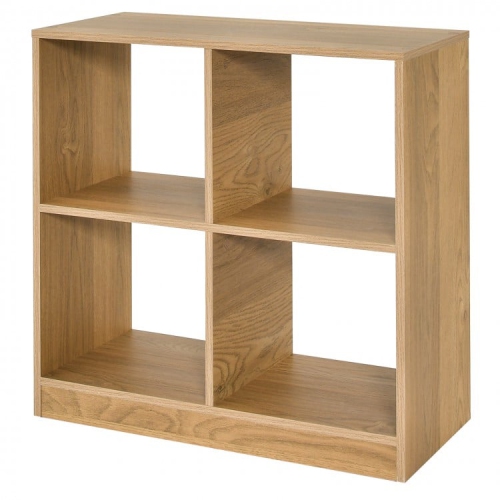
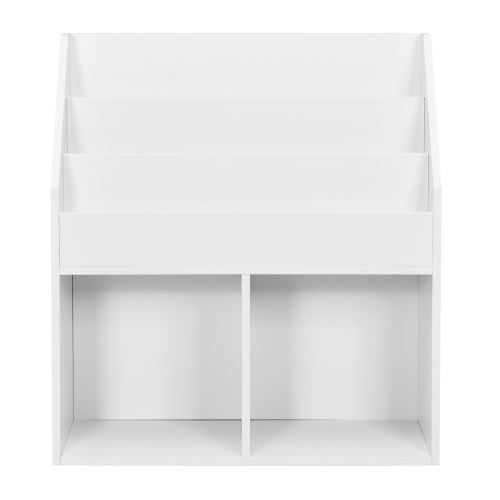
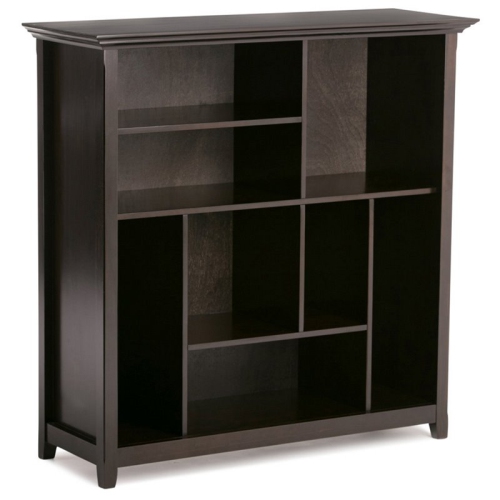
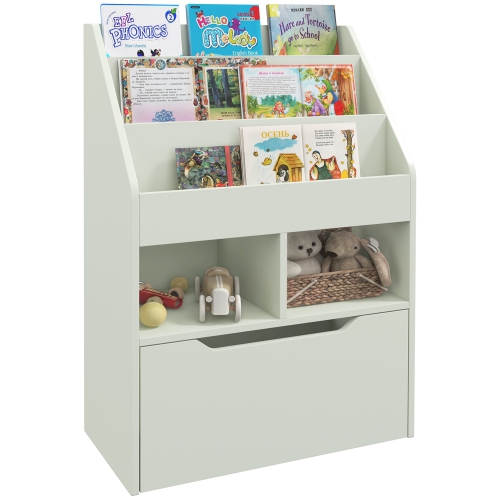
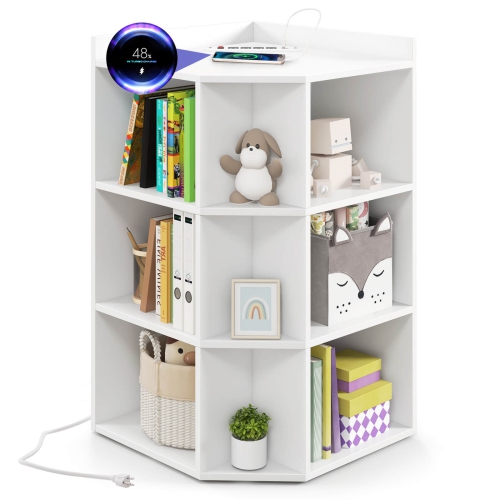
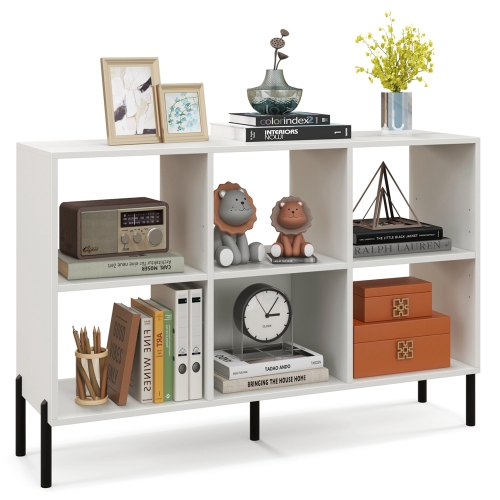
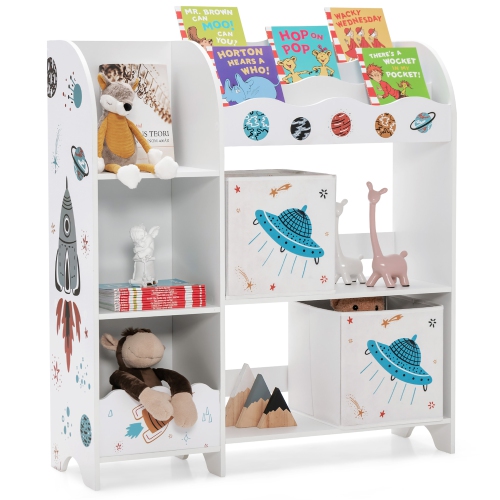
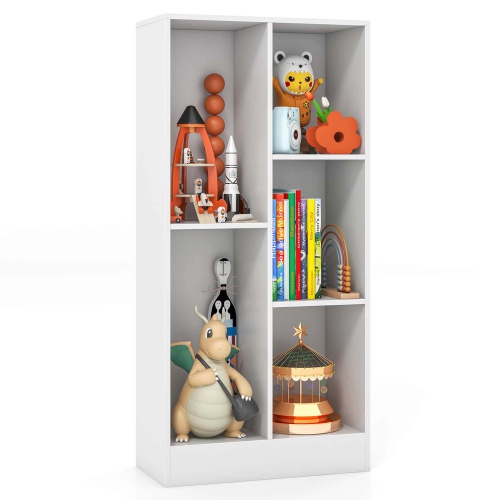
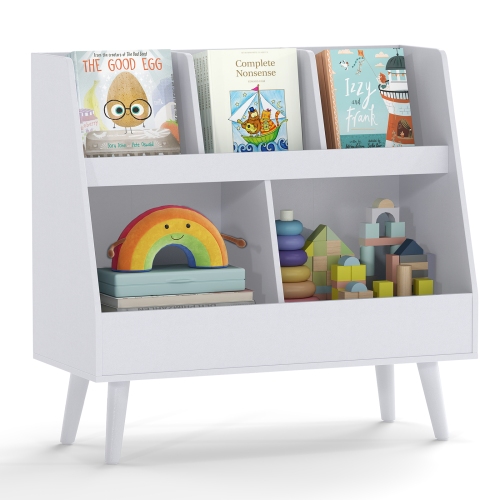
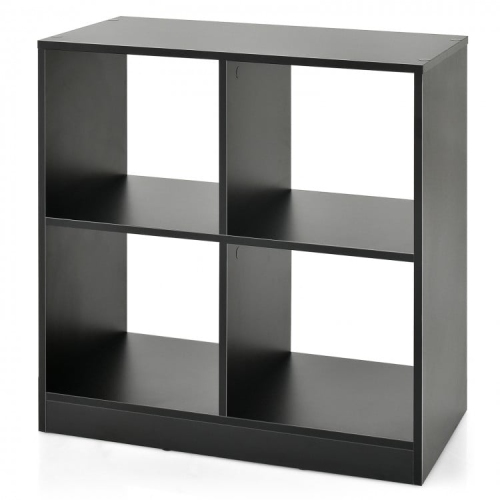
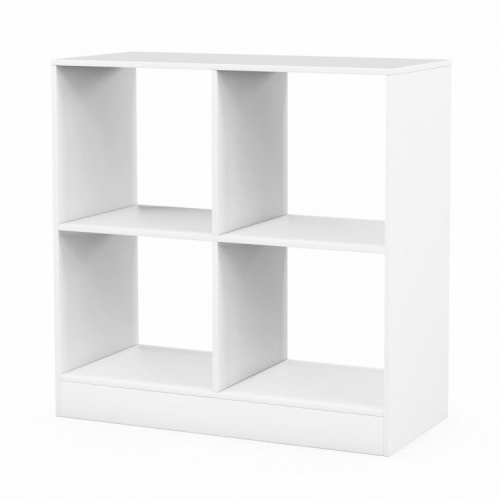
Open cubby storage for reading corners and playrooms
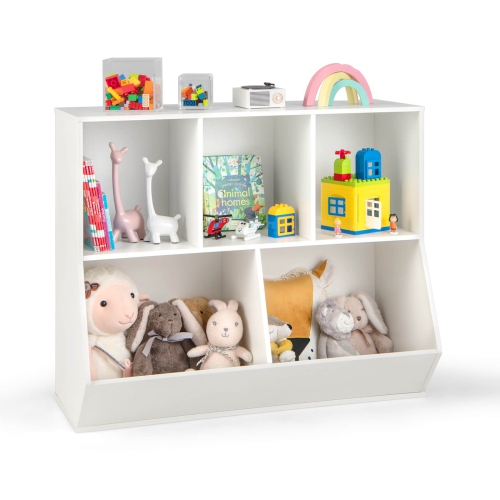
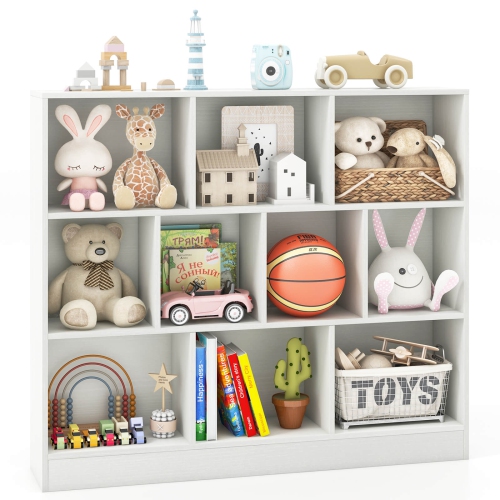
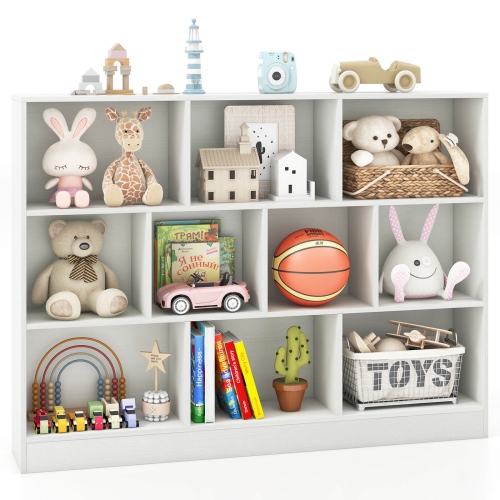
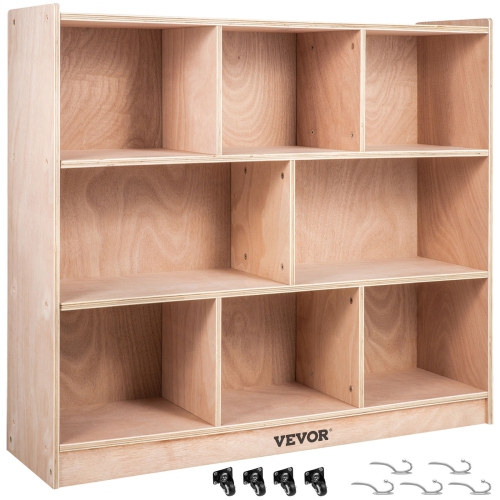
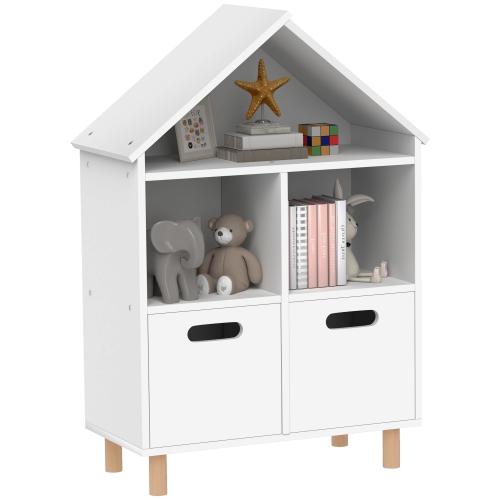
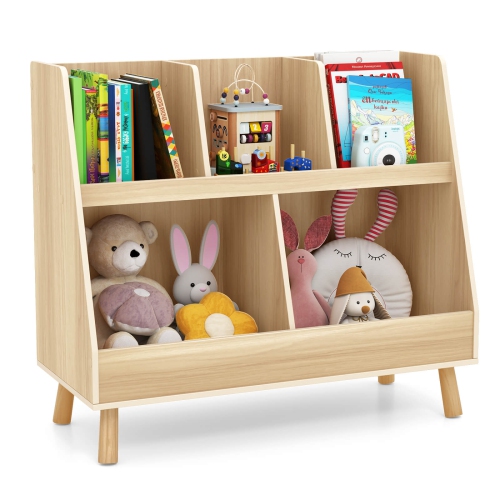
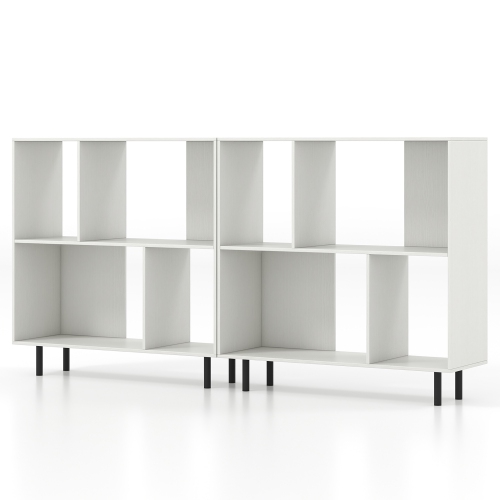
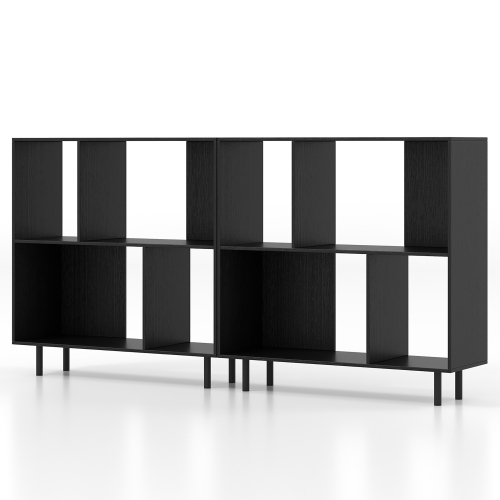
Cubby kids bookcases bring practical, easy-to-see storage into bedrooms, playrooms, reading corners, daycares, and shared family spaces. Instead of hiding everything behind a single door, their open compartments give children a clear place for picture books, building sets, stuffed animals, puzzles, art supplies, and favourite keepsakes. A low, horizontal unit can help a young child choose a story independently, while a taller design may offer more capacity for a growing collection when it is properly secured. The square or rectangular cubbies also make it simple to create zones: books in one section, toys in another, and baskets or bins for smaller pieces that might otherwise scatter across the floor. For families preparing a room during the cooler months, a well-placed bookcase can turn an unused corner into a comfortable indoor reading and play area, with a soft rug, a small chair, and a rotating selection of books close at hand. These units can also be thoughtful gifts for a new baby, a child moving into a bigger bedroom, or a family setting up a first dedicated play space. When choosing a cubby kids bookcase, consider the child’s age, height, habits, and the amount of storage needed today as well as over the next few years. A low profile may be especially useful for toddlers learning to tidy up, while older children may benefit from additional compartments, wider shelves, or a combination of open storage and drawers. Measure the available wall and floor space carefully, including clearance for doors, windows, baseboards, heating vents, and nearby furniture. It is also worth checking the dimensions of storage baskets before purchasing, since a cubby that fits standard bins can make sorting toys and craft materials much easier.
Construction and everyday usability matter just as much as appearance. Bookcases made from solid wood, engineered wood, or a combination of sturdy materials can provide dependable support for books and toys, while a well-applied finish helps the surface stand up to regular handling and ordinary household messes. Look for smooth, rounded or softened edges where possible, stable legs or a broad base, and shelves that are fixed or firmly supported. Levelers can be useful on floors that are slightly uneven, helping the unit sit securely rather than rock when a child reaches for a book. Open compartments make contents easy to see, but they may also collect dust more quickly than closed storage, so wipeable surfaces and removable bins can simplify regular cleaning. For a coordinated room, choose a finish that works with existing furniture, whether the space has a light, airy look, warm wood tones, or colourful accents. Neutral finishes can adapt as a child’s interests change, while baskets, labels, and fabric bins add personality without requiring a new bookcase. Families with limited space may prefer a compact two-tier or three-tier design that fits beneath a window or beside a bed. Larger rooms may accommodate a wider arrangement that separates reading materials from toys and display items. If the bookcase will be shared by siblings, assign each child a shelf or cubby to encourage ownership and make tidying less contentious. For more ideas that suit a child’s room or reading nook, explore Childrens Wood Bookcases.
Safety should remain central when placing any freestanding furniture in a child’s space. Always follow the assembly instructions, use the included anti-tip hardware, and anchor a tall or top-heavy bookcase securely to a wall stud or with the appropriate wall fastener for the wall type. Do not rely on a child’s weight or a few heavy books to keep furniture in place, and avoid placing tempting items on the highest shelf where a child might try to climb. Store heavier books and toys in lower compartments, keep frequently used items within comfortable reach, and reserve upper cubbies for lighter belongings or adult-managed storage. Check that cords from nearby lamps or electronic devices are routed safely and cannot become a pulling hazard. A little planning can make the bookcase feel natural in daily routines: place bedtime stories at the child’s level, keep rainy-day activities in a labelled bin, and leave one compartment open for books borrowed from the library or chosen for the next reading session. As routines shift from outdoor play to more time indoors, this kind of visible, flexible storage can help children find what they need and return it when play is finished. Whether it is being used for a small collection of board books, a growing library of chapter books, dress-up accessories, or treasured artwork, a cubby kids bookcase can add structure without making a room feel overly formal. The best choice balances sturdy construction, accessible storage, suitable dimensions, and a design that feels welcoming enough for children to use every day.
Construction and everyday usability matter just as much as appearance. Bookcases made from solid wood, engineered wood, or a combination of sturdy materials can provide dependable support for books and toys, while a well-applied finish helps the surface stand up to regular handling and ordinary household messes. Look for smooth, rounded or softened edges where possible, stable legs or a broad base, and shelves that are fixed or firmly supported. Levelers can be useful on floors that are slightly uneven, helping the unit sit securely rather than rock when a child reaches for a book. Open compartments make contents easy to see, but they may also collect dust more quickly than closed storage, so wipeable surfaces and removable bins can simplify regular cleaning. For a coordinated room, choose a finish that works with existing furniture, whether the space has a light, airy look, warm wood tones, or colourful accents. Neutral finishes can adapt as a child’s interests change, while baskets, labels, and fabric bins add personality without requiring a new bookcase. Families with limited space may prefer a compact two-tier or three-tier design that fits beneath a window or beside a bed. Larger rooms may accommodate a wider arrangement that separates reading materials from toys and display items. If the bookcase will be shared by siblings, assign each child a shelf or cubby to encourage ownership and make tidying less contentious. For more ideas that suit a child’s room or reading nook, explore Childrens Wood Bookcases.
Safety should remain central when placing any freestanding furniture in a child’s space. Always follow the assembly instructions, use the included anti-tip hardware, and anchor a tall or top-heavy bookcase securely to a wall stud or with the appropriate wall fastener for the wall type. Do not rely on a child’s weight or a few heavy books to keep furniture in place, and avoid placing tempting items on the highest shelf where a child might try to climb. Store heavier books and toys in lower compartments, keep frequently used items within comfortable reach, and reserve upper cubbies for lighter belongings or adult-managed storage. Check that cords from nearby lamps or electronic devices are routed safely and cannot become a pulling hazard. A little planning can make the bookcase feel natural in daily routines: place bedtime stories at the child’s level, keep rainy-day activities in a labelled bin, and leave one compartment open for books borrowed from the library or chosen for the next reading session. As routines shift from outdoor play to more time indoors, this kind of visible, flexible storage can help children find what they need and return it when play is finished. Whether it is being used for a small collection of board books, a growing library of chapter books, dress-up accessories, or treasured artwork, a cubby kids bookcase can add structure without making a room feel overly formal. The best choice balances sturdy construction, accessible storage, suitable dimensions, and a design that feels welcoming enough for children to use every day.
Top selling and popular products
-
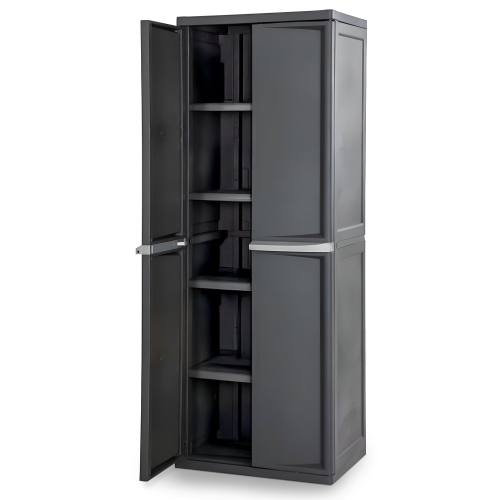 Your price for this item is $772.99
 -
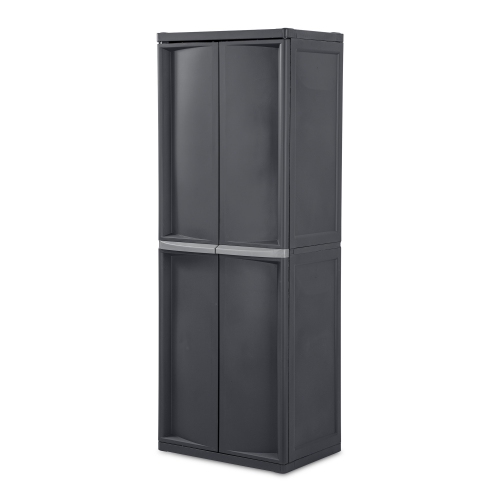 Your price for this item is $1522.99
 -
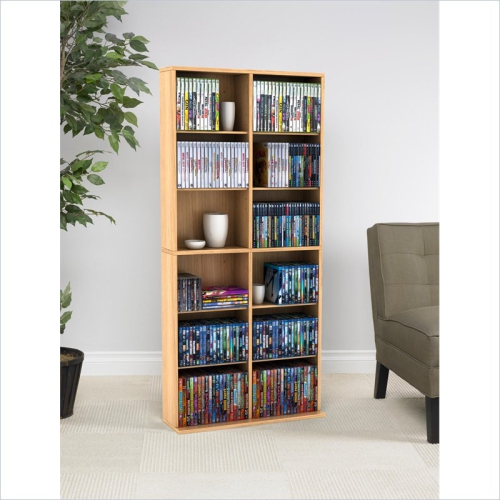 Your price for this item is $234.68
 -
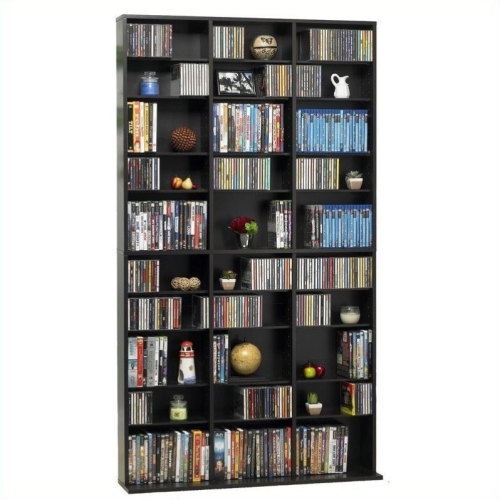 Your price for this item is $365.38
 -
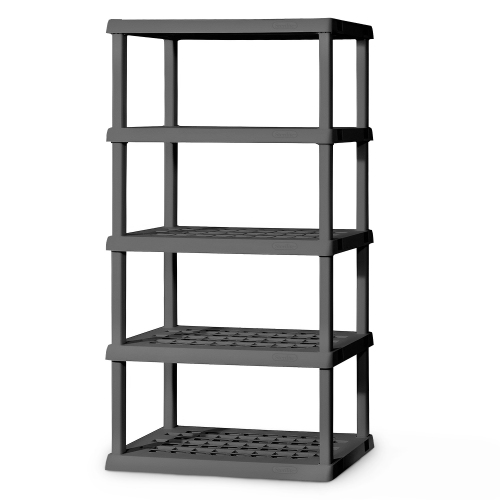 Your price for this item is $468.99
 -
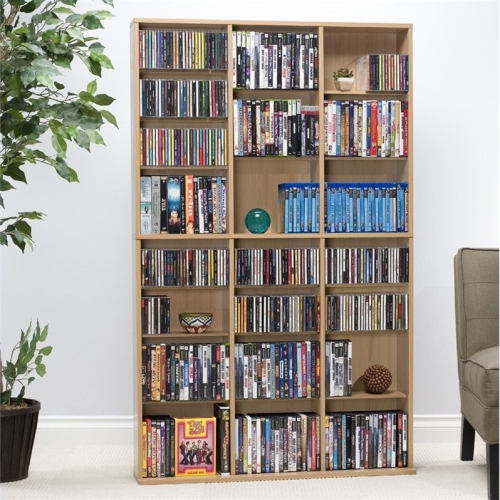 Your price for this item is $295.84
 -
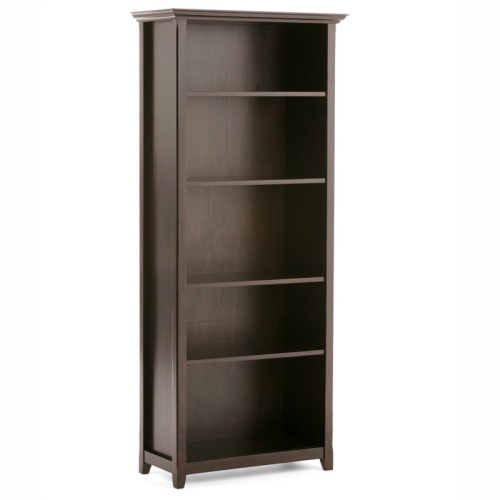 Your price for this item is $999.77
 -
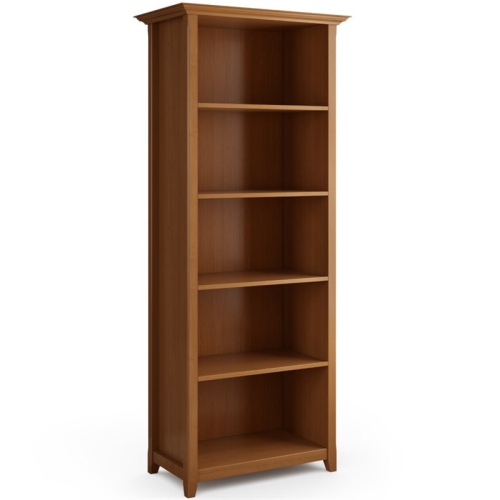 Your price for this item is $998.43
Discover more categories related to Cubby Kids Bookcases
Top Collections:
Pokemon Centers, Kindle Devices, Best Budget Office Chairs, Apple iPhones 16, Best Laptops for Writers, iPhone 15 Apple, Canon G7X Cameras, Refurbished Apple Laptops, Alarm Clock, Motorola Razr Phones
Some products may be subject to Environmental Handling Fees
(EHF) depending on your province.
Learn more about EHFs.