Cubby Wall Shelves
Looking to add a touch of functionality and style to your living space? Look no further than our collection of cubby wall shelves. These versatile storage solutions are perfect for organizing and displayincubby wall shelves g your favorite items, from books and decor to plants and photo frames. With their sleek design and various sizes, our cubby wall shelves offer endless possibilities for creating a personalized and clutter-free environment in any room of your home. Whether you're looking to maximize storage in a small space or simply want to enhance the aesthetic appeal of your walls, our cubby wall shelves are the perfect choice.
Sort
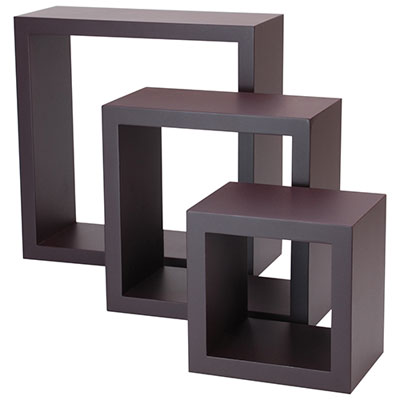
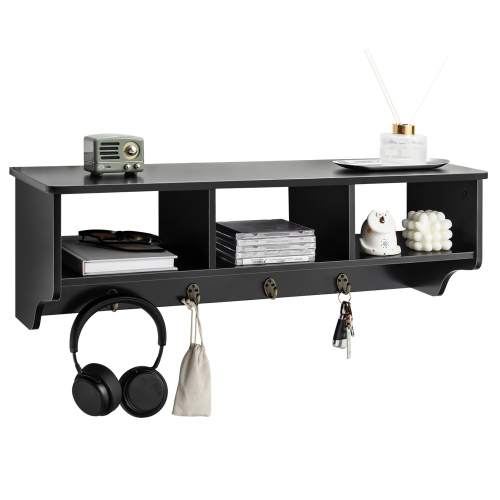
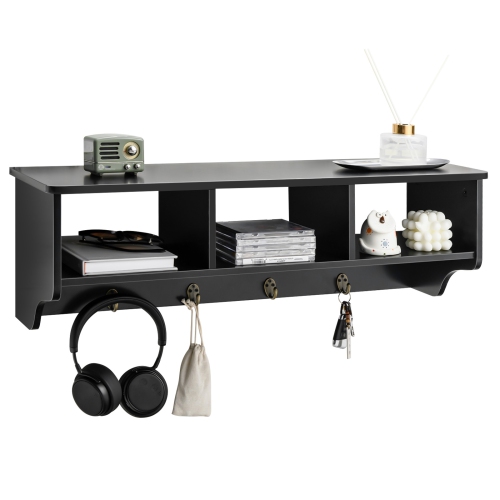
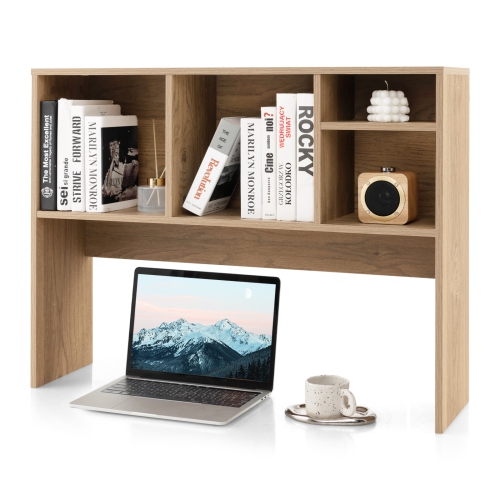
Everyday essentials on display without taking up floor space
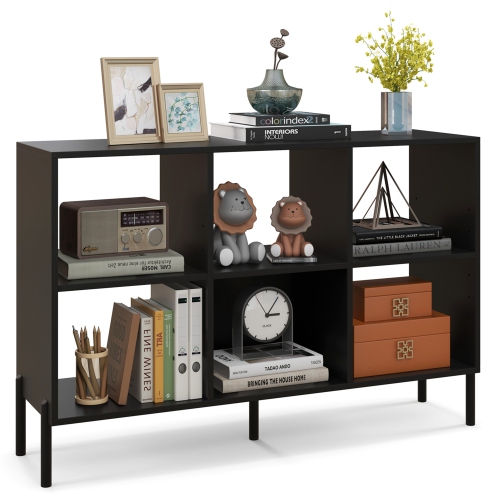
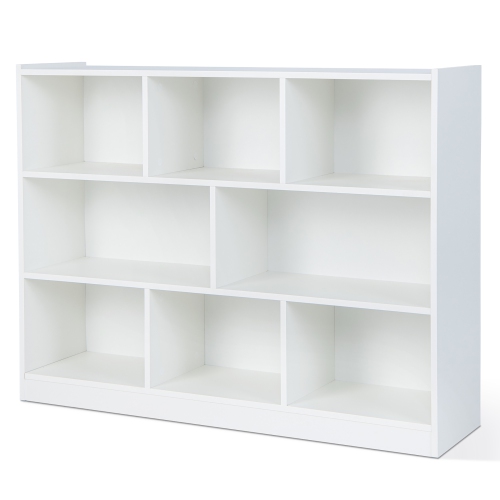
Cubby wall shelves combine open-front storage with a framed display space, making everyday belongings easier to organize without using floor space. Their compartments give books, keepsakes, and small accessories a defined home, while the surrounding sides create a more structured look than a single open shelf. Some designs consist of individual square or rectangular cubes that can be arranged together; others combine several compartments within one wall-mounted unit. Symmetrical layouts suit rooms with clean lines and balanced furniture arrangements, while staggered compartments introduce a more varied pattern. A continuous top ledge, where the design includes one, can add another display surface, provided it is intended to support objects. In a living room, cubbies can bring a few favourite paperbacks, a framed photograph, and a small ceramic bowl into one composition instead of scattering them across a coffee table. Near an entryway, shallow compartments can help keep sunglasses, mail, and other frequently used belongings together without projecting too far into a narrow passage. A home office may benefit from separate spaces for notebooks, stationery, and small reference books, leaving more of the desk surface free for work. The appeal is not simply extra storage: each compartment creates a visual boundary that can make a mixed collection feel more orderly. Leaving some space around displayed objects also makes their shapes and colours easier to appreciate. Larger openings work well for a few substantial pieces, while smaller openings naturally divide collections into more compact groups. The most suitable arrangement depends on what needs storing and how the room is used. A shelf intended mainly for display has different demands from one holding books that are taken down every day. Cubby wall shelves are particularly useful where floor space is limited, although their depth, mounting requirements, and usable capacity matter just as much as their appearance.
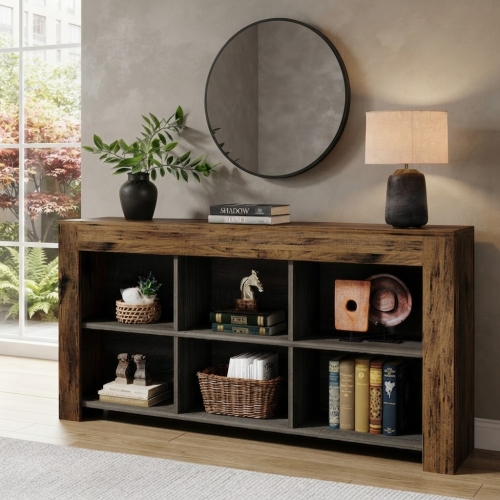
Materials and finishes influence how cubby wall shelves look, feel, and stand up to daily handling. Solid wood can show natural grain and variation, bringing warmth to both simple and more traditional interiors. Its weight and response to moisture depend on the wood and construction, so a substantial appearance does not replace checking the stated load capacity. Engineered wood, including medium-density fibreboard and particleboard, is often used for smooth painted or laminated surfaces. These finishes can create a consistent colour across several compartments, while wood-look laminates provide a patterned surface without the same visible variation as solid timber. Surface durability varies by finish: exposed edges, corners, and mounting points deserve particular attention because they are common contact areas when objects are moved. Metal-framed designs can create a slimmer outline, though their storage capacity still depends on the complete construction and installation rather than the frame material alone. White and light-coloured finishes can blend into pale walls, darker finishes create stronger contrast, and wood tones can connect a wall display with nearby furniture. Beyond colour, the relationship between the shelf’s outer dimensions and its internal openings is important. Thick panels reduce the usable space inside a cube, and a compartment that looks generous in a photograph may not accommodate a tall hardcover or a storage basket. Interior height, width, and depth help establish what will fit; overall dimensions show how much wall space the arrangement occupies. Adequate depth supports objects fully rather than leaving them overhanging the front edge. Clearance around door frames, light switches, nearby furniture, and cabinet doors also affects whether a location feels convenient in daily use. Open cubbies keep contents visible and accessible, while compatible baskets can conceal smaller belongings if their dimensions and combined weight suit the shelf. For larger collections or a storage arrangement that begins at floor level, Cubby Bookcases offer an alternative to wall-mounted compartments.
How a cubby wall shelf is supported is central to its everyday usefulness. A row of books can place a very different load on a shelf than a few lightweight ornaments, and weight limits may apply to individual compartments, the entire unit, or both. The wall construction, mounting hardware, and attachment points all contribute to a secure installation. Stud-mounted fixings and anchors designed for a particular wall type are not interchangeable in every situation, so the manufacturer’s installation requirements remain important even for a compact shelf. Rental homes may also have restrictions on drilling or permanent attachments. An arrangement that looks balanced should still keep heavier belongings within the designated load limits and avoid relying on unsupported edges. In homes with children, shelf placement needs to account for reaching, pulling, and climbing, with wall storage kept away from cribs and other locations where a child could grab it. Accessibility matters for adults, too: frequently used objects are more practical at a comfortable reaching height than in a compartment that requires a step stool. Care is generally straightforward, but the finish determines which methods are appropriate. Regular dusting with a soft cloth helps keep the corners and upper surfaces clean; where permitted by the care instructions, a lightly dampened cloth can remove marks without soaking panel edges or joints. Abrasive pads and harsh cleaners can dull or scratch some surfaces, while prolonged dampness can damage certain engineered-wood components. Bathrooms and other spaces exposed to splashes require shelving specifically suited to those conditions rather than an assumption that any painted surface is moisture-resistant. Over time, a useful cubby arrangement can change with its household: office supplies can give way to photographs, or a display compartment can become a place for small daily essentials. Choosing proportions, finishes, and storage capacity that suit those routines helps the shelves remain useful beyond their initial arrangement.
Top selling and popular products
-
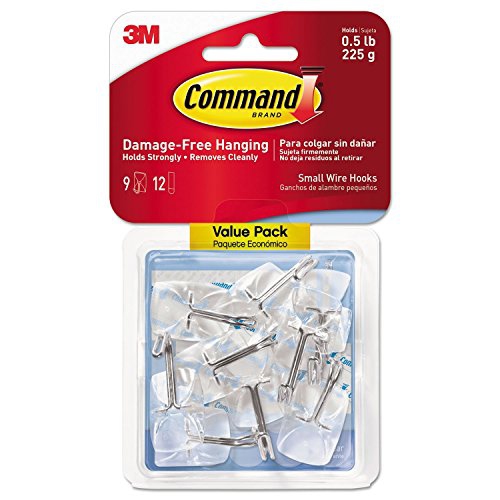 Your price for this item is $104.53
-
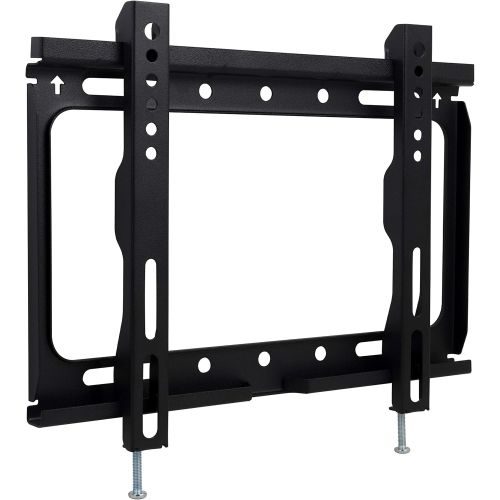 Your price for this item is $88.36
-
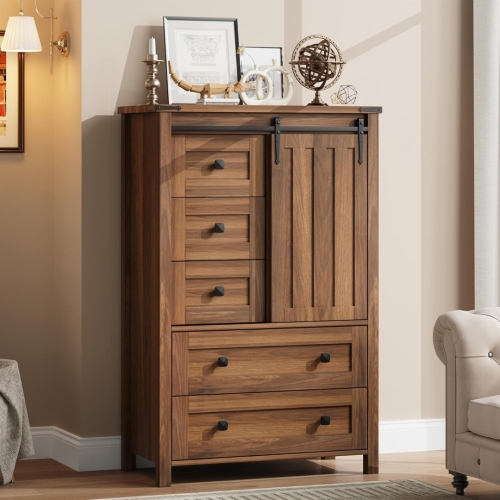 Your price for this item is $344.99
-
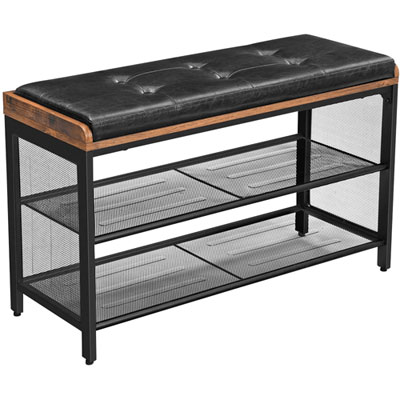 Your price for this item is $99.98
-
 Your price for this item is $37.99
-
 Your price for this item is $319.99
-
 Your price for this item is $254.28
-
 Your price for this item is $223.99
Discover more categories related to Cubby Wall Shelves
Top Collections:
Best Black Friday Deals This Year, Best Black Friday Deals On Electronics, Kindle Devices, Best Black Friday Deals On Apple Products, Best Budget Office Chairs, Best Cameras for Sports Photography, Dyson Airwrap, Canon G7X Cameras, Best Laptops for Writers, Samsung Galaxy Phones
Some products may be subject to Environmental Handling Fees
(EHF) depending on your province.
Learn more about EHFs.