Cubby Shoe Storage Cabinets
Discover the perfect solution to keeping your shoes organized and your entryway clutter-free with cubby shoe storage cabinets. These cabinets feature a variety of compartments to store all types of shoes, from flats and sandals to boots and sneakers. Here are some great options available.
Sort

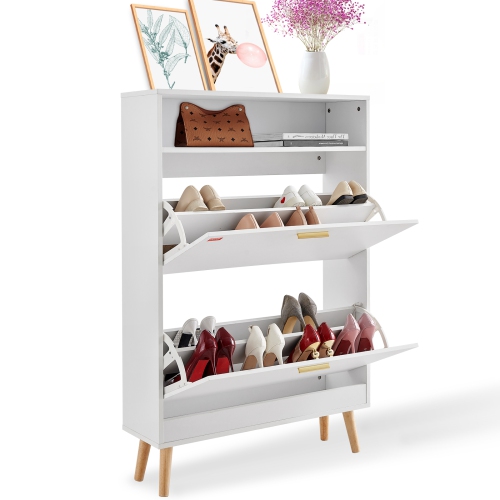

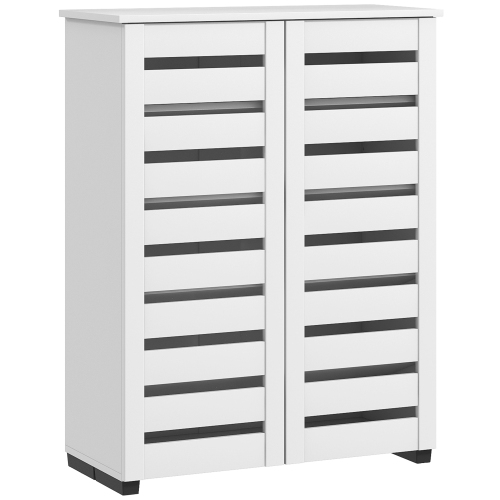
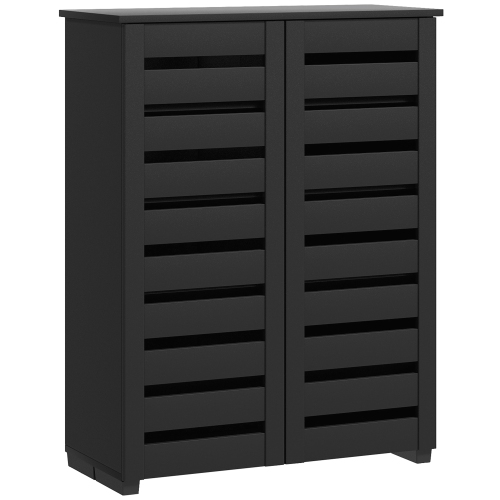
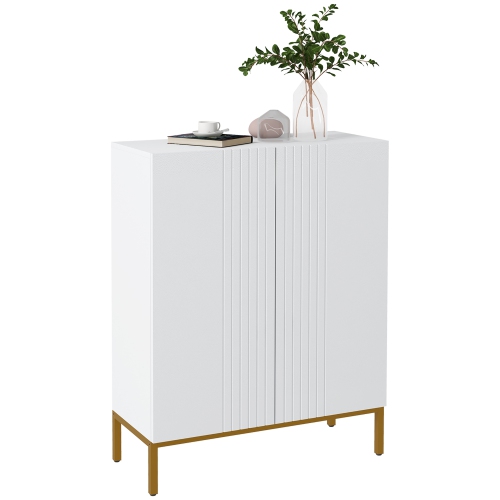
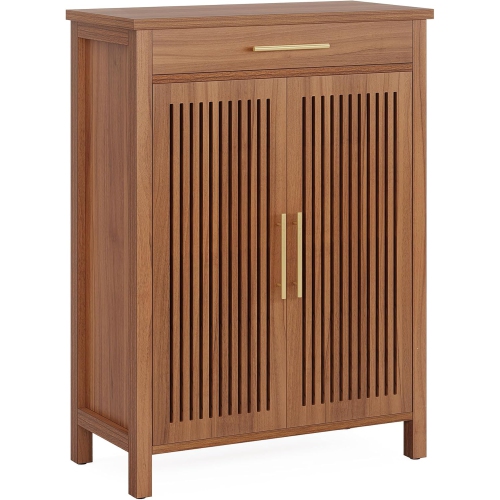
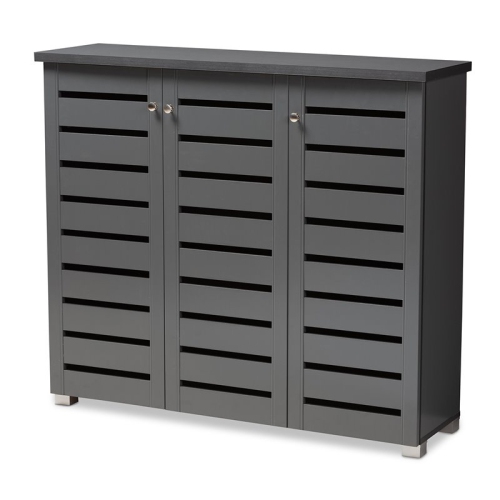
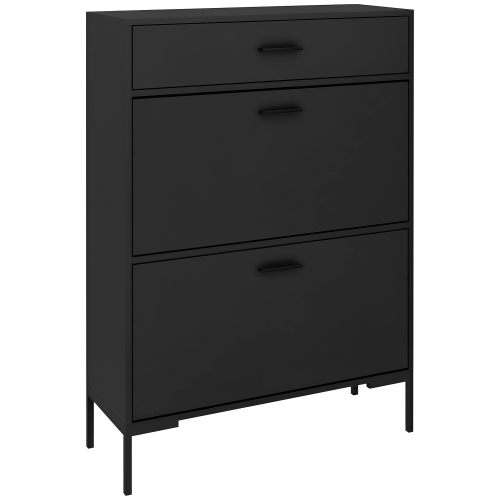
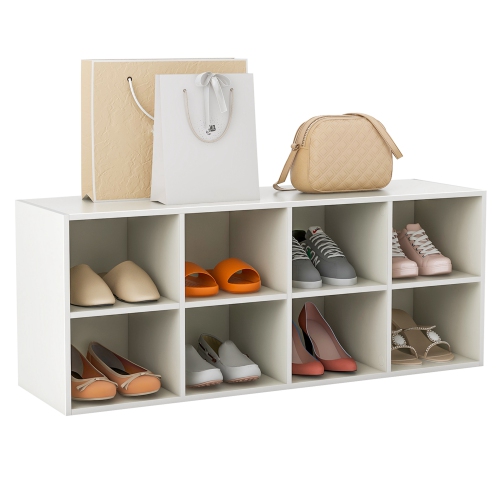
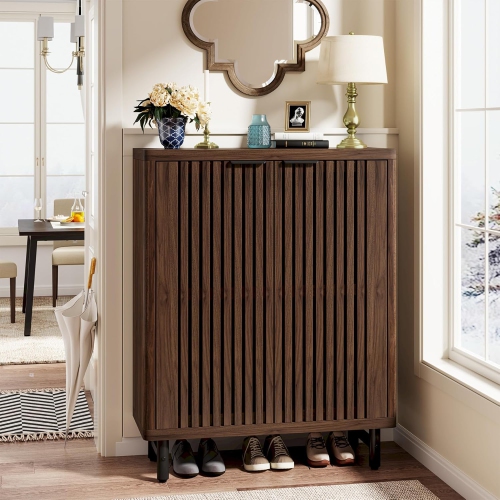
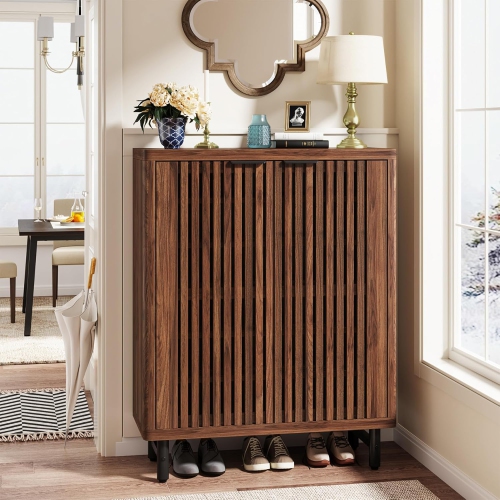
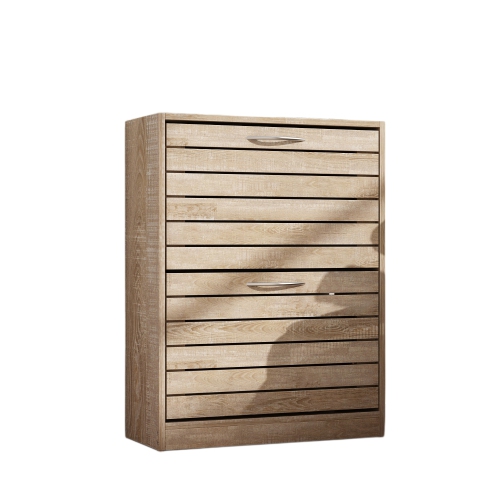
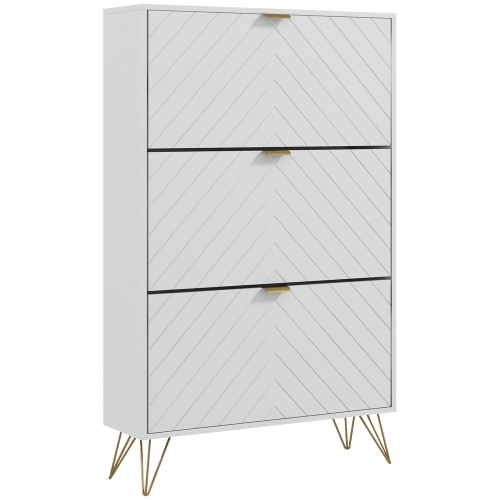
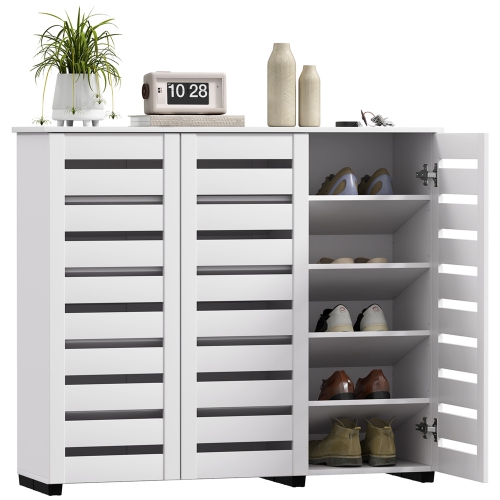
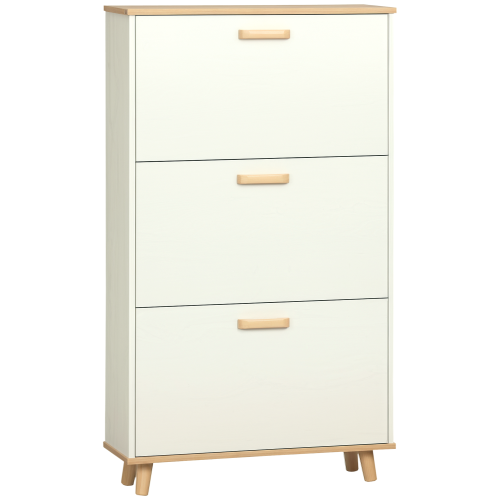
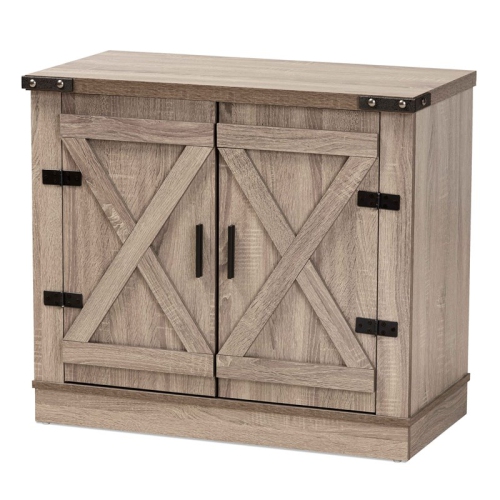
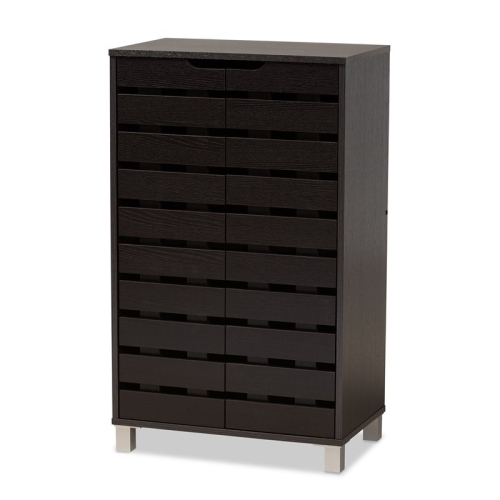
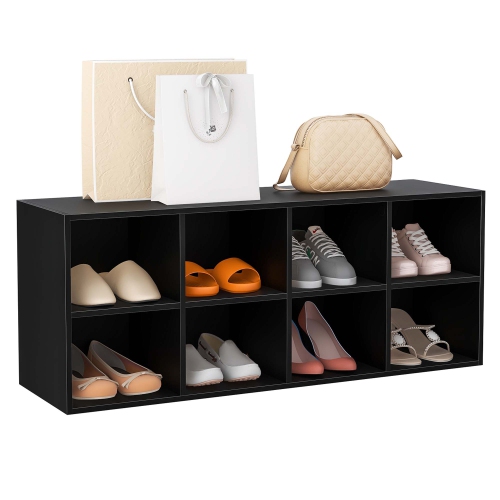
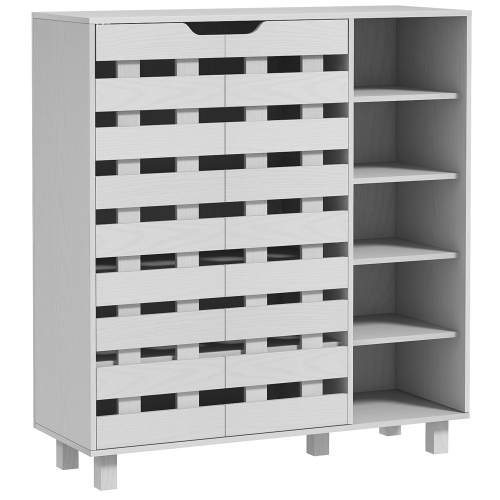
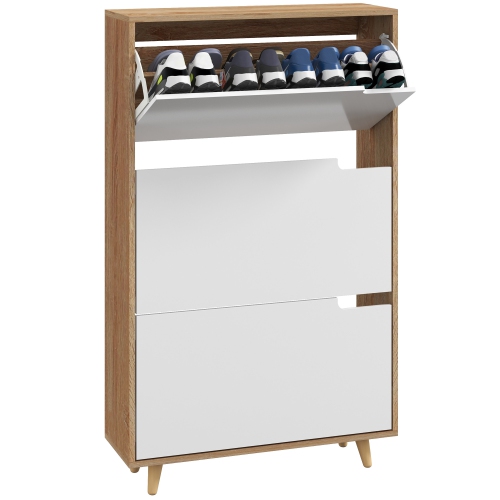
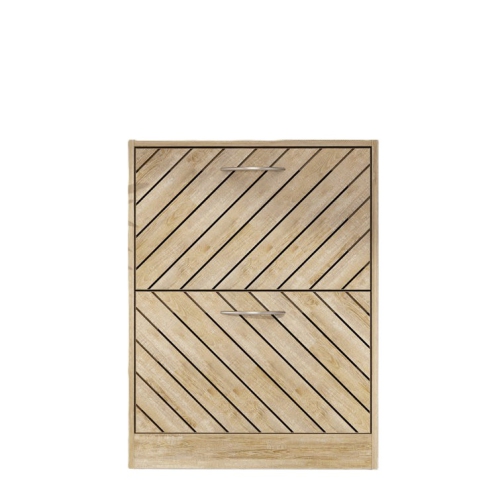
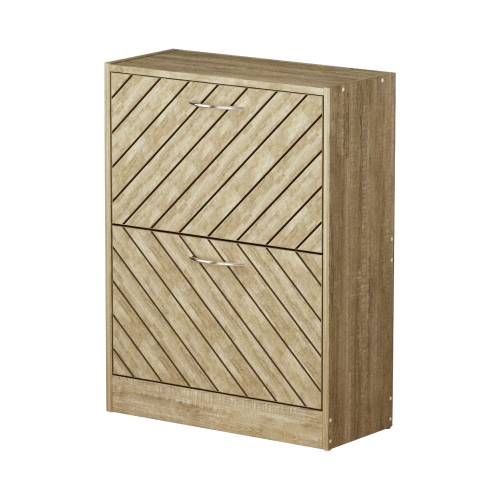
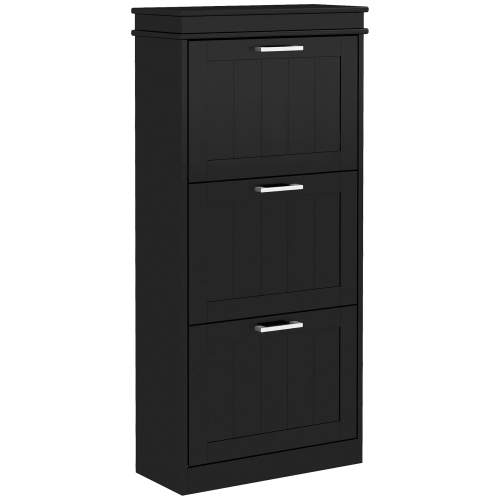
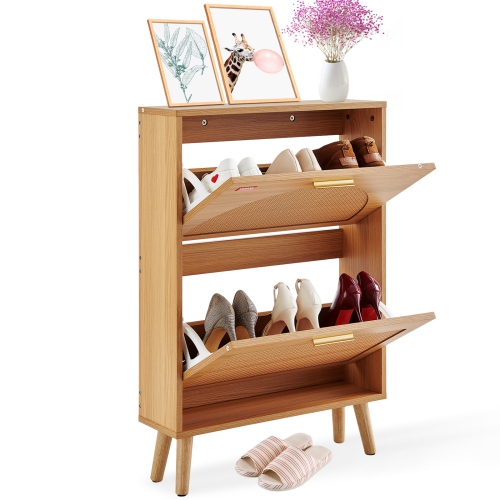
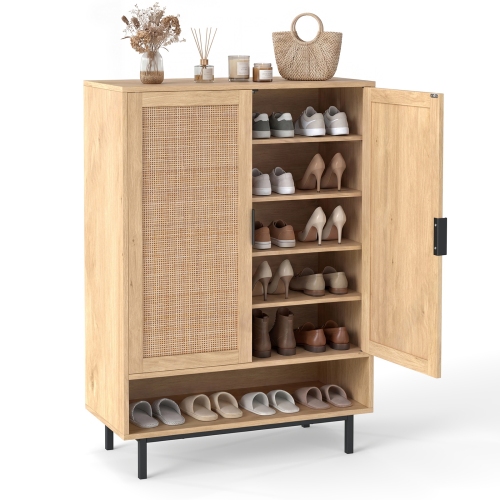
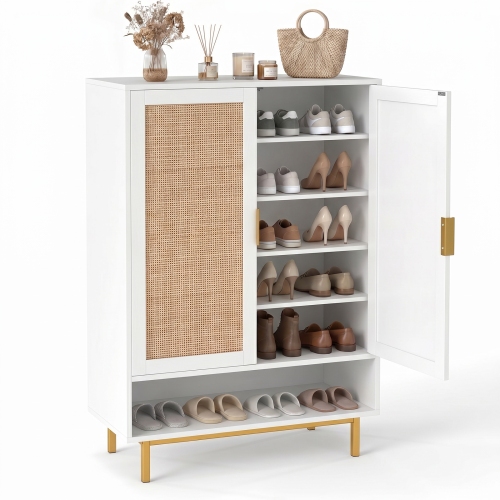
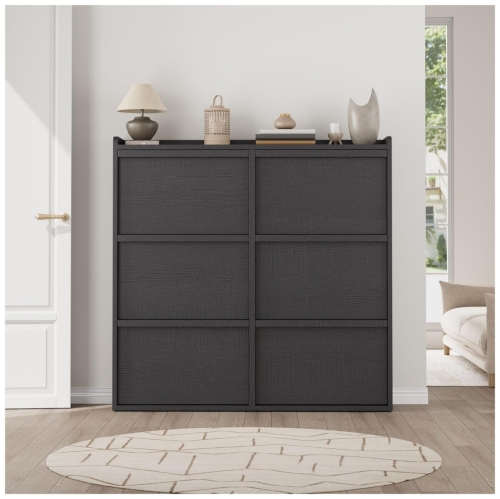
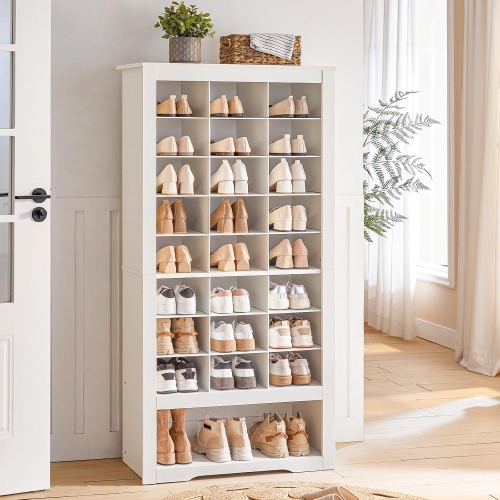
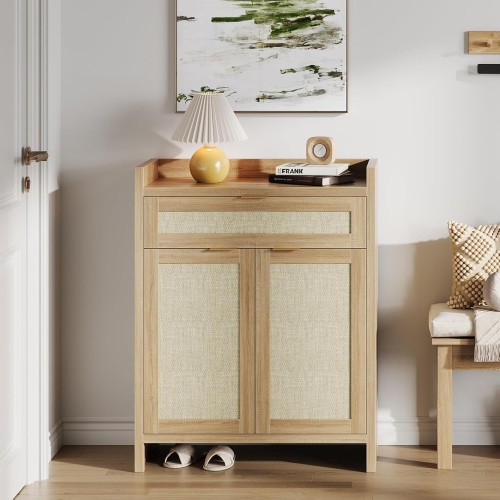
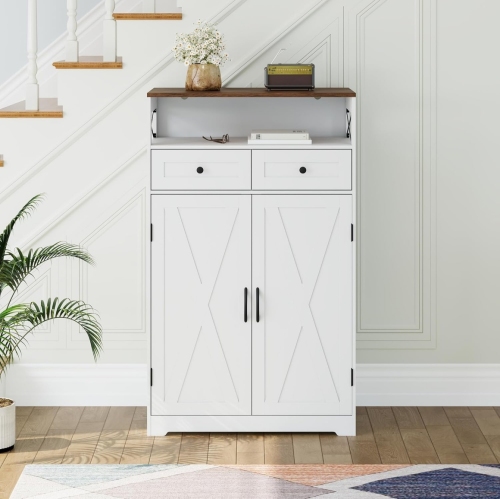
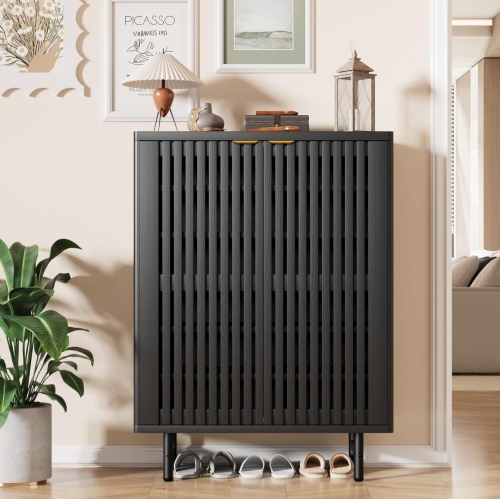
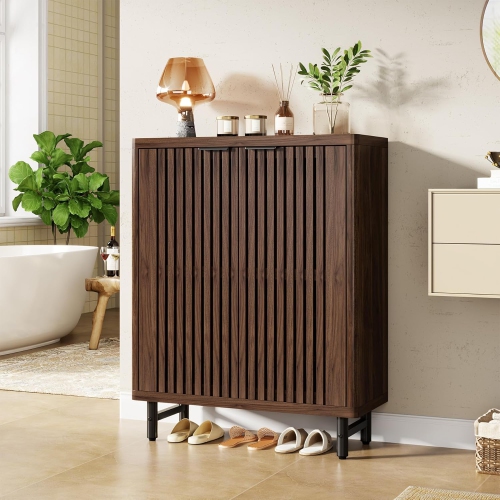
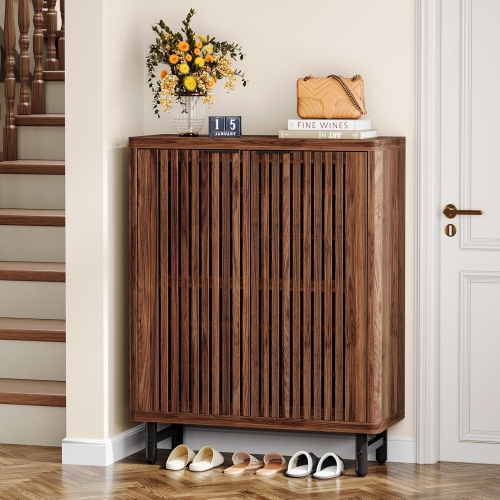
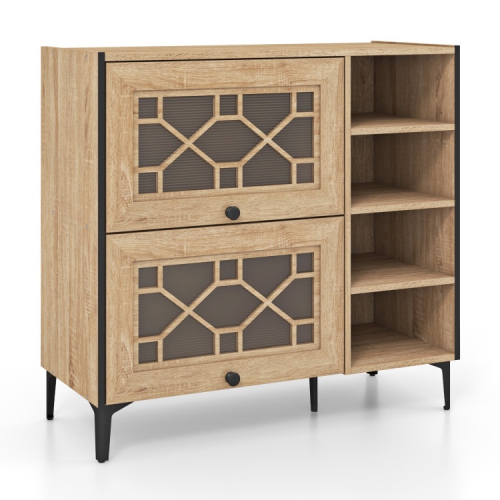
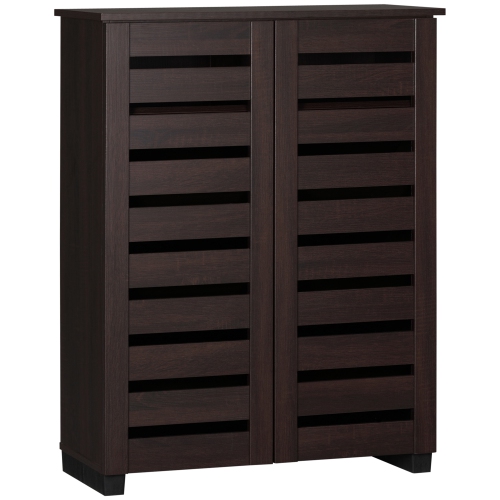

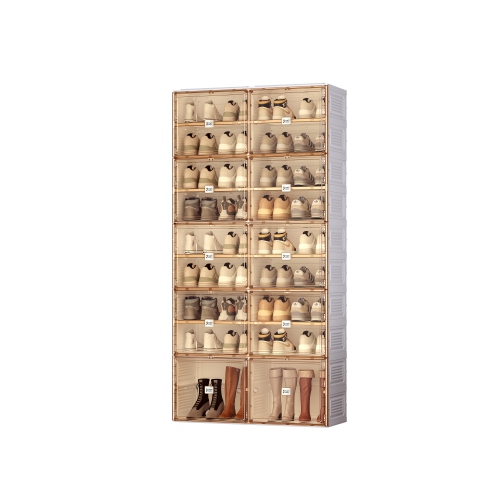
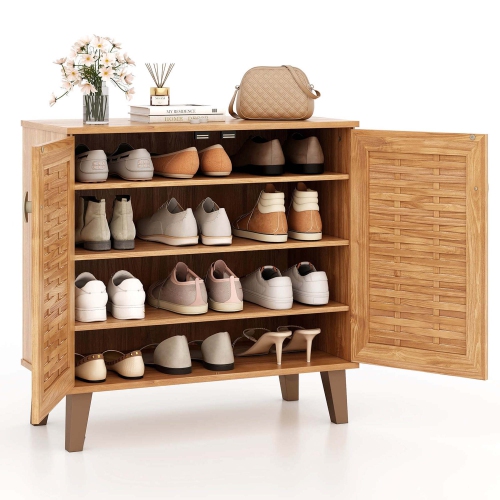
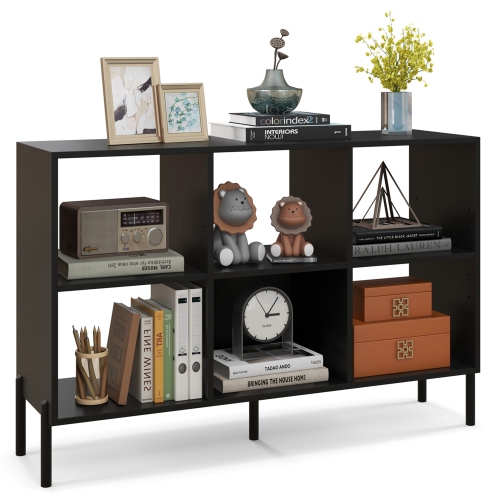
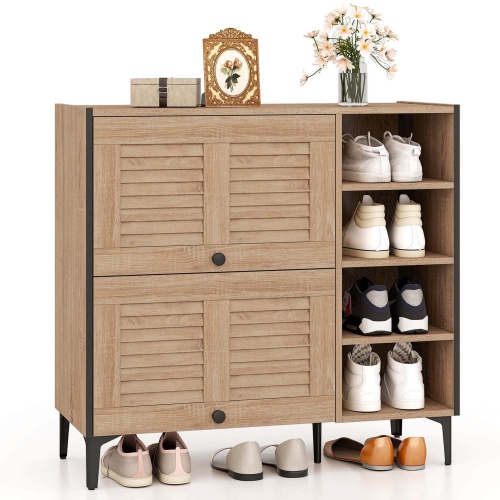
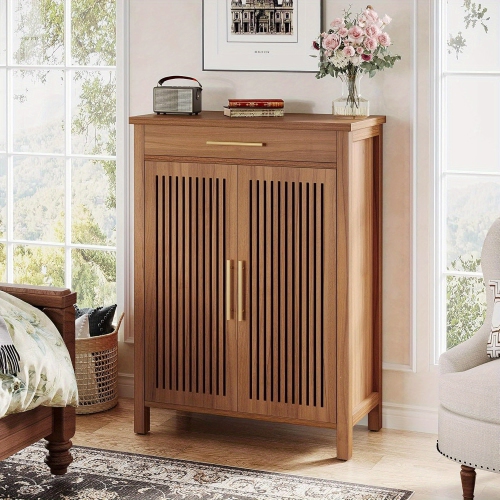
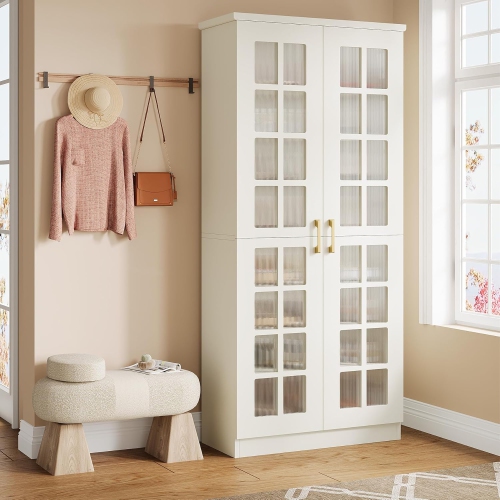
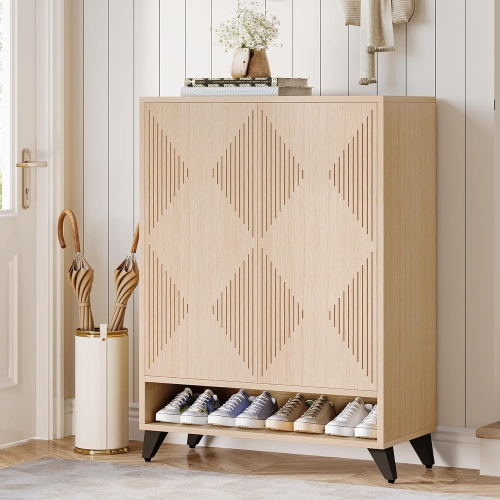
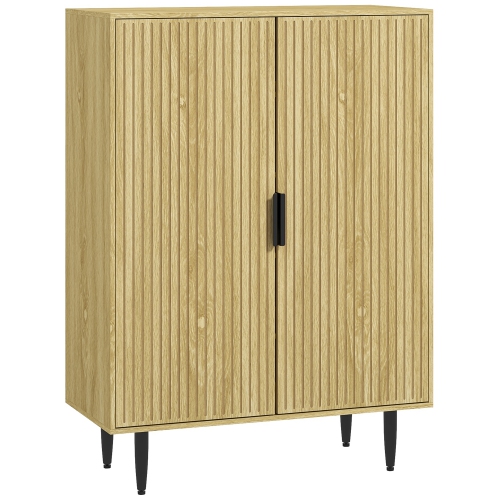
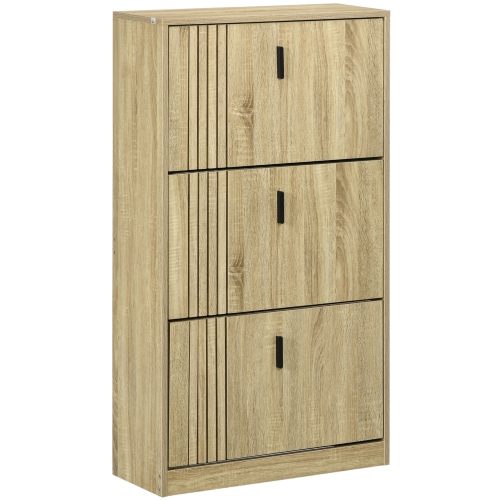
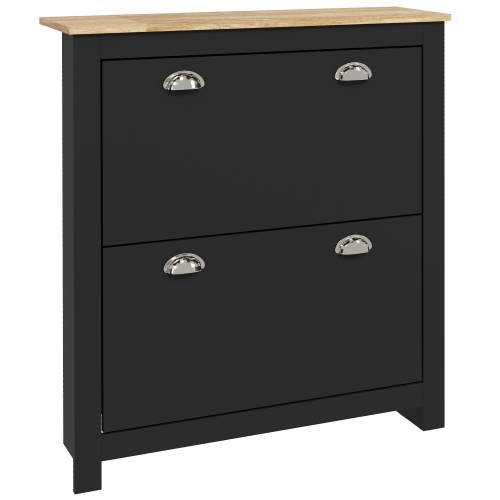
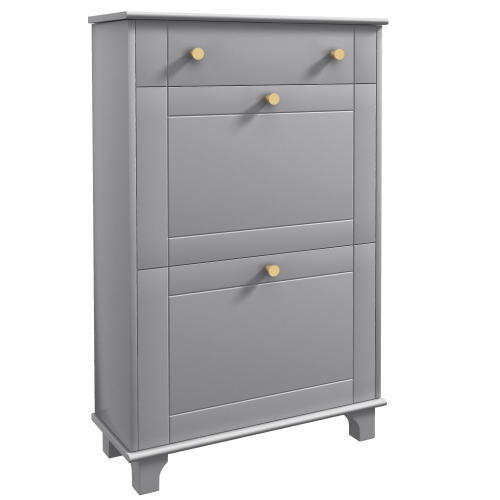
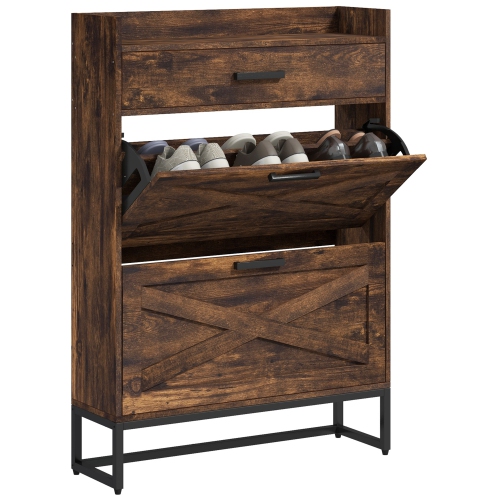
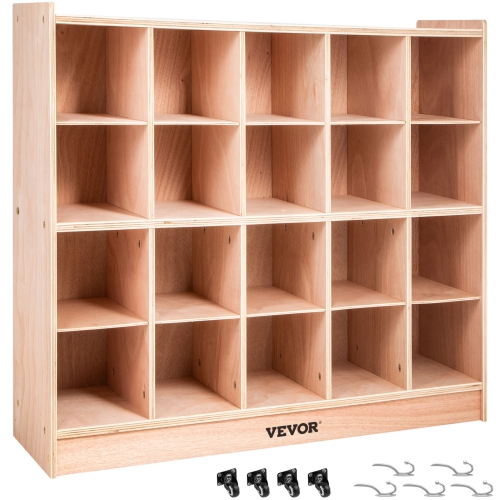
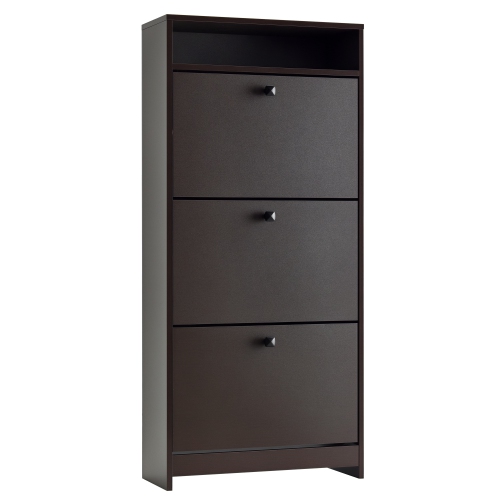

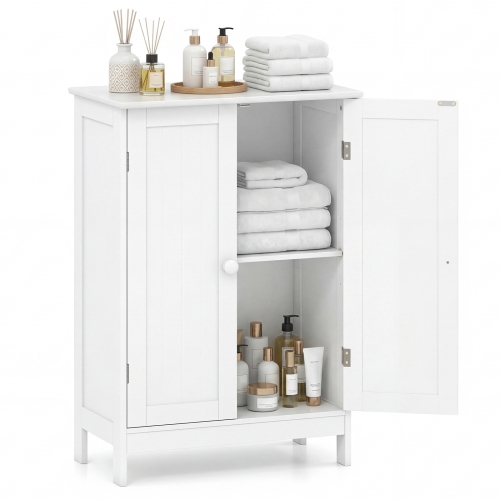
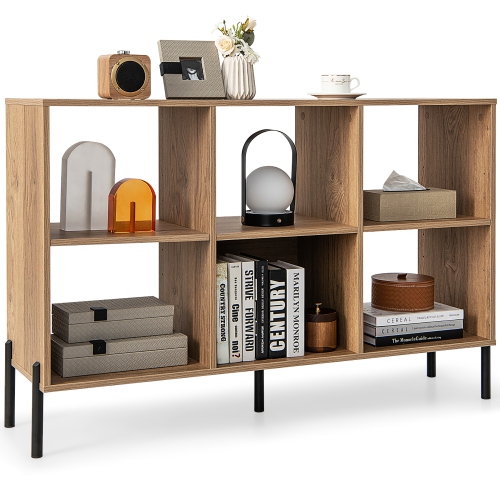
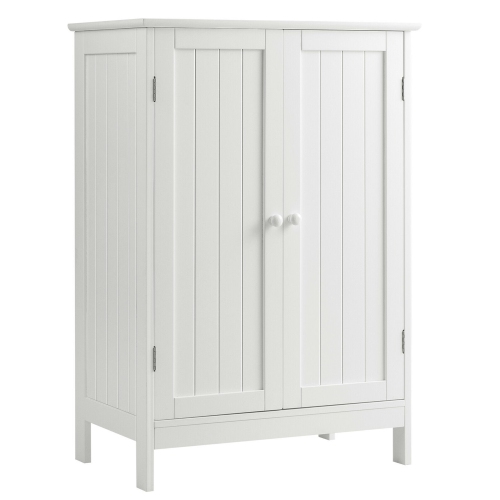
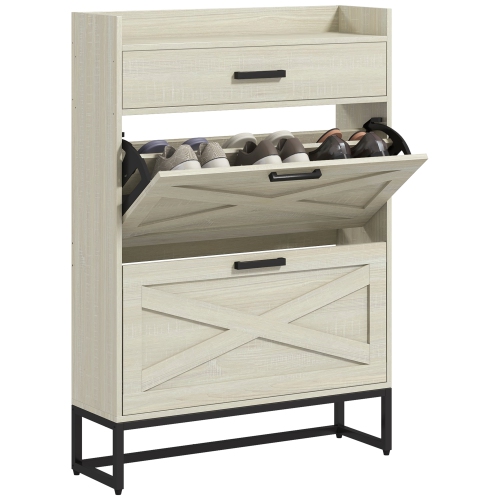

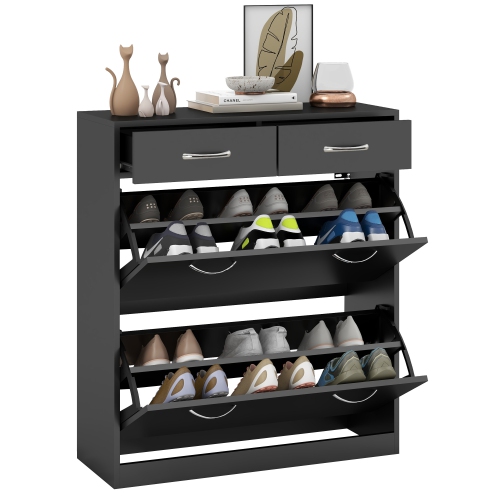
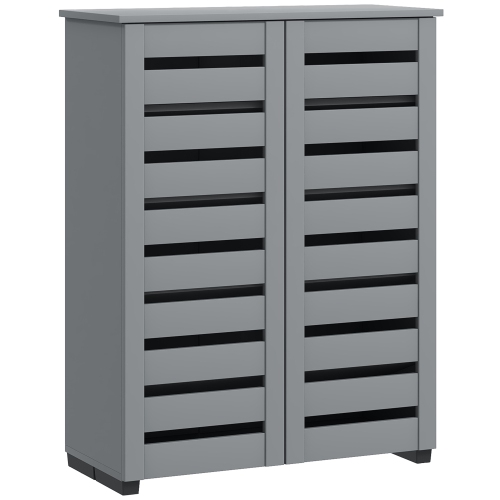
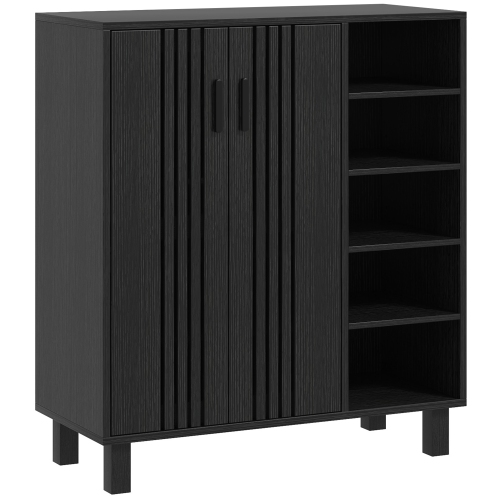


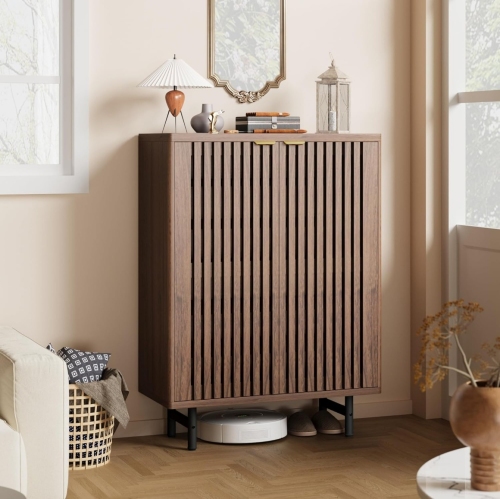
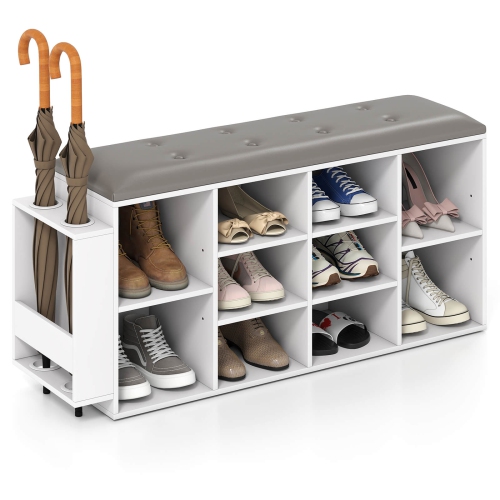
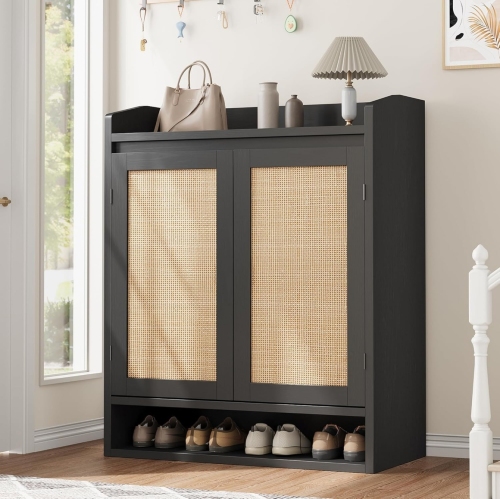
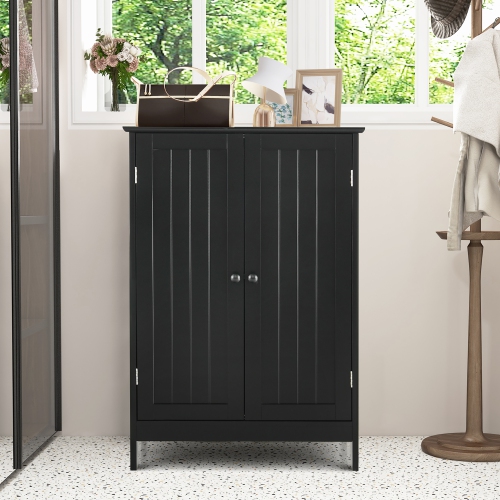
Separate compartments give each pair its own place
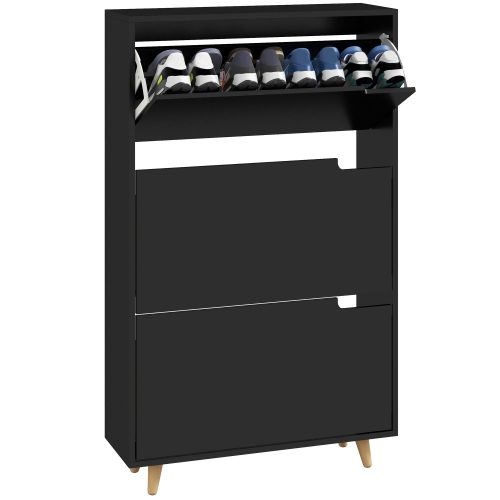
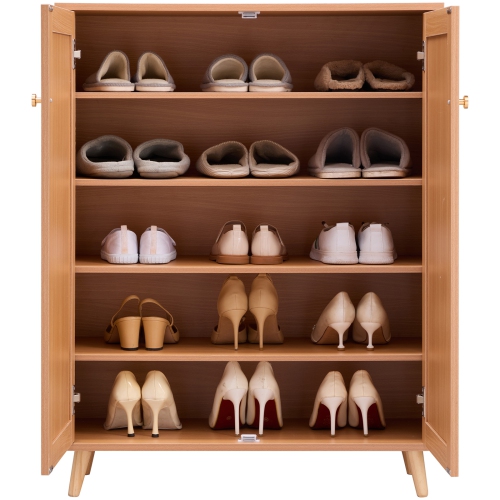
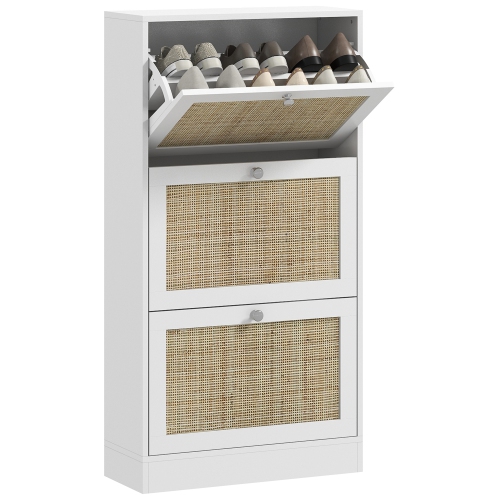
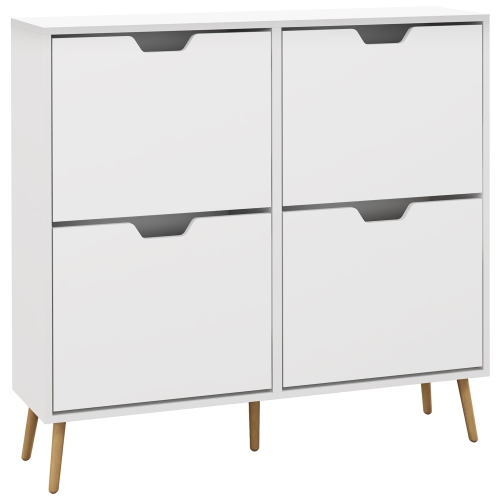
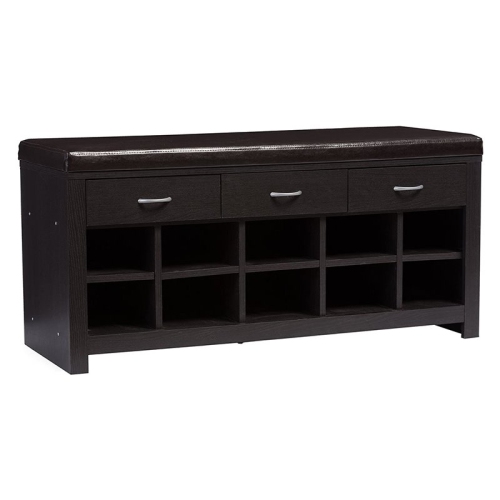
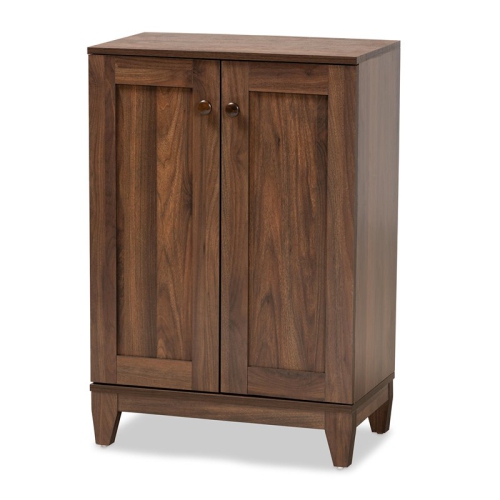
Cubby shoe storage cabinets organize footwear in individual compartments, making it easier to keep pairs together and see what belongs where. Unlike a single open shelf, a cubby layout divides the cabinet into smaller spaces that can separate everyday trainers, slippers, flats, and dress shoes. This structure works well in entryways, hallways, mudrooms, and bedroom closets, especially where loose footwear tends to collect beside a door or beneath hanging coats. Open cubbies keep shoes visible and within reach, while designs with doors conceal the compartments for a tidier appearance in shared living spaces. A combination of open and enclosed sections can provide convenient access to frequently worn pairs while keeping less-used footwear out of sight. Within the broader range of Shoe Storage Cabinets, cubby designs are particularly useful when clear separation matters as much as overall capacity. A household can assign compartments to different people, group shoes by activity, or give children a reachable spot for the pairs they wear most often. In a condo entrance, a narrow cabinet can define a footwear area without letting shoes spread across the floor. In a larger home, a wider configuration can help organize several family members’ shoes near the main entrance. The most useful layout depends on the footwear being stored rather than the number of compartments alone. A small cubby may comfortably hold a pair of children’s shoes but leave little room for broad adult trainers. High-top shoes and ankle boots need more vertical clearance, while taller boots usually require an open section or adjustable dividers. Some compartments may accommodate only one shoe rather than a full pair. Thinking in terms of usable space helps distinguish a cabinet that looks roomy from one that genuinely suits a household’s daily routine. It also makes it easier to leave a few compartments free for visitors without crowding the shoes already stored there.
Fit involves both the cabinet’s outside dimensions and the clear space inside each cubby. Width determines how much wall space the furniture occupies, depth affects whether footwear sits fully inside, and height influences access to upper compartments. Measuring the longest pair of shoes from heel to toe gives a more practical reference than relying on a general shoe capacity. Bulky soles, broad toe boxes, and heels can all change how comfortably a pair fits. Internal measurements should account for dividers and backing panels, which reduce usable space compared with the cabinet’s overall dimensions. Placement matters just as much. In a hallway, there should be enough room to pass comfortably without stepping around shoes that extend beyond the cabinet. Near an entrance, the cabinet should not interfere with the door swing, and enclosed designs need clearance for their own doors to open. Inside a closet, baseboards, hanging garments, and sliding door tracks can affect the final position. A compact cabinet beneath a coat rail may be convenient, but the footwear needs to remain accessible without pushing coats aside every time. Low cubby cabinets can offer an easy-to-reach arrangement for children, while taller units use vertical space where floor area is limited. A low cabinet should only be used as a seat if it is specifically designed and rated for that purpose; a storage top is not automatically strong enough to support a person. Where seating is useful, a purpose-built shoe storage bench with cubbies can combine the two functions. Modular layouts may allow compartments to be arranged differently, but stacking and connecting sections should follow the manufacturer’s directions. Tall furniture should be secured as instructed using hardware appropriate for the wall construction. These details are especially important in busy households where a cabinet may be used repeatedly throughout the day, and where convenient access should not come at the expense of a clear walkway or stable furniture.
Materials and construction influence how a cubby shoe cabinet looks, feels, and stands up to everyday use. Solid wood can bring visible grain and a substantial feel, although its care needs depend on the finish. Engineered wood with a laminate or melamine surface can provide a uniform appearance that is generally straightforward to wipe clean, with particular attention needed around edges and joins. Plastic panel designs are often lighter and easier to move, while metal components can add support or create a more open visual profile. No material alone guarantees durability: secure connections, supported dividers, a stable base, and suitable load limits all contribute to how well the cabinet performs. Repeatedly sliding shoes in and out can put wear on compartment edges, so smooth surfaces and neatly finished corners are worth considering. Adjustable shelves or removable partitions can make the layout more flexible as footwear needs change, provided the cabinet is designed for those adjustments. For care, loose grit should be removed regularly with a soft brush or vacuum attachment before it scratches interior surfaces. A soft cloth and a cleaner approved for the material are usually preferable to abrasive pads or harsh chemicals. Footwear should be clean and fully dry before it is enclosed, and any removable liners should sit flat without catching on heels or preventing doors from closing. Open compartments allow more air movement than fully enclosed sections, though airflow depends on the cabinet’s backing and placement. Appearance also plays a role when storage sits in plain view. A light-coloured finish can blend with pale walls, a wood-grain surface can complement nearby furniture, and darker finishes can create a defined focal point beside an entrance. For a housewarming gift or a first apartment, this type of storage is most useful when the recipient’s space and footwear needs are known. Whether shared by a family, used by roommates, or placed in a bedroom for one person’s collection, a well-proportioned cubby cabinet gives each pair a consistent home and makes the surrounding space easier to keep organized.
Fit involves both the cabinet’s outside dimensions and the clear space inside each cubby. Width determines how much wall space the furniture occupies, depth affects whether footwear sits fully inside, and height influences access to upper compartments. Measuring the longest pair of shoes from heel to toe gives a more practical reference than relying on a general shoe capacity. Bulky soles, broad toe boxes, and heels can all change how comfortably a pair fits. Internal measurements should account for dividers and backing panels, which reduce usable space compared with the cabinet’s overall dimensions. Placement matters just as much. In a hallway, there should be enough room to pass comfortably without stepping around shoes that extend beyond the cabinet. Near an entrance, the cabinet should not interfere with the door swing, and enclosed designs need clearance for their own doors to open. Inside a closet, baseboards, hanging garments, and sliding door tracks can affect the final position. A compact cabinet beneath a coat rail may be convenient, but the footwear needs to remain accessible without pushing coats aside every time. Low cubby cabinets can offer an easy-to-reach arrangement for children, while taller units use vertical space where floor area is limited. A low cabinet should only be used as a seat if it is specifically designed and rated for that purpose; a storage top is not automatically strong enough to support a person. Where seating is useful, a purpose-built shoe storage bench with cubbies can combine the two functions. Modular layouts may allow compartments to be arranged differently, but stacking and connecting sections should follow the manufacturer’s directions. Tall furniture should be secured as instructed using hardware appropriate for the wall construction. These details are especially important in busy households where a cabinet may be used repeatedly throughout the day, and where convenient access should not come at the expense of a clear walkway or stable furniture.
Materials and construction influence how a cubby shoe cabinet looks, feels, and stands up to everyday use. Solid wood can bring visible grain and a substantial feel, although its care needs depend on the finish. Engineered wood with a laminate or melamine surface can provide a uniform appearance that is generally straightforward to wipe clean, with particular attention needed around edges and joins. Plastic panel designs are often lighter and easier to move, while metal components can add support or create a more open visual profile. No material alone guarantees durability: secure connections, supported dividers, a stable base, and suitable load limits all contribute to how well the cabinet performs. Repeatedly sliding shoes in and out can put wear on compartment edges, so smooth surfaces and neatly finished corners are worth considering. Adjustable shelves or removable partitions can make the layout more flexible as footwear needs change, provided the cabinet is designed for those adjustments. For care, loose grit should be removed regularly with a soft brush or vacuum attachment before it scratches interior surfaces. A soft cloth and a cleaner approved for the material are usually preferable to abrasive pads or harsh chemicals. Footwear should be clean and fully dry before it is enclosed, and any removable liners should sit flat without catching on heels or preventing doors from closing. Open compartments allow more air movement than fully enclosed sections, though airflow depends on the cabinet’s backing and placement. Appearance also plays a role when storage sits in plain view. A light-coloured finish can blend with pale walls, a wood-grain surface can complement nearby furniture, and darker finishes can create a defined focal point beside an entrance. For a housewarming gift or a first apartment, this type of storage is most useful when the recipient’s space and footwear needs are known. Whether shared by a family, used by roommates, or placed in a bedroom for one person’s collection, a well-proportioned cubby cabinet gives each pair a consistent home and makes the surrounding space easier to keep organized.
Top selling and popular products
-
 Your price for this item is $194.98
 -
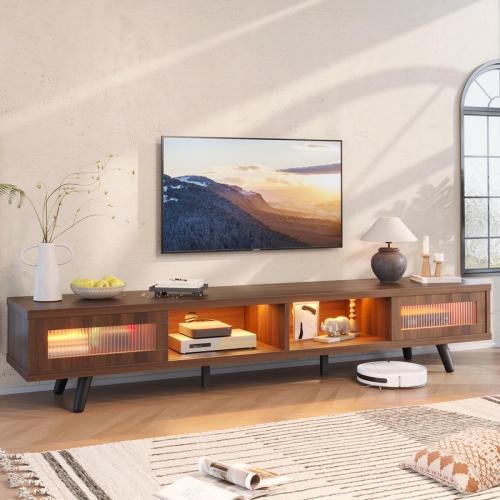 Your price for this item is $249.99
 -
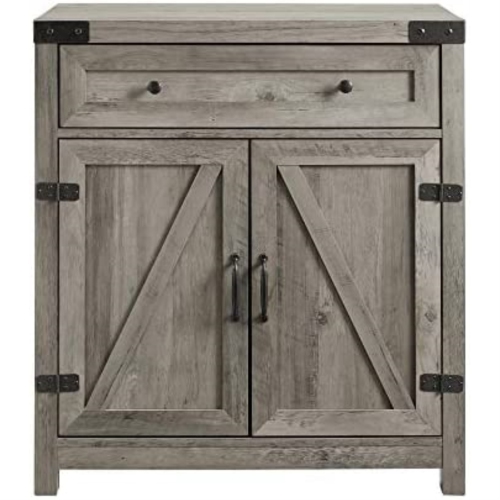 Your price for this item is $440.18
 -
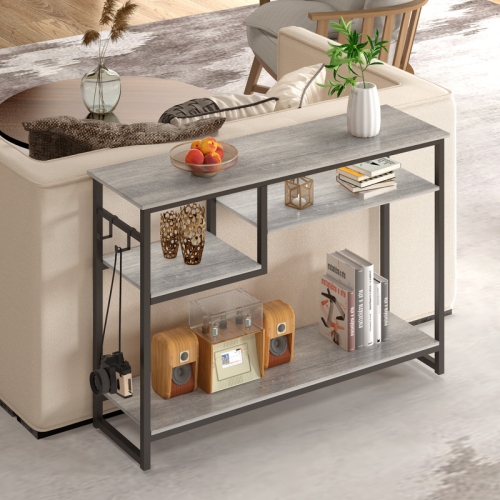 Your price for this item is $109.99
 -
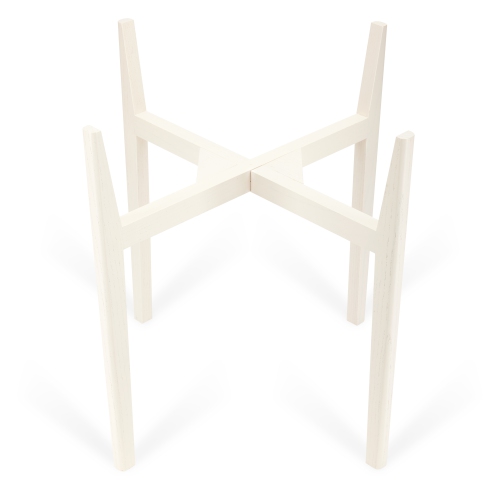 Your price for this item is $129.99
 -
 Your price for this item is $129.99
 -
 Your price for this item is $59.99
 -
 Your price for this item is $331.29
Discover more categories related to Cubby Shoe Storage Cabinets

Top Collections:
Pokemon Centers, Kindle Devices, Best Budget Office Chairs, Apple iPhones 16, Best Laptops for Writers, iPhone 15 Apple, Canon G7X Cameras, Refurbished Apple Laptops, Alarm Clock, Motorola Razr Phones
Some products may be subject to Environmental Handling Fees
(EHF) depending on your province.
Learn more about EHFs.