Wood Shoe Cabinets
A Wood Shoe Cabinet is a stylish and practical addition to any home, offering an organized solution for storing your footwear. Perfect for entryways, bedrooms, or closets, these cabinets help keep shoes neatly arranged while complementing your existing décor. With a variety of designs and finishes available, finding the right Wood Shoe Cabinet to suit your space and storage needs is simple. Discover options that blend functionality with timeless appeal to enhance both organization and style in your living area.
Sort
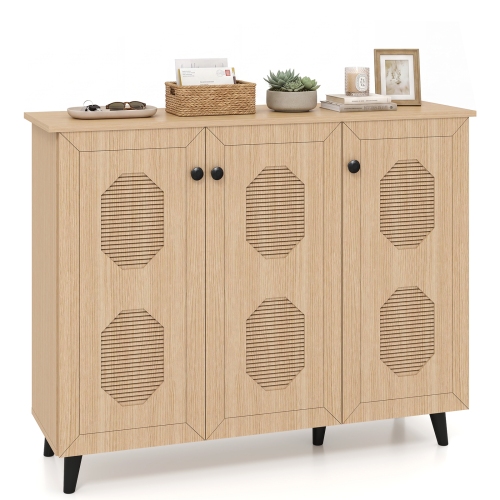
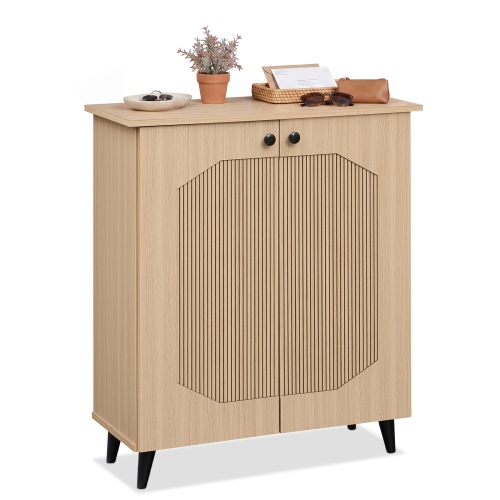
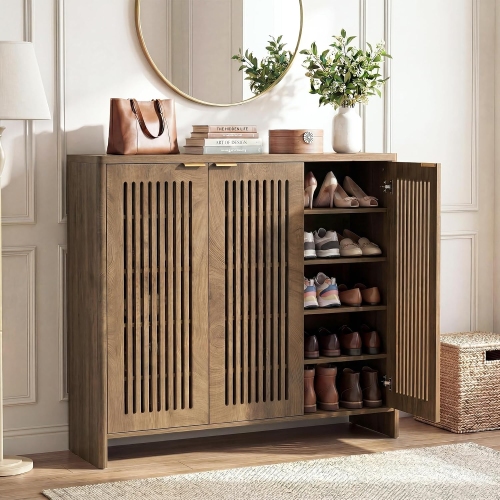
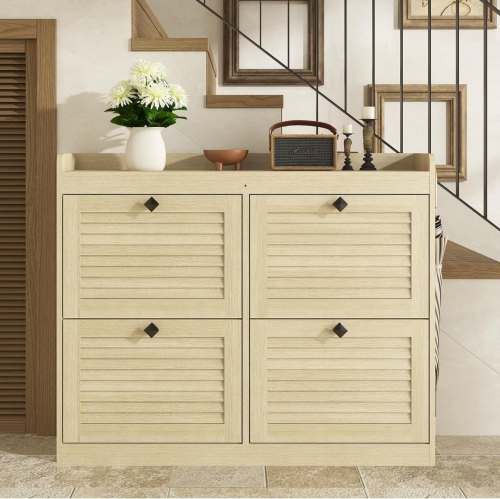
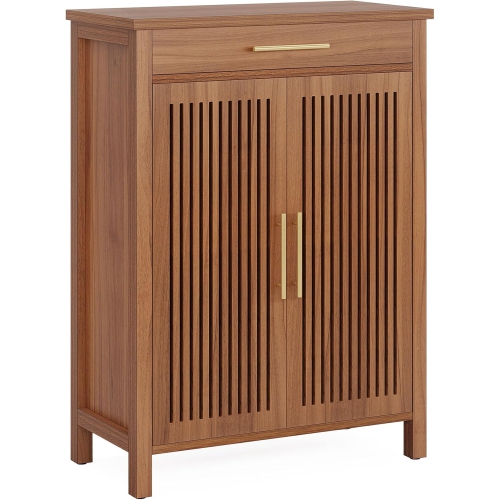
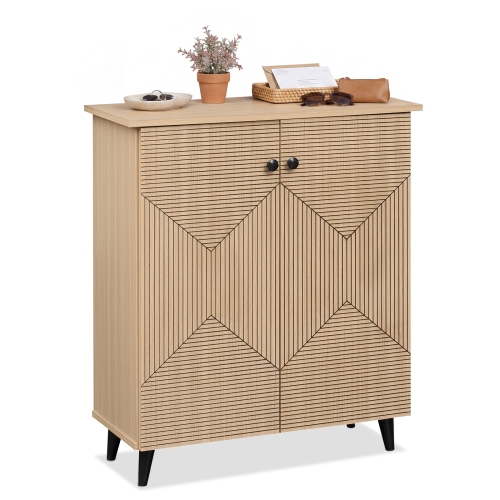
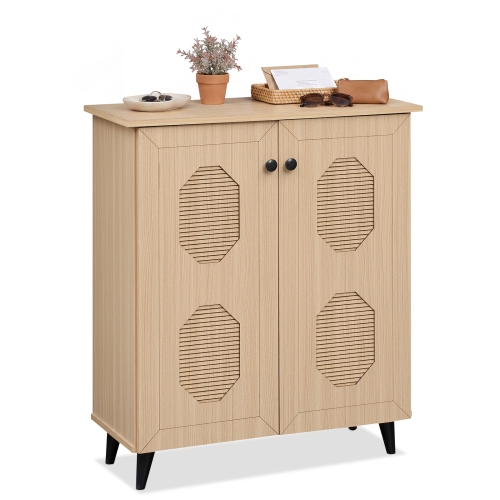
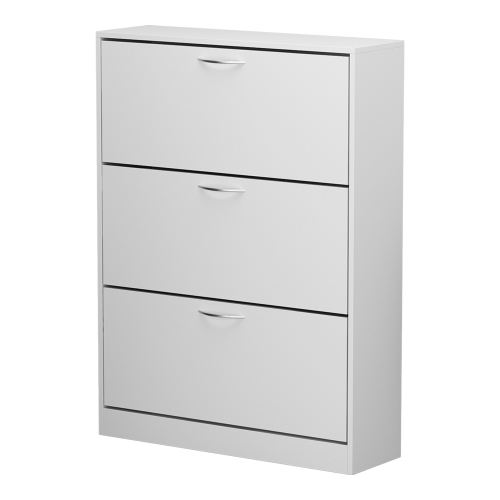
A tidier entrance starts with shoes behind closed doors
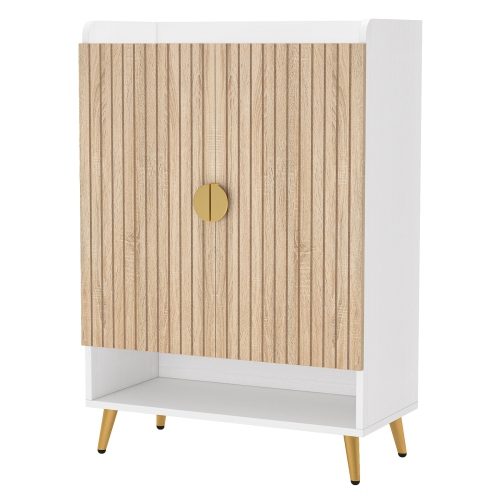
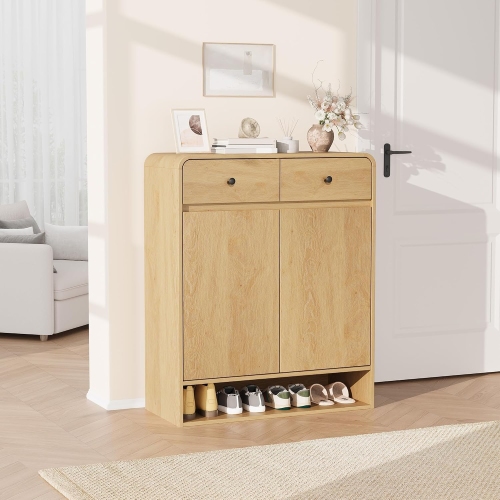
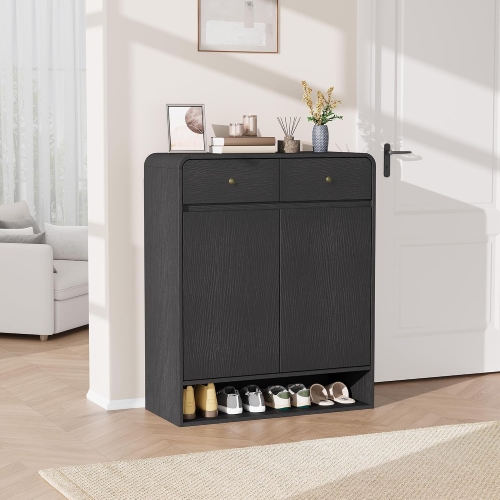
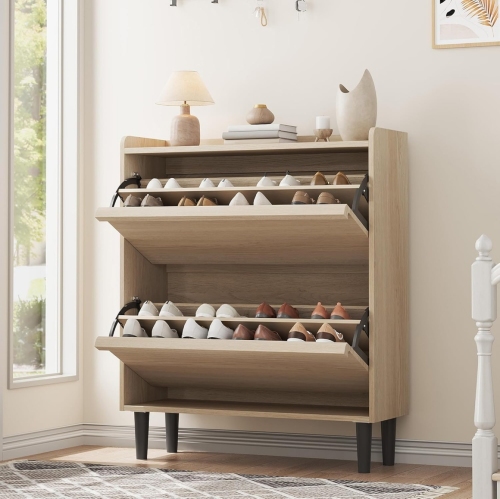
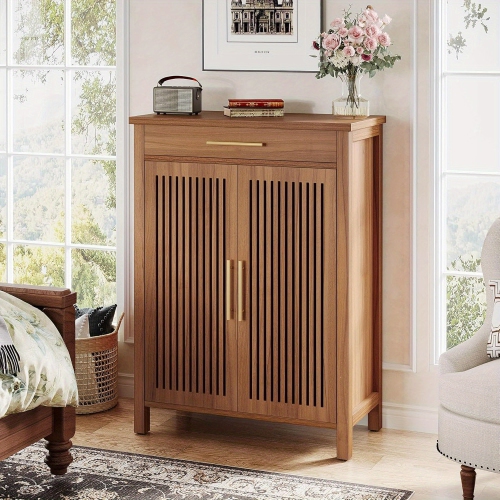
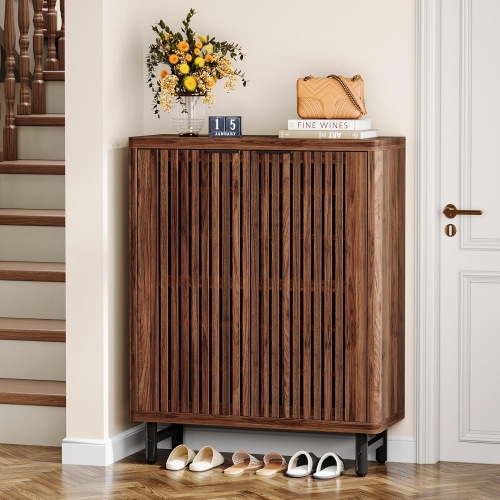
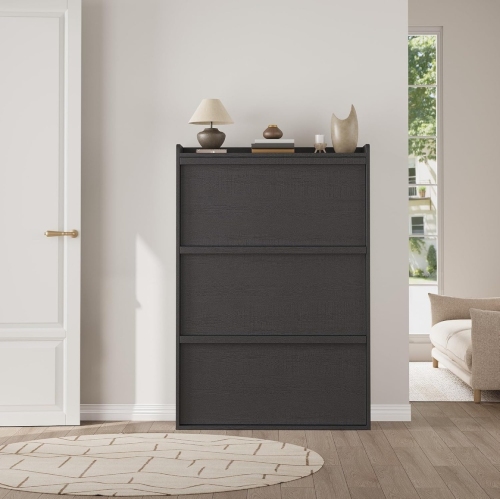
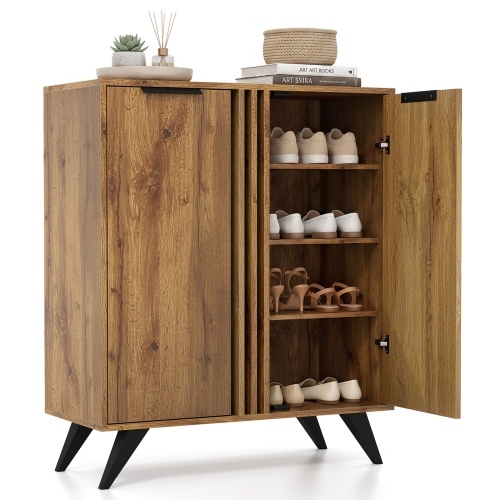
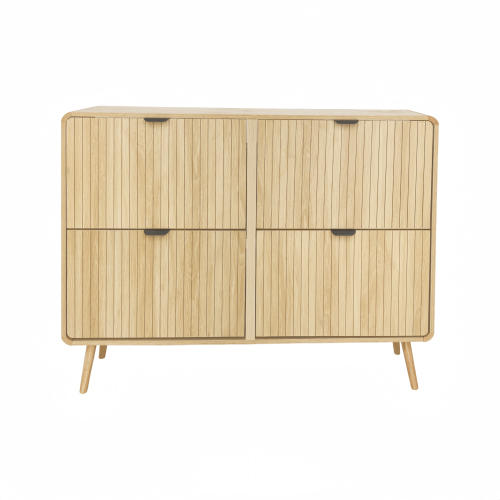
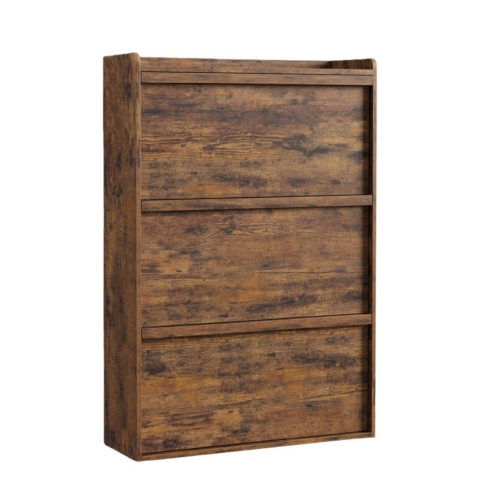
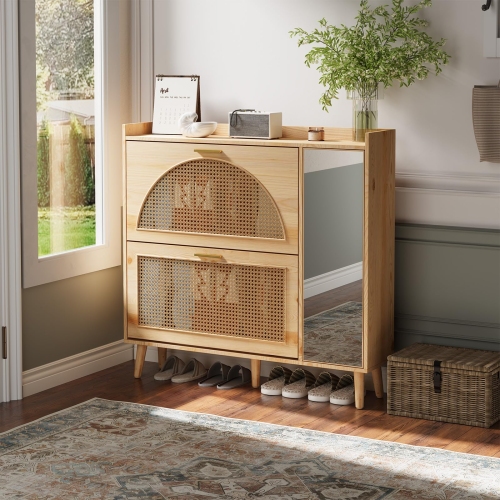
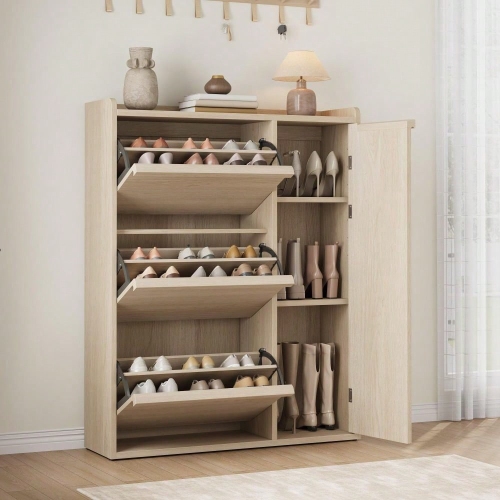
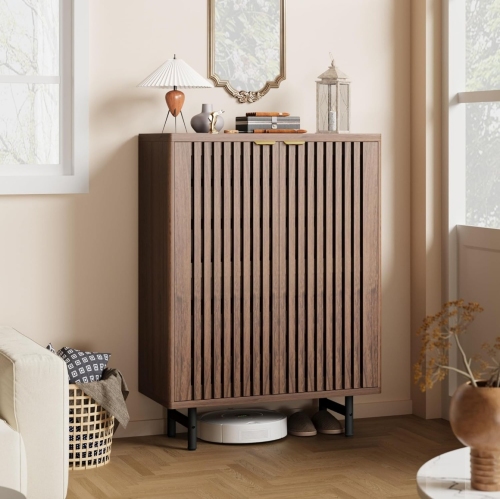
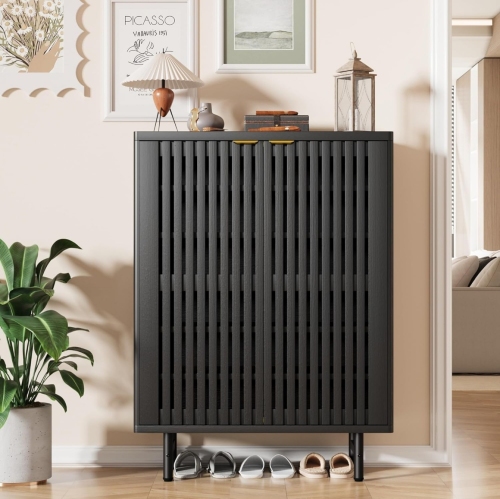
Wood shoe cabinets are enclosed storage furniture designed to keep footwear organized and out of sight in entryways, hallways, bedrooms, and other shared spaces. Unlike open shoe racks, they conceal pairs behind hinged doors or flip-down compartments, giving a busy entrance a more settled appearance. Their appeal is practical as well as decorative: a cabinet can create a dedicated place for everyday shoes while bringing the texture and character of wood into a room. Construction varies, so it helps to distinguish between solid wood, wood veneer, and wood-look finishes. Solid wood has natural grain variation and can develop small marks through everyday use; depending on its finish, it may also be suitable for refinishing. Wood veneer places a thin layer of real wood over a supporting core, offering a genuine wood surface with a different construction beneath it. Engineered wood cabinets may have veneer, laminate, or another decorative finish, and their durability depends on the quality of the panels, edges, hardware, and assembly. A wood-look surface does not necessarily mean the cabinet is made from solid wood. Colour and grain also influence how the furniture sits within a space. Pale wood tones can keep a narrow entrance looking light, while deeper brown finishes can provide contrast against light walls. Matching every wood finish exactly is not essential; repeating a similar undertone in a mirror frame or nearby furniture can make the arrangement feel intentional. Panelled fronts suit rooms with more traditional detailing, while flat doors and discreet handles create a quieter profile. For an entrance with simple lines, Modern Shoe Cabinets offer another way to explore streamlined storage. Slatted fronts add texture and may allow more airflow than fully closed panels, although the overall design determines ventilation. The most useful cabinet combines a finish that suits the room with compartments that accommodate the footwear actually worn there.
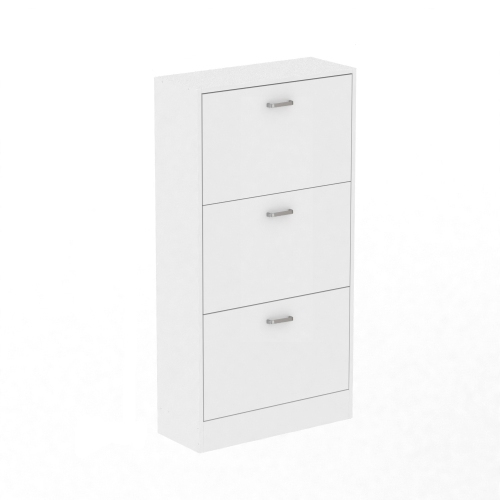
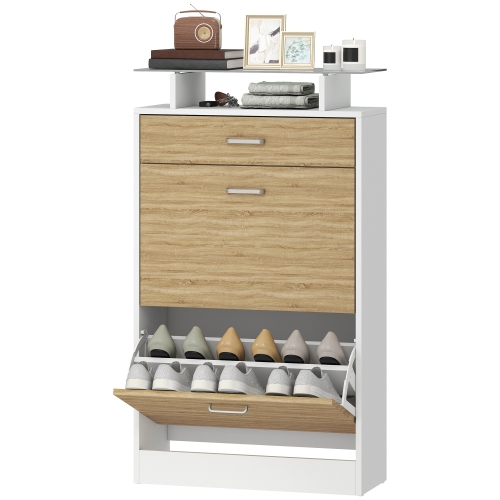
Fit involves more than finding an empty section of wall. Measure the cabinet’s intended location, including the distance from the wall to the walking route, and account for nearby baseboards, outlets, door frames, and heating vents. A shallow cabinet can be helpful in a condominium hallway, but the space needed to open its doors or tilt its compartments still matters. An entrance should remain easy to move through when someone is taking off shoes, carrying bags, or opening the front door. Internal dimensions deserve equal attention. A cabinet’s stated pair capacity is a general reference rather than a guarantee for every household: larger shoes, high-top sneakers, and bulky soles take up more room than slim flats or children’s shoes. Adjustable shelves offer flexibility when footwear heights vary, while fixed shelves provide a consistent layout that may work well for similarly sized pairs. Flip-down compartments hold footwear at an angle and can reduce cabinet depth, but their usable length and compartment spacing should suit the shoes being stored. Tall boots generally need a taller section or an adjustable interior rather than a standard low shelf. Consider whether each person needs a separate compartment or whether organizing by frequency of use would be easier. A family might keep children’s everyday pairs on an accessible lower shelf and adult footwear above, while someone living alone may prefer a compact cabinet that leaves more floor space open. For a shared entrance, doors that open smoothly and handles that are easy to grip make daily use less fiddly. Check whether cabinet doors can open fully beside adjacent furniture and whether adjustable feet would help on an uneven floor. Tall or narrow furniture should be secured using the manufacturer’s recommended anti-tip fittings and fixings appropriate to the wall. This is particularly important in homes with children, where an open compartment or shelf must never be treated as a step.
Good care starts with what goes inside the cabinet. Store footwear once it is clean and dry, and remove loose grit from soles so it does not collect along shelf edges or scratch the finish. A small brush kept nearby can make this easier without turning the entrance into a cleaning station. Removable shelf liners may help protect interior surfaces, provided they are suitable for the cabinet’s finish and do not trap moisture underneath. Avoid packing pairs tightly together; leaving enough room to lift out a shoe without dragging it across its neighbour makes the cabinet easier to use and helps protect both footwear and shelving. For routine cleaning, a soft cloth is usually a sensible starting point, followed by a lightly dampened cloth when the manufacturer’s care directions allow it. Dry the surface promptly, and avoid abrasive pads, soaking, or strong cleaners that could damage coatings or panel edges. Solid wood, veneer, and laminate can require different treatments, so furniture polish or oil should only be used when recommended for that particular finish. Check hinges, handles, and other fittings periodically, tightening them as directed rather than waiting until a door begins to sag. The cabinet’s top can provide a useful landing place for a small tray of keys or a decorative object, but it should stay within the stated load limit and should not be used as a seat unless specifically designed for sitting. Keeping that surface mostly clear also preserves the sense of order created by the closed storage below. In a bedroom or dressing area, a wood shoe cabinet can bring frequently worn pairs closer to clothing storage; near the entrance, it can help prevent shoes from spreading into the main living space. A cabinet can also be a thoughtful housewarming gift when the recipient’s room measurements, storage needs, and preferred finish are known. The strongest choice is one that makes putting shoes away as straightforward as taking them out.
Top selling and popular products
-
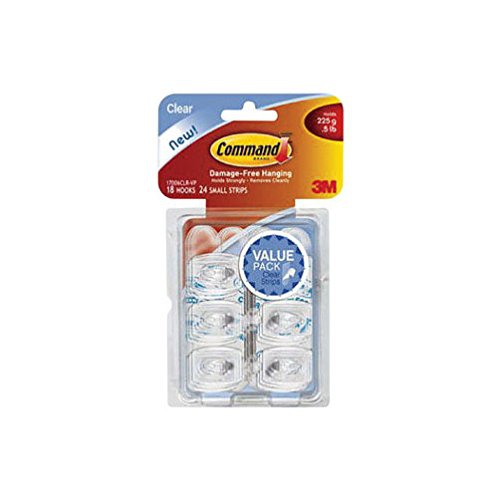 Your price for this item is $95.99
-
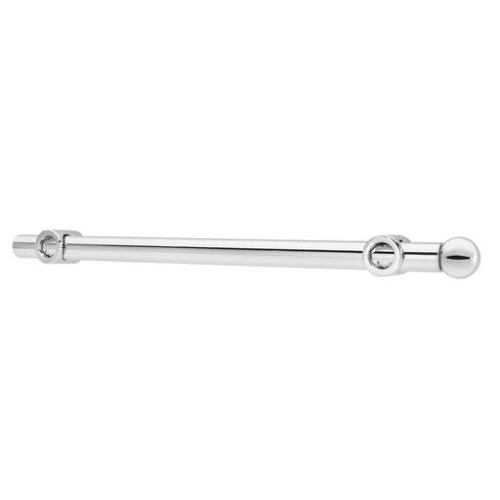 Your price for this item is $84.99
-
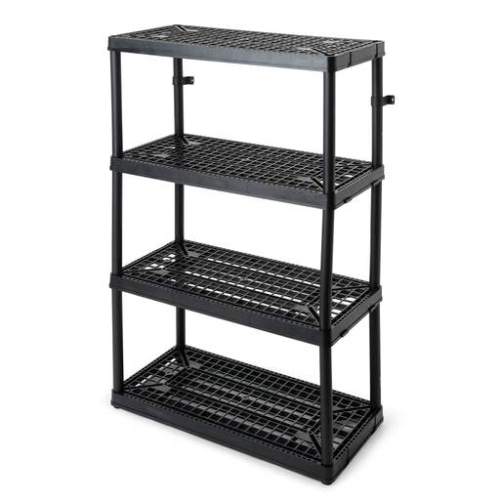 Your price for this item is $164.99
-
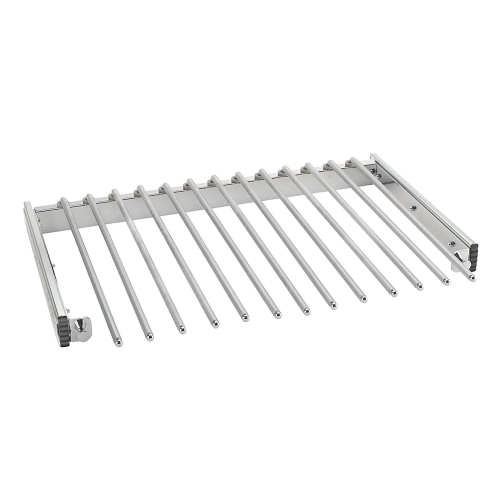 Your price for this item is $271.99
-
 Your price for this item is $144.99
-
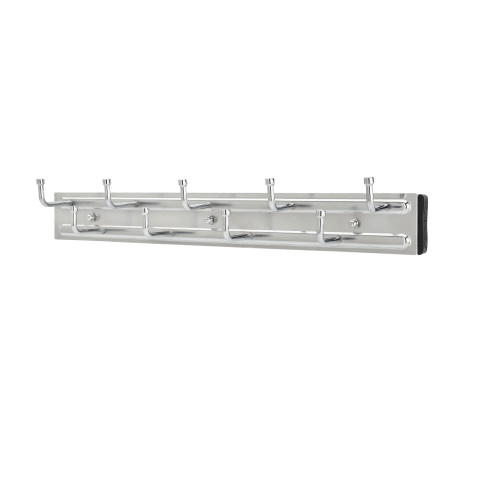 Your price for this item is $82.99
-
 Your price for this item is $88.99
-
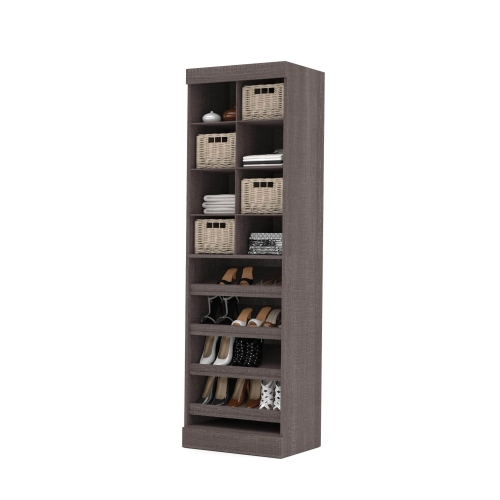 Your price for this item is $689.99
Discover more categories related to Wood Shoe Cabinets

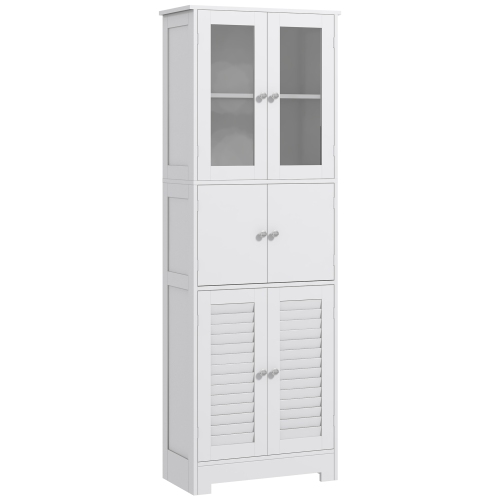
Top Collections:
Best Black Friday Deals This Year, Best Black Friday Deals On Electronics, Kindle Devices, Dyson Airwrap, Best Cameras for Sports Photography, Best Budget Office Chairs, Canon G7X Cameras, PS5 Pro Consoles, Best Black Friday Deals On Apple Products, XBOX One S Consoles
Some products may be subject to Environmental Handling Fees
(EHF) depending on your province.
Learn more about EHFs.