Cube Furnitures
Looking to add a touch of modern elegance to your living space? Look no further than our cube furnitures collection. With sleek lines, contemporary designs, and a range of versatile options, these stylish pieces are sure to elevate the aesthetic of any room in your home. Whether you're in need of a chic coffee table, a functional storage solution, or a statement piece that will catch everyone's eye, our cube furnitures offer the perfect blend of form and function. Explore our selection today and discover the perfect addition to your home decor.
Sort
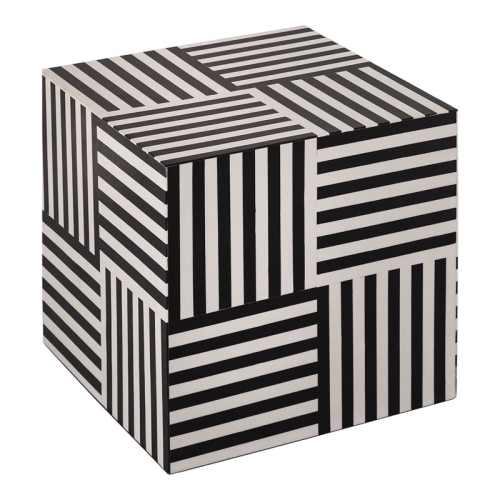
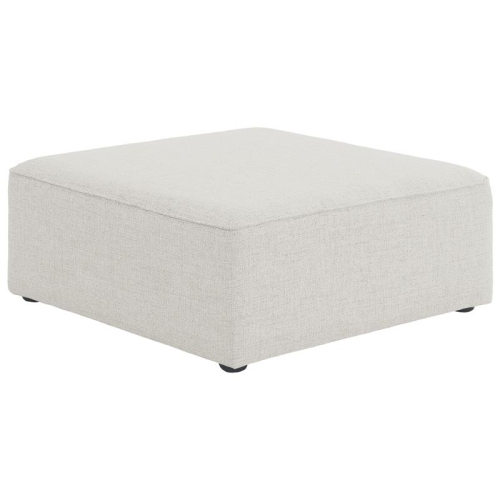
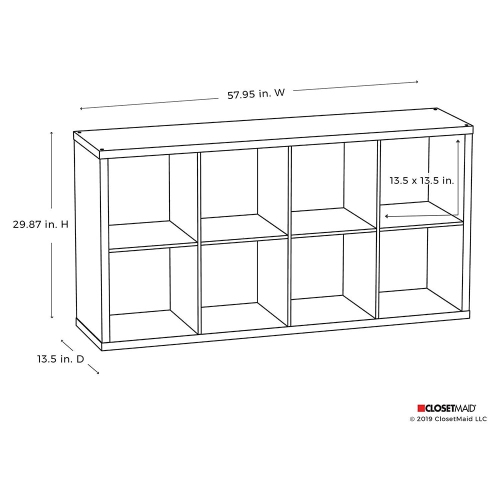
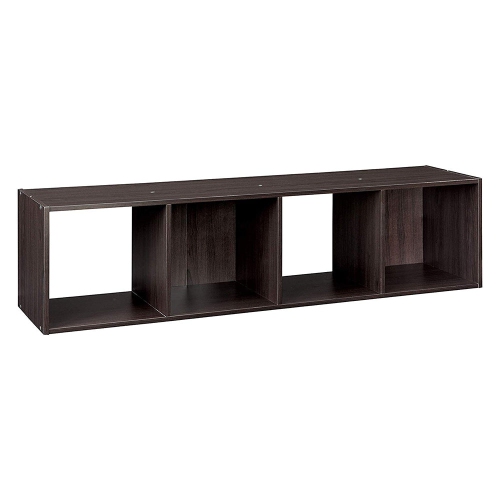
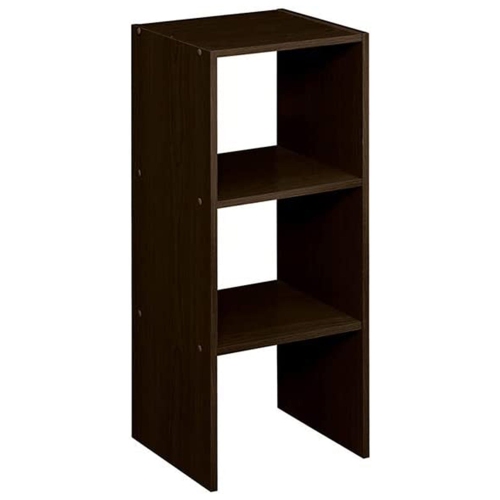
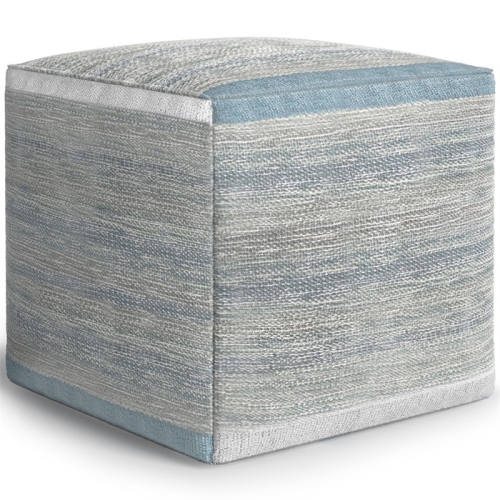

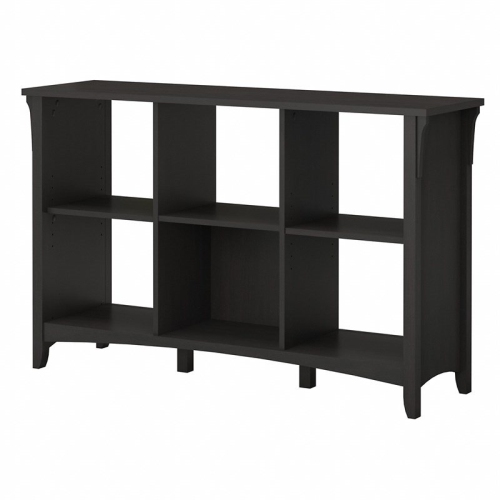
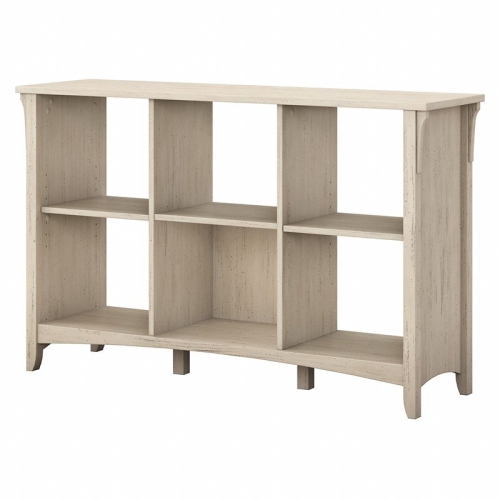
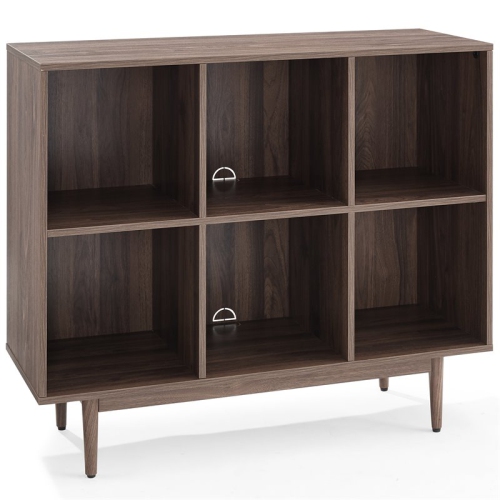
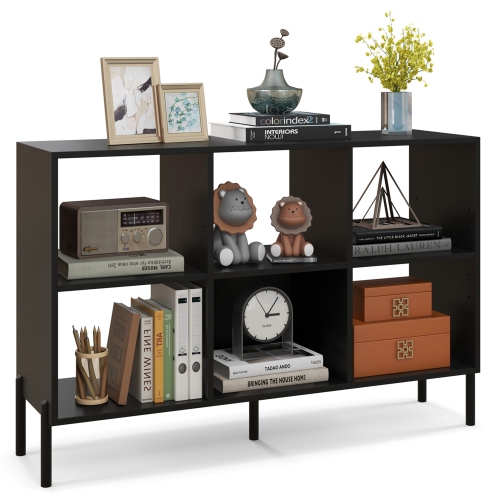
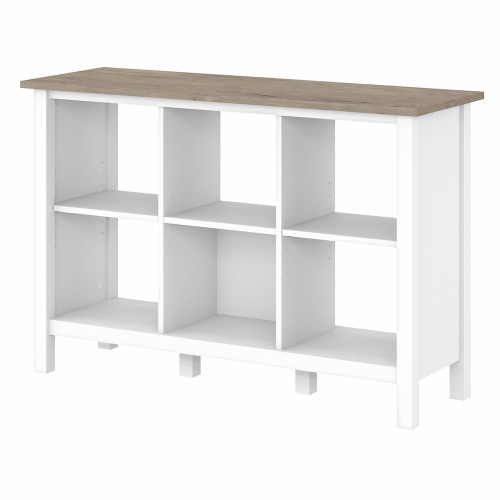
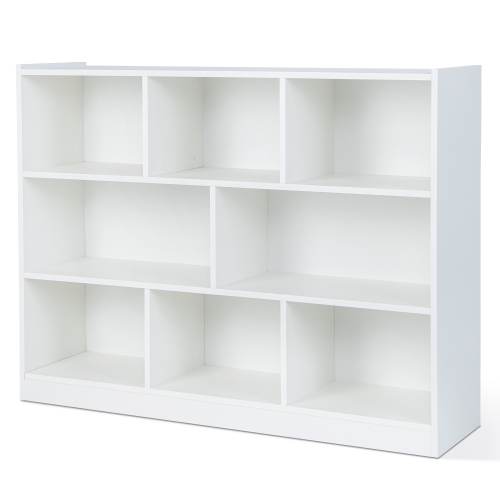
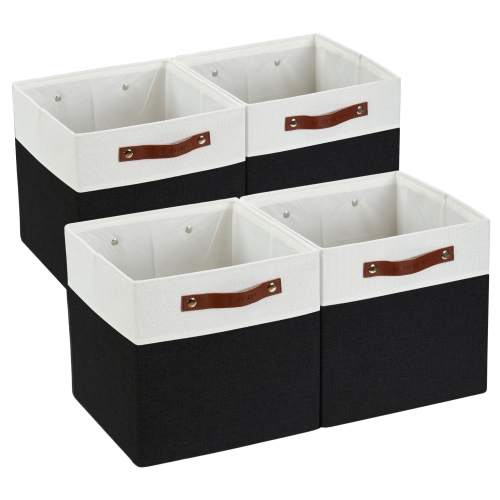
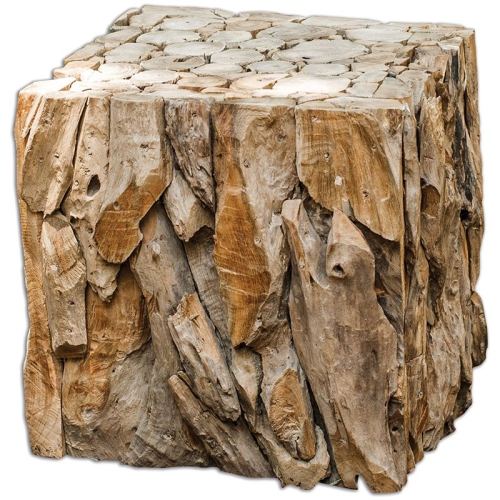
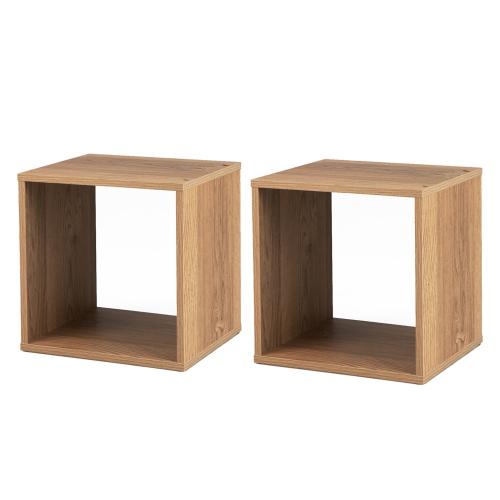
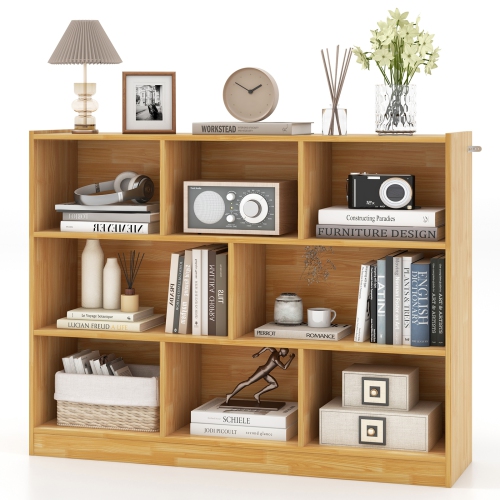
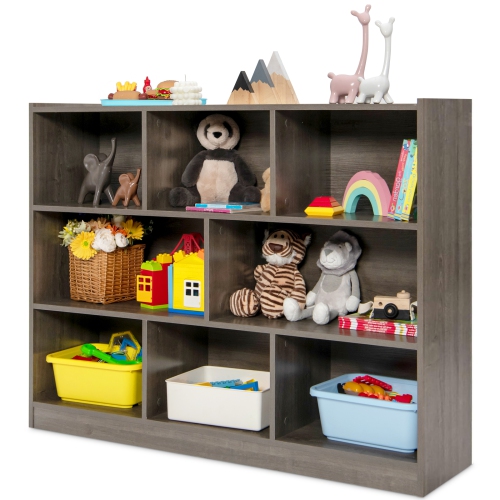
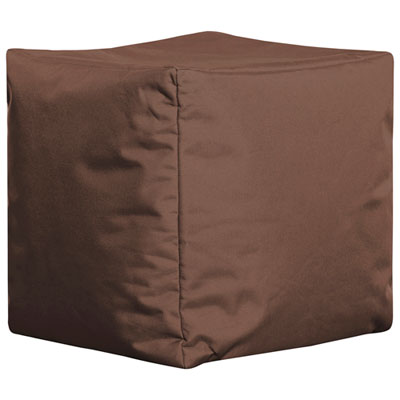

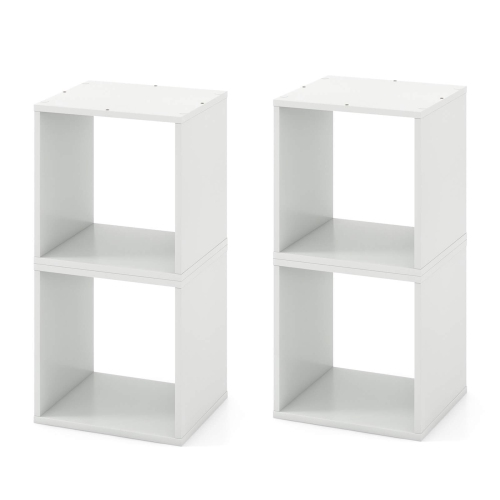

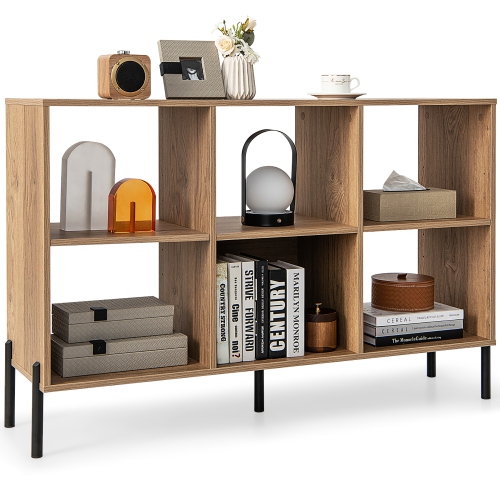
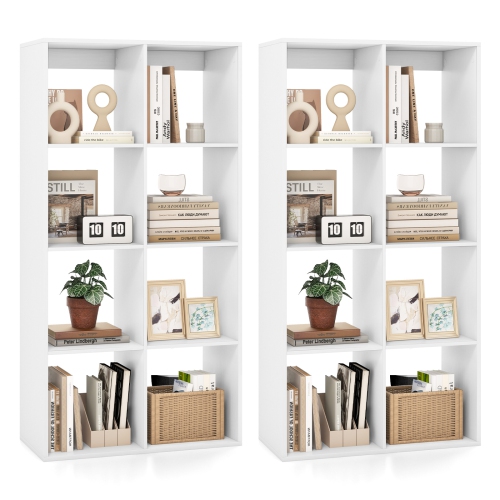
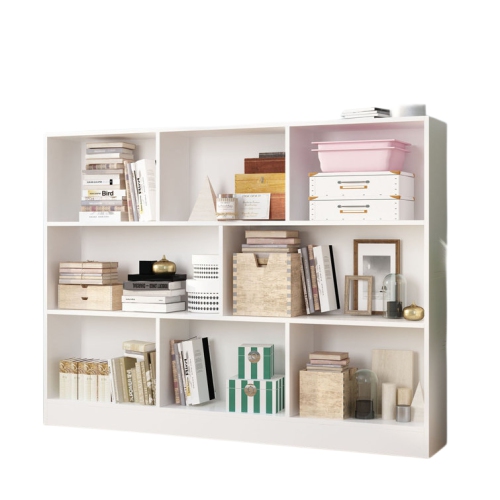
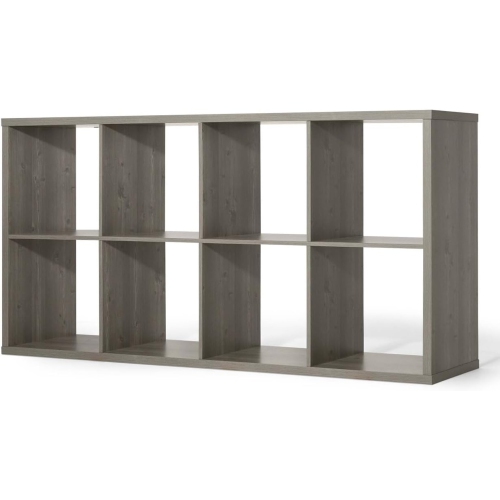
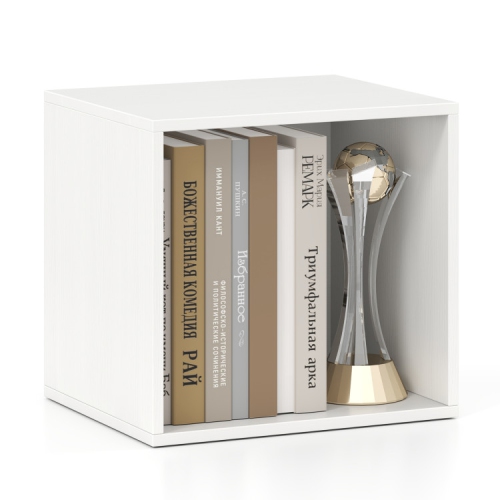

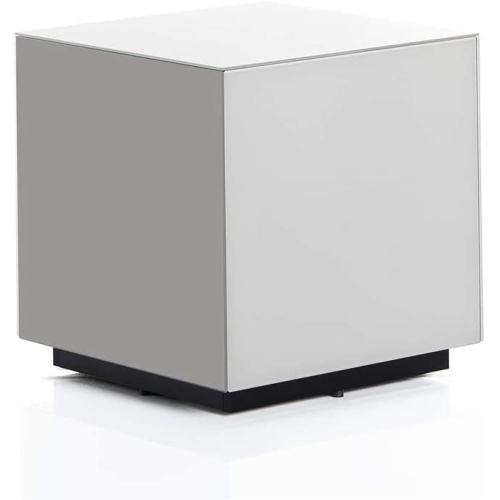
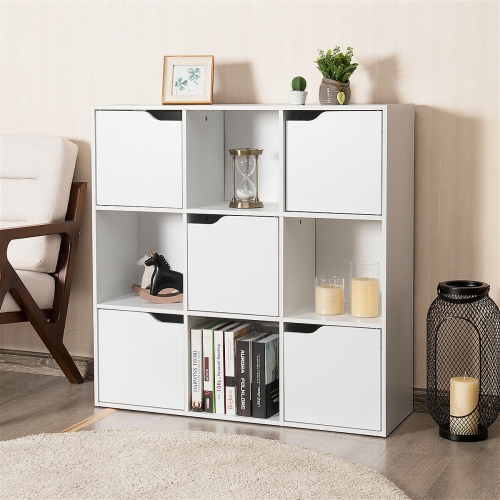
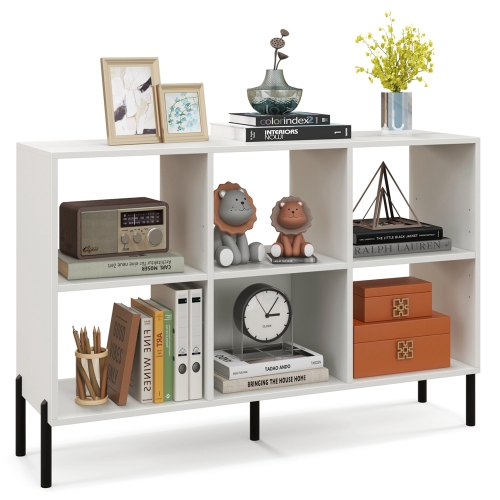
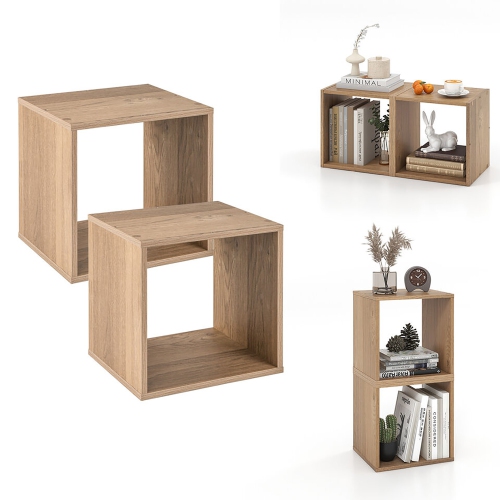

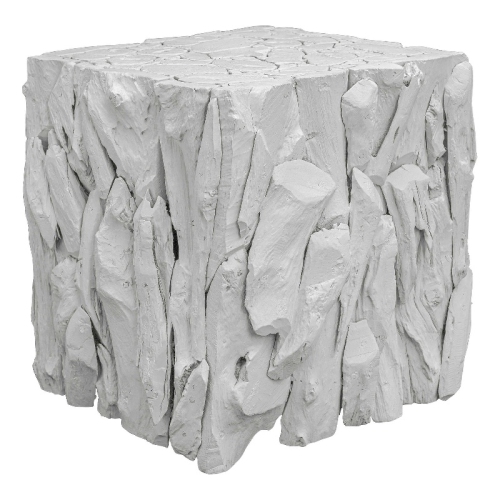
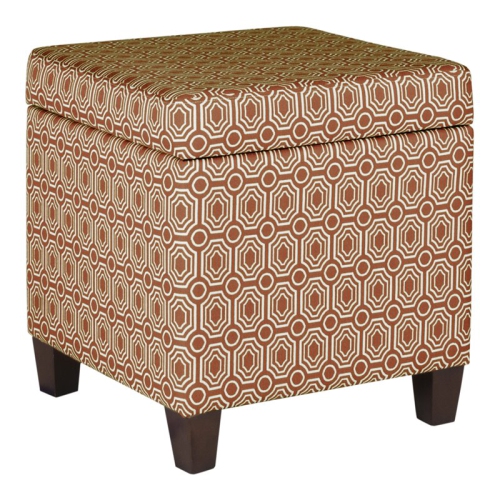
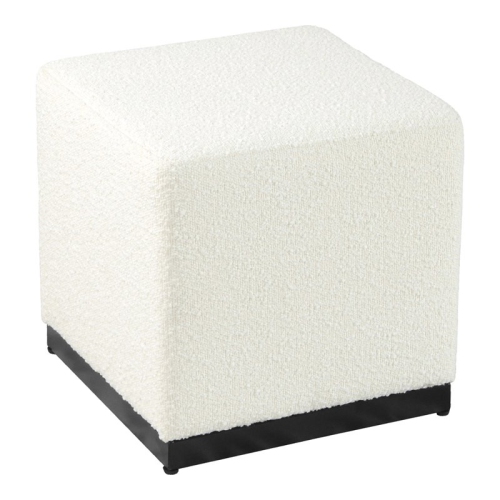
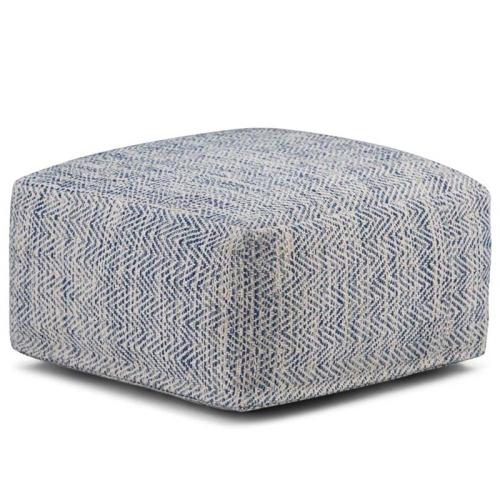

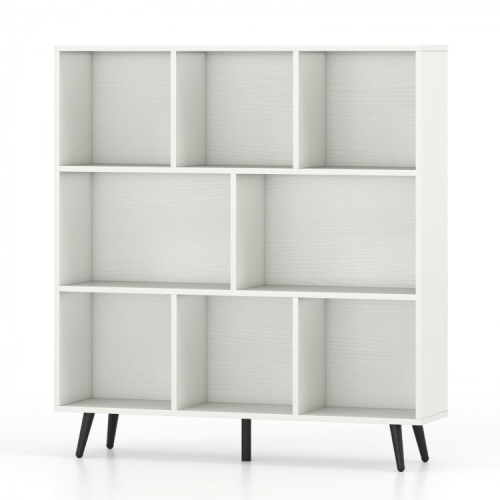
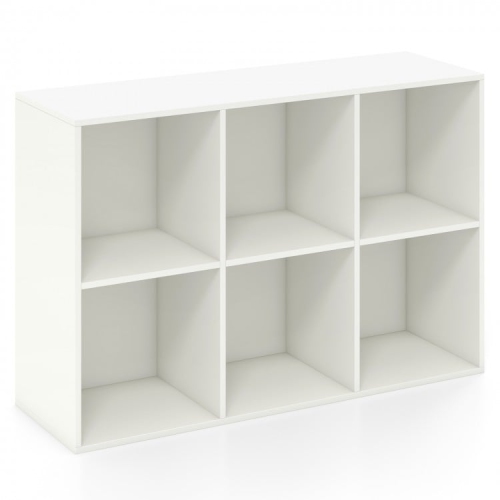
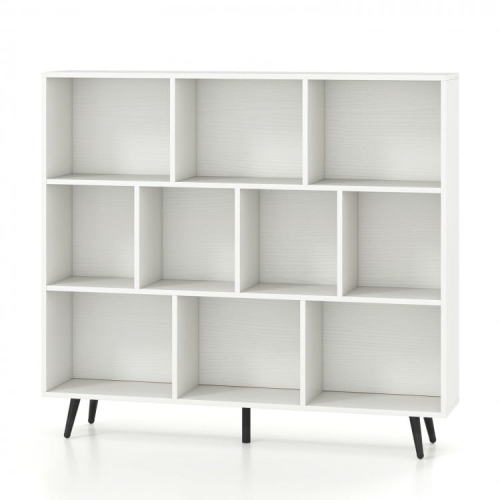
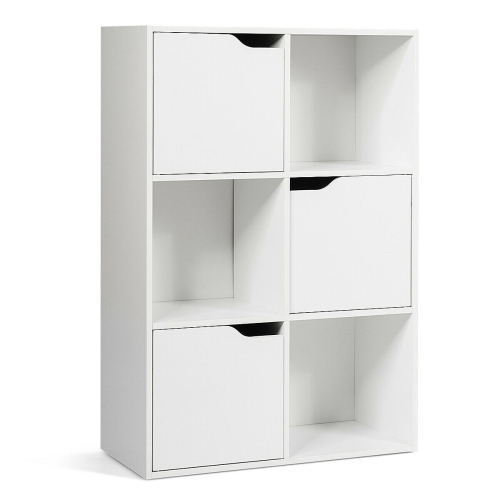
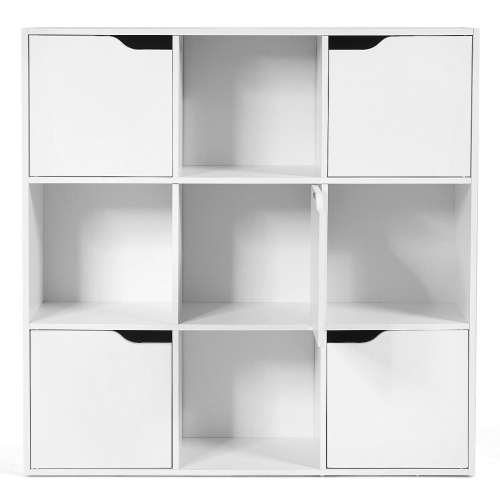


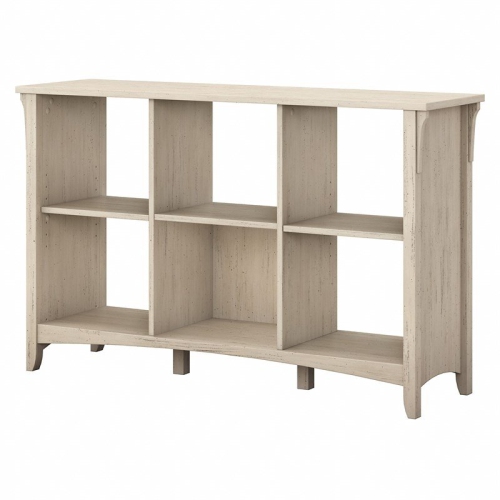
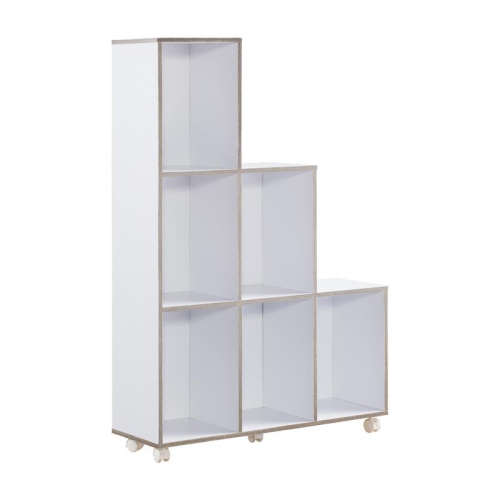
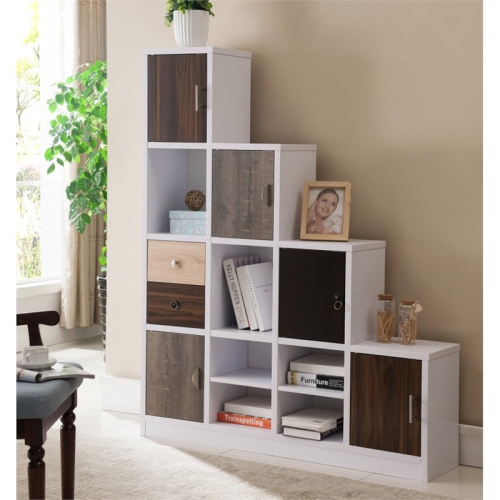
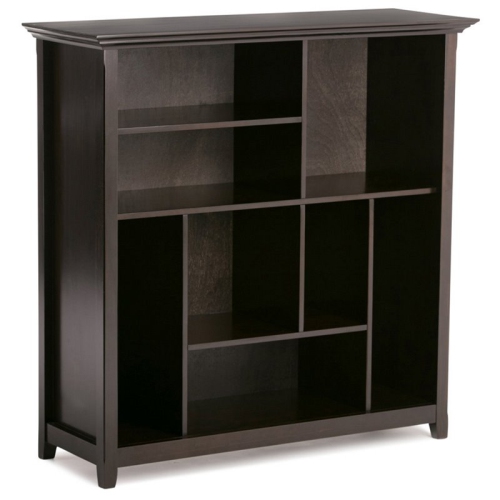
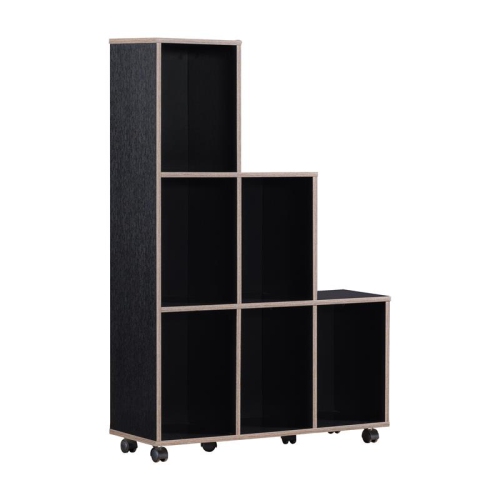
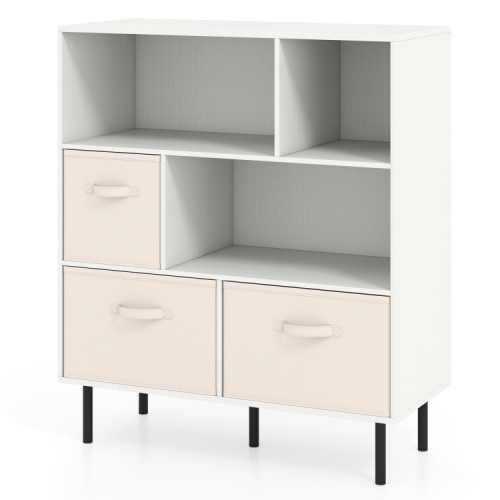
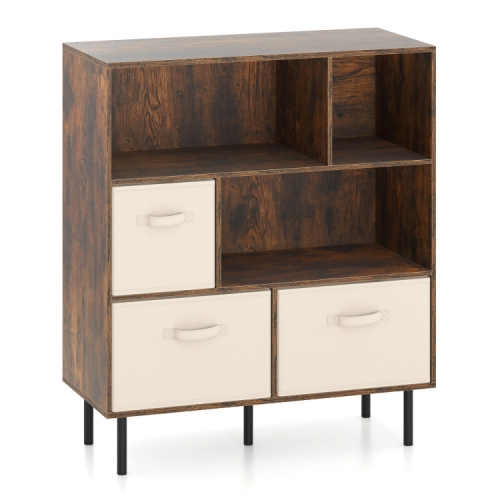
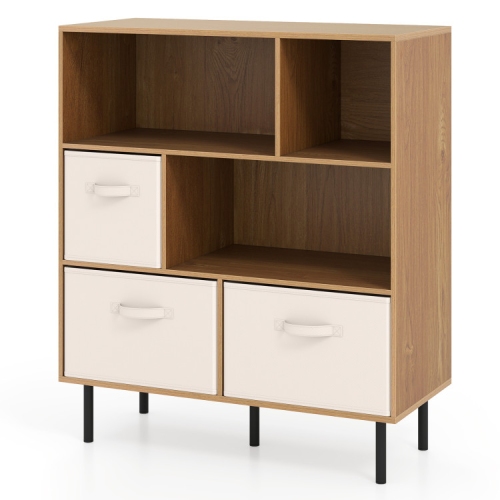
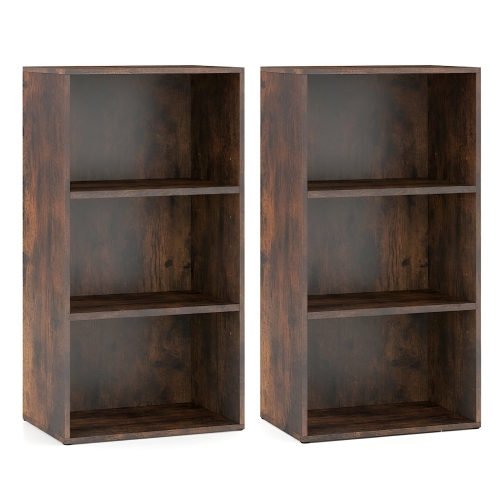
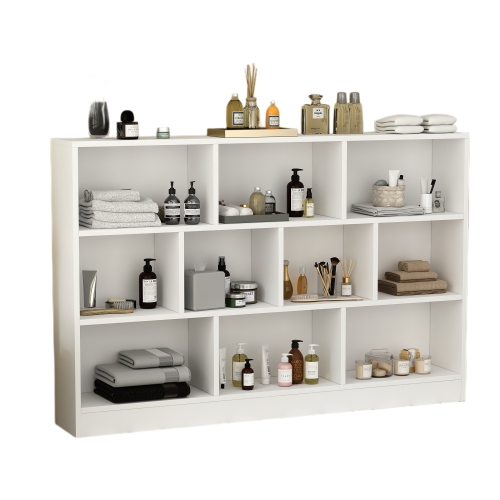
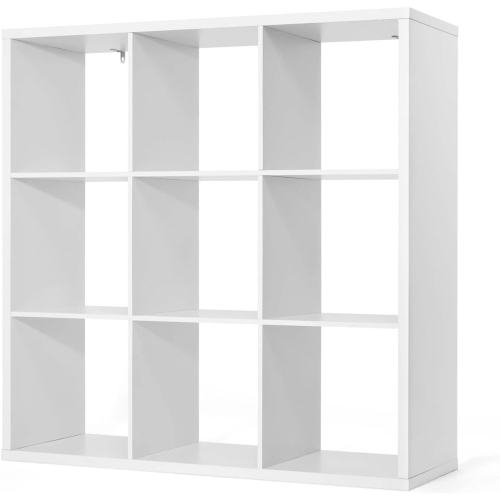
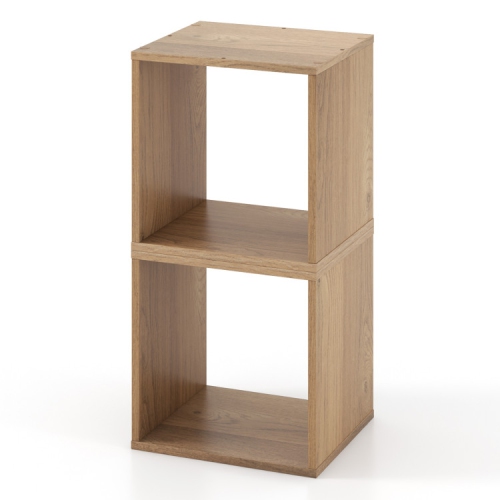
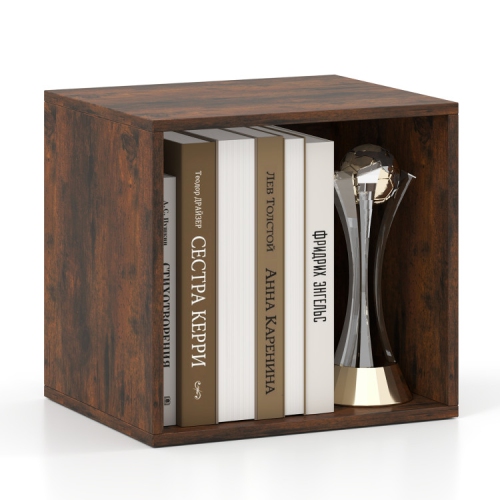
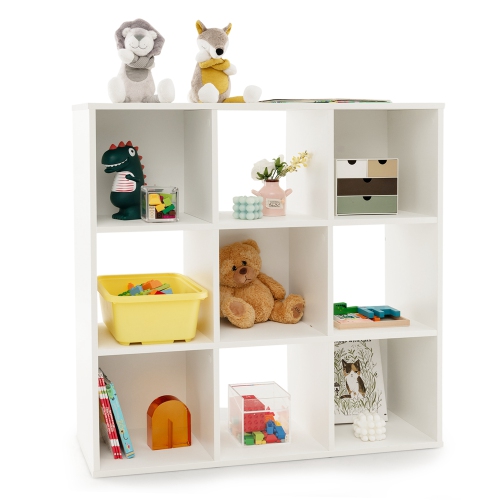
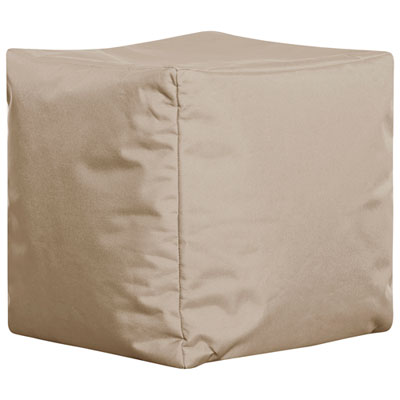
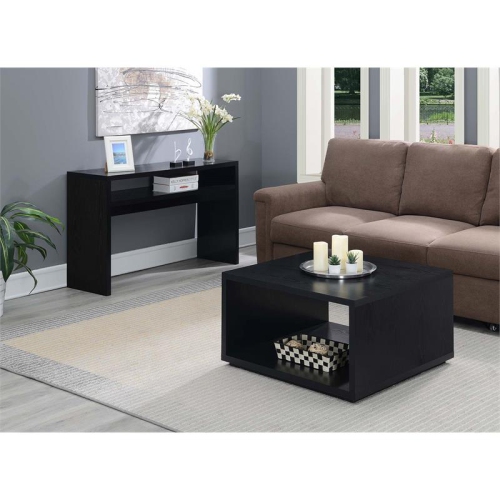
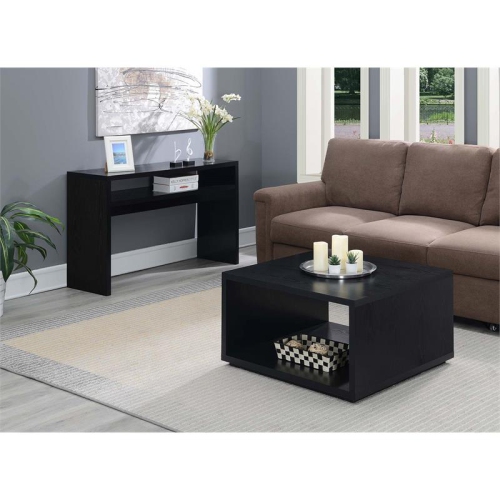
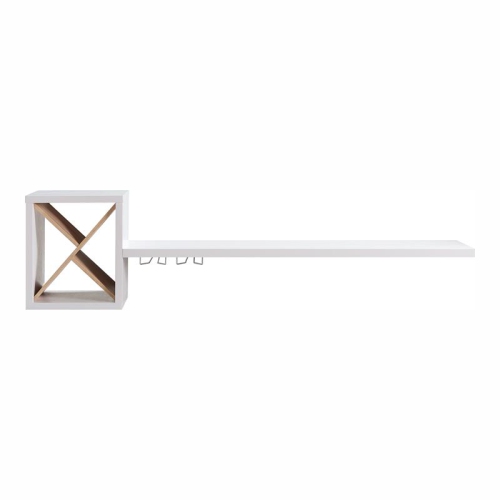
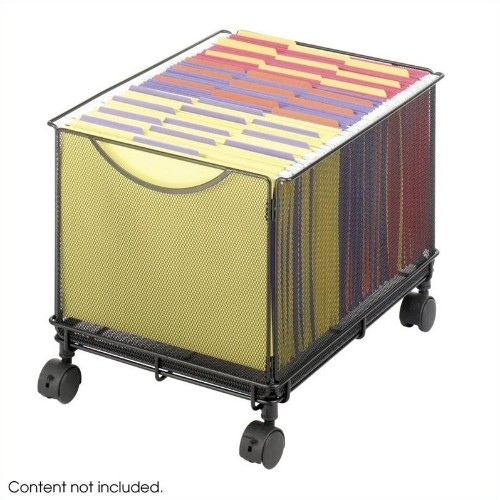
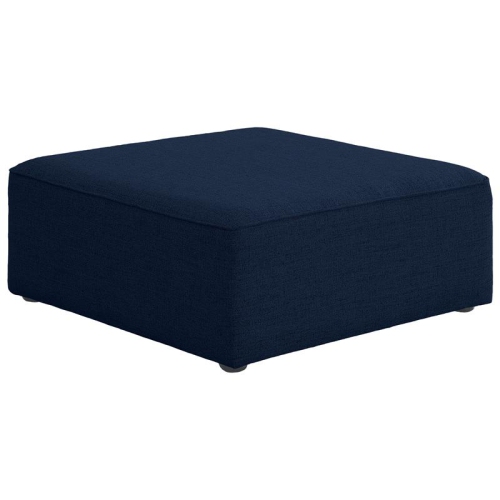
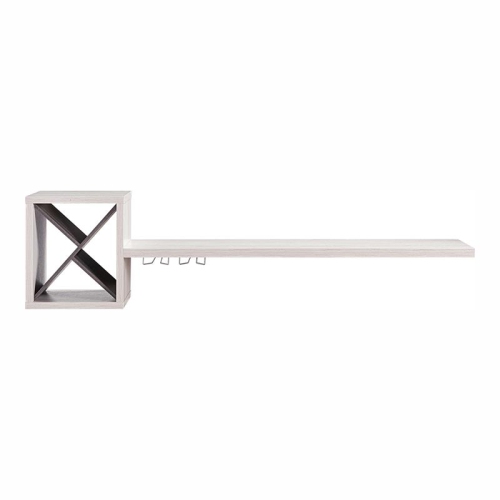
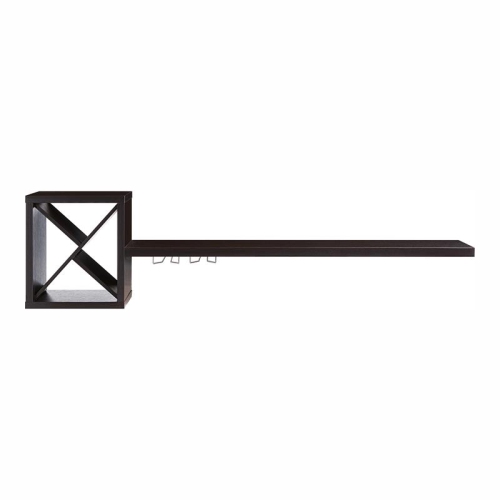
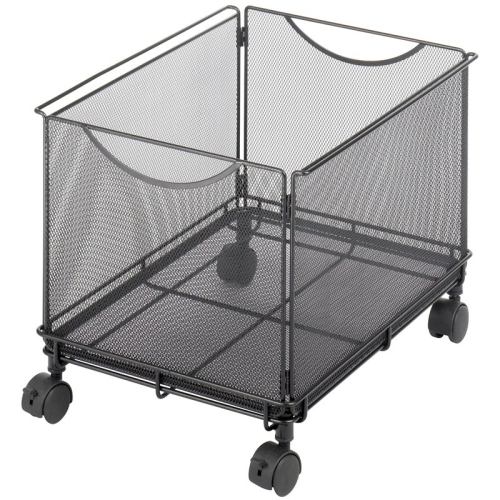
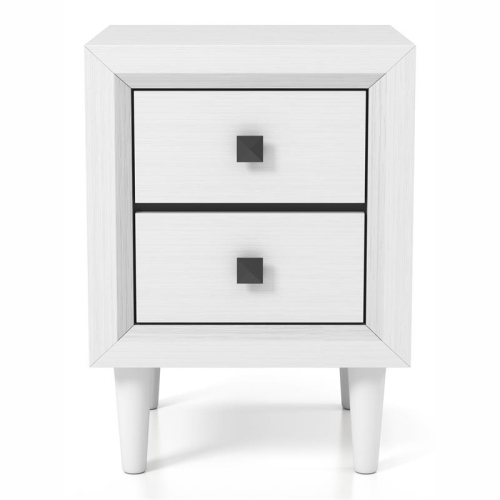
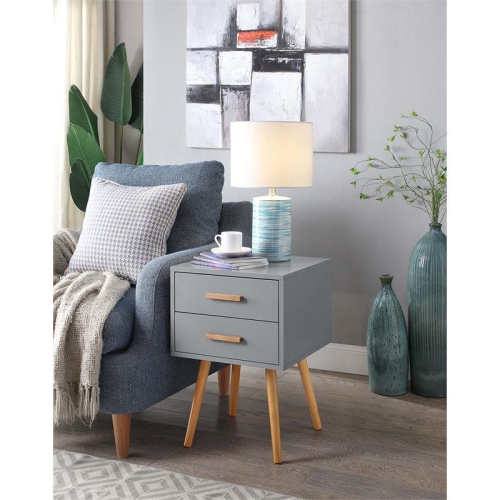
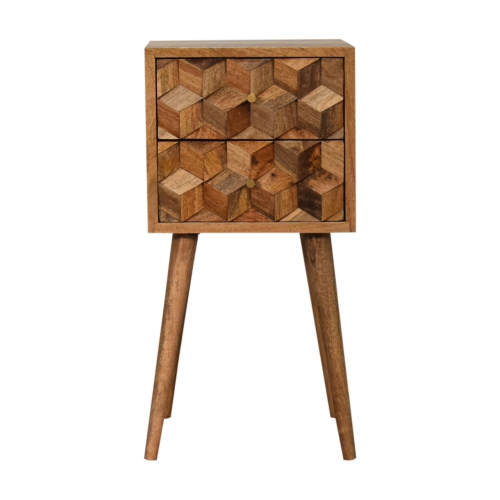
Simple square shapes that put everyday spaces in order
Cube furniture brings a simple, geometric shape to storage, seating, and occasional tables, making it a practical fit for rooms where every piece needs a clear purpose. The term covers several furniture types: open shelving divided into square compartments, modular cabinets that can form larger arrangements, upholstered cube ottomans, and compact accent tables. Their shared shape creates a tidy visual rhythm, whether a low unit sits beneath a living room window or a narrow tower fills an unused corner of a home office. Open compartments keep books, baskets, and everyday essentials within sight, while doors, drawers, or fitted bins can soften the appearance of a busy room. A mix of open and concealed storage often suits shared spaces particularly well: favourite books and framed photographs can remain on display, with charging cables, craft supplies, and spare throws tucked away. For arrangements centred on organizing, Cube Storage brings the same square-compartment format to a range of household needs. Cube ottomans serve a different role, offering a place to rest feet and, where the design allows, space beneath the lid for small household belongings. Models rated for sitting can also provide an extra seat when guests gather, but a storage cube or side table should never be assumed to support a person’s weight. Square accent tables create a convenient landing spot beside a sofa or armchair without the footprint of a long coffee table. In a studio apartment, these compact shapes can help give a sleeping area, reading corner, and living space their own sense of order. In a larger home, repeating the shape across separate areas can make furnishings feel connected without requiring every finish to match. The appeal is less about filling a room with identical boxes and more about giving everyday objects a useful place, with furniture that looks orderly even when family life is anything but.
Materials and construction influence how cube furniture looks, feels, and handles daily use. Solid wood brings visible grain and natural variation, while wood veneer offers a real-wood surface over a supporting core. Engineered wood with a laminate or melamine finish often has a smooth, consistent appearance that works well alongside desks, media furniture, and bedroom storage. Finish quality matters around exposed edges and corners, especially where bins slide in and out or a vacuum cleaner regularly passes along the base. Metal frames can lend an open, spare look, while upholstered cubes introduce a softer surface beside the straighter lines of shelving and tables. Woven fabric, faux leather, and other upholstery materials have different care needs, so the covering deserves as much attention as the colour. In a family room, seams, padding, and a stable base may matter more than a sharply tailored silhouette; beside a reading chair, the height and firmness of a footrest can make a noticeable difference to comfort. Dimensions are equally important for storage furniture. Overall width, height, and depth describe the space a unit occupies, but internal compartment measurements determine whether a basket, binder, or record sleeve will actually fit. A square opening does not guarantee compatibility with every cube bin, and doors or hinges may reduce usable space. Books are heavier than folded clothing, making the stated load limit for each shelf especially relevant in a home library or study area. Strong joints, a supportive back panel, and appropriate hardware contribute to stability, although construction details vary by design. Some units are intended for either horizontal or vertical placement; others must remain in one orientation. Modular also does not automatically mean stackable. Any stacked or connected arrangement needs to follow the manufacturer’s specified configuration and fastening requirements. Wall anchoring is particularly important for taller storage units and furniture in homes with children or pets, with suitable fixings chosen for the wall type and installed as directed.
Fit is about more than finding a gap with the right measurements. A cube unit near a doorway needs room for people to pass comfortably, and one beside a bed should not obstruct drawers, wardrobe doors, or access to an outlet. Closed compartments need clearance to open, while a storage ottoman needs enough space above and around its lid to remain useful. Low shelving can make toys and books easier to reach in a child’s room, provided the furniture is securely installed and baskets are manageable for small hands. In a home office, square compartments can separate notebooks, paper supplies, and equipment accessories so the desktop stays clear. Open-backed units may also divide a room visually, but only furniture designed for freestanding placement should be used away from a wall, with stability and anchoring requirements still observed. Colour and proportion help determine whether a piece blends in or becomes a focal point. Pale finishes can sit quietly against light walls, darker tones create definition, and textured upholstery adds warmth to a room with smooth floors and simple cabinetry. Care is generally straightforward when it follows the material’s requirements: dusting with a soft cloth, wiping spills promptly, and avoiding excess moisture help protect many finished surfaces. Upholstery should be cleaned according to its care label, and removable covers should only be washed when the manufacturer permits it. Coasters protect suitable table surfaces from drink rings, while lifting furniture rather than dragging it helps reduce strain on joints and protects flooring. During the cooler months, storage cubes can keep spare blankets close to the sofa, but placement away from direct heat sources helps protect finishes and fabrics. For students, renters, and people furnishing a first home, compact cube furniture can offer useful organization without overwhelming a room. It can also make a thoughtful housewarming gift when the recipient’s measurements, preferred finish, and intended use are known. The most useful choice is one whose shape, capacity, and construction suit the things it will hold and the routines happening around it.
Materials and construction influence how cube furniture looks, feels, and handles daily use. Solid wood brings visible grain and natural variation, while wood veneer offers a real-wood surface over a supporting core. Engineered wood with a laminate or melamine finish often has a smooth, consistent appearance that works well alongside desks, media furniture, and bedroom storage. Finish quality matters around exposed edges and corners, especially where bins slide in and out or a vacuum cleaner regularly passes along the base. Metal frames can lend an open, spare look, while upholstered cubes introduce a softer surface beside the straighter lines of shelving and tables. Woven fabric, faux leather, and other upholstery materials have different care needs, so the covering deserves as much attention as the colour. In a family room, seams, padding, and a stable base may matter more than a sharply tailored silhouette; beside a reading chair, the height and firmness of a footrest can make a noticeable difference to comfort. Dimensions are equally important for storage furniture. Overall width, height, and depth describe the space a unit occupies, but internal compartment measurements determine whether a basket, binder, or record sleeve will actually fit. A square opening does not guarantee compatibility with every cube bin, and doors or hinges may reduce usable space. Books are heavier than folded clothing, making the stated load limit for each shelf especially relevant in a home library or study area. Strong joints, a supportive back panel, and appropriate hardware contribute to stability, although construction details vary by design. Some units are intended for either horizontal or vertical placement; others must remain in one orientation. Modular also does not automatically mean stackable. Any stacked or connected arrangement needs to follow the manufacturer’s specified configuration and fastening requirements. Wall anchoring is particularly important for taller storage units and furniture in homes with children or pets, with suitable fixings chosen for the wall type and installed as directed.
Fit is about more than finding a gap with the right measurements. A cube unit near a doorway needs room for people to pass comfortably, and one beside a bed should not obstruct drawers, wardrobe doors, or access to an outlet. Closed compartments need clearance to open, while a storage ottoman needs enough space above and around its lid to remain useful. Low shelving can make toys and books easier to reach in a child’s room, provided the furniture is securely installed and baskets are manageable for small hands. In a home office, square compartments can separate notebooks, paper supplies, and equipment accessories so the desktop stays clear. Open-backed units may also divide a room visually, but only furniture designed for freestanding placement should be used away from a wall, with stability and anchoring requirements still observed. Colour and proportion help determine whether a piece blends in or becomes a focal point. Pale finishes can sit quietly against light walls, darker tones create definition, and textured upholstery adds warmth to a room with smooth floors and simple cabinetry. Care is generally straightforward when it follows the material’s requirements: dusting with a soft cloth, wiping spills promptly, and avoiding excess moisture help protect many finished surfaces. Upholstery should be cleaned according to its care label, and removable covers should only be washed when the manufacturer permits it. Coasters protect suitable table surfaces from drink rings, while lifting furniture rather than dragging it helps reduce strain on joints and protects flooring. During the cooler months, storage cubes can keep spare blankets close to the sofa, but placement away from direct heat sources helps protect finishes and fabrics. For students, renters, and people furnishing a first home, compact cube furniture can offer useful organization without overwhelming a room. It can also make a thoughtful housewarming gift when the recipient’s measurements, preferred finish, and intended use are known. The most useful choice is one whose shape, capacity, and construction suit the things it will hold and the routines happening around it.
Top selling and popular products
-
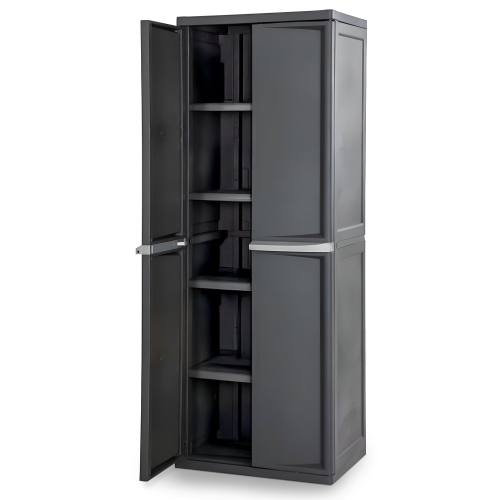 Your price for this item is $773.99
 -
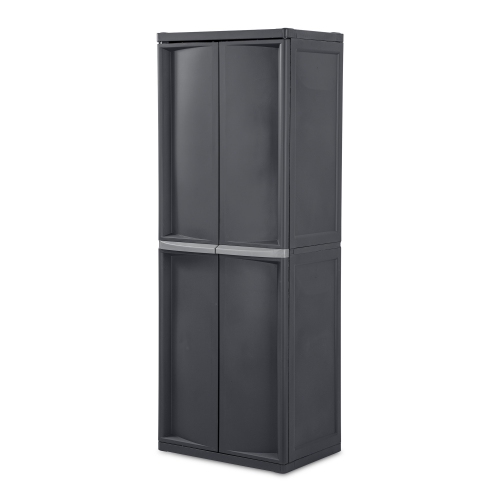 Your price for this item is $1525.99
 -
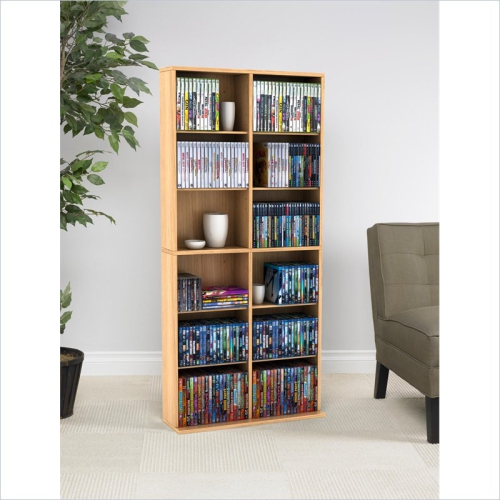 Your price for this item is $234.68
 -
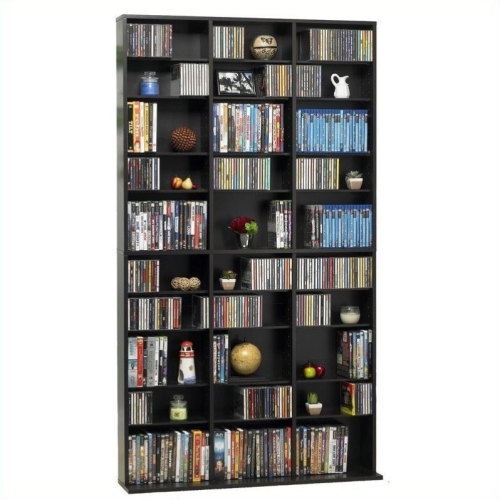 Your price for this item is $365.85
 -
 Your price for this item is $1085.03
 -
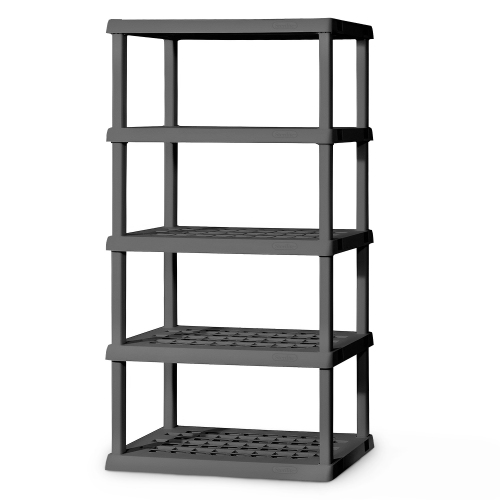 Your price for this item is $468.99
 -
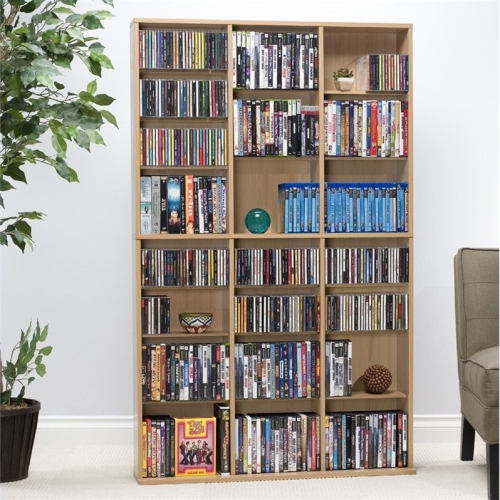 Your price for this item is $295.5
 -
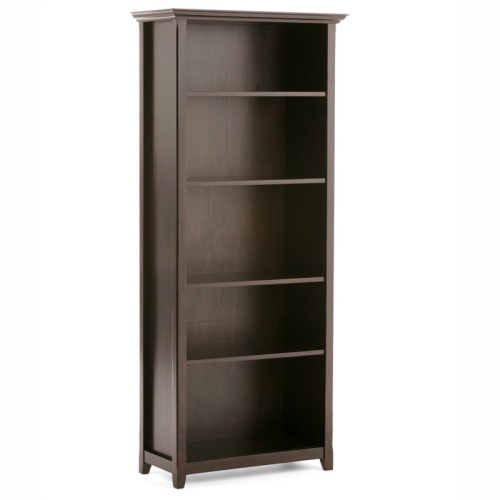 Your price for this item is $996.29
Discover more categories related to Cube Furnitures

Top Collections:
Pokemon Centers, Budget 4K TVs, Kindle Devices, Canon G7X Cameras, Apple iPhones 16, iPhone 15 Apple, Laptops for Business Work, Flip Phones, Xiaomi Phones, Refurbished Apple Laptops
Some products may be subject to Environmental Handling Fees
(EHF) depending on your province.
Learn more about EHFs.