Curved Back Chairs
Designed to provide both style and comfort, these curved-back chairs are a versatile addition to almost any living space. With their sleek and modern design, these chairs effortlessly blend in with almost any decor style, adding a touch of elegance to your home. Whether you're looking for a statement piece or simply need extra seating options, these curved-back chairs are the perfect choice for creating a cozy and inviting atmosphere in your home. Here are some great options available.
Sort
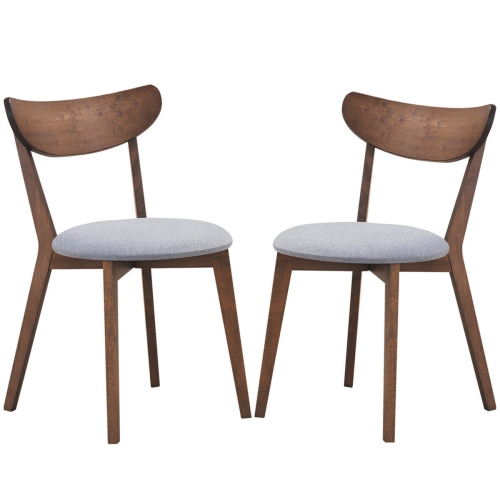
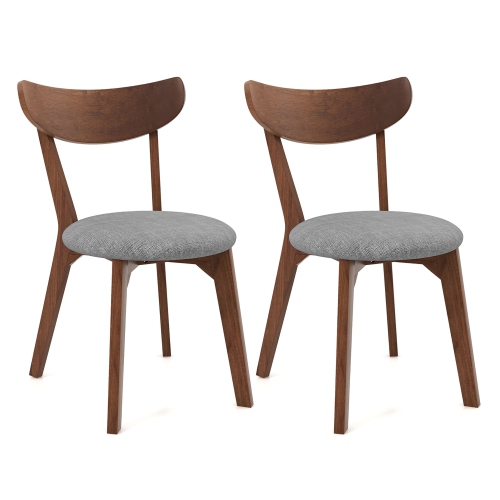

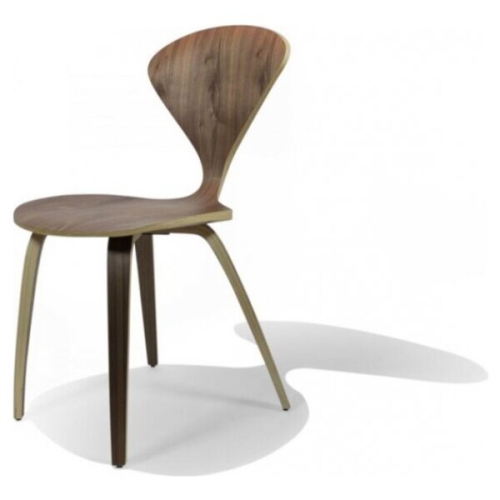
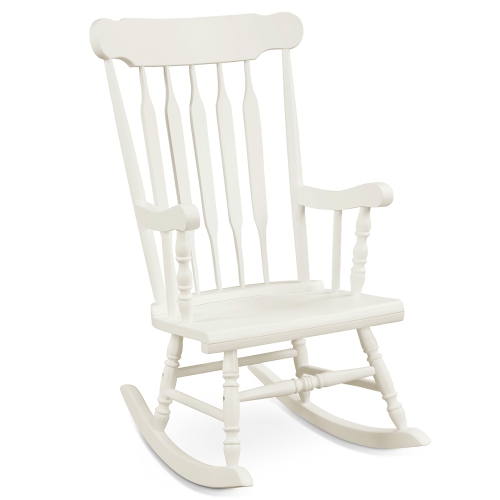
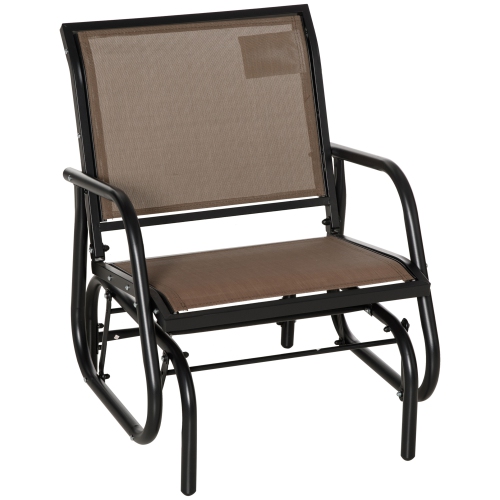
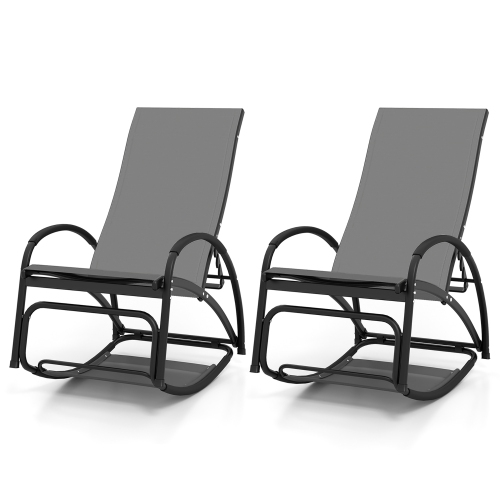
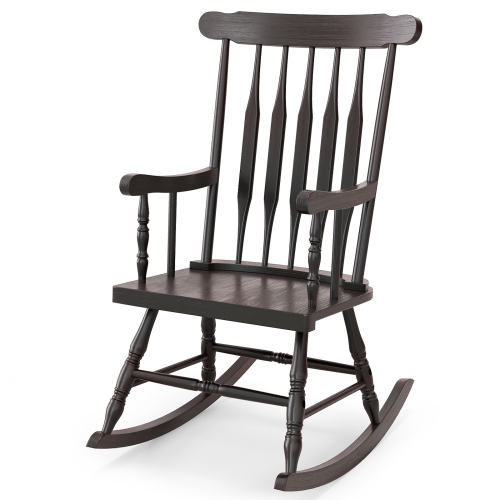
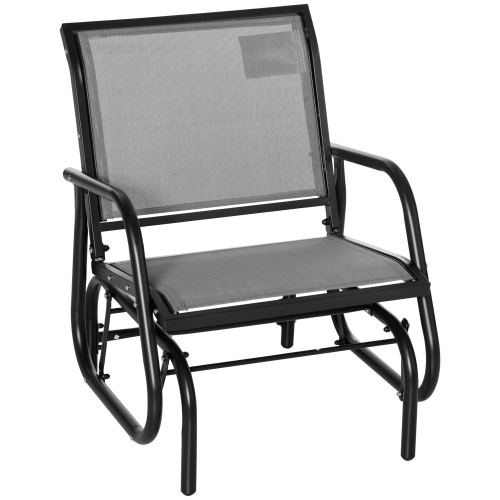
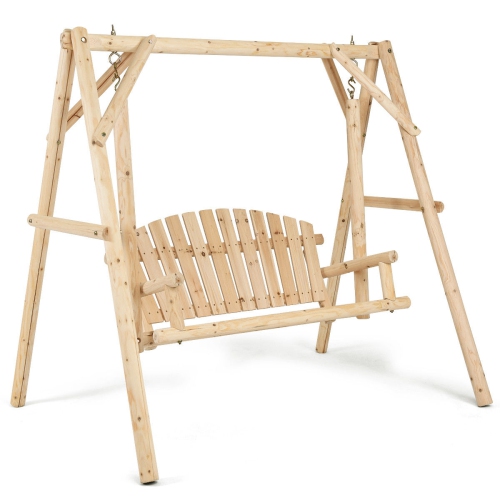
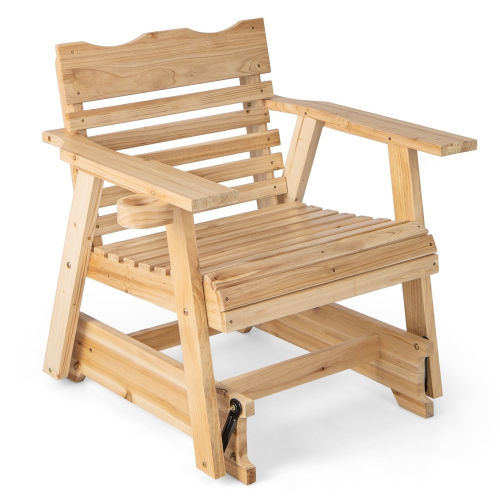
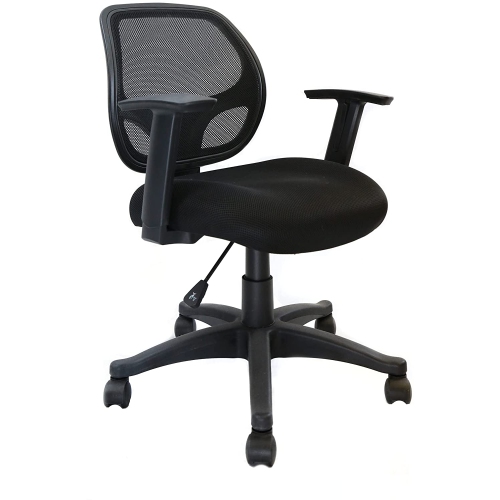
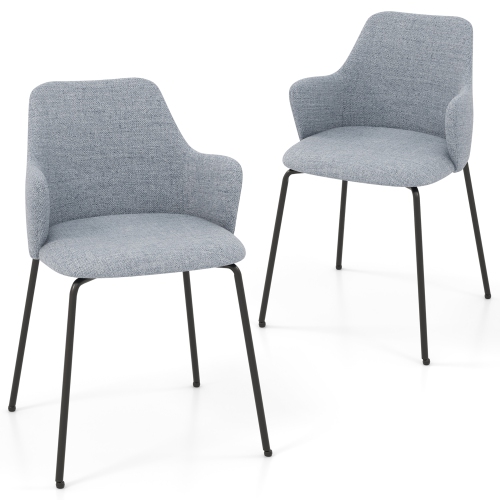
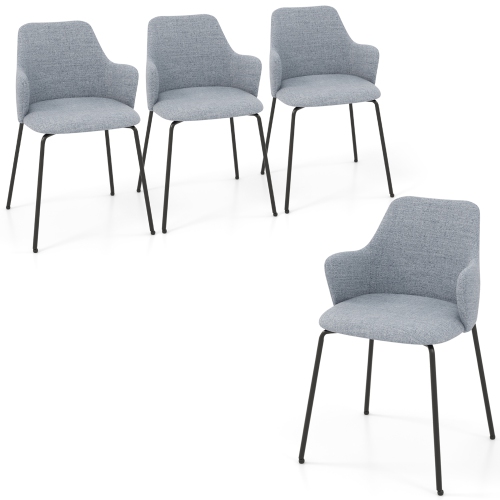
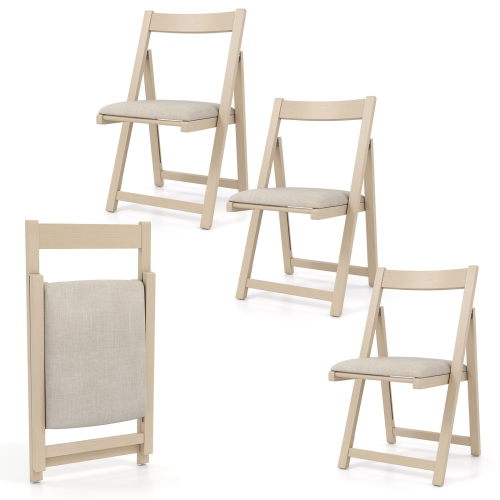
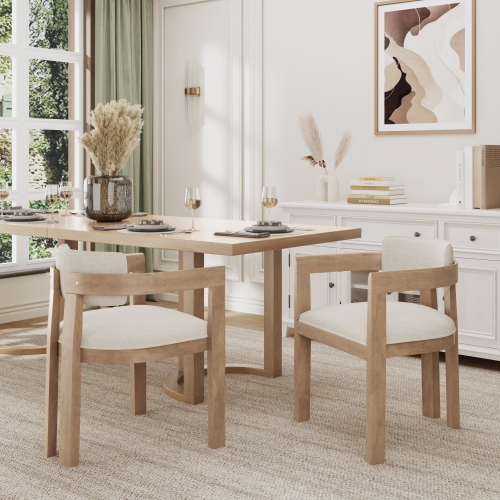
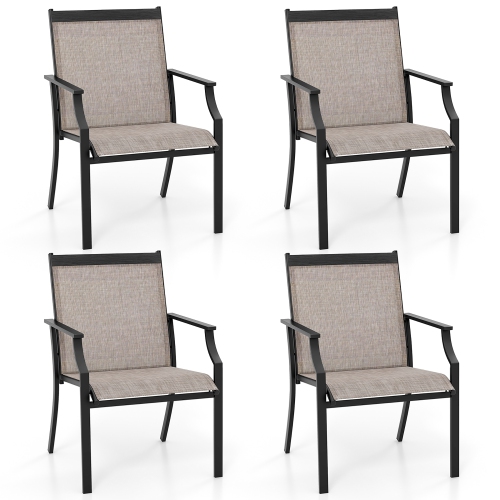

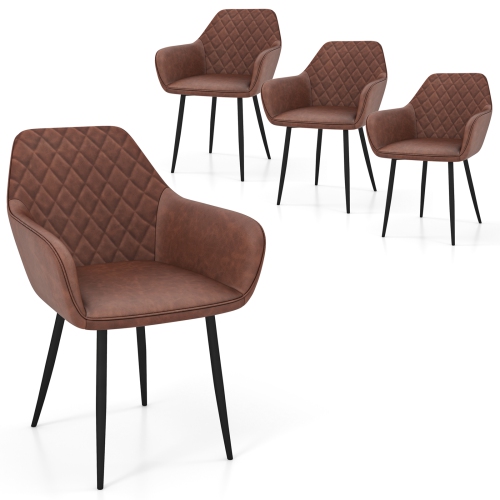
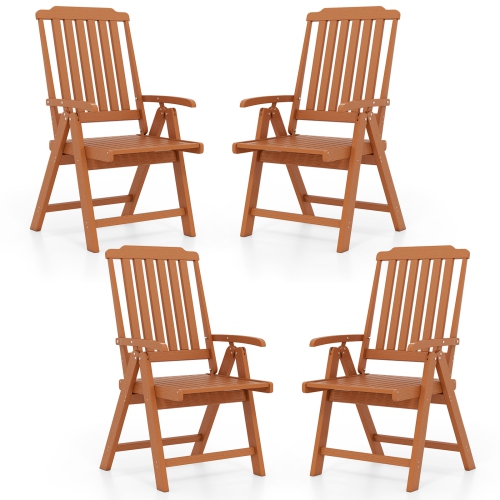
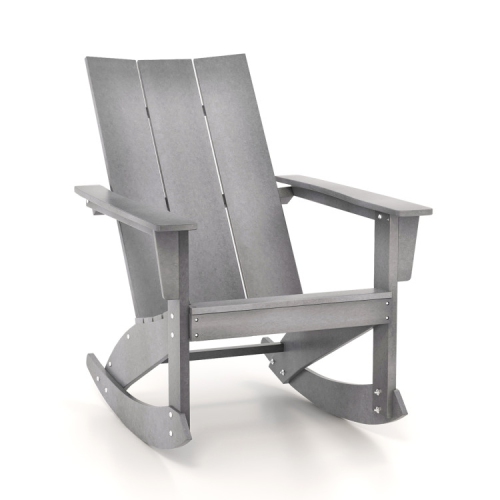
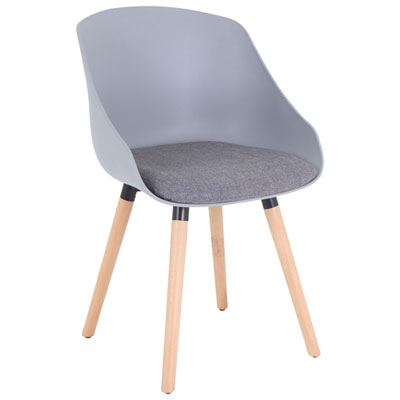
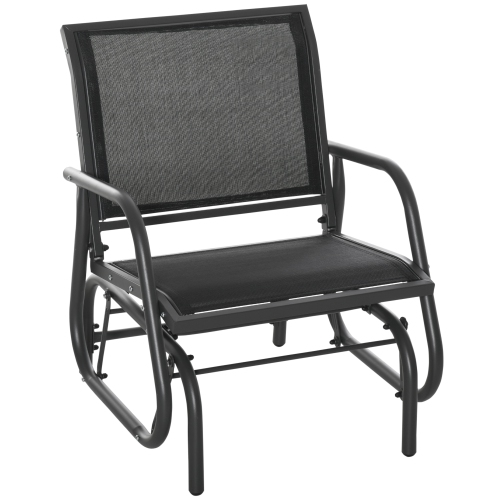
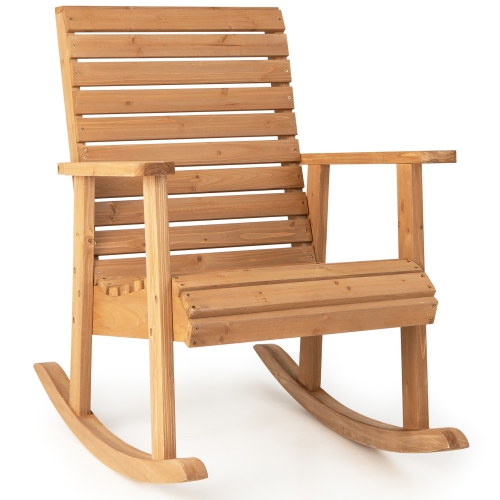
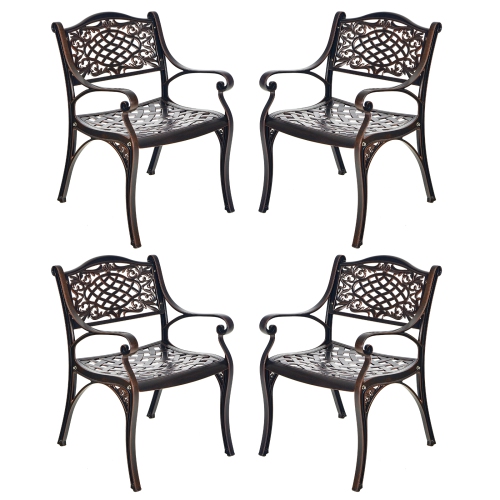
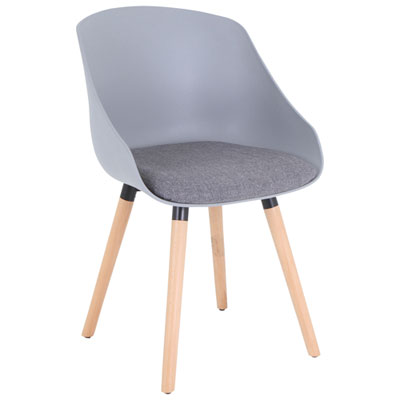
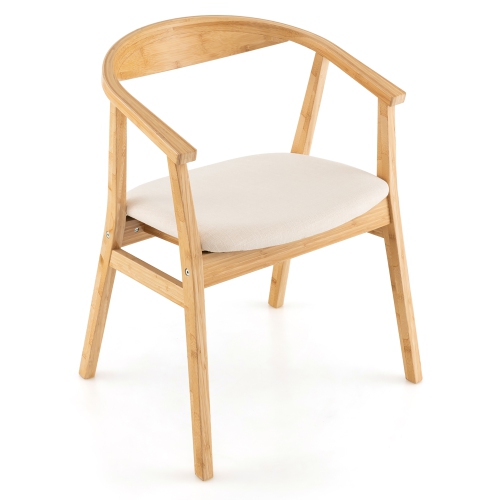
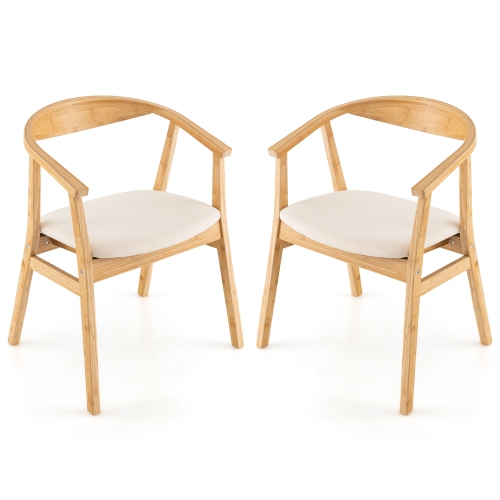
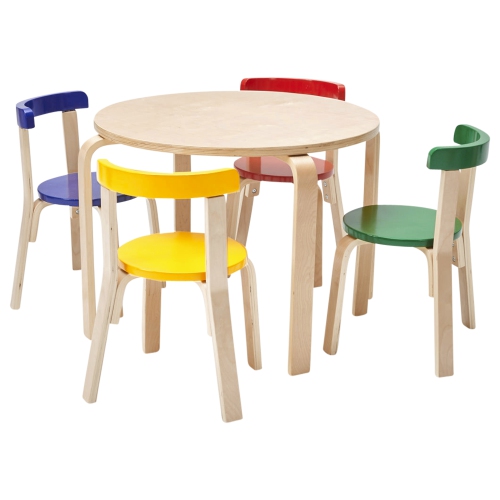
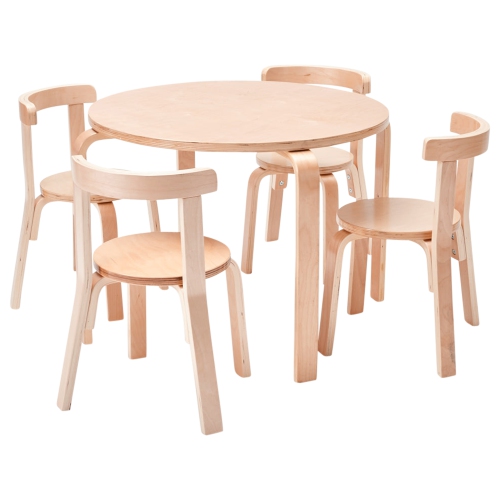
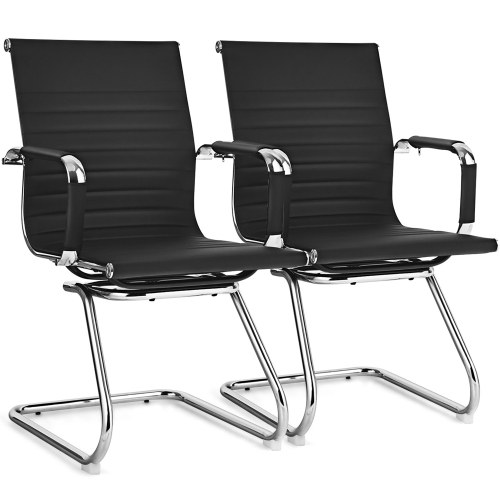
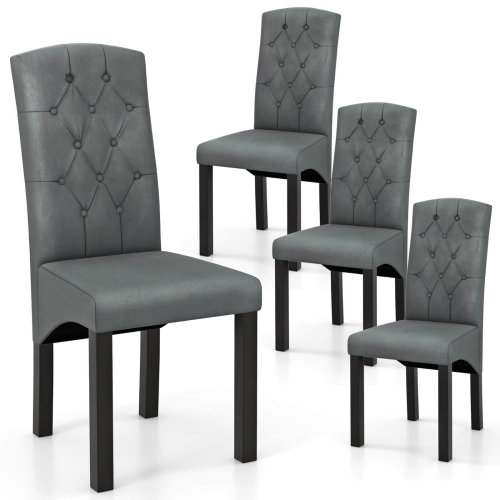
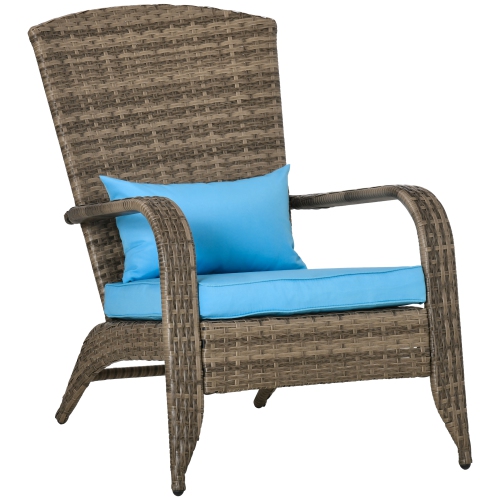

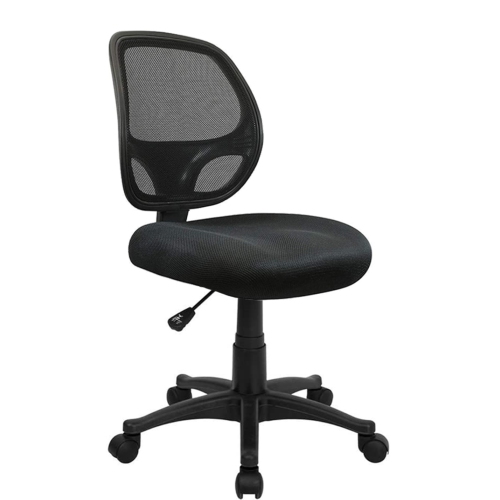
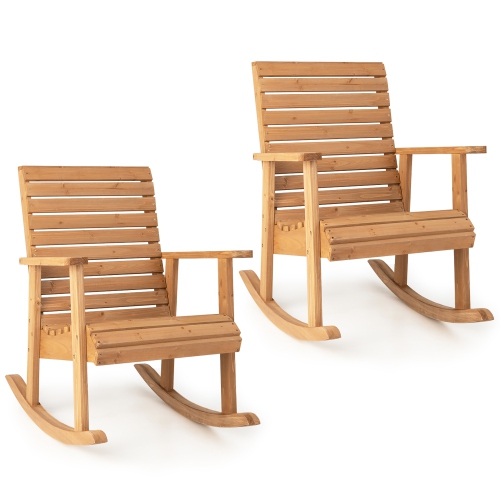
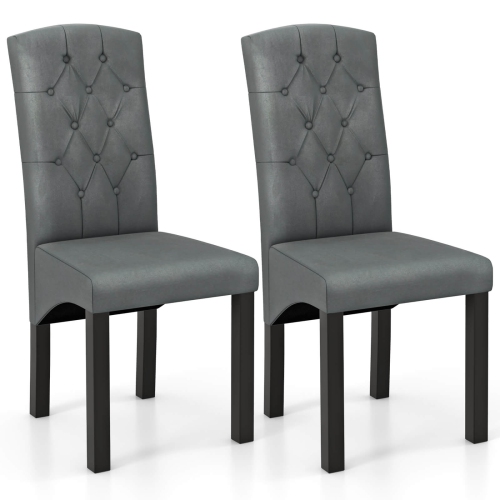
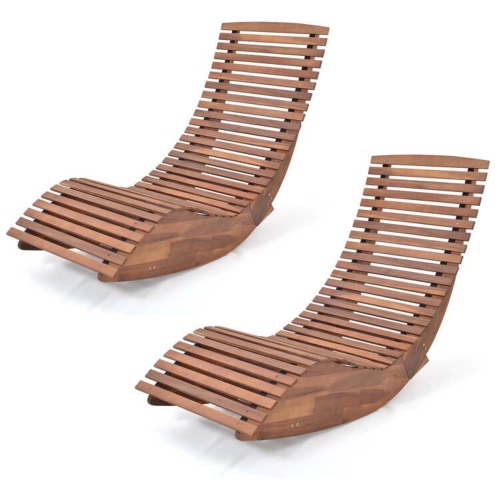
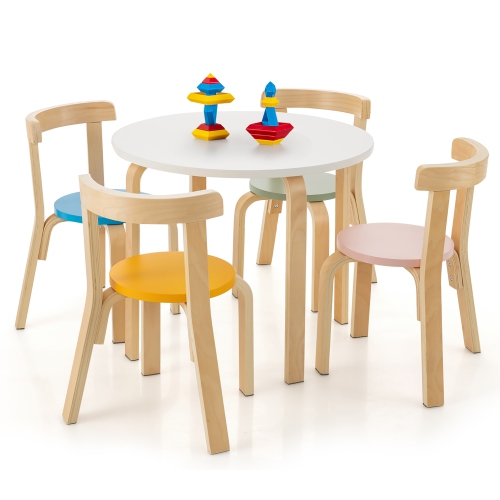
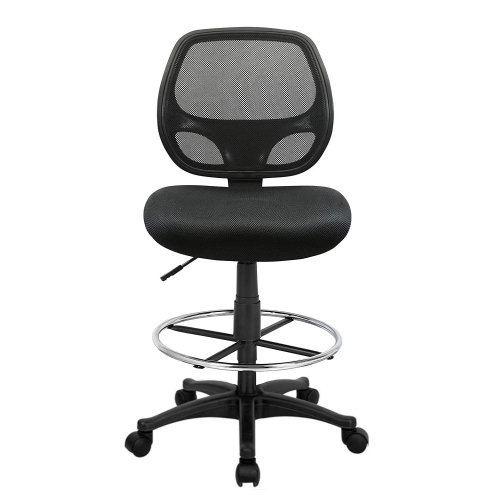
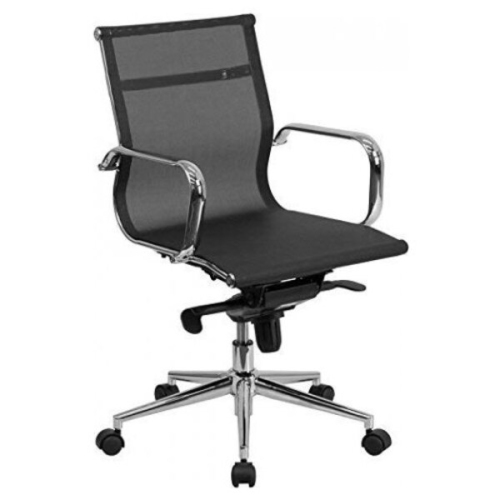
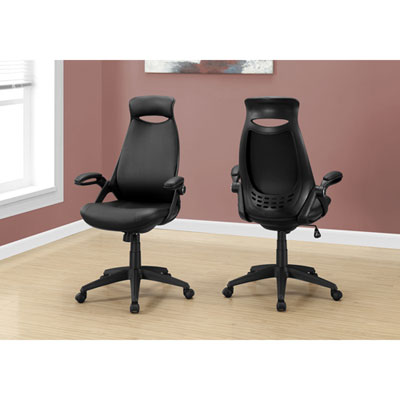
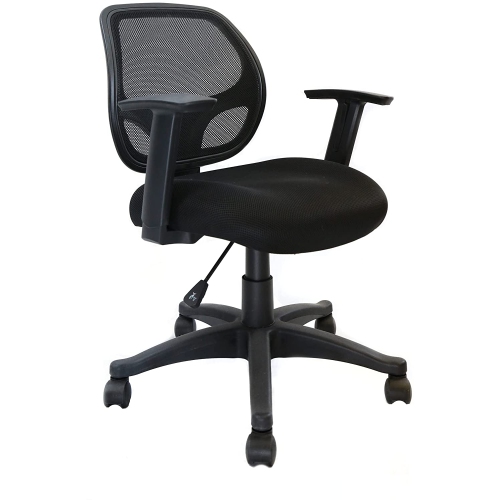
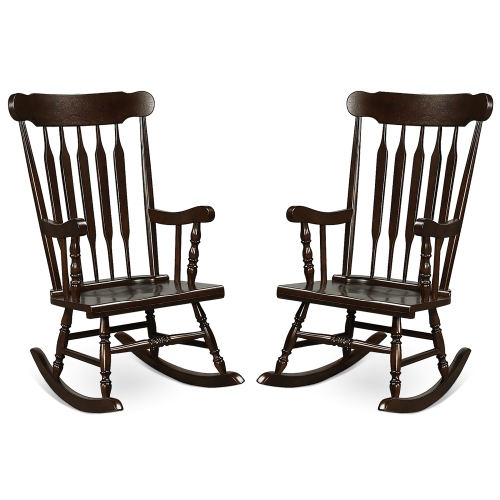
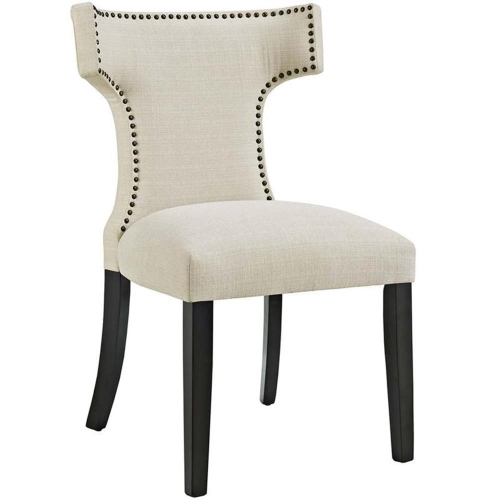
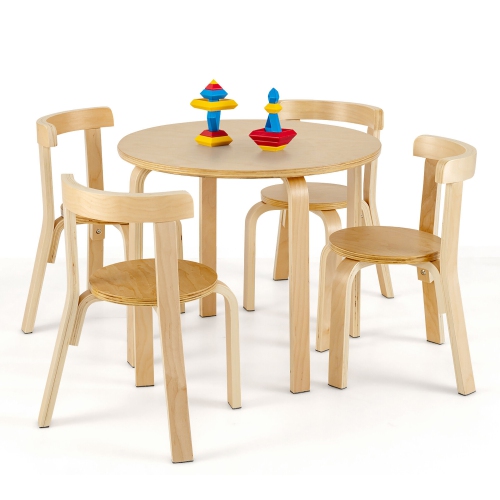
Rounded silhouettes that soften rooms and connect spaces
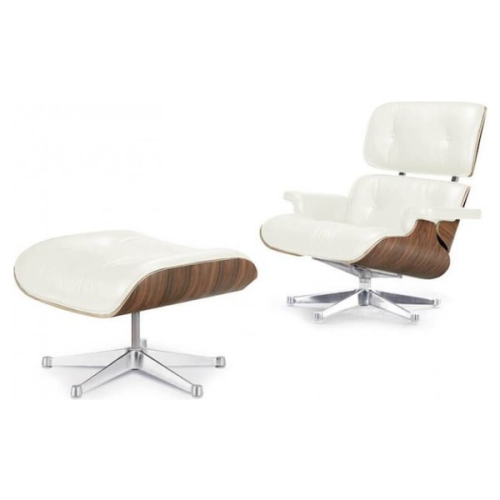
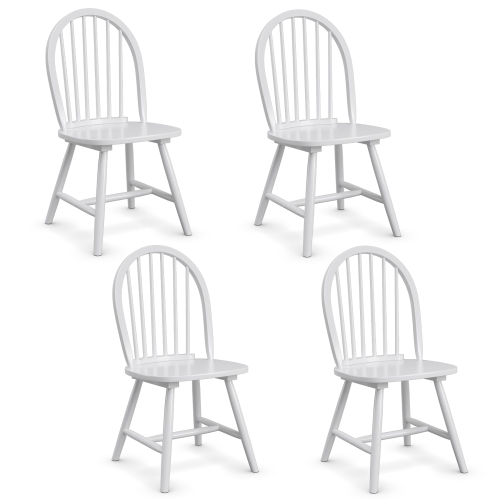
Curved back chairs have a backrest that arcs around the sitter, creating a softer outline than a straight, flat chair back. The curve may be subtle, as in a wooden dining chair with a gently bowed rail, or more pronounced, as in an upholstered barrel chair with a back that flows into the arms. This shape can provide a comfortable surface to lean against, though the amount of support depends on the chair’s height, angle, padding, and fit rather than its rounded appearance alone. Curved back dining chairs bring a sense of continuity to a table setting, while deeper accent chairs create an inviting spot for conversation or reading. A low, open-backed design keeps sightlines clear in a compact dining area; a taller upholstered back adds more visual presence beside a sofa or at the ends of a rectangular table. Mid-century styles often pair shaped wood with tapered legs, while contemporary versions may combine a rounded shell with slim metal supports or a fully upholstered base. For a coordinated room, the chair’s silhouette can echo the edge of a circular table, the arc of a floor lamp, or the rounded corners of a sideboard without requiring every piece to match. A curved back can also soften the look of a room dominated by straight shelving and angular furniture. Related round back chairs offer another way to explore rounded silhouettes, including designs with circular or oval backrests rather than a wraparound shape. Intended use helps distinguish the options: upright dining seating suits meals, board games, and conversation at a table, whereas a broader lounge seat encourages a more relaxed position. In an open-plan home, similar back shapes across dining and living areas can connect the spaces while allowing different upholstery, seat depths, and frame finishes to serve different needs.
Comfort starts with the relationship between the seat, backrest, and the person using the chair. A curved backrest may follow the torso from side to side without providing much contour through the lower back, so its shape should not be treated as a guarantee of posture support. For dining, a seat that allows feet to rest flat on the floor and leaves comfortable space behind the knees is generally more practical than one that feels deep and lounge-like. A broad, wraparound back can feel pleasantly enclosing, but the usable width between the arms matters more than the chair’s overall width. This is particularly important when several people with different builds will share the seating. Armrests can offer a place to rest the forearms and may help some people when sitting down or standing up, provided the chair is stable and the arms are designed to bear that pressure. They also need to clear the table’s underside, including any apron beneath the tabletop, if the chair is expected to tuck in. Armless curved back chairs can make it easier to move sideways into a seat at a closely arranged dining table. Overall dimensions deserve attention beyond the dining area as well: a sweeping back may extend farther into a walkway than the legs suggest, and a swivel chair needs room to turn without striking nearby furniture. Allow space to pull a dining chair out and move behind it, rather than judging fit only while it is pushed under the table. A lightly padded, upright chair may work for occasional paperwork, but a dining or accent chair is not necessarily a substitute for an adjustable task chair during extended computer use. For a reading corner, a deeper seat and a more reclined back may be appealing, especially with a suitably positioned side table. Anyone who prefers an easier rise from sitting may instead favour a firmer cushion, a higher seat, and less recline.
Materials influence both the character of curved back chairs and how they hold up to everyday routines. Solid wood offers visible grain and a substantial feel, while shaped plywood allows broad, continuous curves with a relatively slim profile. Neither construction should be judged by appearance alone: secure joints, an even stance, suitable weight capacity, and a well-finished surface all matter. Metal frames can give an upholstered chair a lighter visual outline, although the joints, finish, and floor-contact points still deserve attention. Woven cane or similar open panels add texture and let light pass through the back, but they need care to avoid concentrated pressure or snagging. Upholstery changes the experience just as noticeably. A smooth, tightly woven fabric may be easier to brush free of crumbs than a deeply textured covering, while bouclé brings a soft, nubby surface that can catch pet claws or jewellery. Velvet has a directional pile that can show shading and pressure marks as it is used. Leather develops wear characteristics that vary with its finish, and faux leather requires its own cleaning routine; the two should not be treated as interchangeable. In a dining space used for family meals, cleanable surfaces, accessible seams, and removable covers, where specified, can make routine upkeep simpler. In a quieter bedroom corner, texture and cushioning may take priority over frequent spill cleanup. Follow the manufacturer’s care directions, blot spills promptly rather than rubbing them into the material, and test any approved cleaner in an inconspicuous spot. A soft brush attachment can help remove dust from upholstered curves and seams, while wood generally benefits from gentle wiping and prompt drying rather than soaking. Positioning upholstery away from prolonged direct sunlight can help limit uneven fading. Protective pads suited to the flooring can reduce scraping, and chairs should be lifted rather than dragged when rearranging a room. Periodic checks for loose fasteners, worn glides, or movement at the joints help catch small maintenance needs early. With proportions that suit the room and materials that suit daily habits, curved back seating can be both a distinctive design choice and a practical part of everyday living.
Comfort starts with the relationship between the seat, backrest, and the person using the chair. A curved backrest may follow the torso from side to side without providing much contour through the lower back, so its shape should not be treated as a guarantee of posture support. For dining, a seat that allows feet to rest flat on the floor and leaves comfortable space behind the knees is generally more practical than one that feels deep and lounge-like. A broad, wraparound back can feel pleasantly enclosing, but the usable width between the arms matters more than the chair’s overall width. This is particularly important when several people with different builds will share the seating. Armrests can offer a place to rest the forearms and may help some people when sitting down or standing up, provided the chair is stable and the arms are designed to bear that pressure. They also need to clear the table’s underside, including any apron beneath the tabletop, if the chair is expected to tuck in. Armless curved back chairs can make it easier to move sideways into a seat at a closely arranged dining table. Overall dimensions deserve attention beyond the dining area as well: a sweeping back may extend farther into a walkway than the legs suggest, and a swivel chair needs room to turn without striking nearby furniture. Allow space to pull a dining chair out and move behind it, rather than judging fit only while it is pushed under the table. A lightly padded, upright chair may work for occasional paperwork, but a dining or accent chair is not necessarily a substitute for an adjustable task chair during extended computer use. For a reading corner, a deeper seat and a more reclined back may be appealing, especially with a suitably positioned side table. Anyone who prefers an easier rise from sitting may instead favour a firmer cushion, a higher seat, and less recline.
Materials influence both the character of curved back chairs and how they hold up to everyday routines. Solid wood offers visible grain and a substantial feel, while shaped plywood allows broad, continuous curves with a relatively slim profile. Neither construction should be judged by appearance alone: secure joints, an even stance, suitable weight capacity, and a well-finished surface all matter. Metal frames can give an upholstered chair a lighter visual outline, although the joints, finish, and floor-contact points still deserve attention. Woven cane or similar open panels add texture and let light pass through the back, but they need care to avoid concentrated pressure or snagging. Upholstery changes the experience just as noticeably. A smooth, tightly woven fabric may be easier to brush free of crumbs than a deeply textured covering, while bouclé brings a soft, nubby surface that can catch pet claws or jewellery. Velvet has a directional pile that can show shading and pressure marks as it is used. Leather develops wear characteristics that vary with its finish, and faux leather requires its own cleaning routine; the two should not be treated as interchangeable. In a dining space used for family meals, cleanable surfaces, accessible seams, and removable covers, where specified, can make routine upkeep simpler. In a quieter bedroom corner, texture and cushioning may take priority over frequent spill cleanup. Follow the manufacturer’s care directions, blot spills promptly rather than rubbing them into the material, and test any approved cleaner in an inconspicuous spot. A soft brush attachment can help remove dust from upholstered curves and seams, while wood generally benefits from gentle wiping and prompt drying rather than soaking. Positioning upholstery away from prolonged direct sunlight can help limit uneven fading. Protective pads suited to the flooring can reduce scraping, and chairs should be lifted rather than dragged when rearranging a room. Periodic checks for loose fasteners, worn glides, or movement at the joints help catch small maintenance needs early. With proportions that suit the room and materials that suit daily habits, curved back seating can be both a distinctive design choice and a practical part of everyday living.
Top selling and popular products
-
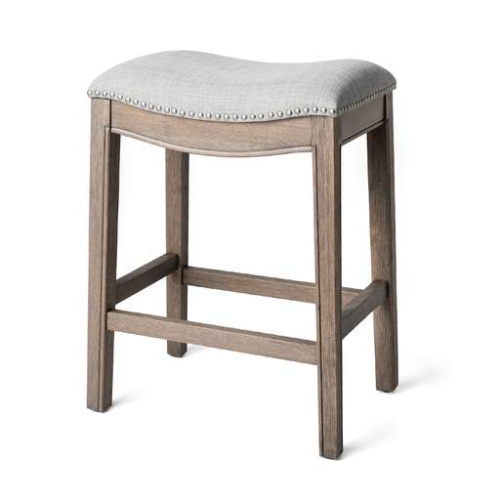 Your price for this item is $210.99
 -
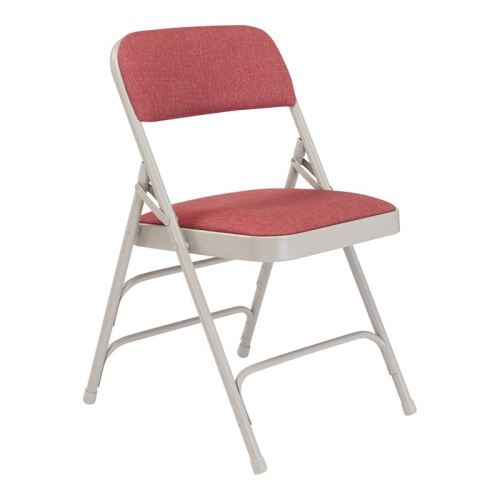 Your price for this item is $399.16
 -
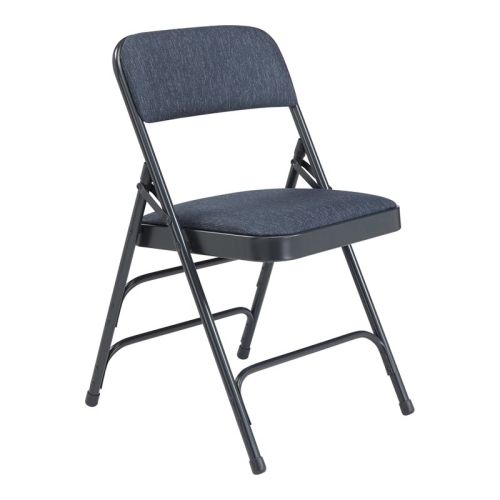 Your price for this item is $413.92
 -
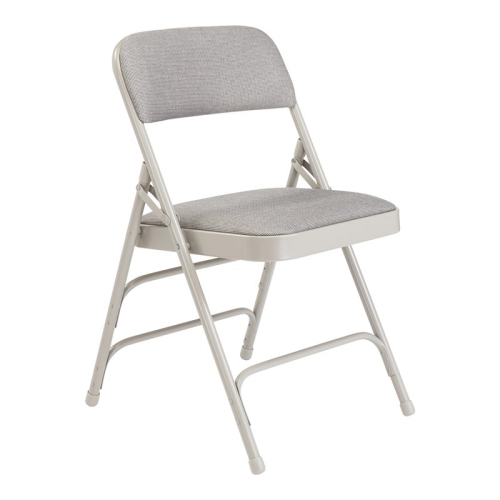 Your price for this item is $395.27
 -
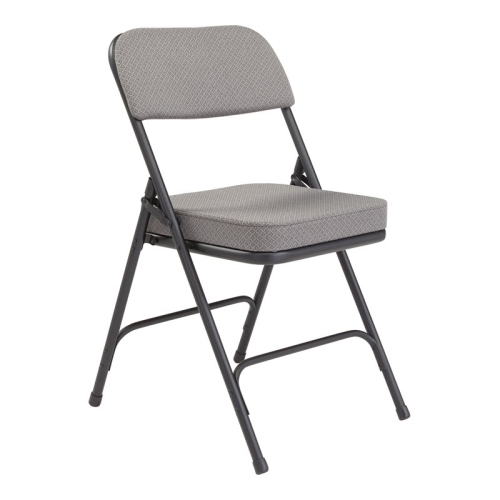 Your price for this item is $282.44
 -
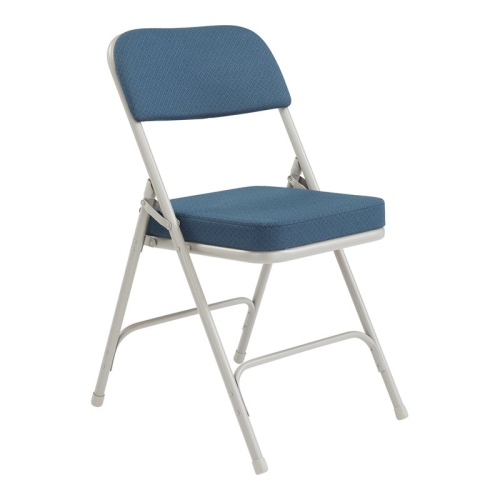 Your price for this item is $279.98
 -
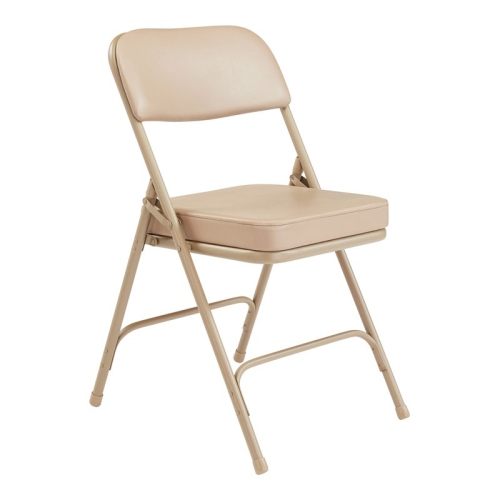 Your price for this item is $278.44
 -
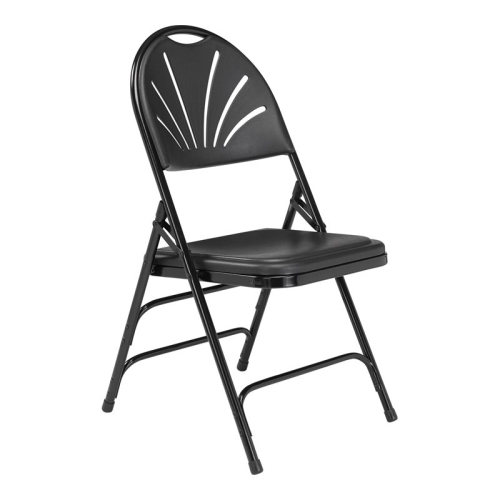 Your price for this item is $409.5
Discover more categories related to Curved Back Chairs
Top Collections:
Pokemon Centers, Kindle Devices, Best Budget Office Chairs, Apple iPhones 16, Best Laptops for Writers, iPhone 15 Apple, Canon G7X Cameras, Refurbished Apple Laptops, Alarm Clock, Motorola Razr Phones
Some products may be subject to Environmental Handling Fees
(EHF) depending on your province.
Learn more about EHFs.