Curved Back Dining Chairs
Whether you're hosting a dinner party or enjoying a quiet meal at home, the right dining chairs can elevate your dining experience. Introducing our collection of curved-back dining chairs, designed to combine comfort and style seamlessly. With their elegant curves and ergonomic design, these chairs not only provide excellent support for your back but also add a touch of sophistication to almost any dining space. Crafted with attention to detail and using high-quality materials, our selection of curved-back dining chairs offers both durability and timeless appeal.
Sort



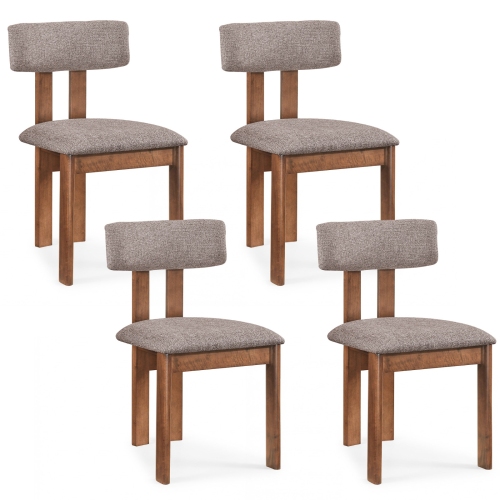
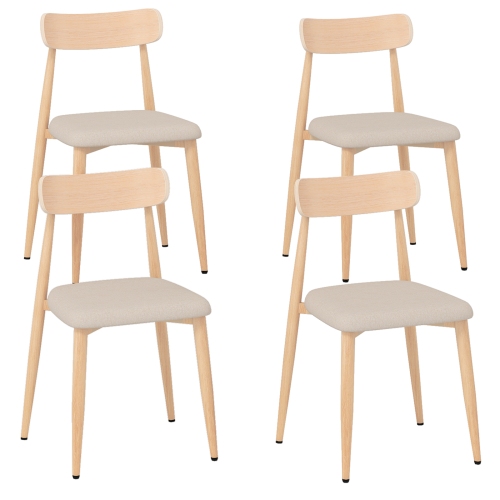
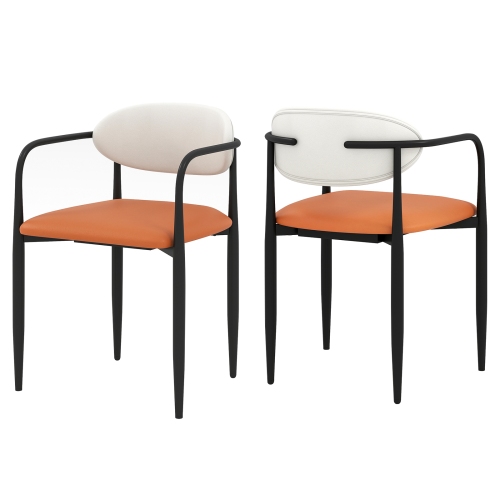
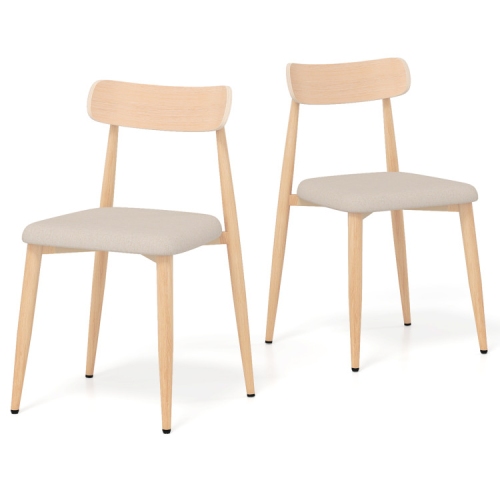
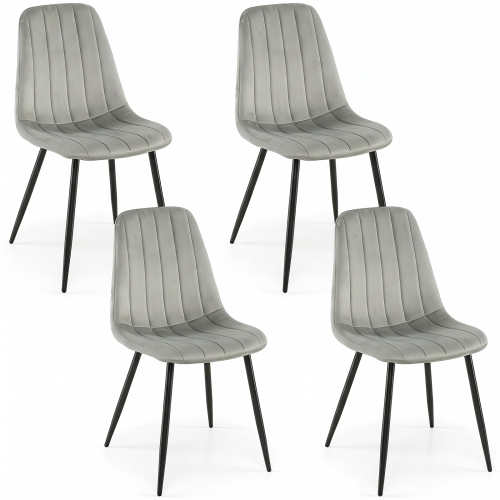
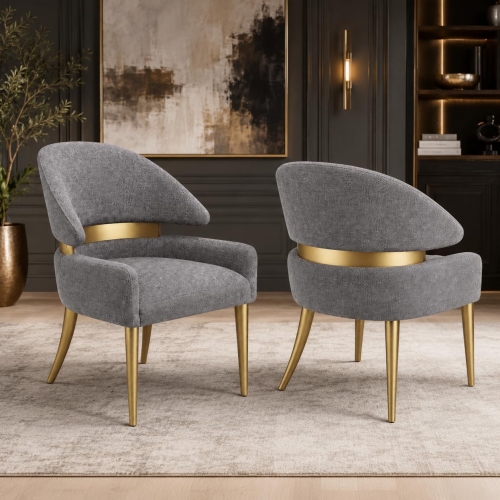
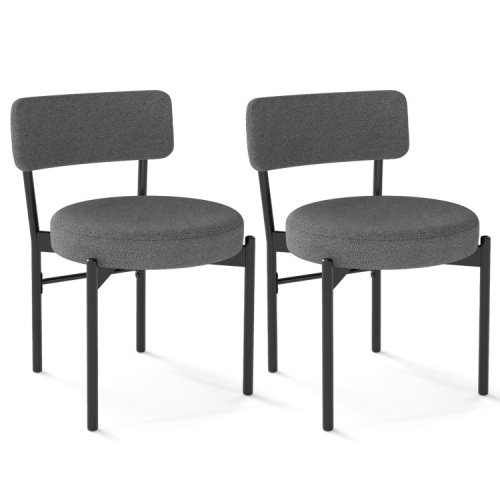
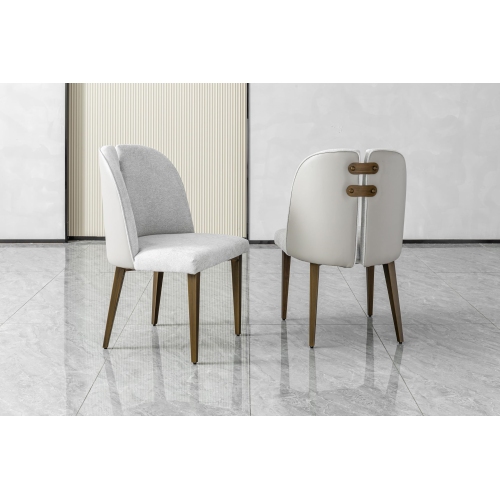
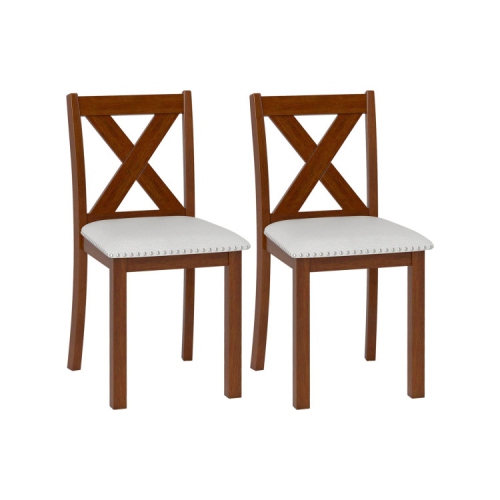
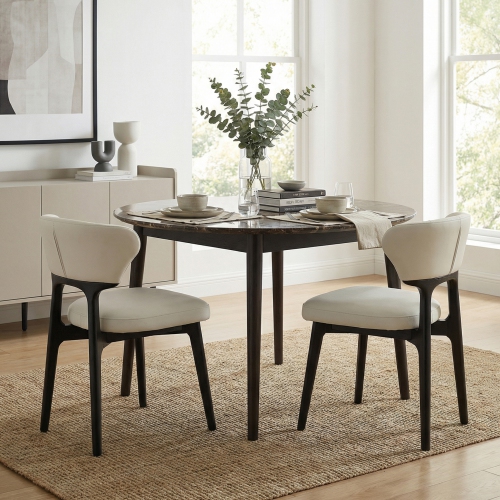
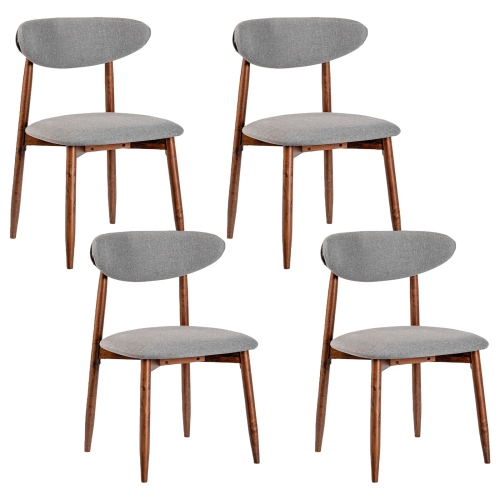
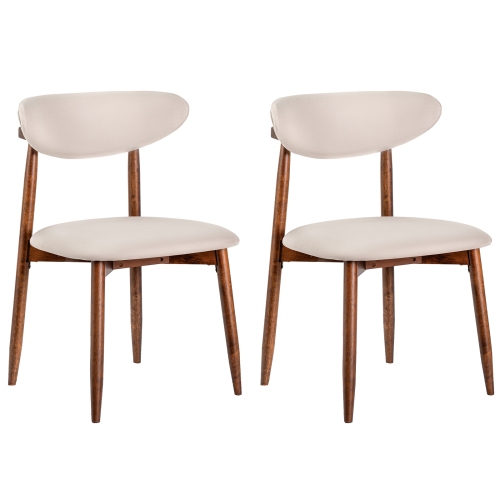
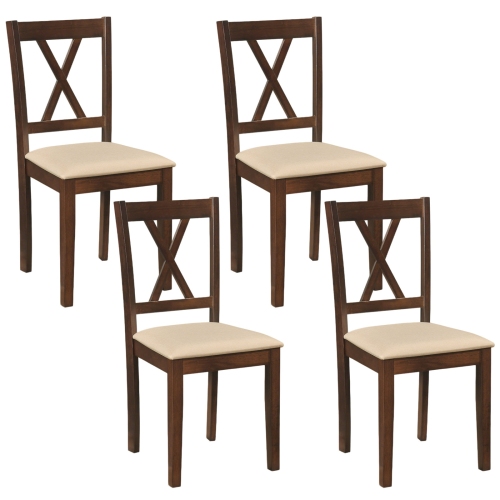
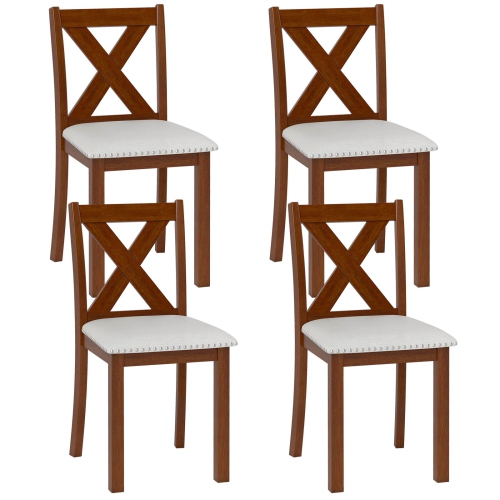
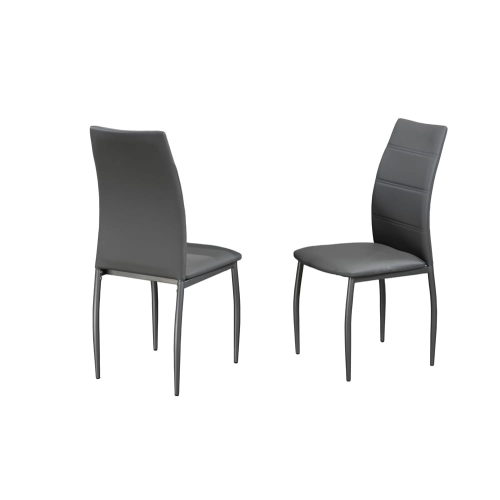
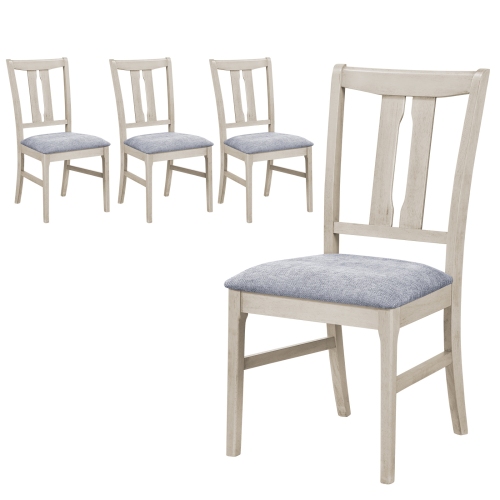
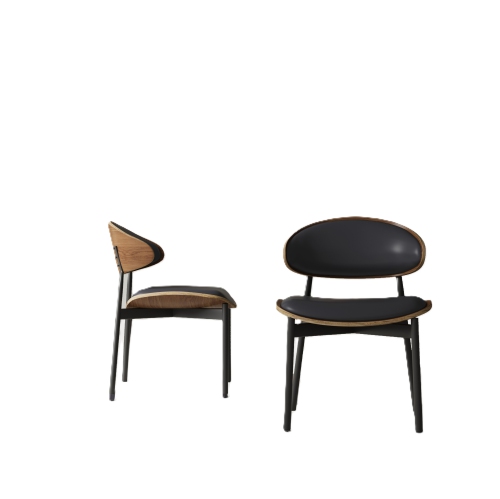
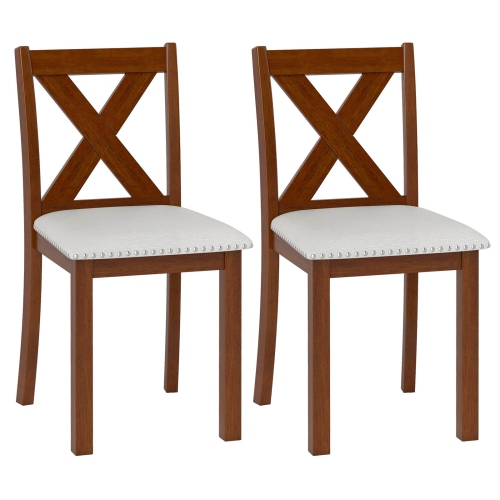
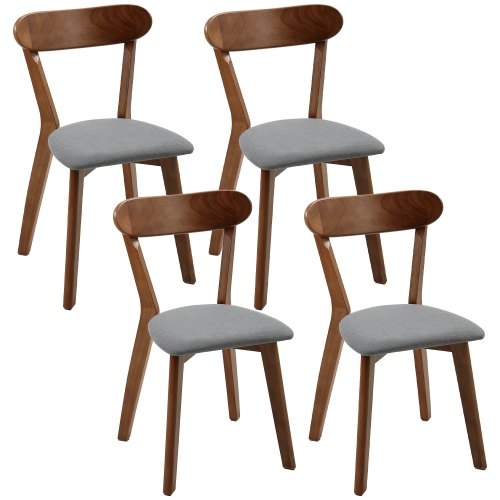
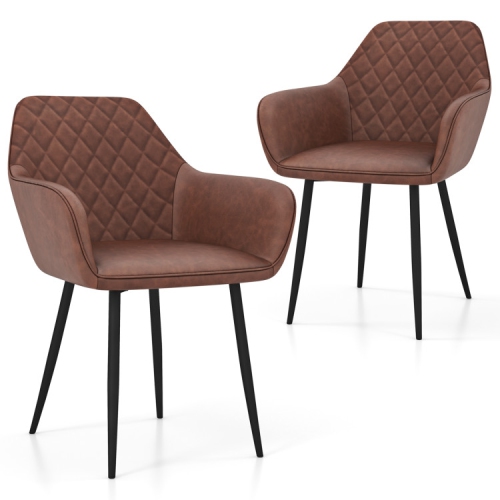
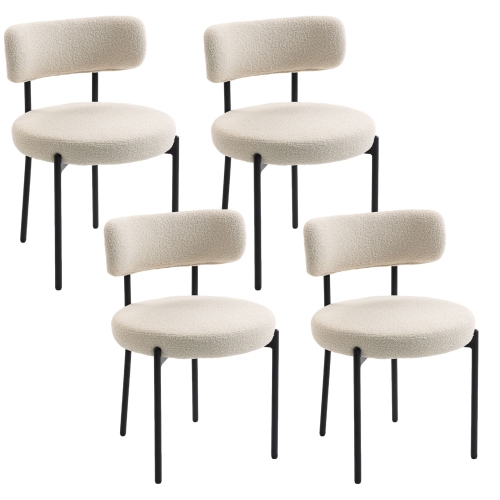
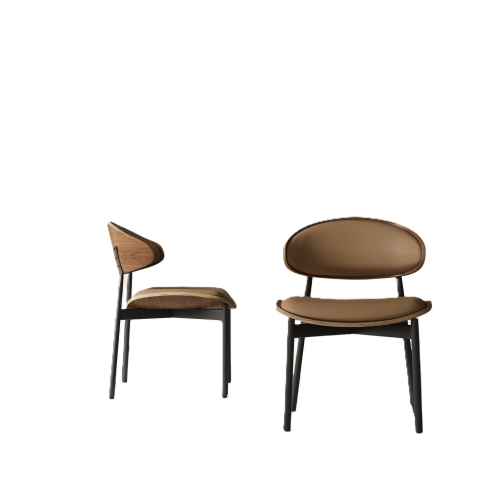
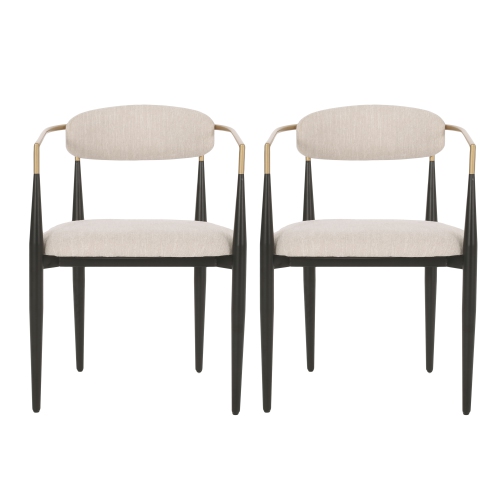
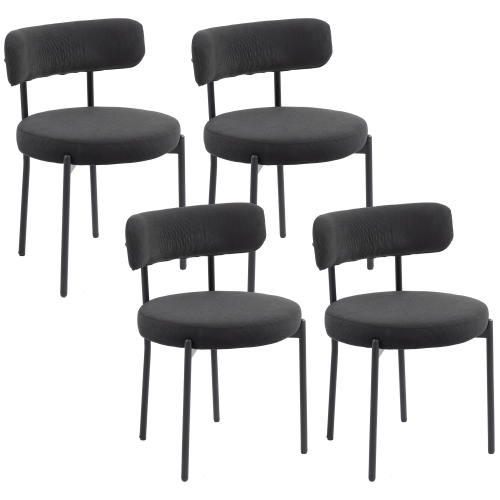
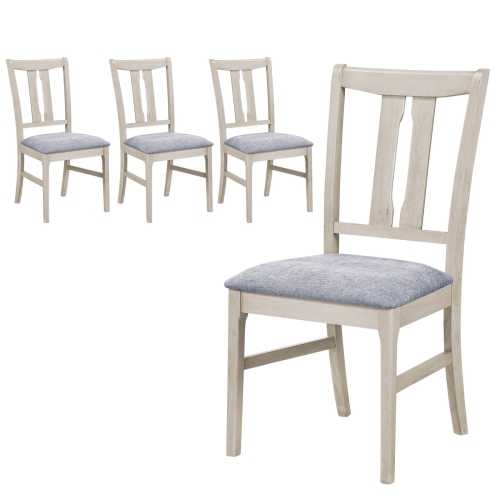
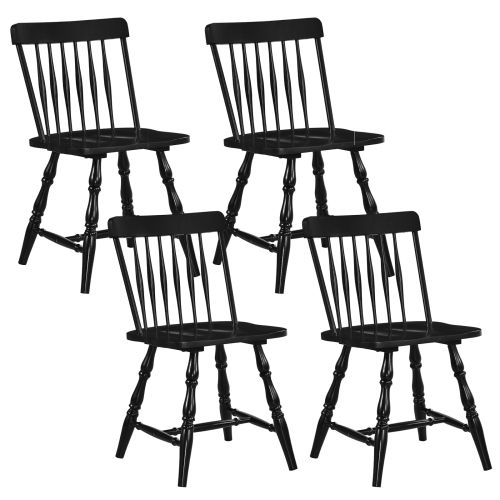
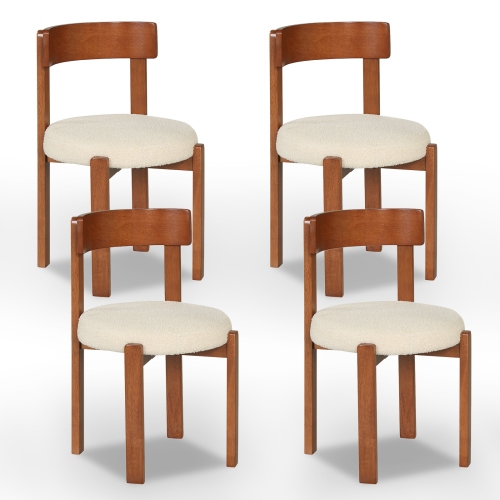
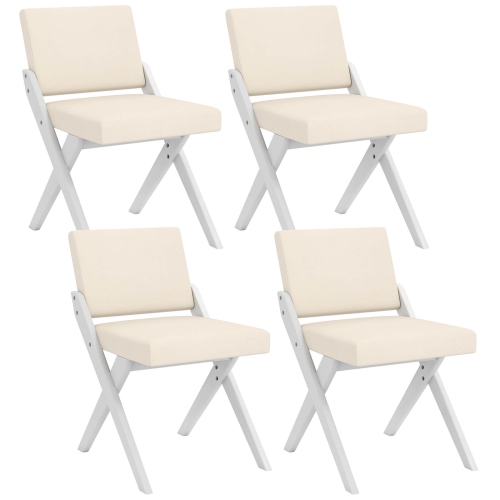
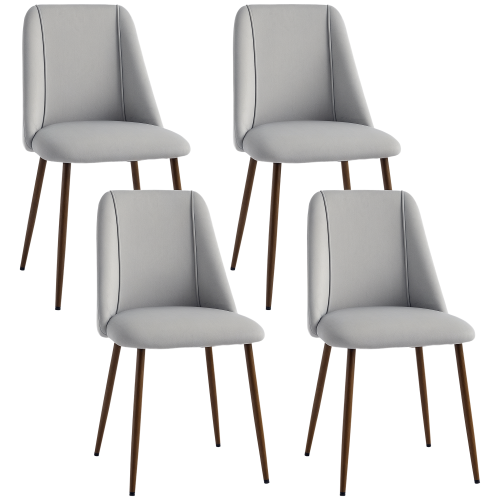
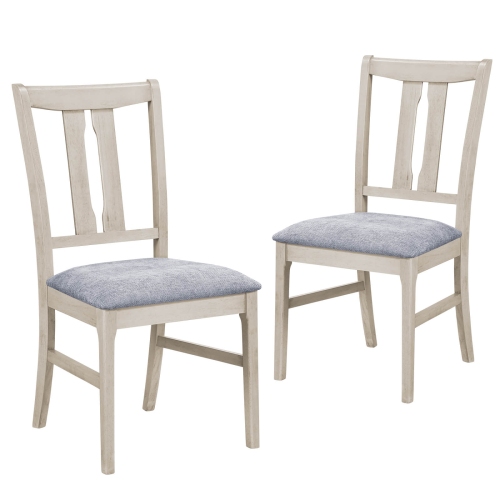
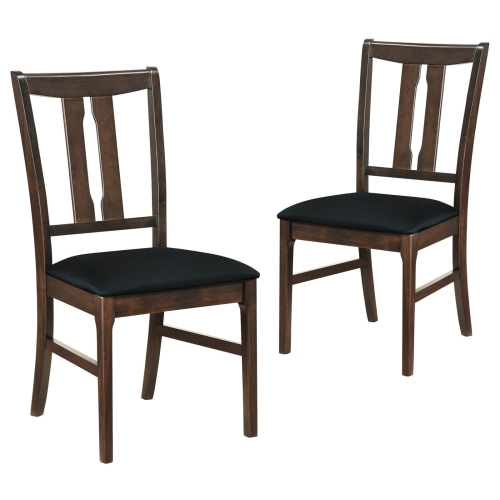
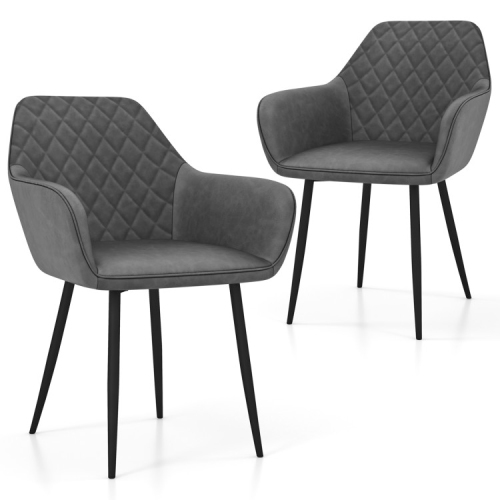
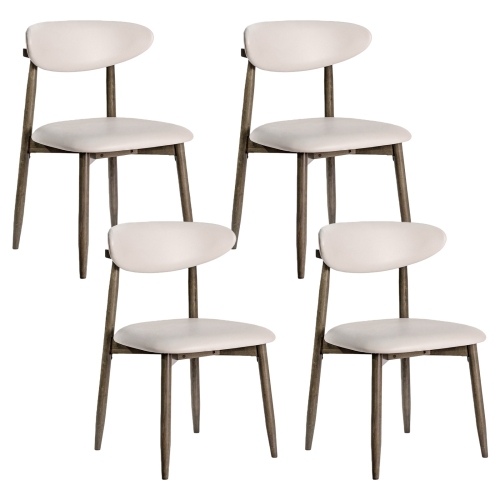
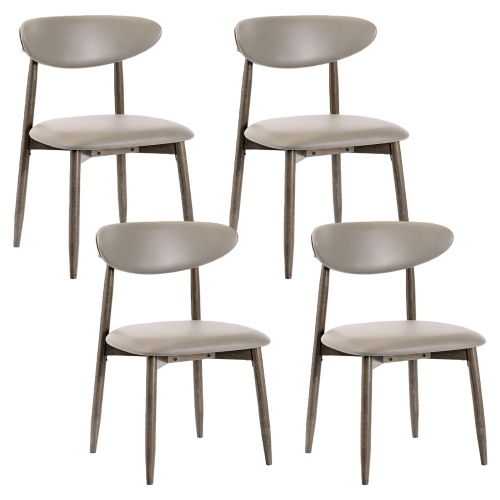

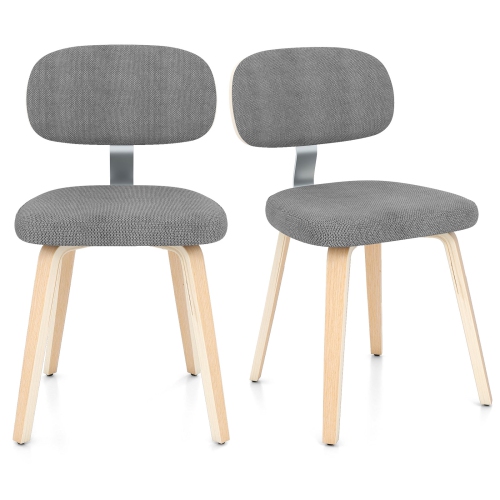
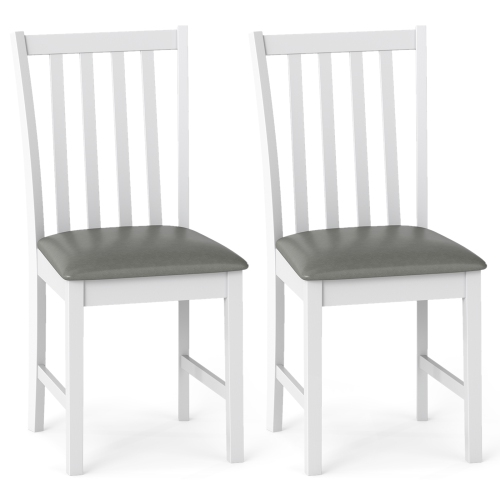
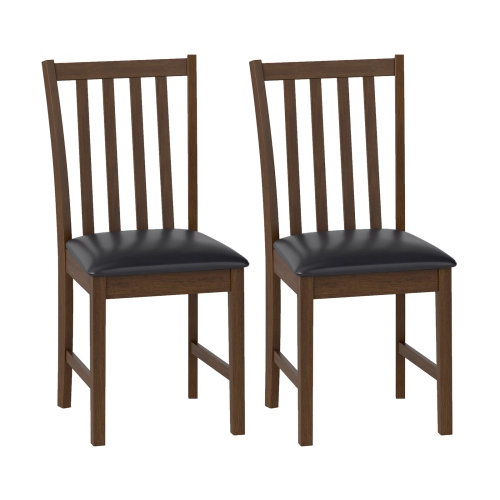
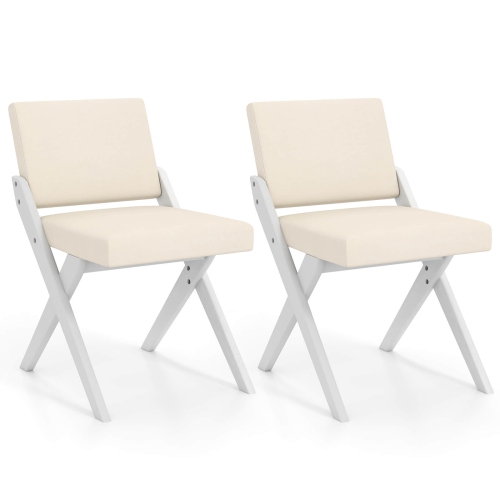
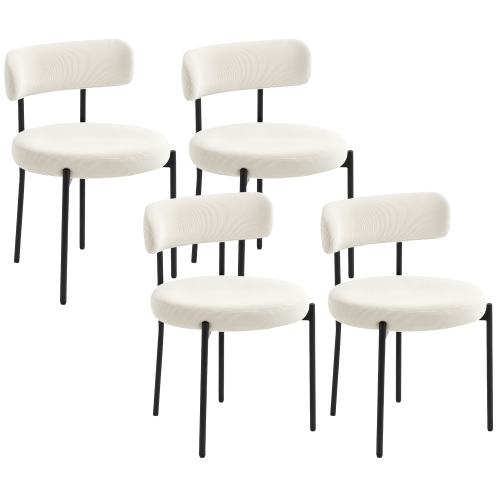
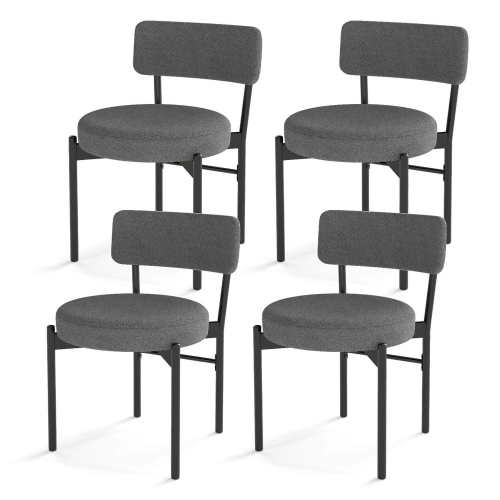
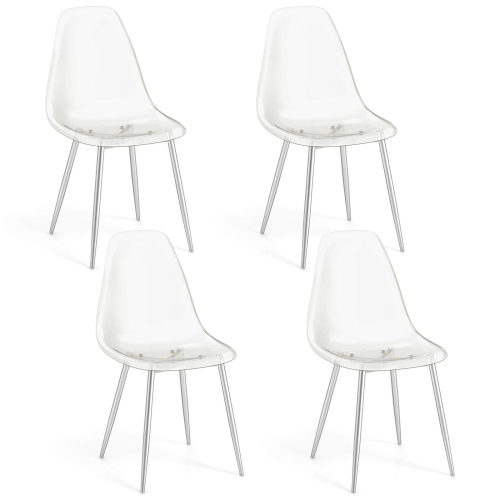
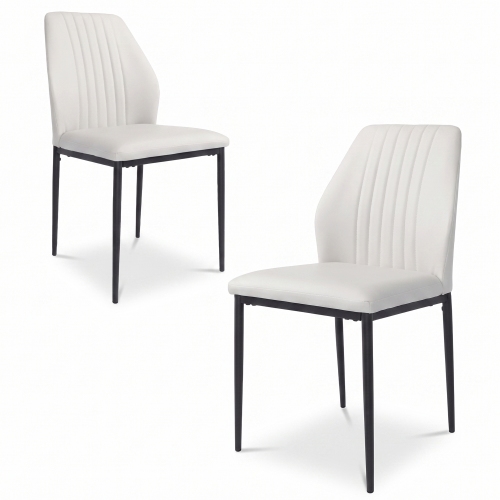
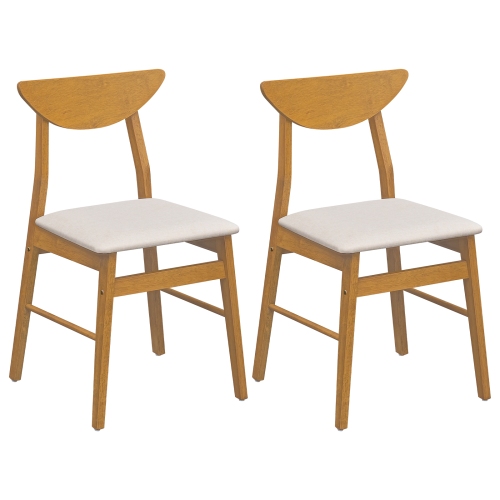
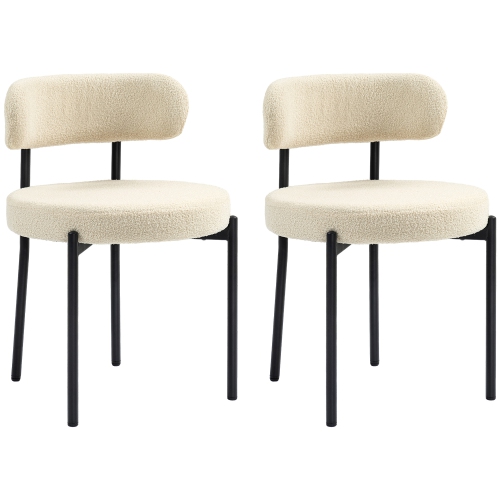
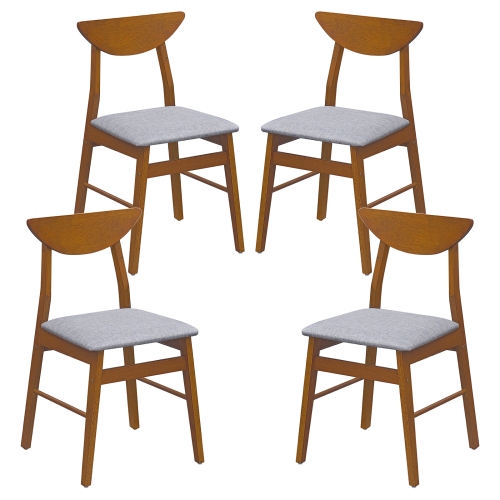
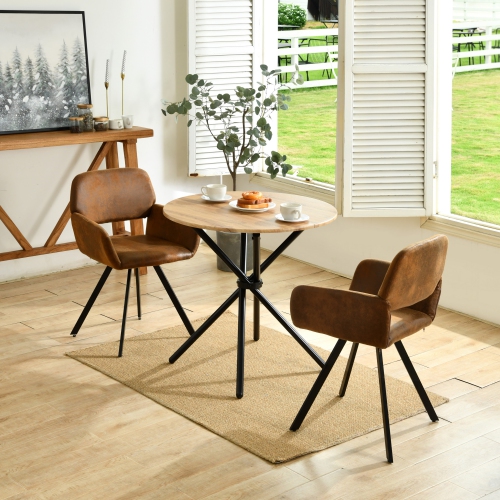
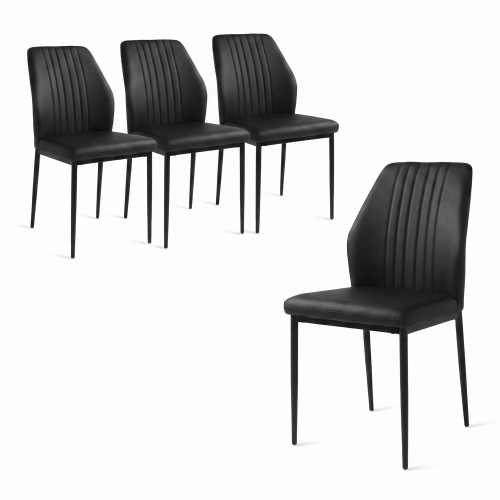

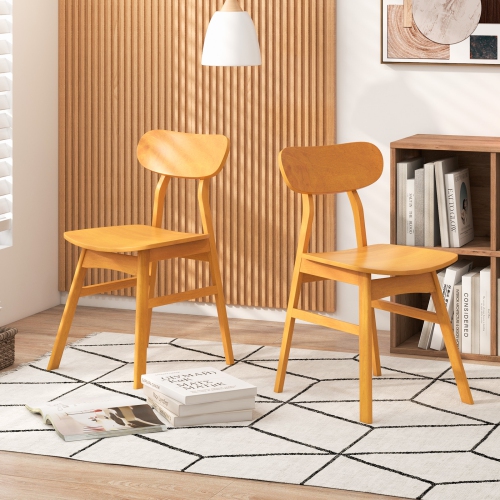
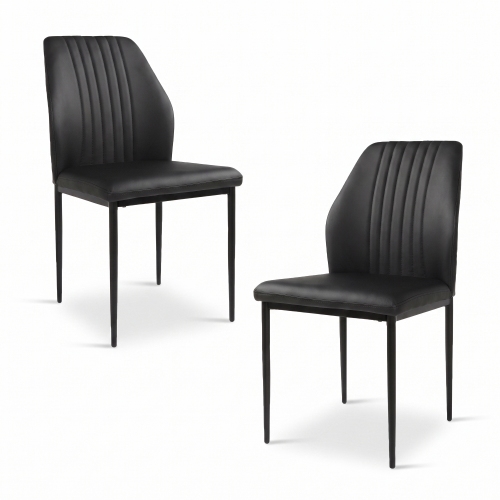
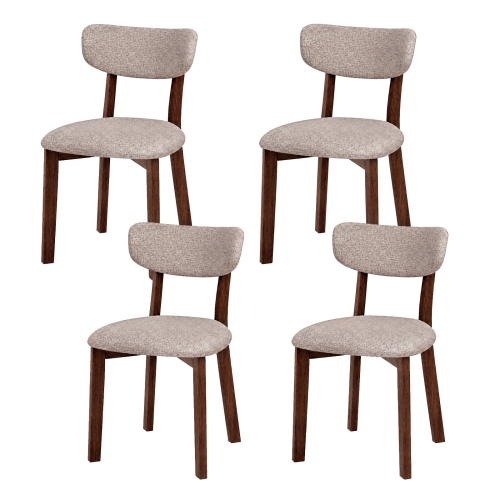
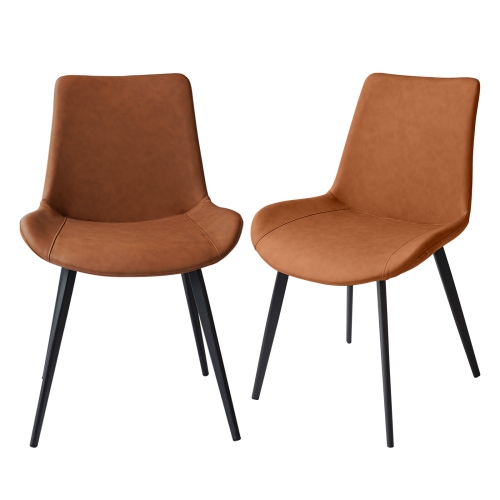
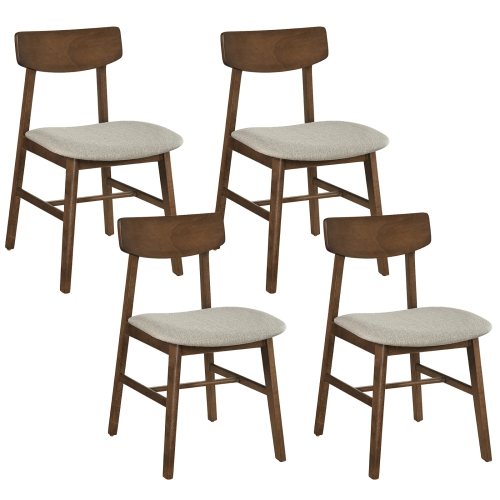
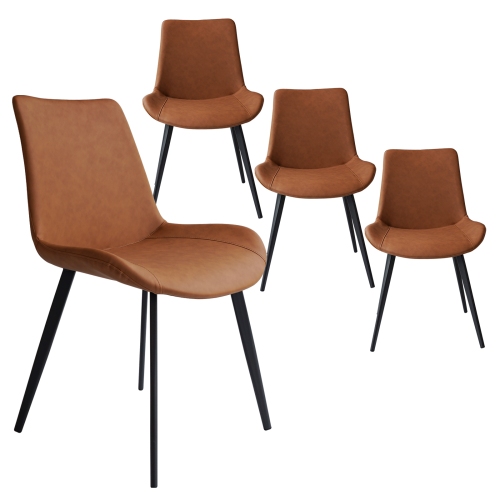
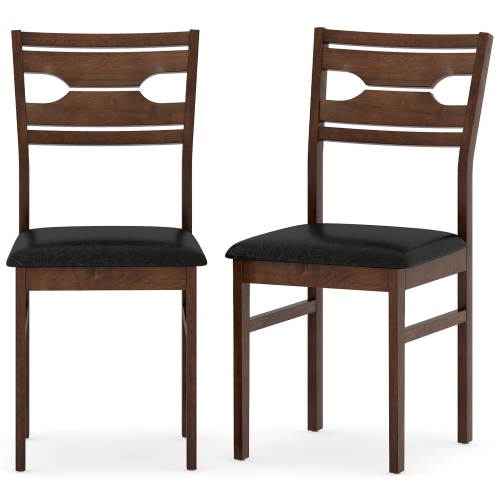
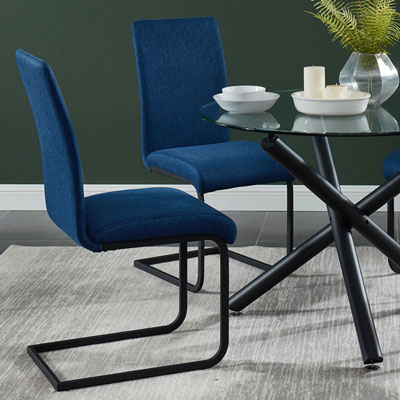
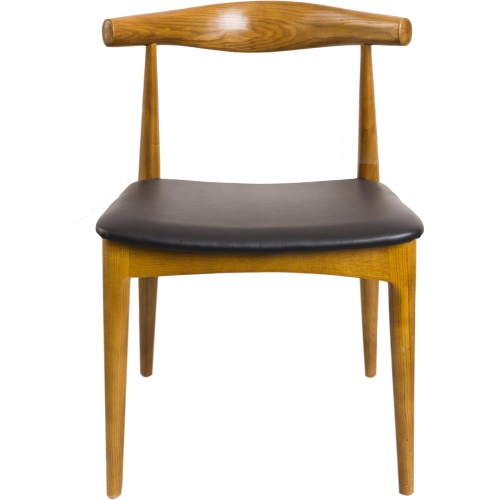
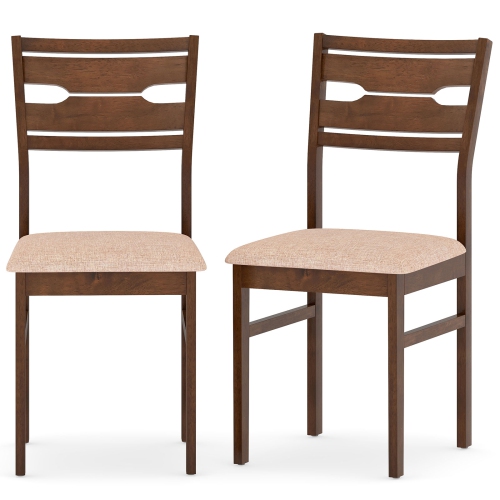
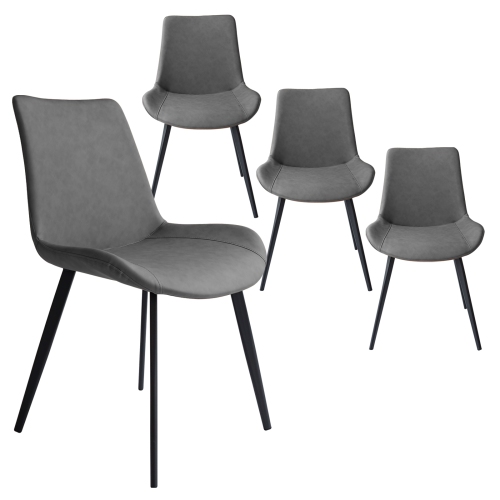
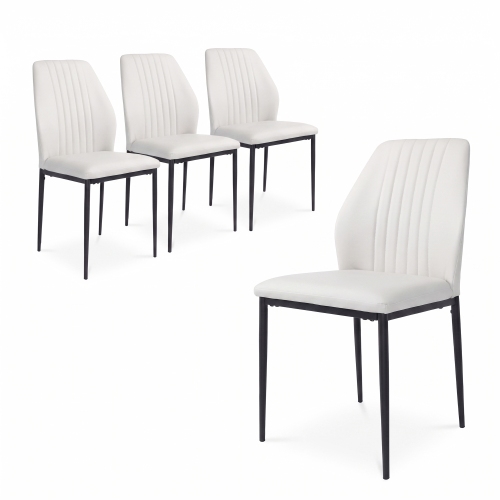
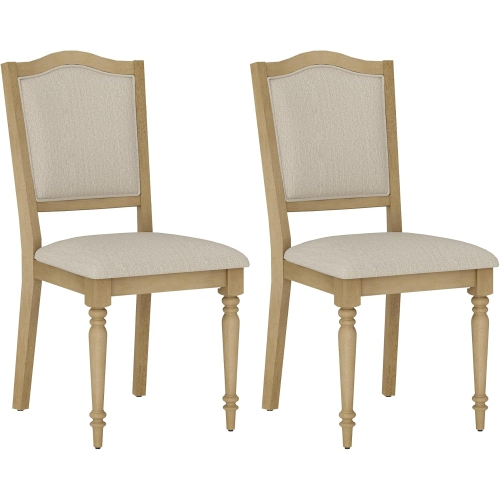
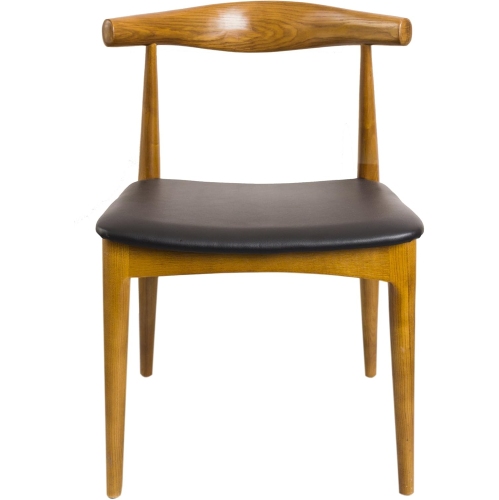
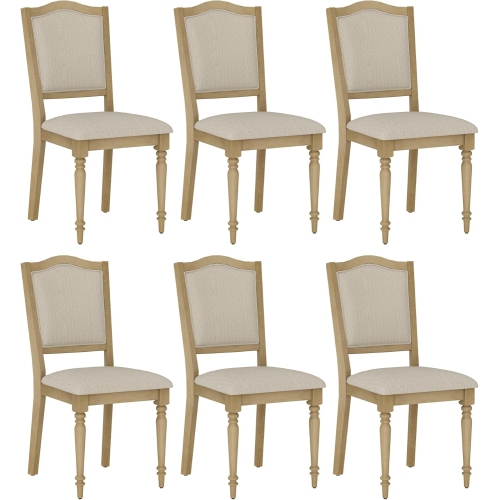

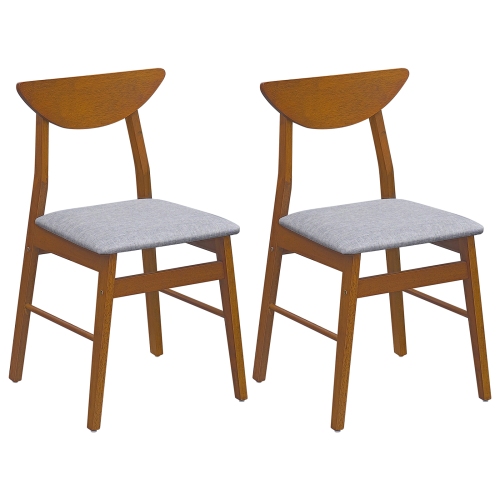

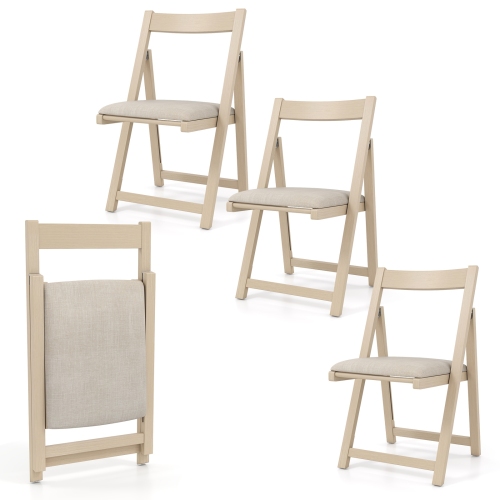
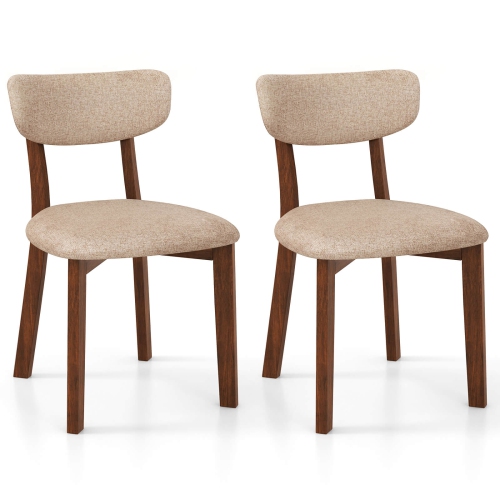
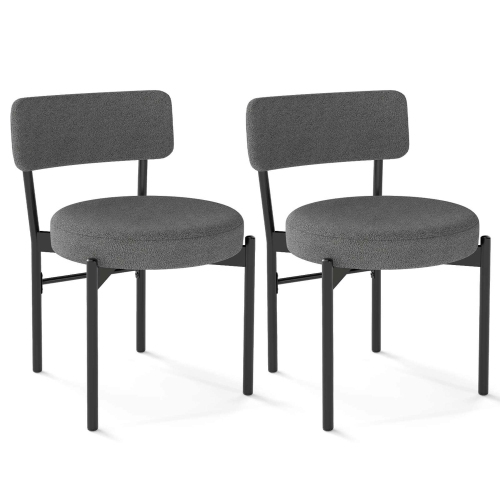
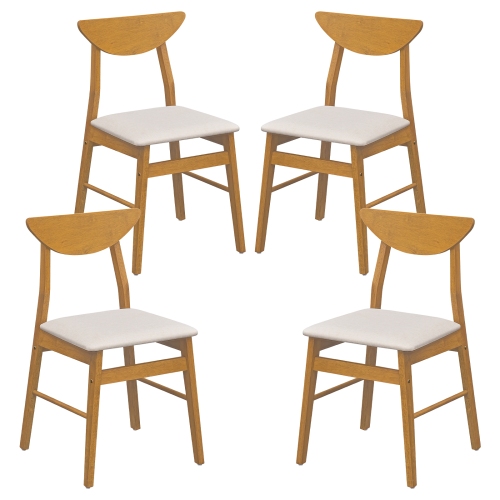
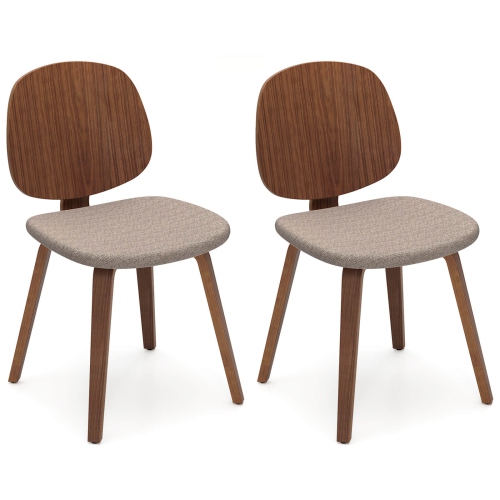
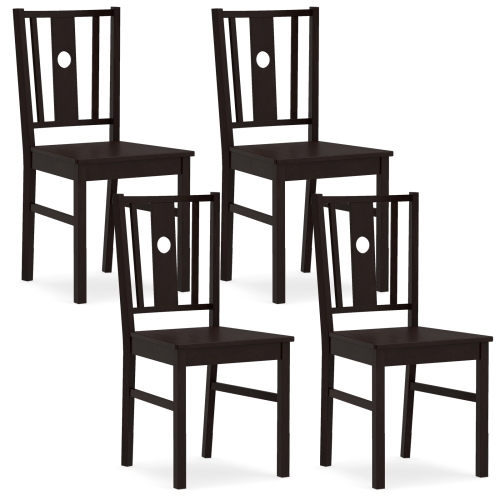
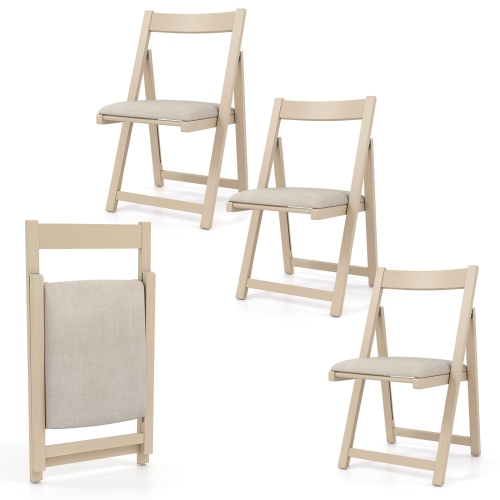
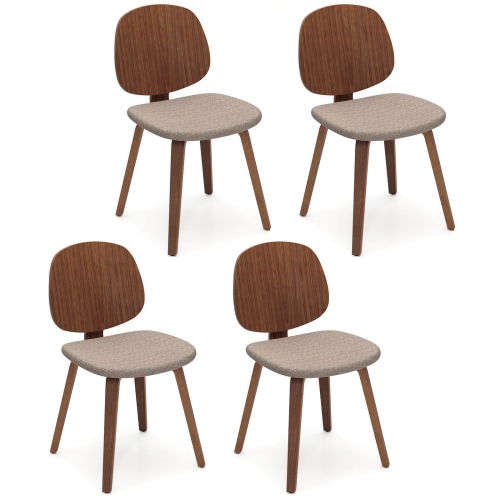
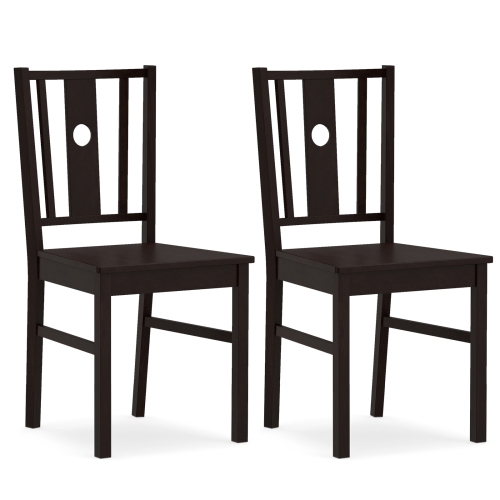
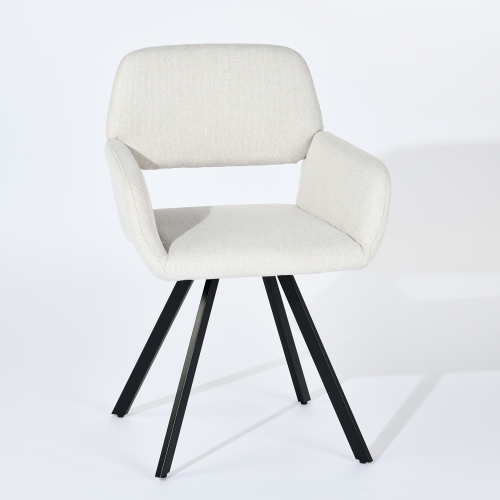
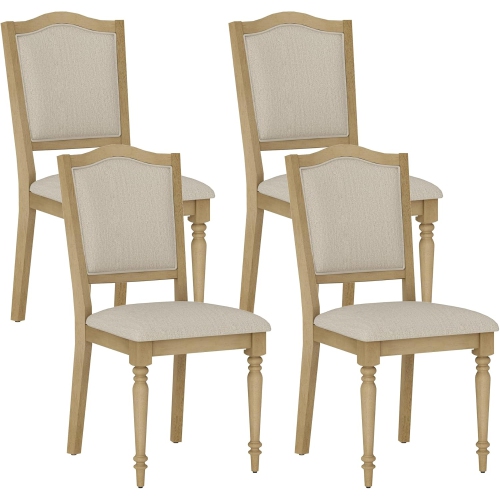
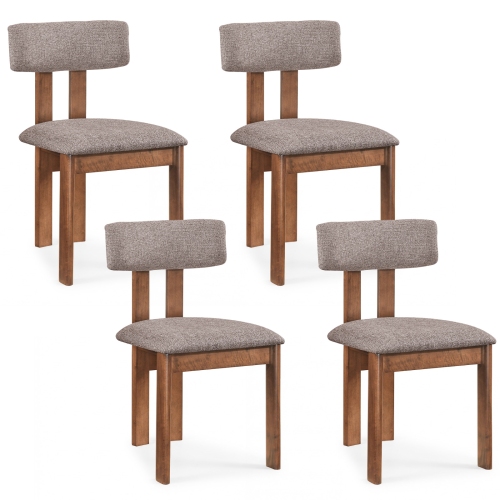
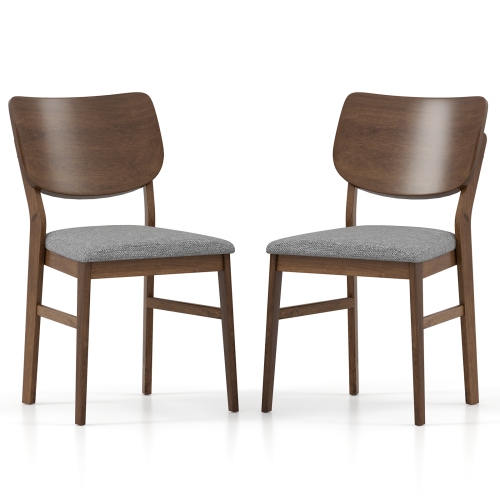
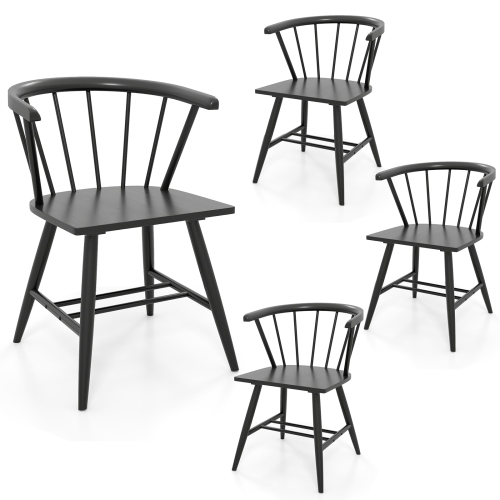
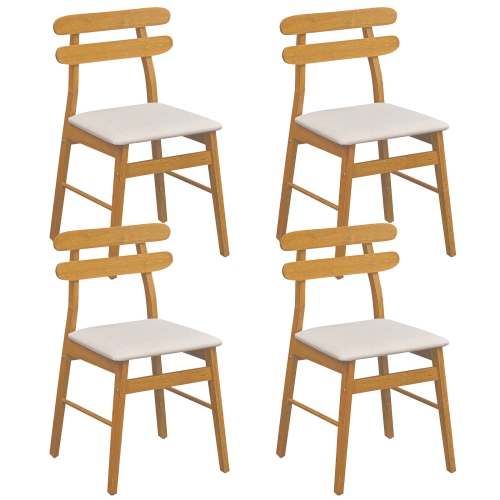
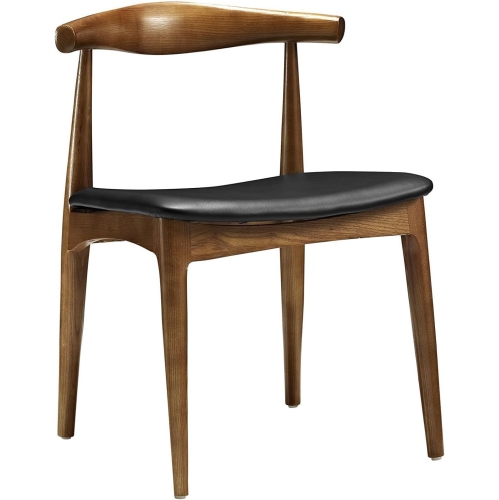
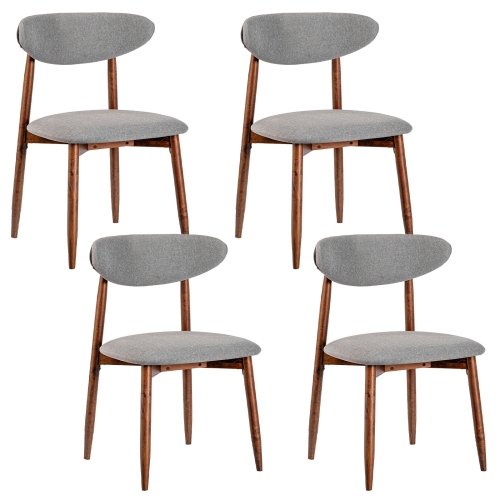
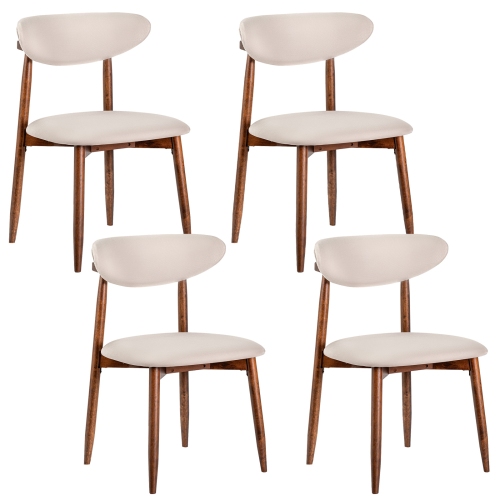
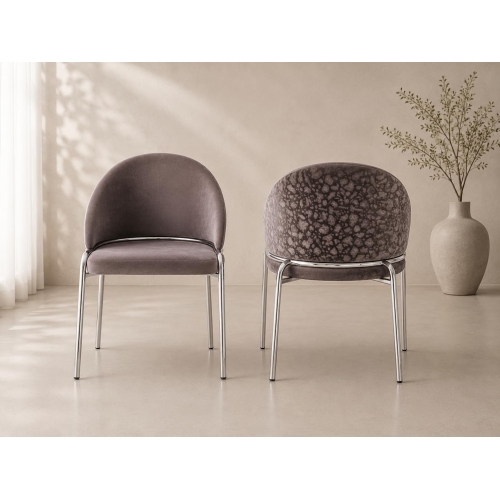
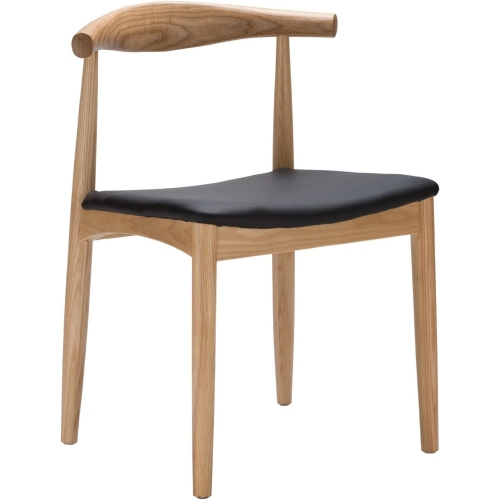
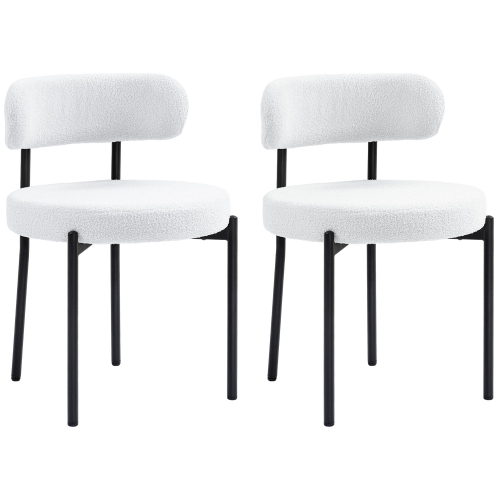
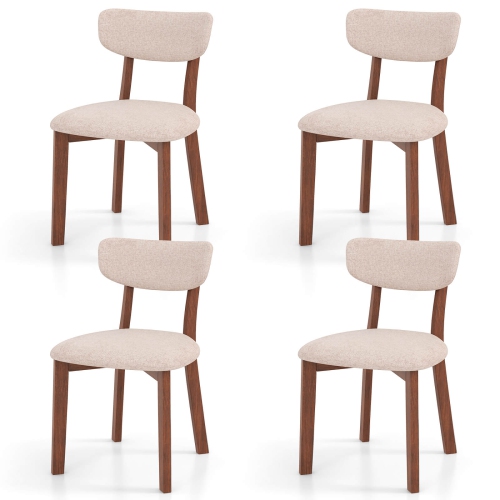
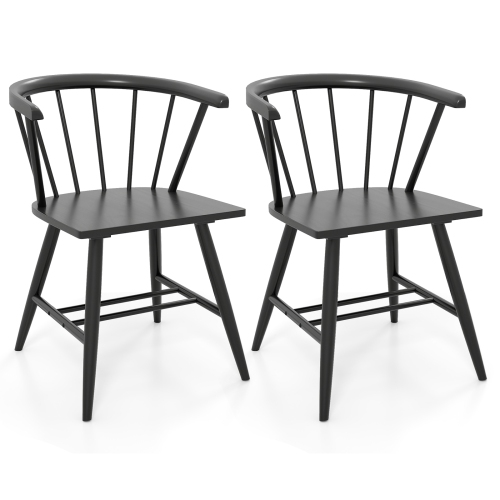
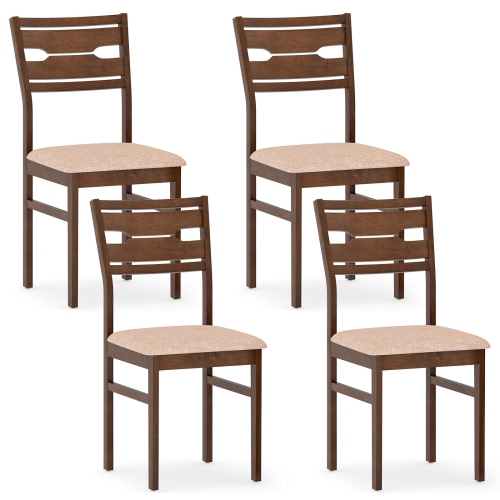
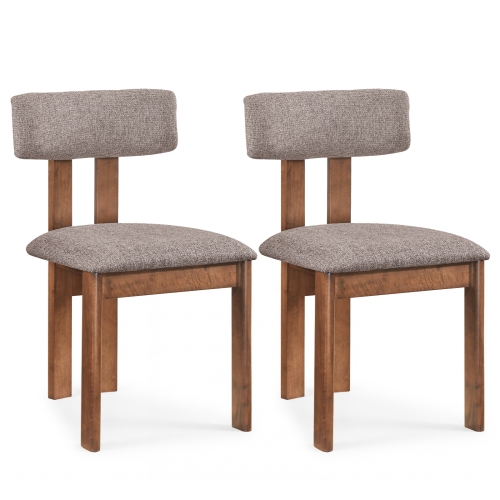
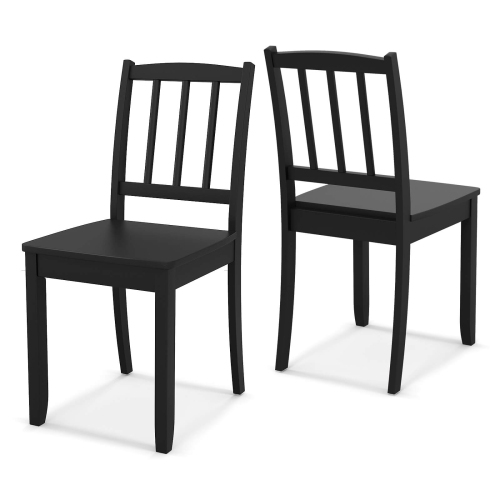
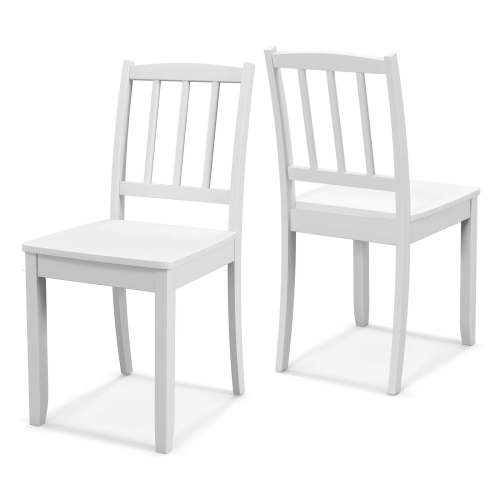
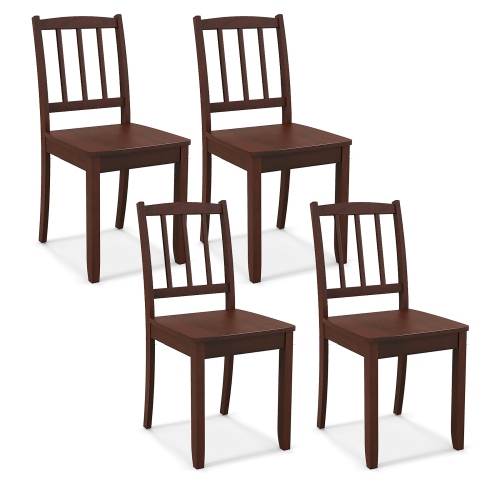
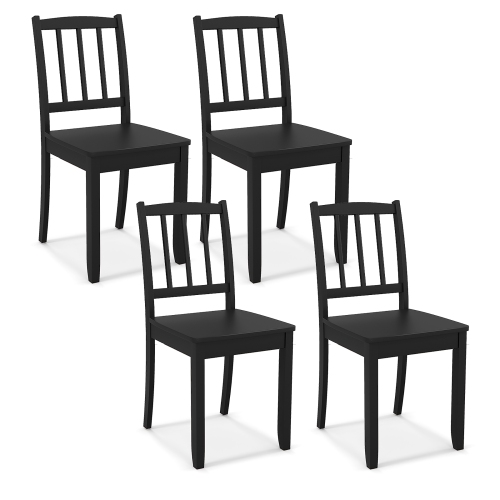


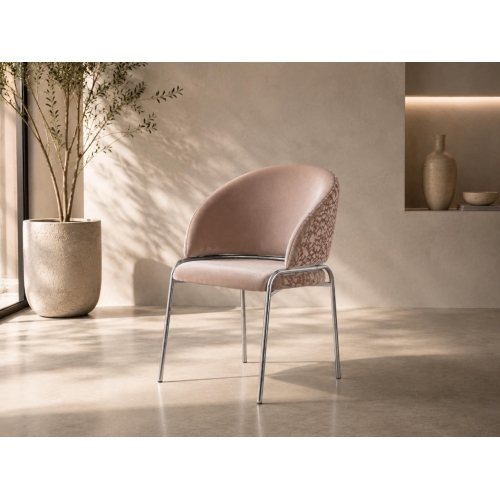
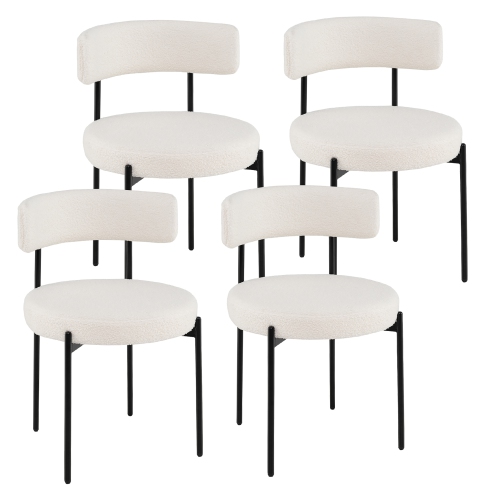
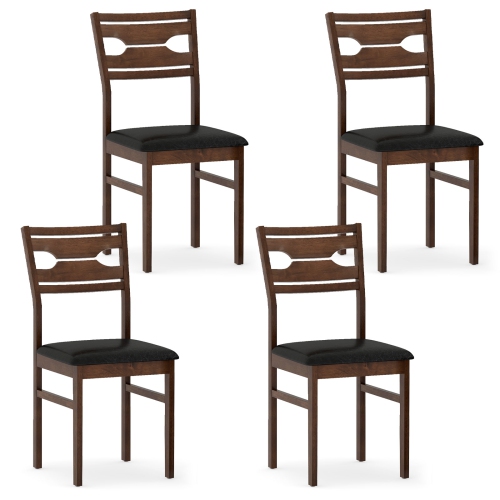
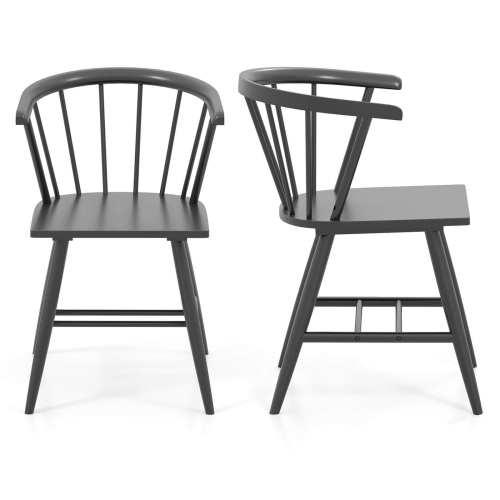
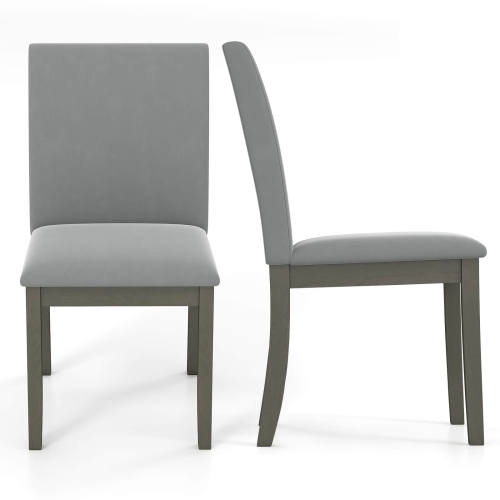
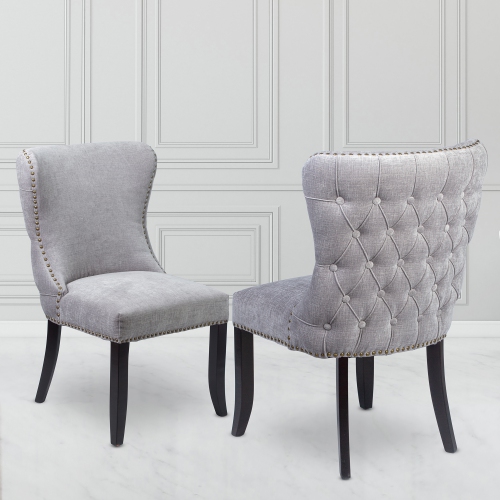
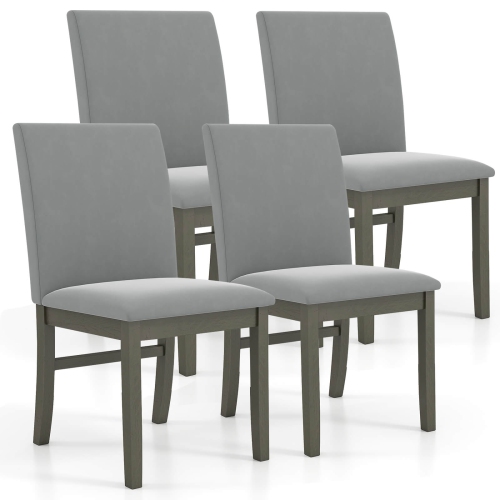
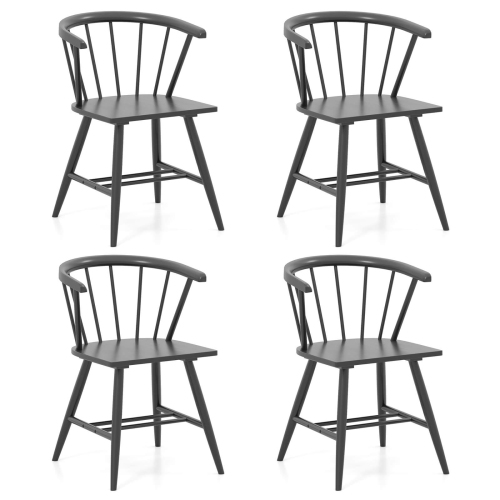
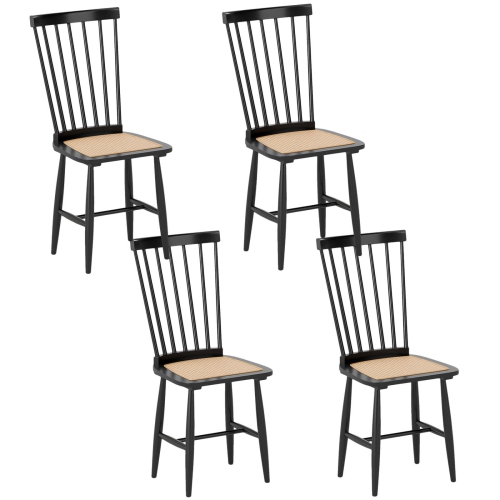
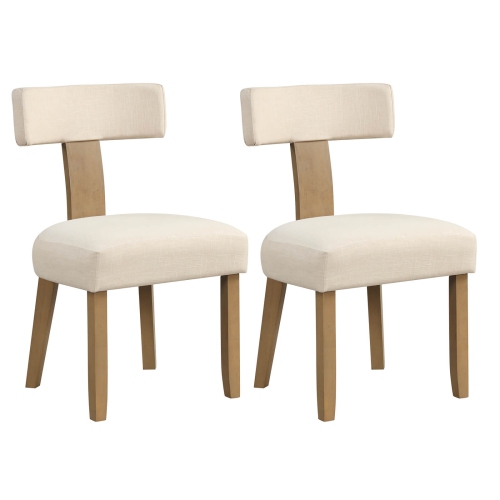

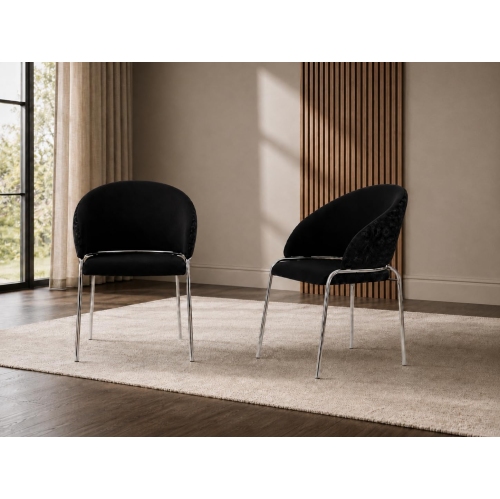
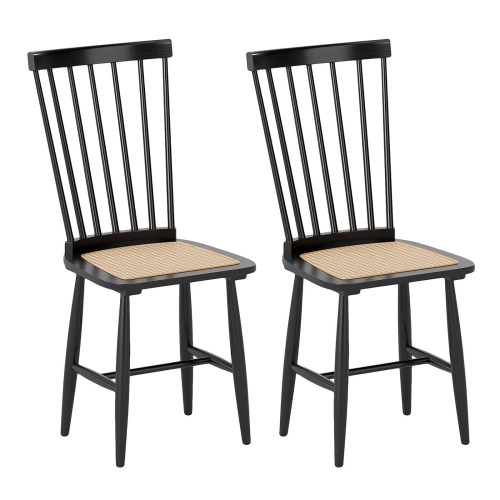
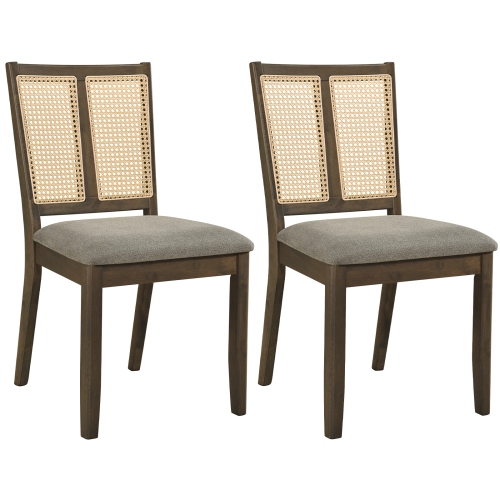
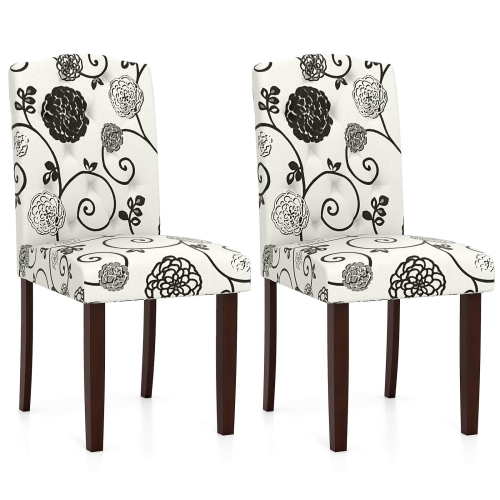

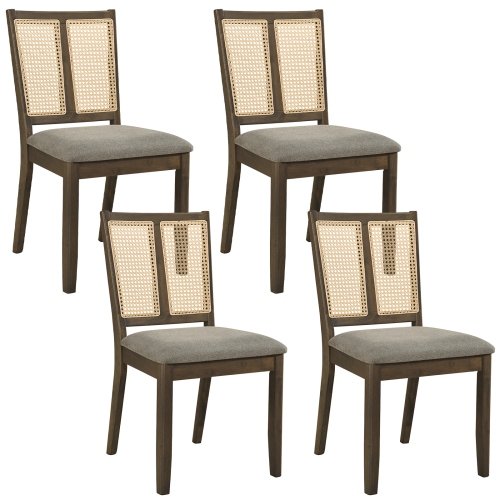
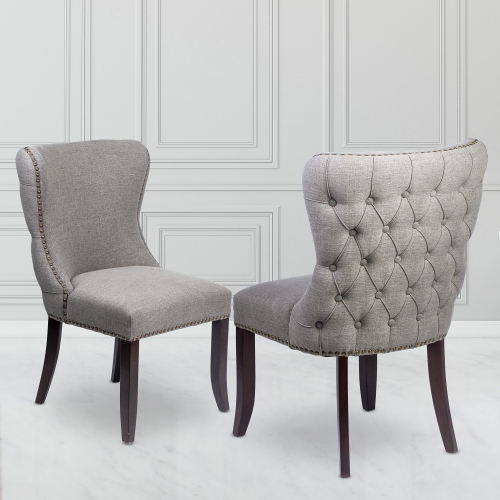
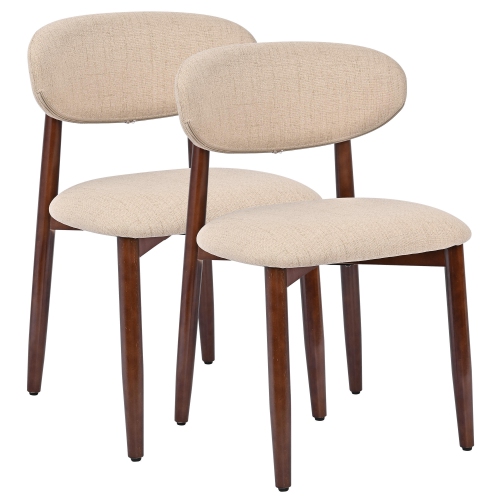
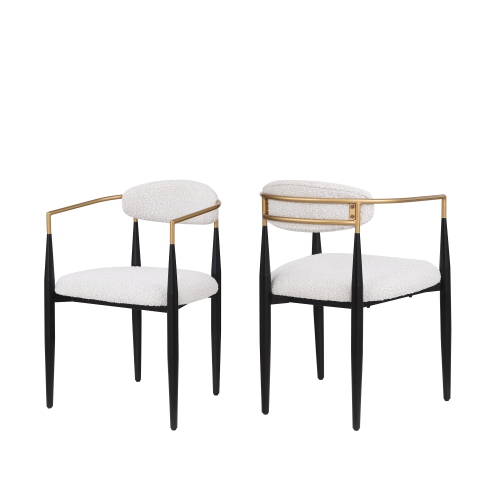


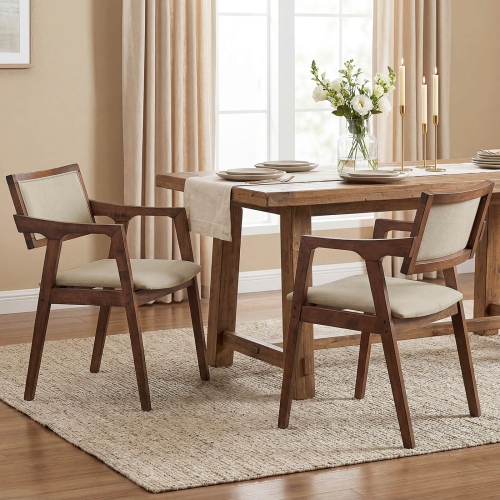
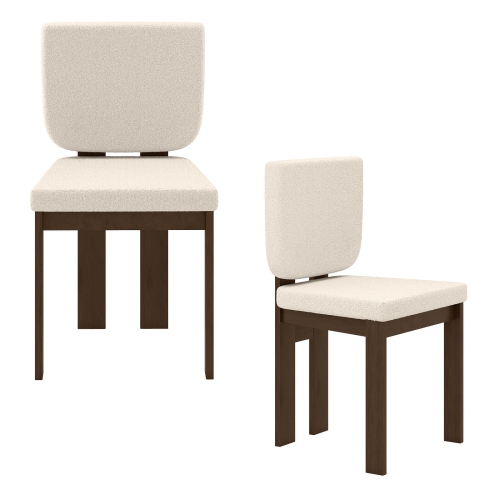
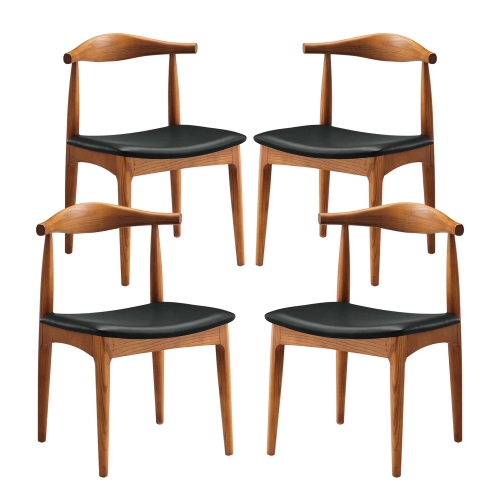
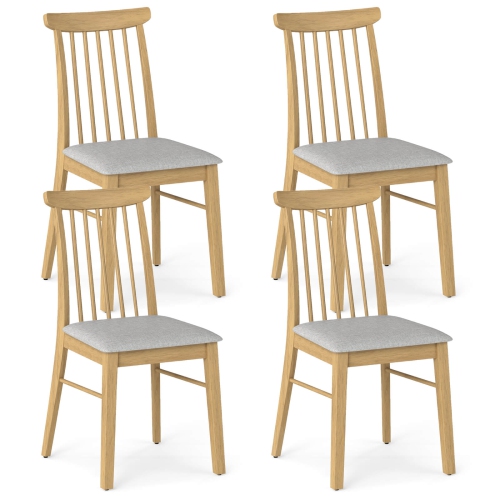
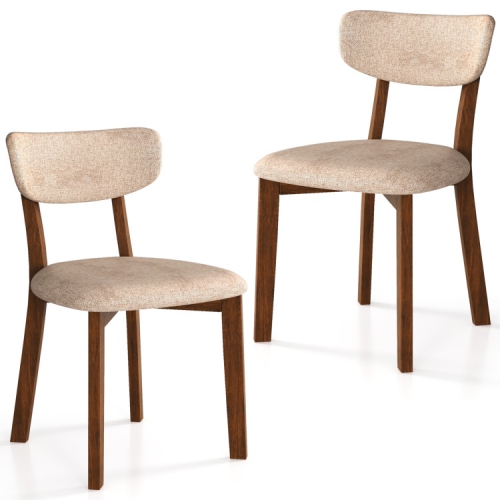
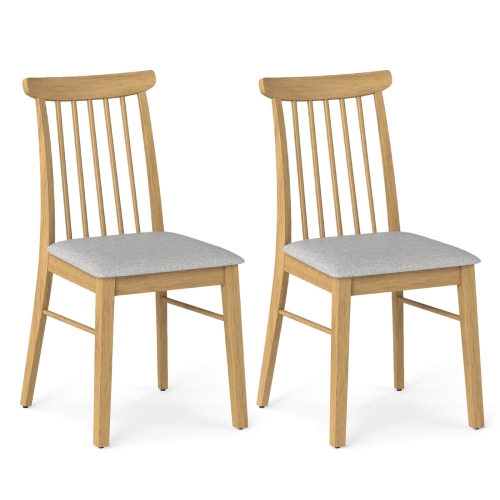
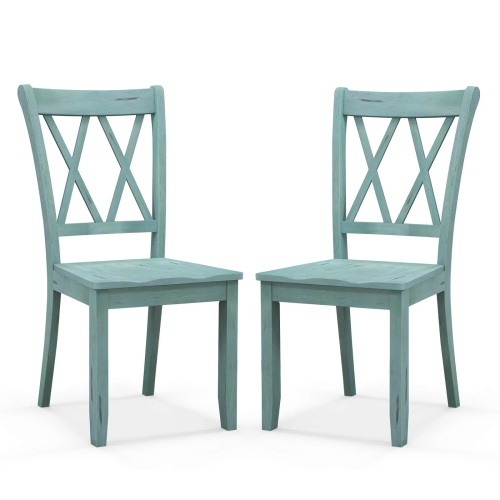
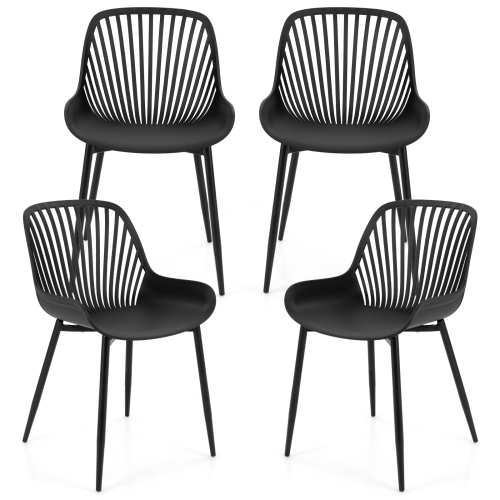
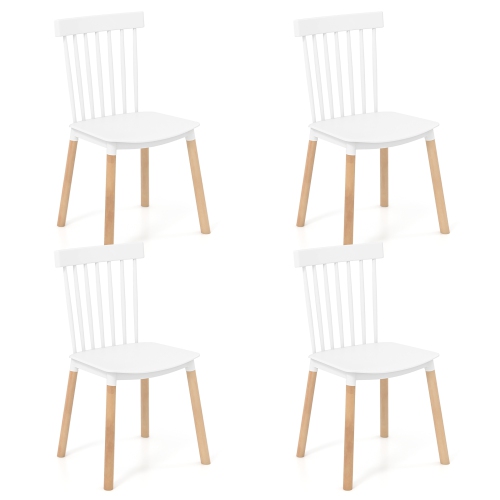
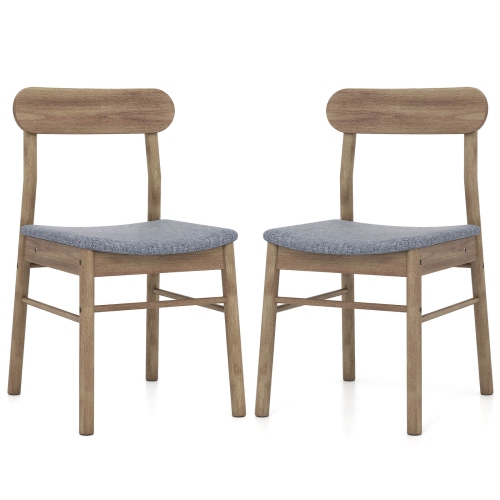
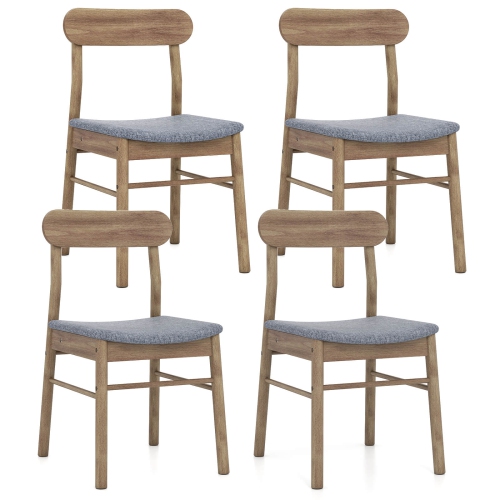
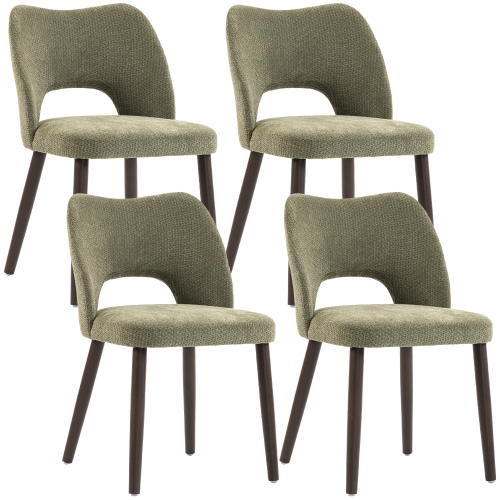
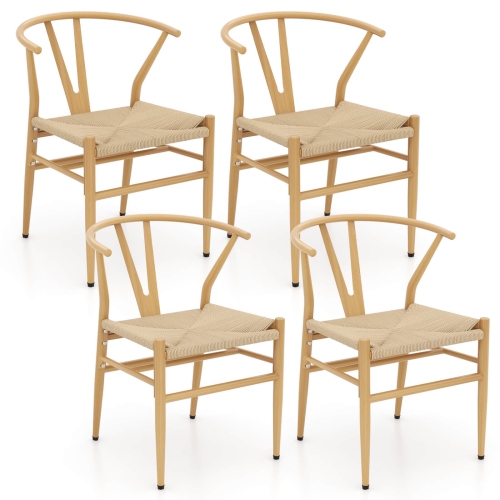
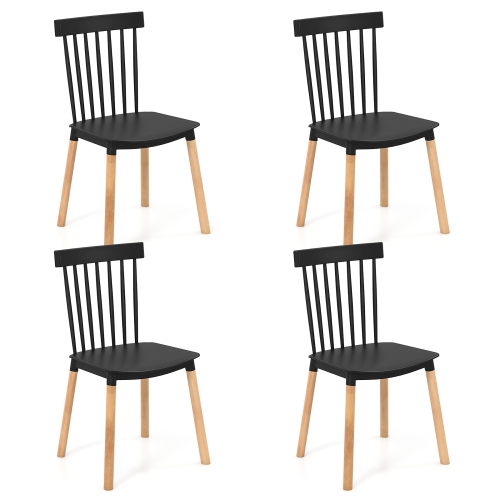
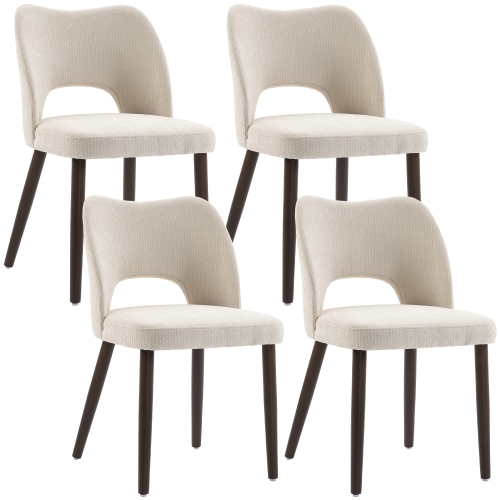
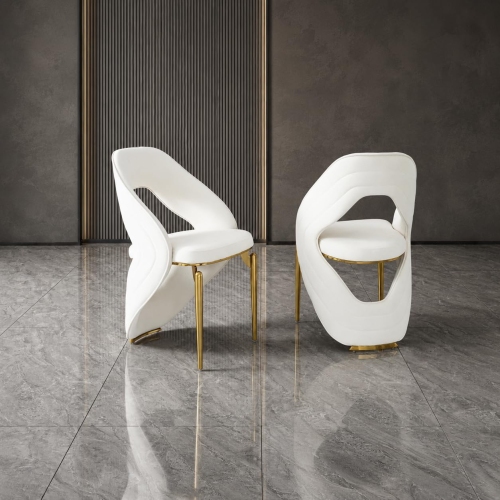
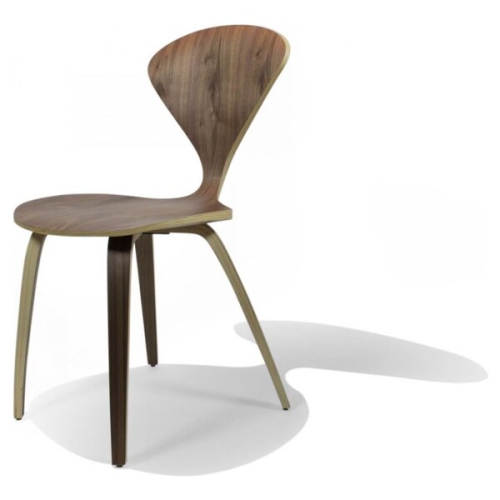

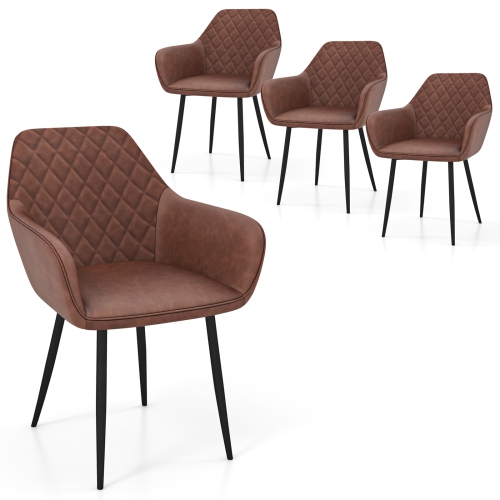
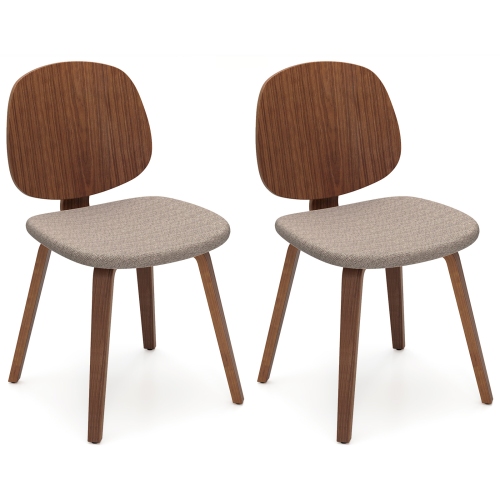
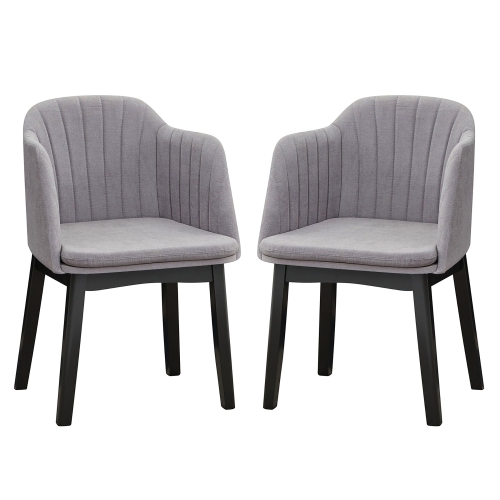
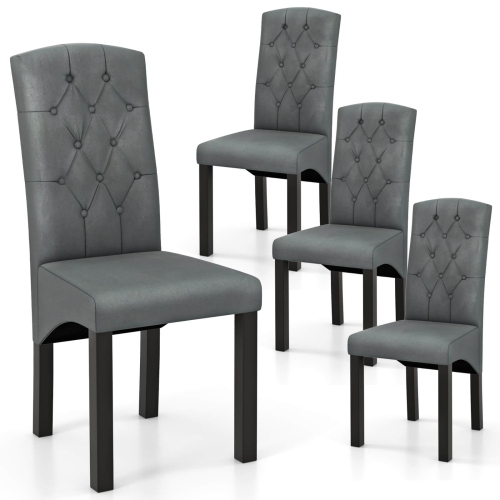
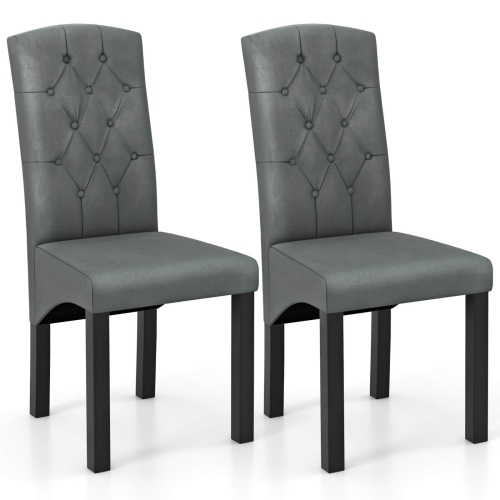
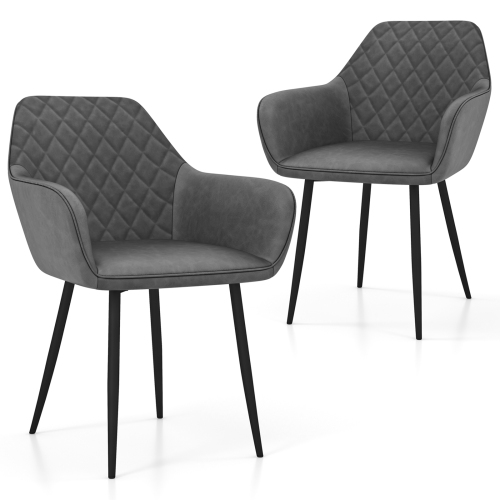

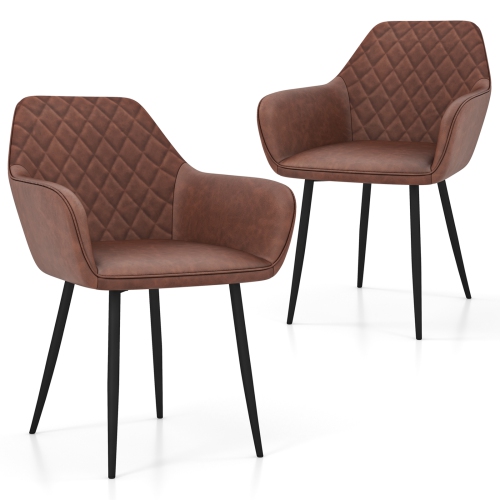
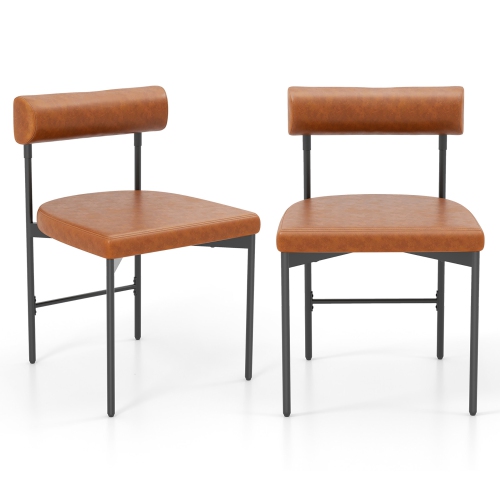
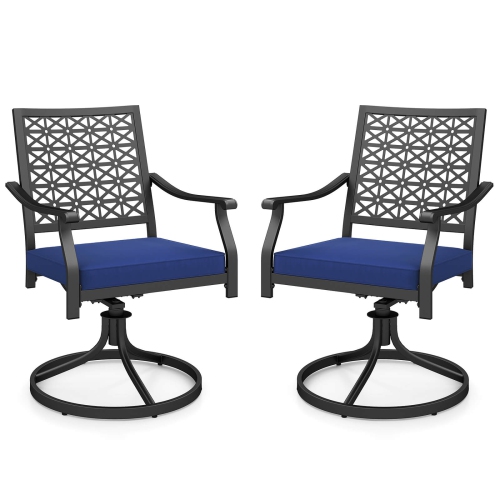
Comfort at the table goes beyond the curve
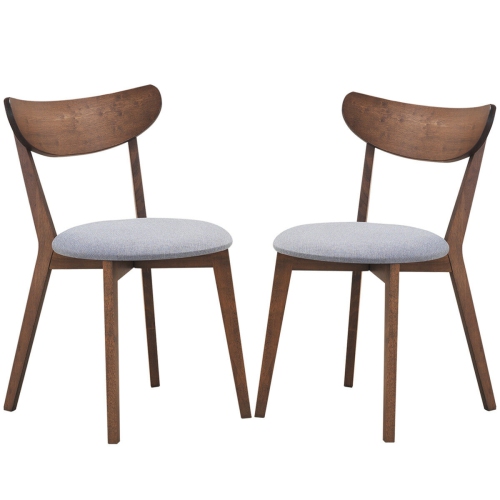
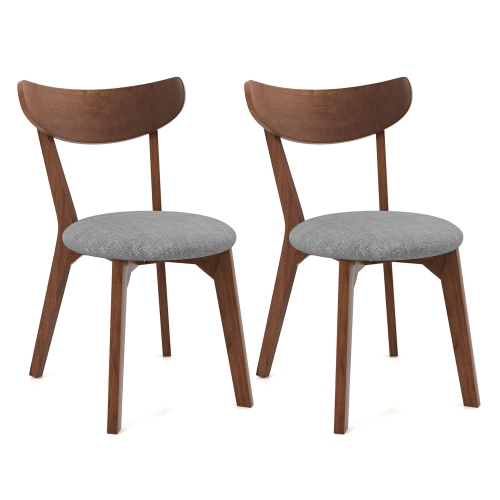
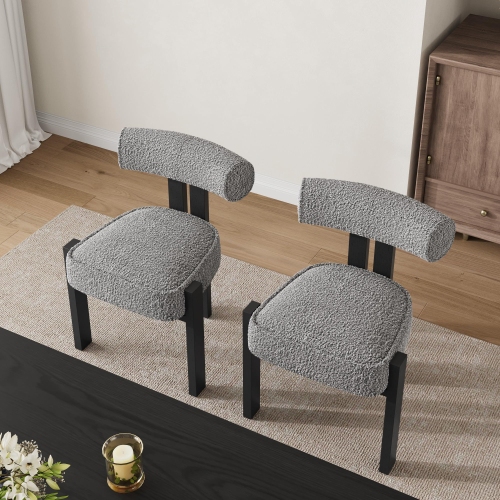
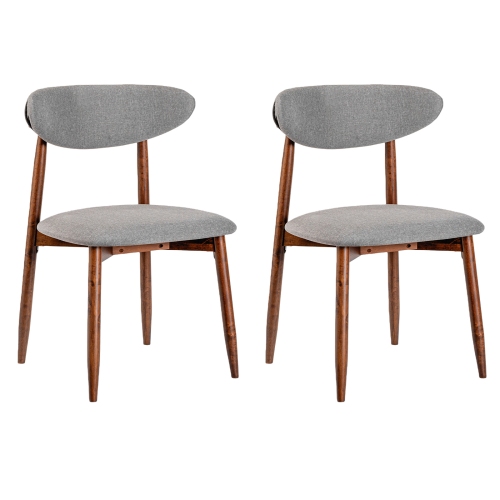
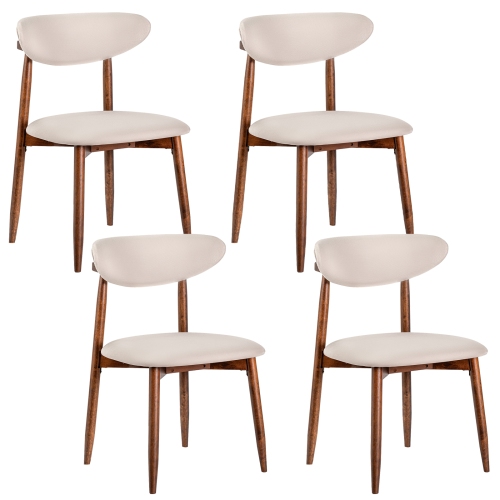
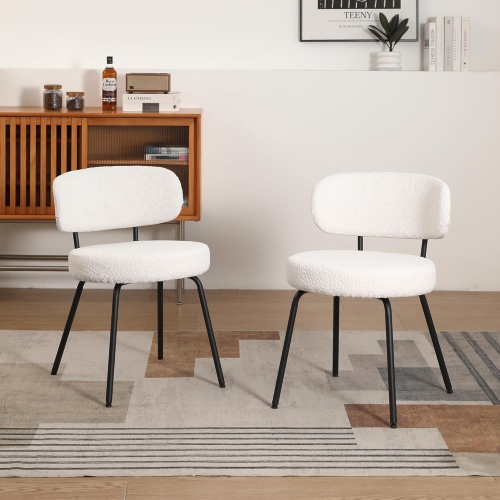
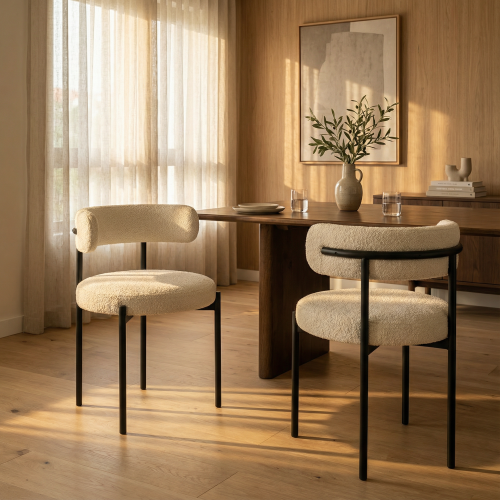
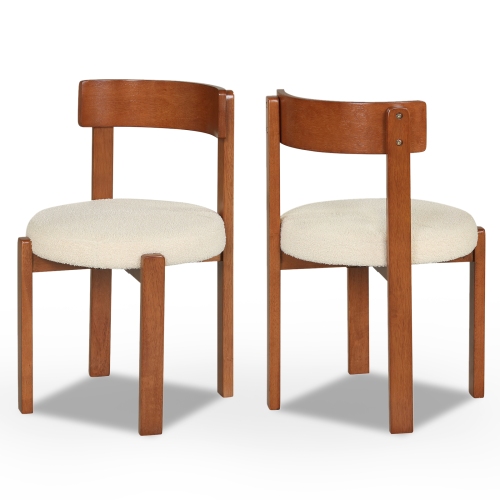
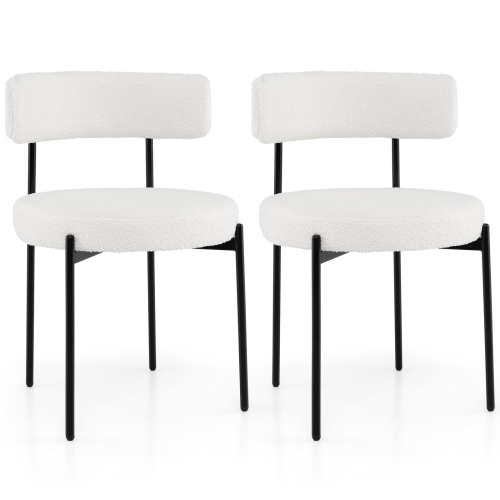
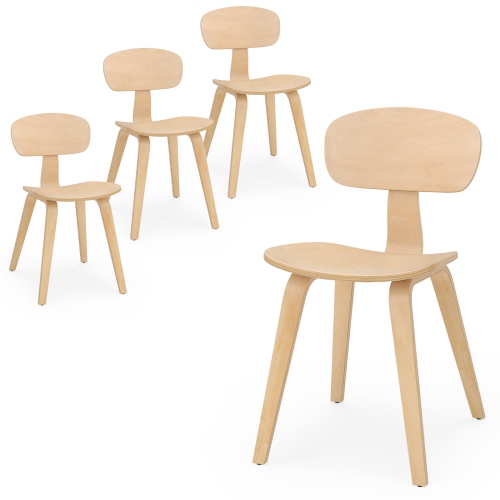
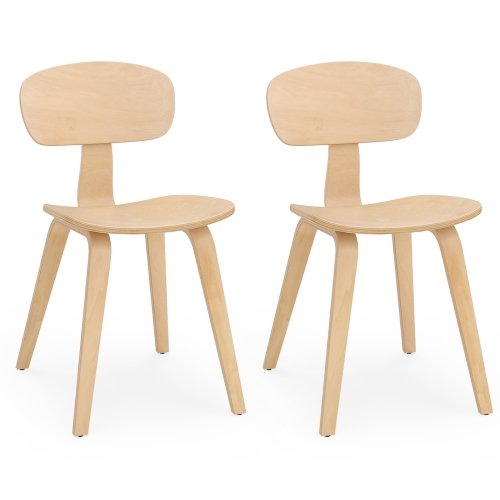
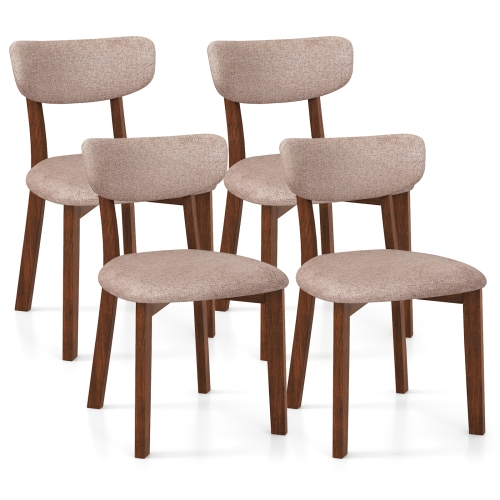
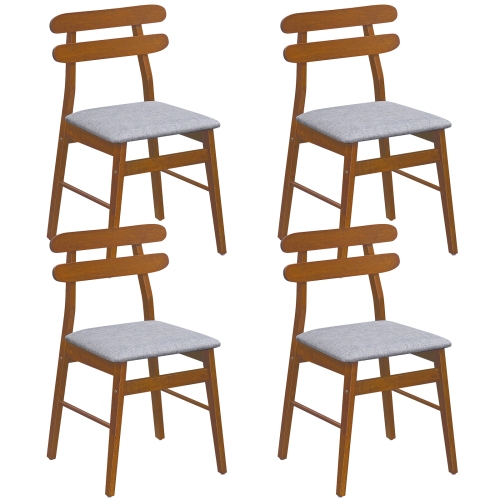
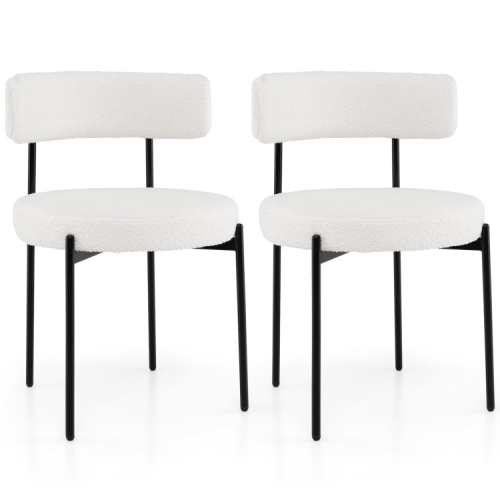
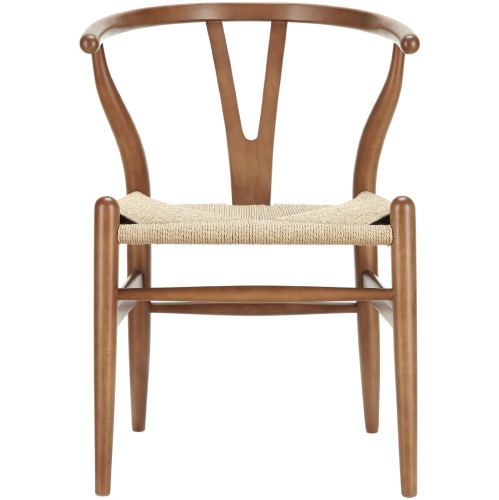
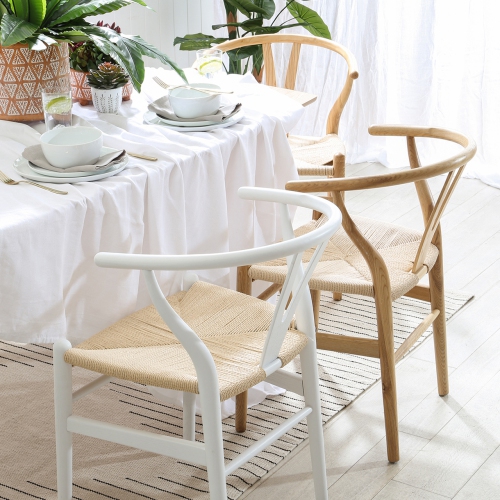
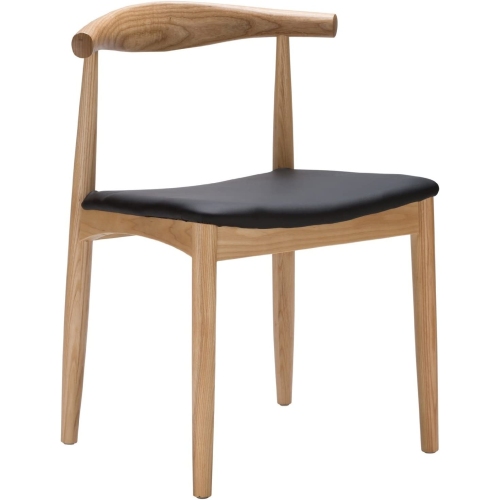
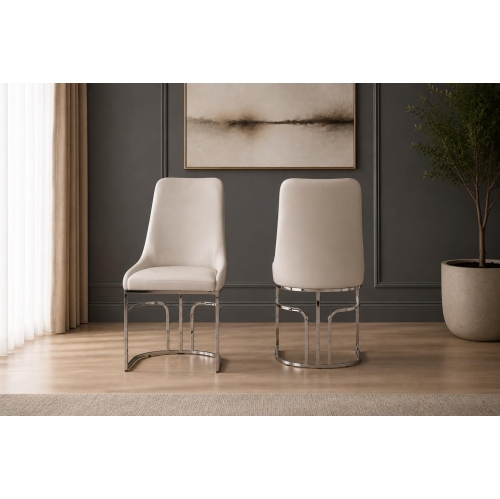
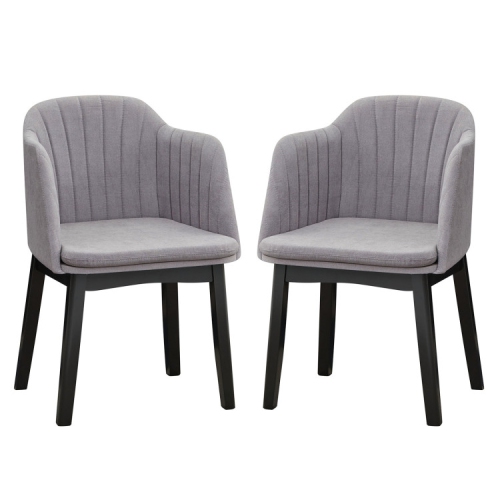
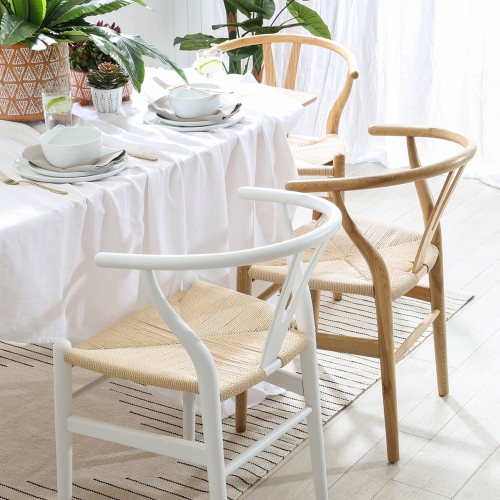
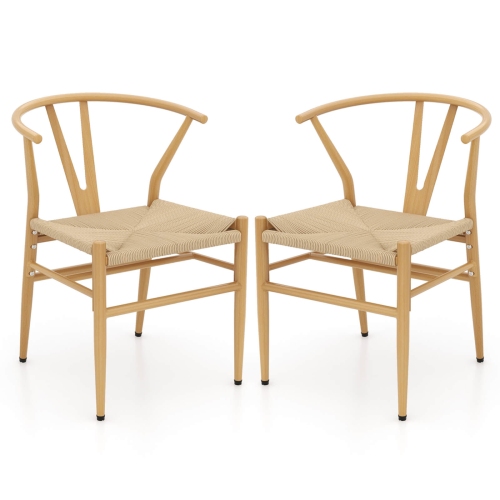
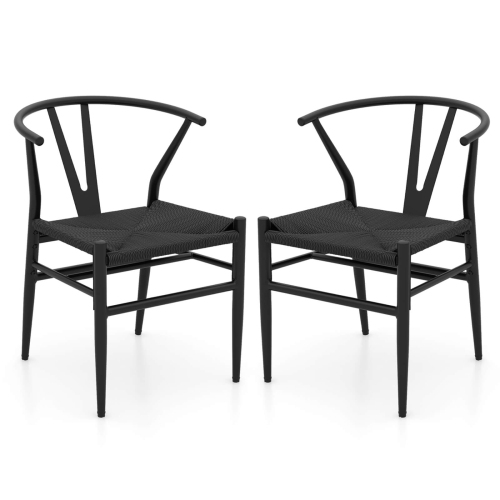
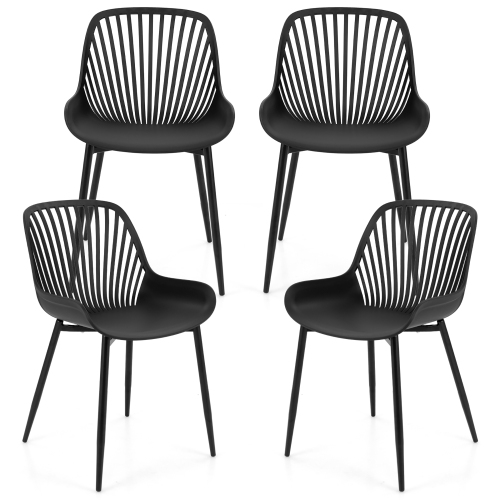
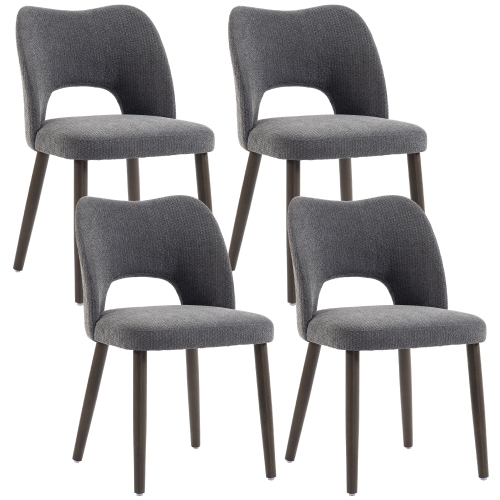
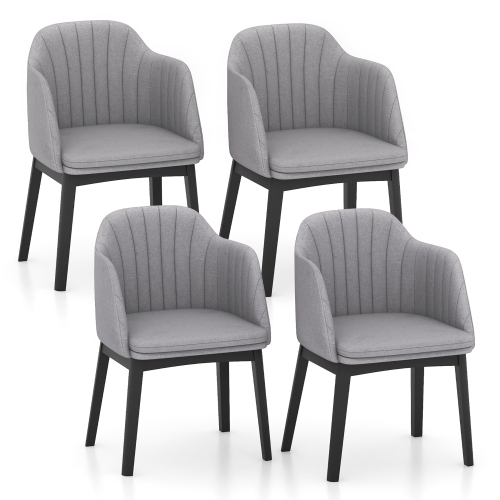
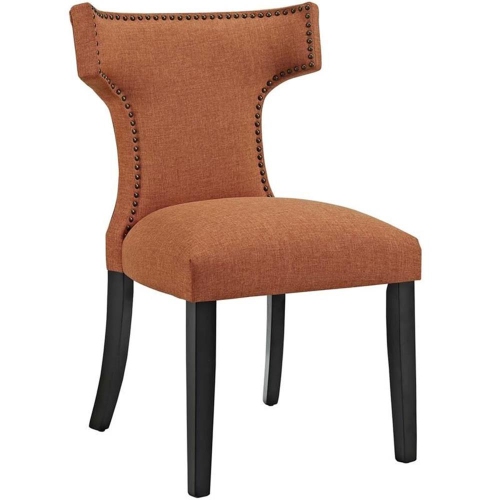
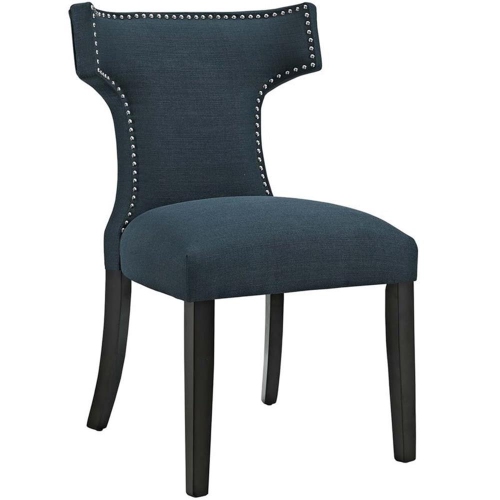
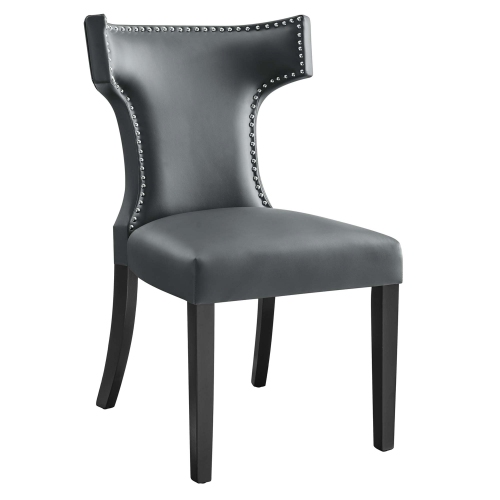
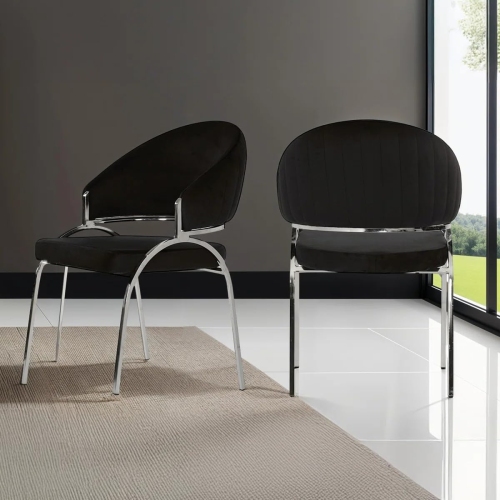
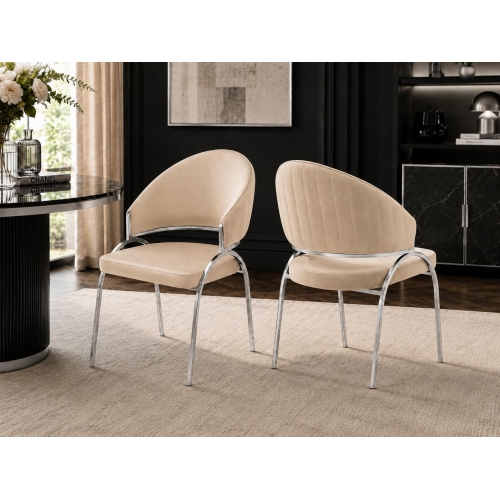
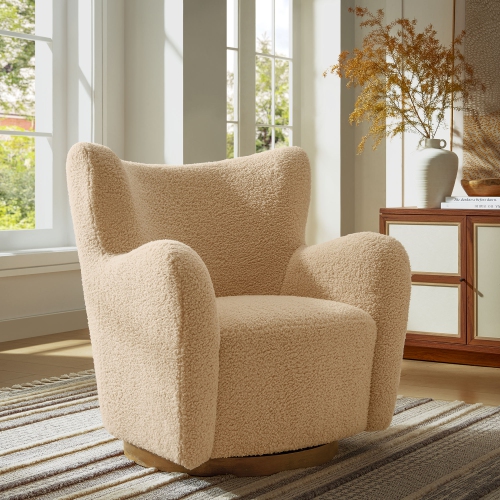
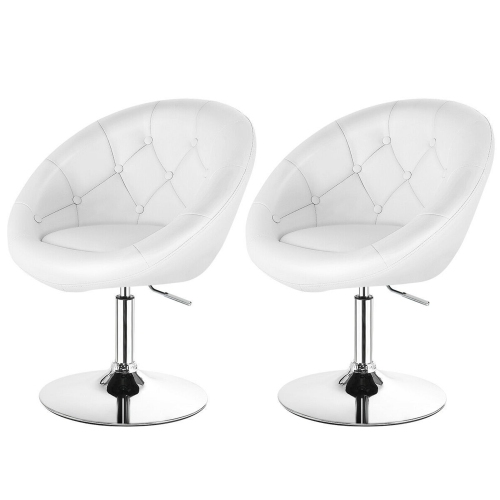
Curved back dining chairs bring a softer outline to the dining table, with backrests that arc gently behind the sitter rather than forming a flat, upright panel. That curve can appear as a simple bentwood rail, a broad upholstered shell, or a wraparound back that continues into low arms. Each shape creates a different sitting experience: an open wooden back keeps the chair visually light, while a padded, enclosing back offers more contact across the upper body. The curve alone does not guarantee comfort, since seat depth, backrest height, padding, and the angle between the seat and back all affect how a chair feels. A well-matched seat allows feet to rest comfortably on the floor without the front edge pressing behind the knees, while the backrest provides support without forcing the shoulders forward. For meals that stretch into conversation or an evening board game, those details matter more than a sculptural profile alone. Armless versions generally offer greater freedom to turn and move closer to the table, while curved backs with integrated arms provide a place to rest the forearms between courses. The shape also influences how the dining area looks when the chairs are tucked away. A rounded back can soften the straight edges of a rectangular table, echo the outline of a round tabletop, or add definition to a simple breakfast nook. Low backs preserve sightlines across an open-plan room, whereas taller upholstered backs create a more enclosed dining setting. Slim frames suit spaces where keeping the floor visible helps the room feel less crowded; broader wraparound seats make a stronger visual statement and require more room. These differences make curved back dining chairs relevant to everything from compact apartment dining corners to larger tables used for shared meals, homework, and entertaining.
Materials determine much of a dining chair’s character, weight, and day-to-day care. Solid wood frames offer visible grain and can suit both relaxed and more formal settings, with the final appearance depending on the species, finish, and proportions. A slender wooden frame feels quite different from a substantial one, even when both share the same rounded back. Bentwood and moulded plywood can create continuous curves with relatively little visual bulk, while metal frames allow for narrow legs and a more defined contrast against upholstered seats. Whatever the material, secure joints, stable legs, and a backrest that does not shift under normal use are important signs of sound construction. Upholstery adds another layer of choice. Woven fabric offers a soft, familiar feel, bouclé introduces a looped texture, and velvet can show changes in shade as its pile catches the light. Smooth leather and faux leather surfaces may make everyday crumbs and minor spills easier to remove, but their care requirements differ, and neither should be treated as stain-proof. Households with young children, frequent guests, or pets may find tightly woven fabrics and accessible seams more practical than deeply textured coverings that hold debris. Removable covers can simplify cleaning when the care label permits washing, although an upholstered seat should never be assumed to have a removable cover. Regular vacuuming with an appropriate attachment helps clear crumbs from the junction between seat and back, while spills are best addressed promptly according to the manufacturer’s directions. Wood finishes generally benefit from a soft cloth and minimal moisture rather than soaking or abrasive cleaners. Suitable floor protectors help limit scratches and chair noise, and they should be checked for trapped grit. For chairs that require assembly, following the specified tightening sequence and checking fasteners periodically can help maintain stability. Published weight limits and intended-use information also deserve attention, especially when chairs will be used frequently or by several members of a household.
Getting the proportions right means looking beyond whether a chair fits beside the table. Seat height needs to work with the tabletop, while the table apron—the rail beneath the top—must leave enough space for thighs and comfortable movement. Padding can compress when someone sits down, so the stated seat height is only part of the picture. A deep seat may suit a taller person but leave a shorter sitter perched forward without useful back support. Width matters just as much: the widest point may be the outer curve of the back or the arms rather than the seat itself. Allowing space between neighbouring chairs makes it easier to sit down without bumping elbows, and checking the position of table legs helps avoid a chair that fits on paper but cannot slide into place. Wraparound arms need clearance beneath both the tabletop and apron if the chair is expected to tuck in fully. A pedestal table can offer more flexibility around the edge, although its base may still affect foot room. Behind each chair, leave enough space to pull it out and stand up, with additional room wherever people need to pass. In a dining area beside a kitchen island or living room, this movement space often determines whether a wider chair is practical. Visually, matching every finish is not essential; a shared wood tone, leg shape, or upholstery colour can connect different pieces without making the room feel overly coordinated. Upholstered curved backs can soften a glass or metal table, while exposed wood can add definition beside a fabric-covered bench. Exploring Curved Back Chairs can help establish a consistent rounded silhouette across adjoining spaces. For dining use, the strongest choice remains a chair whose dimensions, construction, and care needs suit the people and routines around the table, whether that means quick weekday breakfasts, family dinners, or long conversations after the plates have been cleared.
Top selling and popular products
-
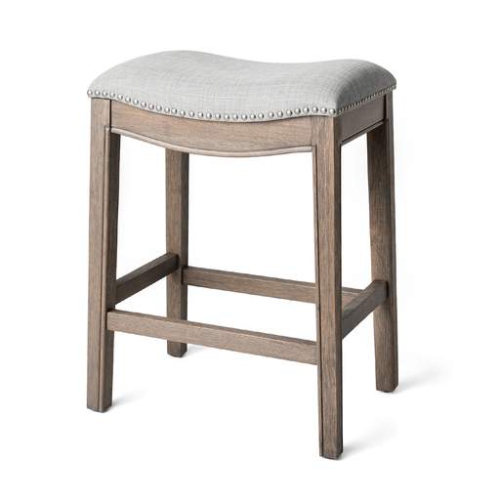 Your price for this item is $226.99
-
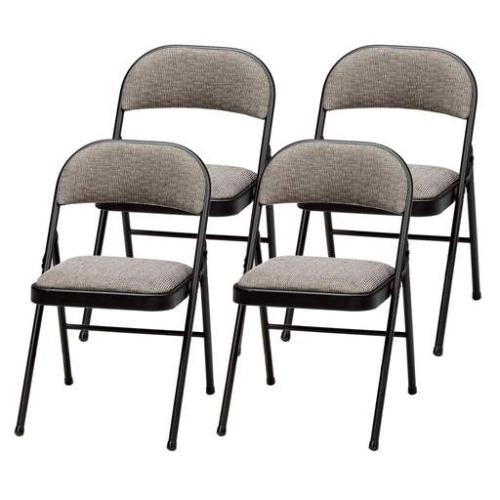 Your price for this item is $373.99
-
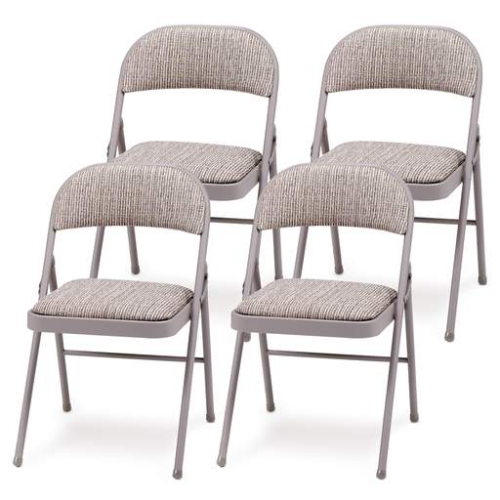 Your price for this item is $398.99
-
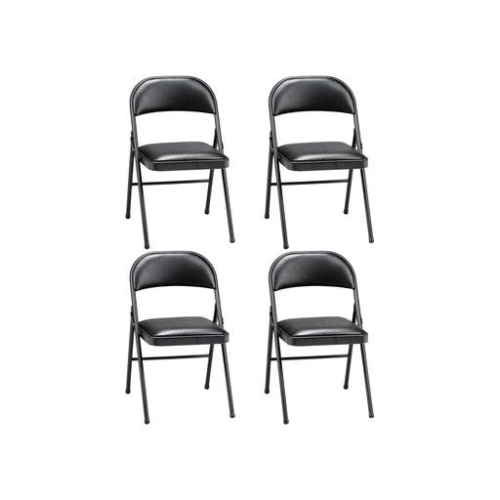 Your price for this item is $379.99
-
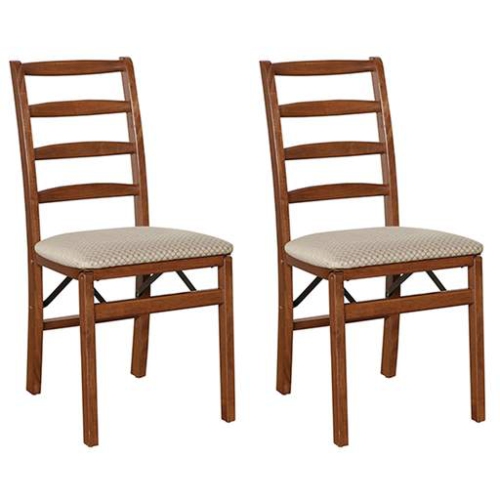 Your price for this item is $374.99
-
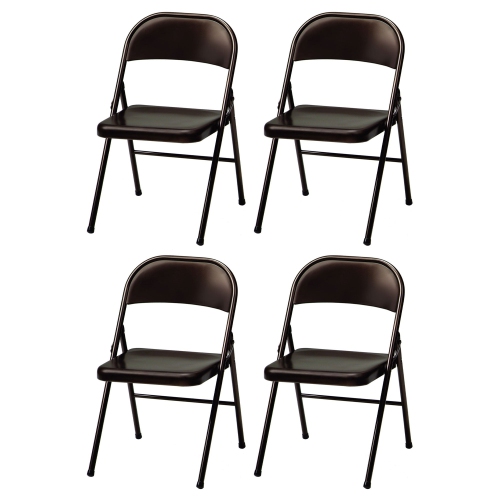 Your price for this item is $212.99
-
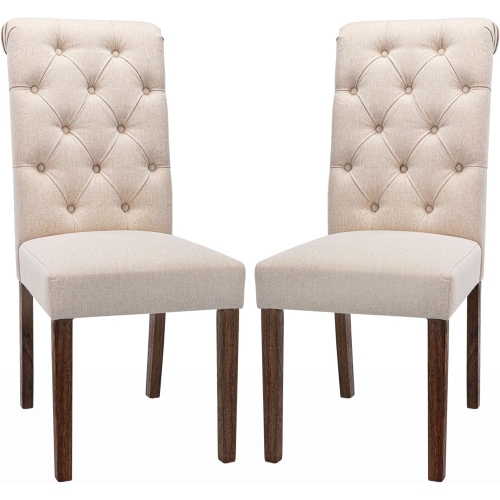 Your price for this item is $210
-
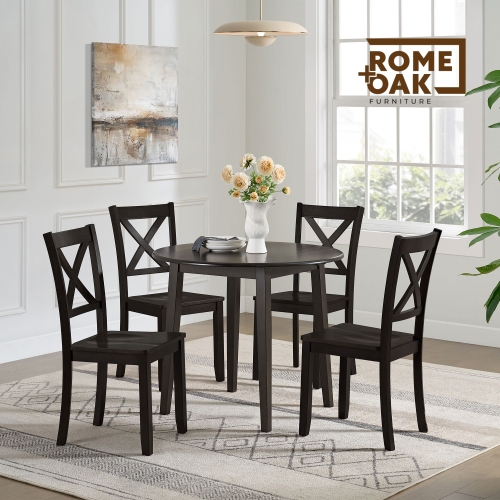 Your price for this item is $421.99
Discover more categories related to Curved Back Dining Chairs
Top Collections:
Best Black Friday Deals This Year, Best Black Friday Deals On Electronics, Kindle Devices, Dyson Airwrap, Best Cameras for Sports Photography, Best Budget Office Chairs, Canon G7X Cameras, PS5 Pro Consoles, Best Black Friday Deals On Apple Products, XBOX One S Consoles
Some products may be subject to Environmental Handling Fees
(EHF) depending on your province.
Learn more about EHFs.