Cushion Office Chairs
Cushion office chairs offer a comfortable seating solution for any workspace, enhancing your productivity throughout the day. Whether you're outfitting a home office or upgrading your business environment, these chairs are designed to provide support while you work. Explore a wide selection of styles and designs to find the perfect fit for your desk and décor. With cushion office chairs, you can create an inviting and efficient workspace that meets your needs.
Sort
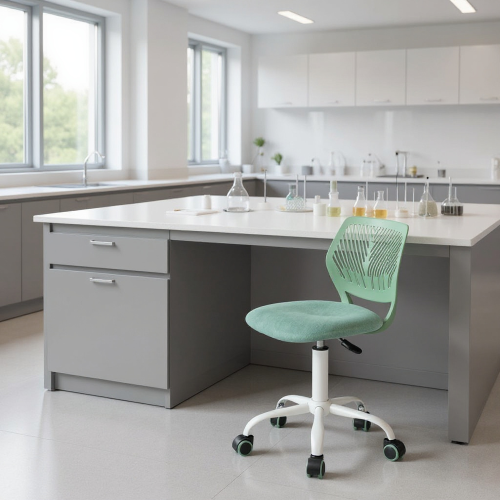
Why seat comfort depends on more than padding
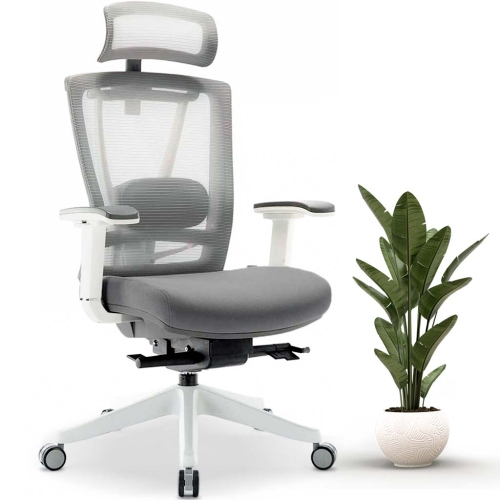
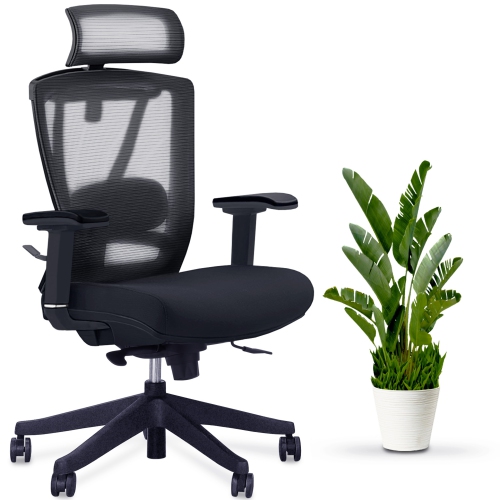
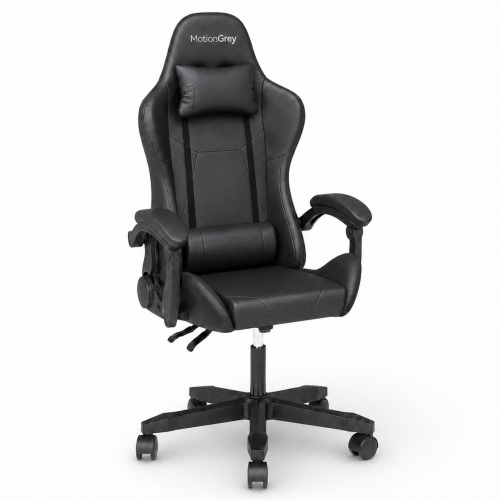
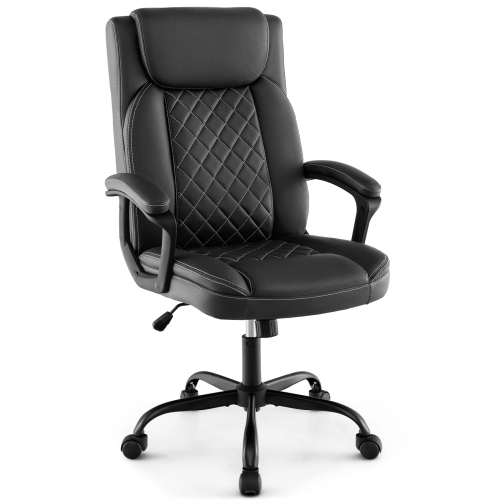
Cushioned office chairs pair a padded seat with a supportive frame and backrest, creating a comfortable place to work, study, or manage everyday tasks at a desk. Padding may include conventional foam, higher-density foam, memory foam, or a combination of layers, while adjustable features help position the seat and backrest to suit the person using them. The feel of the cushioning matters as much as its thickness. A deeply padded seat can feel inviting at first, but enough underlying support is important to keep the user from sinking too far into it. Firmer cushioning can offer a steadier sitting surface, especially for someone who moves between typing, reading, and video calls throughout the day. Memory foam responds gradually to pressure and body heat, while more responsive foam tends to regain its shape quickly when the user changes position. Neither feel suits everyone; personal preference, body size, and the length of a typical sitting session all influence comfort. Upholstery also changes the experience. Woven fabric offers texture and a softer feel against clothing, while mesh sections can allow airflow around the back. Genuine leather has a distinctive finish and develops character with use, whereas faux leather provides a similar visual style with different care requirements. The quality of the covering, stitching, and underlying padding matters more than appearance alone. A plush executive-style chair can bring a substantial presence to a dedicated home office, while a simpler padded task chair may fit more naturally beside a compact desktop in a bedroom or shared living area. Neutral colours can blend with existing furniture, and textured upholstery can make a work corner feel less formal. For students, remote workers, and anyone who spends time organizing paperwork or pursuing a desk-based hobby, the most useful cushioning is cushioning that remains comfortable without getting in the way of movement.
A well-fitting cushioned office chair supports a practical seated position rather than relying on softness alone. Seat height should allow feet to rest flat on the floor or on a suitable footrest, with shoulders relaxed as hands reach the keyboard and mouse. Seat depth is equally important: the back should reach the backrest without the front edge of the seat pressing into the backs of the knees. A generous seat may suit a taller person, but excessive depth can leave a shorter person perched forward and unable to use the back support. Seat width should provide room to shift position without making the armrests difficult to reach. Padding along the front edge can soften contact beneath the thighs, while a shaped backrest or adjustable lumbar support may help the chair follow the lower back more comfortably. Thick back cushions also take up space, so the usable sitting area can feel smaller than the chair’s overall dimensions suggest. Adjustable armrests can support the forearms between tasks, but they should not force the shoulders upward or prevent the chair from moving close to the work surface. In a narrow workspace, arms that lower or move out of the way can make it easier to tuck the chair beneath the desk. A swivel base helps with reaching nearby drawers or turning towards a second screen without repeatedly twisting the torso. Tilt and recline controls add options for changing position, although their usefulness depends on how easily the user can operate them and whether the tension feels appropriate. Someone reviewing documents may appreciate a gentle backward tilt, while detailed keyboard work often calls for a more upright position. Chair dimensions, recommended user height, and weight capacity deserve attention alongside the cushion description. Even a well-padded chair benefits from a workspace arranged around it, with the screen at a comfortable viewing height and frequently used objects within easy reach. Regular changes of position and breaks from sitting remain important regardless of how soft the seat feels.
Durability becomes especially noticeable in a chair used day after day. Cushioning should be supported by a stable seat platform, and the upholstery should sit neatly over the padding without loose seams or strained attachment points. Foam density can offer useful information about construction, but density and firmness are not interchangeable: a cushion can feel soft while still containing substantial material. Published construction details and intended-use recommendations provide better context than thickness alone. For a shared desk, accessible adjustment controls make it easier for different users to reset the chair, while a dependable height mechanism and stable base help it feel secure during ordinary movement. Casters should suit the flooring beneath them; some are intended for carpet, while others are designed for hard surfaces. A compatible chair mat can help protect the floor and make rolling easier where appropriate. Care requirements vary by covering, so the manufacturer’s cleaning directions should take priority. Fabric generally benefits from regular vacuuming around seams and creases, where crumbs and dust collect. Spills are best addressed promptly using a method approved for the upholstery, rather than soaking the padding or scrubbing aggressively. Leather and faux leather need care suited to their respective finishes, and harsh cleaners can damage either material. Checking accessible fasteners periodically, where the instructions recommend it, can help address looseness before it becomes distracting. For an existing chair with a sound frame and suitable adjustments, an Office Chair Cushion offers a separate way to add padding without replacing the whole chair. An added cushion changes the sitting height and available seat depth, so its fit should be considered alongside the desk height, backrest, and armrests. It cannot correct a damaged frame or an unsuitable chair size. Whether furnishing a dedicated office or making a small study corner more comfortable, a balanced combination of cushioning, adjustability, suitable dimensions, and manageable care is more useful than an oversized padded profile alone.
Top selling and popular products
-
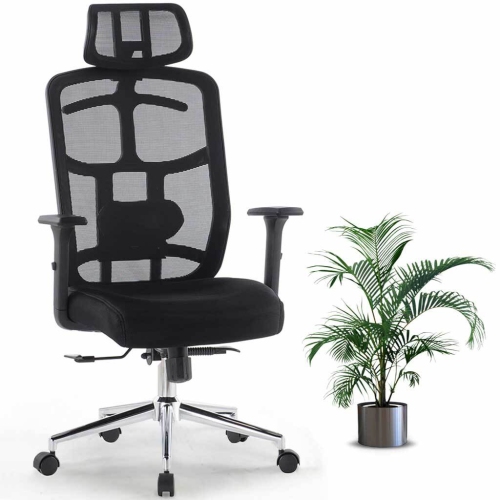 Your price for this item is $129.99
-
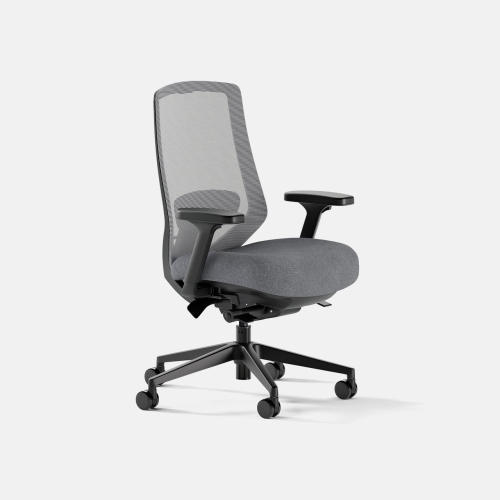 Your price for this item is $539.1
-
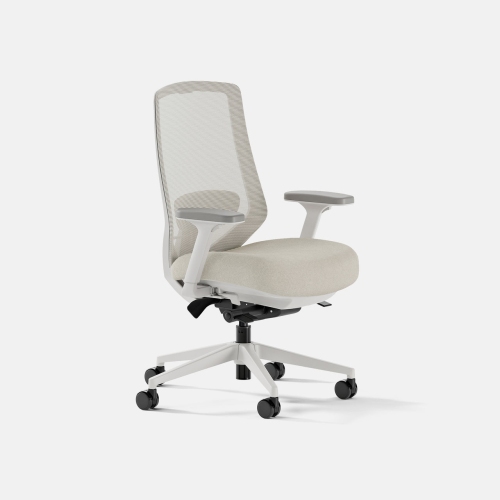 Your price for this item is $539.1
-
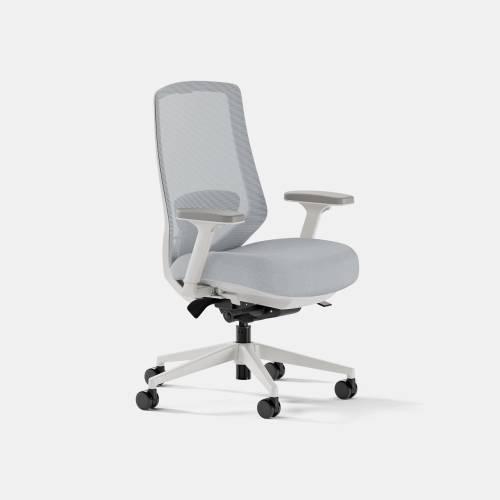 Your price for this item is $539.1
-
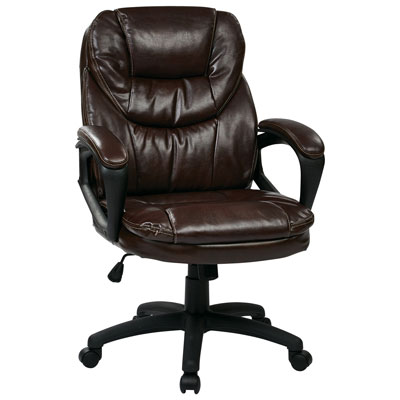 Your price for this item is $459.99
-
 Your price for this item is $343.2
-
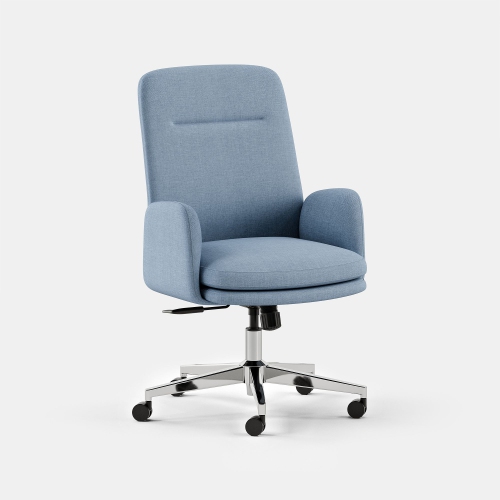 Your price for this item is $343.2
-
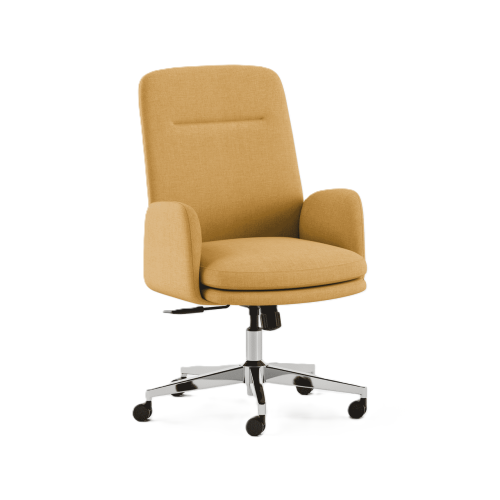 Your price for this item is $343.2
Discover more categories related to Cushion Office Chairs

Top Collections:
Best Black Friday Deals This Year, Best Black Friday Deals On Electronics, Kindle Devices, Best Black Friday Deals On Apple Products, Best Budget Office Chairs, Best Cameras for Sports Photography, Dyson Airwrap, Canon G7X Cameras, Best Laptops for Writers, Samsung Galaxy Phones
Some products may be subject to Environmental Handling Fees
(EHF) depending on your province.
Learn more about EHFs.