Cushions for Floor Seating
Looking to create a cozy and comfortable space for lounging or entertaining guests? Look no further than our collection of cushions for floor seating. Perfect for adding a touch of style and relaxation to any room, these cushions provide an inviting spot to sit back, unwind, and enjoy your favorite activities. Whether you're looking for extra seating options in your living room, creating a reading nook in your bedroom, or setting up a casual seating area in your home theater, our range of floor cushions offers the perfect solution. Explore our selection today and find the ideal cushion to enhance your floor seating experience.
Sort


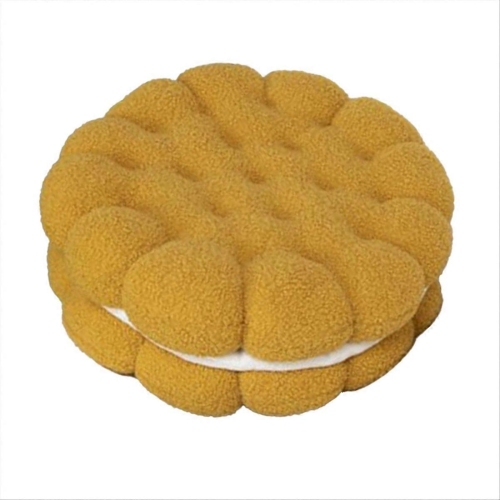


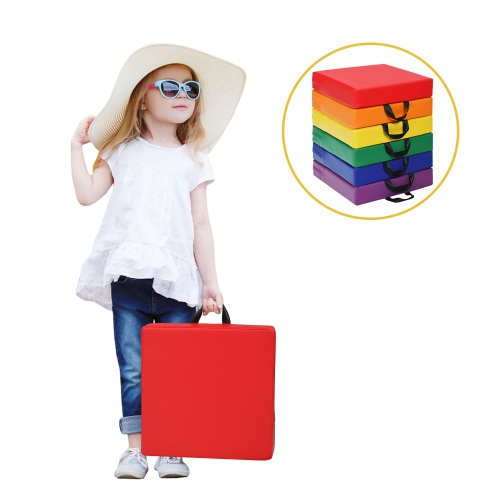

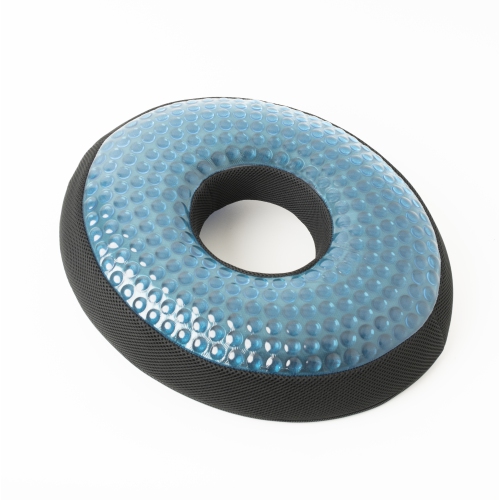


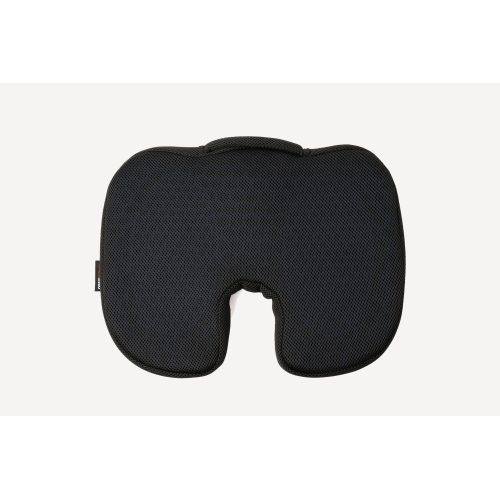
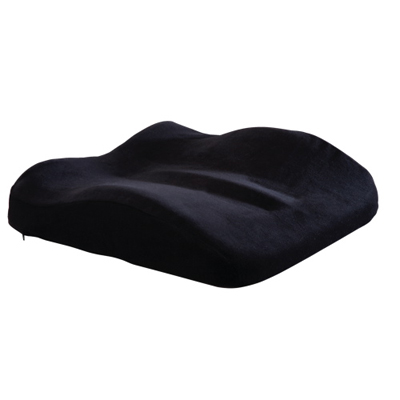


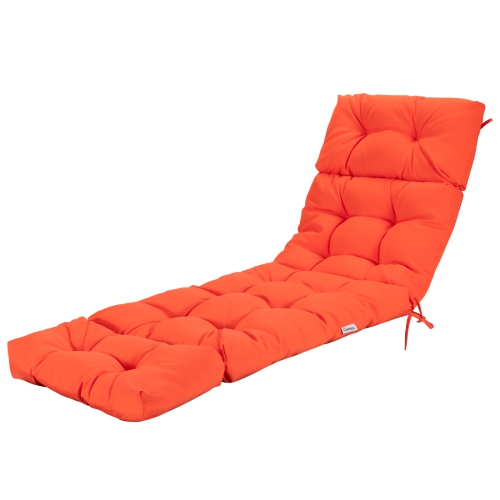
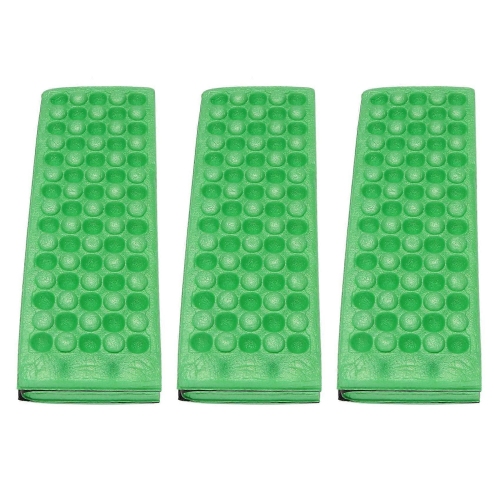


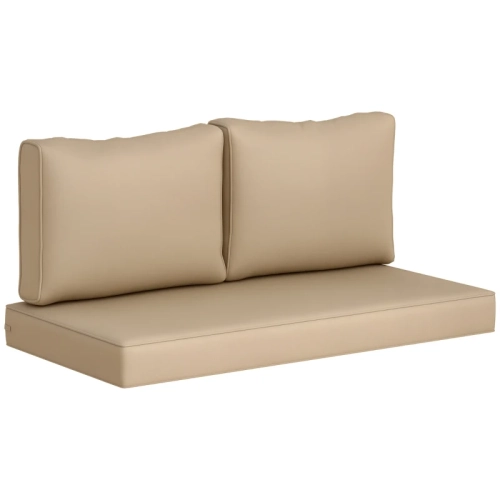


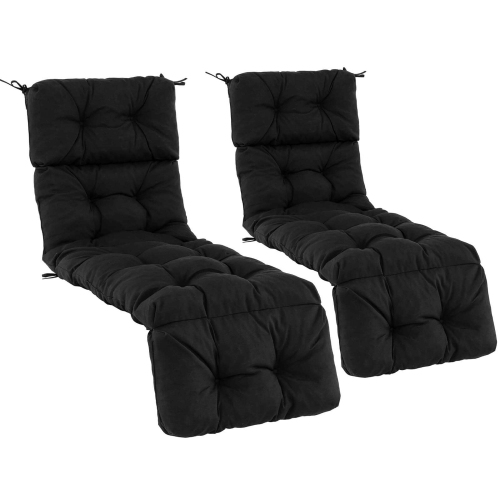

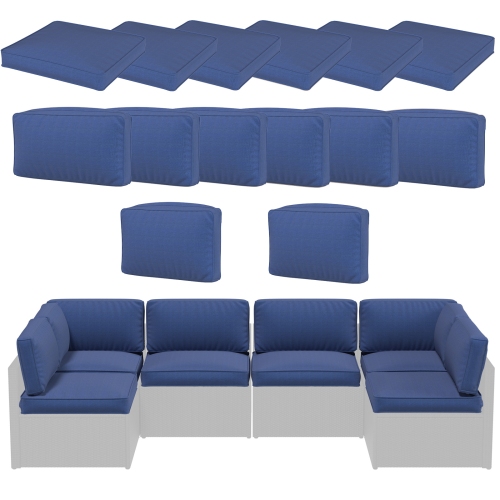
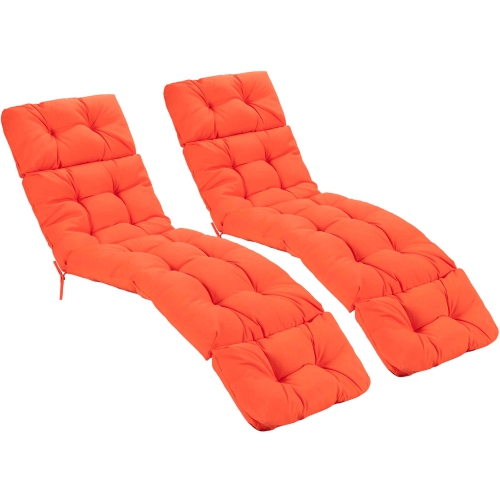
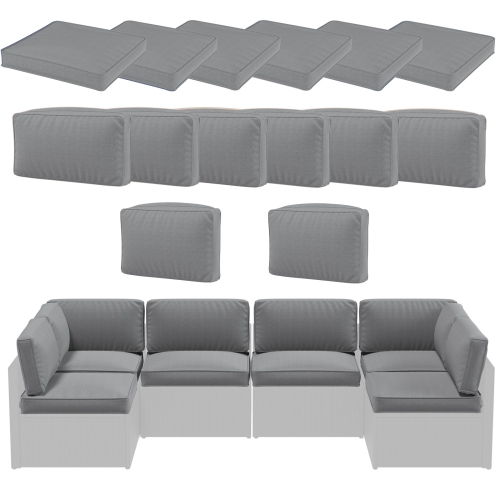
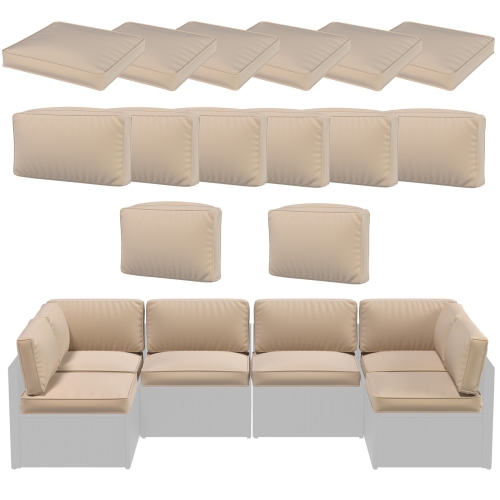
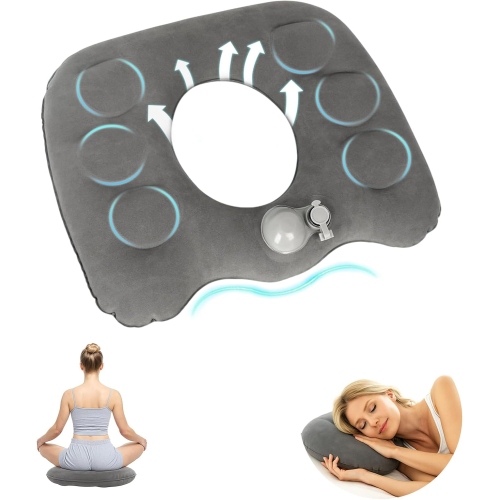


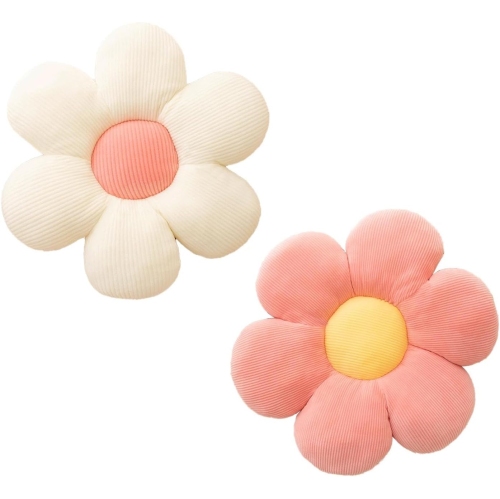


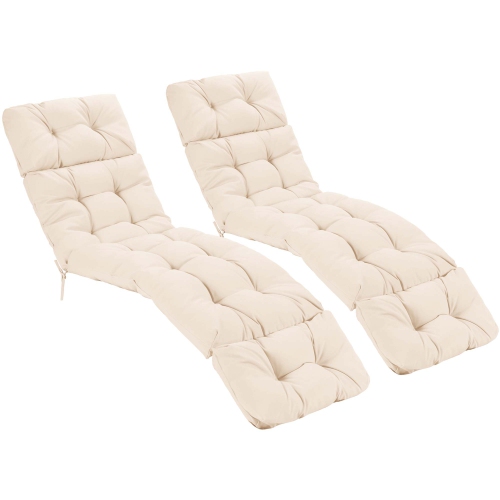
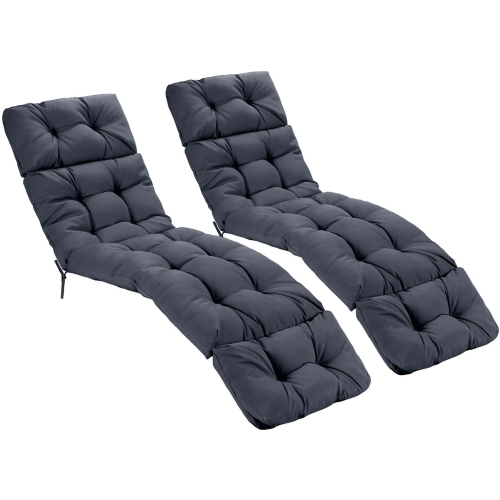


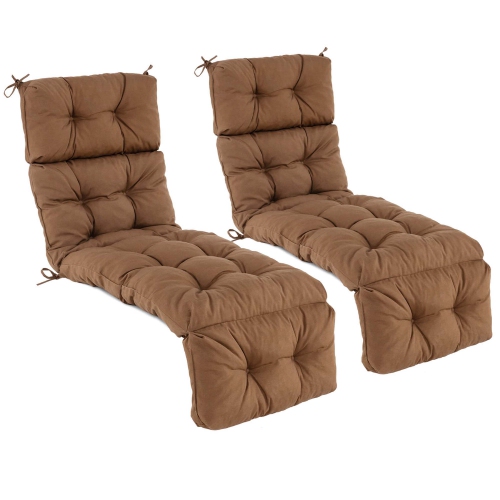


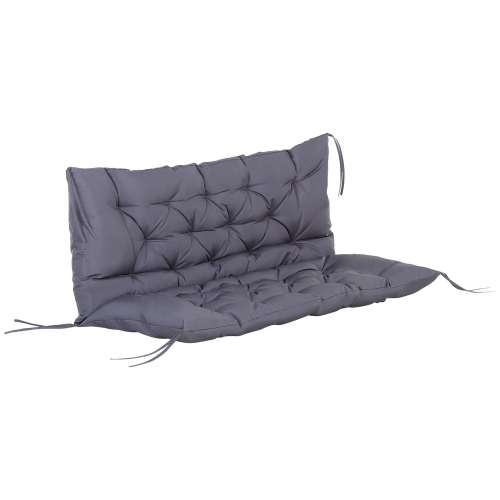

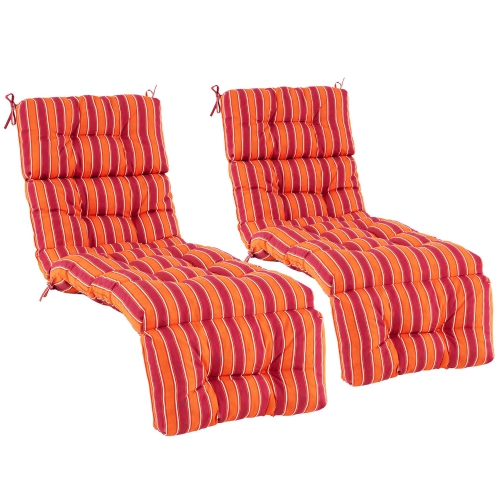


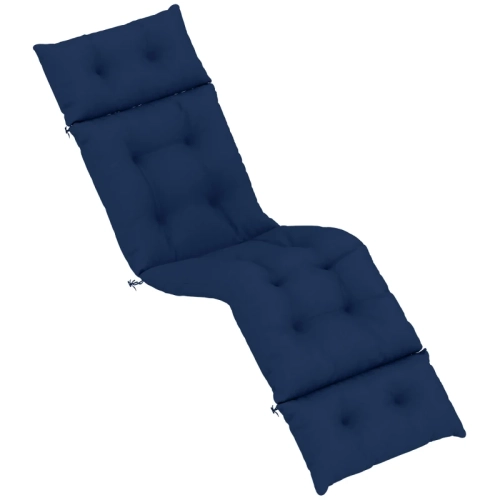


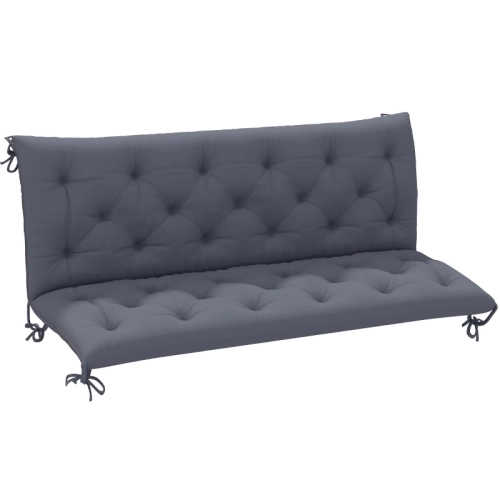
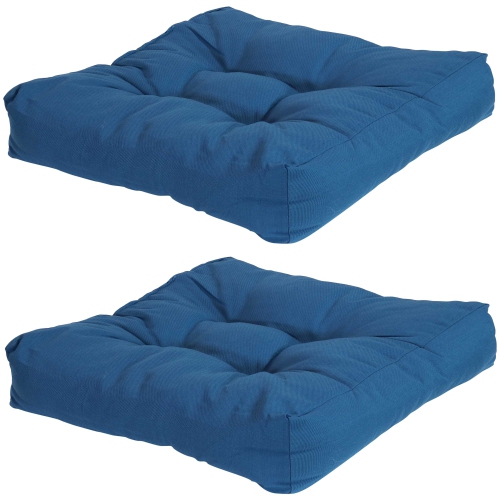
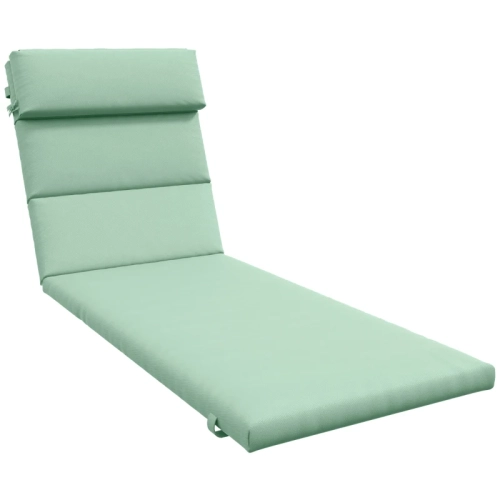
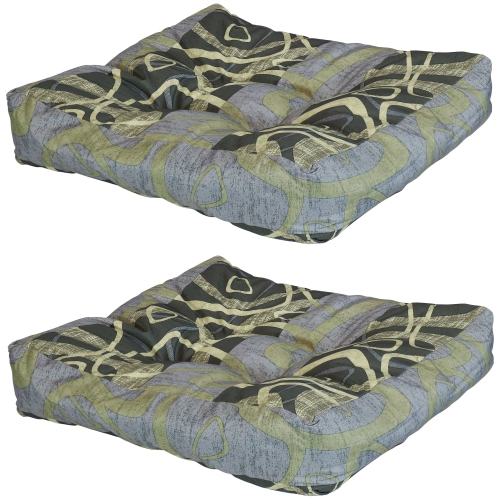

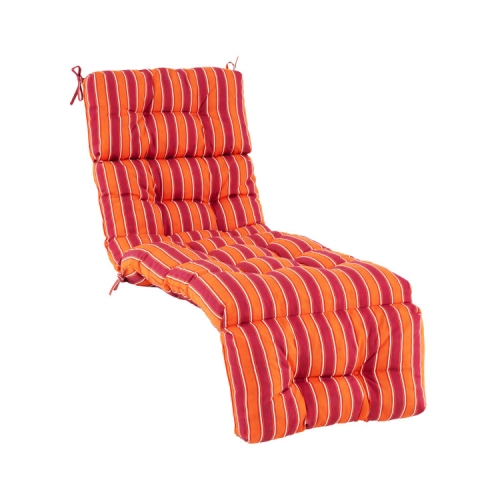

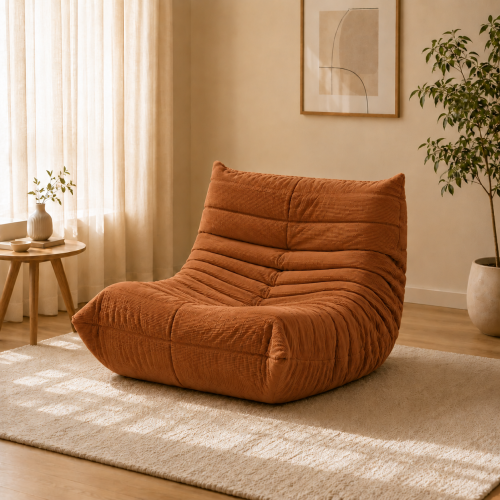
A softer spot for reading and relaxed gatherings
Cushions for floor seating are padded seats that make sitting on the floor more comfortable for reading, meditation, conversation, and other relaxed activities. They offer a casual alternative to a chair and create extra places to sit without committing space to a larger piece of furniture. A cushion beside a bookcase can turn an unused corner into a reading nook, while several arranged around a low table make room for a board game or an afternoon of crafts. In a living room, they can bring people closer to the activity rather than leaving someone perched at the edge of a sofa. Their usefulness depends on how well their shape, thickness, and firmness suit the person sitting on them. A broad, square cushion offers room to shift position or sit cross-legged, while a round cushion creates a more compact seat. Rectangular shapes can provide a wider sitting area, though the full footprint matters in a smaller room. The listed height is only part of the picture: a soft cushion compresses under weight, so a thick profile does not necessarily mean a high seated position. Firmer filling generally holds the sitter farther from the floor, whereas softer filling allows more sinking and a relaxed, nestling feel. For meditation, some people prefer a firm cushion that raises the hips slightly; for reading or watching a film, a larger surface with room to change position may feel more practical. Sitting near a wall or sofa can provide a place to lean, but an ordinary floor cushion does not offer the back support of a chair. Floor seating is best suited to people who can comfortably lower themselves and get back up. In shared spaces, keeping conventional seating alongside cushions gives guests a choice. Clearance around a coffee table also matters, particularly when knees need room beneath the tabletop. A comfortable arrangement leaves space to stretch out, move between seats, and reach the table without crowding the walkway.
The materials inside and outside a floor cushion influence its comfort, appearance, and ability to hold its shape. Foam filling tends to create a more defined seat, although its firmness and resilience vary with the type and construction. Fibre filling usually has a softer, pillow-like feel and may need regular fluffing to redistribute it. Loose-fill designs can mould around the sitter, with support depending on the filling, how tightly the cover is packed, and whether the design allows refilling. Cushion weight is worth considering as well: a substantial seat may stay in position more readily, while a lighter one is easier to carry from a bedroom to the living room. Neither thickness nor weight alone guarantees durability. Strong seams, securely attached handles, and a well-fitted cover are useful details for cushions that will be moved frequently. Tufting can help keep filling distributed, although deep tufts and decorative buttons may feel noticeable beneath the sitter. A smooth sitting surface may be preferable for anyone who likes to shift position often. Cover fabrics bring another set of practical differences. Cotton can offer a soft, familiar texture, while woven blends may combine a comfortable feel with added resistance to everyday wear. Polyester fabrics vary widely, from smooth finishes to textured weaves, so the fabric description is more informative than the fibre name alone. Velvet gives colour depth and a plush surface, while corduroy adds visible ribs and texture. These finishes can show changes in the direction of the pile, which is part of their appearance rather than necessarily a sign of wear. In homes with pets, a tightly woven surface without loose loops may be easier to maintain, though no fabric is completely protected from claws or chewing. Reinforced edges are particularly useful when a cushion is regularly lifted or leaned against a wall. For placement on smooth flooring, a suitable nonslip underside or pad can help reduce movement, provided it is compatible with the floor finish. Indoor cushions should remain indoors unless their materials and care information specifically identify another intended use.
Floor seating can look deliberate rather than temporary when its colours, proportions, and textures relate to the rest of the room. Repeating a shade from a rug or sofa ties the seating area together, while a contrasting cushion gives a quiet corner a stronger visual presence. Alongside pale upholstery, warm wood, or patterned textiles, Black Cushions can add definition without introducing another bright colour. Dark fabric is not automatically easier to maintain, however, since pale lint and pet hair may be more visible against it. Textured neutrals can soften the appearance of a room, and a mix of shapes can keep a seating arrangement from feeling too uniform. Consistent seated heights are often more useful than matching shapes when several people will share a low table. Storage deserves attention, especially when cushions serve as occasional guest seating. Stackable shapes can fit neatly beside a sofa or inside a suitable cupboard, but the available storage space needs to accommodate their full width and depth. Carry handles are convenient when moving cushions between rooms, provided they are designed to bear that use. Day-to-day care is usually simpler with a removable cover, although removable does not always mean machine washable. The care label should determine whether a cover can be washed, spot cleaned, or professionally cleaned, and whether the insert needs separate treatment. Prompt attention to spills, gentle removal of crumbs, and complete drying before reassembly help keep the cushion pleasant to use. Regularly rotating or fluffing a cushion, where appropriate to its filling, can reduce uneven flattening. Floor cushions can also make thoughtful gifts for someone furnishing a first apartment, creating a meditation corner, or setting up a comfortable place for family games. A useful gift reflects the recipient’s preferred sitting style, available space, and willingness to care for the fabric, rather than colour alone. The most successful floor seating feels easy to bring into everyday routines: comfortable enough to settle onto, manageable enough to move, and well suited to the room where it will be used.
Top selling and popular products
-
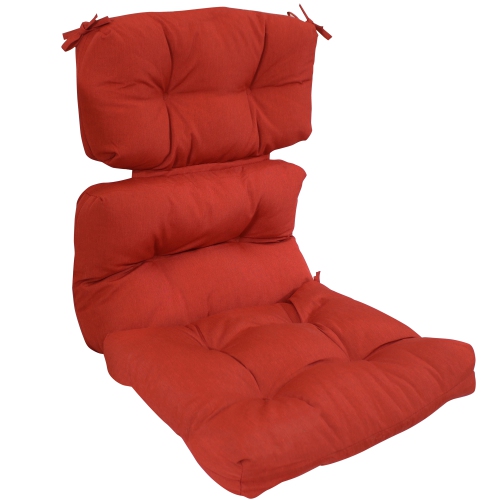 Your price for this item is $88.85
-
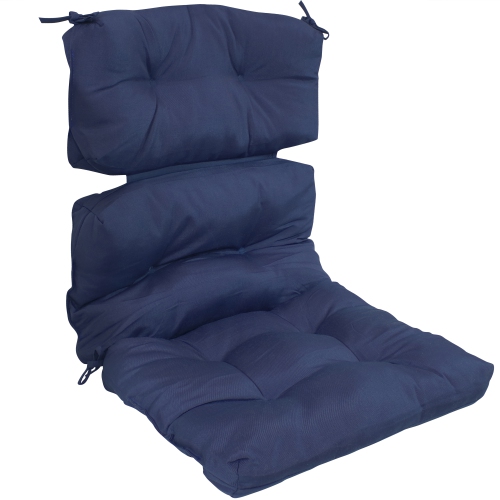 Your price for this item is $88.85
-
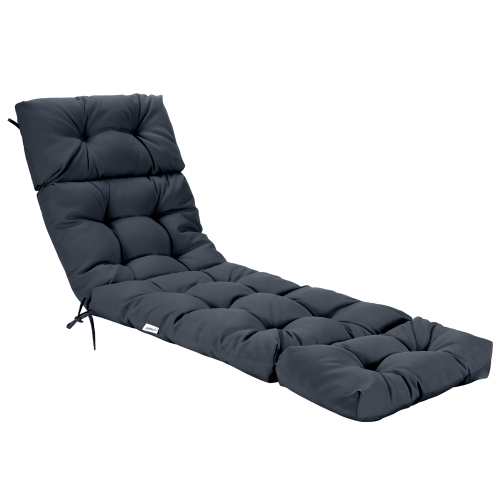 Your price for this item is $68.99
-
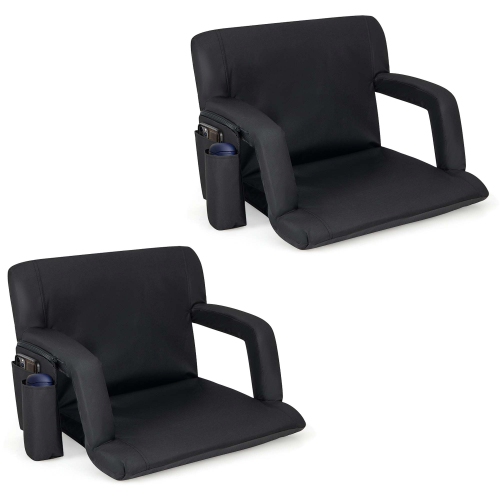 Your price for this item is $167.99
-
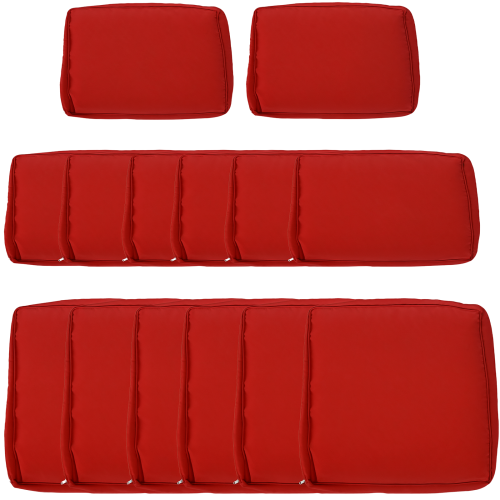 Your price for this item is $94.99
-
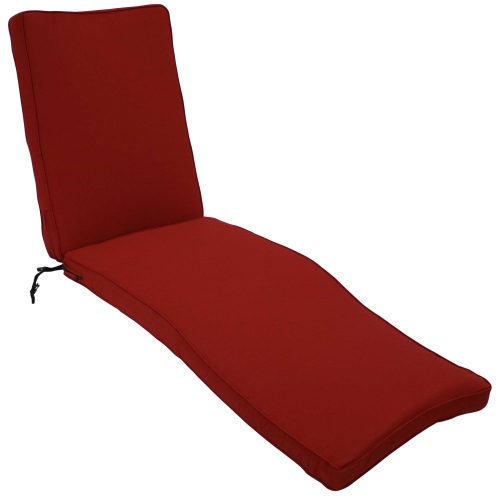 Your price for this item is $155.55
-
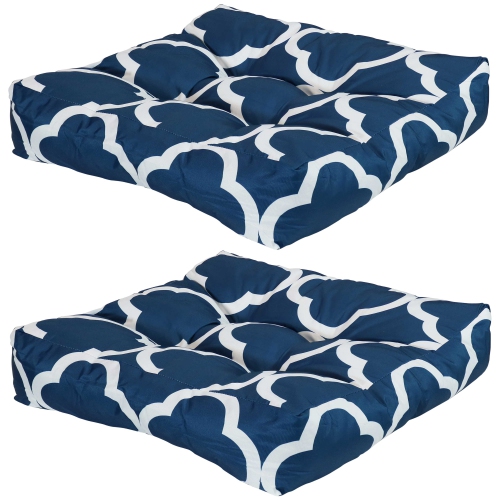 Your price for this item is $64.15
-
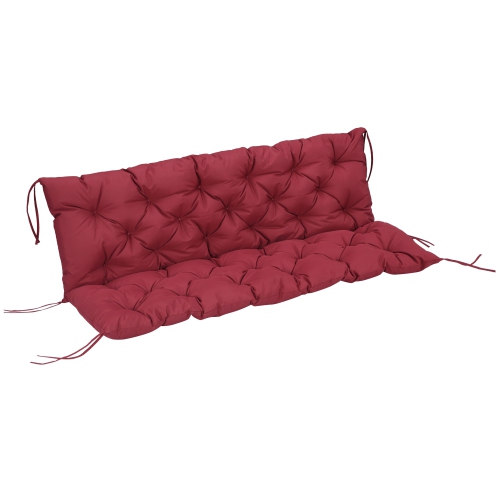 Your price for this item is $69.99
Discover more categories related to Cushions for Floor Seating

Top Collections:
Pokemon Centers, Kindle Devices, Best Cameras for Sports Photography, Pokémon 30th Celebration Cards, Apple iPhones 16, Canon G7X Cameras, iPhone 15 Apple, Flip Phones, Samsung Galaxy Phones, Alarm Clock
Some products may be subject to Environmental Handling Fees
(EHF) depending on your province.
Learn more about EHFs.