Cushions for Outdoor Furniture
Enhance your outdoor living space with our selection of stylish and comfortable cushions for outdoor furniture. Whether you're looking to add a pop of color, extra support, or simply refresh the look of your patio set, we have a variety of options to suit your needs. From durable materials that can withstand the elements to plush designs that invite you to relax in style, our collection of outdoor cushions offers both practicality and aesthetic appeal. Upgrade your outdoor oasis and create a cozy retreat for lounging, dining, and entertaining with our versatile range of cushions designed to elevate your alfresco experience.
Sort
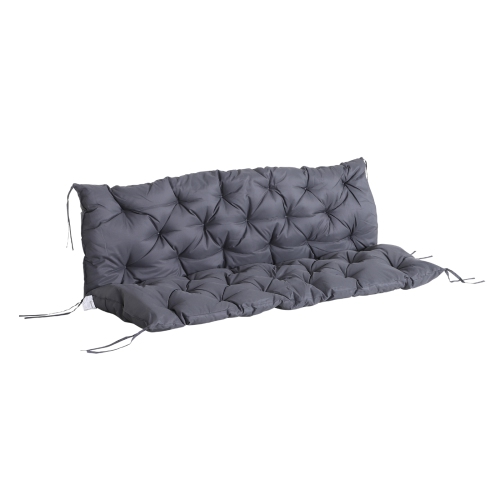
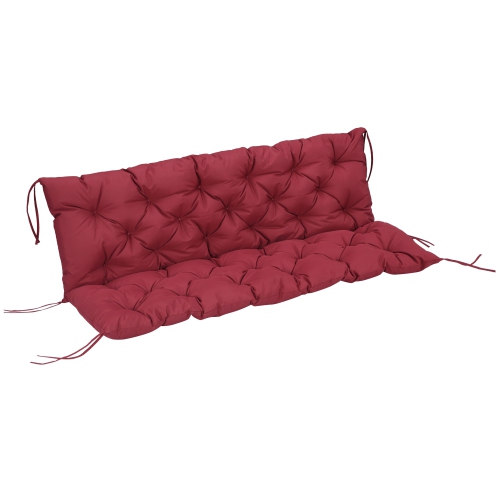
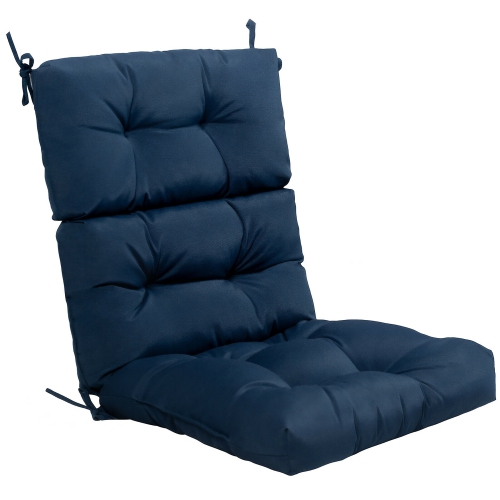
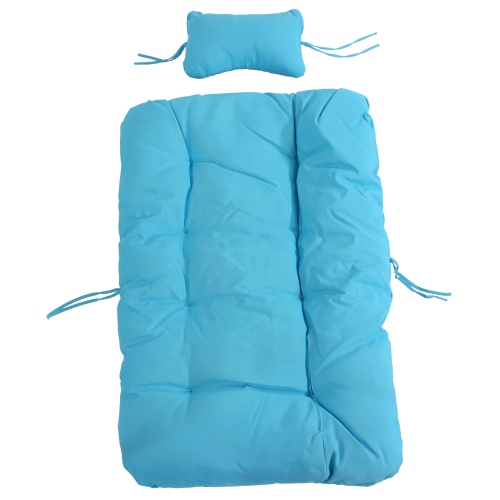
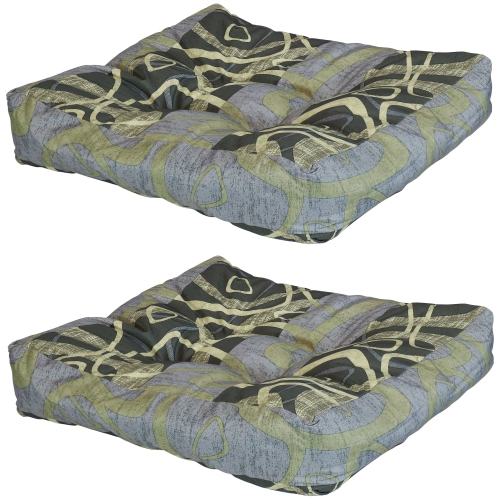
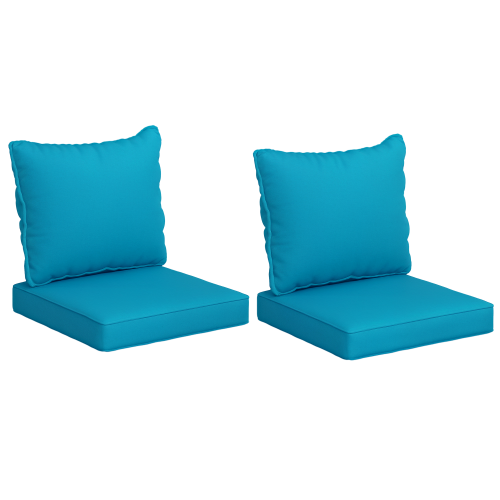
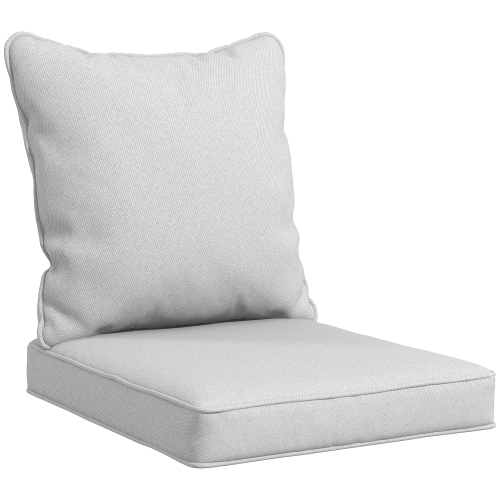
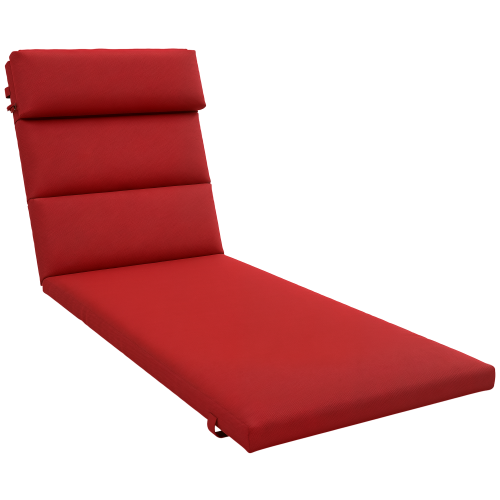


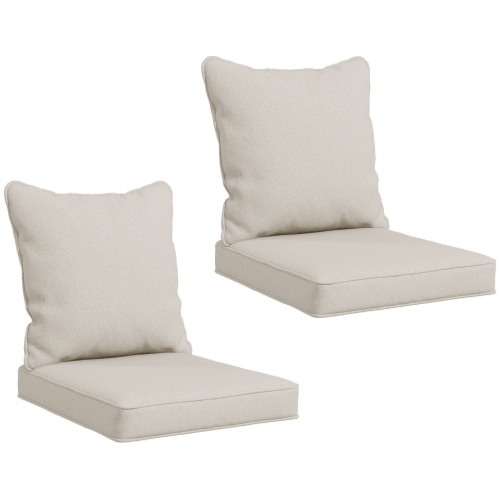
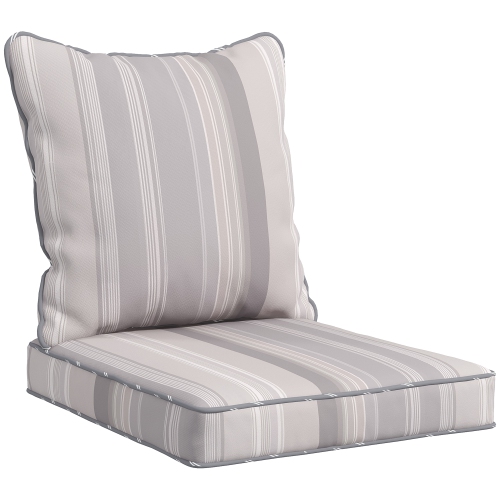
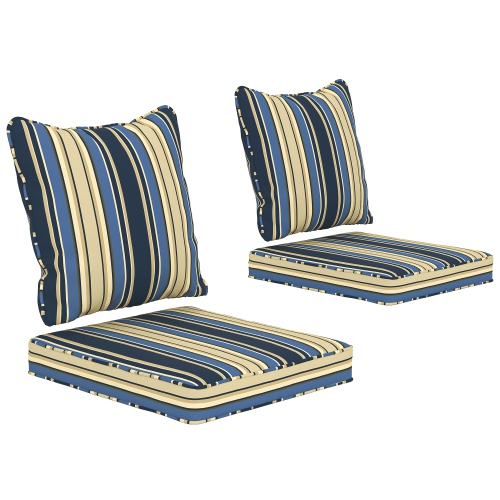


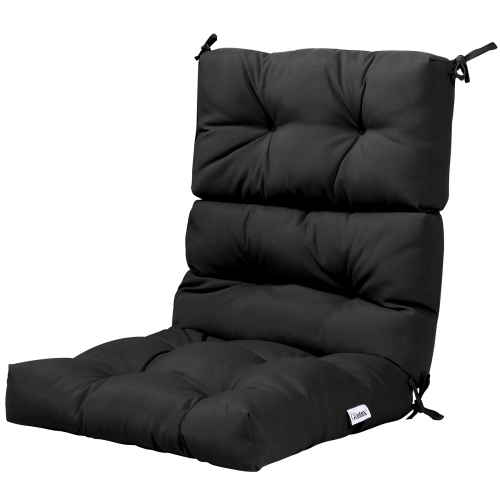
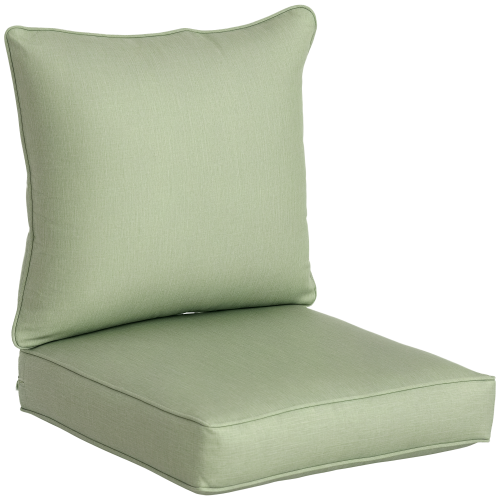
Comfortable outdoor seating starts with the right cushion fit
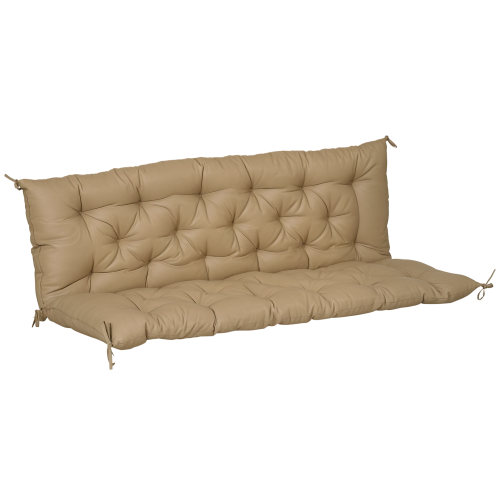
Cushions for outdoor furniture provide a softer, more supportive seating surface for patio chairs, outdoor sofas, benches, and chaise lounges. They also help define the look of a balcony, deck, or backyard seating area without replacing the furniture itself. Seat cushions soften firm surfaces such as wood, metal, or woven frames, while back cushions add padding behind the body and can make deeper seating feel more inviting. The right fit depends on the furniture’s usable seating space, not simply its overall size. Seat width, depth, and cushion thickness all matter, along with the height and shape of any back cushion. Measuring between the arms and from the front edge to the back of the seat helps establish the space a cushion needs to fill. Rounded corners, curved backs, and tapered seats may require a different shape from a standard square or rectangle. An old cushion can offer a useful reference, although flattened filling or stretched fabric may no longer reflect its original dimensions. Furniture with deeper seats or wider frames may call for Large Outdoor Cushions, but extra size should still complement the frame rather than extend unsupported beyond its edges. Thickness affects comfort and sitting position: a taller seat cushion can raise the body closer to a dining table, while a thick back cushion reduces the remaining seat depth. For outdoor dining, a cushion that stays neatly within the chair frame leaves room to sit comfortably and move the chair beneath the table. Lounge seating usually benefits from a combination of supportive seat padding and a softer backrest. Chaise cushions need to follow the length and bending points of the frame so the backrest can adjust without bunching the fabric. Ties, straps, or a suitable non-slip backing can help limit movement when someone sits down or stands up. These details are especially useful on smooth benches, frequently used family seating, and compact balconies where chairs are moved regularly.
Fabric and filling determine much of an outdoor cushion’s comfort, appearance, and performance. Polyester, olefin, and acrylic are common outdoor upholstery materials, but the fibre name alone does not establish how well a cushion will handle sunlight, moisture, or frequent use. The fabric’s construction, finish, and stated care requirements are important distinctions. Solution-dyed fabrics have colour incorporated into the fibres during production, which can help resist fading compared with some surface-coloured fabrics. Fade resistance does not mean that colour will remain unchanged indefinitely, particularly on seating exposed to strong sunlight for long periods. A tightly woven cover can offer a smooth, structured appearance, while a textured weave brings a softer visual finish to metal or resin furniture. Water-resistant or water-repellent fabric helps shed light moisture, but it should not be treated as a guarantee that the complete cushion is waterproof. Rain can enter through seams, openings, or worn areas, and a damp cushion may retain moisture inside even when its surface feels dry. Filling deserves equal attention. Foam generally provides a more defined shape and steady support, while polyester fibre filling tends to feel softer and more relaxed. Some cushions combine a foam core with a fibre wrap to balance support with a cushioned surface. Foam density and firmness describe different qualities, so a dense cushion is not necessarily a hard one. Where specified, open-cell foam designed for outdoor use can allow water to drain and air to circulate more readily, though drying time still depends on the cover, construction, and conditions. For chairs used at an outdoor table, a stable cushion helps maintain a comfortable sitting height; for a reading chair or lounge, a softer back cushion can be more appealing. Strong seams, securely attached ties, and well-finished zippers are practical details for cushions that are handled often. Removable covers can simplify cleaning, provided their care instructions permit the intended cleaning method.
Regular care helps outdoor furniture cushions remain comfortable and presentable through repeated use. Loose dust, leaves, and grit are easiest to remove before they work into the weave or collect around seams. A soft brush or a vacuum with an upholstery attachment can be useful where the fabric’s care directions allow it. Spills are best blotted promptly with a clean cloth rather than rubbed into the cover. For many outdoor fabrics, mild soap and lukewarm water are suitable for routine surface cleaning, but the manufacturer’s instructions should take priority over a general cleaning method. Testing a small, less visible area first helps identify unwanted changes in colour or texture. Harsh cleaners, stiff brushes, and pressure washing can damage fabrics or finishes, and a removable cover is not automatically machine washable. Cleaning the entire affected panel rather than only a tiny spot can help reduce visible rings on some fabrics. Soap residue should be removed as directed, and both the cover and filling need to dry completely before the cushion is used or stored. Standing cushions on edge, where their shape allows it, exposes more surface area to moving air; they should not be left pressed against a damp floor or stacked while wet. Protective furniture covers can reduce direct exposure to rain and debris, but trapped moisture still needs attention. For extended periods without use, especially when furniture may be exposed to snow or persistent rain, clean and thoroughly dry cushions are better stored in a sheltered, dry location. A weather-resistant deck box can be convenient, provided its interior stays dry and allows appropriate ventilation. Beyond care, colour and texture help cushions connect outdoor furniture with the surrounding space. Neutral shades create an understated foundation, stripes can add definition to a simple bench, and richer colours bring contrast to pale frames. Coordinated seat and back cushions create a unified appearance, while a few complementary accents can distinguish a dining area from a quieter reading corner. Consistent proportions, suitable fabrics, and manageable care requirements make that finished arrangement easier to enjoy.
Top selling and popular products
-
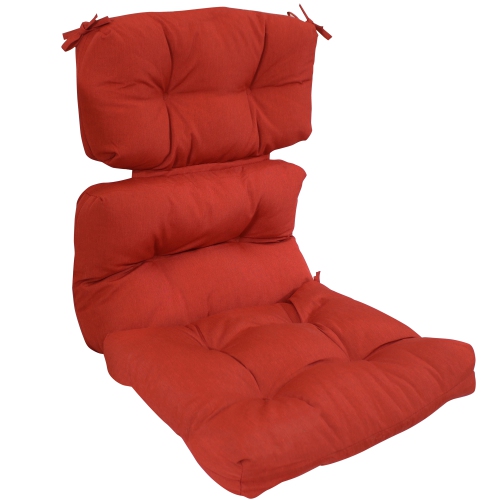 Your price for this item is $88.85
-
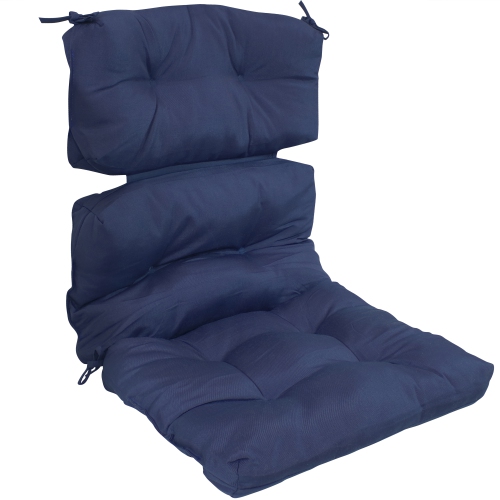 Your price for this item is $88.85
-
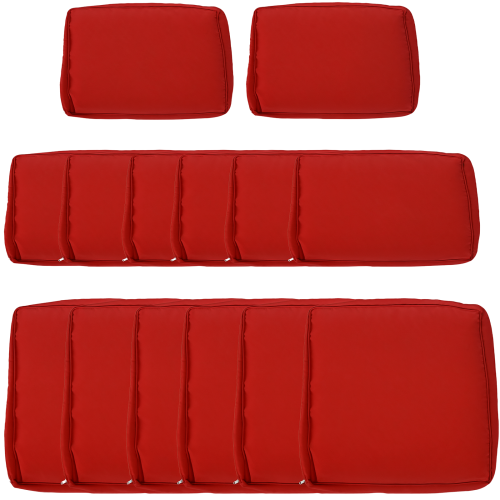 Your price for this item is $94.99
-
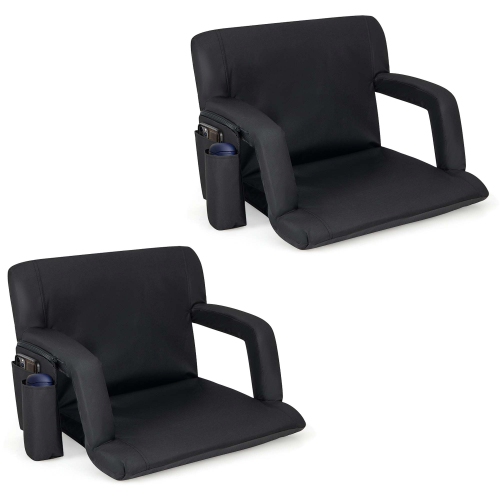 Your price for this item is $167.99
-
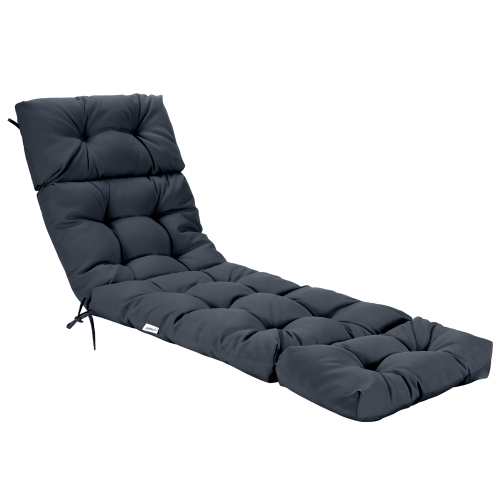 Your price for this item is $68.99
-
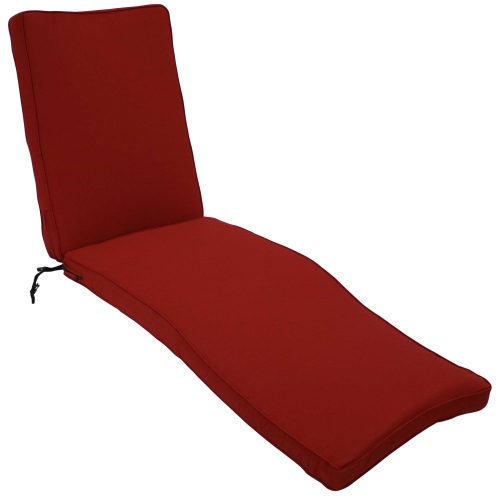 Your price for this item is $155.55
-
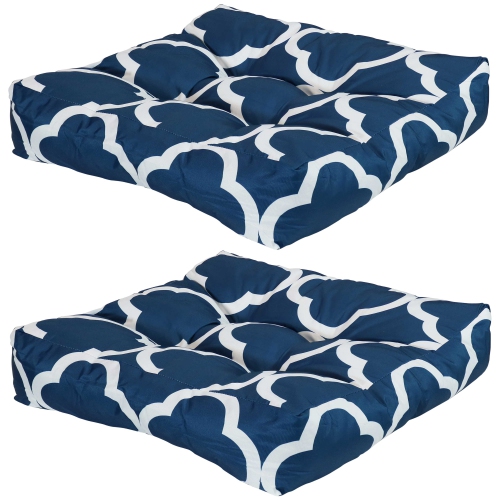 Your price for this item is $64.15
-
 Your price for this item is $69.99
Discover more categories related to Cushions for Outdoor Furniture

Top Collections:
Pokemon Centers, Best Cameras for Sports Photography, Kindle Devices, Samsung Galaxy Phones, Canon G7X Cameras, Pokémon 30th Celebration Cards, Refurbished Apple Laptops, iPhone 15 Apple, Laptops for Students, Budget Smartphones
Some products may be subject to Environmental Handling Fees
(EHF) depending on your province.
Learn more about EHFs.