Customizable Headboards
Enhance the look and feel of your bedroom with our selection of customizable headboards. Whether you prefer a sleek and modern design or a more traditional style, we have options to suit every taste and decor. From luxurious upholstered headboards to rustic wooden designs, you can easily create a personalized focal point for your bedroom that reflects your unique sense of style. Explore our range of customizable headboards to find the perfect piece to elevate your sleeping space.
Sort










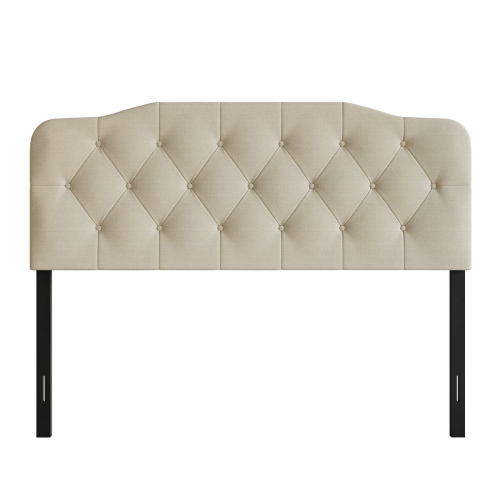
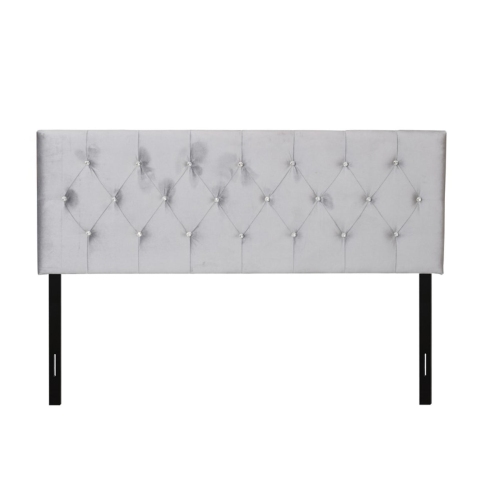
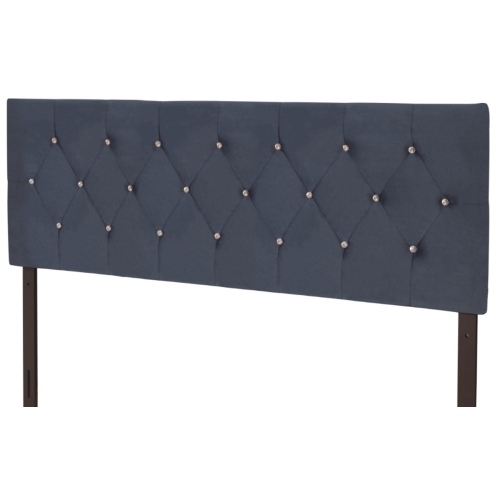
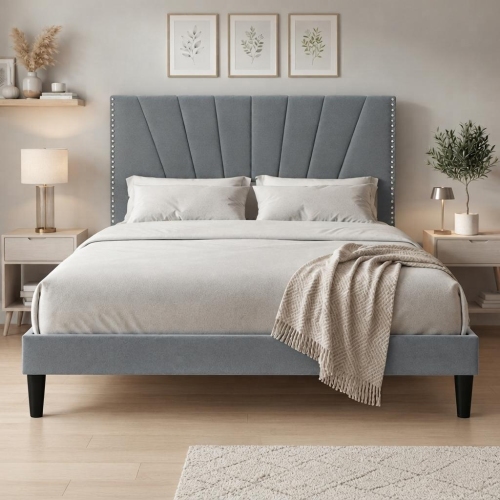


















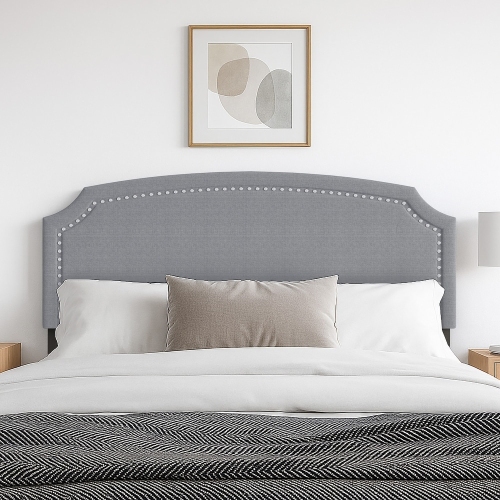
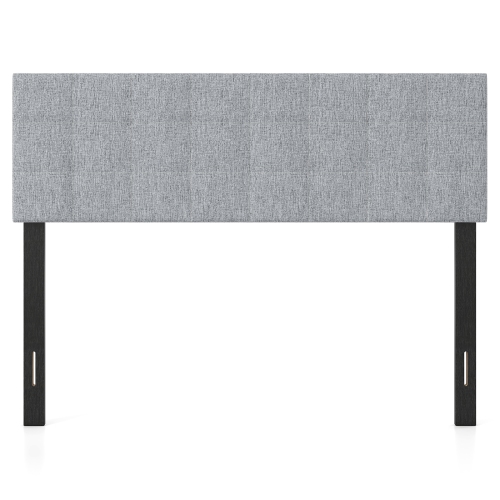


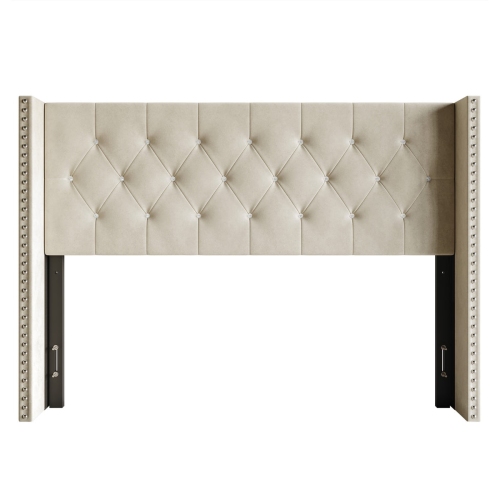


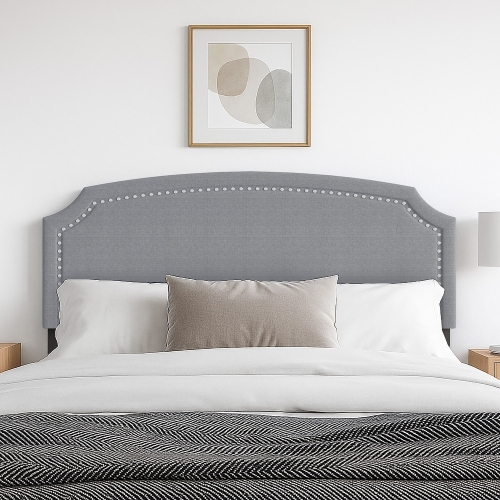

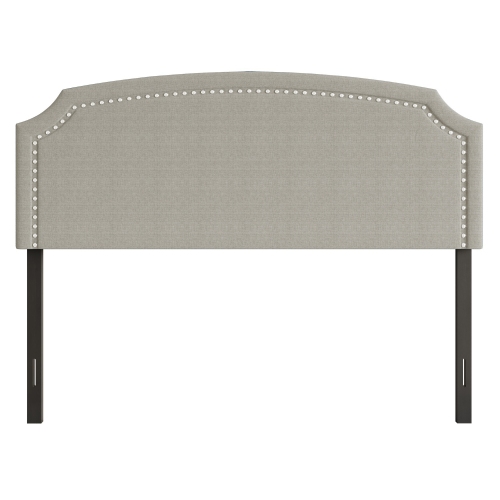


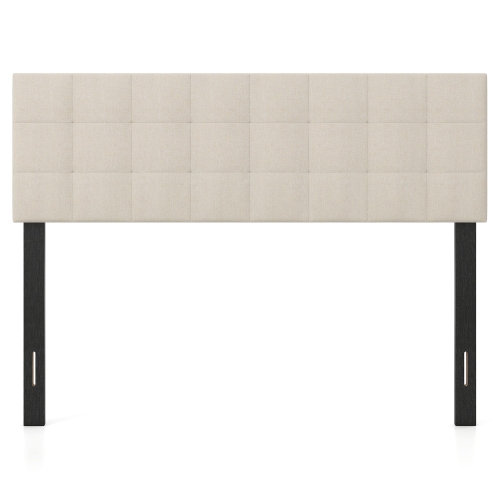
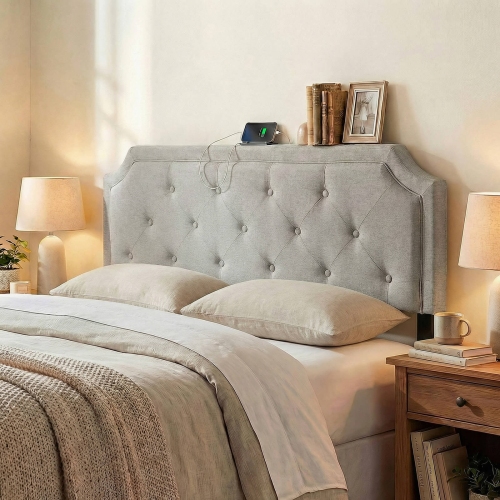
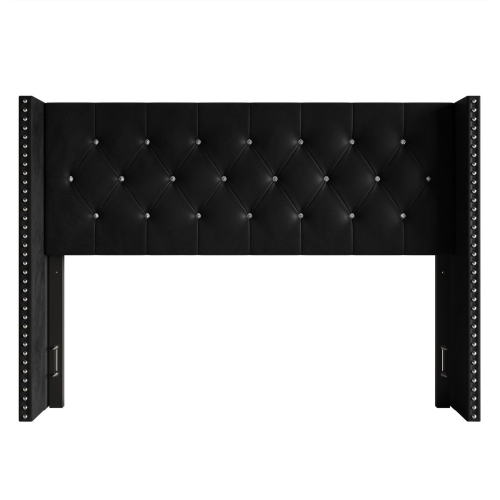


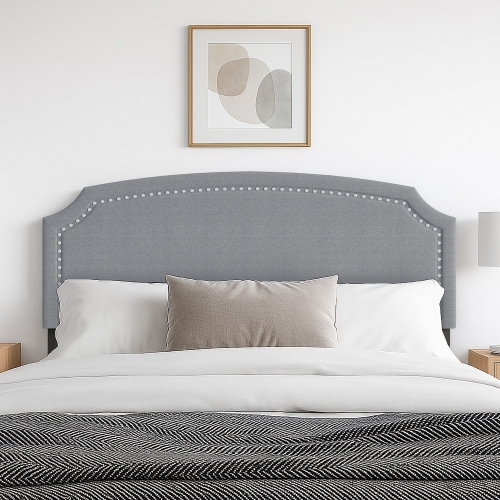
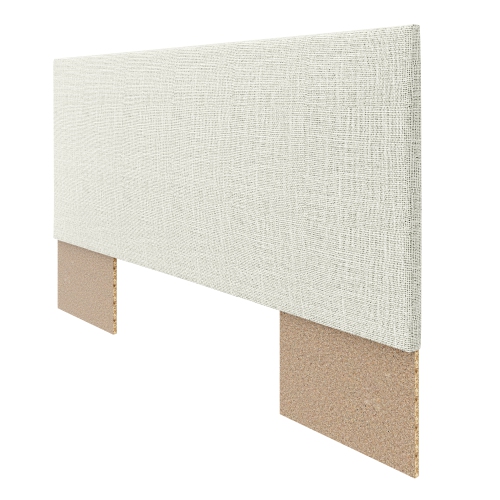

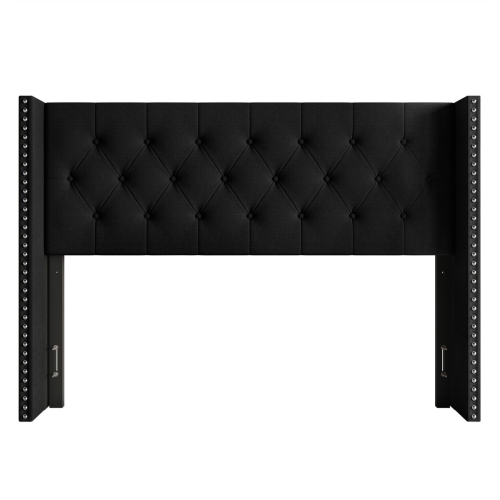

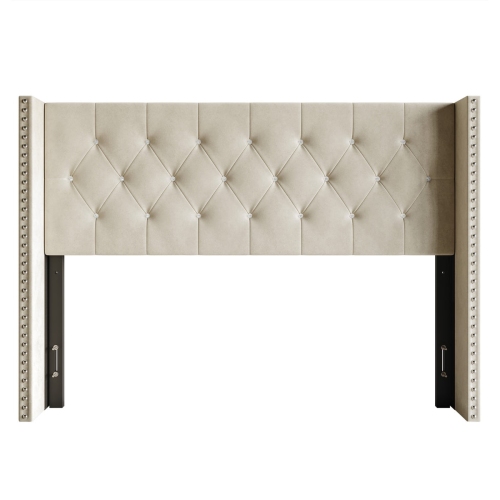





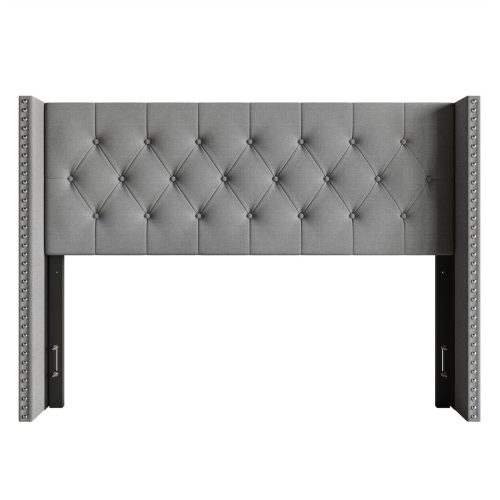

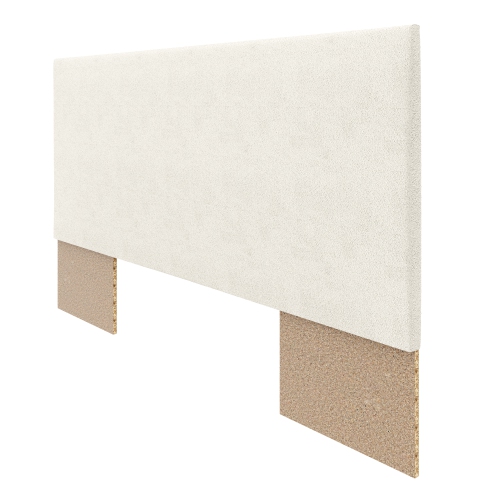


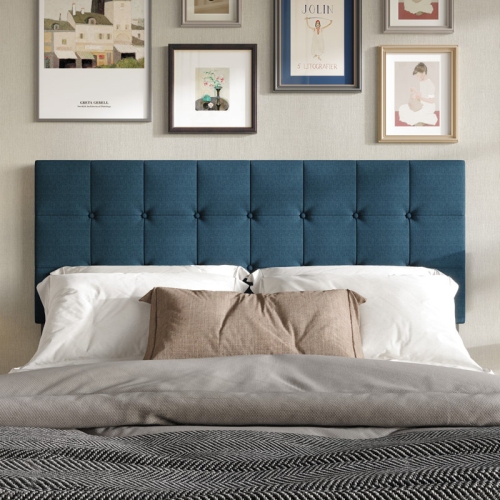

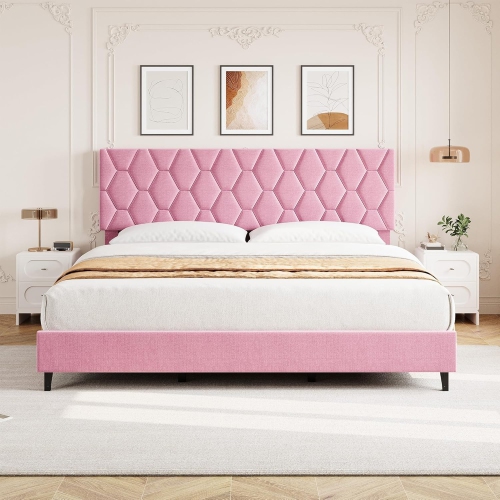








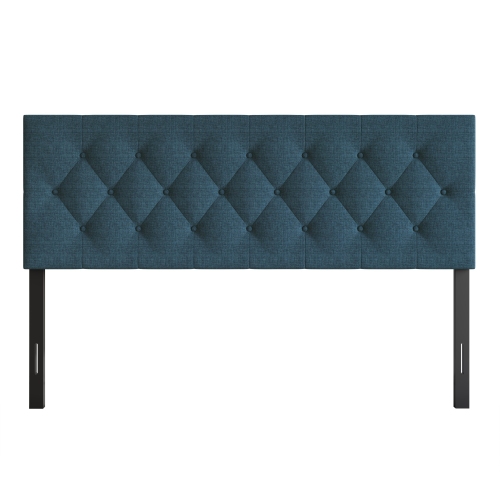
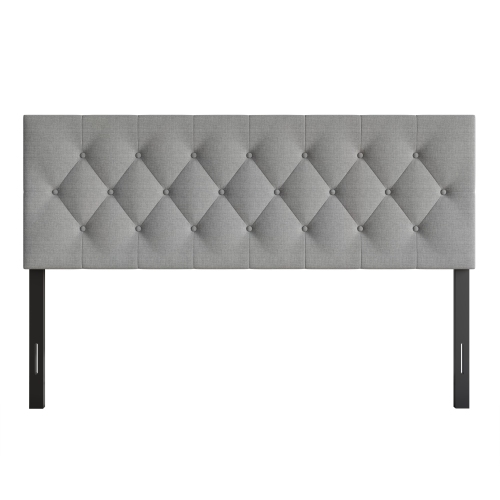

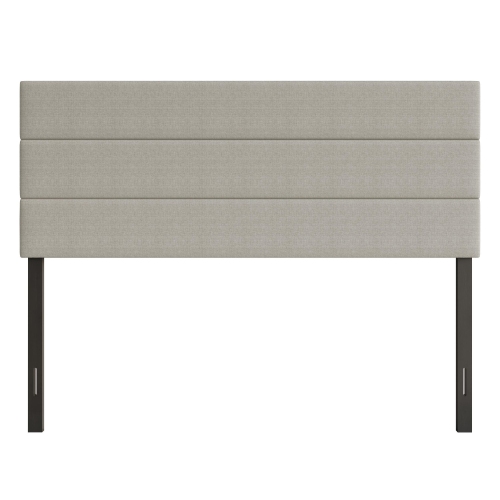
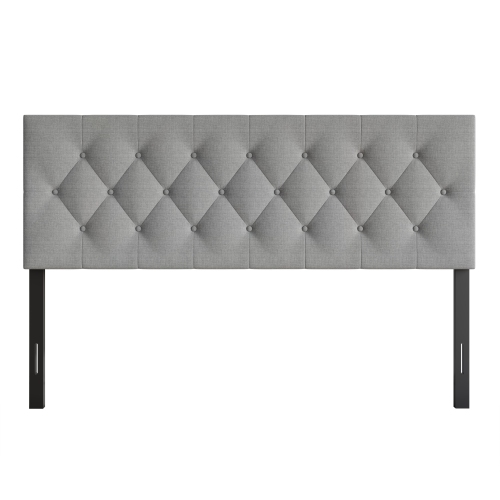







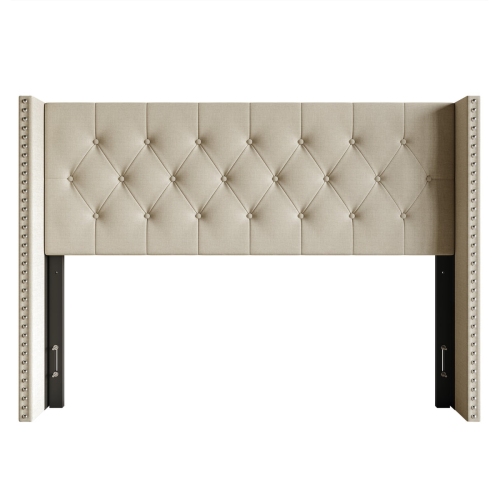
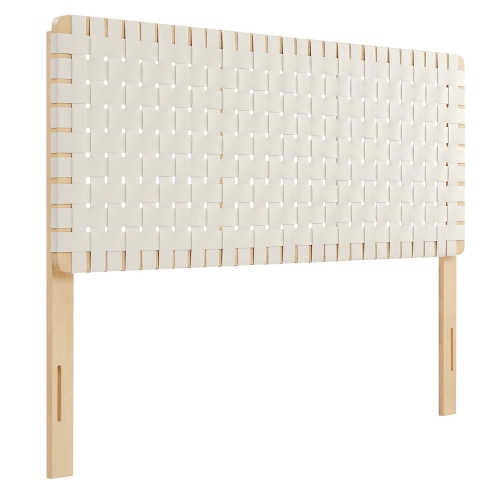
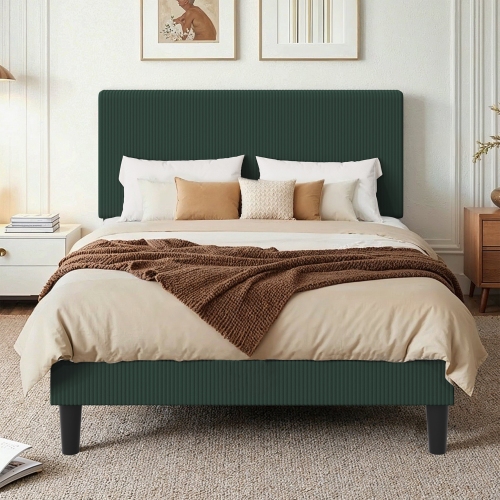


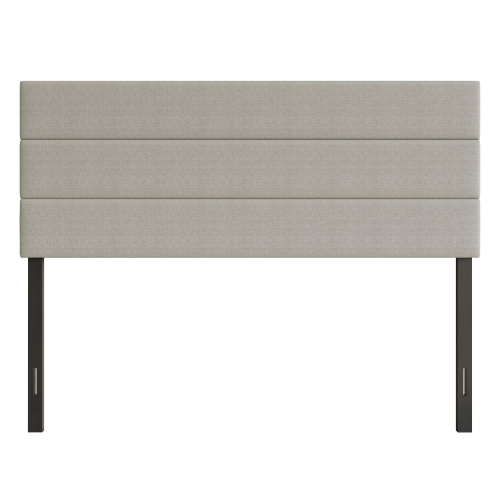


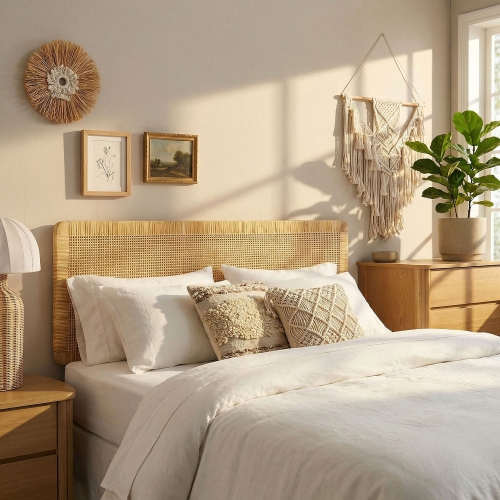


Why headboard fit goes beyond your bed size
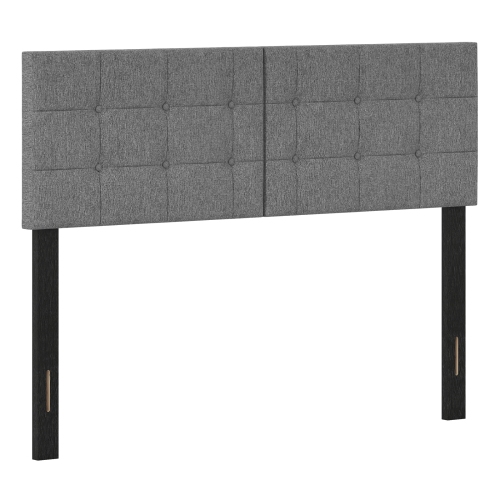
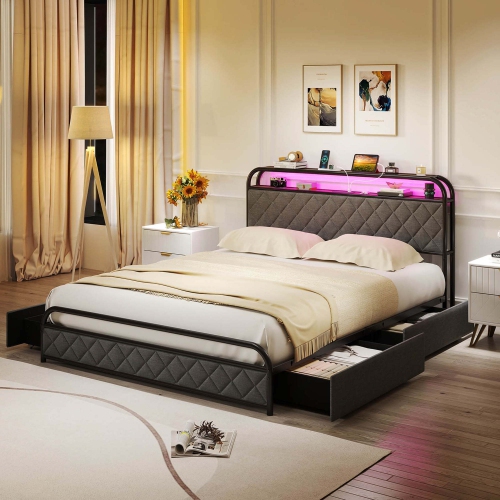
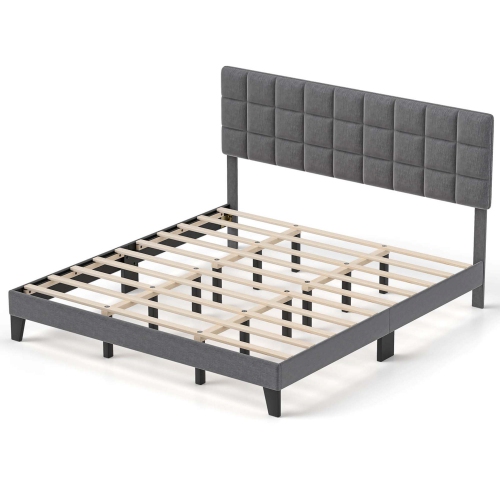
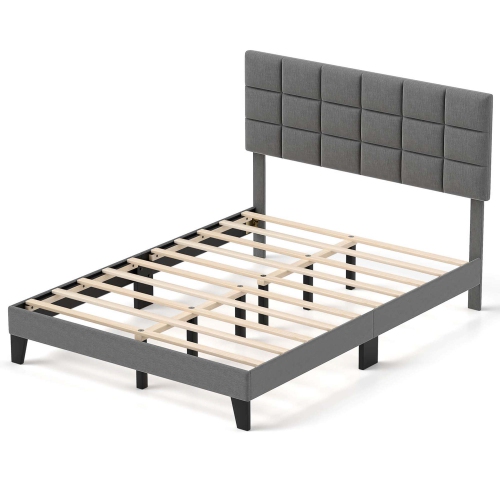
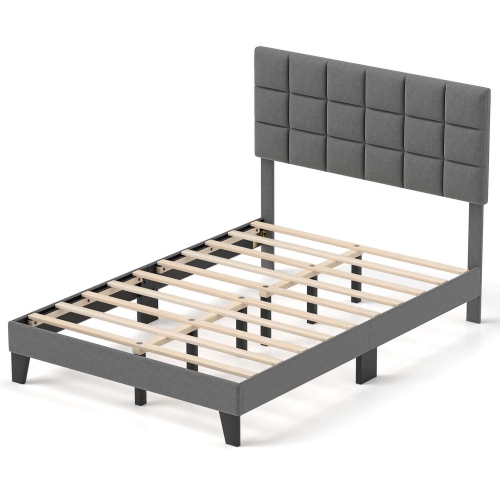
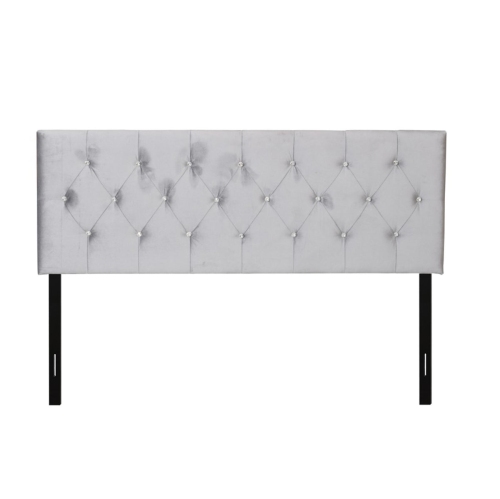
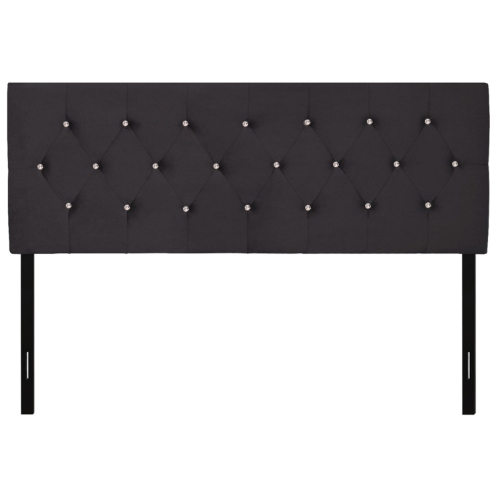
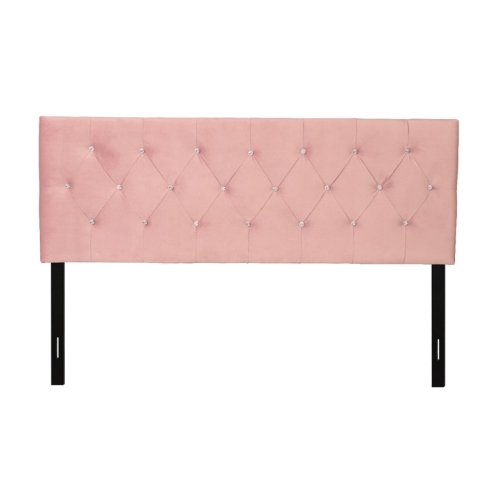
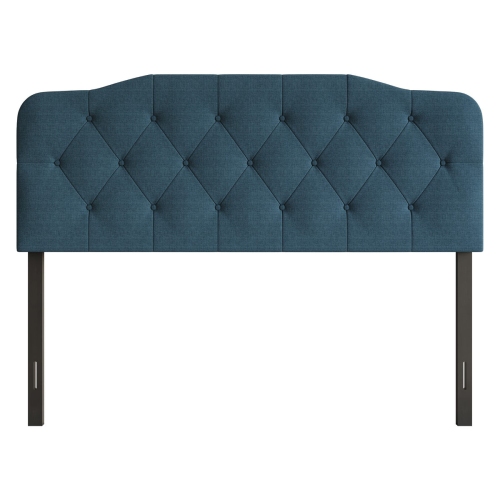
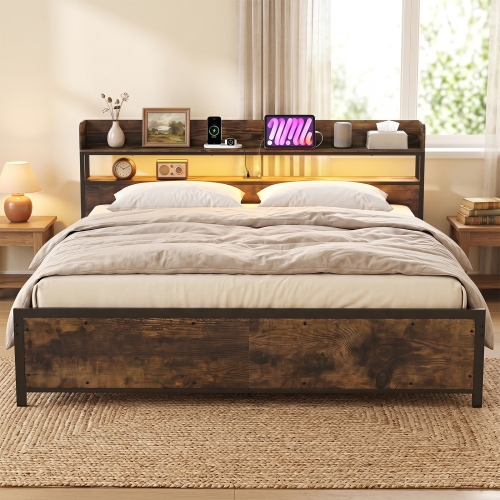
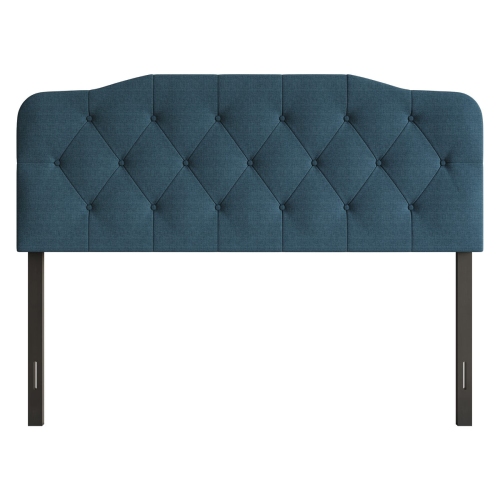
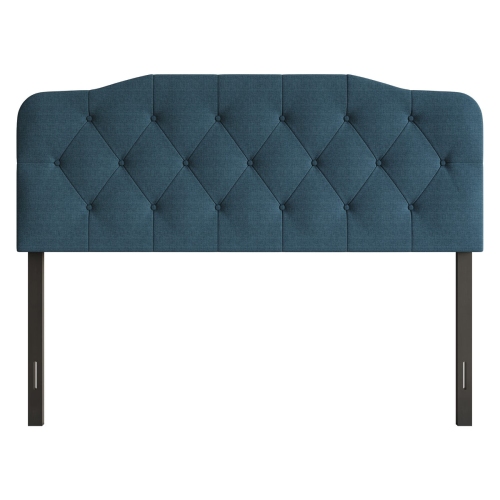
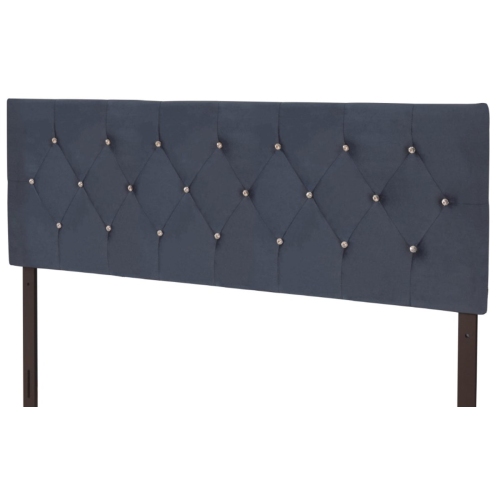
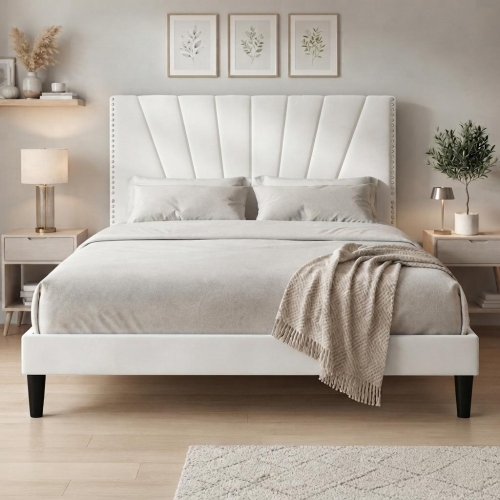
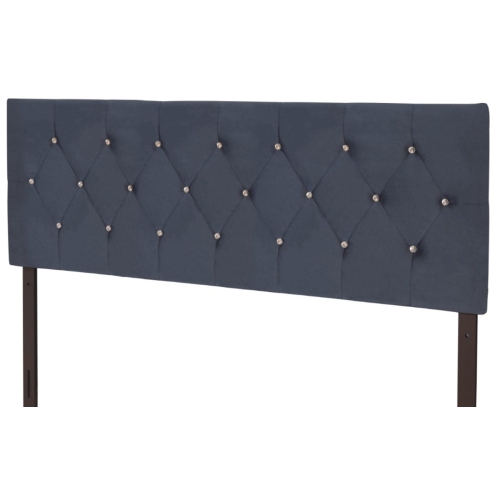
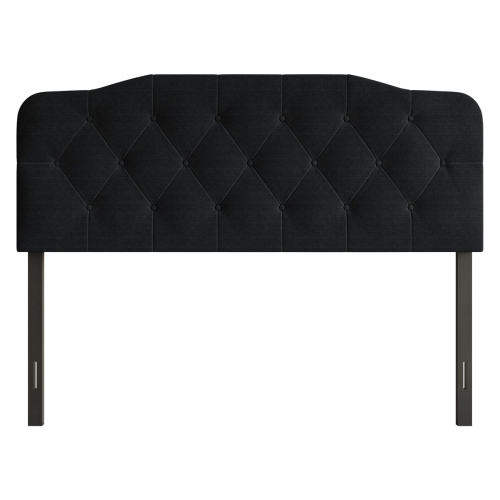
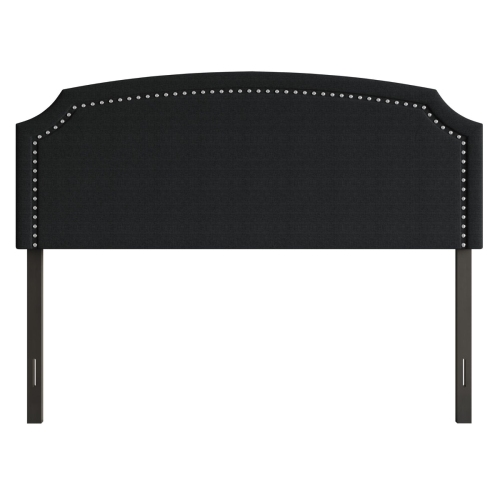
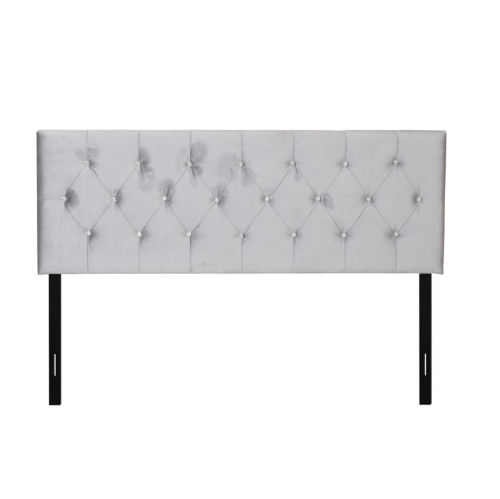
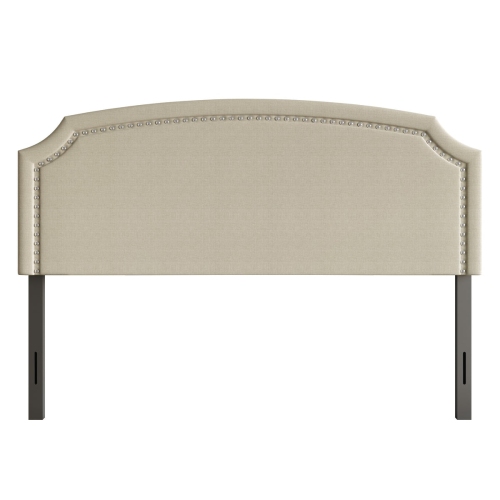
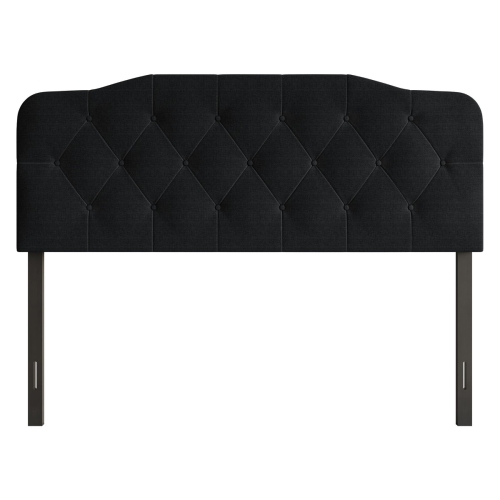
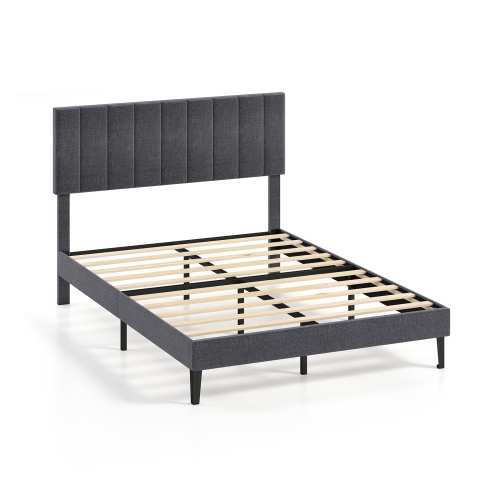
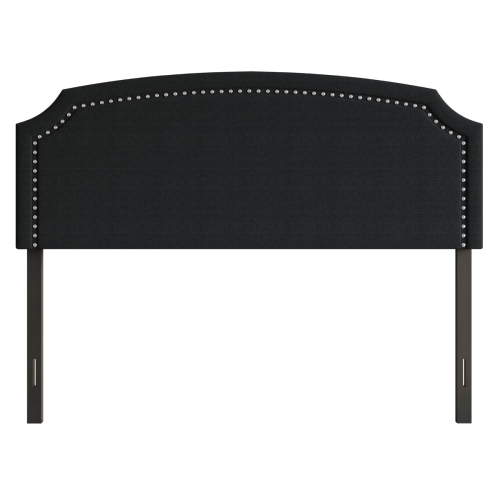
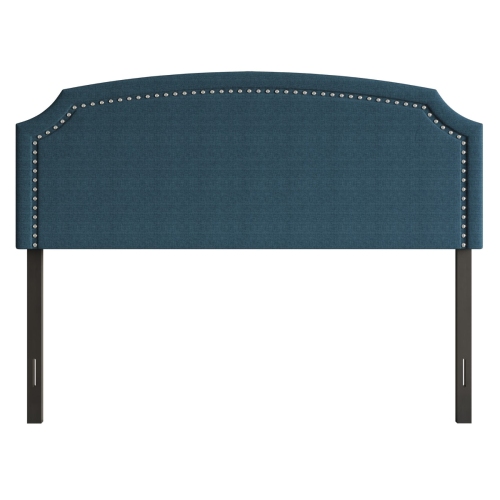
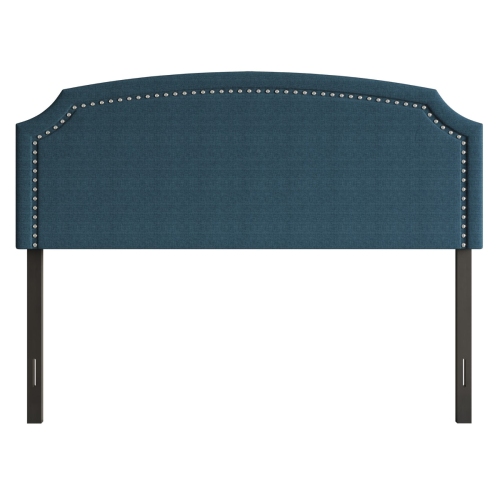
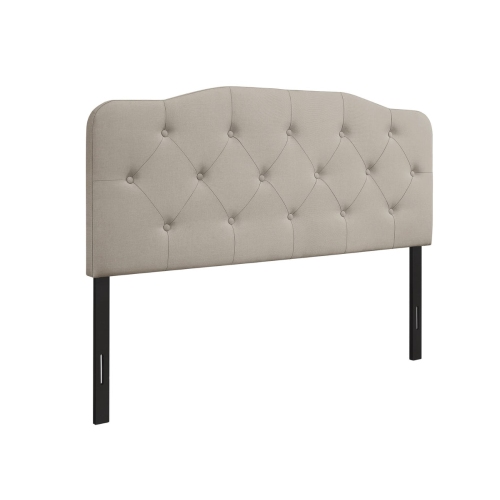
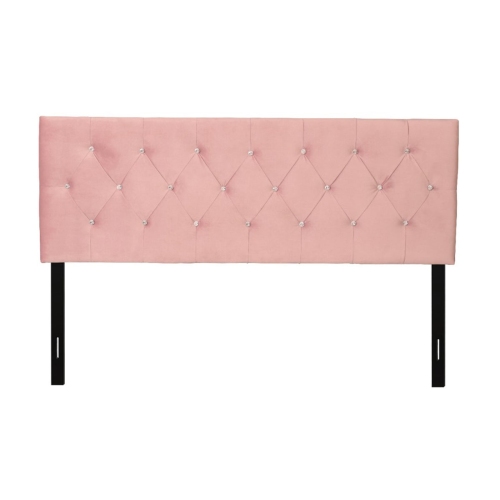
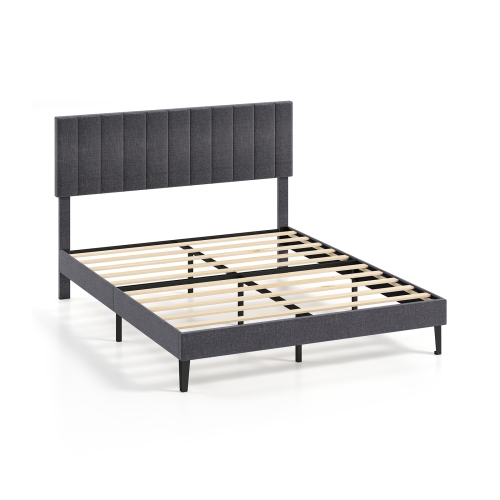
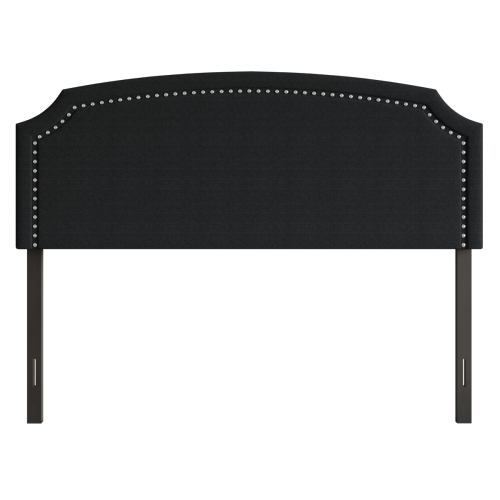
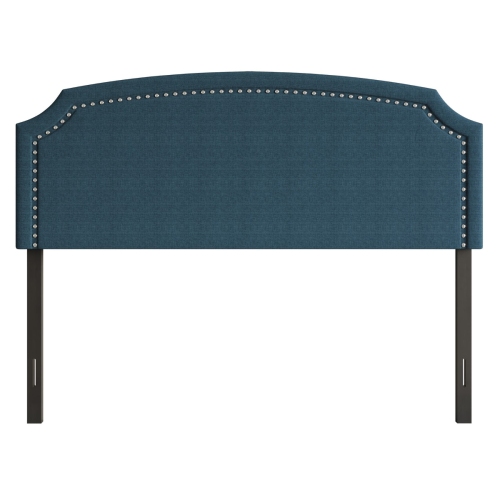
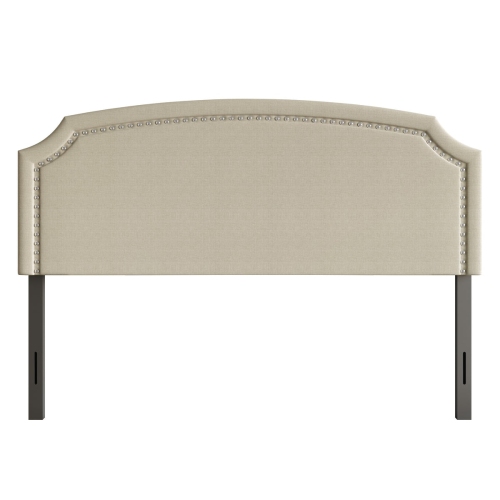
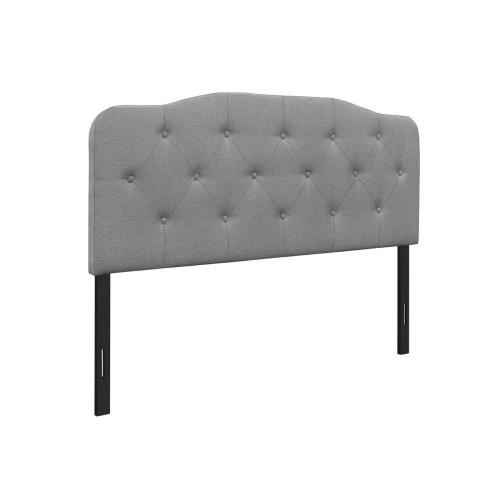
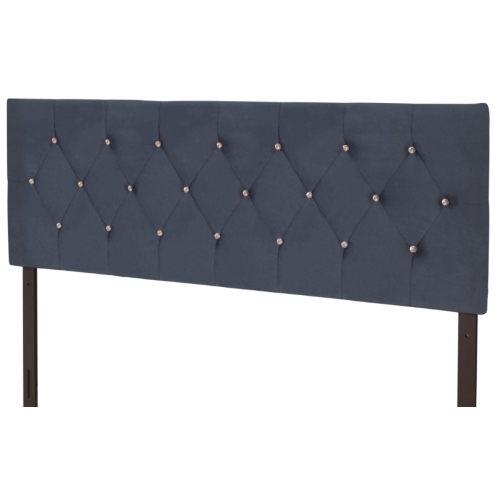
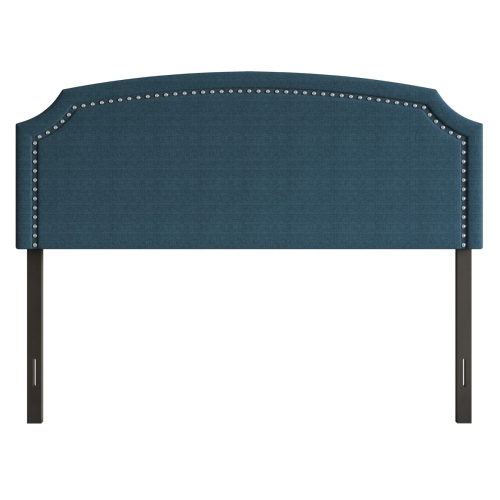
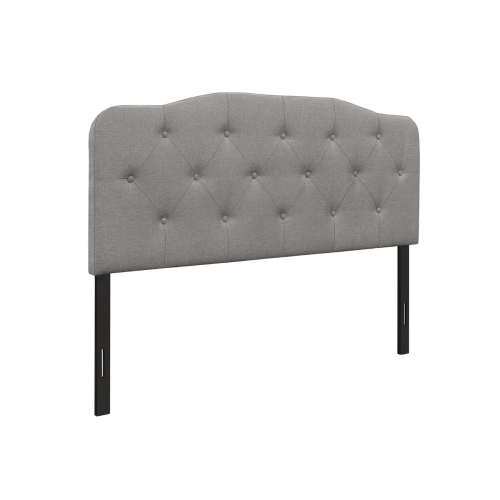
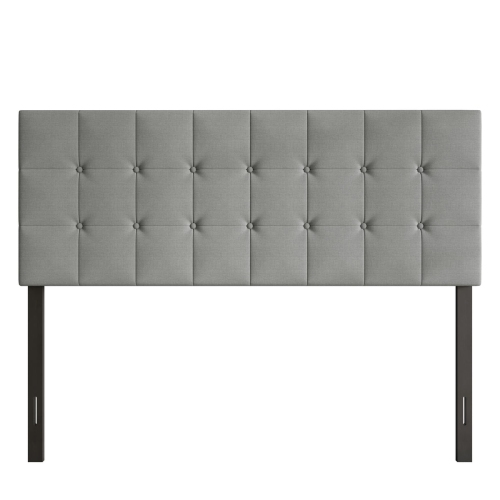
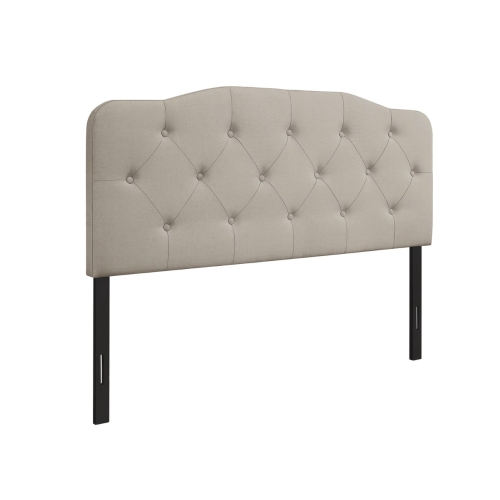
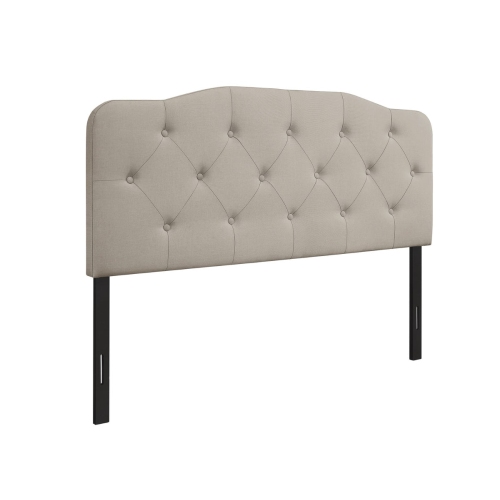
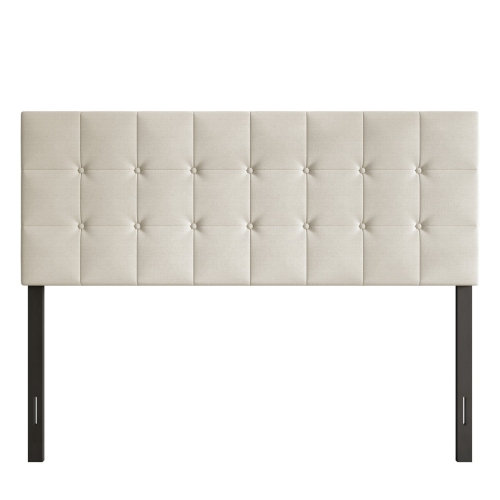
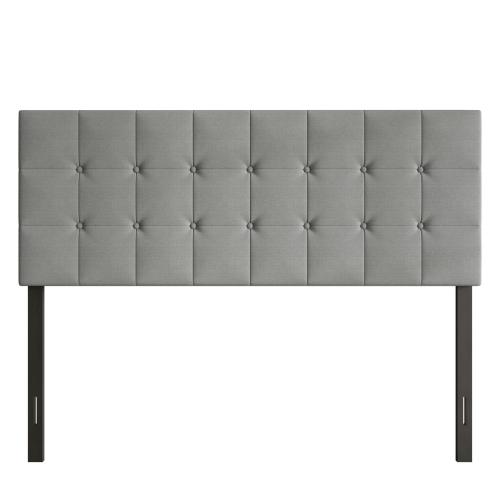
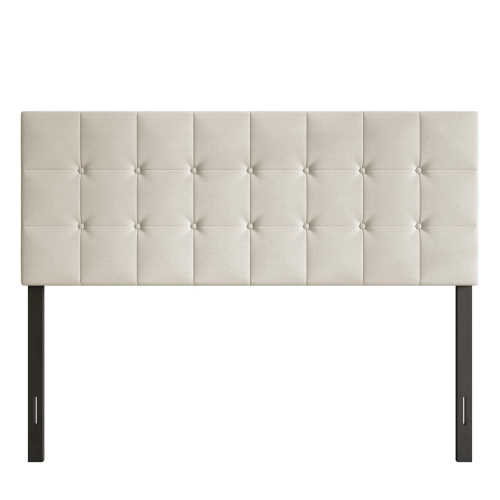
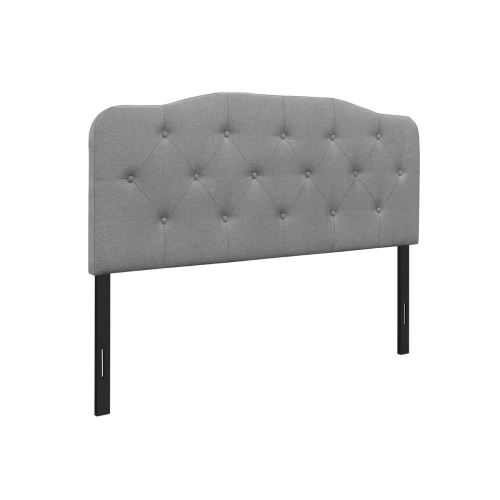
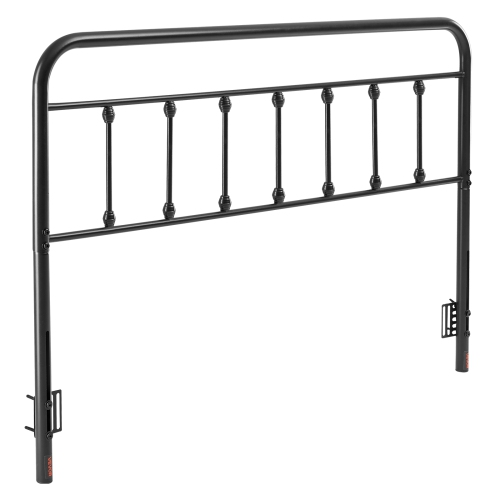
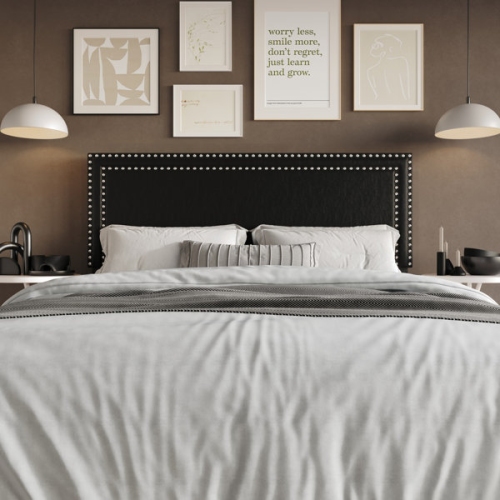
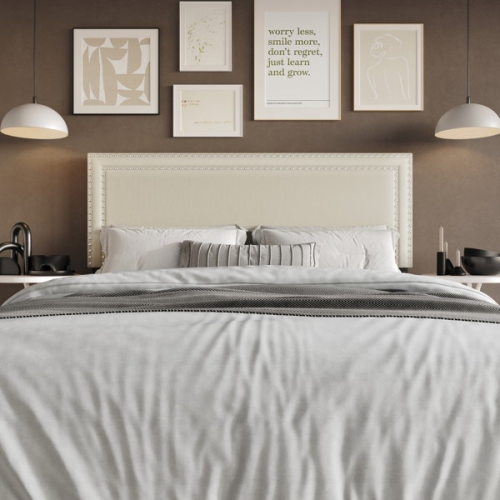
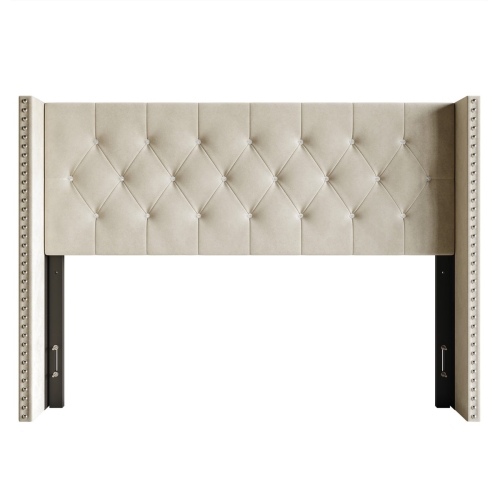
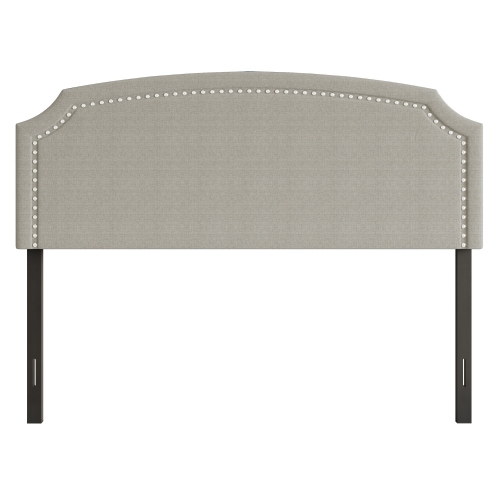
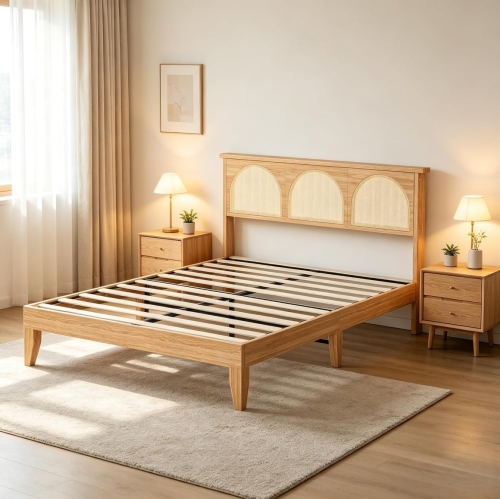
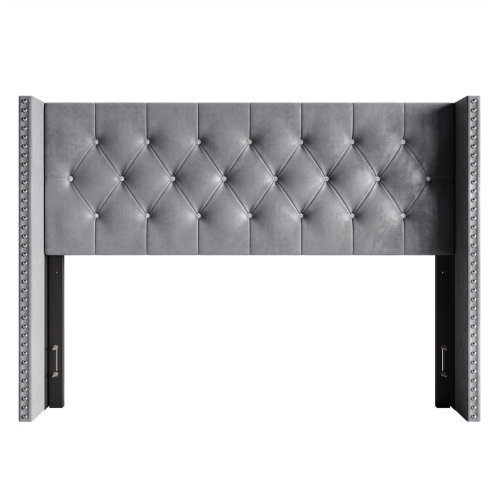
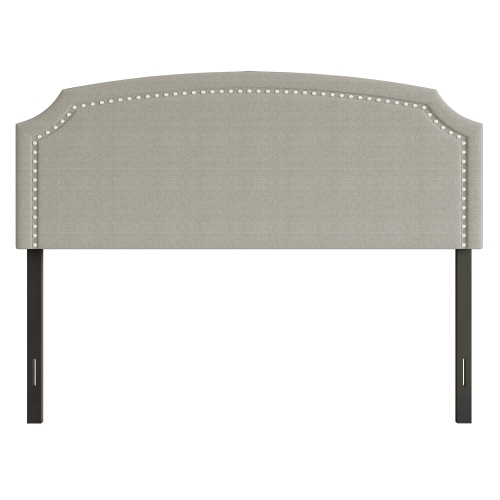
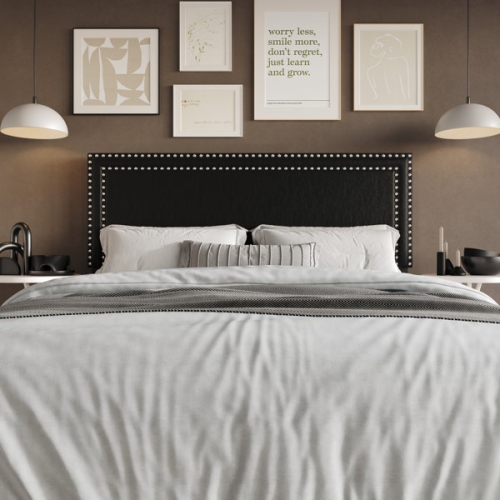
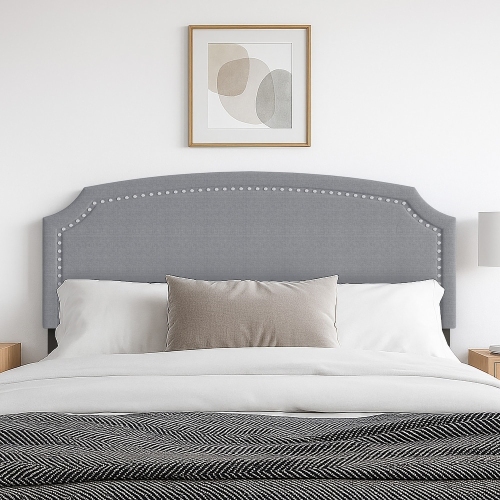
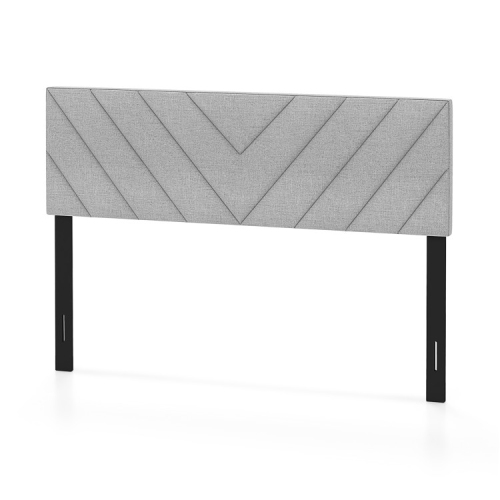
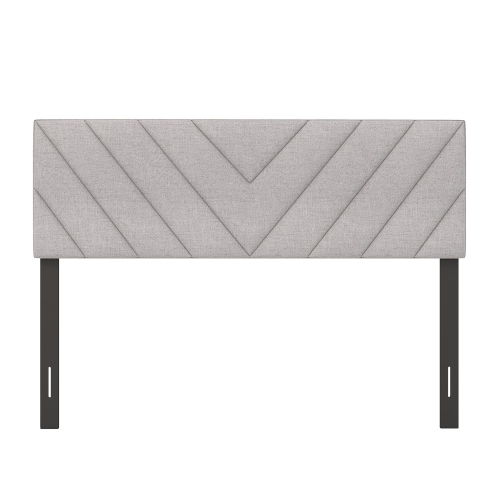
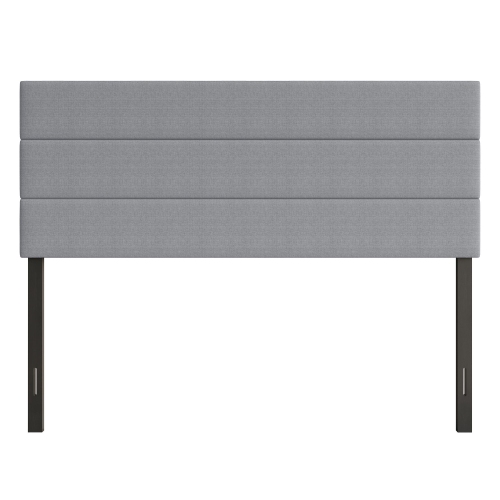
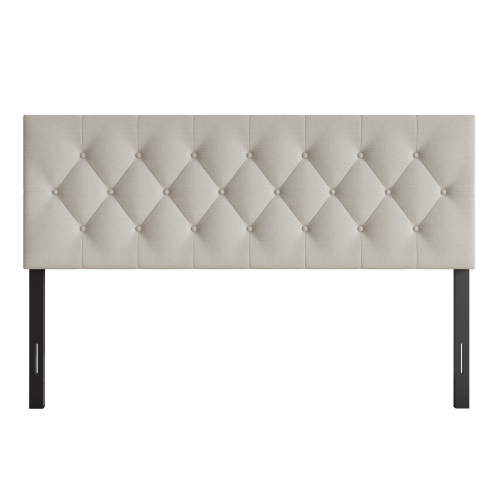
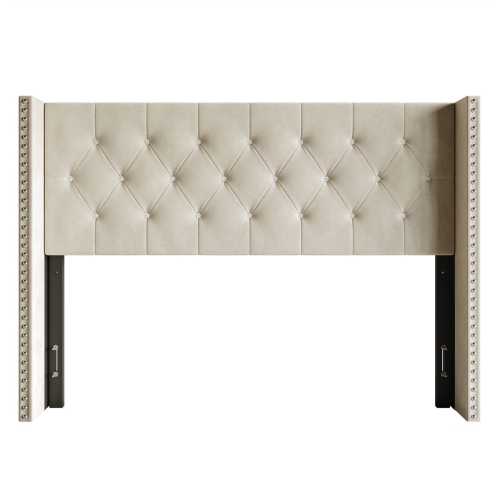
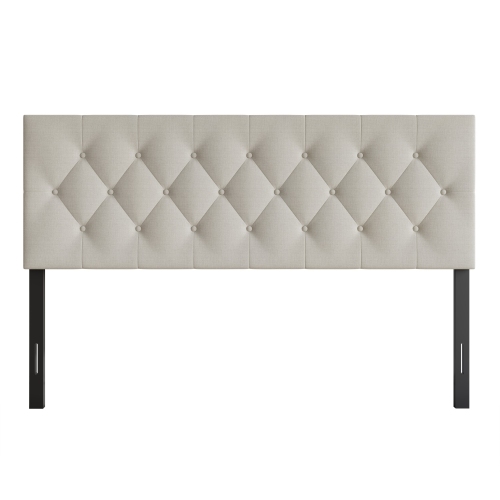
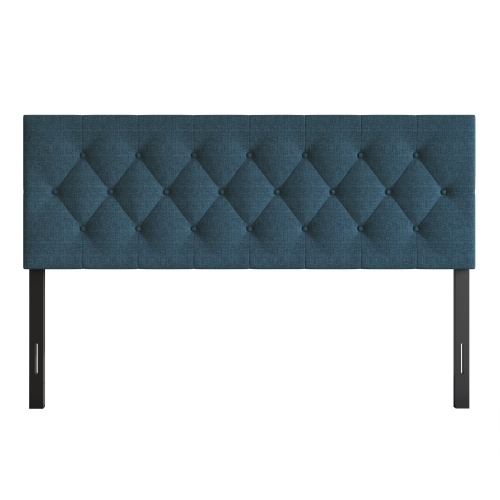
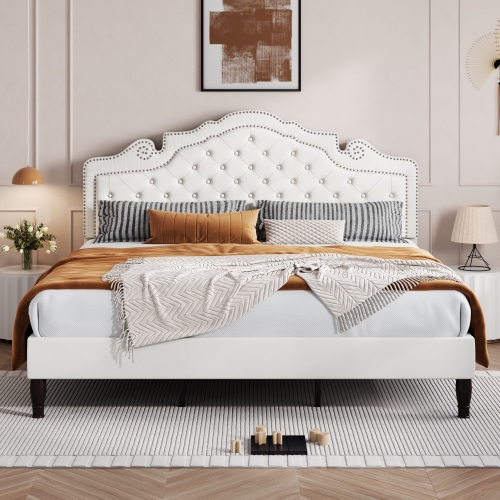
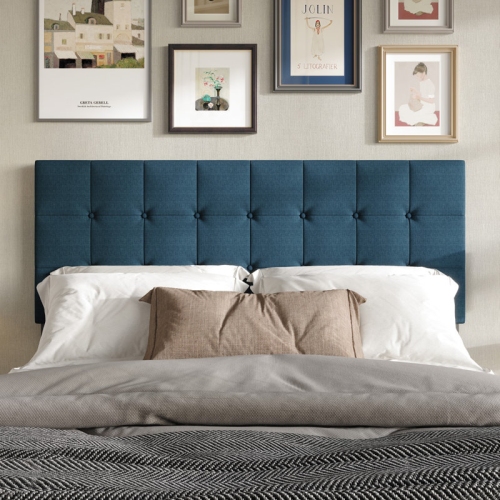
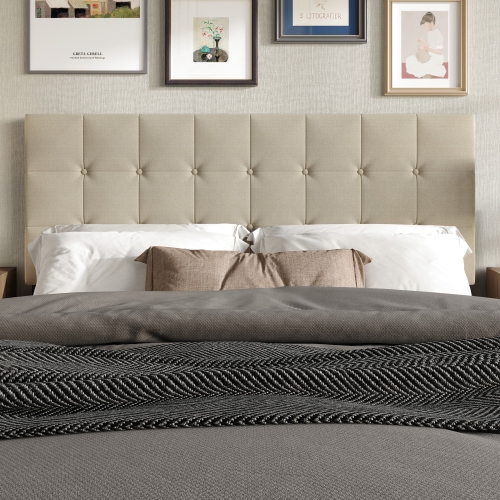
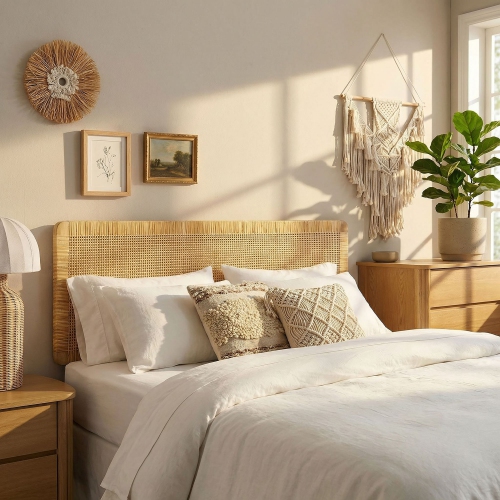
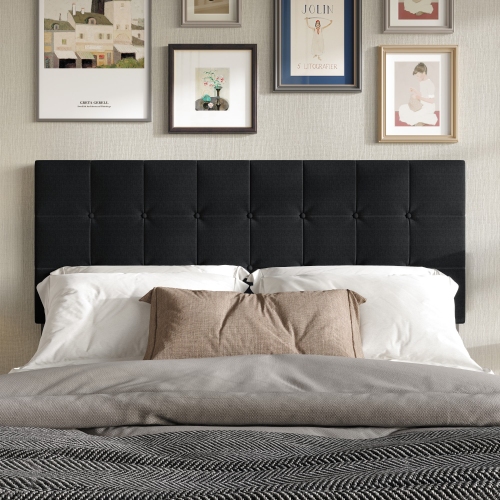
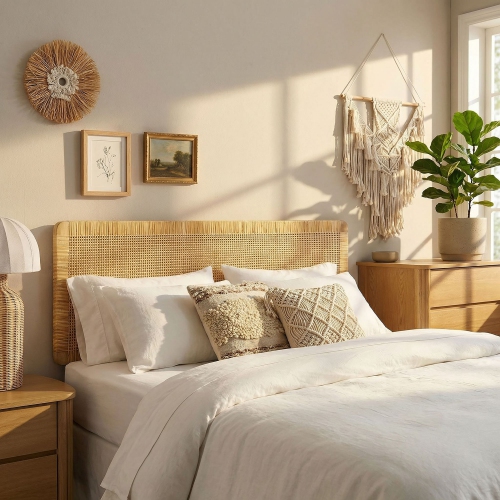
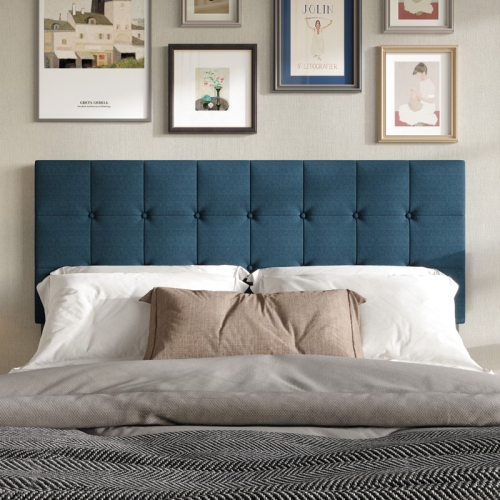
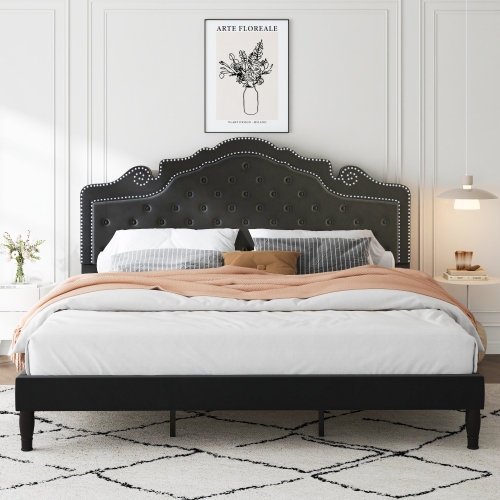
Customizable headboards bring a more personal finish to a bedroom by offering choices in dimensions, upholstery, colour, shape, or detailing, depending on the design. Rather than treating every bed as the same starting point, they allow the headboard to suit both the room and the way the bed is used. A low rectangular profile can keep a compact bedroom feeling open, while a tall arched silhouette gives a plain wall a focal point without requiring additional artwork. Wingback edges create a more enclosed look, and a curved crown softens the straight lines of dressers, bedside tables, and window frames. Customization can mean selecting from a defined set of fabrics and finishes, choosing an adjustable mounting height, or arranging compatible upholstered panels; it does not always mean that every measurement or detail can be made to order. The distinction matters when matching a headboard to an existing bed rather than furnishing an entirely new room. Common bed-size categories include twin, full or double, queen, king, and California king, but the labelled size alone does not establish compatibility. Actual width, mounting points, mattress thickness, and the height of the bed base all affect the finished fit. A headboard that looks generously proportioned behind a thin mattress may appear much shorter once a deep mattress and several pillows are in place. In a shared bedroom, a broad upholstered surface can provide a comfortable backdrop for two people reading side by side, while a simpler wood profile may suit someone who mainly wants a defined frame behind their bedding. For a guest room, an uncomplicated shape and an easy-care finish can make sense across different bedding styles. The most useful customization choices are often the practical ones: enough visible height above the pillows, a colour that works with existing furniture, and a shape that leaves bedside lighting within easy reach. Those details help a personalized headboard feel like part of the room rather than an oversized addition.
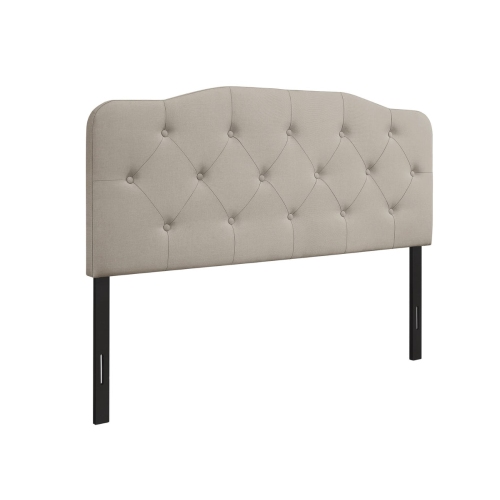
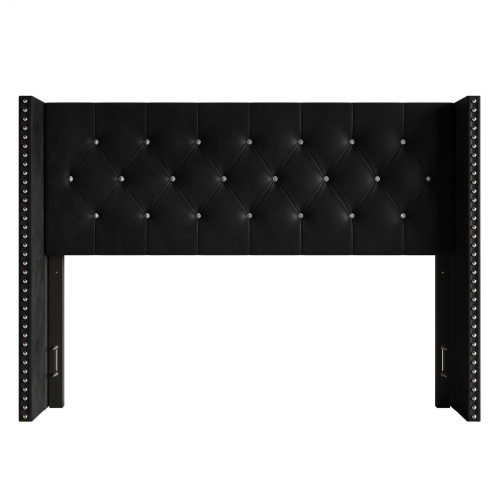
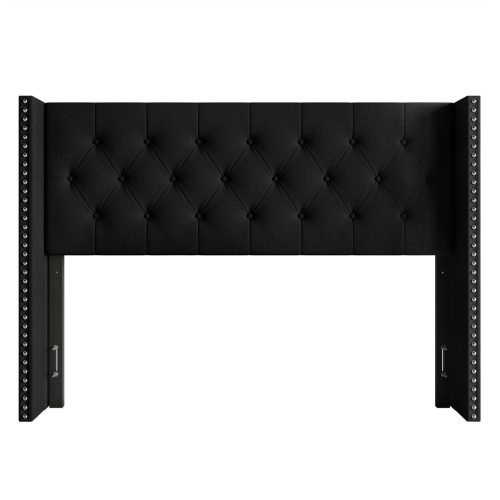
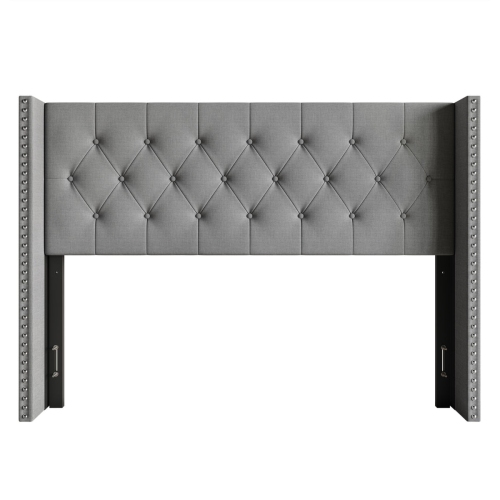
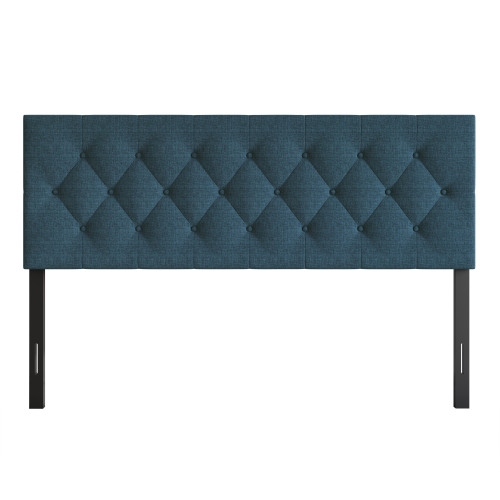
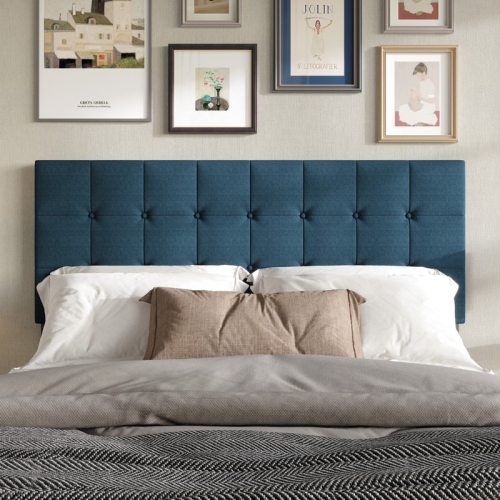
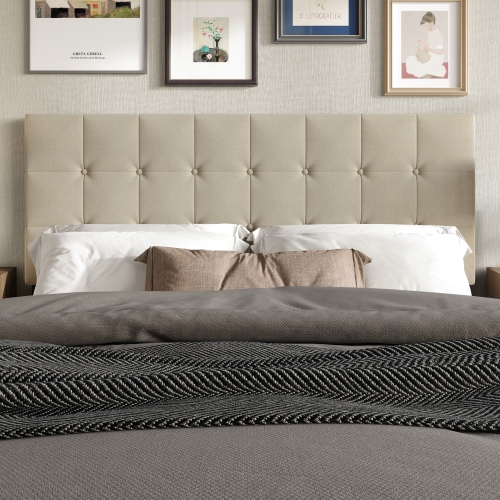
Materials determine much of a headboard’s appearance, feel, and day-to-day upkeep. Upholstered designs combine a supporting frame with padding and a fabric or leather covering, creating a softer surface for sitting up in bed. Linen and linen-blend fabrics often have a relaxed, textured appearance, while cotton canvas offers a more casual look with a visible weave. Velvet brings a plush surface and a depth of colour that changes as its pile catches the light, though pressure marks and brushing direction can be noticeable. Leather has its own grain and care requirements, while synthetic alternatives vary in feel, composition, and resistance to wear; neither should be assumed to tolerate the same cleaning methods. For a closer look at textile-covered styles, Fabric Headboards offer another way to explore the relationship between upholstery, padding, and bedroom design. Fabric colour deserves attention beyond a small image on a screen. A pale grey can appear cooler beside blue bedding, and a warm beige may bring out the golden tones in nearby wood furniture. Where fabric samples are an option, viewing them beside the wall and bedding under the room’s usual lighting can help clarify the choice. Smooth panels create a clean outline and have fewer recesses to collect dust, whereas deep button tufting adds texture but takes more attention when vacuuming. Nailhead trim introduces a defined border, and stitched channels can emphasize either height or width. Wood and wood-veneer headboards offer a firmer surface and can highlight grain, painted colour, or a stained finish. Their long-term appearance depends on construction, edge protection, and how the surface is treated. In any material, secure joints, neatly finished seams, evenly supported padding, and sound attachment hardware contribute more to everyday durability than appearance alone. Homes with pets may benefit from tightly woven upholstery without loose loops, although no fabric should be treated as scratch-proof. Removable covers can make upkeep easier when the design includes them, but washing or dry-cleaning suitability must come from the care label rather than from the fact that a cover can be removed.
Fit also involves the space around the bed and the method used to hold the headboard in place. Frame-mounted headboards need compatible brackets, bolt spacing, and hardware; wall-mounted versions require fasteners suited to the wall construction and the headboard’s weight. Freestanding designs have their own positioning requirements and should be secured as directed rather than assumed to remain stable behind a mattress. In a rental bedroom, the need for wall fixings may influence which mounting approach is appropriate. A wider headboard can look balanced behind a king bed, but its edges may interfere with drawers, wall outlets, or bedside tables in a narrow room. Winged designs need additional clearance at the sides, and thick padding can shift the bed farther into the room than a slim panel would. Measuring from the floor to the intended top edge, checking the space beside each nightstand, and allowing for skirting boards helps account for these less obvious details. For an adjustable bed, compatibility deserves particular attention because the base and mattress move; the headboard should attach only through an approved arrangement and leave the required clearance. Everyday comfort depends on more than softness, too. Someone who reads upright may appreciate supportive padding at shoulder height, while someone who sleeps with stacked pillows may prefer extra height so that the chosen fabric and detailing remain visible. Routine care helps preserve that finish: upholstery generally benefits from gentle vacuuming with an appropriate attachment, and spills should be addressed according to the material’s instructions without soaking the padding. Wood surfaces usually need a soft cloth and a suitable cleaner, with abrasive products avoided unless the manufacturer specifies otherwise. Checking fasteners periodically can help address movement before it becomes a persistent rattle. A customizable headboard can work through changes in bedding, furniture, and room layout when its core proportions are well chosen. A restrained shape with a distinctive fabric, or a more expressive outline in a neutral colour, offers personality without requiring every other element in the bedroom to match.
Top selling and popular products
-
 Your price for this item is $220.66
-
 Your price for this item is $438.48
-
 Your price for this item is $222.07
-
 Your price for this item is $222.07
-
 Your price for this item is $254.21
-
 Your price for this item is $493.19
-
 Your price for this item is $441.36
-
 Your price for this item is $217.61
Discover more categories related to Customizable Headboards


Top Collections:
Pokemon Centers, Best Cameras for Sports Photography, Kindle Devices, Samsung Galaxy Phones, Canon G7X Cameras, Pokémon 30th Celebration Cards, Refurbished Apple Laptops, iPhone 15 Apple, Laptops for Students, Budget Smartphones
Some products may be subject to Environmental Handling Fees
(EHF) depending on your province.
Learn more about EHFs.