Cutting Boards for Meat
Whether you're a seasoned chef or a home cook, having the right cutting board for meat is essential for preparing delicious meals. These versatile kitchen tools provide a sturdy and hygienic surface to slice, dice, and chop your favorite cuts of meat. From durable bamboo options to easy-to-clean plastic designs, cutting boards for meat offer a wide range of choices to suit your needs.
Sort

Why carving space matters as much as juice grooves
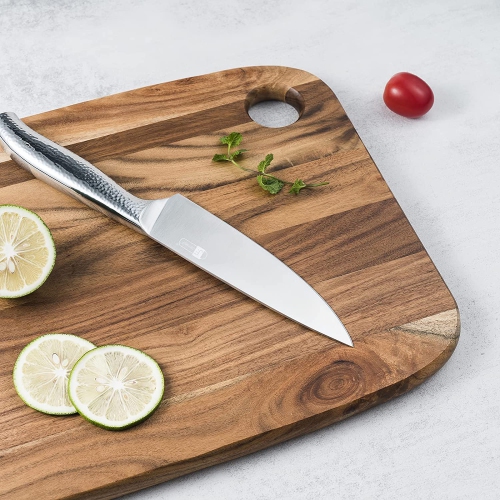
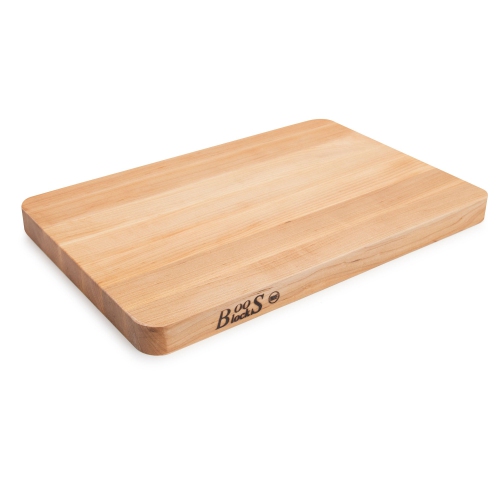
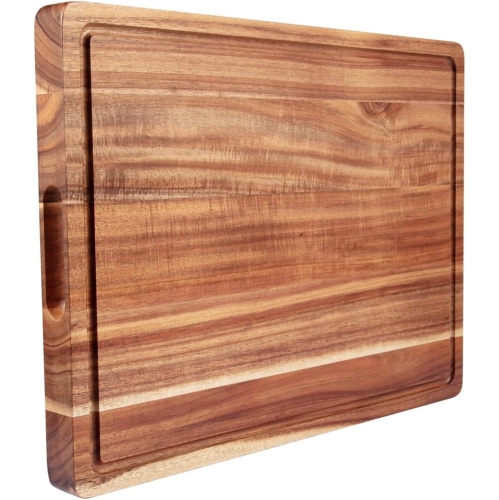
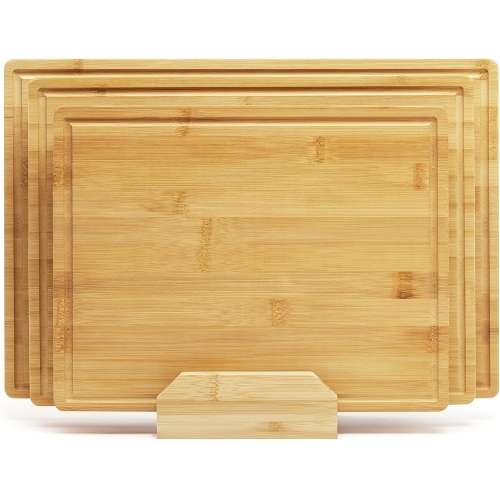
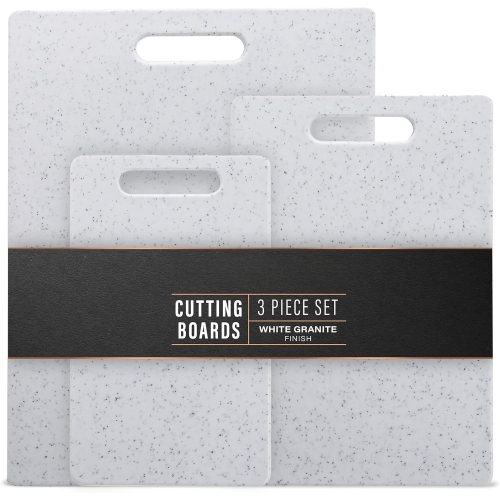
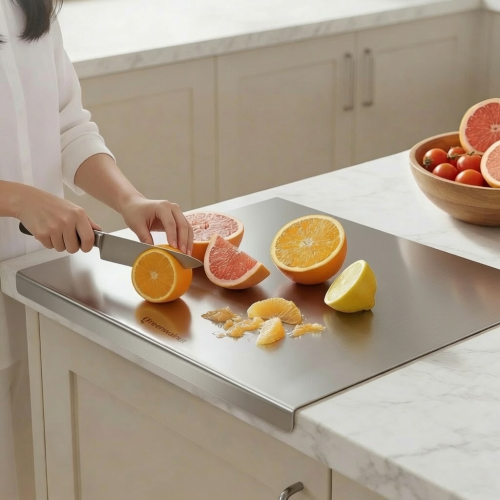
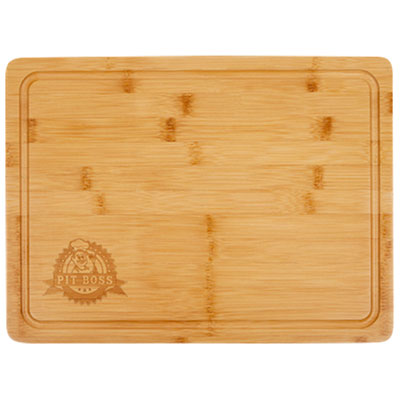
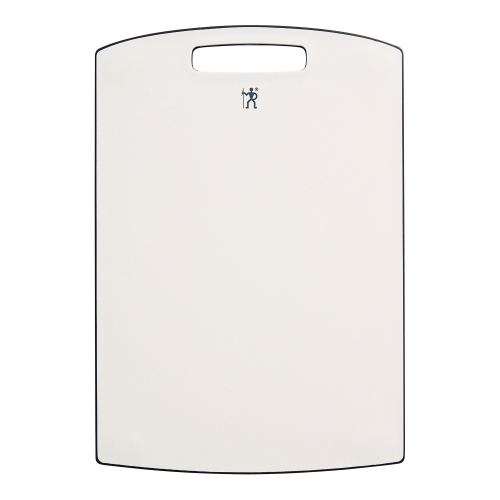
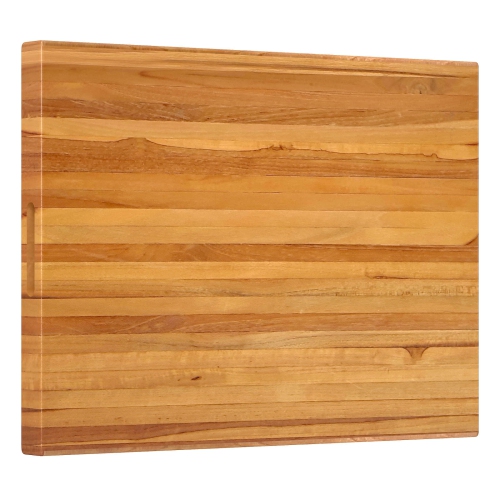
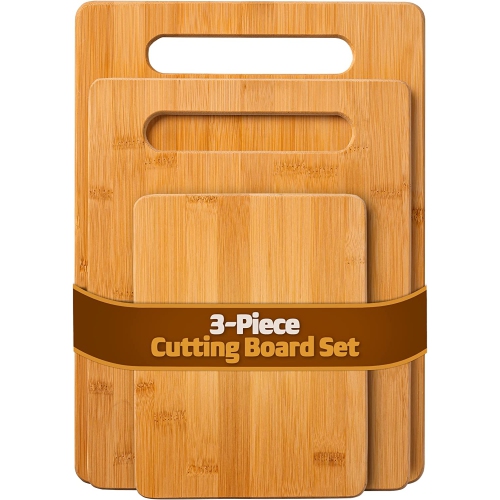
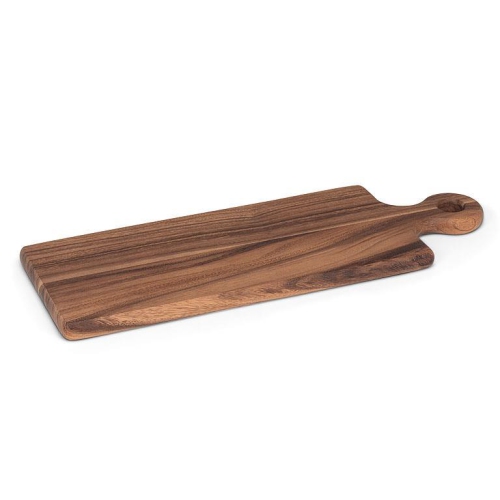
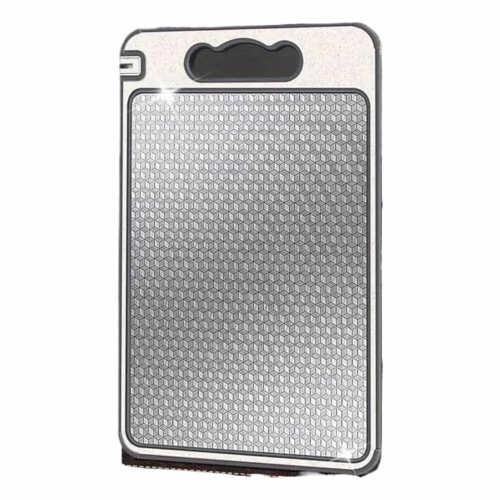
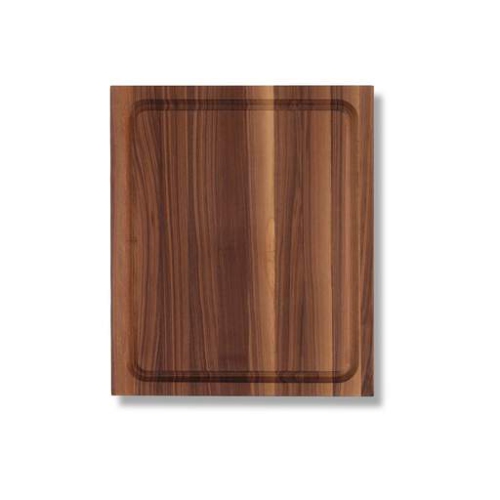
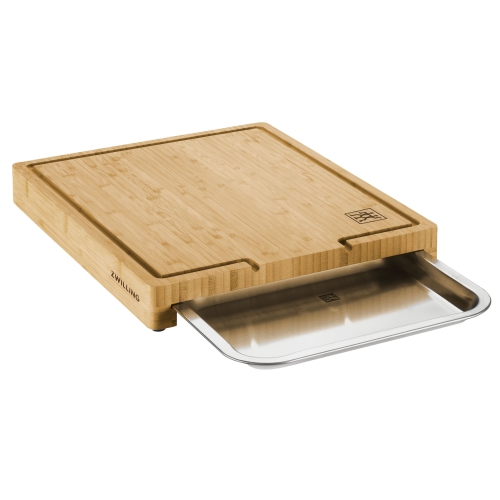
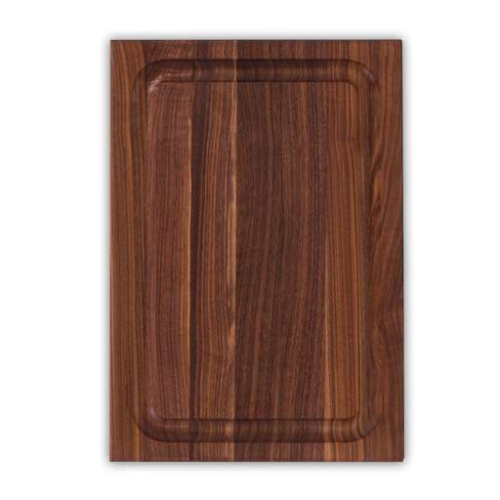
Cutting boards for meat provide a stable surface for trimming, portioning, and carving, with enough room to keep the cut of meat and its juices away from the countertop. The best fit depends on what is being prepared: a compact board can suit a pair of chicken breasts, while a whole roast or rack of ribs needs a broader surface with space around the edges. For carving cooked meat, a board with a perimeter juice groove helps catch drippings before they reach the counter. A deeper channel or collection well can be useful for juicy roasts, although no groove replaces adequate working space. For raw meat preparation, an easy-to-clean surface and a manageable size matter just as much as the board’s appearance. Plastic, hardwood, and bamboo each offer different combinations of weight, care requirements, and resistance to wear; no single material is the best choice for every kitchen task. A board should accommodate both the food and the movement of the knife without crowding nearby dishes or utensils. When slicing a brisket, for example, the blade needs room to travel beyond the meat, while trimming smaller cuts calls for a surface that stays steady under short, controlled strokes. Thickness also affects the experience. A substantial carving board can feel reassuringly solid, but it may be cumbersome to carry to the sink, particularly with collected juices. A thinner prep board is easier to lift and store, though its stability depends on its construction and the surface beneath it. Handles, recessed grips, and non-slip feet can make everyday handling more comfortable. Boards with removable trays offer another way to collect drippings, provided the components are easy to separate and clean. These details are especially useful in kitchens where the same counter serves as a preparation area, carving station, and space for plating meals.
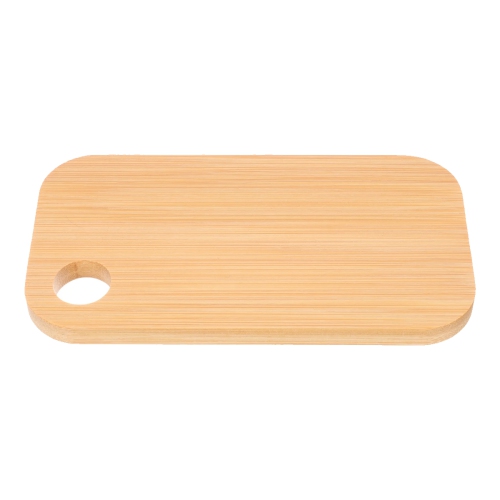
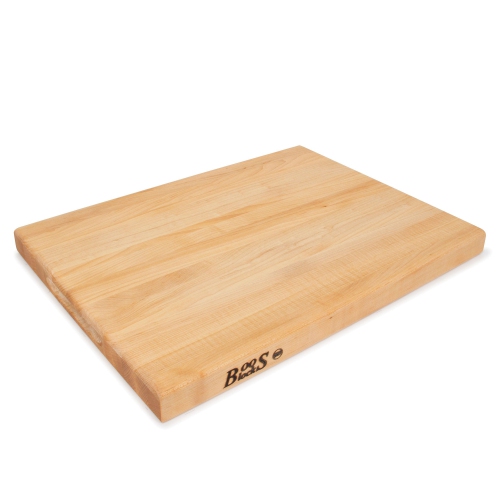
Material influences how a meat cutting board feels beneath the knife and how much care it needs between uses. Hardwood boards made from maple, walnut, or similar woods offer a firm cutting surface that is generally kinder to knife edges than glass or stone. Edge-grain construction exposes the long grain of the wood, while end-grain construction presents the ends of the wood fibres, creating a different cutting feel and often a thicker, heavier board. Both require appropriate cleaning and drying, and neither should be treated as self-sanitizing. Bamboo boards are often relatively light and firm, with a distinctive layered appearance; their hardness and construction can make them less forgiving on knife edges than some hardwood alternatives. Wood and bamboo usually require handwashing, prompt drying, and occasional conditioning with a food-safe product approved by the manufacturer. They should not be left soaking in a sink or put in a dishwasher unless the manufacturer expressly permits it. Plastic cutting boards offer a practical option for raw meat because they are non-porous when intact, and many can go in the dishwasher. Dishwasher suitability still needs to be confirmed for the individual board, including any grips, feet, or attached components. Plastic can develop knife marks with use, and deep grooves can become difficult to clean thoroughly. Any material should be replaced when cracks, splitting, deep scoring, or other damage prevents effective cleaning. Glass, marble, and other very hard surfaces may look appealing for presentation, but they are poor choices for routine cutting because they can dull or damage knife edges. For frequent meal preparation, the most useful surface balances cleanability, blade care, and comfortable handling. A cook portioning meat several times a week may appreciate a lightweight, washable prep board alongside a larger wooden carving board, rather than expecting one surface to handle every task equally well.
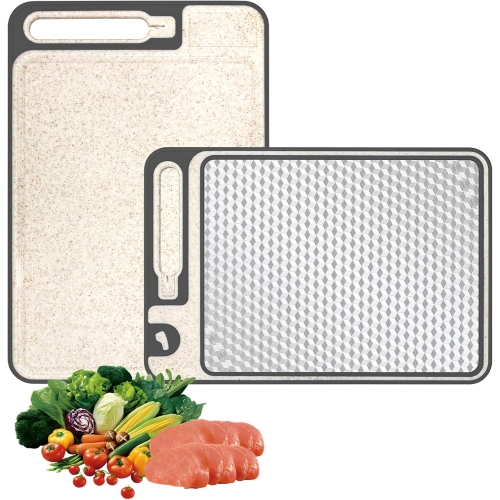
Keeping raw meat separate from cooked food and ready-to-eat ingredients is an important part of using any cutting board. A dedicated raw-meat board makes that separation easier, especially when several parts of a meal are being prepared at once. Colour-coded boards can help household members identify the intended use at a glance, while separate boards for carving cooked meat and preparing vegetables reduce the need to interrupt preparation for cleaning. Reversible designs offer different working surfaces, but turning a board over does not make it safe to move from raw meat to cooked food without proper washing and sanitizing. After contact with raw meat, a board should be washed with hot, soapy water, rinsed, and sanitized using a food-contact-safe method suitable for its material, following the sanitizer’s directions. Thorough drying matters too, particularly around grooves, handles, and feet where moisture can linger. Storage space deserves consideration before choosing a large carving board: it needs to fit comfortably at the sink for washing and have a place to dry with air reaching its surfaces. A board that barely fits across the counter may be less useful than a slightly smaller one that can be handled confidently. For households that prepare different foods throughout the day, separate surfaces for bread and meat also keep crumbs and meat juices apart; Cutting Boards for Bread offer a complementary option for slicing loaves and preparing sandwiches. Meat cutting boards can be practical gifts for home cooks who enjoy carving roasts, preparing barbecue meals, or portioning larger cuts for several dinners. The recipient’s habits matter more than an elaborate finish: someone who values quick cleanup may prefer dishwasher-safe plastic, while a cook who enjoys maintaining wooden kitchen tools may appreciate a substantial hardwood board. Whether used for daily prep or bringing a carved roast to the table, a well-chosen board combines suitable dimensions, a dependable cutting surface, and care requirements that fit naturally into the kitchen routine.
Material influences how a meat cutting board feels beneath the knife and how much care it needs between uses. Hardwood boards made from maple, walnut, or similar woods offer a firm cutting surface that is generally kinder to knife edges than glass or stone. Edge-grain construction exposes the long grain of the wood, while end-grain construction presents the ends of the wood fibres, creating a different cutting feel and often a thicker, heavier board. Both require appropriate cleaning and drying, and neither should be treated as self-sanitizing. Bamboo boards are often relatively light and firm, with a distinctive layered appearance; their hardness and construction can make them less forgiving on knife edges than some hardwood alternatives. Wood and bamboo usually require handwashing, prompt drying, and occasional conditioning with a food-safe product approved by the manufacturer. They should not be left soaking in a sink or put in a dishwasher unless the manufacturer expressly permits it. Plastic cutting boards offer a practical option for raw meat because they are non-porous when intact, and many can go in the dishwasher. Dishwasher suitability still needs to be confirmed for the individual board, including any grips, feet, or attached components. Plastic can develop knife marks with use, and deep grooves can become difficult to clean thoroughly. Any material should be replaced when cracks, splitting, deep scoring, or other damage prevents effective cleaning. Glass, marble, and other very hard surfaces may look appealing for presentation, but they are poor choices for routine cutting because they can dull or damage knife edges. For frequent meal preparation, the most useful surface balances cleanability, blade care, and comfortable handling. A cook portioning meat several times a week may appreciate a lightweight, washable prep board alongside a larger wooden carving board, rather than expecting one surface to handle every task equally well.
Keeping raw meat separate from cooked food and ready-to-eat ingredients is an important part of using any cutting board. A dedicated raw-meat board makes that separation easier, especially when several parts of a meal are being prepared at once. Colour-coded boards can help household members identify the intended use at a glance, while separate boards for carving cooked meat and preparing vegetables reduce the need to interrupt preparation for cleaning. Reversible designs offer different working surfaces, but turning a board over does not make it safe to move from raw meat to cooked food without proper washing and sanitizing. After contact with raw meat, a board should be washed with hot, soapy water, rinsed, and sanitized using a food-contact-safe method suitable for its material, following the sanitizer’s directions. Thorough drying matters too, particularly around grooves, handles, and feet where moisture can linger. Storage space deserves consideration before choosing a large carving board: it needs to fit comfortably at the sink for washing and have a place to dry with air reaching its surfaces. A board that barely fits across the counter may be less useful than a slightly smaller one that can be handled confidently. For households that prepare different foods throughout the day, separate surfaces for bread and meat also keep crumbs and meat juices apart; Cutting Boards for Bread offer a complementary option for slicing loaves and preparing sandwiches. Meat cutting boards can be practical gifts for home cooks who enjoy carving roasts, preparing barbecue meals, or portioning larger cuts for several dinners. The recipient’s habits matter more than an elaborate finish: someone who values quick cleanup may prefer dishwasher-safe plastic, while a cook who enjoys maintaining wooden kitchen tools may appreciate a substantial hardwood board. Whether used for daily prep or bringing a carved roast to the table, a well-chosen board combines suitable dimensions, a dependable cutting surface, and care requirements that fit naturally into the kitchen routine.
Top selling and popular products
-
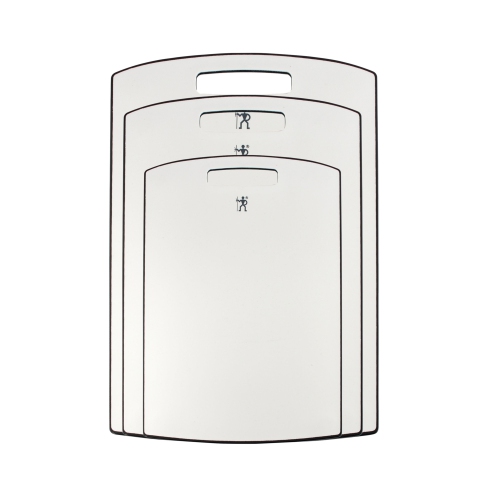 Your price for this item is $64.99
 -
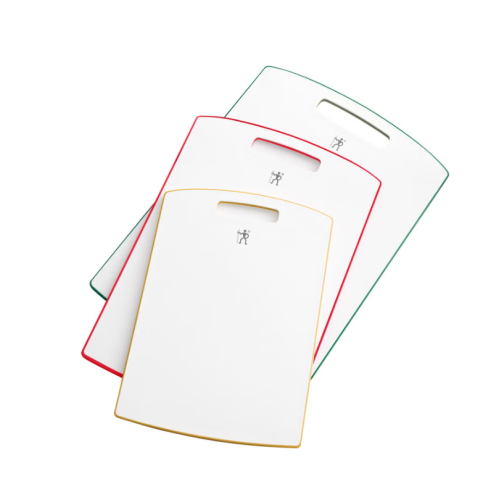 Your price for this item is $54.99
 -
 Your price for this item is $314.99
 -
 Your price for this item is $235.99
 -
 Your price for this item is $49.99
 -
 Your price for this item is $298.99
 -
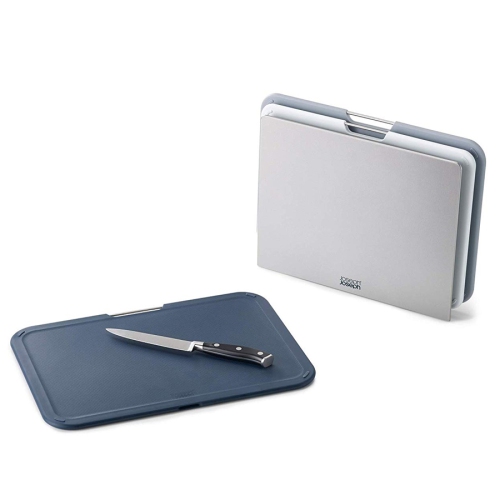 Your price for this item is $51.1
 -
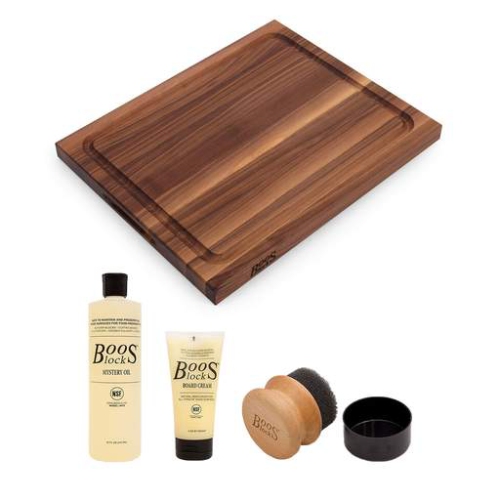 Your price for this item is $368.99
Discover more categories related to Cutting Boards for Meat
Top Collections:
Pokemon Centers, Kindle Devices, Best Budget Office Chairs, Apple iPhones 16, Canon G7X Cameras, iPhone 15 Apple, Alarm Clock, Refurbished Apple Laptops, Flip Phones, Best Laptops for Writers
Some products may be subject to Environmental Handling Fees
(EHF) depending on your province.
Learn more about EHFs.