Cutting Boards for Vegetables
Whether you're a seasoned chef or a home cook, having the right cutting board for vegetables is essential for efficient meal preparation. From chopping up crisp bell peppers to slicing through leafy greens, these high-quality cutting boards can make all the difference in your kitchen. Explore this wide selection of cutting boards designed specifically for vegetables and elevate your cooking experience to new heights.
Sort
Why chopping space matters as much as board material
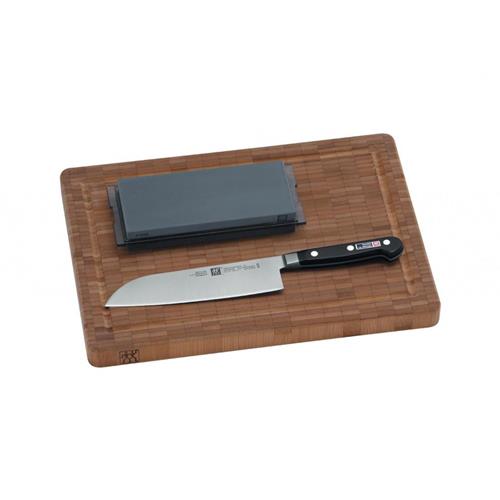
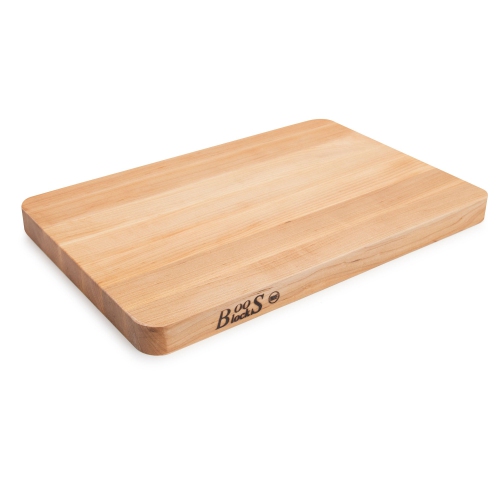
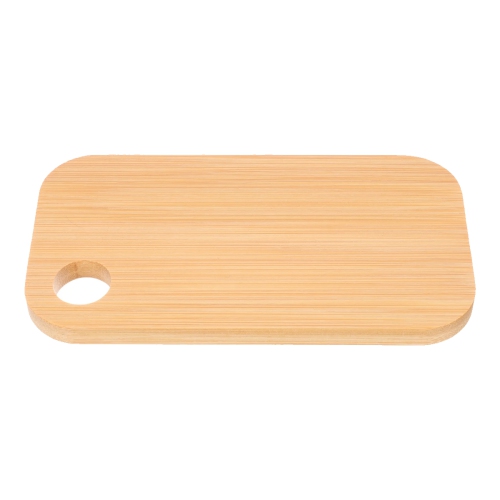
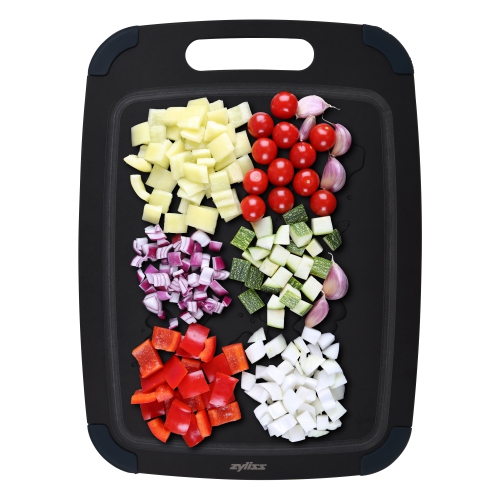
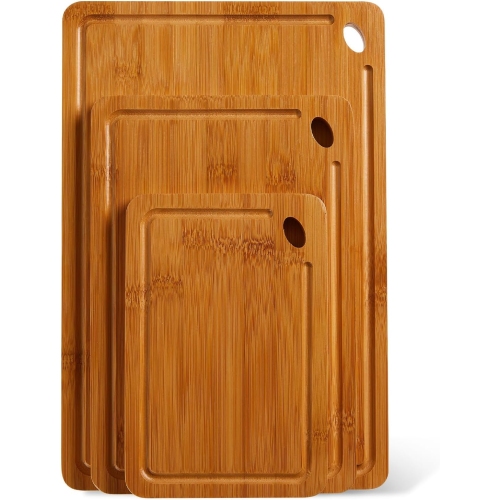
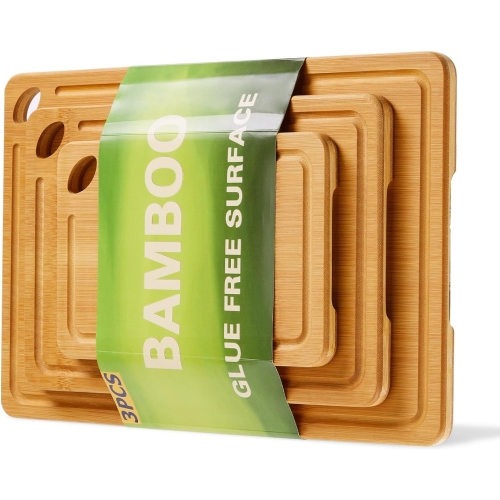
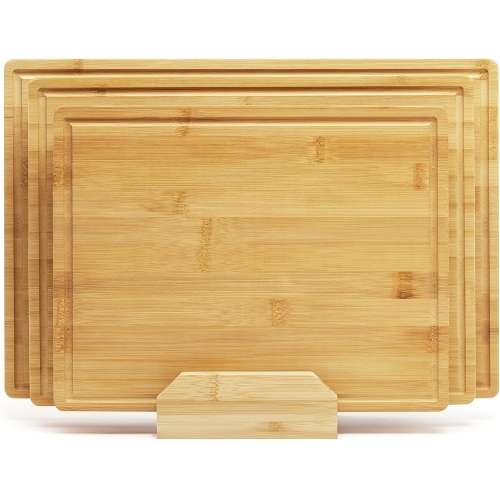
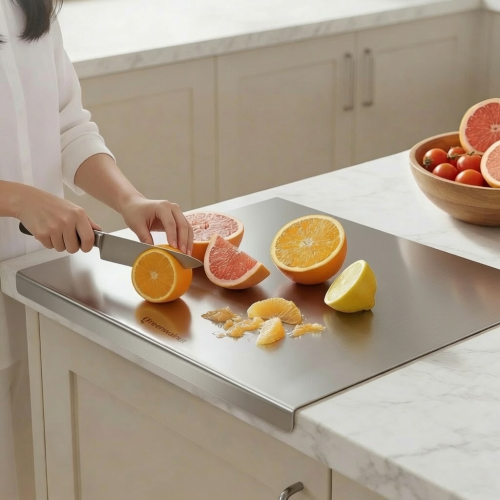
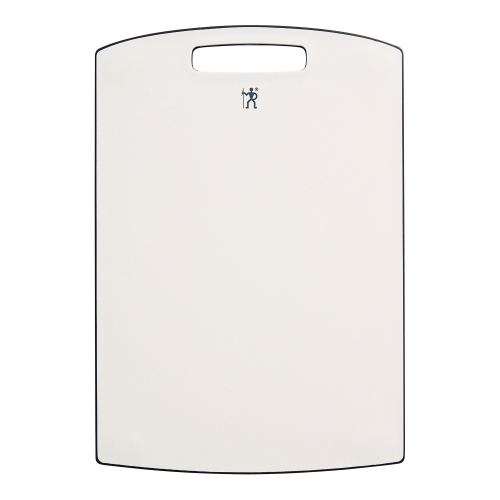
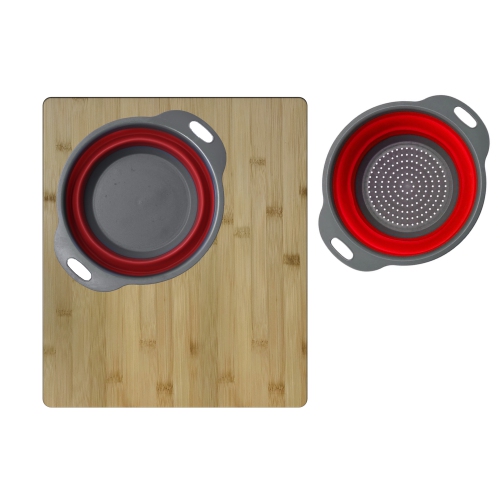
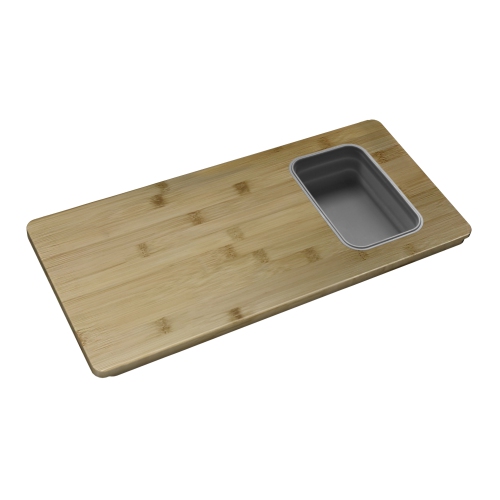
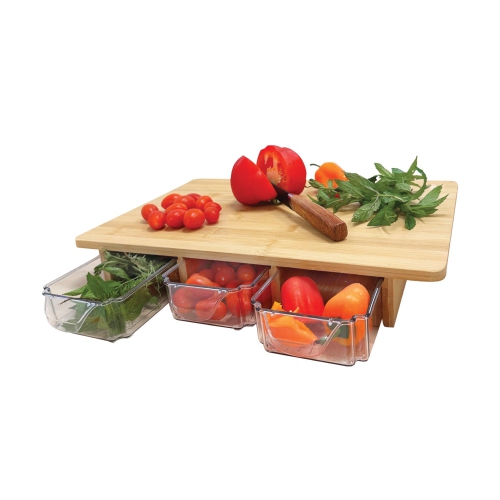
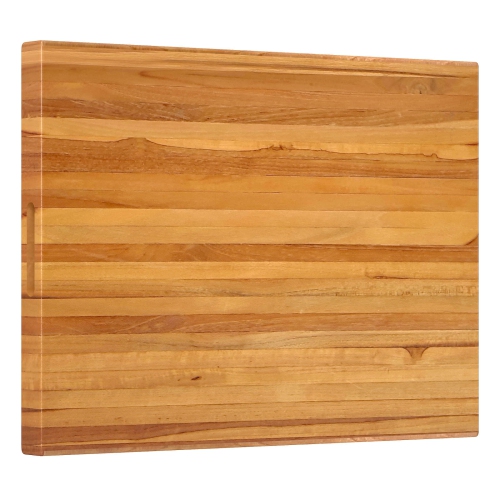
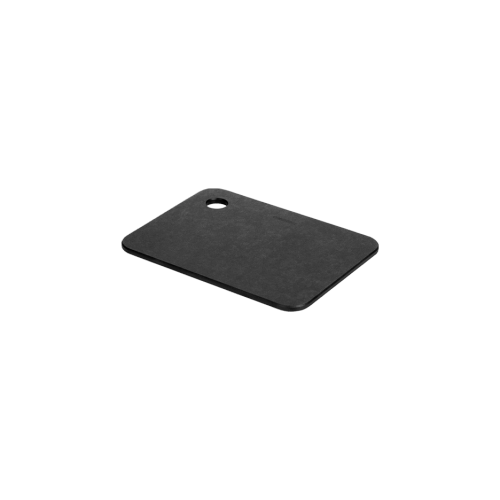
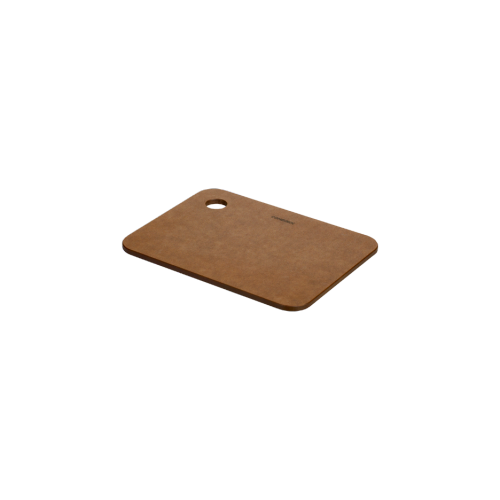
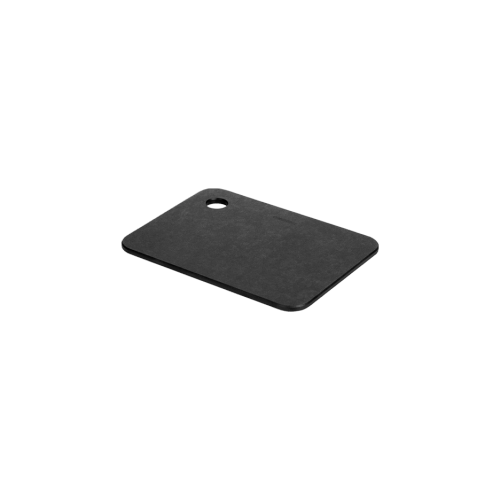
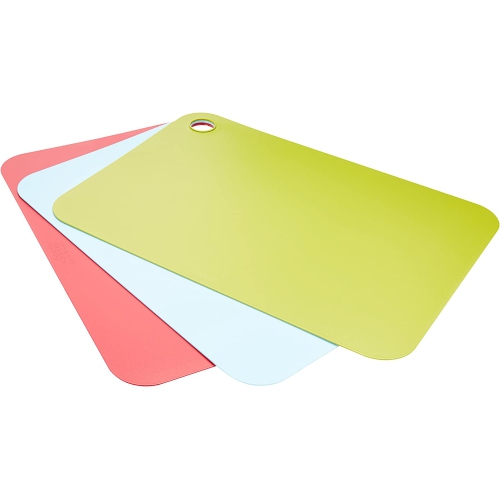
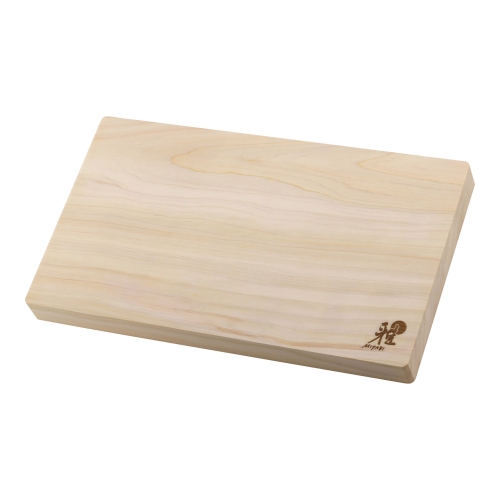
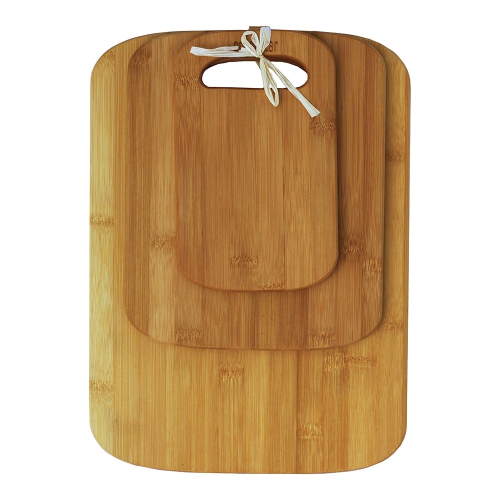
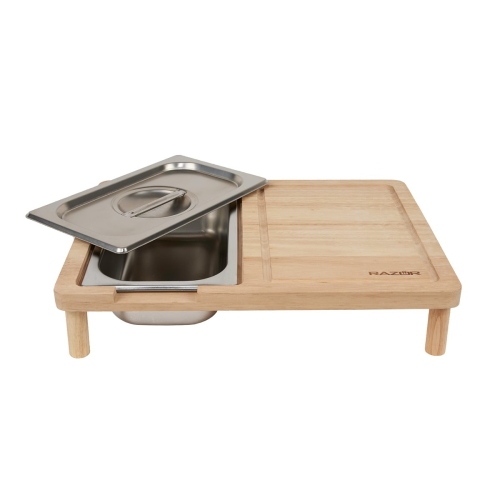
Cutting boards for vegetables provide a dedicated surface for everything from trimming green beans to dicing onions for a pot of soup. A well-suited board gives a knife room to move, keeps chopped ingredients from spilling onto the counter, and is manageable enough to wash after everyday meals. Material, usable surface area, stability, and cleaning requirements are the main considerations, with the best fit depending on how much produce is usually prepared at once. Wood boards offer a substantial feel and a surface that is generally gentle on knife edges, although performance varies with the wood species and construction. Maple and walnut are common choices for people who appreciate the feel of a solid chopping surface and do not mind regular handwashing and conditioning. Edge-grain wood boards have a linear grain pattern, while end-grain boards show the ends of the wood fibres in a block-like pattern and can be forgiving under repeated chopping. Bamboo boards tend to be relatively light and firm, making them practical to lift and store, though their harder surface can be less gentle on knife edges than some hardwoods. Plastic cutting boards are often lighter than thick wooden boards and can suit frequent vegetable preparation where straightforward cleanup matters. Some are dishwasher-safe, but that suitability depends on the manufacturer's care instructions rather than the material alone. Flexible plastic mats are useful for funnelling chopped peppers into a pan, though they need a flat, stable surface underneath and may show wear sooner than thicker boards. Very hard surfaces, such as glass or stone, are less suitable for regular knife work because they can dull cutting edges quickly. For someone chopping carrots, celery, and potatoes several times a week, a durable surface that feels comfortable under the blade often matters more than decorative details. A board used mainly for a few cucumber slices or a handful of herbs can be smaller and easier to tuck away.
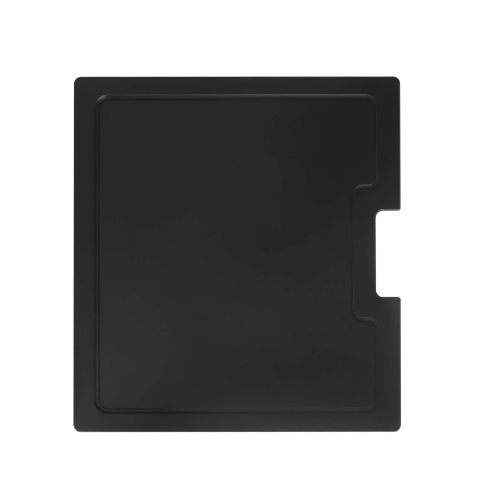
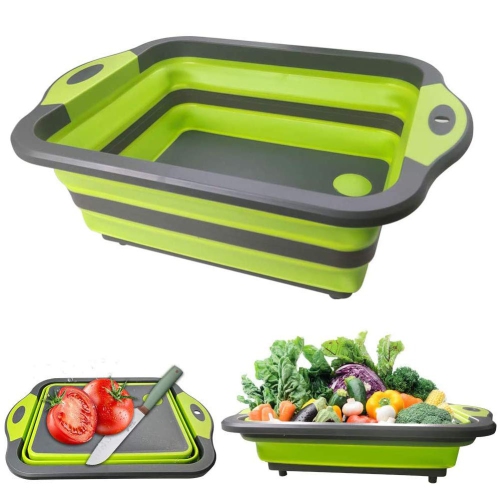
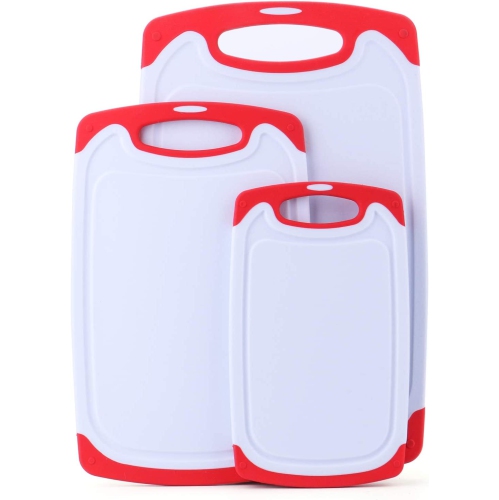
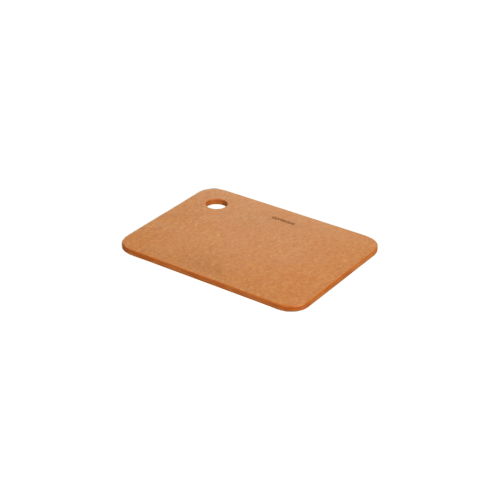
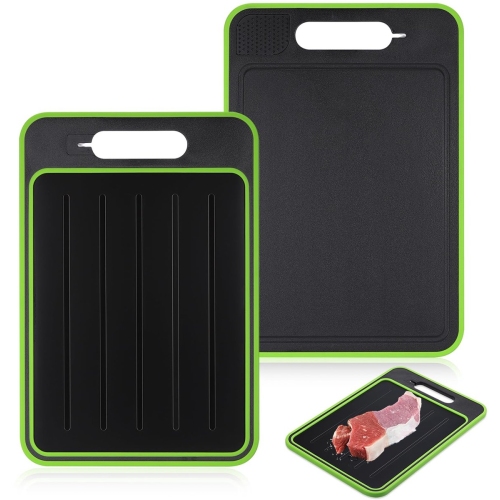
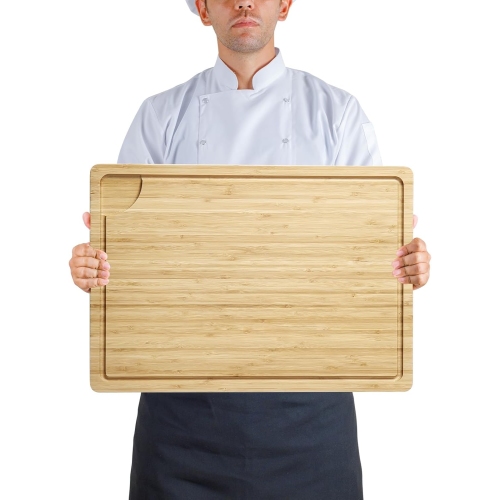
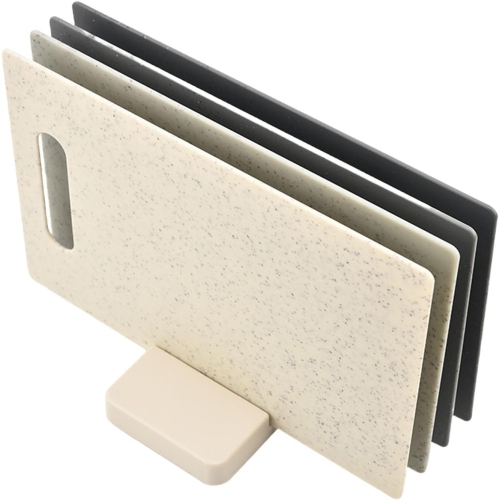
Size and layout make a noticeable difference once the chopping starts. A board measuring about 6 by 8 inches can handle a garlic clove, a small shallot, or a garnish, while an 8 by 11-inch board offers more room for modest everyday tasks. A 9 by 13-inch board or larger gives more space for onions, peppers, and other ingredients prepared together, although bulky vegetables and larger batches benefit from a broader surface. These dimensions are useful reference points rather than fixed rules: the board should accommodate both the food and the path of the knife without leaving ingredients crowded along the edges. Splitting a cabbage or cutting squash calls for a sturdy board with enough space to reposition the pieces safely. Chopping herbs requires less room, but a flat surface helps keep the leaves together beneath the blade. For batch cooking during the cooler months, a larger vegetable chopping board allows diced carrots to sit to one side while celery and onions are prepared on another section. A perimeter groove can collect some of the liquid released by tomatoes and cucumbers, helping limit drips when the board is lifted, but it also takes away a little usable cutting space. A flat board without a groove provides an uninterrupted surface for sweeping chopped vegetables into a bowl with a bench scraper. Non-slip feet or edges can improve stability, while a plain board may benefit from a suitable non-slip mat underneath. Thickness adds weight and can help a board feel planted, but a heavy board may be awkward to carry to the sink or stand up to dry. Handles, finger recesses, and hanging holes affect how easily a board can be moved and stored. Counter space, sink dimensions, cupboard clearance, and the strength needed to lift the board all deserve attention. Multi-size sets can suit households that alternate between quick sandwich preparation and larger meals, provided there is room to store each board without trapping moisture between them.
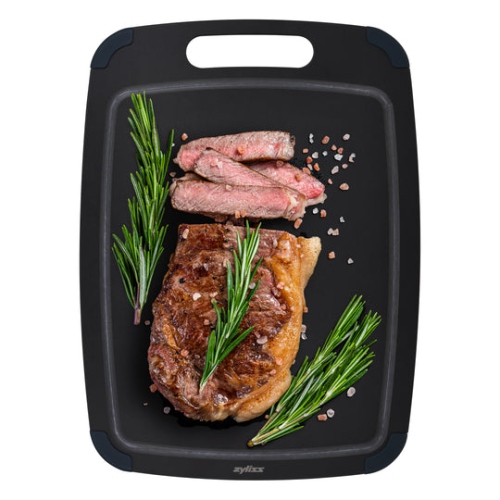
Care and intended use are just as important as the initial feel of a vegetable cutting board. Wash boards after use with hot, soapy water, rinse thoroughly, and dry according to the manufacturer's directions. Wooden and bamboo boards generally need handwashing rather than soaking or dishwasher cleaning, as prolonged moisture and heat can contribute to swelling, splitting, or warping. Drying both sides and allowing air to circulate helps prevent moisture from lingering underneath. A food-contact-safe mineral oil or board conditioner, used as directed, can help maintain wood that begins to look dry; ordinary cooking oils are not a suitable substitute because some can become rancid. Plastic boards also need inspection over time. Deep grooves, cracks, and damaged edges can make thorough cleaning more difficult, and a board that no longer sits flat is less comfortable to use. No cutting-board material replaces good food-handling habits. Rinse produce under running water before preparation, and keep boards used for raw meat, poultry, or seafood separate from those used for vegetables, especially salad ingredients that will be eaten uncooked. Households organizing separate preparation surfaces can also explore Cutting Boards for Meat for that distinct kitchen task. Different colours or clearly distinguishable shapes can make it easier to keep those uses apart without relying on memory. A reversible board adds flexibility, but turning it over does not replace washing, since hands, edges, and counters can transfer contamination. Beyond hygiene, daily habits help determine which features earn their space in the kitchen. Someone preparing packed lunches may value a compact, easy-clean board for peppers and carrot sticks, while a keen home cook may prefer a broad wooden surface for longer cooking sessions. A manageable board with a secure grip can be especially helpful for anyone who finds heavy kitchen tools tiring to move. Cutting-board sets can also make practical housewarming gifts for people setting up a kitchen, particularly when the sizes and care requirements suit their routine. Whether used for a quick salad or trays of vegetables ready for roasting, a thoughtfully chosen board supports comfortable preparation and dependable everyday use.
Size and layout make a noticeable difference once the chopping starts. A board measuring about 6 by 8 inches can handle a garlic clove, a small shallot, or a garnish, while an 8 by 11-inch board offers more room for modest everyday tasks. A 9 by 13-inch board or larger gives more space for onions, peppers, and other ingredients prepared together, although bulky vegetables and larger batches benefit from a broader surface. These dimensions are useful reference points rather than fixed rules: the board should accommodate both the food and the path of the knife without leaving ingredients crowded along the edges. Splitting a cabbage or cutting squash calls for a sturdy board with enough space to reposition the pieces safely. Chopping herbs requires less room, but a flat surface helps keep the leaves together beneath the blade. For batch cooking during the cooler months, a larger vegetable chopping board allows diced carrots to sit to one side while celery and onions are prepared on another section. A perimeter groove can collect some of the liquid released by tomatoes and cucumbers, helping limit drips when the board is lifted, but it also takes away a little usable cutting space. A flat board without a groove provides an uninterrupted surface for sweeping chopped vegetables into a bowl with a bench scraper. Non-slip feet or edges can improve stability, while a plain board may benefit from a suitable non-slip mat underneath. Thickness adds weight and can help a board feel planted, but a heavy board may be awkward to carry to the sink or stand up to dry. Handles, finger recesses, and hanging holes affect how easily a board can be moved and stored. Counter space, sink dimensions, cupboard clearance, and the strength needed to lift the board all deserve attention. Multi-size sets can suit households that alternate between quick sandwich preparation and larger meals, provided there is room to store each board without trapping moisture between them.
Care and intended use are just as important as the initial feel of a vegetable cutting board. Wash boards after use with hot, soapy water, rinse thoroughly, and dry according to the manufacturer's directions. Wooden and bamboo boards generally need handwashing rather than soaking or dishwasher cleaning, as prolonged moisture and heat can contribute to swelling, splitting, or warping. Drying both sides and allowing air to circulate helps prevent moisture from lingering underneath. A food-contact-safe mineral oil or board conditioner, used as directed, can help maintain wood that begins to look dry; ordinary cooking oils are not a suitable substitute because some can become rancid. Plastic boards also need inspection over time. Deep grooves, cracks, and damaged edges can make thorough cleaning more difficult, and a board that no longer sits flat is less comfortable to use. No cutting-board material replaces good food-handling habits. Rinse produce under running water before preparation, and keep boards used for raw meat, poultry, or seafood separate from those used for vegetables, especially salad ingredients that will be eaten uncooked. Households organizing separate preparation surfaces can also explore Cutting Boards for Meat for that distinct kitchen task. Different colours or clearly distinguishable shapes can make it easier to keep those uses apart without relying on memory. A reversible board adds flexibility, but turning it over does not replace washing, since hands, edges, and counters can transfer contamination. Beyond hygiene, daily habits help determine which features earn their space in the kitchen. Someone preparing packed lunches may value a compact, easy-clean board for peppers and carrot sticks, while a keen home cook may prefer a broad wooden surface for longer cooking sessions. A manageable board with a secure grip can be especially helpful for anyone who finds heavy kitchen tools tiring to move. Cutting-board sets can also make practical housewarming gifts for people setting up a kitchen, particularly when the sizes and care requirements suit their routine. Whether used for a quick salad or trays of vegetables ready for roasting, a thoughtfully chosen board supports comfortable preparation and dependable everyday use.
Top selling and popular products
-
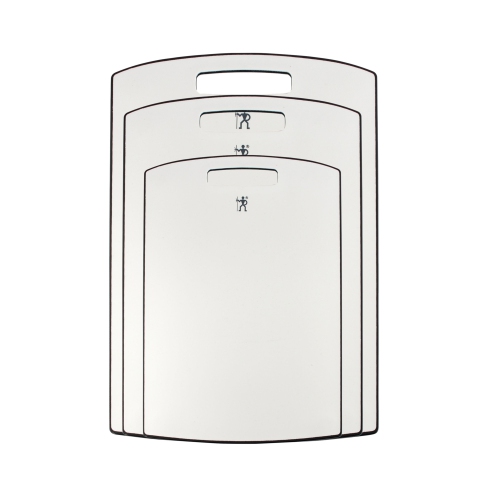 Your price for this item is $64.99
 -
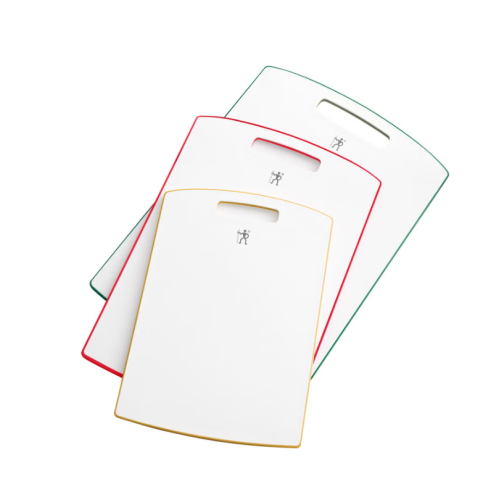 Your price for this item is $54.99
 -
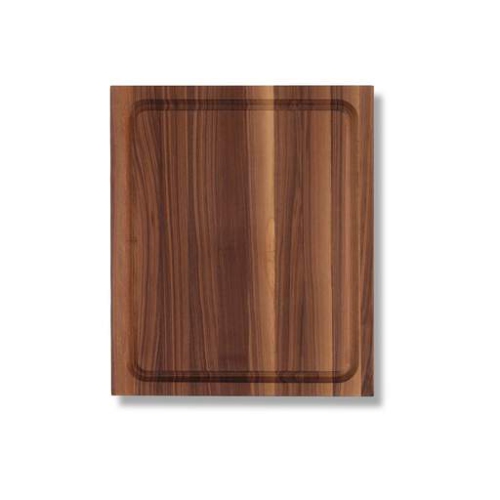 Your price for this item is $314.99
 -
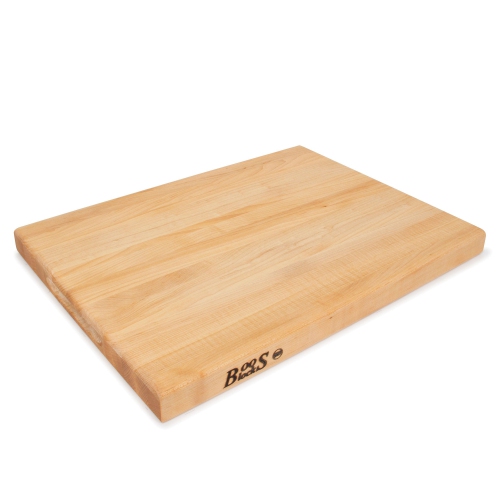 Your price for this item is $235.99
 -
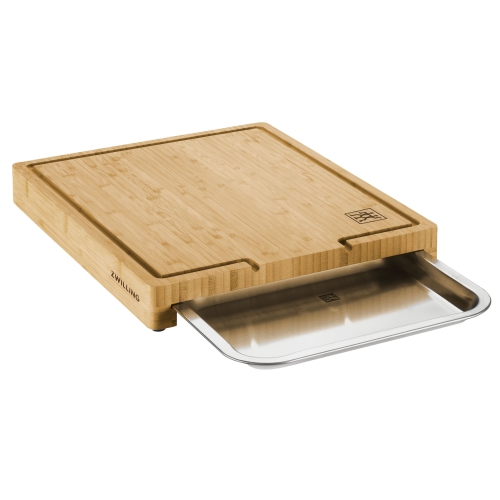 Your price for this item is $49.99
 -
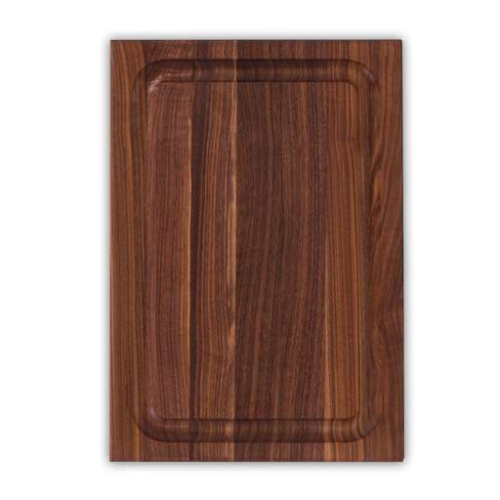 Your price for this item is $298.99
 -
 Your price for this item is $51.1
 -
 Your price for this item is $368.99
Discover more categories related to Cutting Boards for Vegetables
Top Collections:
Pokemon Centers, Kindle Devices, Best Budget Office Chairs, Apple iPhones 16, Canon G7X Cameras, iPhone 15 Apple, Alarm Clock, Refurbished Apple Laptops, Flip Phones, Best Laptops for Writers
Some products may be subject to Environmental Handling Fees
(EHF) depending on your province.
Learn more about EHFs.