Cutting Tools
When it comes to tackling DIY projects or professional jobs, having the right cutting tools is essential. From precision cutting to heavy-duty tasks, these cutting tools are designed to meet your needs. Whether you're a seasoned craftsman or a weekend warrior, we have a wide range of options to help you make clean and precise cuts in various materials. Explore these cutting-edge tools and find the perfect companion for your next project.
Sort

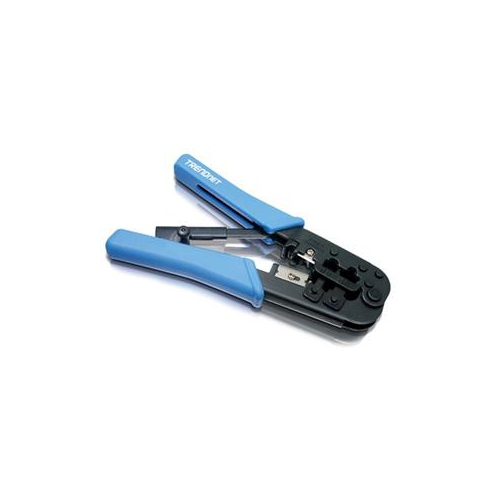
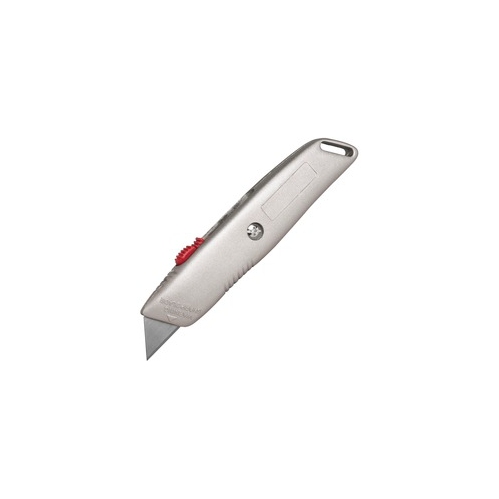
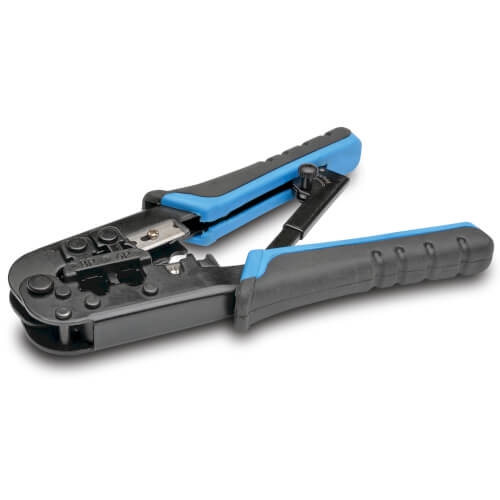
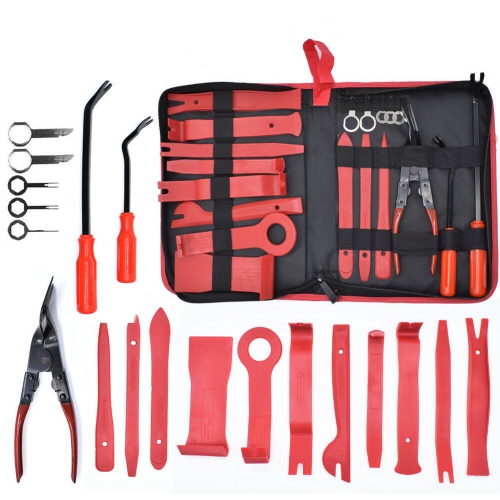
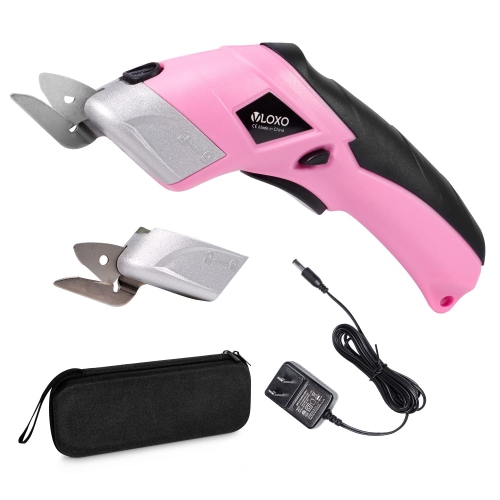
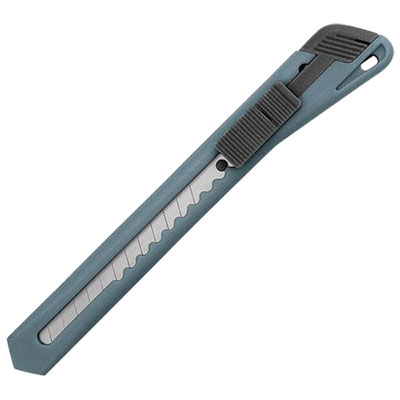
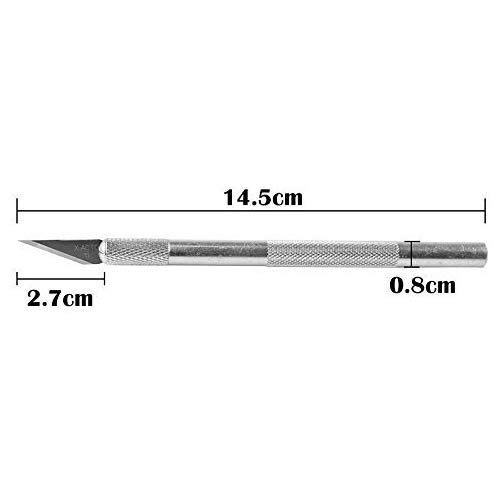

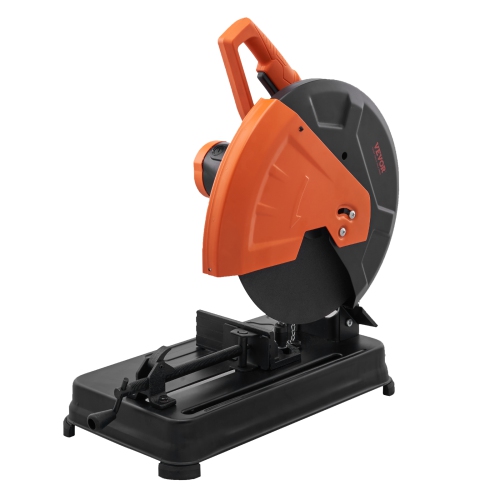
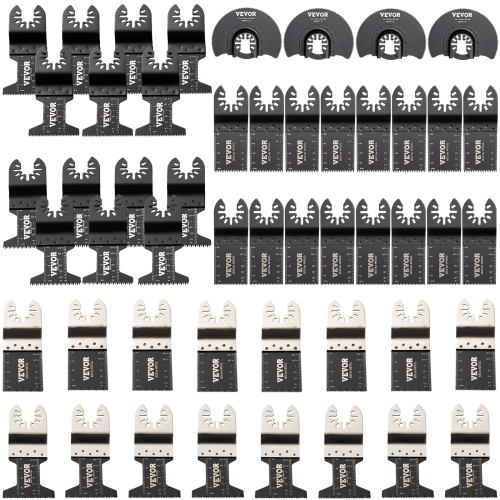
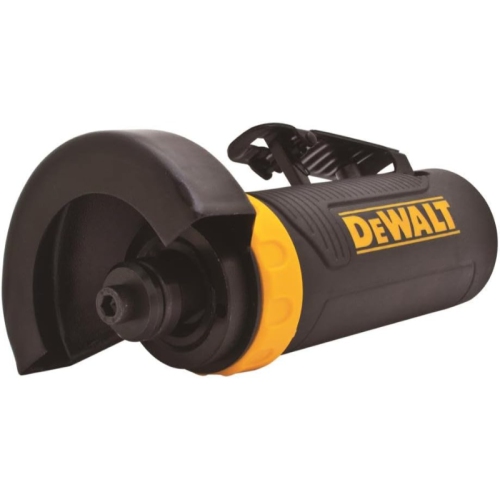
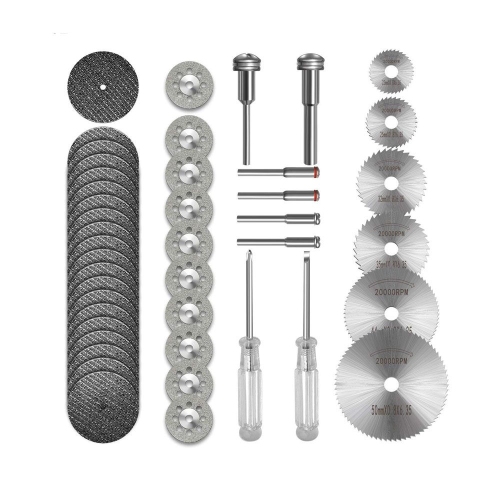
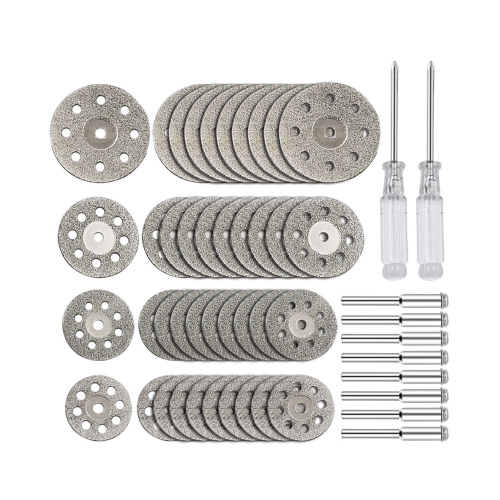
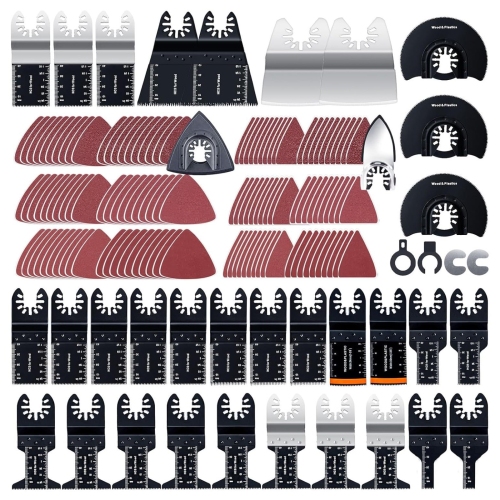
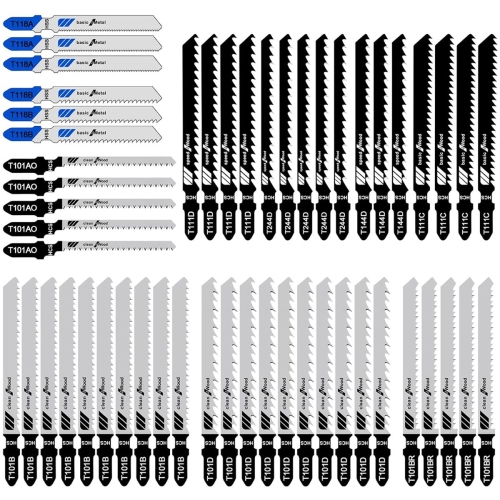
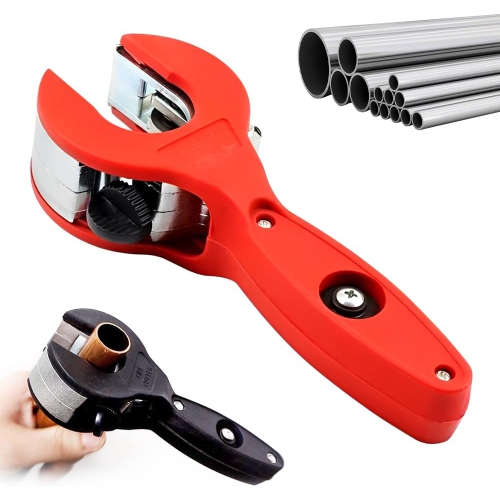

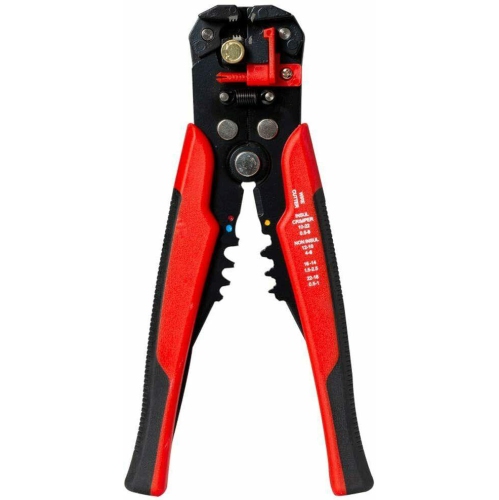
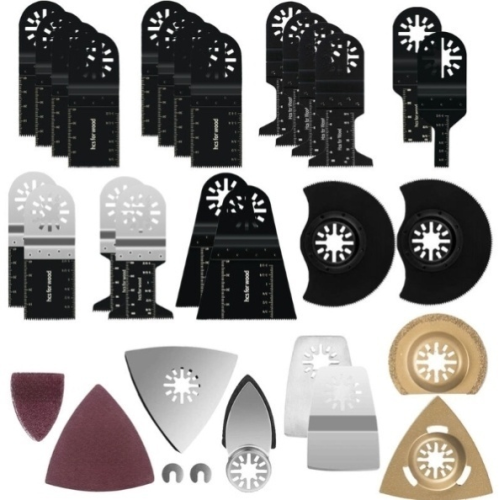
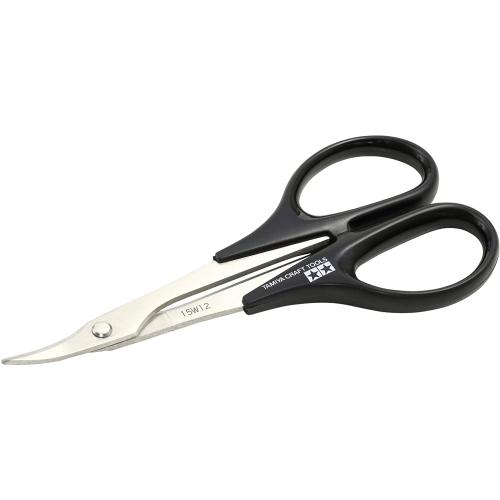
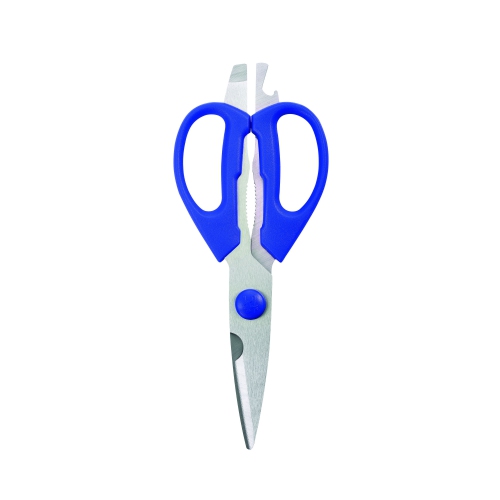
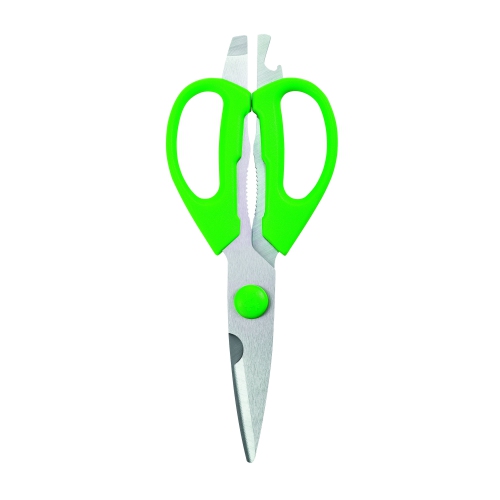

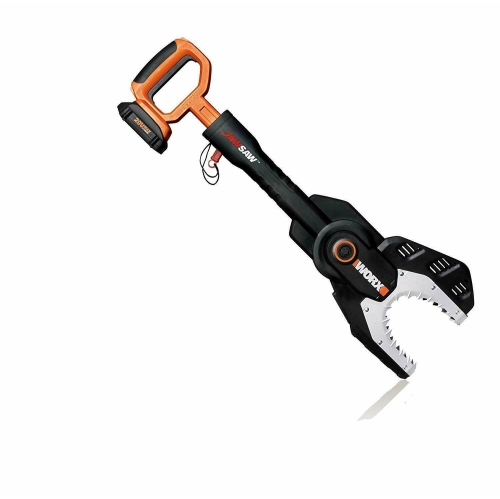
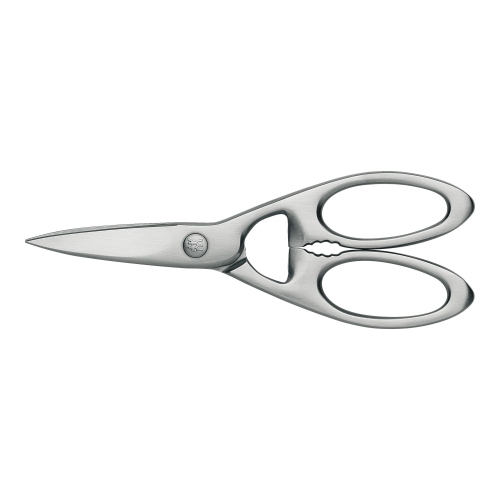
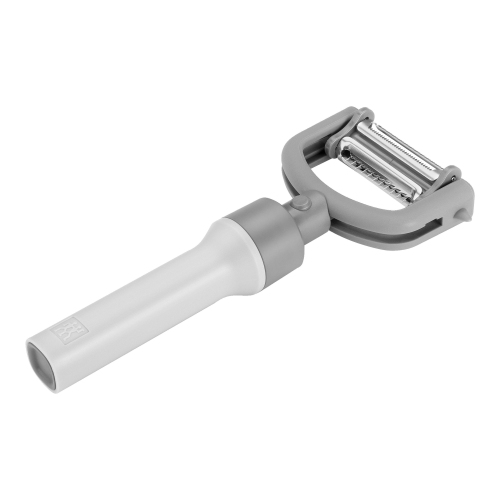
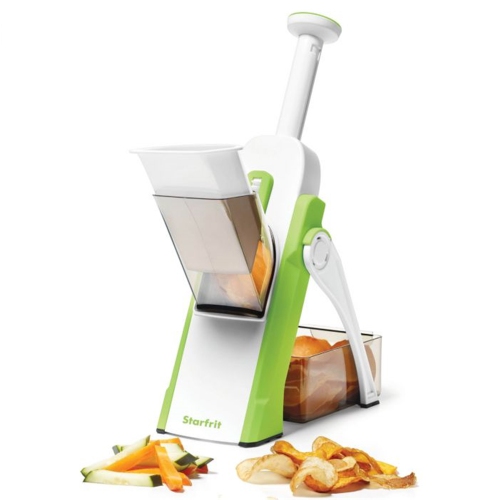
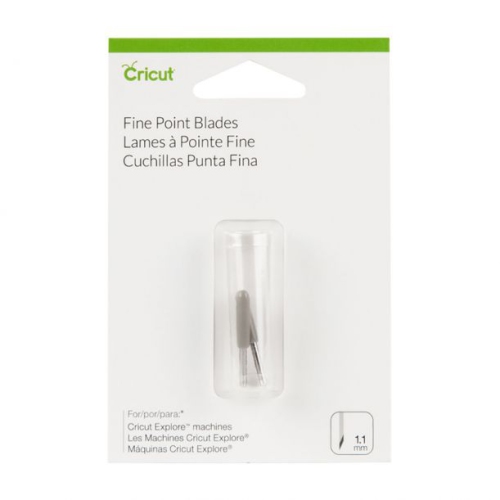
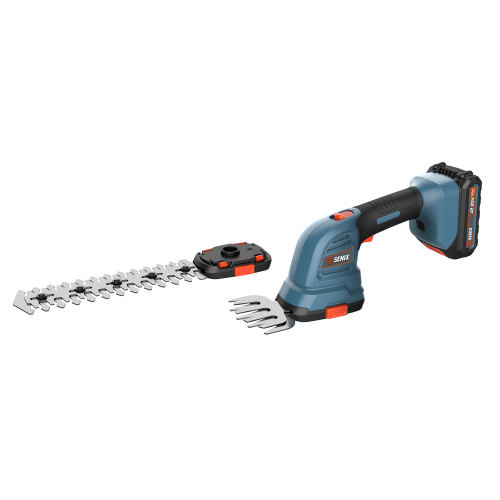
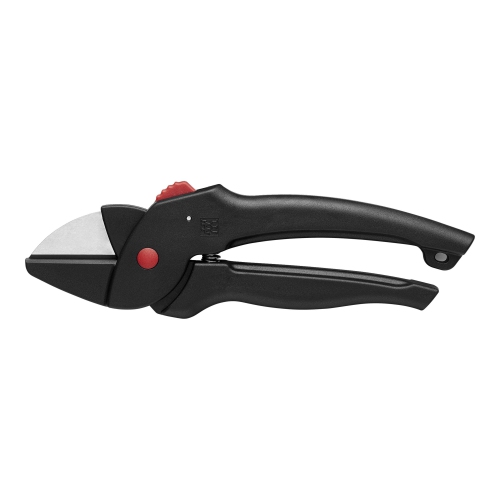
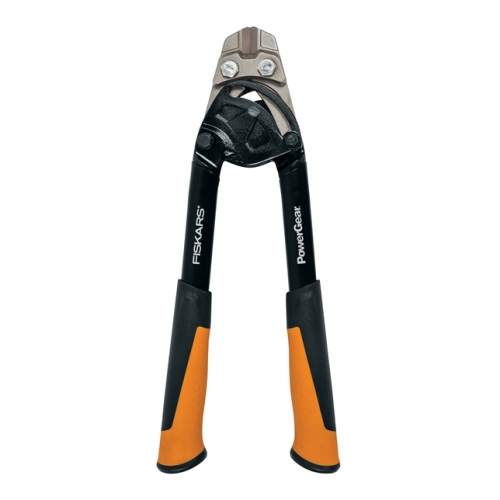



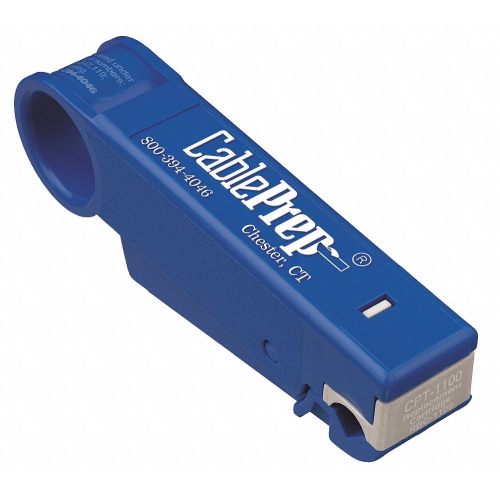
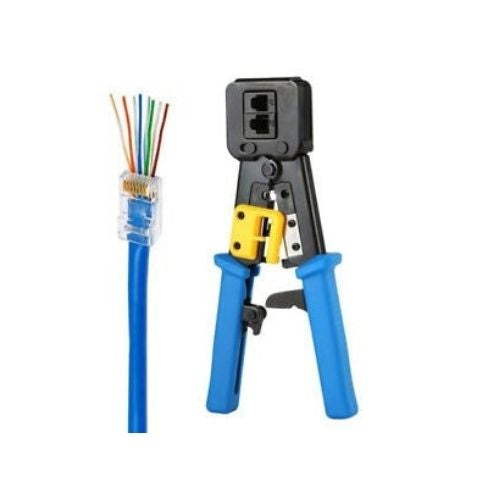
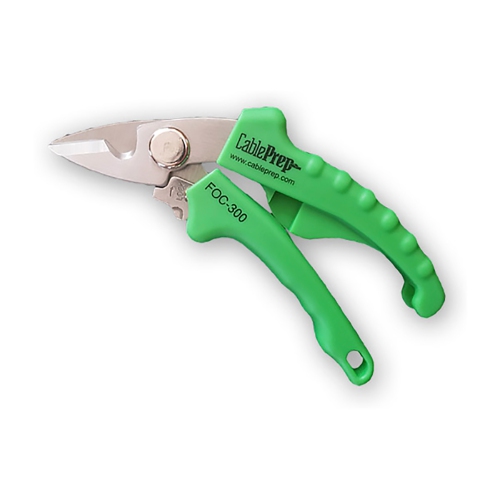
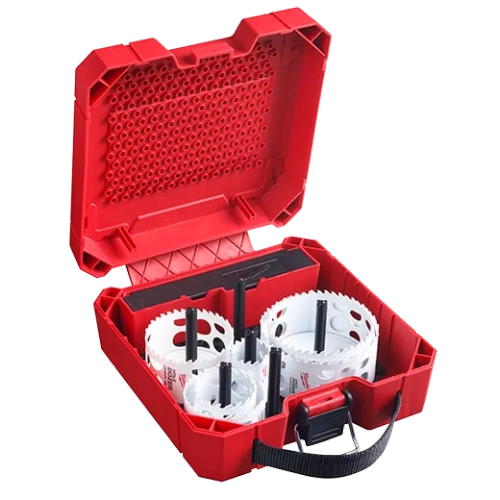
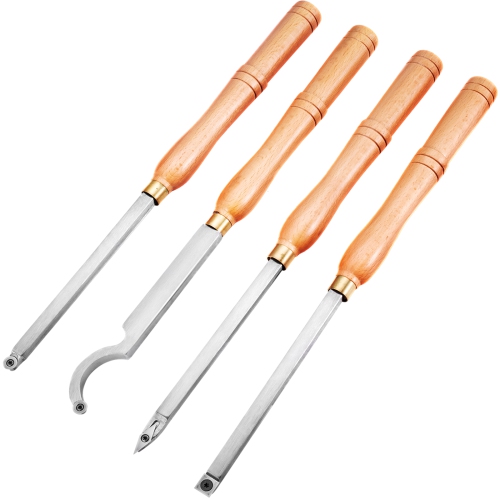
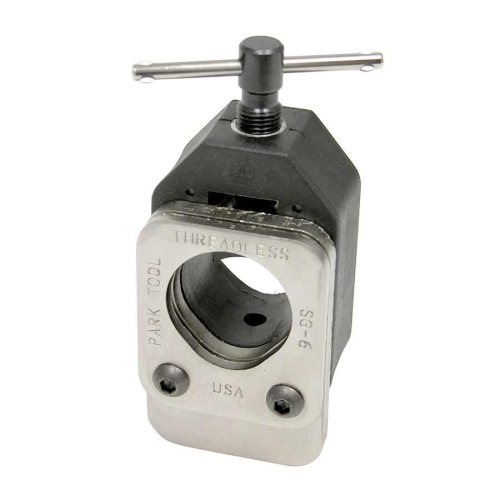

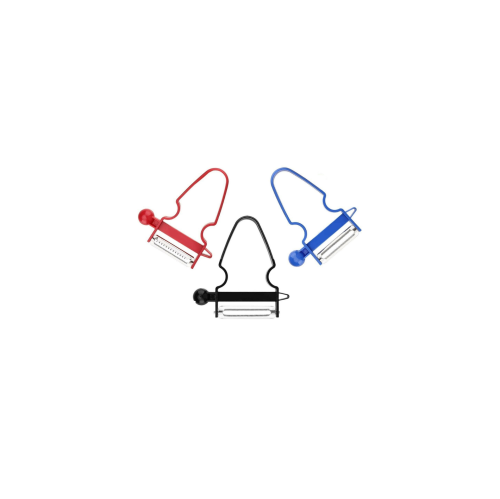
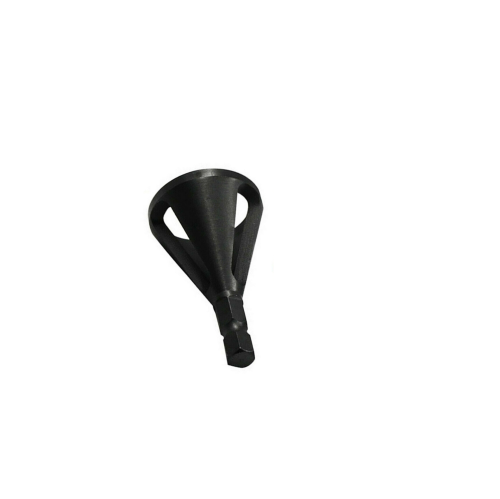
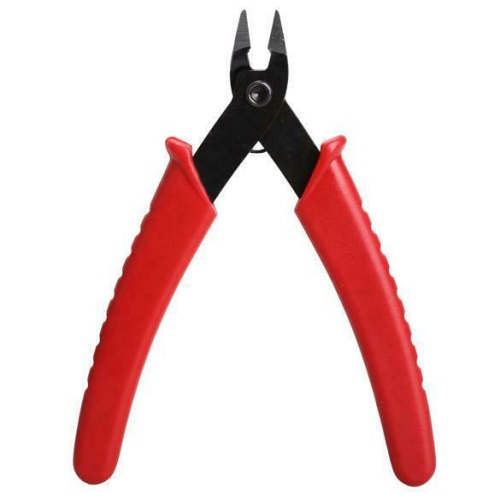
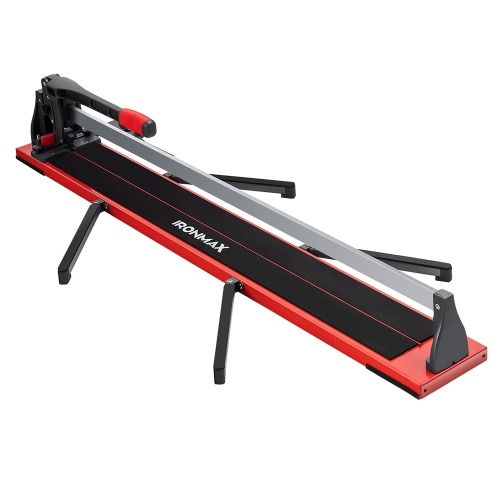
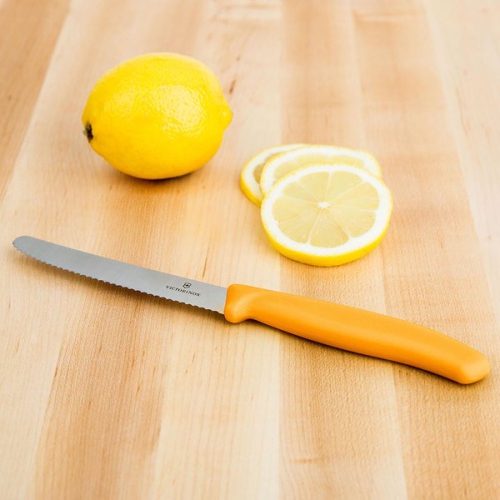
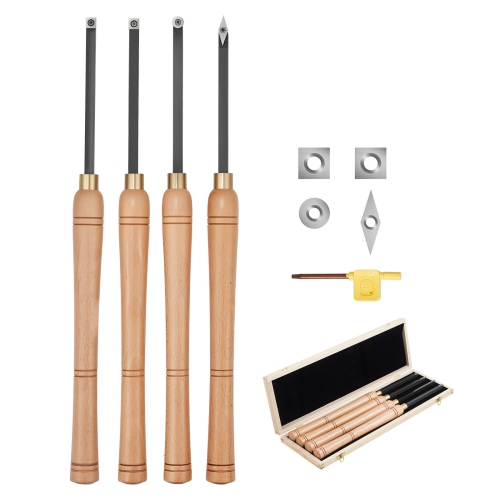
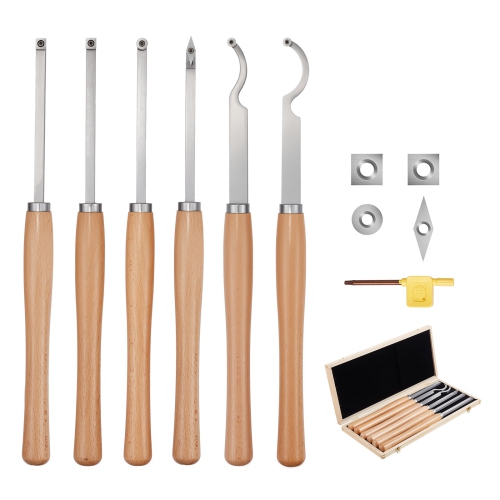

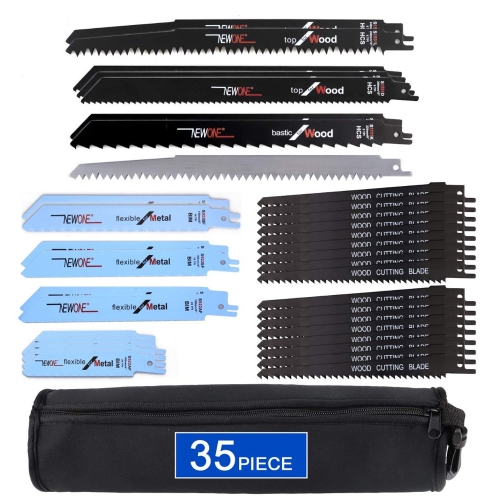






From household fixes to precise workshop projects
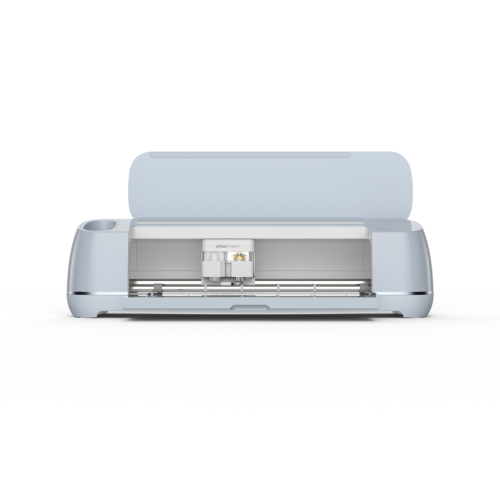
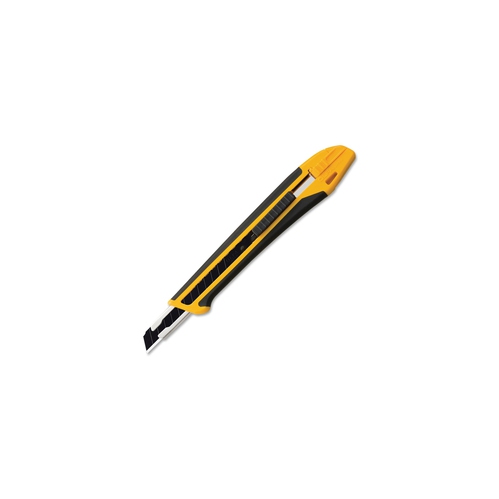
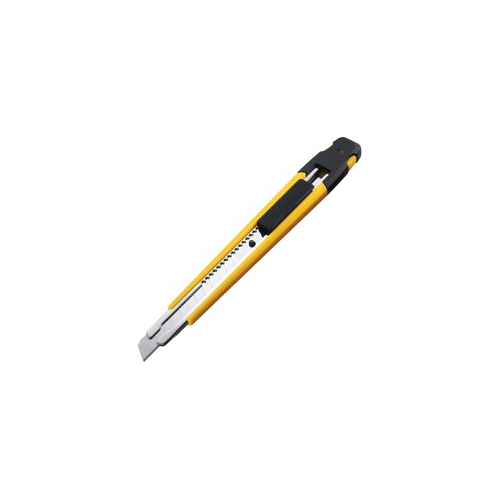
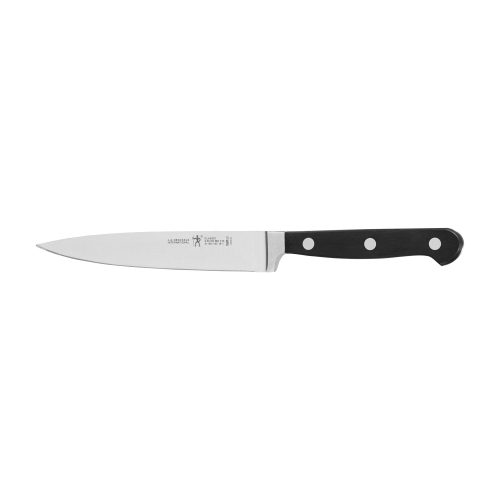
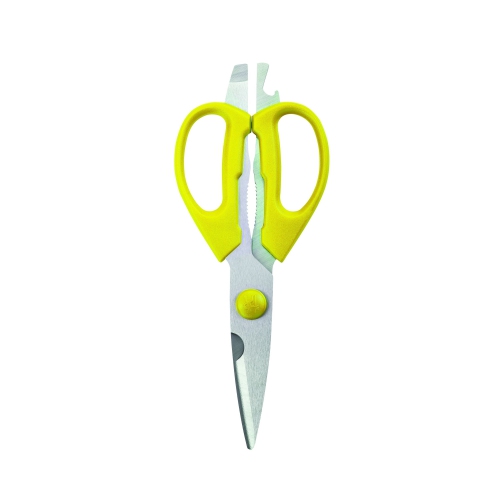
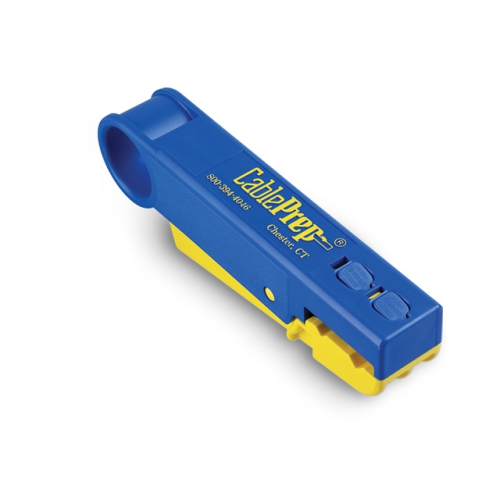
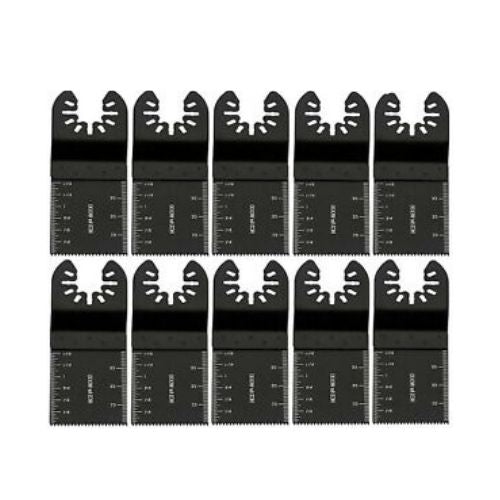
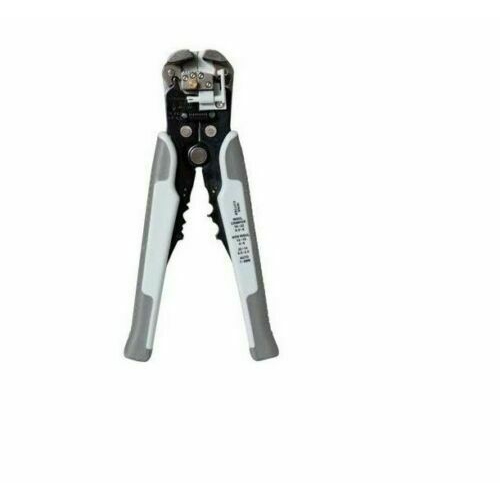
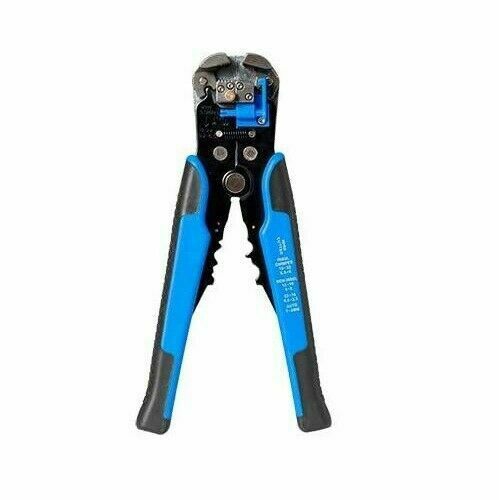
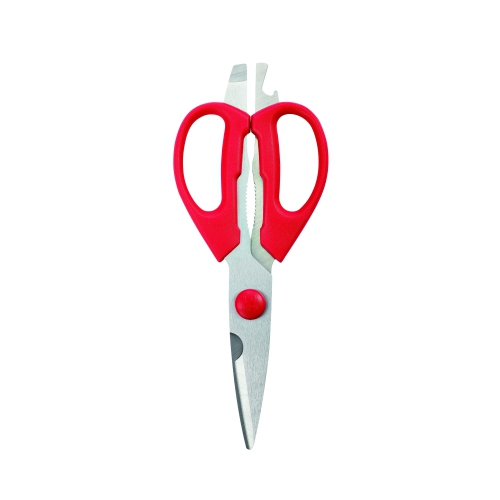
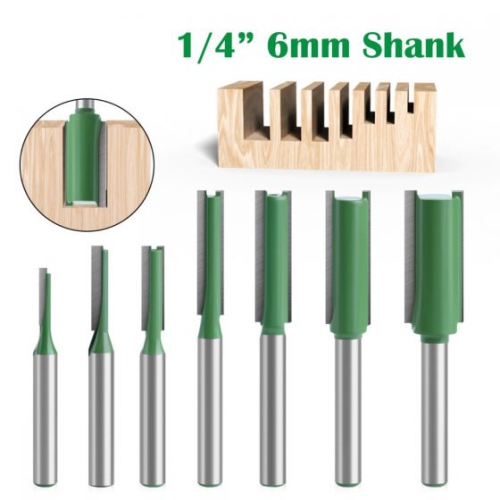
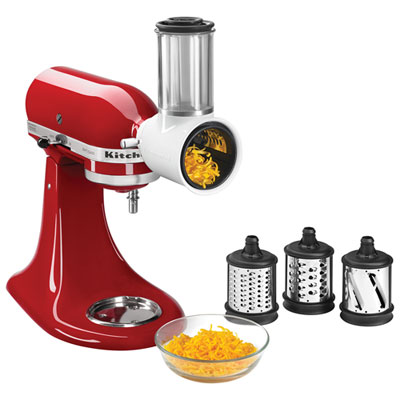
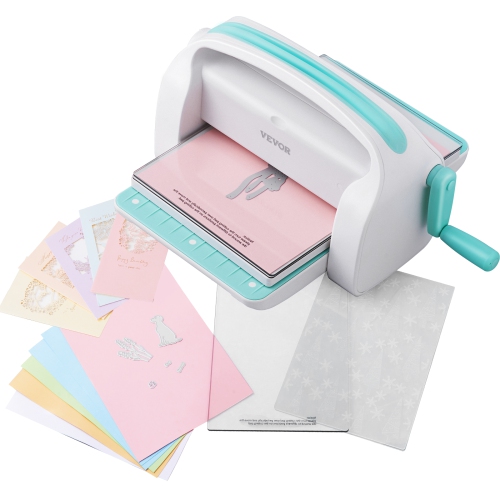
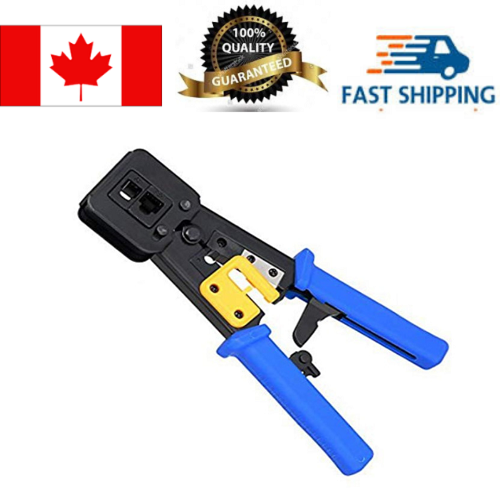
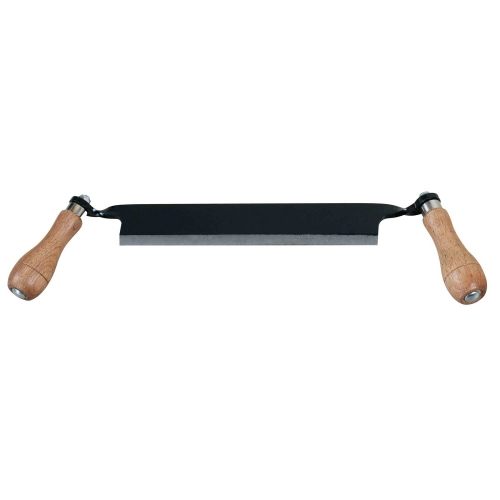
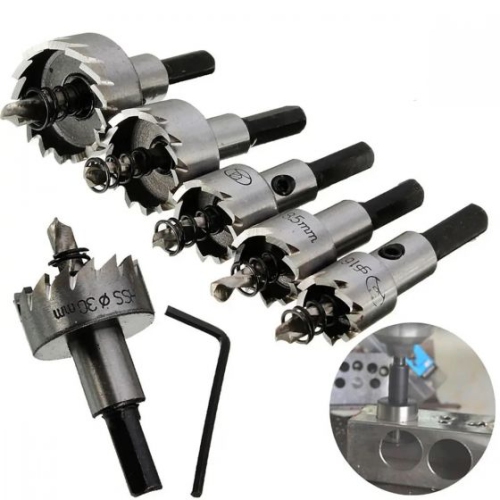
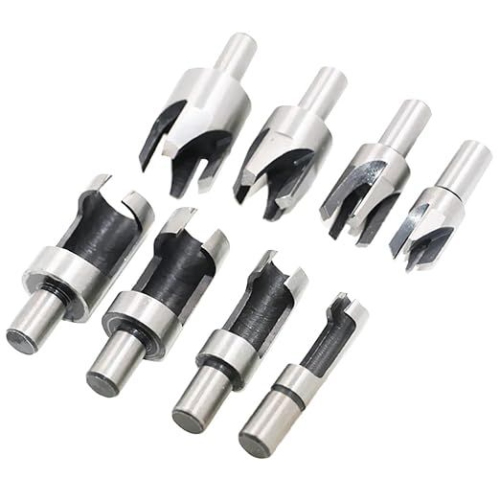
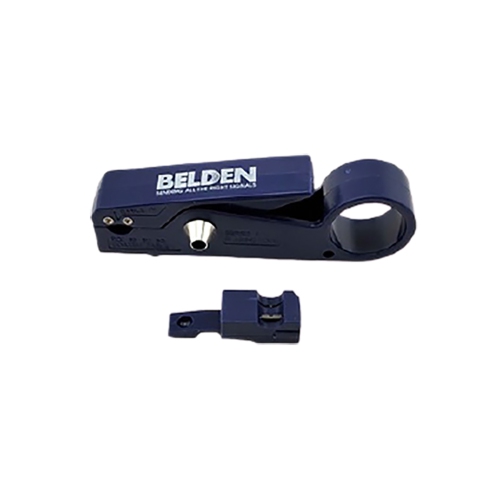
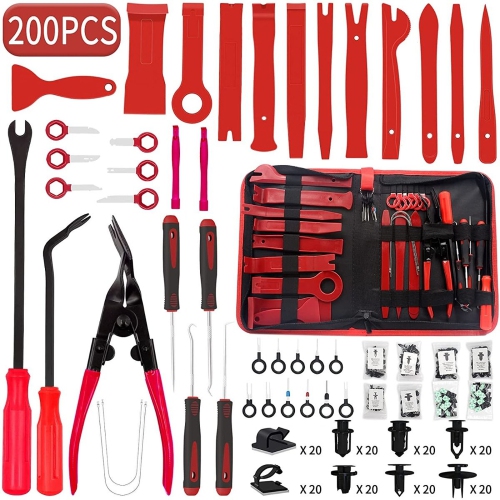
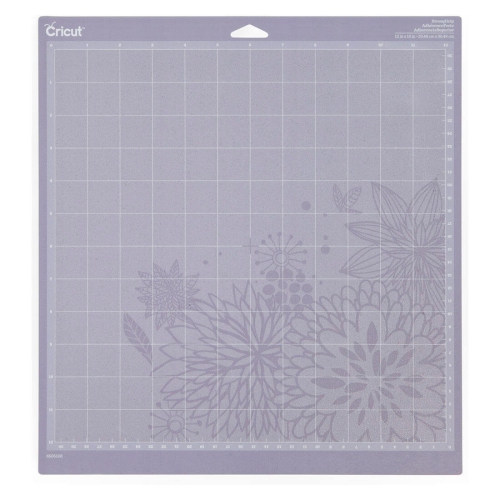
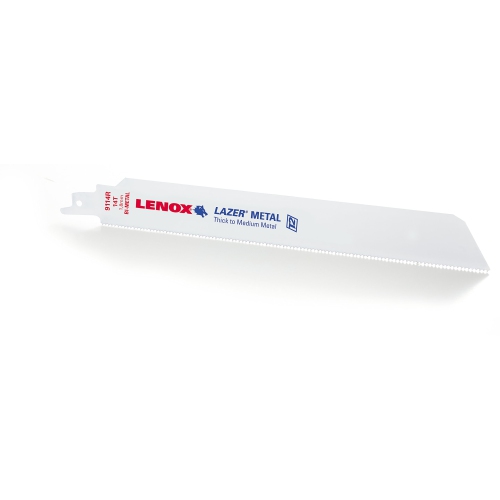
Cutting tools are designed to shear, slice, trim, shape, or remove material with control and precision. The right choice depends largely on what you are cutting, how often you expect to use the tool, and the level of accuracy your project requires. A compact hand tool can be ideal for quick household jobs, while a powered cutting tool may be better suited to repeated work or tougher materials. Utility knives, scissors, snips, shears, hacksaws, and blades are useful for everyday tasks involving cardboard, carpet, fabric, plastic, thin sheet material, and packaging. In a workshop, cutting tools may include drill bits, saw blades, end mills, and lathe tooling designed to shape wood, metal, or plastic. For outdoor work and home improvement, saws and grinders can help with lumber, masonry, pipe, tile, and other building materials. Kitchen cutting tools belong to the same broad family, although they are specifically shaped for food preparation and may include chef’s knives, paring knives, bread knives, kitchen shears, and sharpening accessories. Looking at the tool’s intended material is an important first step because a blade made for fabric may dull quickly when used on wood, while a blade designed for masonry can be unnecessarily aggressive for lighter household jobs. Product descriptions often identify compatible materials, blade types, cutting capacities, handle styles, power requirements, and replacement parts, giving you useful information before you add an item to your workshop, toolbox, craft room, garage, or kitchen.
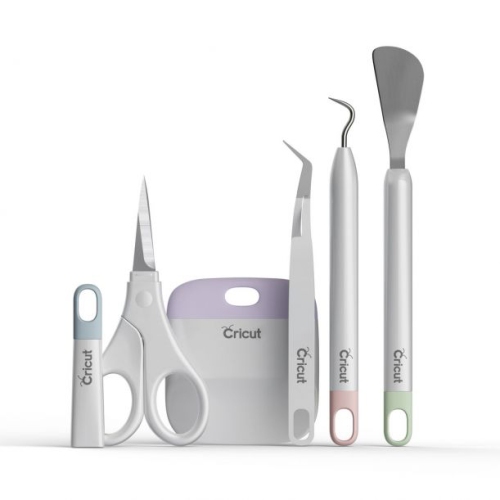
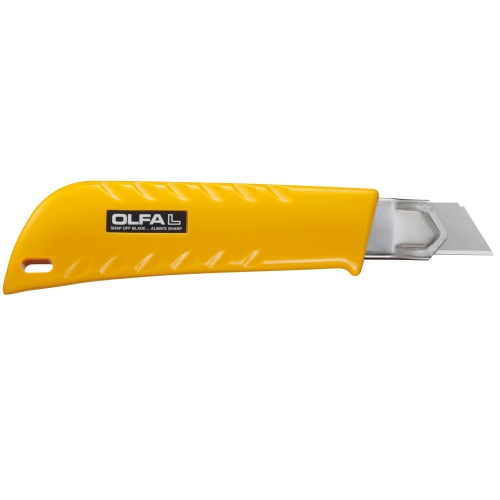
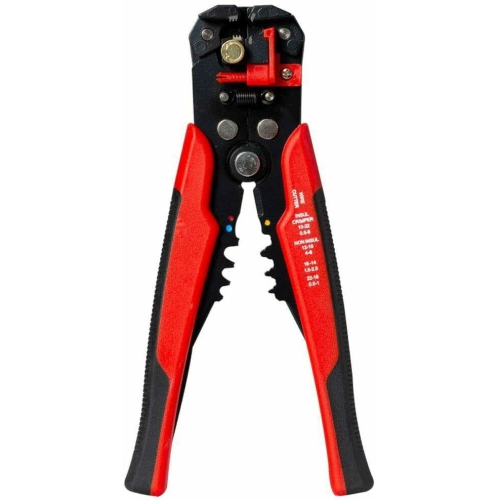
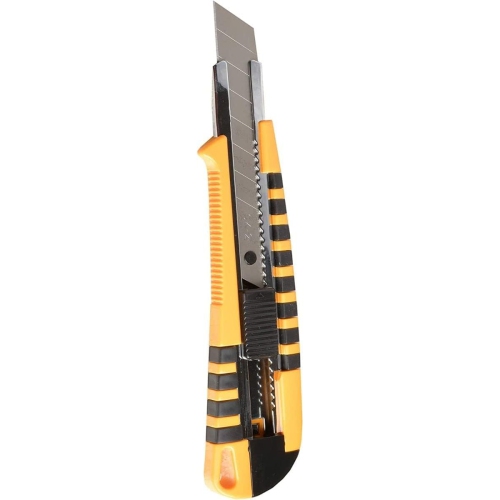
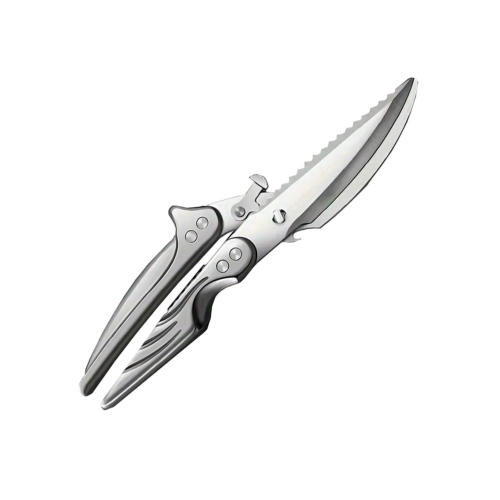
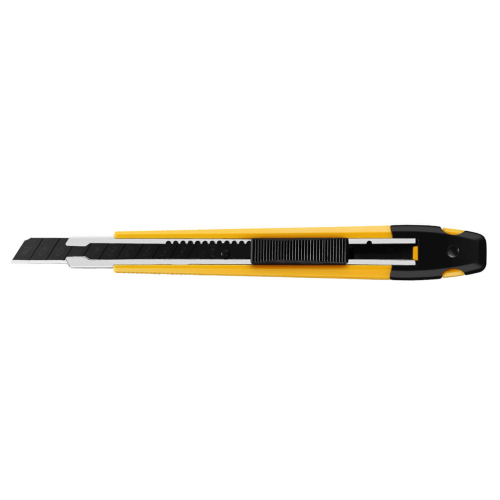
Hand cutting tools are a practical choice when portability, quiet operation, and close control matter most. A utility knife can be useful for opening cartons, trimming flooring, cutting foam, or scoring sheet material, particularly when a retractable or lockable blade helps improve handling between cuts. Scissors and shears come in many forms, from general-purpose designs for paper and packaging to heavier versions made for fabric, leather, gardening, or household maintenance. Snips are shaped for cutting thin metal and may have different configurations for straight, left, or right curves. A hacksaw uses a replaceable blade and frame to cut through materials such as metal pipe, plastic tubing, bolts, and hardware, making it a familiar option for repairs and small fabrication projects. When browsing, consider grip comfort, blade length, cutting direction, adjustment features, and whether the tool can be used with either hand. A handle that feels comfortable during a short task can make a noticeable difference when several cuts are needed in succession. Storage is another practical detail: blade covers, locking mechanisms, sheaths, and compact cases help keep sharp edges protected in a drawer or tool bag. For metalworking applications, you can also explore Metal Cutter Tools for cutting solutions intended for tougher materials and more demanding projects. Keeping the workpiece firmly supported, marking the cut line clearly, and allowing the tool to do the work can help produce cleaner results than forcing a blade through material. Protective eyewear, gloves suited to the task, hearing protection for powered equipment, and a clear work area are also sensible additions when a project involves flying fragments, sharp edges, dust, or significant noise.
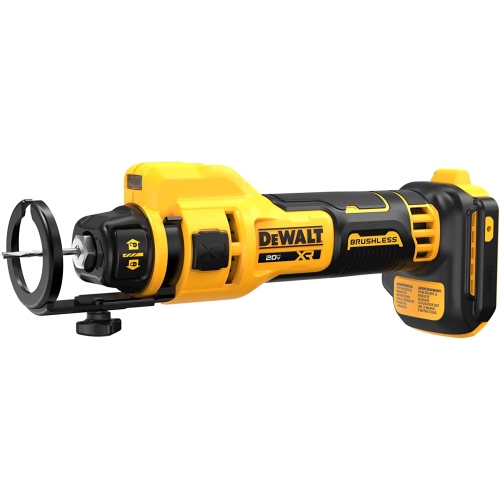
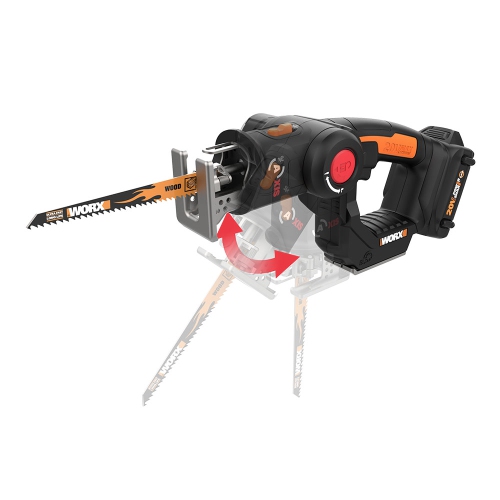
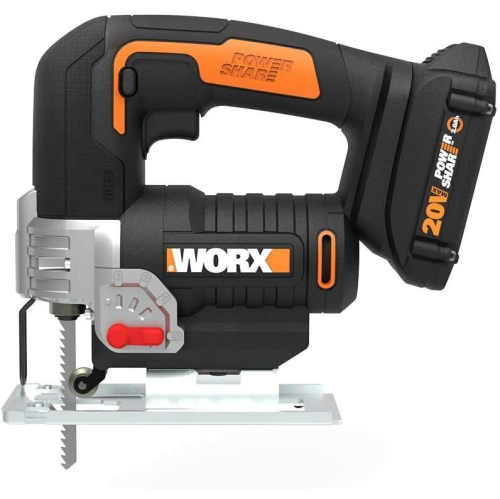
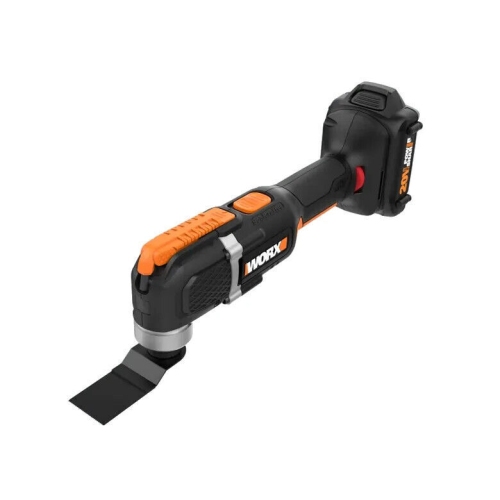
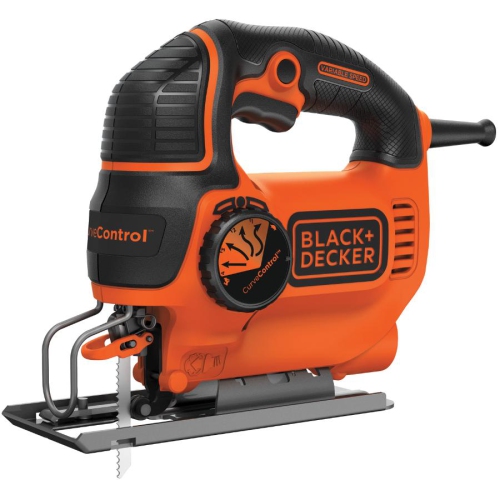
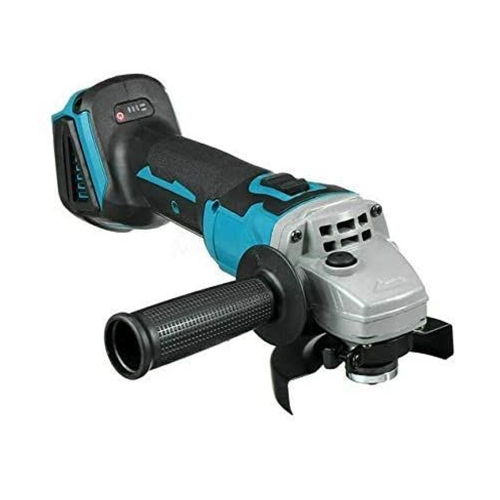
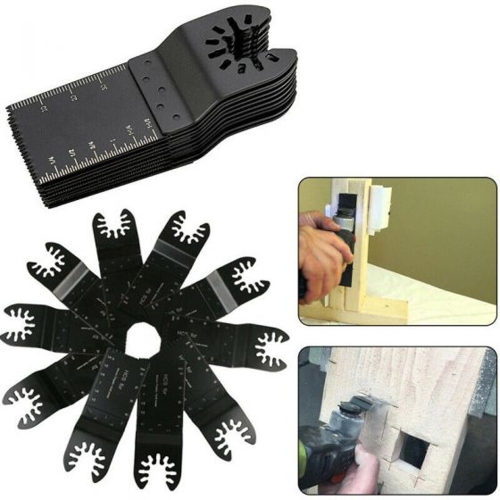
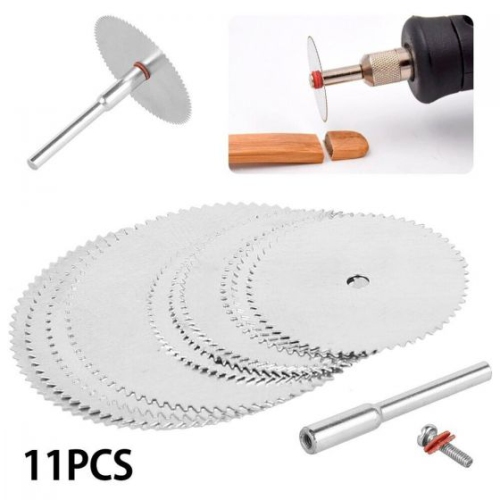
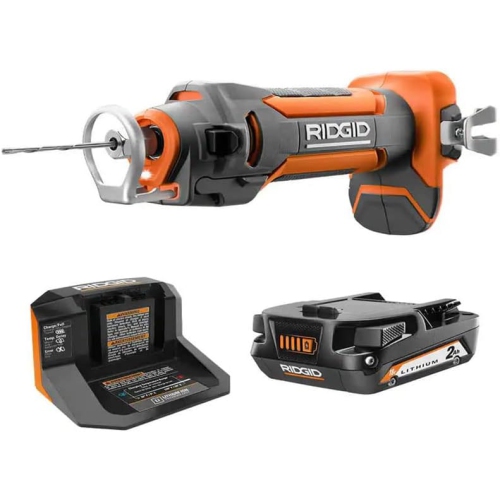
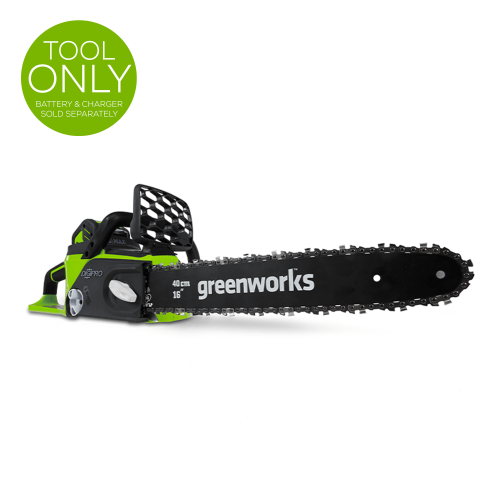
Powered cutting tools are often selected for speed, repeatability, and the ability to handle thicker or harder materials. Circular saws can make long, straight cuts in lumber and sheet goods, while reciprocating saws are useful for demolition, pruning, and awkward cuts where access is limited. Jigsaws can follow curves and openings, making them a familiar option for shaped cuts in wood, plastic, laminate, and similar materials. Angle grinders use interchangeable discs for cutting, grinding, or finishing metal, masonry, and other surfaces, but they require a steady grip and careful attention to the correct disc for the material. A drill press, rotary tool, or machining accessory may be appropriate for detailed work, small openings, or controlled shaping. Corded models can provide consistent power near a suitable outlet, while cordless designs offer freedom of movement around a garage, renovation site, workshop, or garden. Battery platform compatibility may be important if you already own matching equipment, and runtime, charging time, motor speed, blade diameter, bevel range, dust collection, and included accessories can all influence the experience. Cutting tools can be useful gifts for a new homeowner, a student setting up a workshop, someone who enjoys woodworking or crafting, or a cook building a dependable kitchen setup. They also make practical additions to a seasonal repair kit as cooler weather brings more indoor projects, furniture assembly, storage reorganizing, and maintenance tasks. Whether you are replacing a worn blade, adding a specialized tool to an established collection, or choosing a versatile option for occasional use, compare the intended application, material compatibility, ergonomics, safety features, and availability of replacement components. A well-matched cutting tool can turn a frustrating job into a clean series of controlled cuts, from opening a package at the kitchen counter to shaping material in a busy workshop.
Hand cutting tools are a practical choice when portability, quiet operation, and close control matter most. A utility knife can be useful for opening cartons, trimming flooring, cutting foam, or scoring sheet material, particularly when a retractable or lockable blade helps improve handling between cuts. Scissors and shears come in many forms, from general-purpose designs for paper and packaging to heavier versions made for fabric, leather, gardening, or household maintenance. Snips are shaped for cutting thin metal and may have different configurations for straight, left, or right curves. A hacksaw uses a replaceable blade and frame to cut through materials such as metal pipe, plastic tubing, bolts, and hardware, making it a familiar option for repairs and small fabrication projects. When browsing, consider grip comfort, blade length, cutting direction, adjustment features, and whether the tool can be used with either hand. A handle that feels comfortable during a short task can make a noticeable difference when several cuts are needed in succession. Storage is another practical detail: blade covers, locking mechanisms, sheaths, and compact cases help keep sharp edges protected in a drawer or tool bag. For metalworking applications, you can also explore Metal Cutter Tools for cutting solutions intended for tougher materials and more demanding projects. Keeping the workpiece firmly supported, marking the cut line clearly, and allowing the tool to do the work can help produce cleaner results than forcing a blade through material. Protective eyewear, gloves suited to the task, hearing protection for powered equipment, and a clear work area are also sensible additions when a project involves flying fragments, sharp edges, dust, or significant noise.
Powered cutting tools are often selected for speed, repeatability, and the ability to handle thicker or harder materials. Circular saws can make long, straight cuts in lumber and sheet goods, while reciprocating saws are useful for demolition, pruning, and awkward cuts where access is limited. Jigsaws can follow curves and openings, making them a familiar option for shaped cuts in wood, plastic, laminate, and similar materials. Angle grinders use interchangeable discs for cutting, grinding, or finishing metal, masonry, and other surfaces, but they require a steady grip and careful attention to the correct disc for the material. A drill press, rotary tool, or machining accessory may be appropriate for detailed work, small openings, or controlled shaping. Corded models can provide consistent power near a suitable outlet, while cordless designs offer freedom of movement around a garage, renovation site, workshop, or garden. Battery platform compatibility may be important if you already own matching equipment, and runtime, charging time, motor speed, blade diameter, bevel range, dust collection, and included accessories can all influence the experience. Cutting tools can be useful gifts for a new homeowner, a student setting up a workshop, someone who enjoys woodworking or crafting, or a cook building a dependable kitchen setup. They also make practical additions to a seasonal repair kit as cooler weather brings more indoor projects, furniture assembly, storage reorganizing, and maintenance tasks. Whether you are replacing a worn blade, adding a specialized tool to an established collection, or choosing a versatile option for occasional use, compare the intended application, material compatibility, ergonomics, safety features, and availability of replacement components. A well-matched cutting tool can turn a frustrating job into a clean series of controlled cuts, from opening a package at the kitchen counter to shaping material in a busy workshop.
Top selling and popular products
-
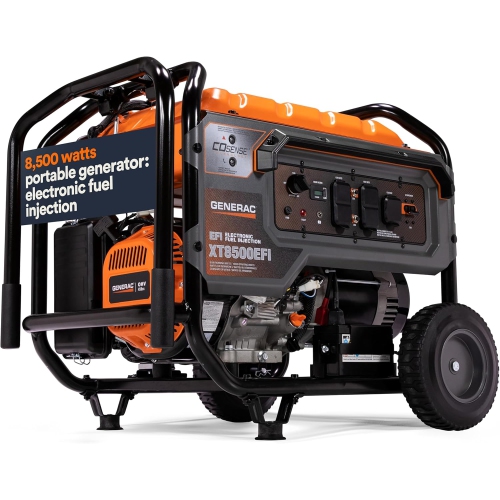 Your price for this item is $3000
 -
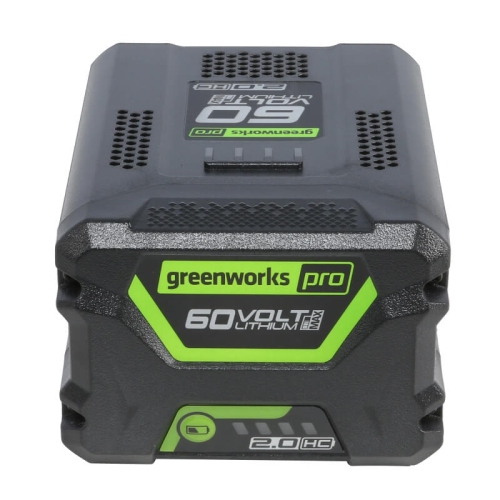 Your price for this item is $124.45
 -
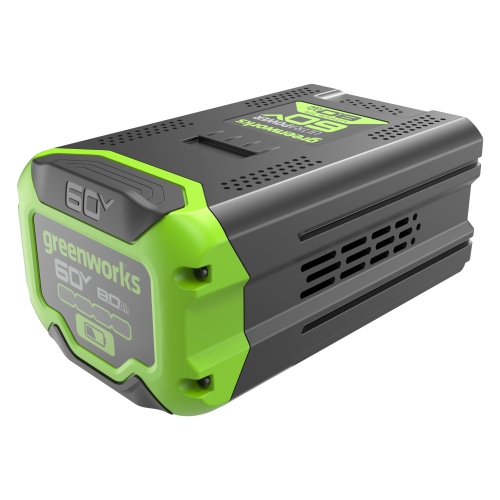 Your price for this item is $329.99
 -
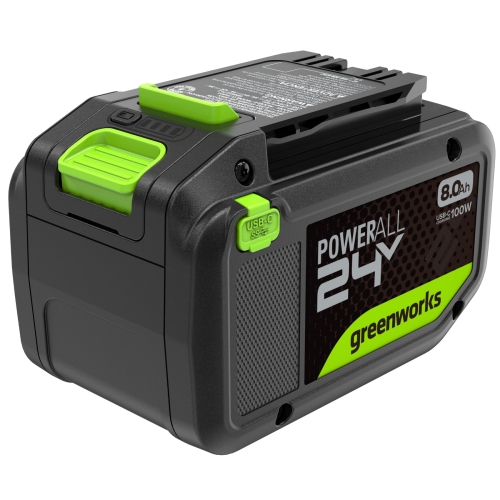 Your price for this item is $139.99
 -
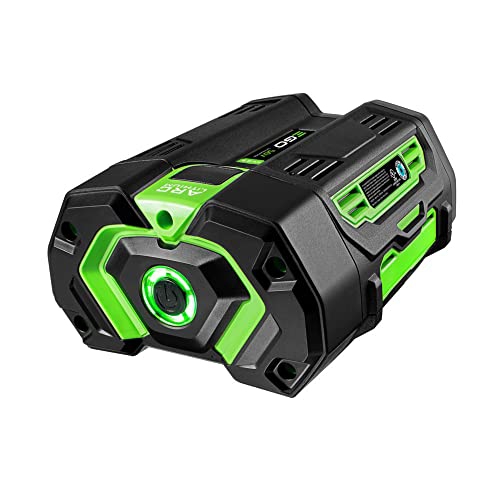 Your price for this item is $264
 -
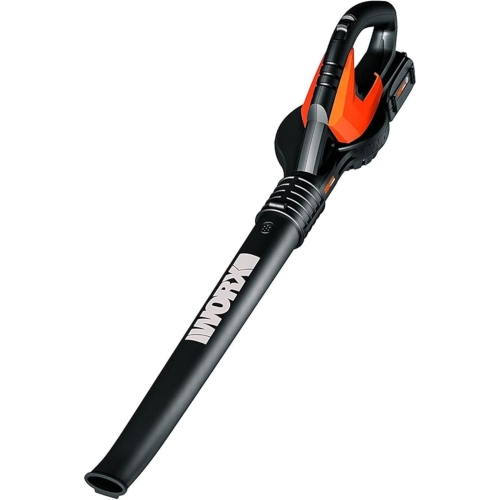 Your price for this item is $217.55
 -
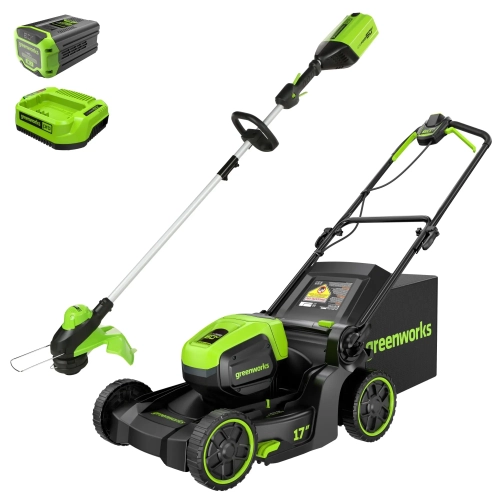 Your price for this item is $739.99
 -
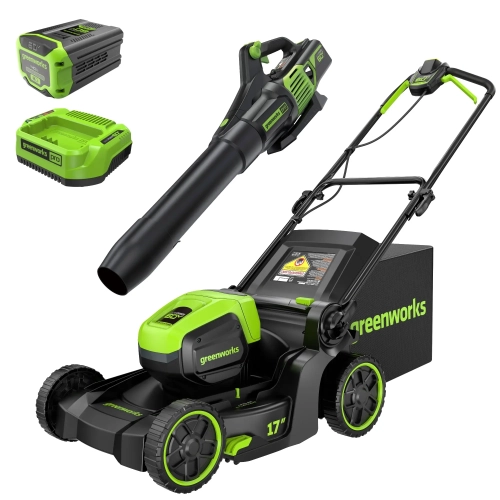 Your price for this item is $599.99
Discover more categories related to Cutting Tools
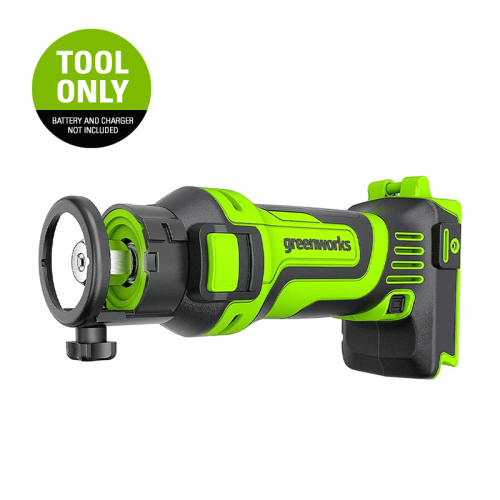
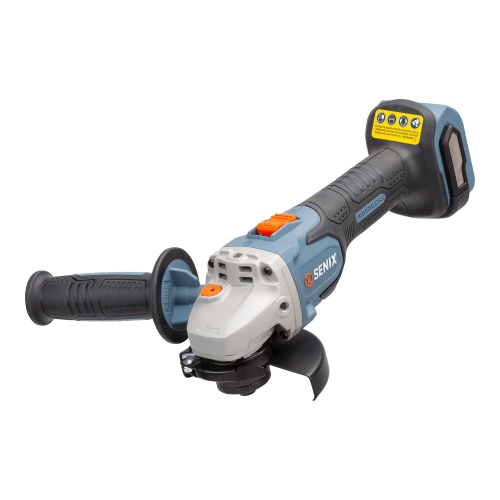
Top Collections:
Pokemon Centers, Kindle Devices, Best Budget Office Chairs, Apple iPhones 16, Best Laptops for Writers, iPhone 15 Apple, Canon G7X Cameras, Refurbished Apple Laptops, Alarm Clock, Motorola Razr Phones
Some products may be subject to Environmental Handling Fees
(EHF) depending on your province.
Learn more about EHFs.