Pipe Cutting Tools
If you're looking for top-quality pipe-cutting tools to tackle your plumbing projects with ease, look no further than this comprehensive selection of precision tools designed to make cutting pipes a breeze. Whether you're a DIY enthusiast or a professional plumber, having the right pipe-cutting tool can make all the difference in achieving clean and accurate cuts. From tube cutters to hacksaws, we offer a variety of options to suit your specific needs.
Sort
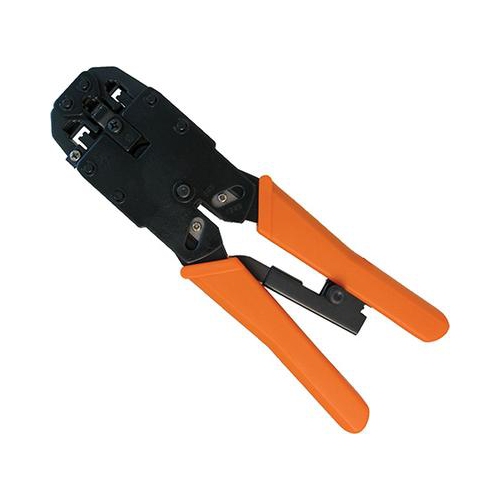
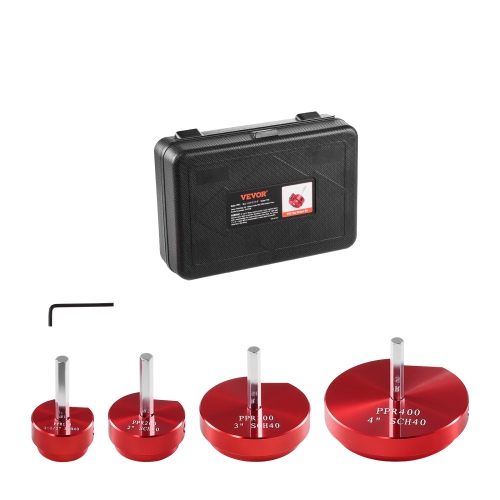
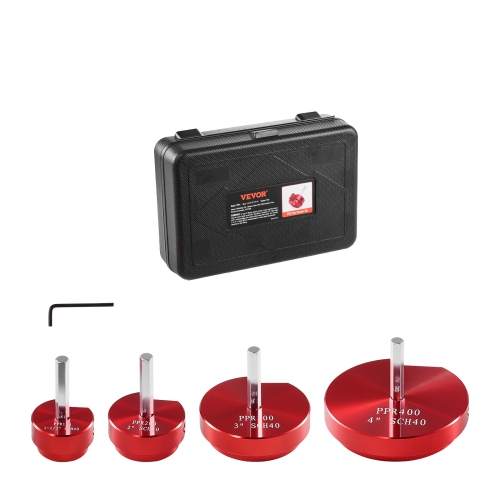
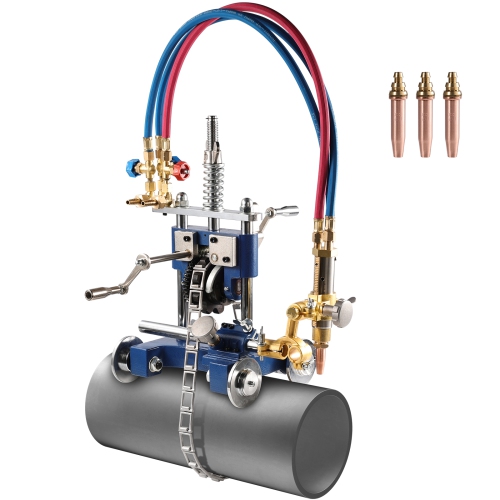
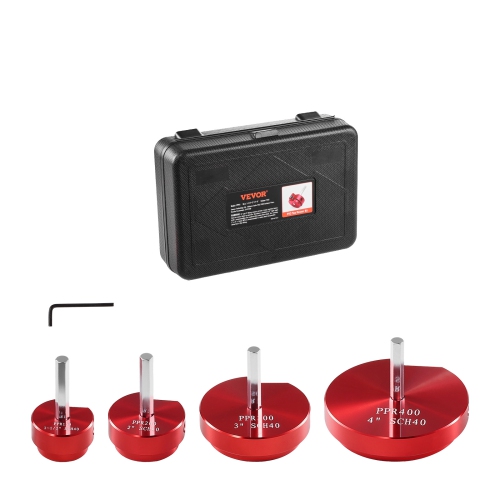
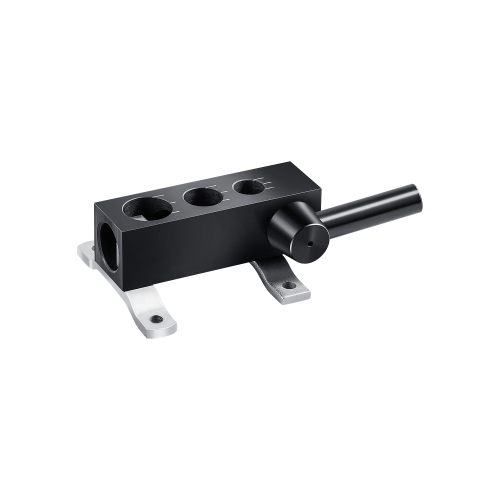
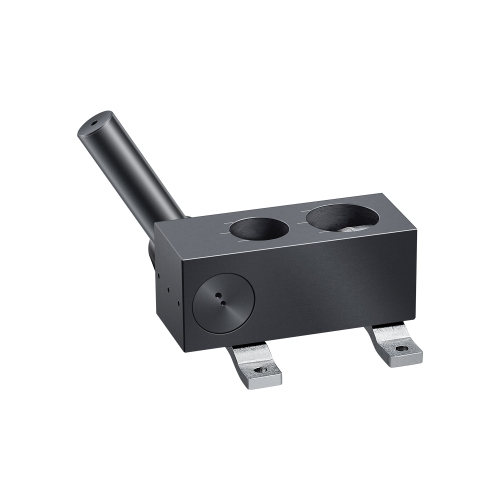
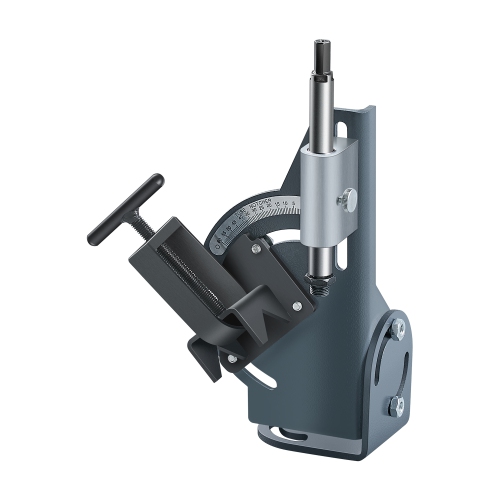
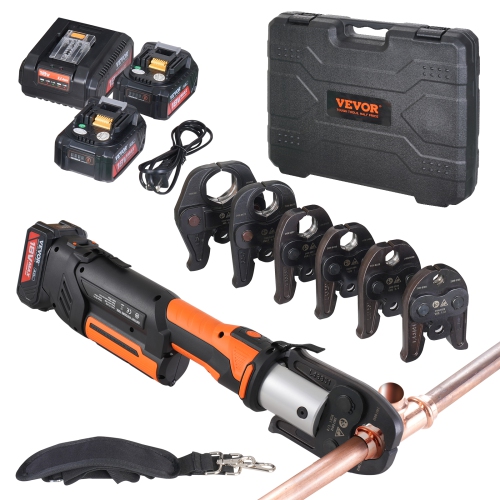
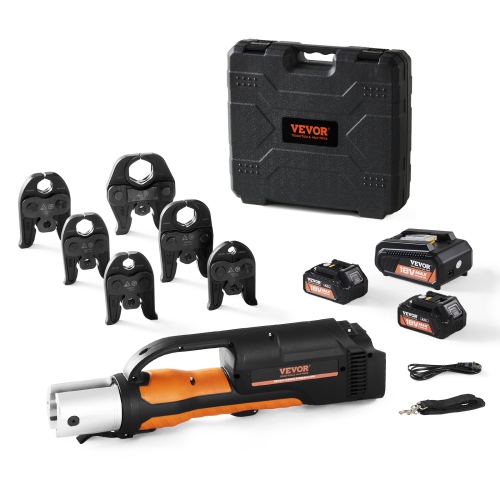
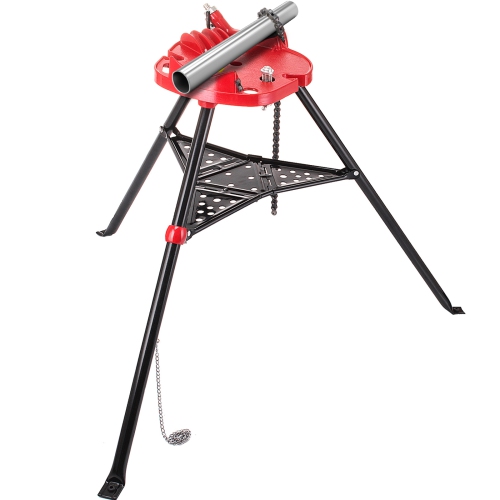
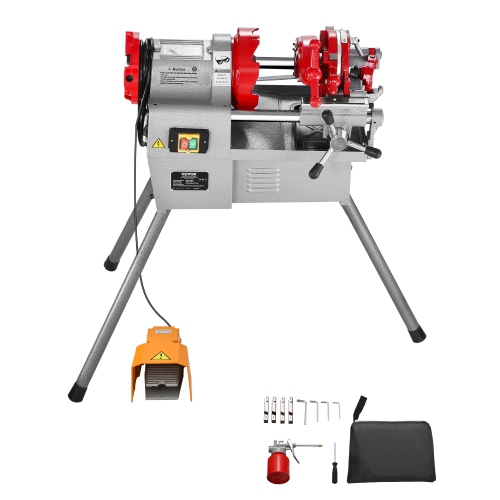
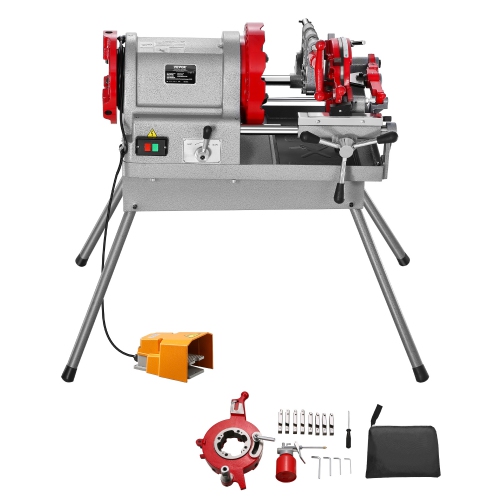
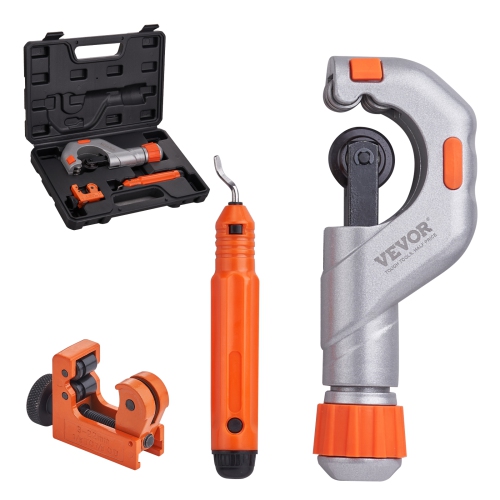
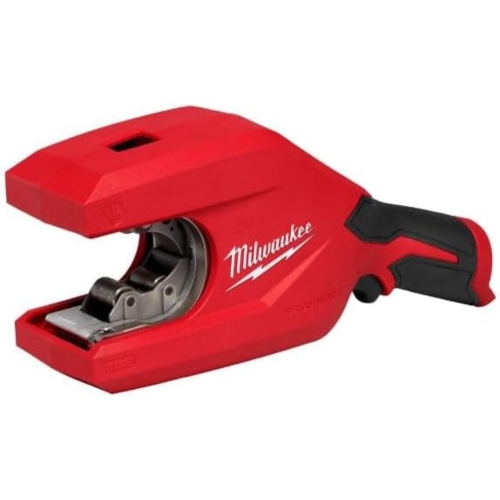
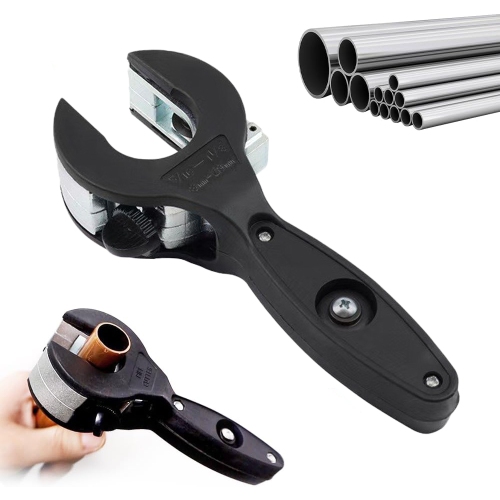
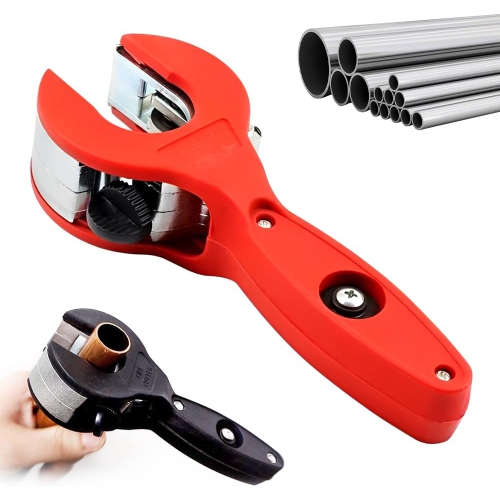
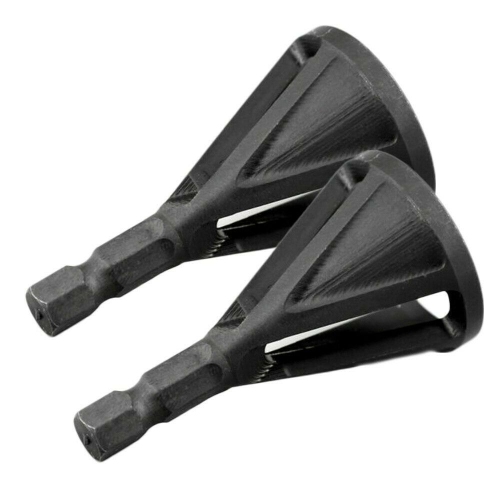
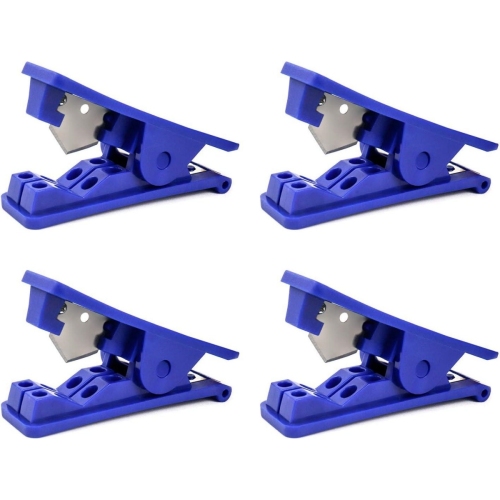
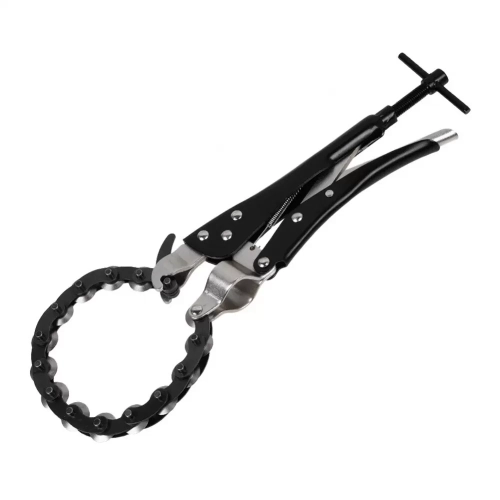
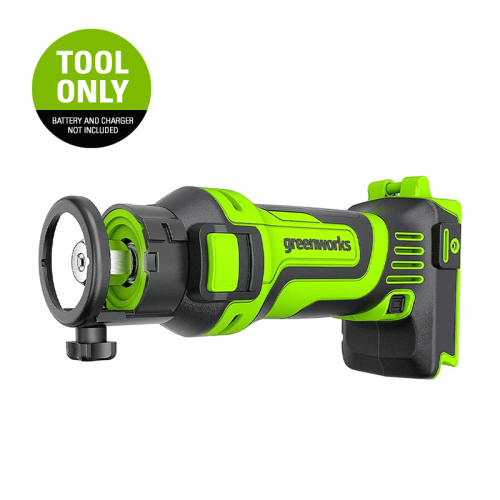
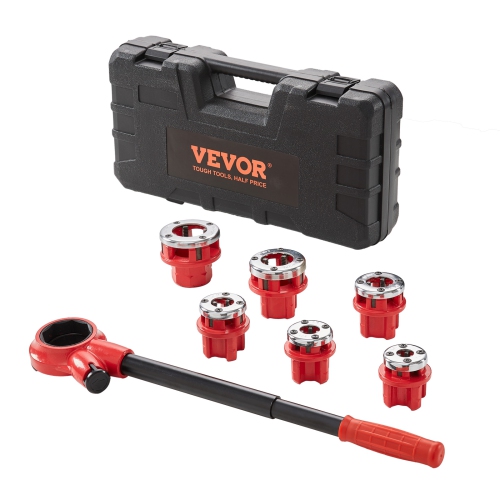
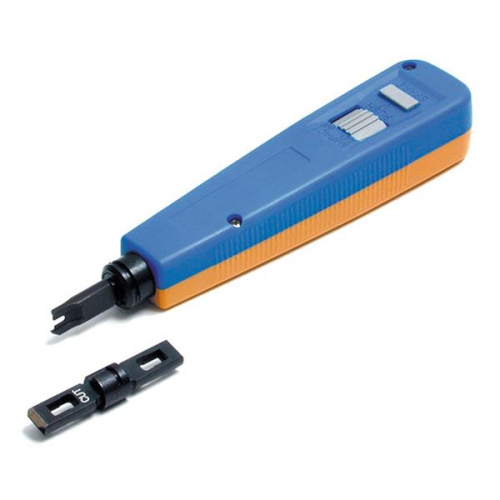
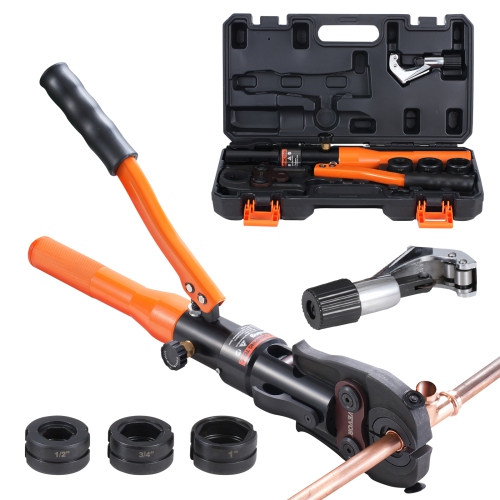
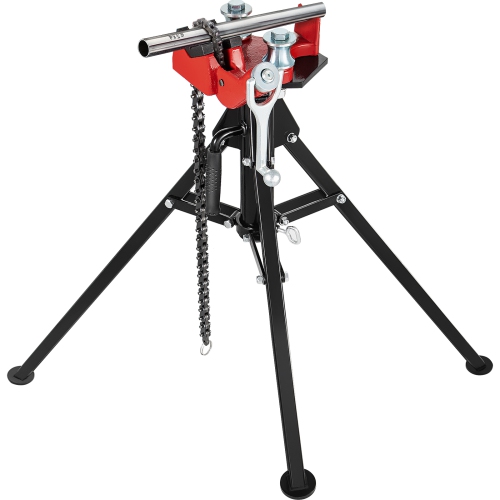
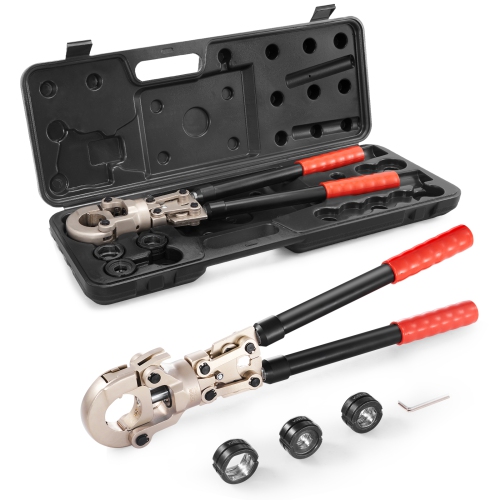
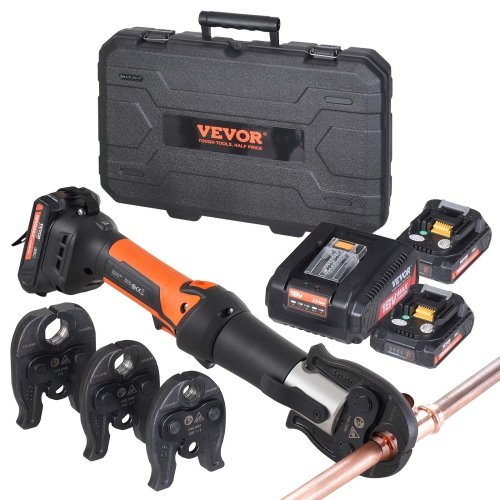
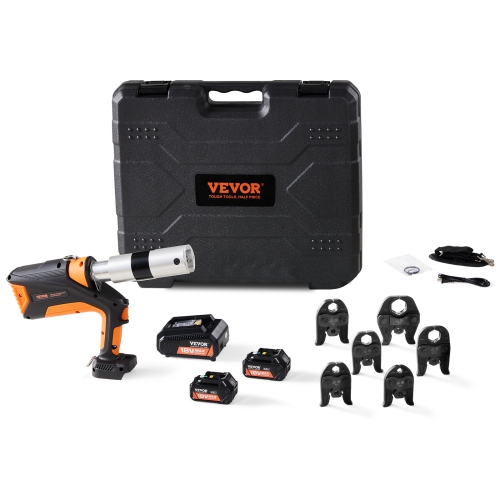
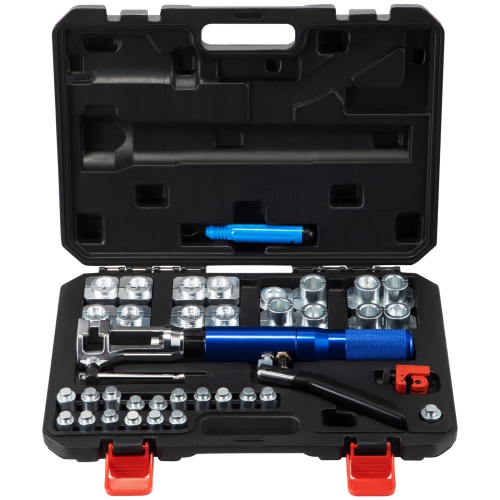
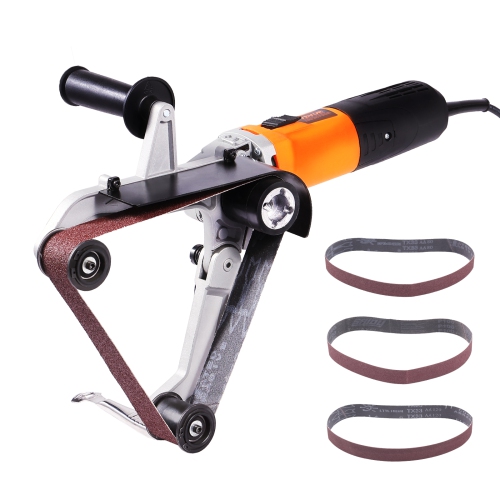
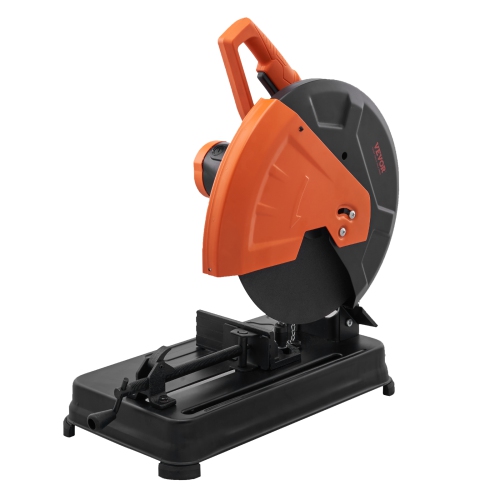
The right cutter depends on pipe, space, and material
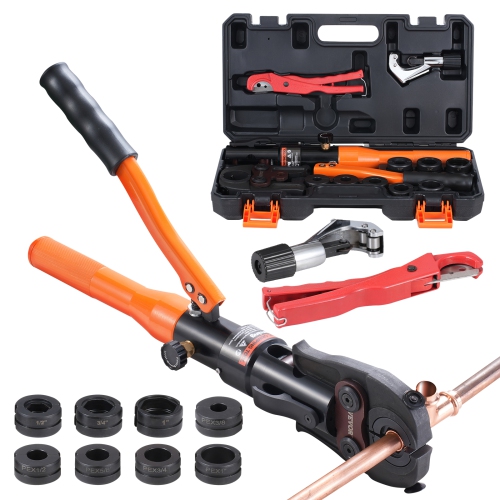
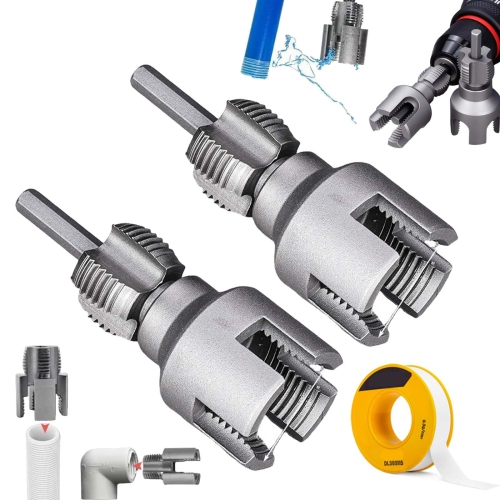
Pipe cutting tools are designed to make plumbing, renovation, fabrication, maintenance, and repair work more controlled and efficient. The best choice depends primarily on the pipe material, diameter, wall thickness, and available working space. Copper, brass, and thin-walled metal pipe are commonly cut with a wheel-style tubing cutter, which is rotated around the pipe while its cutting wheel is gradually tightened. This method produces a clean, even cut with little disruption to the surrounding area, making it useful when working beneath a sink, inside a utility room, or between wall studs. For PEX, PVC, and other plastic piping, ratcheting or scissor-style cutters are often more suitable. Their pointed blades and lever-assisted action can make quick, straight cuts through flexible or rigid plastic without requiring a power outlet. When a pipe needs to be trimmed flush with a floor, wall, fitting, or other surface, an internal pipe cutter can be useful because its small blade cuts from inside the pipe. These tools are especially helpful for repair work where only a short section of pipe is exposed and there is not enough room to position a conventional cutter around the outside. For larger, thicker, or more demanding jobs, powered options such as portable bandsaws and reciprocating saws can provide the speed and cutting capacity needed for steel, iron, and other heavy-duty pipe. Browse related Metal Cutter Tools when your project involves tougher metal stock or materials beyond standard household plumbing pipe. A pipe cutting tool may be used by professional plumbers, heating and cooling technicians, electricians, contractors, renovation specialists, maintenance teams, and fabricators, but it can also be a practical addition to a home workshop. Someone replacing a damaged water line, adapting a drain connection, installing a utility sink, or preparing pipe for a workshop project can benefit from having the right cutter close at hand. For a gift, a compact manual cutter or a versatile pipe-cutting accessory can be a thoughtful choice for a homeowner, do-it-yourself enthusiast, tradesperson, or anyone who enjoys maintaining a garage or workshop. The most useful gift is one matched to the recipient’s typical projects, since a tool intended for copper tubing will not necessarily be appropriate for rigid PVC, PEX, cast iron, or thick steel.
Before choosing among pipe cutting tools, check the pipe’s outside diameter and material specifications rather than relying on appearance alone. A tool that fits narrow copper tubing may not open wide enough for larger pipe, while a cutter made for plastic may not have the blade strength or cutting geometry required for metal. Capacity information can help confirm whether a tool is suitable for the sizes in a plumbing kit, renovation plan, or fabrication project. The desired finish also matters. A wheel cutter generally leaves a neat, square edge, but the inside and outside of the pipe may still need deburring to remove the sharp ridge created during cutting. Smooth edges are important when pipe will be joined with compression fittings, soldered connections, threaded components, solvent cement, or push-fit connectors. Ratcheting plastic cutters are convenient for fast cuts, although the blade should be sharp and properly aligned to avoid crushing or distorting the pipe. For old, brittle, or reinforced plastic, a different cutting method may be more appropriate. An internal cutter is useful in confined repair locations, but it typically requires a compatible drill or driver and careful control of cutting depth. Powered saws can handle demanding materials and awkward demolition work, yet they may create more noise, vibration, debris, and heat than a manual tool. Consider the surrounding walls, flooring, wiring, insulation, water lines, and finished surfaces before selecting a high-speed option. In a spacious workshop, a portable bandsaw may offer a steady cut through heavier pipe, while in a cramped cabinet or ceiling cavity, a compact manual cutter or short-blade tool may be easier to control. Corded and cordless power options also bring different requirements: corded tools provide continuous operation near an outlet, while cordless tools offer mobility but depend on battery compatibility and charge level. Handle design, grip comfort, blade replacement, adjustment controls, included accessories, and storage size can make a noticeable difference when a tool is used repeatedly. For occasional household repairs, a straightforward manual cutter may provide everything needed. For frequent trade work, a durable tool with a wider size range, replaceable cutting components, and dependable control may be a better fit.
Safe, accurate cutting begins with preparation. Shut off water, gas, or other connected services where applicable, drain the line, and confirm that the pipe is not under pressure before making a cut. Secure loose pipe so it does not twist or move, and mark the intended cut clearly. In a tight location, protect nearby surfaces and make sure there is enough room to rotate a manual cutter or guide a powered tool without contacting surrounding materials. Eye protection is important when cutting any pipe, particularly metal, since small fragments and burrs can become airborne. Gloves can help protect hands from sharp edges, although they should be kept clear of rotating blades and moving parts. Once the cut is complete, inspect the edge for burrs, cracks, flattening, or unevenness, then prepare it according to the connection method being used. Metal pipe may require deburring, filing, cleaning, or threading, while plastic pipe should be checked for a square edge and free movement of fittings. Keeping cutting wheels and blades clean and sharp can improve control and reduce the temptation to force a tool through the material. Store pipe cutting tools dry and securely, especially in a workshop where loose blades or exposed cutting wheels can catch on other equipment. Whether the task involves a small repair as the weather warms, a renovation during the cooler months, or ongoing maintenance throughout the year, choosing a cutter suited to the pipe and the workspace helps produce cleaner results with less frustration. The range of pipe cutting tools includes compact manual designs for routine plumbing, specialised cutters for confined repairs, and powered equipment for larger or tougher materials, making it easier to select an option that matches the project, the user’s experience, and the level of cutting performance required.
Before choosing among pipe cutting tools, check the pipe’s outside diameter and material specifications rather than relying on appearance alone. A tool that fits narrow copper tubing may not open wide enough for larger pipe, while a cutter made for plastic may not have the blade strength or cutting geometry required for metal. Capacity information can help confirm whether a tool is suitable for the sizes in a plumbing kit, renovation plan, or fabrication project. The desired finish also matters. A wheel cutter generally leaves a neat, square edge, but the inside and outside of the pipe may still need deburring to remove the sharp ridge created during cutting. Smooth edges are important when pipe will be joined with compression fittings, soldered connections, threaded components, solvent cement, or push-fit connectors. Ratcheting plastic cutters are convenient for fast cuts, although the blade should be sharp and properly aligned to avoid crushing or distorting the pipe. For old, brittle, or reinforced plastic, a different cutting method may be more appropriate. An internal cutter is useful in confined repair locations, but it typically requires a compatible drill or driver and careful control of cutting depth. Powered saws can handle demanding materials and awkward demolition work, yet they may create more noise, vibration, debris, and heat than a manual tool. Consider the surrounding walls, flooring, wiring, insulation, water lines, and finished surfaces before selecting a high-speed option. In a spacious workshop, a portable bandsaw may offer a steady cut through heavier pipe, while in a cramped cabinet or ceiling cavity, a compact manual cutter or short-blade tool may be easier to control. Corded and cordless power options also bring different requirements: corded tools provide continuous operation near an outlet, while cordless tools offer mobility but depend on battery compatibility and charge level. Handle design, grip comfort, blade replacement, adjustment controls, included accessories, and storage size can make a noticeable difference when a tool is used repeatedly. For occasional household repairs, a straightforward manual cutter may provide everything needed. For frequent trade work, a durable tool with a wider size range, replaceable cutting components, and dependable control may be a better fit.
Safe, accurate cutting begins with preparation. Shut off water, gas, or other connected services where applicable, drain the line, and confirm that the pipe is not under pressure before making a cut. Secure loose pipe so it does not twist or move, and mark the intended cut clearly. In a tight location, protect nearby surfaces and make sure there is enough room to rotate a manual cutter or guide a powered tool without contacting surrounding materials. Eye protection is important when cutting any pipe, particularly metal, since small fragments and burrs can become airborne. Gloves can help protect hands from sharp edges, although they should be kept clear of rotating blades and moving parts. Once the cut is complete, inspect the edge for burrs, cracks, flattening, or unevenness, then prepare it according to the connection method being used. Metal pipe may require deburring, filing, cleaning, or threading, while plastic pipe should be checked for a square edge and free movement of fittings. Keeping cutting wheels and blades clean and sharp can improve control and reduce the temptation to force a tool through the material. Store pipe cutting tools dry and securely, especially in a workshop where loose blades or exposed cutting wheels can catch on other equipment. Whether the task involves a small repair as the weather warms, a renovation during the cooler months, or ongoing maintenance throughout the year, choosing a cutter suited to the pipe and the workspace helps produce cleaner results with less frustration. The range of pipe cutting tools includes compact manual designs for routine plumbing, specialised cutters for confined repairs, and powered equipment for larger or tougher materials, making it easier to select an option that matches the project, the user’s experience, and the level of cutting performance required.
Top selling and popular products
-
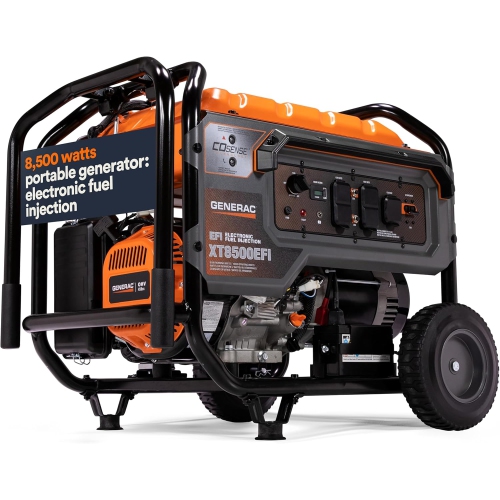 Your price for this item is $3000
 -
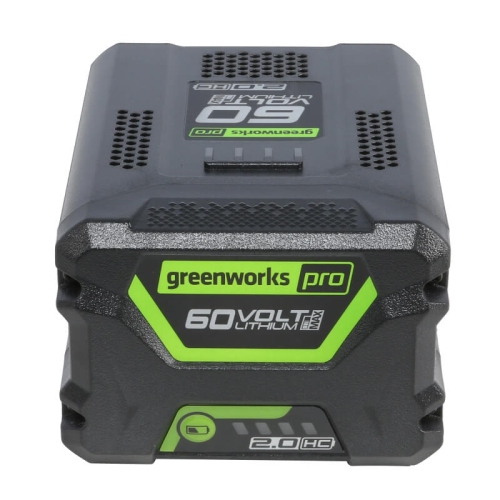 Your price for this item is $124.45
 -
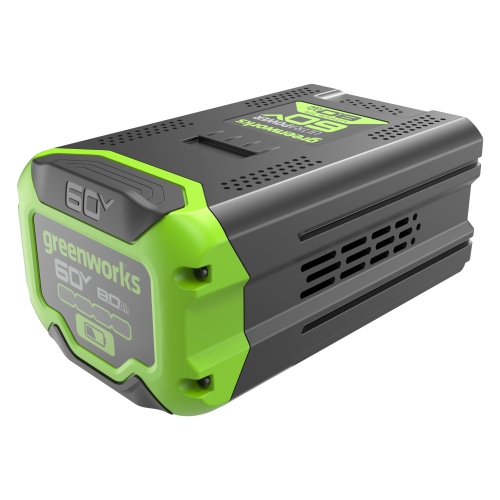 Your price for this item is $329.99
 -
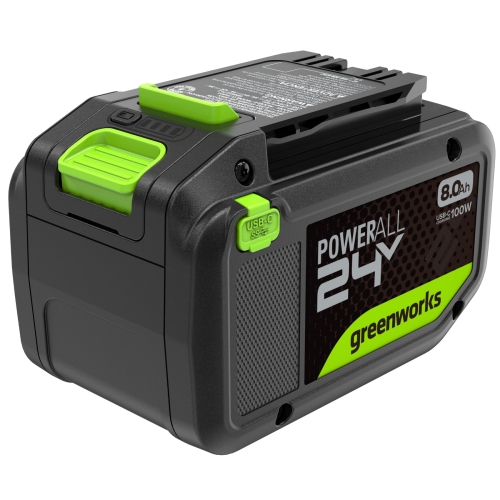 Your price for this item is $139.99
 -
 Your price for this item is $264
 -
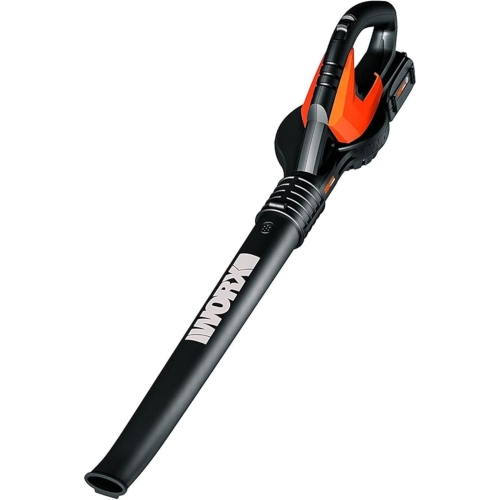 Your price for this item is $217.55
 -
 Your price for this item is $739.99
 -
 Your price for this item is $599.99
Discover more categories related to Pipe Cutting Tools
Top Collections:
Pokemon Centers, Kindle Devices, Best Budget Office Chairs, Apple iPhones 16, Canon G7X Cameras, iPhone 15 Apple, Alarm Clock, Refurbished Apple Laptops, Flip Phones, Best Laptops for Writers
Some products may be subject to Environmental Handling Fees
(EHF) depending on your province.
Learn more about EHFs.