Dark Gray Cabinets
Dark gray cabinets are a stylish and versatile choice for almost any kitchen or bathroom. With their sleek and modern appearance, these cabinets add a touch of sophistication to almost any space. Whether you're looking to create a contemporary or traditional design, dark gray cabinets can effortlessly blend in with your existing decor. Here are some great options available.
Sort
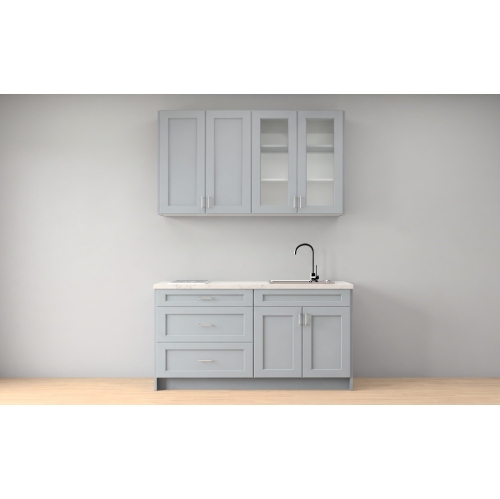
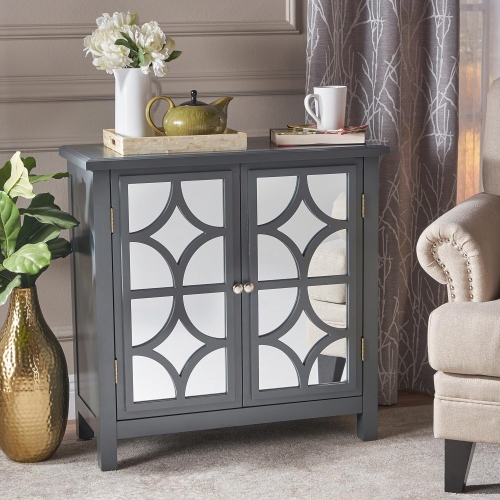
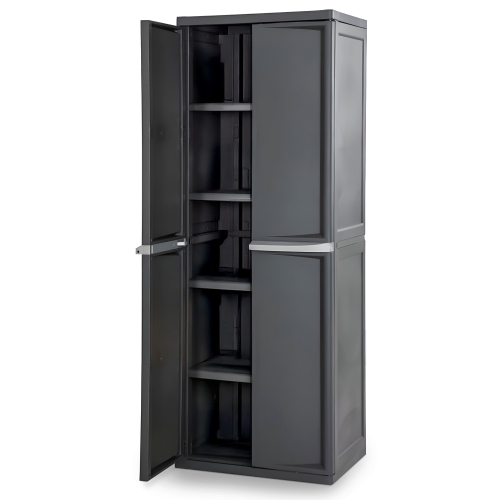
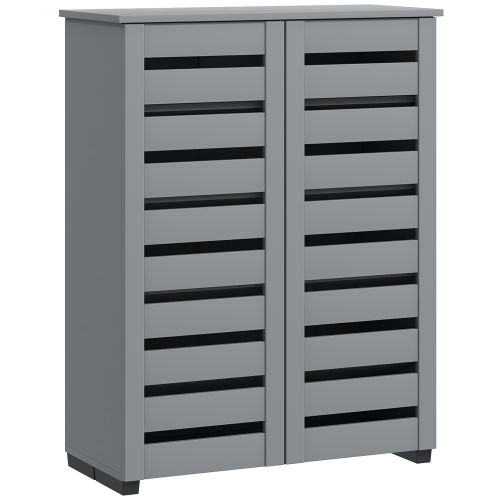
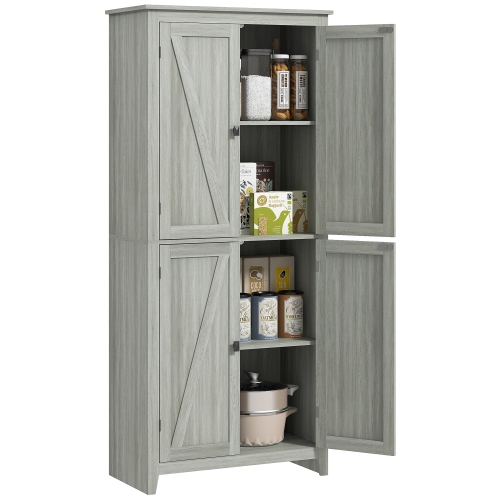
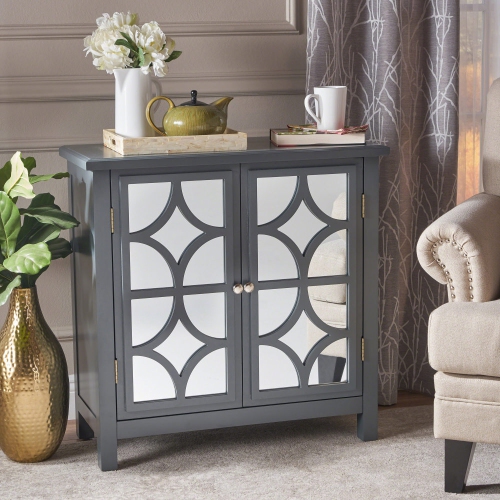
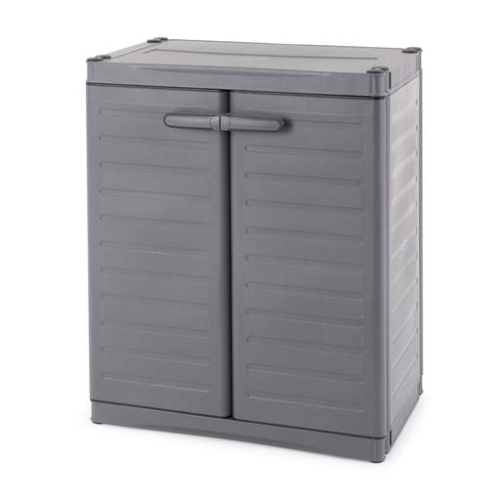
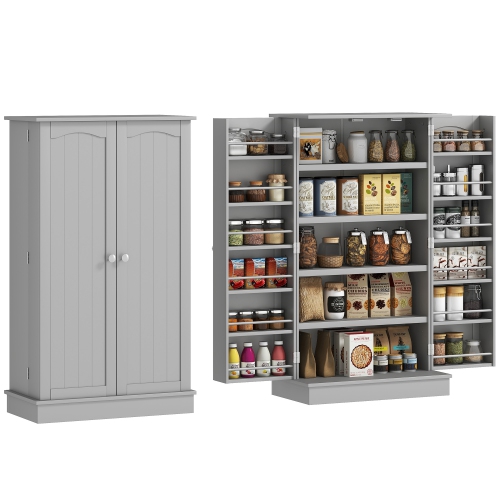
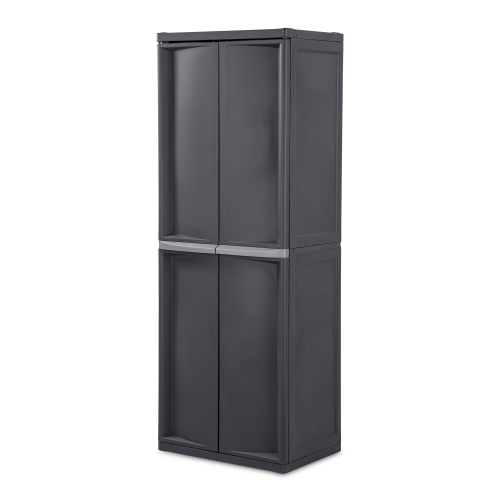
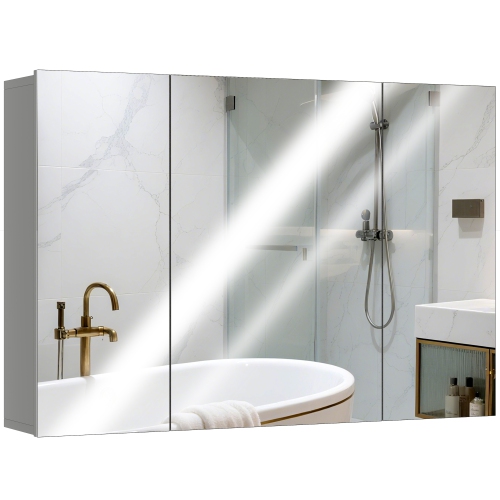
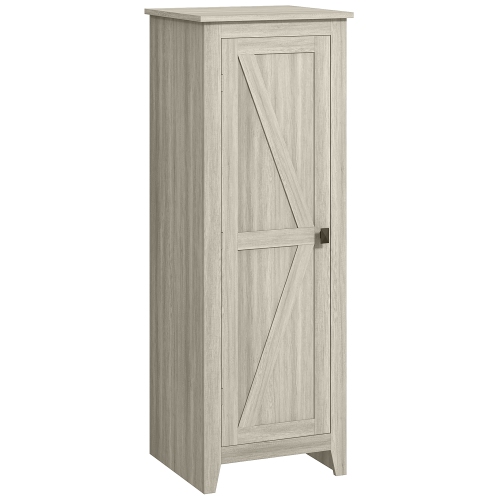
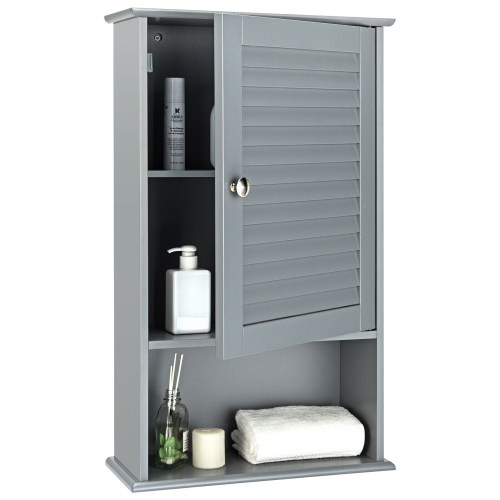
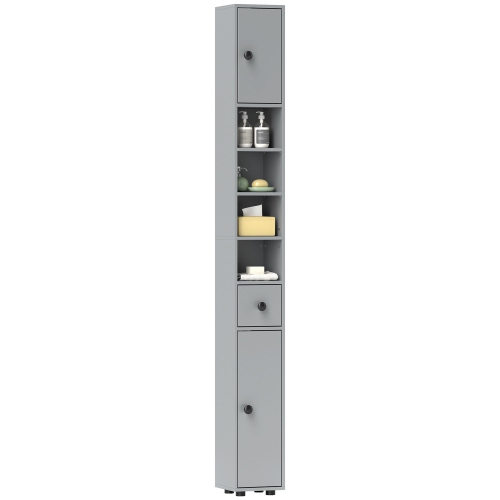

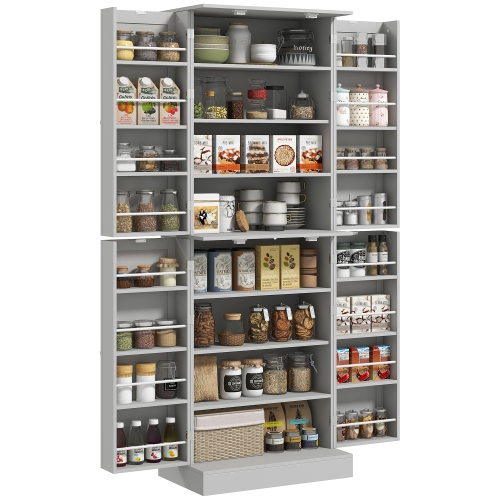
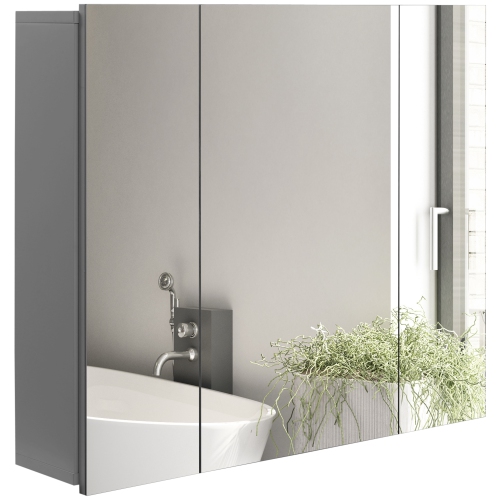


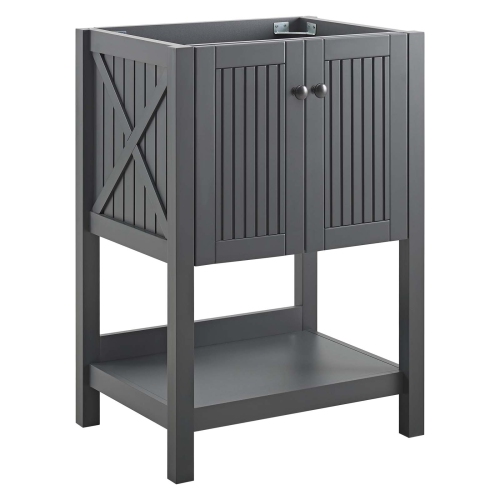
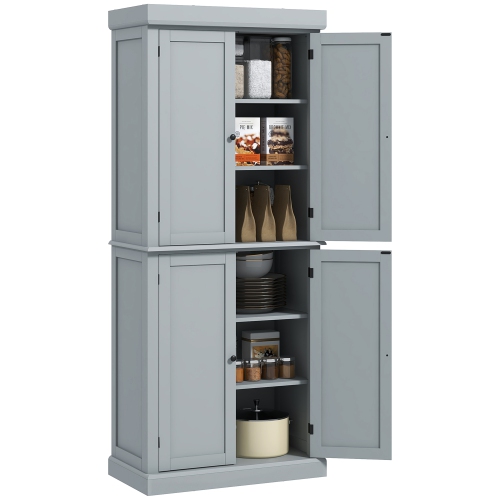
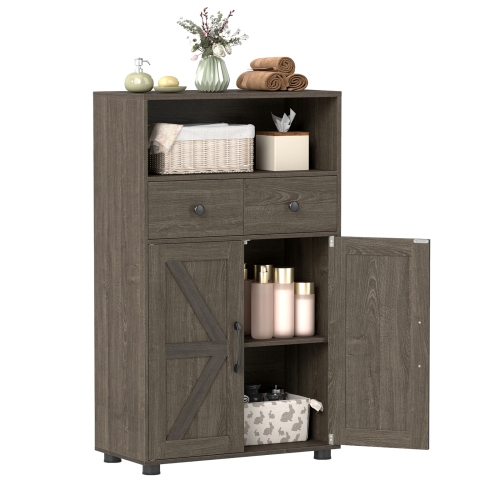
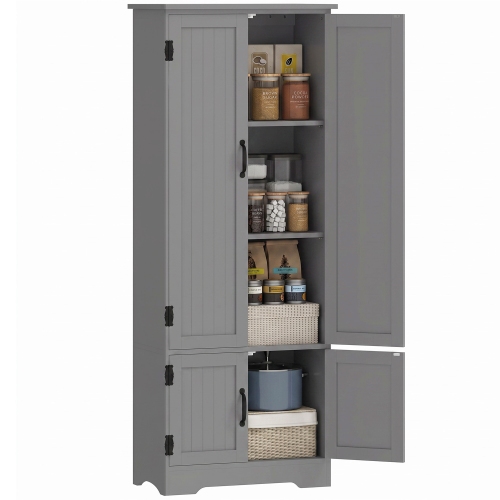
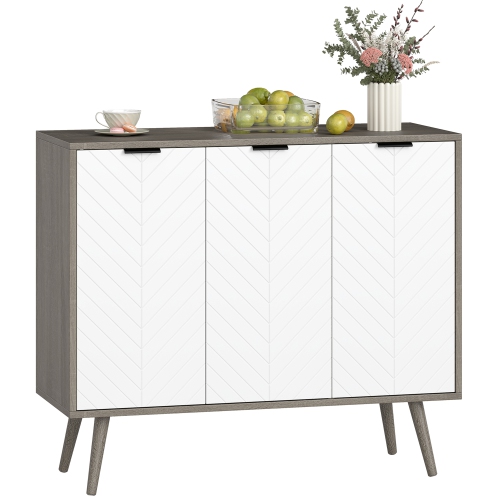
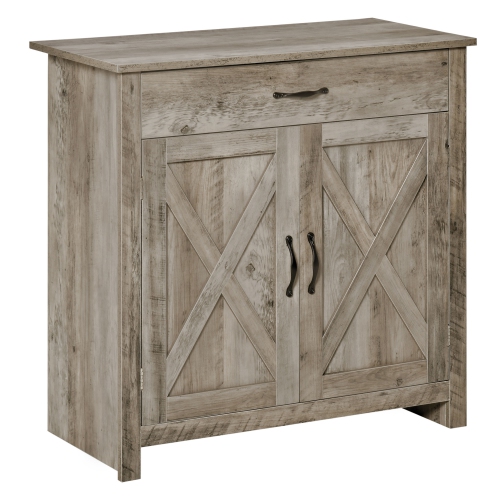
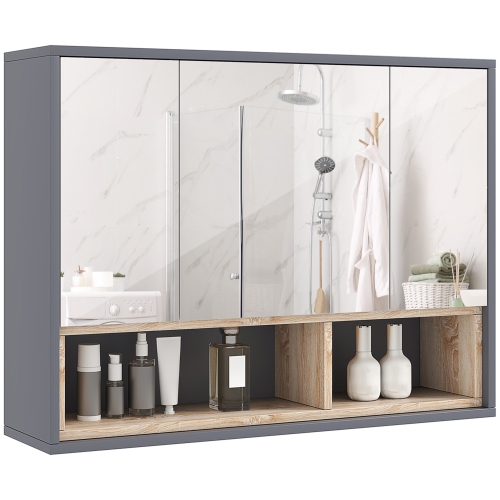
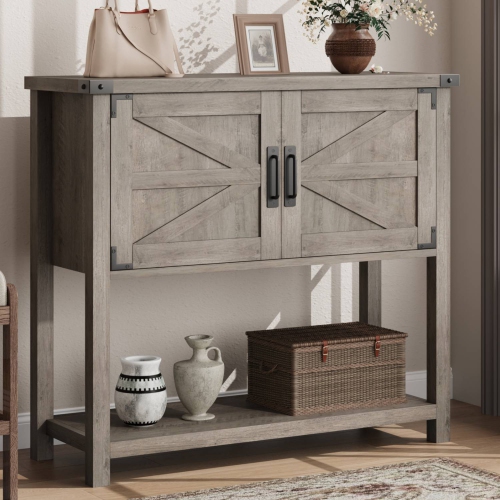
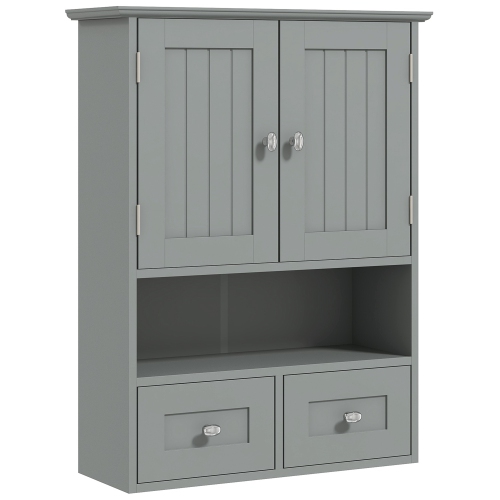
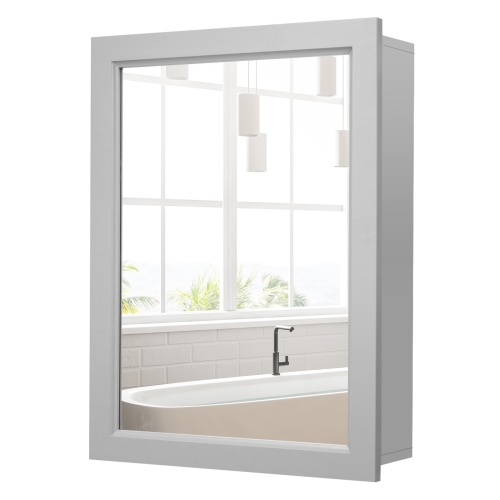
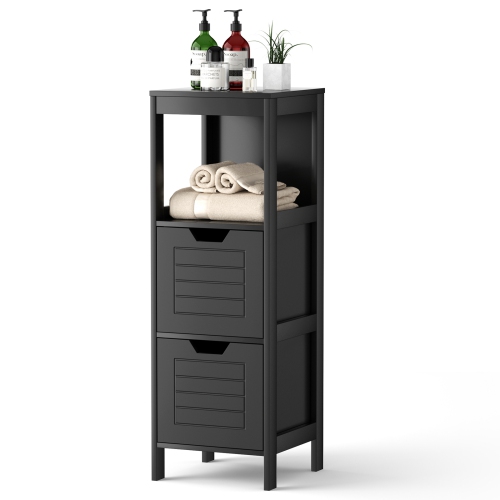
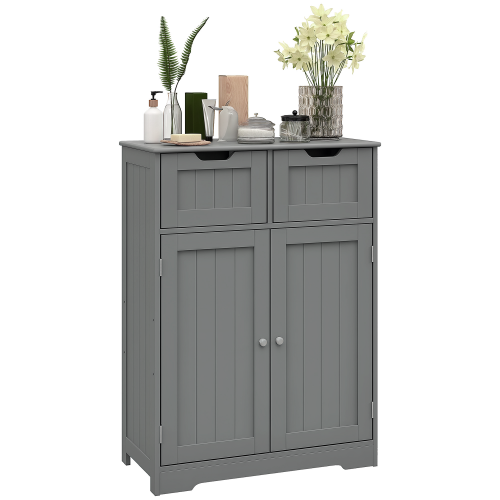
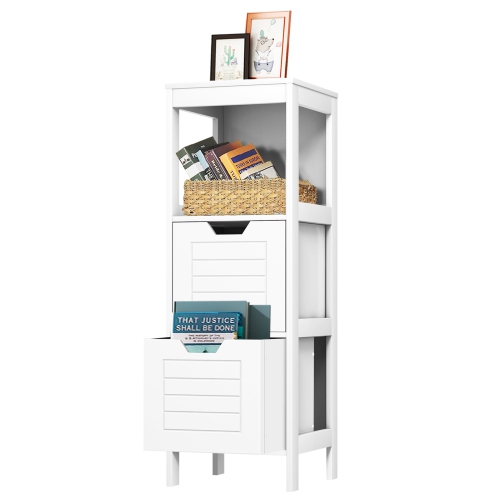

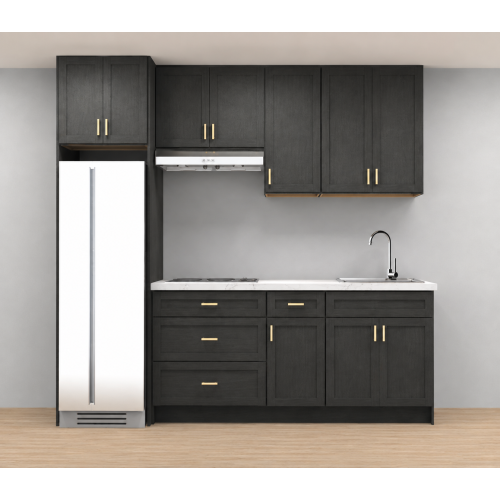
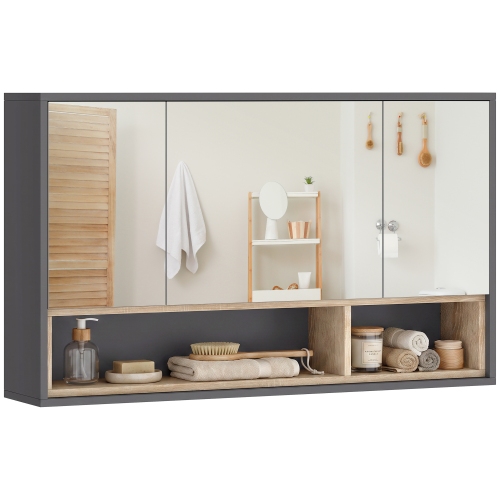
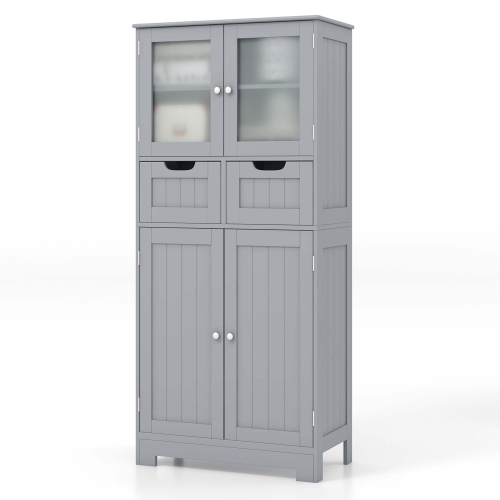

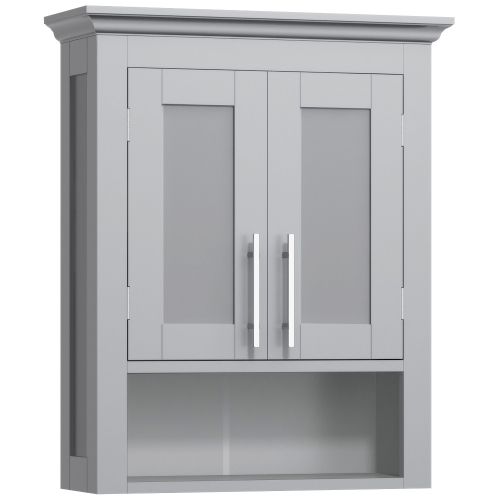
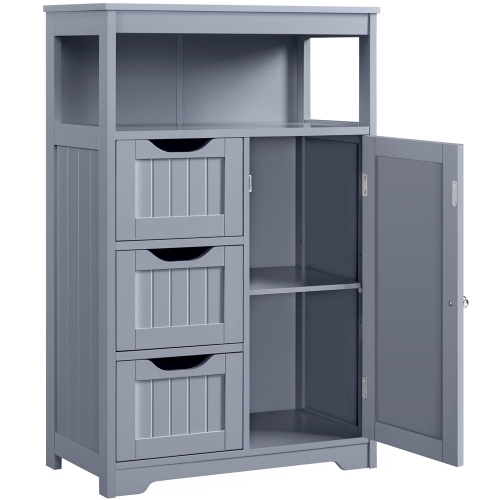
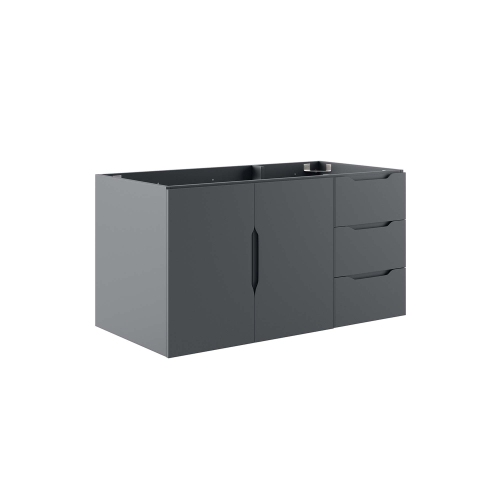
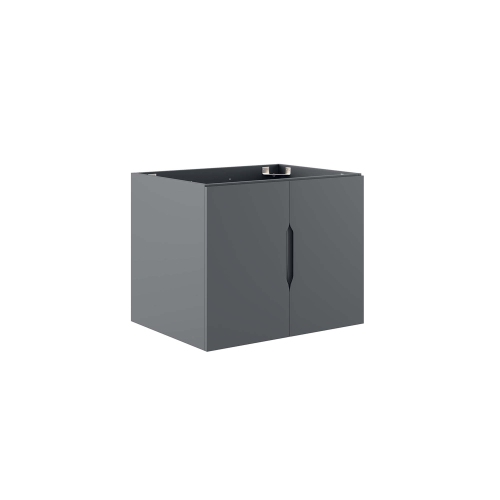

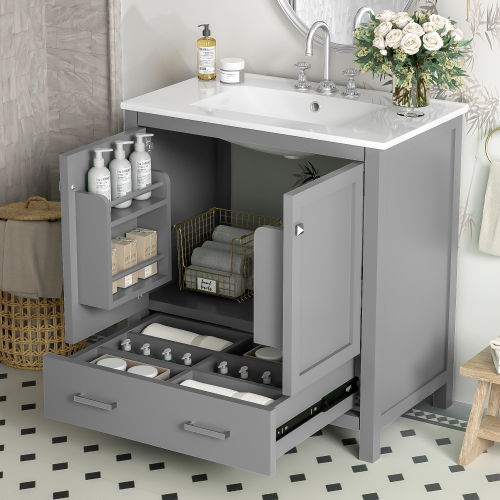


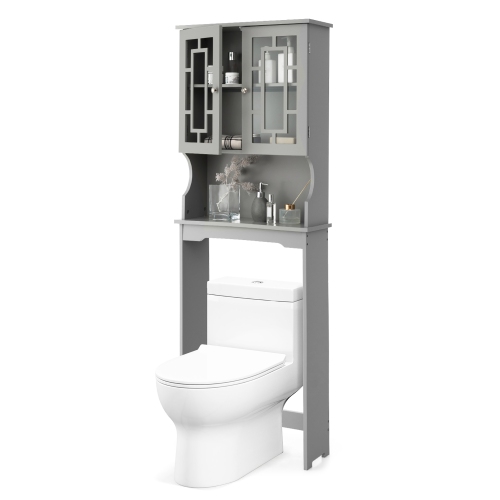
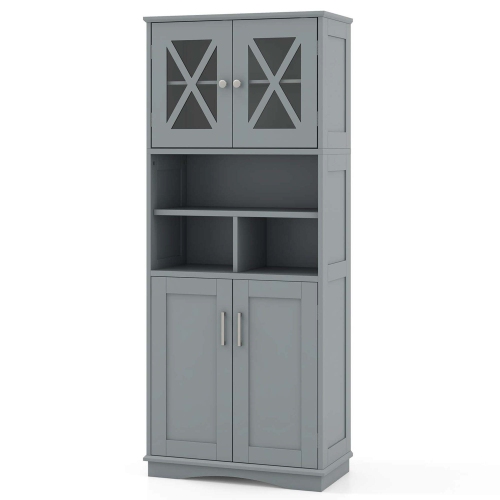
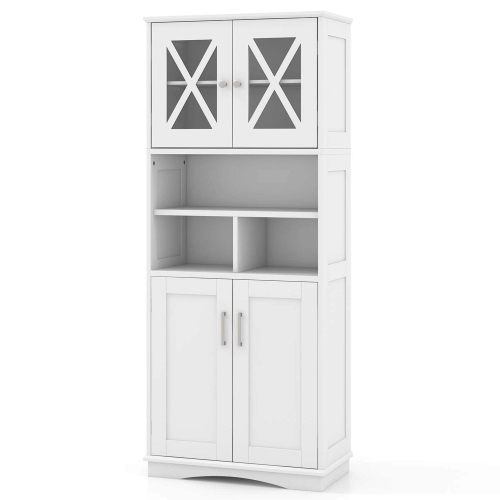
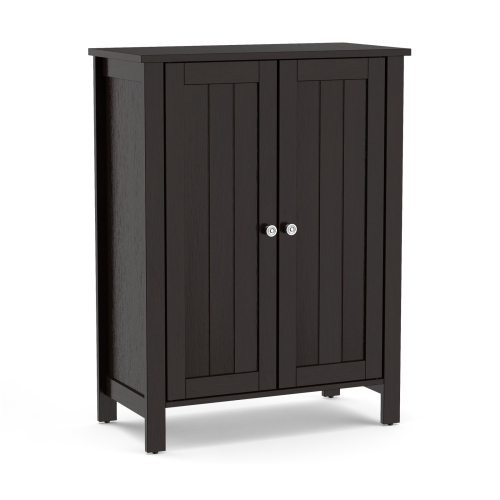
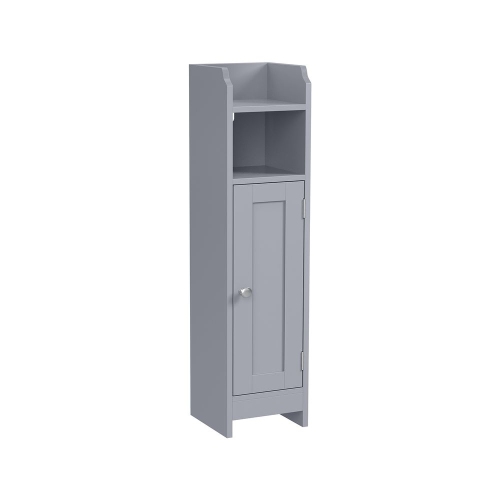
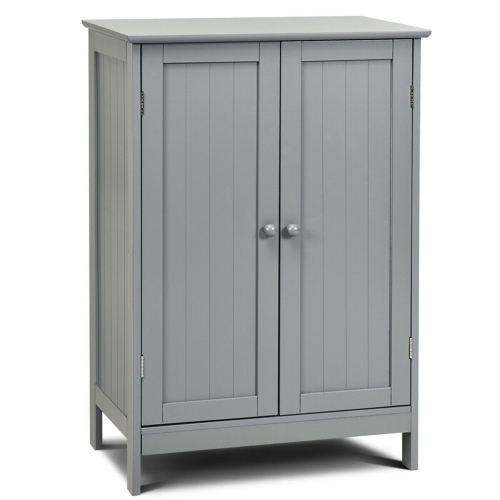
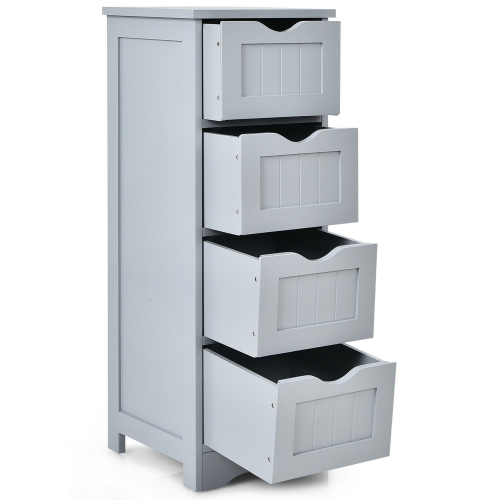
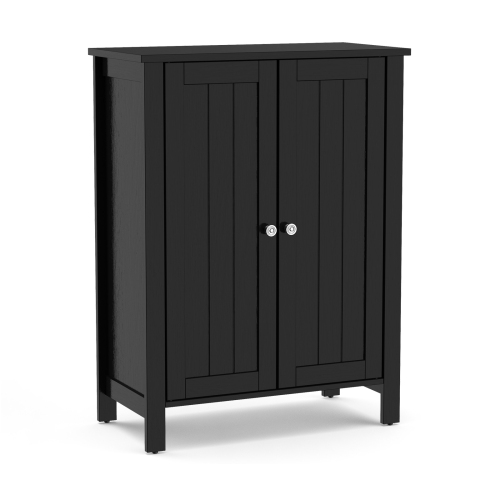
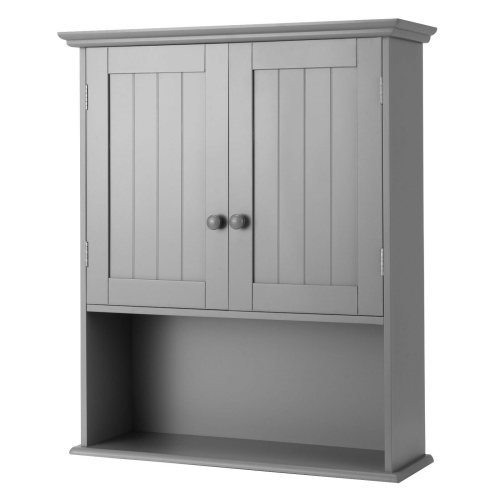
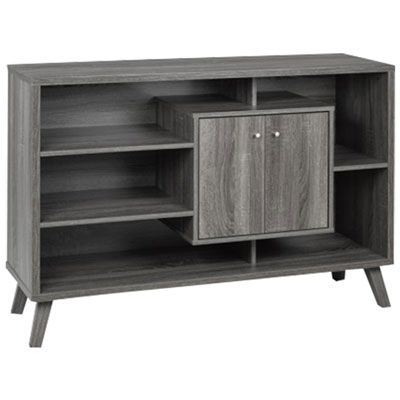
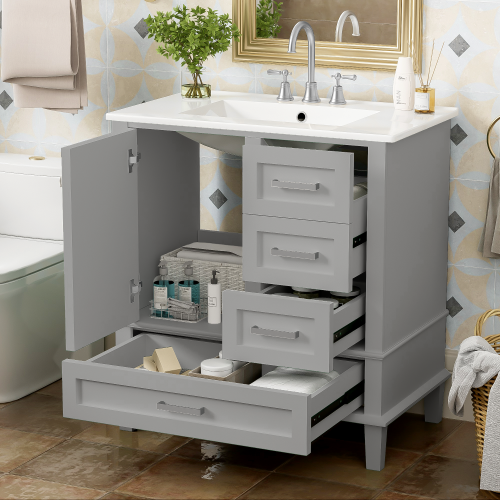
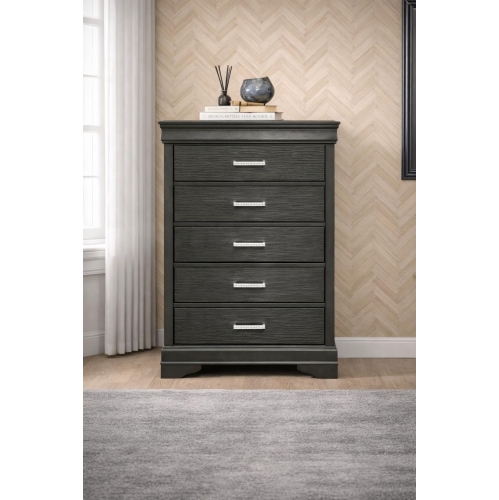
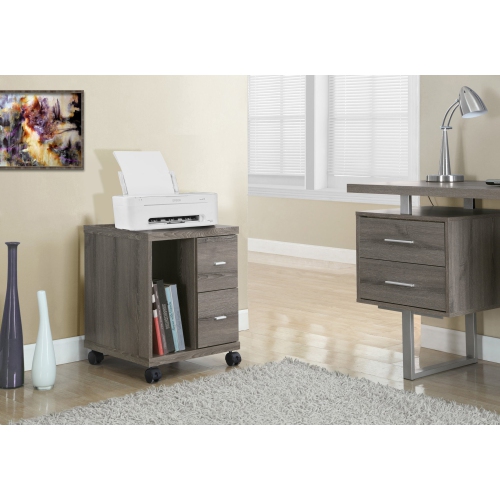
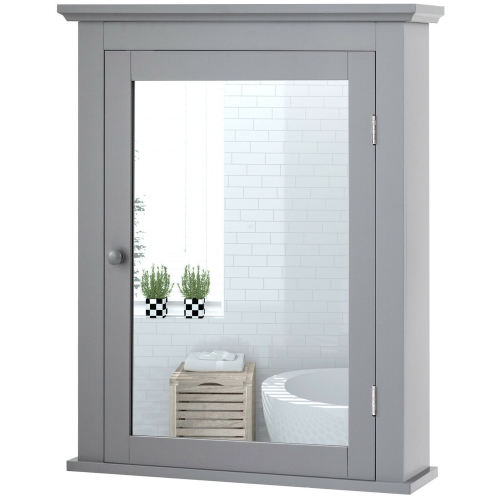
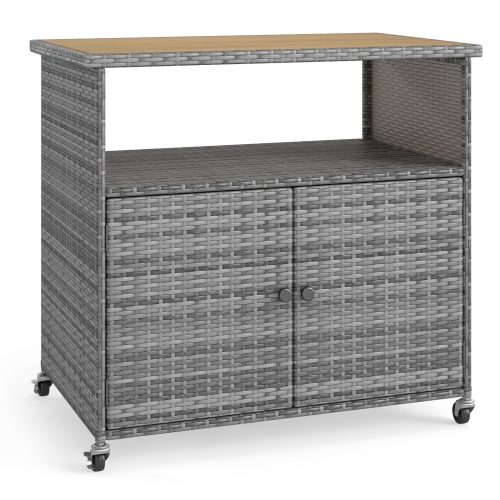
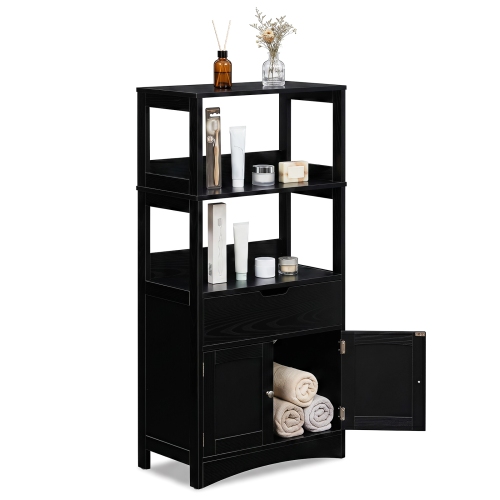
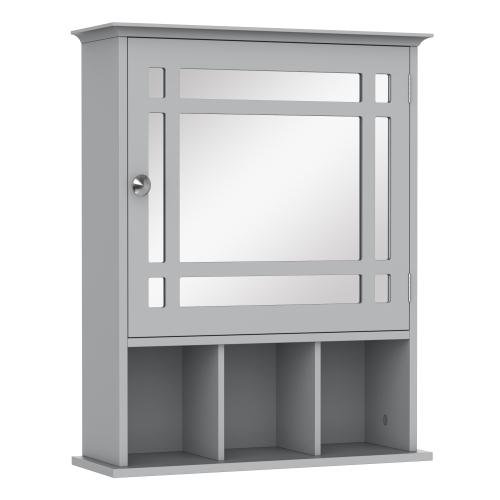
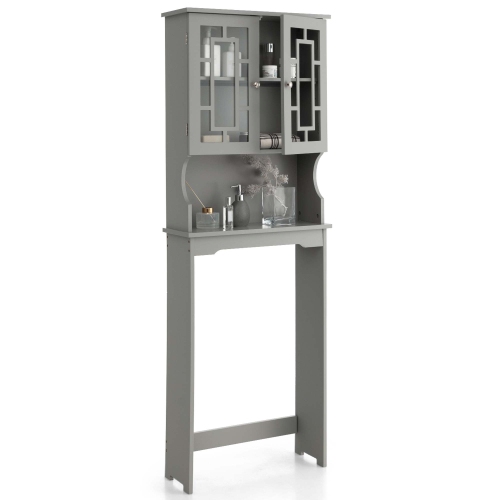
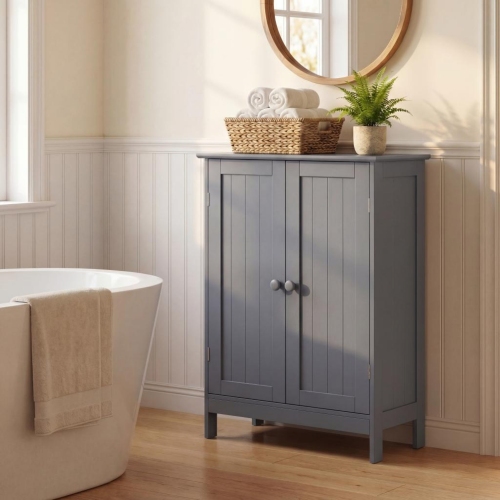
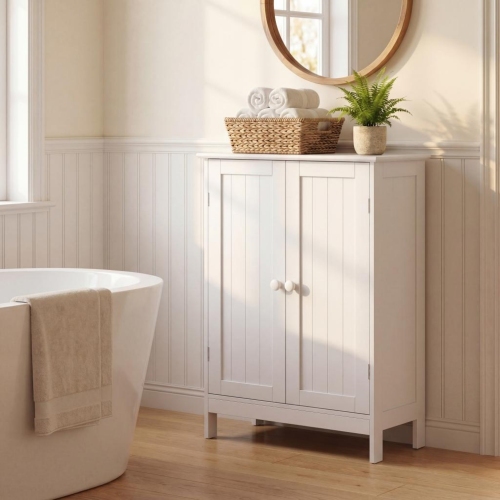
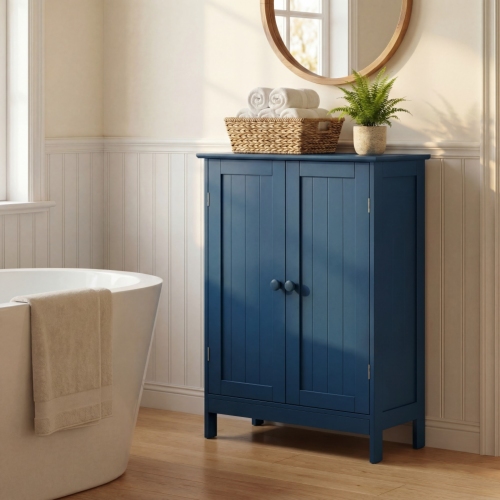
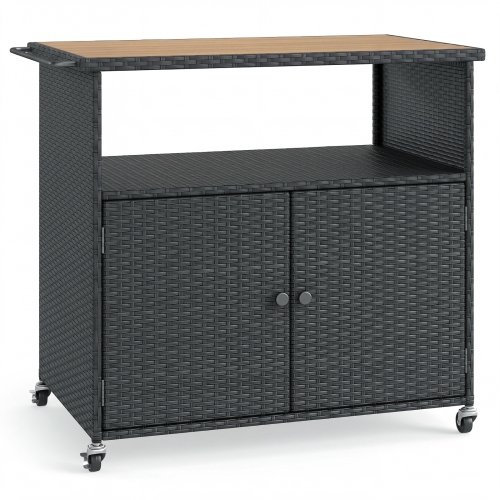
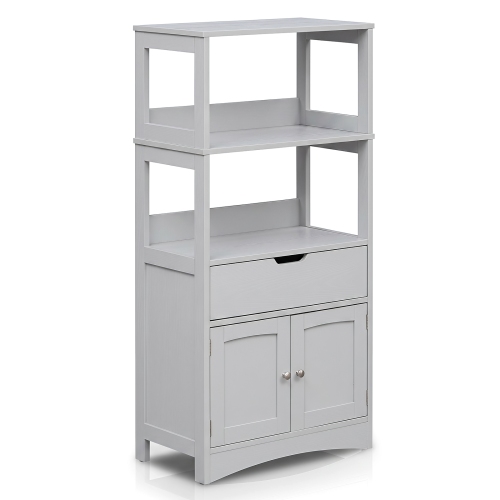
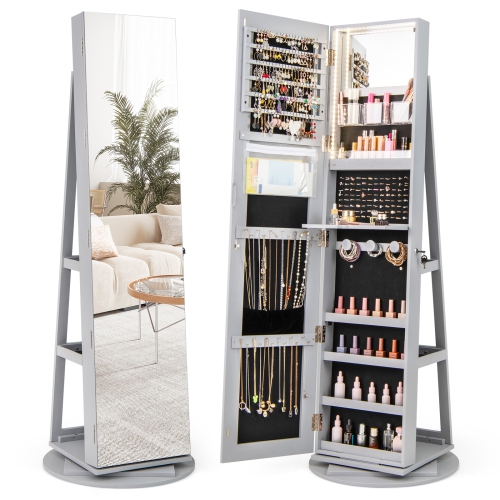

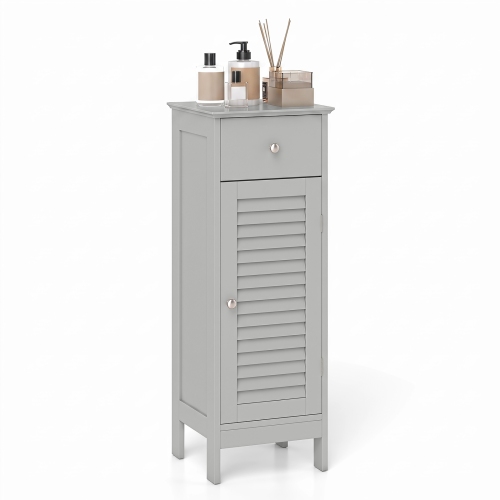
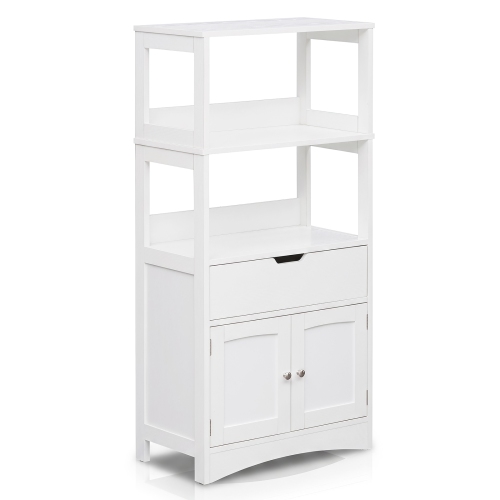
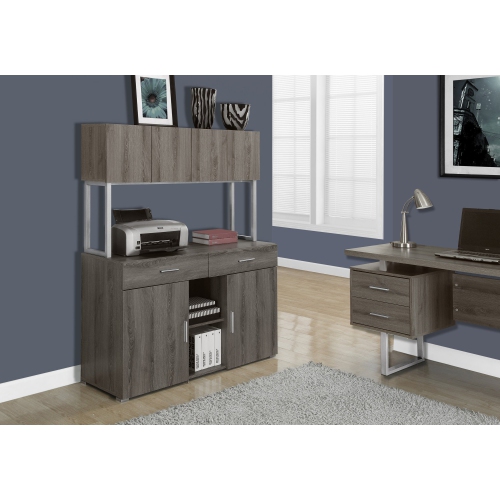
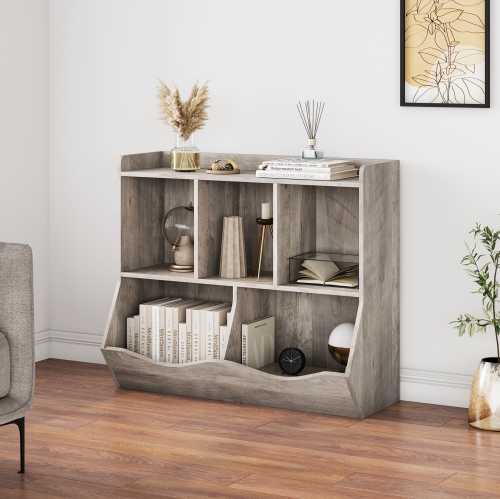
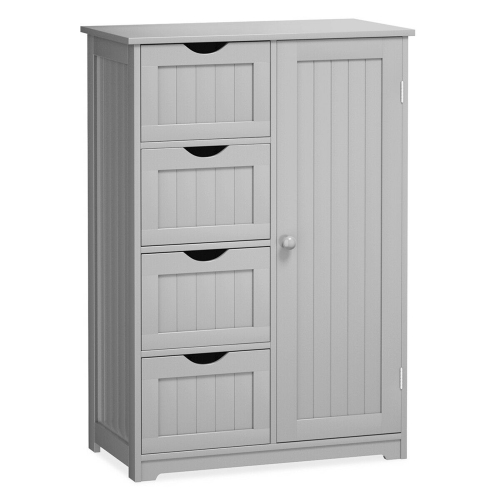
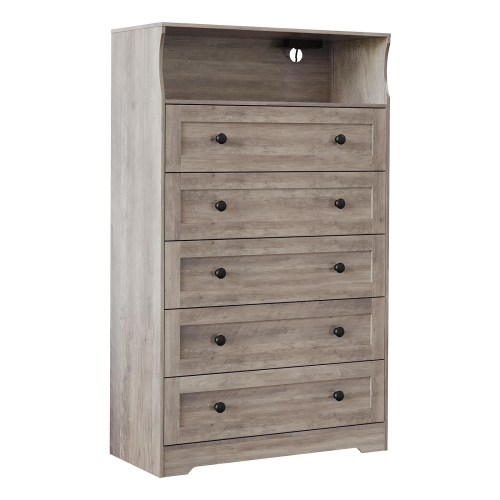
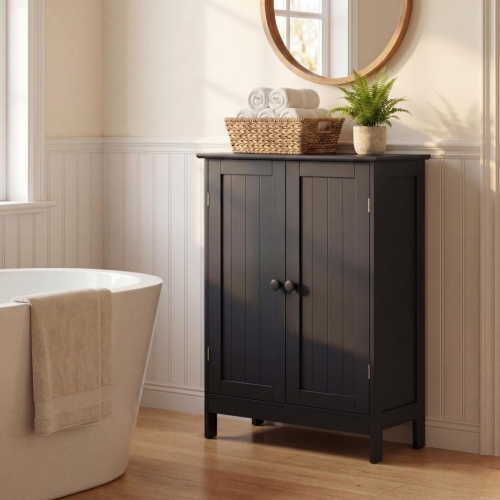
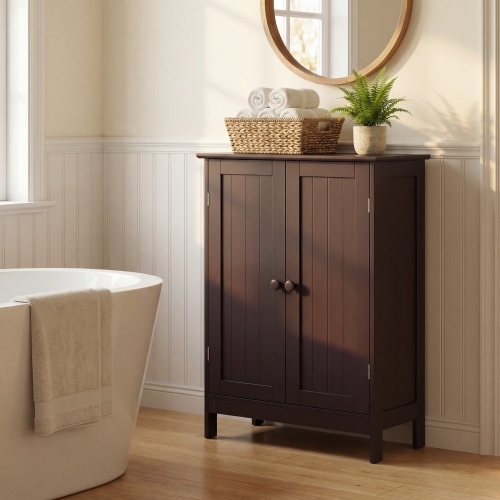
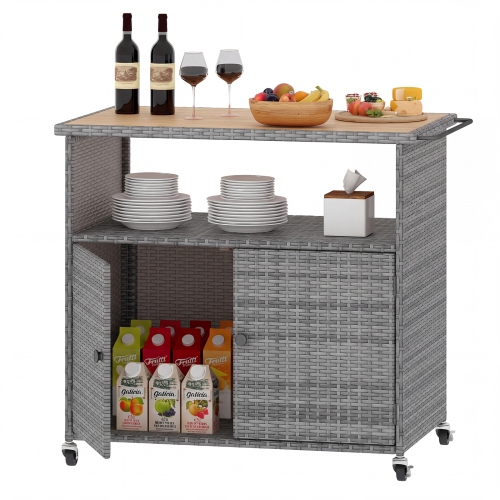
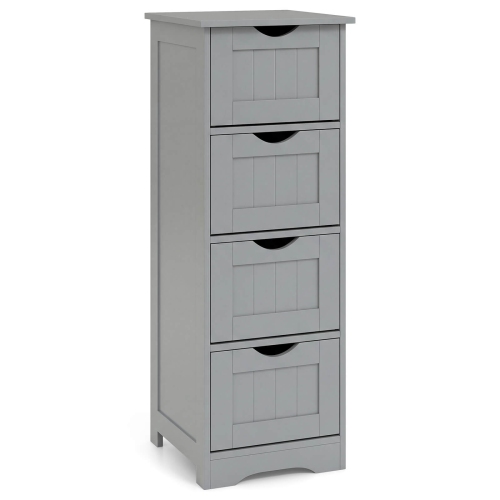
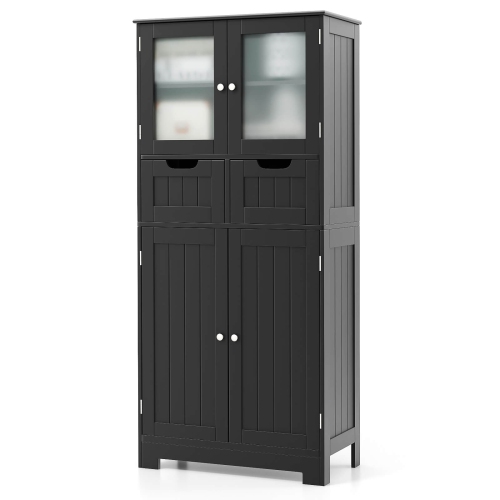

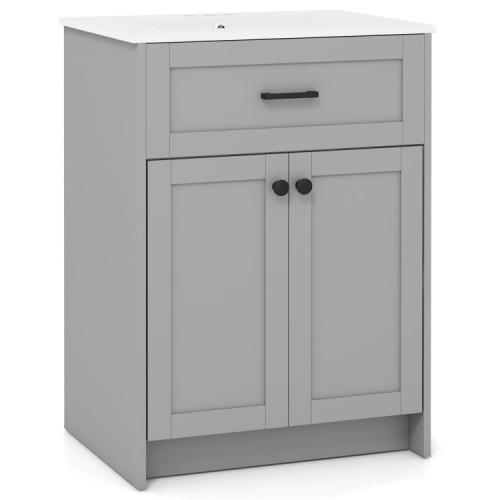
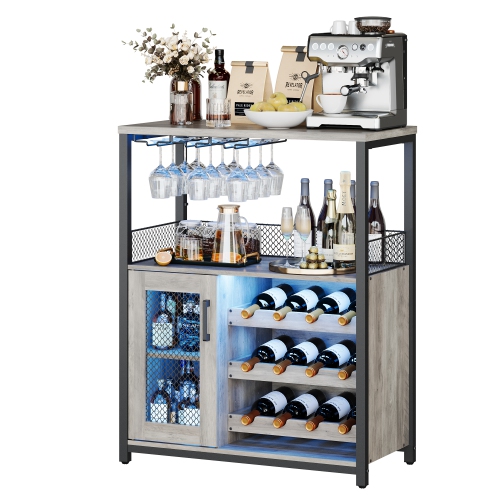
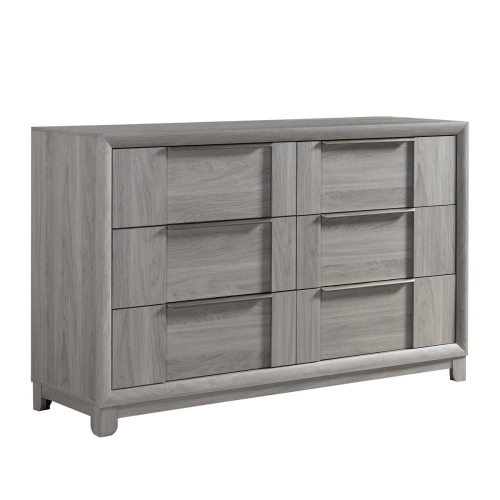
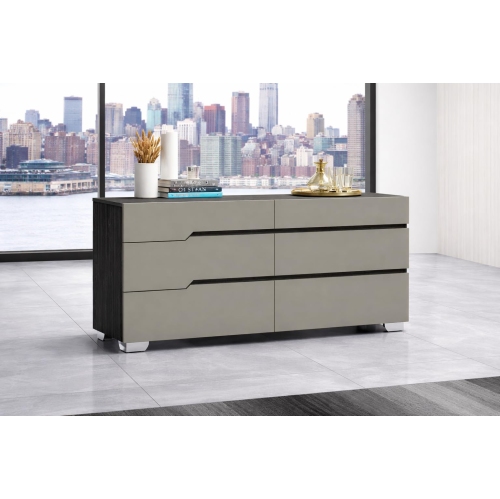
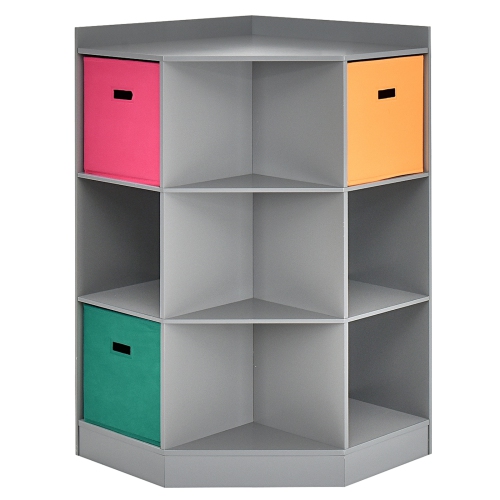
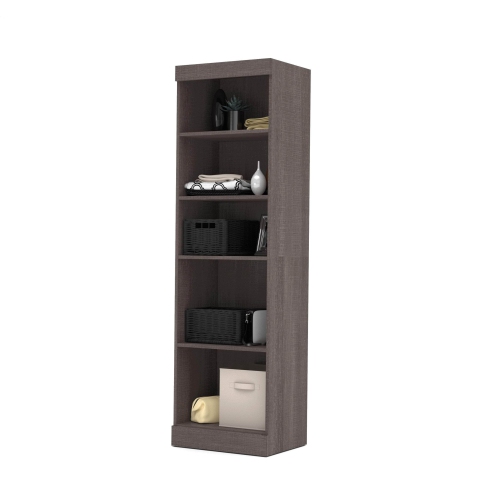

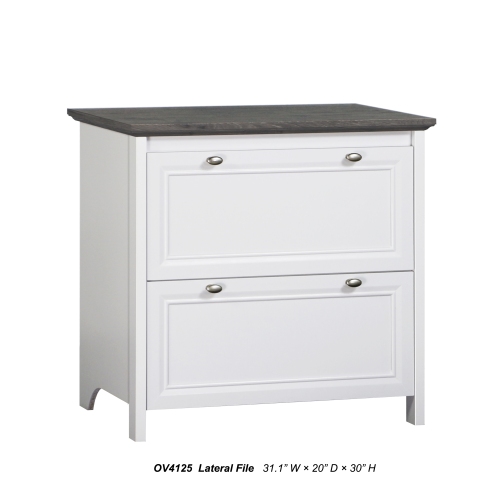
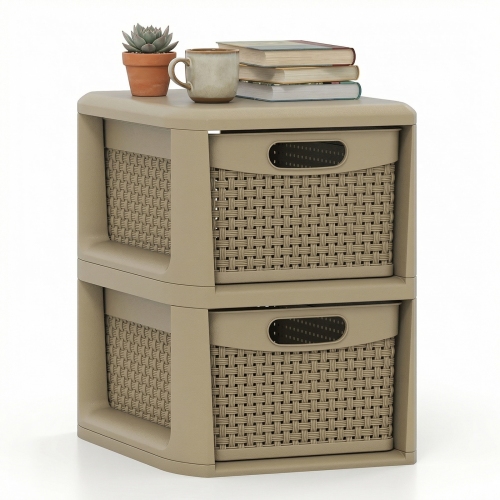
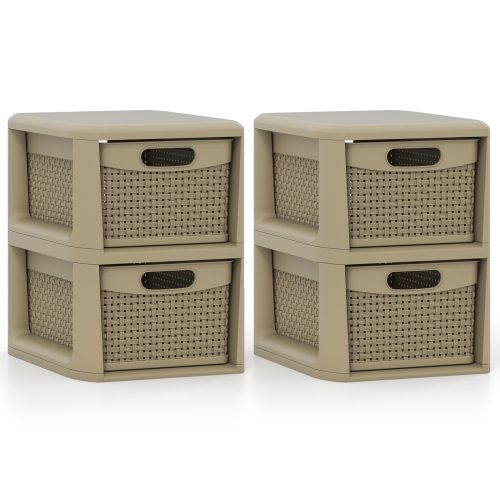
Deep colour meets storage shaped around daily life
Dark grey cabinets bring depth to a room without demanding that every other finish match. Their appeal lies in the balance between a strong outline and a neutral colour: charcoal doors can anchor a pale wall, while a softer slate finish can sit comfortably beside warm wood flooring, cream upholstery, or brushed metal hardware. The undertone makes a noticeable difference. A grey with a hint of blue feels distinct from one with a brown cast, especially next to white trim or natural stone. Matte finishes tend to create a quiet, understated look, while satin surfaces catch enough light to reveal the shape of panelled doors and drawer fronts. Flat fronts suit clean-lined interiors; framed doors and more pronounced moulding can work with traditional furniture or a mix of older and newer pieces. Beyond appearance, cabinets give everyday belongings a defined place. In a dining area, enclosed storage can keep serving dishes, table linens, and glassware close to the table without leaving everything on display. In a living room, a low cabinet can hold board games, charging accessories, and spare throws while providing a useful surface for a lamp or framed photographs. Taller cabinets make use of vertical space, while shallow designs can add storage along a hallway without projecting too far into the walkway. The most comfortable arrangement leaves the room feeling usable rather than simply filled. A substantial dark cabinet can become a visual anchor, but its proportions still need to suit the surrounding furniture. Raised legs reveal more floor beneath the cabinet and can make its outline feel lighter; a closed plinth gives it a more grounded appearance. Handles also change the impression, from simple pulls that blend into the fronts to contrasting hardware that makes each door and drawer easier to distinguish. These details help dark grey cabinetry feel integrated into a home rather than treated as a separate design statement.
Materials and construction influence how a cabinet feels in daily use just as much as its colour. Solid wood can offer distinctive grain and character, although its appearance and movement depend on the wood species and finish. Engineered wood panels provide a consistent base for painted, laminated, or veneered surfaces, with performance shaped by the quality of the panel, the protective finish, and the way the edges are sealed. A wood veneer adds a thin layer of real wood over a supporting core, while laminate provides a different surface with its own texture and care requirements. Metal cabinetry has another character altogether, often with a practical appearance suited to work areas or utility storage. No single material is the best choice for every room. A cabinet beside a dining table faces different demands from one near a sink, where splashes and repeated wiping put more pressure on surfaces and joints. For bathrooms and other areas exposed to moisture, the cabinet should be intended for that setting; a dark grey finish alone does not indicate water resistance. Well-fitted doors, securely attached hardware, supported shelves, and smooth drawer movement are useful signs of thoughtful construction. Shelf load limits matter when storing heavy cookware, stacked dishes, books, or supplies, and adjustable shelves allow the interior to accommodate belongings of different heights. Surface texture also affects upkeep. Deep grooves and decorative trim can collect dust, while smooth fronts are generally easier to wipe. Dark finishes may make pale dust, dried water marks, or fingerprints more noticeable, depending on their sheen. Routine care usually starts with a soft cloth and the cleaning method recommended for the finish, followed by drying any moisture rather than letting it sit along seams. Abrasive pads, harsh cleaners, and excessive water can damage some coatings. Protective pads beneath decorative objects can help prevent scratches, while prompt attention to spills helps preserve both the appearance of the cabinet and the materials underneath its surface.
A cabinet works best when its interior layout and footprint reflect what it will actually hold. Outside dimensions establish whether it fits a wall, but usable shelf depth, drawer clearance, and the width of door openings determine whether belongings fit comfortably inside. When considering dark grey cabinets for the kitchen, this distinction matters for everything from broad serving platters to small appliances that need to be lifted out without catching on a frame. Doors and drawers also need room to open without colliding with nearby seating, appliances, or one another. In compact spaces, a shallow cabinet can be more useful than a deeper one if it keeps frequently used belongings visible and within easy reach. A combination of drawers and shelves separates smaller essentials from bulky pieces, while closed doors help reduce visual clutter in rooms that serve several purposes. For someone working from home, cabinetry can keep paper, cables, and office supplies out of sight after the workday. Families may prefer sturdy, easy-to-clean surfaces and storage that separates shared belongings from breakable dishes or adult work materials. Heavy contents belong low in the cabinet, and tall or freestanding furniture should be secured according to the manufacturer’s instructions, particularly where children are present. Wall-mounted designs require suitable support and hardware for the wall construction and intended load. Cabinets used around electronics need appropriate ventilation and cable access; ordinary enclosed storage should not be assumed to suit equipment that produces heat. Delivery access deserves attention as well, including doorway widths, tight corners, stairways, and the space needed for assembly. For a room shared by several people, handle placement, shelf height, and the effort needed to open drawers can make a practical difference every day. Dark grey cabinetry can support many styles of home, but its lasting usefulness comes from that combination of suitable materials, comfortable access, dependable construction, and storage arranged around familiar routines.
Top selling and popular products
-
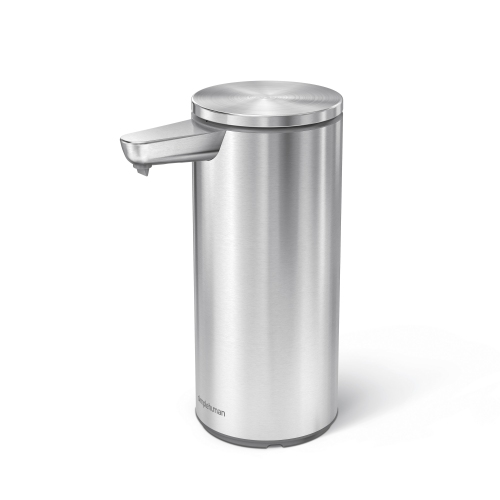 Your price for this item is $70
-
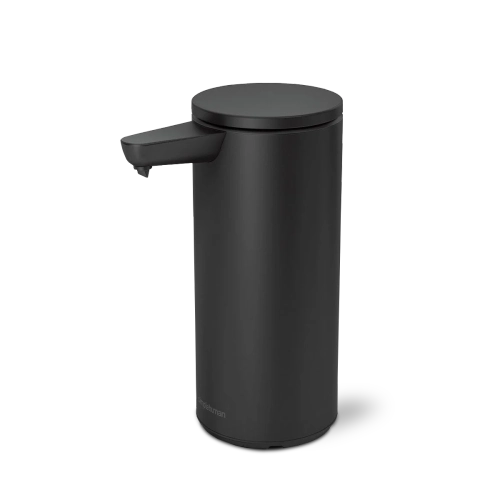 Your price for this item is $80
-
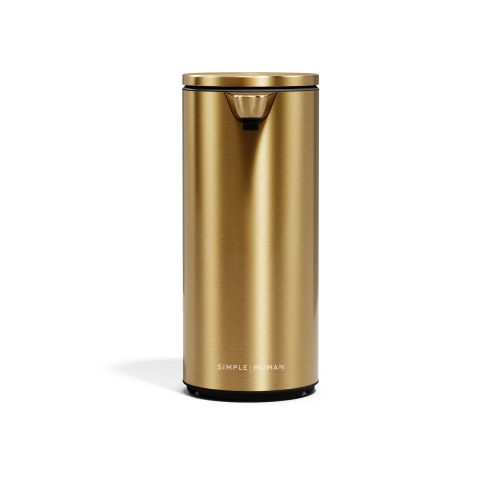 Your price for this item is $80
-
 Your price for this item is $426.55
-
 Your price for this item is $300
-
 Your price for this item is $120
-
 Your price for this item is $120
-
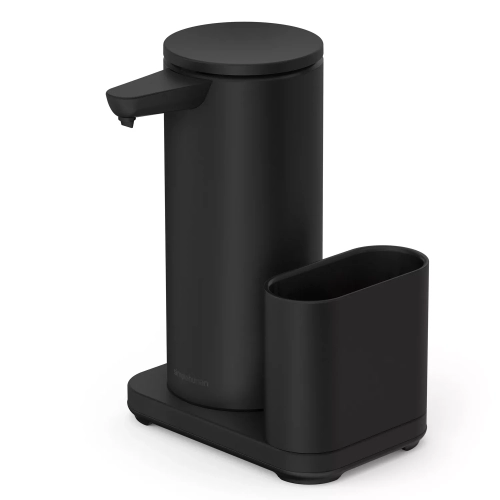 Your price for this item is $135
Discover more categories related to Dark Gray Cabinets
Top Collections:
Best Black Friday Deals This Year, Best Black Friday Deals On Electronics, Kindle Devices, Dyson Airwrap, Best Cameras for Sports Photography, Best Budget Office Chairs, Canon G7X Cameras, PS5 Pro Consoles, Best Black Friday Deals On Apple Products, XBOX One S Consoles
Some products may be subject to Environmental Handling Fees
(EHF) depending on your province.
Learn more about EHFs.