Dark Grey Sectional
Dark grey sectionals are the perfect addition to almost any living space. Its sleek and modern design adds a touch of sophistication, while its plush cushions provide ultimate comfort. Not only does it offer ample seating for family and friends, but it also serves as a versatile piece that can be easily styled to match any decor. Don't miss out on the opportunity to transform your living room into a stylish and inviting oasis with these dark grey sectionals.
Sort
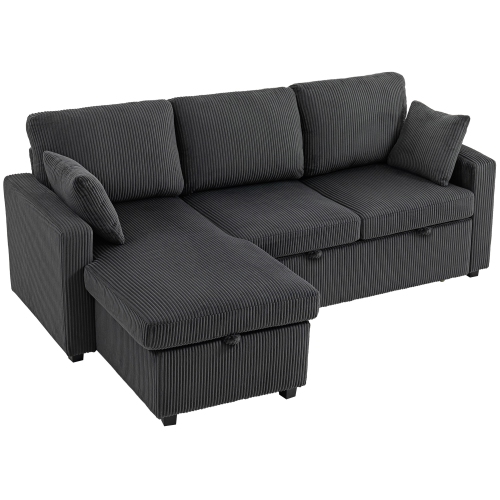
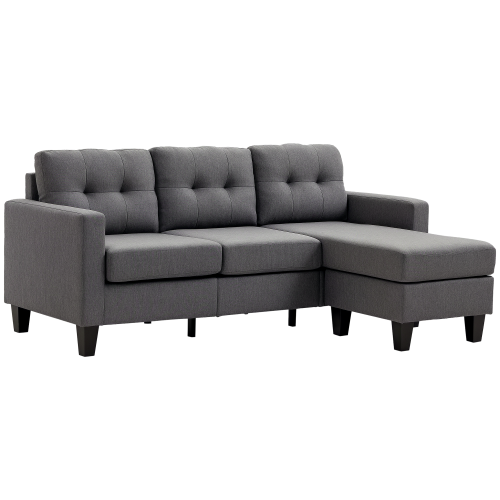
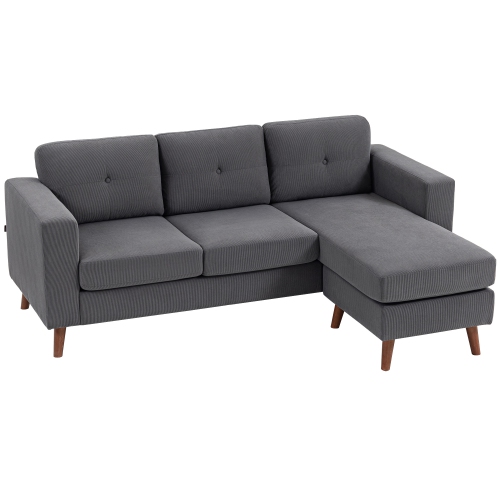
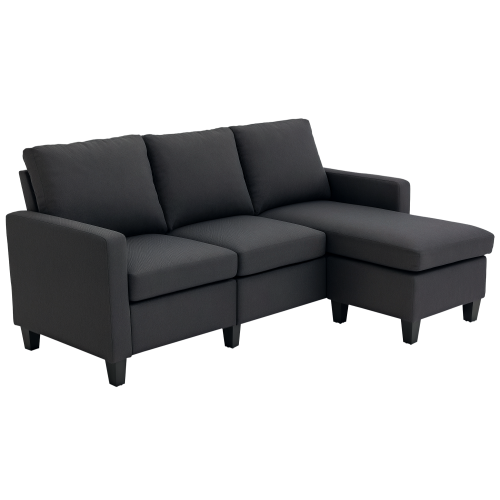
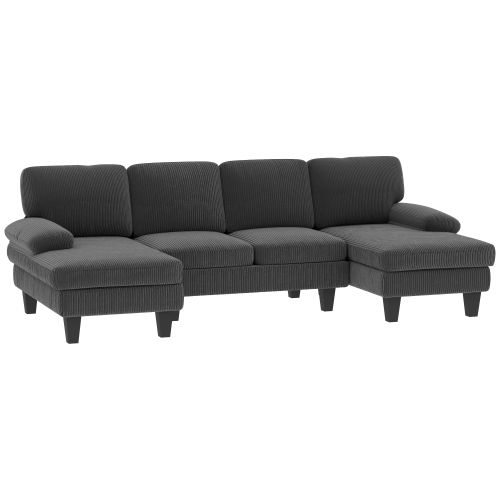
Generous seating that fits the way you live
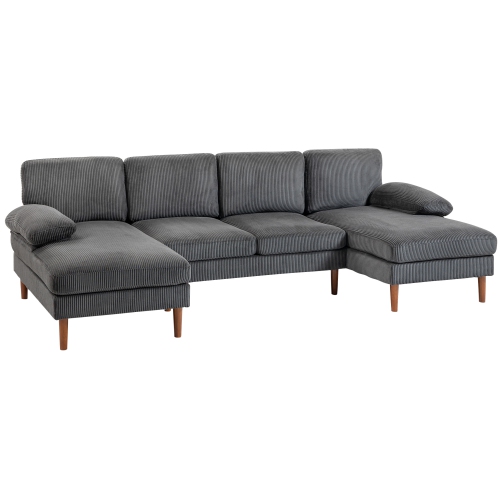
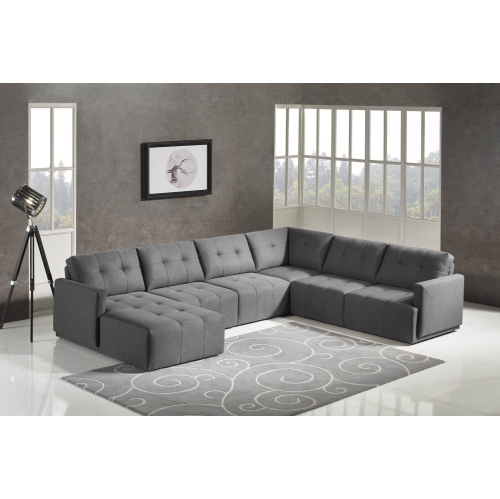
Dark grey sectionals bring generous seating and a grounded, neutral colour to living rooms, family rooms, and open-concept spaces. A sectional combines connected seating sections into a larger arrangement, often with a corner, chaise, or extended lounge area. Its appeal is practical as well as visual: several people can sit together for a film, one person can stretch out with a book, and the layout can help define a seating area without adding a wall or room divider. Dark grey sits comfortably alongside both warm and cool finishes, making it a versatile choice for a room with oak flooring, black metal shelving, walnut tables, or pale painted walls. The shade itself can vary considerably. Charcoal with a blue undertone has a cooler appearance, while grey with brown undertones tends to sit more naturally beside warm wood and cream textiles. Upholstery texture also changes how the colour reads; a softly brushed fabric may appear lighter where the pile catches the light, while a tightly woven surface can look more uniform. Cushions in ivory, rust, muted green, or deep blue can introduce contrast without competing with the main seating. For a quieter look, layered greys and different textures provide interest without relying on bold colour. Shape matters just as much as shade. Slim arms and visible legs give a large sectional a lighter profile, while broad arms and a low base create a more substantial presence. Tufting, piping, and the shape of the back cushions can shift the overall feel from tailored to relaxed. In a shared household, a dark grey sectional can serve as the main gathering place; in a smaller home, a carefully proportioned chaise sectional can combine everyday seating and a place to put feet up without requiring a separate lounge chair. The best fit balances that inviting appearance with the way the room is actually used.
Sectional dimensions describe more than the amount of seating, especially when a chaise or corner projects into the room. Overall width, depth, and height need to work alongside doorways, walkways, nearby furniture, and the route from the entrance to the final position. A footprint marked on the floor with removable tape makes the relationship easier to picture: the chaise might fit against the far wall yet still interrupt the path to a balcony door, or an oversized arm might leave too little room for a side table. Seat depth is a separate consideration from overall depth. Deeper cushions suit lounging and sitting with legs tucked up, while a shallower seat can make it easier to sit upright with feet resting on the floor. Seat height, back support, and arm height also affect comfort, particularly for people who prefer an easier transition between sitting and standing. An L-shaped sectional typically creates a clear corner arrangement, whereas a U-shaped layout brings seating around more sides of a central table and needs a larger footprint. Chaise orientation deserves close attention because left-facing and right-facing descriptions can be confusing; the layout diagram should confirm which side extends when viewed from the front. A reversible chaise offers a different kind of flexibility, although its permitted positions depend on the design. For households that expect to rearrange their seating, a Grey Modular Sectional can offer separate components that connect into supported configurations. Connection hardware, finished outer sides, and the dimensions of each module influence how those arrangements work. Modular construction can also simplify moving furniture through tight entrances, but each component still needs adequate clearance. Storage compartments, an accompanying ottoman, or a sleeper mechanism can add useful functions where offered, provided there is room to open, move, or extend them. Keeping a comfortable route around the seating makes the whole arrangement easier to live with.
Upholstery, cushioning, and construction determine how a dark grey sectional feels through everyday use and how much attention it needs over time. Woven polyester, chenille, velvet, leather, and faux leather each bring a different surface and care routine. A close weave can provide a relatively smooth texture, chenille adds a soft, textured feel, and velvet introduces a directional pile that may show shading or pressure marks. Leather develops creases with use and requires care suited to its finish; faux leather has a different construction and should not automatically be treated with leather conditioners. Dark grey can make some small marks less noticeable, but it does not prevent staining, and pale pet hair or crumbs may stand out against the darker surface. In homes with pets, fabric weave, snag resistance, and cushion accessibility deserve as much attention as colour. Removable covers are useful only within their stated care limits, since a zippered cover is not necessarily machine washable. Regular vacuuming with a suitable upholstery attachment helps lift dust and debris from seams and beneath cushions. Spills are generally best blotted promptly rather than rubbed, with any cleaner checked against the care label and tested in an inconspicuous area. Cushion rotation, where the design allows it, can help distribute wear across frequently used seats. Beneath the fabric, frame construction, supportive joints, suspension, and cushion materials all contribute to long-term comfort. Foam density and firmness describe different characteristics, so a firm seat is not automatically a more durable one. Fibre-filled cushions may need regular plumping, while layered cushioning can combine a supportive core with a softer surface. Fixed and loose back cushions also create different maintenance needs and sitting experiences. A sectional used mainly for conversation may call for more upright support, while one intended for long evenings of reading or watching television may suit a deeper, more relaxed seat. Matching those details to daily routines helps make the sectional feel comfortable and practical well beyond its first impression.
Top selling and popular products
-
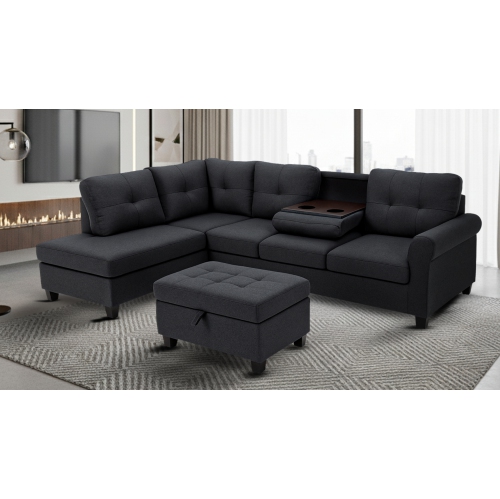 Your price for this item is $1399
-
 Your price for this item is $1099
-
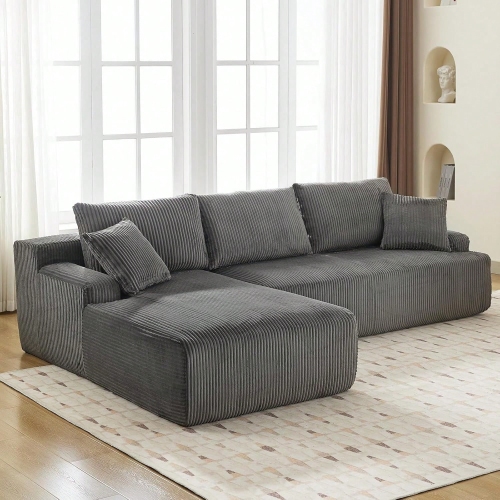 Your price for this item is $591.99
-
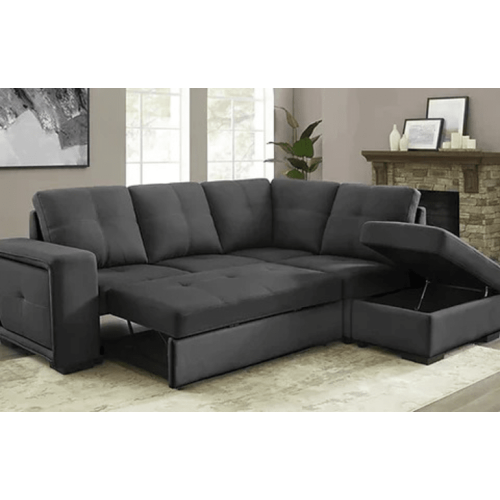 Your price for this item is $1699
-
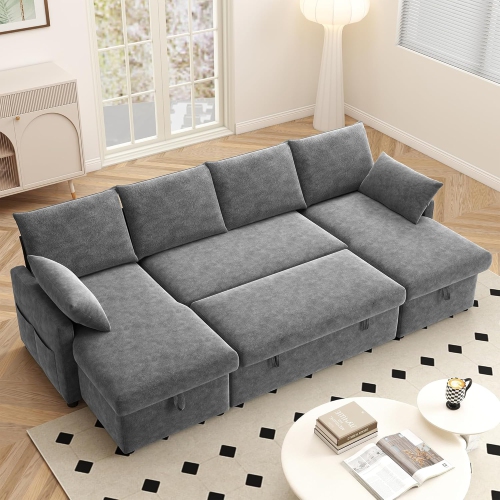 Your price for this item is $849.99
-
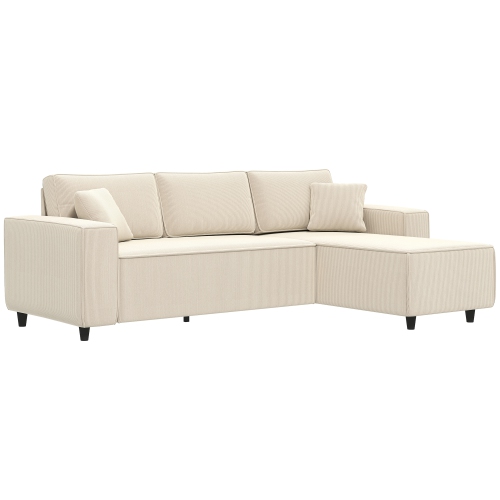 Your price for this item is $569.99
-
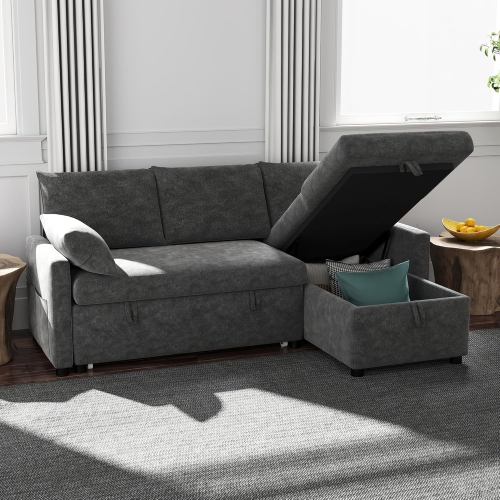 Your price for this item is $649.99
-
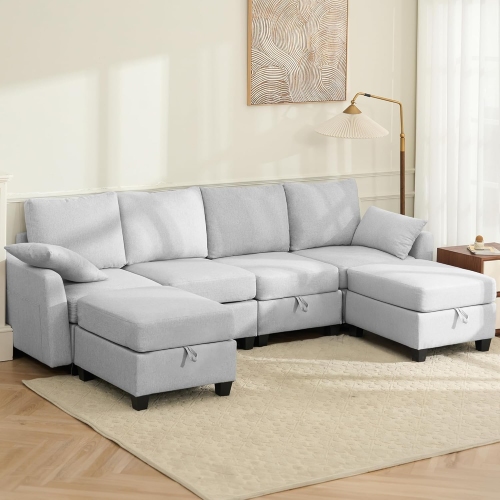 Your price for this item is $569.9
Discover more categories related to Dark Grey Sectional
Top Collections:
Best Black Friday Deals This Year, Best Black Friday Deals On Electronics, Kindle Devices, Best Black Friday Deals On Apple Products, Best Budget Office Chairs, Best Cameras for Sports Photography, Dyson Airwrap, Canon G7X Cameras, Best Laptops for Writers, Samsung Galaxy Phones
Some products may be subject to Environmental Handling Fees
(EHF) depending on your province.
Learn more about EHFs.