Dark Oak Tables
Add a touch of sophistication and elegance to your dining room with our collection of dark oak tables. Whether you're hosting a dinner party or enjoying a quiet meal with your family, our dark oak tables are sure to elevate your dining experience. Explore our range of styles and sizes to find the perfect fit for your home.
Sort


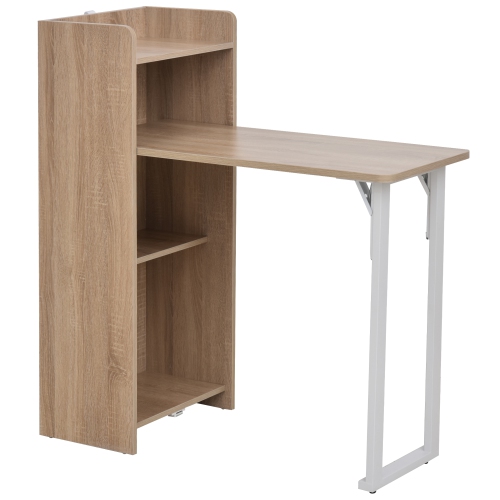

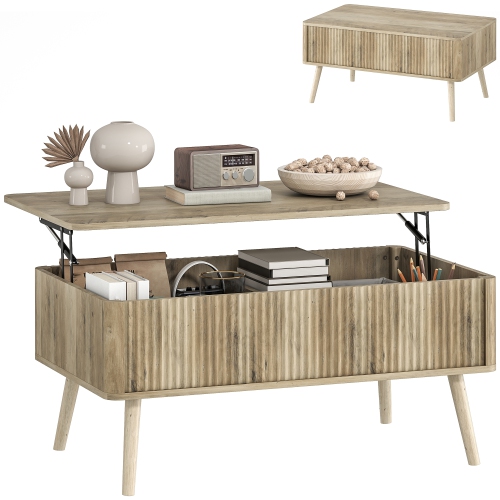
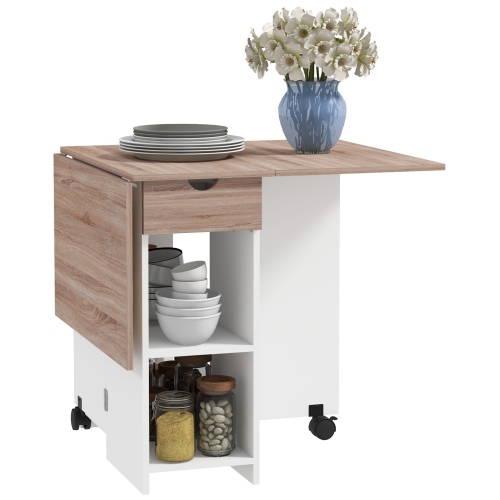
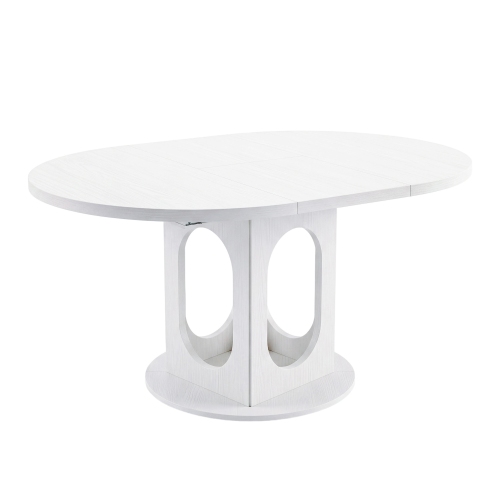
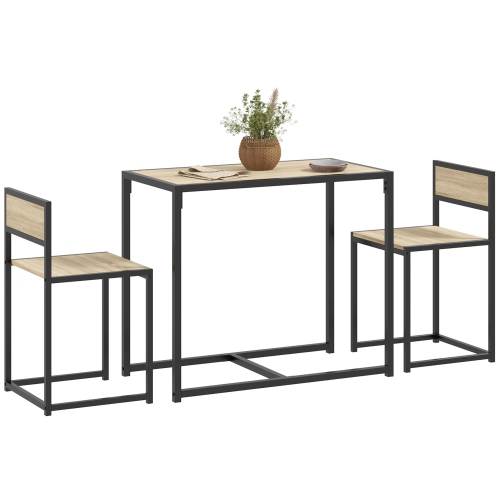
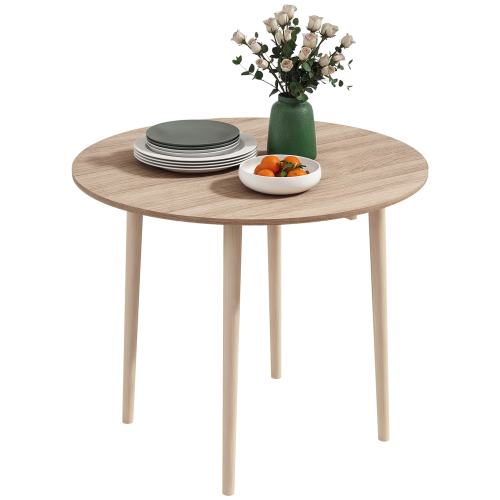
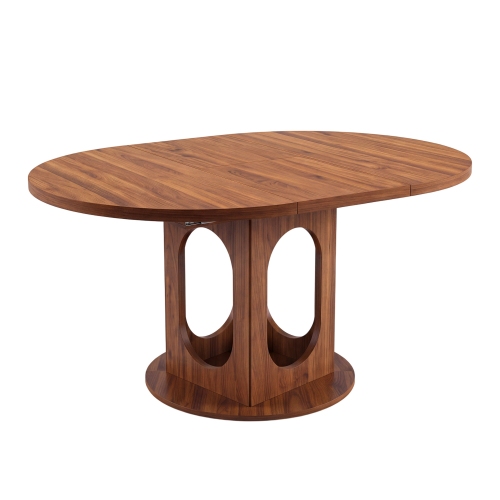
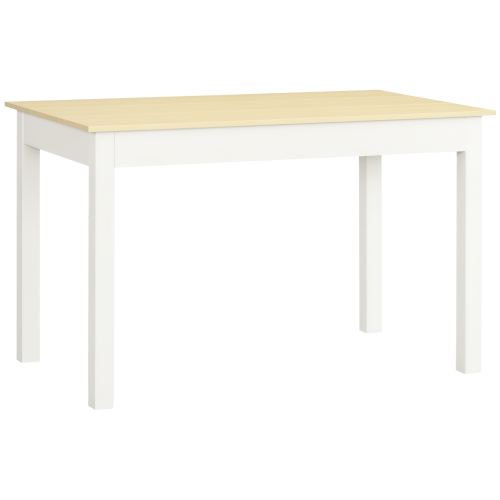
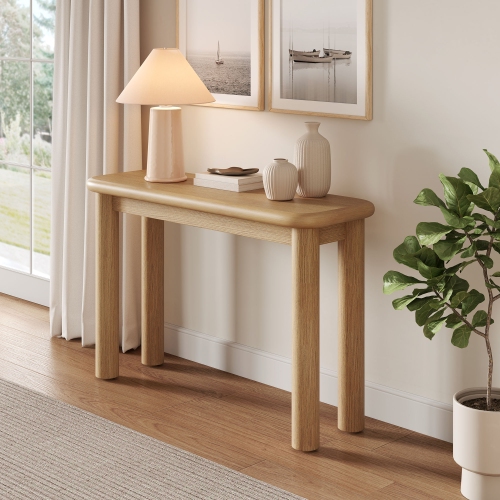
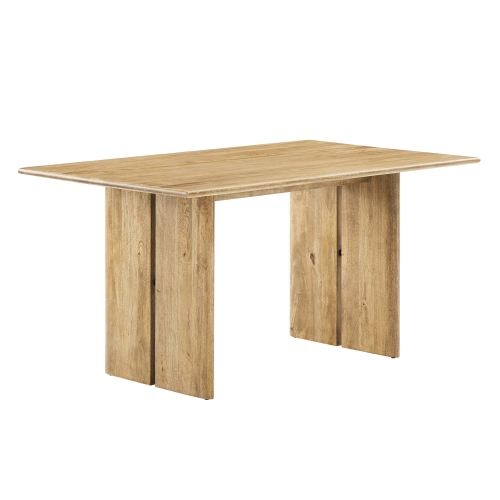
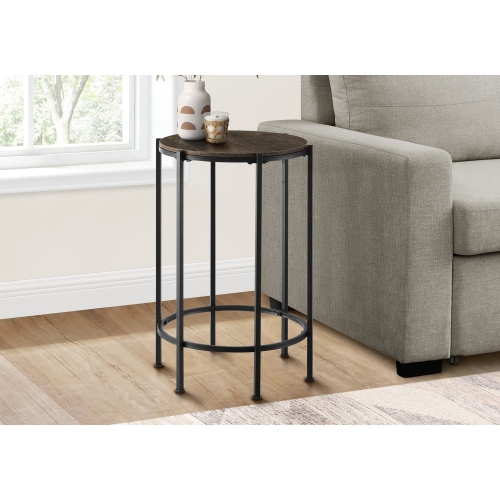
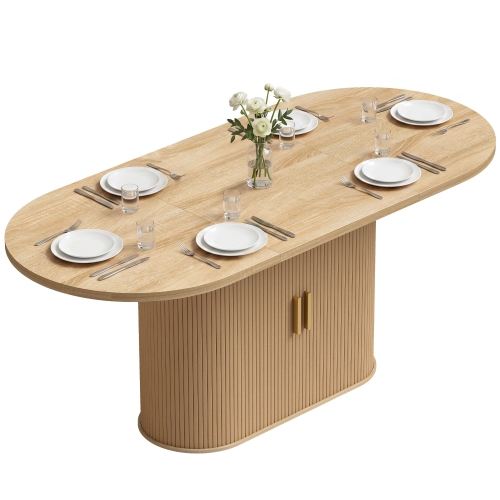
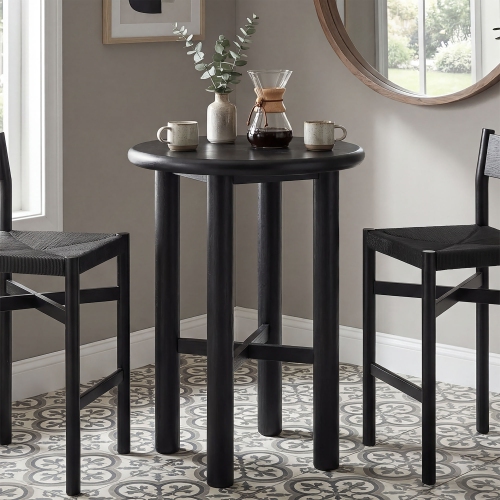
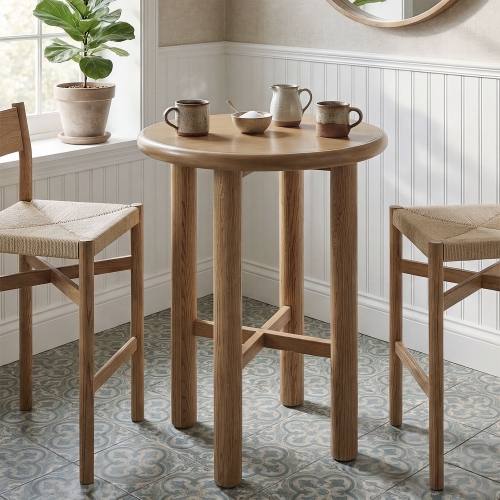

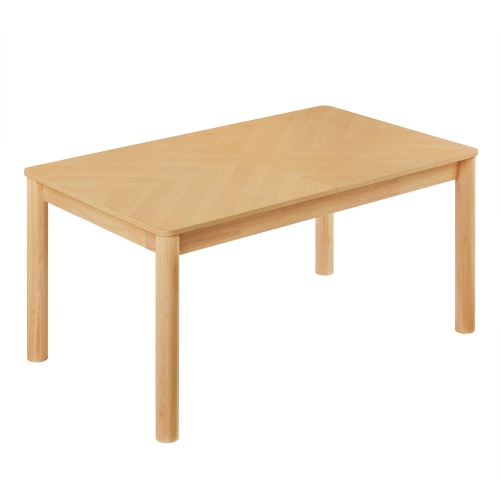
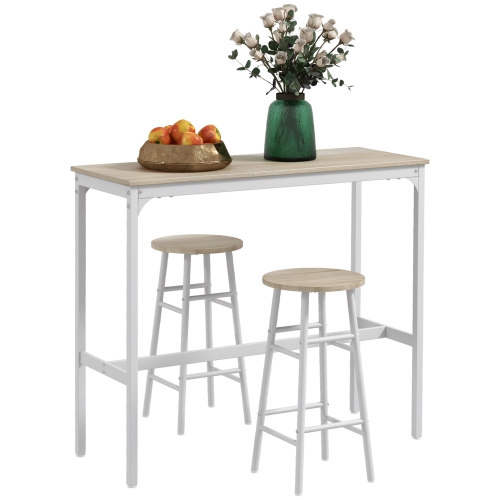

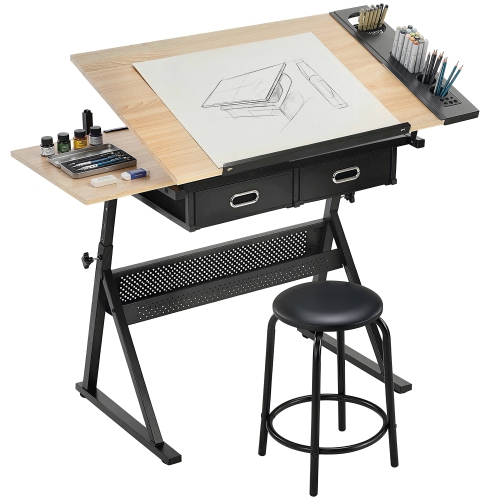
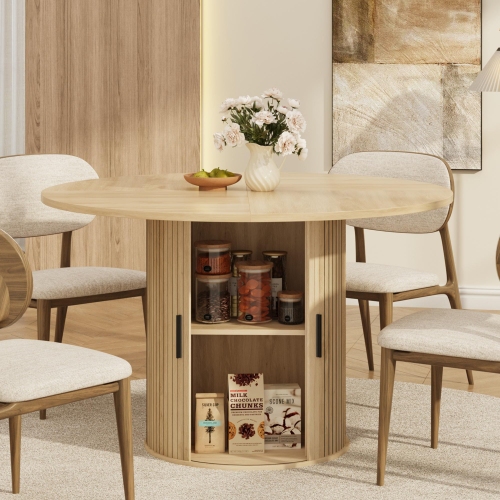
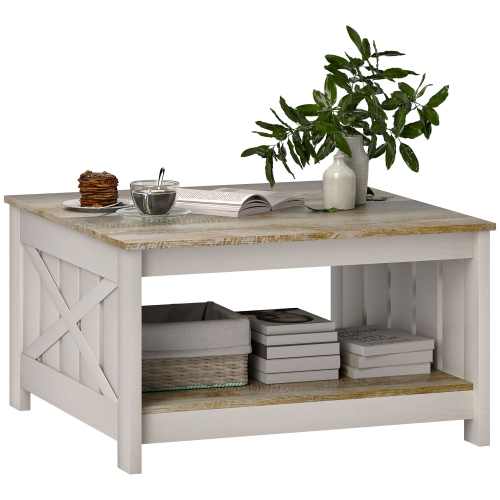
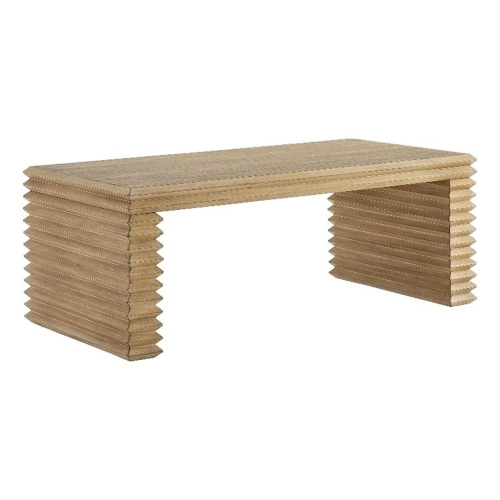
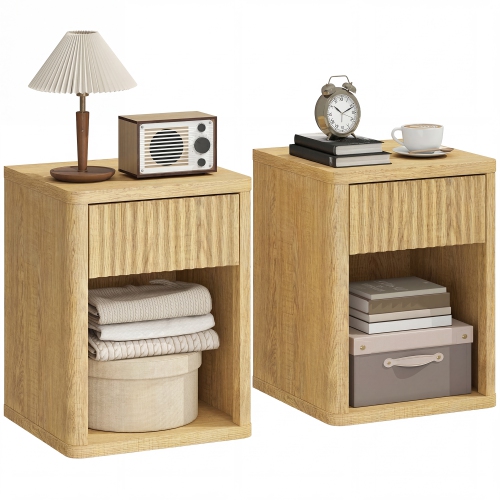

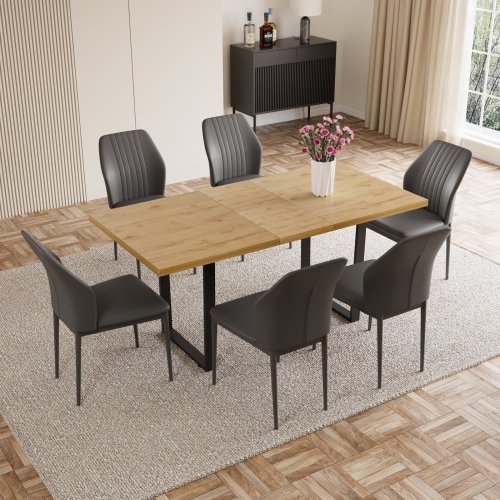
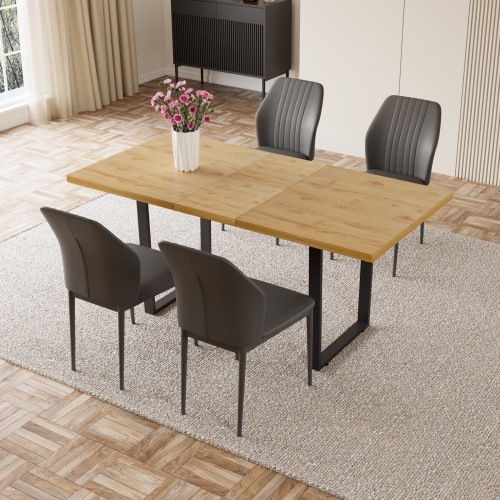
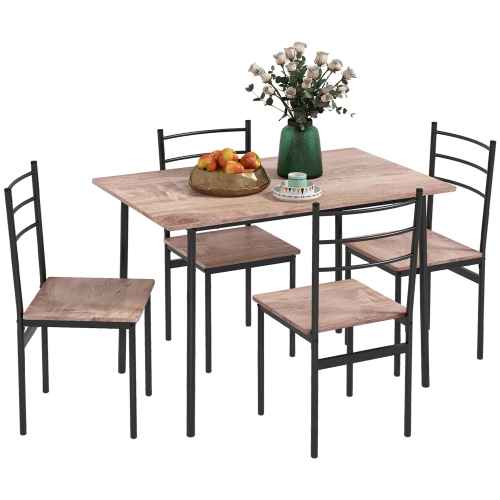
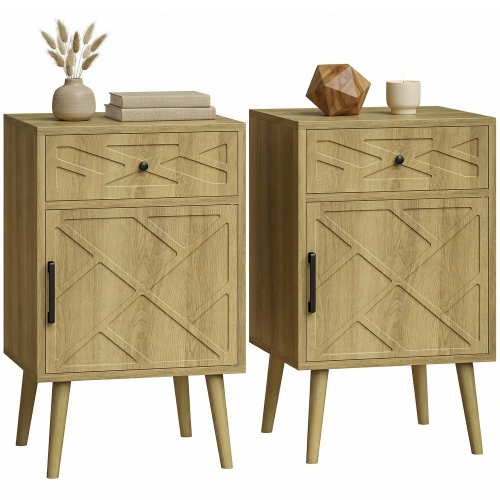
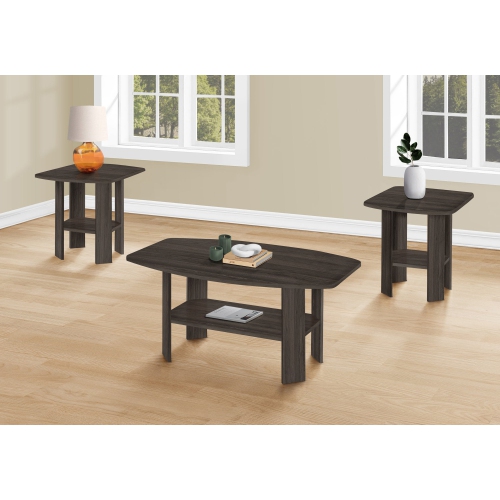
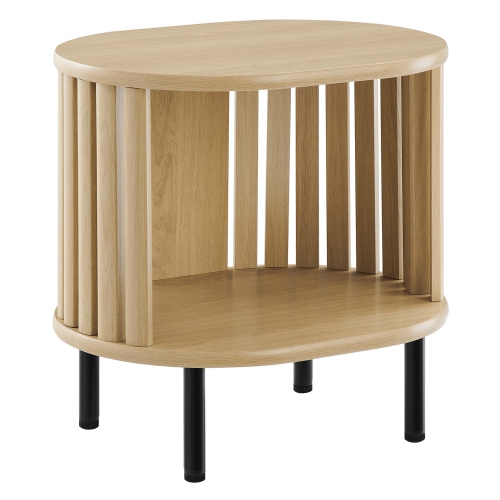
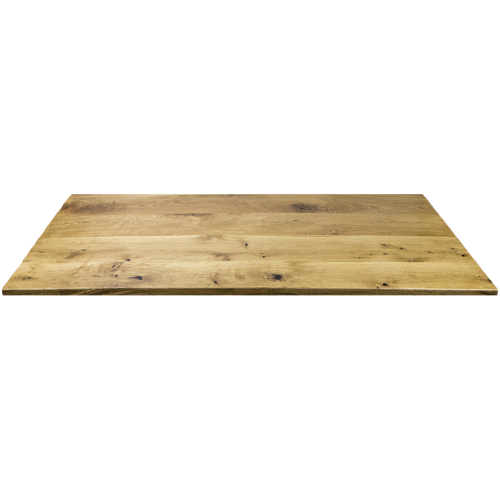
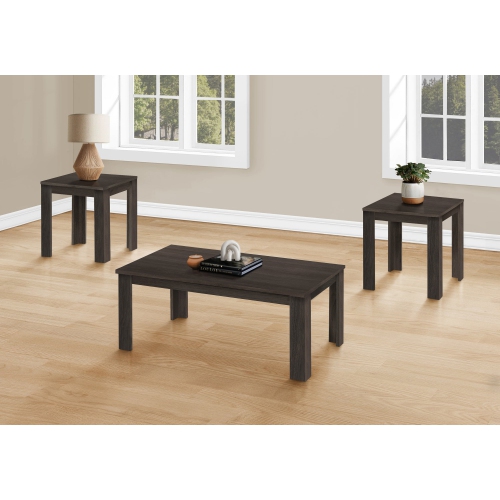
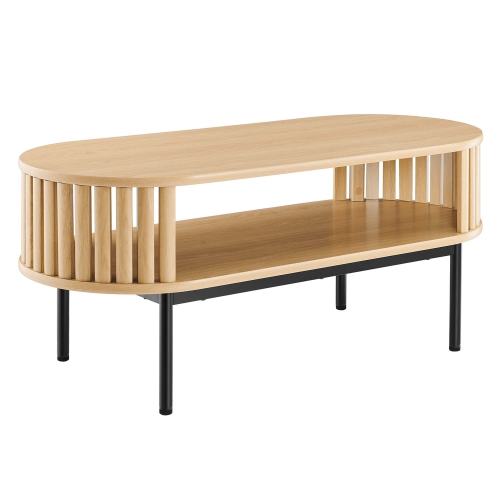
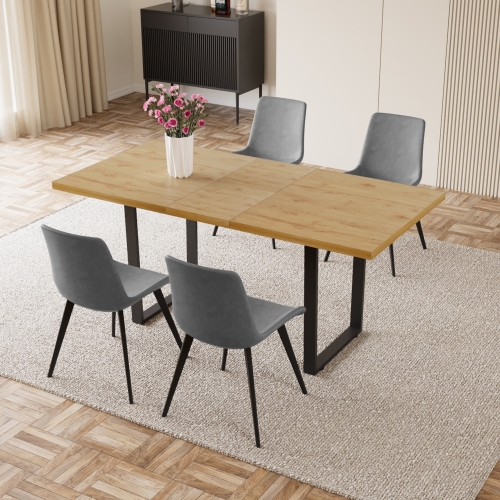
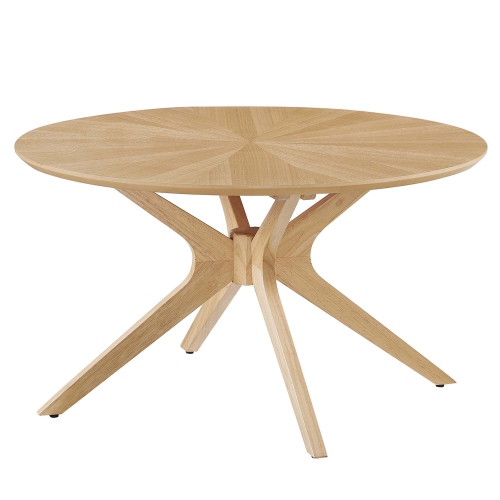
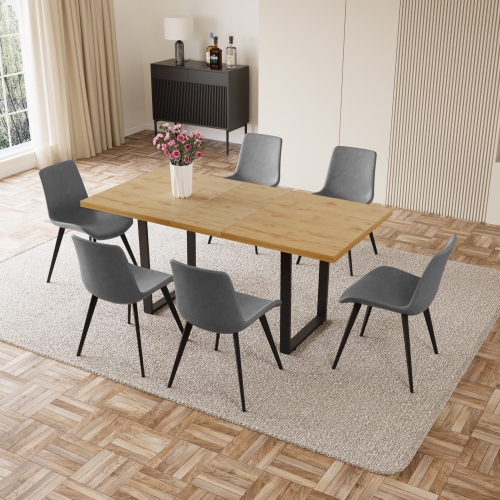
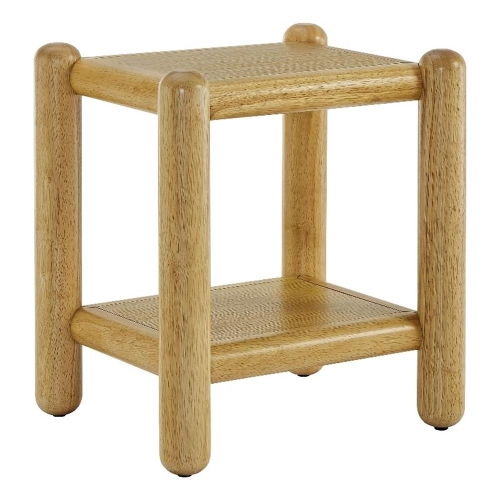

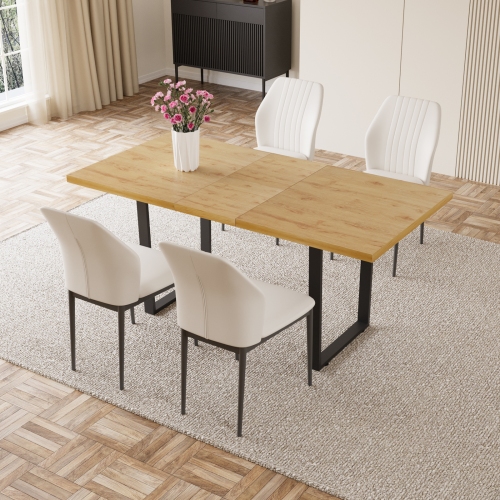
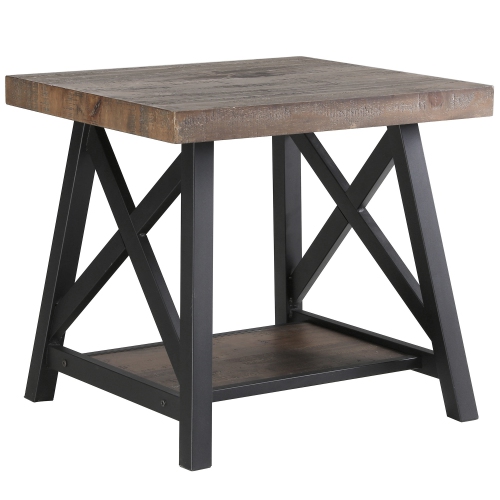
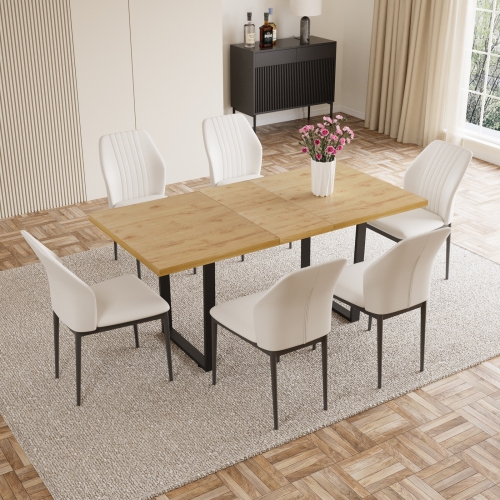
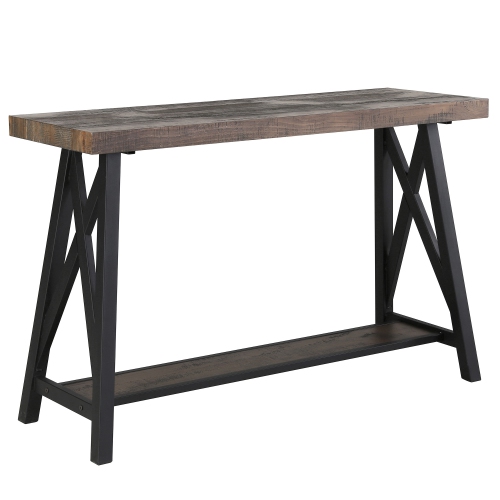
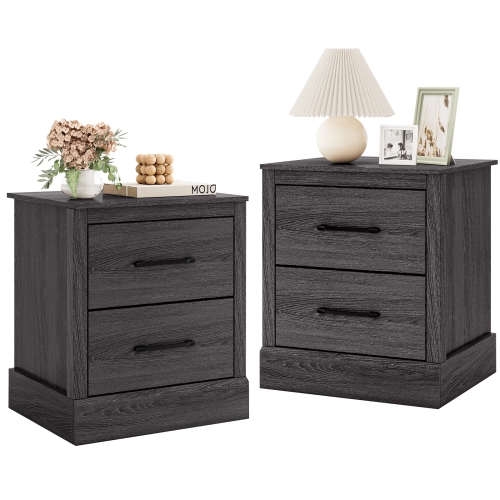

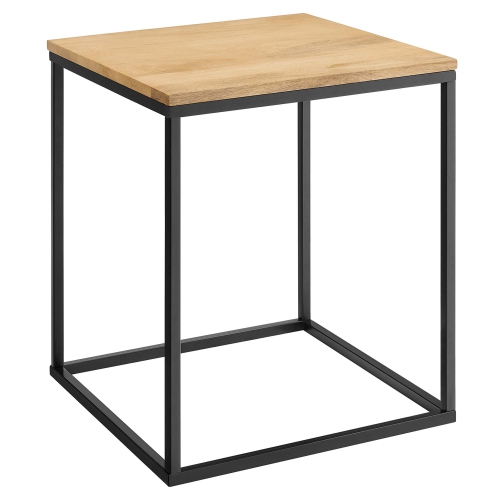
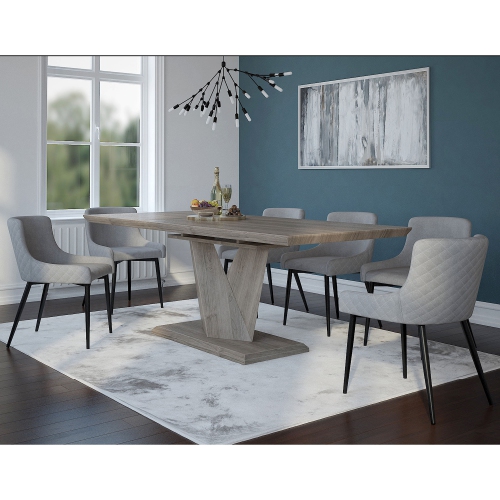
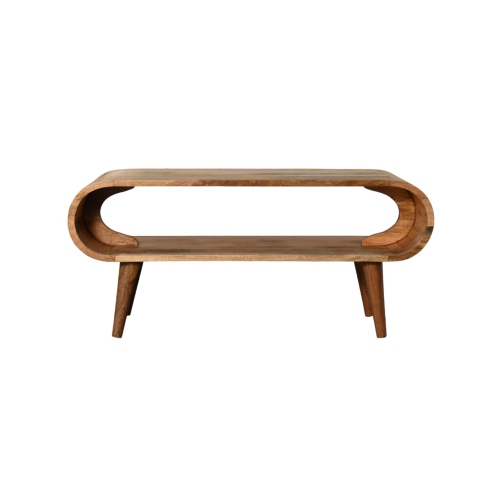
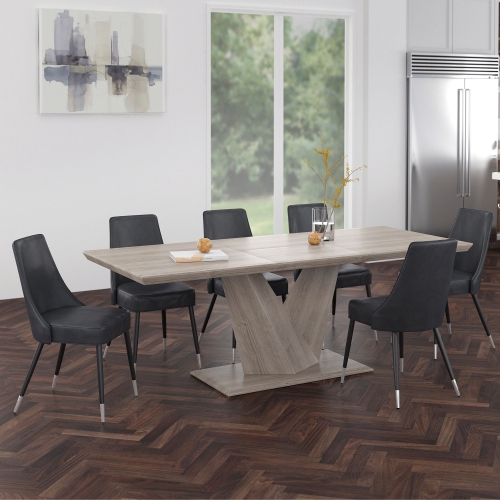
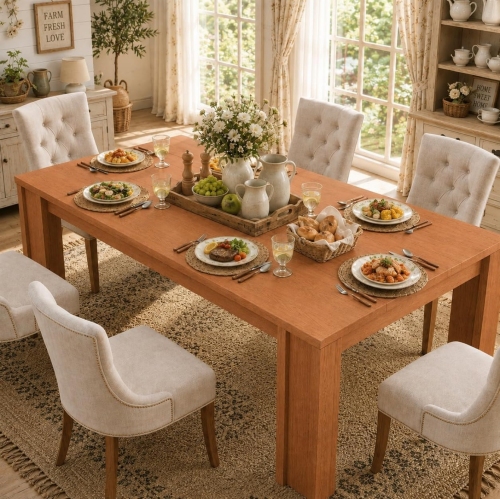
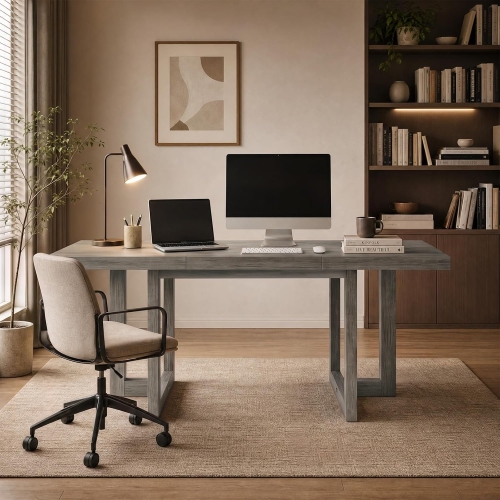
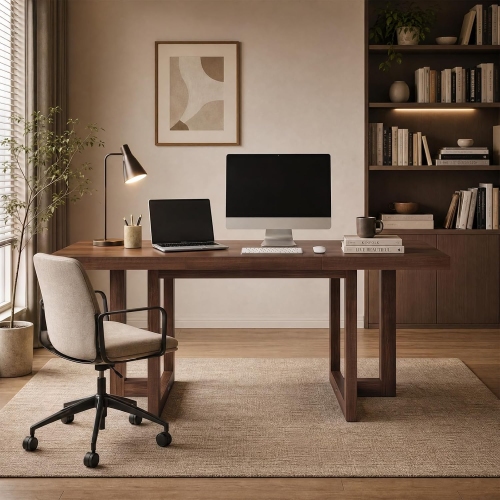
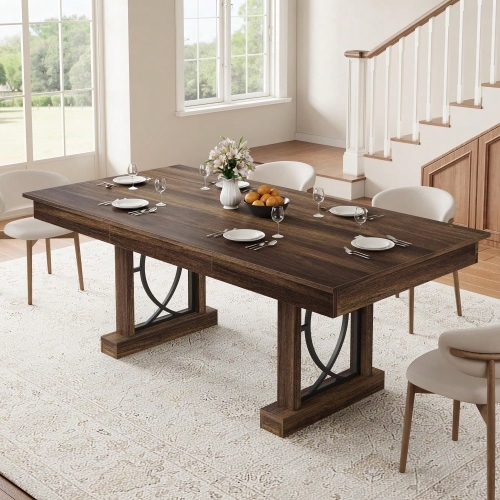
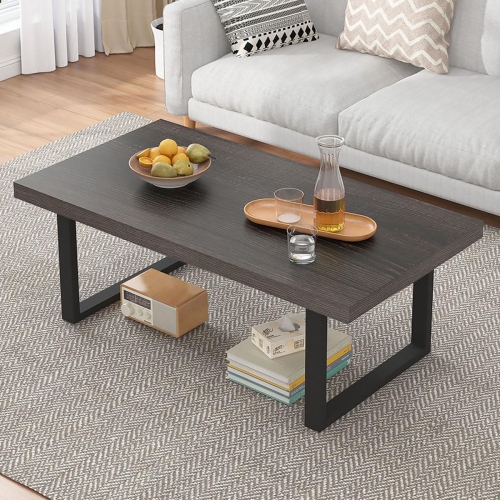
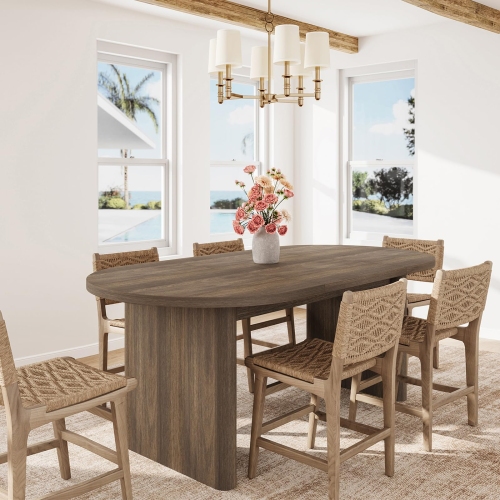
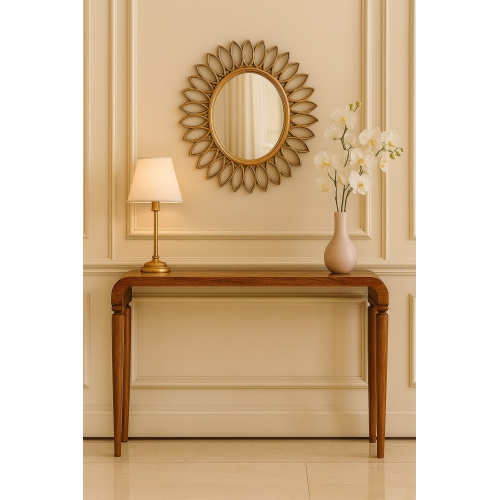
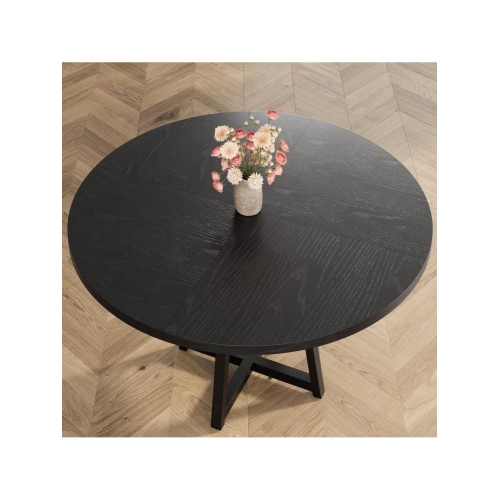
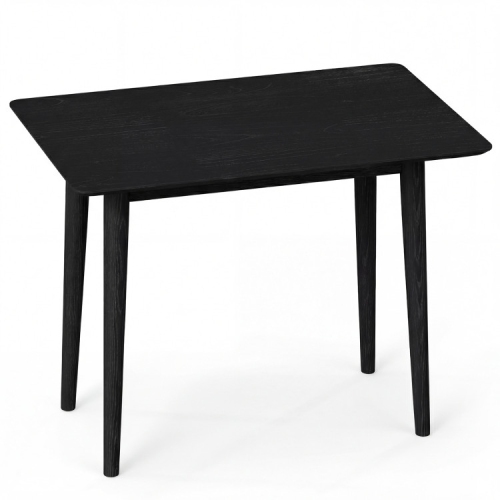
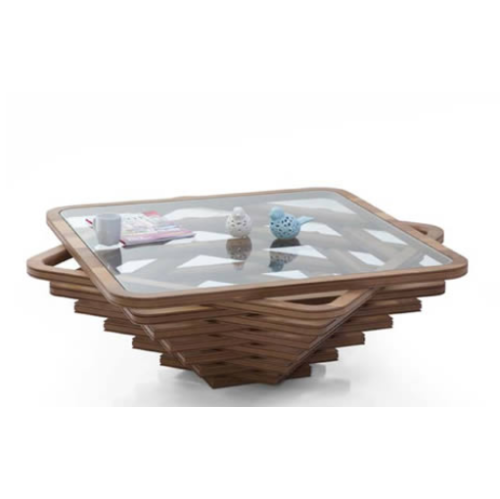
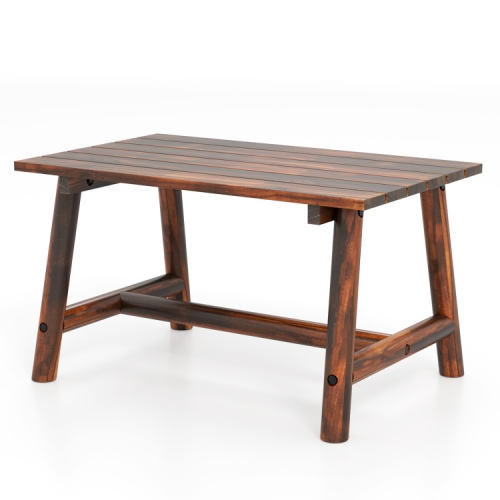
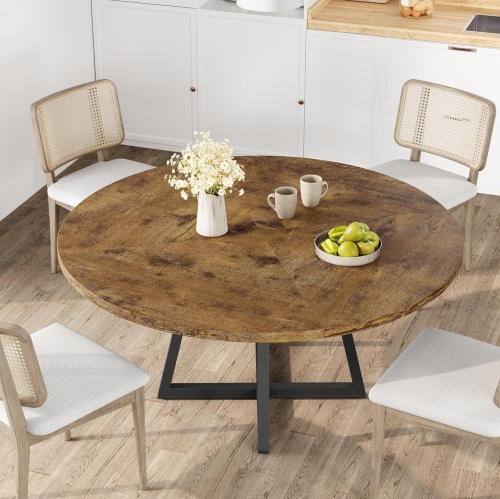
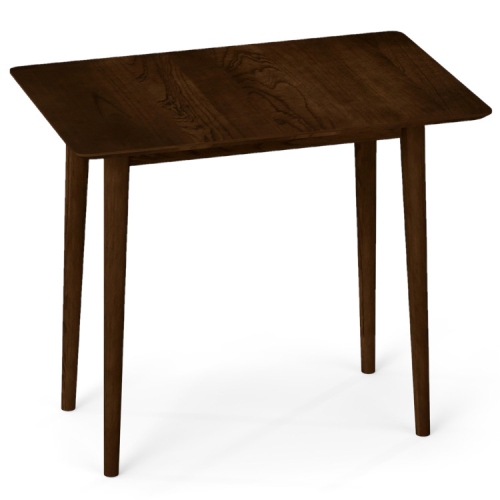
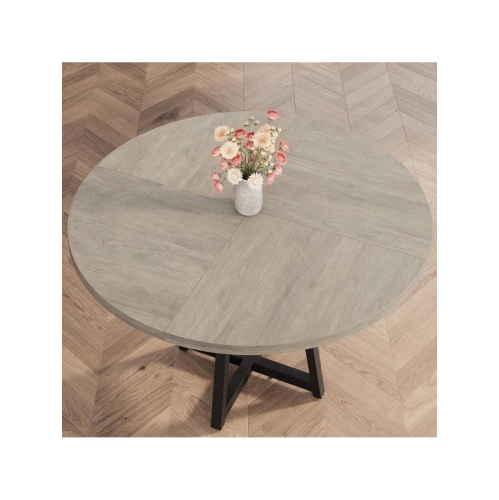
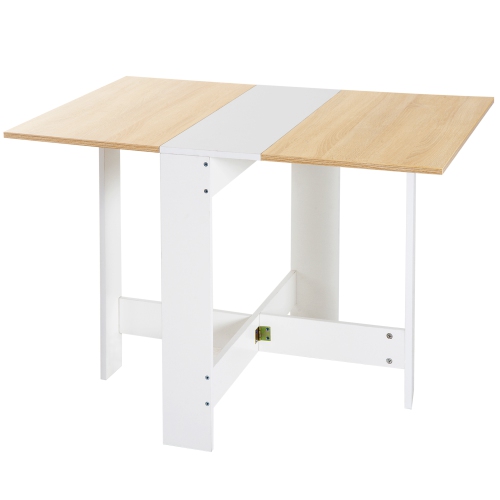
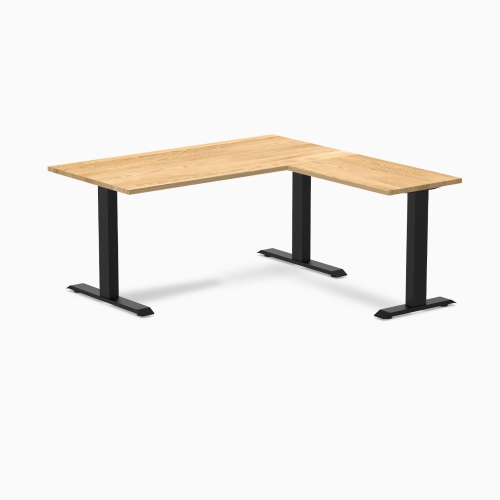

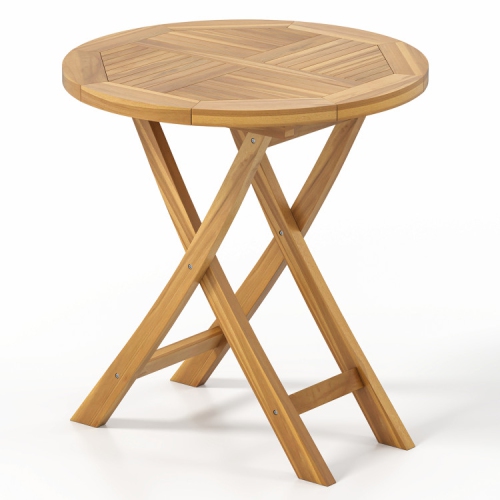
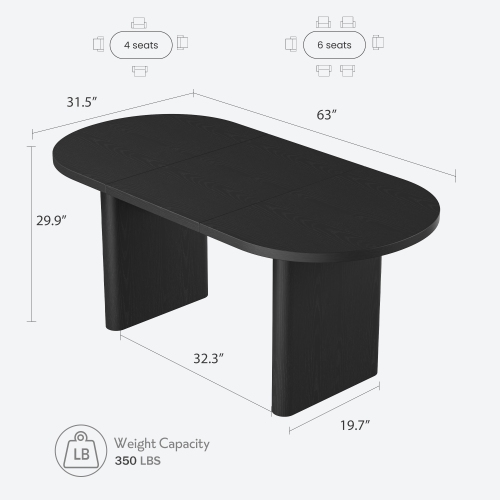
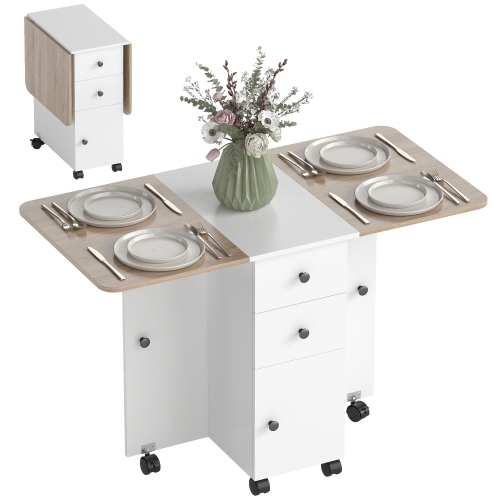
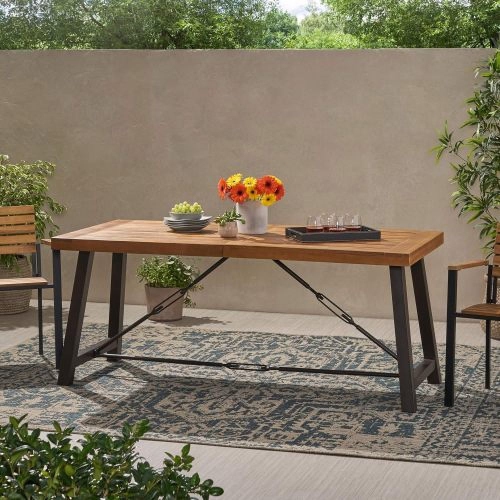
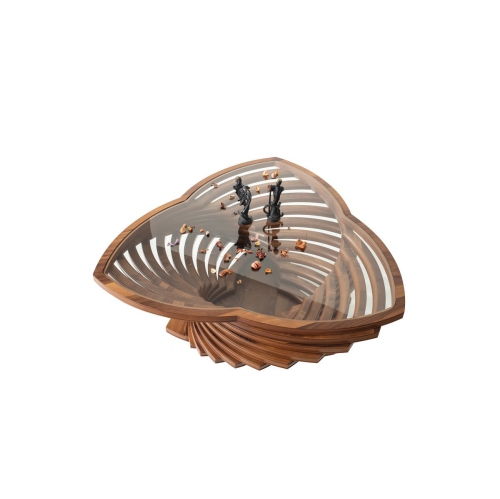
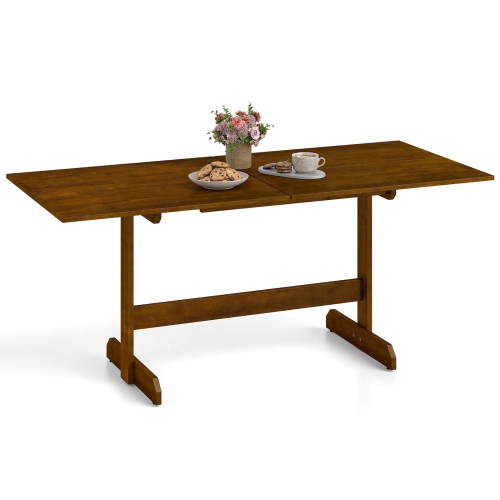
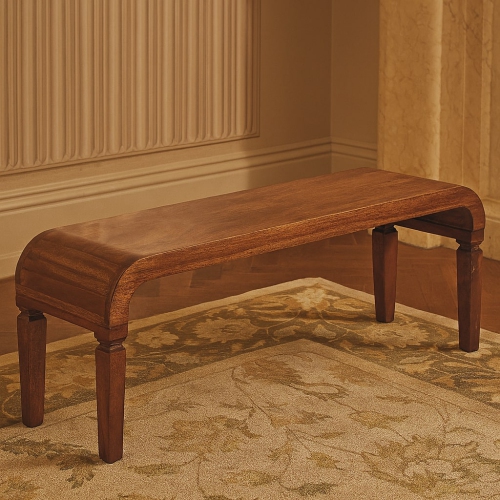
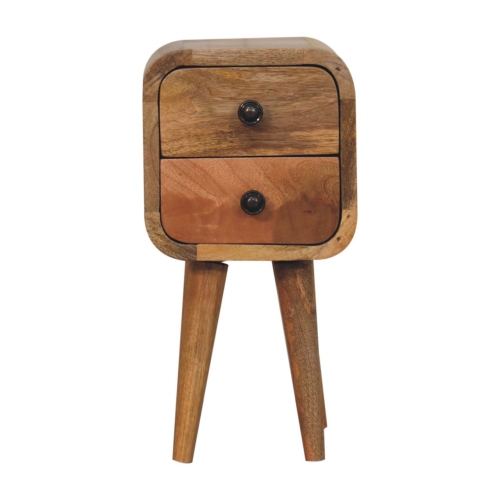
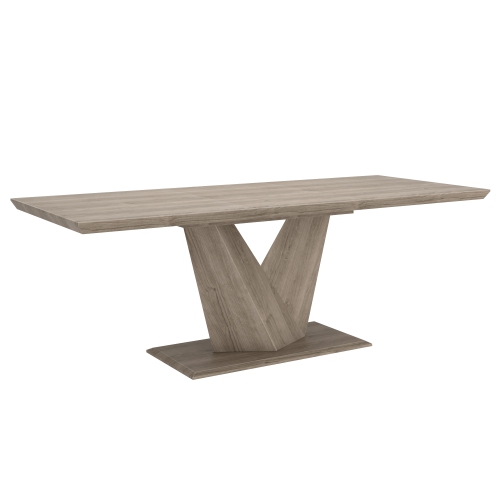
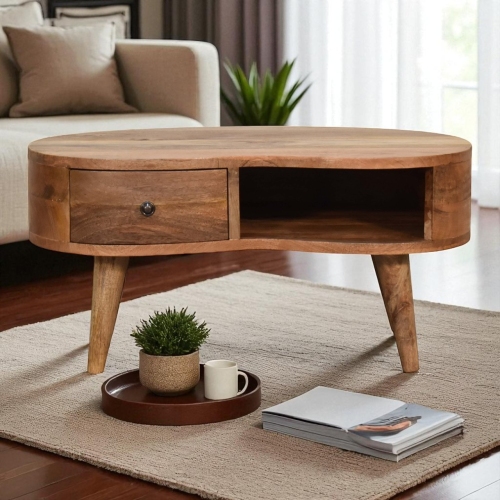

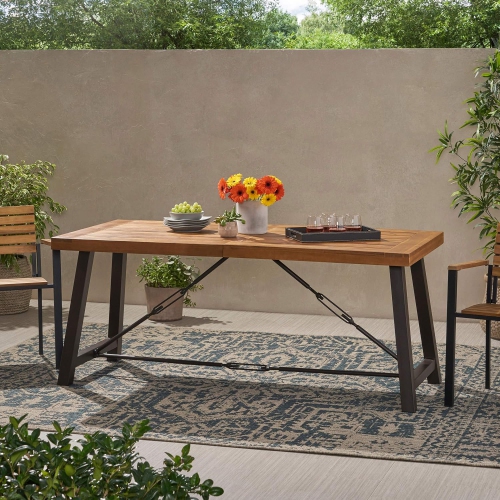
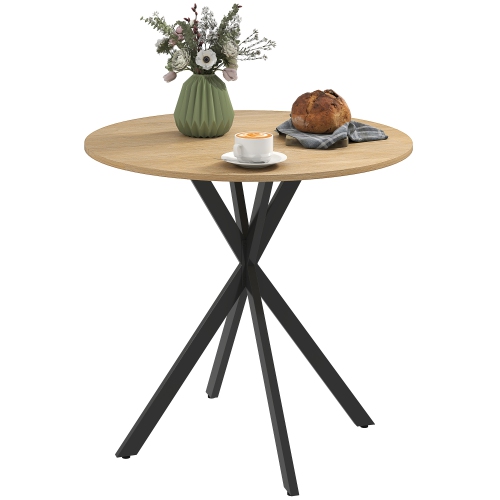
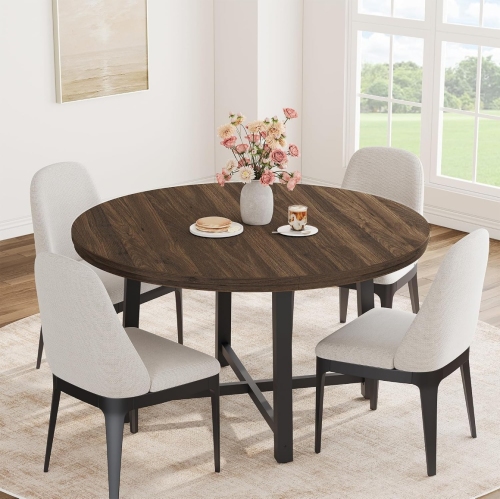

What lies beneath a dark oak finish matters
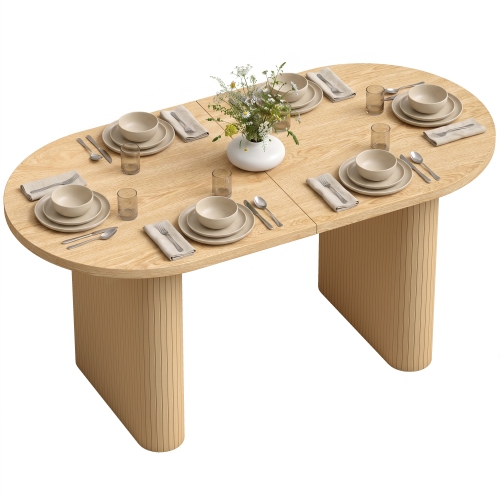
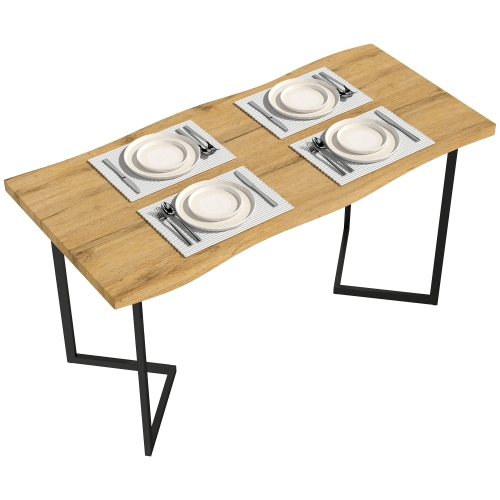
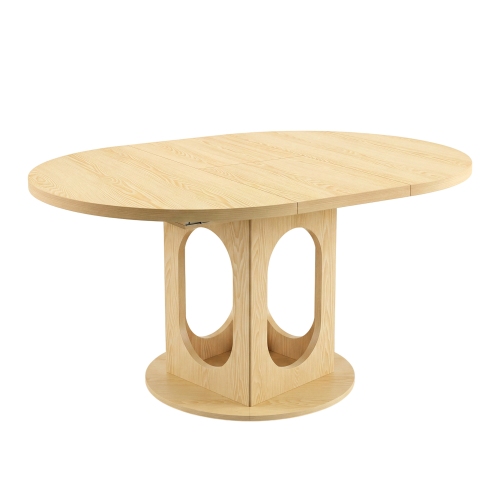
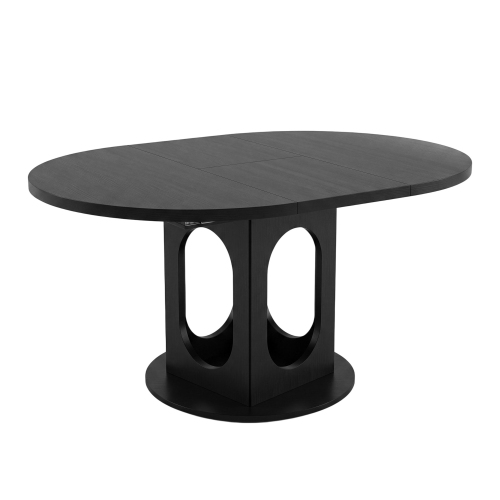
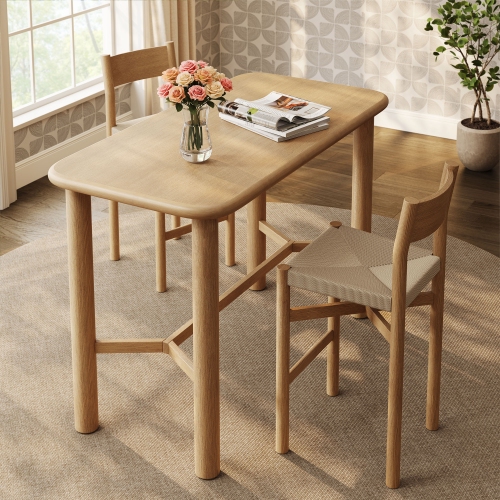
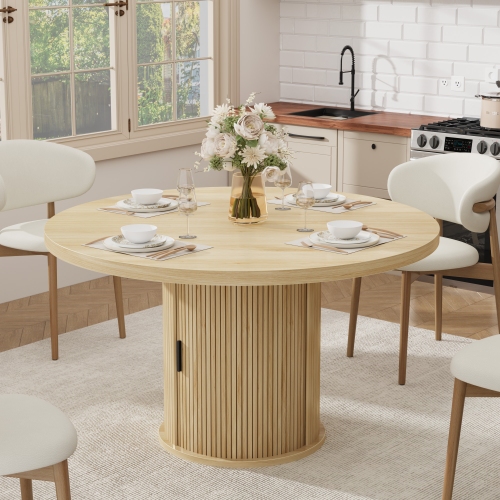
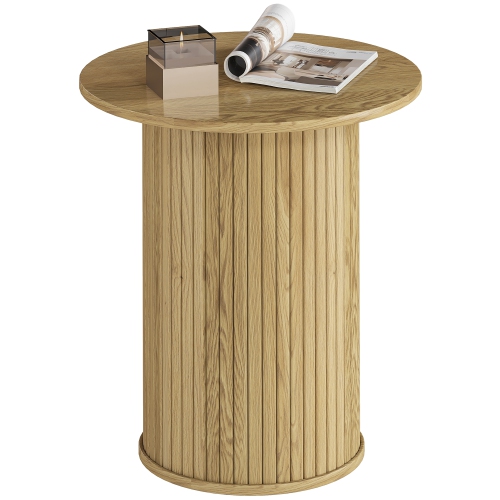
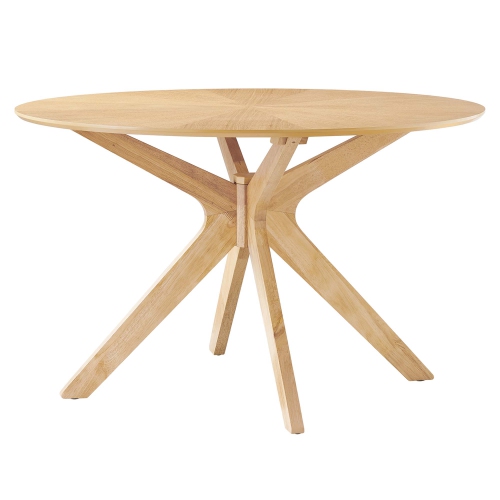
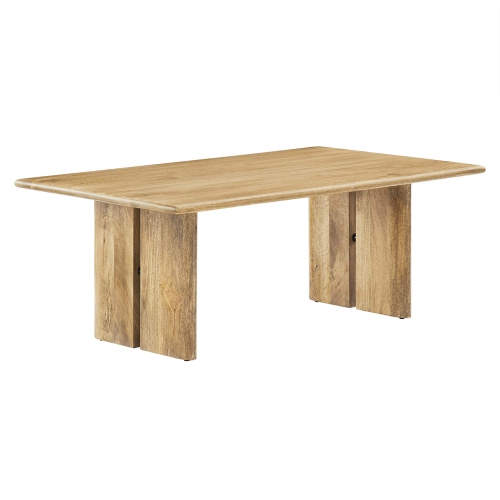
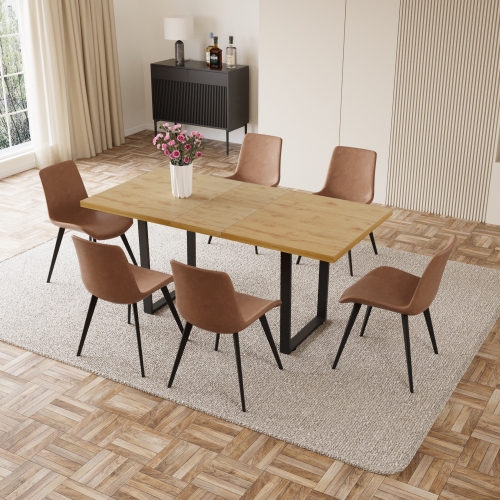
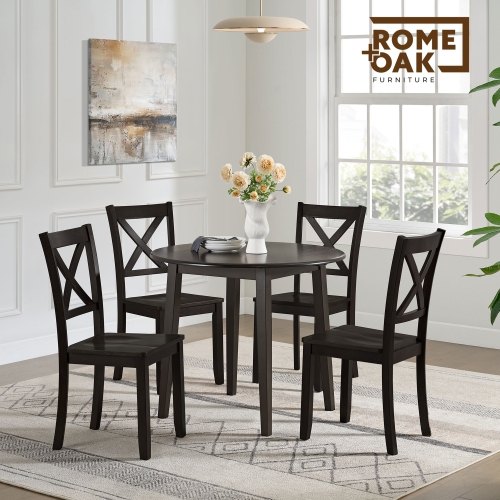
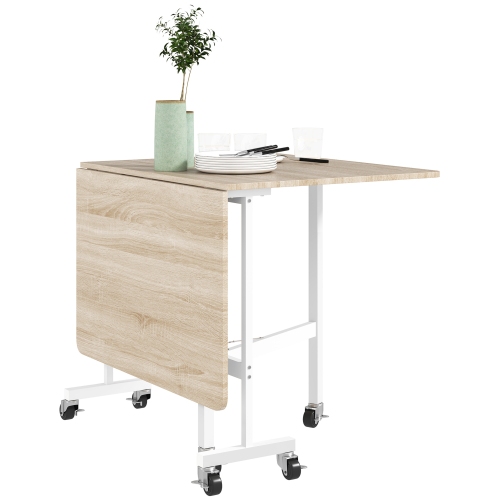
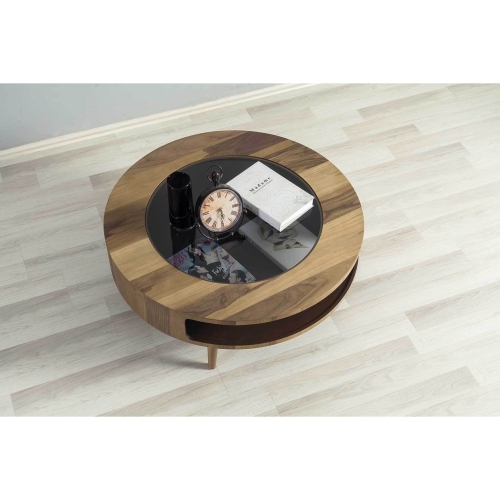
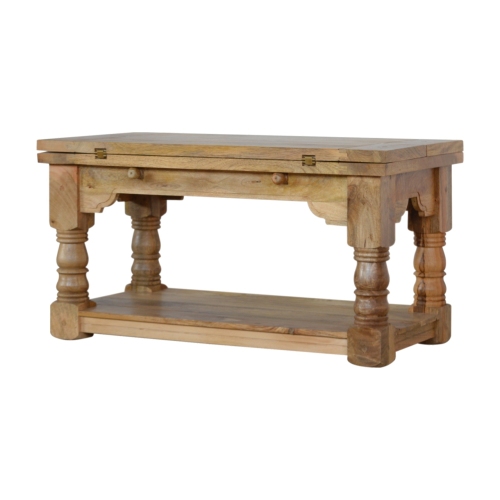
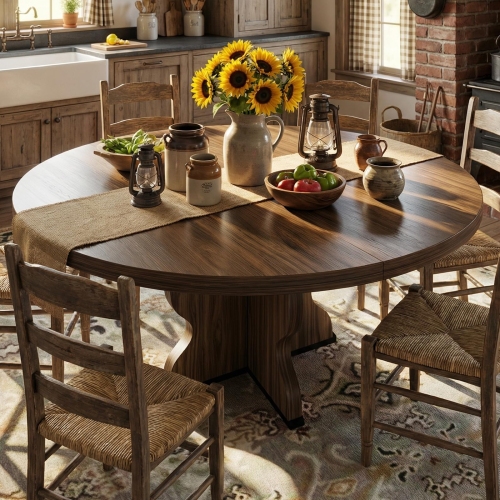
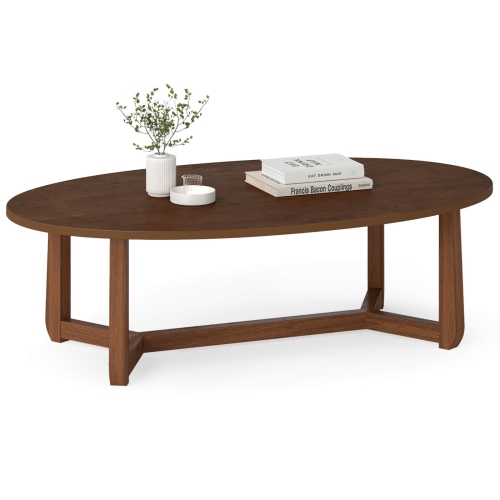
Dark oak tables bring a deep, warm wood tone to dining spaces, with finishes ranging from chocolate brown to almost black. The term usually describes the table’s colour and appearance rather than a single construction method: a dark oak table may be made from solid oak, oak veneer over a supporting core, or another material with an oak-effect finish. Dark finishes give Tables Made Of Oak a rich, grounded appearance while allowing the grain to remain part of the design. A rectangular tabletop creates a clear gathering place for family meals, shared dishes, and longer conversations, particularly in a room with a similar rectangular footprint. Round tables suit breakfast corners and compact dining areas, keeping everyone facing the centre without sharp corners extending into nearby walkways. Oval designs offer some of the length of a rectangular table with softer edges, while square tables can feel balanced in smaller, regularly shaped rooms. Seating capacity depends on more than tabletop length. Wide chairs, substantial table legs, and generous place settings all affect how comfortably people can sit together. A pedestal base can free up space around the edge, while a trestle base may require closer attention to where the supports meet the floor. Around 36 inches of clearance between the table edge and a wall or nearby furniture is a useful starting point, with additional room helpful along busy routes. An extending table also needs enough space when fully opened, not just when the leaves are tucked away. Chair arms should fit beneath the tabletop or apron, and the distance between the legs matters when several chairs share one side. These details become noticeable when someone pulls out a chair, carries a serving bowl past the table, or joins a meal at the end.
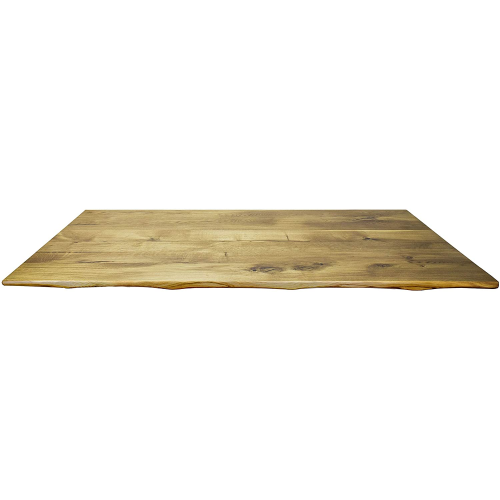
Materials and construction influence how a dark oak table looks, feels, and responds to daily use. Solid oak has a distinctive grain and natural variation, so neighbouring boards may absorb stain differently and show subtle changes in tone. Those differences can give a large tabletop depth rather than a perfectly uniform colour. Oak veneer uses a thin layer of real oak over a core, creating a genuine wood surface with construction characteristics that depend on the materials beneath it. An oak-effect surface reproduces the appearance of oak but does not necessarily contain an oak outer layer. These distinctions matter when considering repairs: some solid wood surfaces can be refinished, while veneer requires particular care because its wood layer is thin, and printed surfaces generally need a different repair approach. The protective coating matters as much as the wood underneath. A matte finish softens reflections and lets the grain take visual priority, while a more polished finish catches light and can make the same dark colour appear more formal. Neither appearance alone establishes resistance to scratches, heat, or spills. For a dining table that also serves as a homework spot or a place for board games, a smooth, well-sealed surface is practical because crumbs and pencil marks have fewer places to settle. Deep grooves, heavily textured grain, and decorative edges bring character but may take more attention to clean. A sturdy base, sound joints, and suitable hardware help a table feel steady when people lean on it or pass dishes across it. Extension mechanisms should move smoothly and support the added surface securely, with leaves meeting neatly at the joins. Oak is a hardwood, but that does not make it immune to dents or finish damage. Careful construction and a finish suited to the intended use matter more than colour alone when assessing long-term durability.
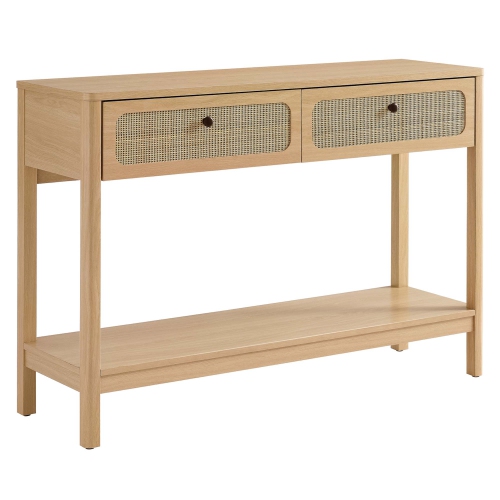
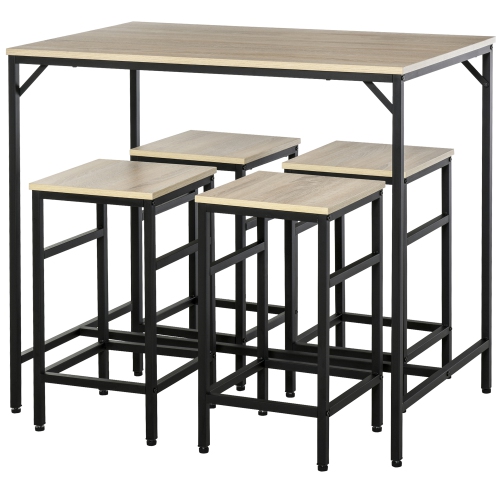
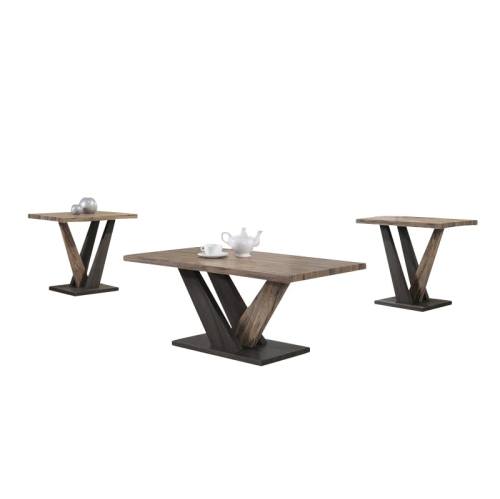
A dark oak dining table can anchor several different room styles without requiring every wood surface to match. Straight legs and a restrained edge work comfortably with upholstered seating and simple lighting, while a substantial trestle base or turned legs can give the dining area a more traditional character. Black metal supports introduce a sharper contrast, particularly when the tabletop retains visible grain. In a room with dark flooring, a lighter rug or pale chairs can keep the table’s outline distinct; against light flooring, the wood itself becomes a stronger focal point. Fabric seats can soften the appearance of a broad, dark tabletop, while slim chair frames leave more of the base visible. For households where the dining table doubles as a laptop station, a protective desk mat creates a useful work surface without leaving equipment directly on the finish. Coffee tables, console tables, and side tables in dark oak tones carry the same depth of colour into living rooms and entryways, although their proportions and intended use differ from dining furniture. A side table needs a convenient height beside a seat, while a console must leave enough passage space in a hallway. Across these uses, everyday care helps preserve the appearance of the finish. A soft cloth removes dust, and spills are best blotted promptly rather than left beneath a glass or serving dish. Coasters, placemats, and heat-resistant trivets reduce direct contact with moisture and hot cookware, but they do not replace the manufacturer’s care directions. Harsh cleaners, abrasive pads, and polish intended for a different finish can leave marks or an uneven sheen. Protective pads beneath decorative objects help prevent scratches when arrangements are moved. When relocating a table, lifting rather than dragging reduces strain on the legs and joints. With suitable proportions and care, a dark oak table can serve as a dependable place for meals, projects, and everyday conversation.
Top selling and popular products
-
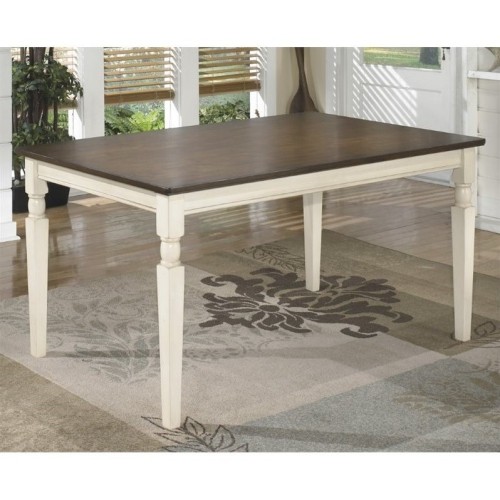 Your price for this item is $399
-
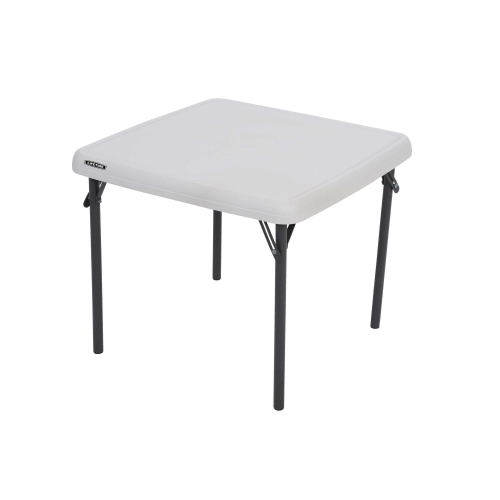 Your price for this item is $74.99
-
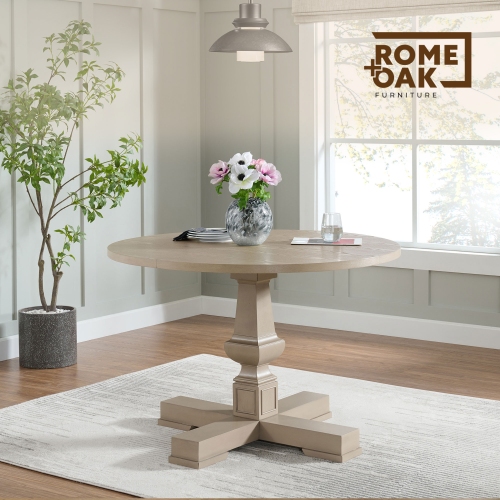 Your price for this item is $971.99
-
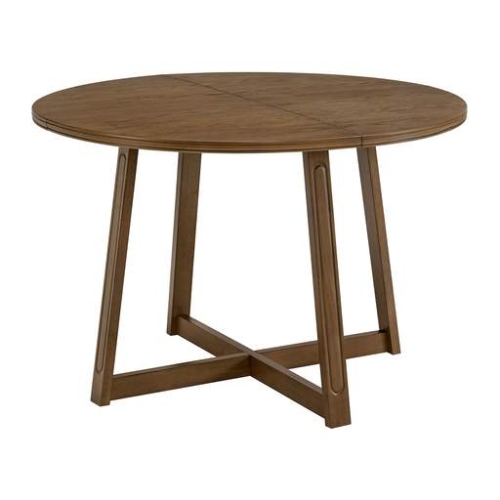 Your price for this item is $796.99
-
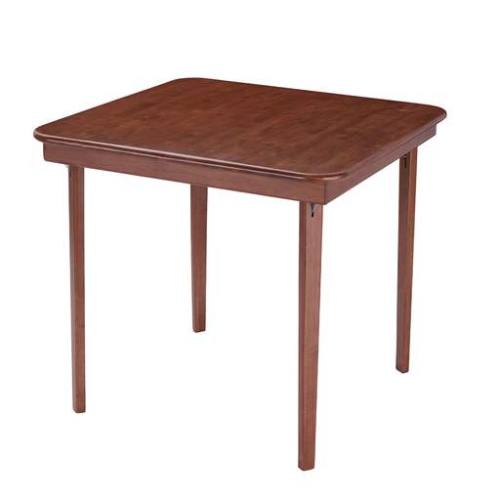 Your price for this item is $413.99
-
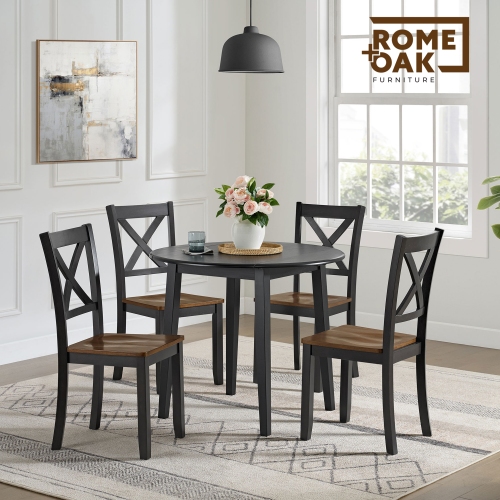 Your price for this item is $392.99
-
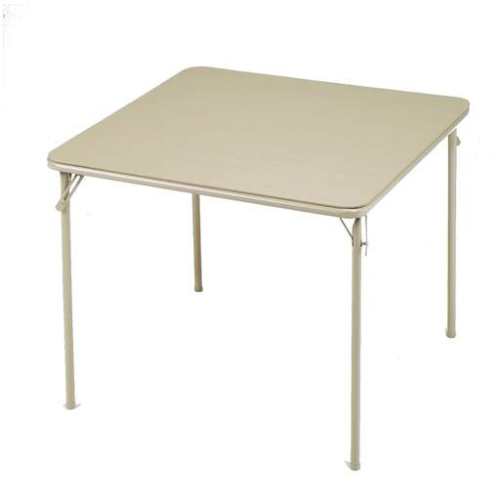 Your price for this item is $243.99
-
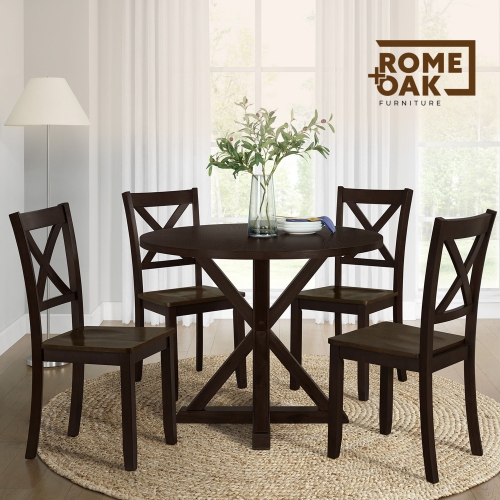 Your price for this item is $827.99
Discover more categories related to Dark Oak Tables
Top Collections:
Best Black Friday Deals This Year, Best Black Friday Deals On Electronics, Kindle Devices, Pokemon Centers, Best Black Friday Deals On Apple Products, Best Cameras for Sports Photography, Dyson Airwrap, Pokémon 30th Celebration Cards, Apple iPhone 17 Pro, Canon G7X Cameras
Some products may be subject to Environmental Handling Fees
(EHF) depending on your province.
Learn more about EHFs.