Dark Walnut L Shaped Wood Desks
Elevate your workspace with the timeless elegance of a dark walnut L-shaped wood desk. This versatile piece seamlessly combines functionality and style, making it an ideal choice for home offices or professional settings. Its rich dark walnut finish adds a touch of sophistication, while the L-shaped design provides ample space for multitasking, organizing, and keeping essentials within reach. Whether you're setting up a new office or looking to enhance your current setup, a dark walnut L-shaped wood desk offers both practicality and aesthetic appeal to create a productive and inviting environment.
Sort
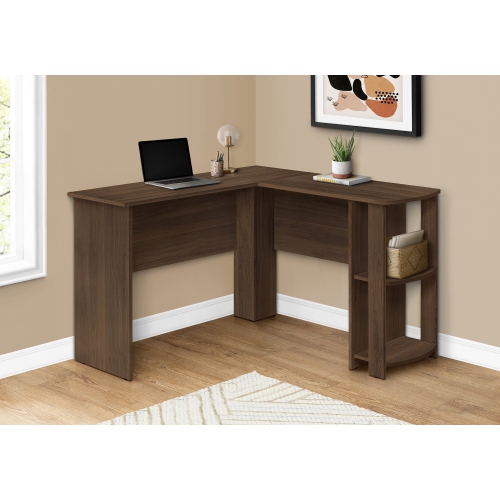
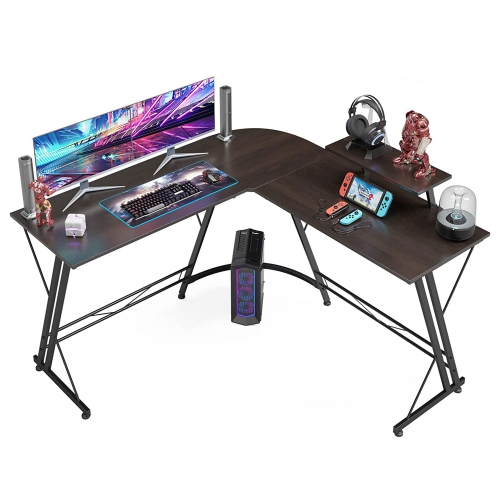
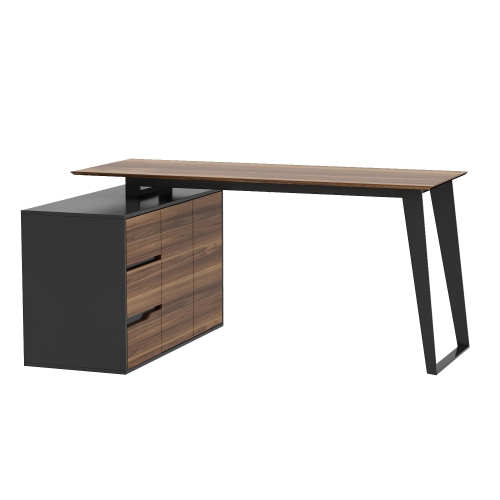
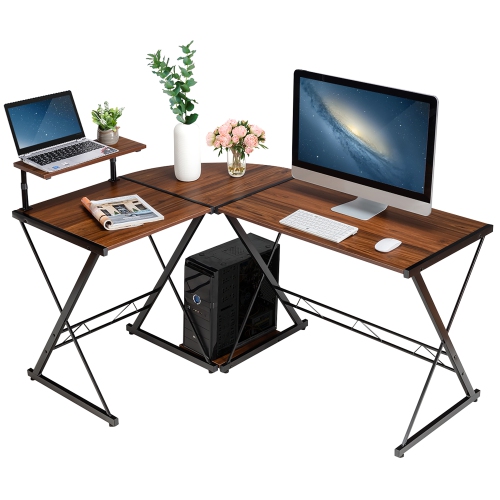
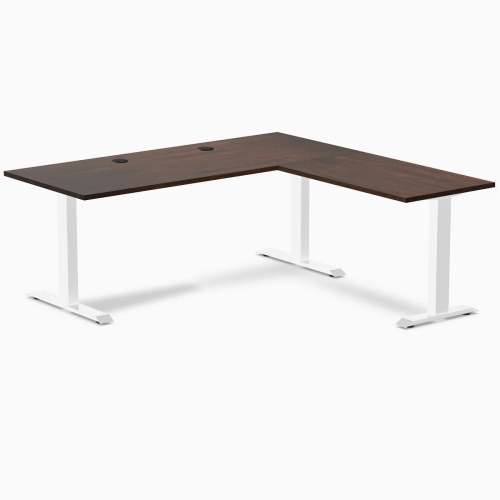
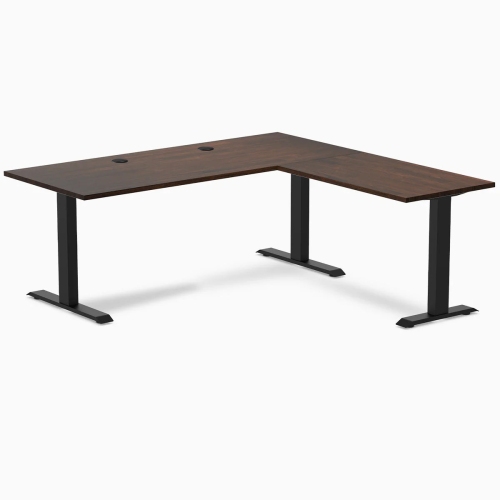
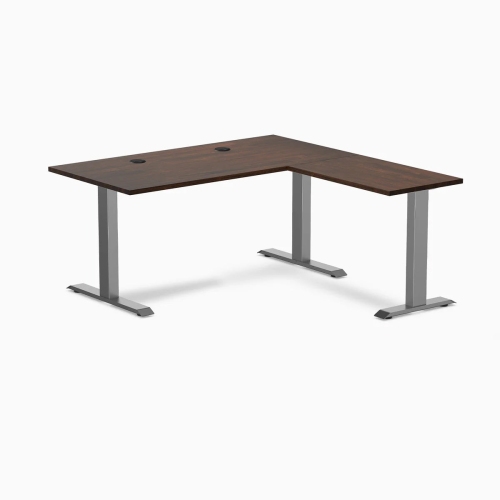
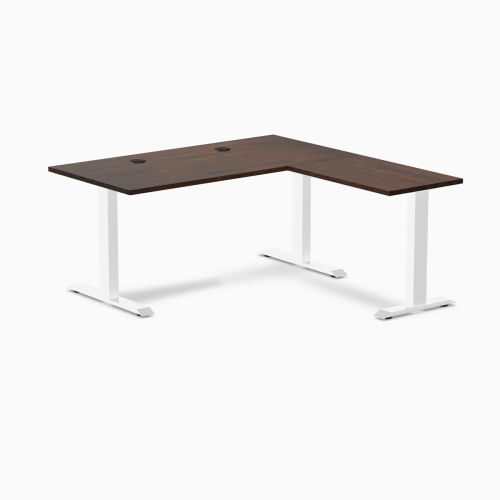
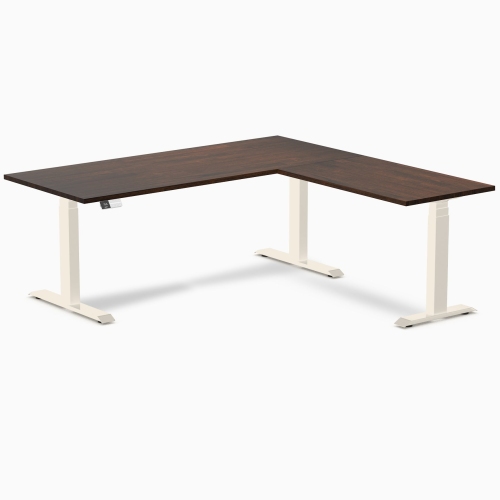
Rich walnut tones with room for separate tasks
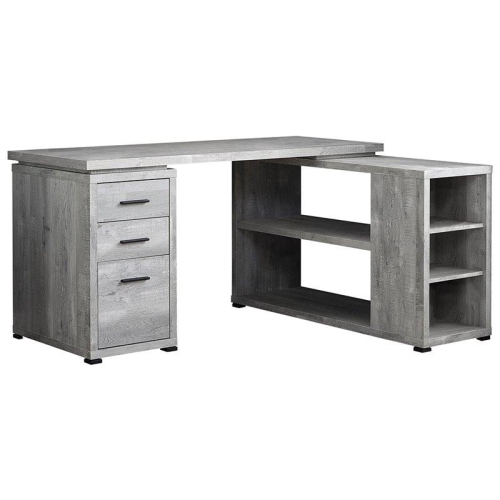
Dark walnut L-shaped wood desks pair a rich brown finish with two connected work surfaces, creating room for a computer setup and a separate area for writing, reading, or organizing paperwork. The shorter extension, often called the return, gives the desk its distinctive shape and can help define a workspace within a home office, bedroom, or shared living area. Dark walnut tones bring depth to a room without the stark appearance of a solid black finish, while visible grain adds texture alongside upholstered chairs, metal shelving, and lighter wall colours. The name describes a look as well as a possible material, so the distinction between solid walnut, walnut veneer, and a walnut-look finish matters. Solid walnut is hardwood with natural differences in grain and colour; its appearance can vary across individual boards, and some finishes allow the surface to be refinished when needed. Walnut veneer uses a thin layer of real wood over a supporting core, offering natural grain with a different construction from solid timber. Other wood desks may use a different species stained in a dark walnut shade. Laminate and other decorative finishes can reproduce the colour and grain pattern over engineered wood, but they do not have the same refinishing options as solid wood. These differences affect weight, surface feel, maintenance, and how the desk handles everyday wear. A description of the desktop alone may not explain the entire build, since legs, drawers, and supporting panels can use different materials. Edge finishing also deserves attention: a rounded front edge can feel more comfortable against forearms, while neatly finished edges help give the desk a cohesive appearance from across the room. For a workspace visible from a hallway or living area, the back panel and underside matter almost as much as the front. A finished back makes an L-shaped desk easier to place away from a wall, where it can act as a boundary between work and the rest of the room.
The appeal of an L-shaped layout is its separation of tasks, but a comfortable fit depends on more than the overall width. A desk that accommodates a laptop and notebook may not have enough depth for two monitors, a full-size keyboard, and comfortable viewing distance. Desktop depth, the length of the return, and clear space beneath both sections determine how usable the layout feels throughout the day. In a corner arrangement, the return can hold reference books, a printer, or a charging station while the main surface stays open for concentrated work. For someone who regularly alternates between digital tasks and handwritten notes, keeping those activities on adjacent surfaces reduces the need to clear the desk each time. Left-hand and right-hand returns suit different room arrangements, and a reversible design can offer flexibility if the workspace moves later. Reversible construction is not universal, however, and drawers or supporting panels may limit where a chair can sit. Room measurements are most useful when they include the chair pulled back, the path to a doorway, and the space needed to open drawers fully. An L-shaped desk can use a corner efficiently, yet its footprint still needs to leave room for movement rather than filling every available gap. Seated comfort comes from a combination of desktop height, chair adjustment, legroom, and monitor placement. A deep drawer beneath the main surface can reduce knee clearance, while a pedestal under the return can make that section better suited to storage than seating. Cable openings and accessible outlets help keep power cords from trailing across the desktop or crossing a walking route. Monitor arms may free up surface space, but their clamps need a compatible edge, adequate clearance, and a desktop capable of supporting the concentrated load. The finished desk dimensions also differ from the space needed to bring it into a room, so doorway widths, stair turns, and the dimensions of larger assembled sections are relevant when planning the setup.
Everyday durability depends on the desk’s construction and the way its surfaces are used. Strong connections between the main desktop and return help the two sections feel like one stable workstation, while well-supported spans are particularly useful beneath monitors and other heavier equipment. Weight limits apply to the designated surfaces and storage components, not simply to the desk as a whole. Smooth drawer movement, secure handles, and shelves with appropriate support make a difference when files and supplies are accessed repeatedly. Dark finishes can make pale dust, fingerprints, and small scratches more noticeable, so simple care habits help maintain their appearance. A soft cloth is suitable for routine dusting, and spills should be wiped up promptly before moisture reaches seams or unfinished edges. Coasters protect against drink rings, and a desk mat provides a defined area for a keyboard, mouse, or written work without exposing the finish to constant friction. Cleaning products should suit the stated surface material; a treatment intended for finished solid wood is not automatically appropriate for laminate or veneer. Harsh cleaners, abrasive pads, and excess water can damage finishes, while adhesive accessories may leave marks or lift a surface layer when removed. Direct sunlight can alter wood colour over time, making placement worth considering alongside the room’s lighting. For students, an L-shaped desk can separate coursework from a computer station; for remote workers, it can keep meeting equipment within reach without taking over the writing area. Creative projects also benefit from distinct surfaces for a screen, sketchbook, and supplies, provided the desktop is protected from tools or materials that could mark it. Shared households may find that the return creates a useful place for household paperwork, though the layout is not necessarily designed for two people to sit comfortably at once. The broader Walnut Wood Desks category is relevant when comparing the footprint of an L-shaped workspace with other desk layouts. A dark walnut L-shaped desk is especially well suited to someone who needs generous working space and prefers the visual warmth of wood, with the best fit balancing room dimensions, storage needs, and the equipment used each day.
Top selling and popular products
-
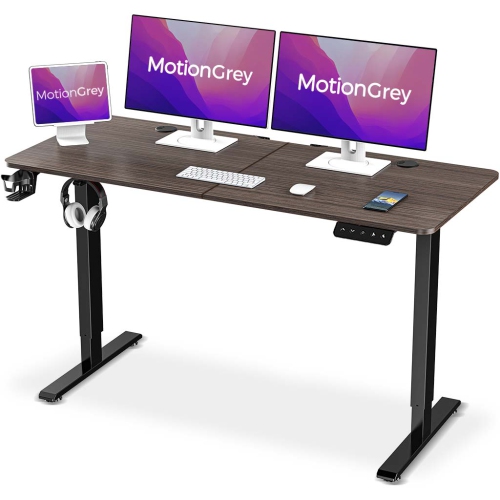 Your price for this item is $97.99
-
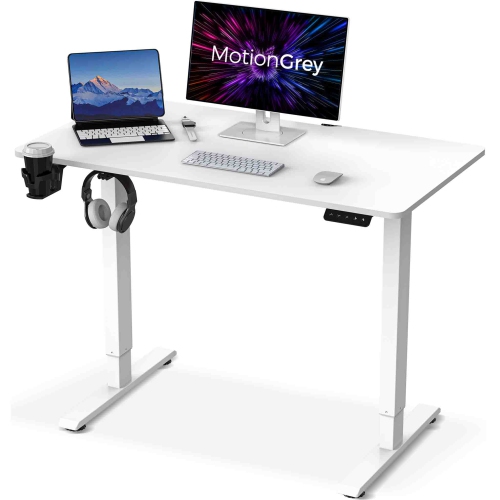 Your price for this item is $89.99
-
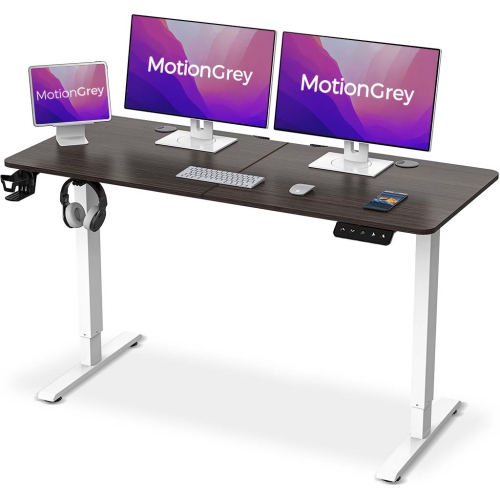 Your price for this item is $84.99
-
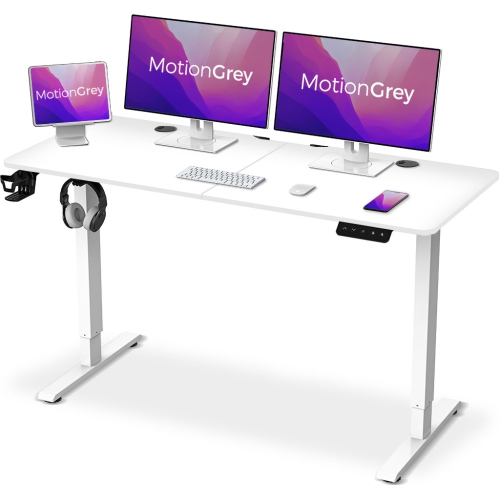 Your price for this item is $97.99
-
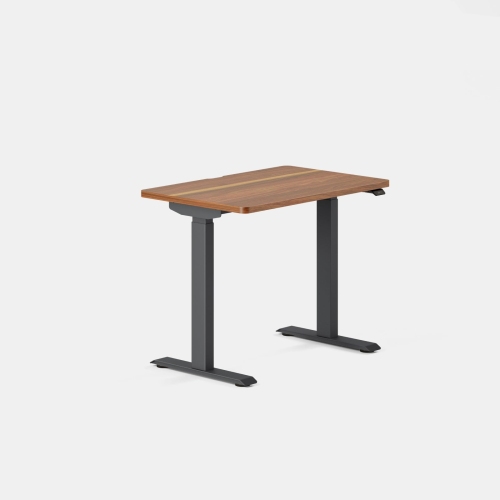 Your price for this item is $649
-
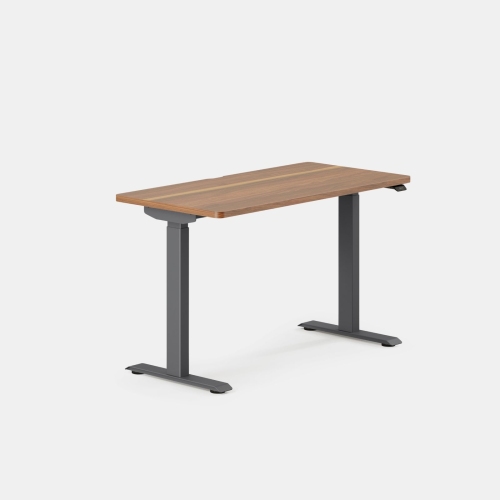 Your price for this item is $749
-
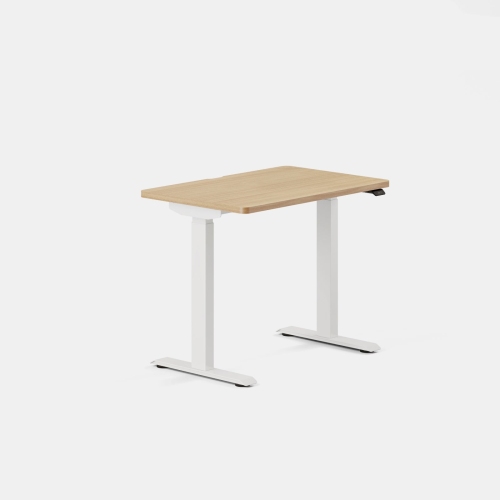 Your price for this item is $649
-
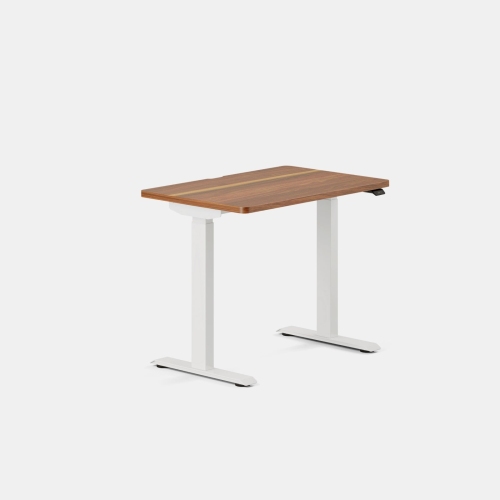 Your price for this item is $649
Discover more categories related to Dark Walnut L Shaped Wood Desks

Top Collections:
Best Black Friday Deals This Year, Best Black Friday Deals On Electronics, Kindle Devices, Pokemon Centers, Best Black Friday Deals On Apple Products, Best Cameras for Sports Photography, Dyson Airwrap, Pokémon 30th Celebration Cards, Apple iPhone 17 Pro, Canon G7X Cameras
Some products may be subject to Environmental Handling Fees
(EHF) depending on your province.
Learn more about EHFs.