Dark Wood Corner Desks
Looking to maximize your workspace while adding a touch of sophistication to your home or office? Dark wood corner desks are the perfect solution! Crafted with style and functionality in mind, these sleek and modern desks seamlessly fit into almost any corner, making the most of your available space. Whether you're a student, professional, or simply need a designated area to work from home, dark wood corner desks offer ample surface area for your computer, paperwork, and other essentials. With their dark wood finish and clean lines, these desks effortlessly blend into almost any decor scheme, adding an elegant touch to your surroundings. Here are some great options available.
Sort
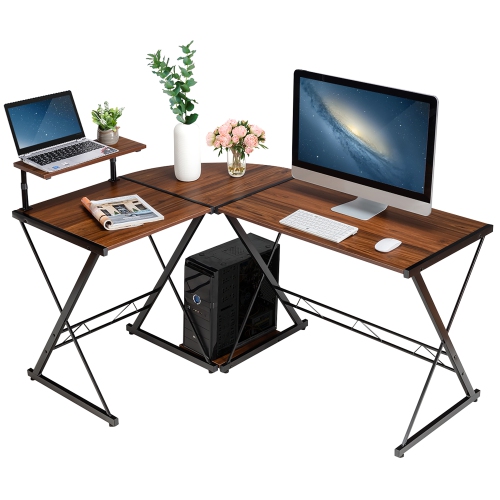
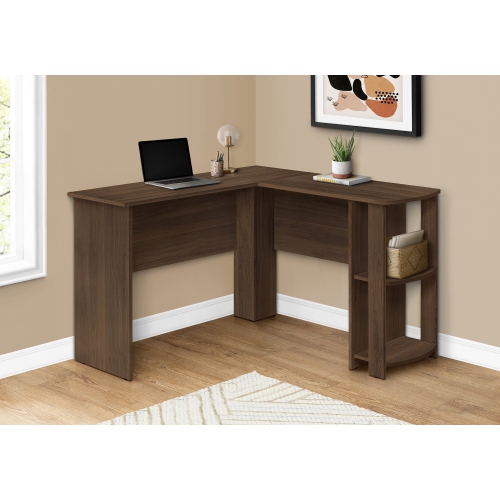
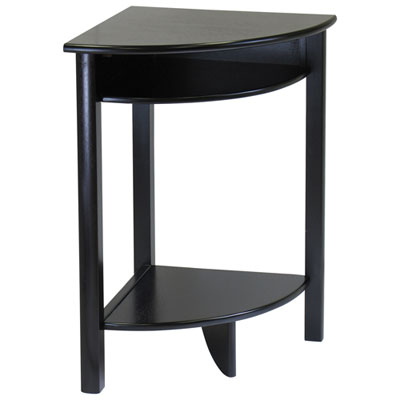
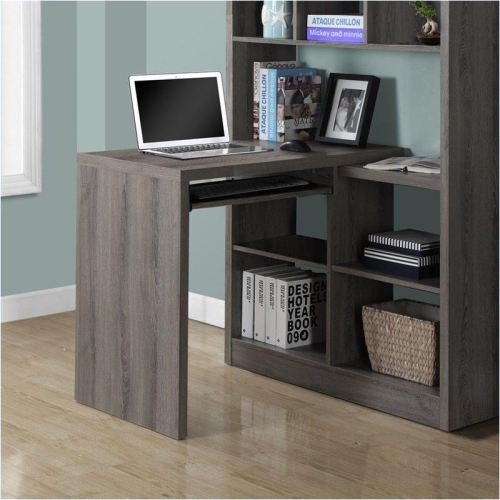
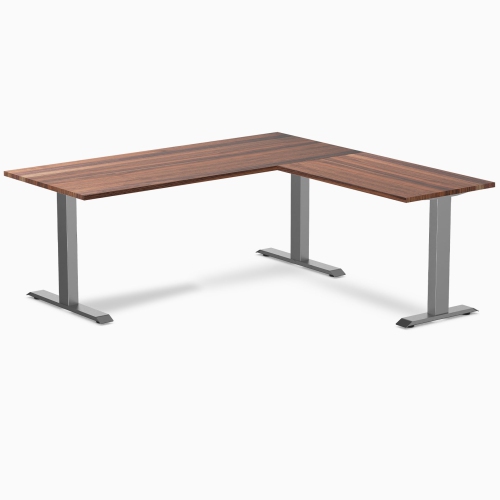
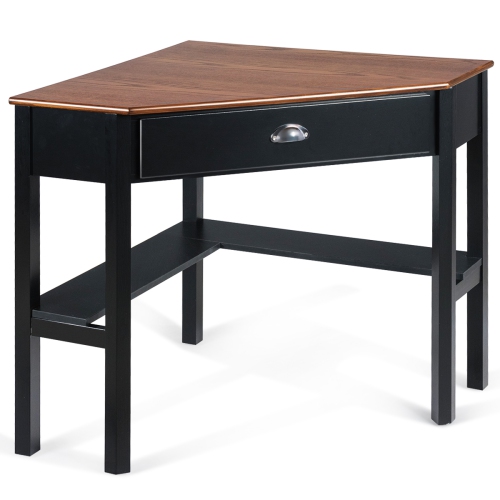
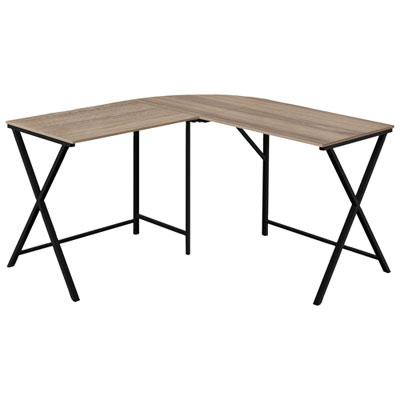
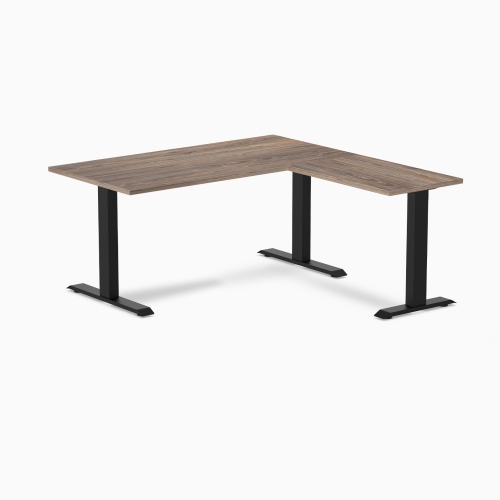
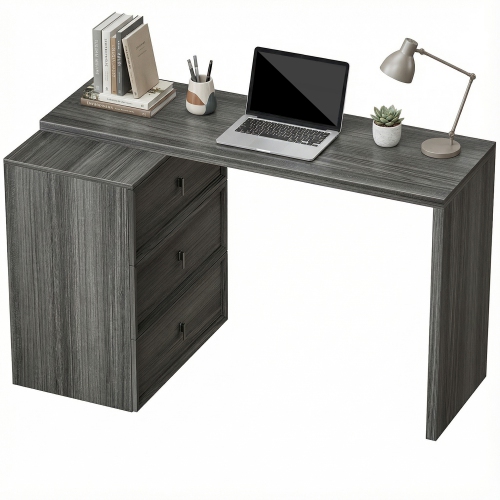
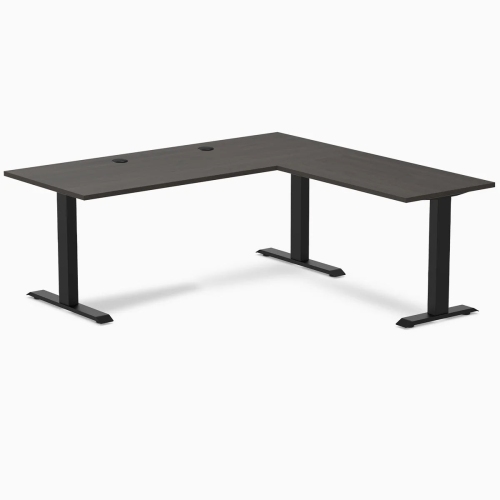
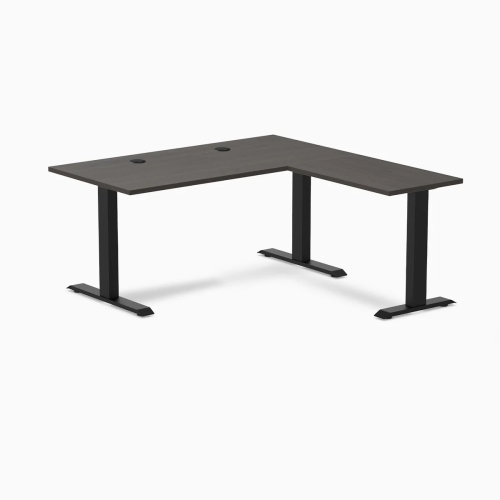
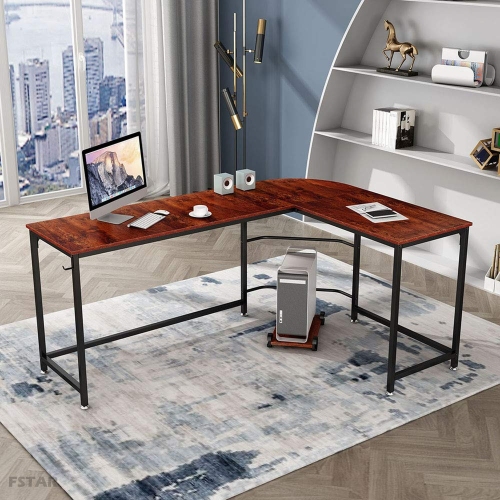
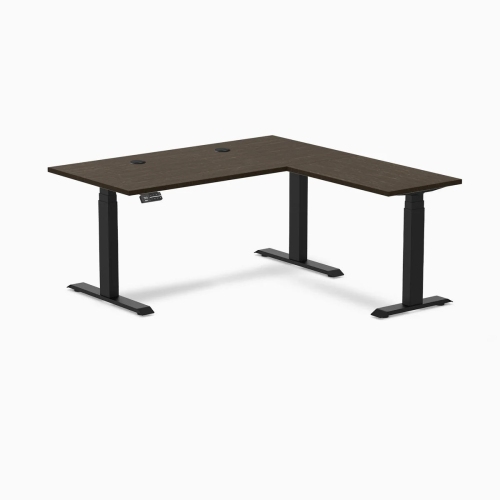
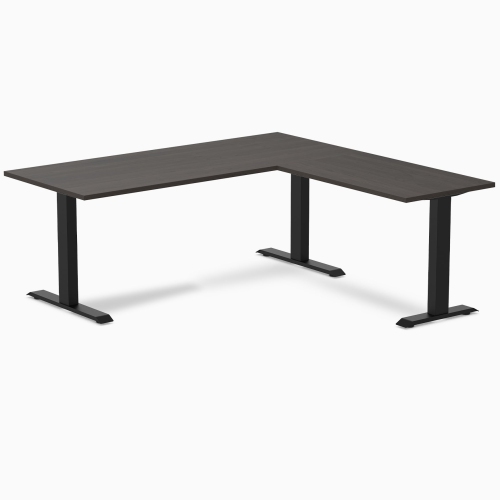
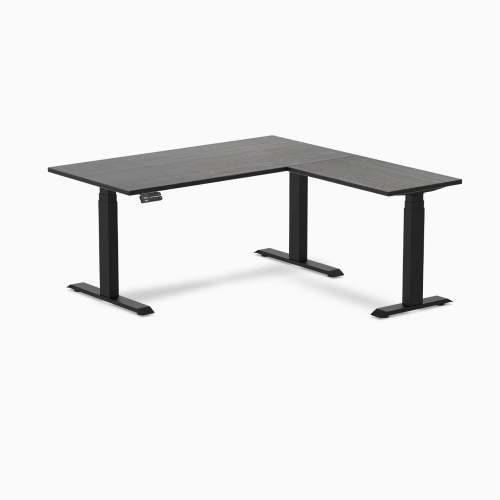
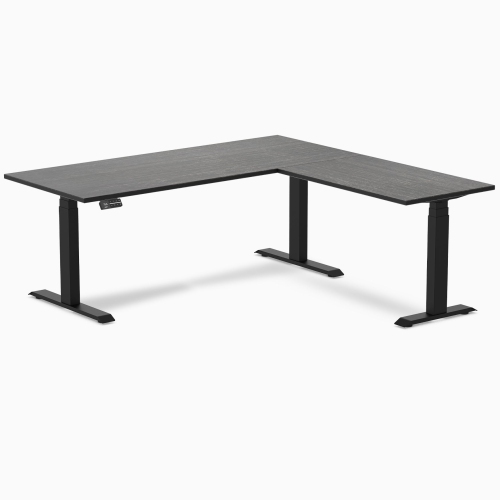
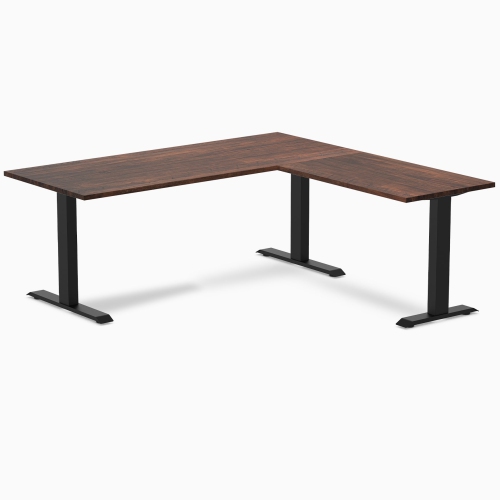
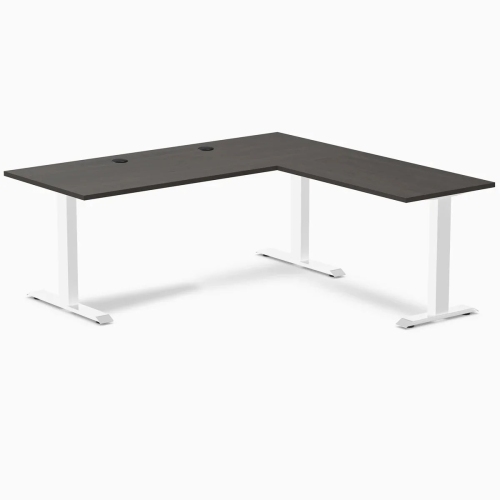
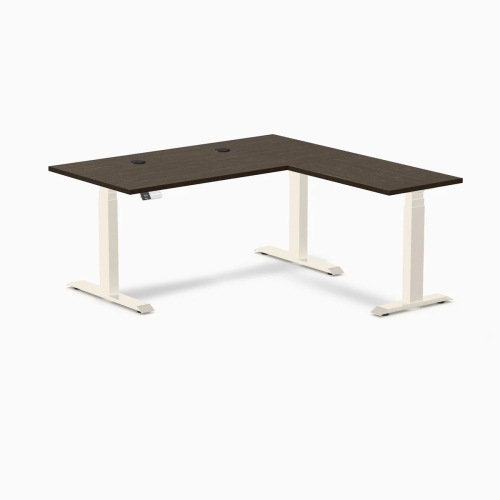
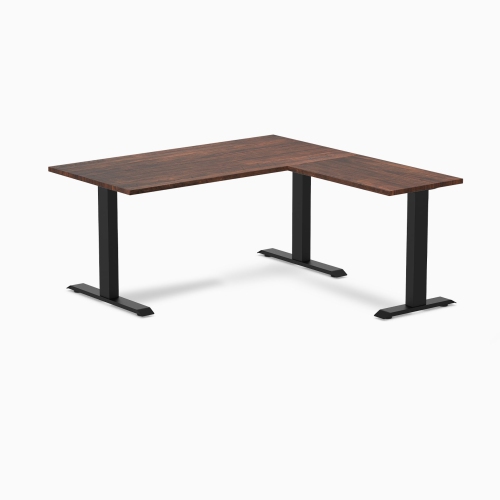
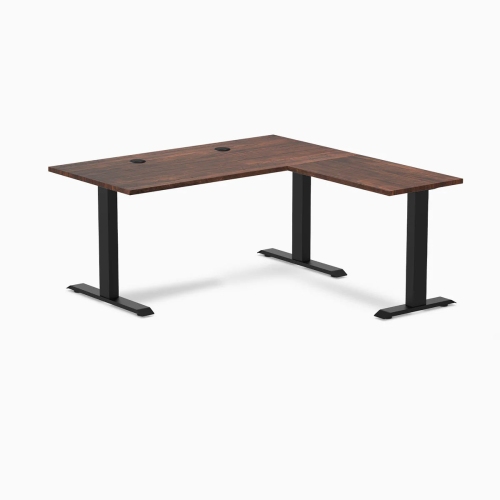
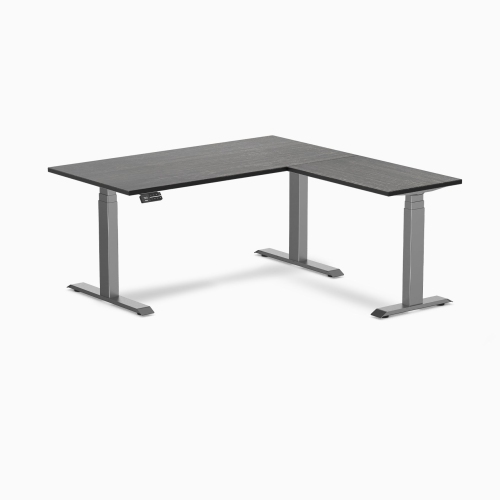
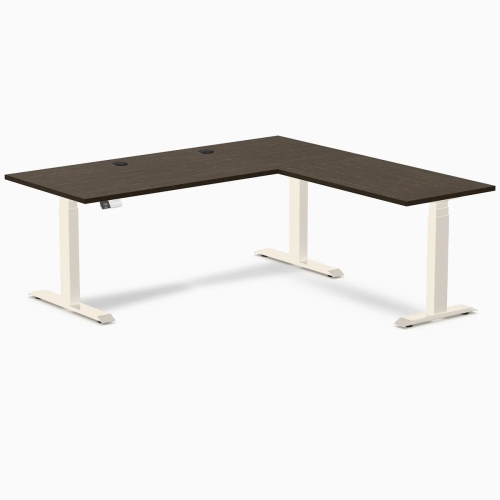
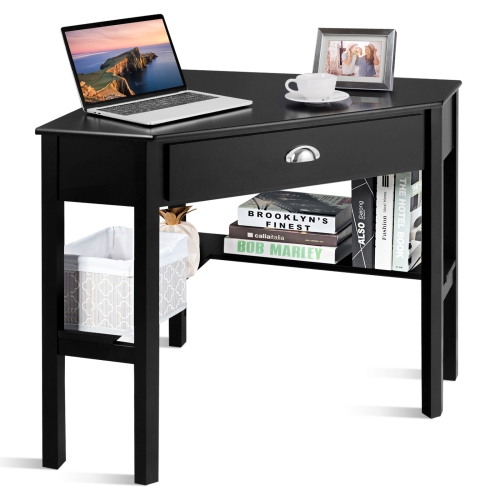
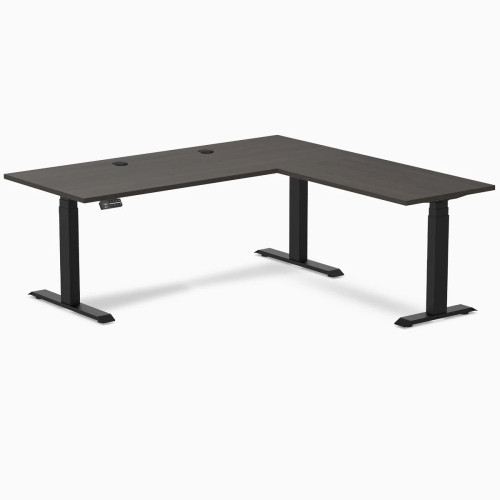
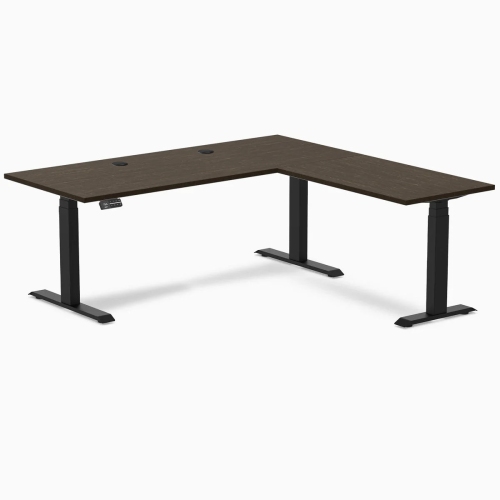
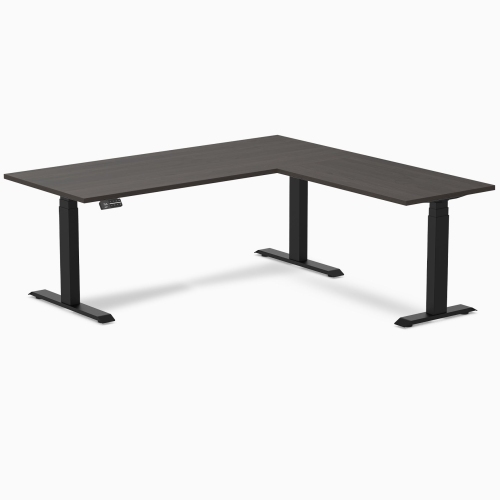
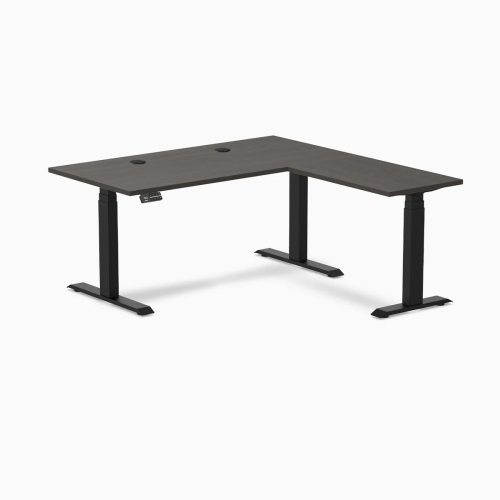
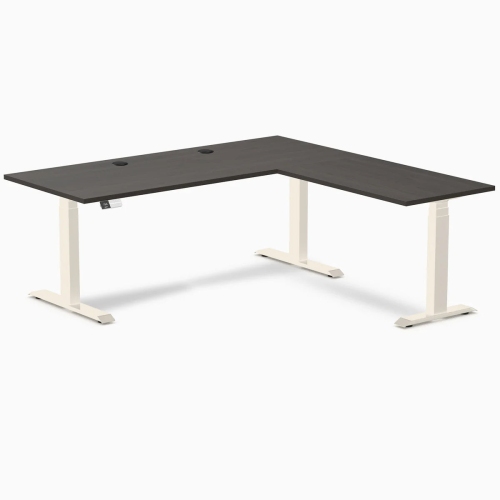
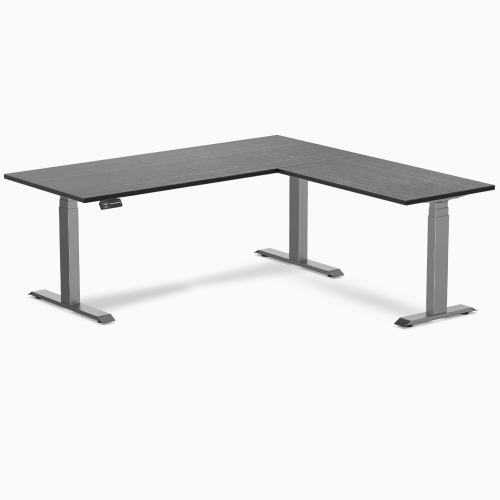
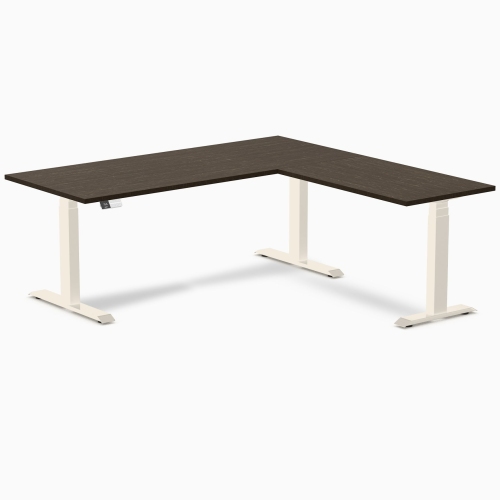
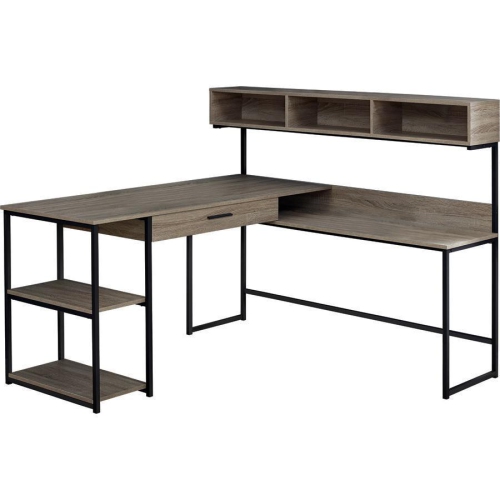
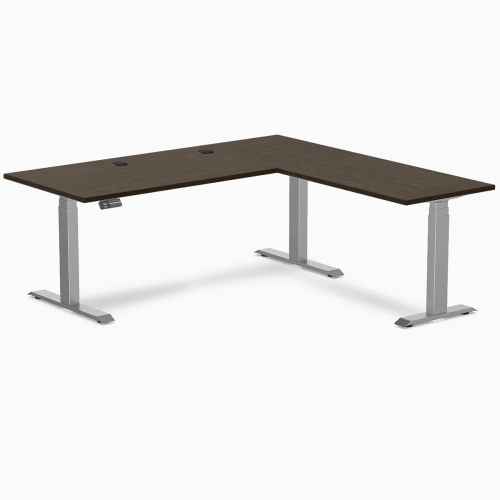
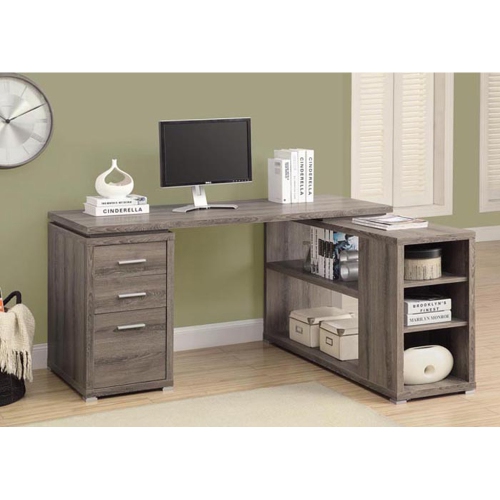
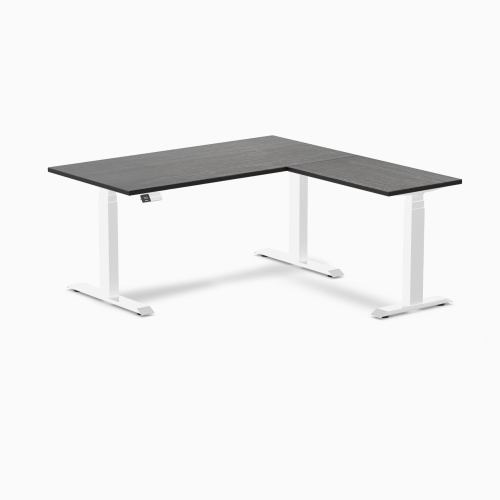
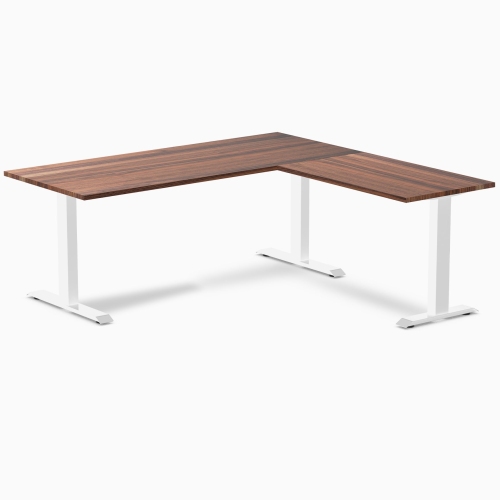
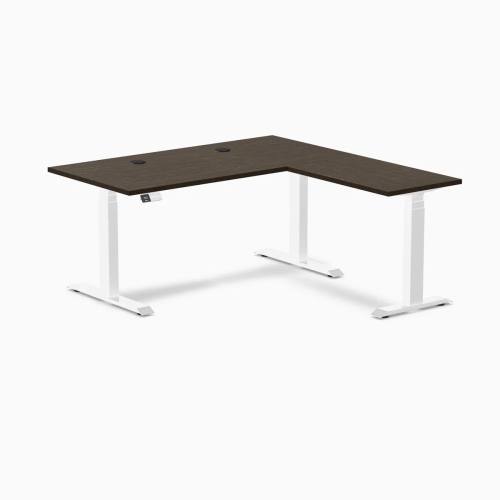
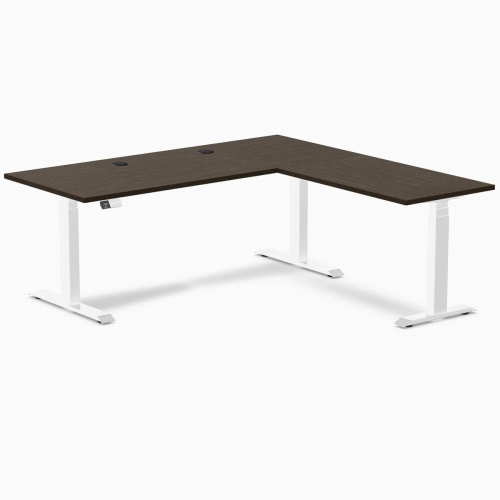
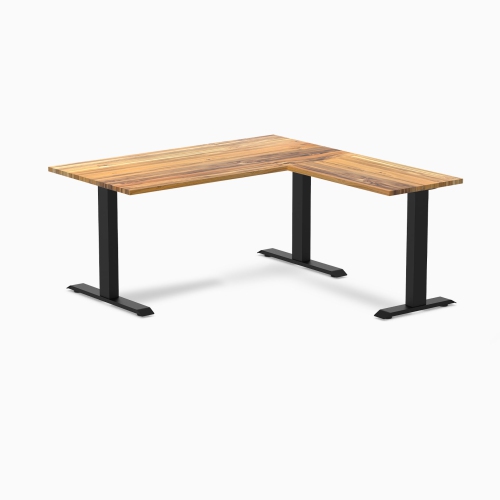
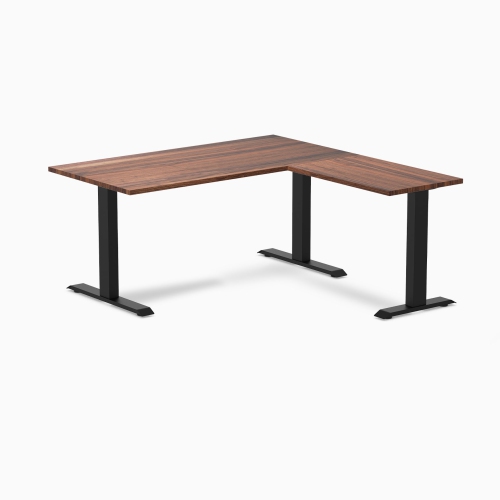
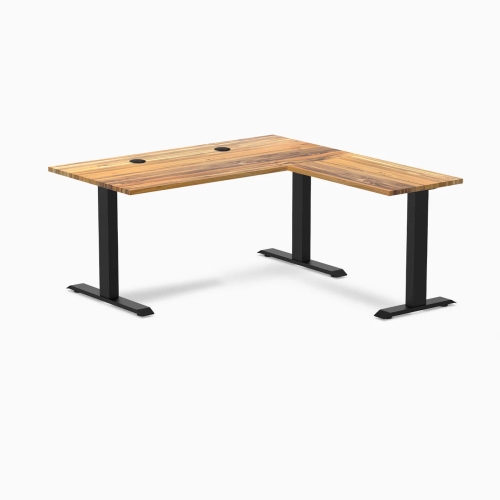
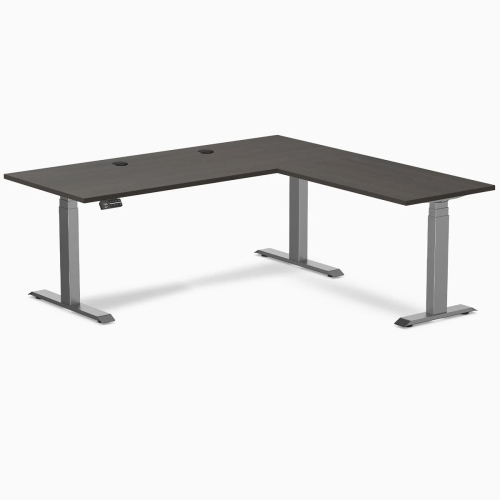
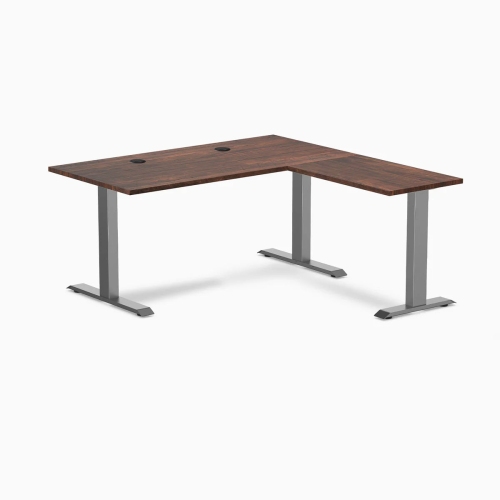
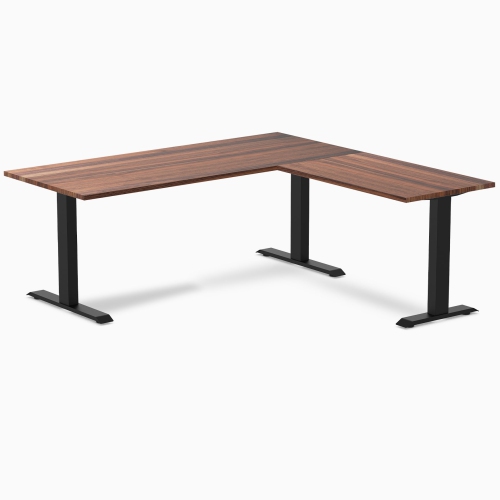
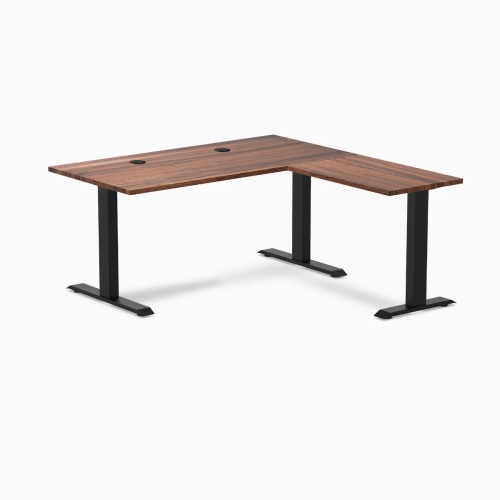
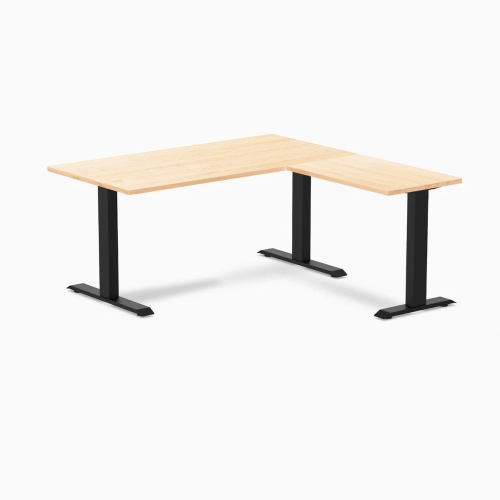
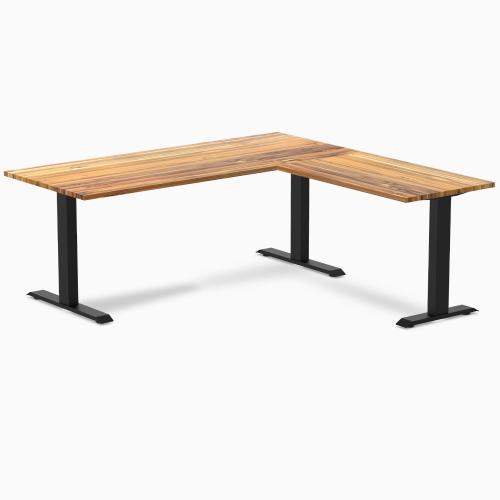
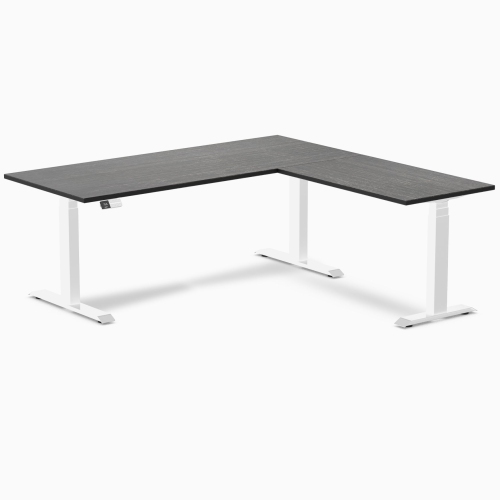
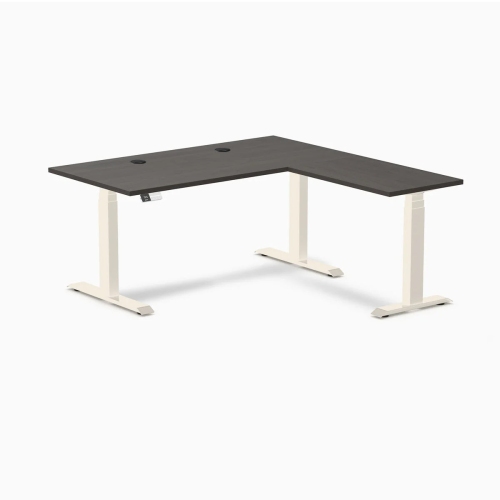
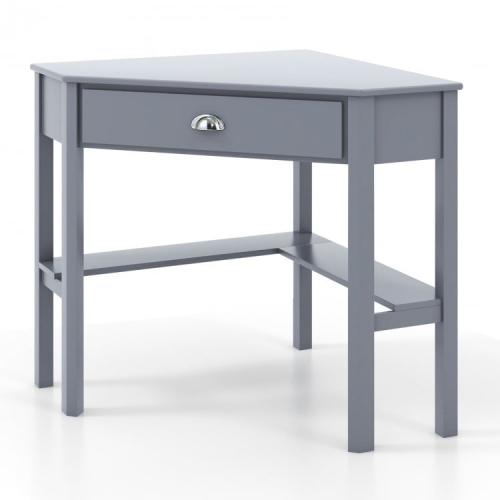
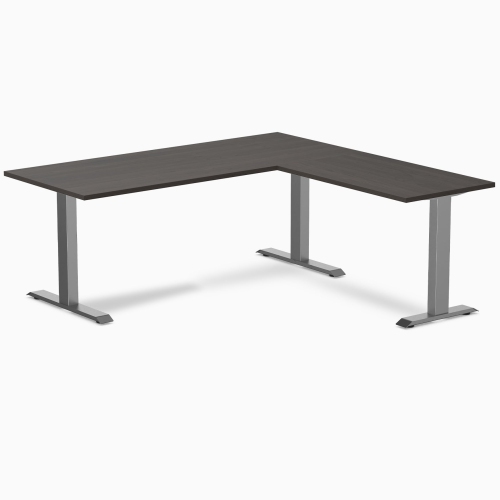
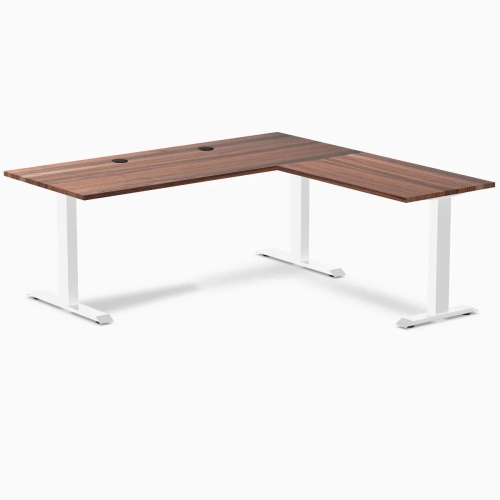
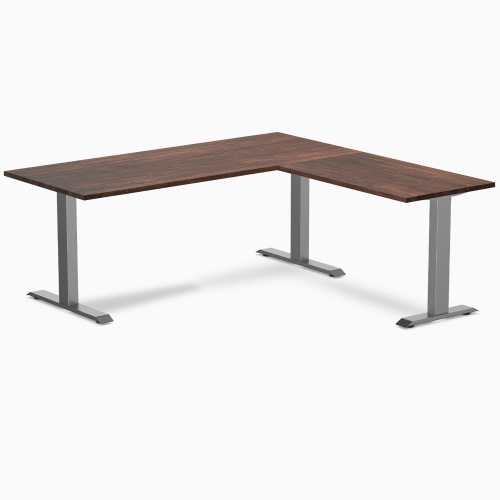
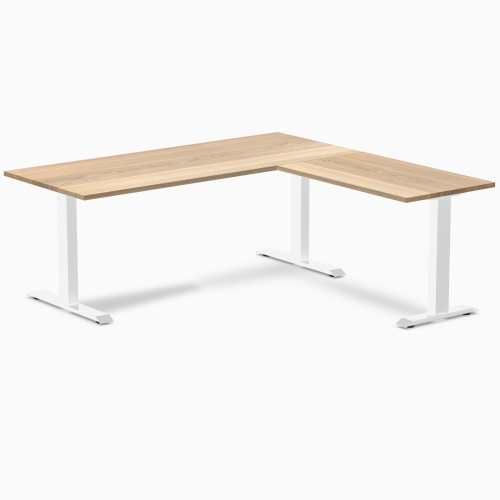
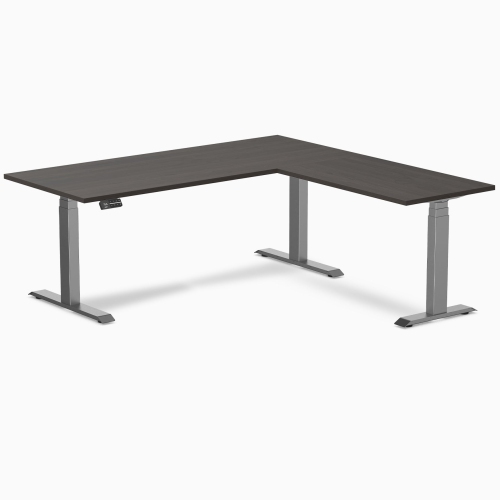
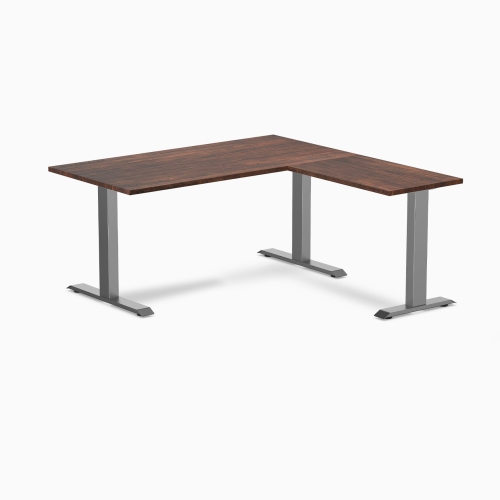
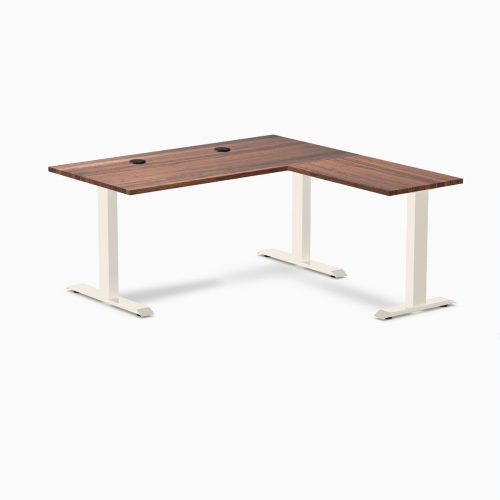
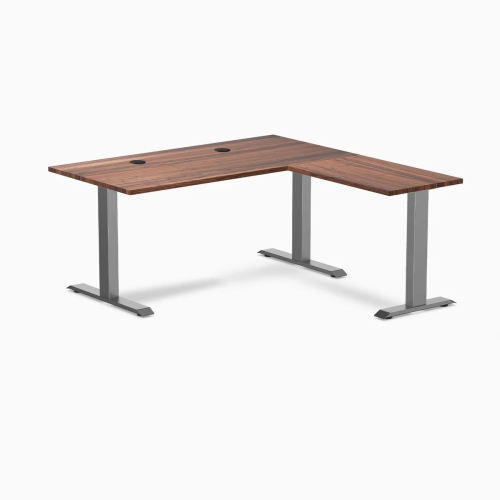
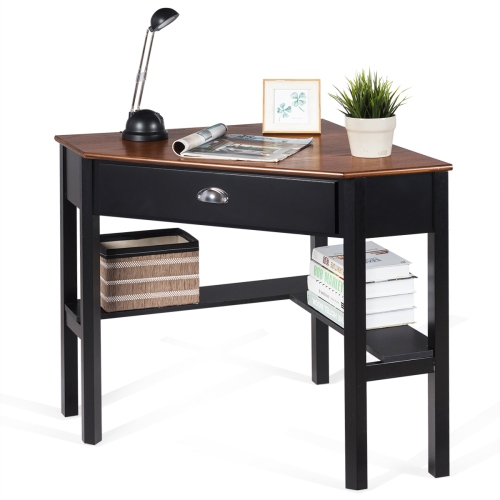
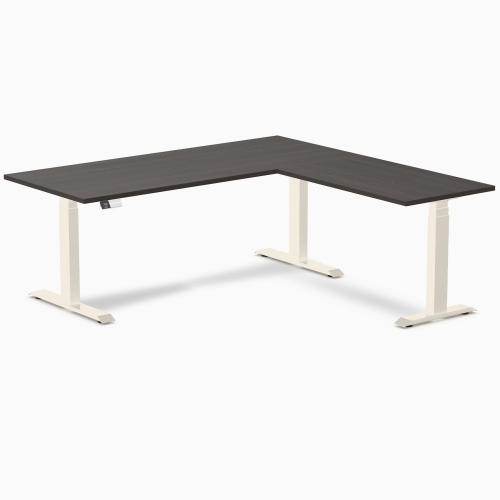
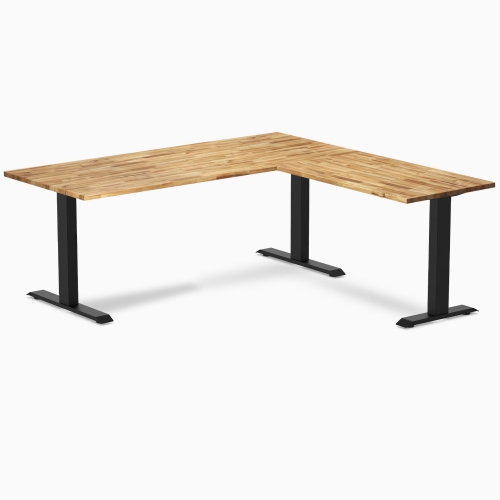
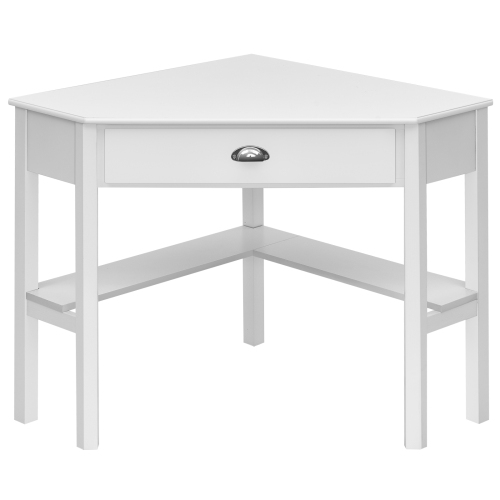
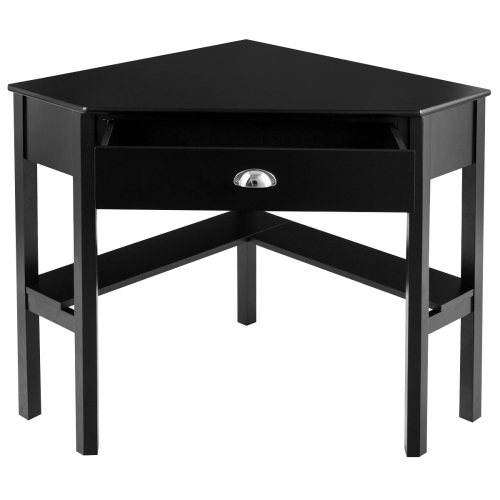
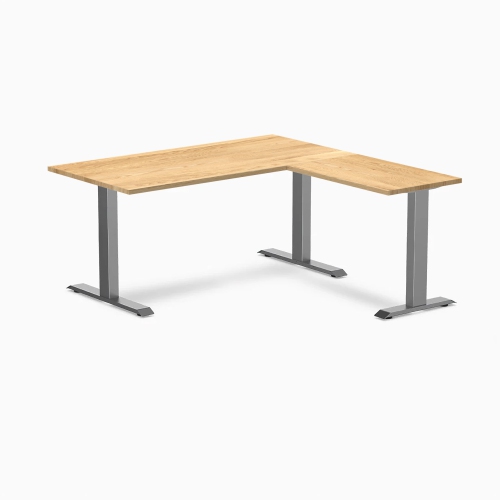
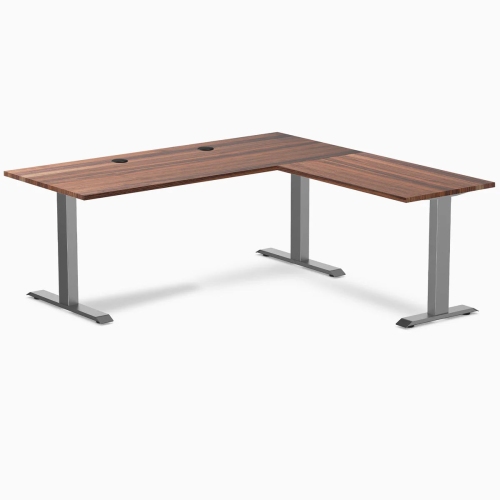
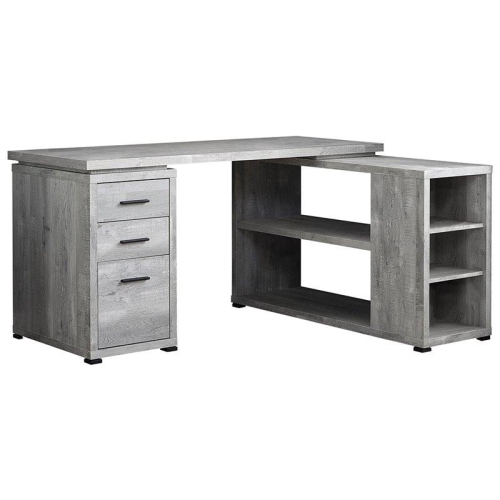
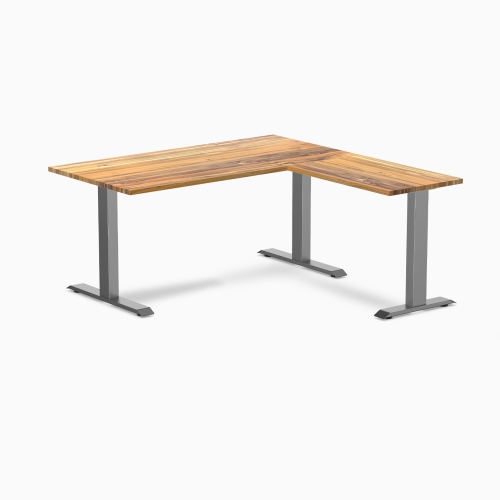
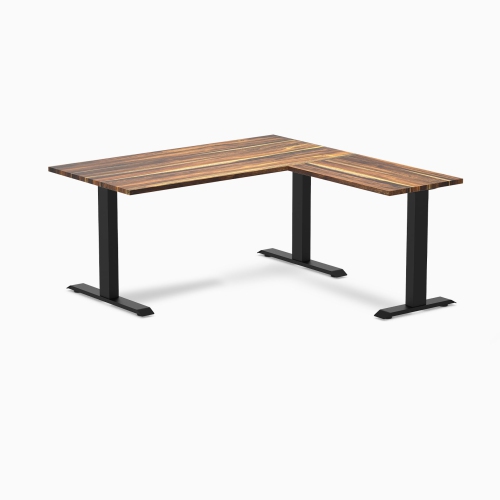
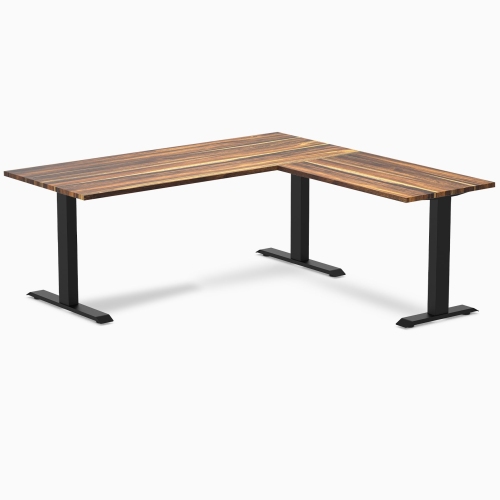
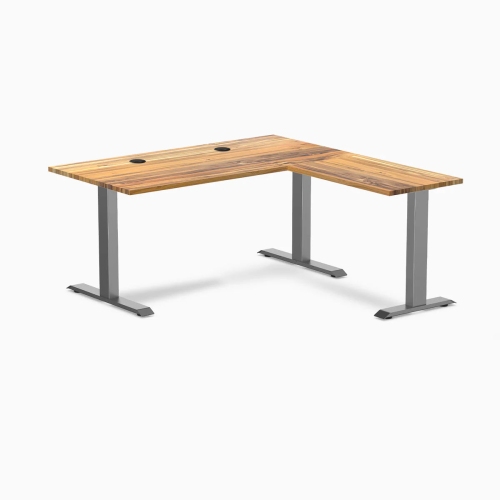
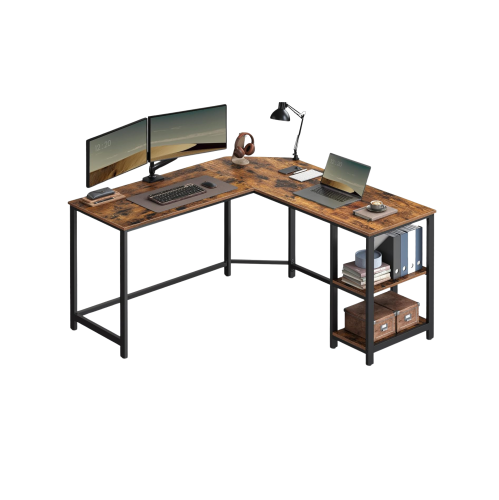
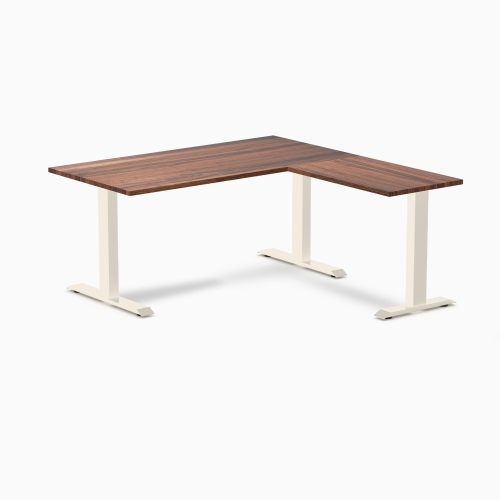
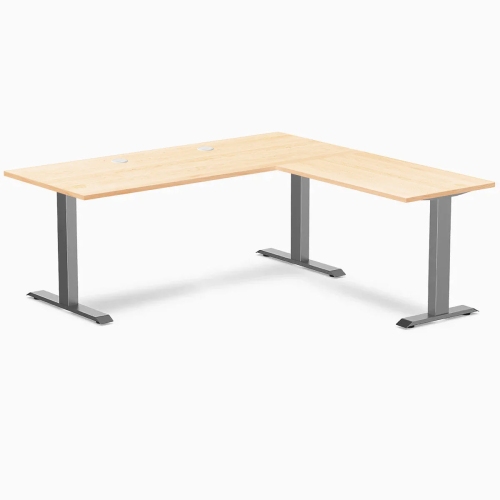
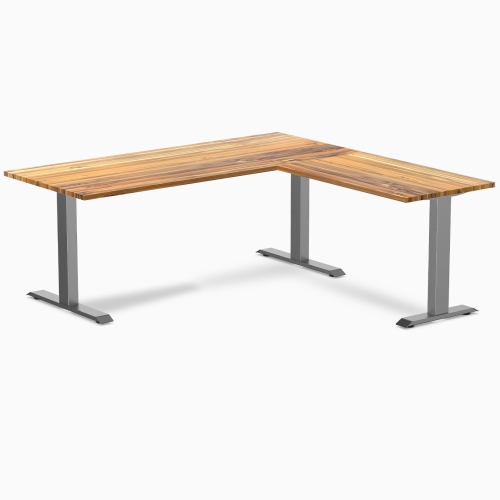
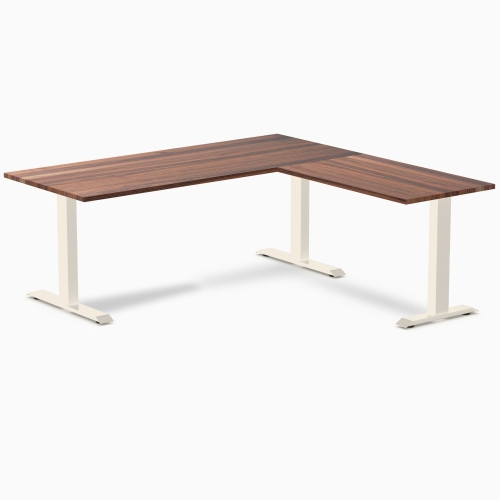
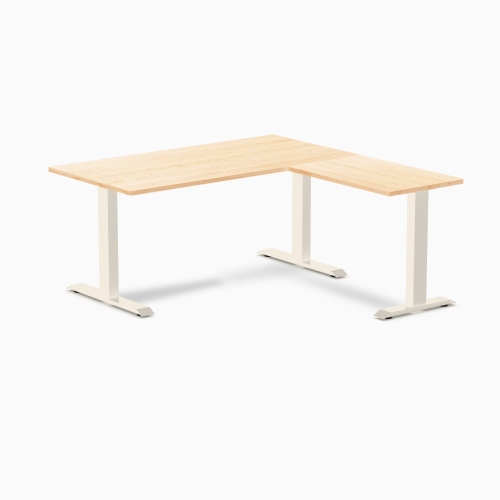
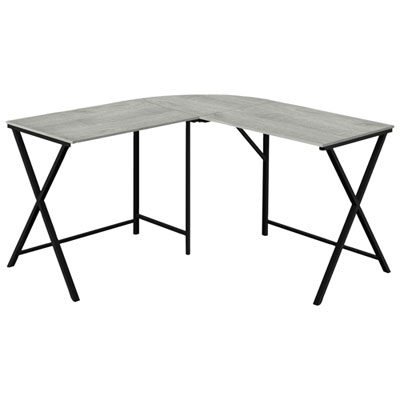
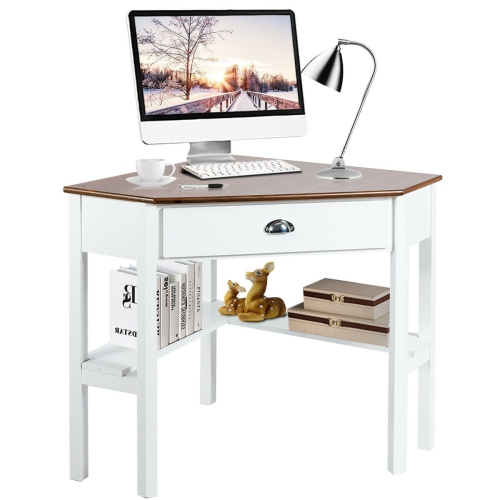
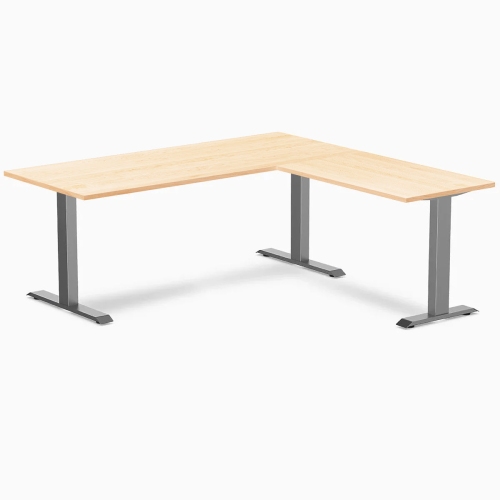
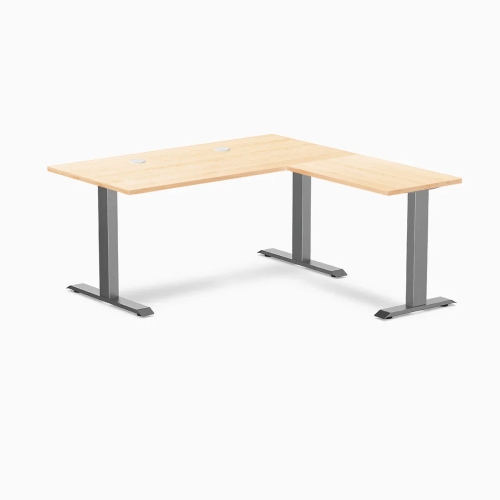
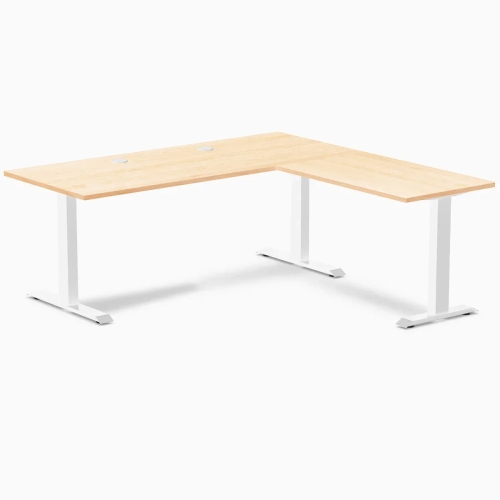
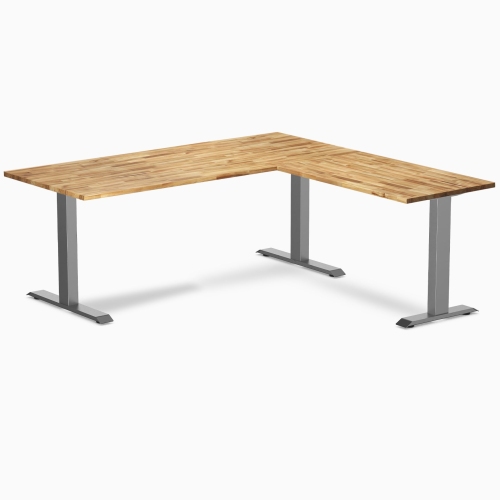
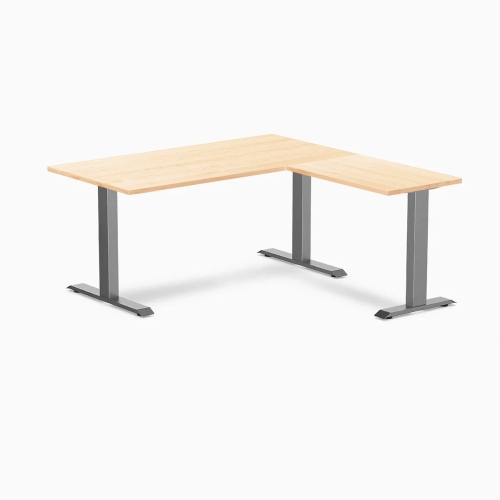
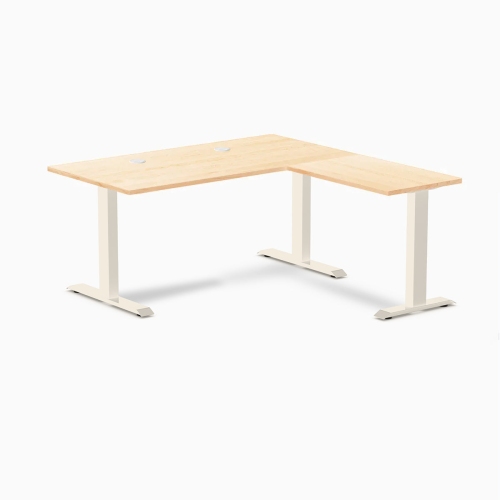
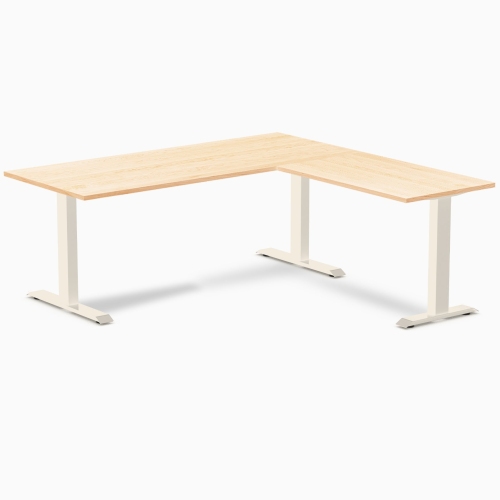
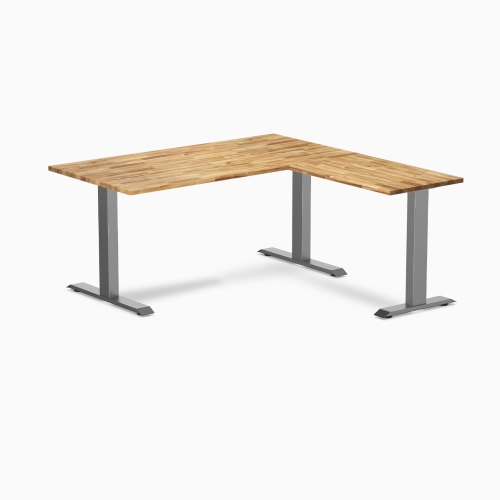
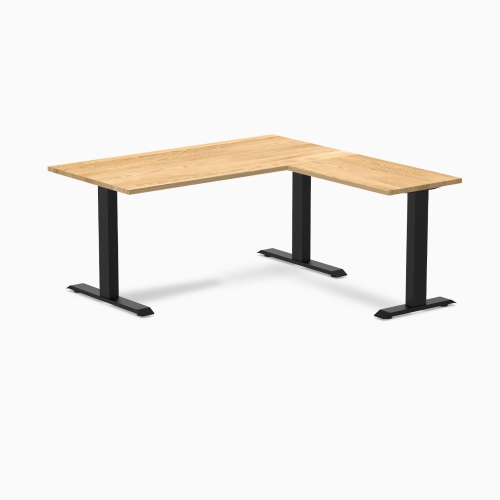
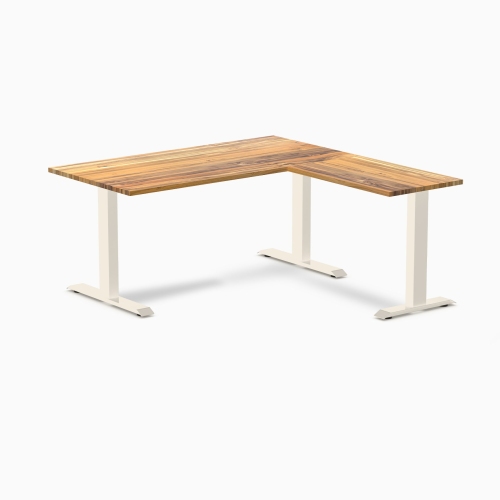
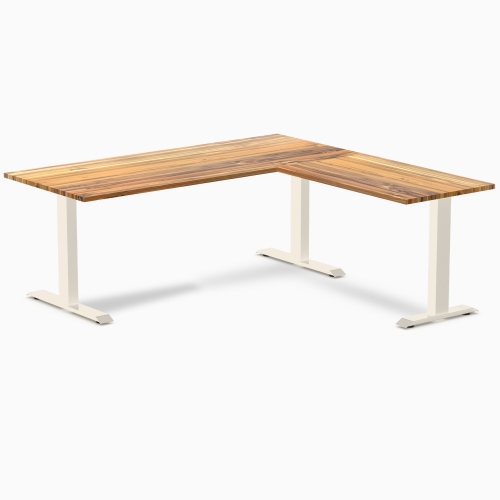
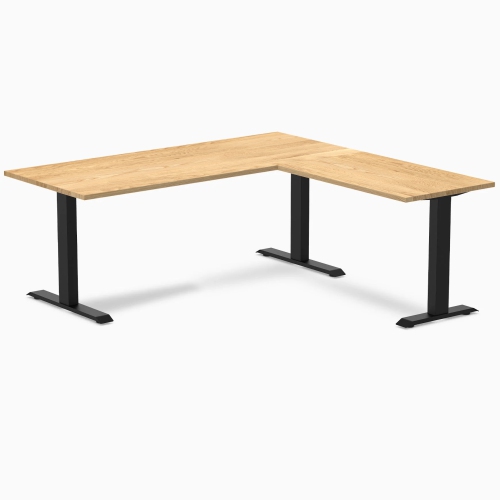
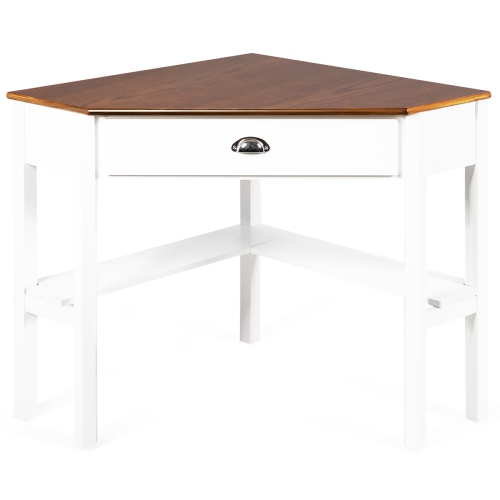
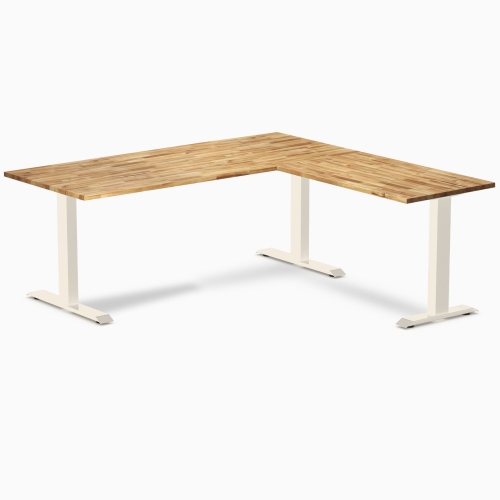
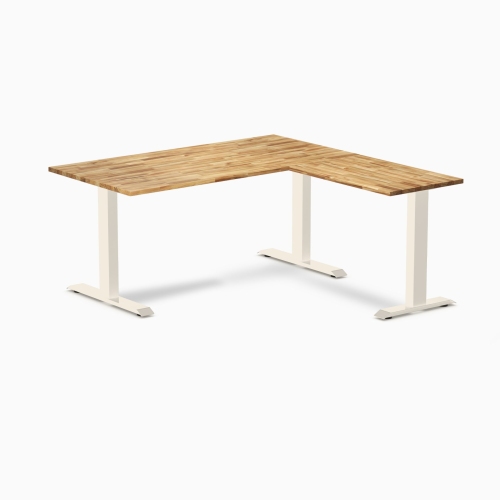
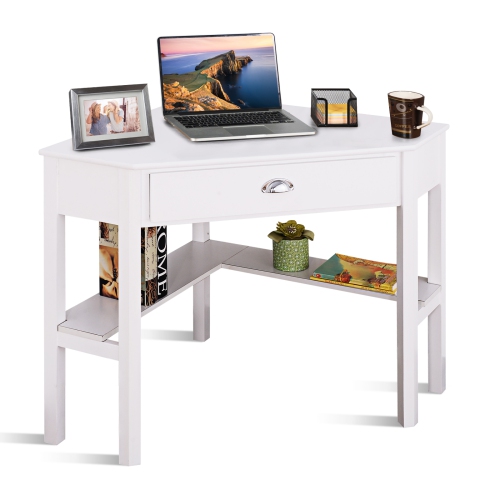
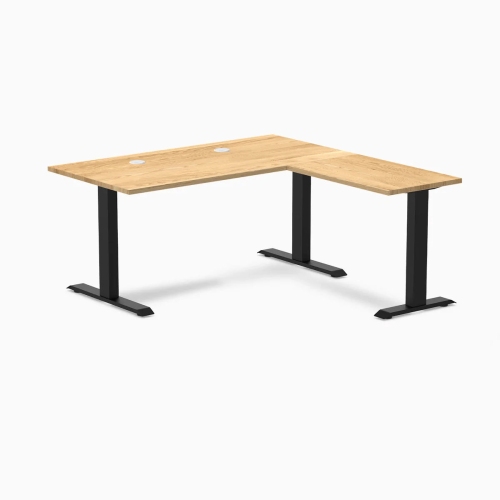
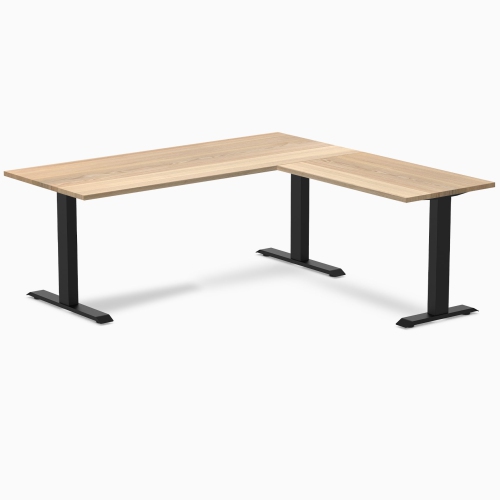
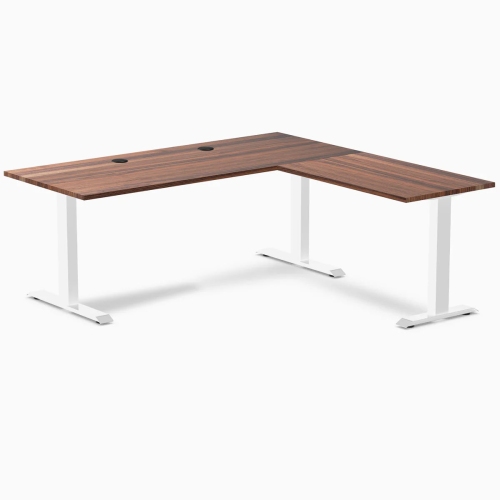
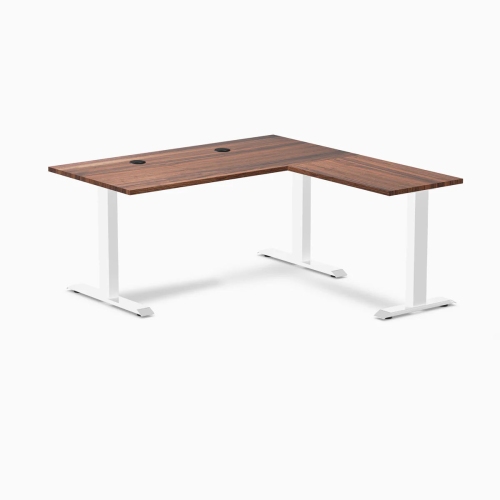
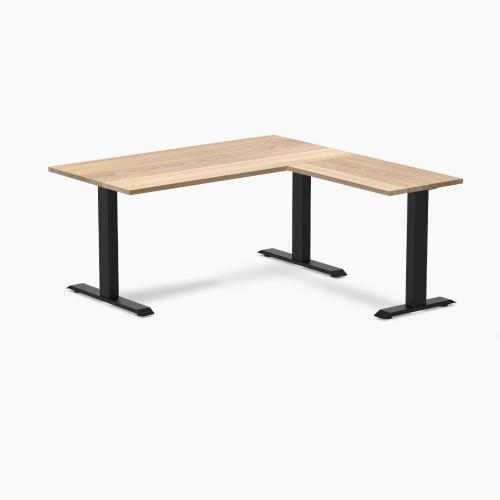
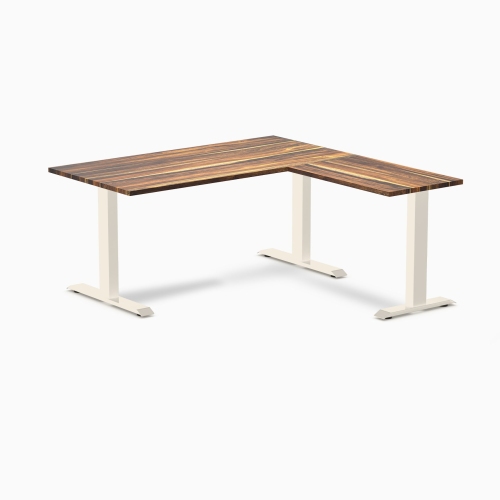
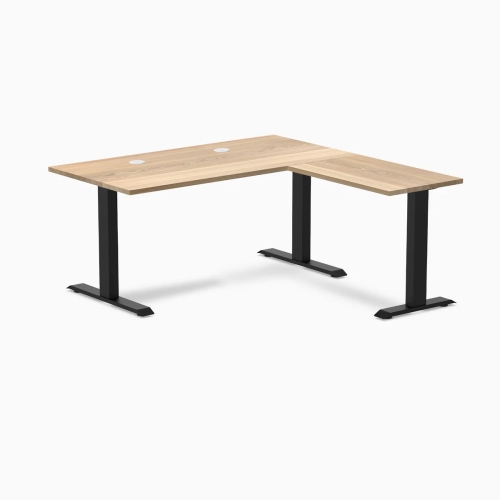
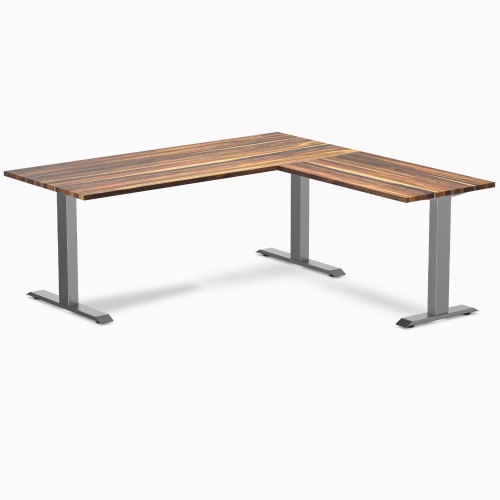
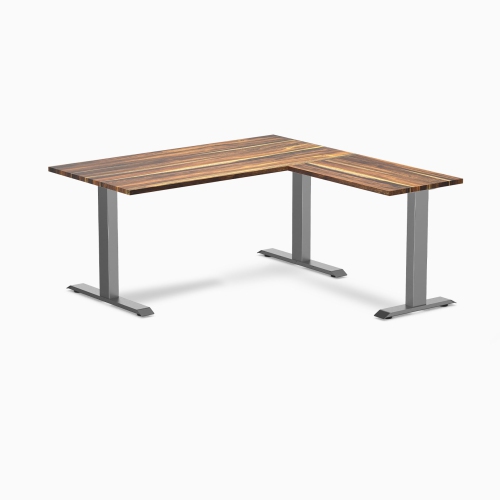
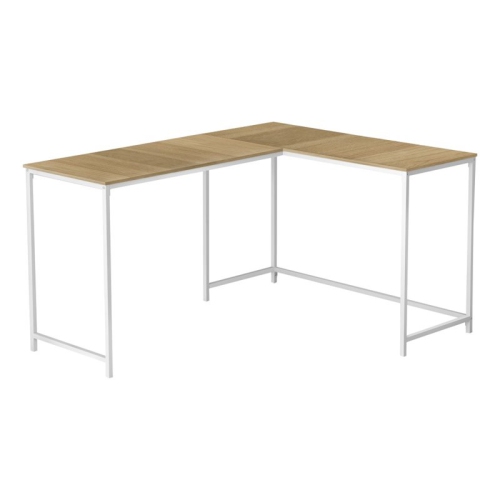
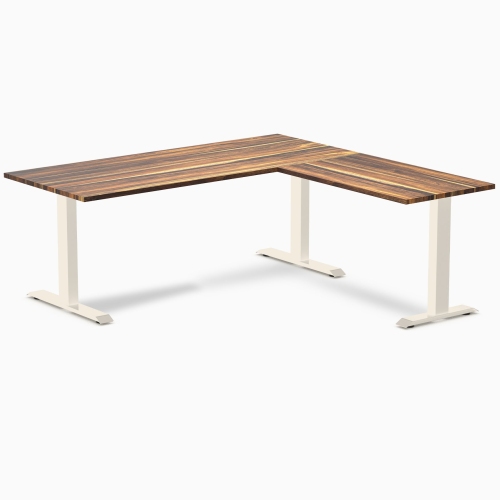
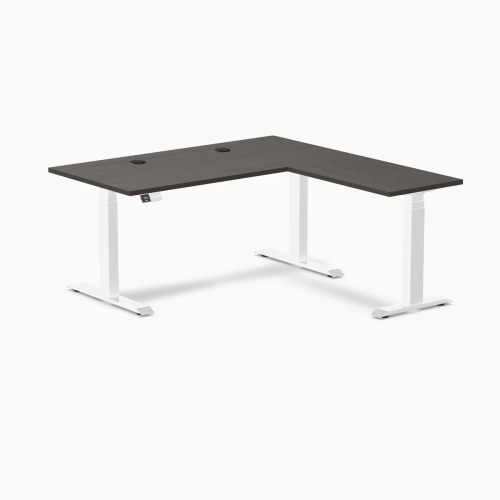
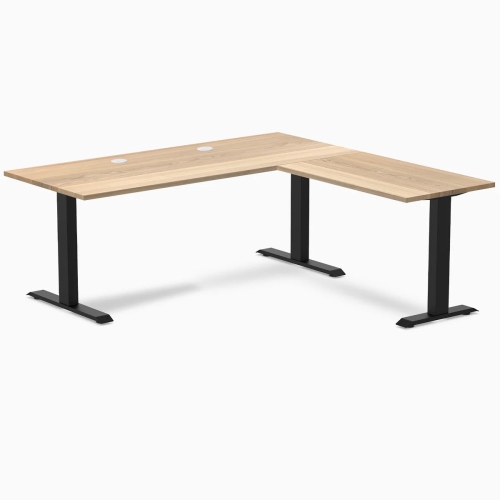
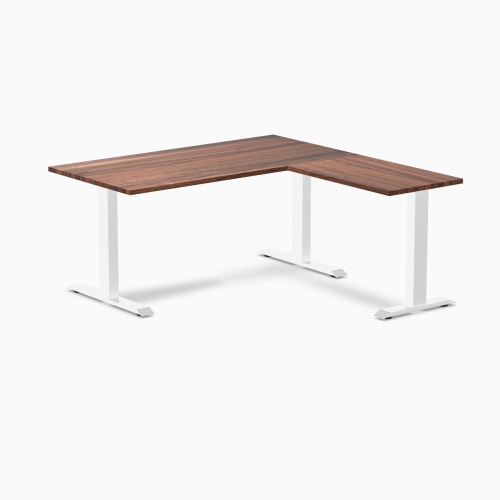
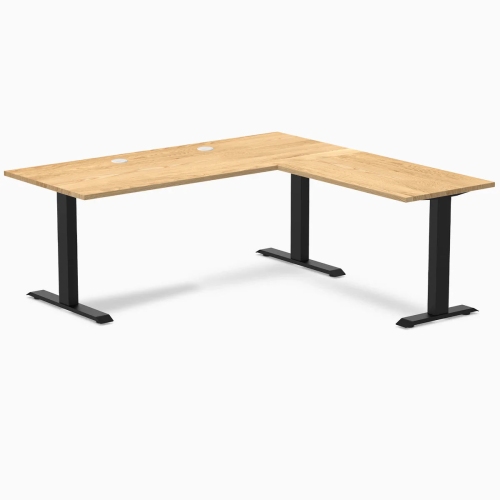
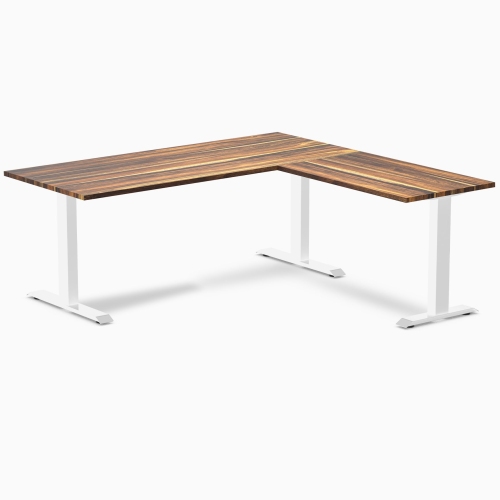
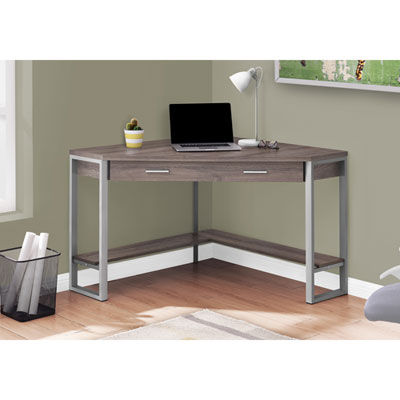
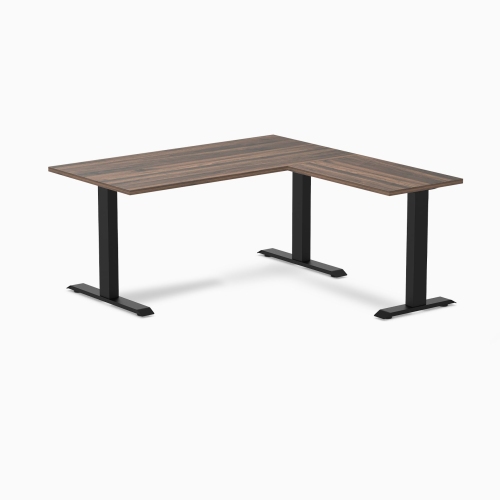
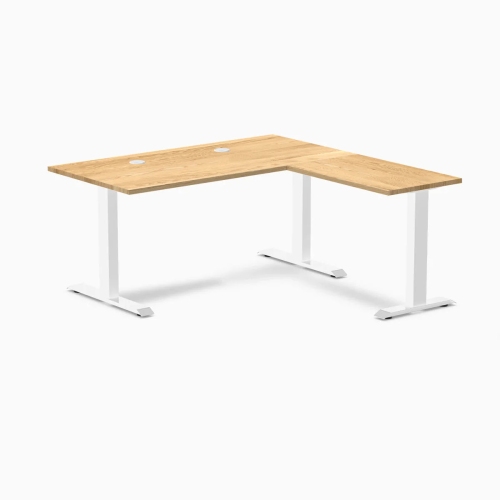
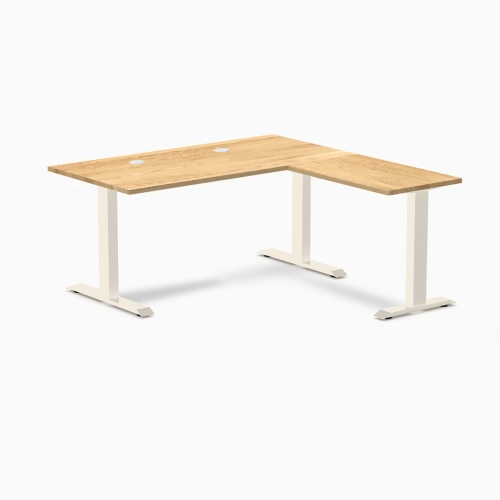
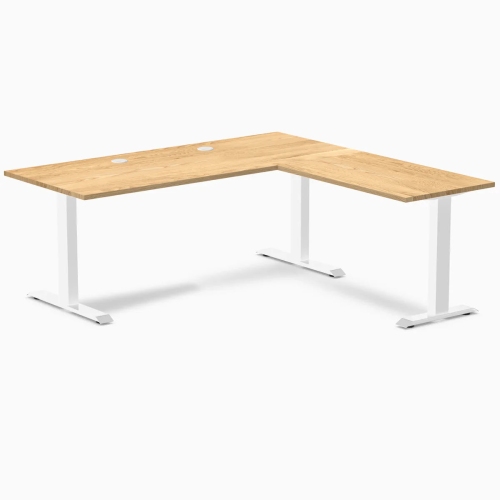
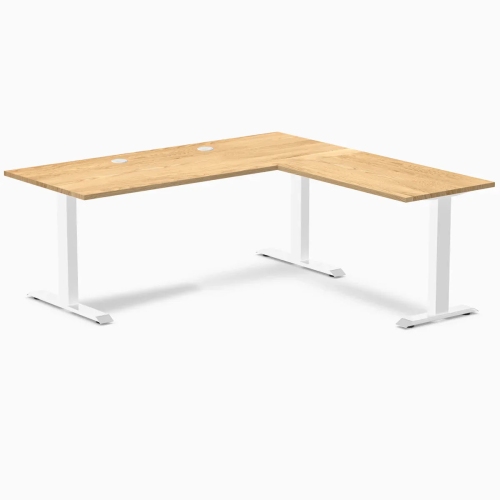
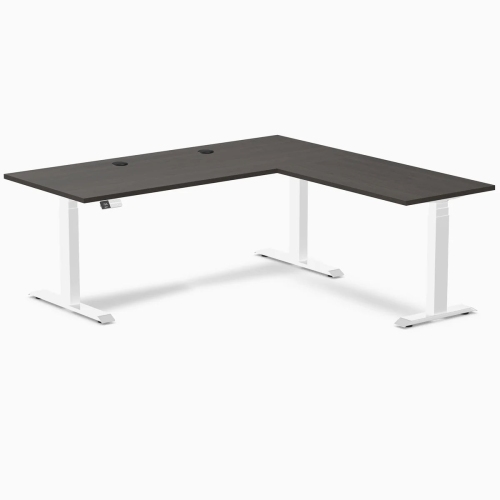
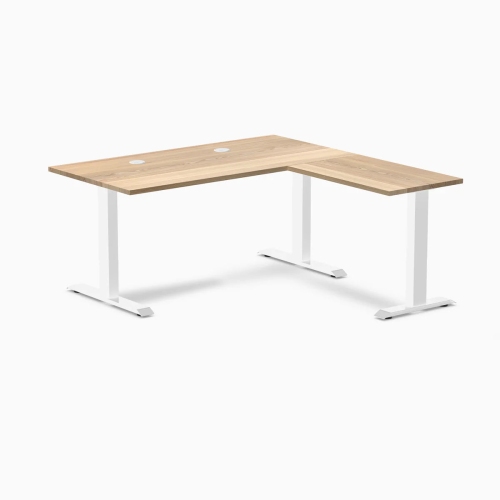
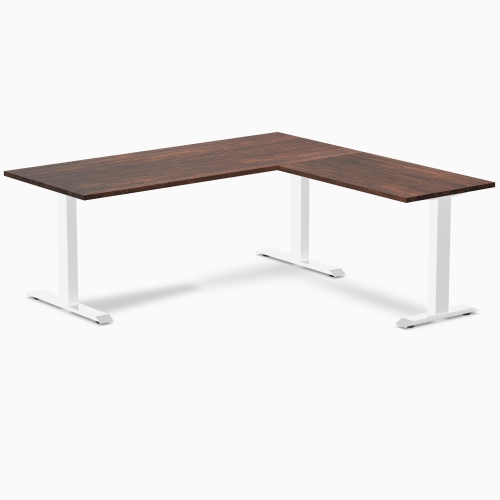
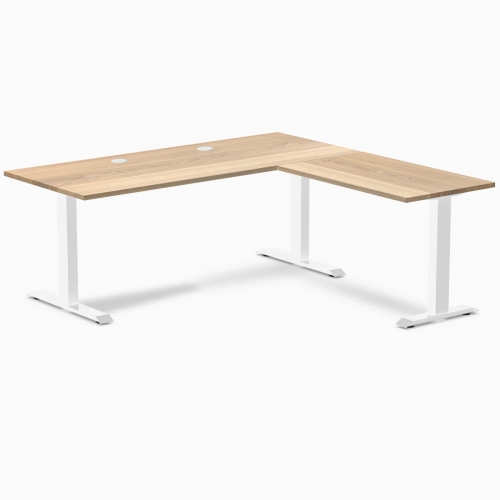
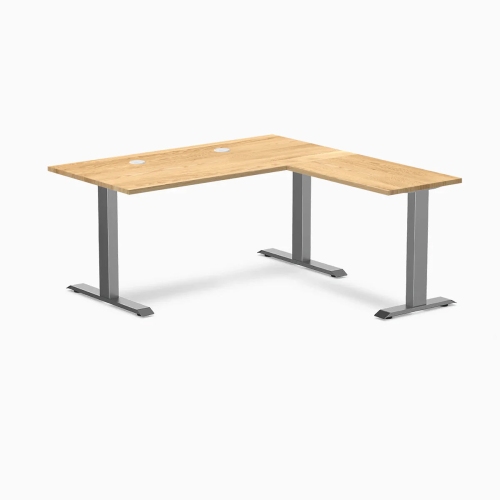
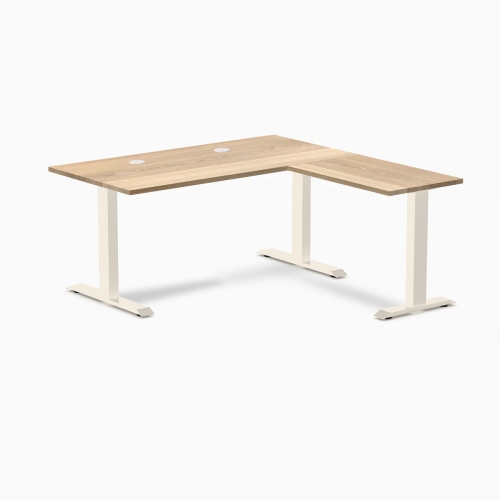
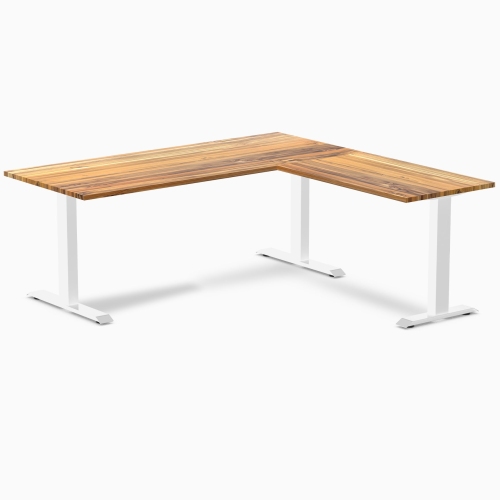
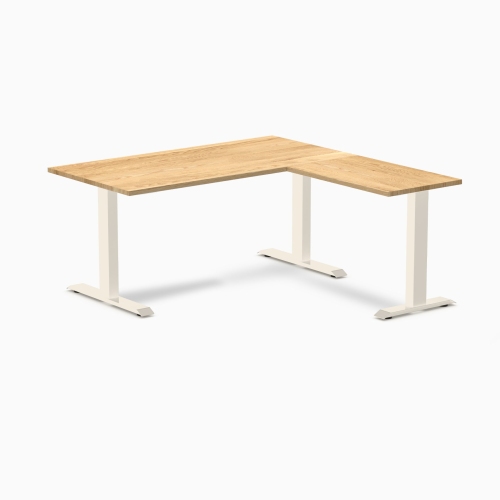
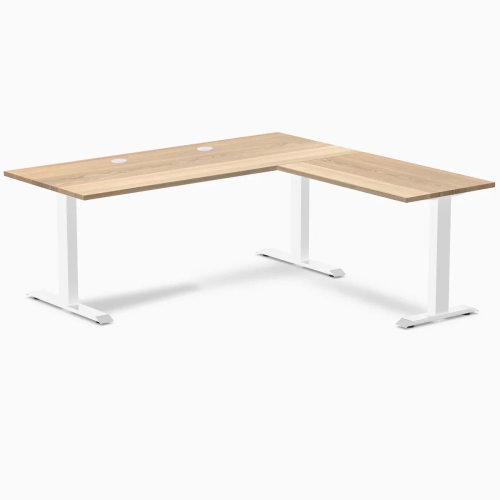
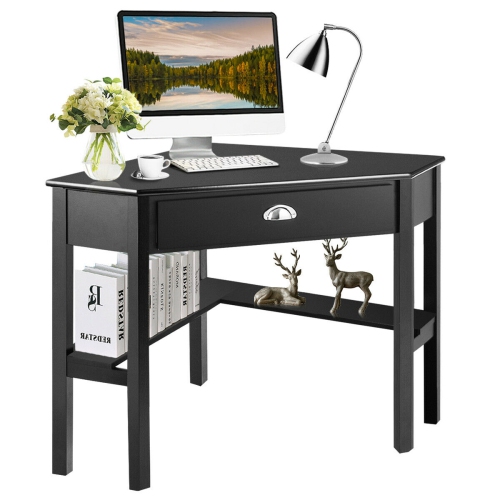
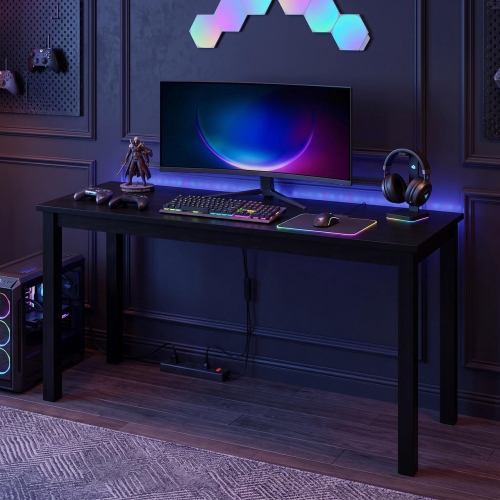
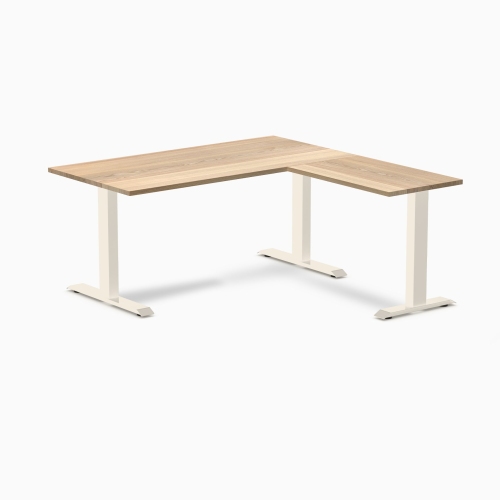
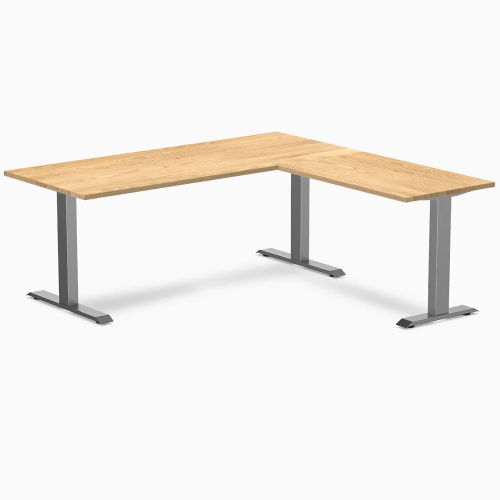
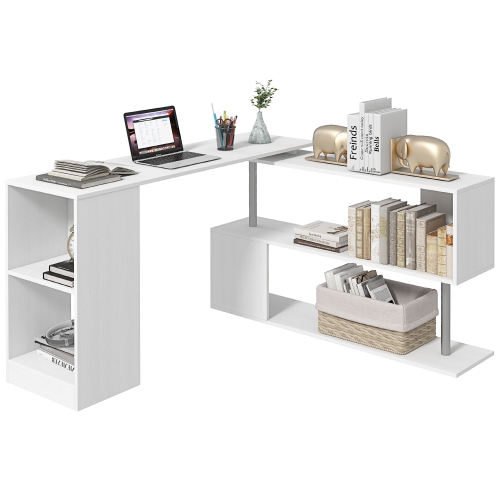
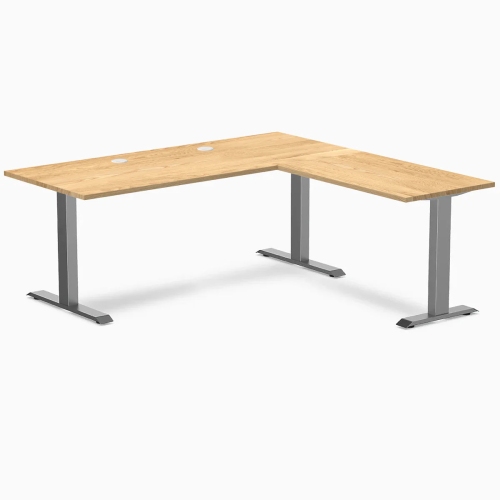
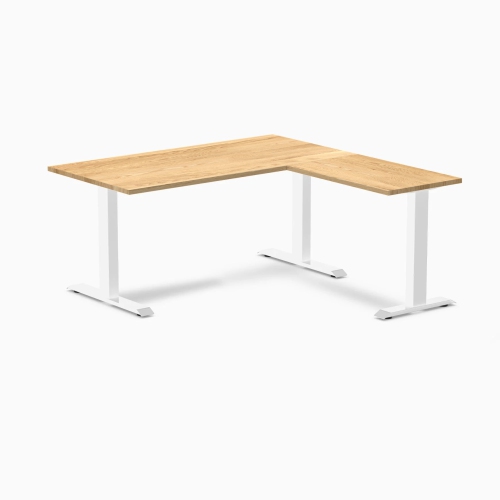
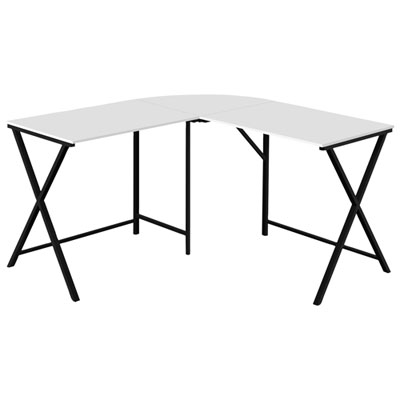
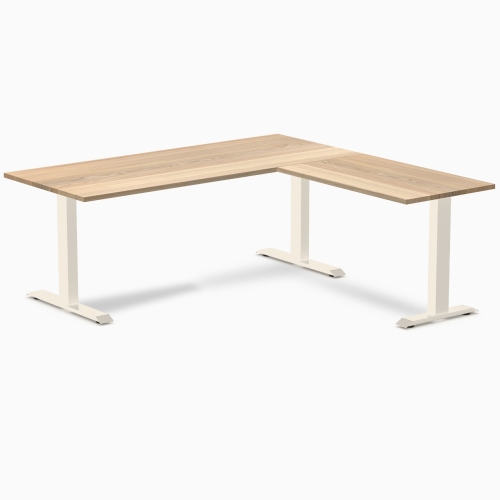
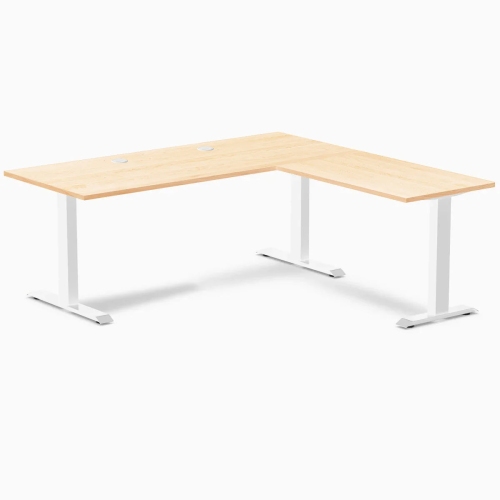
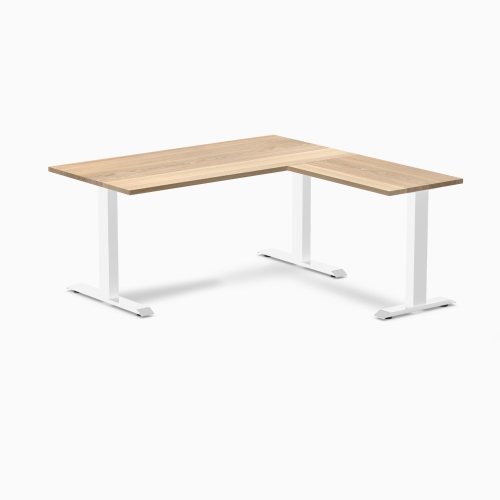
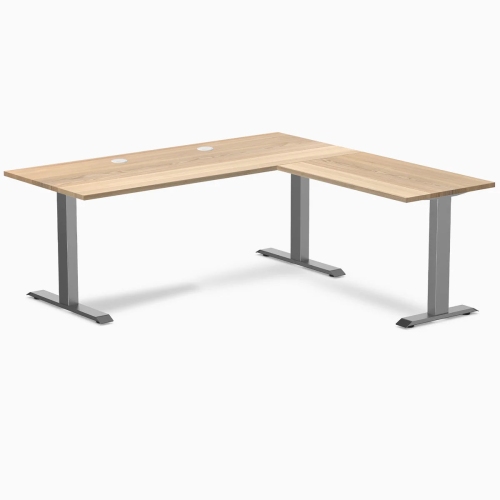
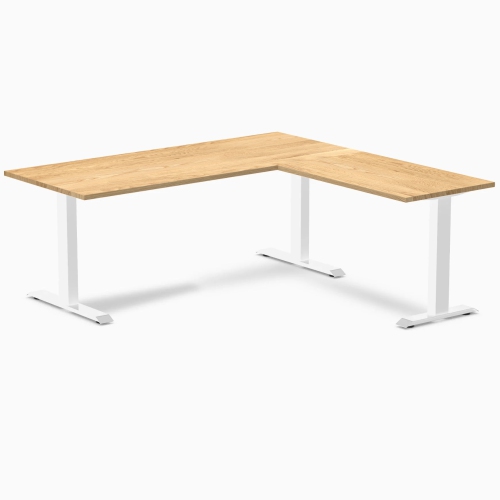
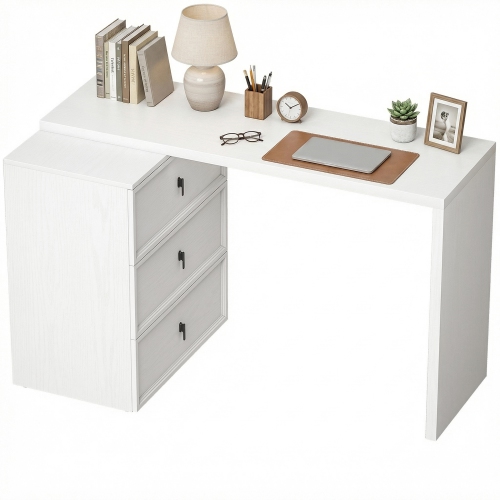
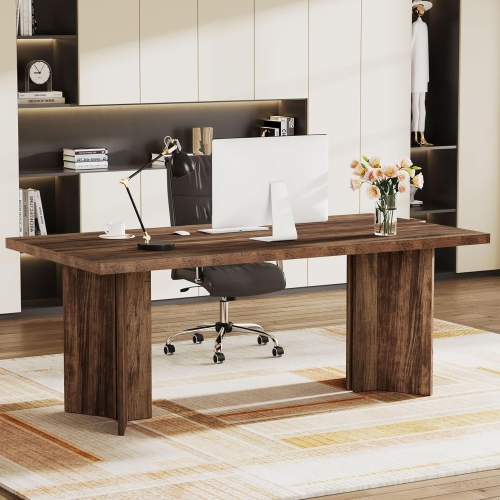
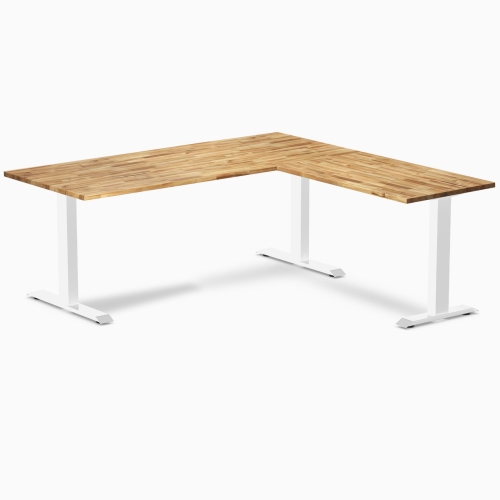
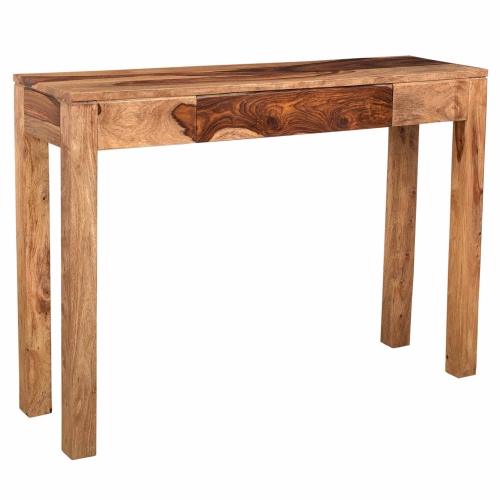
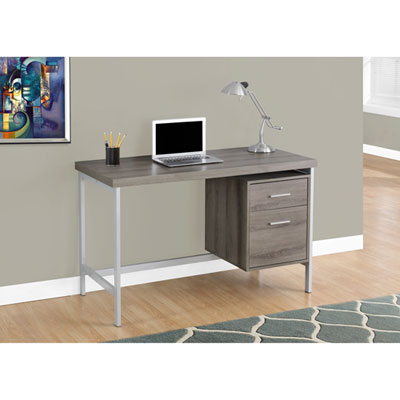
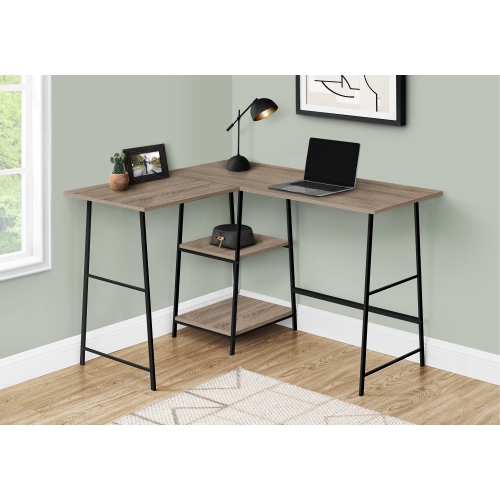
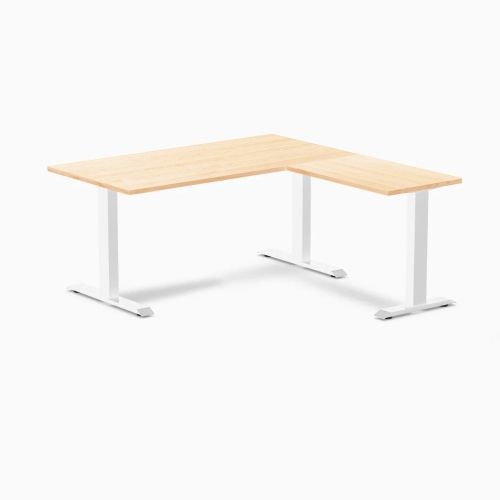
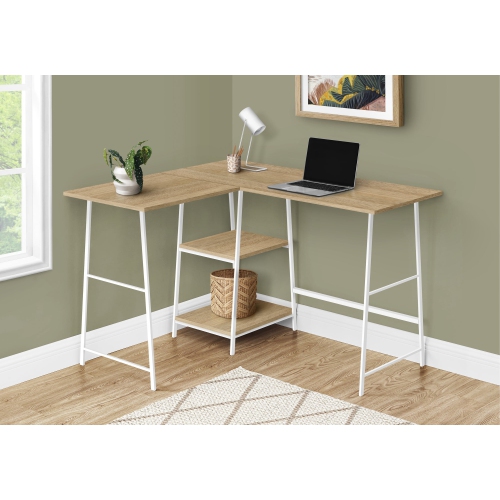
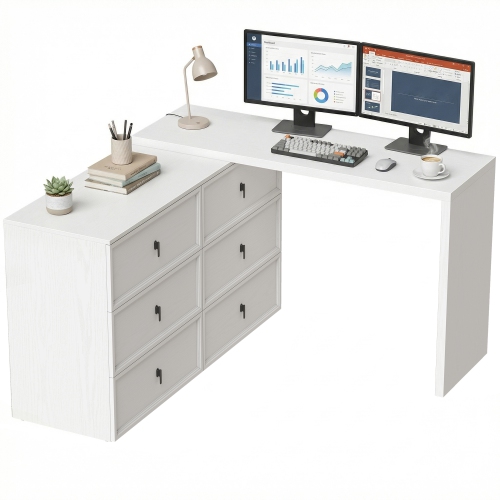
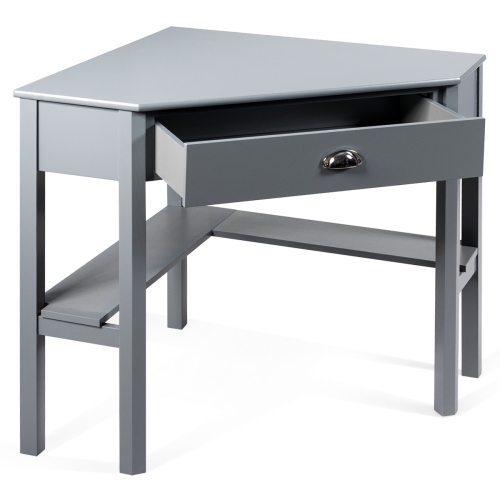
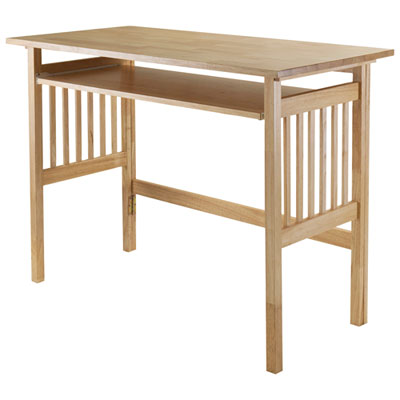
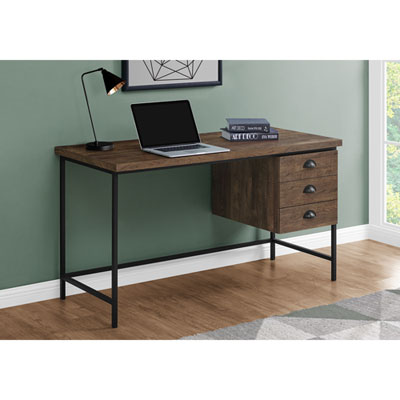
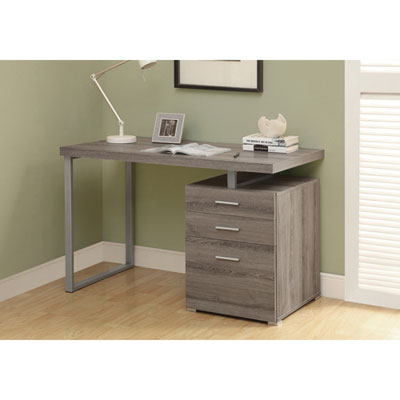
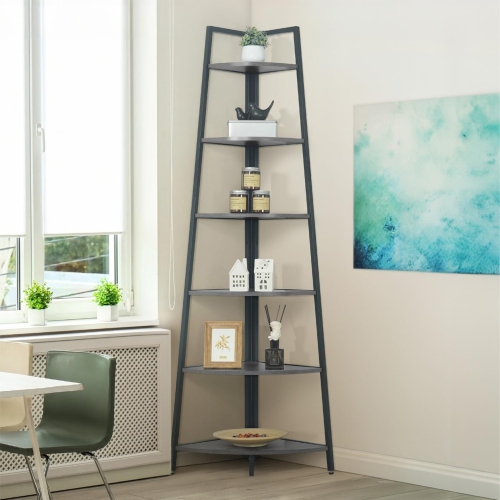
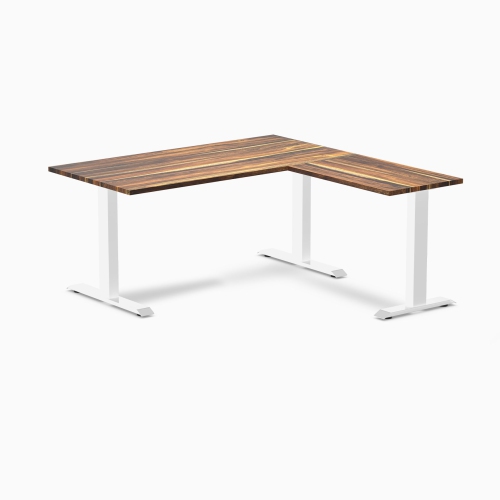

Rich wood tones with space for screens and notes
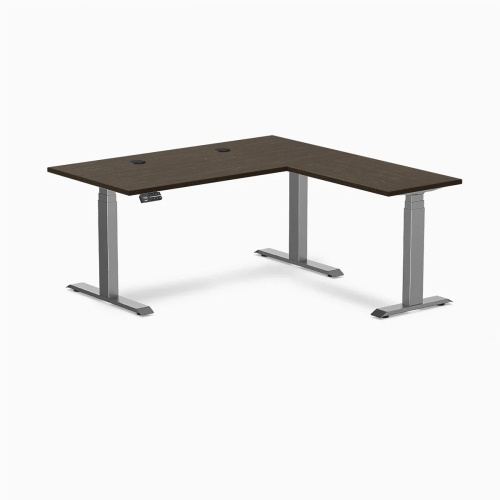
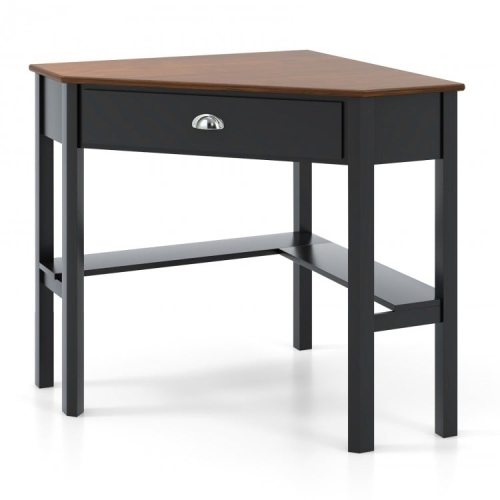
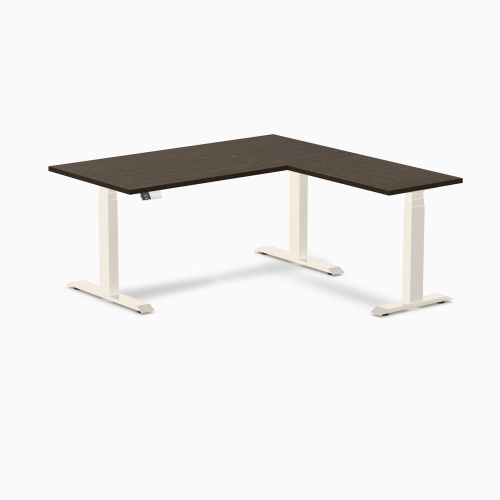
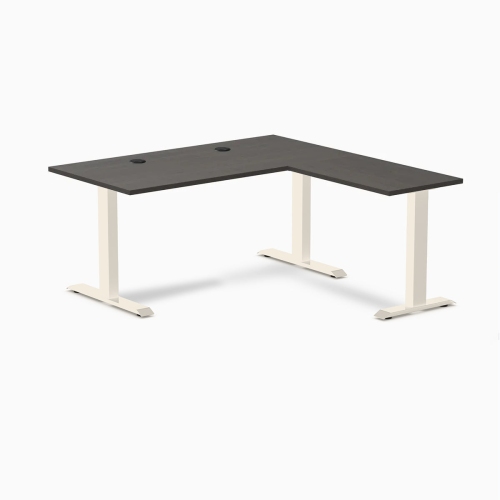
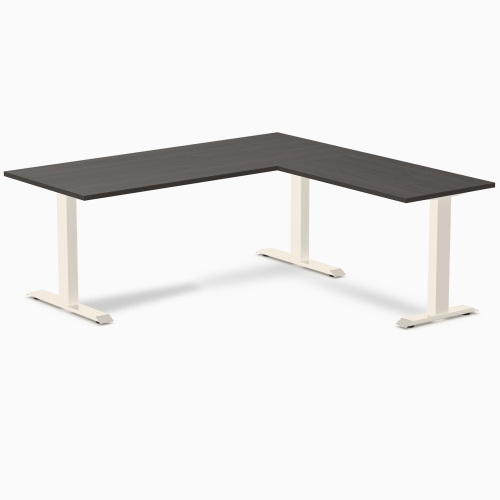
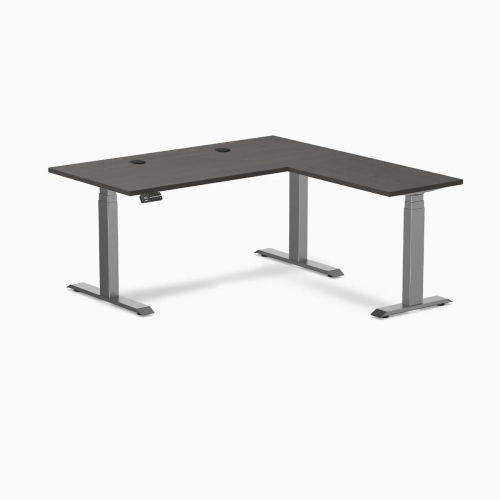
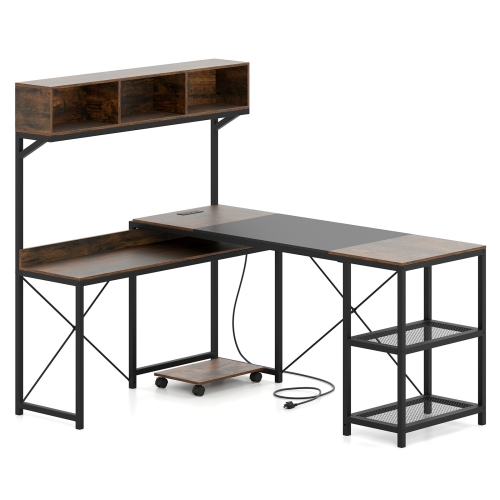
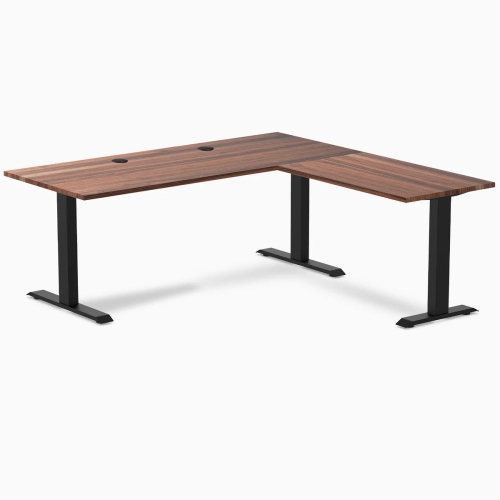
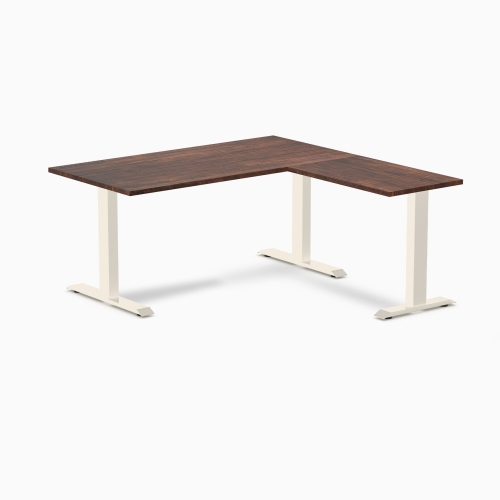
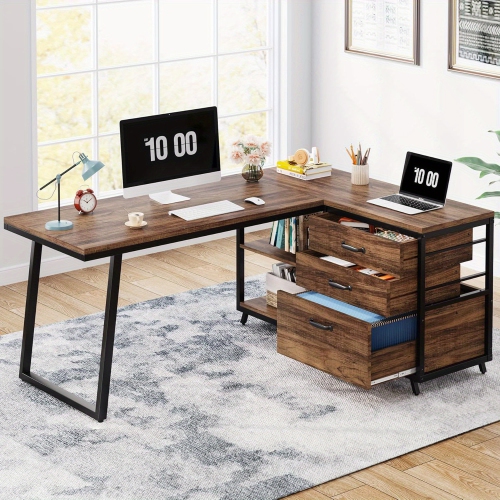
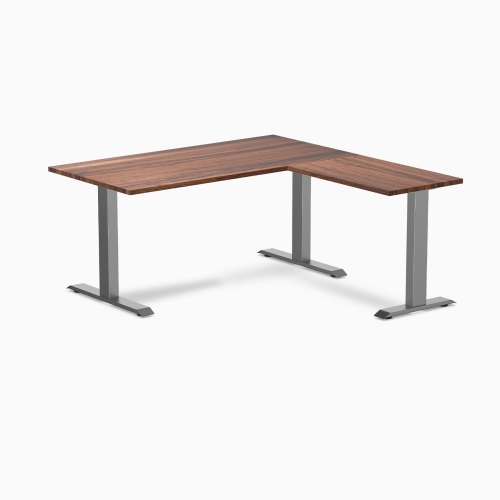
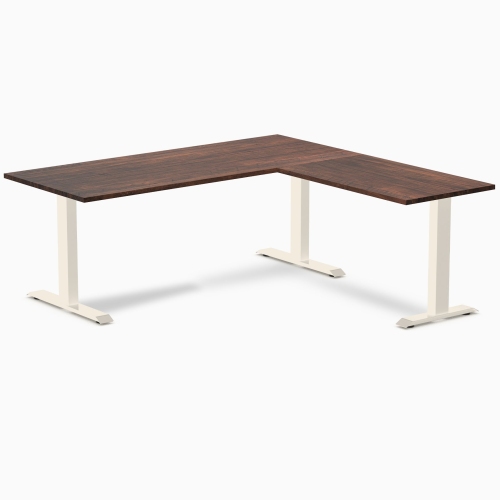
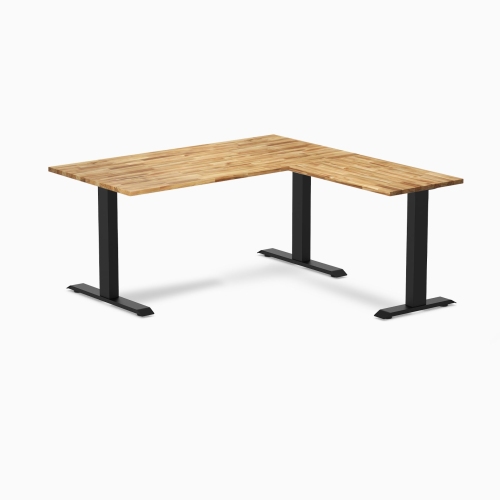
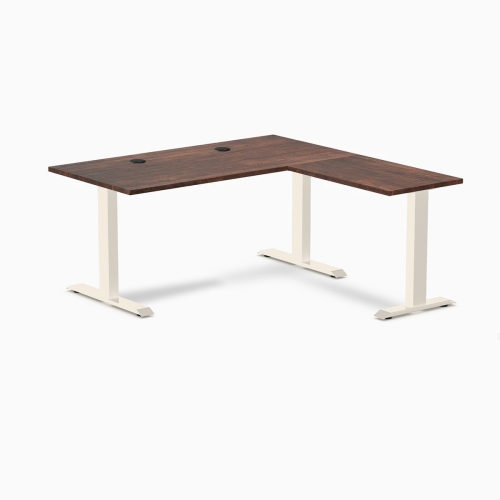
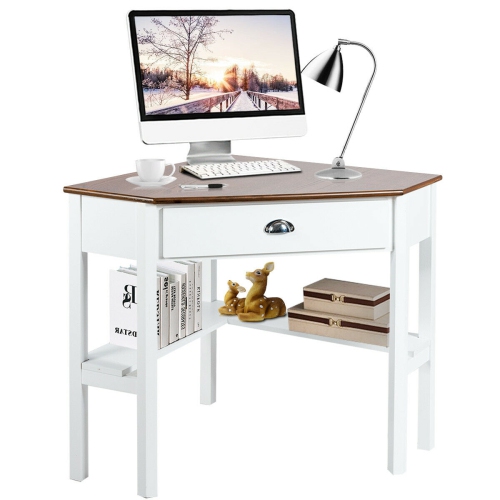
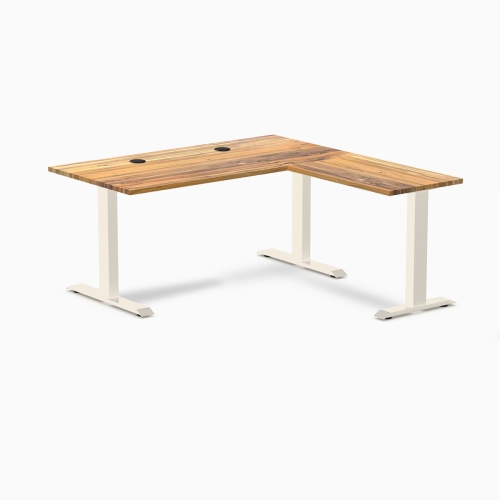
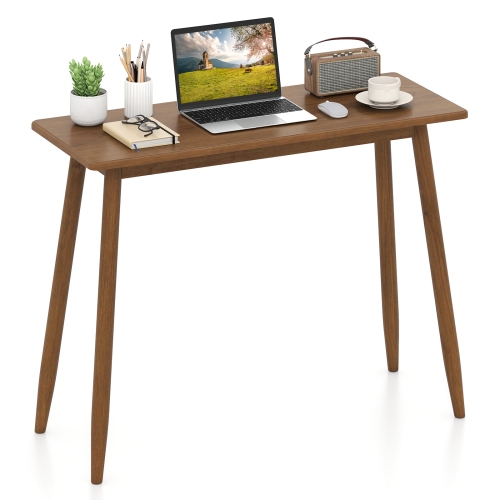
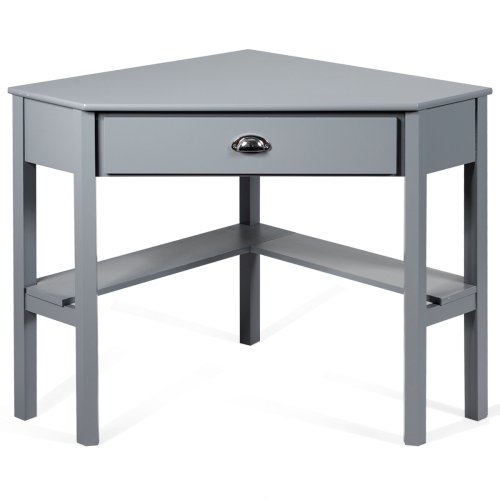
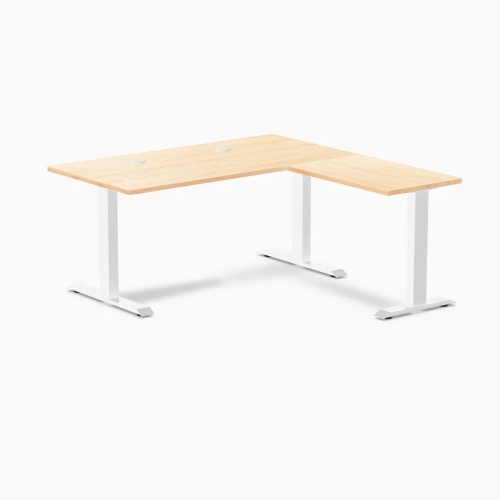
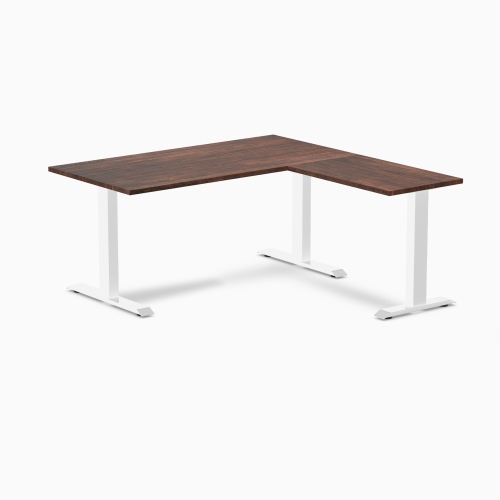
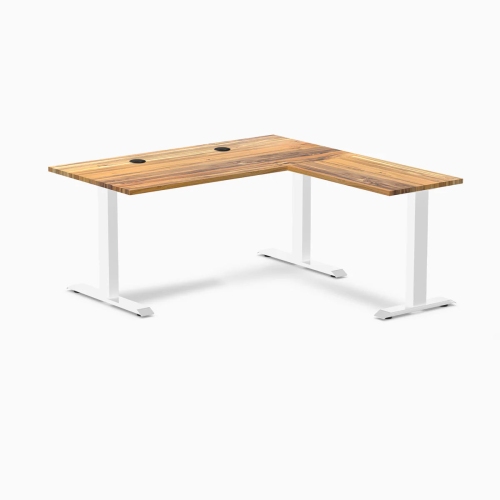
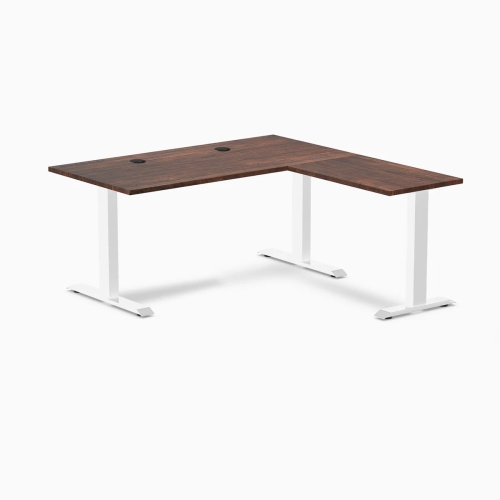
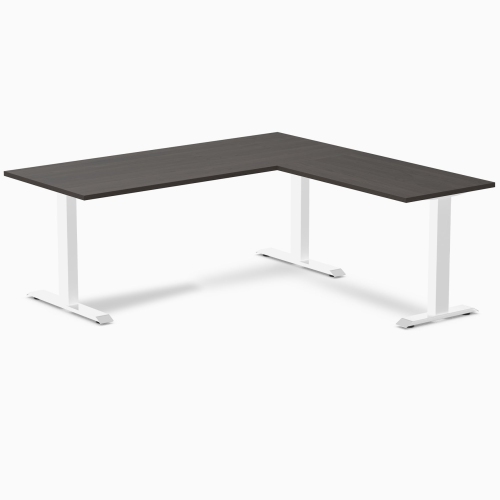
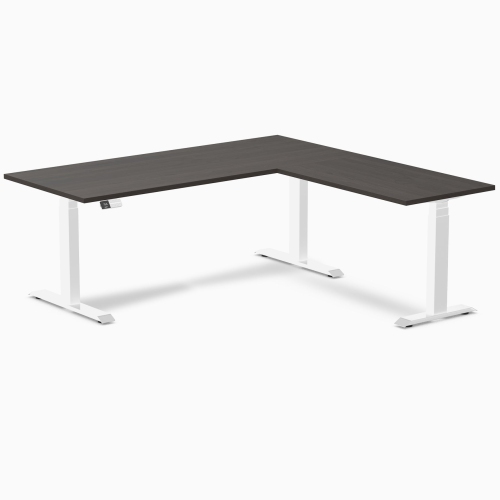
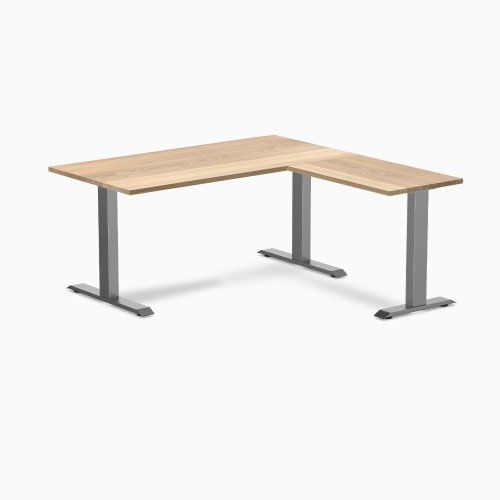
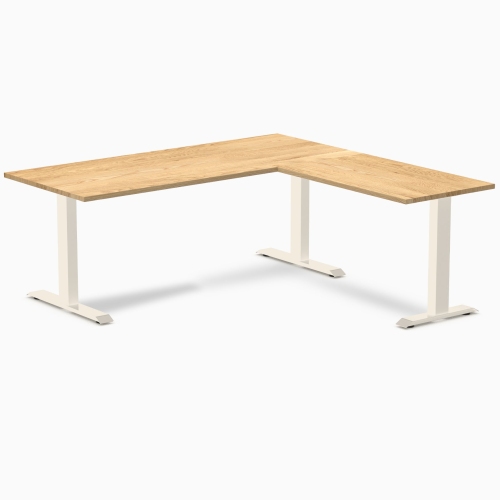
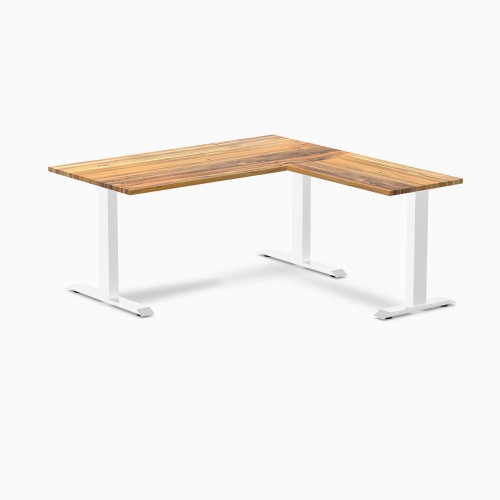
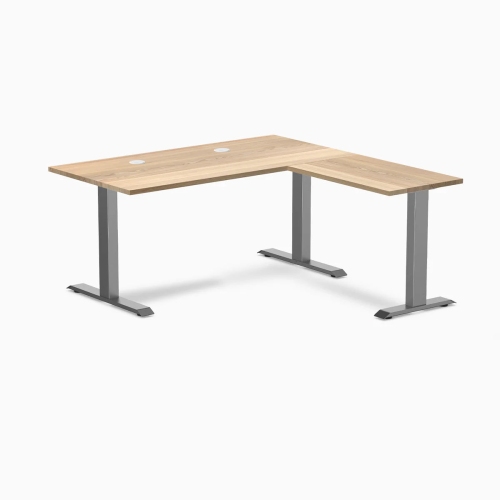
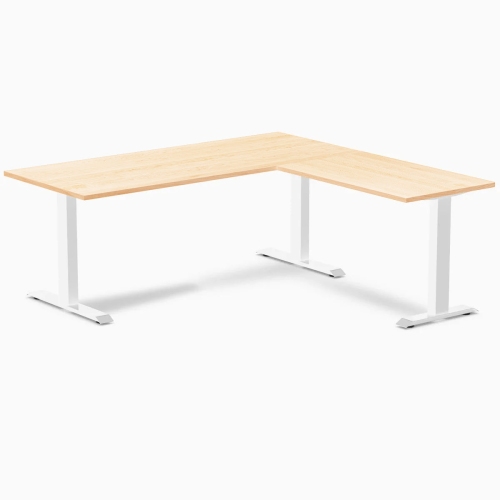
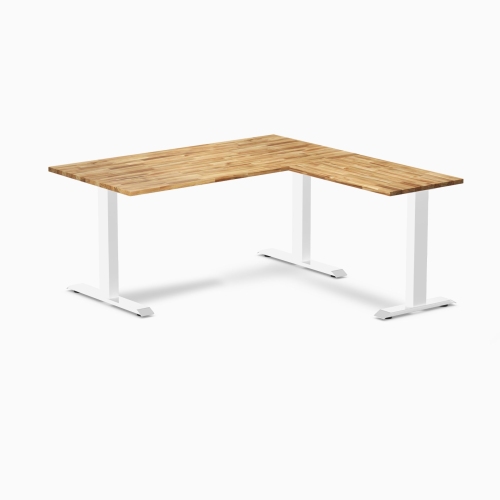
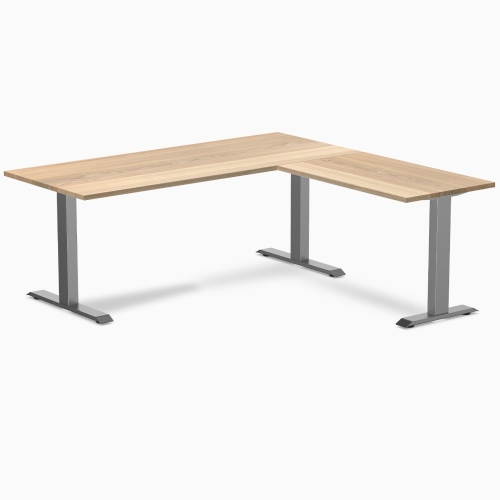
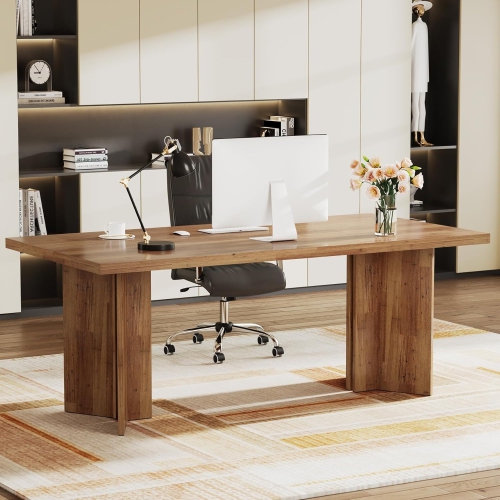
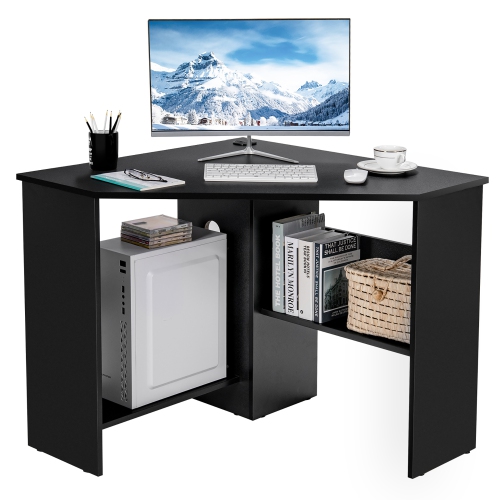
Dark wood corner desks bring a generous work surface and a rich, grounded look to a home office, study area, or shared living space. Designed to sit at the meeting point of two walls, they make practical use of a corner while keeping everyday work within reach. The category includes compact desks with angled backs as well as larger L-shaped desks, which have a main desktop and a side section often called a return. A compact corner design can suit a laptop, a notebook, and a small task lamp; an L-shaped layout can separate computer work from reading, paperwork, or creative projects. Deep brown, walnut-toned, espresso, and dark oak finishes offer different effects, from warm and traditional to clean-lined and contemporary. Visible grain gives a broad desktop character, while a more uniform finish creates a quieter backdrop for monitors and accessories. Dark wood tones pair comfortably with upholstered chairs, pale walls, brushed metal hardware, and black desk frames, making them easy to coordinate with existing furniture. In a living room, a corner desk can establish a distinct place to work without making the whole room feel like an office. In a dedicated study, its two-sided layout can keep reference books beside a computer rather than stacked in front of it. Students may appreciate space to spread out notes beside a screen, while people working from home can use the return for documents, a headset stand, or frequently used supplies. For someone who moves between digital and handwritten tasks, that separation helps keep the main keyboard area clear. A dark finish also gives the desk a substantial visual presence, so its proportions matter as much as its colour. Slim legs and open shelving can lighten the look in a smaller room, whereas enclosed drawer pedestals create a more furniture-like appearance. Where a corner layout is not essential, Dark Wood Computer Desks offer another way to carry similar tones into a computer workspace.
Materials and construction influence how a dark wood corner desk feels, wears, and fits into daily routines. A dark wood appearance does not necessarily mean solid hardwood: desktops may use solid wood, real wood veneer over a core, or a wood-look laminate or other applied finish over engineered wood. Solid wood has natural grain variation and may be suitable for refinishing, depending on its construction and coating. Wood veneer provides a real wood surface, but its thinness limits how much sanding or repair it can tolerate. Laminate surfaces can be practical for frequent use, although resistance to scratches, heat, and moisture varies by finish and construction. A desk with a metal frame and a wood-look top has different care needs from one built entirely from wood, so the full material description matters more than the finish name alone. Stability also depends on the frame, connections, support beneath the return, and assembly. A long desktop needs appropriate support, particularly when it holds several screens or other equipment. For a monitor arm, the desktop must be compatible with the mounting method, including its thickness, edge clearance, and load limits; a hollow-core surface may need specific reinforcement or may not support a clamp at all. Rounded or well-finished edges can make the front of the desk more comfortable against forearms, while firmly attached edge banding helps protect exposed panel edges during everyday use. Dark surfaces can make dust, fingerprints, and pale scratches more noticeable, especially under a task light. A soft cloth used according to the care instructions helps maintain the finish, and spills are best wiped up promptly rather than left around seams or cable openings. Coasters and desk mats help protect high-contact areas, while lifting equipment instead of dragging it reduces the chance of surface marks. Gentle care is particularly useful around drawer fronts, corners, and the leading edge, where chairs, bags, and hands make repeated contact.
Fit is about more than whether the desktop can be placed against two walls. The overall width and depth, the length of each side, and the position of the return determine how comfortably a corner desk works in a particular room. There is no single standard corner-desk footprint, so measurements should account for baseboards, nearby doors, floor vents, wall outlets, and any furniture sharing the space. The chair needs room to pull back, and drawers or cabinet doors need clearance to open without hitting the chair or blocking a walkway. A left-hand return and a right-hand return create different room layouts; a reversible design may allow either arrangement, but that flexibility depends on the desk’s assembly options. Beneath the surface, open knee space matters just as much as storage capacity. A drawer pedestal that looks useful in a photograph can restrict movement if it sits where the user needs to turn between the two work areas. Desktop depth is another important detail: a monitor, keyboard, and mouse need enough space for a comfortable setup, rather than being squeezed onto a narrow return. For two-screen work, usable straight edges and monitor placement may matter more than the total surface area. Built-in drawers keep stationery and small accessories out of sight, while open shelves make notebooks and baskets easier to reach. File drawers should suit the documents being stored, and shelves intended for equipment need adequate dimensions, support, and ventilation. Cable openings and under-desk trays can help route power cords away from feet, although their usefulness depends on where the outlets and devices sit. Adjustable feet can help a desk sit steadily on a slightly uneven floor. These details make a meaningful difference in a shared household, where the same desk might support video meetings during the day and coursework later on. A corner workspace with a clear main surface, accessible storage, and enough room to move can serve a wide range of routines without feeling crowded. With the right proportions and construction, a dark wood corner desk becomes a useful, enduring part of the room rather than simply filling an unused angle.
Top selling and popular products
-
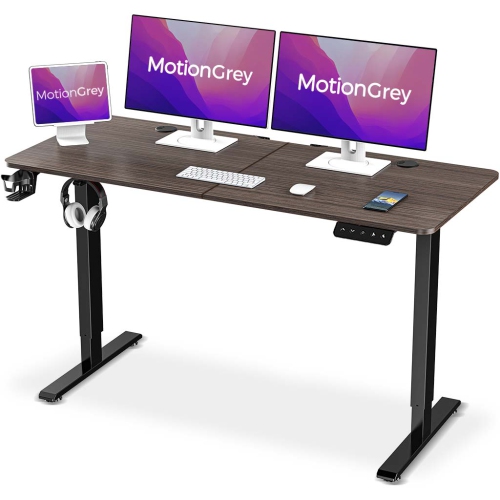 Your price for this item is $97.99
-
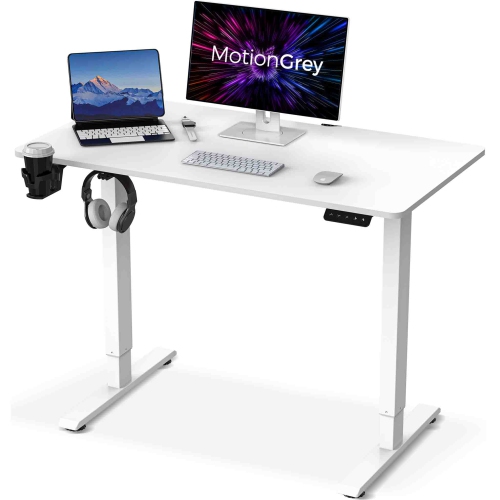 Your price for this item is $89.99
-
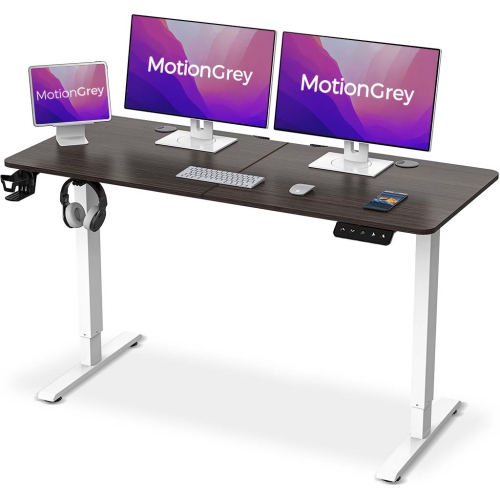 Your price for this item is $84.99
-
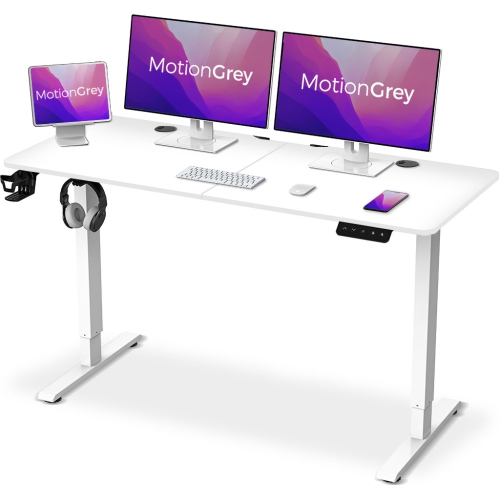 Your price for this item is $97.99
-
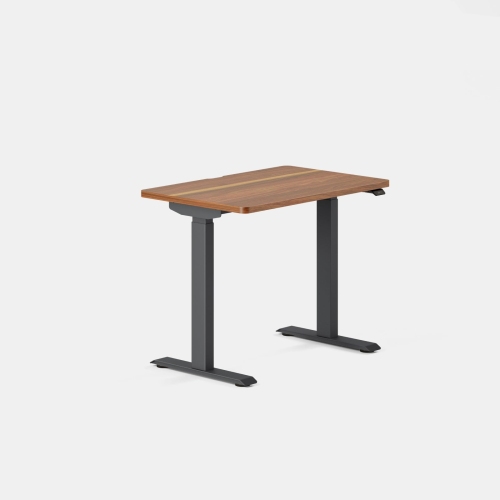 Your price for this item is $649
-
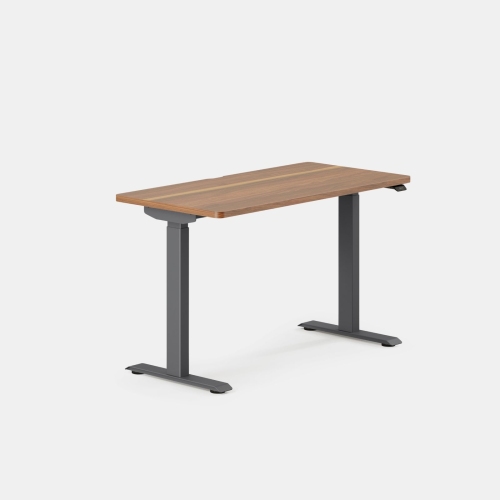 Your price for this item is $749
-
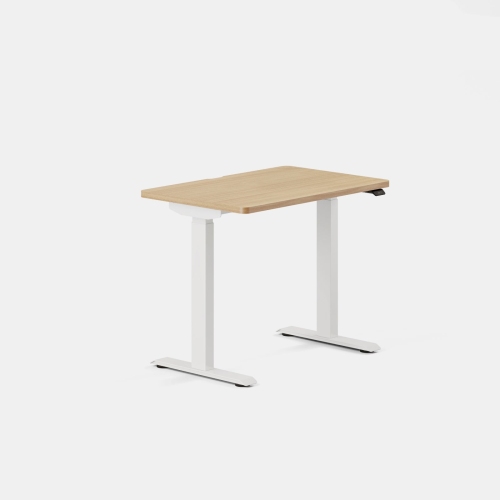 Your price for this item is $649
-
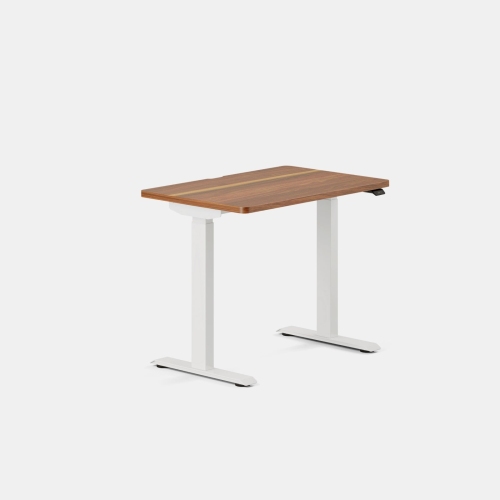 Your price for this item is $649
Discover more categories related to Dark Wood Corner Desks
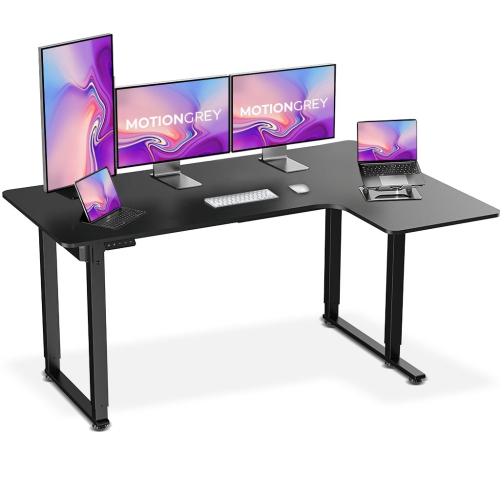
Top Collections:
Best Black Friday Deals This Year, Best Black Friday Deals On Electronics, Kindle Devices, Pokemon Centers, Best Black Friday Deals On Apple Products, Best Cameras for Sports Photography, Dyson Airwrap, Pokémon 30th Celebration Cards, Apple iPhone 17 Pro, Canon G7X Cameras
Some products may be subject to Environmental Handling Fees
(EHF) depending on your province.
Learn more about EHFs.