Dark Wood Headboards
Enhance the elegance and sophistication of your bedroom with stunning dark wood headboards. Crafted with meticulous attention to detail, these exquisite pieces are designed to transform your sleeping space into a luxurious retreat. With their rich and timeless appeal, dark wood headboards effortlessly blend traditional charm with contemporary style, making them the perfect addition to any bedroom decor.
Sort
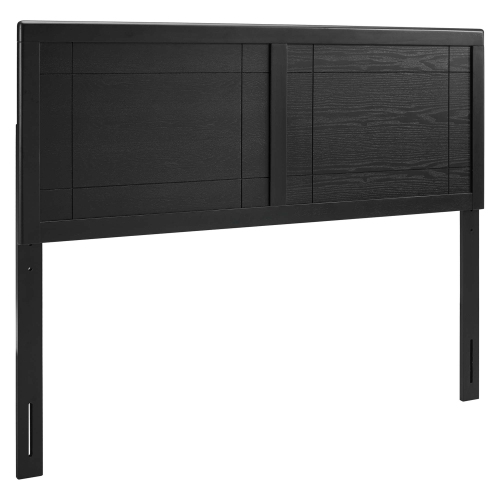
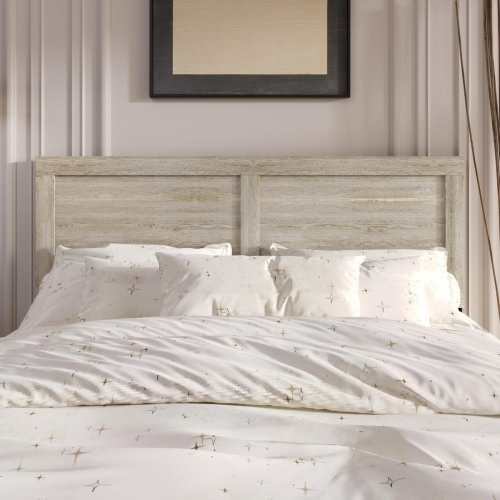
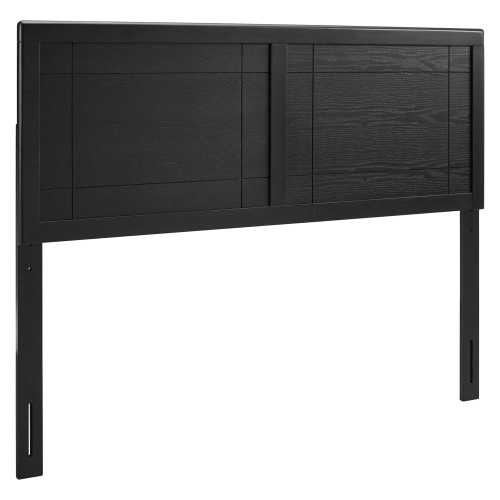
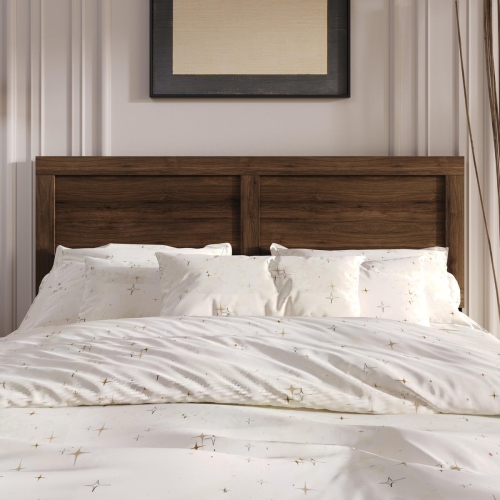
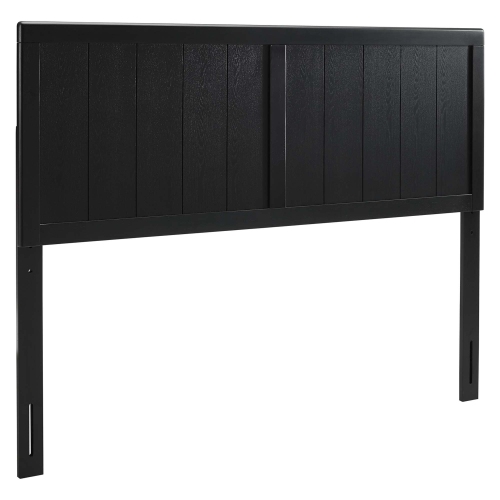
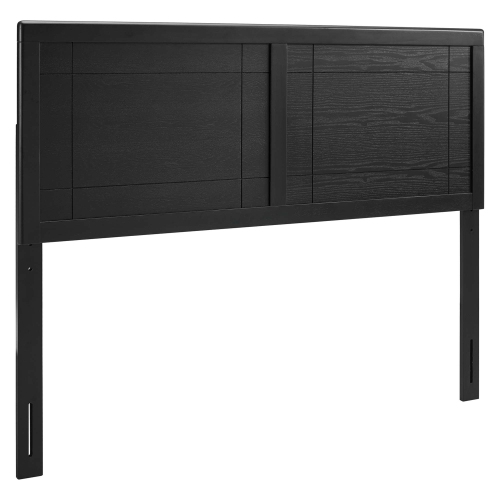
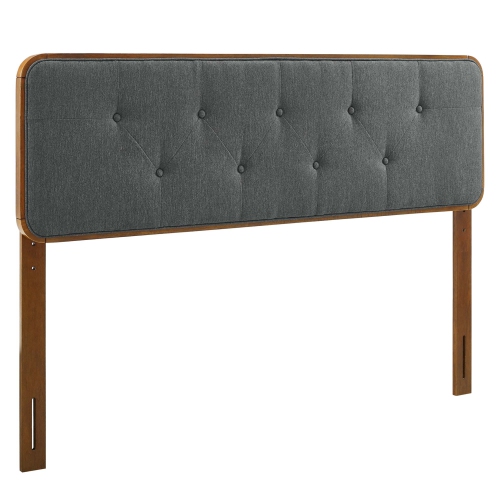
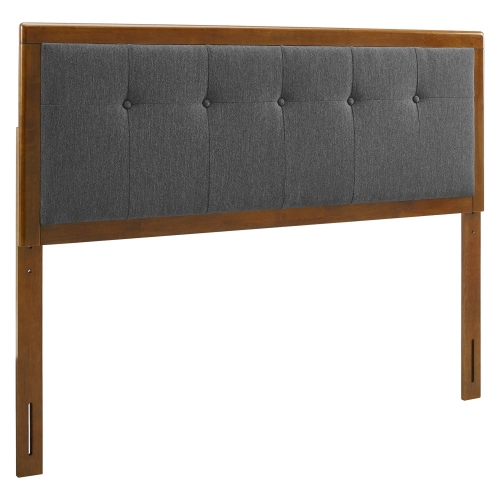
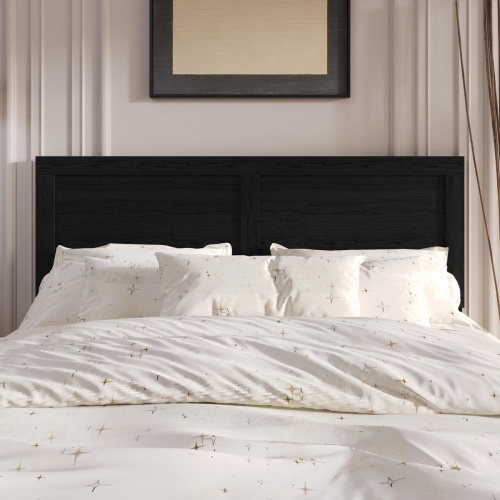
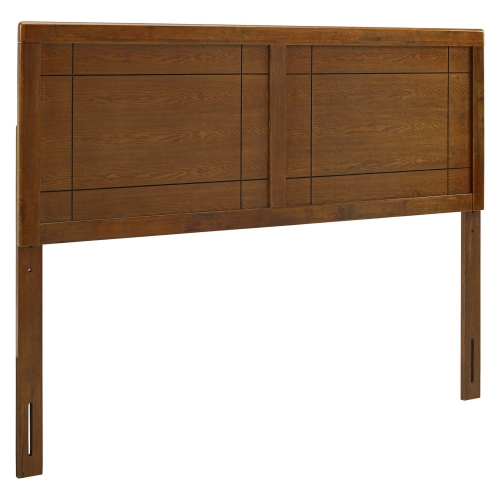
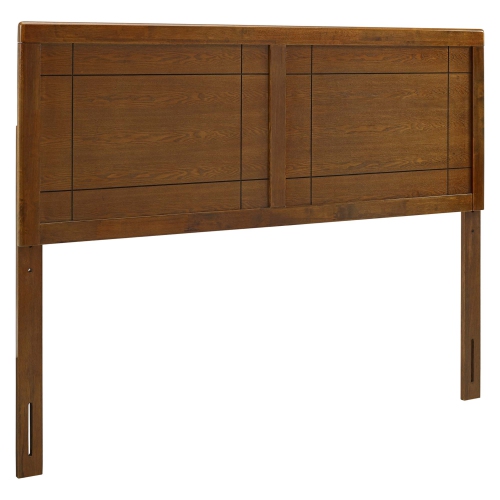
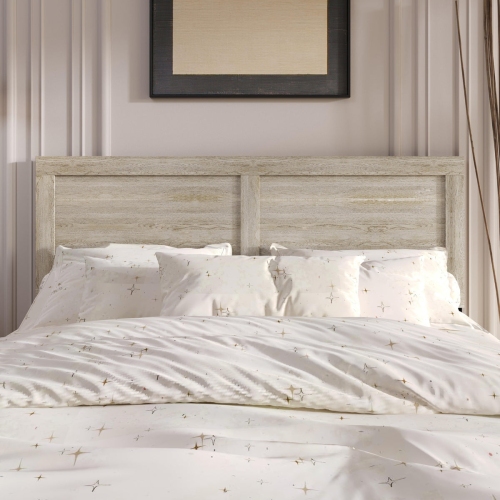
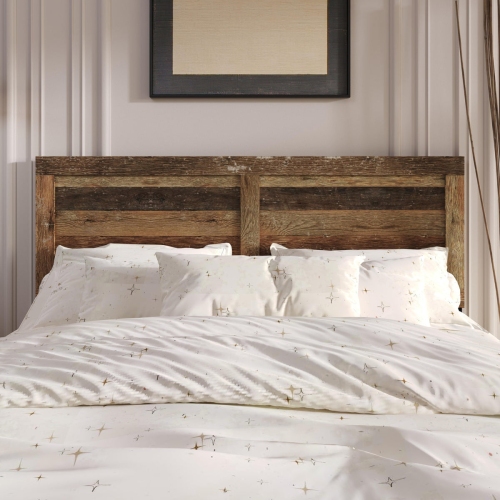
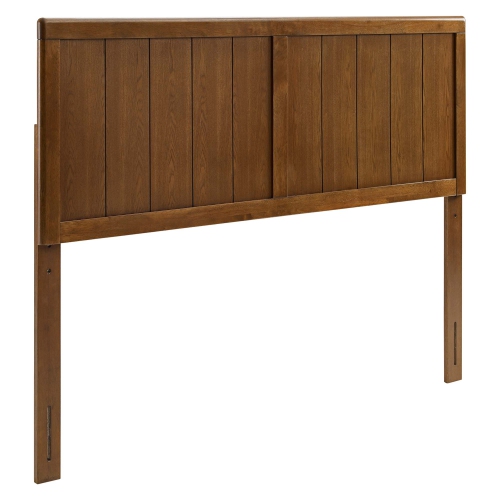
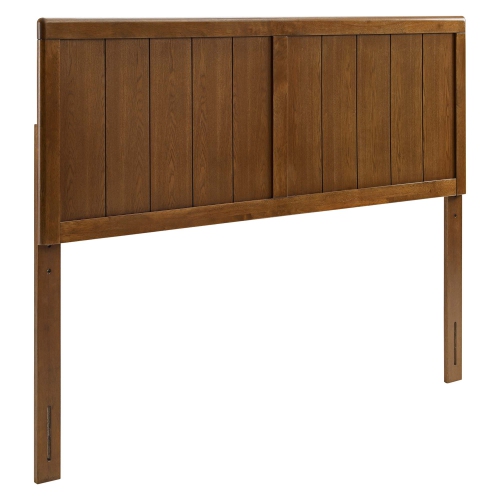
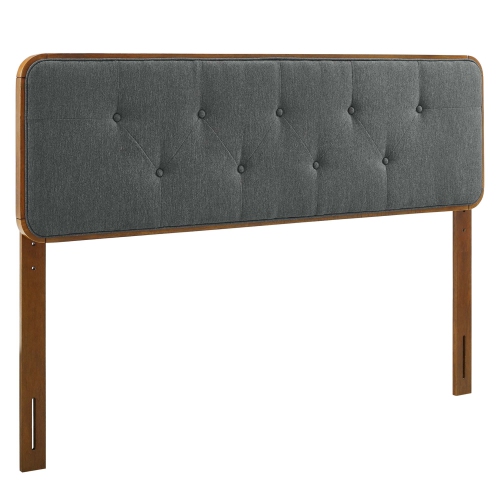
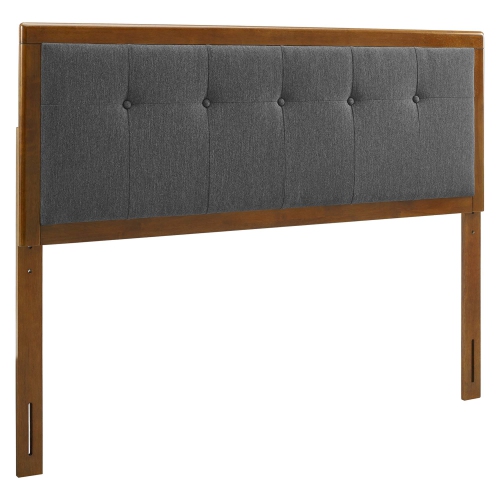
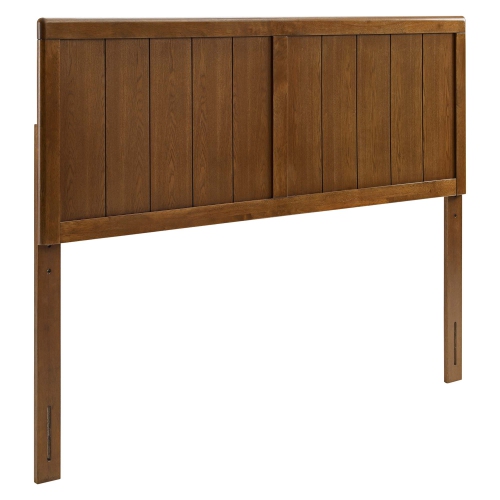
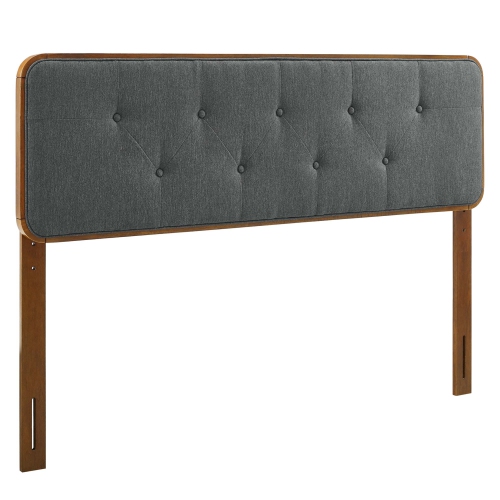
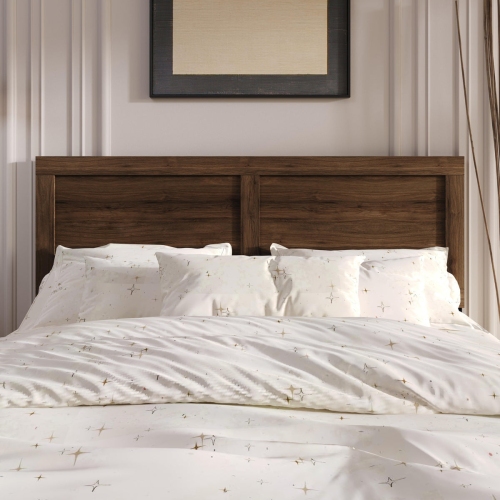
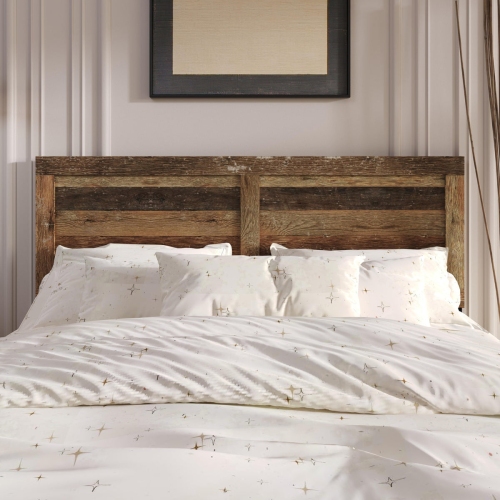
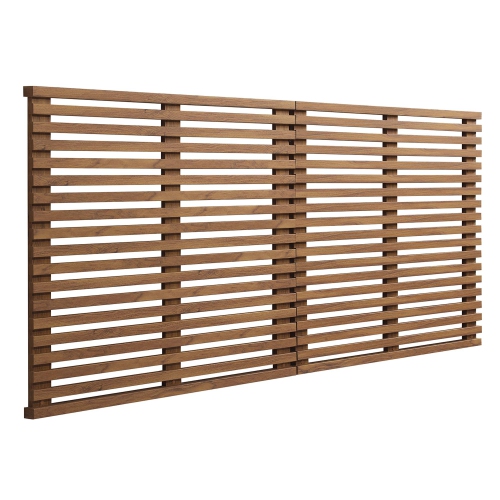
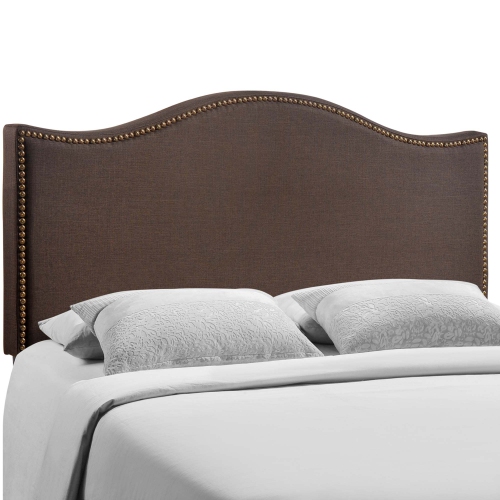
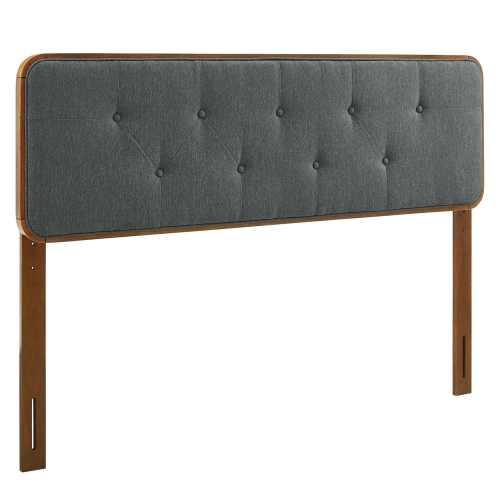
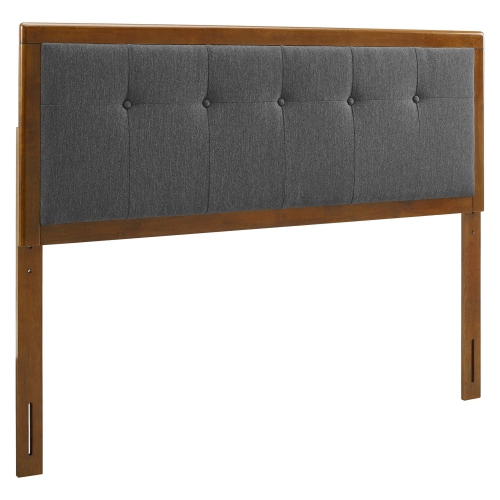
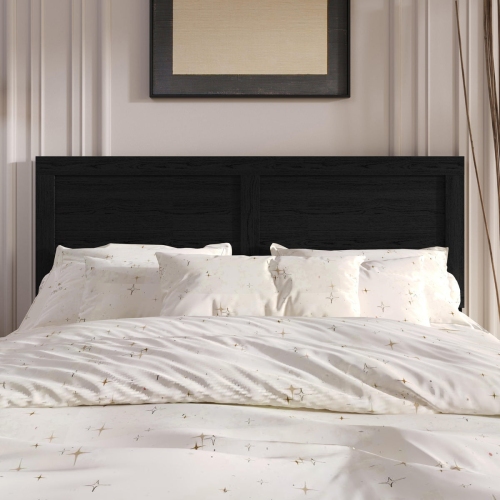
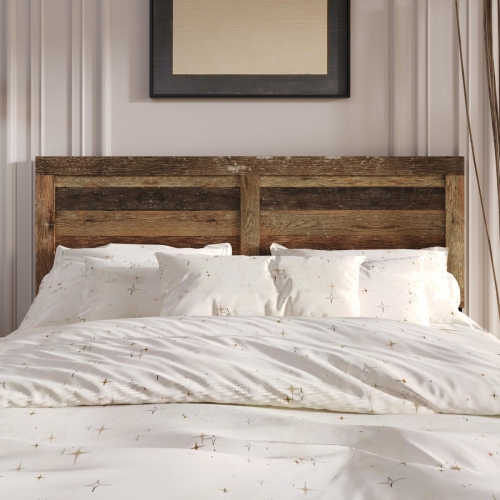
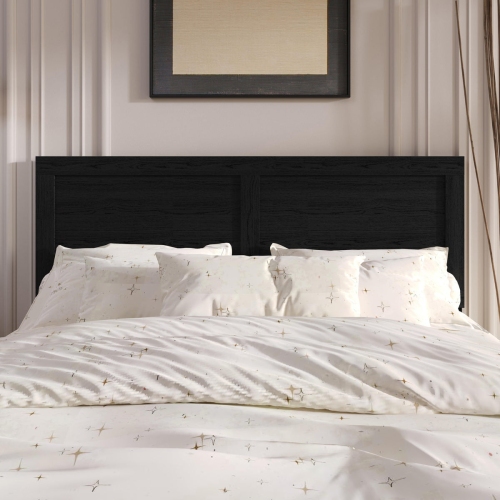
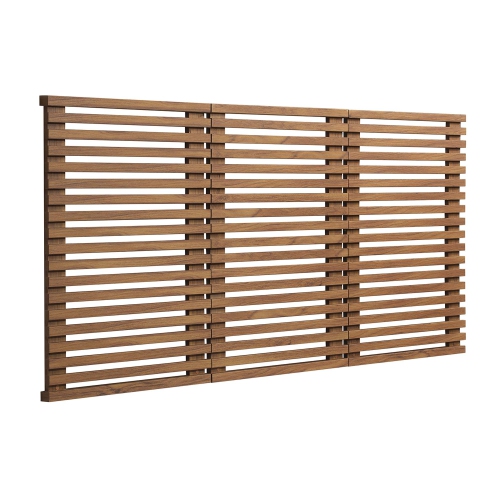
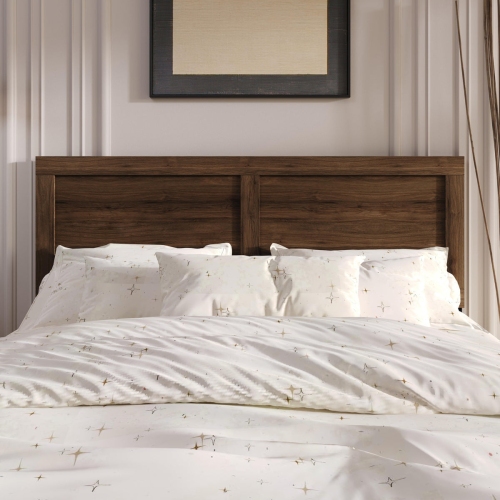
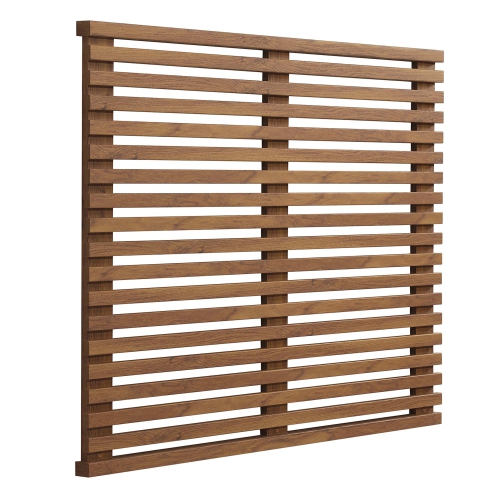
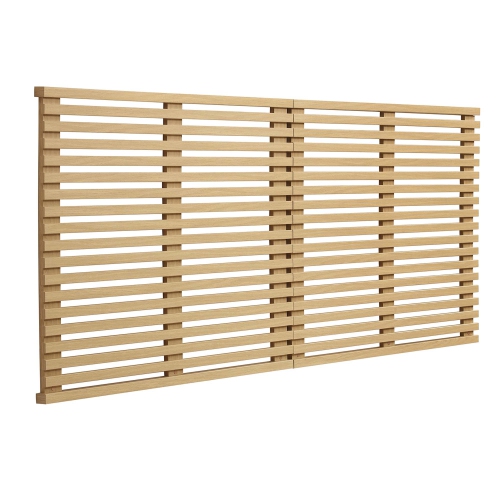
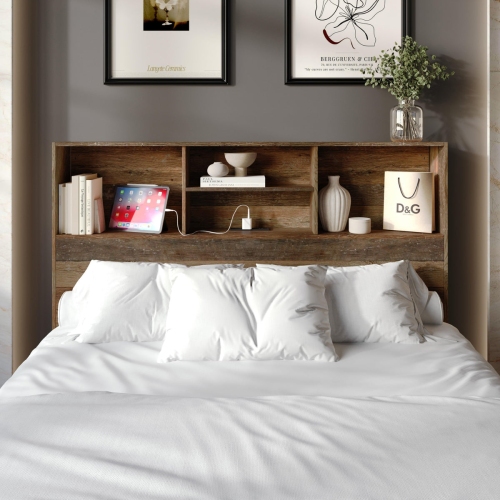
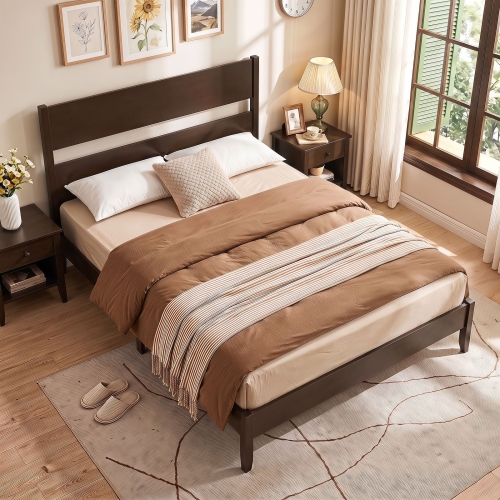
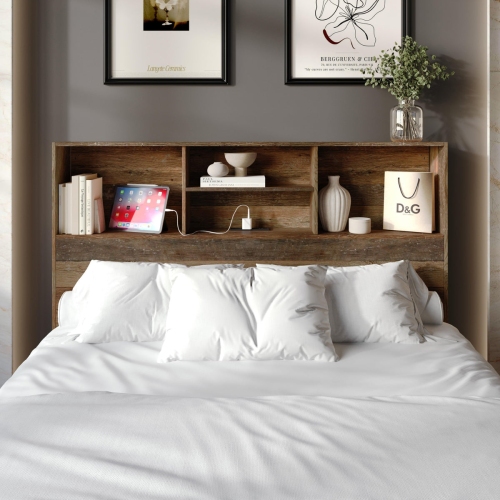
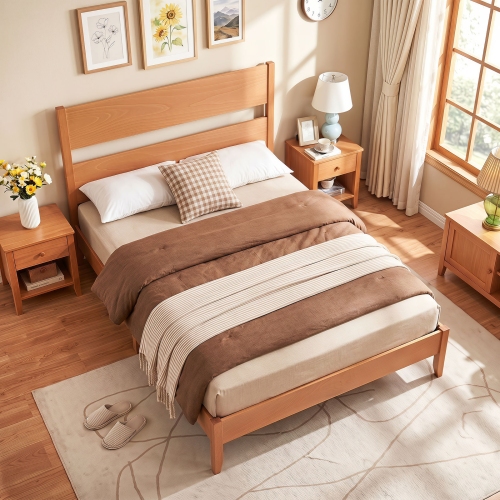
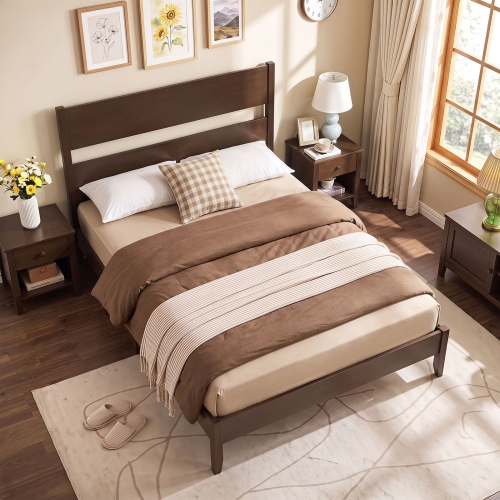
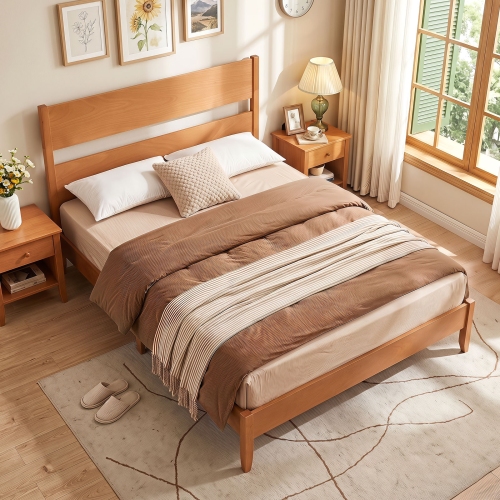
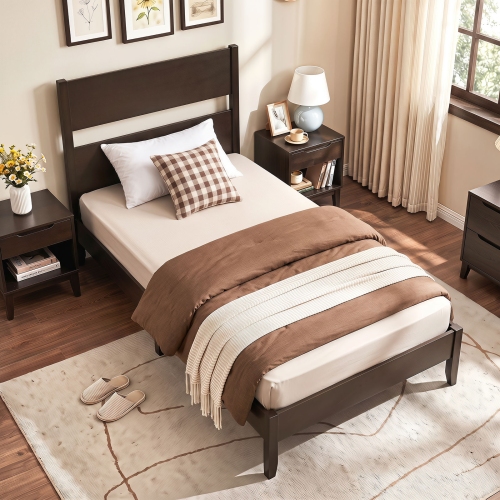
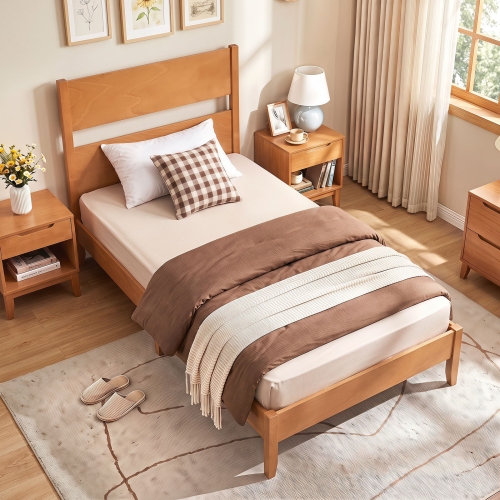
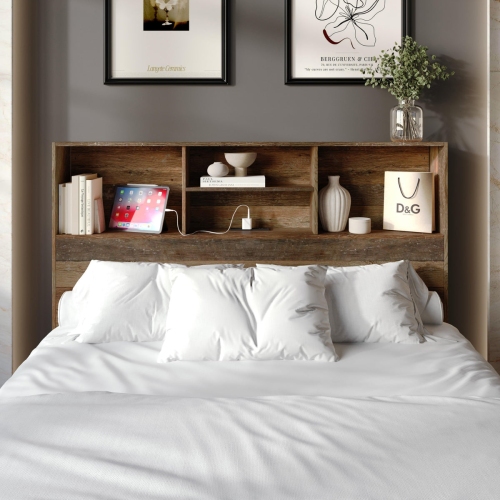
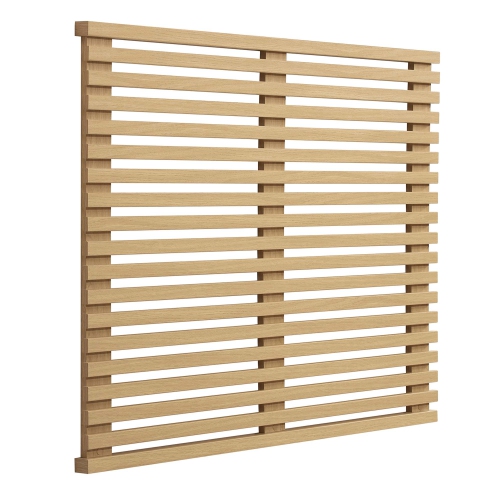
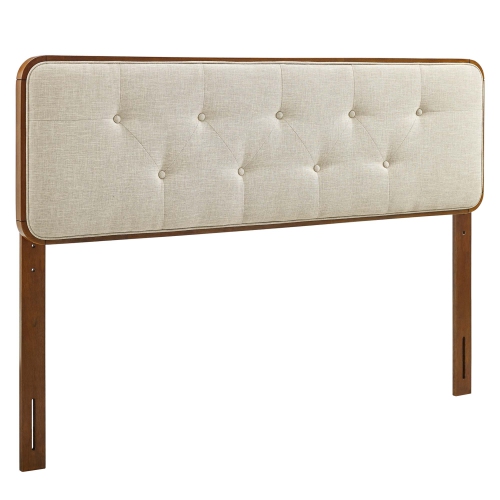
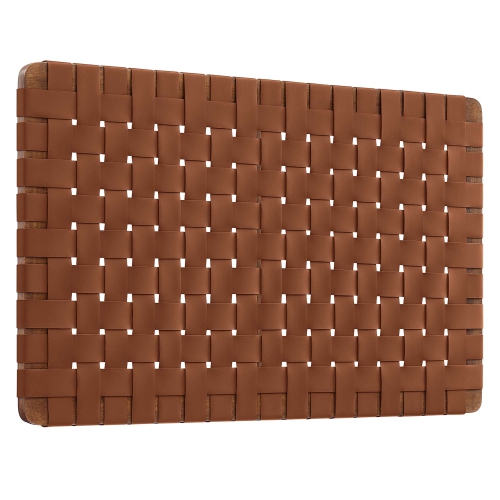
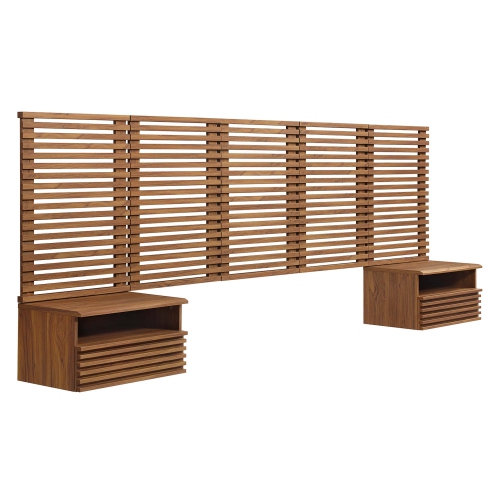
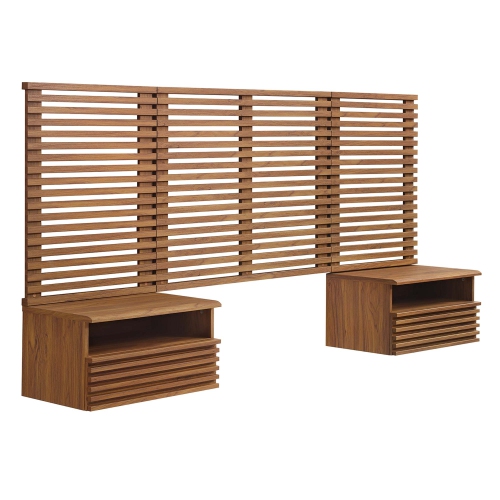
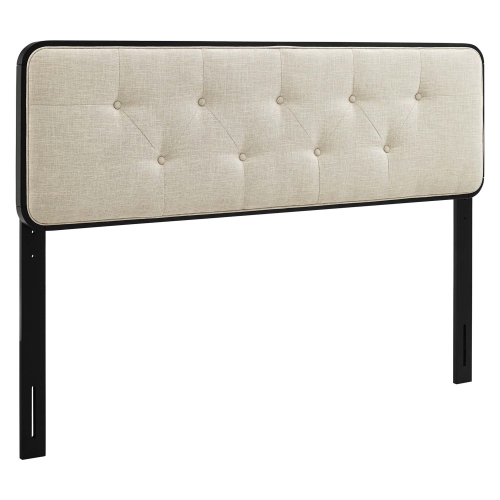
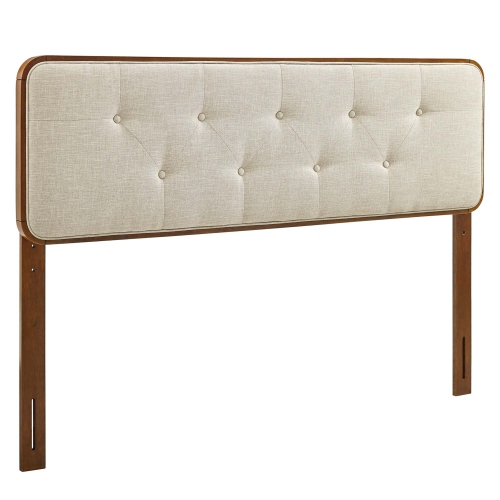
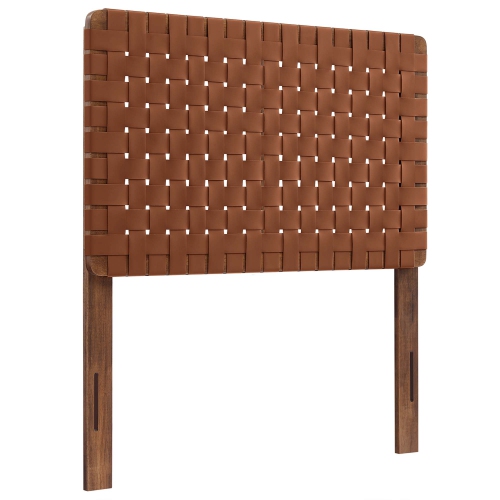
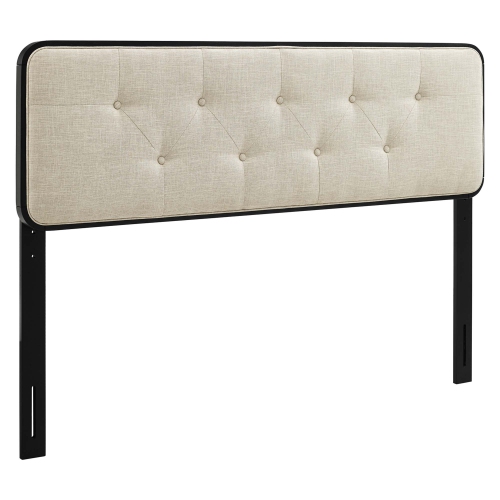
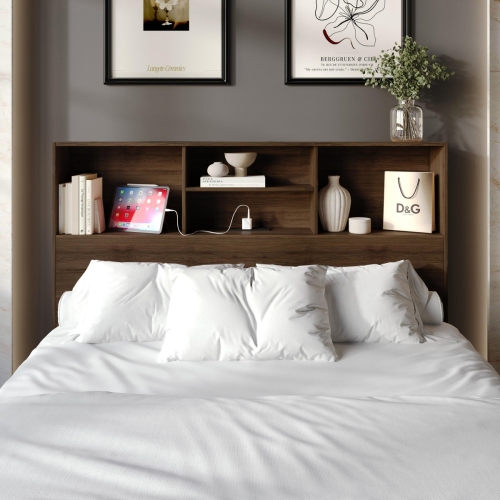
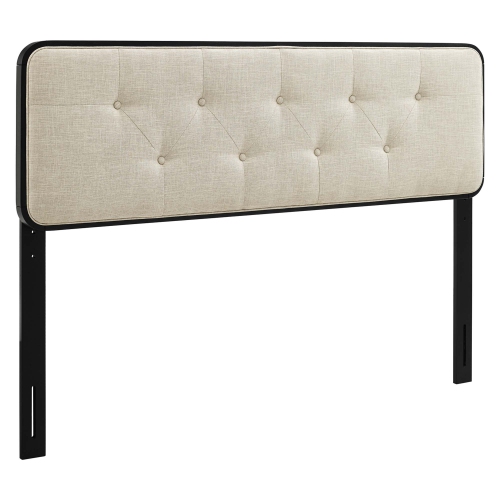
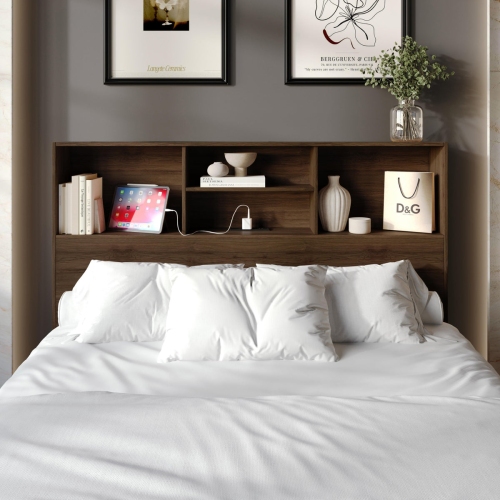
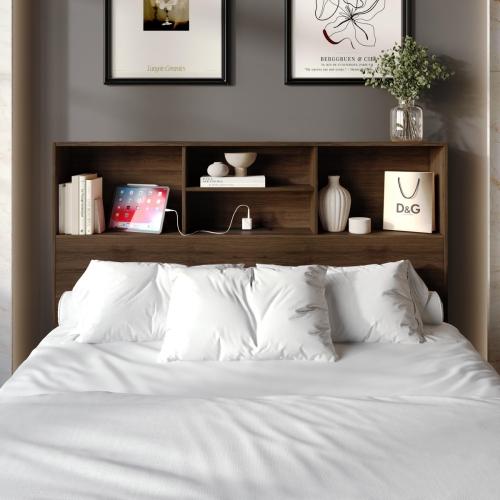
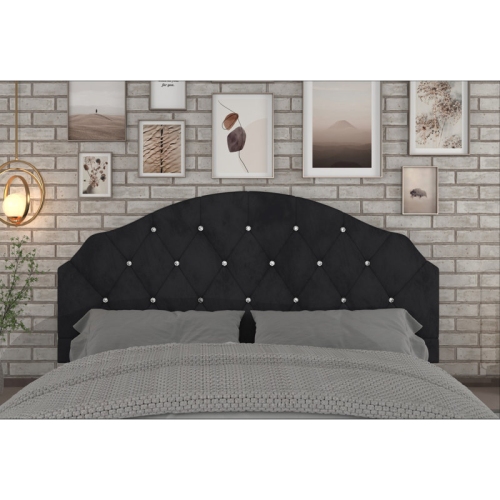
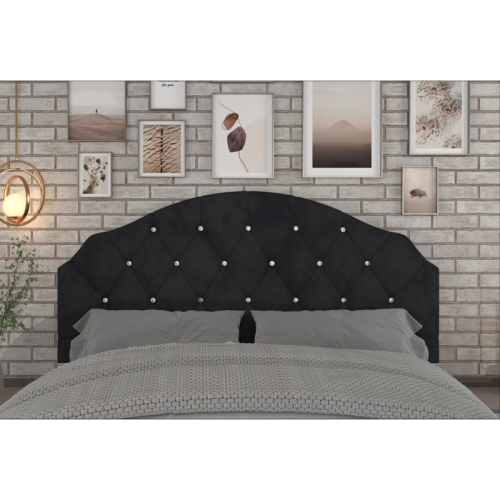
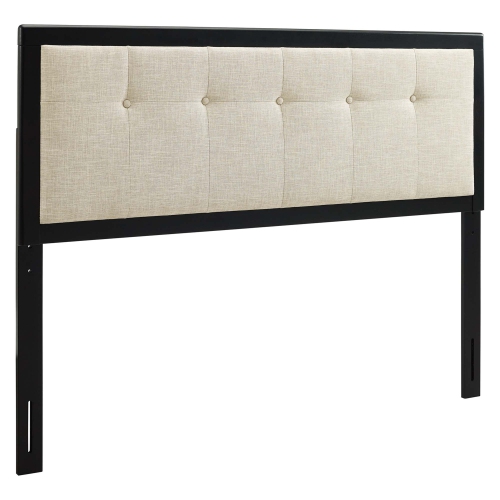
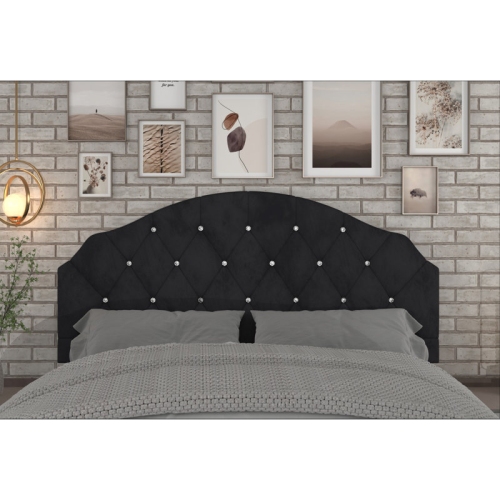
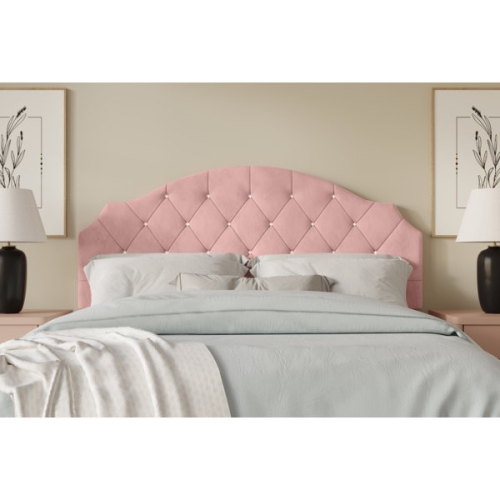
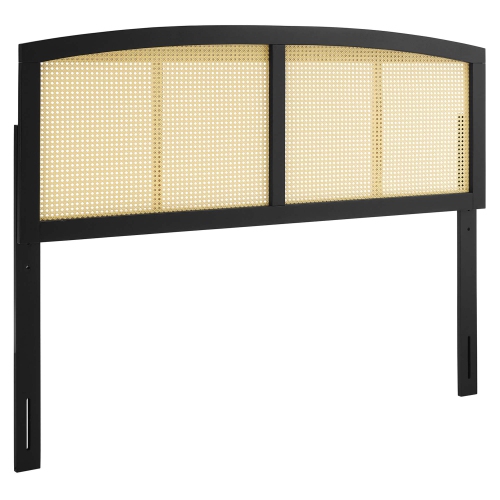
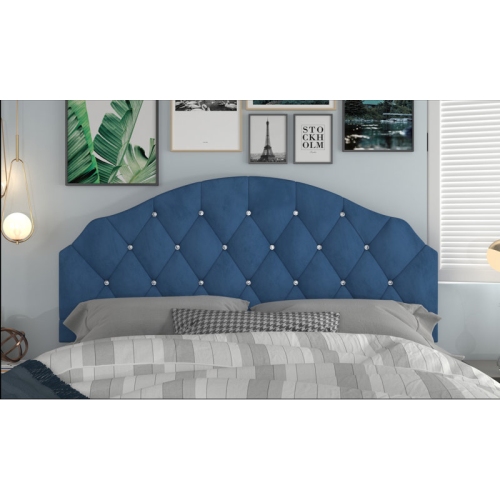
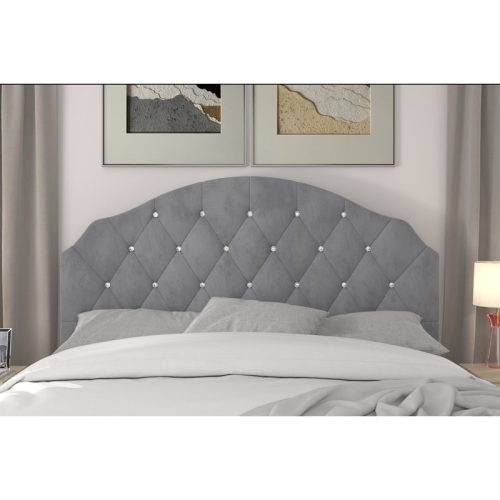
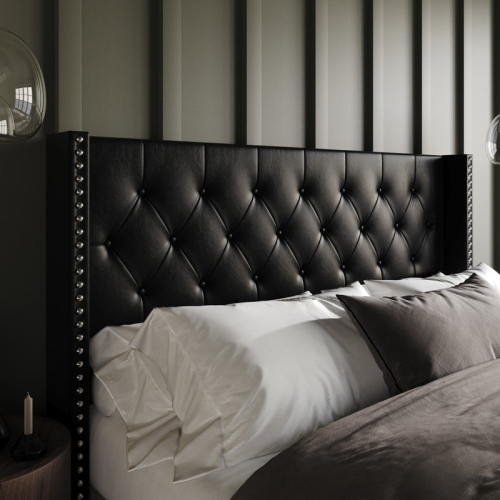
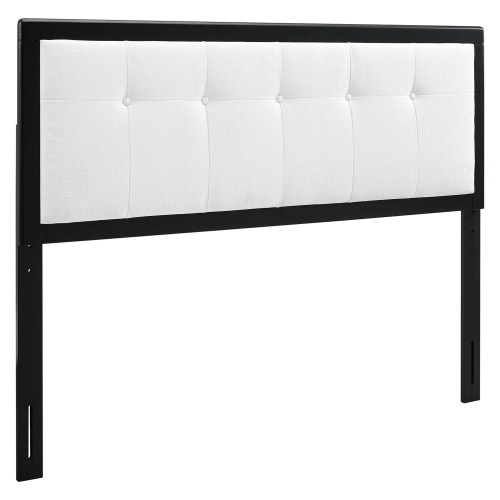
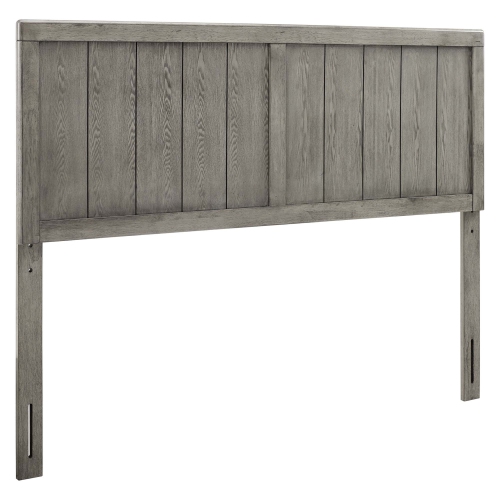
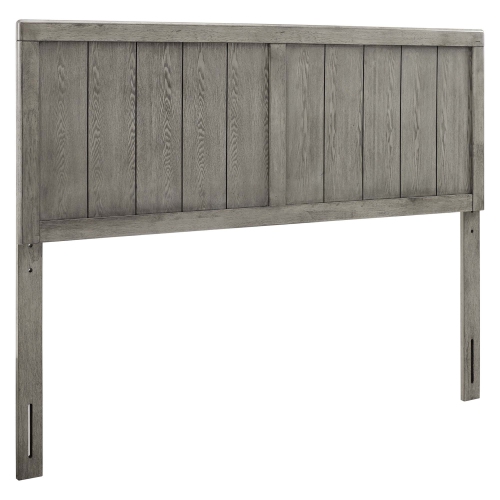
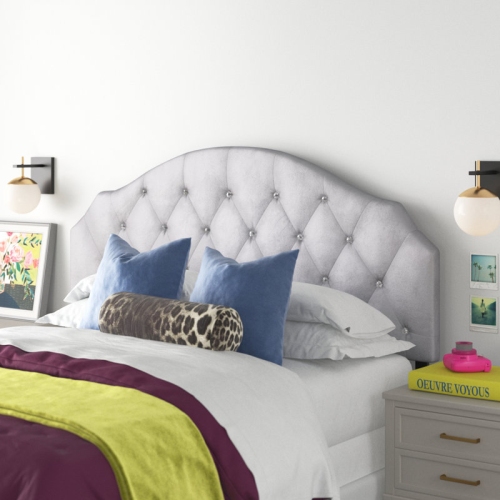
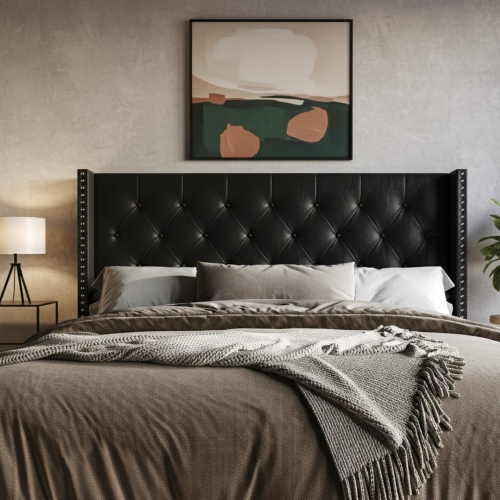
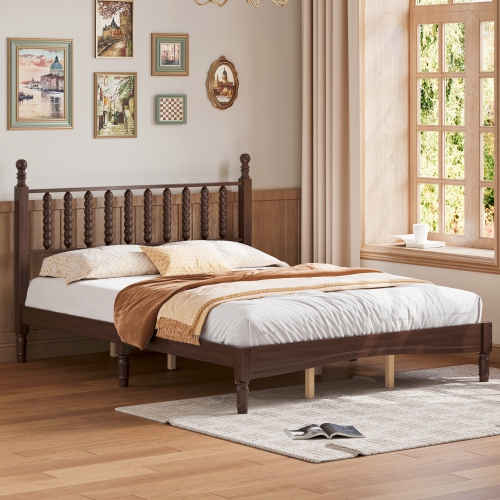
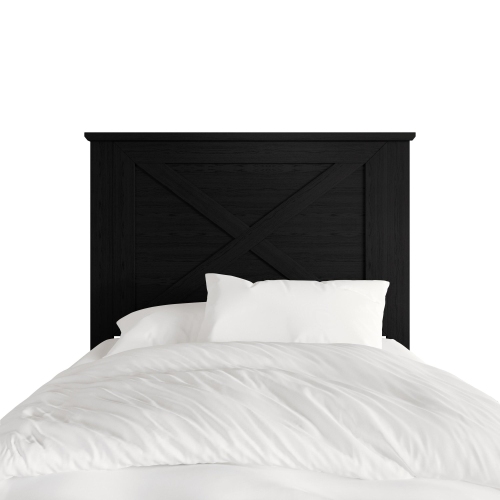
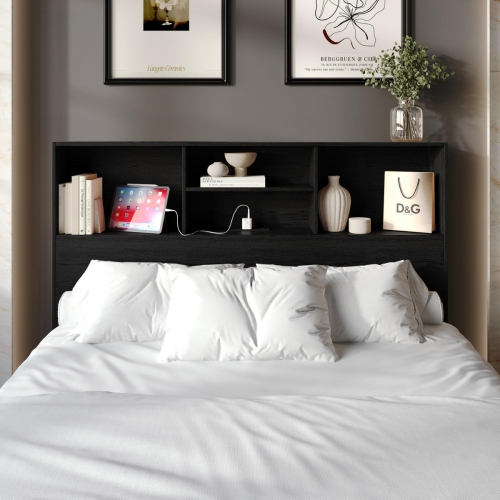
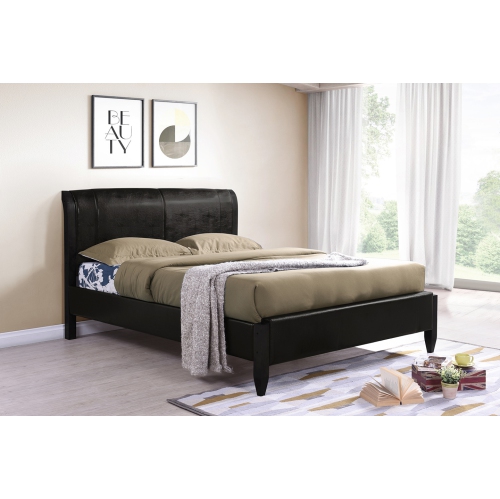
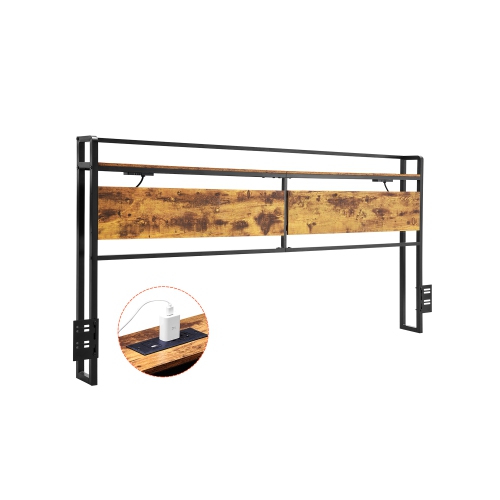
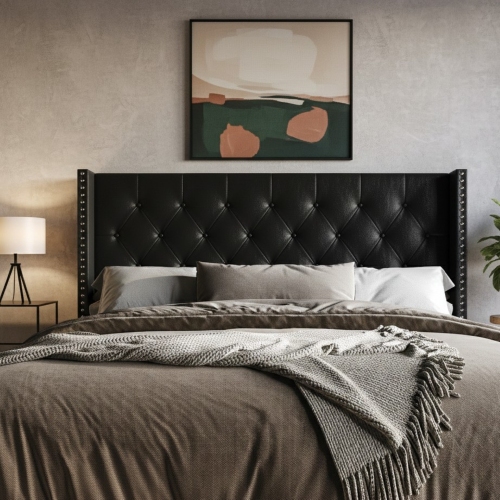
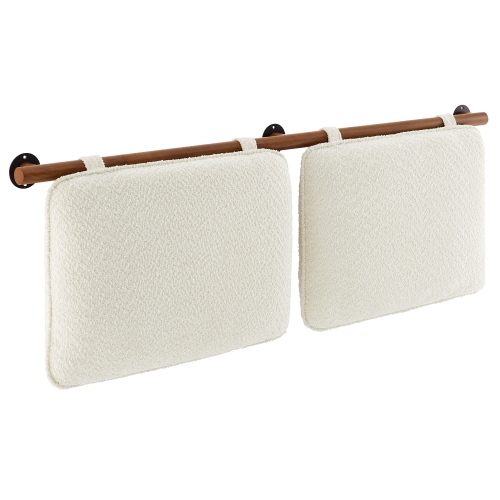
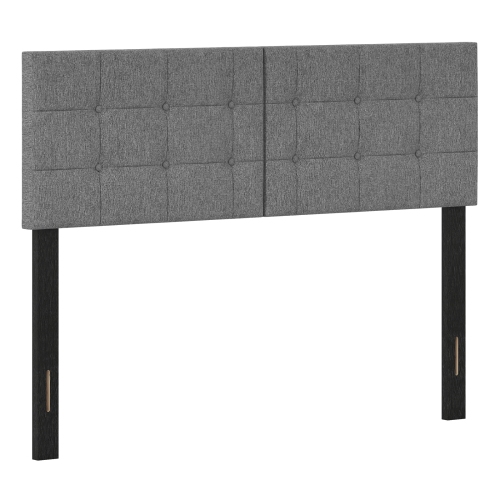
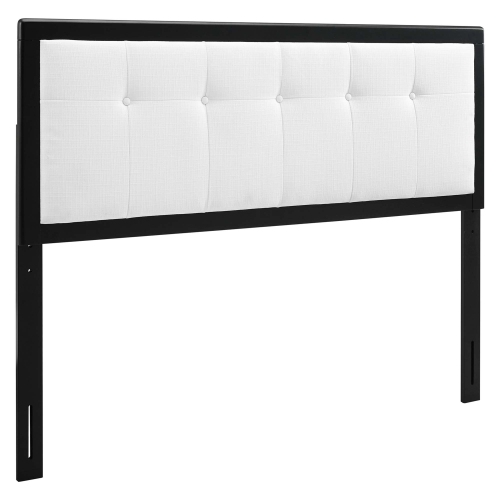
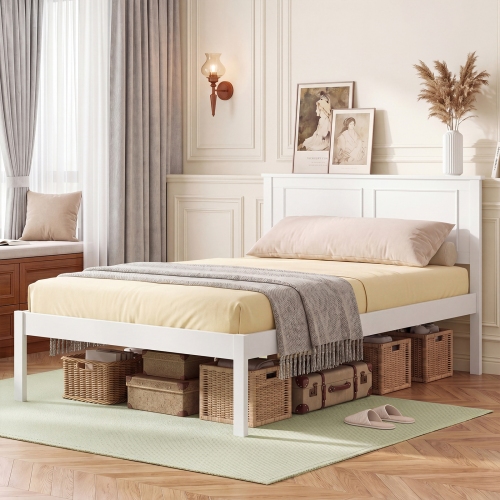

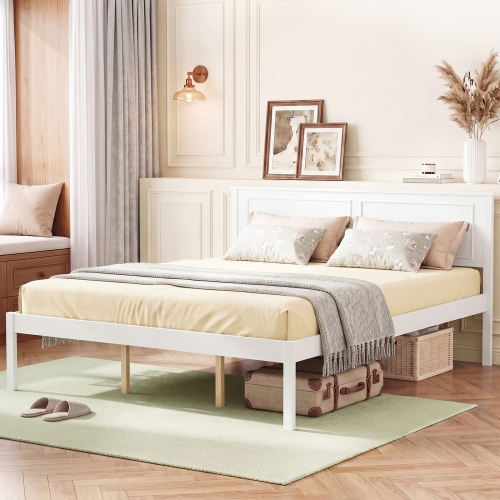
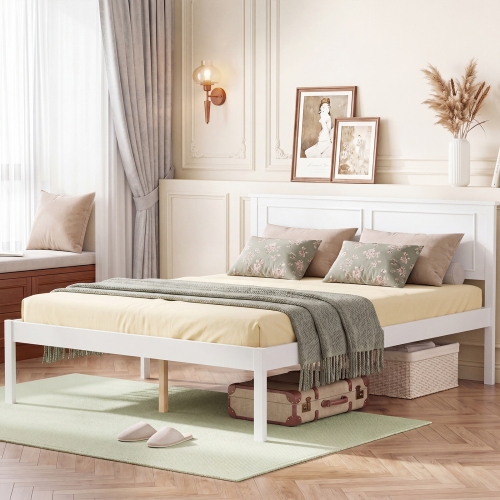
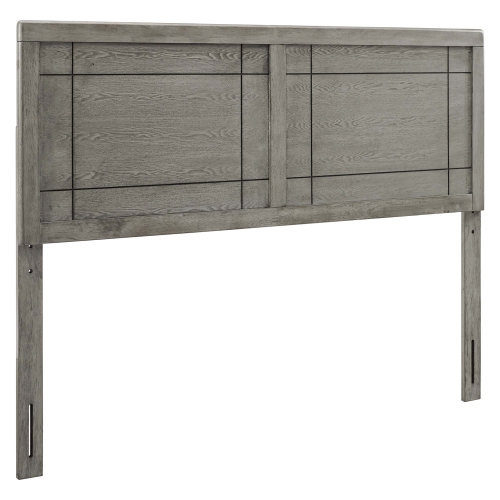
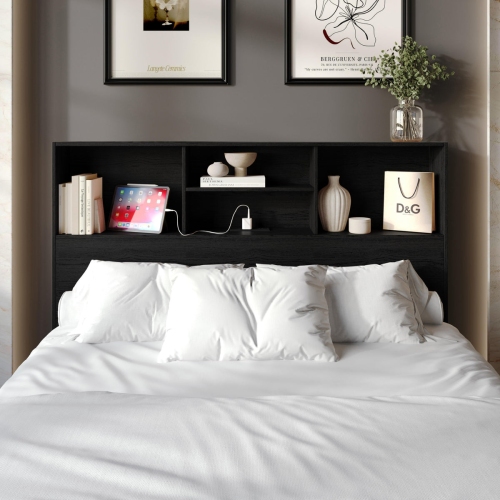

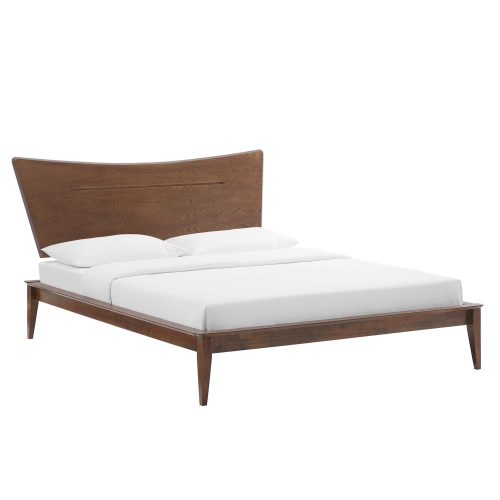
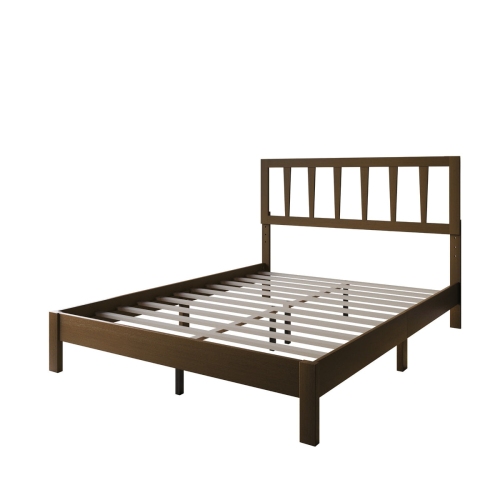
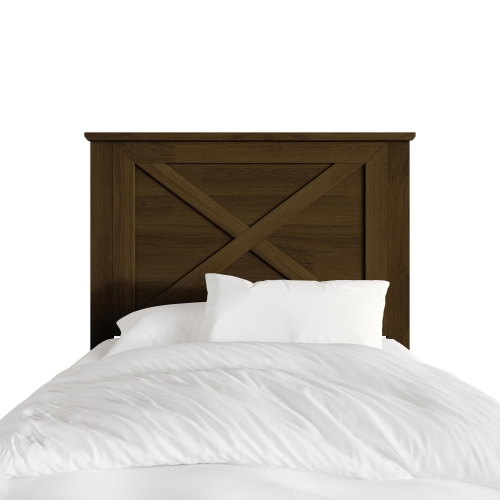
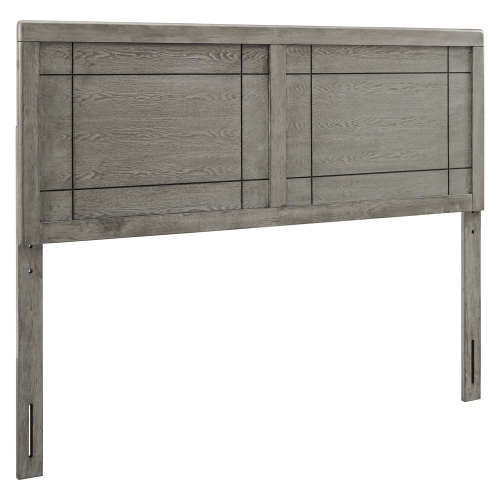
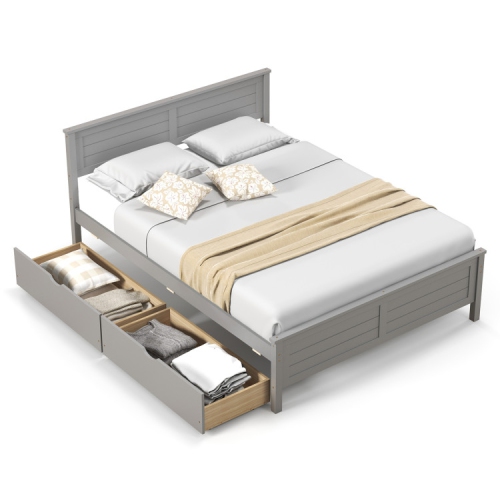

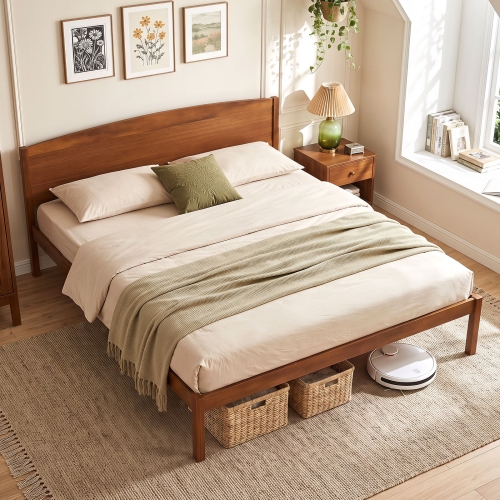
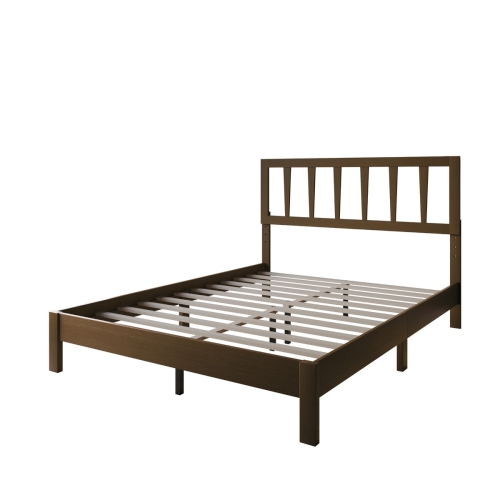
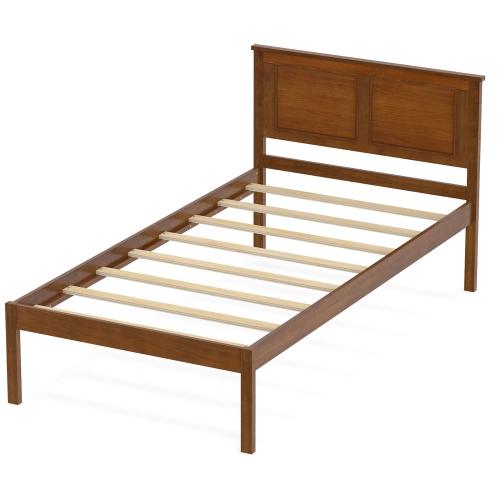
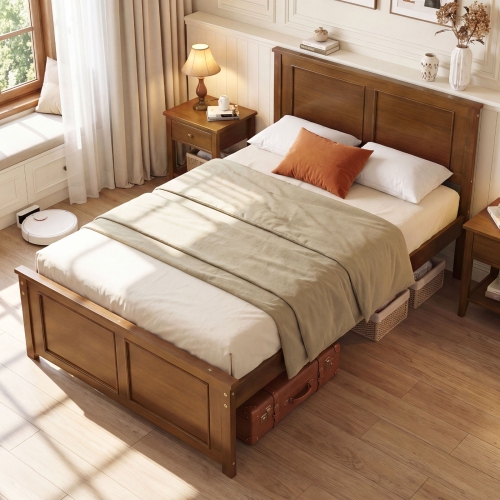
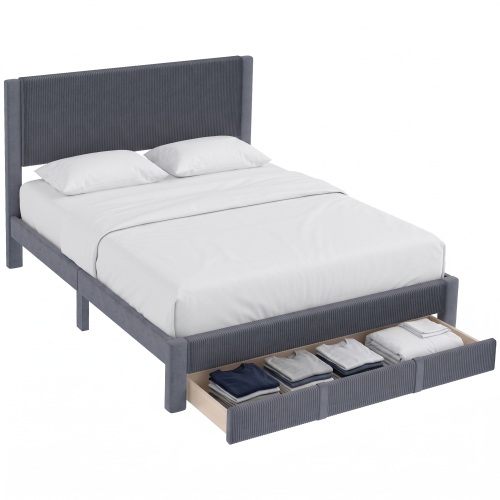
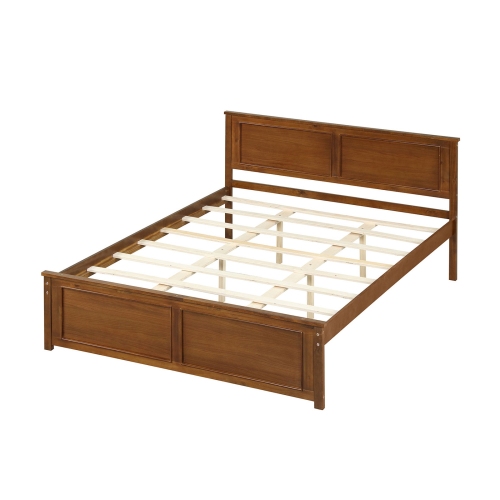
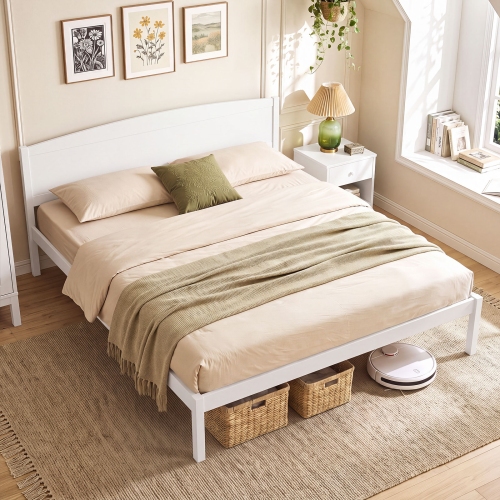
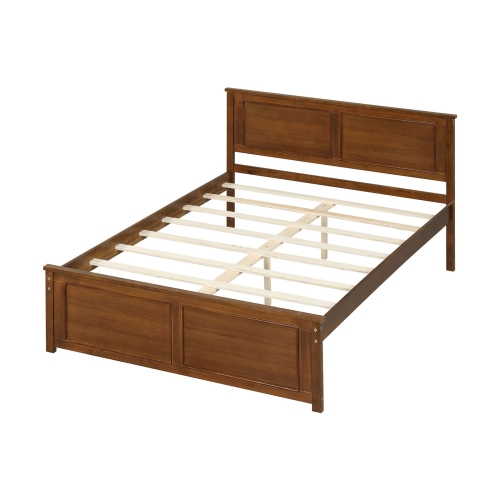
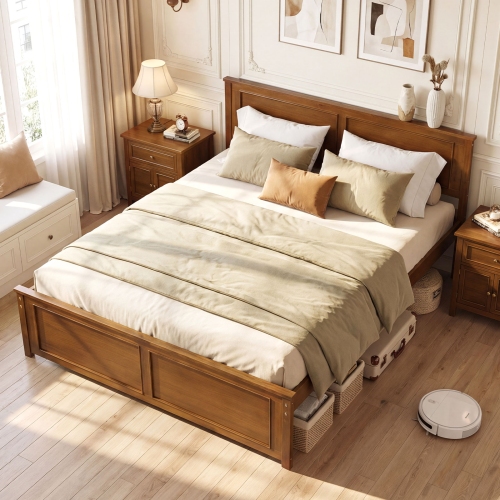
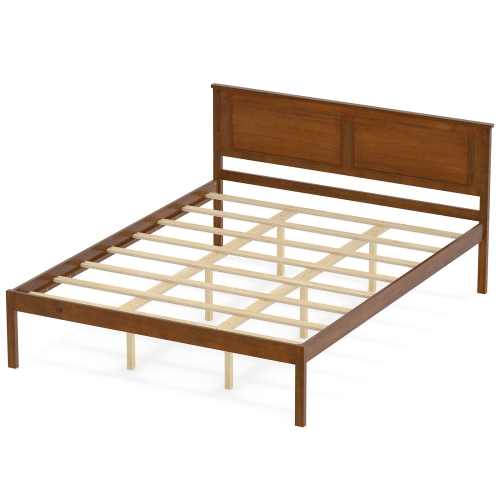
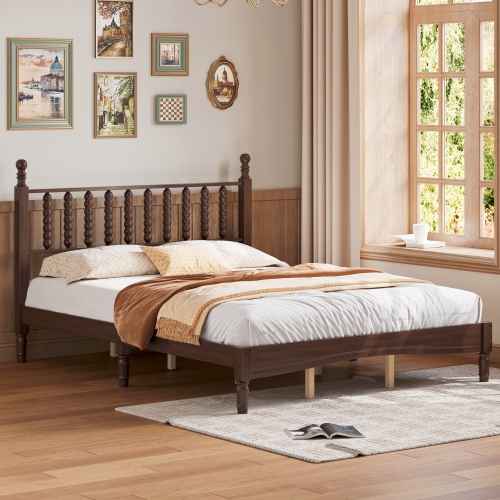
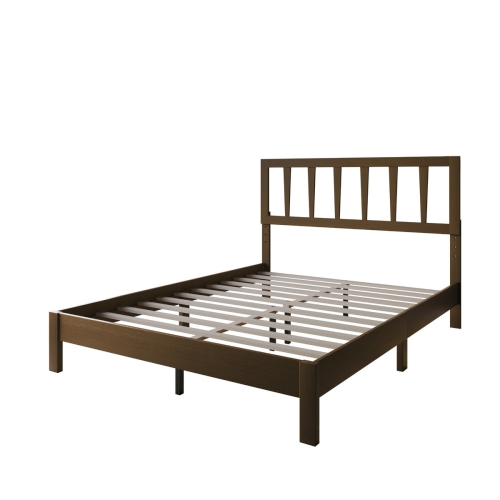
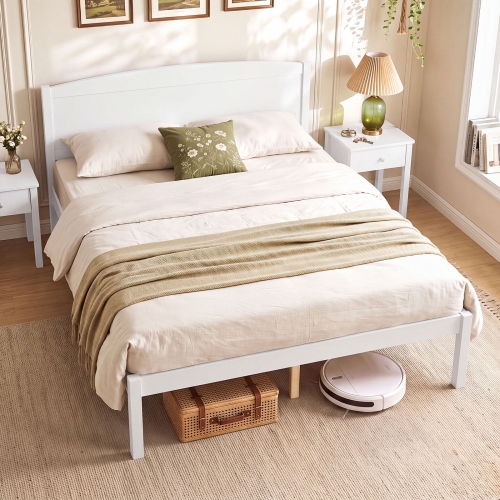
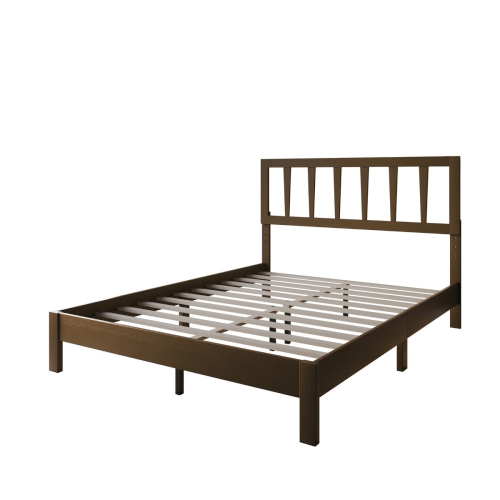
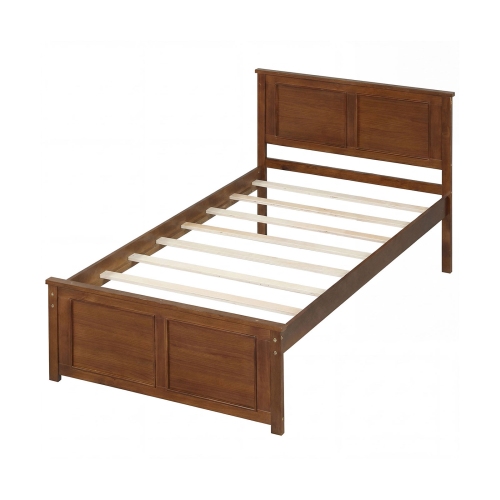
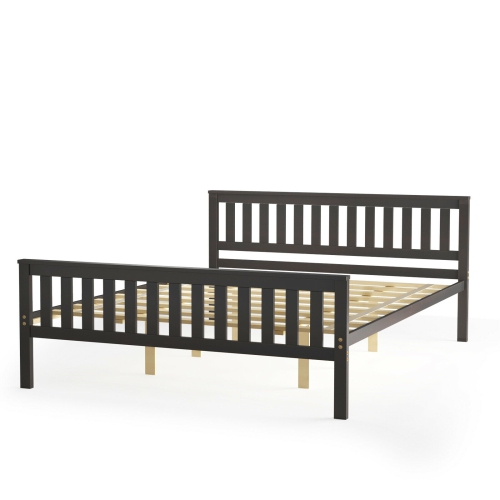
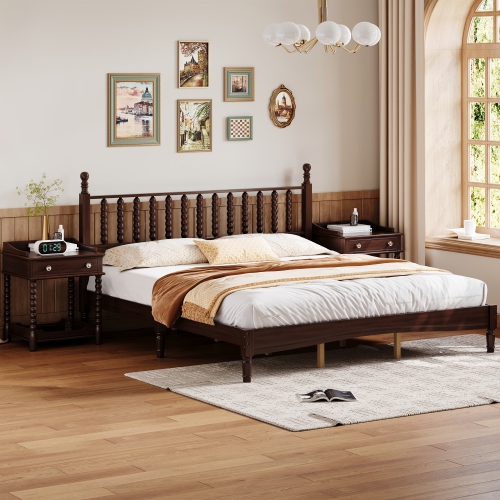
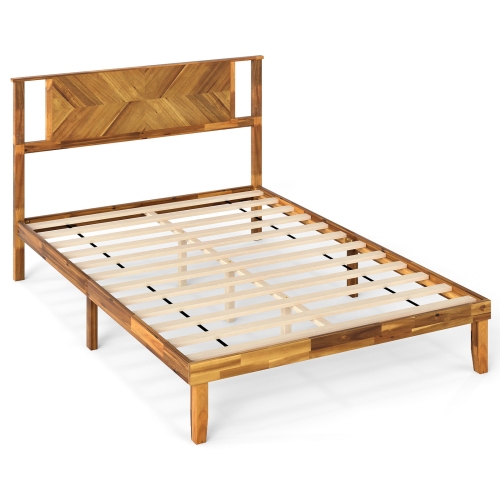
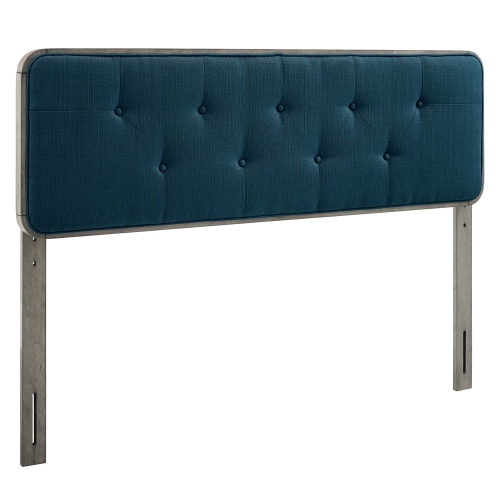
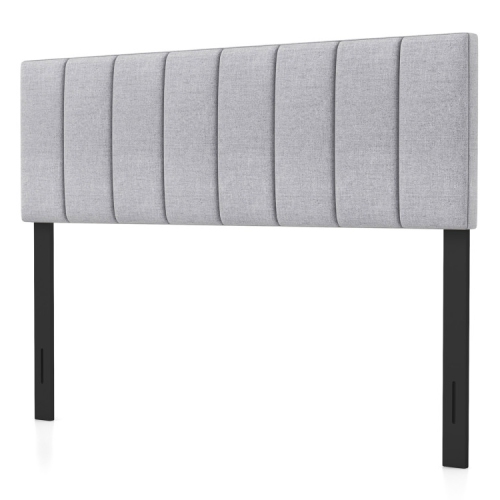
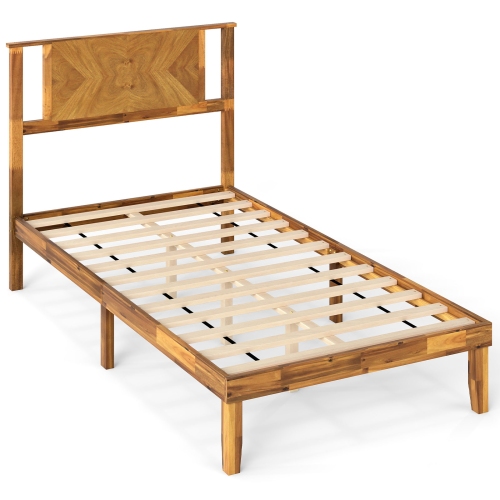
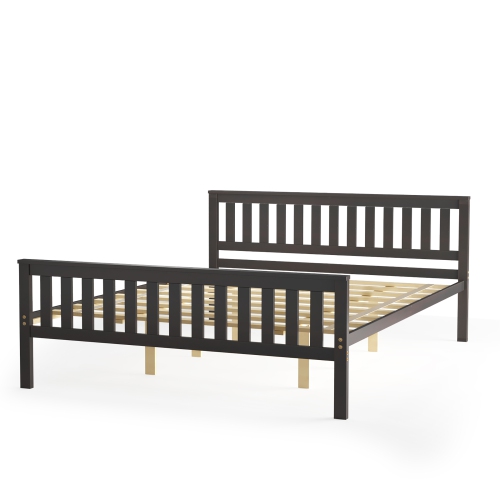
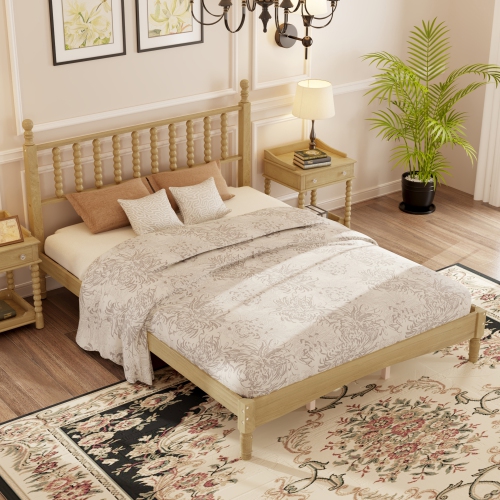
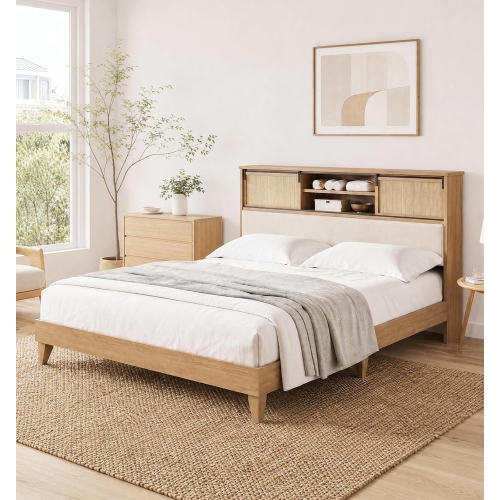
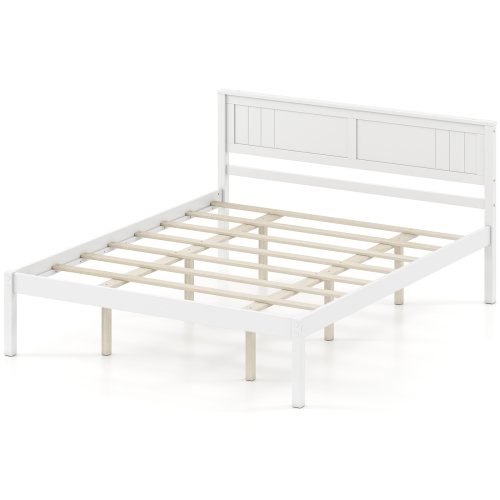
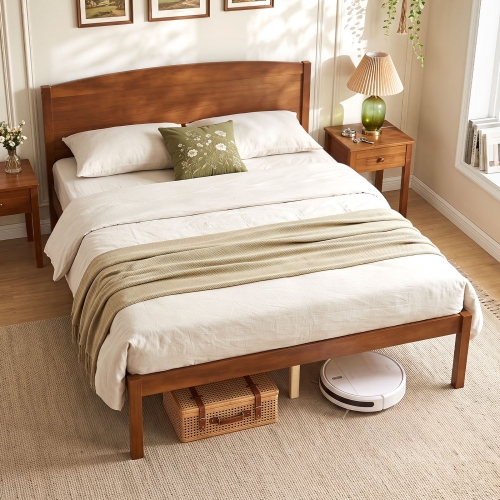
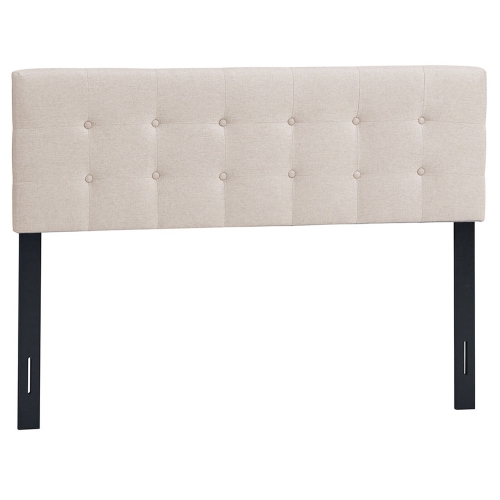
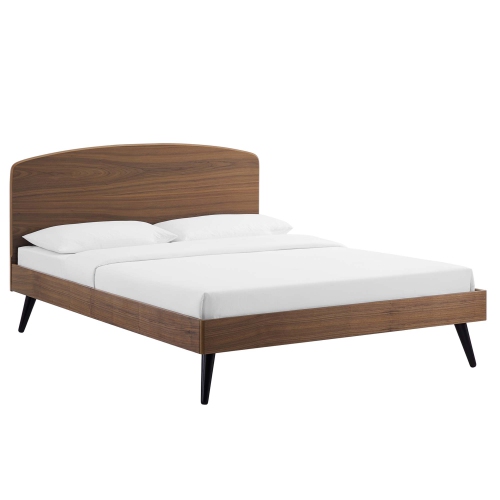
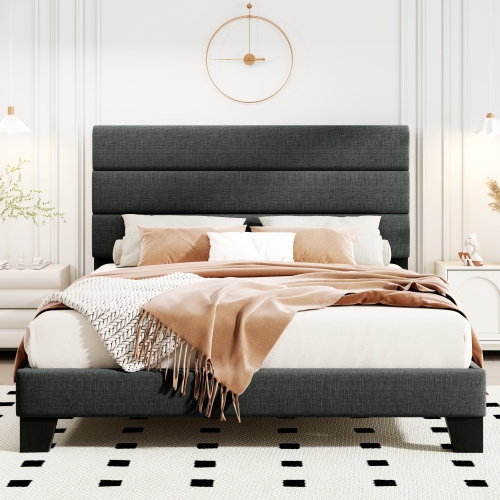
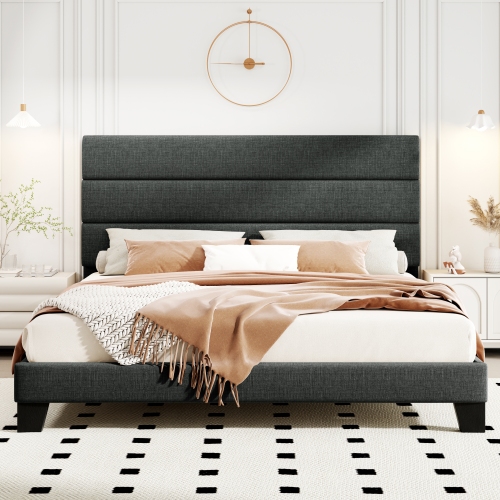
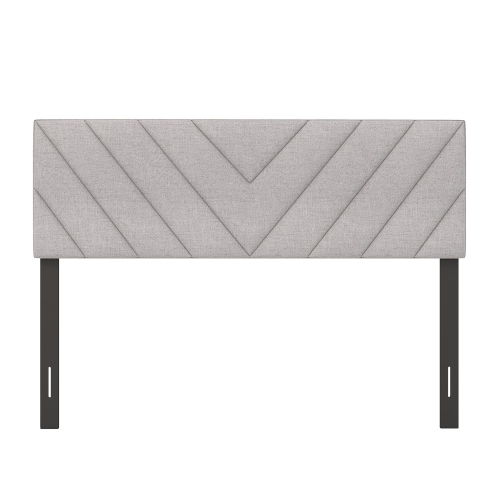
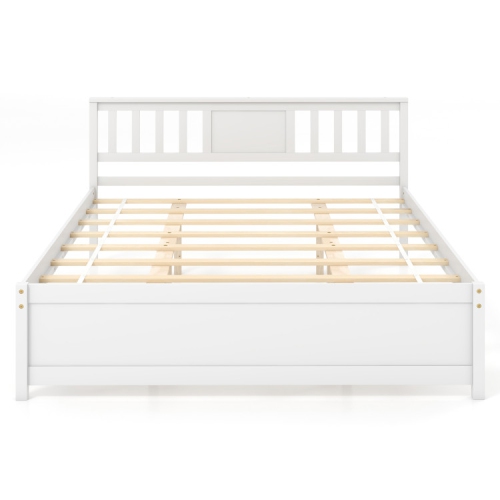
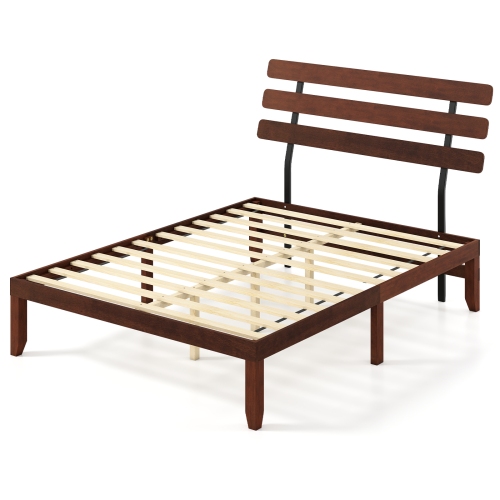
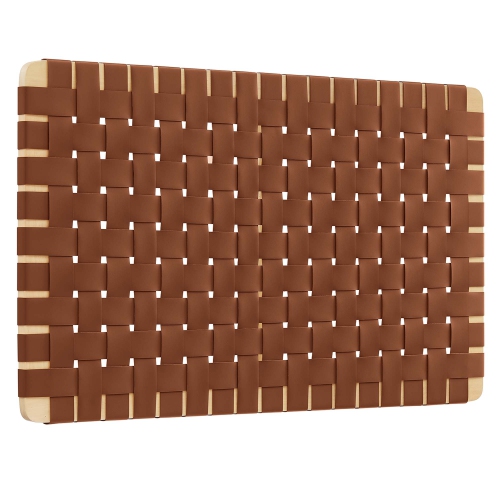
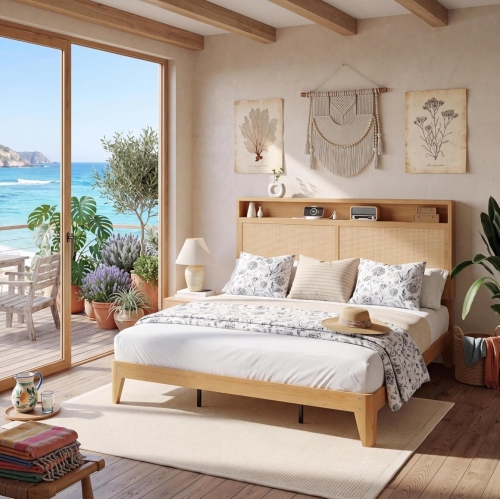
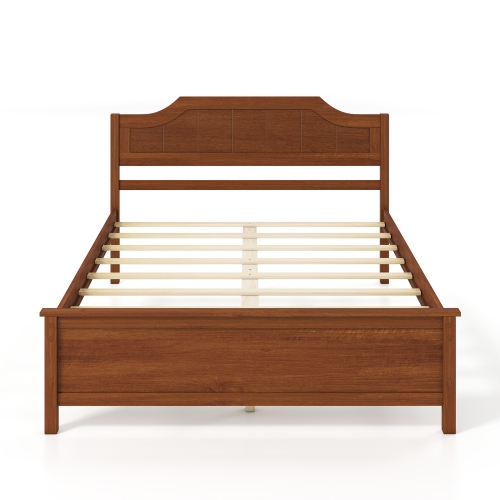
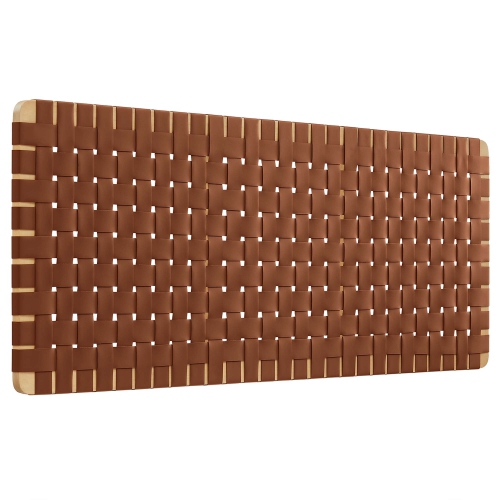
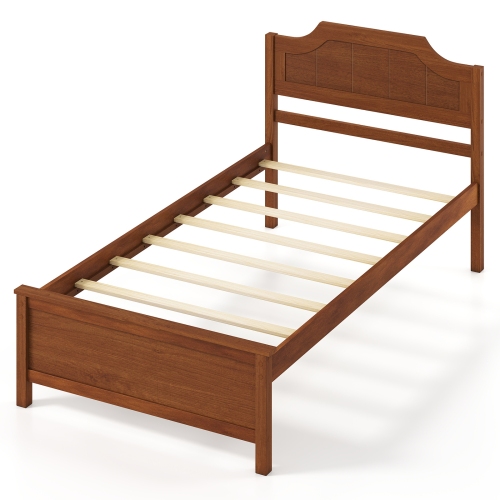
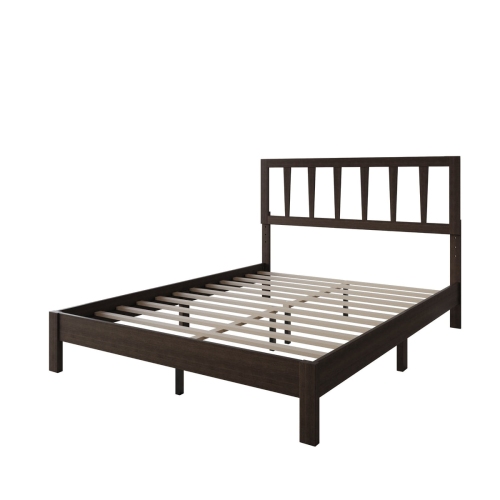
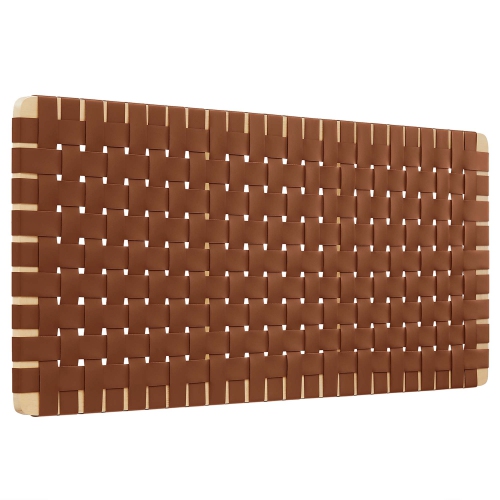
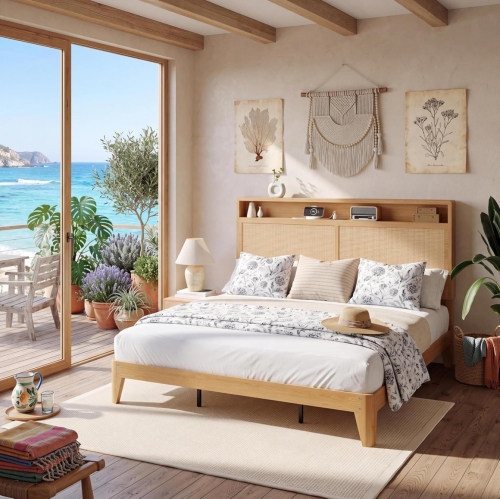
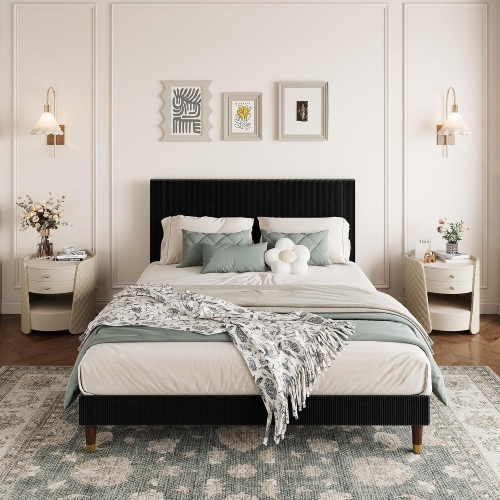

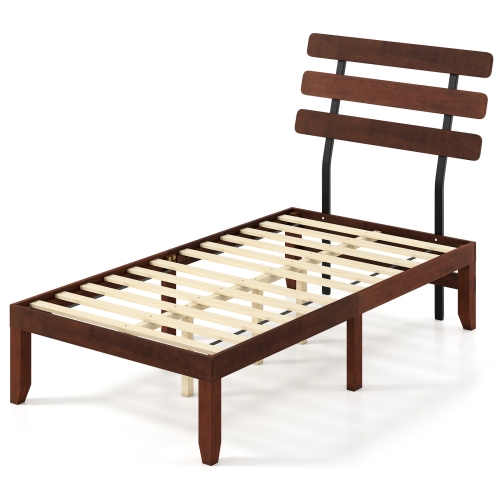
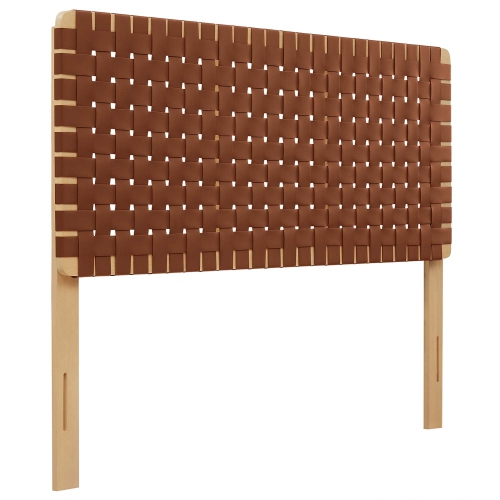
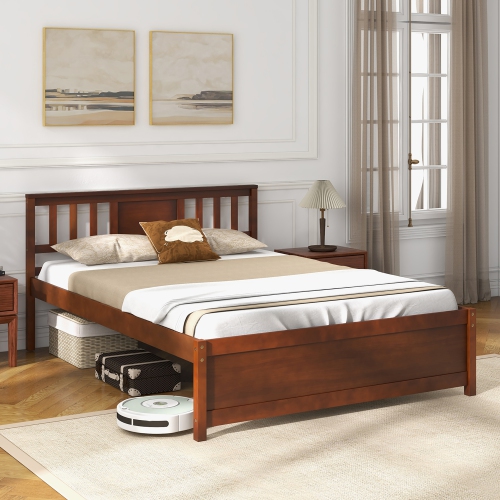
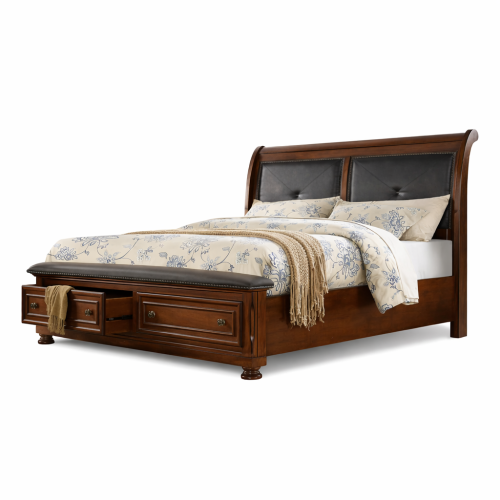
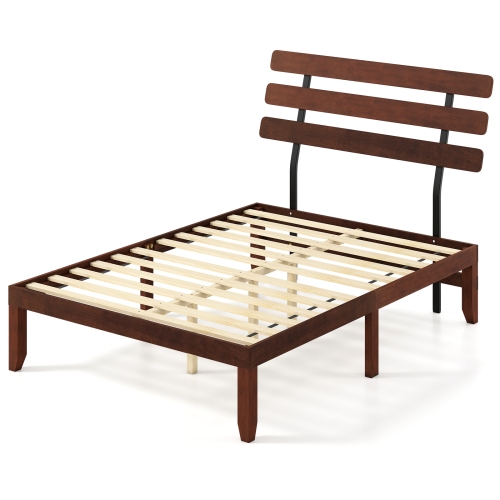
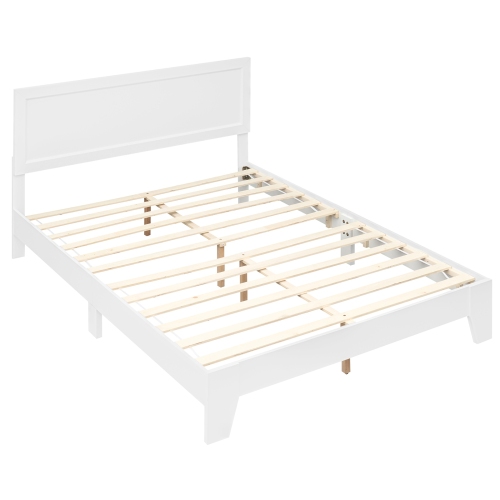

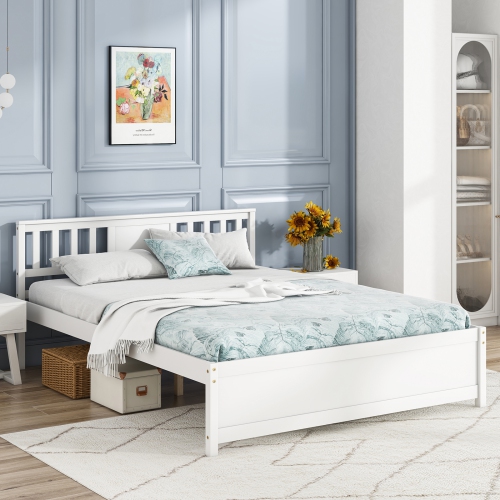
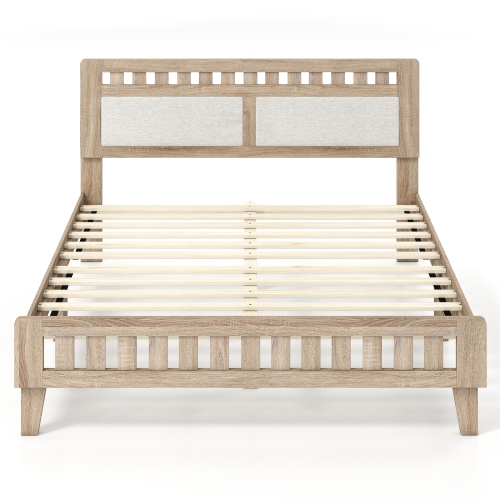
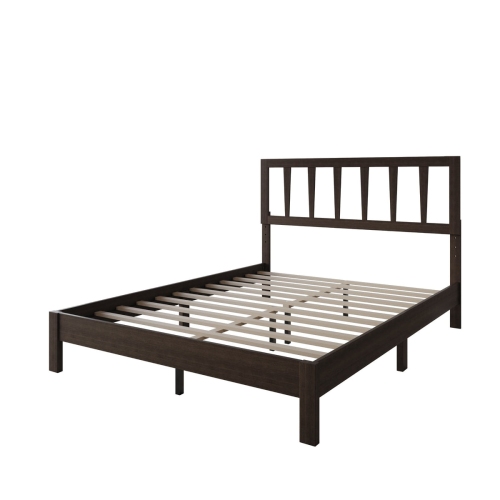
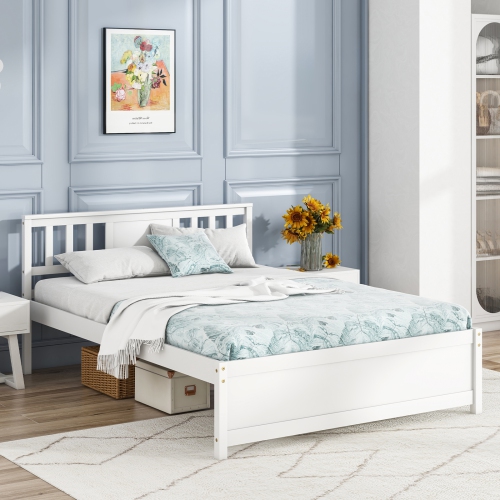
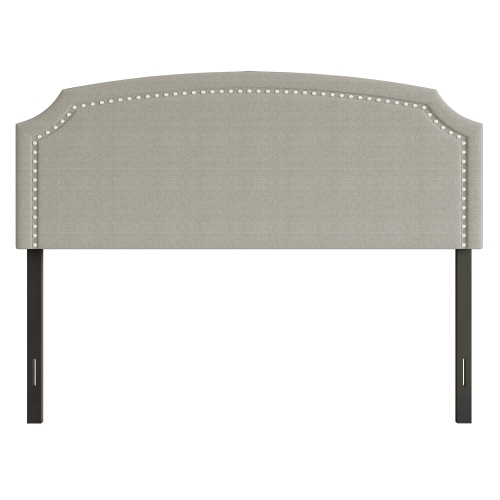
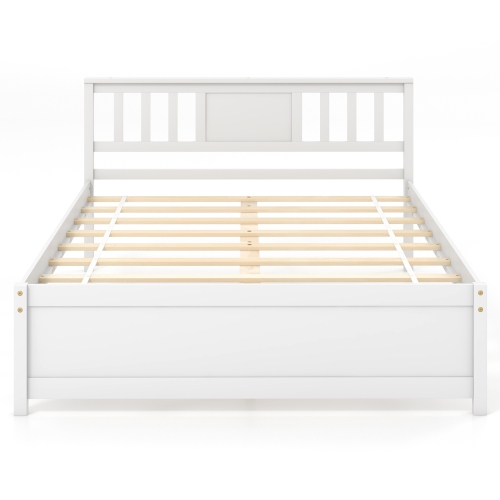
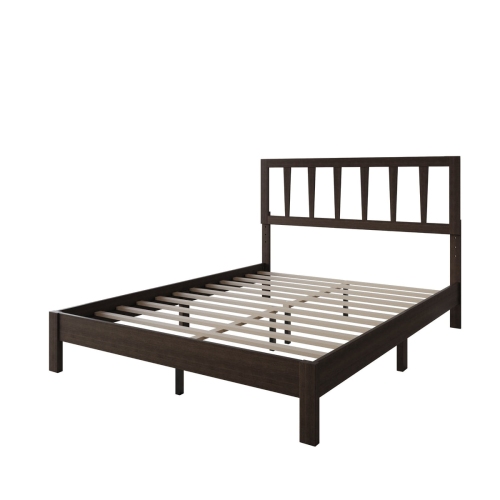
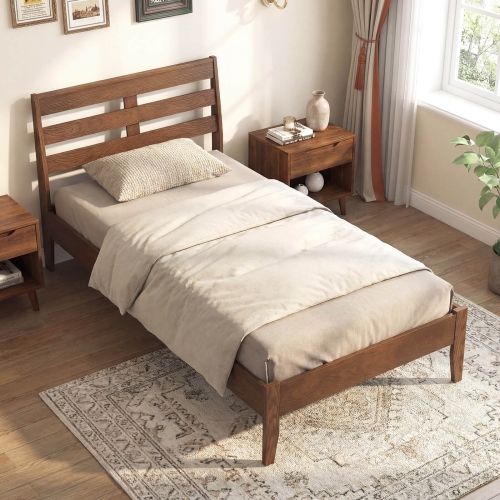
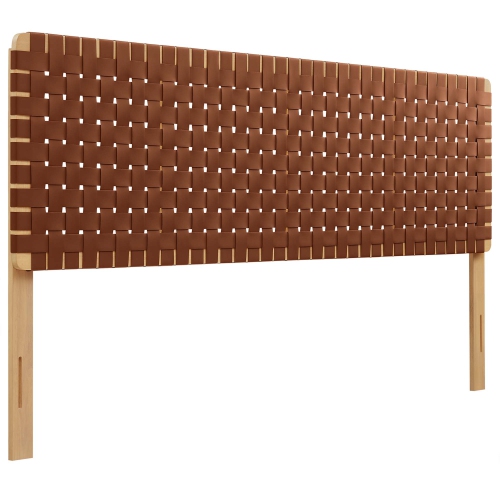
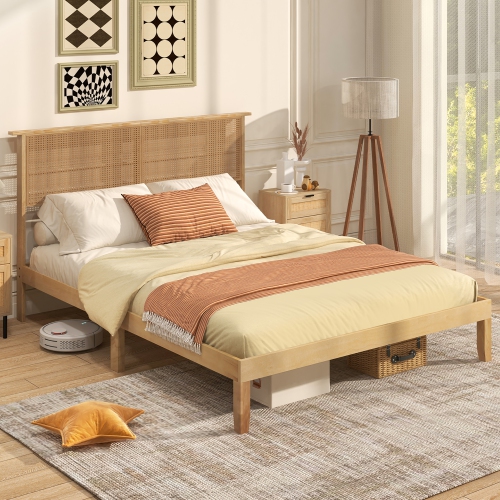
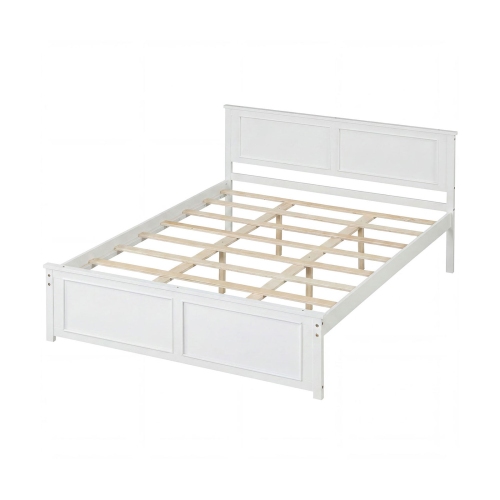
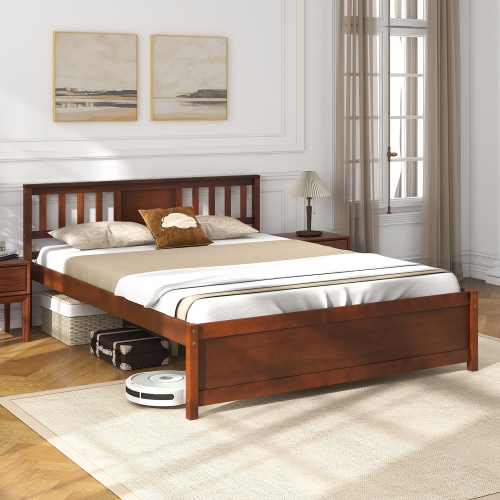
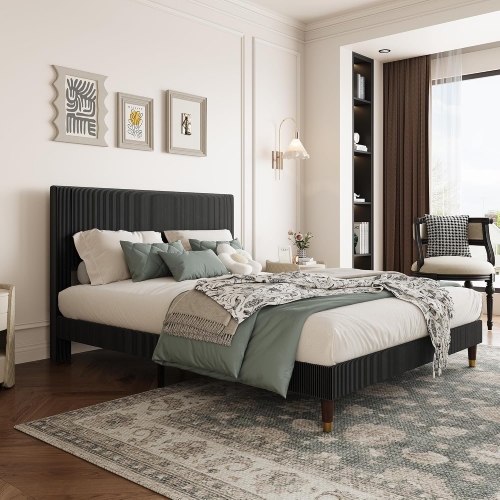

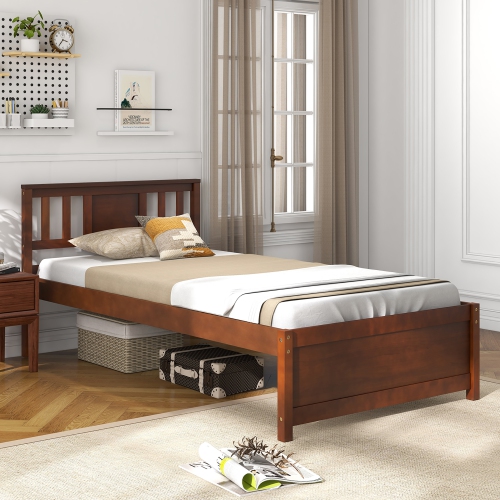
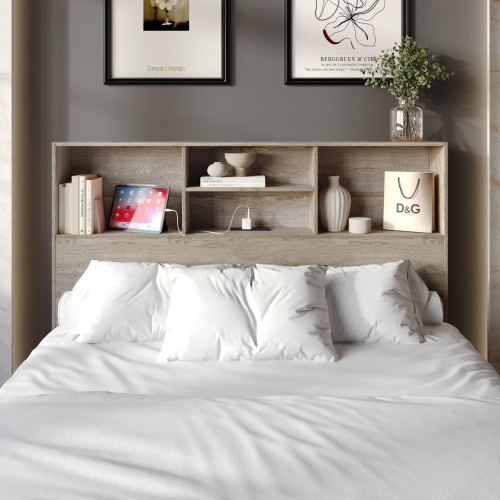
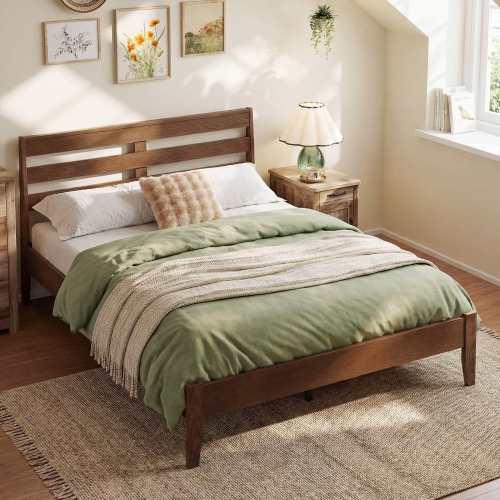

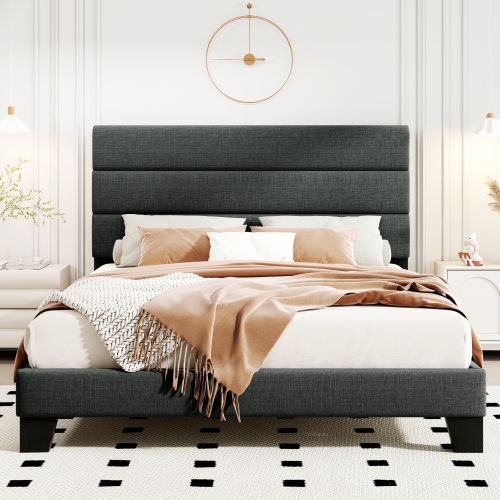
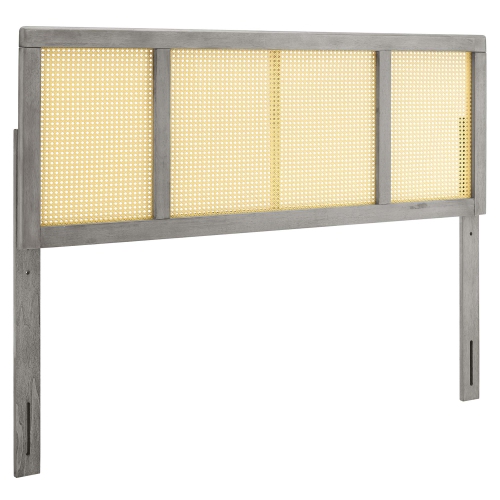

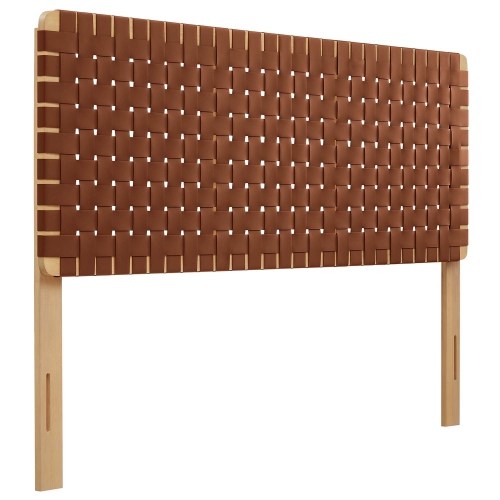
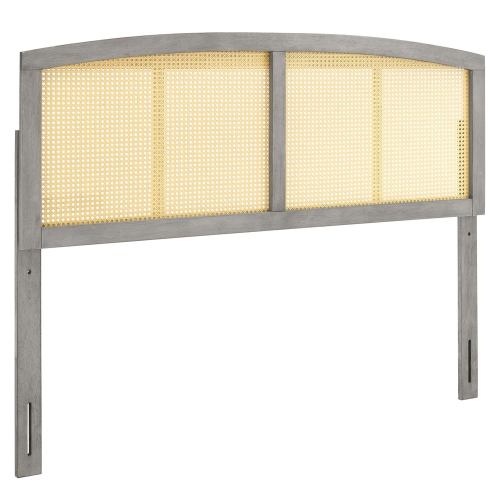
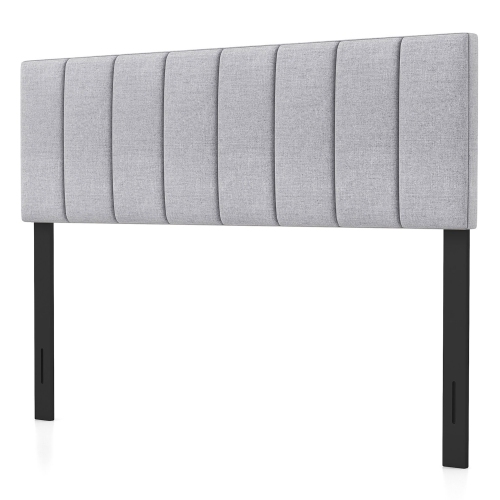
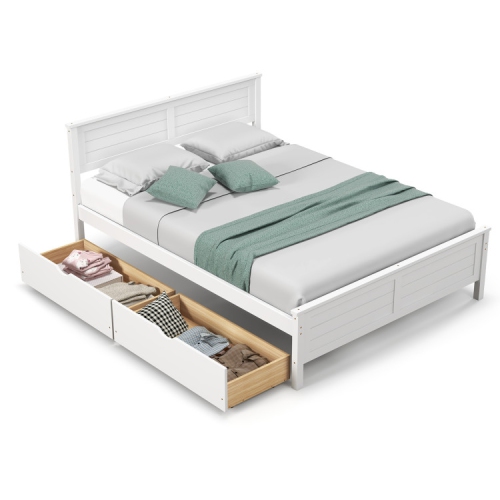
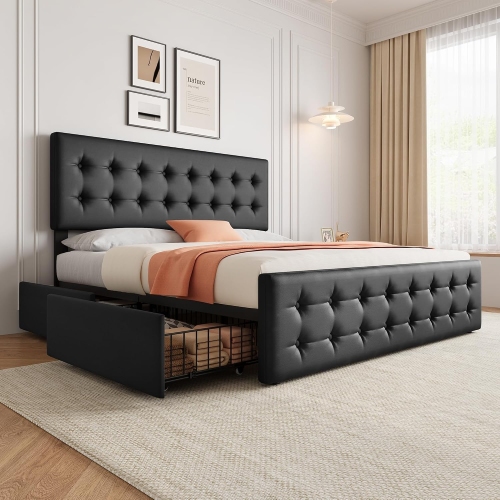
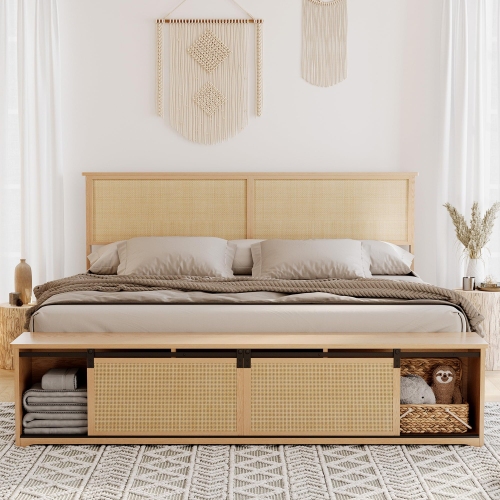
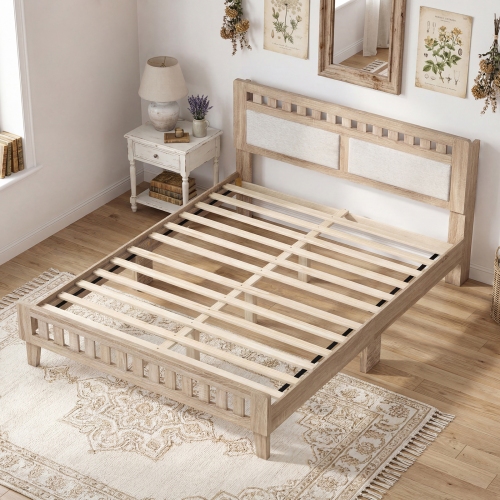
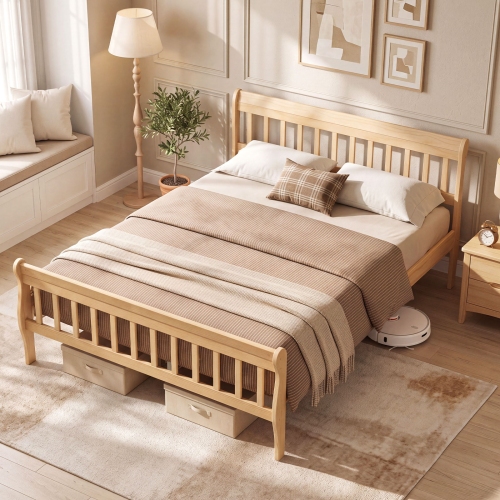
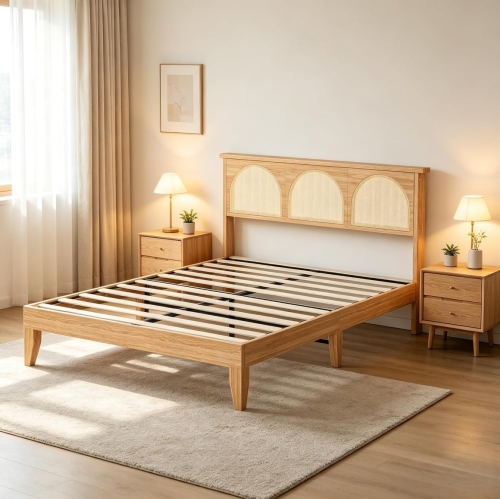
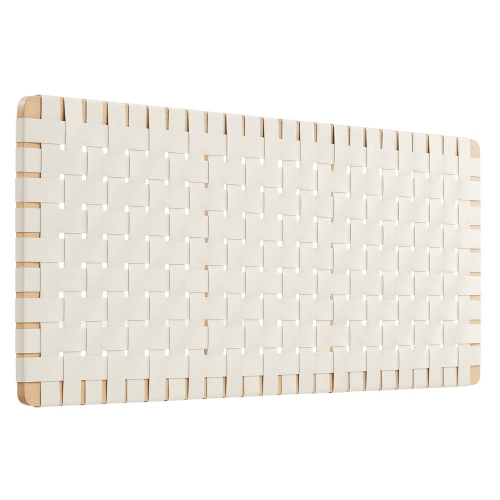
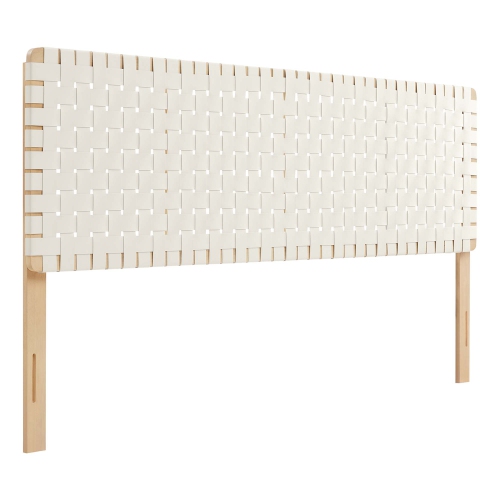
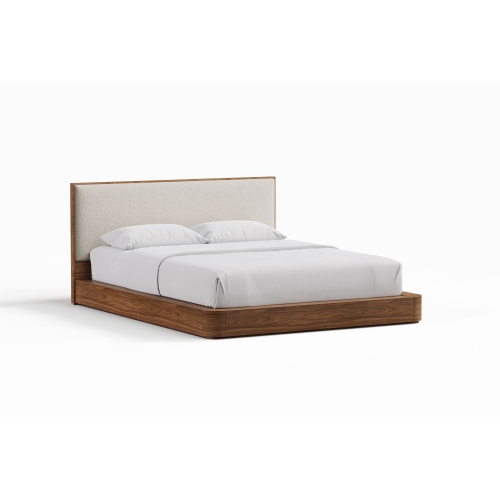
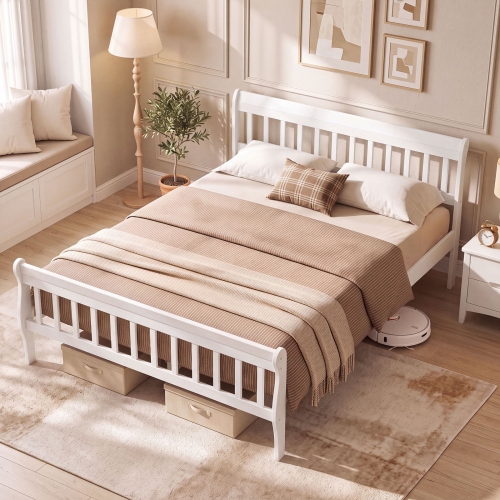
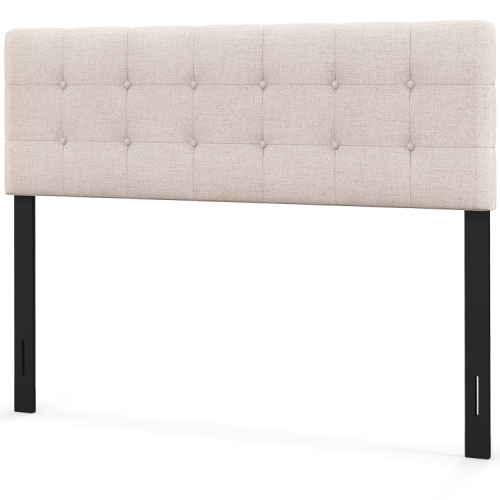
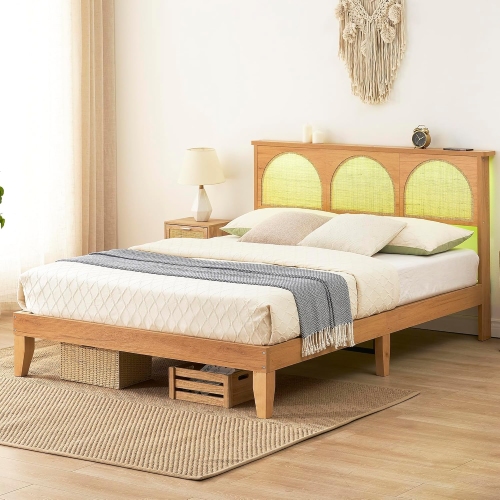

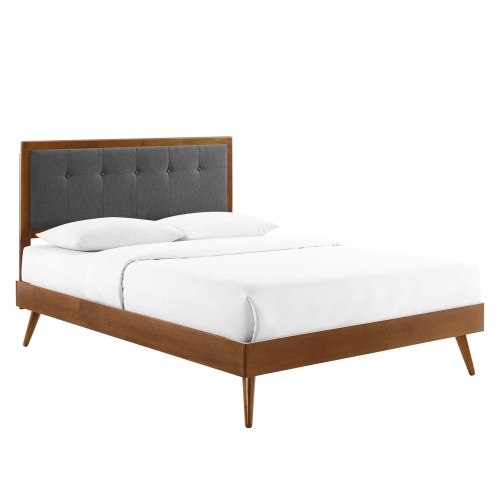
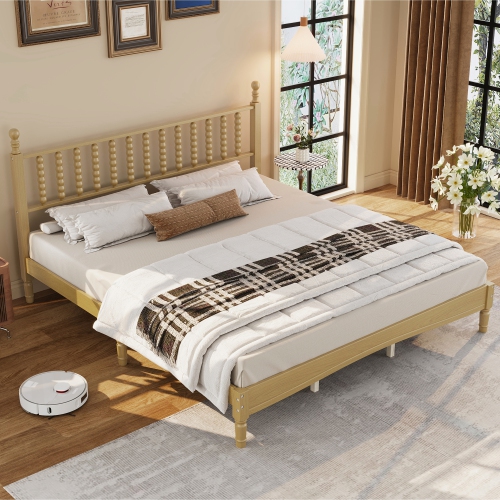
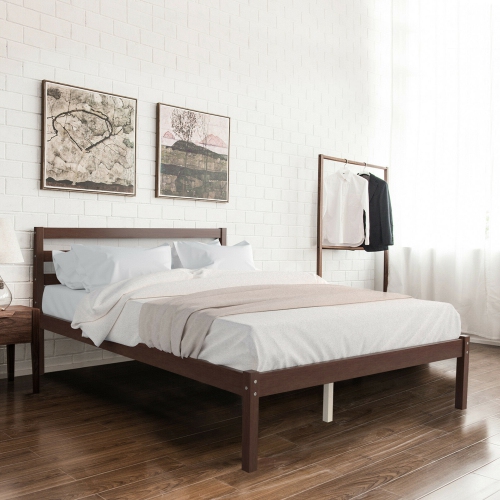
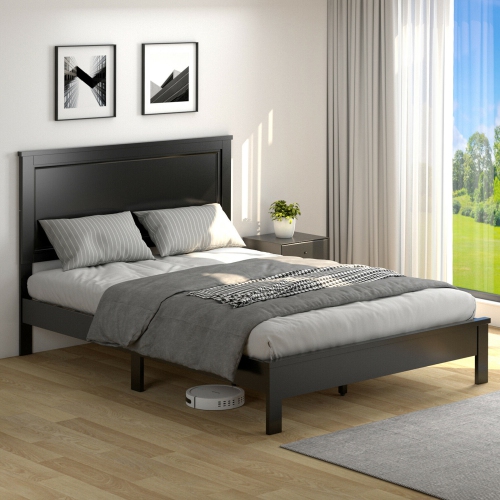
Rich wood tones without a matching bedroom set
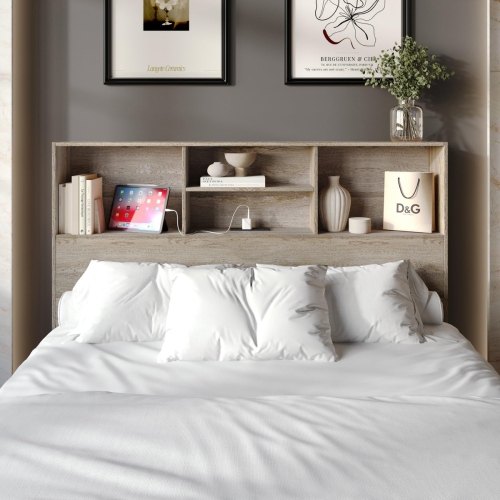
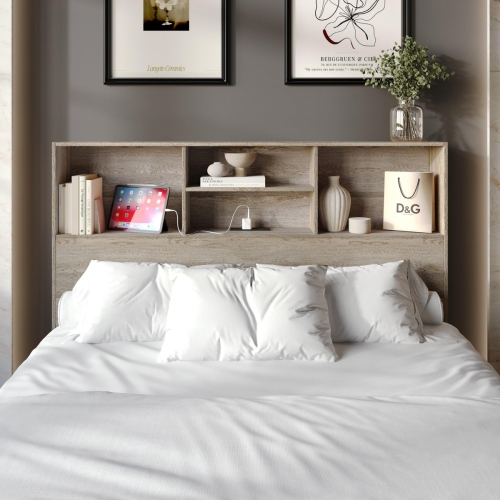
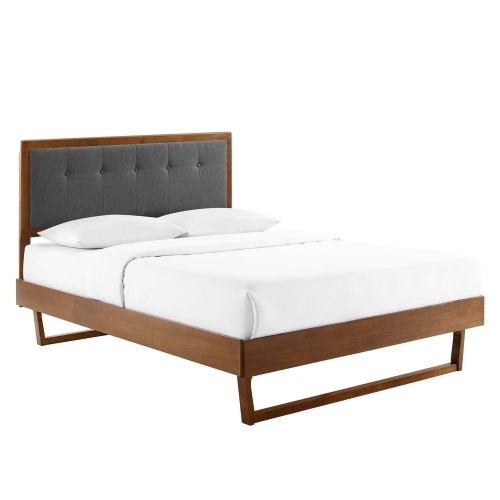
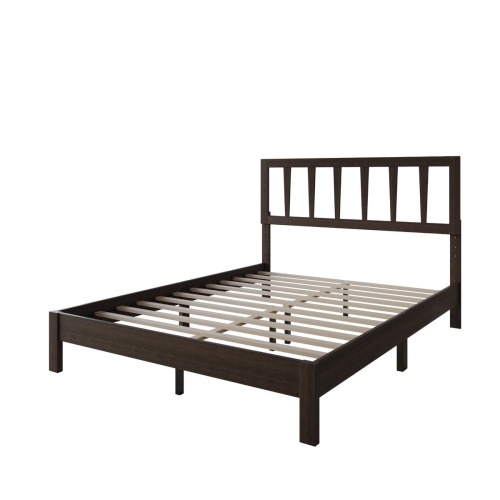
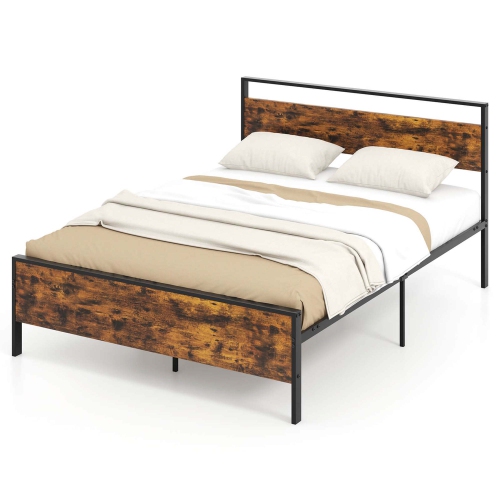
Dark wood headboards bring deep colour, visible grain, and a defined focal point to a bedroom without requiring a matching furniture set. Their appearance can range from the reddish brown of a mahogany-toned finish to chocolate brown, walnut tones, or an almost-black espresso finish. These colour descriptions do not necessarily identify the wood species: a headboard with a walnut finish may be made from another wood or from wood veneer over an engineered core. The overall effect depends as much on the design as on the shade. Broad panels create a substantial backdrop for pillows, while open slats allow the wall colour to show through and can give a smaller bedroom a less enclosed appearance. Framed panels, shaped edges, and decorative moulding suit traditional furnishings; flat surfaces and simple horizontal lines work comfortably with contemporary bedroom furniture. A low, wide silhouette can emphasize the bed’s proportions, while a taller headboard draws attention upward and remains visible behind stacked pillows. Dark wood pairs naturally with cream bedding, pale grey walls, textured throws, and warm metal accents, though it can also anchor a room with deeper colours. In a bedroom with dark flooring, a lighter rug or duvet helps distinguish the bed from the floor. Matching every wood finish is not essential; similar undertones can connect a dark headboard with a lighter dresser or bedside table without making the room feel overly coordinated. For a contrasting look, White Wood Headboards offer a lighter backdrop while retaining the familiar lines and texture of wood furniture. Dark finishes are especially useful when the aim is to give a simple bed frame more visual presence. They can feel equally at home in a primary bedroom, a guest room, or a teenager’s room, with bedding and accessories setting a more formal or relaxed tone.
Materials and construction influence how a dark wood headboard looks, feels, and holds up to everyday use. Solid wood can show natural differences in grain and colour, giving individual panels a less uniform appearance. It can also respond to changes in indoor humidity, so sound joinery and suitable placement matter. Wood veneer uses a thin layer of real wood over a supporting core, bringing natural grain to a construction that differs from solid timber. Engineered wood with a decorative laminate or other surface finish can provide a more consistent colour and pattern. None of these descriptions alone tells the whole story: edge finishing, panel thickness, joints, mounting hardware, and the quality of the surface coating all contribute to the finished piece. A smooth, well-finished edge is particularly noticeable where hands rest while changing bedding or where pillows brush against the headboard. Dark surfaces can make pale dust, scratches, and fingerprints more visible, especially on broad, flat panels. A soft cloth used regularly helps keep the finish looking tidy, while spills are best removed promptly without leaving moisture along seams or edges. Cleaning products should suit the particular finish; abrasive pads, harsh solvents, and excessive water can damage wood coatings, veneers, or laminated surfaces. Direct sunlight may alter colour over time, and prolonged contact with a heat source can affect some materials and finishes. Decorative objects on an integrated shelf may also leave marks if their bases are rough. For households where furniture is moved often, the weight and assembly method deserve attention alongside appearance. Some solid wood designs are heavy, while other constructions may be easier to handle, but neither weight nor material name guarantees durability. Secure joints and correctly fitted hardware help prevent unwanted movement, and keeping the original assembly information makes later adjustments or a move easier to manage.
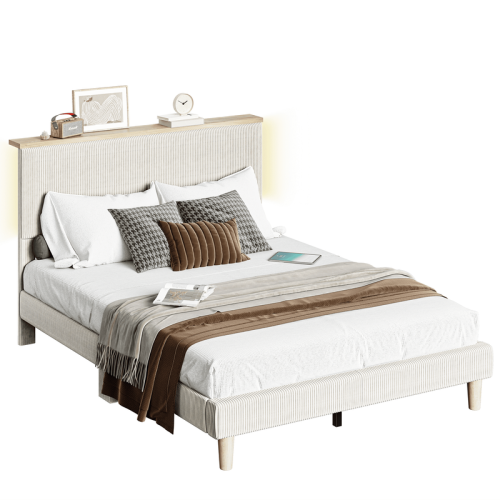
A headboard’s fit involves more than the mattress size printed in its description. Twin, double, queen, and king labels are useful starting points, but the actual width, height, and attachment points determine how a headboard works with a particular bed. Some designs extend beyond the mattress edges, which can look balanced in a spacious room but leave little room beside a doorway or a pair of nightstands. The mattress and foundation height also affect the result: a thick mattress can conceal much of a low panel, while a taller headboard may remain visible behind reading pillows. The position of the lower edge matters as well, particularly where there could be an opening between the mattress and the headboard. Frame-mounted designs need compatible brackets, mounting slots, and hardware; a shared bed-size label does not guarantee that the attachment points line up. Wall-mounted designs depend on suitable wall construction and secure fastening, while floor-standing designs may still require attachment to the bed or wall. Adjustable beds need particular attention to clearance and mounting compatibility so that moving sections can operate as intended. Nearby outlets, light switches, baseboards, and window trim can also affect placement. A dark wood headboard with built-in shelves or compartments can provide a place for books, glasses, and other bedside essentials, although the added depth takes up room behind the mattress. Designs with integrated power outlets or USB ports add another practical consideration: the location of the household outlet and a clear cable route that avoids pinching cords. For someone who reads or watches television in bed, a broad panel offers a continuous surface behind supportive pillows, whereas an open slatted design has a different feel against cushions. In a guest room, uncomplicated surfaces and accessible bedside space can make the setup easier for different visitors to use. Across these settings, the most useful dark wood headboards combine a proportionate silhouette, a finish that suits the room, and a secure connection that works with the existing bed.
Top selling and popular products
-
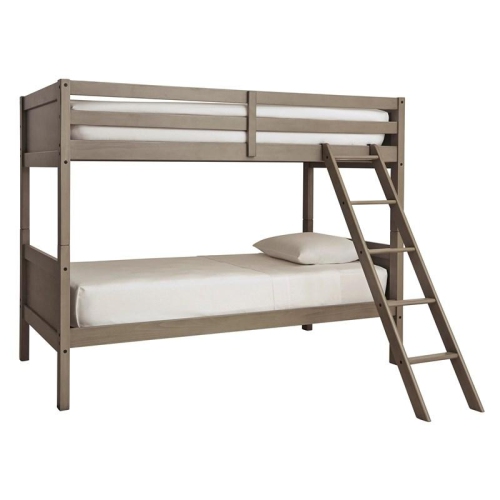 Your price for this item is $799.99
-
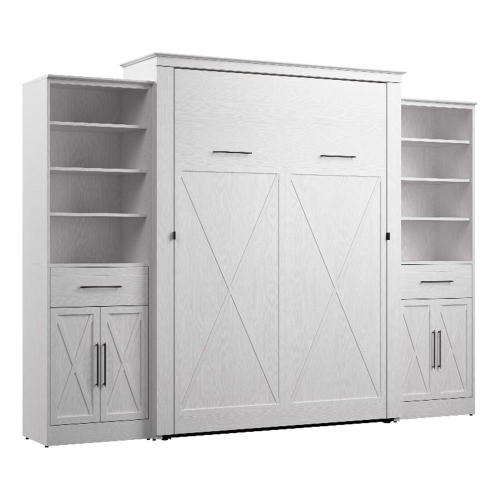 Your price for this item is $3519.99
-
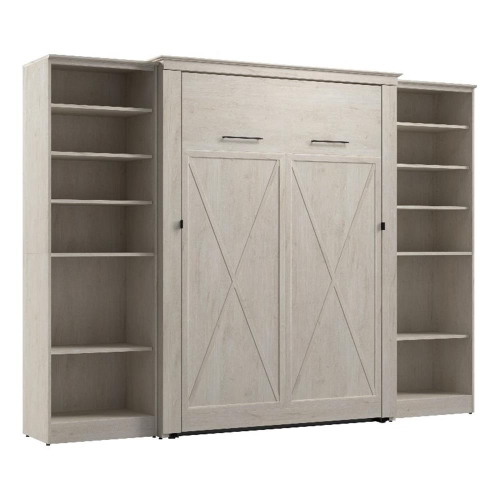 Your price for this item is $3099.99
-
 Your price for this item is $3349.99
-
 Your price for this item is $235.99
-
 Your price for this item is $233.99
-
 Your price for this item is $243.99
-
 Your price for this item is $364.99
Discover more categories related to Dark Wood Headboards
Top Collections:
Best Black Friday Deals This Year, Best Black Friday Deals On Electronics, Kindle Devices, Best Black Friday Deals On Apple Products, Best Budget Office Chairs, Best Cameras for Sports Photography, Dyson Airwrap, Canon G7X Cameras, Best Laptops for Writers, Samsung Galaxy Phones
Some products may be subject to Environmental Handling Fees
(EHF) depending on your province.
Learn more about EHFs.