Decorative Fences
Enhance the aesthetic appeal of your outdoor space with our collection of decorative fences. Whether you're looking to add a touch of elegance to your garden, create a boundary for your patio, or simply enhance the overall charm of your yard, our wide range of decorative fences offers endless possibilities. From classic designs to modern styles, our selection features an array of materials, colors, and patterns to suit any taste and complement any outdoor setting. Explore our assortment of decorative fences and transform your outdoor space into a stunning oasis that is sure to impress.
Sort
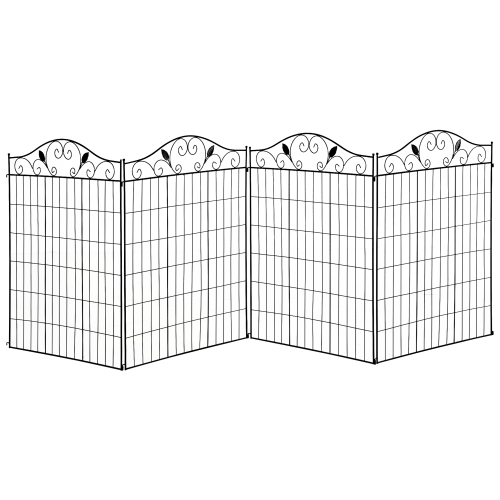
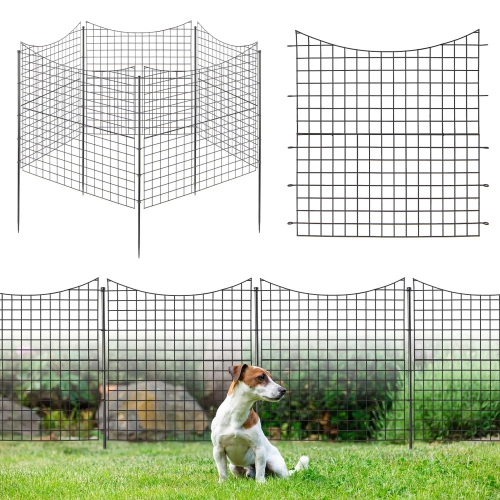
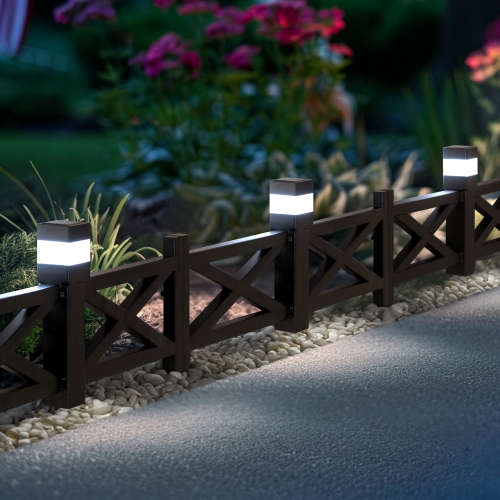
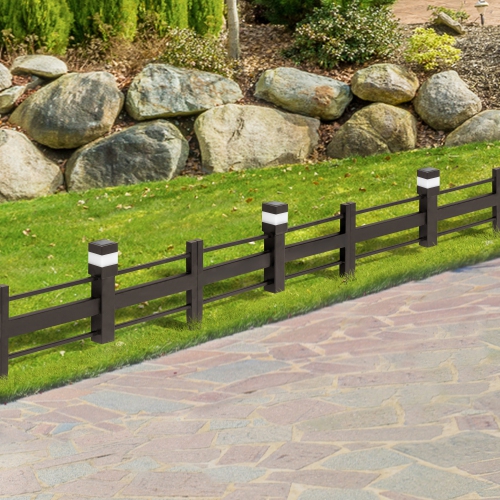
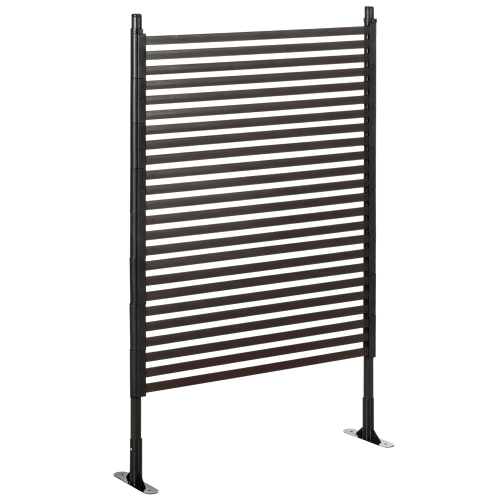
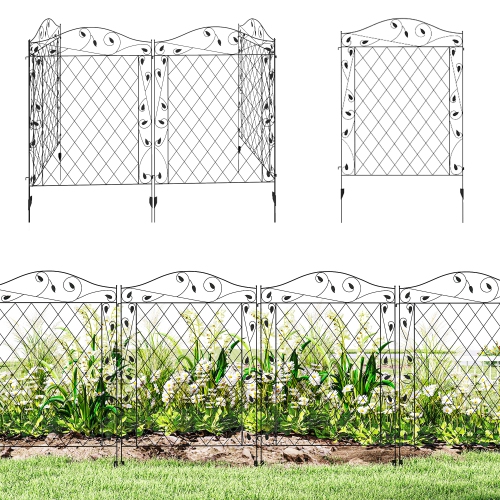
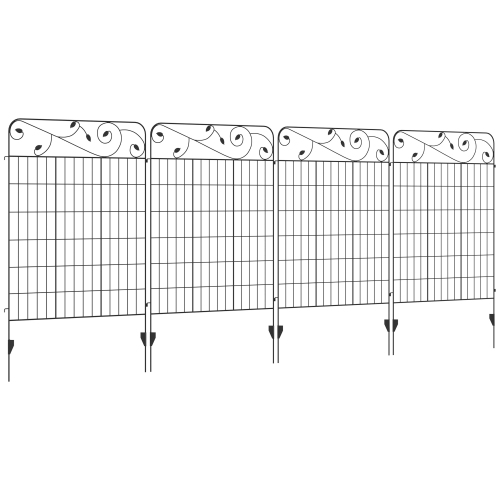
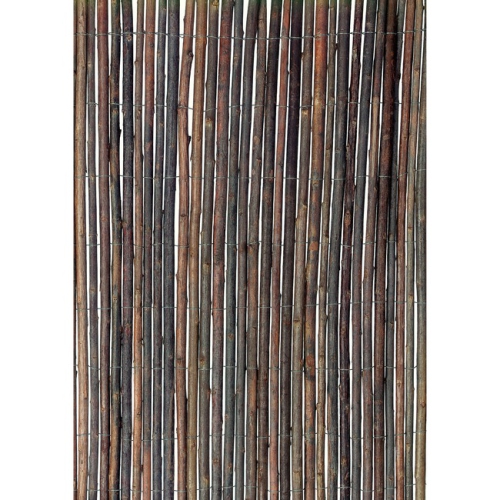


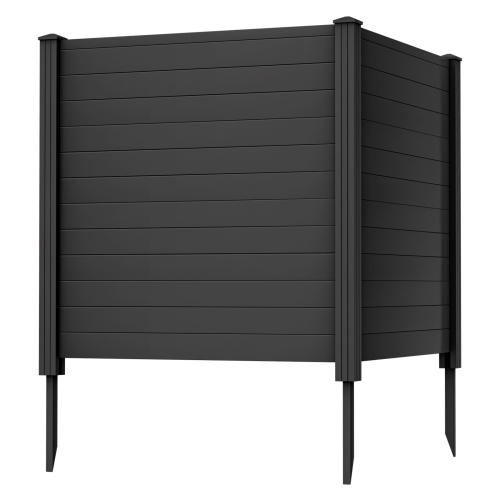
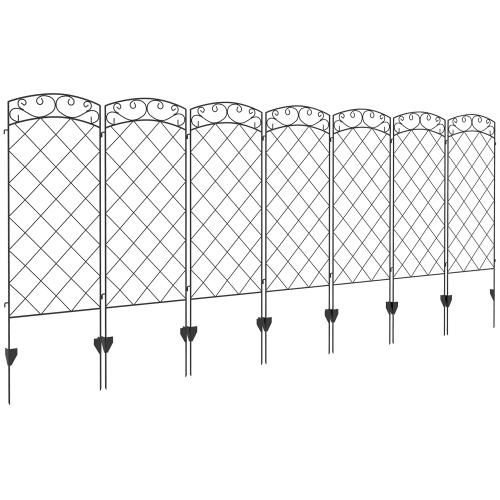
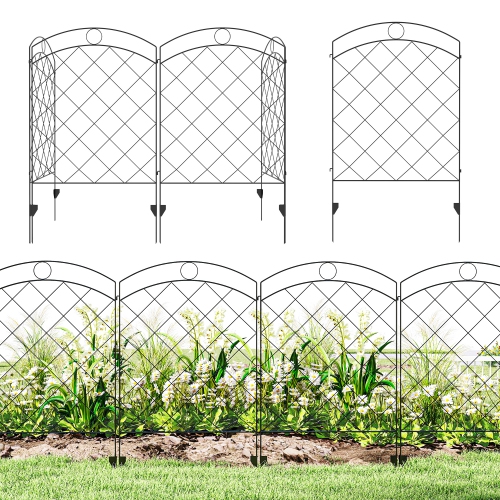
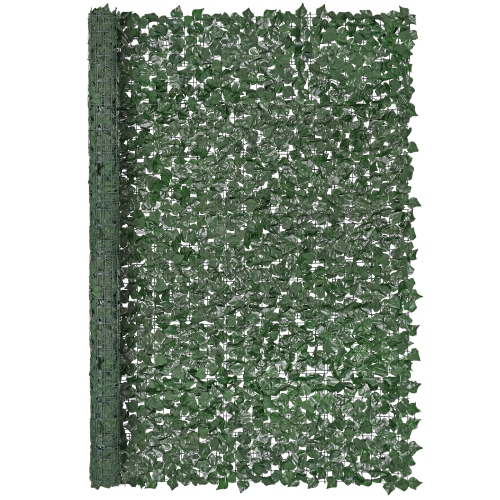

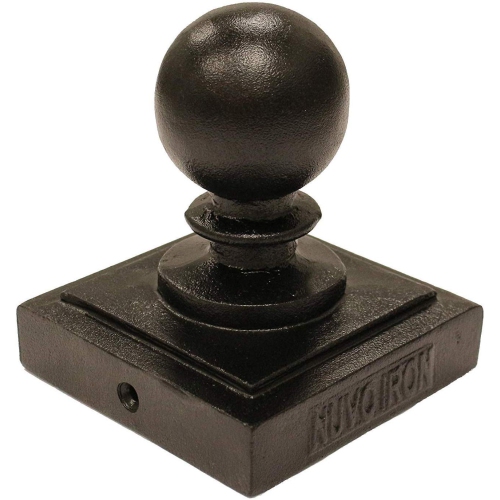
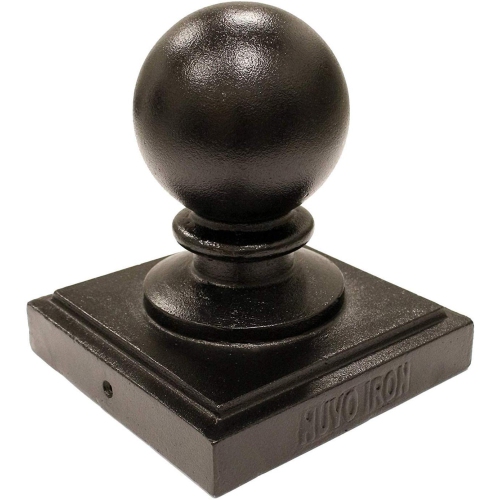
Garden boundaries that add definition without blocking the view
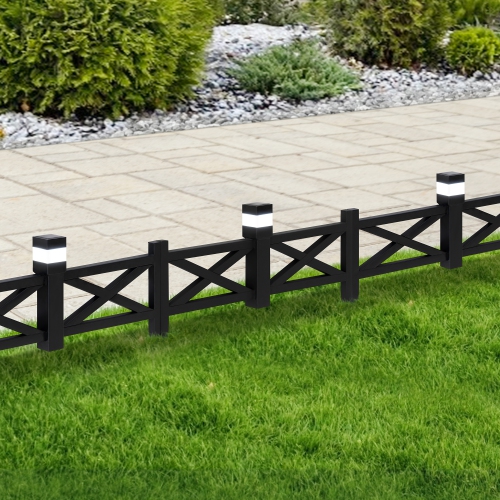
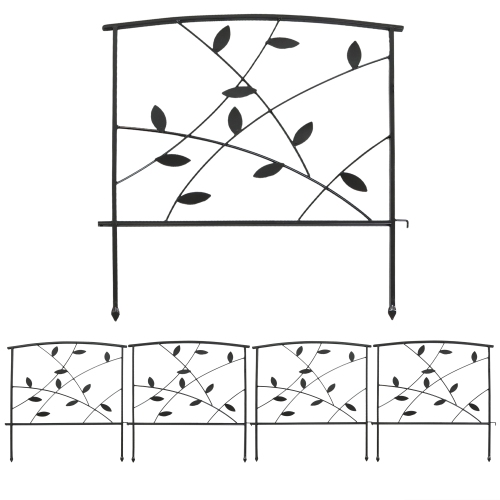
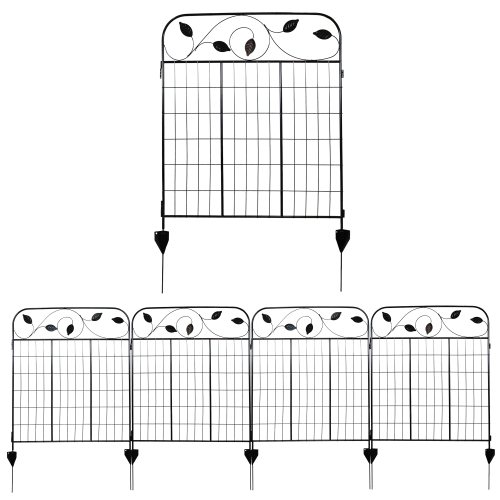
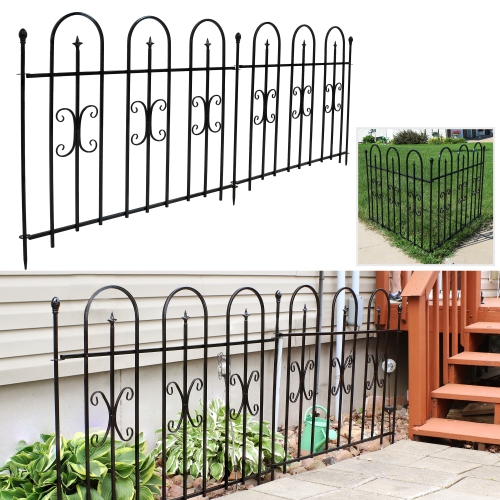
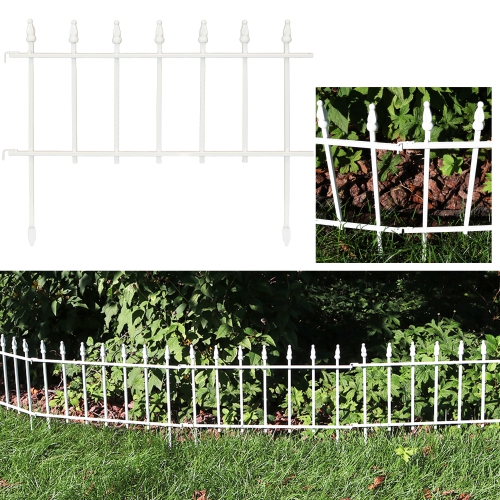
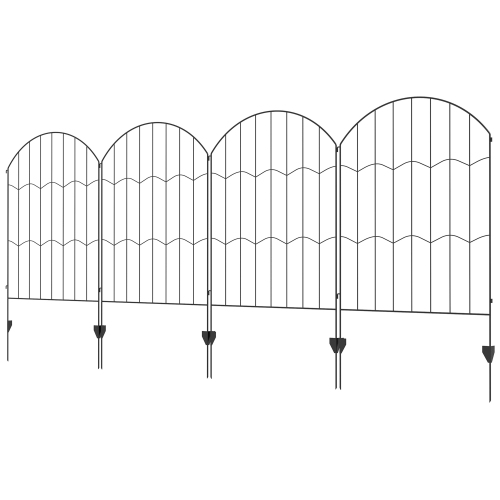
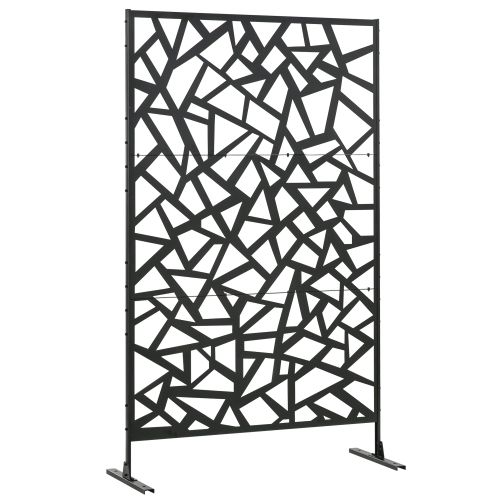
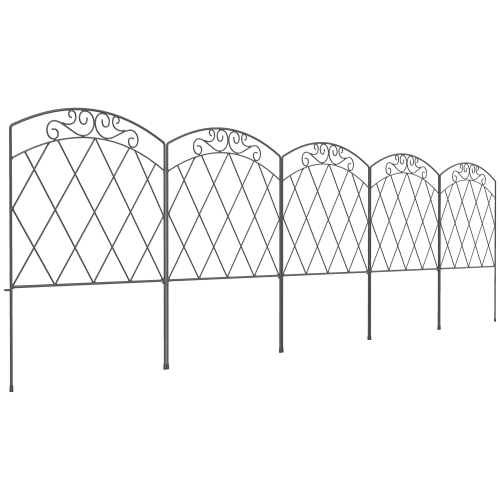
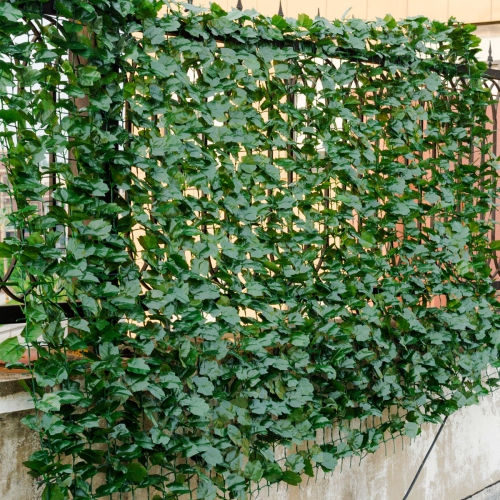
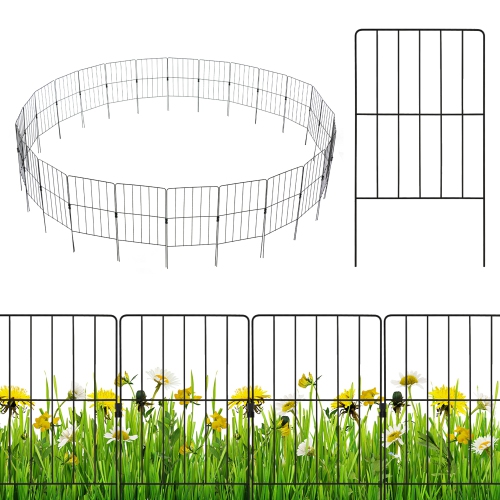
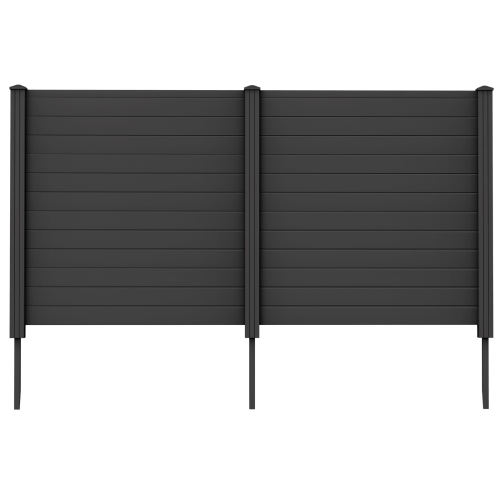
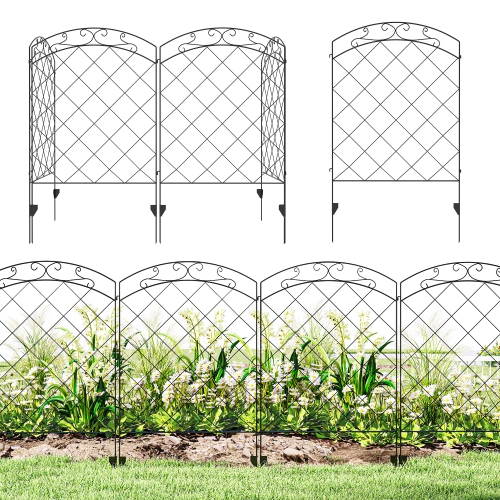
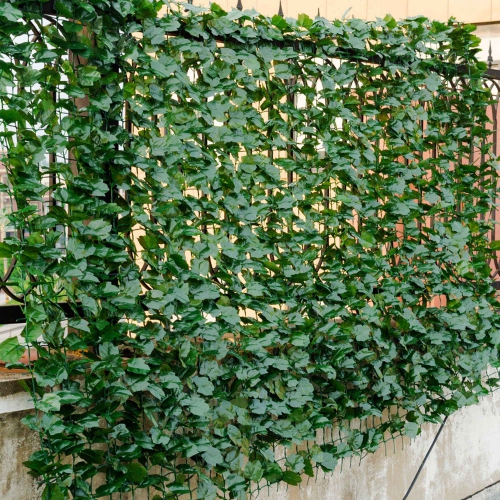
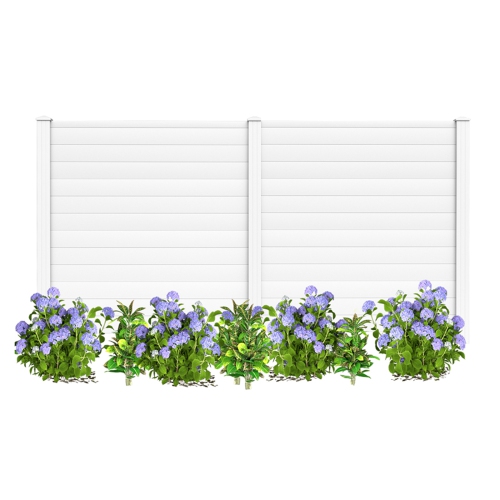
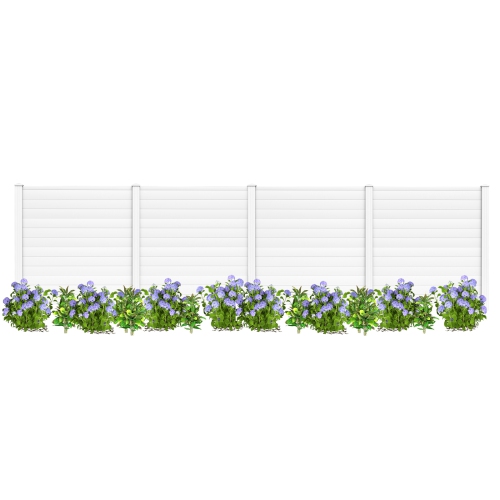
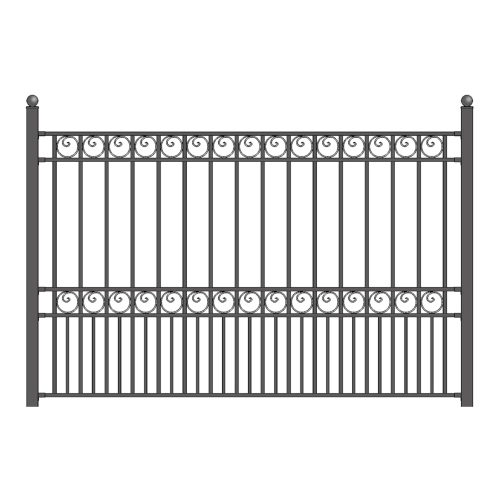
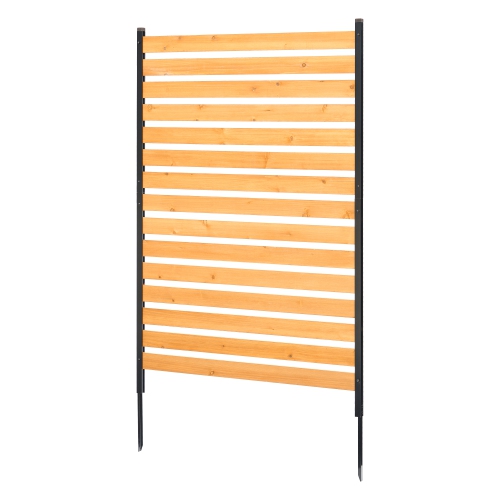
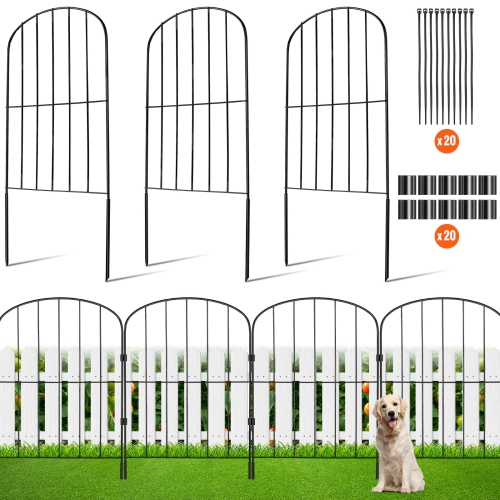
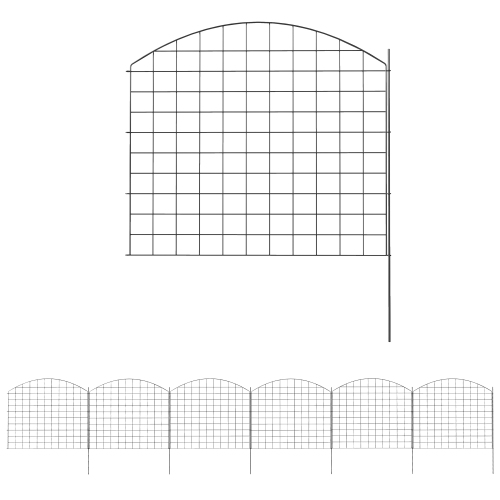
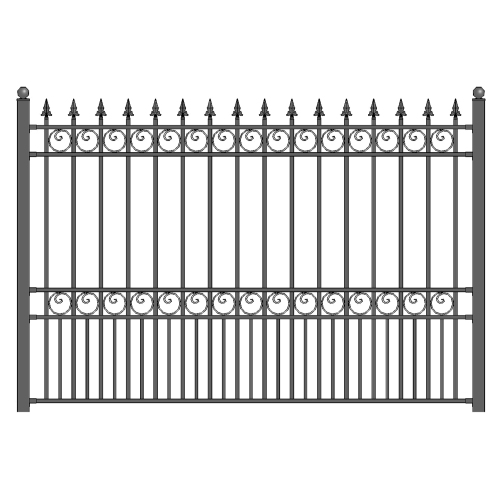
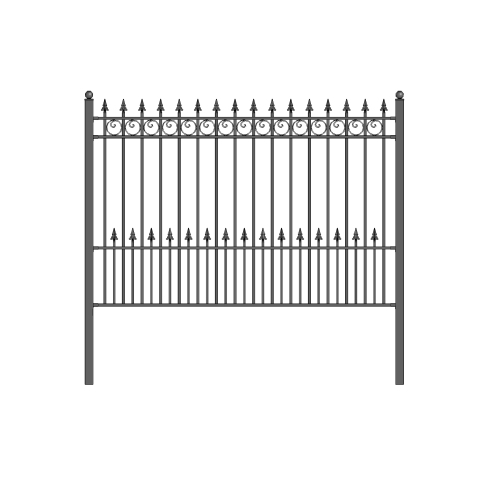
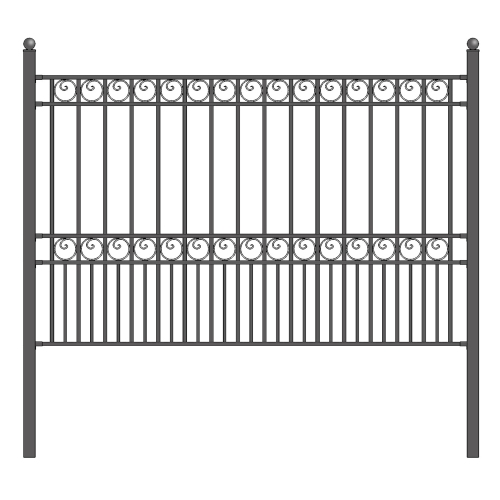
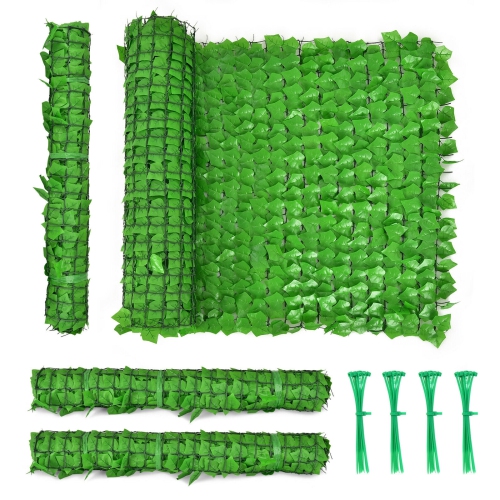
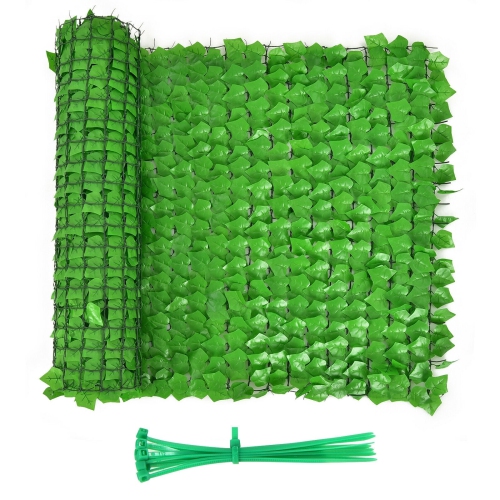
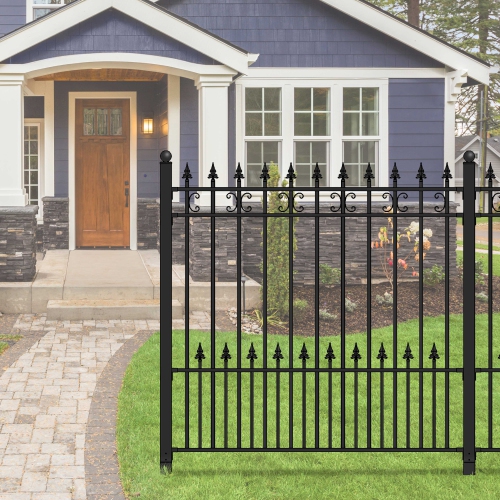
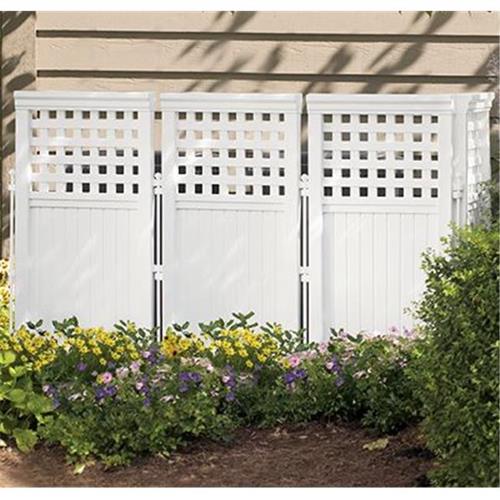
Decorative fences add structure and visual interest to a yard, garden, or patio by marking boundaries without necessarily closing off the view. Their main purpose is to define a space: a low border can separate flowers from a walkway, an open picket fence can frame a front garden, and a taller lattice panel can give a seating area a little more separation. Unlike fencing designed primarily for security, decorative fencing puts proportion, pattern, and finish at the centre of the design. The right style helps connect planting beds, paths, and outdoor furniture so that each area feels intentional rather than isolated. Slender metal uprights suit neat borders and contemporary homes, while curved scrollwork brings detail to cottage-style gardens. Wood pickets offer a familiar, welcoming appearance, and split-rail designs create a more relaxed boundary where privacy is not the goal. Lattice adds a repeating pattern that looks attractive on its own and may support suitable climbing plants when the structure is designed for that load. Open designs let foliage remain visible through the fence, making them useful around a flower bed that deserves attention from more than one angle. Closer spacing creates a stronger visual boundary, although it does not automatically provide full privacy. Colour also changes the effect. Black and charcoal finishes provide a crisp outline against greenery, white pickets create a distinct border, and wood tones introduce warmth alongside brick, stone, or gravel. For a narrow garden beside a front path, a simple low fence can keep the planting area visually separate without making the entrance feel cramped. Around a larger patio, repeated panels can establish a backdrop for chairs and planters while preserving an open connection to the rest of the yard. Matching every detail is unnecessary; repeating one finish, shape, or line is often enough to tie the space together.
Material choice affects a decorative fence’s weight, upkeep, and suitability for its intended location. Steel offers rigidity and can accommodate everything from straight bars to intricate ornamental patterns, but its resistance to rust depends on the protective finish and how well that finish remains intact. Powder-coated or galvanized surfaces can help protect the metal, while scratches, exposed joints, and cut edges may need attention according to the manufacturer’s care instructions. Wrought iron has a substantial appearance and suits traditional designs, though it generally requires more attention to its finish than lighter, corrosion-resistant alternatives. Aluminum is comparatively light and does not rust like iron, making it a practical consideration when ease of handling matters; panel thickness, construction, and fasteners still influence overall strength. Wood brings visible grain and texture, with an appearance that varies by species and surface treatment. Painted wood creates a uniform colour, while a stain can leave more of the grain visible. Its care requirements may include cleaning, checking fasteners, and maintaining the specified finish. Vinyl offers a consistent surface that typically needs washing rather than painting, but quality, panel thickness, and the joining system all affect its performance. Resin and other plastic designs can work well for lightweight borders, provided their intended use matches the application. Mixed-material fences, such as wood slats within metal frames, combine contrasting textures but also bring different care requirements to the same structure. For any material, a smooth finish and neatly formed edges matter near walkways, seating, and areas where people tend to brush past. Cleaning should suit the surface: a soft brush, mild soap, and a rinse may be appropriate, whereas abrasive tools or harsh chemicals can damage some coatings. Soil and plant debris should not be allowed to collect around connections that need inspection. Durability comes from more than the visible panel; secure joints, suitable posts, compatible hardware, and proper installation help a decorative fence retain its shape and appearance through regular use.
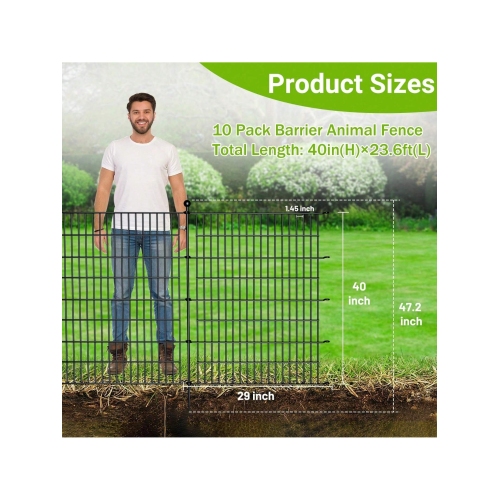
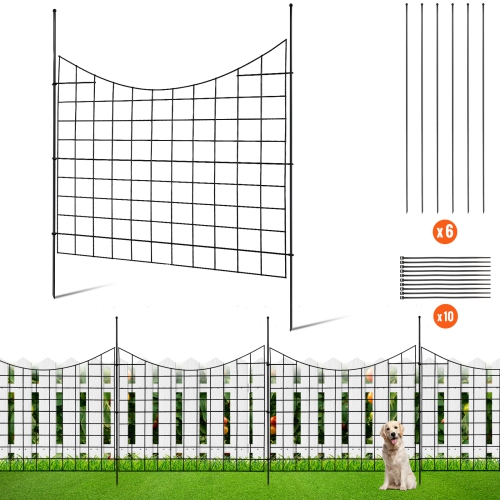
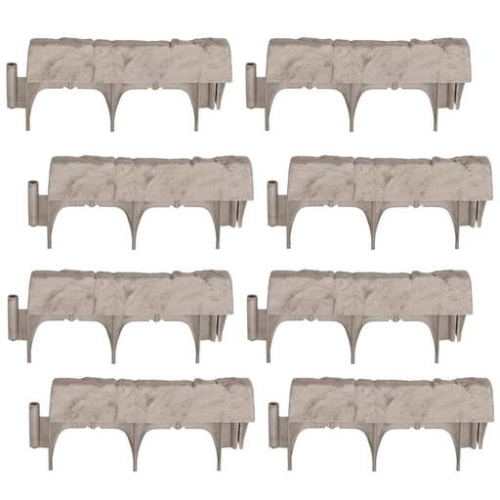
Fit is just as important as style, especially when fencing needs to follow a curved bed, meet an existing wall, or leave room for a gate. Useful measurements include the full boundary length, the desired height above the ground, the width of each section, and any space needed for posts or connectors. A panel’s stated height may include stakes that sit below ground level, so the installed height deserves a separate check. Sectional options such as Decorative Fence Panels can create a repeating border, but their ability to turn corners or follow curves depends on the connection system. Hinged sections may allow changes in direction, while rigid sections usually require a more precise layout. Uneven ground also affects the finished line and can leave gaps beneath panels. For a shallow garden border, push-in stakes may be suitable if the design and ground conditions allow them; taller fencing generally needs a more substantial support system. A patio or paved courtyard requires mounting suitable for that surface rather than stakes intended for soil. Before permanent installation, property boundaries, local requirements, and the location of buried services should be confirmed. Renters and residents of condominium properties may also need permission before attaching panels or altering shared spaces. Everyday access deserves equal attention: leave enough clearance to move a lawn mower, reach plants for pruning, and carry furniture through an opening without catching it on the fence. Gardeners may appreciate a low border that signals where feet should stay, while households with pets need to assess height, openings, and anchoring rather than assume ornamental fencing will provide containment. Decorative fences should not be treated as pool barriers, fall-protection guards, or child-safety barriers unless specifically designed and approved for that purpose. For privacy beside a dining area, panel density and sightlines from neighbouring windows matter more than ornament alone. A well-proportioned fence balances those practical needs with its visual role, giving the space a clear edge without getting in the way of how it is used.
Material choice affects a decorative fence’s weight, upkeep, and suitability for its intended location. Steel offers rigidity and can accommodate everything from straight bars to intricate ornamental patterns, but its resistance to rust depends on the protective finish and how well that finish remains intact. Powder-coated or galvanized surfaces can help protect the metal, while scratches, exposed joints, and cut edges may need attention according to the manufacturer’s care instructions. Wrought iron has a substantial appearance and suits traditional designs, though it generally requires more attention to its finish than lighter, corrosion-resistant alternatives. Aluminum is comparatively light and does not rust like iron, making it a practical consideration when ease of handling matters; panel thickness, construction, and fasteners still influence overall strength. Wood brings visible grain and texture, with an appearance that varies by species and surface treatment. Painted wood creates a uniform colour, while a stain can leave more of the grain visible. Its care requirements may include cleaning, checking fasteners, and maintaining the specified finish. Vinyl offers a consistent surface that typically needs washing rather than painting, but quality, panel thickness, and the joining system all affect its performance. Resin and other plastic designs can work well for lightweight borders, provided their intended use matches the application. Mixed-material fences, such as wood slats within metal frames, combine contrasting textures but also bring different care requirements to the same structure. For any material, a smooth finish and neatly formed edges matter near walkways, seating, and areas where people tend to brush past. Cleaning should suit the surface: a soft brush, mild soap, and a rinse may be appropriate, whereas abrasive tools or harsh chemicals can damage some coatings. Soil and plant debris should not be allowed to collect around connections that need inspection. Durability comes from more than the visible panel; secure joints, suitable posts, compatible hardware, and proper installation help a decorative fence retain its shape and appearance through regular use.
Fit is just as important as style, especially when fencing needs to follow a curved bed, meet an existing wall, or leave room for a gate. Useful measurements include the full boundary length, the desired height above the ground, the width of each section, and any space needed for posts or connectors. A panel’s stated height may include stakes that sit below ground level, so the installed height deserves a separate check. Sectional options such as Decorative Fence Panels can create a repeating border, but their ability to turn corners or follow curves depends on the connection system. Hinged sections may allow changes in direction, while rigid sections usually require a more precise layout. Uneven ground also affects the finished line and can leave gaps beneath panels. For a shallow garden border, push-in stakes may be suitable if the design and ground conditions allow them; taller fencing generally needs a more substantial support system. A patio or paved courtyard requires mounting suitable for that surface rather than stakes intended for soil. Before permanent installation, property boundaries, local requirements, and the location of buried services should be confirmed. Renters and residents of condominium properties may also need permission before attaching panels or altering shared spaces. Everyday access deserves equal attention: leave enough clearance to move a lawn mower, reach plants for pruning, and carry furniture through an opening without catching it on the fence. Gardeners may appreciate a low border that signals where feet should stay, while households with pets need to assess height, openings, and anchoring rather than assume ornamental fencing will provide containment. Decorative fences should not be treated as pool barriers, fall-protection guards, or child-safety barriers unless specifically designed and approved for that purpose. For privacy beside a dining area, panel density and sightlines from neighbouring windows matter more than ornament alone. A well-proportioned fence balances those practical needs with its visual role, giving the space a clear edge without getting in the way of how it is used.
Top selling and popular products
-
 Your price for this item is $199
 -
 Your price for this item is $418.99
 -
 Your price for this item is $481.99
 -
 Your price for this item is $224.99
 -
 Your price for this item is $132.99
 -
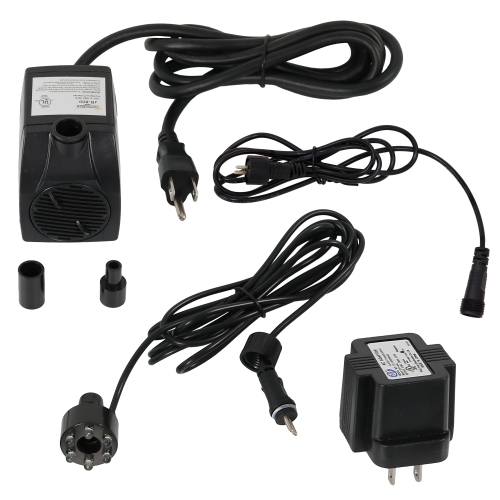 Your price for this item is $69.45
 -
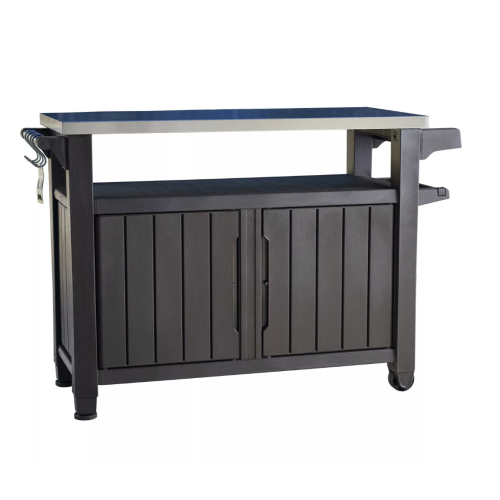 Your price for this item is $562.99
 -
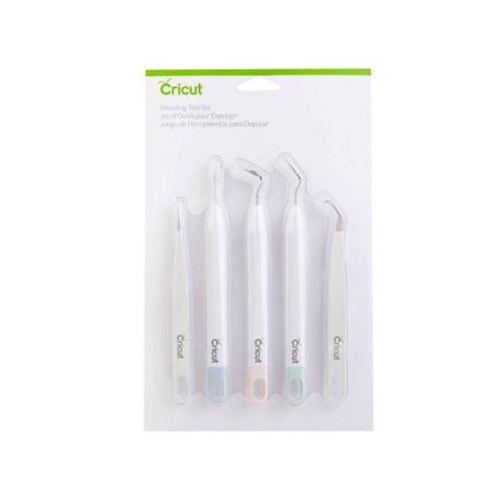 Your price for this item is $26.99
Discover more categories related to Decorative Fences
Top Collections:
Pokemon Centers, Kindle Devices, Best Budget Office Chairs, Apple iPhones 16, Canon G7X Cameras, iPhone 15 Apple, Alarm Clock, Refurbished Apple Laptops, Flip Phones, Best Laptops for Writers
Some products may be subject to Environmental Handling Fees
(EHF) depending on your province.
Learn more about EHFs.