Decorative Fences for Front Yards
Decorative Fences for Front Yards add charm and curb appeal to any home, creating a warm and inviting first impression. Whether you’re looking to define your property’s boundaries or enhance your landscaping, these stylish fencing options offer a blend of beauty and function. Explore a variety of designs, colors, and materials to find the perfect match for your outdoor space and express your personal style with ease.
Sort
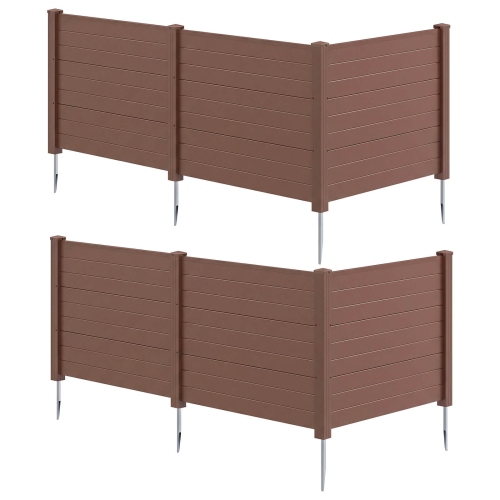
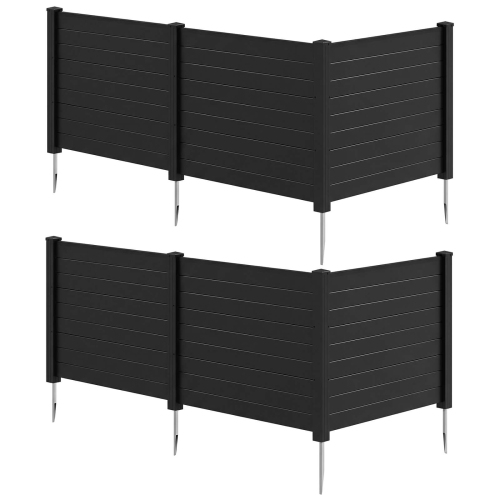
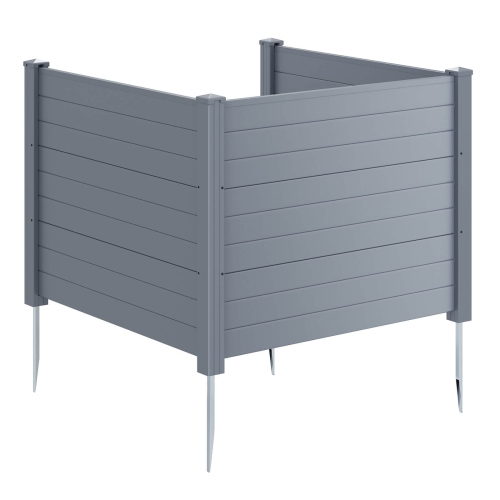
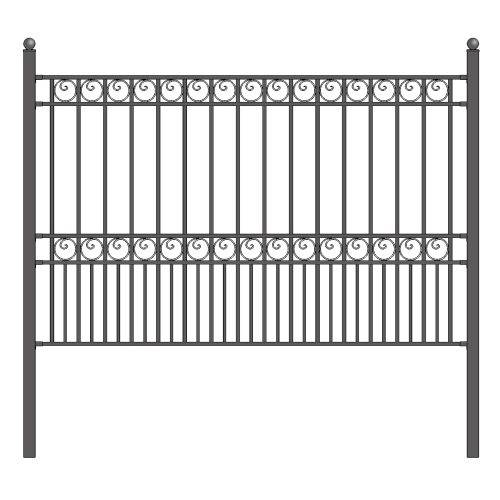
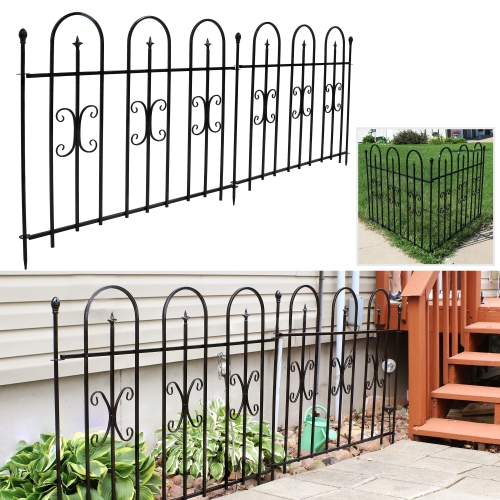
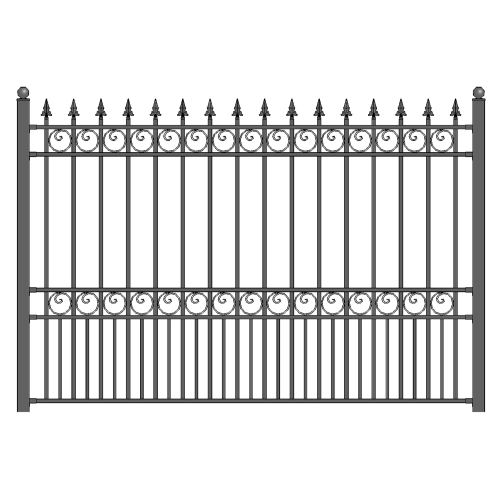
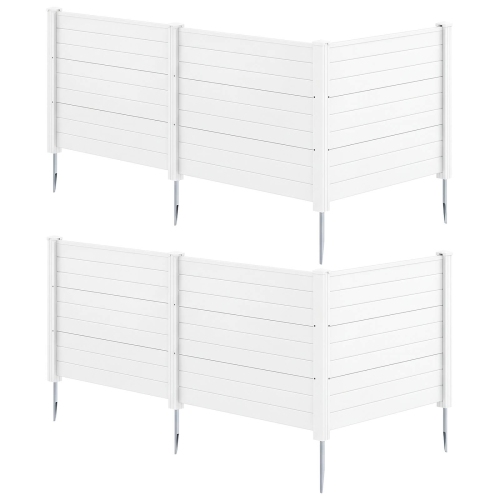
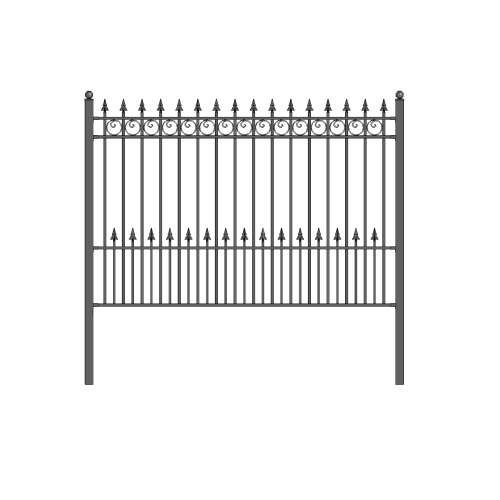
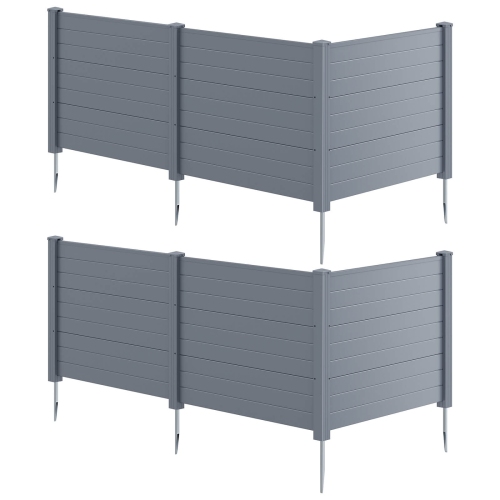
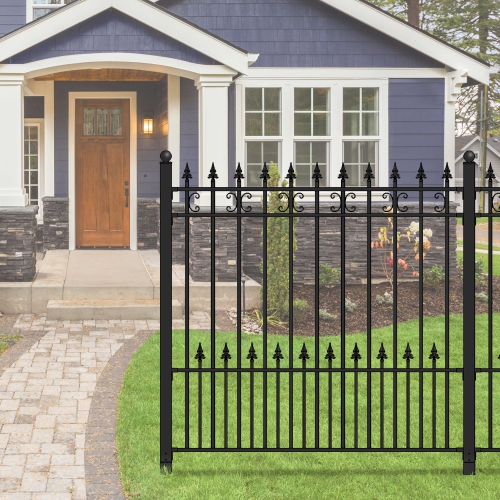
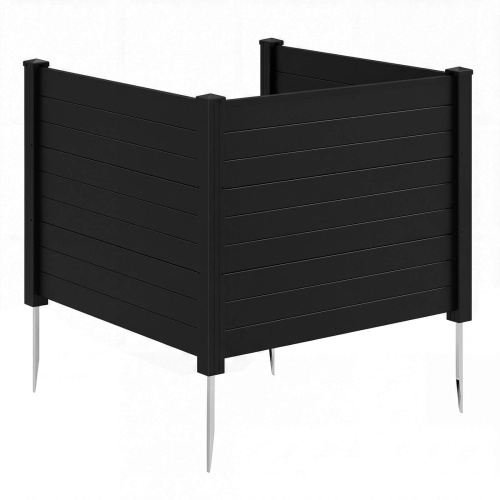
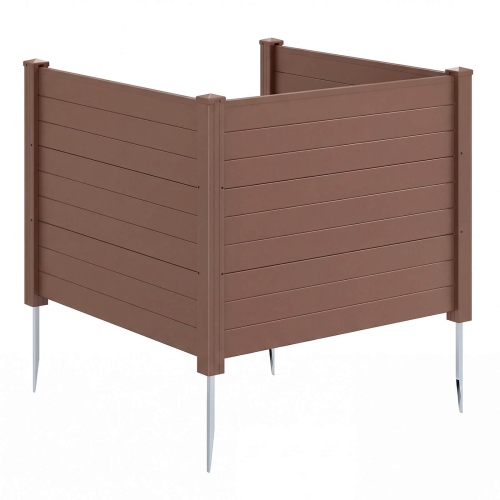
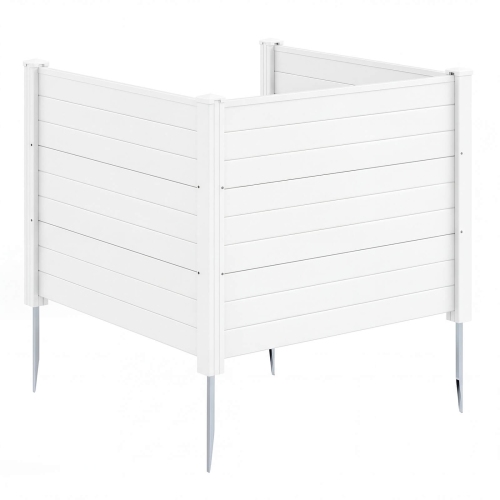
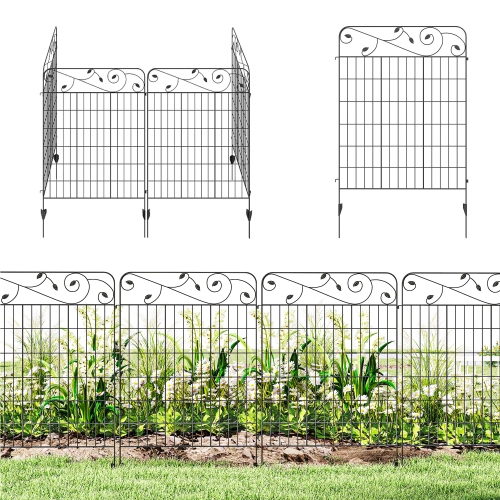
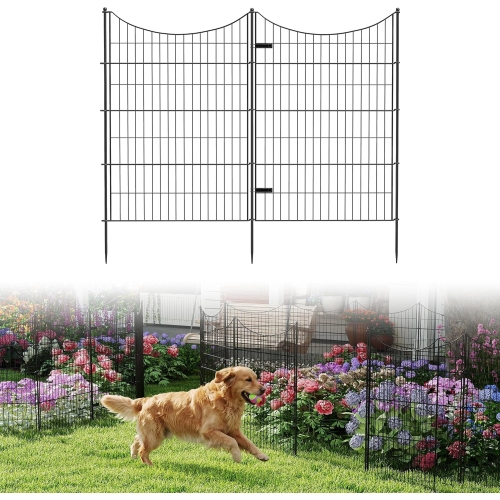
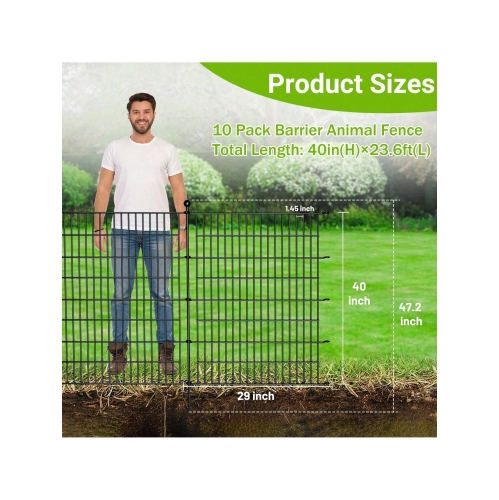
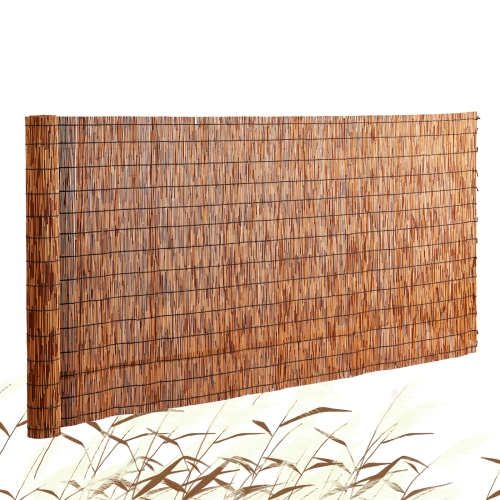
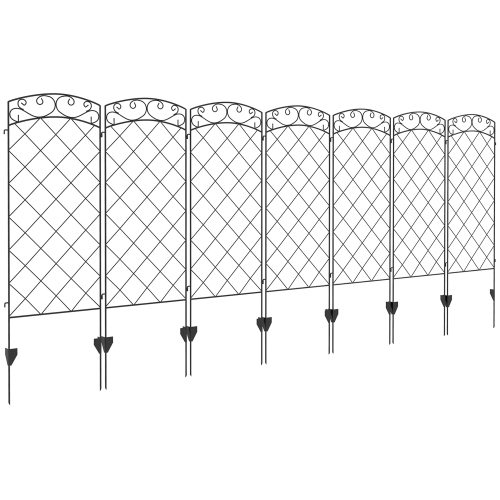
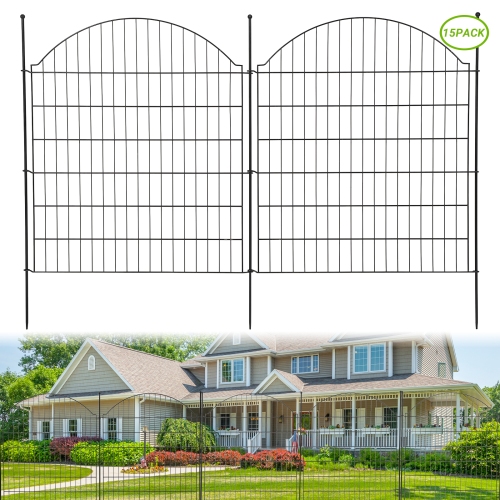
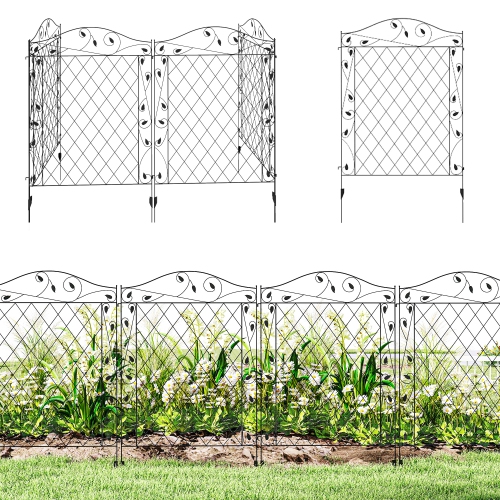
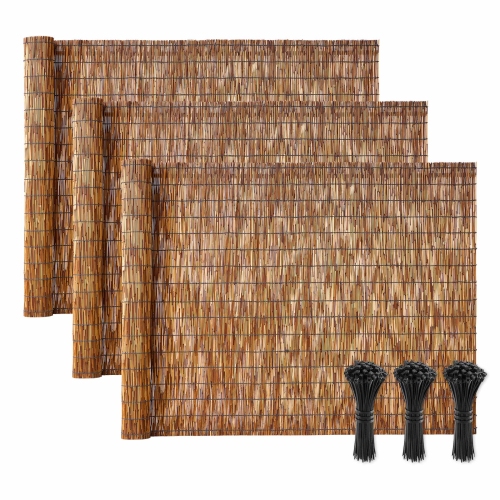
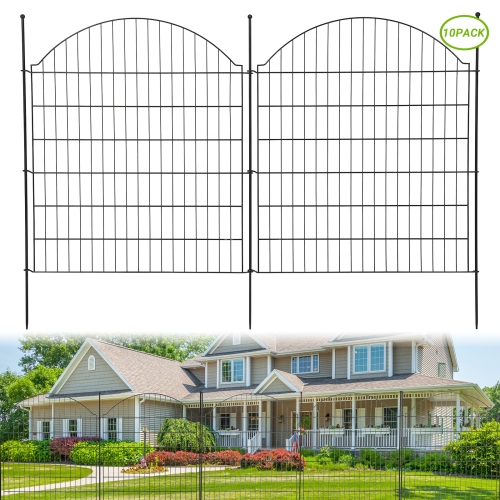
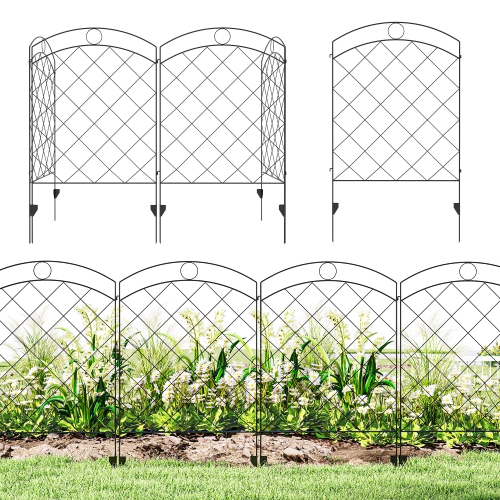
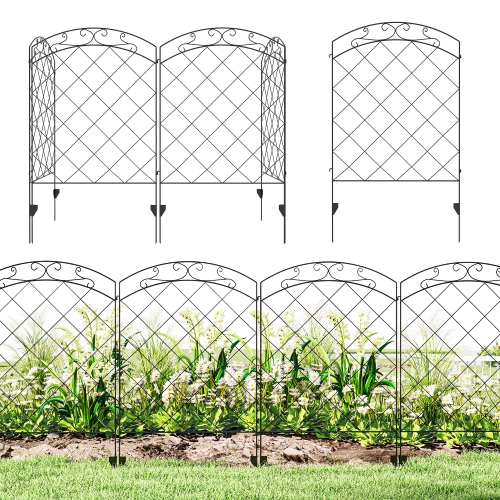
A welcoming boundary without blocking the view
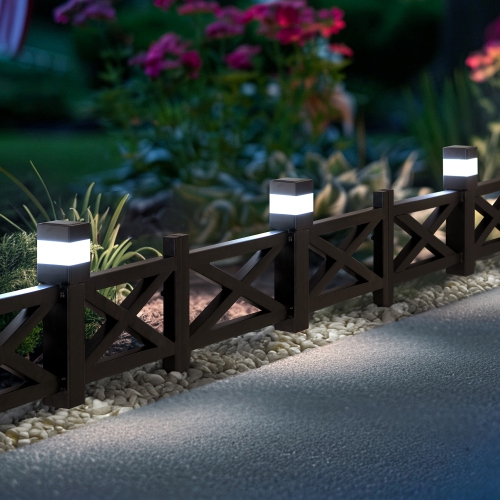
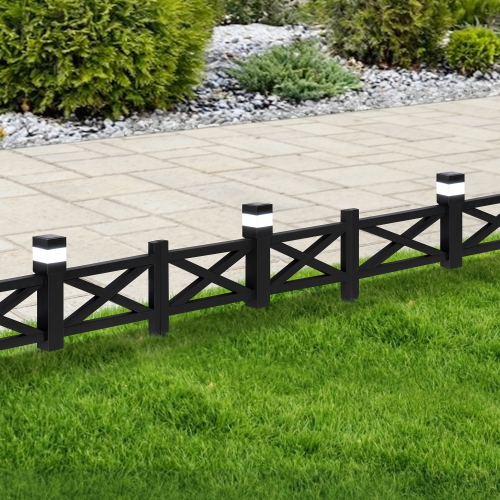
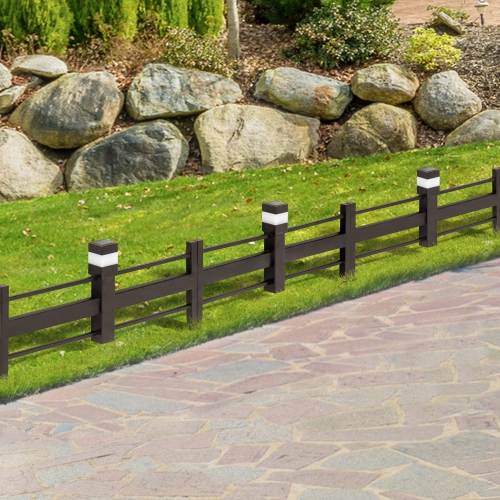
Decorative fences for front yards define the space around a home while keeping the entrance open and welcoming. A low fence can give a lawn a finished edge, separate a flower bed from a walkway, or mark the transition between a public sidewalk and a private garden without blocking the view of the house. Unlike tall privacy fencing, decorative front yard fencing usually puts proportion, pattern, and visual detail first. Classic picket fences have evenly spaced upright boards and a familiar silhouette that works well with cottage-style homes, traditional porches, and informal planting beds. Straight-cut pickets feel restrained, while pointed or rounded tops add a more distinctive outline. Horizontal slat fencing emphasizes clean lines and can complement contemporary architecture, especially when its spacing echoes porch railings or exterior trim. Ornamental metal fences offer a lighter visual presence, with narrow uprights, simple geometric patterns, or curved details that frame planting without hiding it. Wood-framed wire panels bring together the warmth of timber and the openness of a grid, making them a useful match for relaxed, rustic settings. The most suitable style depends as much on the house and landscaping as on the fence itself. A small front garden can feel crowded behind broad, solid panels, whereas a slender metal border can define the same space without overwhelming it. Along a deep front lawn, a continuous run of pickets creates a stronger boundary and gives the entrance a clear focal point. Repeating a colour or shape already found on the front door, porch posts, or path edging helps the fence look like part of the property rather than an unrelated addition. Dark finishes tend to create a crisp outline around greenery, while white or light-coloured fencing stands out more clearly against planting. Taller sections and closer spacing provide more screening, but open panels are generally better suited to spaces where visibility and a welcoming appearance are priorities.
Material choice affects the fence’s appearance, weight, upkeep, and suitability for its intended position. Wood offers natural grain and a surface that can be painted or stained to coordinate with exterior details. Cedar and pressure-treated lumber are common fencing materials, though their care requirements differ, and wood intended for ground contact needs an appropriate rating. Timber can develop surface changes, split, or move over time, so sound fasteners, suitable supports, and attention to the finish all contribute to a longer service life. Painted wood provides a consistent colour but may eventually need scraping and repainting; stained wood keeps more of the grain visible and also needs periodic attention. Vinyl fencing has a smooth, uniform appearance and generally does not require routine painting. It can suit homeowners who prefer straightforward cleaning, although panel construction, wall thickness, and secure connections still matter. Composite fencing often provides a wood-like appearance with a more consistent surface, but colour variation, weight, and cleaning requirements depend on its composition. Metal brings a different set of qualities. Aluminium is relatively lightweight and does not develop red rust, while steel offers rigidity and can support fine ornamental detailing. Steel and iron finishes need attention where scratches expose the underlying metal, particularly around joints, fasteners, and cut edges. A protective coating helps preserve the surface, but it does not make every metal fence maintenance-free. Mixed-material designs can balance these qualities: timber posts may soften the appearance of a metal grid, while metal frames can give wood-look panels a sharply defined edge. Across materials, cleaning methods should suit the finish. A soft brush and a compatible mild cleaner are often more appropriate than abrasive pads, and movable panels benefit from occasional checks at their hinges, stakes, or connectors. Product-specific care directions are especially important for coated surfaces and decorative details, where harsh cleaning can affect the finish. Durability comes from the complete assembly, not just the panel material: posts, brackets, hardware, and installation quality all play a part.
Size and layout determine whether decorative fencing feels useful or simply gets in the way. Panel height should relate to its purpose, whether that is outlining a planting bed, discouraging foot traffic across a lawn, or creating a more noticeable boundary beside a sidewalk. Low garden borders can keep trailing stems within a bed and make its edge easier to see, but they should not be treated as secure barriers for children or pets. A fence intended to help contain an animal needs suitable height, small enough openings, a secure base, and a properly fitted gate; decorative styling alone does not establish that suitability. Panel length and connection points also affect the finished layout. Straight sections work naturally along a rectangular lawn, while shorter linked panels can accommodate gentle curves around a garden. Corners, changes in ground level, and gaps beside steps may require different connections or additional supports. Gate width deserves particular attention where the entrance must accommodate a stroller, mobility aid, lawn mower, or garden cart. A welcoming entry needs enough clear space for everyday movement, with a latch that is easy for the intended users to operate and a gate swing that does not obstruct the path. Stake-mounted and no-dig fencing can suit light-duty borders, although these terms do not guarantee that a panel is suitable for every ground surface or containment purpose. More substantial fence runs may need anchored posts and a different installation approach. Local requirements can affect front yard fence height, placement, and visibility near driveways or corners, while underground services need to be identified before stakes or posts are installed. For coordinated accents along side paths, courtyards, and planted seating areas, Outdoor Decorative Fences can extend a similar look beyond the front boundary. Whether the setting is a compact townhouse entrance or a broad lawn, well-proportioned fencing gives paths, planting, and access points a clearer relationship without making the space feel closed off.
Top selling and popular products
-
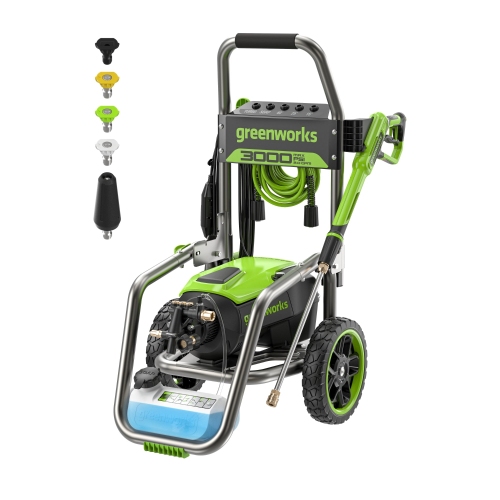 Your price for this item is $699.99
-
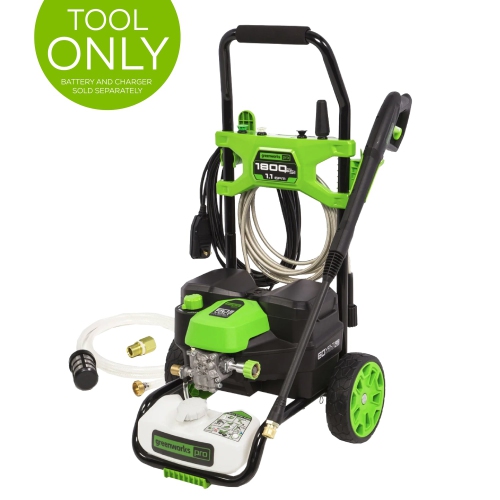 Your price for this item is $339.99
-
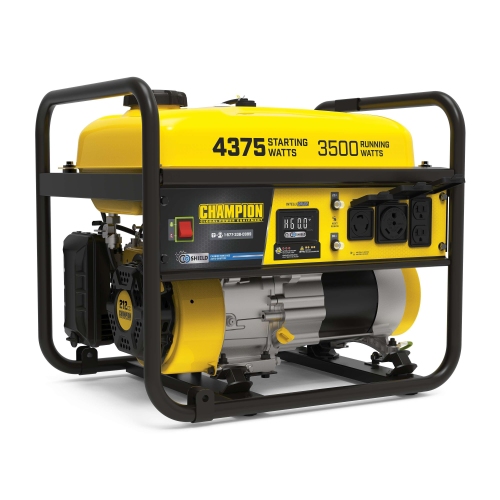 Your price for this item is $899
-
 Your price for this item is $299.99
-
 Your price for this item is $81.99
-
 Your price for this item is $104.99
-
 Your price for this item is $507.99
-
 Your price for this item is $606.99
Discover more categories related to Decorative Fences for Front Yards
Top Collections:
Best Black Friday Deals This Year, Best Black Friday Deals On Electronics, Kindle Devices, Pokemon Centers, Best Black Friday Deals On Apple Products, Best Cameras for Sports Photography, Dyson Airwrap, Pokémon 30th Celebration Cards, Apple iPhone 17 Pro, Canon G7X Cameras
Some products may be subject to Environmental Handling Fees
(EHF) depending on your province.
Learn more about EHFs.