Decorative Houses
Transform your living spaces with the charming allure of decorative houses. These delightful accents bring a touch of whimsy and elegance to any room, creating a cozy and inviting atmosphere. Whether you're looking to enhance your mantelpiece, bookshelf, or tabletop, decorative houses offer versatile styling options that complement various interior design themes. Explore our curated selection to find the perfect pieces that reflect your unique taste and add a special touch to your home décor.
Sort
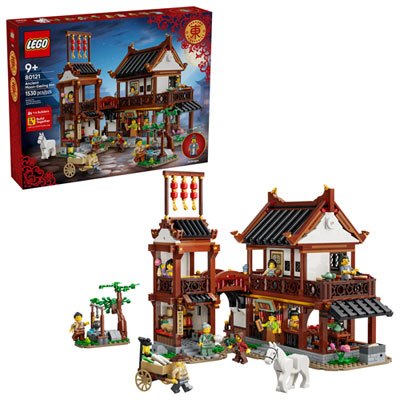
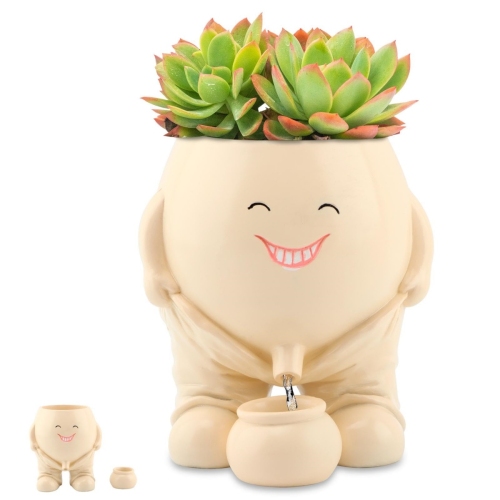

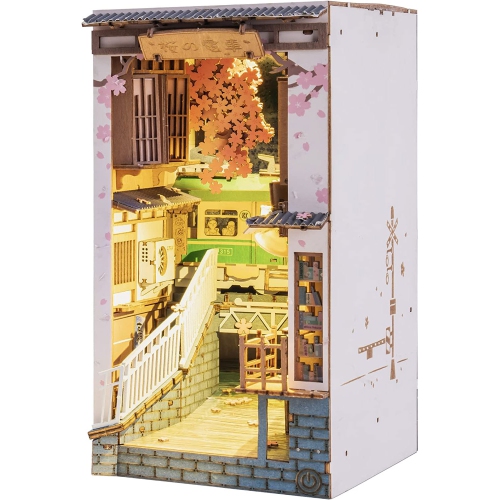

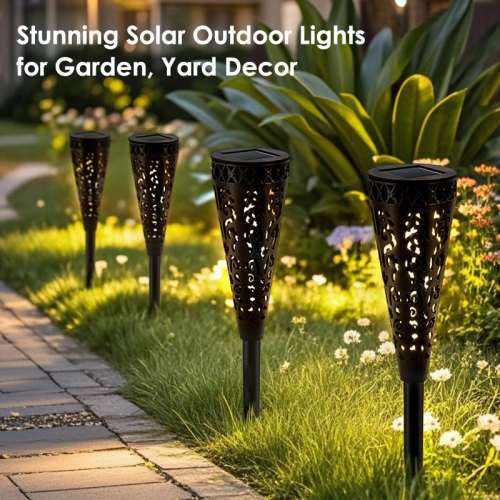

Small details and warm lights create inviting displays
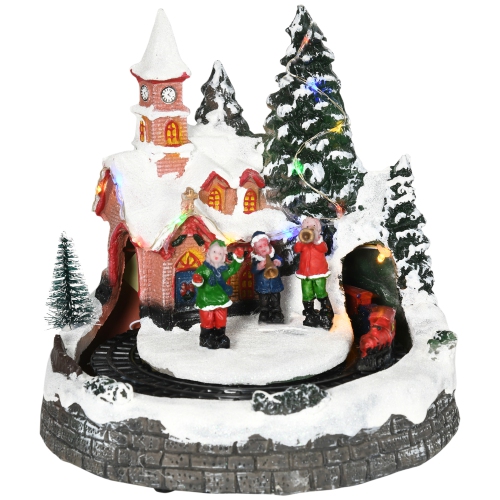
Decorative houses bring a sense of character and story to a room, whether they are displayed as a small collection on a mantel or used as a single accent on a shelf, side table, bookcase, or entryway console. These pieces can take many forms, from miniature architectural designs and cottage-inspired accents to detailed village-style displays and house-shaped décor with softly illuminated windows. Their appeal often comes from the small details: a pitched roof, tiny shutters, a front door picked out in a contrasting colour, or a warm glow that makes the piece feel inviting when the surrounding room is dim. Decorative houses can add visual interest without taking up much space, making them well suited to apartments, bedrooms, home offices, dining areas, and compact display surfaces. They also work beautifully alongside framed art, greenery, candles, books, and other treasured objects. For a more collected look, group houses in different heights and shapes, leaving enough space between each piece so that the architectural details remain easy to appreciate. A simple arrangement can suggest a quiet neighbourhood street, while a more layered display can create the feeling of a miniature town tucked into a corner of the home. When selecting decorative houses, consider the overall style of the room as well as the mood you want to create. Neutral finishes can blend easily with modern, farmhouse, rustic, or Scandinavian-inspired spaces, while painted details and decorative patterns can bring more colour and personality to a room with a simpler palette. Size is another practical consideration: measure the shelf or surface where the piece will sit, and remember to allow room for cords, switches, or access to batteries if the design includes lighting. A house with a broad base may be especially suitable for a mantel or console, while smaller pieces can fill open spaces on a bookcase or fit into a layered tabletop arrangement.
These accents are also a thoughtful choice for anyone who enjoys home decorating, miniature scenes, architectural details, or seasonal displays. They can make charming gifts for new homeowners, hosts, collectors, grandparents, friends who enjoy crafting, or family members who take pleasure in creating a welcoming home. A decorative house may recall a favourite neighbourhood, a family cottage, a historic streetscape, or the comforting outline of a home seen through a window on a cool evening. That personal quality makes these pieces feel more meaningful than a generic accent, particularly when the style reflects the recipient’s interests. For someone who prefers understated décor, look for clean lines, restrained colours, and a simple silhouette. Those who enjoy more traditional displays may appreciate intricate façades, painted trim, roof textures, or illuminated windows that add depth after dusk. Decorative houses can also be introduced gradually, making them suitable for building a collection over time. Start with one statement piece, then add smaller homes, towers, shops, or complementary architectural shapes as the display develops. Varying the heights helps create a natural rhythm, while repeating one or two colours keeps the arrangement from appearing busy. A shallow tray or decorative base can help define the display and make it easier to move when cleaning or rearranging the room. If the design uses lights, check the power source, cable length, control method, and placement of the switch before setting it up. Battery-powered styles can offer flexibility on shelves without nearby outlets, while plug-in options may be convenient for a permanent mantel or console arrangement. Also consider the materials and finish, especially if the piece will be handled often or stored between displays. Smooth surfaces are generally easy to dust, while highly detailed designs may benefit from a soft brush or gentle cloth to reach small ledges and rooflines.
Decorative houses can create a warm focal point during the cooler months without limiting a display to one particular occasion. Set among books and ceramics, they can feel like year-round home décor; paired with subtle lighting and other seasonal accents, they can take on a cosier character as evenings become longer and indoor gatherings become more frequent. Place them near an entryway to greet visitors, on a dining room sideboard to add interest during meals, or in a living room where their shape can be enjoyed from different angles. A child’s room or playroom may suit colourful, playful designs, while a bedroom or reading nook may benefit from a quieter design with gentle tones and a softly lit interior. They can also help bring scale and warmth to larger furniture pieces, especially when arranged on a cabinet or bookcase with taller objects behind them and lower accents in front. For additional ideas, explore Decorative Furniture to find pieces that can help complete the surrounding space. When displaying several decorative houses, avoid placing every item in a straight line; shifting a few pieces forward or back creates dimension and makes the scene feel more natural. Keep fragile details away from busy walkways, strong heat sources, and areas where they could be easily knocked over. With thoughtful placement, decorative houses can turn an unused surface into a small visual story—one that feels welcoming in the morning, inviting under afternoon light, and especially charming when the windows begin to glow during the evening.
These accents are also a thoughtful choice for anyone who enjoys home decorating, miniature scenes, architectural details, or seasonal displays. They can make charming gifts for new homeowners, hosts, collectors, grandparents, friends who enjoy crafting, or family members who take pleasure in creating a welcoming home. A decorative house may recall a favourite neighbourhood, a family cottage, a historic streetscape, or the comforting outline of a home seen through a window on a cool evening. That personal quality makes these pieces feel more meaningful than a generic accent, particularly when the style reflects the recipient’s interests. For someone who prefers understated décor, look for clean lines, restrained colours, and a simple silhouette. Those who enjoy more traditional displays may appreciate intricate façades, painted trim, roof textures, or illuminated windows that add depth after dusk. Decorative houses can also be introduced gradually, making them suitable for building a collection over time. Start with one statement piece, then add smaller homes, towers, shops, or complementary architectural shapes as the display develops. Varying the heights helps create a natural rhythm, while repeating one or two colours keeps the arrangement from appearing busy. A shallow tray or decorative base can help define the display and make it easier to move when cleaning or rearranging the room. If the design uses lights, check the power source, cable length, control method, and placement of the switch before setting it up. Battery-powered styles can offer flexibility on shelves without nearby outlets, while plug-in options may be convenient for a permanent mantel or console arrangement. Also consider the materials and finish, especially if the piece will be handled often or stored between displays. Smooth surfaces are generally easy to dust, while highly detailed designs may benefit from a soft brush or gentle cloth to reach small ledges and rooflines.
Decorative houses can create a warm focal point during the cooler months without limiting a display to one particular occasion. Set among books and ceramics, they can feel like year-round home décor; paired with subtle lighting and other seasonal accents, they can take on a cosier character as evenings become longer and indoor gatherings become more frequent. Place them near an entryway to greet visitors, on a dining room sideboard to add interest during meals, or in a living room where their shape can be enjoyed from different angles. A child’s room or playroom may suit colourful, playful designs, while a bedroom or reading nook may benefit from a quieter design with gentle tones and a softly lit interior. They can also help bring scale and warmth to larger furniture pieces, especially when arranged on a cabinet or bookcase with taller objects behind them and lower accents in front. For additional ideas, explore Decorative Furniture to find pieces that can help complete the surrounding space. When displaying several decorative houses, avoid placing every item in a straight line; shifting a few pieces forward or back creates dimension and makes the scene feel more natural. Keep fragile details away from busy walkways, strong heat sources, and areas where they could be easily knocked over. With thoughtful placement, decorative houses can turn an unused surface into a small visual story—one that feels welcoming in the morning, inviting under afternoon light, and especially charming when the windows begin to glow during the evening.
Top selling and popular products
-
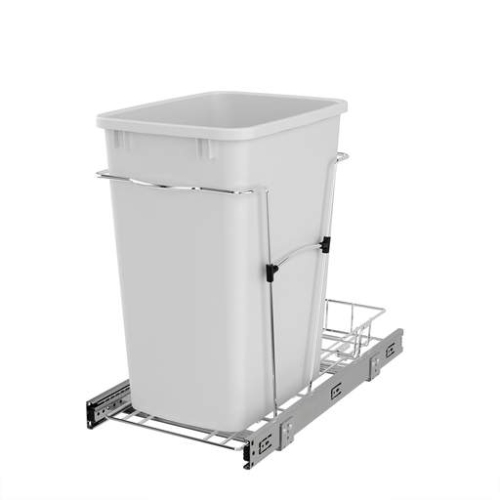 Your price for this item is $199.99
 -
 Your price for this item is $99.98
 -
 Your price for this item is $69.98
 -
 Your price for this item is $67.99
 -
 Your price for this item is $39.98
 -
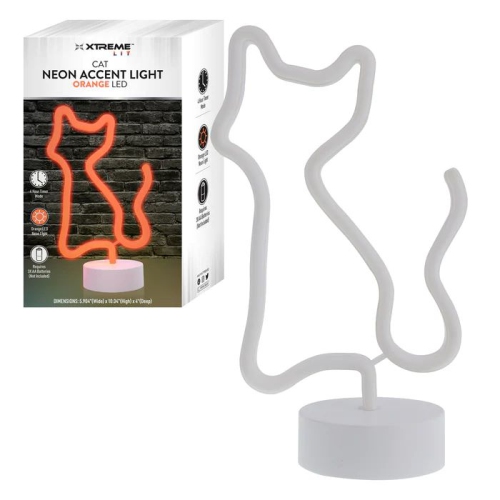 Your price for this item is $12.99
 -
 Your price for this item is $299.99
 -
 Your price for this item is $103.99
Discover more categories related to Decorative Houses

Top Collections:
Pokemon Centers, Kindle Devices, Best Budget Office Chairs, Apple iPhones 16, Best Laptops for Writers, iPhone 15 Apple, Canon G7X Cameras, Refurbished Apple Laptops, Alarm Clock, Motorola Razr Phones
Some products may be subject to Environmental Handling Fees
(EHF) depending on your province.
Learn more about EHFs.