Decorative Furniture
Enhance your home’s style with decorative furniture that adds personality and charm to every room. Whether you’re refreshing your living area, bedroom, or entryway, discover a wide selection of pieces designed to complement any décor. Decorative furniture offers the perfect blend of function and visual appeal, helping you create inviting spaces that reflect your unique taste. Explore options that make it easy to update your home with eye-catching accents and timeless elegance.
Sort
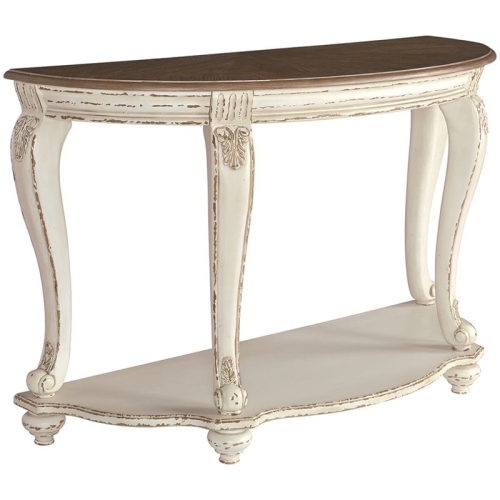

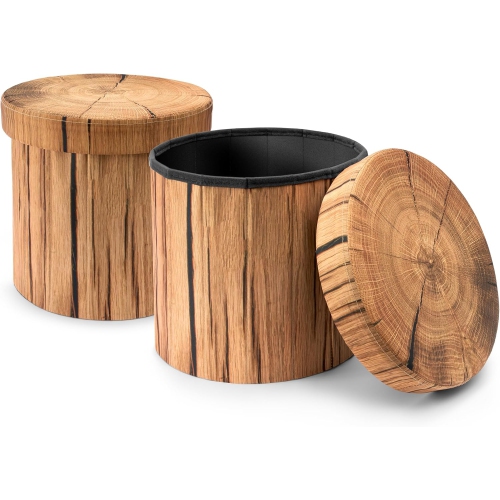


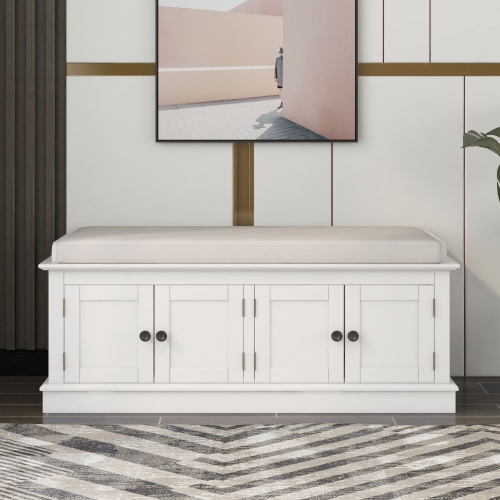
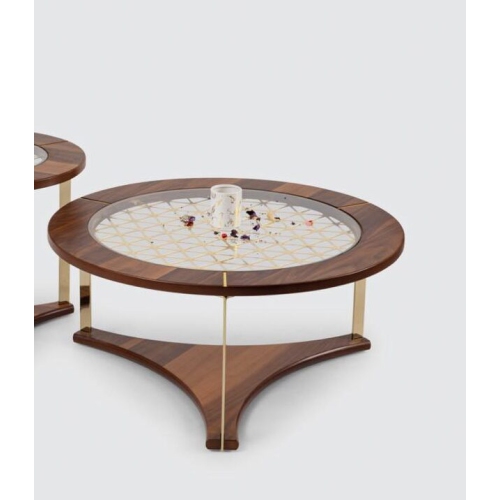
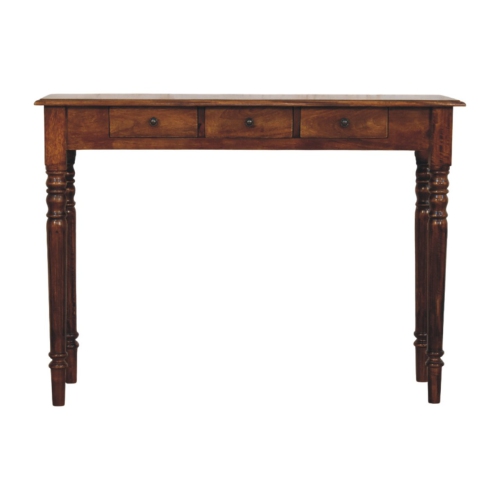
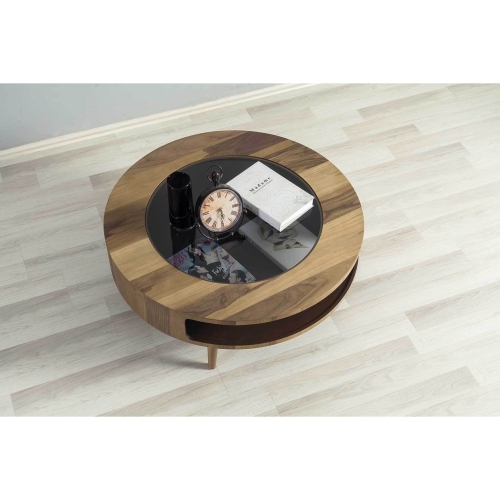
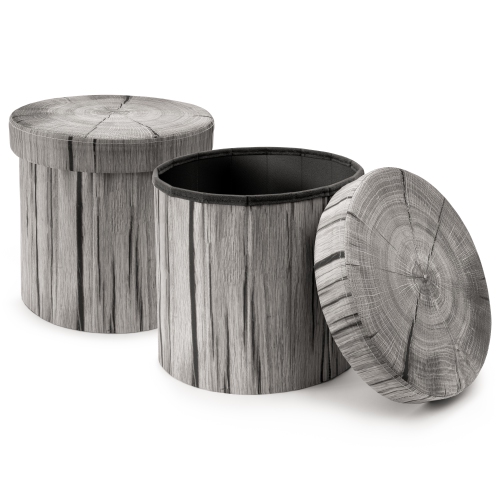
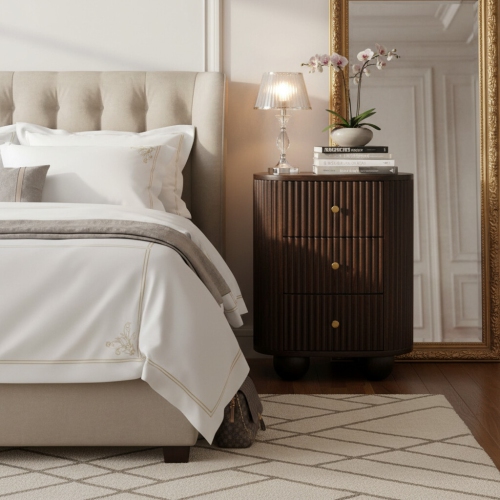
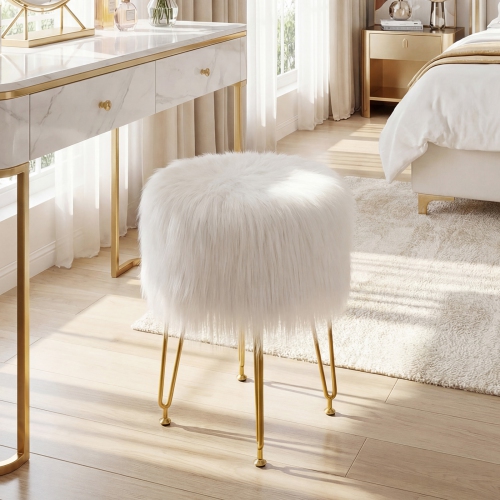
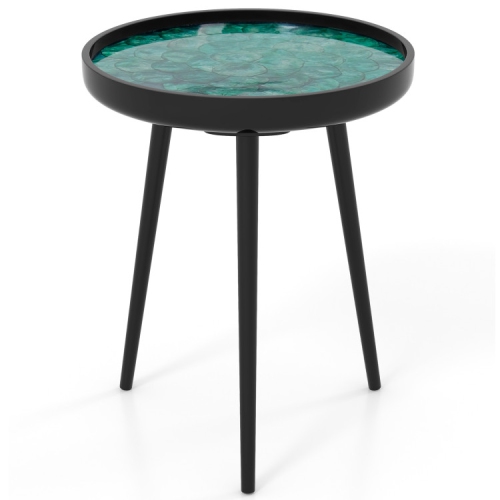
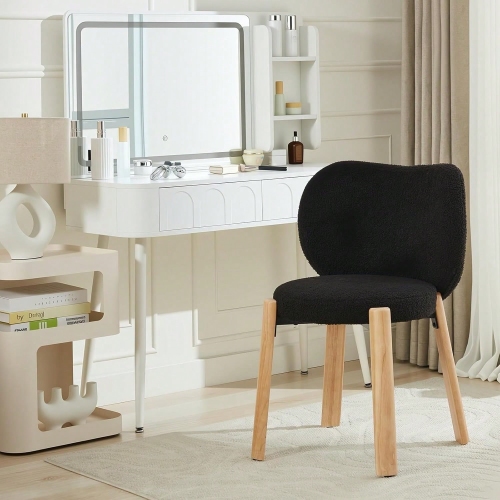
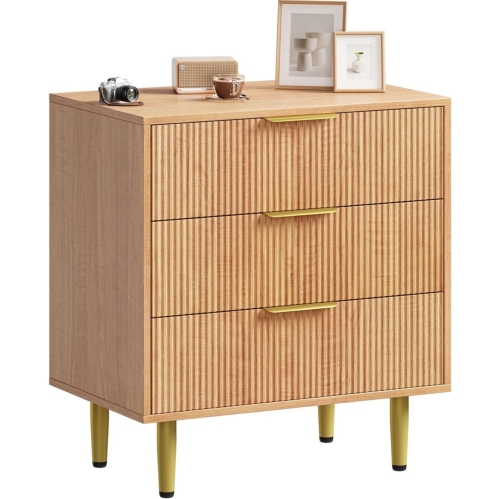

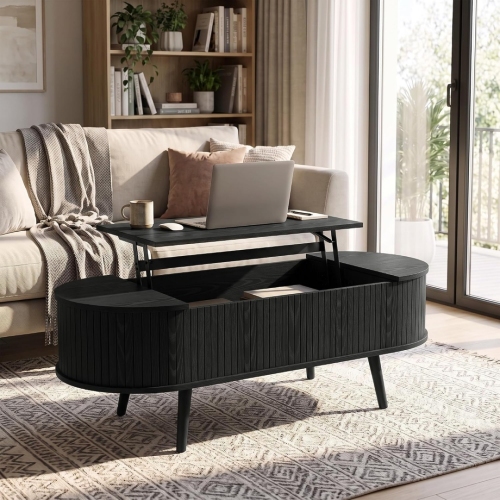
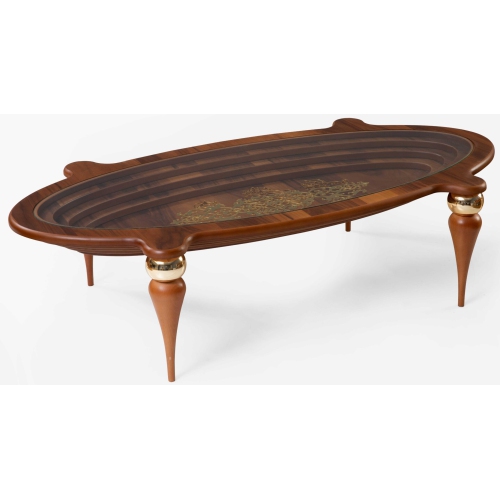
Accent pieces that give overlooked spaces everyday purpose
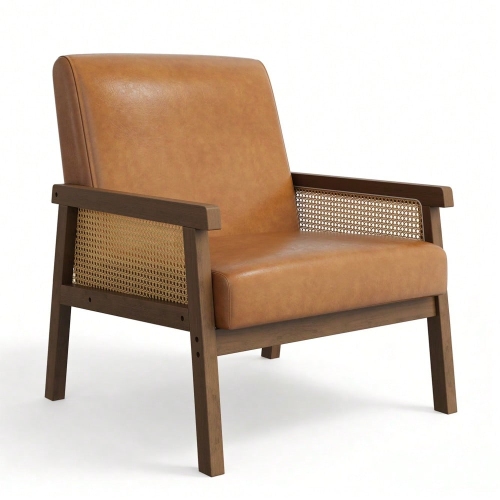
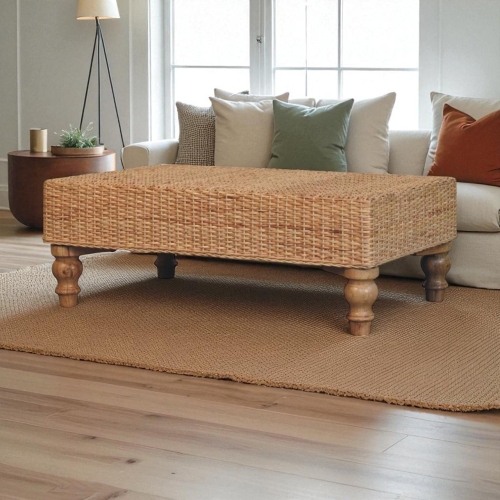
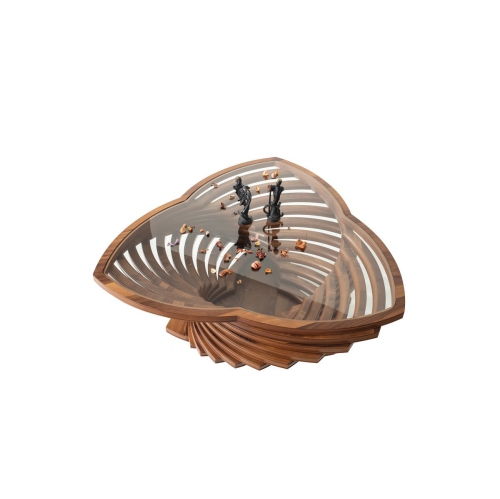
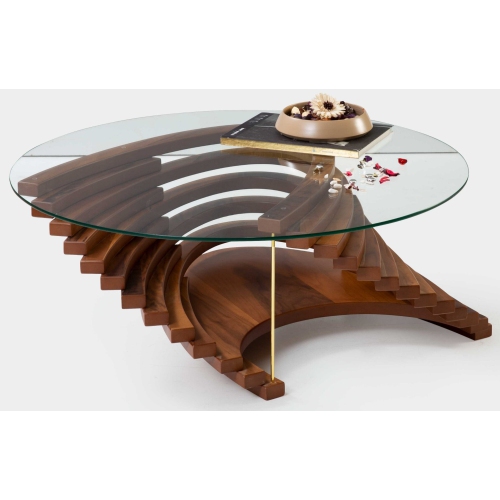
Decorative furniture gives a room character while making its everyday routines more comfortable. A narrow console can turn an otherwise empty wall into a useful landing place for keys and mail; an upholstered bench can provide somewhere to sit while putting on shoes; and an accent chair can make a quiet corner feel like a place worth spending time. These furnishings often work between larger pieces, adding useful surfaces, seating, storage, or definition without changing the entire room. Their visual impact comes from details such as the curve of a leg, the texture of woven panels, the depth of a wood finish, or the contrast between a solid top and an open frame. In a living room with a broad sofa and a low media unit, a taller cabinet or an open shelving unit can bring variety to the arrangement. In a bedroom, a compact bench or occasional chair can soften a layout dominated by the bed and dresser. Entryways, dining areas, and home offices also benefit from furniture that makes an overlooked space more useful. Style does not have to match from piece to piece: a rounded silhouette can soften straight lines, while a dark metal frame can add definition beside pale upholstery. Repeating one colour, material, or shape is often enough to make different furnishings feel connected. For smaller surfaces beside seating or larger statement pieces between chairs, decorative tables can provide a practical place for a reading lamp, a drink, or a favourite book. The most convincing arrangements leave room for daily life rather than filling every gap. A clear surface, an accessible drawer, and enough space to move comfortably can contribute as much to a room’s appeal as an eye-catching finish. Decorative furniture works particularly well when it answers a real need, whether that means keeping an entrance orderly, adding a seat for conversation, or bringing a sense of proportion to an unfinished corner.
Materials influence how decorative furniture looks, feels, and holds up to use. Solid wood brings grain variation and a substantial feel, although its appearance and dimensions can respond to changes in indoor humidity. Wood veneer provides a real wood surface over a supporting core, while laminate and other manufactured finishes offer different textures and care requirements. Neither appearance nor material name alone tells the whole story; edge finishing, joinery, hardware, and the construction of the base all affect how a piece performs. A drawer that opens smoothly and a frame that sits evenly matter just as much as an attractive front. Metal can create a slender profile with a strong visual outline, but its finish determines how readily fingerprints, scratches, or marks show. Glass can keep a compact room feeling visually open, though it needs regular cleaning and thoughtful placement around busy walkways. Stone surfaces bring distinctive veining and weight, with care requirements that vary by type and finish; some need protection from acidic spills or periodic sealing. Woven cane and rattan add texture, but their open construction needs gentler treatment than a solid panel and should be used within the stated weight limits. Upholstered furniture introduces another layer of comfort and texture. A tightly woven fabric may be easier to maintain in a frequently used seating area than a loose weave that can catch on claws or jewellery, while pile fabrics can show shading as the fibres change direction. Removable covers should only be washed when the care label permits it. For most furniture, prompt attention to spills, soft cleaning cloths, and products suited to the surface help preserve the finish. Coasters, felt pads, and protective mats can reduce everyday marks without hiding the design. Furniture near direct sunlight or a heating vent may need different placement to limit fading, drying, or surface damage. Care instructions are especially important for mixed-material pieces, since a cleaner suitable for the top may not be suitable for the frame, upholstery, or decorative trim.
Fit is about more than whether a piece fits along a wall. The space around it determines whether a door opens fully, a drawer remains accessible, and someone can pass while another person is seated. Measuring the intended position, along with doorways, stair turns, and lift access, helps establish whether furniture can reach its destination as well as work there. Painter’s tape on the floor can make an unfamiliar footprint easier to picture, particularly for a round table, a deep chair, or a bench with legs that extend beyond the seat. Height deserves equal attention. A surface beside a sofa is generally more convenient when it is easy to reach from the seat, while a bench beneath a window should leave handles and coverings accessible. In an entryway, a shallow profile can preserve a comfortable route through the home; behind a sofa, a console needs enough clearance that cords and objects do not interfere with movement. Intended use also matters. An upholstered ottoman may serve as a footrest or an extra seat only when its construction and weight rating support that purpose, and a decorative shelf is not necessarily designed for heavy equipment. Tall or climbable furniture should be secured as directed by the manufacturer, especially in homes with children, and cords should be kept out of walking routes. Rounded corners and stable bases can be useful considerations in shared living spaces, though they do not replace supervision or proper assembly. For people furnishing a first apartment, refreshing a familiar room, or combining belongings in a shared home, a well-proportioned accent piece can help different furnishings feel at home together. Decorative furniture can also make a thoughtful housewarming or wedding gift when the recipient’s measurements, tastes, and practical needs are known. Smaller footprints are not automatically easier to accommodate, so confirming the intended location is worthwhile. Whether chosen for a busy family room or a quiet reading spot, furniture earns its place when its appearance, comfort, and usefulness continue to make sense in daily life.
Top selling and popular products
-
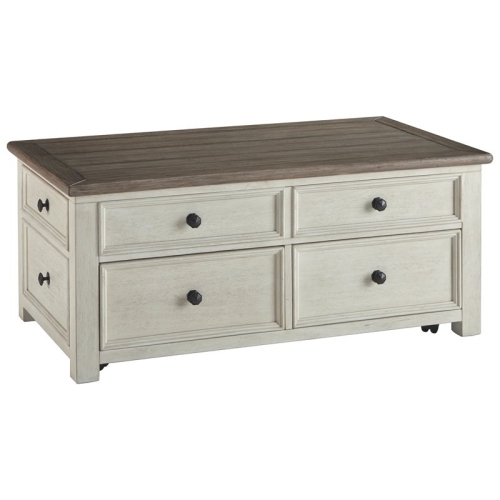 Your price for this item is $949
-
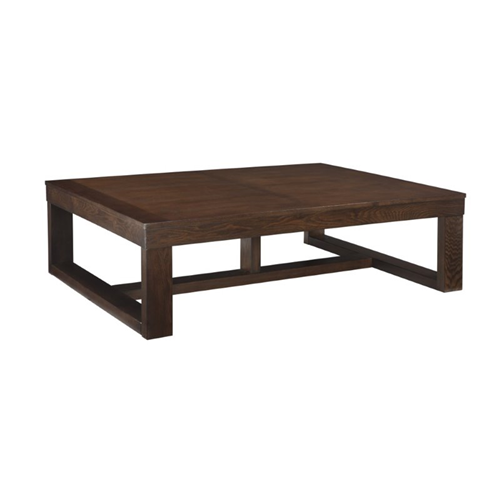 Your price for this item is $449
-
 Your price for this item is $649
-
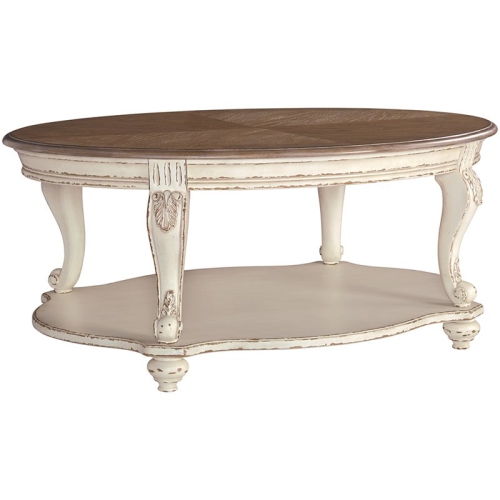 Your price for this item is $599
-
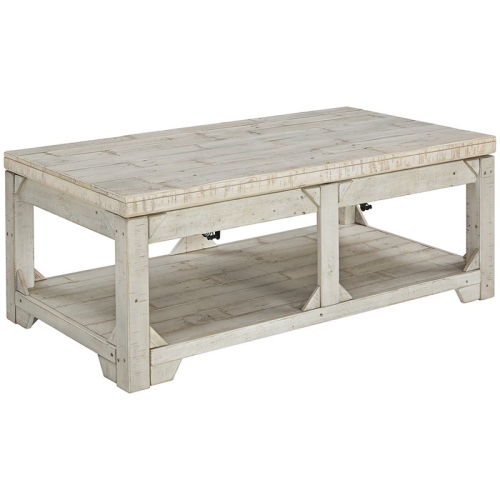 Your price for this item is $549
-
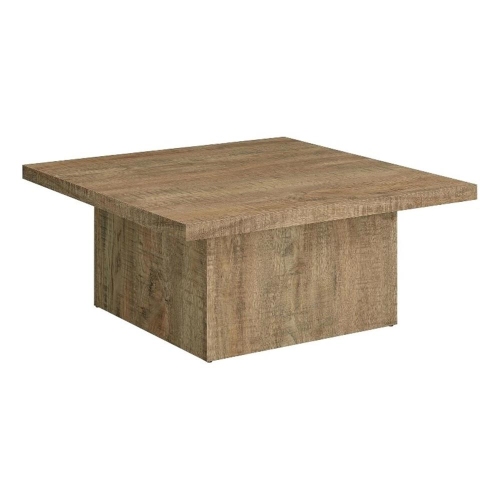 Your price for this item is $349.93
-
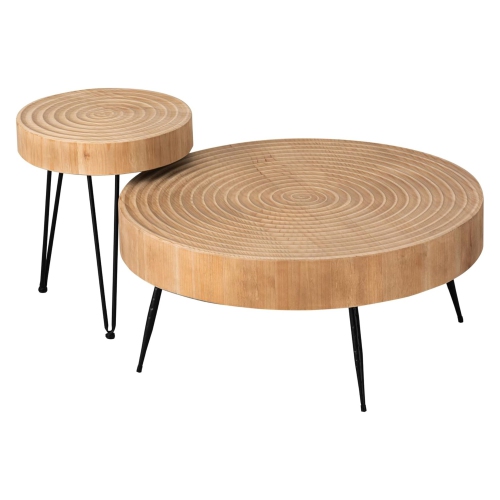 Your price for this item is $524.99
-
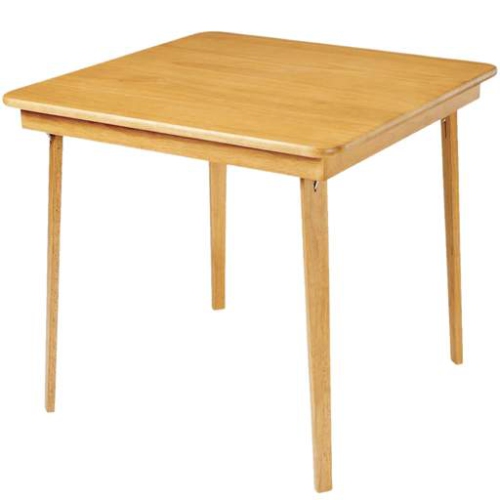 Your price for this item is $233.72
Discover more categories related to Decorative Furniture
Top Collections:
Best Black Friday Deals This Year, Best Black Friday Deals On Electronics, Kindle Devices, Dyson Airwrap, Best Cameras for Sports Photography, Best Black Friday Deals On Apple Products, PS5 Pro Consoles, Portable Snow Blowers, Canon G7X Cameras, Pokémon 30th Celebration Cards
Some products may be subject to Environmental Handling Fees
(EHF) depending on your province.
Learn more about EHFs.