Decorative Litter Boxes
Elevate your home decor and keep your furry friend happy with our selection of decorative litter boxes. Say goodbye to unsightly litter messes and hello to stylish solutions that seamlessly blend into your living space. From chic designs to innovative features, these litter boxes are not only functional but also add a touch of sophistication to any room. Explore this range of options that prioritize both fashion and function, making it easier than ever to maintain a clean and aesthetically pleasing environment for both you and your beloved pet.
Sort
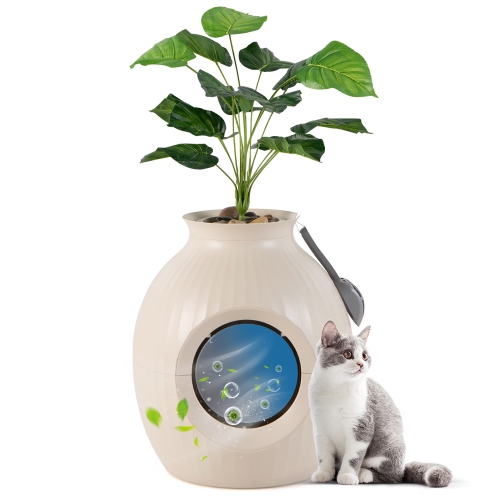
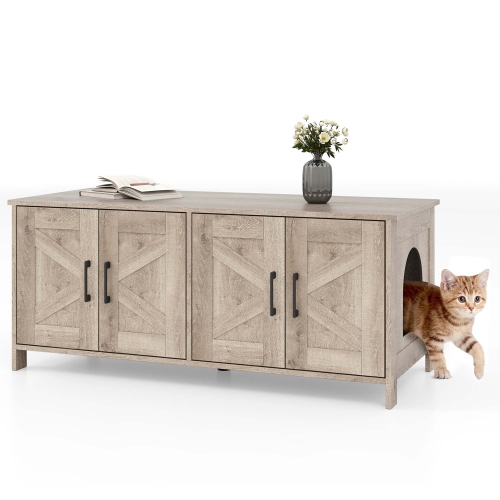
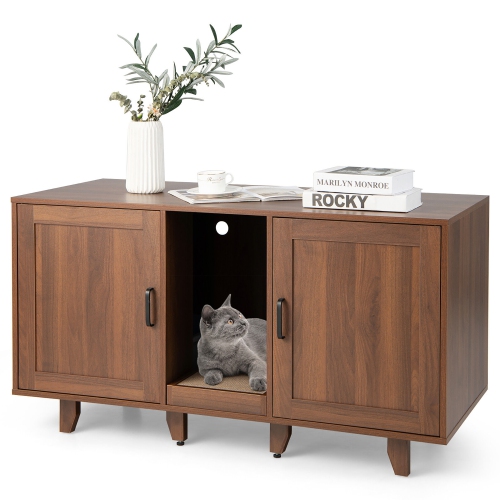
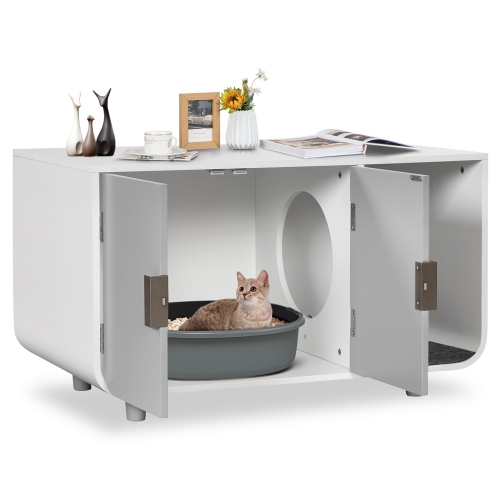
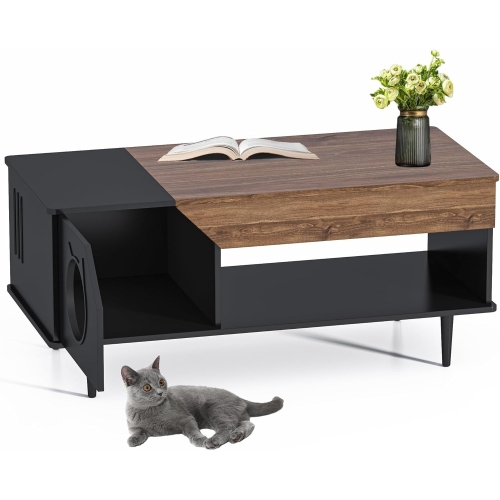
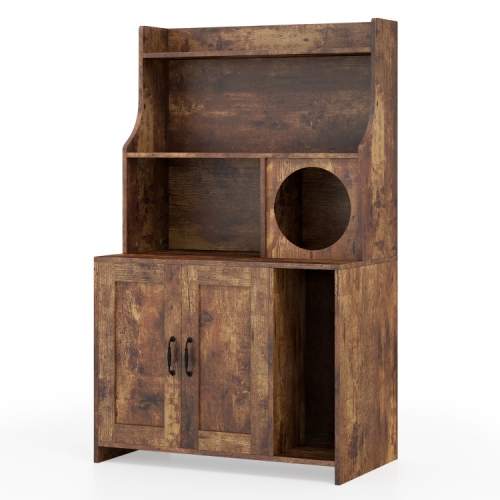
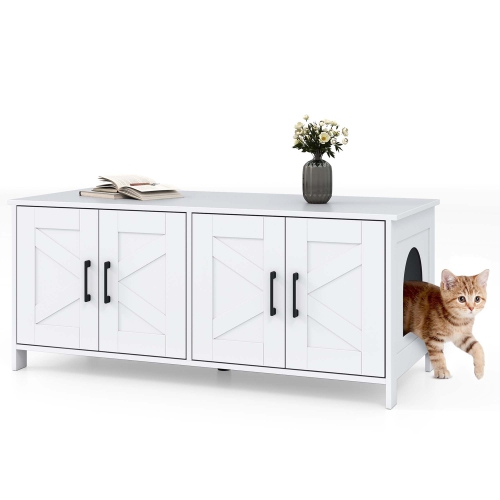
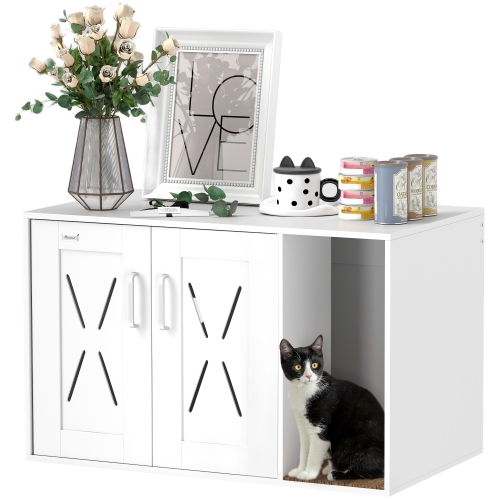
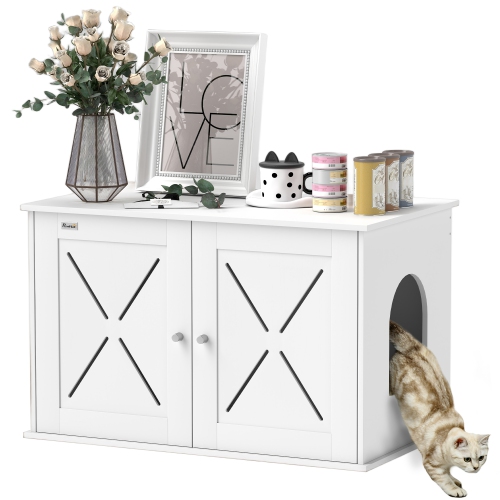
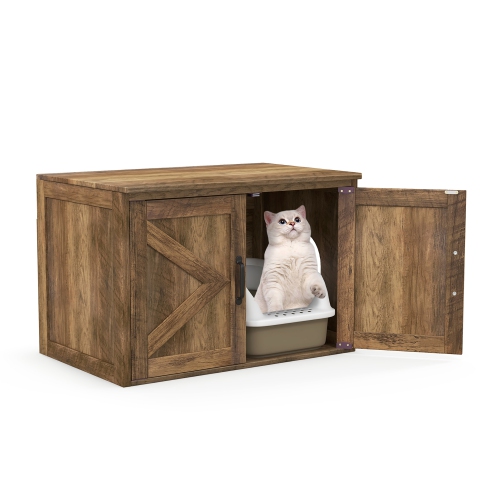
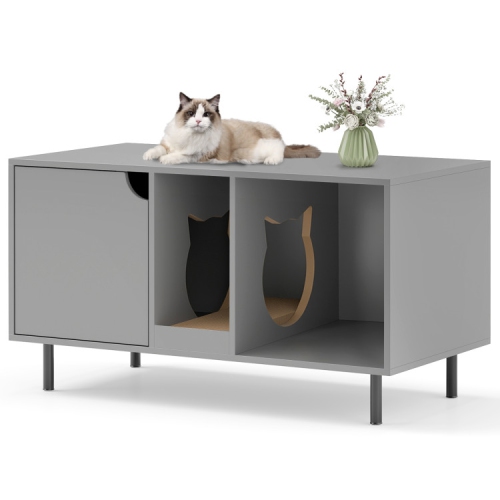
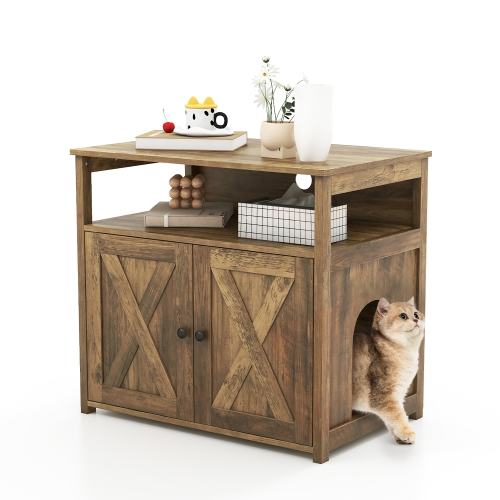
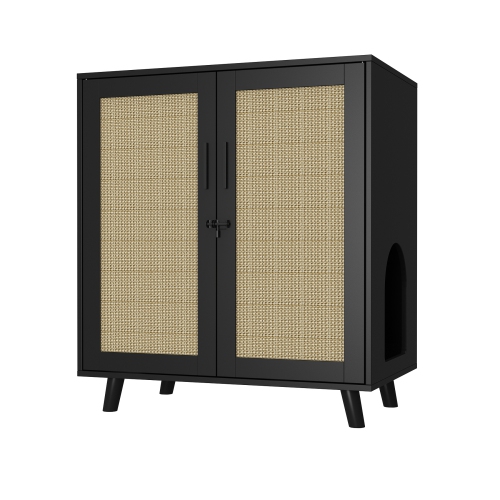
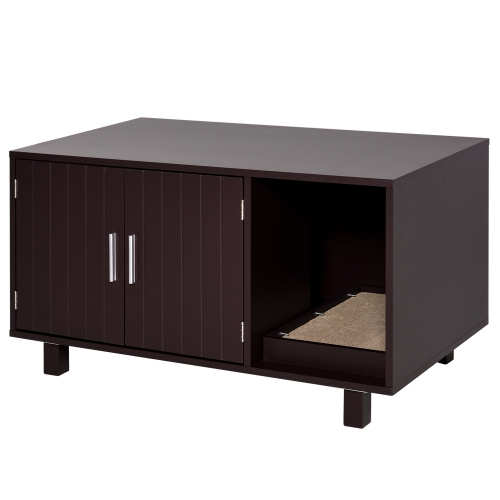
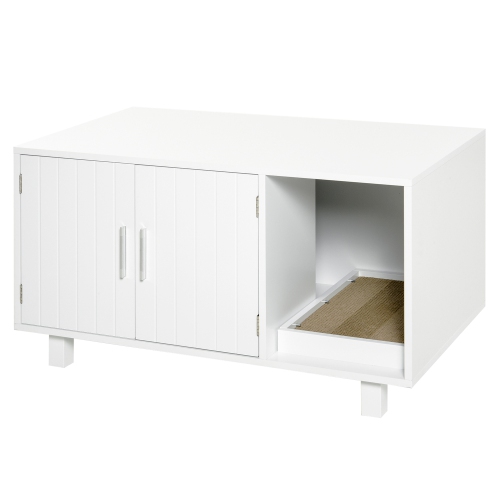
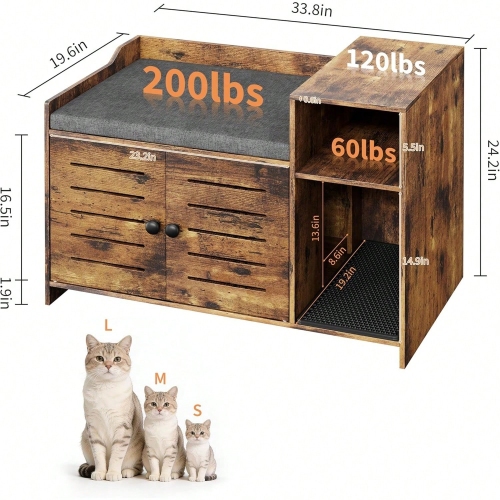
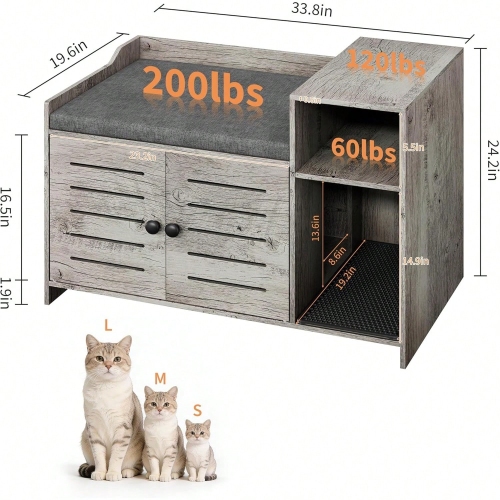
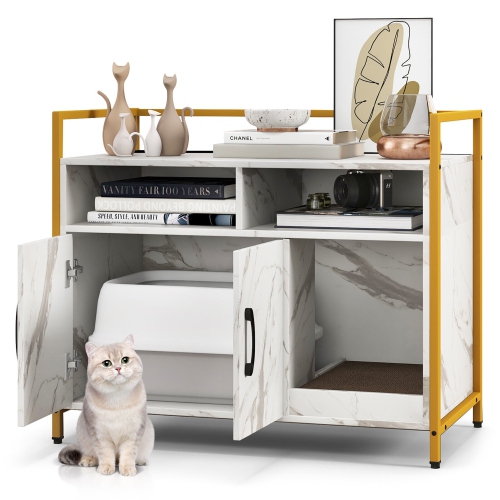
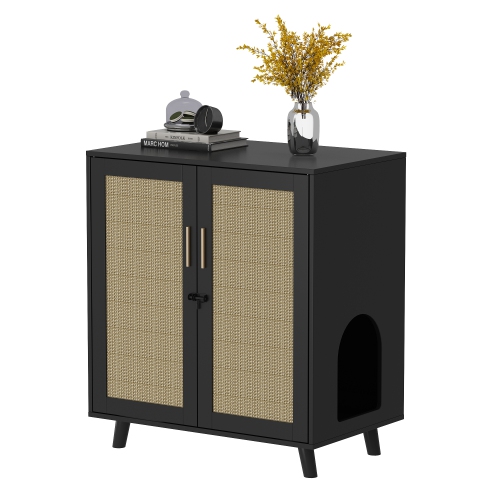
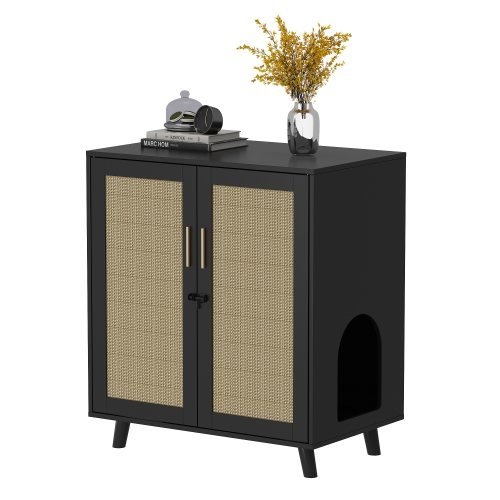
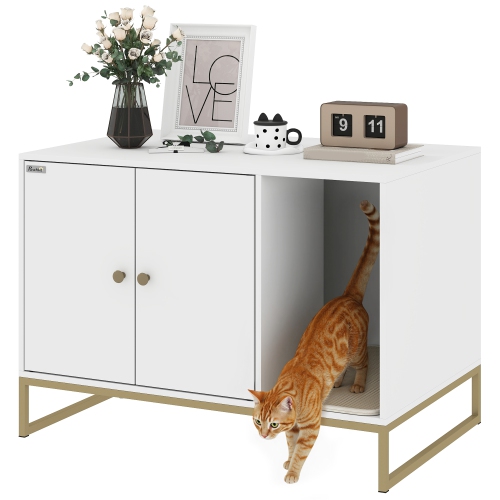
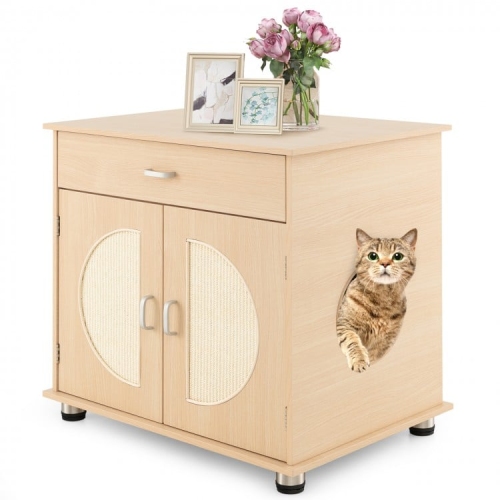
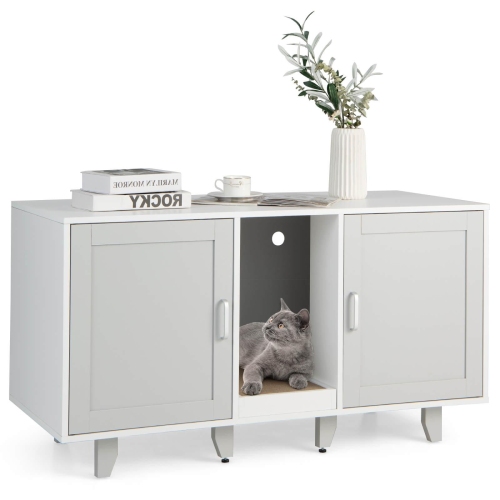
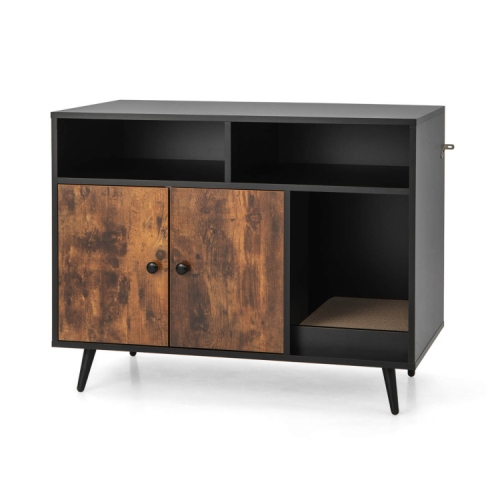
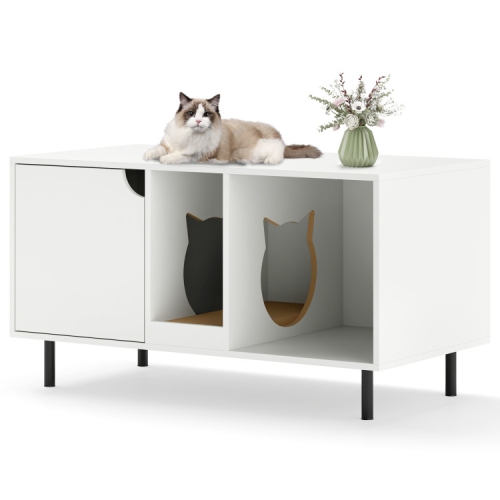
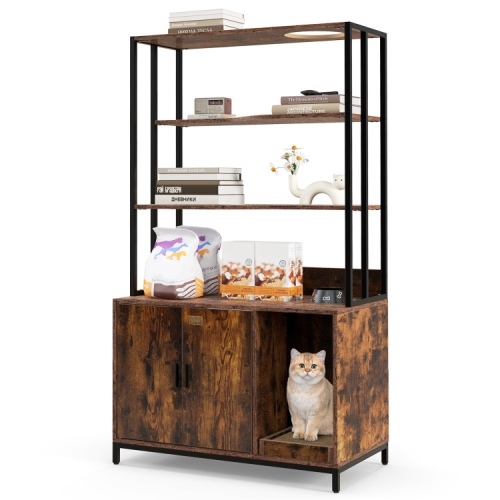
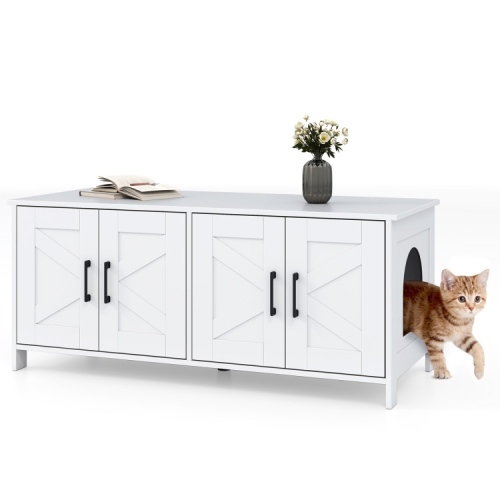
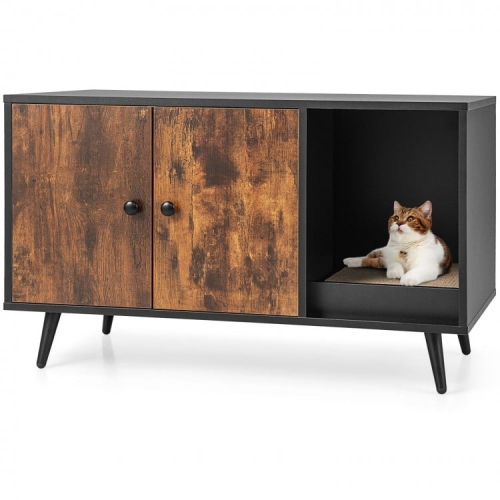
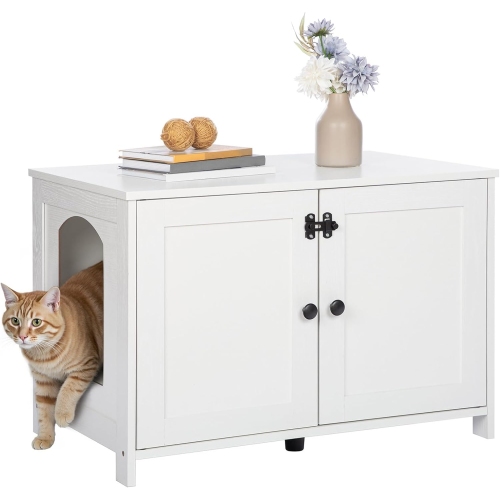
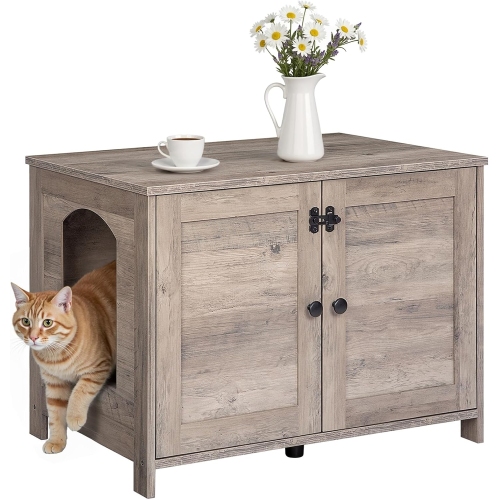
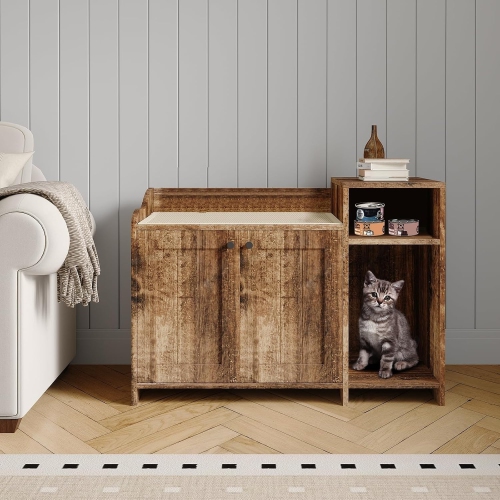
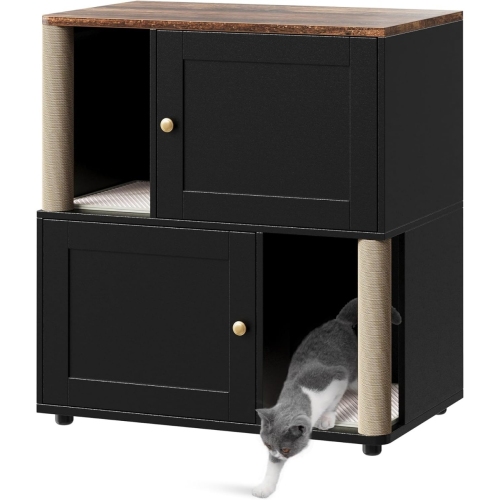
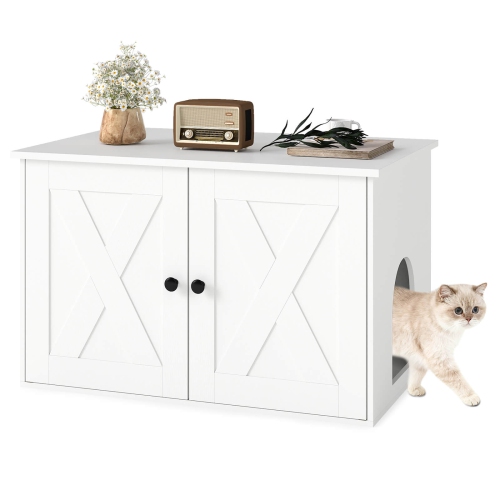
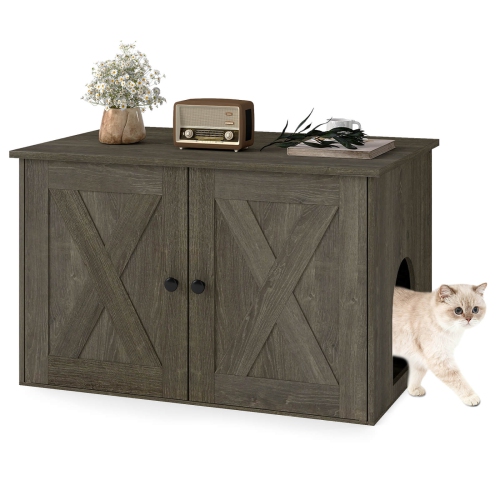
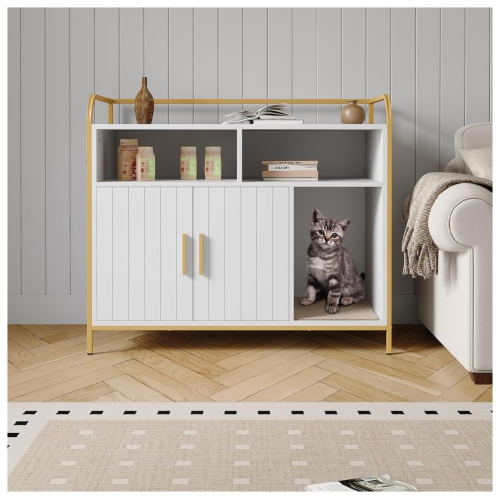
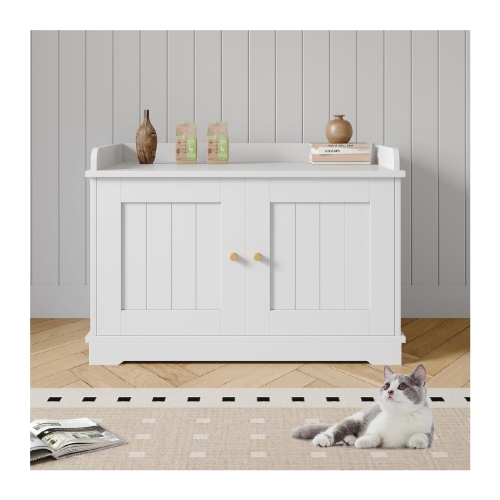

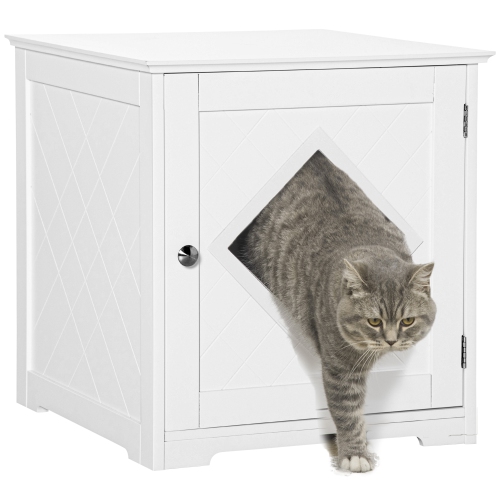
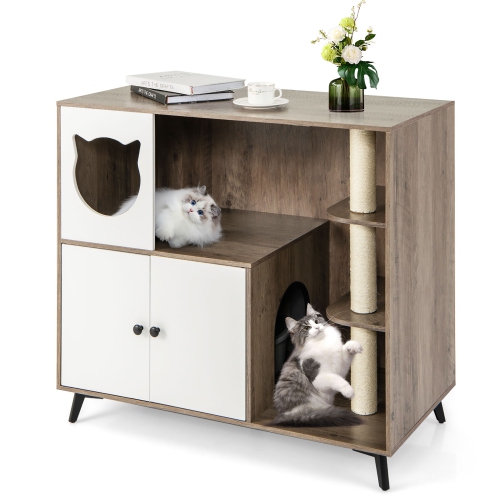
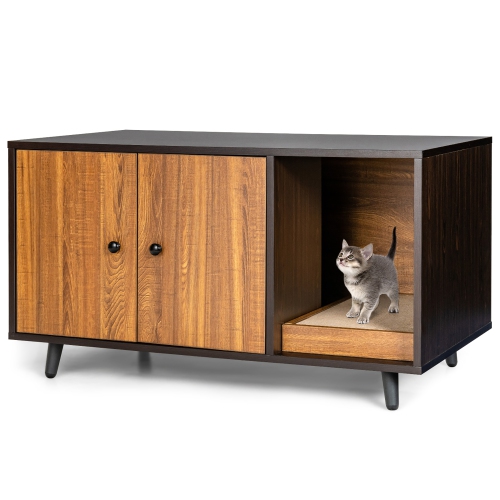
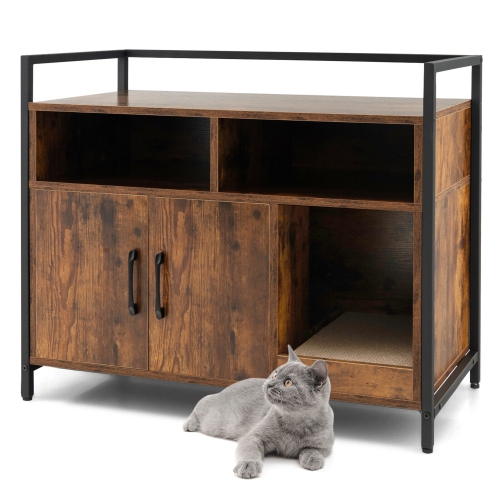
Furniture-style designs that blend cat care into your home
Decorative litter boxes are designed to make an everyday cat-care essential feel more at home with your décor. Instead of leaving an open pan in plain view, these enclosed units can disguise a litter area as a side table, accent cabinet, bench, or faux planter. A well-chosen design may sit beside a sofa, in a hallway, or near a laundry area while helping the space look more finished and organized. Wood-look cabinets often suit bedrooms and living rooms, while woven or rattan-inspired finishes can complement relaxed, layered décor. Planter-style enclosures add a touch of greenery to a corner without requiring a sunny window, and bench-style options can provide a convenient place to sit while putting on shoes. The best choice depends on your room layout, your cat’s habits, and how often the litter area needs attention. Decorative litter boxes can be especially helpful in apartments, condos, open-concept homes, and smaller rooms where a traditional pan may be difficult to keep out of sight. They can also appeal to new cat owners furnishing a home, families refreshing a pet area, or anyone looking for a practical gift for a cat-loving friend. Because the enclosure becomes part of the room, think about its colour, finish, shape, and footprint in the same way you would consider any other piece of furniture. A discreet litter area should blend into the surroundings without making your cat feel crowded or cut off from the rest of the household.
Before choosing a decorative litter box, measure the litter pan your cat already uses, then measure the available floor space carefully. Interior dimensions matter just as much as the outside appearance: your cat should have enough room to enter, turn around, squat comfortably, and leave without brushing against the walls. Some cats prefer a wide, open entrance, while others appreciate the privacy provided by a more enclosed design. If your cat is large, older, nervous, or accustomed to a roomy pan, look for an enclosure with generous clearance and an opening that does not require awkward bending or squeezing. A side entry, front entry, or internal partition can change how easily your cat moves through the space, so consider placing the unit where the entrance will remain unobstructed. Easy cleaning is another important consideration. Wide-opening doors, removable panels, slide-out trays, and smooth inner surfaces make it simpler to scoop litter, wipe away residue, and inspect the area. Water-resistant or treated interior materials can help prevent moisture from soaking into the enclosure after an accidental miss, but no decorative cabinet should replace regular cleaning. Ventilation can also make a difference. Enclosed walls may help contain scattered litter and reduce the spread of odours, while some designs include space for a carbon filter. These features can support fresher-smelling rooms, though they work best alongside frequent scooping, a clean litter pan, and litter suited to your cat. Look for integrated mats, textured entry areas, or maze-style exits if tracking is a concern, since these features can catch some granules before they reach the surrounding floor.
Placement plays a major role in whether a decorative litter box works well for both people and pets. Choose a quiet, accessible location with enough light for cleaning, while keeping the unit away from loud appliances, heavy foot traffic, and places where a door could suddenly close over the entrance. A hallway bench may be convenient, but it should not block an escape route or create a tight passage. In a living room, an end-table enclosure can keep the litter area close at hand without making it the first thing guests notice. A planter-style design may suit a corner, although it is important to leave space around the entrance and avoid crowding it with baskets, furniture, or décor. If you have more than one cat, consider how many litter areas are needed and whether each enclosure provides enough privacy and access. When introducing a new unit, place the familiar litter pan inside if the dimensions allow, or position the enclosure near the existing setup so your cat can investigate it at an unhurried pace. Some cats step inside immediately; others need several days to become comfortable with a new door, texture, or enclosed ceiling. Keep the entrance open during the transition when possible, and continue monitoring litter habits for signs that the location or design is causing stress. For households that prefer additional privacy without a furniture-style exterior, Covered Litter Boxes offer another enclosed approach. Whether the priority is a polished living space, better litter containment, or a quieter bathroom area for a cat, decorative litter boxes can bring practical pet care into the overall design of the home.
Before choosing a decorative litter box, measure the litter pan your cat already uses, then measure the available floor space carefully. Interior dimensions matter just as much as the outside appearance: your cat should have enough room to enter, turn around, squat comfortably, and leave without brushing against the walls. Some cats prefer a wide, open entrance, while others appreciate the privacy provided by a more enclosed design. If your cat is large, older, nervous, or accustomed to a roomy pan, look for an enclosure with generous clearance and an opening that does not require awkward bending or squeezing. A side entry, front entry, or internal partition can change how easily your cat moves through the space, so consider placing the unit where the entrance will remain unobstructed. Easy cleaning is another important consideration. Wide-opening doors, removable panels, slide-out trays, and smooth inner surfaces make it simpler to scoop litter, wipe away residue, and inspect the area. Water-resistant or treated interior materials can help prevent moisture from soaking into the enclosure after an accidental miss, but no decorative cabinet should replace regular cleaning. Ventilation can also make a difference. Enclosed walls may help contain scattered litter and reduce the spread of odours, while some designs include space for a carbon filter. These features can support fresher-smelling rooms, though they work best alongside frequent scooping, a clean litter pan, and litter suited to your cat. Look for integrated mats, textured entry areas, or maze-style exits if tracking is a concern, since these features can catch some granules before they reach the surrounding floor.
Placement plays a major role in whether a decorative litter box works well for both people and pets. Choose a quiet, accessible location with enough light for cleaning, while keeping the unit away from loud appliances, heavy foot traffic, and places where a door could suddenly close over the entrance. A hallway bench may be convenient, but it should not block an escape route or create a tight passage. In a living room, an end-table enclosure can keep the litter area close at hand without making it the first thing guests notice. A planter-style design may suit a corner, although it is important to leave space around the entrance and avoid crowding it with baskets, furniture, or décor. If you have more than one cat, consider how many litter areas are needed and whether each enclosure provides enough privacy and access. When introducing a new unit, place the familiar litter pan inside if the dimensions allow, or position the enclosure near the existing setup so your cat can investigate it at an unhurried pace. Some cats step inside immediately; others need several days to become comfortable with a new door, texture, or enclosed ceiling. Keep the entrance open during the transition when possible, and continue monitoring litter habits for signs that the location or design is causing stress. For households that prefer additional privacy without a furniture-style exterior, Covered Litter Boxes offer another enclosed approach. Whether the priority is a polished living space, better litter containment, or a quieter bathroom area for a cat, decorative litter boxes can bring practical pet care into the overall design of the home.
Top selling and popular products
-
 Your price for this item is $999
 -
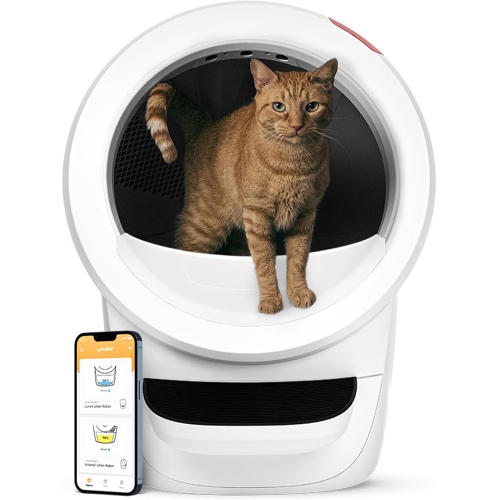 Your price for this item is $999
 -
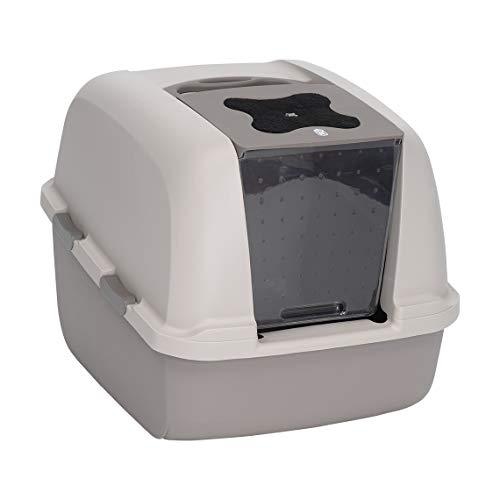 Your price for this item is $56.7
 -
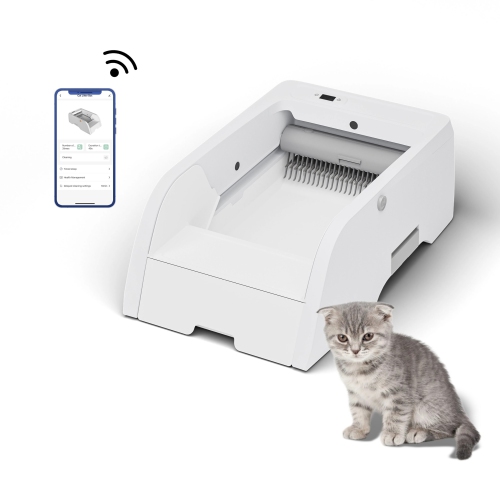 Your price for this item is $449
 -
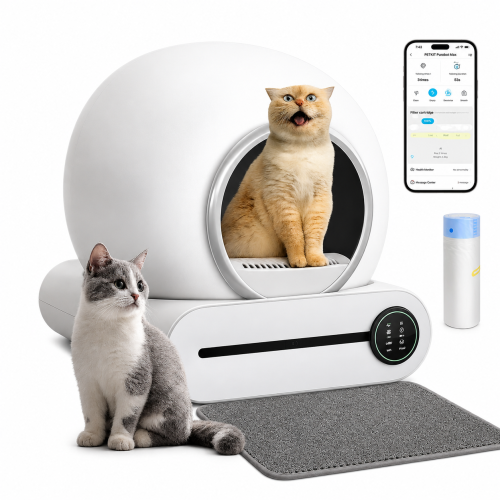 Your price for this item is $279.97
 -
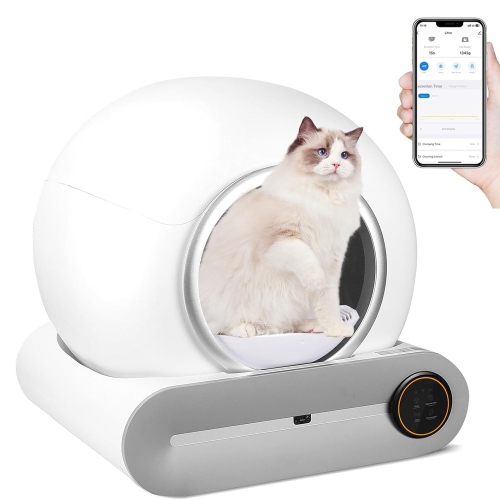 Your price for this item is $300.99
 -
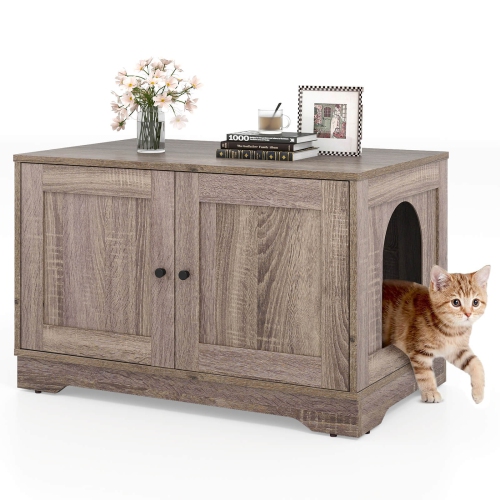 Your price for this item is $99.99
 -
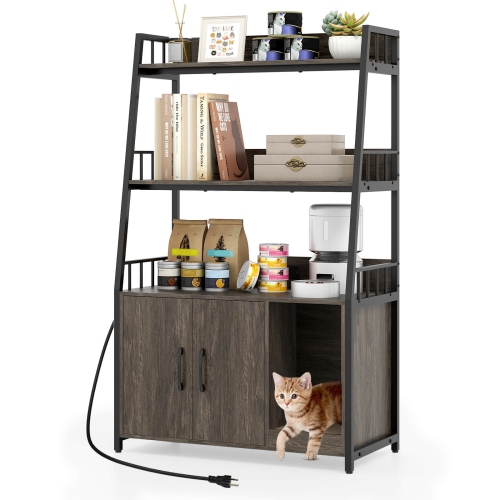 Your price for this item is $173.99
Discover more categories related to Decorative Litter Boxes
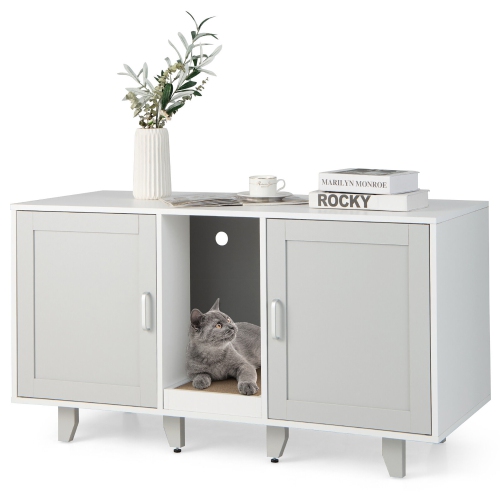

Top Collections:
Pokemon Centers, Kindle Devices, Best Budget Office Chairs, Apple iPhones 16, Best Laptops for Writers, iPhone 15 Apple, Canon G7X Cameras, Refurbished Apple Laptops, Alarm Clock, Motorola Razr Phones
Some products may be subject to Environmental Handling Fees
(EHF) depending on your province.
Learn more about EHFs.