Covered Litter Boxes
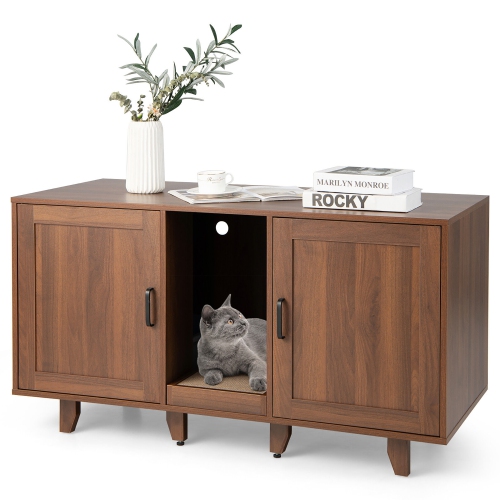
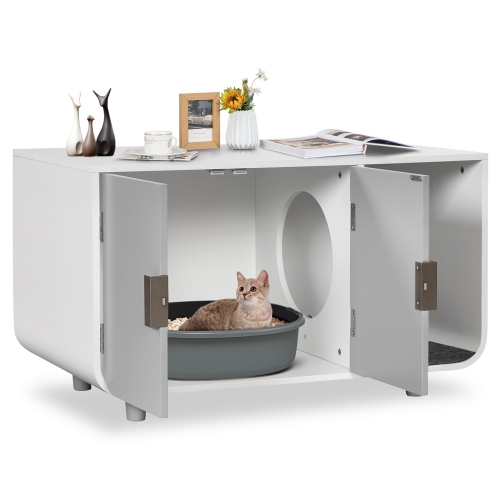
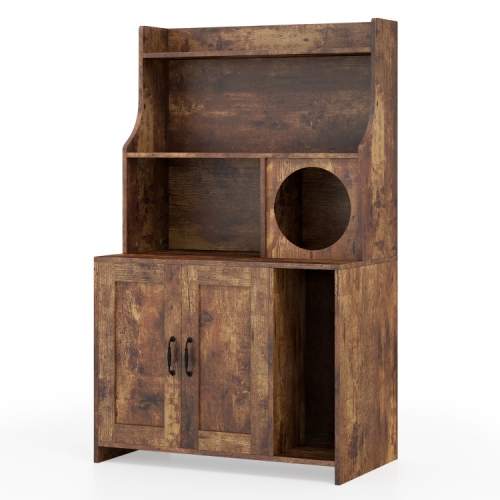
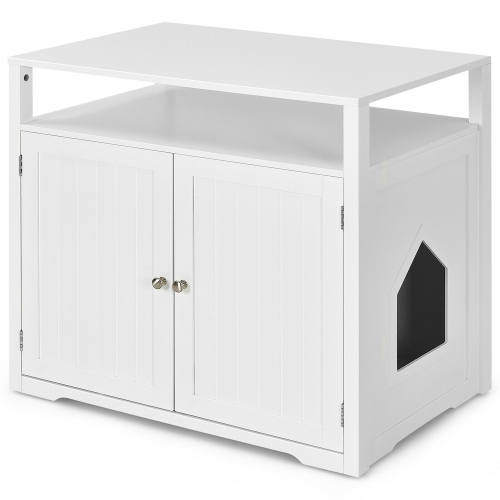
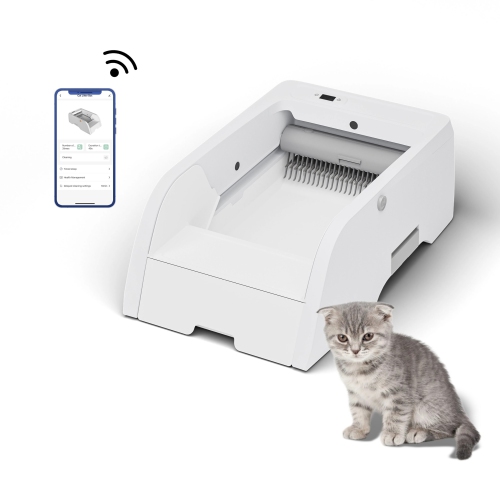
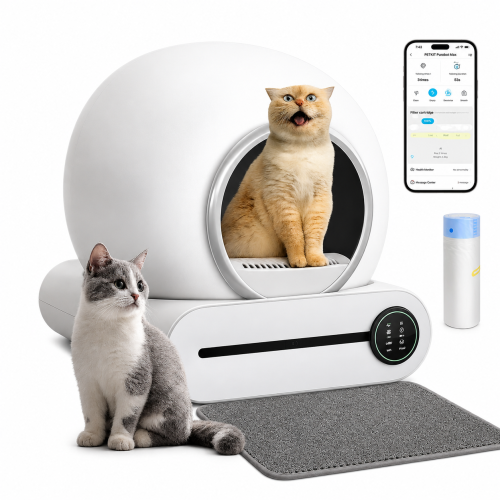
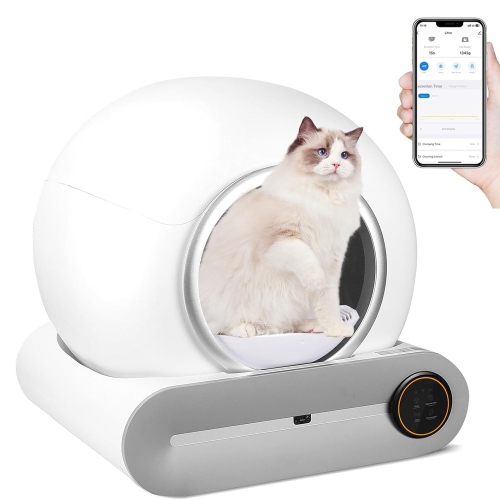
Discover a more discreet and stylish solution for your feline friend with our selection of covered litter boxes. These enclosed options provide privacy for your cat while helping to contain odors and prevent litter tracking around your home. Perfect for pet owners looking to maintain a tidy and odor-free living space, our covered litter boxes come in various sizes and designs to suit your preferences and space requirements. Upgrade your cat's bathroom experience today with one of these sleek and functional covered litter boxes.
Sort

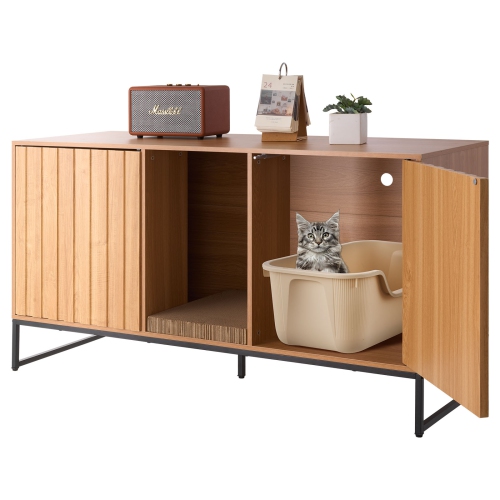
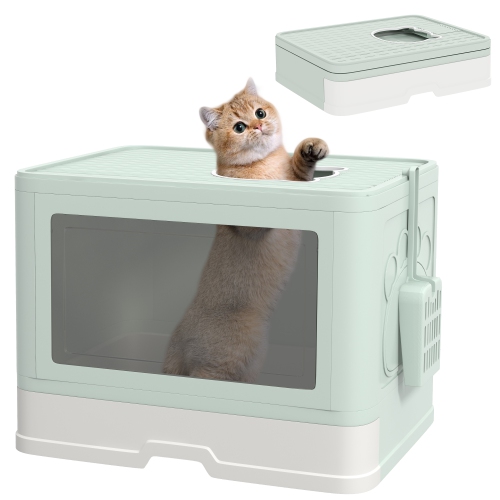
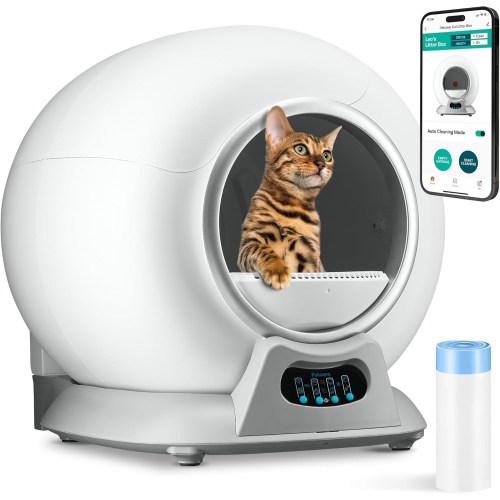
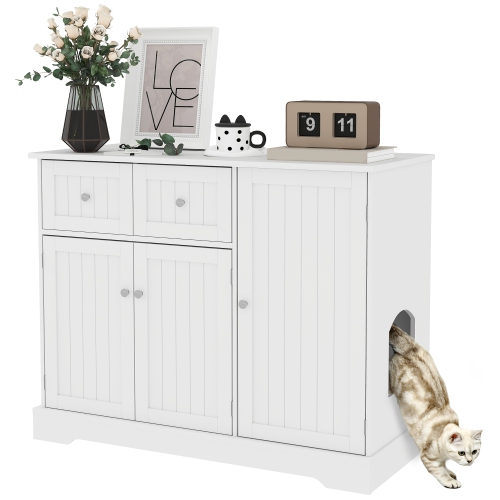
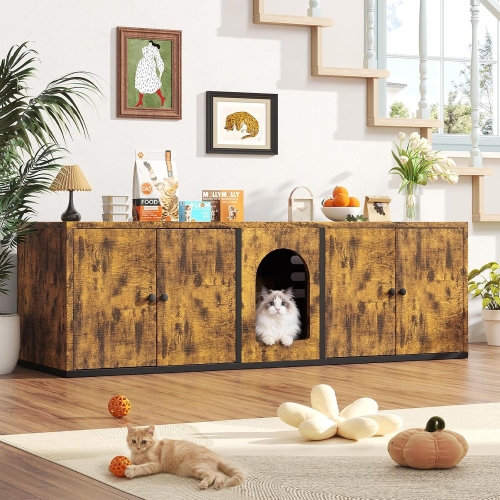
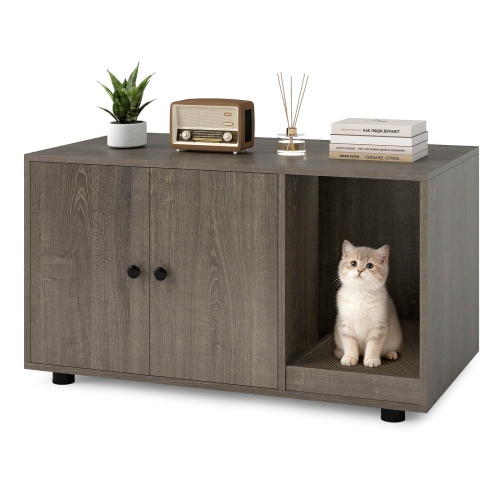
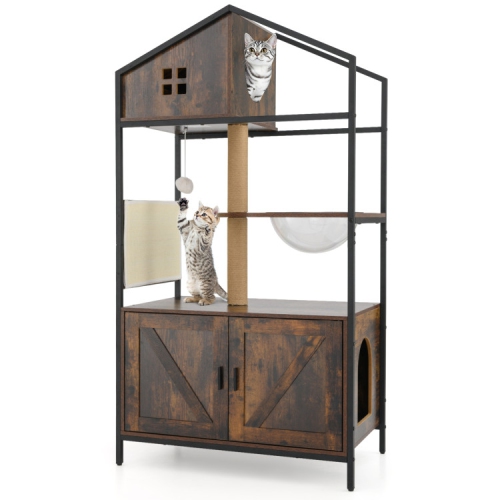
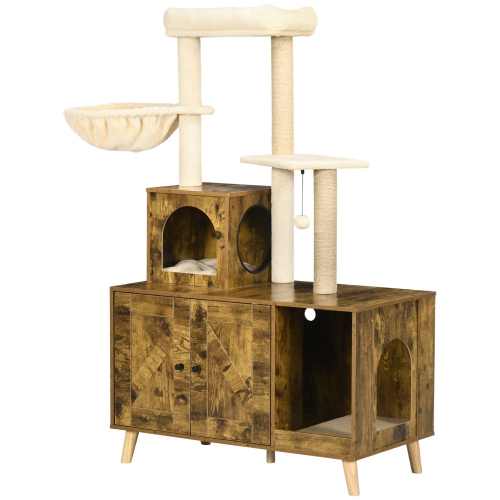

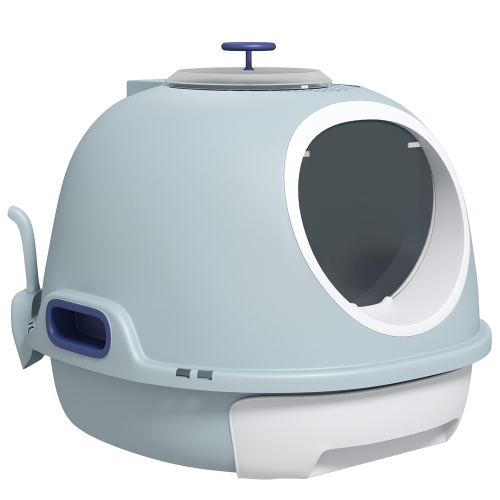
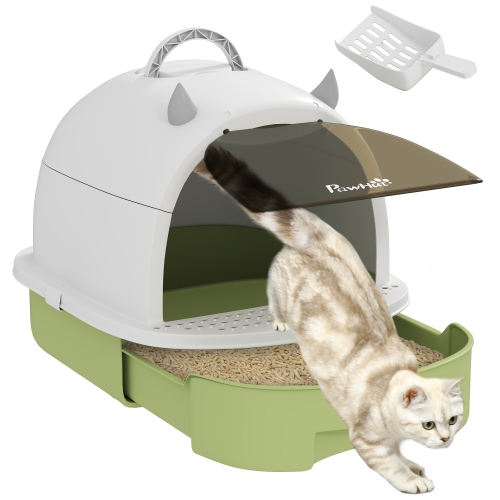
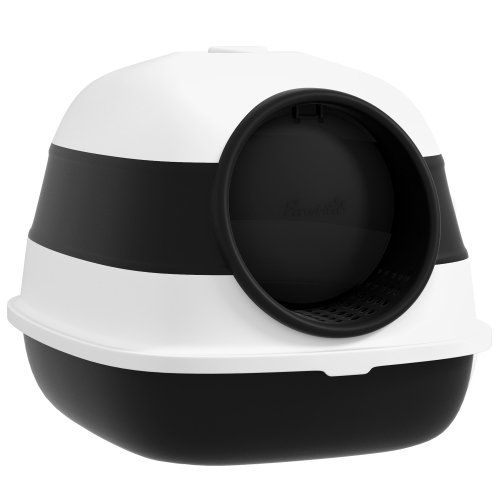
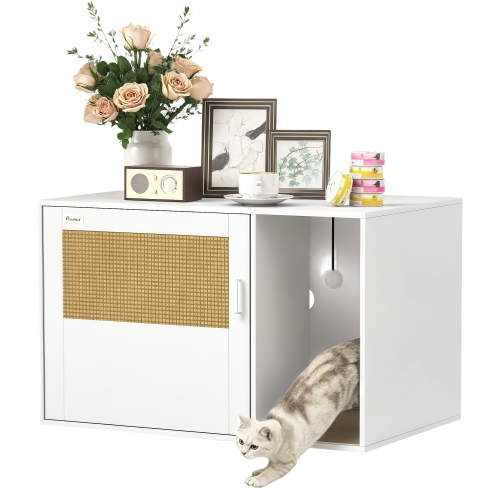
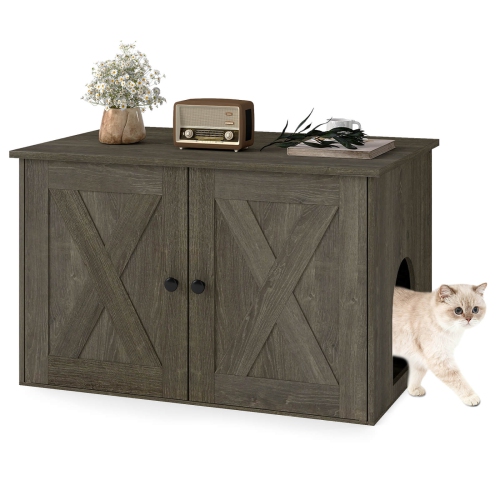
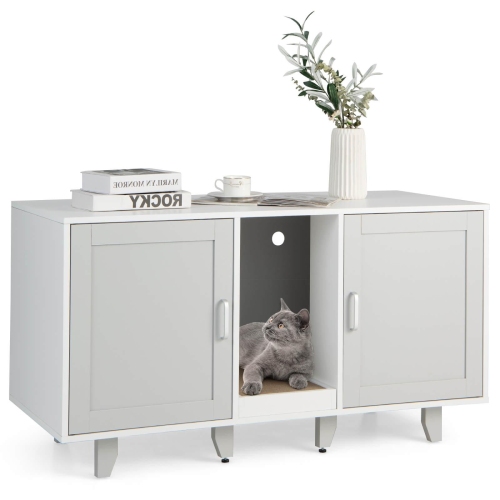
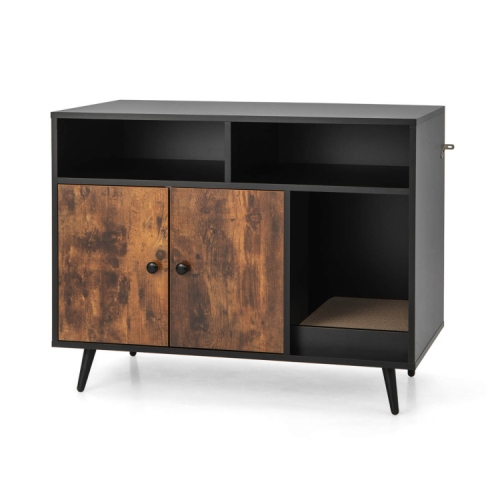
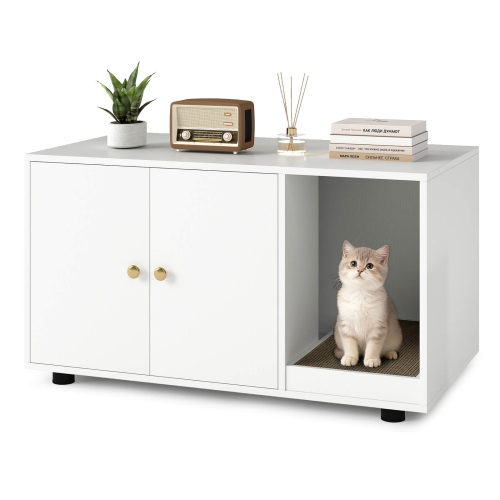
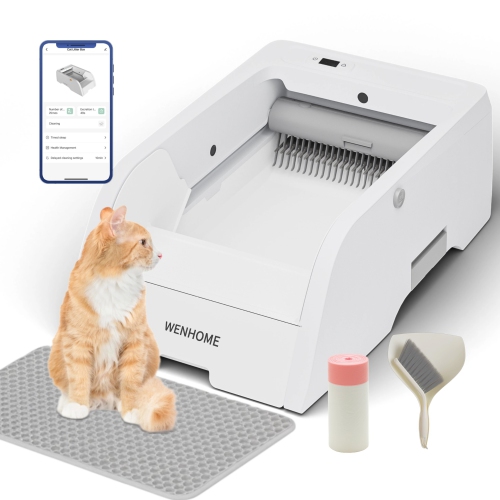
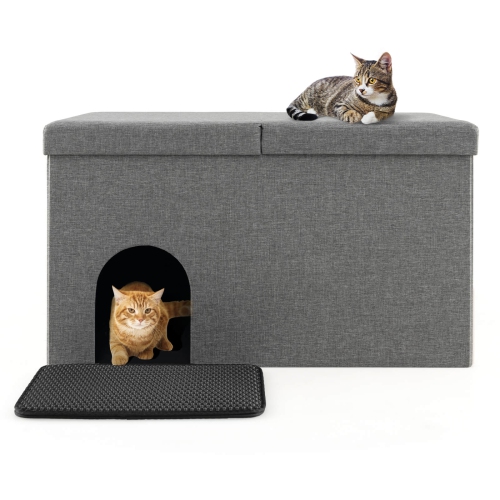
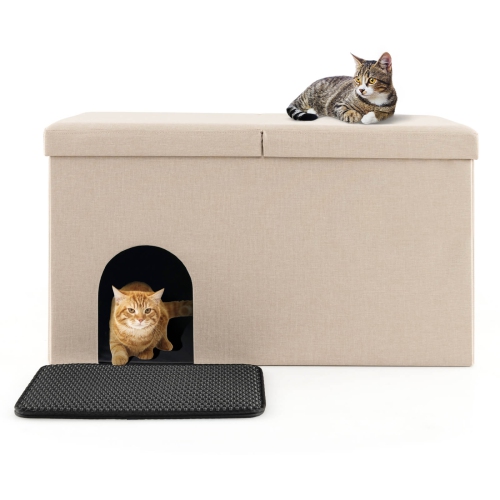
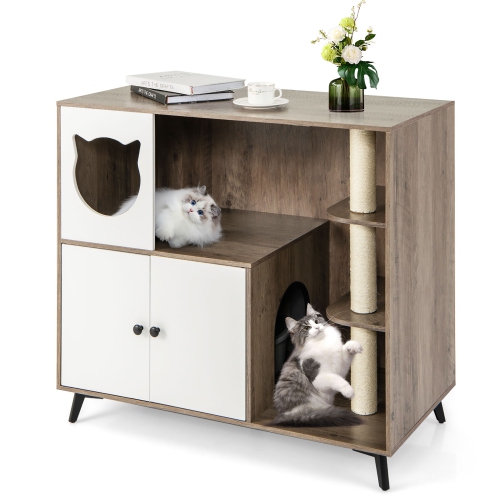


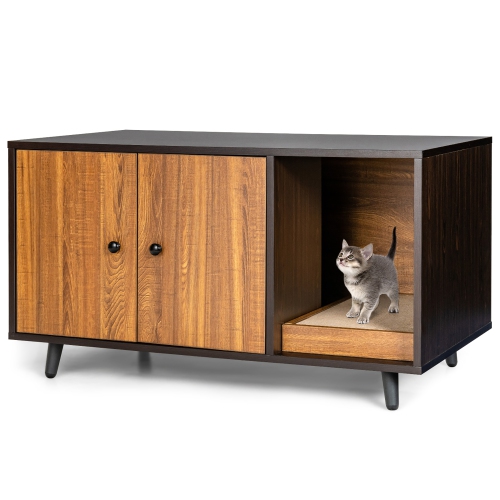
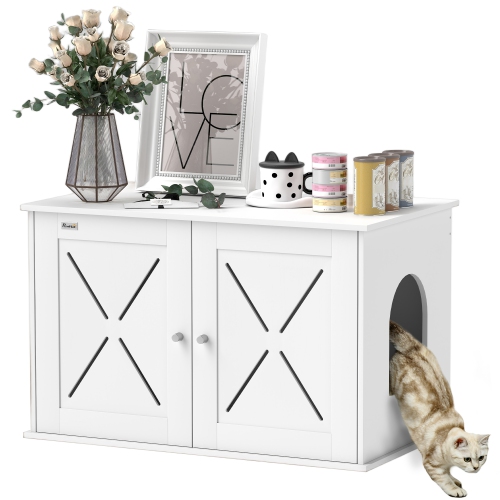
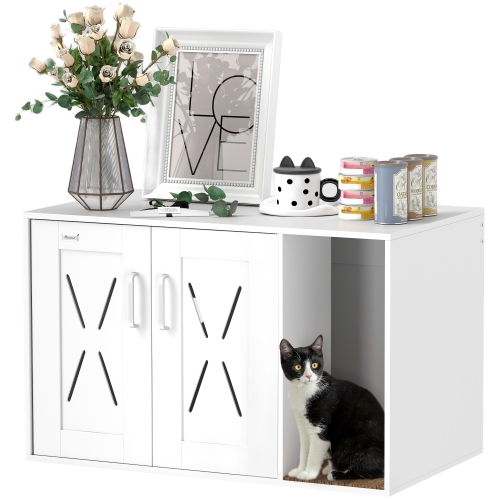
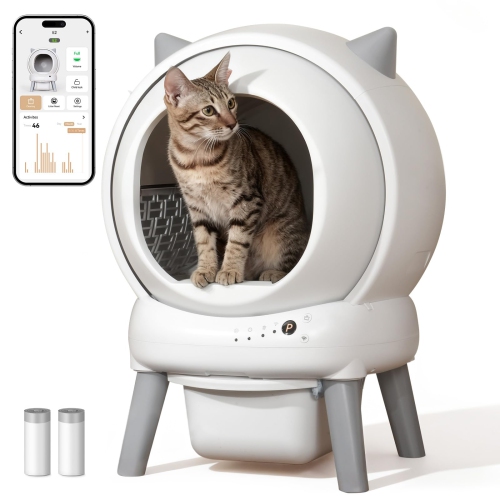
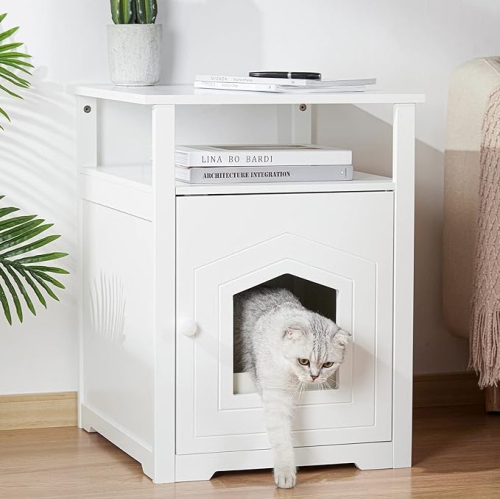
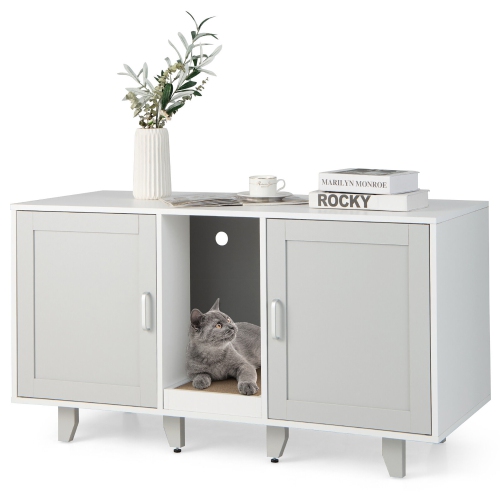
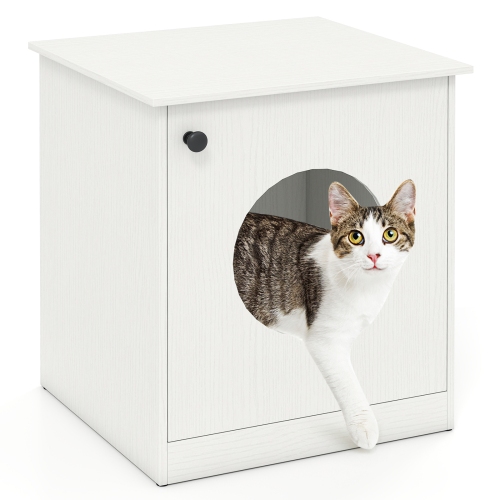
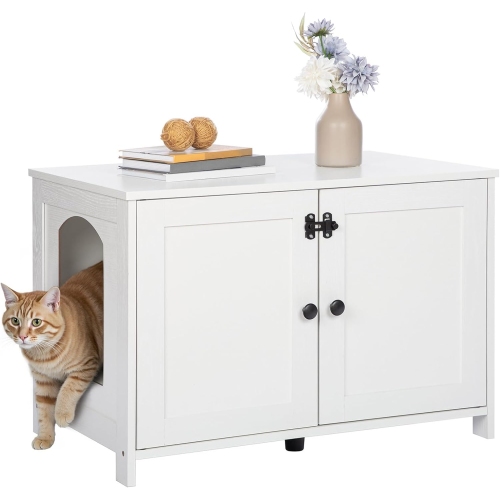
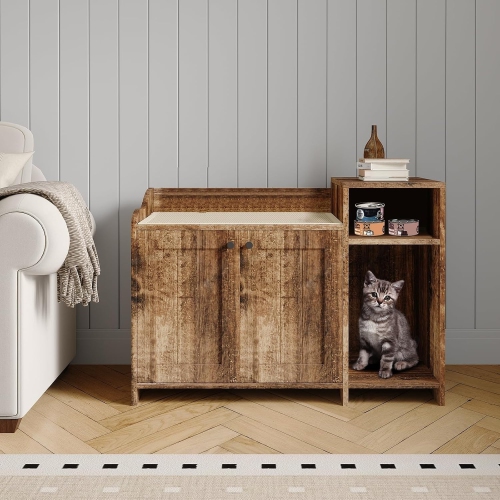
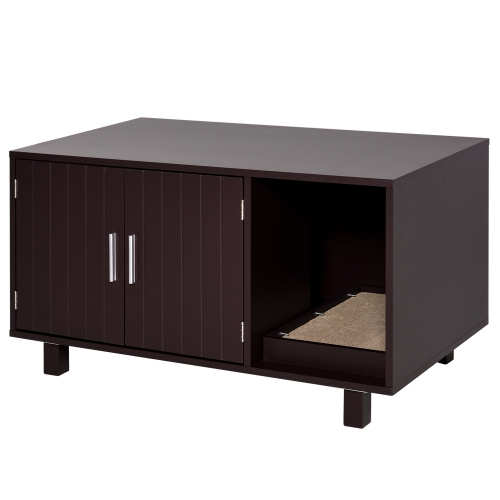
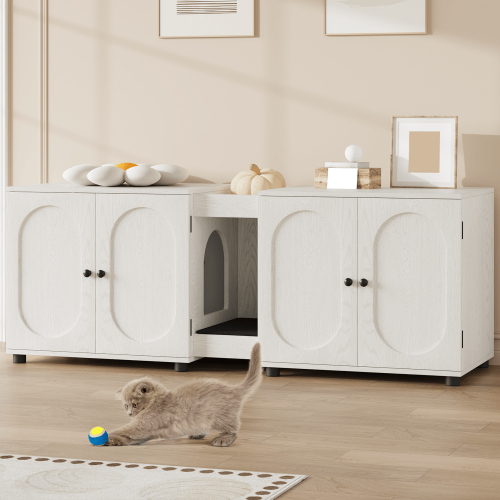
Balancing privacy, access, comfort, and everyday litter control
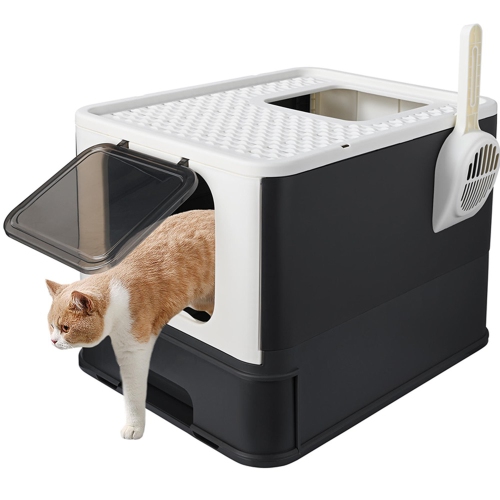
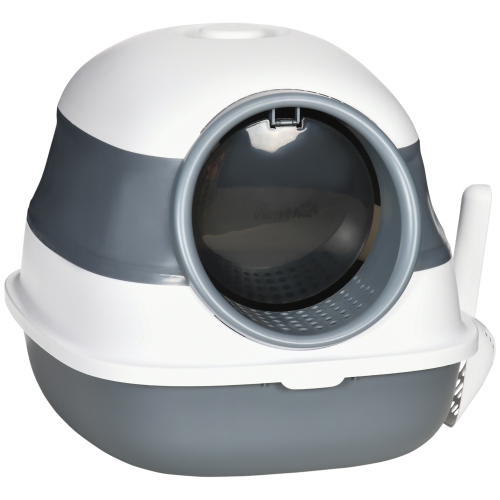
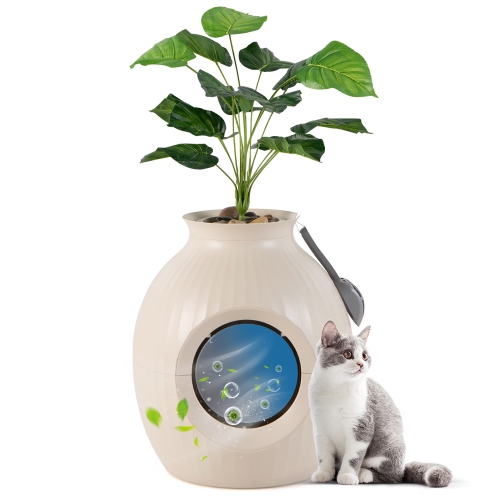
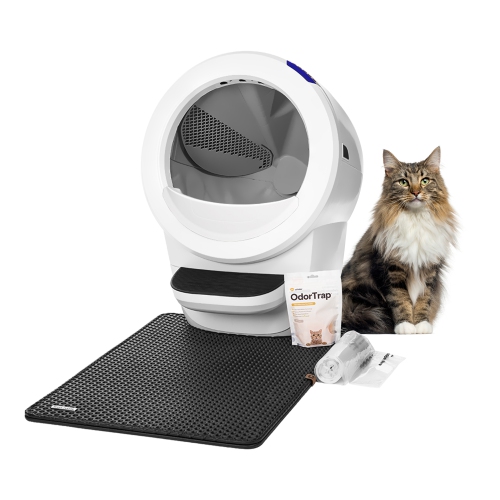
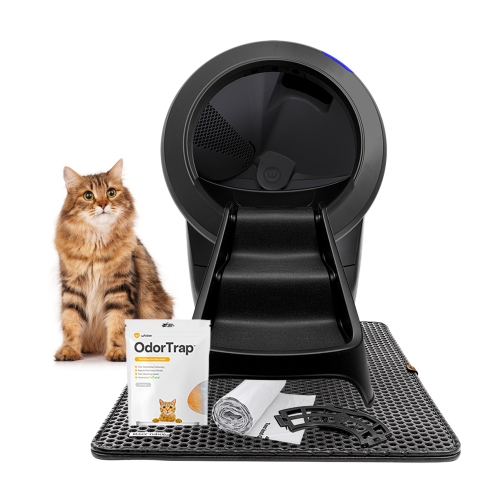
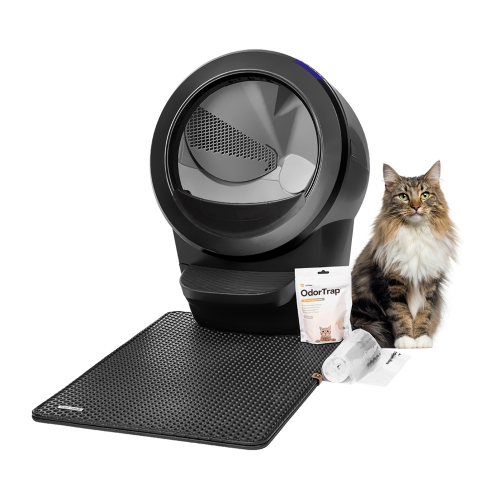
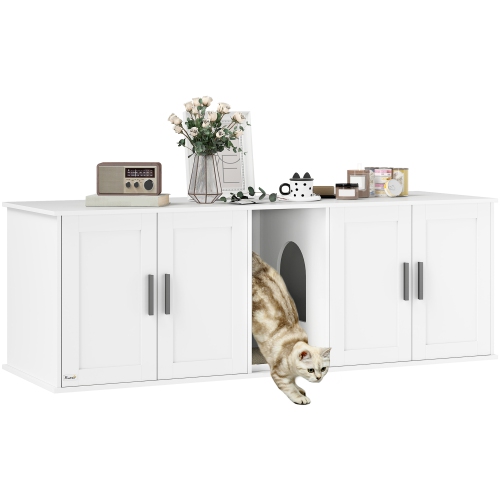
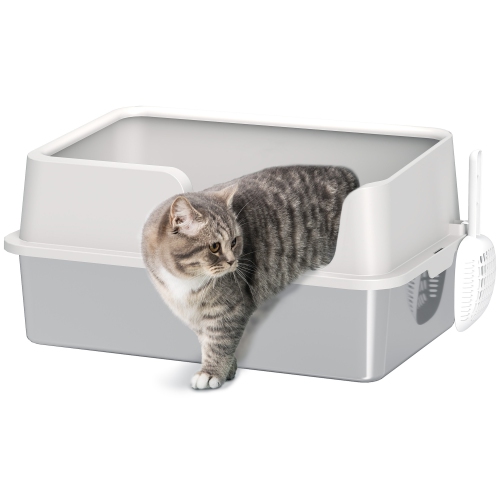
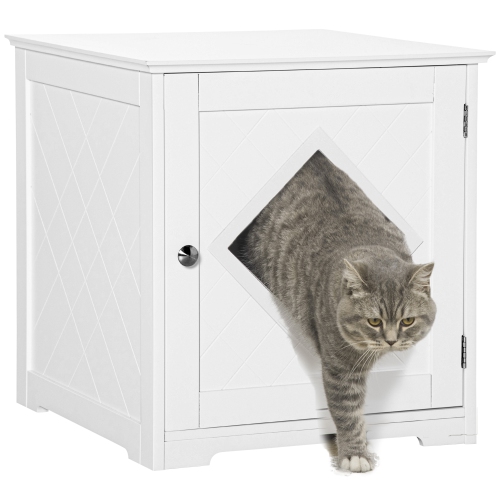
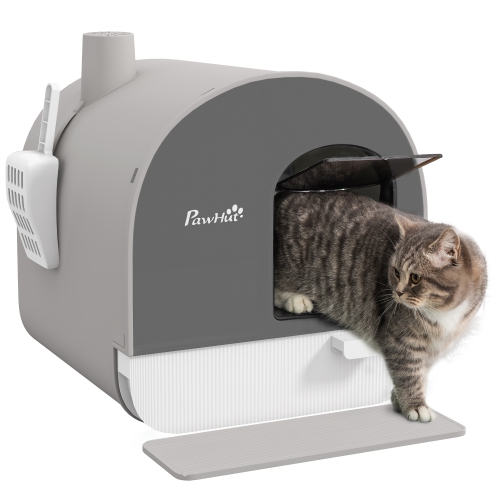
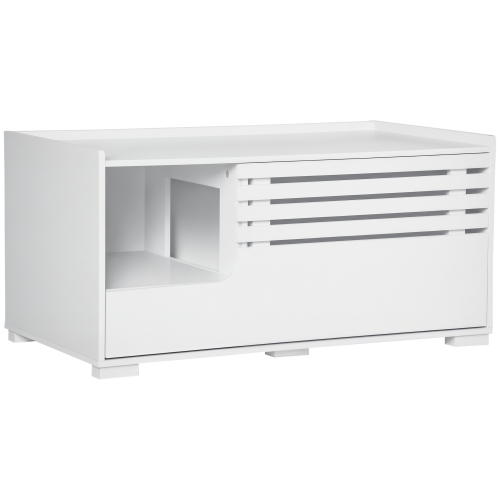
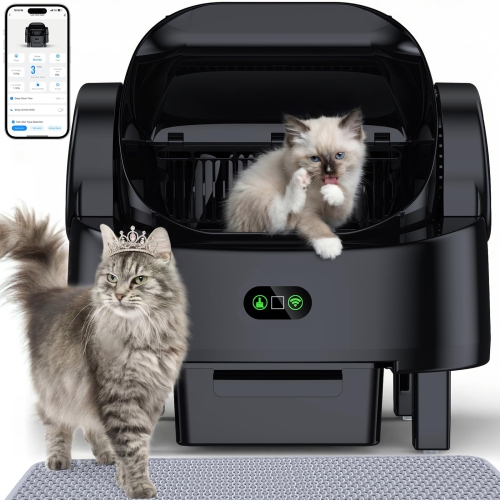
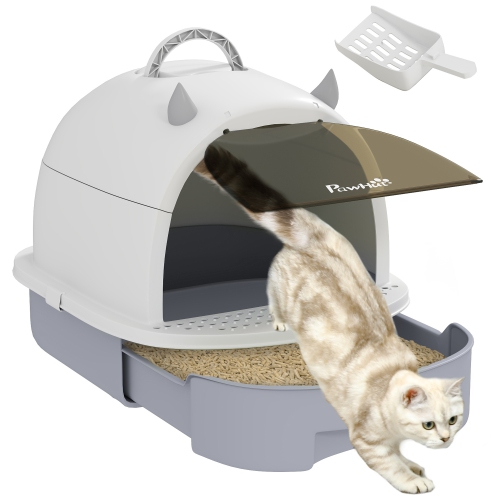
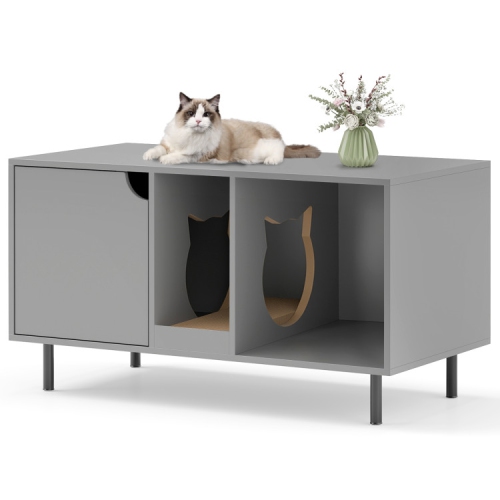
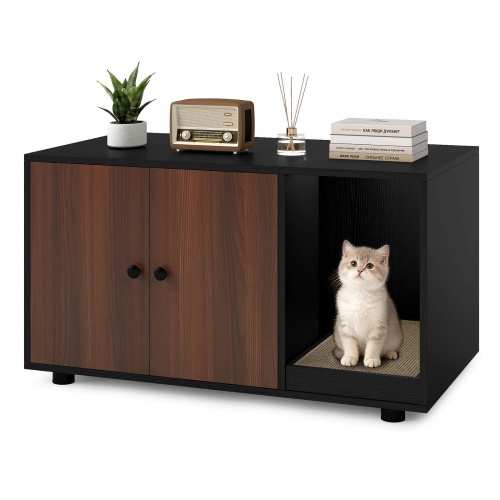
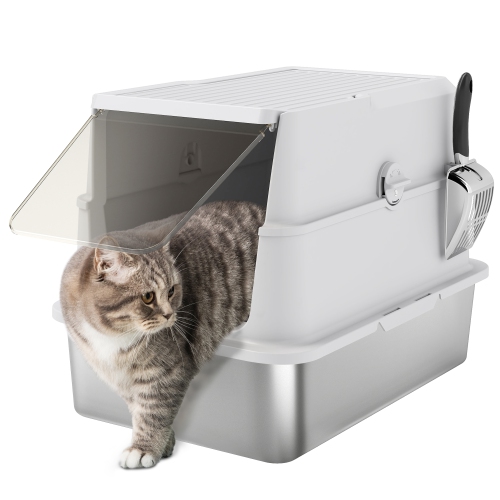
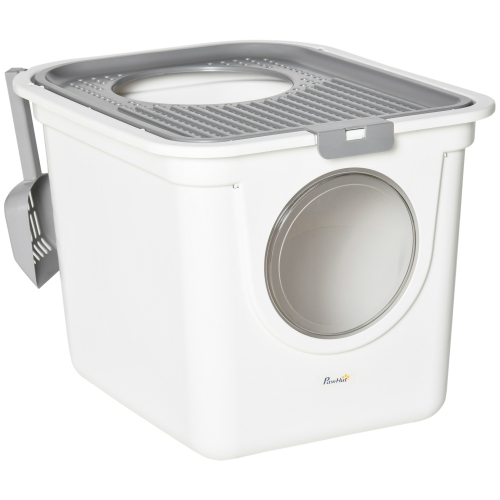
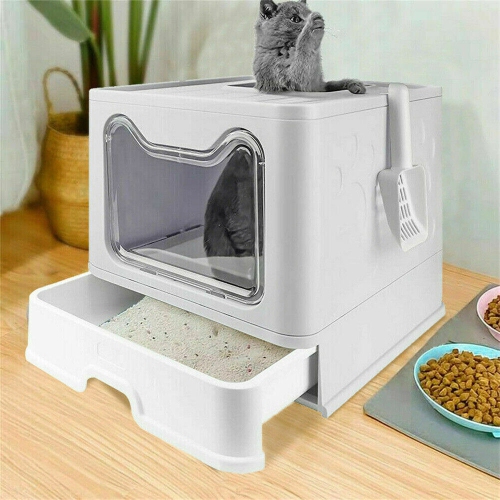
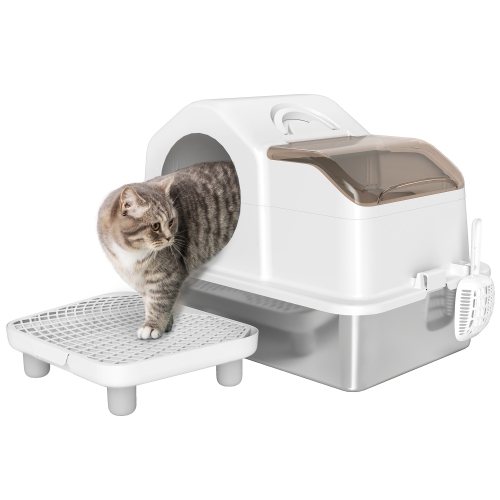
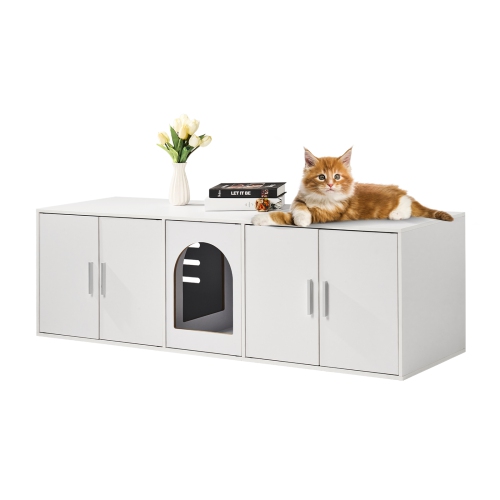
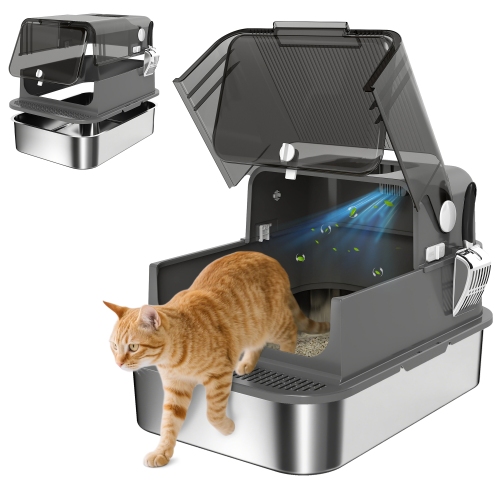
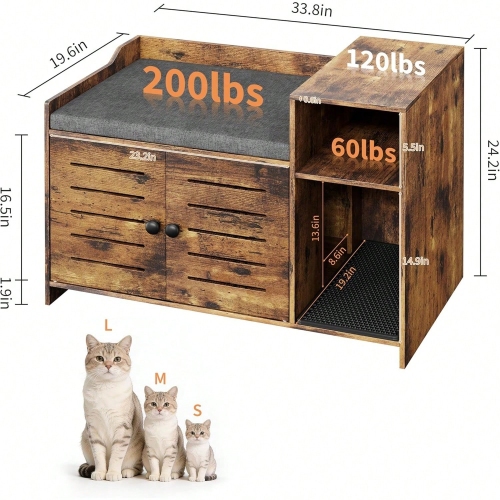
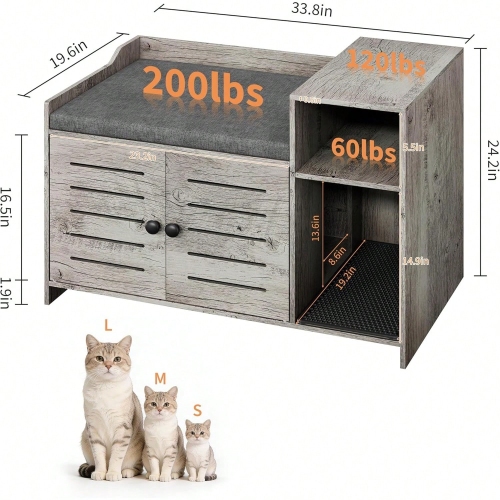
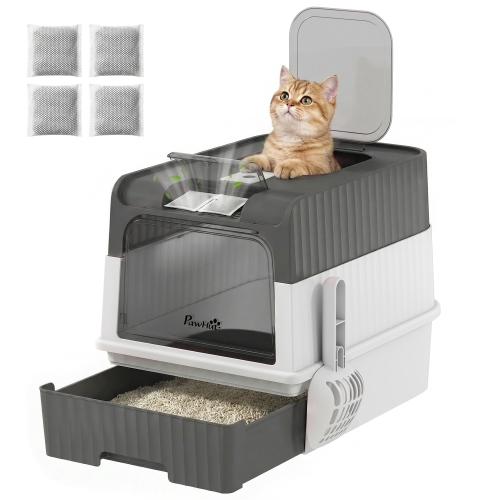
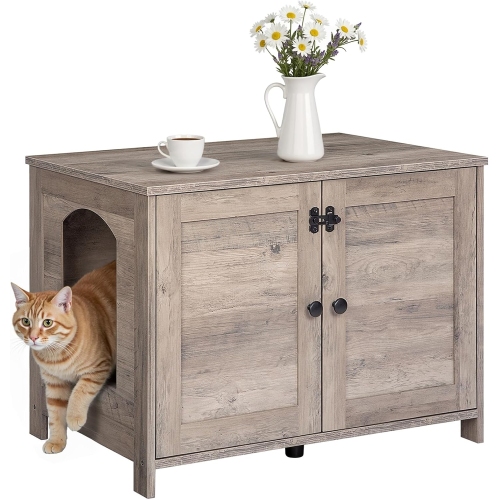
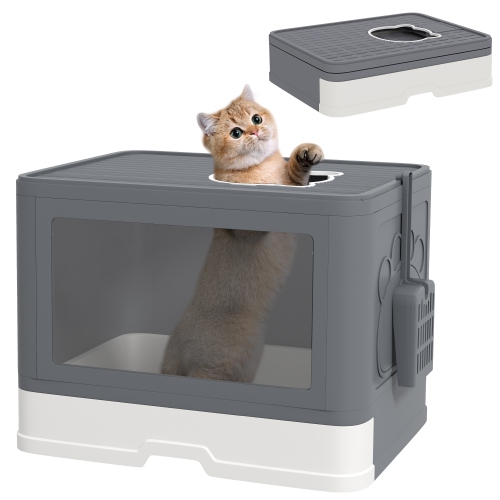
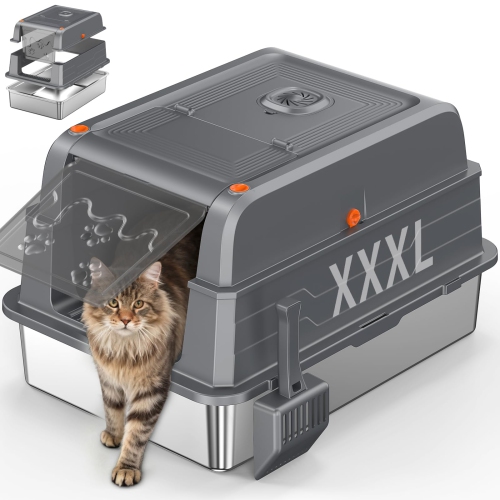
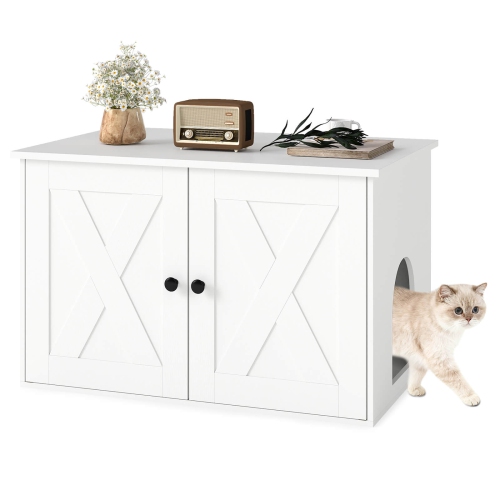
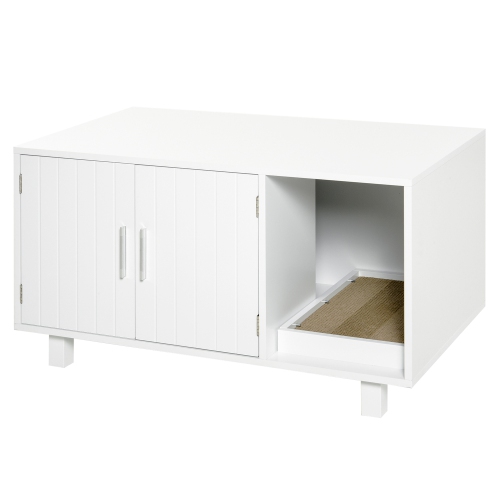
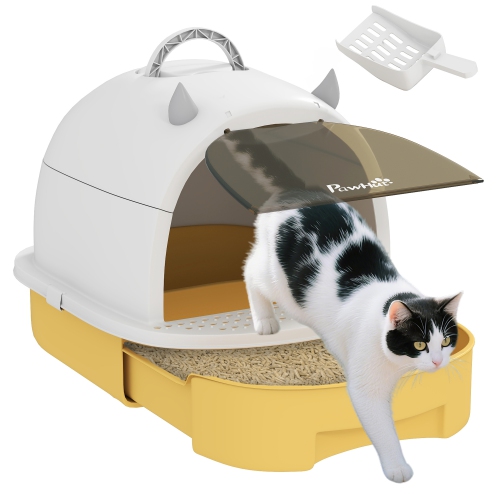
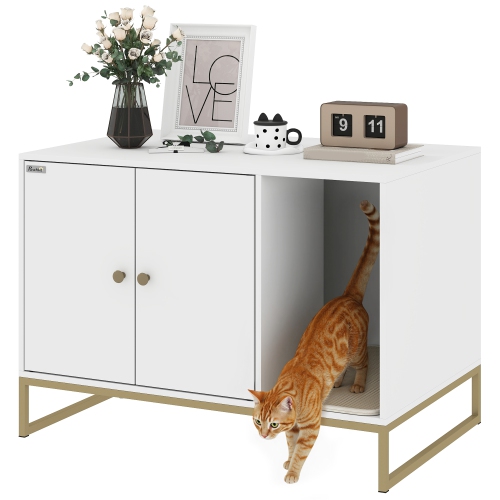
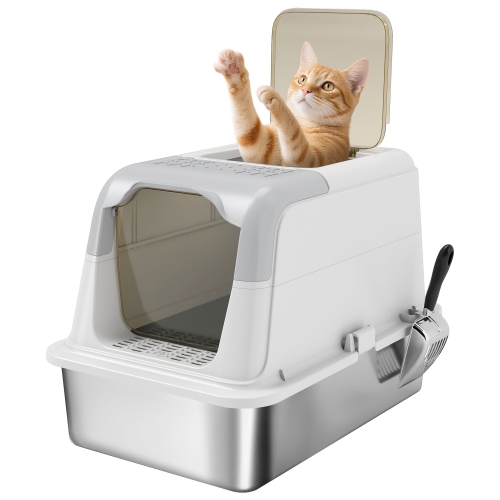
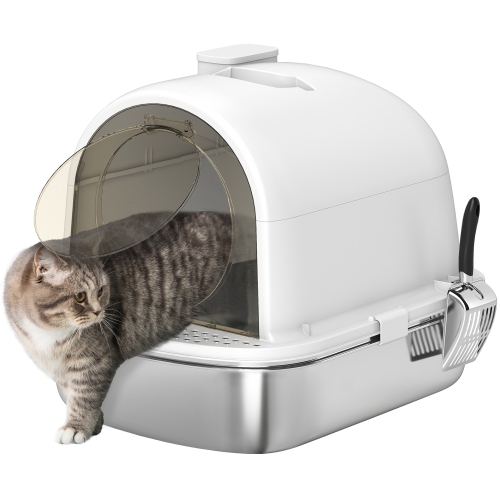
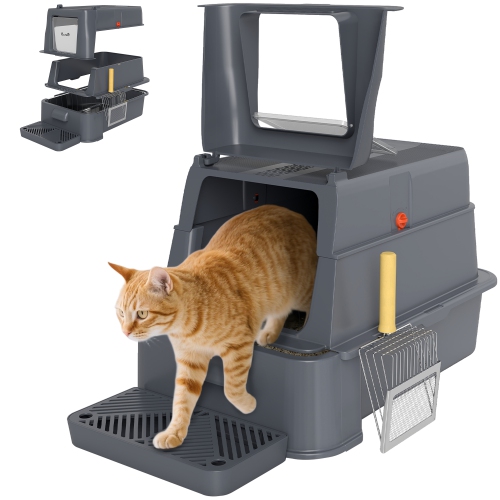
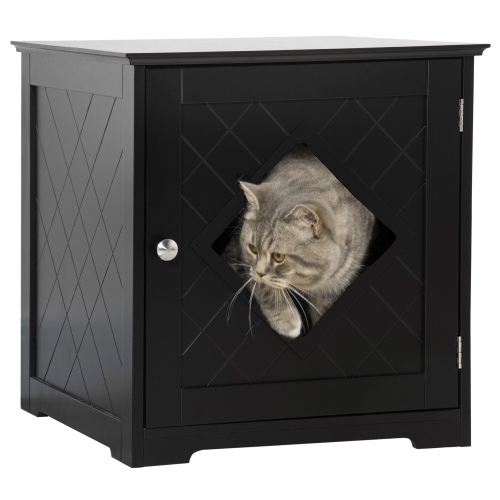
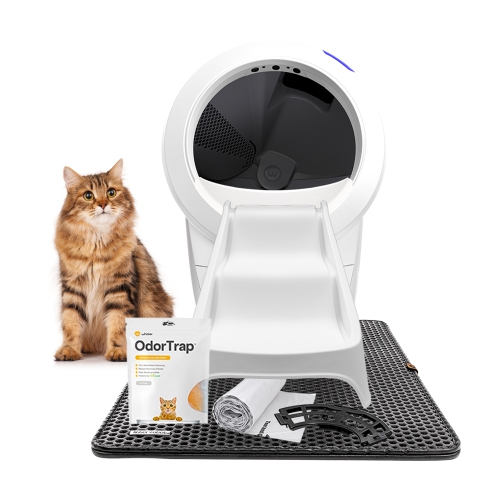
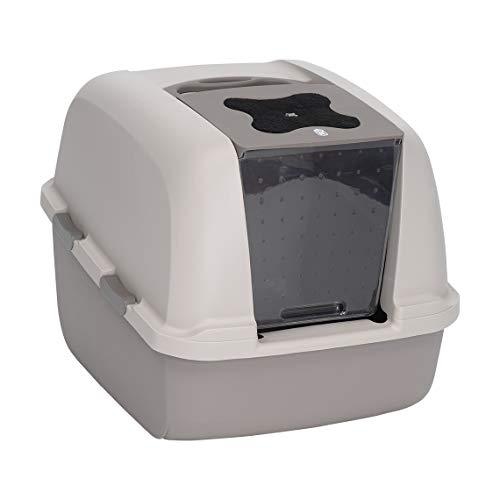
Covered litter boxes are designed to give cats a more enclosed place to do their business while helping keep litter, odours, and mess contained. Most have a base with a removable hood, and some include a swinging door, entry flap, built-in handle, odour filter compartment, or a high-sided opening that provides extra protection against spray and kicked litter. The covered design can be especially useful in apartments, shared living spaces, and homes where the litter area is near a hallway, laundry room, bathroom, or other visible part of the home. A hood can block waste from view and reduce the amount of litter scattered across nearby floors, while higher walls may help contain urine from cats that prefer to stand or raise their tails. The right style depends on your cat’s habits, size, age, and comfort level. A confident adult cat that likes privacy may appreciate a darker, quieter enclosure, while a kitten, senior cat, or nervous cat may be more comfortable with a wide entrance, a lower threshold, or a hood that can be removed during the adjustment period. Covered boxes can also suit multi-room homes where keeping the litter area tidy is important, although each cat has individual preferences. Some cats readily accept an enclosed space, while others prefer an open pan where they can see their surroundings and leave quickly. Introduce a covered box gradually by placing it in the familiar litter area, leaving the door flap open or removing it at first, and keeping the same litter type your cat already uses. Watch for consistent use, hesitation at the entrance, scratching around the outside, or accidents nearby, as these may indicate that the box feels too small, dark, confined, or difficult to access.
Size is one of the most important considerations when choosing a covered litter box. The enclosure should allow your cat to enter, turn around, squat, dig, and leave without brushing against the sides or roof. Larger cats, long-bodied breeds, and cats that spray or prefer to stand while urinating generally need a roomier base and a higher hood. Whenever possible, choose the largest practical option and compare the interior dimensions rather than relying only on the exterior footprint. The entrance height matters as well: a tall opening can help contain litter and spray, but a high step may be uncomfortable for older cats or cats with limited mobility. A front door can help keep litter in place, yet some cats dislike flaps that move against their backs or make a noise as they pass through. Removable hoods are useful for cleaning and allow you to adapt the setup as your cat becomes familiar with it. Smooth plastic surfaces are generally easier to wipe, while seams, clips, and textured corners can collect litter and residue if they are difficult to reach. Think about placement before bringing a box home. Set it somewhere quiet and well ventilated, away from food and water dishes, with enough clearance to lift the hood and remove the tray or scoop comfortably. In a busy household, a discreet enclosure can help a cat feel less exposed, but it should never be placed in a cramped corner where the cat can be startled or blocked from leaving. Homes with more than one cat may need multiple boxes in separate locations, since one covered box may not meet the needs of every cat or prevent guarding behaviour. For cats that need more room to turn and move, explore Large Enclosed Cat Litter Boxes to compare spacious enclosed options.
A covered litter box can help manage everyday mess, but the hood does not replace regular cleaning. Enclosed spaces can hold odours close to the cat, particularly when waste remains inside for too long, so scoop at least once a day and more often in busy multi-cat homes. Removing clumps and solid waste promptly helps keep the interior more comfortable and makes it easier to notice changes in your cat’s urine or stool. Empty and wash the box according to the material and care instructions, using mild unscented soap and rinsing thoroughly before adding fresh litter. Strong fragrances, harsh cleaners, and heavily scented litter may discourage use, especially for cats with sensitive noses. Keep the litter depth consistent with your cat’s digging habits, and replace litter gradually if you are changing types. A litter mat outside the entrance can catch stray granules from paws, while placing the box on a washable surface can make high-traffic areas easier to maintain. Covered boxes can be a practical addition for new cat parents, families settling into a home, or anyone preparing a comfortable pet-care area as the weather warms and indoor routines shift during the cooler months. They may also be a thoughtful gift for a friend adopting a cat, provided the recipient can choose the size and style that suits their pet. The most successful setup balances privacy with easy access, odour control with generous ventilation, and a neat appearance with your cat’s natural behaviour. Give your cat time to adjust, keep the area clean, and check regularly that the enclosure remains comfortable, stable, and large enough for everyday use.
Size is one of the most important considerations when choosing a covered litter box. The enclosure should allow your cat to enter, turn around, squat, dig, and leave without brushing against the sides or roof. Larger cats, long-bodied breeds, and cats that spray or prefer to stand while urinating generally need a roomier base and a higher hood. Whenever possible, choose the largest practical option and compare the interior dimensions rather than relying only on the exterior footprint. The entrance height matters as well: a tall opening can help contain litter and spray, but a high step may be uncomfortable for older cats or cats with limited mobility. A front door can help keep litter in place, yet some cats dislike flaps that move against their backs or make a noise as they pass through. Removable hoods are useful for cleaning and allow you to adapt the setup as your cat becomes familiar with it. Smooth plastic surfaces are generally easier to wipe, while seams, clips, and textured corners can collect litter and residue if they are difficult to reach. Think about placement before bringing a box home. Set it somewhere quiet and well ventilated, away from food and water dishes, with enough clearance to lift the hood and remove the tray or scoop comfortably. In a busy household, a discreet enclosure can help a cat feel less exposed, but it should never be placed in a cramped corner where the cat can be startled or blocked from leaving. Homes with more than one cat may need multiple boxes in separate locations, since one covered box may not meet the needs of every cat or prevent guarding behaviour. For cats that need more room to turn and move, explore Large Enclosed Cat Litter Boxes to compare spacious enclosed options.
A covered litter box can help manage everyday mess, but the hood does not replace regular cleaning. Enclosed spaces can hold odours close to the cat, particularly when waste remains inside for too long, so scoop at least once a day and more often in busy multi-cat homes. Removing clumps and solid waste promptly helps keep the interior more comfortable and makes it easier to notice changes in your cat’s urine or stool. Empty and wash the box according to the material and care instructions, using mild unscented soap and rinsing thoroughly before adding fresh litter. Strong fragrances, harsh cleaners, and heavily scented litter may discourage use, especially for cats with sensitive noses. Keep the litter depth consistent with your cat’s digging habits, and replace litter gradually if you are changing types. A litter mat outside the entrance can catch stray granules from paws, while placing the box on a washable surface can make high-traffic areas easier to maintain. Covered boxes can be a practical addition for new cat parents, families settling into a home, or anyone preparing a comfortable pet-care area as the weather warms and indoor routines shift during the cooler months. They may also be a thoughtful gift for a friend adopting a cat, provided the recipient can choose the size and style that suits their pet. The most successful setup balances privacy with easy access, odour control with generous ventilation, and a neat appearance with your cat’s natural behaviour. Give your cat time to adjust, keep the area clean, and check regularly that the enclosure remains comfortable, stable, and large enough for everyday use.
Top selling and popular products
-
 Your price for this item is $999
 -
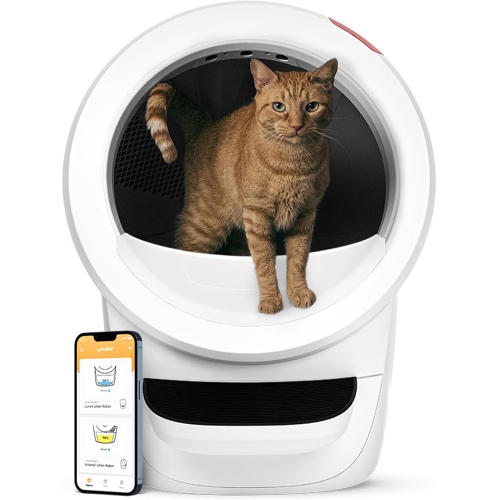 Your price for this item is $999
 -
 Your price for this item is $56.7
 -
 Your price for this item is $449
 -
 Your price for this item is $279.97
 -
 Your price for this item is $300.99
 -
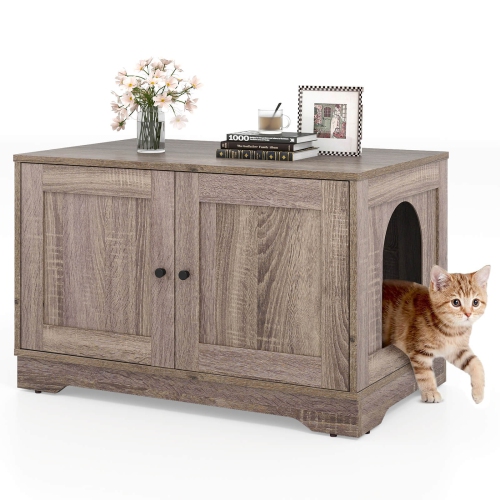 Your price for this item is $99.99
 -
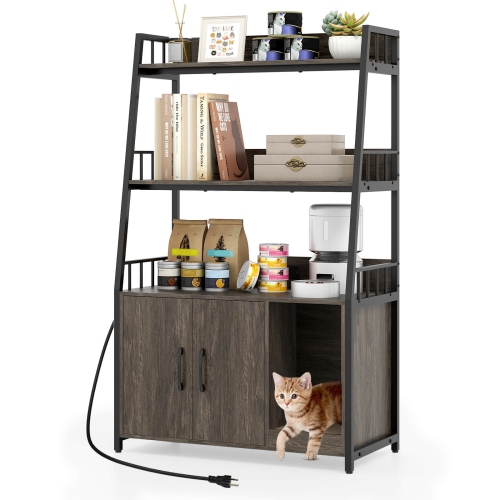 Your price for this item is $173.99
Discover more categories related to Covered Litter Boxes
Top Collections:
Pokemon Centers, Kindle Devices, Best Budget Office Chairs, Apple iPhones 16, Best Laptops for Writers, iPhone 15 Apple, Canon G7X Cameras, Refurbished Apple Laptops, Alarm Clock, Motorola Razr Phones
Some products may be subject to Environmental Handling Fees
(EHF) depending on your province.
Learn more about EHFs.