Decorative Outdoor Dividers
Enhance your outdoor space with our stylish and functional decorative outdoor dividers. Whether you're looking to create a cozy nook on your patio, section off different areas of your garden, or add a touch of privacy to your balcony, these versatile dividers are the perfect solution. With a variety of designs and materials to choose from, you can easily customize your outdoor oasis while adding a decorative element to your decor. Explore our selection of outdoor dividers to find the perfect match for your space and elevate your outdoor living experience today.
Sort
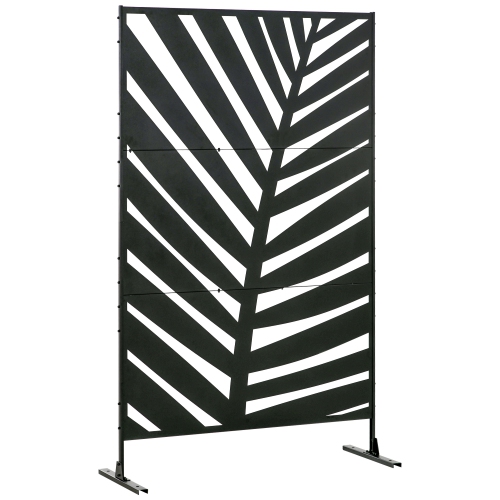
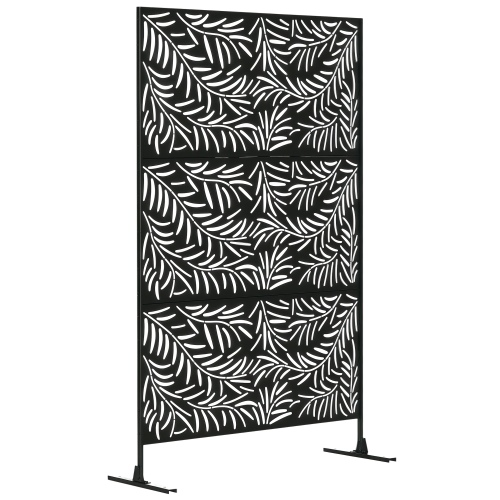
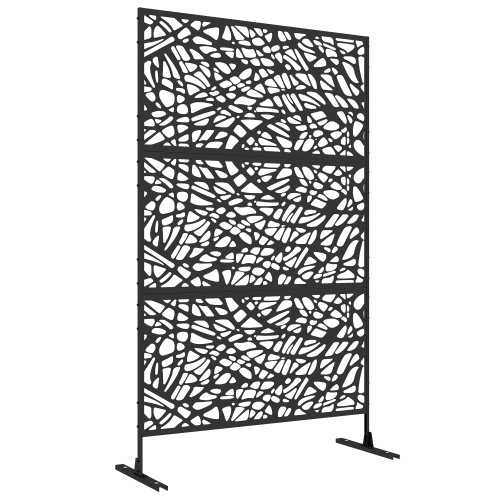
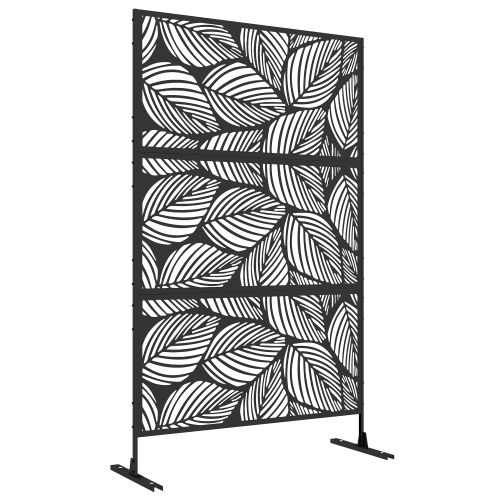
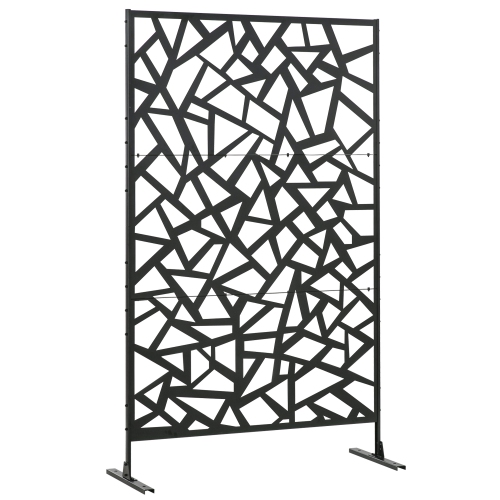
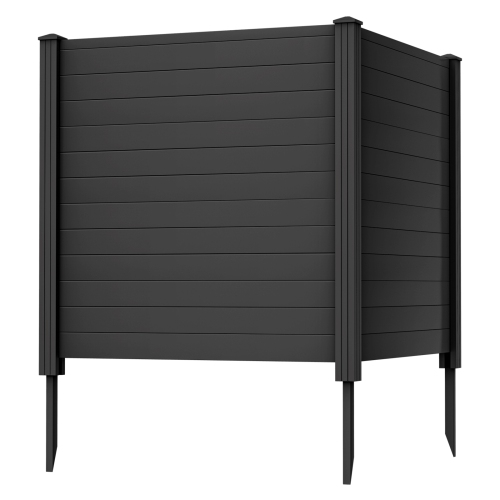
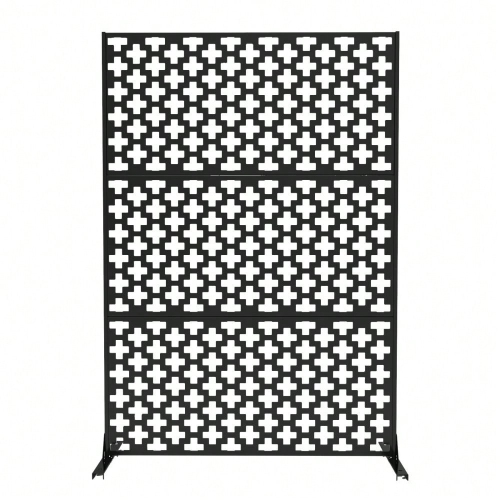
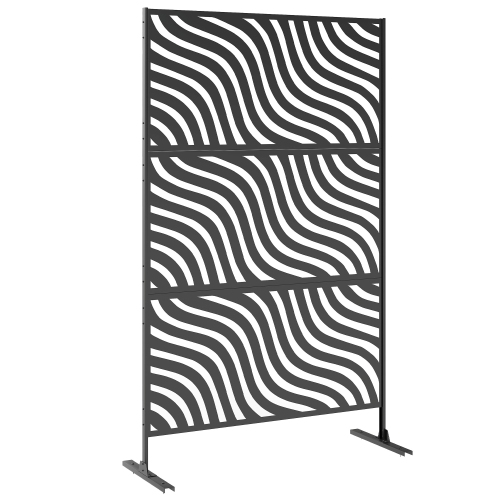
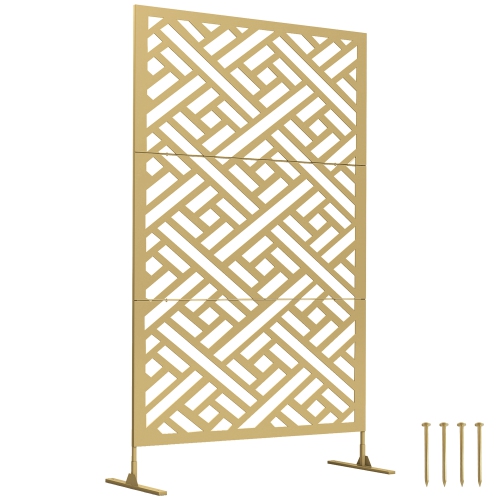
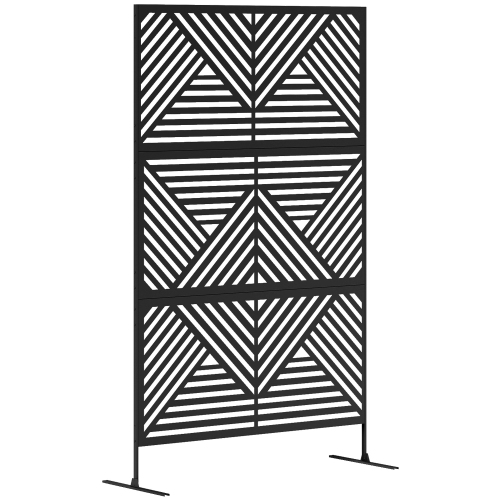
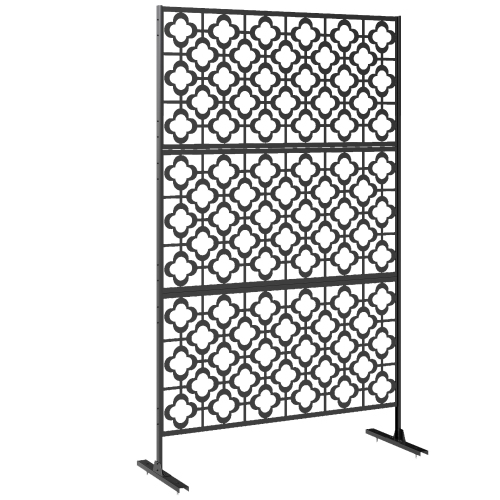
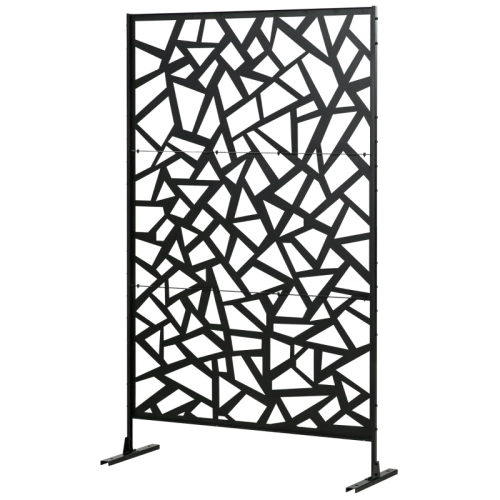
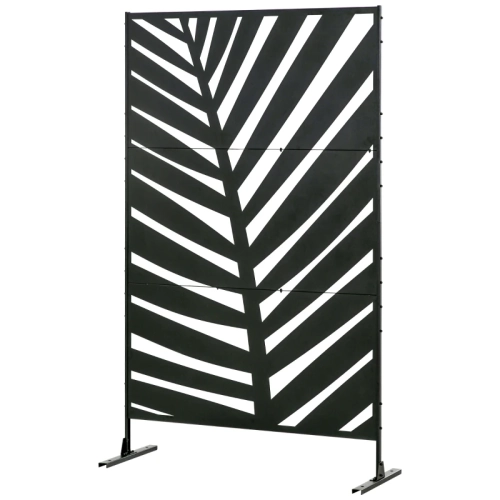
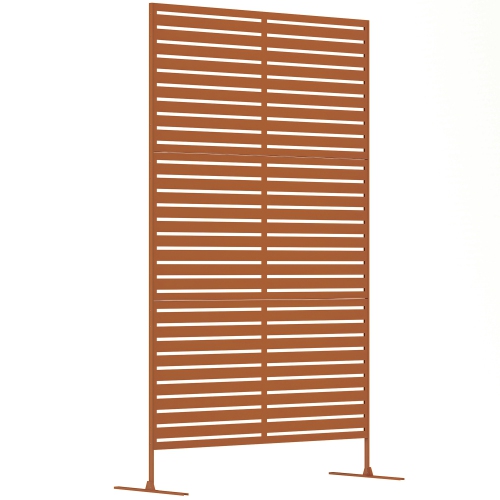
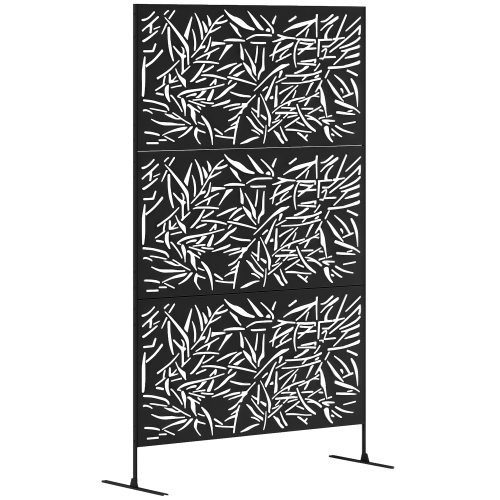
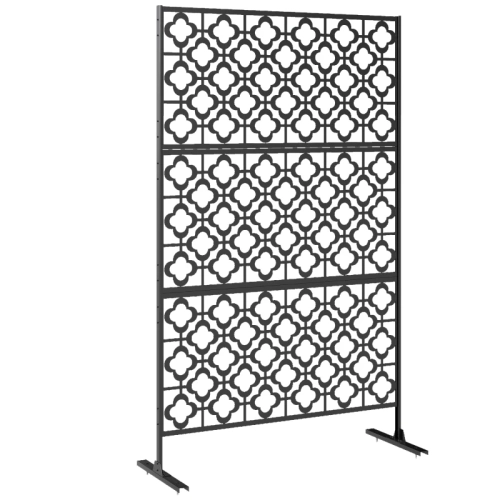
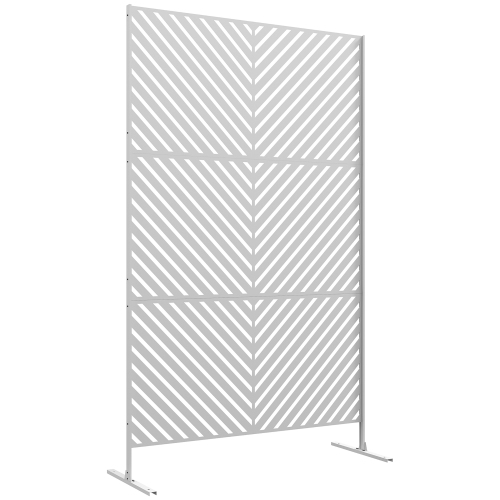
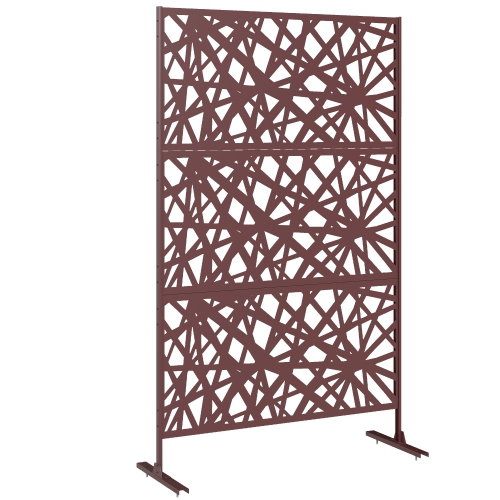
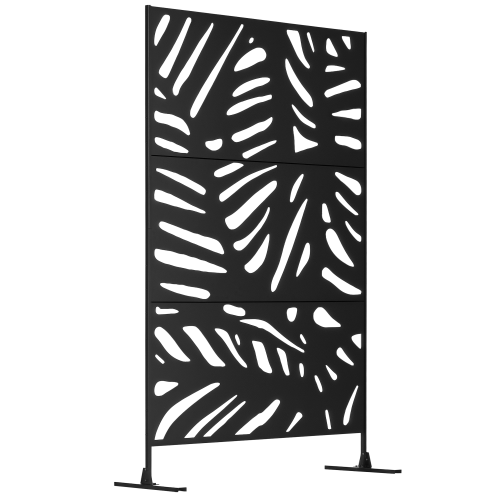
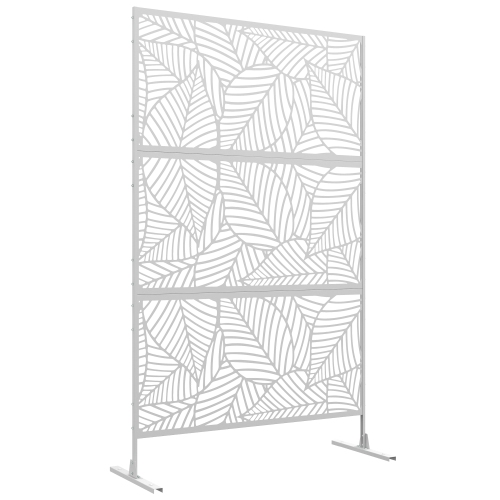
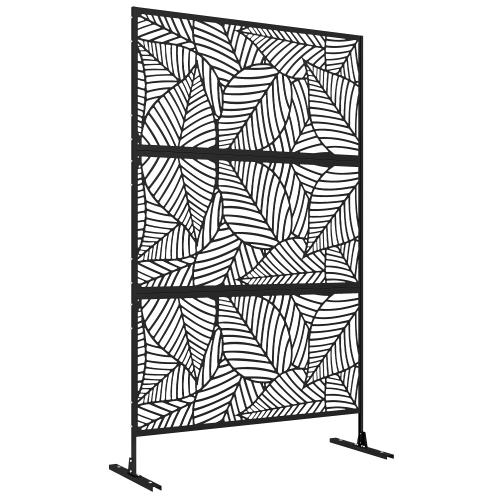
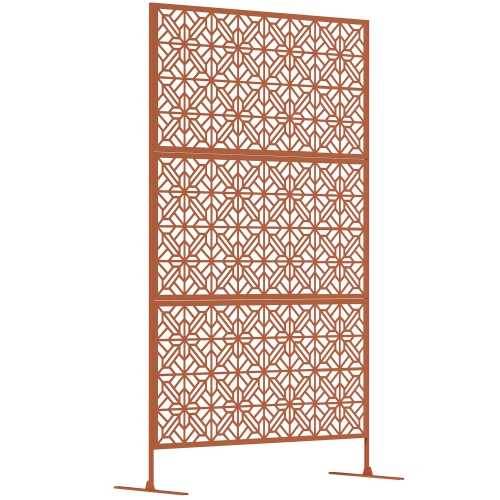
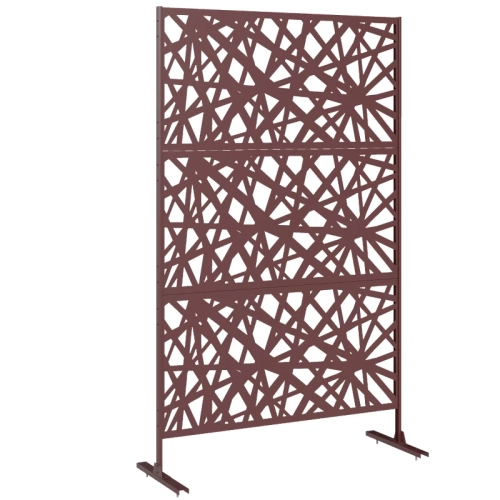
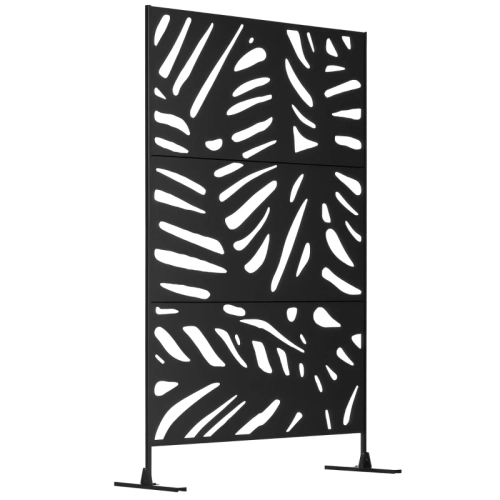
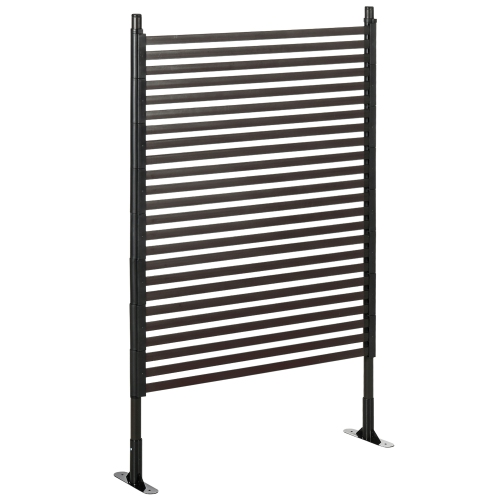
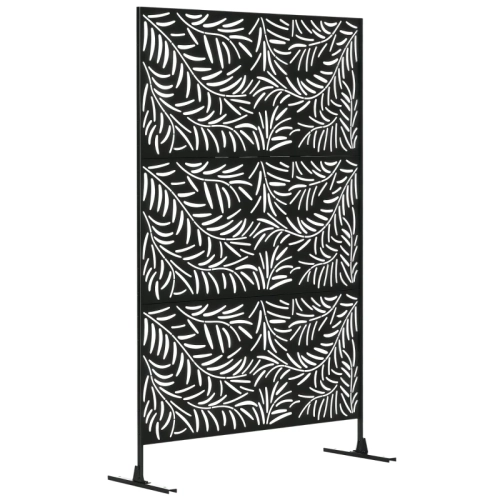
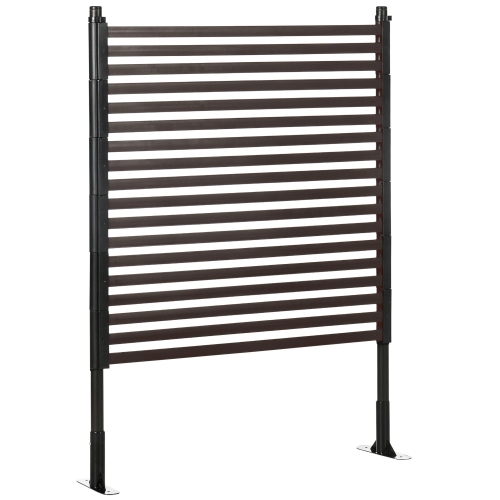

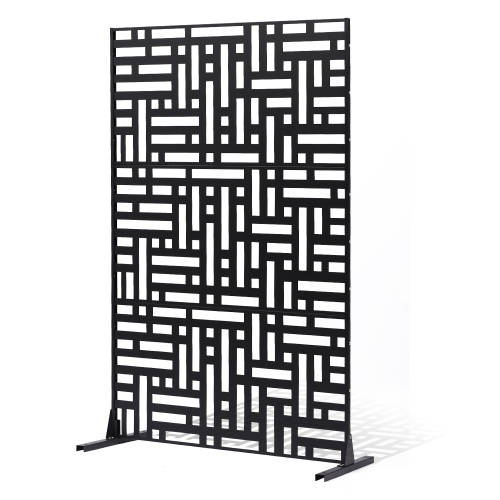
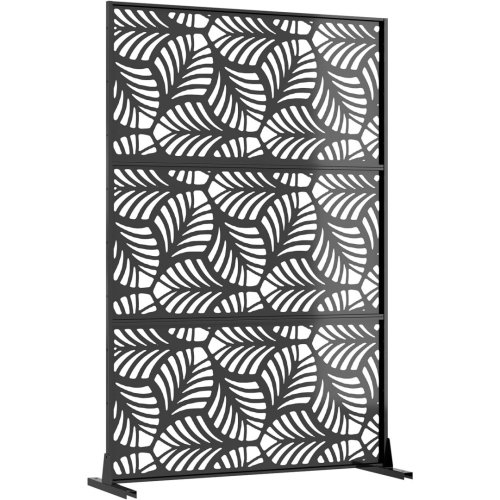
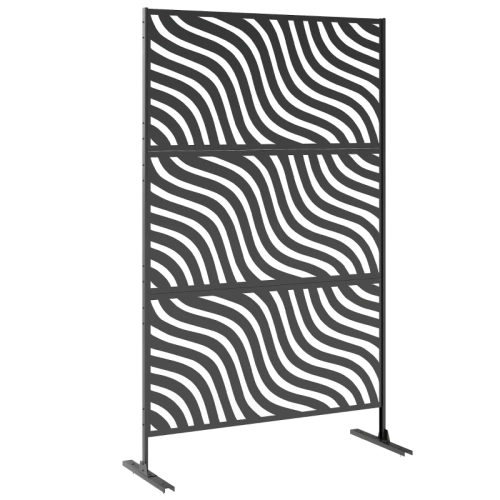
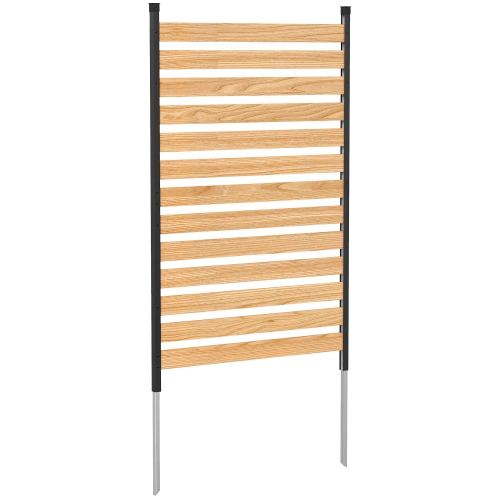
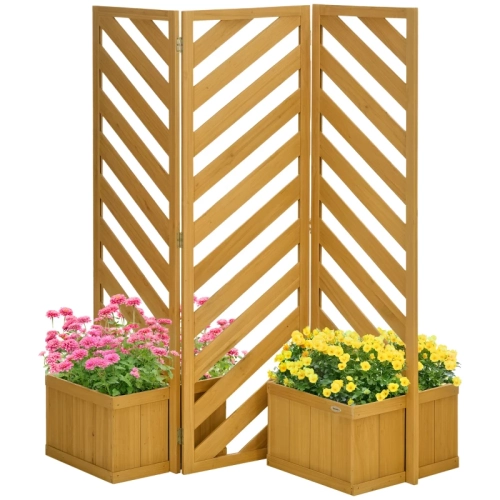
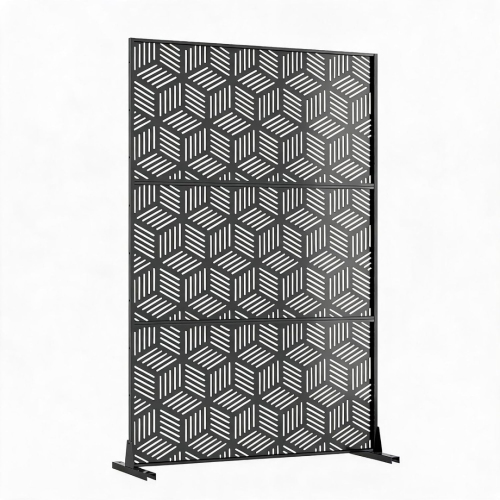
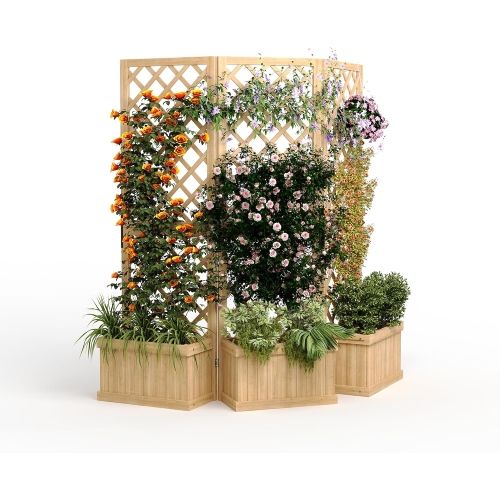
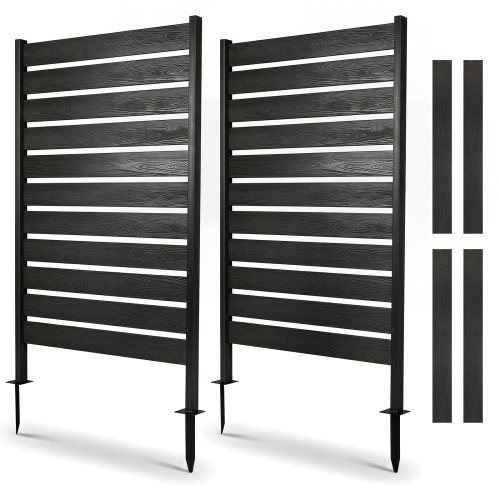
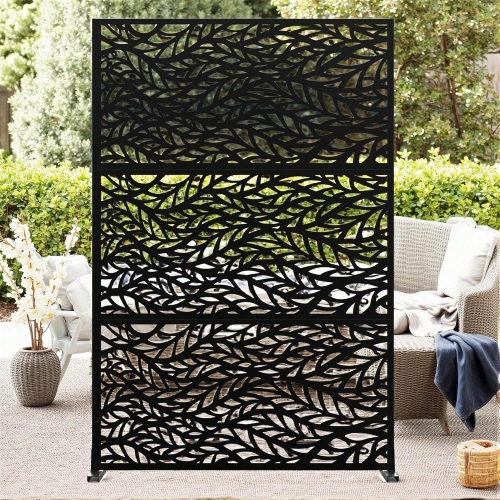
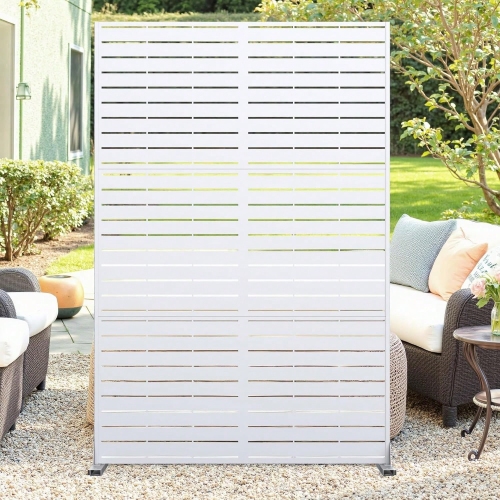
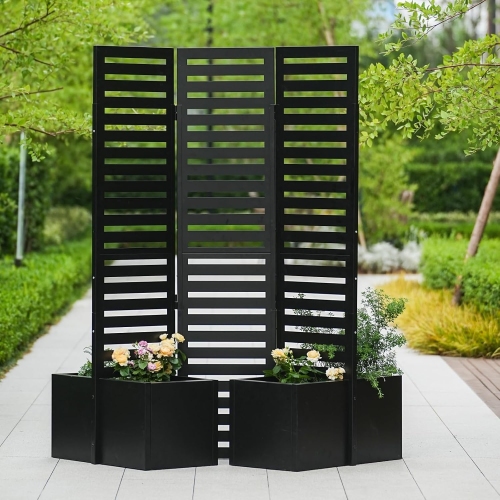
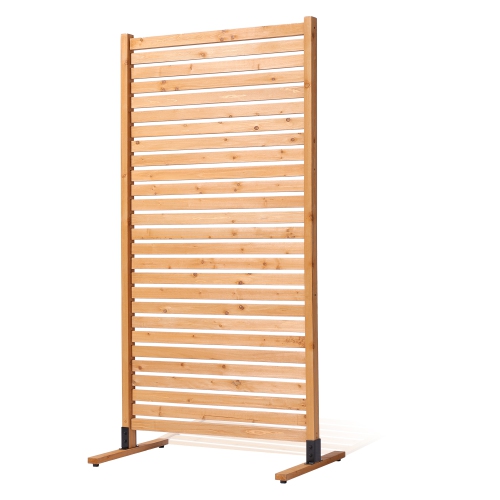
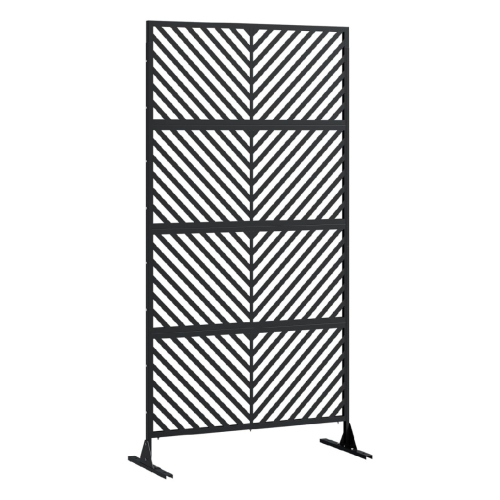

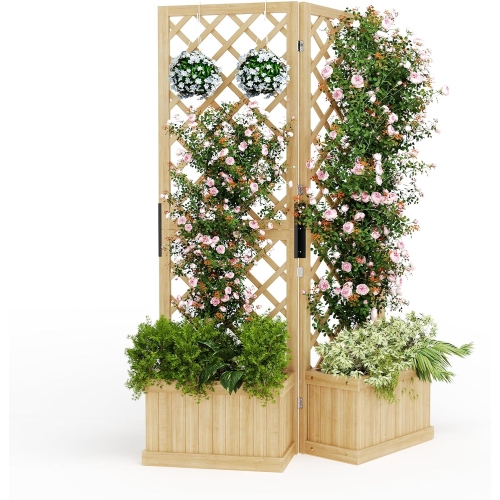
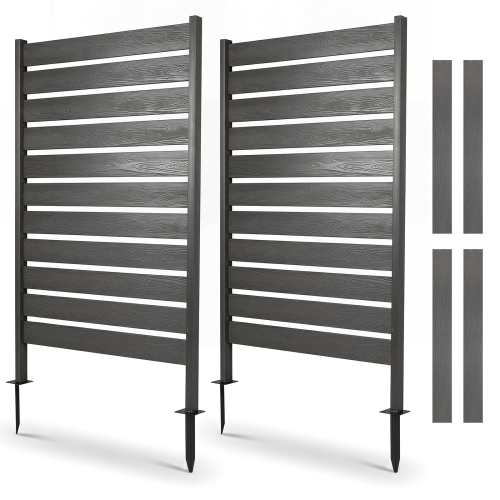
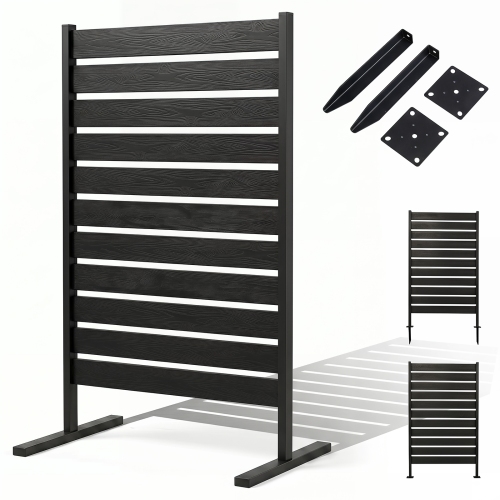
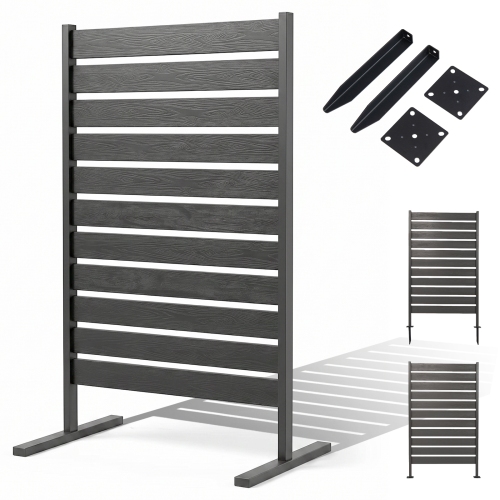
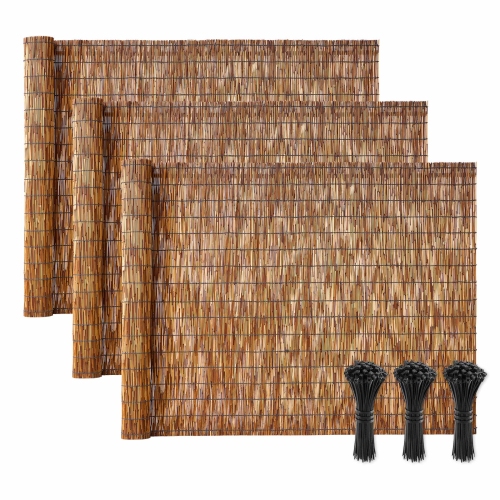

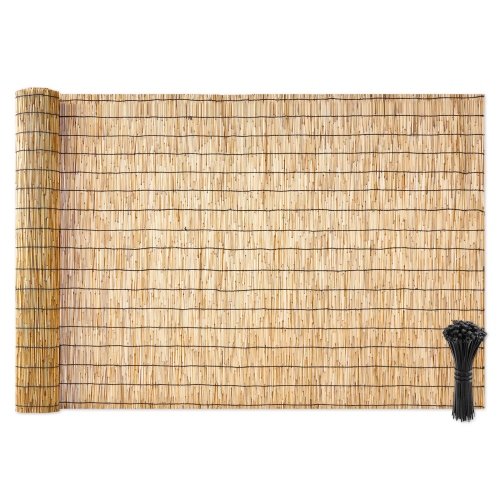
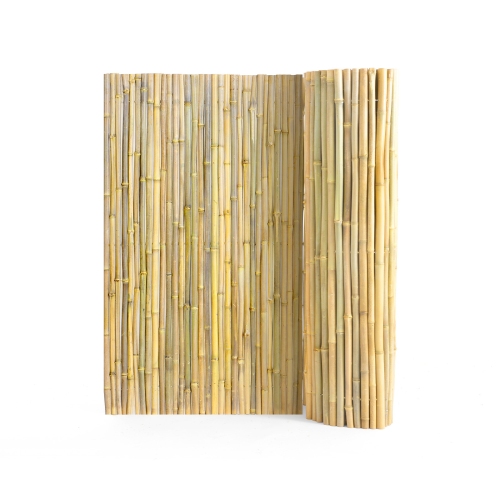
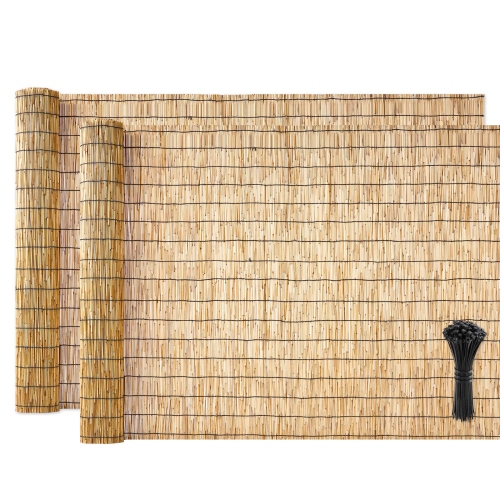
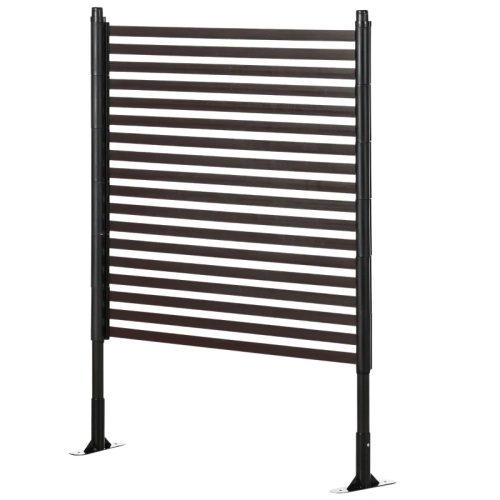

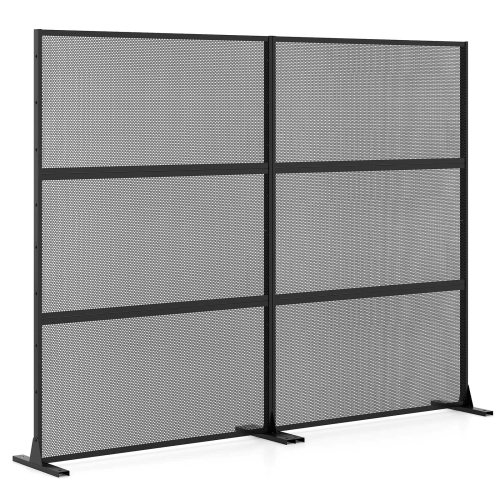
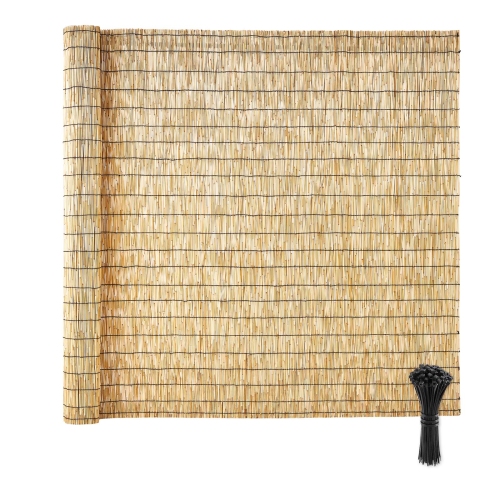
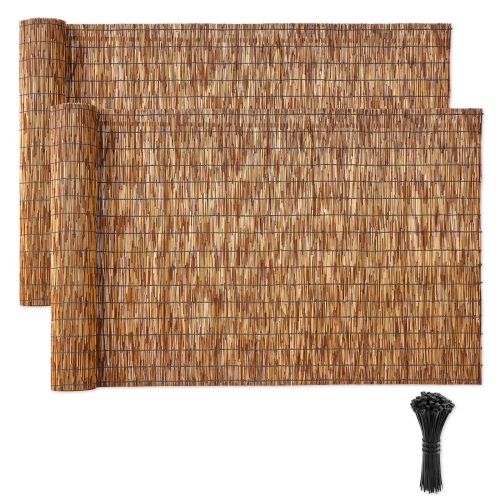
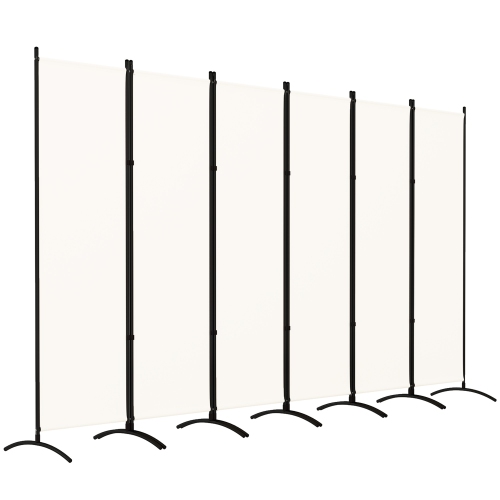
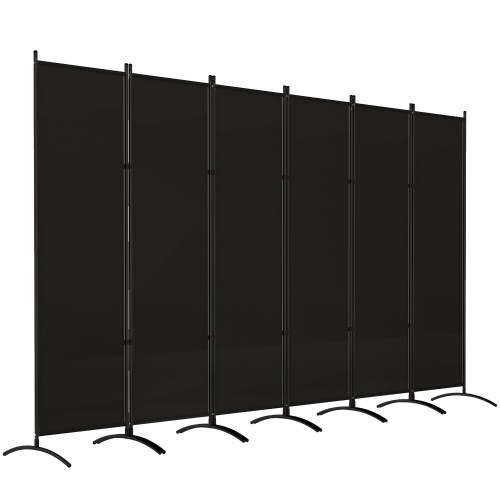
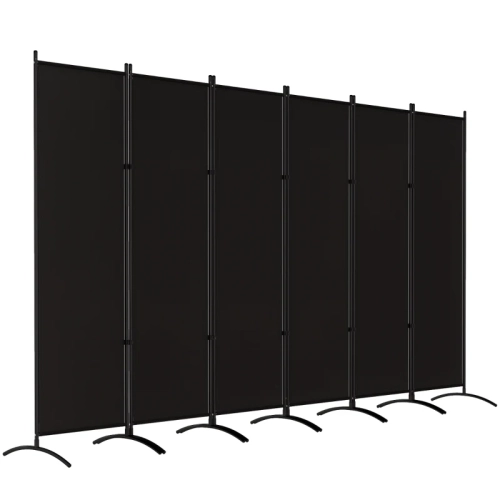
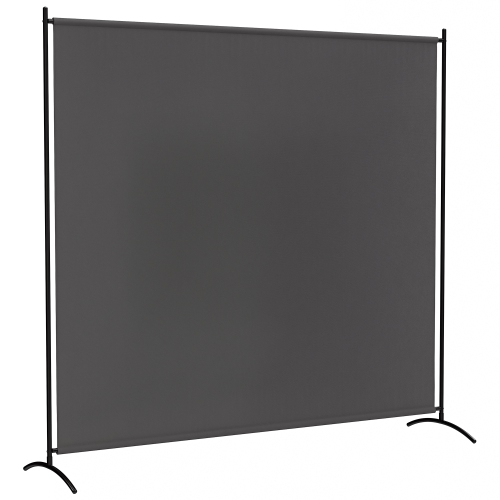


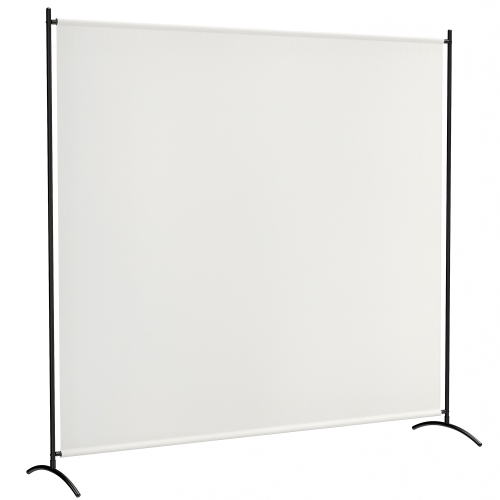
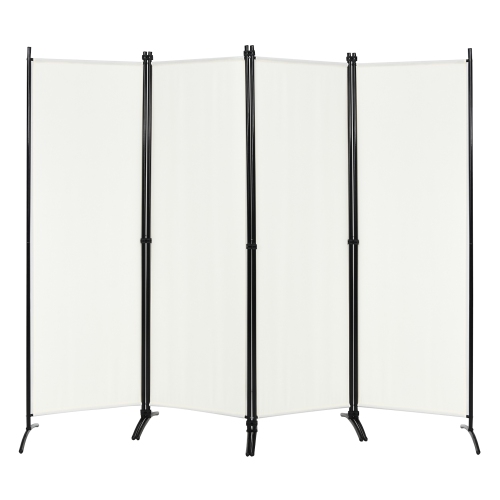
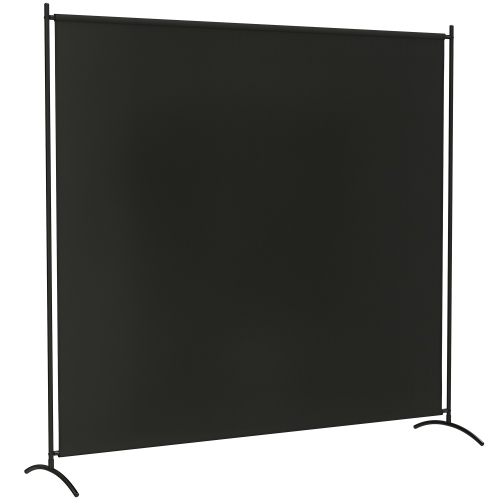
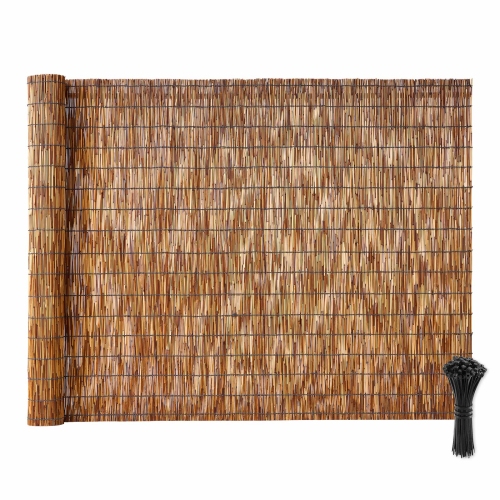
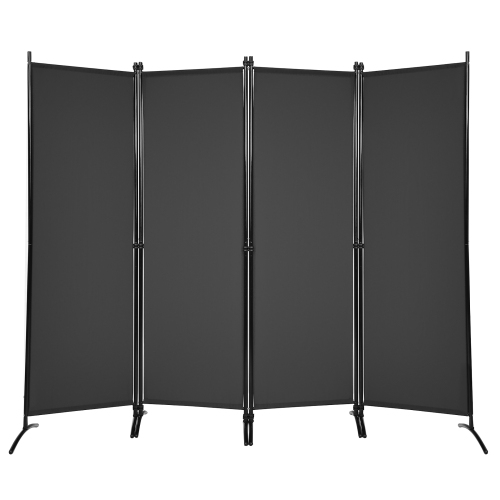
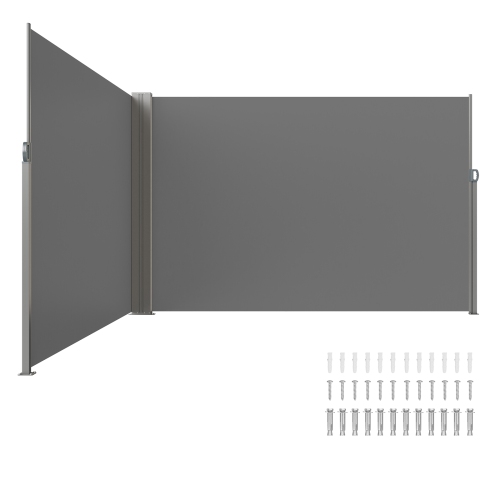
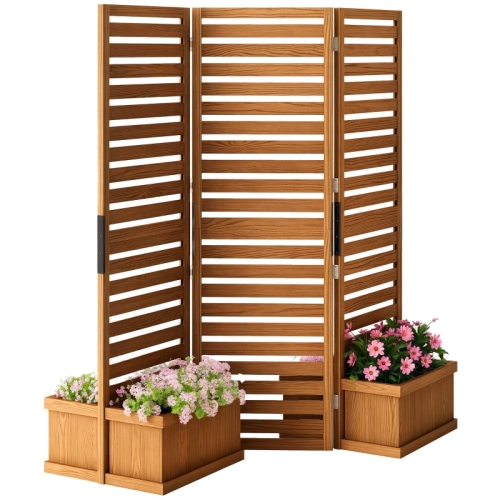

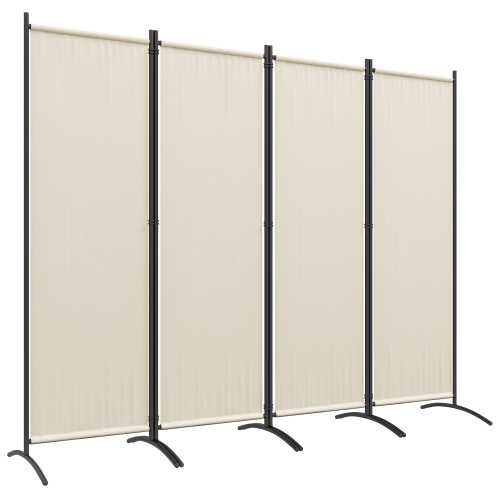
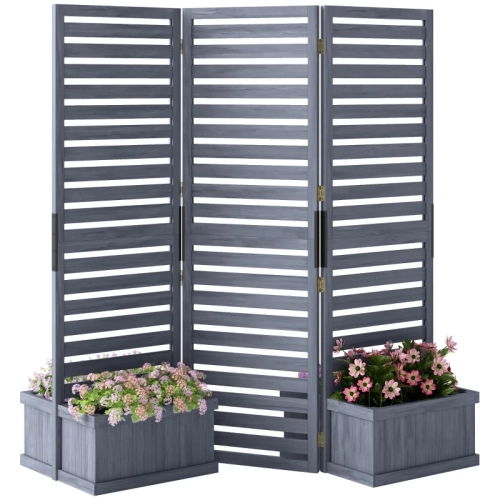
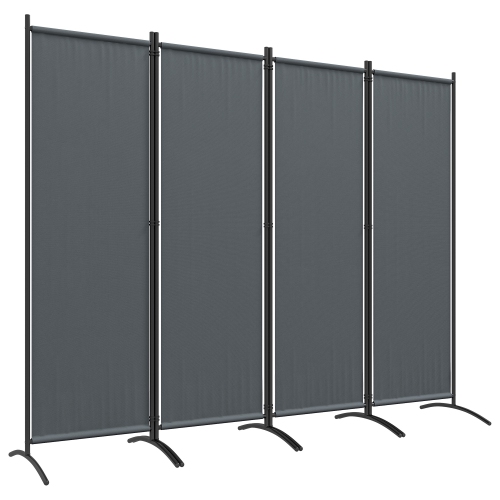
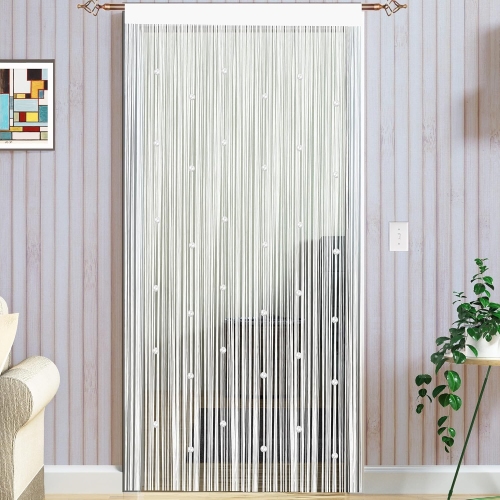
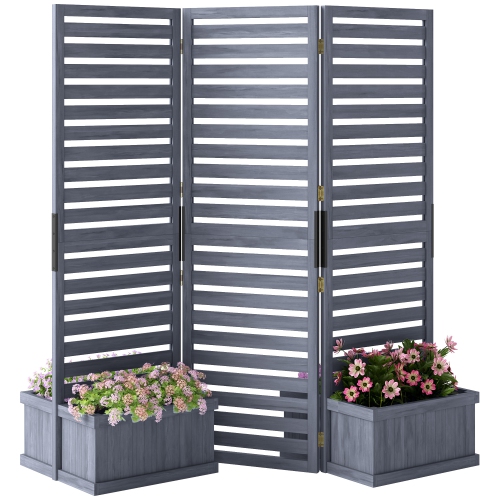
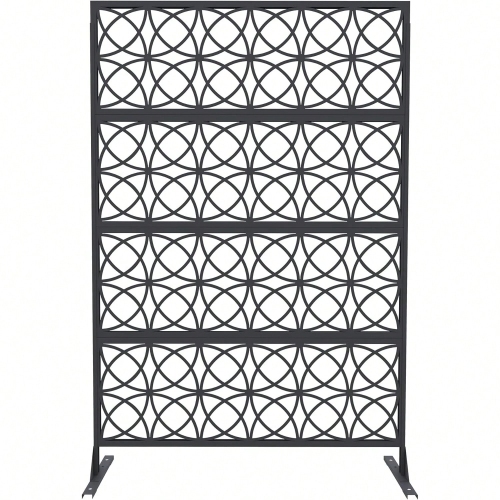
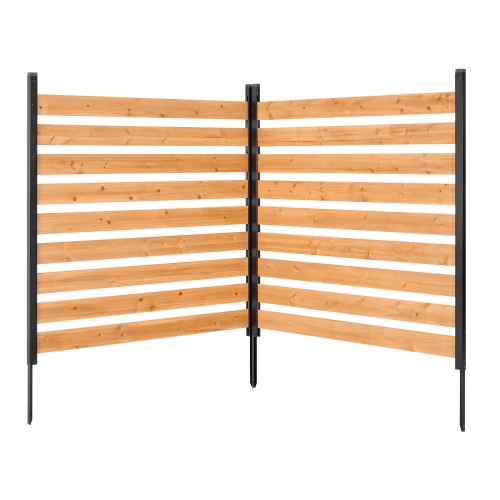
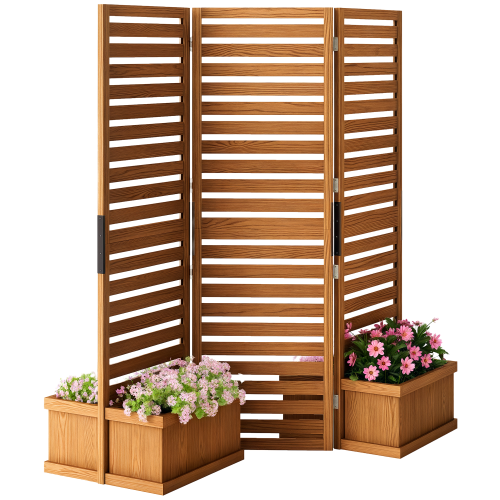
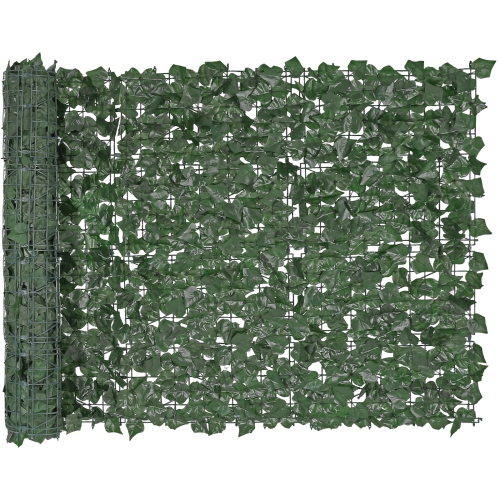
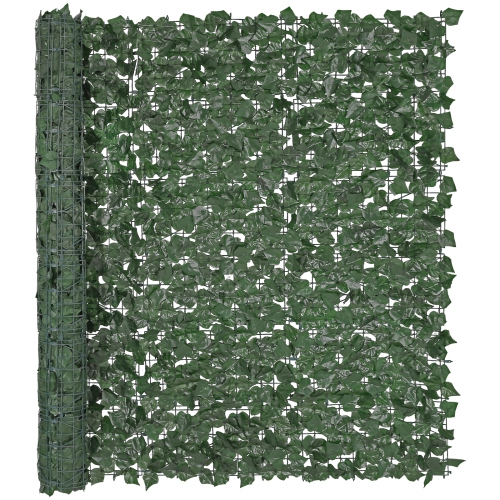
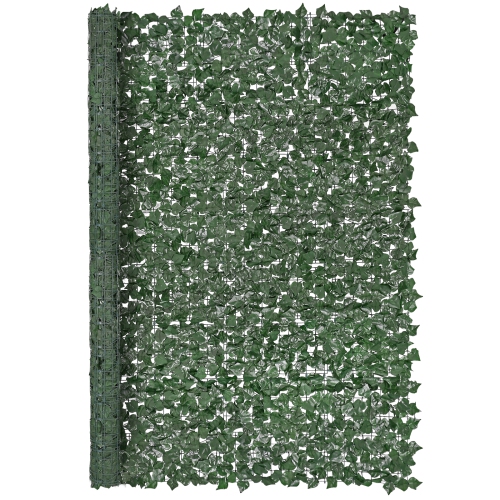
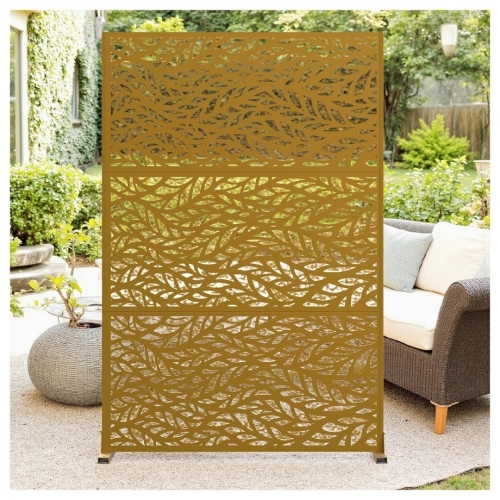
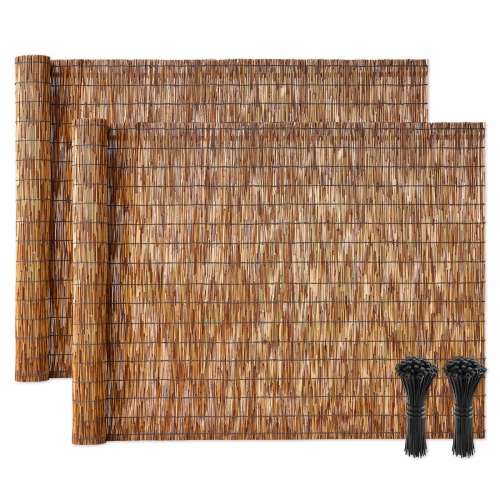
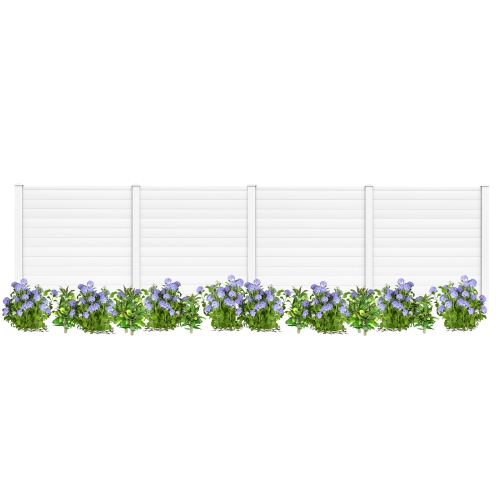

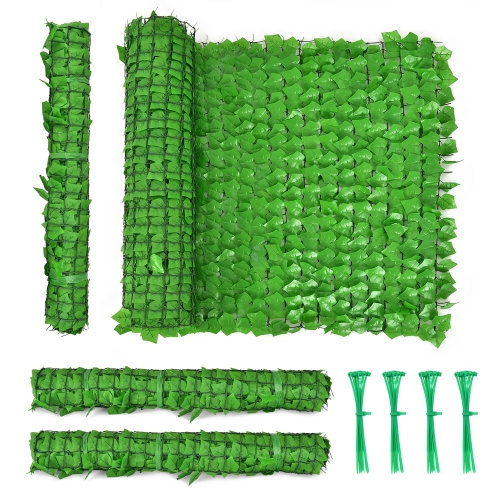
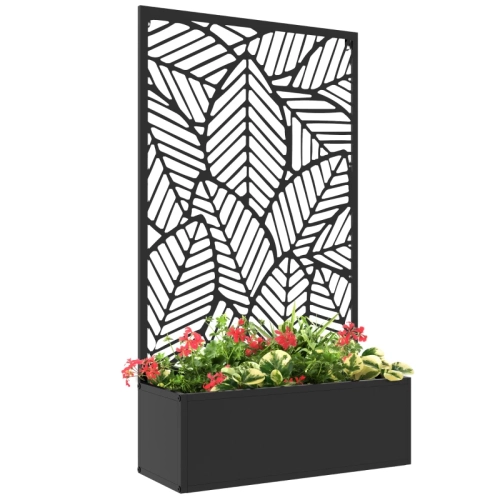
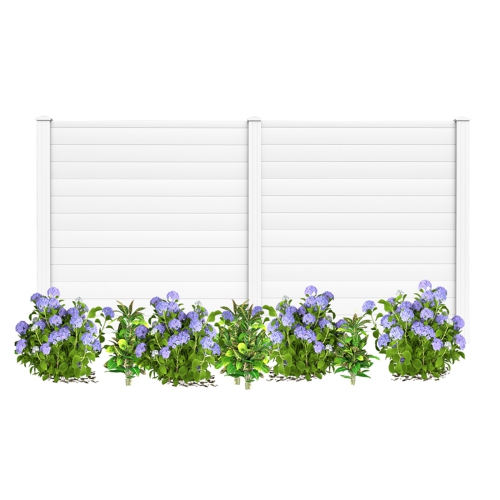
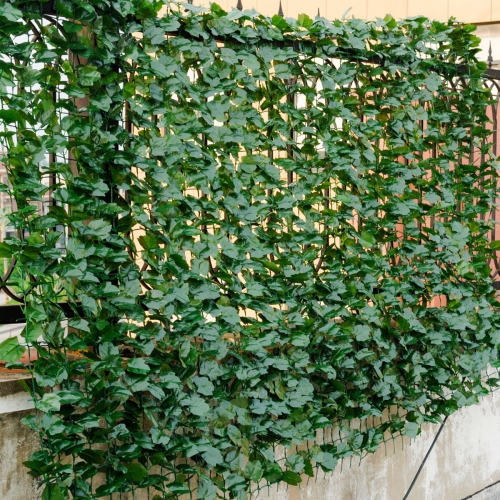
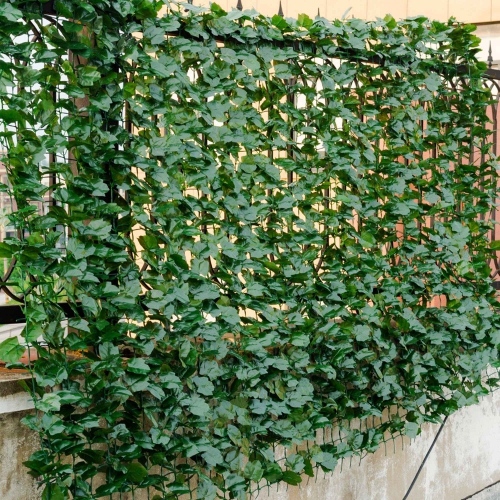
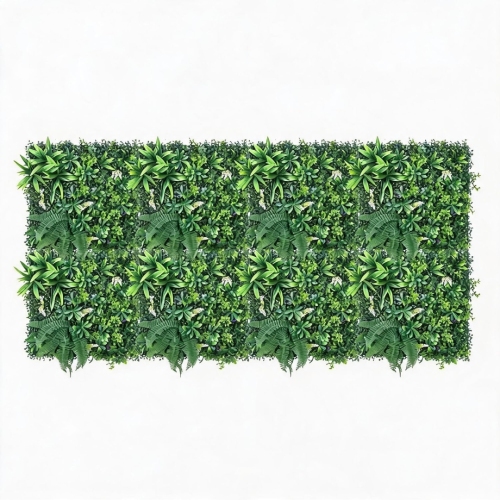
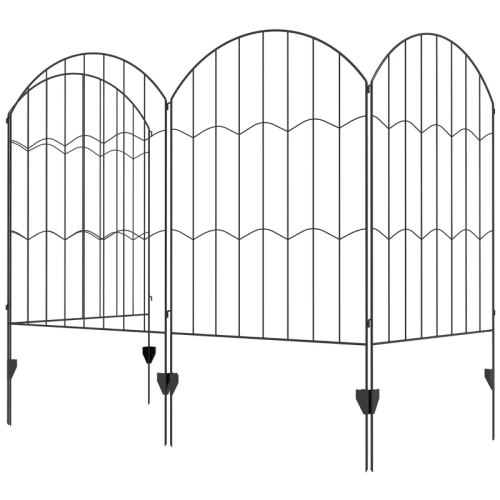
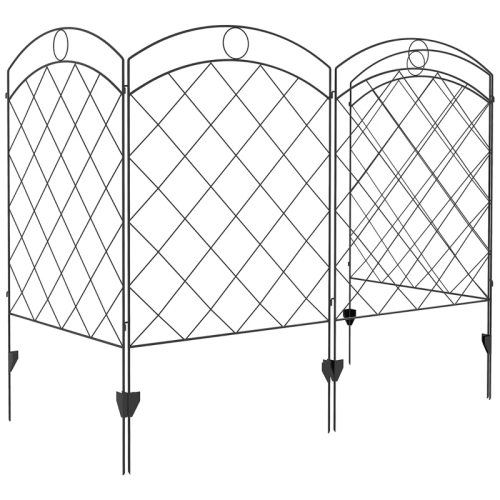
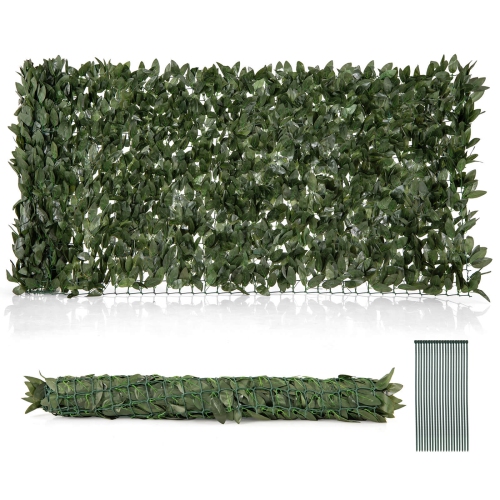
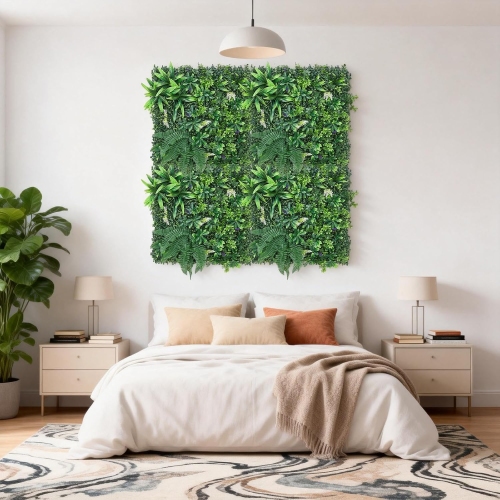
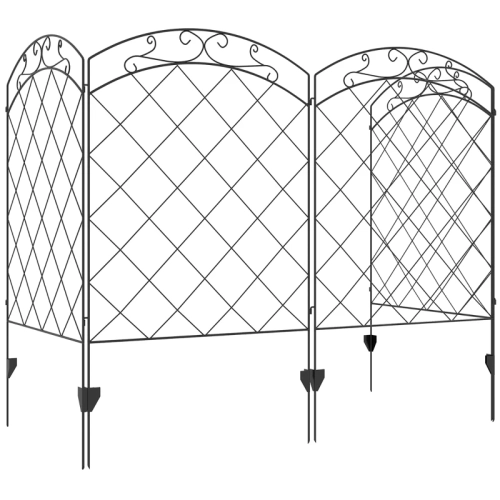
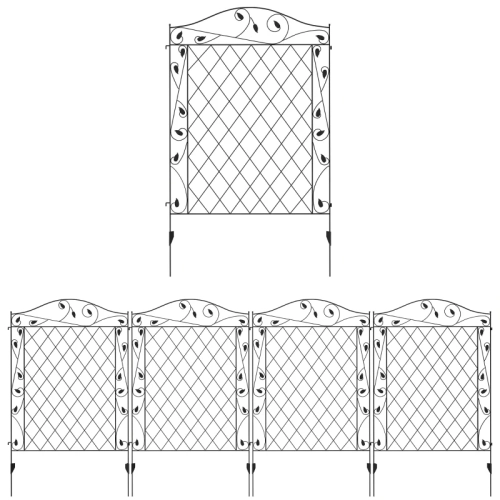
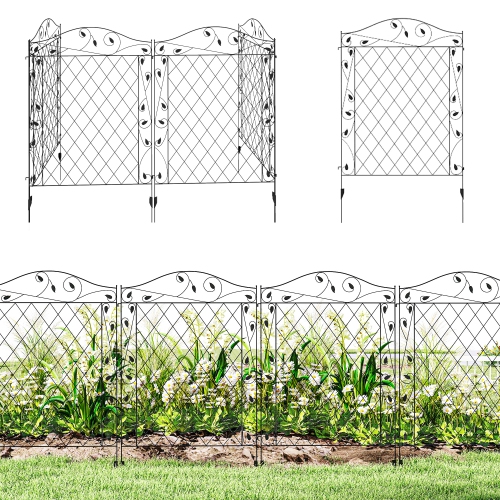
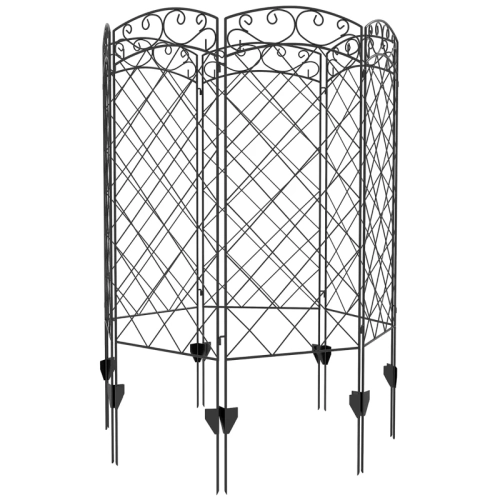
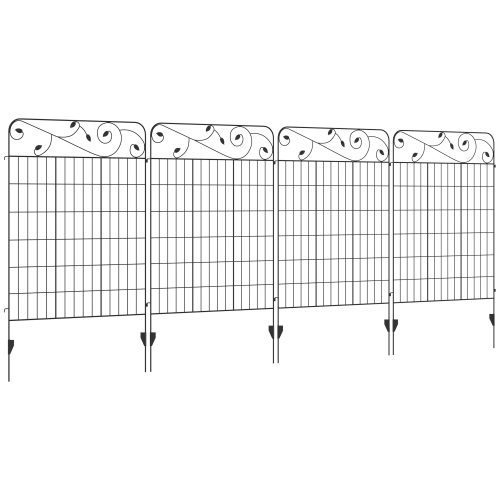
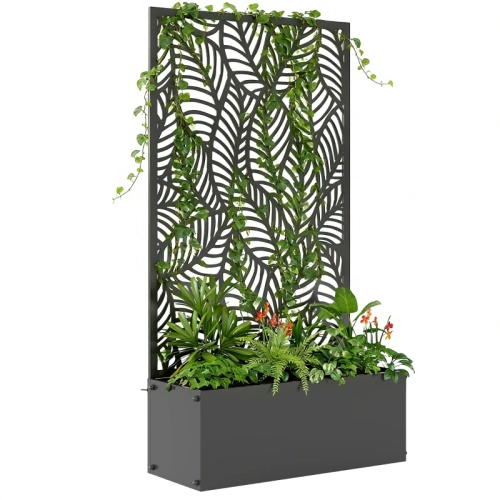

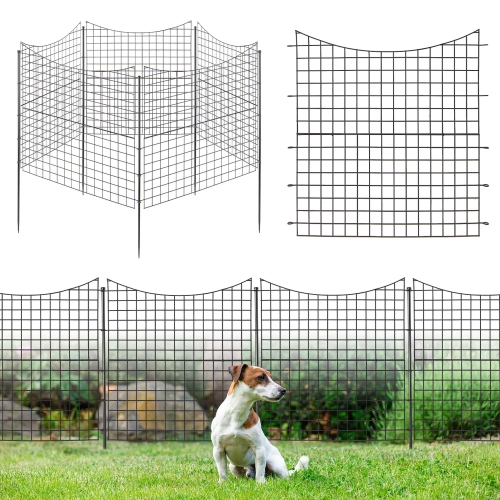

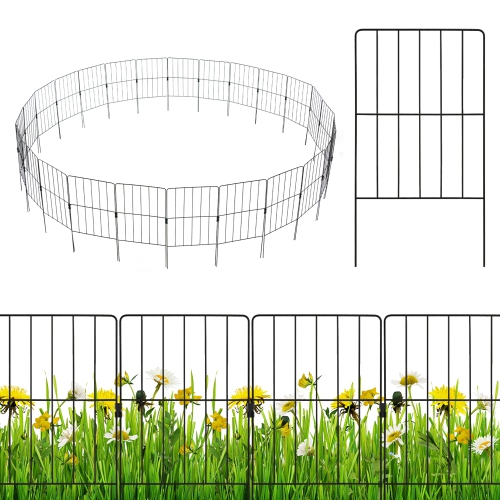
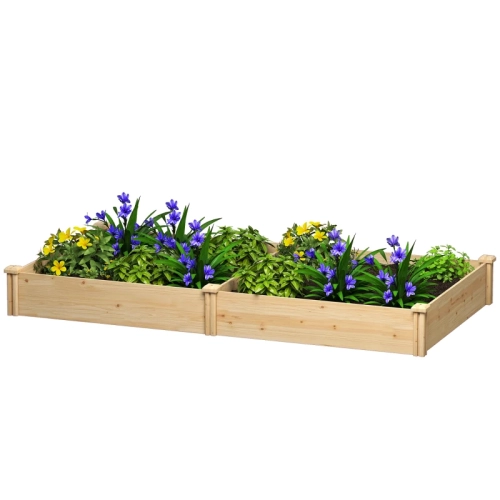
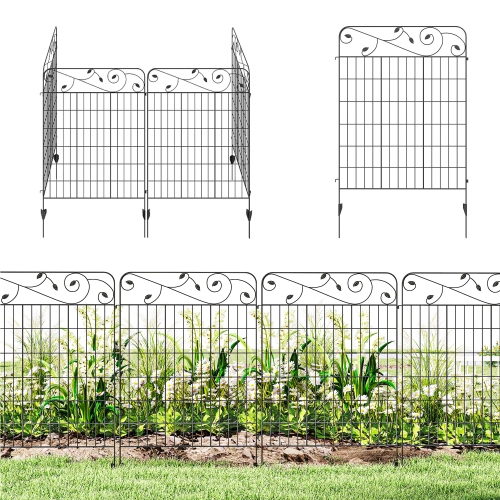
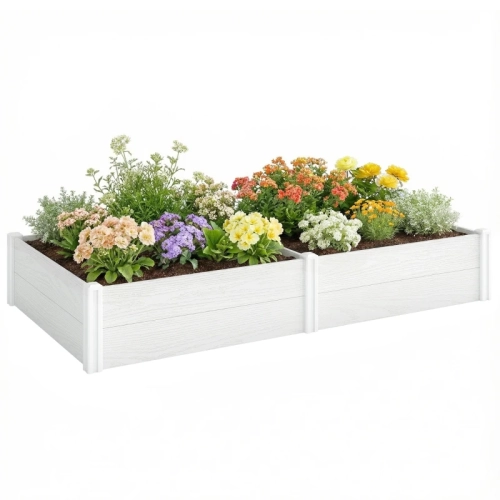
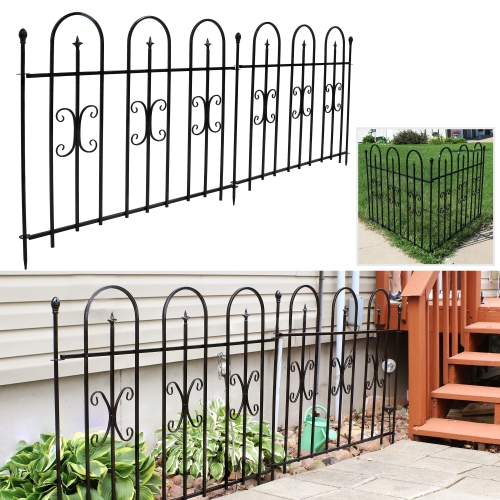
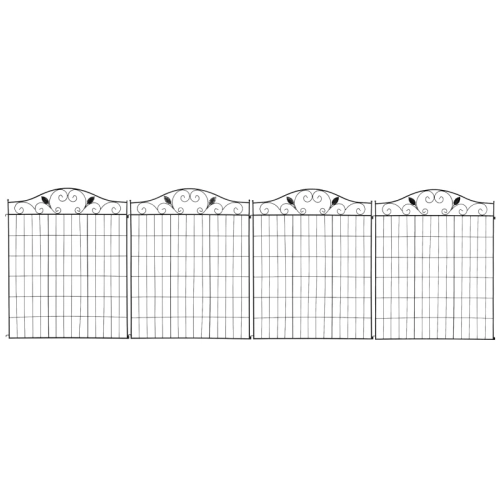

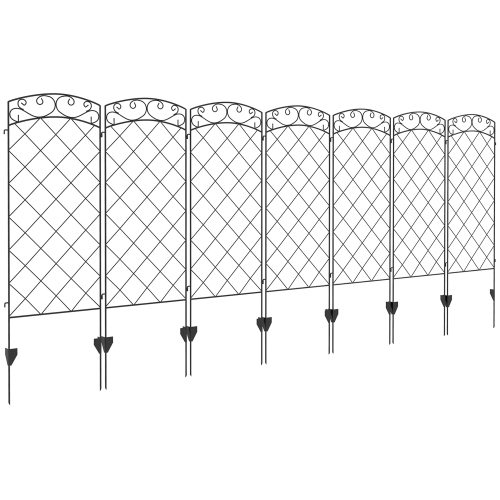

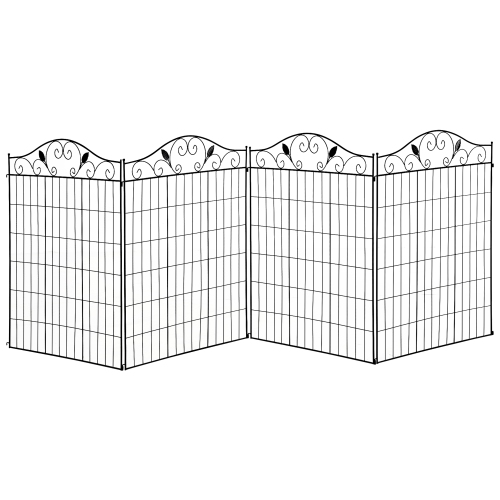
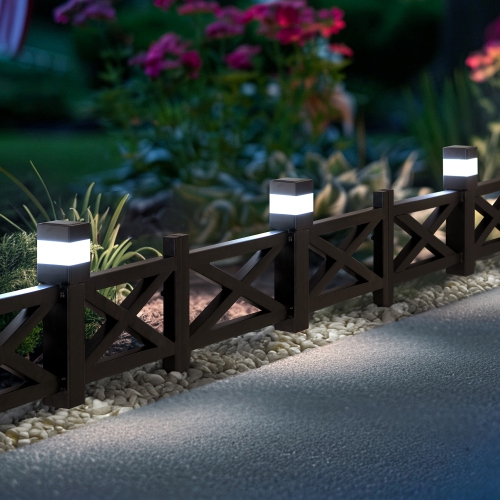
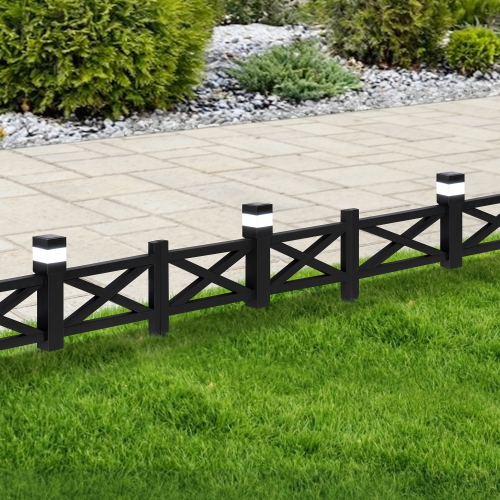


Patterned screens add privacy without enclosing your patio
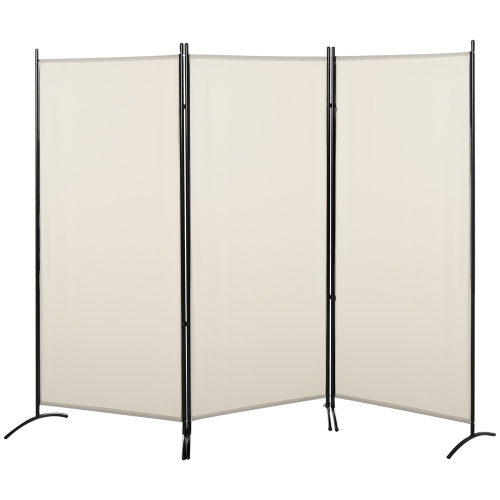
Decorative outdoor dividers are screens or panels that separate patios, decks, balconies, and garden areas while adding pattern, texture, and privacy. They can interrupt sightlines, define a seating area, or provide a backdrop for plants without fully enclosing an outdoor space. A screen beside a small bistro table can make a balcony feel more distinct from neighbouring balconies, while a row of panels can separate a dining area from a storage corner. Their decorative role matters just as much as their placement: geometric cut-outs create a crisp architectural effect, woven textures soften the look of hard paving, and slatted designs introduce rhythm without forming a solid wall. The amount of screening varies considerably. Closely spaced slats or opaque panels offer more visual coverage, whereas open lattice and perforated patterns preserve a sense of connection with the surrounding yard. An intricate pattern may look nearly solid from an angle but reveal much more when viewed straight on, so privacy depends on both the design and the viewing position. Height also changes the result. A lower divider can frame a lounge area without concealing it, while a taller panel may help screen seated occupants from a nearby path. For households sharing an outdoor area, these boundaries can distinguish a quiet reading spot from a space used for conversation or dining. Renters and condo residents may find movable designs practical where permanent alterations are restricted, subject to property rules and suitable installation. Across the broader range of Outdoor Dividers, decorative styles bring particular attention to the appearance of the panel itself, making the screen part of the setting rather than simply a way to hide something. Coordinating its lines and finish with nearby furniture, railings, or planters helps the arrangement feel intentional, whether the space is a compact terrace or a larger patio with several distinct uses.
Materials influence a divider’s appearance, weight, maintenance needs, and suitability for its intended location. Wood offers visible grain and a warmer, more textured finish that pairs naturally with garden planting and upholstered outdoor seating. Its colour may change with exposure, and some wood finishes need periodic renewal according to the manufacturer’s care instructions. Slatted wood construction can leave small gaps for light and air, although it should not be assumed to provide complete privacy. Metal panels often suit more sharply defined patterns, from simple vertical lines to detailed cut-out motifs. Aluminium is generally lighter than steel and does not develop the same red rust as iron-based metals, while steel can provide a substantial feel but needs an appropriate protective finish for outdoor use. Scratches or damaged coatings deserve attention because exposed areas may become vulnerable to corrosion. Resin and other plastic-based panels can offer moulded textures and relatively straightforward cleaning, but outdoor suitability, resistance to fading, and temperature limits depend on the material and construction. A woven-look surface may provide an appealing visual link to outdoor furniture; its suitability for exposed use still depends on its stated rating rather than its appearance alone. Across materials, sturdy joints, well-finished edges, suitable hardware, and a base designed for the panel’s dimensions contribute to everyday durability. Routine care usually centres on removing loose debris and cleaning with methods approved for the finish. Dirt can collect around lattice intersections, along lower edges, and inside textured surfaces, so those details affect how much attention a panel needs. Harsh cleaners, abrasive pads, or pressure washing may damage some coatings and fibres. Where storage or disassembly is recommended, manageable panel sizes and accessible fasteners make the task less cumbersome. A divider that suits the household’s maintenance habits is more likely to keep its intended appearance than one chosen for its pattern alone.
Fit involves more than finding a panel narrow enough for an empty corner. Overall width, height, base depth, and the space required for hinges or angled sections all affect how a divider sits beside furniture and along walking routes. A folding screen may occupy more floor area than its straight-line width suggests, while projecting feet can become awkward beside a dining chair or balcony door. Measuring the usable footprint helps preserve comfortable movement, including room to pull out chairs and reach planters. Privacy is best considered from the positions that matter: a seated view from a neighbouring deck can differ greatly from a standing view along a shared walkway. Light matters, too. A dense screen may shade nearby planting or darken a small seating area, while an open pattern can cast distinctive shadows without providing full coverage. Freestanding and fixed designs have different installation needs, and neither should be treated as secure simply because it feels heavy. Wind can place substantial force on a broad panel, particularly a solid one, so the specified anchoring method and suitable mounting surface are important. Attachment to railings, walls, or decking requires permission where applicable and must not compromise the supporting structure. Dividers are not substitutes for required guards, pool barriers, or other safety features, and layouts need to keep exits, access points, and cooking clearances unobstructed. For planting displays, only structures intended to support climbing plants should carry them; mature growth adds weight and can change how much wind the screen catches. A separate planter placed nearby can add greenery without loading the divider, provided it does not interfere with its base. Visual balance also helps a modest space feel comfortable: one patterned panel behind a bench can create a focal point, while repeated panels can establish a more continuous boundary. With appropriate dimensions, installation, and care, a decorative divider can make an outdoor area feel more private, organized, and thoughtfully finished while retaining the openness that makes the space appealing.
Top selling and popular products
-
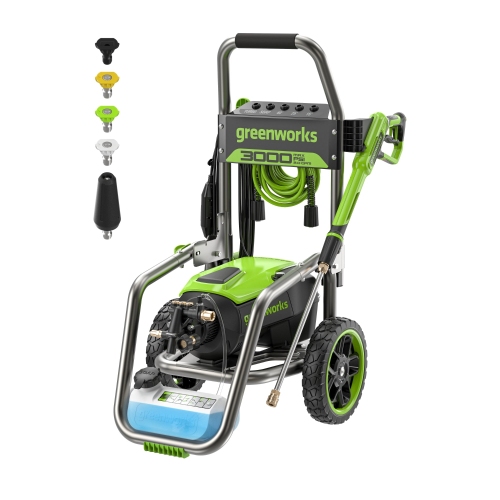 Your price for this item is $699.99
-
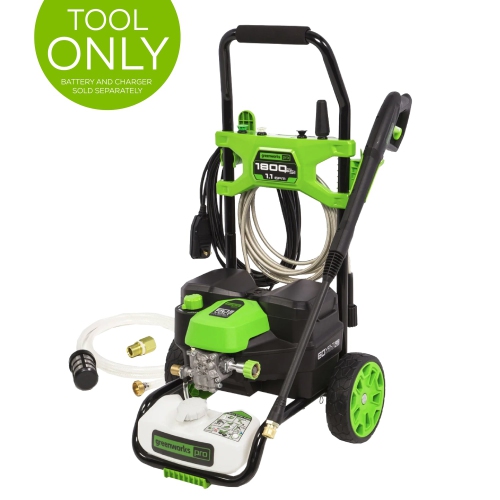 Your price for this item is $339.99
-
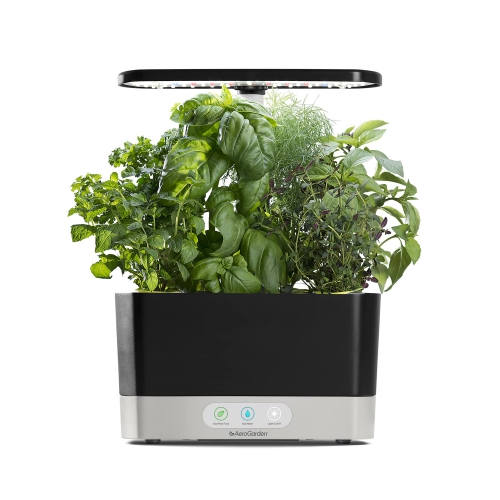 Your price for this item is $199
-
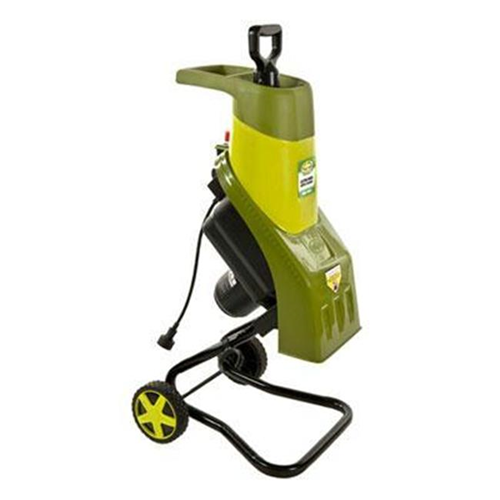 Your price for this item is $299.99
-
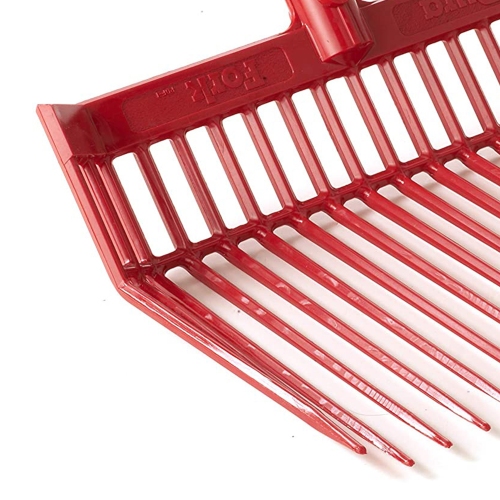 Your price for this item is $81.99
-
 Your price for this item is $104.99
-
 Your price for this item is $517.99
-
 Your price for this item is $604.99
Discover more categories related to Decorative Outdoor Dividers
Top Collections:
Pokemon Centers, Kindle Devices, Best Black Friday Deals This Year, Pokémon 30th Celebration Cards, Best Black Friday Deals On Electronics, Best Cameras for Sports Photography, Best Black Friday Deals On Apple Products, Canon G7X Cameras, iPhone 15 Apple, Candle Warmer Lights
Some products may be subject to Environmental Handling Fees
(EHF) depending on your province.
Learn more about EHFs.