Decorative Umbrellas
Transform your outdoor spaces with the charm and elegance of decorative umbrellas. Perfect for adding a splash of style to any patio, garden, or balcony, these umbrellas not only provide shade but also enhance your décor with their vibrant designs and patterns. Whether you're hosting a summer brunch or simply enjoying a quiet afternoon in your backyard, decorative umbrellas offer both functionality and aesthetic appeal. Explore our selection to find the perfect match for your outdoor setting and elevate your al fresco experience.
Sort


Why canopy material matters as much as colour
Decorative umbrellas add colour, texture, and distinctive shapes to celebrations, photographs, interiors, and outdoor seating areas. The category spans delicate lace parasols, painted paper umbrellas, patterned rain umbrellas, and larger patio designs finished with details such as fringe or scalloped edges. Their intended use matters as much as their appearance: an umbrella made for a photo backdrop may not provide rain protection, while a decorative patio umbrella needs a frame and canopy suited to outdoor use. Paper styles offer a broad surface for floral motifs, painted landscapes, or solid colours, with visible ribs that become part of the design when viewed from below. Lace creates a softer effect, allowing light to pass through an open pattern rather than forming an opaque canopy. Woven fabric can give a fuller, more substantial appearance, particularly when paired with contrasting trim or a shaped border. These differences influence how an umbrella looks in a room or photograph. A pale paper parasol can brighten a ceremony backdrop without adding visual weight, while a richly coloured canopy can become the focal point above a display table. For weddings, showers, stage settings, and portrait sessions, coordinating the canopy with flowers, linens, or clothing creates a connection without requiring everything to match exactly. Scale also changes the result. Several small umbrellas arranged at different heights create a different effect from one large parasol positioned behind a chair. If an umbrella will be suspended rather than carried, its weight, attachment points, and the suitability of the mounting hardware deserve attention. Lightweight construction does not automatically make an object suitable for hanging above people. Decorative umbrellas should also stay clear of open flames, heat sources, doorways, and walking routes. Details such as painted edges, tassels, handle wrappings, and the appearance of the underside are worth considering, especially when the umbrella will be viewed from beneath or photographed close up.
Handheld decorative umbrellas combine personal style with practical considerations such as grip, balance, and coverage. For a portrait session or a wedding ceremony, a lace parasol can frame the face and add texture beside smooth fabrics, but its open weave should not be treated as reliable sun protection unless the product has an appropriate rating. Similarly, paper umbrellas are generally best kept dry unless their construction is expressly intended for wet conditions. Someone looking for an umbrella to carry on rainy outings needs a water-resistant canopy and a frame designed for that purpose, even when the main attraction is a bright print, an illustrated border, or an unusual canopy shape. A decorative finish does not establish how well an umbrella handles rain or wind. Size is another important distinction: the open canopy determines coverage, while the closed length affects how easily the umbrella fits beside a chair, in a bag, or among event supplies. A generous canopy may look striking in photographs but feel awkward in a narrow aisle or crowded reception space. Handle shape, overall weight, and the ease of opening and closing become particularly noticeable when an umbrella is held through a lengthy ceremony or used repeatedly during a shoot. Smooth handles and neatly finished rib ends also help reduce the chance of catching delicate clothing. Materials call for different care routines. Paper usually needs gentle dusting and dry storage; lace and fabric may allow spot cleaning, depending on their fibres, dyes, and trim. Painted surfaces, glued decorations, and wooden components can require extra care, so cleaning directions take priority over a general fabric-cleaning method. Any umbrella that becomes damp should dry fully before being folded for storage. As gifts, decorative umbrellas can suit a photographer, a theatre enthusiast, someone planning a celebration, or a person who enjoys expressive accessories. Matching the gift to its likely use makes it more thoughtful than choosing by colour alone.
Larger decorative umbrellas bring the same attention to pattern and finish to patios, balconies, and garden seating. Fringe can soften the outline of a canopy, striped fabric can give a dining area a crisp visual rhythm, and scalloped edges can echo the curves of nearby cushions or furniture. For designs centred on outdoor shade, Summer Umbrellas offers a related theme to explore. Appearance is only one part of choosing a patio umbrella, however. The canopy needs to suit the seating arrangement without obstructing doors, surrounding plants, railings, or the space people need to move their chairs. A centre-pole design places the support within the covered area, often through a compatible table opening, while an offset design positions the pole to one side and has different clearance and base requirements. A table opening alone does not replace a correctly sized, compatible base. Canopy dimensions, pole diameter, base requirements, and the space needed to operate a crank or tilt mechanism all affect how comfortably the umbrella fits. Polyester, acrylic, wood, and metal each bring different care needs, and decorative trim can require more attention than a plain canopy. Fringe may tangle or hold debris, while pale fabrics can show marks more readily than patterned ones. Where shade protection is important, a stated ultraviolet protection rating is more useful than judging by fabric colour or thickness. Water resistance and wind limits should likewise come from the product specifications rather than its appearance. Closing the umbrella when it is not in use, following its stated use limits, and storing it clean and fully dry help protect both the mechanism and decorative details. Indoors or outdoors, the most effective choice balances visual character with the job the umbrella needs to do, whether that is framing a photograph, completing a celebration setting, accompanying everyday outings, or defining a comfortable place to sit.
Top selling and popular products
-
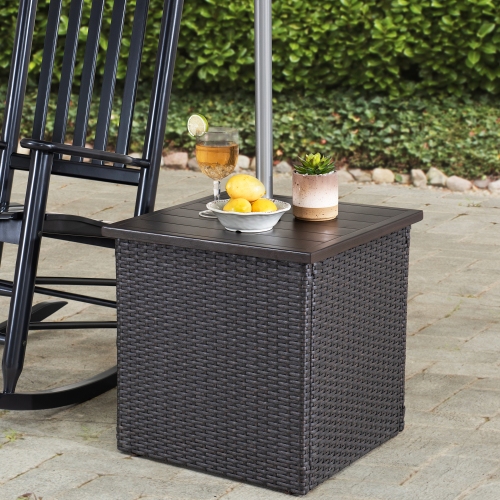 Your price for this item is $160.99
-
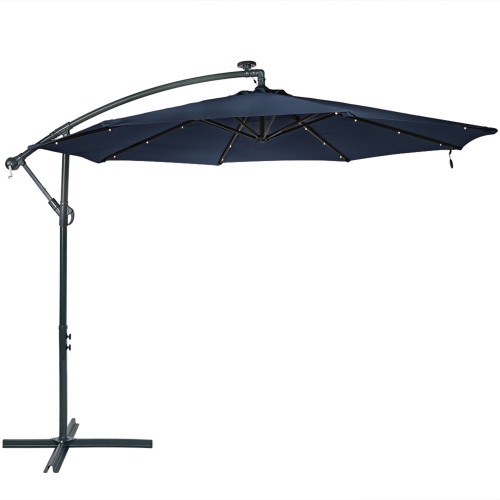 Your price for this item is $248.55
-
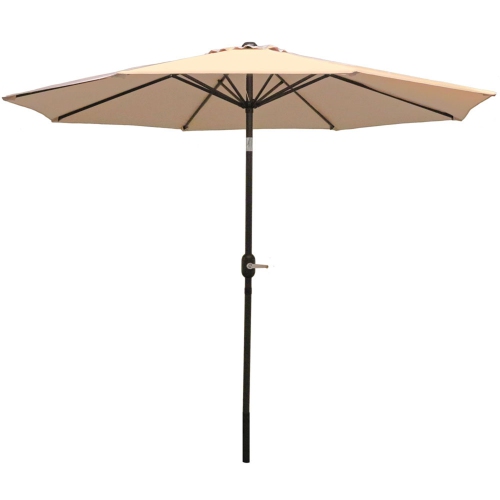 Your price for this item is $146.95
-
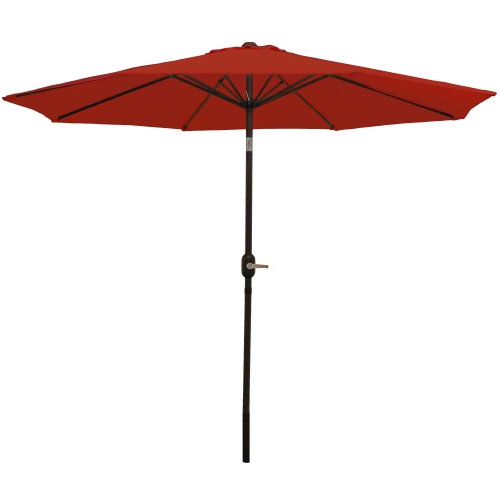 Your price for this item is $146.95
-
 Your price for this item is $146.95
-
 Your price for this item is $146.95
-
 Your price for this item is $248.55
-
 Your price for this item is $143.75
Discover more categories related to Decorative Umbrellas



Top Collections:
Pokemon Centers, Best Cameras for Sports Photography, Kindle Devices, Samsung Galaxy Phones, Canon G7X Cameras, Pokémon 30th Celebration Cards, Refurbished Apple Laptops, iPhone 15 Apple, Laptops for Students, Budget Smartphones
Some products may be subject to Environmental Handling Fees
(EHF) depending on your province.
Learn more about EHFs.