Decorative Wall Clocks
Our decorative wall clocks not only serve the practical purpose of keeping time, but they also make for stunning focal points on any wall. Whether you prefer sleek and modern designs or vintage-inspired classics, our selection of decorative wall clocks offers something for every taste and aesthetic. From intricate patterns to bold colors, these clocks are sure to elevate the ambiance of any room in your home. Discover the perfect decorative wall clock to enhance your space and make a statement today.
Sort

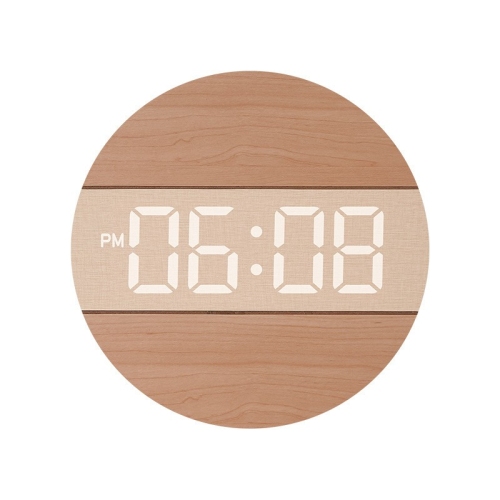

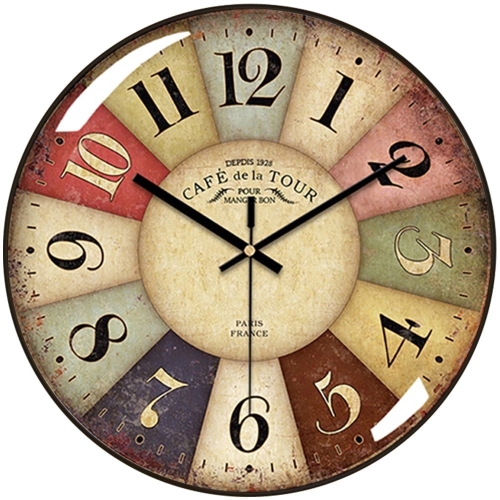


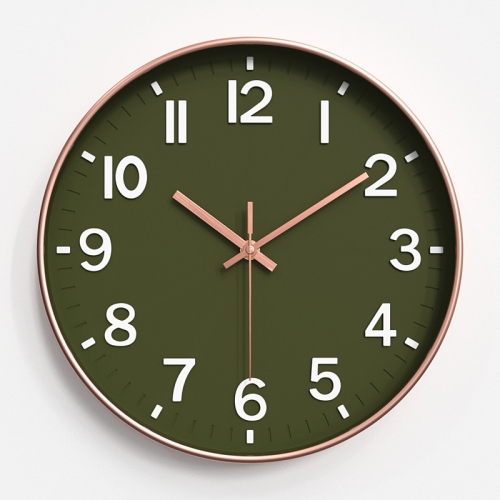


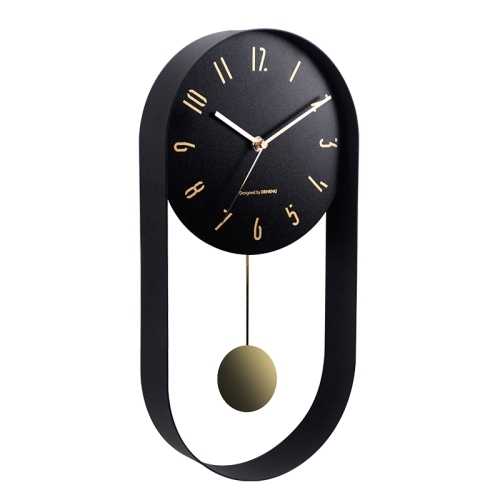
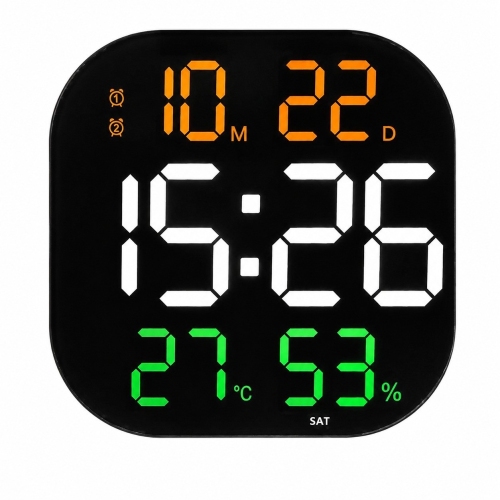

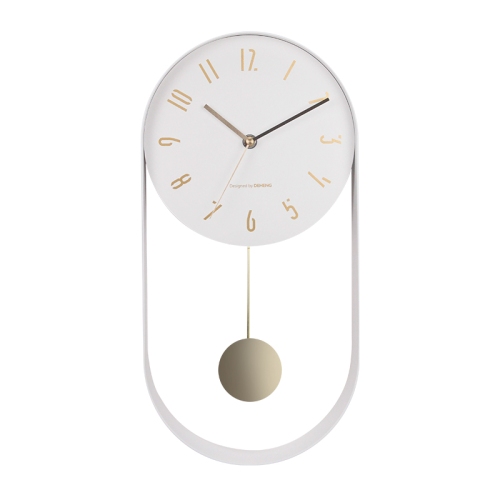


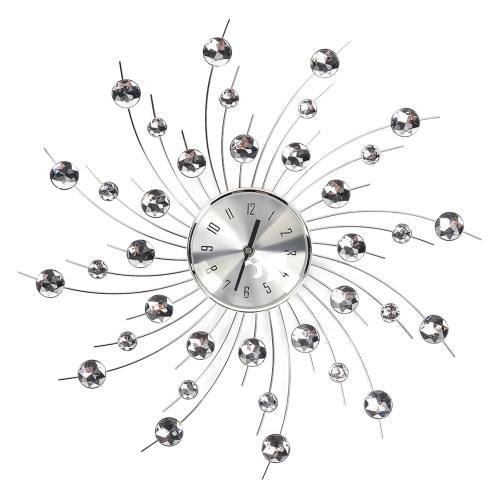

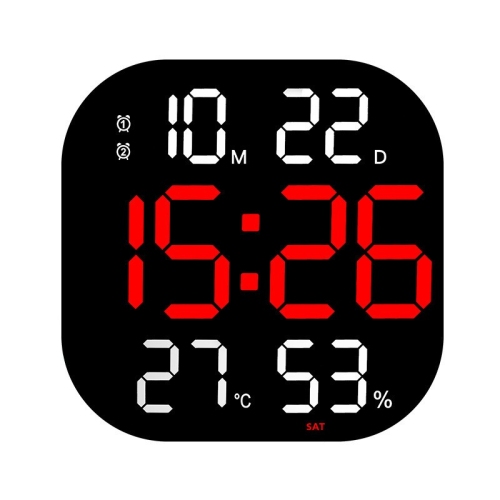
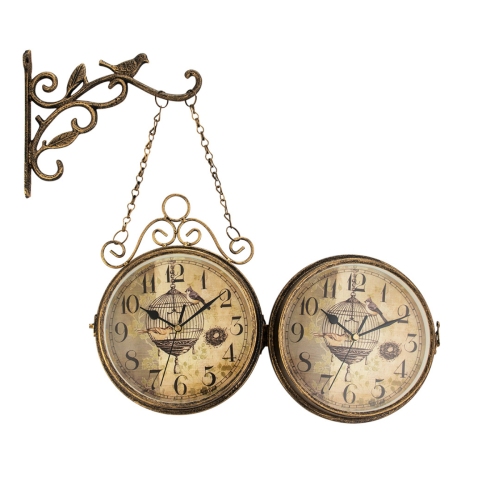
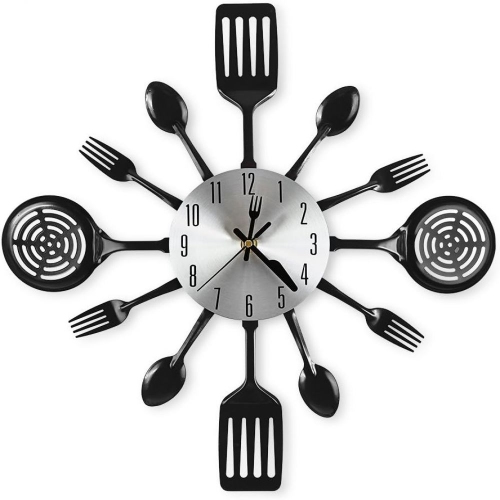


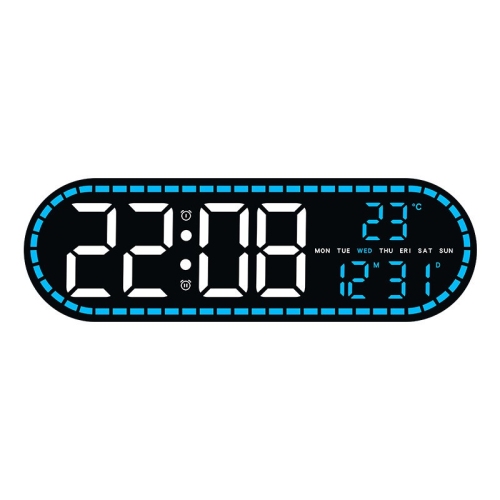
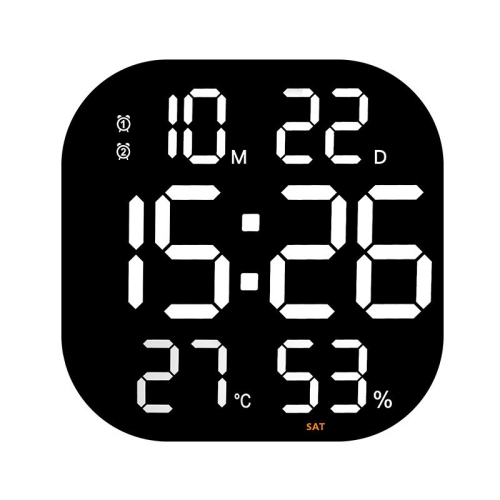
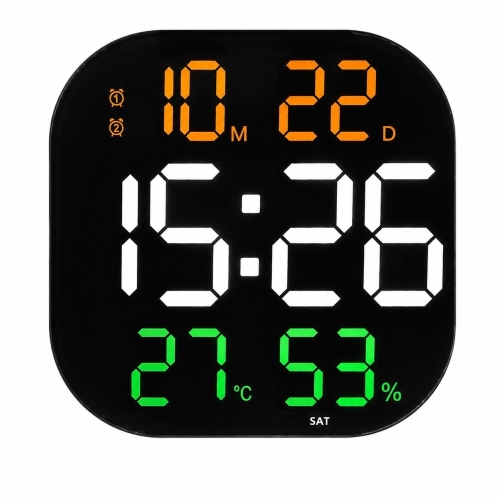
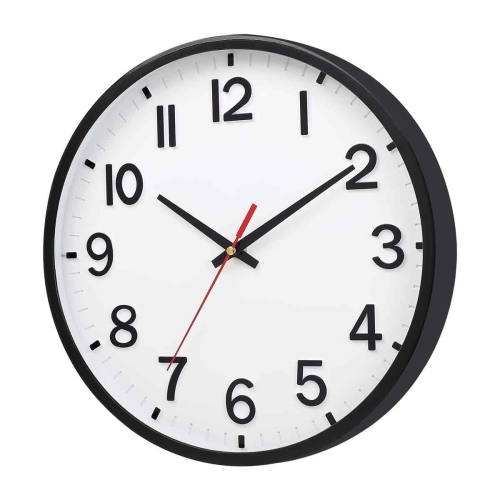
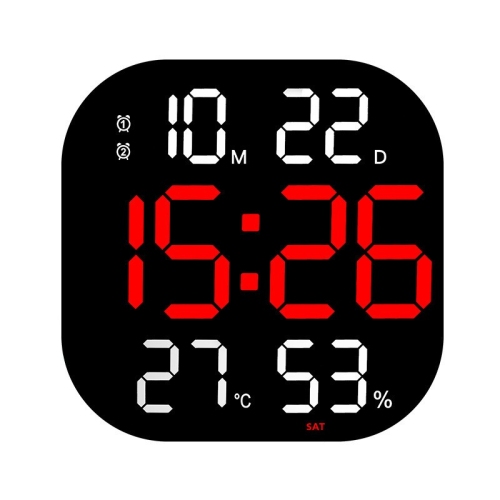
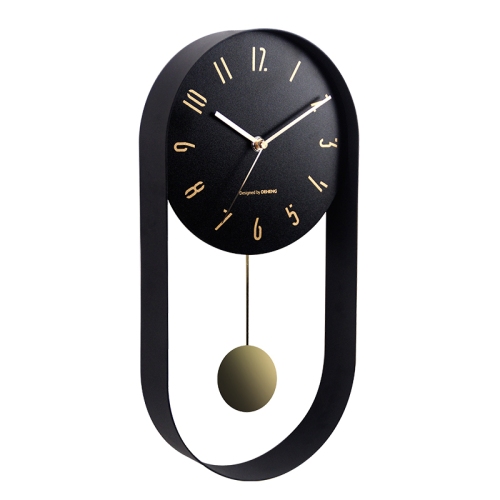

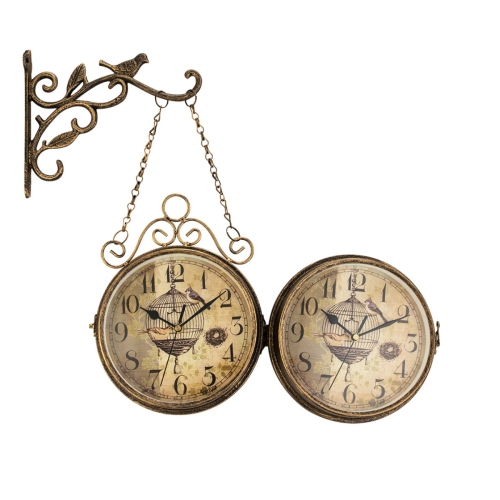

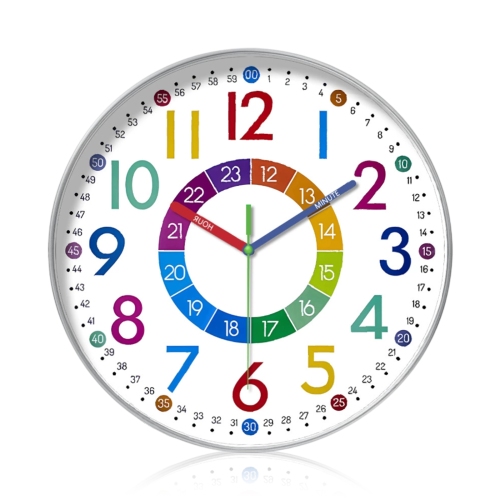
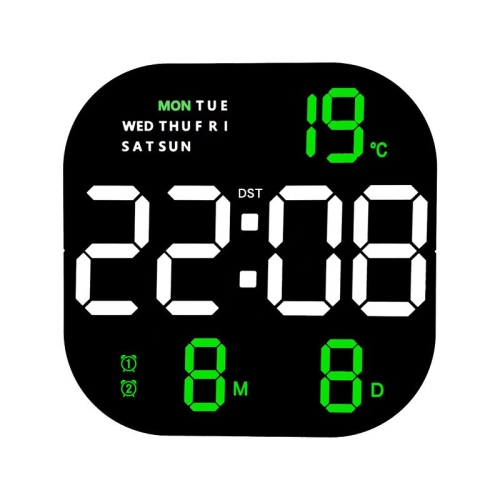
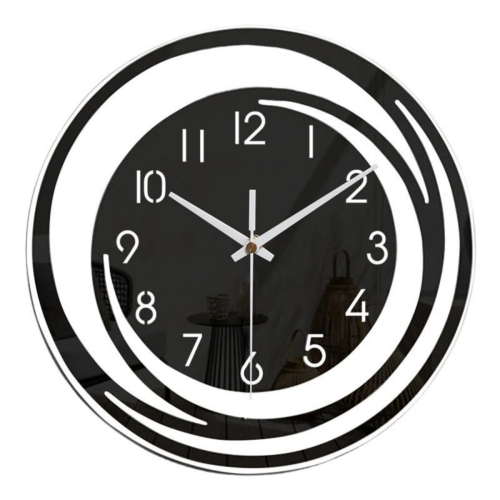

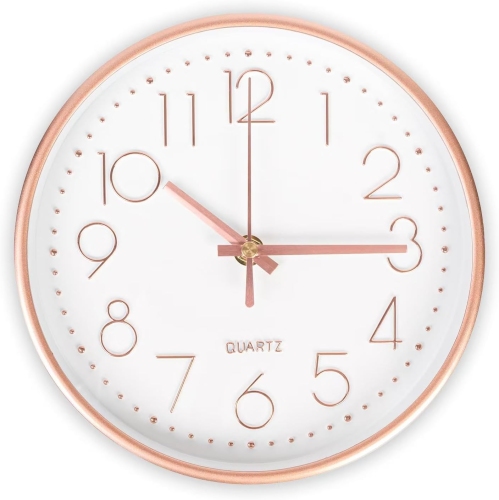
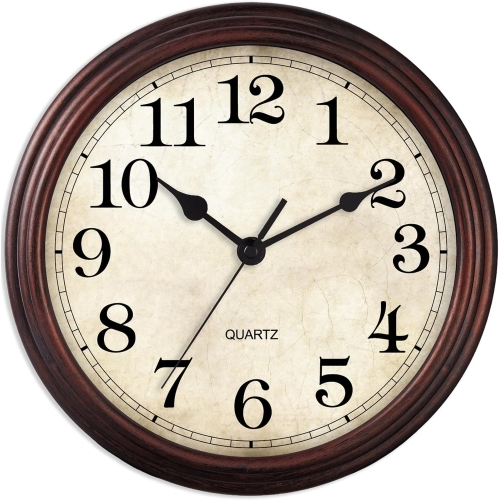


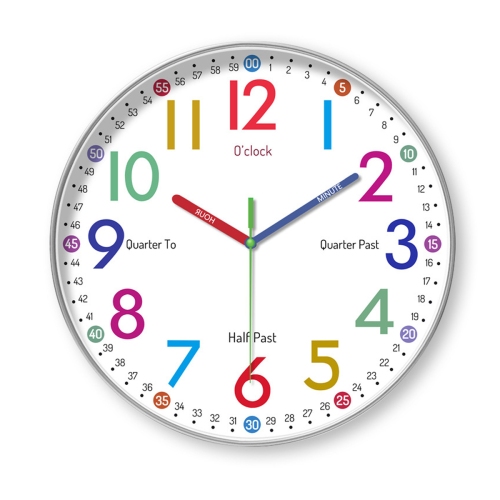
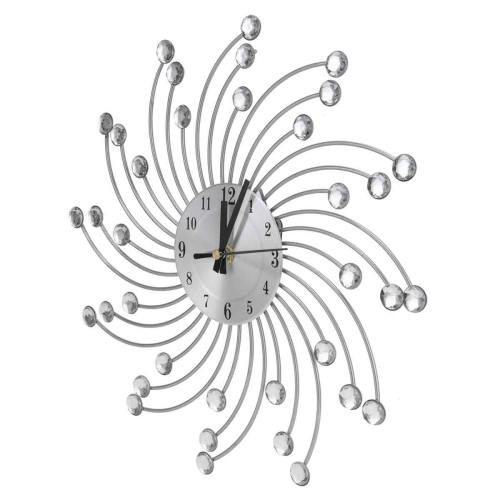
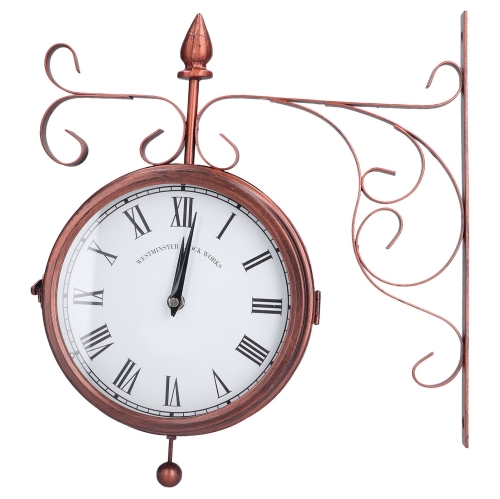

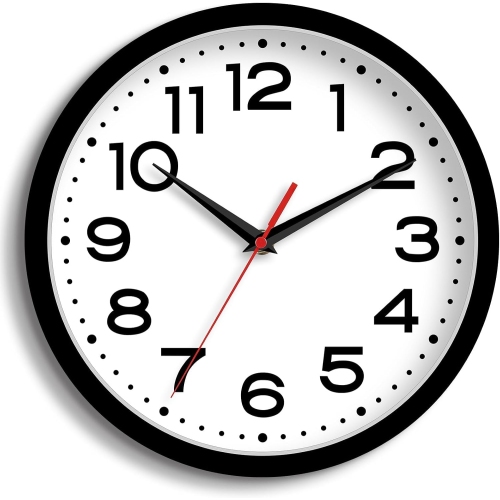
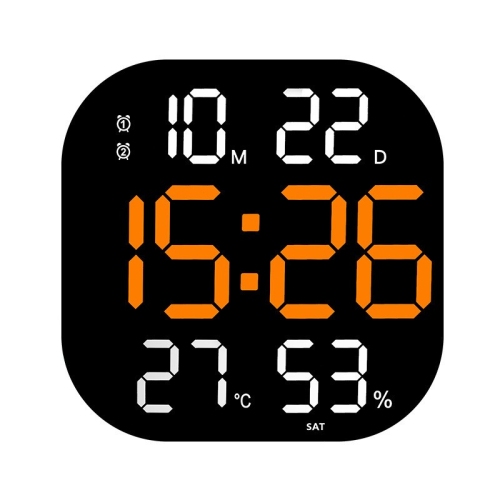
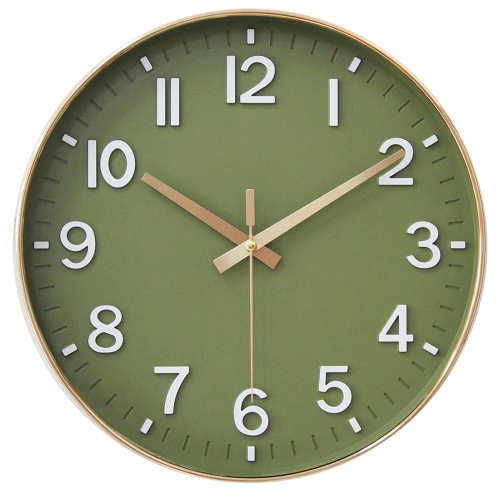


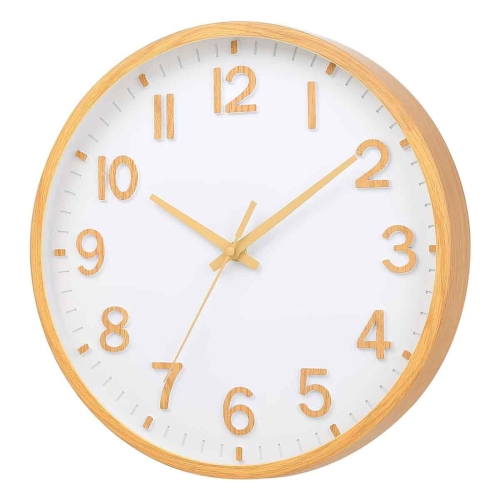
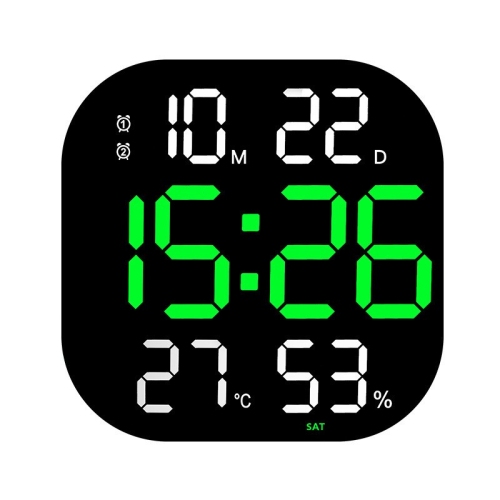
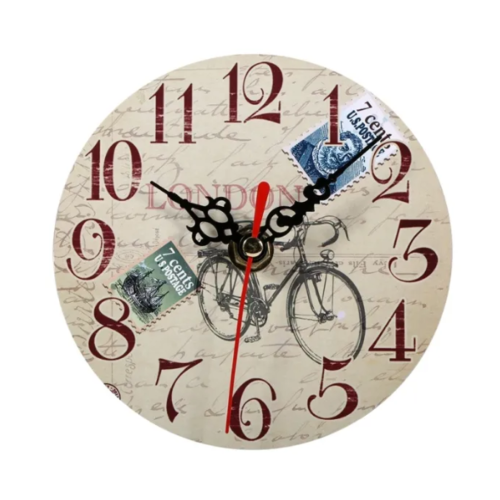


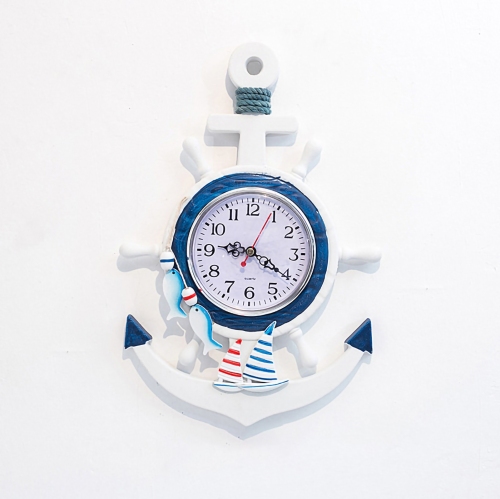

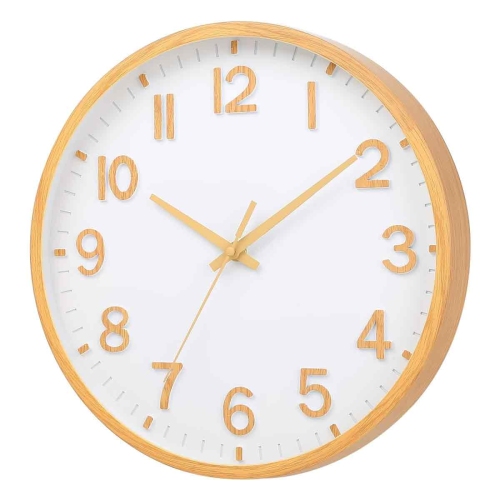

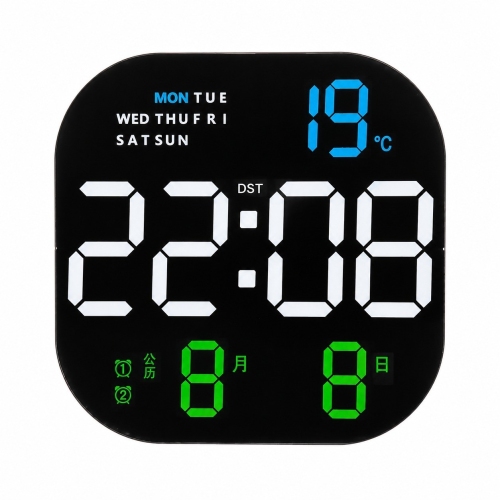
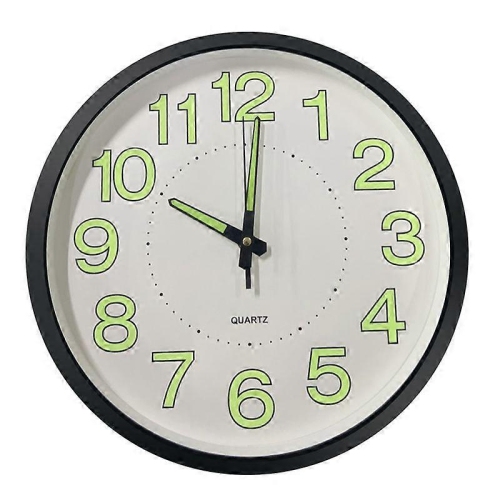
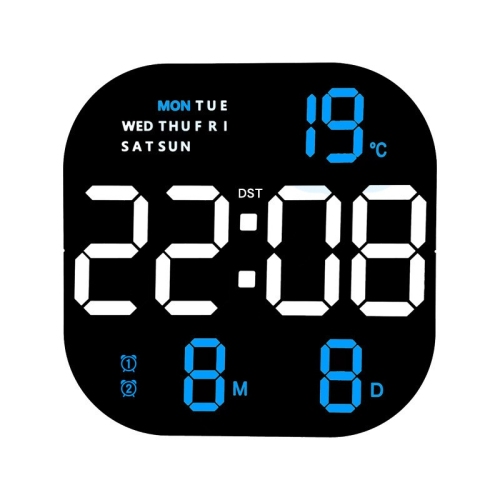

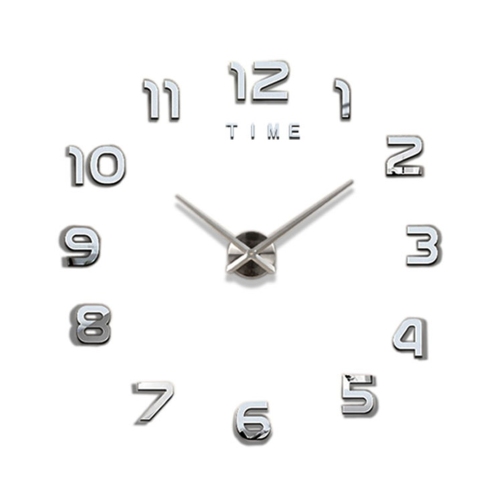

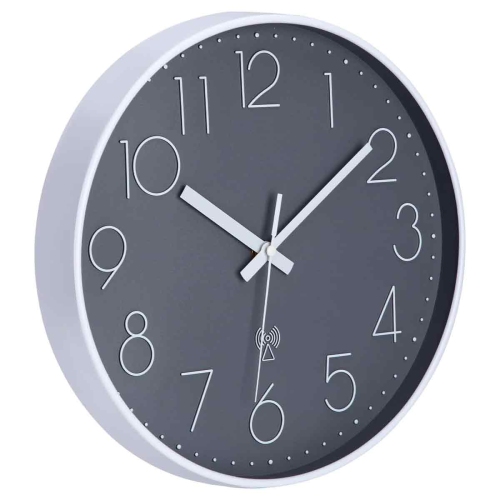


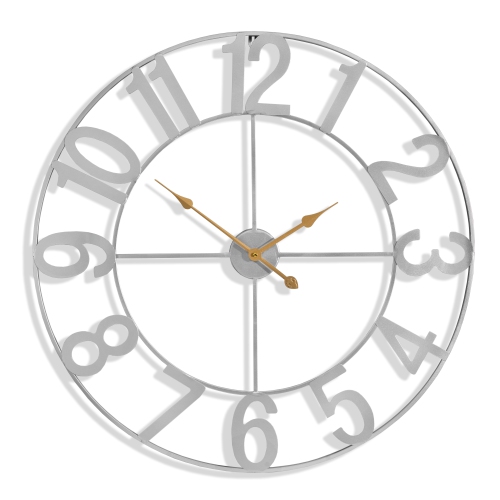

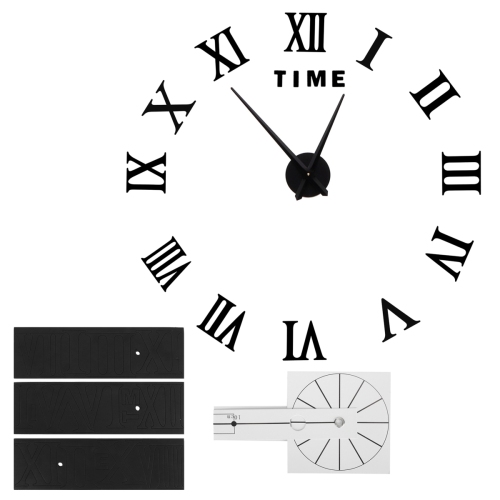


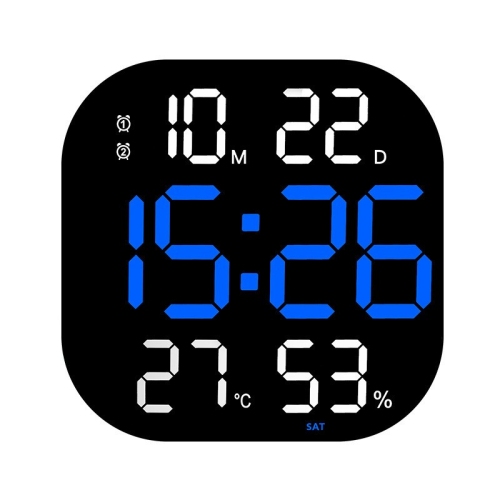
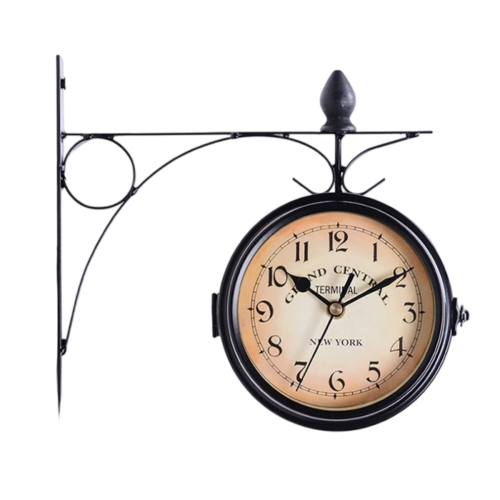
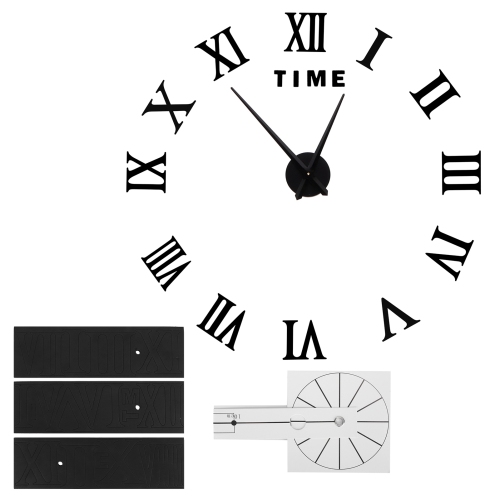


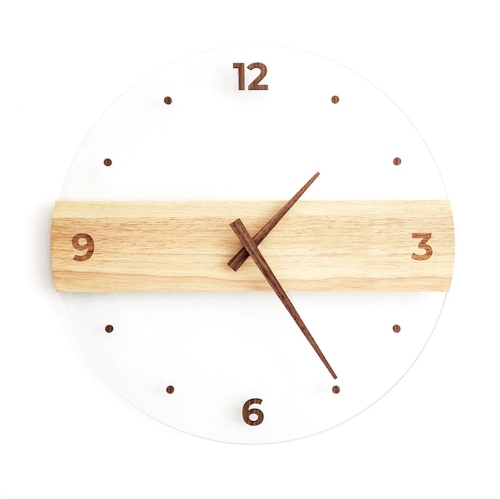
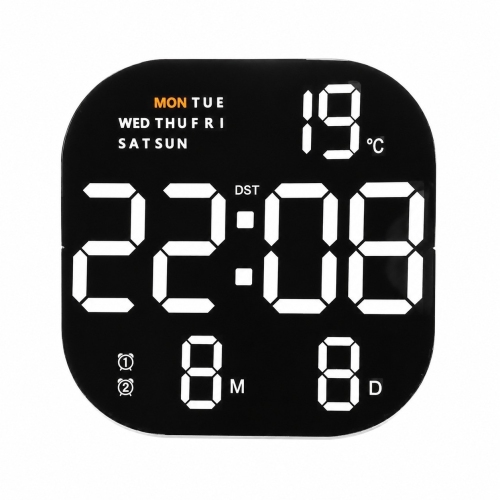

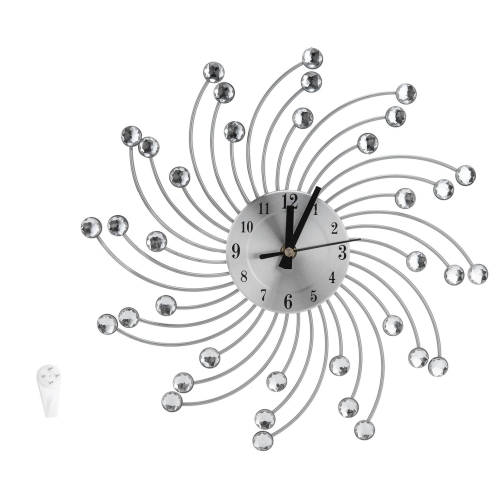

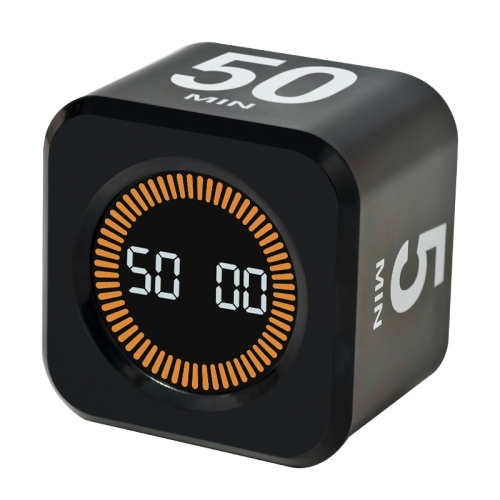
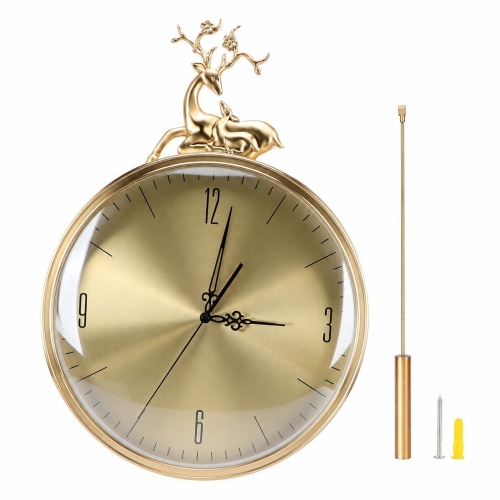
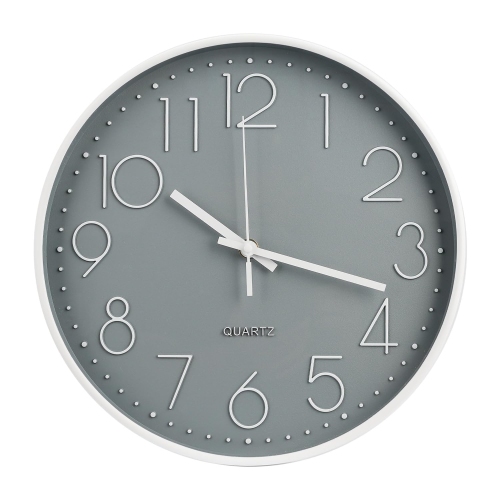
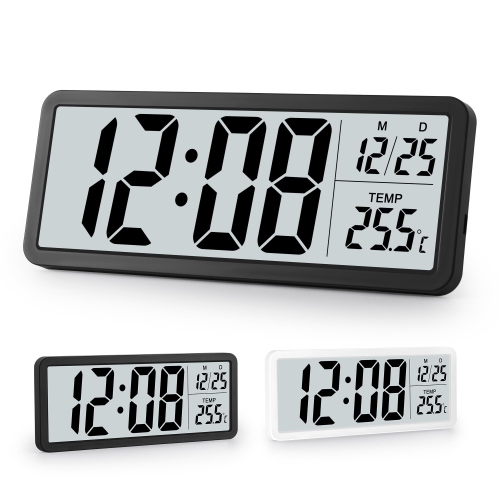

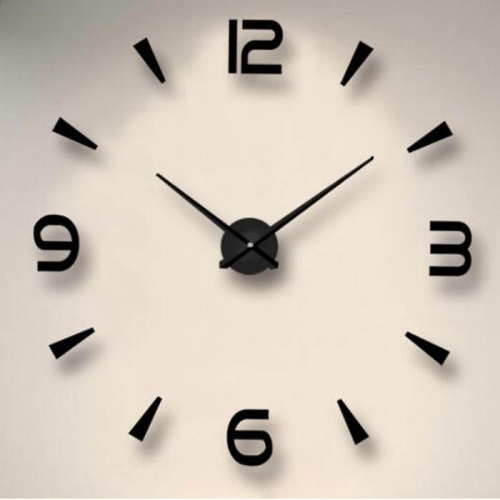


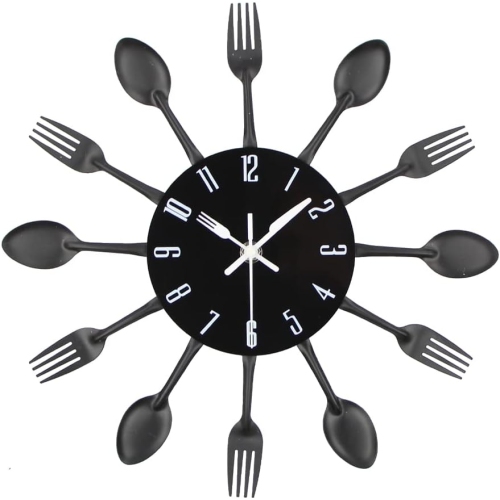

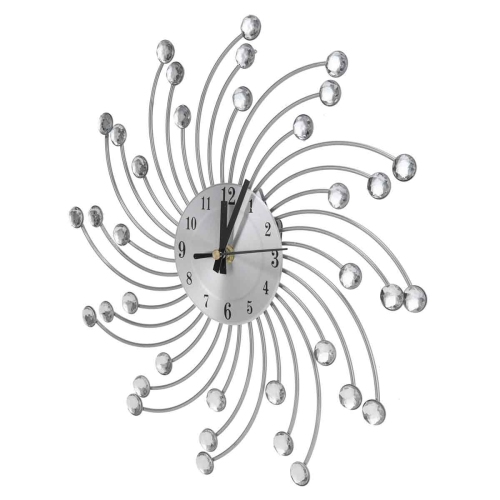
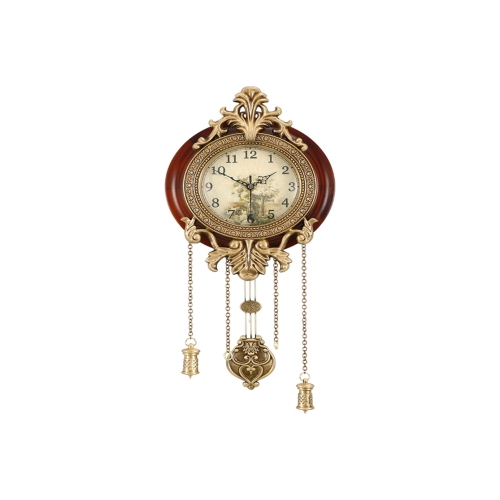
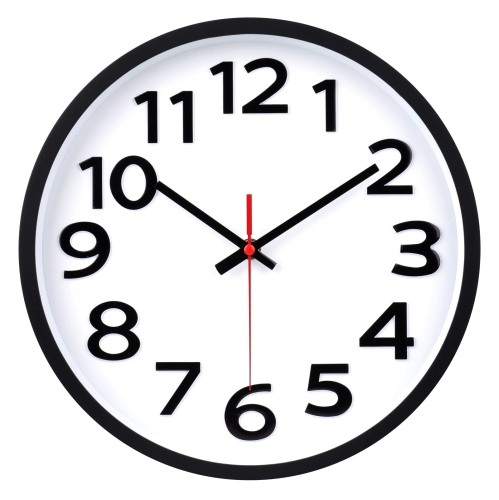
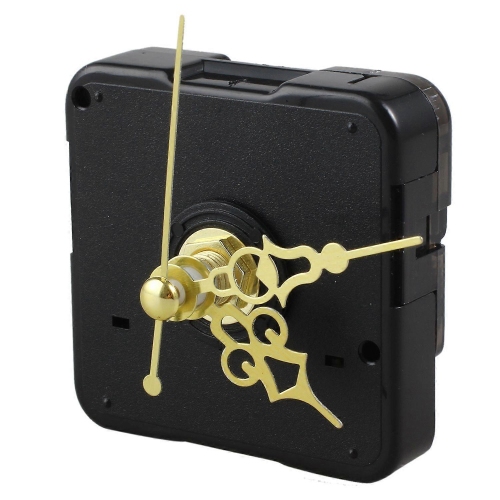
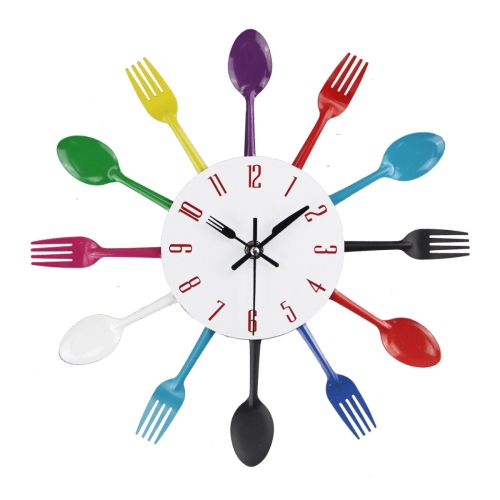


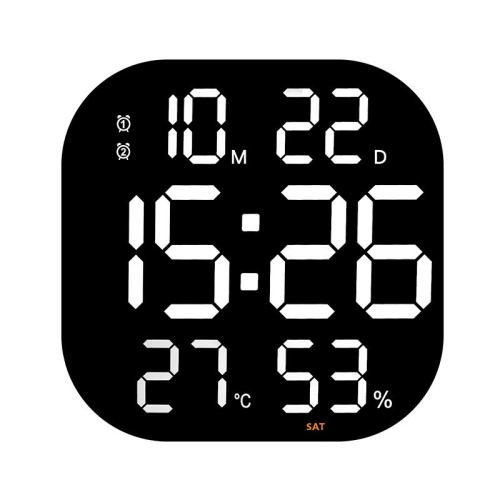


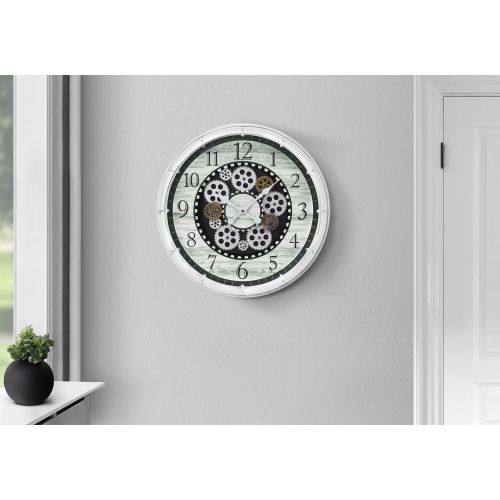


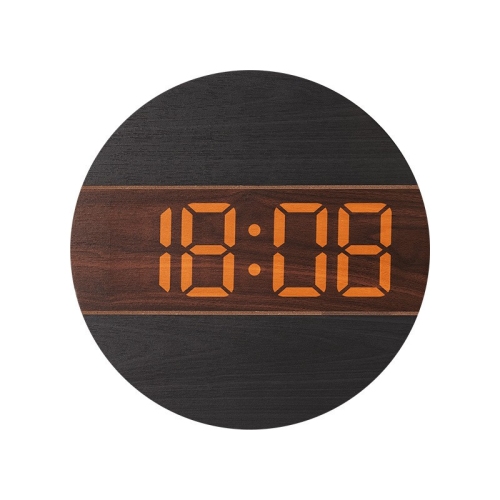


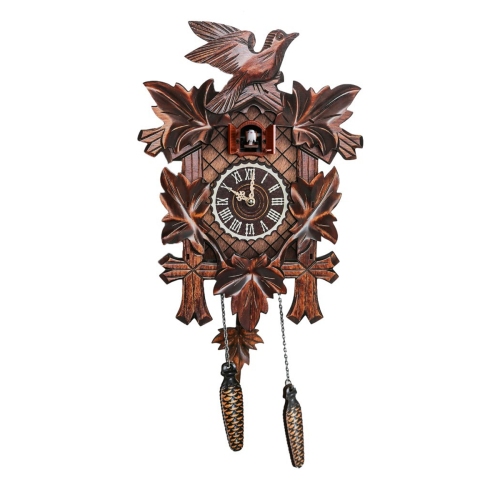
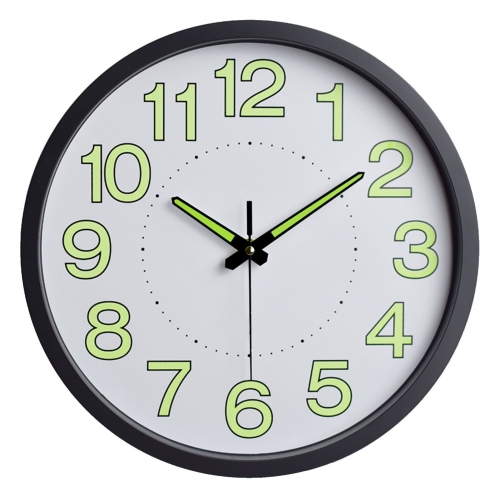


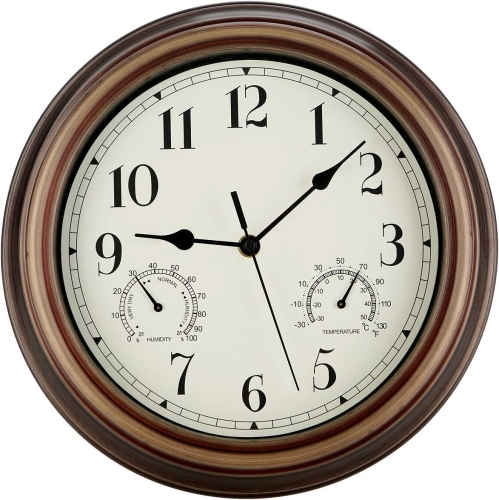
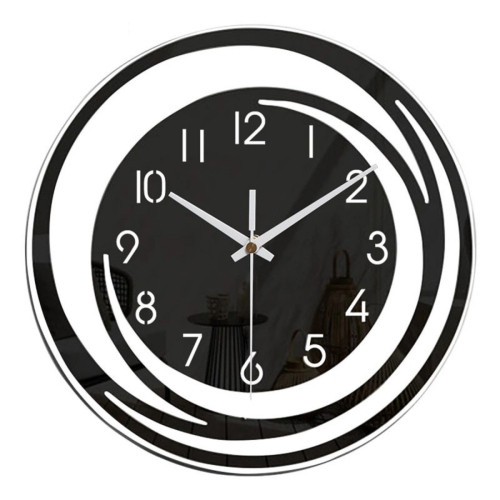
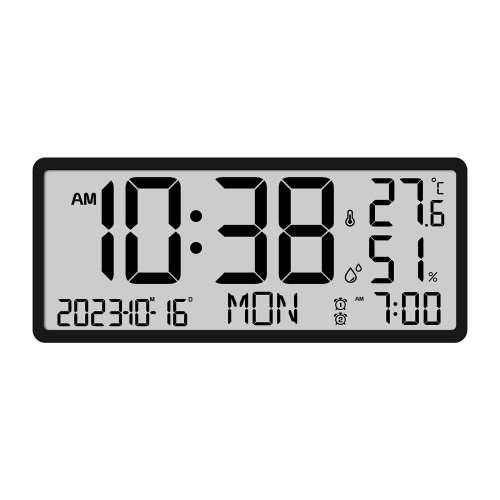
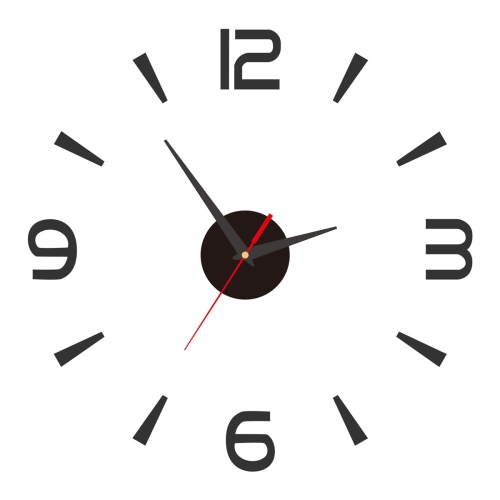


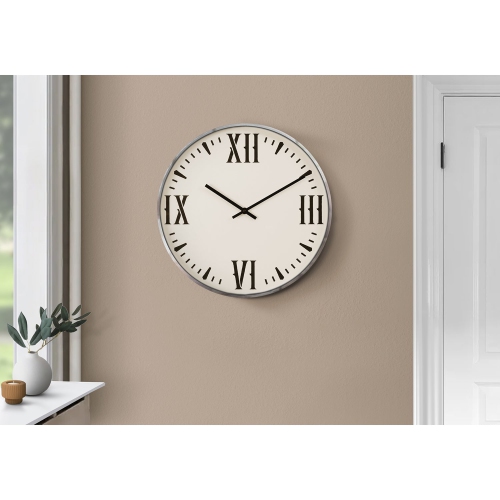


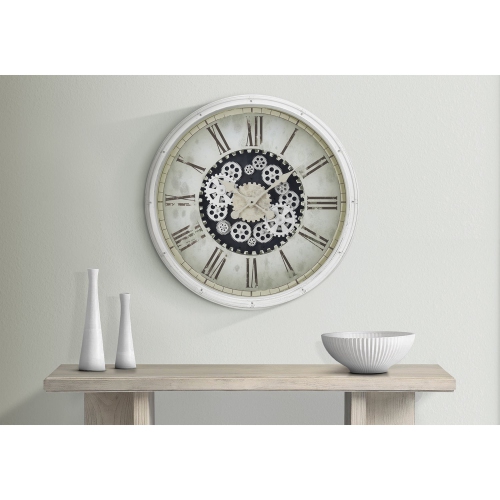


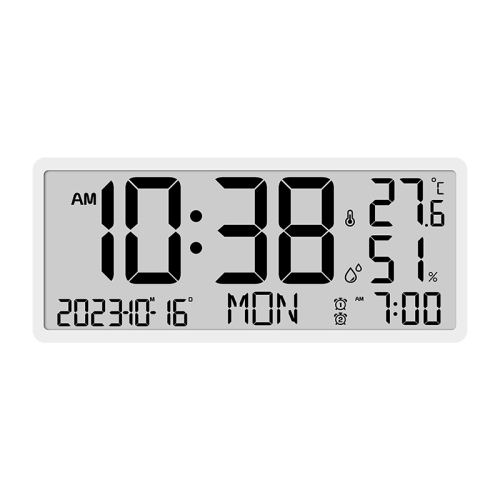

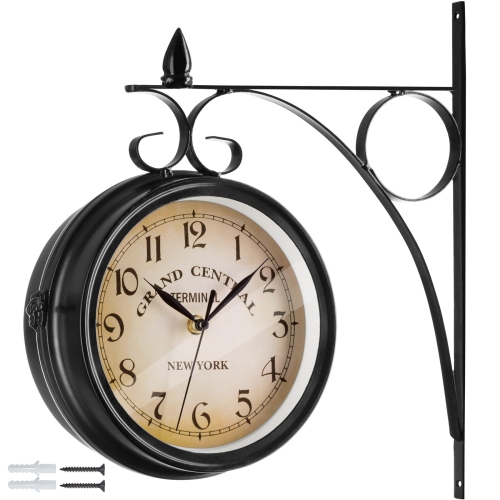


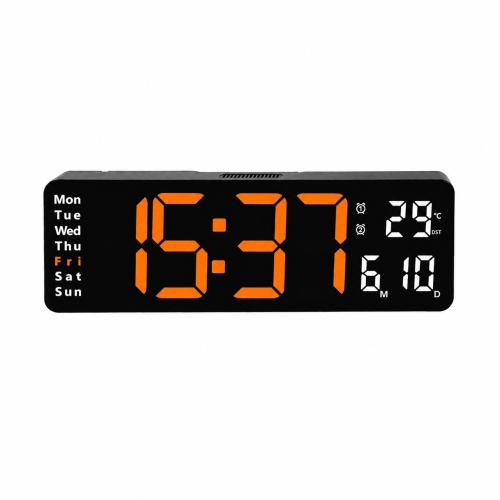


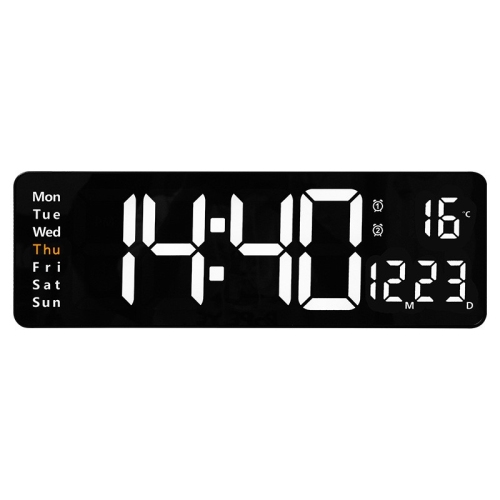
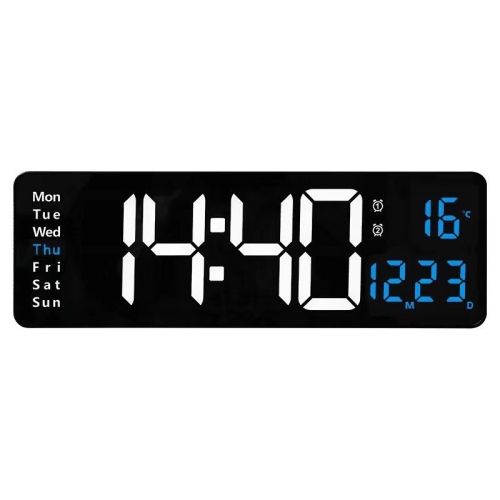


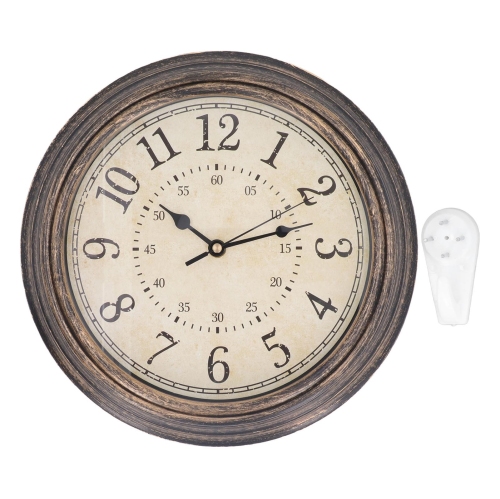


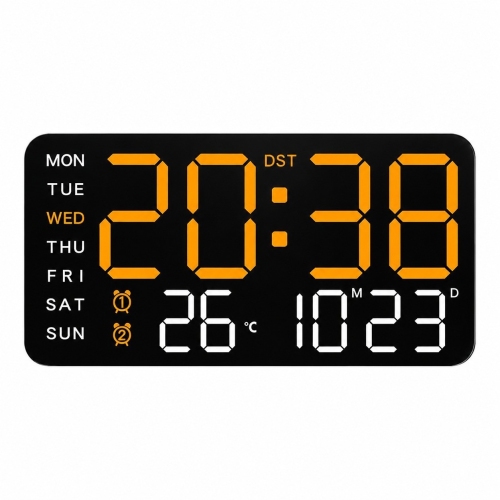
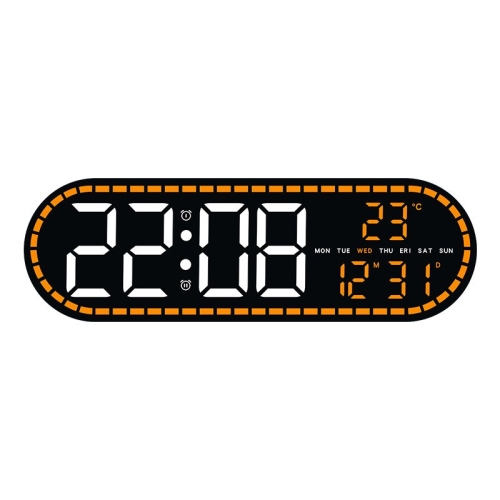






Everyday timekeeping with the presence of wall art
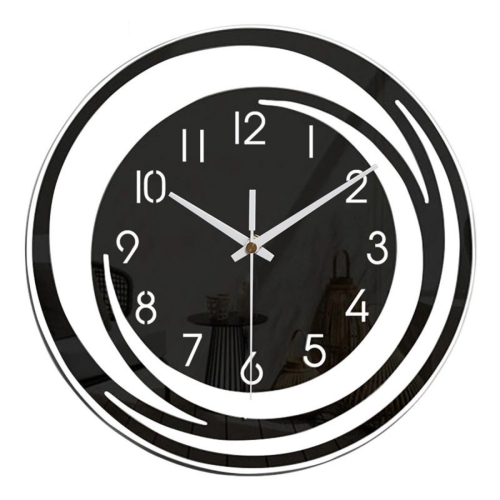
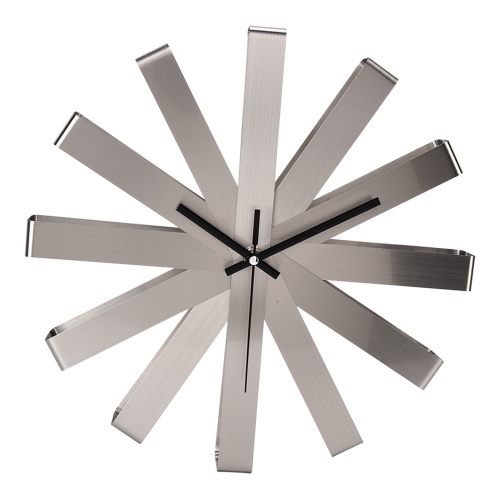
Decorative wall clocks bring a useful point of focus to a room, combining an everyday timepiece with the visual presence of wall art. Above a kitchen table, beside a bookcase, or on an open stretch of hallway wall, a clock can help a space feel finished without taking up a shelf or tabletop. The face, frame, hands, and hour markers all contribute to its character. A simple dial with slender hands suits a pared-back interior, while Roman numerals and a weathered-looking frame lend a more traditional note. Open-frame designs allow the wall colour to show through, creating a lighter effect than a solid clock of the same diameter. Bold graphic numbers can feel playful in a family room, and a restrained face with subtle markers can sit comfortably alongside framed photographs or prints. Within the broader world of Decorative Clocks, wall-mounted styles are particularly useful where surface space is limited, including compact kitchens, entryways, and home offices. Their shape also influences how a room comes together: a round clock softens the straight lines of cabinets and shelving, while a square or rectangular case echoes the geometry of doors, windows, and furniture. Colour offers another way to connect the clock to its surroundings. A dark frame can pick up the finish of cabinet handles or picture frames, while a pale face may provide a clear contrast against a richly coloured wall. A clock does not need to match every accessory to belong in a room; repeating a material, finish, or shape is often enough. In a living room with upholstered furniture and patterned cushions, a quieter design can provide balance. On an otherwise bare wall, a larger dial or more sculptural frame can become the main visual feature. The most satisfying choice feels like part of the room while remaining easy to read in the moments when checking the time matters.
Materials give decorative wall clocks much of their texture and help determine how they hold up to everyday use. Wood brings visible grain and natural variation, with lighter finishes offering a different effect from darker stained surfaces. Solid wood, wood veneer, and wood-look finishes differ in construction and care needs, even when their appearance is similar from across the room. Metal frames can have a slim, crisp outline or a more substantial profile, with brushed, painted, and polished finishes each reflecting light differently. Moulded plastic can offer a lighter-weight alternative, particularly where a larger clock would otherwise be cumbersome to mount. Glass-covered faces help keep dust away from the dial and hands, although reflections from a nearby window or overhead light may affect readability. An uncovered face avoids that layer of reflection but leaves the hands more exposed to dust and accidental contact. Size is as much about viewing distance as wall space. A clock seen from the far end of a dining area needs clear hands and markers, not simply a wide frame. Strong contrast between the hands and dial can make a meaningful difference for anyone who finds small or faint details difficult to distinguish. Minimal faces with no numerals may suit the room visually, but numbered dials are often more practical for quick checks or for children learning to tell time. Placement also affects the result. Above a console or sideboard, a clock generally looks more connected to the furniture when there is some open wall around it rather than a tight fit between nearby objects. Its depth matters in a narrow passage, where a projecting frame may be less suitable than a flatter case. Weight and mounting requirements deserve equal attention: the hanging point, wall construction, and appropriate fastener must work together to support the clock securely. A clear mounting location away from opening doors helps protect both the clock and the surrounding space.
The movement inside a decorative wall clock shapes the daily experience as much as its outward design. Many analogue wall clocks use battery-powered quartz movements, making them practical for locations without a nearby electrical outlet. A stepping movement may produce an audible tick, while a sweeping movement is often chosen for a gentler sound profile. Sound sensitivity varies, so a clock intended for a bedroom, reading corner, or shared workspace benefits from particular attention to its stated movement and sound characteristics; a sweeping hand alone does not guarantee complete silence. In a busy kitchen, easy-to-read numerals may matter more than the sound of the movement, while a home office may call for a face that is legible during a quick glance away from a screen. Access to the battery compartment is another everyday consideration, especially when a clock hangs above tall furniture. Routine care is usually straightforward, but it should follow the material and manufacturer’s directions. A soft, dry cloth can lift loose dust from many frames, while cleaning a glass cover may require a suitable cloth and cleaner applied to the cloth rather than sprayed towards the case. Abrasive pads, excess moisture, and force around exposed hands can damage finishes or interfere with operation. Direct sunlight may fade some surfaces, and locations near cooking splashes, steam, or persistent moisture call for a clock specifically rated for those conditions. Decorative appearance alone does not make a wall clock suitable for a bathroom or outdoor space. For gifting, these practical details help turn an attractive object into something that fits the recipient’s home. A wall clock can be a thoughtful housewarming or wedding gift, particularly when its proportions and finish reflect the person’s taste rather than requiring a complete change to their room. Clear numbered faces may suit a family’s shared spaces, while a distinctive frame can appeal to someone who enjoys arranging art and accessories. Whether used to keep daily routines visible or to give an empty wall a stronger sense of purpose, a well-chosen decorative wall clock balances readable timekeeping, manageable care, and a style that feels at home.
Top selling and popular products
-
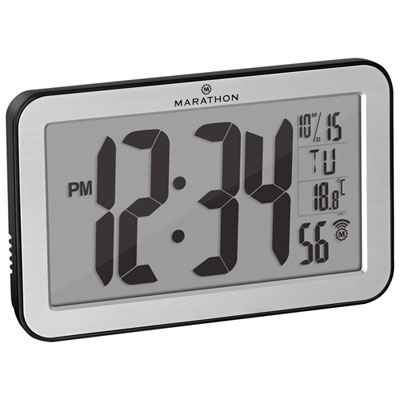 Your price for this item is $42.98
-
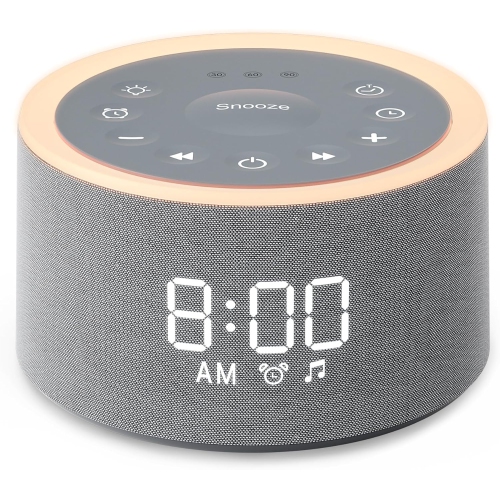 Your price for this item is $44.99
-
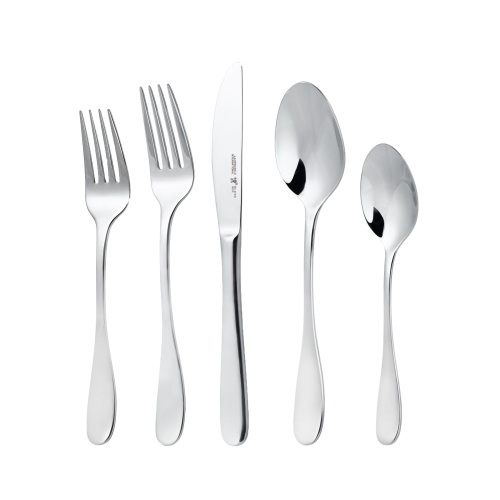 Your price for this item is $89.99
-
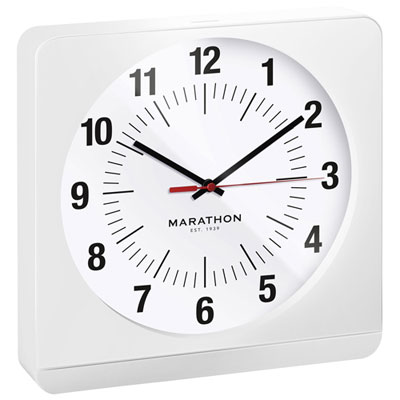 Your price for this item is $114.99
-
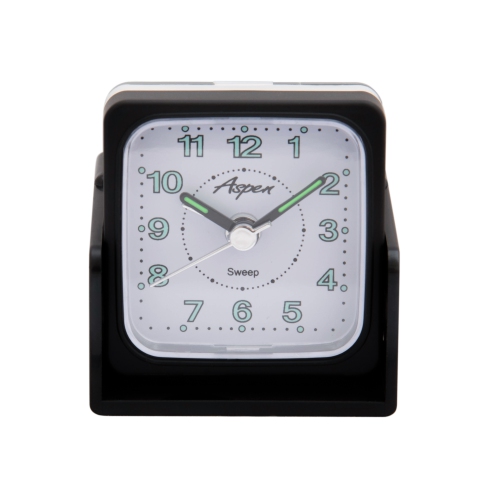 Your price for this item is $19.95
-
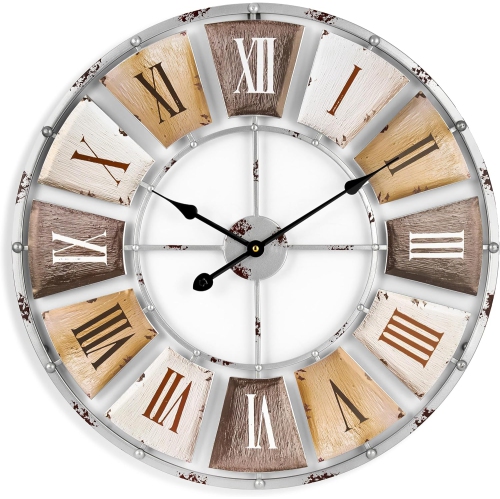 Your price for this item is $79.99
-
 Your price for this item is $45.99
-
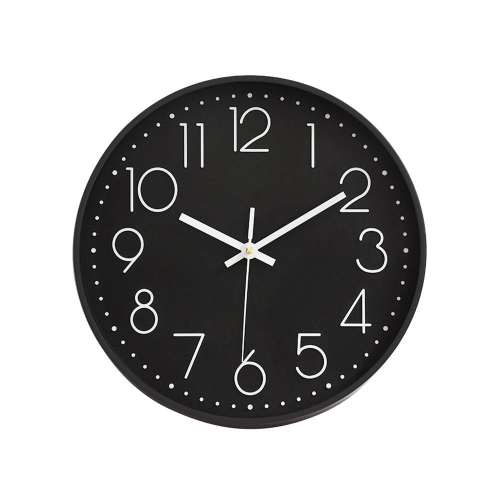 Your price for this item is $19.99
Discover more categories related to Decorative Wall Clocks

Top Collections:
Pokemon Centers, Kindle Devices, Best Budget Office Chairs, Canon G7X Cameras, Apple iPhones 16, Samsung Galaxy Phones, Refurbished Apple Laptops, Laptops for Students, iPhone 15 Apple, Budget Smartphones
Some products may be subject to Environmental Handling Fees
(EHF) depending on your province.
Learn more about EHFs.