Decorative Living Room Wall Clocks
Decorative wall clocks offer a stylish way to enhance any room while keeping you on schedule. With a variety of designs, colors, and sizes available, it’s easy to find the perfect accent piece to complement your home or office décor. Whether you prefer a classic look or something more modern, decorative wall clocks can add personality and charm to your space. Explore options that blend seamlessly with your interior style and make telling time a visually appealing experience.
Sort
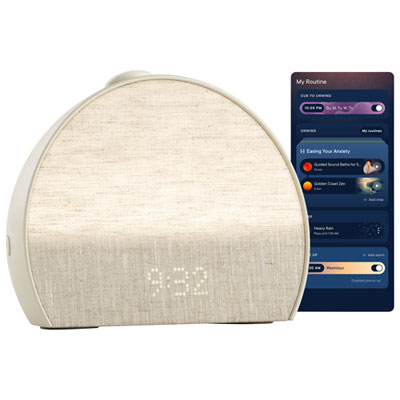

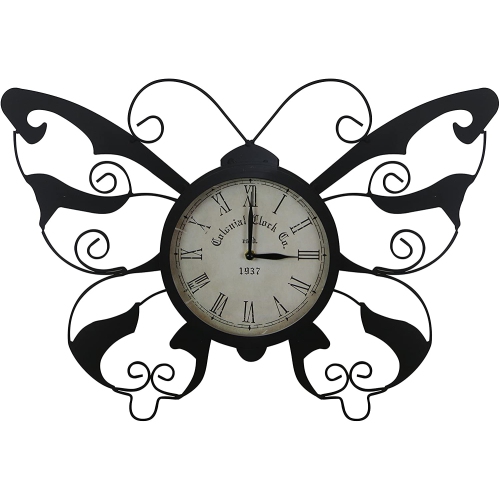


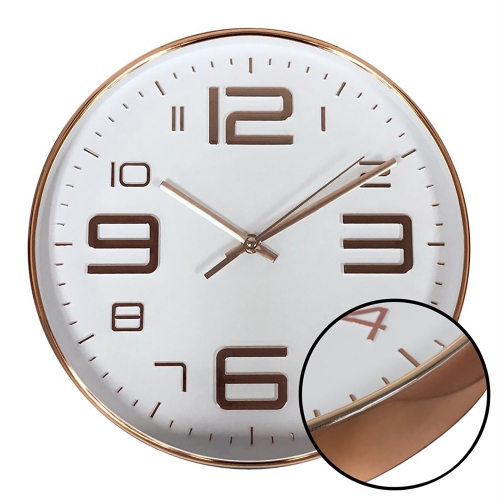


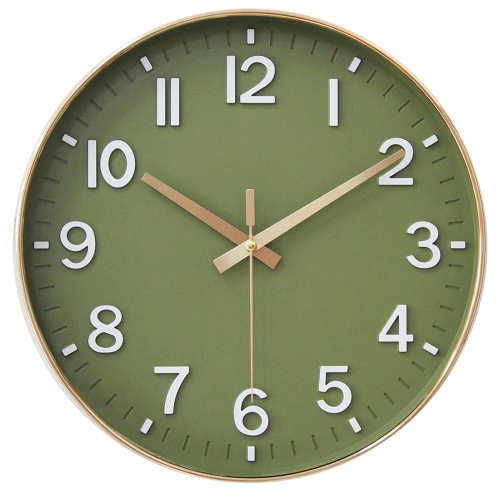


Wall art that tells time from your favourite armchair
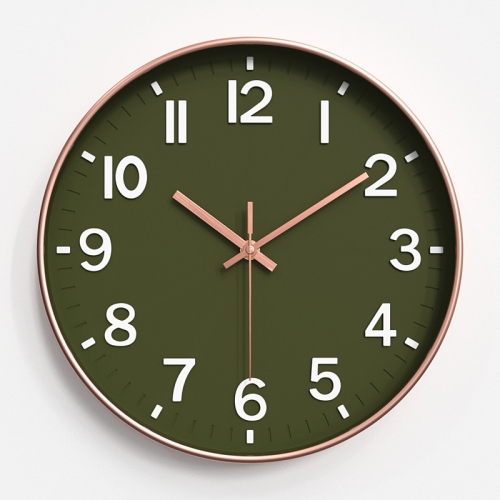
Decorative living room wall clocks bring timekeeping and wall art together, giving a room a useful focal point without adding another object to a table or shelf. Their visual impact comes from a combination of size, shape, finish, and dial design. A round clock can soften the straight lines of a sofa, shelving unit, or rectangular mirror, while a square case or geometric frame can reinforce a more structured look. Open metalwork, exposed numerals, and spoke-like designs let the wall colour become part of the composition; a solid clock face creates a more defined contrast against its background. The best size depends on the usable wall area, the furniture beneath it, and the distance from which the time needs to be read. An 18- to 24-inch clock can suit an accent wall, a space beside a bookcase, or a smaller seating area. A 30- to 36-inch clock makes a stronger statement above a wide console or sofa, provided there is enough surrounding space to keep the arrangement from feeling crowded. Designs measuring 40 inches or more generally need a broad wall and sufficient viewing distance, rather than simply a high ceiling. These ranges are starting points, not fixed rules: a delicate open-frame clock may feel lighter than a smaller clock with a thick, dark surround. A paper outline taped to the wall helps show how the diameter will relate to nearby furniture before mounting. Style matters just as much as scale. Wood grain and gently aged finishes can complement comfortable, textured furnishings, while a slim black frame works well with clean-lined furniture and dark hardware. Roman numerals, ornamental hands, and scroll details lean towards a traditional appearance; uncluttered dials and simple markers suit more restrained interiors. For everyday readability, look beyond the overall design to the contrast between the hands and face. A clock that looks striking close up should still be easy to read from a favourite armchair, especially when lamps are on and the room’s lighting is less even.
Materials influence both the character of a decorative clock and how it holds up to everyday use. Wood frames introduce visible grain and a warmer visual texture, though construction may include solid wood, veneer, or engineered wood, each with different care requirements. Metal can create anything from a fine, airy outline to a substantial industrial-style frame, with painted, brushed, or polished finishes changing how much light the surface reflects. Glass over the dial helps shield the face from dust, but reflections from a window or television can make the hands harder to see from certain seats. Acrylic and other lightweight materials can offer a similar visual effect with less weight, although their surfaces still need gentle cleaning to avoid scratches. Consider the finish in relation to details already in the room: a brushed metallic frame can echo lamp bases, while a matte finish may sit more quietly beside patterned cushions or a gallery wall. Matching every finish is unnecessary; repeating one colour or material is often enough to make the clock feel connected to the furnishings. The movement is another important consideration, particularly in a living room used for reading, conversation, or watching television. Many battery-powered quartz clocks have a stepping second hand with an audible tick, while sweeping movements are often chosen for their quieter operation. Descriptions such as silent or non-ticking are helpful, but they do not guarantee that every mechanism will be completely inaudible at close range. Pendulum and chiming designs bring a more traditional presence, with sound becoming part of their appeal rather than something to overlook. Where a clock includes chimes, adjustable volume or a shut-off setting may matter in an open-plan home. Check the power source and battery requirements, along with access to the battery compartment and time-setting controls. A large statement clock can be awkward to remove from the wall, so straightforward access is a practical advantage. Clear numerals, distinguishable hour and minute hands, and a dial that remains legible from an angle help make decorative details useful as well as attractive.
Placement shapes how comfortably a wall clock fits into daily life. Above a sofa or console, it should feel connected to the furniture without sitting so close that the arrangement looks compressed. Beside a fireplace, keep the clock away from direct heat and confirm that its materials are suitable for the location. A wall opposite the main seating area can make checking the time effortless, while a position behind the sofa may serve mainly as a decorative feature. In a shared living and dining space, consider sightlines from both areas rather than choosing a position based on one view alone. Avoid placing a reflective dial directly across from a bright window if glare obscures the hands. Installation should suit the clock’s weight, mounting hardware, and wall construction; a large metal or glass design needs more support than a lightweight frame. Use an appropriate fastener or anchor, and check that the clock rests securely and level, particularly above seating or in homes with children and pets. Renters should also consider any restrictions on wall fixings before choosing a heavy or oversized design. Care is usually simple but should reflect the materials involved. Dust frames and open numerals with a soft cloth, use a gentle approach around delicate hands, and avoid spraying cleaner into the movement or directly onto the clock face. Remove the clock before replacing batteries if safe access requires it, and follow the manufacturer’s directions for adjusting the hands rather than forcing them. Decorative clocks can make thoughtful housewarming or wedding gifts when the recipient’s taste, wall space, and preference for quiet operation are known. A modest, readable design may suit a first apartment, while a larger architectural style can appeal to someone furnishing a spacious sitting room. When comparing Living Room Clocks, balance visual character with these everyday details. The most satisfying choice is one that belongs naturally among the furnishings, remains easy to read from the seats people actually use, and can be maintained without unnecessary fuss.
Top selling and popular products
-
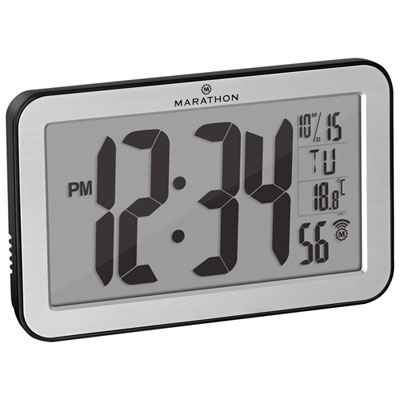 Your price for this item is $44.99
-
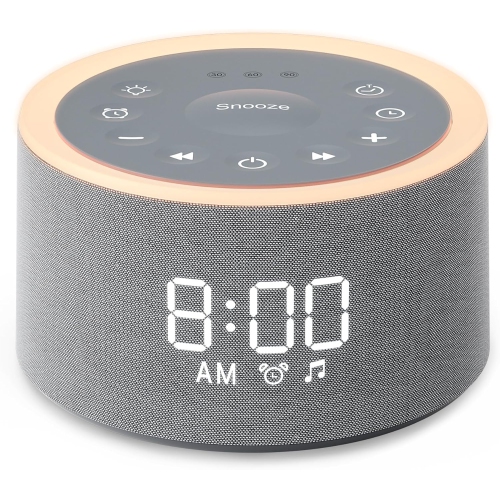 Your price for this item is $44.99
-
 Your price for this item is $89.99
-
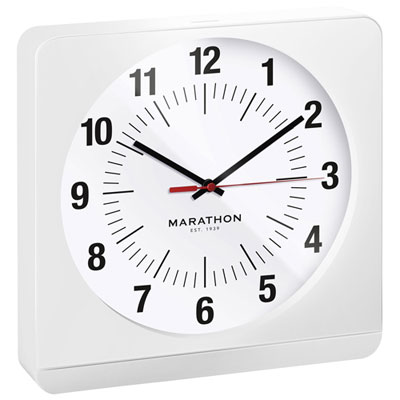 Your price for this item is $114.99
-
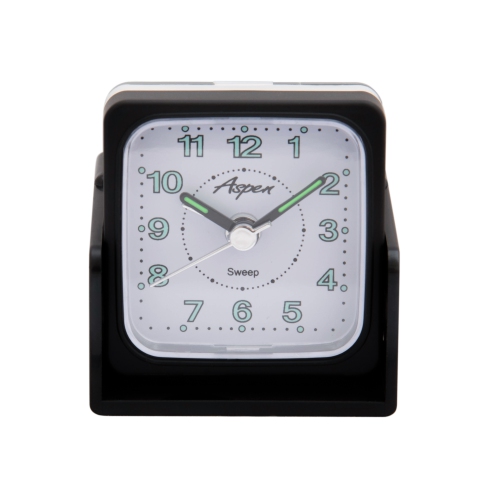 Your price for this item is $19.95
-
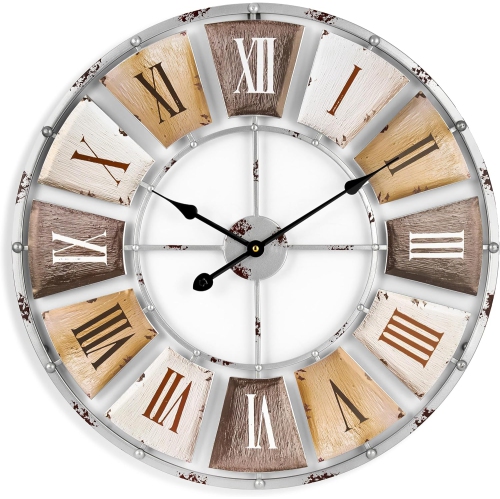 Your price for this item is $79.99
-
 Your price for this item is $45.99
-
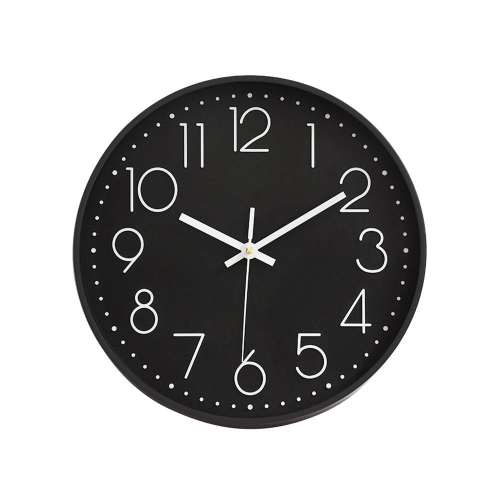 Your price for this item is $19.99
Discover more categories related to Decorative Living Room Wall Clocks
Top Collections:
Pokemon Centers, Best Cameras for Sports Photography, Kindle Devices, Samsung Galaxy Phones, Canon G7X Cameras, Pokémon 30th Celebration Cards, Refurbished Apple Laptops, iPhone 15 Apple, Laptops for Students, Budget Smartphones
Some products may be subject to Environmental Handling Fees
(EHF) depending on your province.
Learn more about EHFs.