Decorative Wooden Storage Boxes
Decorative Wooden Storage Boxes add a touch of charm and organization to any space, blending functionality with timeless style. Perfect for keeping essentials neatly tucked away, these versatile storage solutions complement a variety of home décor themes. Whether displayed on shelves, tucked under tables, or used as accent pieces, Decorative Wooden Storage Boxes offer an elegant way to reduce clutter while enhancing the look of your room. Explore options that suit your needs and bring both order and beauty to your living spaces.
Sort
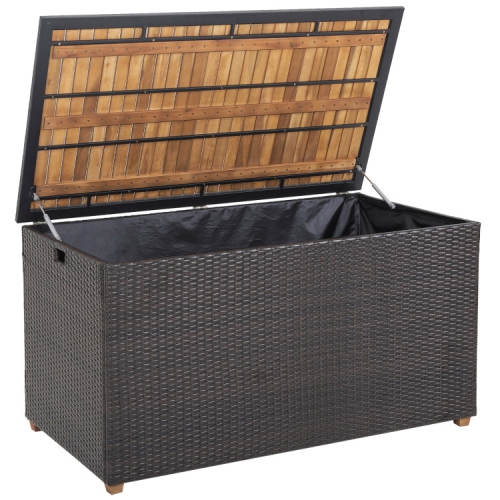

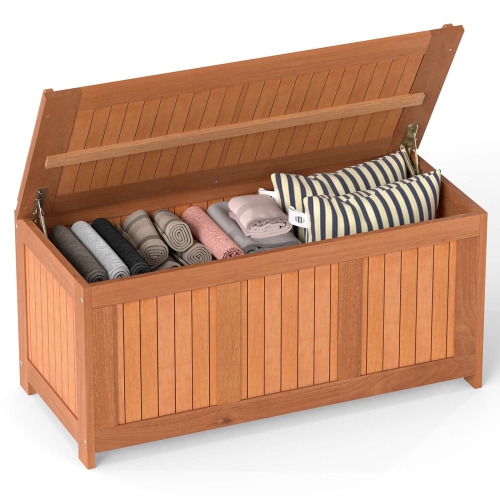
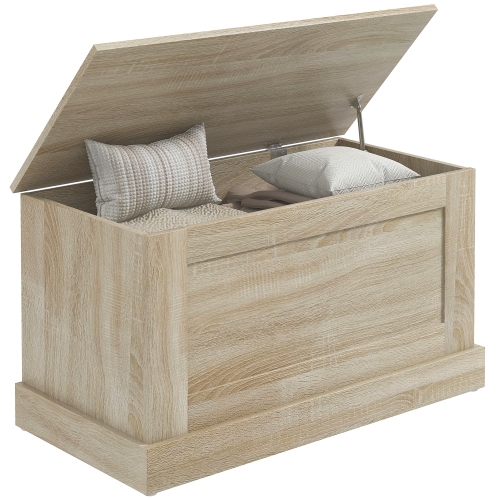
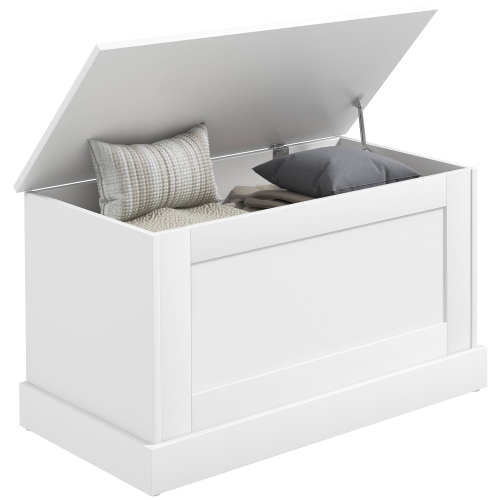
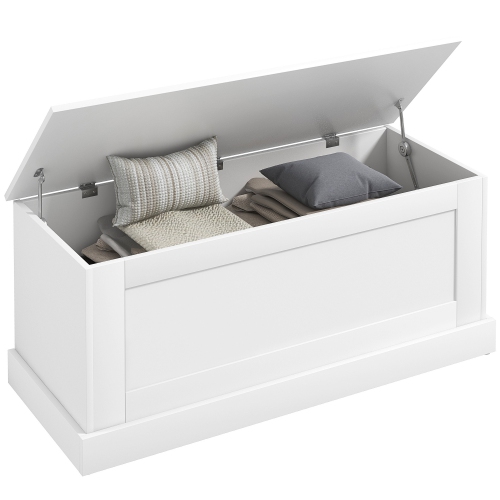

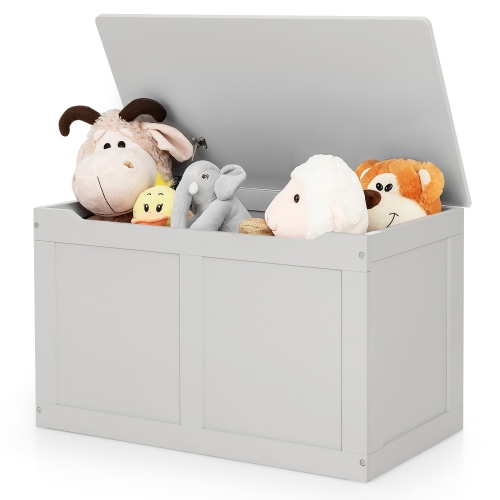
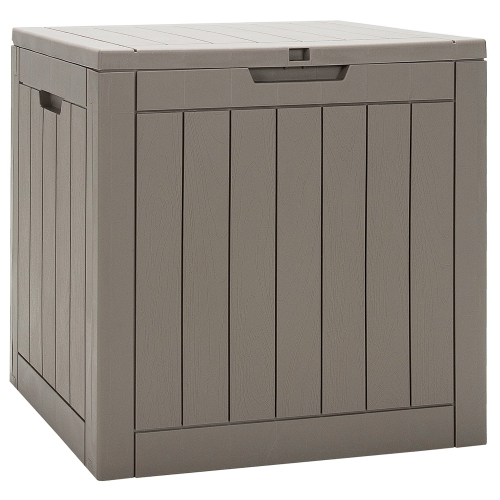
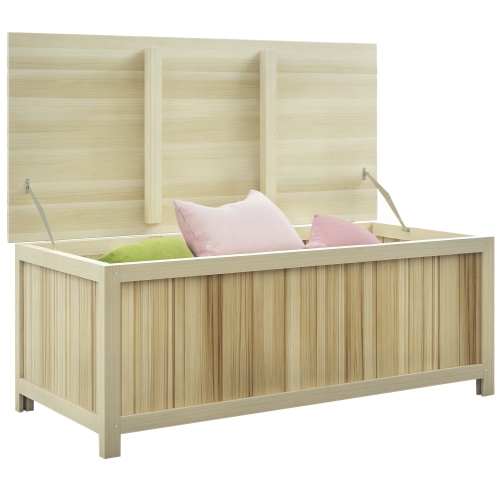
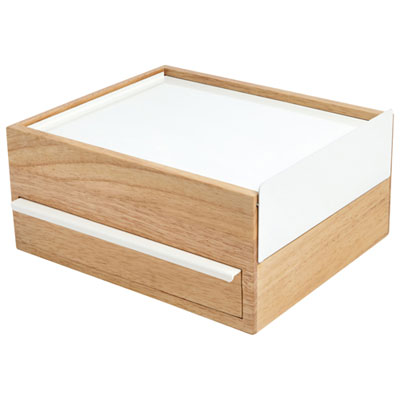

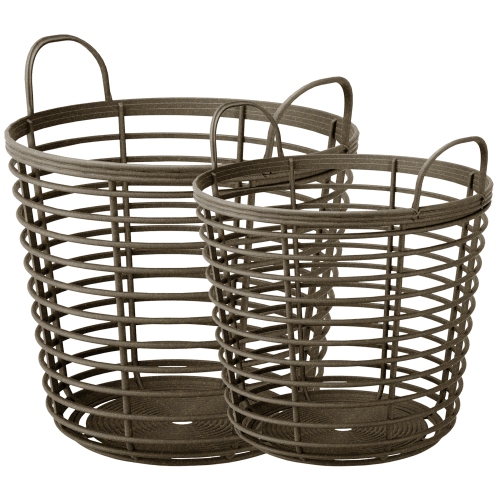
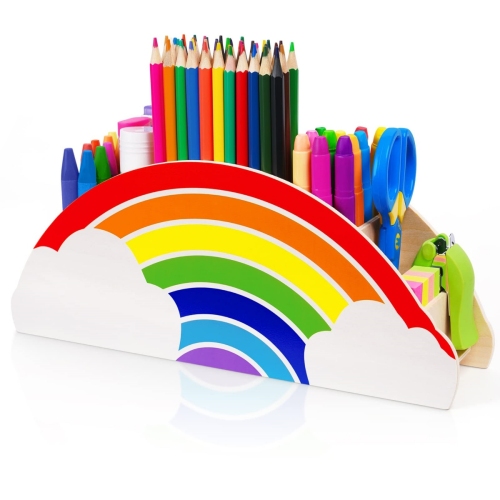
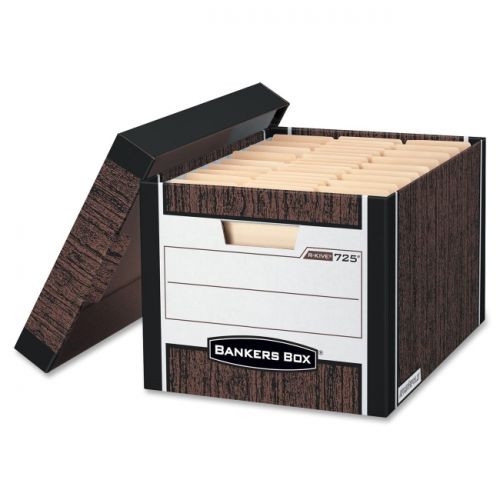

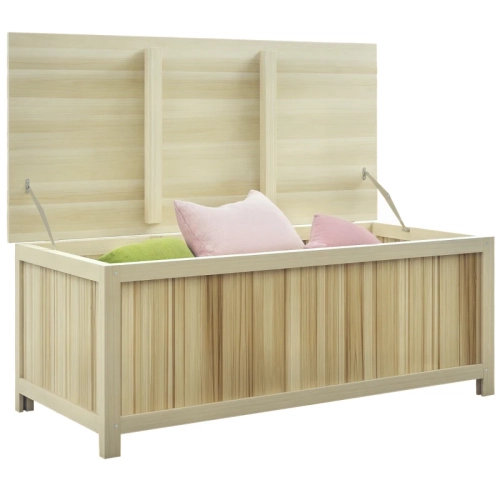
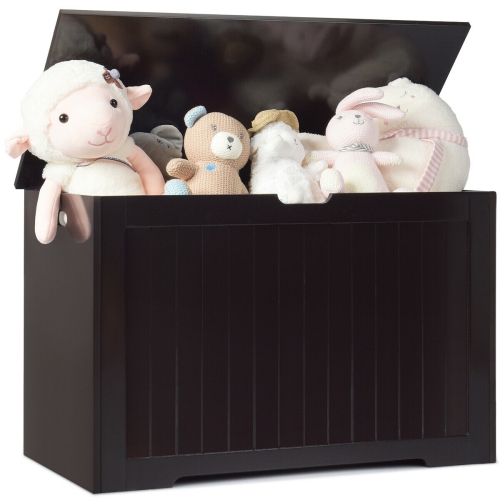
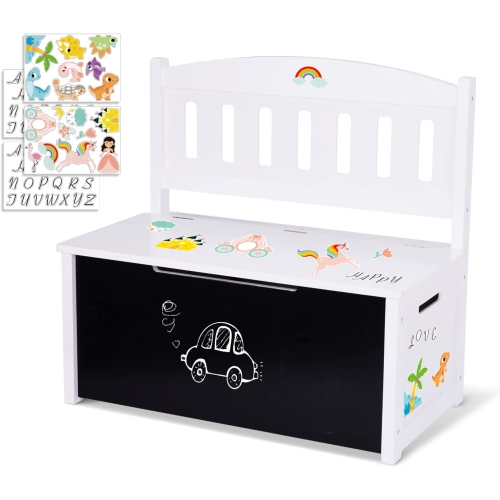
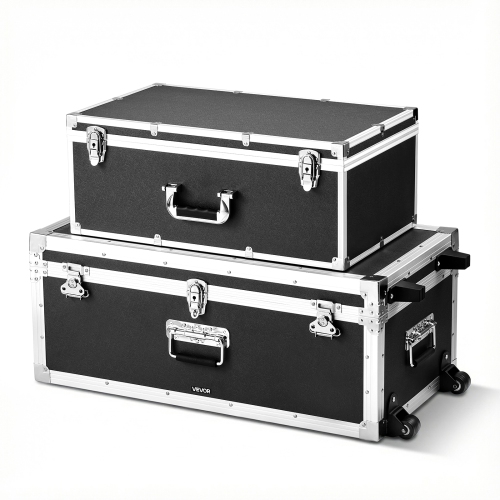

Everyday storage with wood grain worth displaying
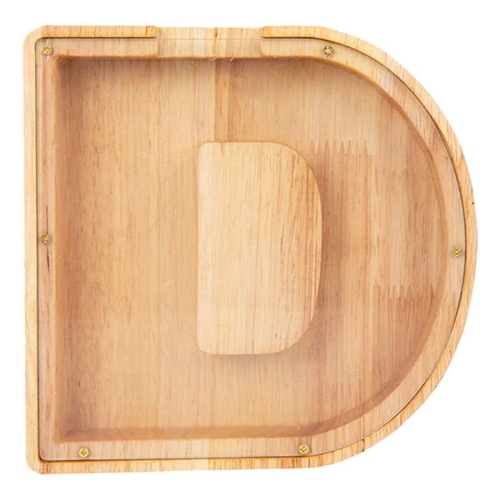
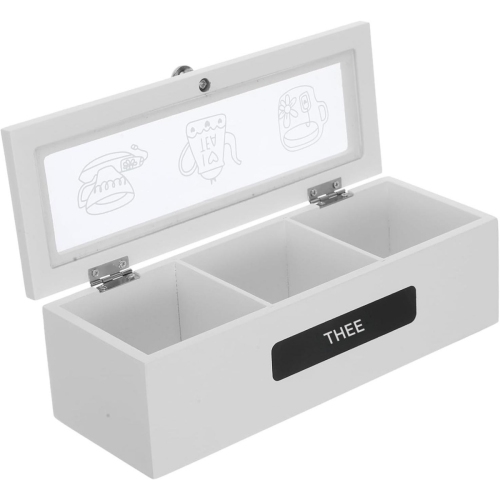
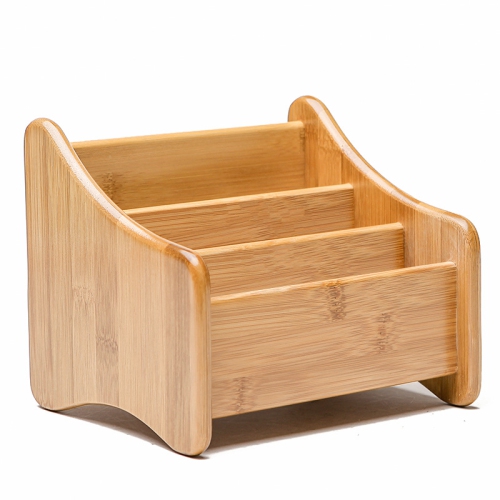
Decorative wooden storage boxes give everyday belongings a place to settle without making a room feel like a storage area. A box on an entryway console can keep keys and small accessories together, while one on a living room shelf can tuck away remote controls, charging cables, or the loose pieces that otherwise gather beside the sofa. The appeal is as much about texture as organization: visible grain, a gently rounded lid, or a carved surface can add detail to a room without requiring much space. Wood tones range from pale and understated to deep and richly coloured, making it possible to coordinate with existing furniture or introduce a deliberate contrast. A simple rectangular shape can sit comfortably among books and framed photographs, while a patterned or inlaid design may serve as a focal point on its own. Materials influence both appearance and everyday performance. Solid wood offers grain that continues through the material, with natural differences in colour and markings that make each piece look slightly different. Wood veneer places a thin layer of real wood over a supporting core, allowing a wood-grain appearance with a different construction beneath the surface. Painted wooden boxes put more emphasis on colour and shape, while stained finishes allow more of the grain to show. For frequently handled storage, the quality of the finish, corners, hinges, and base matters just as much as the decorative surface. Smooth edges are more comfortable to handle, well-aligned lids sit neatly, and a stable base helps a box rest securely on a shelf or tabletop. A rustic appearance does not necessarily mean a rough finish; surfaces that come into regular contact with hands or delicate belongings should still feel appropriate for their intended use. Whether the room is furnished with clean-lined pieces, traditional wood furniture, or a mixture collected over time, a thoughtfully chosen box can make useful storage feel like part of the room rather than an afterthought.
Size and interior layout determine how comfortably a decorative box fits into daily routines. Exterior measurements show whether it will sit on a shelf, dresser, or desktop, but interior measurements reveal what it can actually hold. Thick sides, curved lids, internal trays, and divided compartments can reduce usable space, so the contents deserve as much consideration as the position of the box itself. A shallow interior makes small accessories easier to see at a glance; a deeper, open compartment offers more flexibility for bundled cables, letters, or keepsakes of different shapes. Dividers help separate small belongings that would otherwise become tangled or buried, although a fixed layout may be less useful when storage needs change. Removable trays can provide another level of organization without committing the entire box to one purpose. The way a lid opens also affects placement. A hinged lid needs clearance above and behind the box, particularly beneath a shelf, while a lift-off lid needs somewhere to rest during use. A sliding lid may suit a lower space, provided there is enough room beside the box to open it fully. These details become especially noticeable in narrow entryways, compact bedrooms, and shared work areas where every surface has several jobs. On a desktop, a box can hold stationery or small accessories while leaving the main work surface clear. Beside a reading chair, it can keep personal belongings close without leaving them on display. For objects handled several times a day, an easy-opening lid is often more practical than a decorative fastening that takes both hands to release. Handles can help when moving a larger box, but their attachment and the overall weight still need to suit the contents. A decorative clasp should not be assumed to provide secure storage, and an ordinary wooden box is not a substitute for storage designed to protect valuables or sensitive documents. Matching the construction to the routine helps a box remain useful long after its appearance first catches the eye.
Care for decorative wooden storage boxes depends on the material, finish, hardware, and any interior lining. Regular dusting with a soft, dry cloth is usually a sensible starting point, with any additional cleaning guided by the maker’s care directions. Carved grooves and detailed corners may need a soft brush to remove dust without scraping the finish. Soaking, abrasive cleaners, and vigorous scrubbing can damage wood surfaces or decorative treatments, while damp contents may leave marks or affect an interior lining. Keeping the box away from splashes, direct heat sources, and prolonged direct sunlight can help preserve its appearance. On a dresser or console, a clean, suitable protective pad beneath the base can help reduce rubbing against the furniture, especially if the box is moved often. Long-term usefulness also comes from choosing an interior that suits what will be stored. Paper keepsakes benefit from clean, dry storage, though wood alone does not make a box suitable for archival preservation. Delicate accessories may need a smooth lining and separate spaces to prevent rubbing or tangling. For belongings that need this more specialized layout, Decorative Wooden Jewelry Boxes offer a related option to consider, with the interior arrangement remaining an important part of the choice. Decorative storage can also make a thoughtful housewarming, birthday, or wedding gift when the design reflects the recipient’s taste and living space. A compact box may suit someone furnishing a small apartment, while a more spacious design can provide a home for letters, photographs, or shared mementos. The most personal choice is not always the most ornate one: a restrained finish that works with favourite furniture may be used more often than an elaborate design with no natural place to sit. For personal use or gifting, the lasting appeal lies in that balance of appearance and purpose—a box that feels pleasant to handle, fits where it belongs, and keeps meaningful or frequently used belongings neatly together.
Top selling and popular products
-
 Your price for this item is $412.99
-
 Your price for this item is $299.99
-
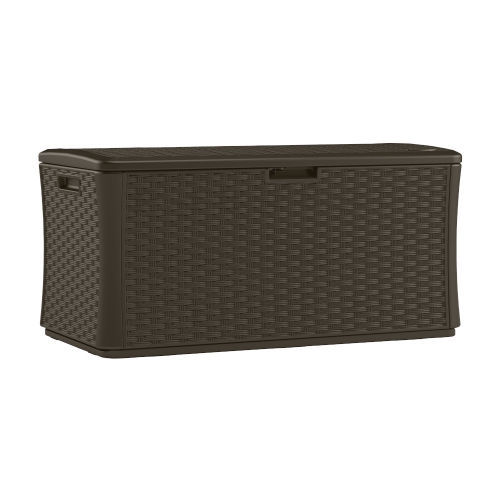 Your price for this item is $349.99
-
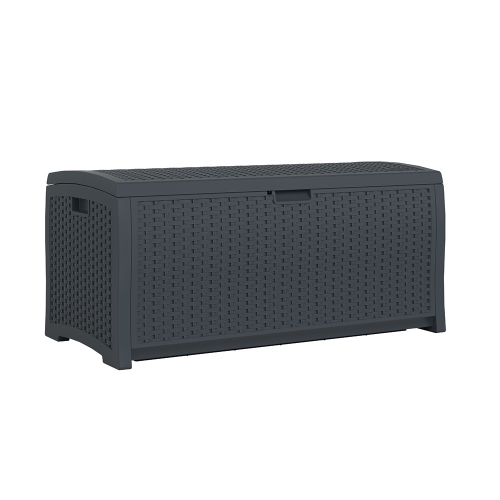 Your price for this item is $219.99
-
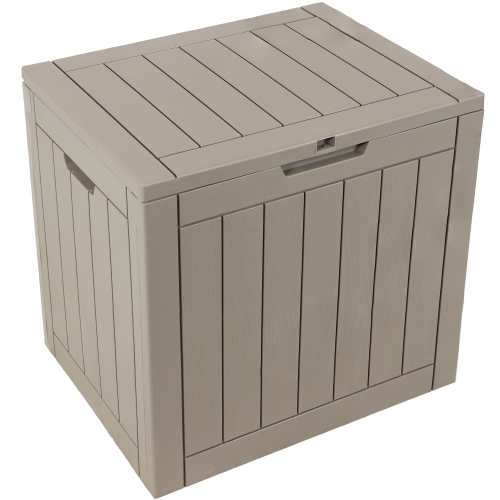 Your price for this item is $134.95
-
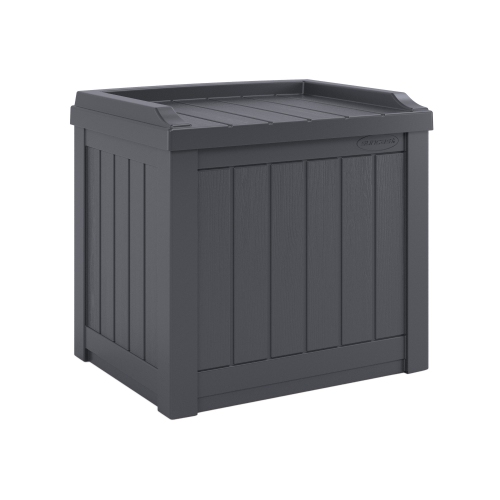 Your price for this item is $108.99
-
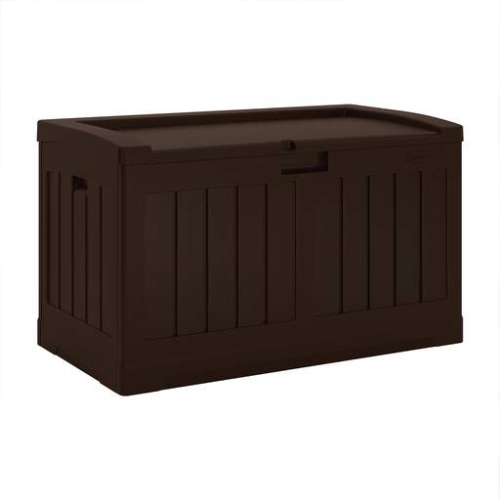 Your price for this item is $417.99
-
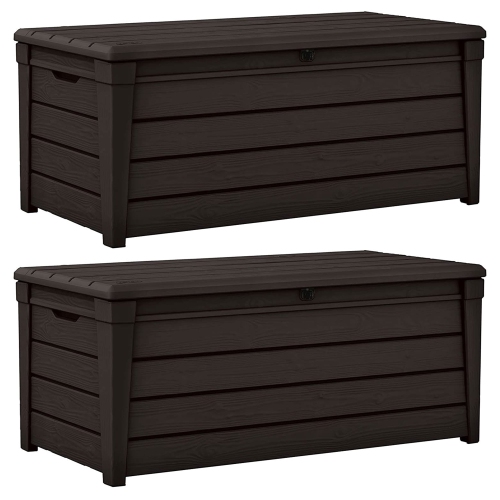 Your price for this item is $1038.99
Discover more categories related to Decorative Wooden Storage Boxes
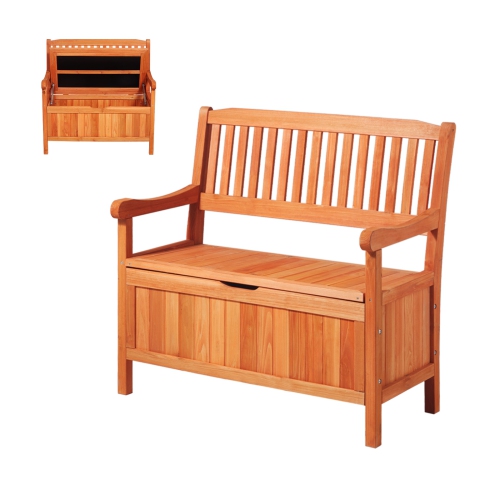
Top Collections:
Best Black Friday Deals This Year, Best Black Friday Deals On Electronics, Kindle Devices, Pokemon Centers, Best Black Friday Deals On Apple Products, Best Cameras for Sports Photography, Dyson Airwrap, Pokémon 30th Celebration Cards, Apple iPhone 17 Pro, Canon G7X Cameras
Some products may be subject to Environmental Handling Fees
(EHF) depending on your province.
Learn more about EHFs.