Desks With Lockable Drawers
Looking for a desk that offers both style and security? Look no further than our selection of desks with lockable drawers. Whether you're setting up a home office, upgrading your workspace, or need a secure storage solution, these desks are designed to meet your needs. With their sleek designs and functional features, our lockable drawer desks provide the perfect blend of organization and peace of mind. Discover a range of options that combine practicality with style, making them ideal for any professional or personal setting.
Sort
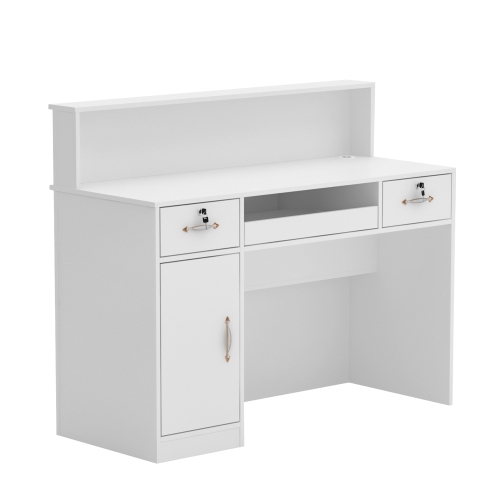
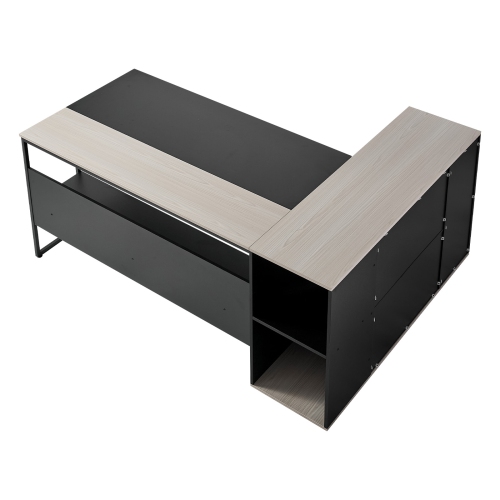
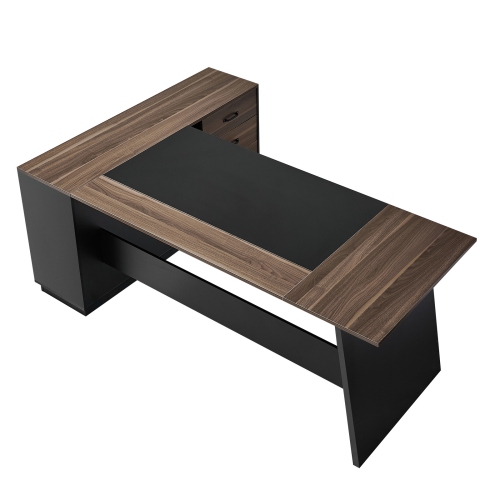
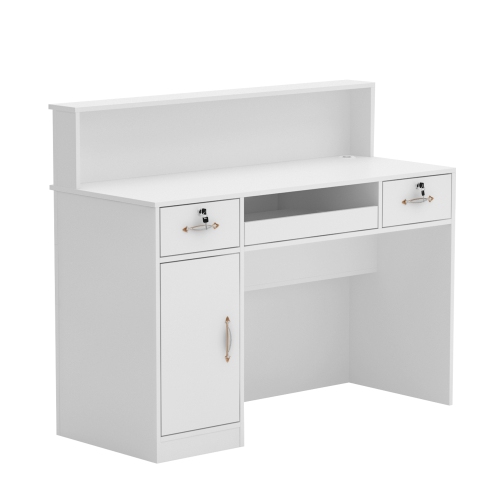
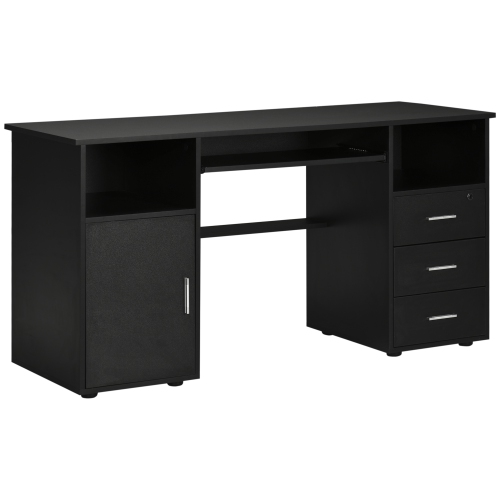
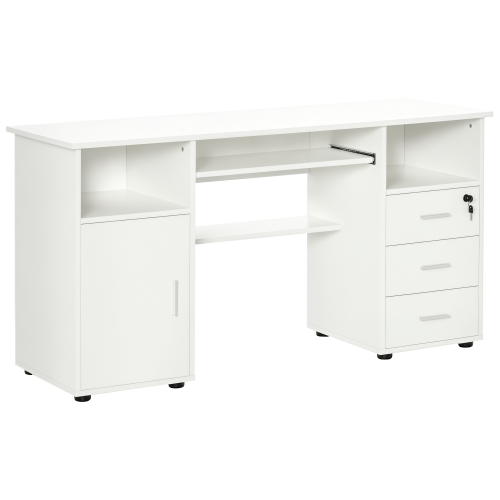
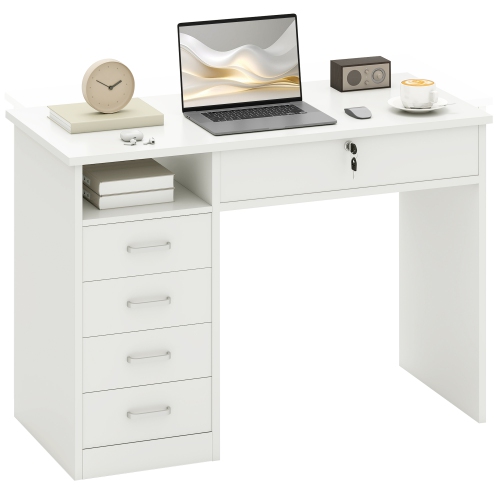
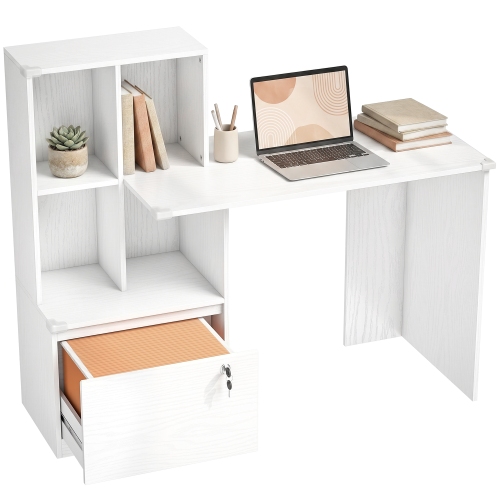
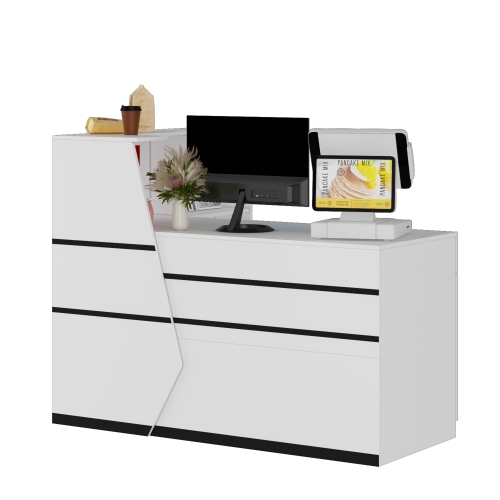
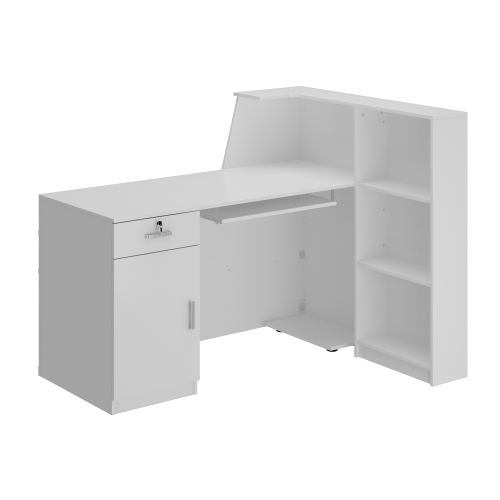
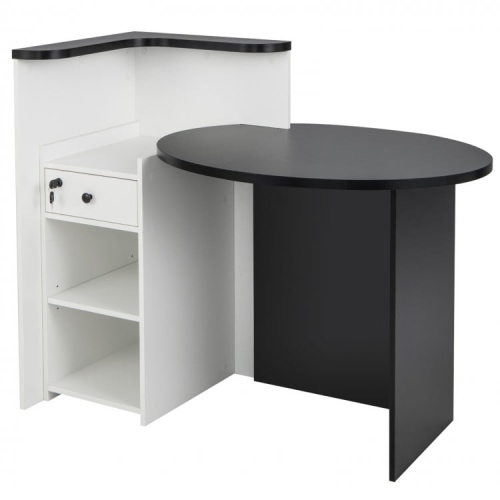
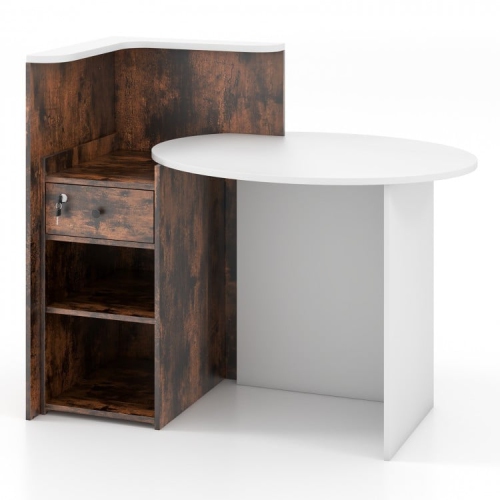
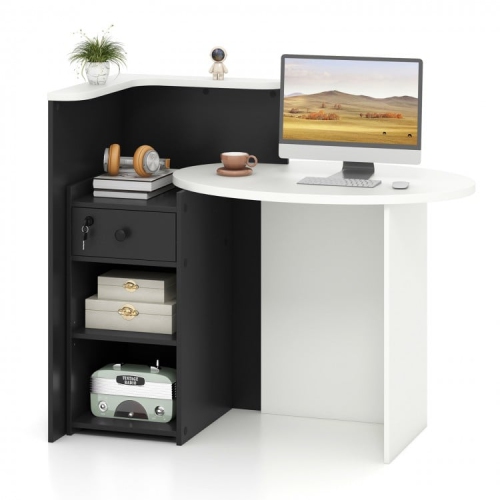
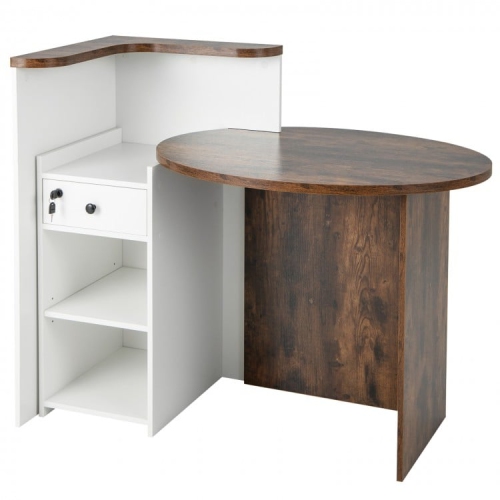
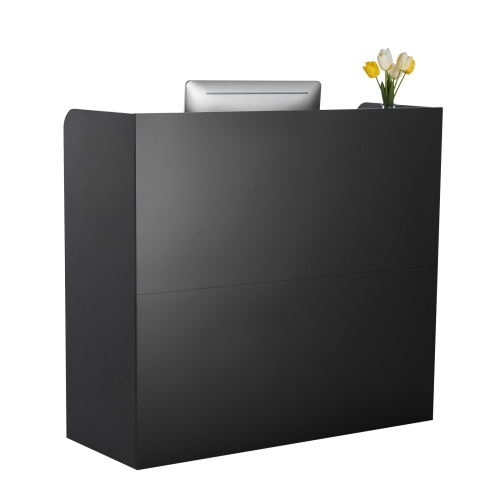
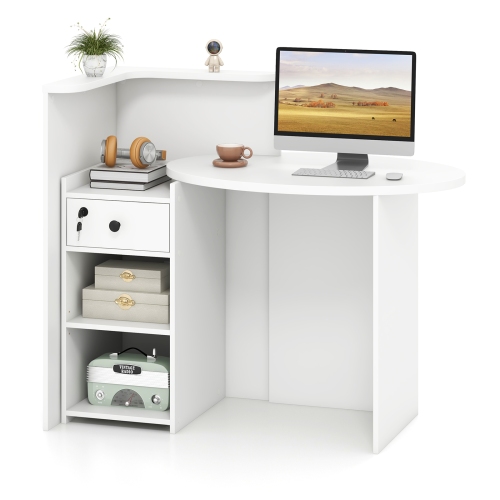

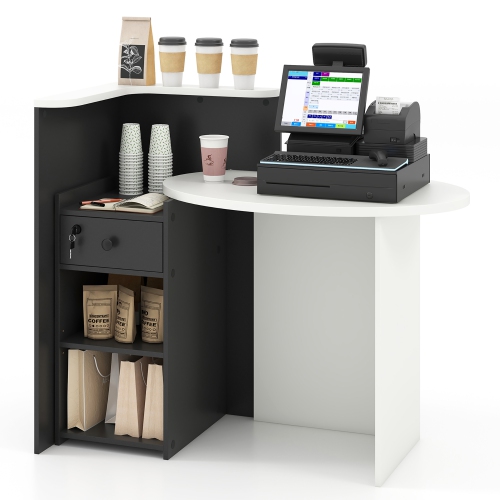
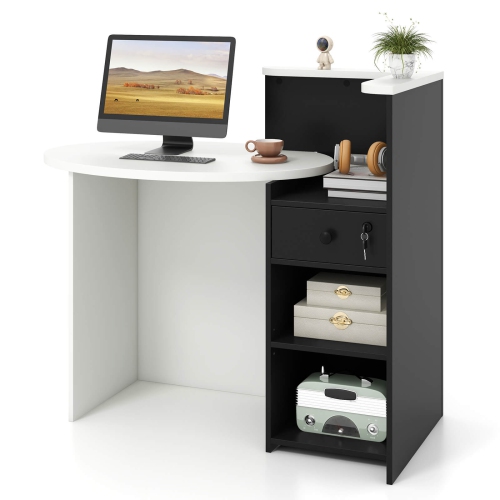
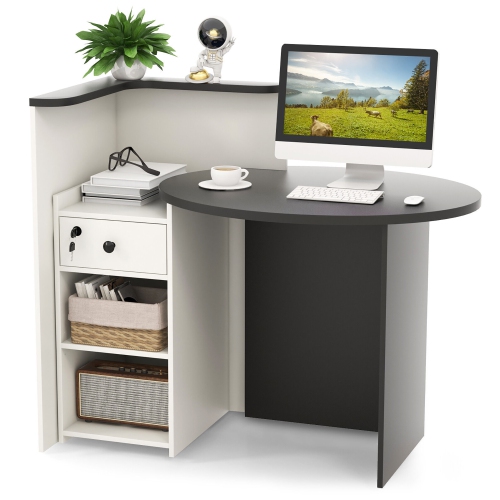
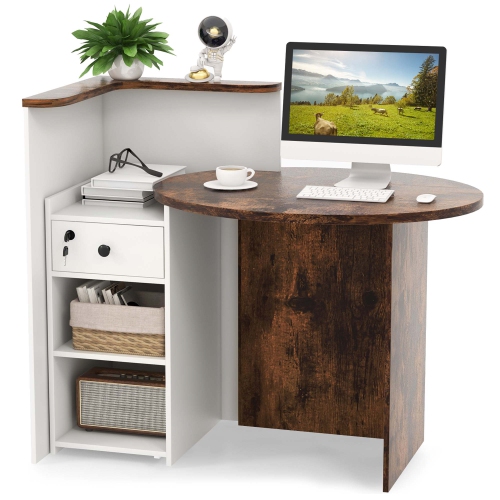
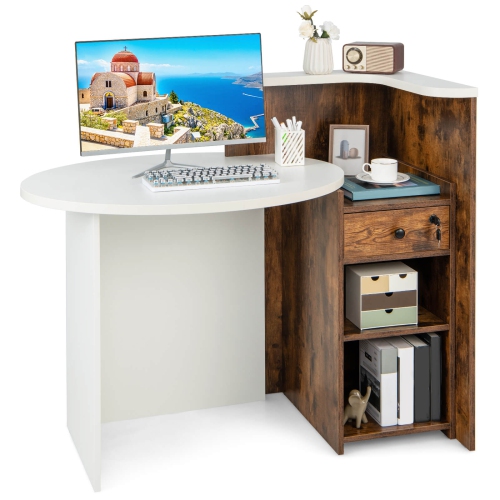
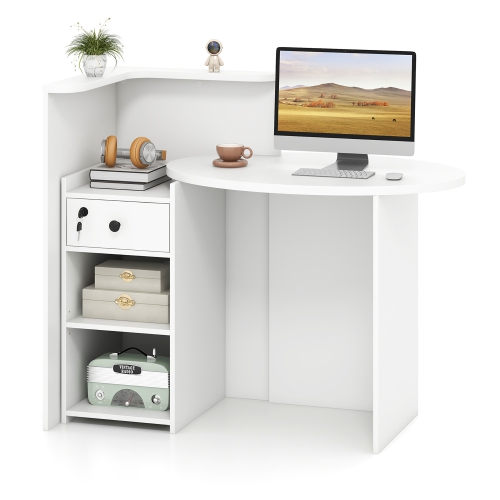
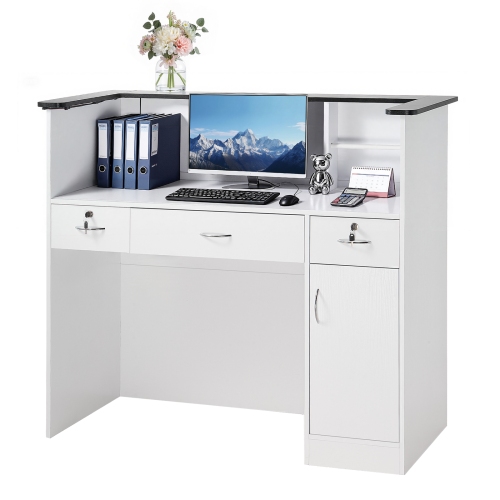
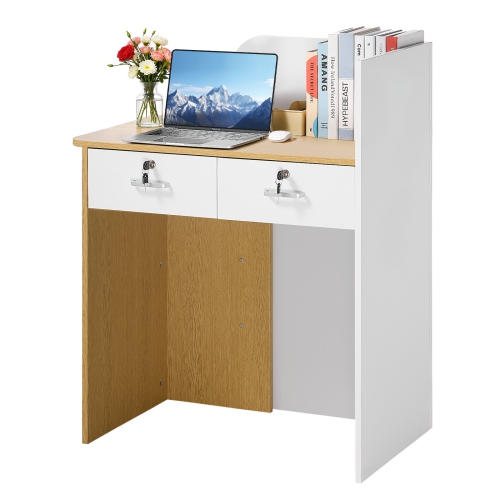
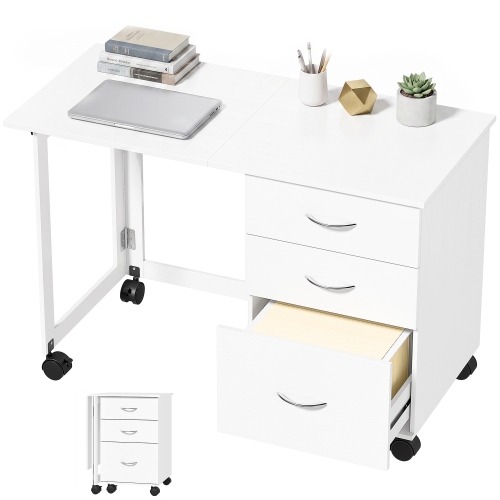
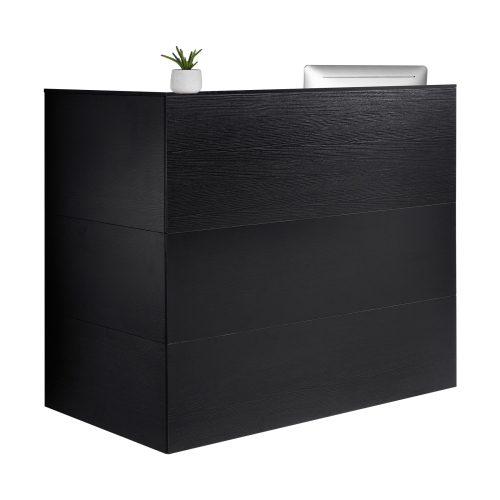

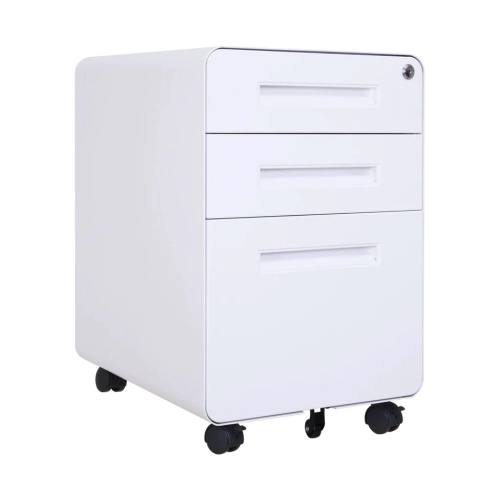


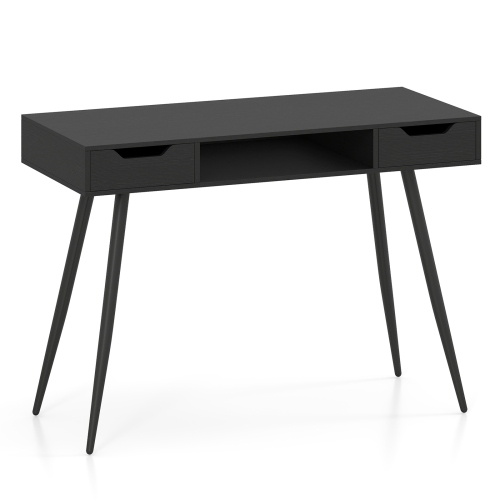
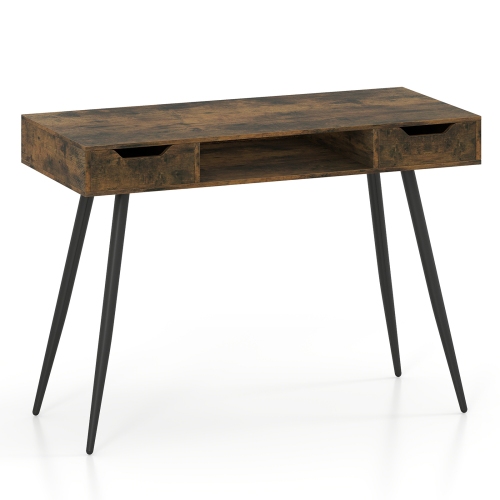
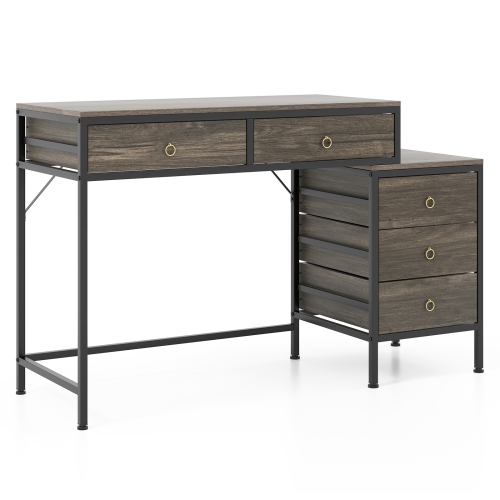
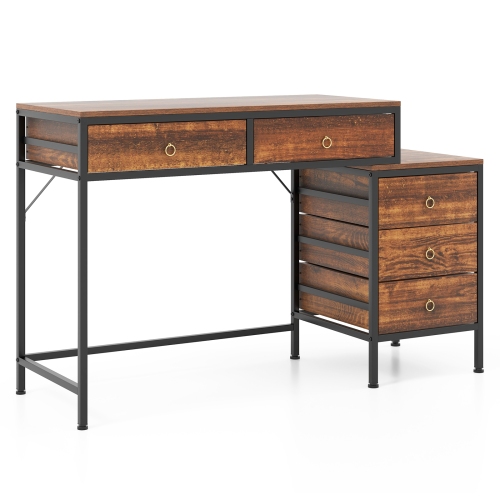
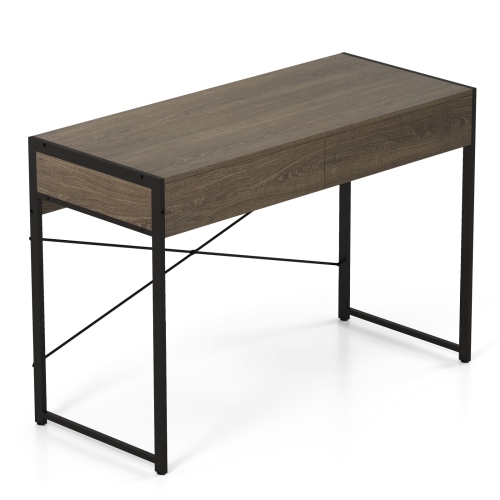

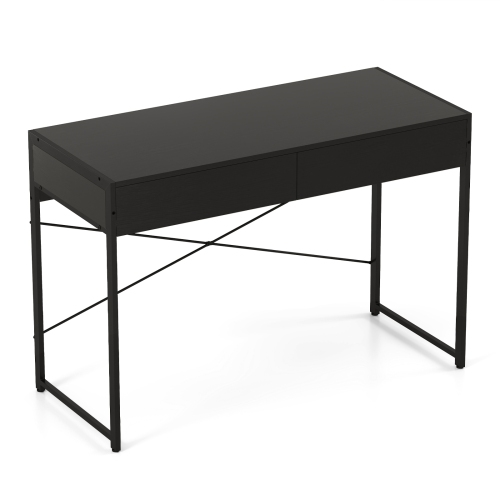
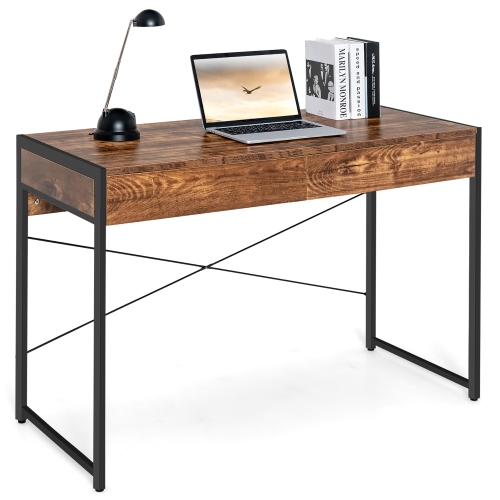
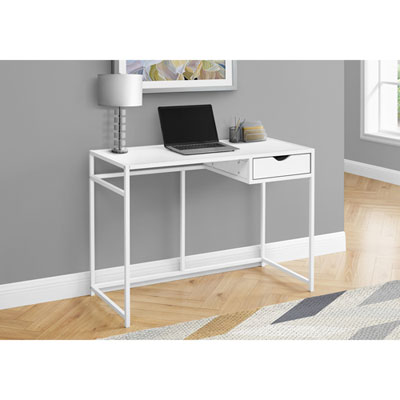

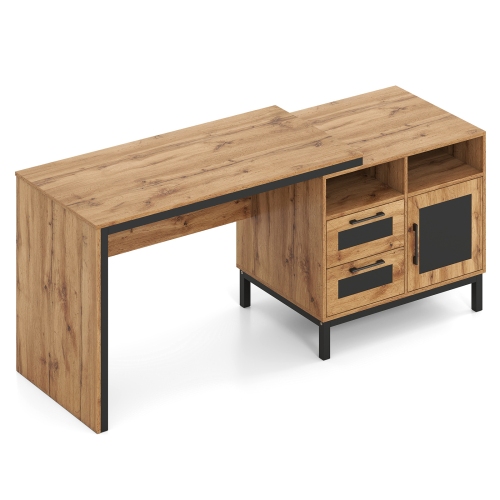
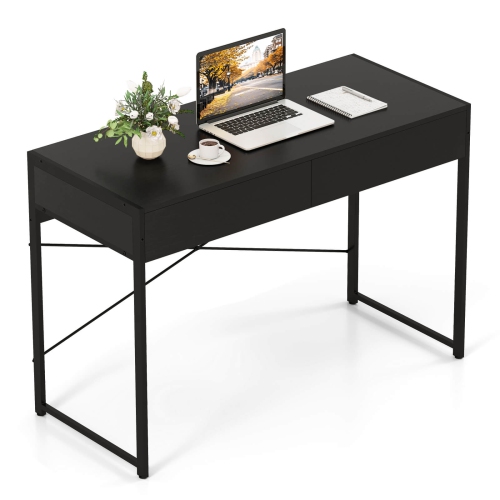
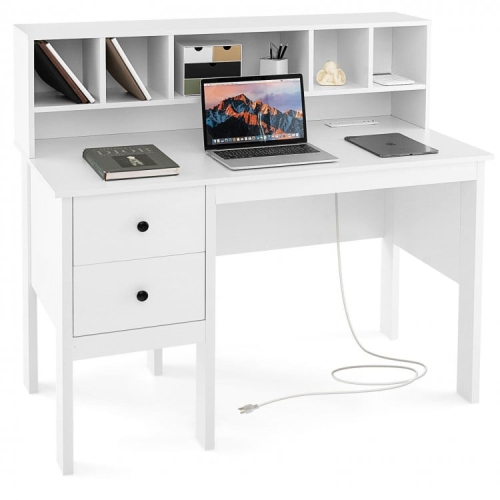
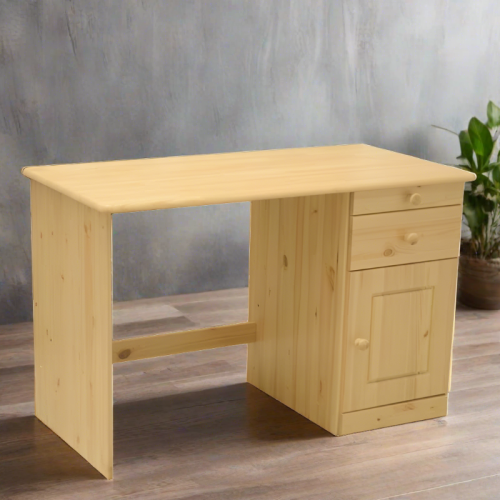
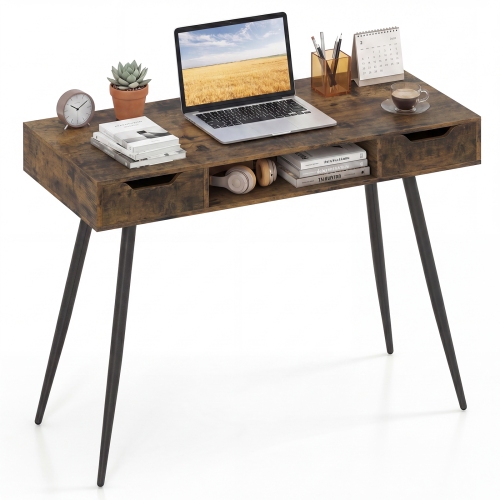
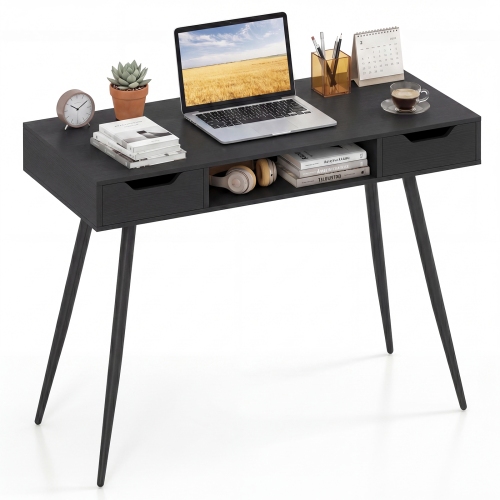
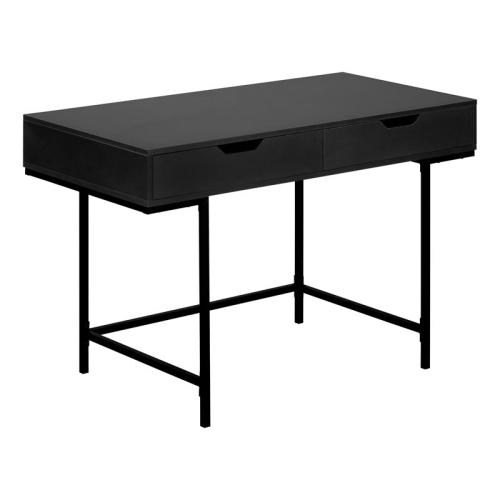
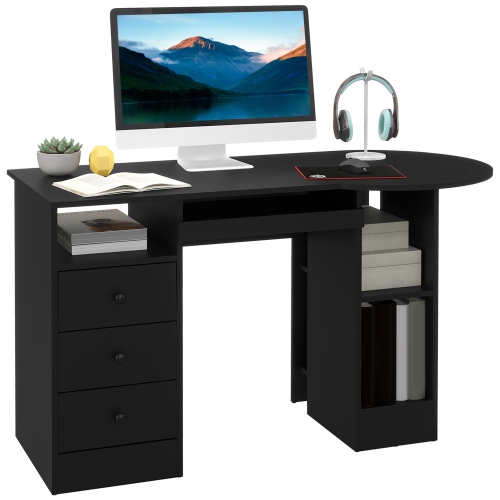
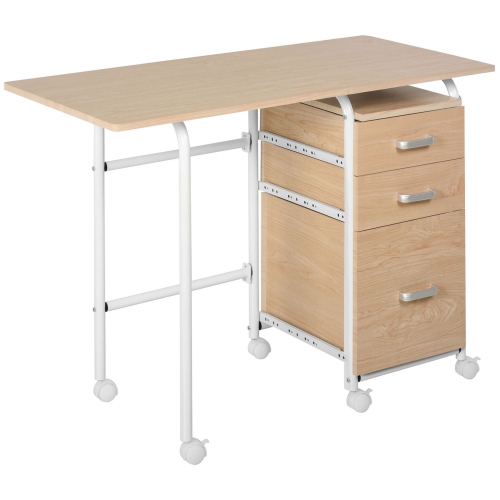
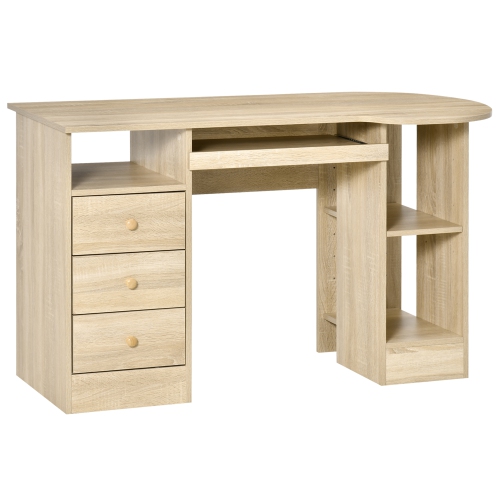
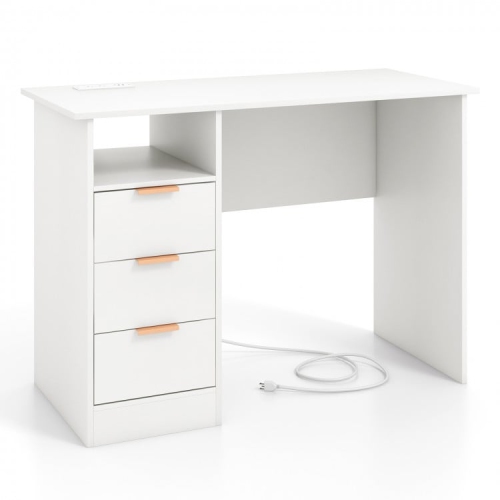
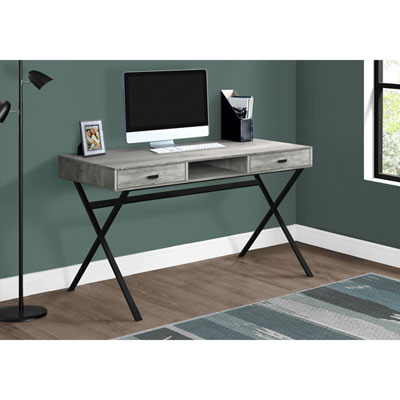
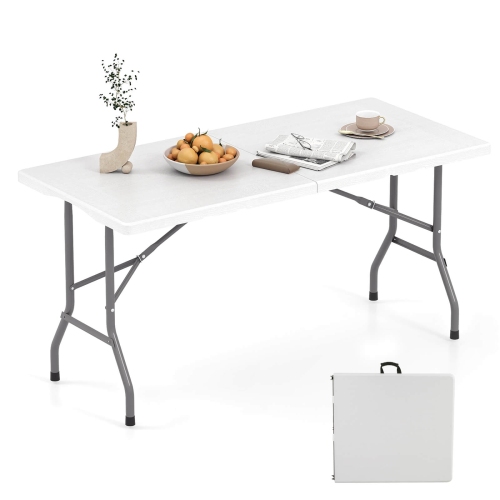
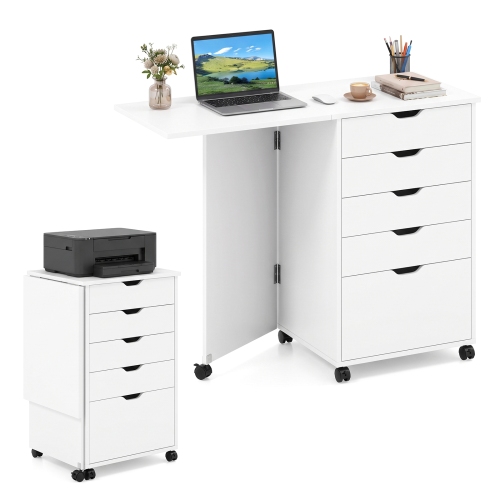
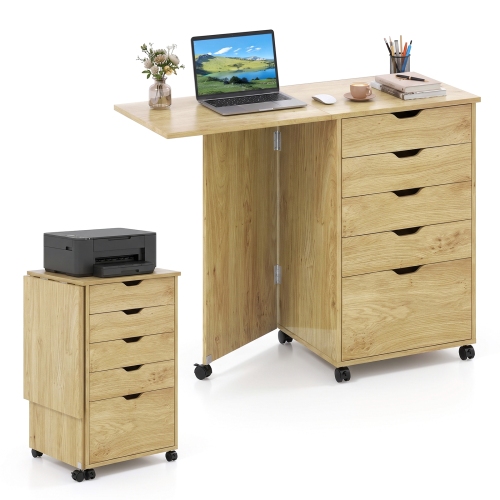
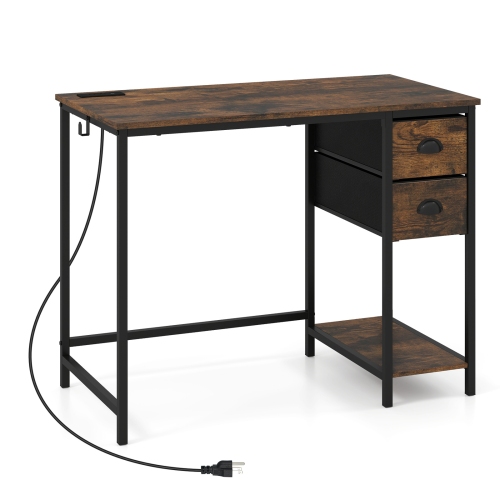
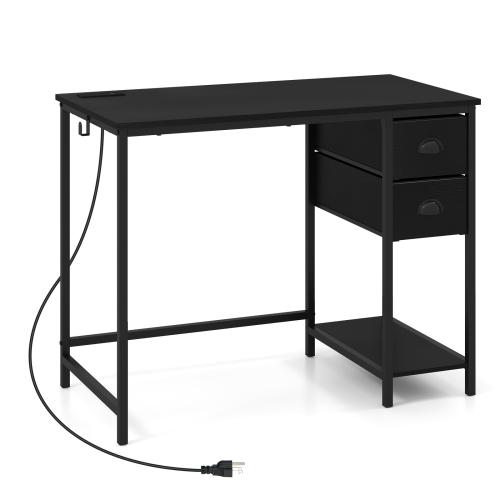
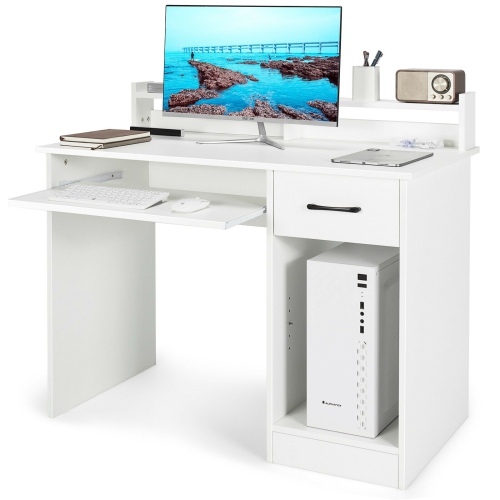
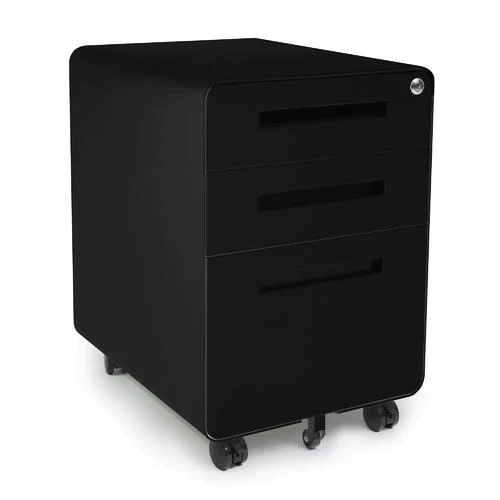
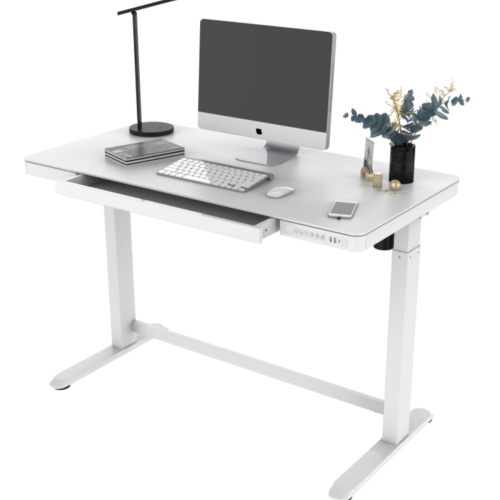
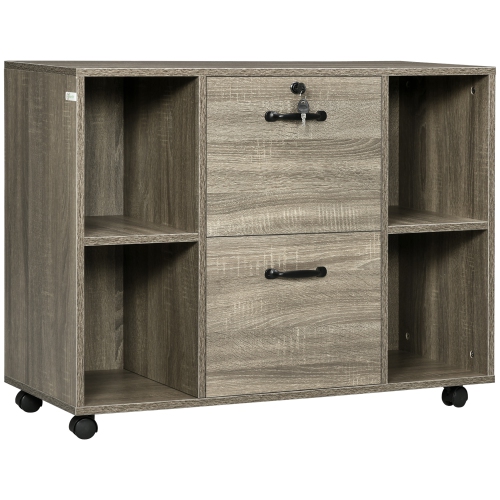
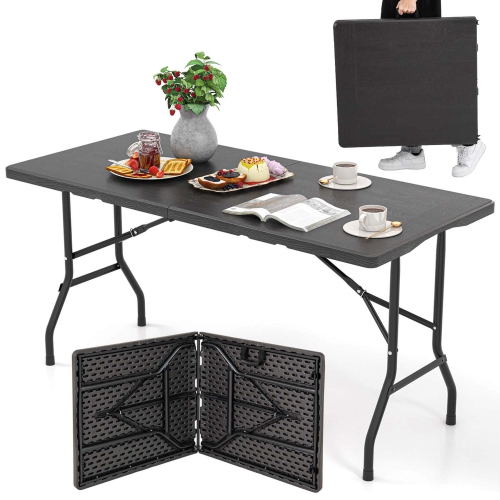
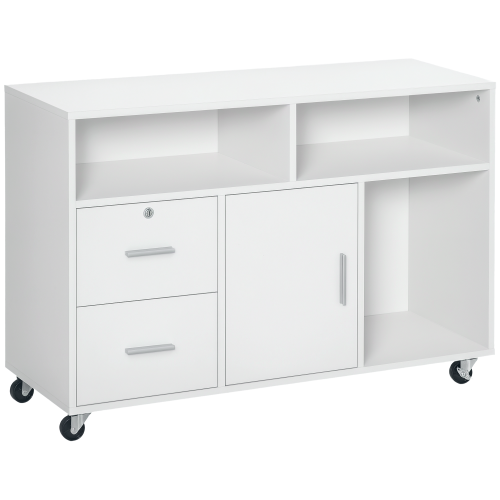
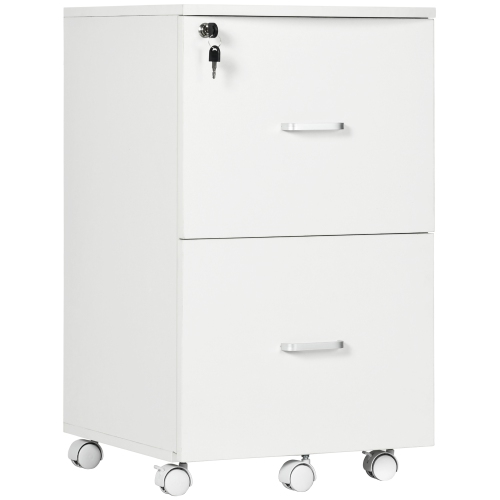
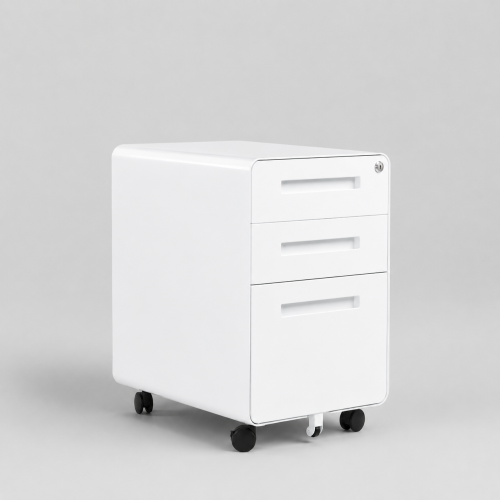
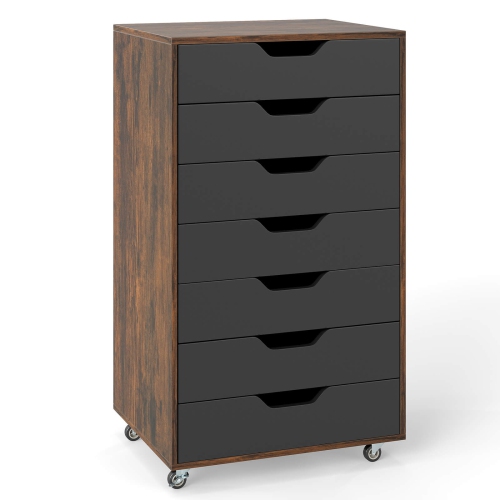
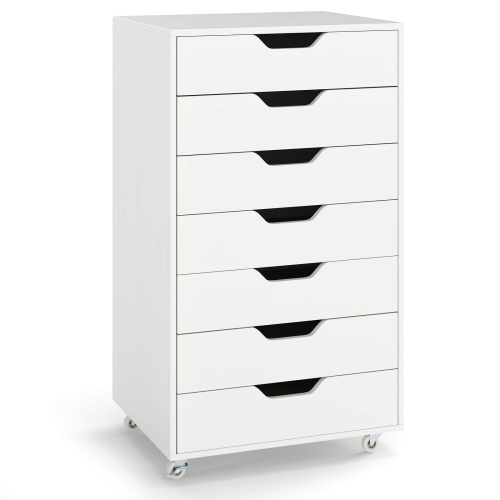

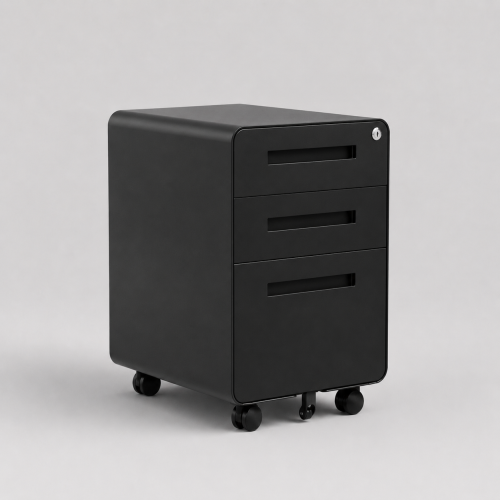
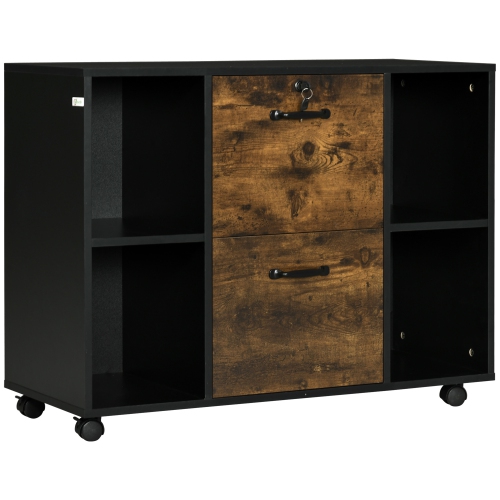
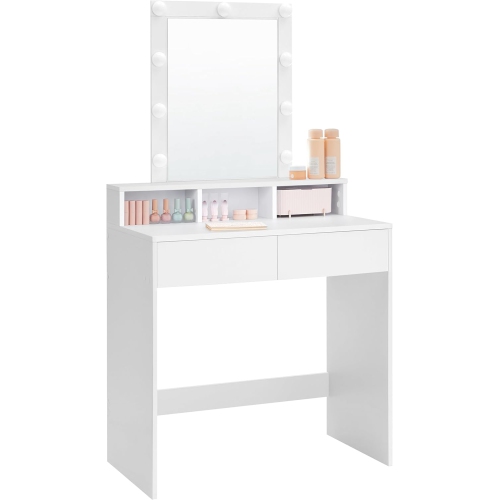
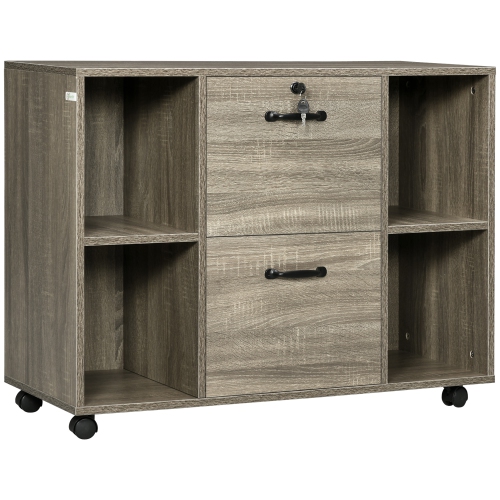
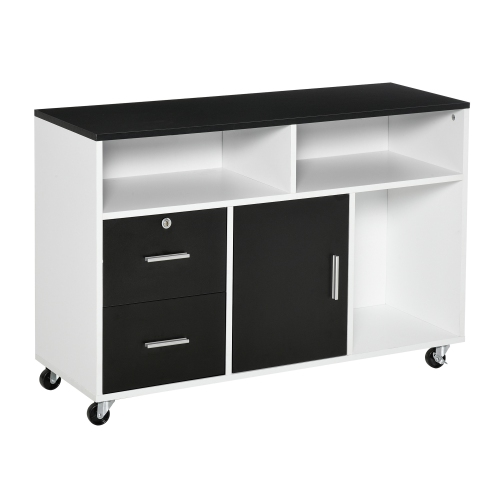
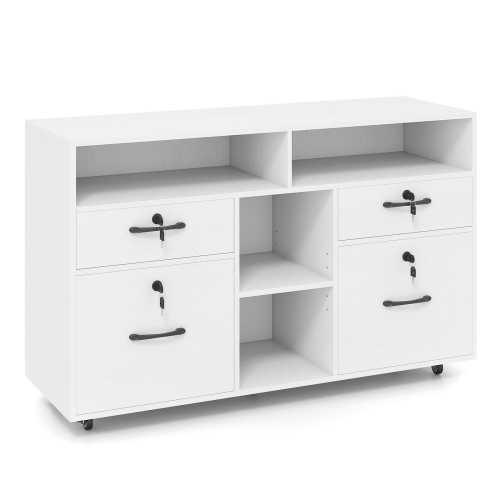
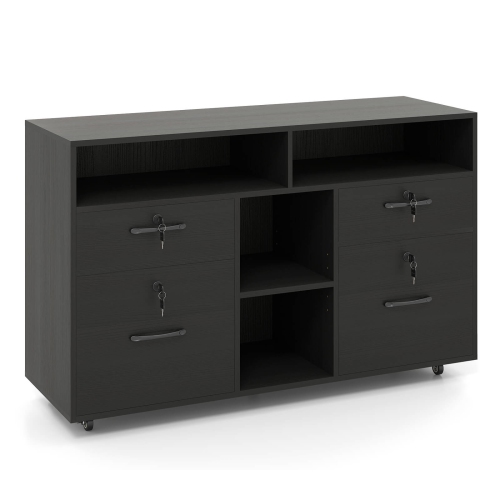
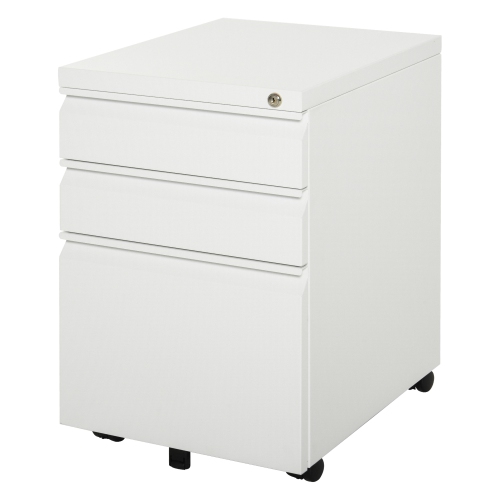
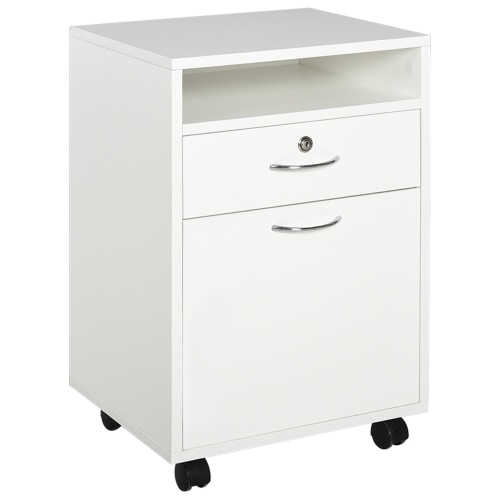
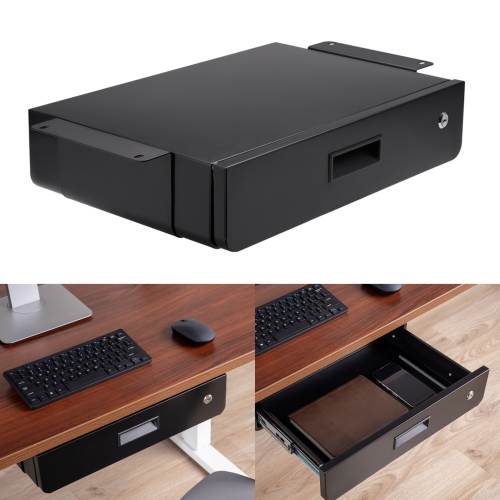
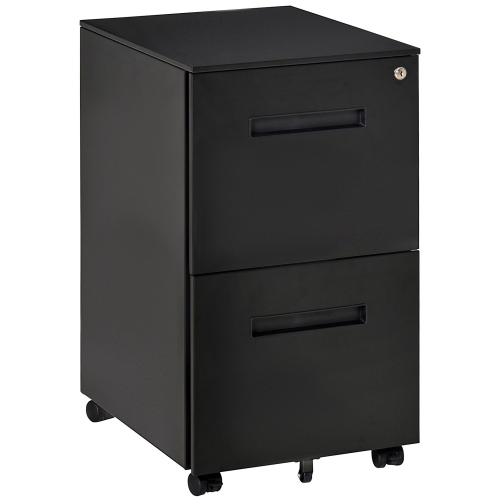
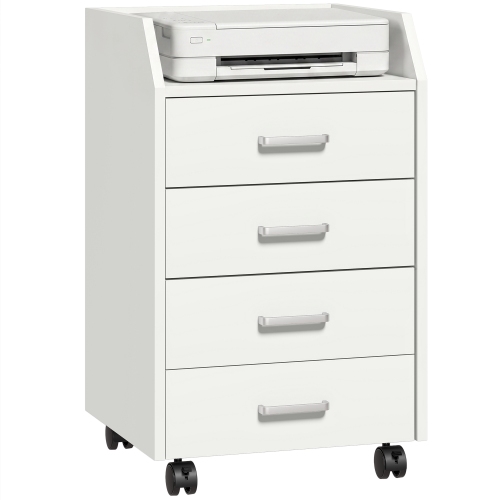
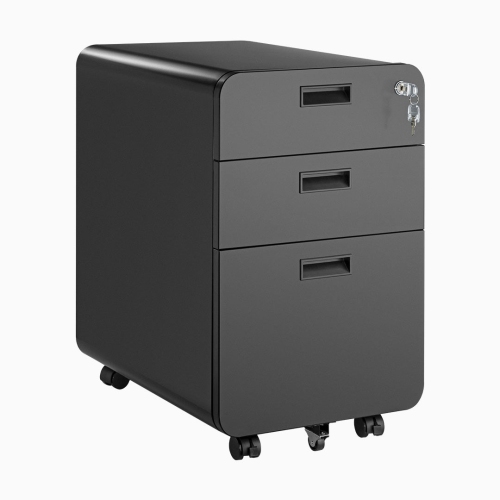
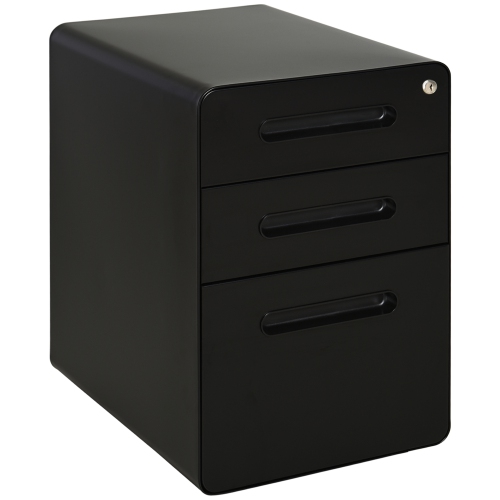
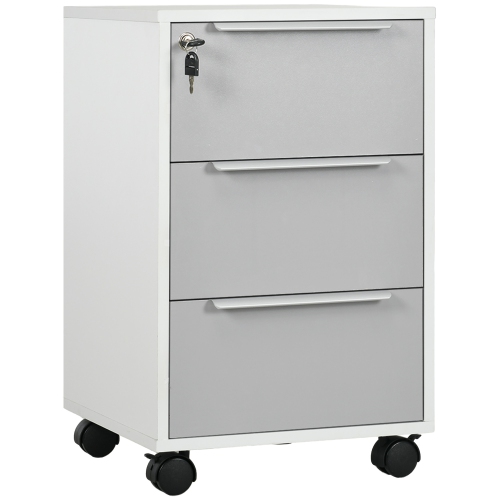
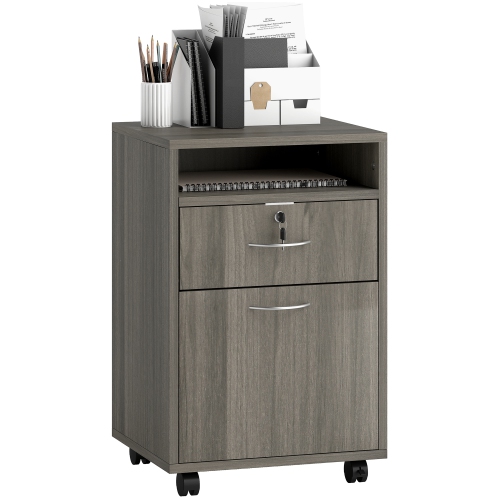
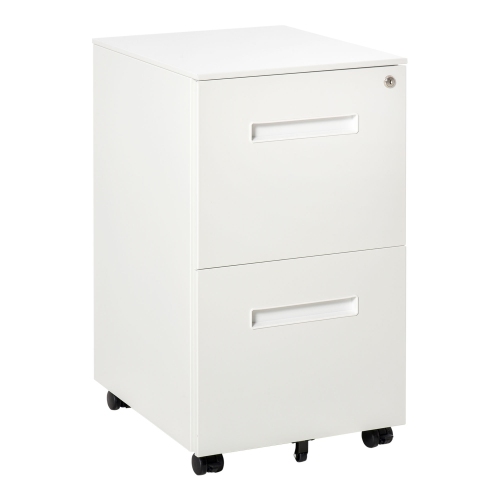
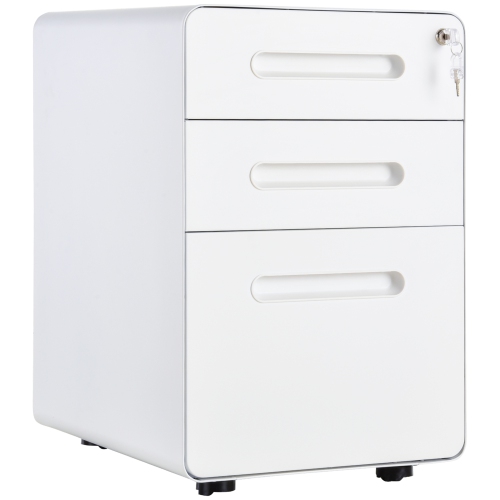
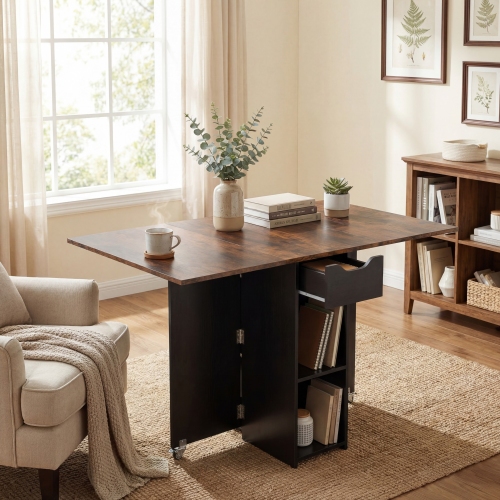
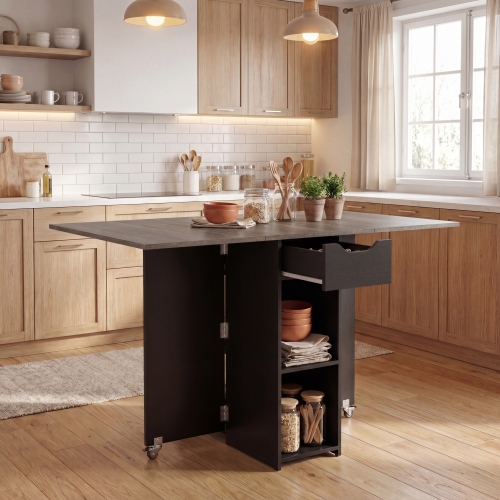
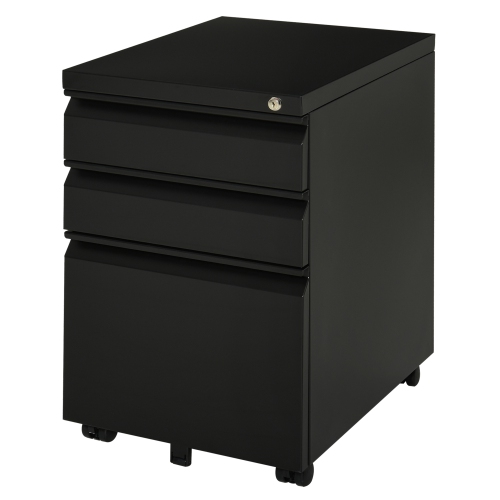
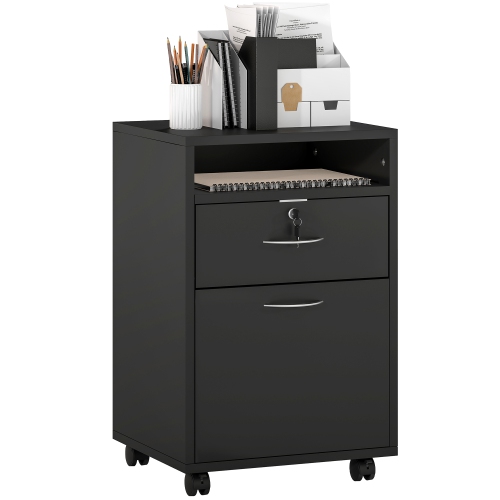
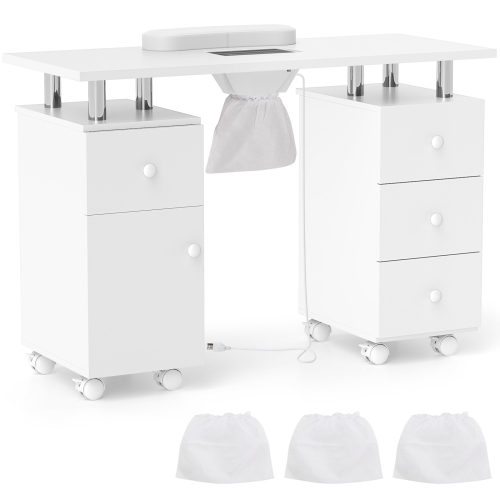
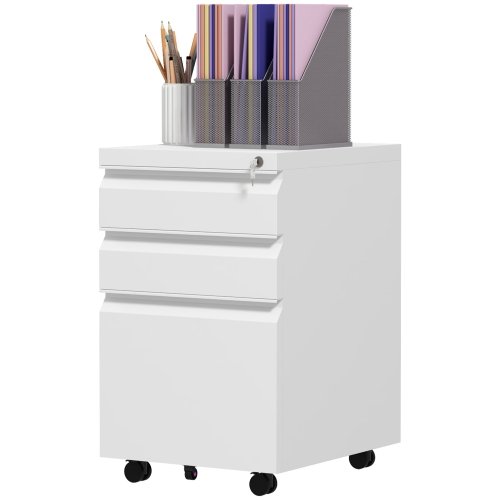
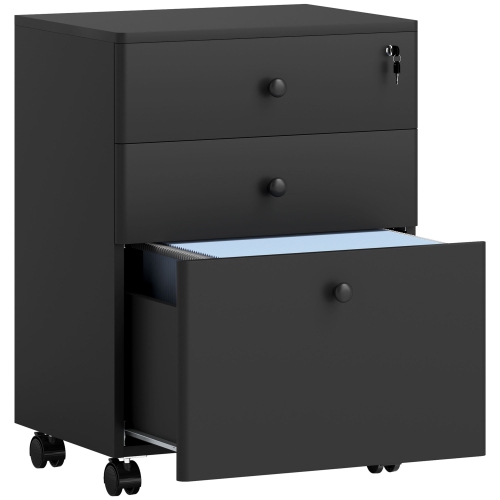
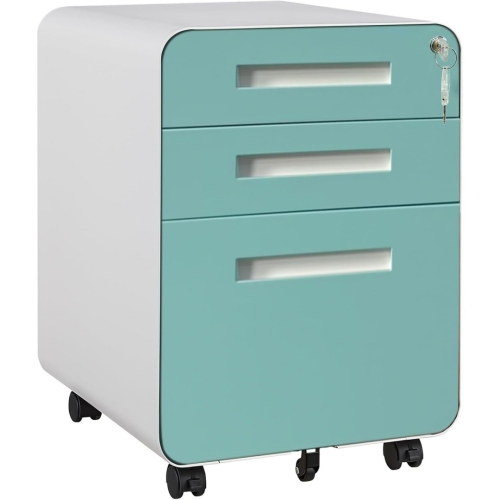
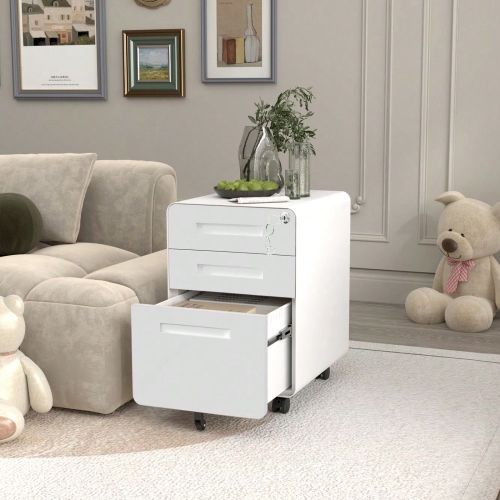
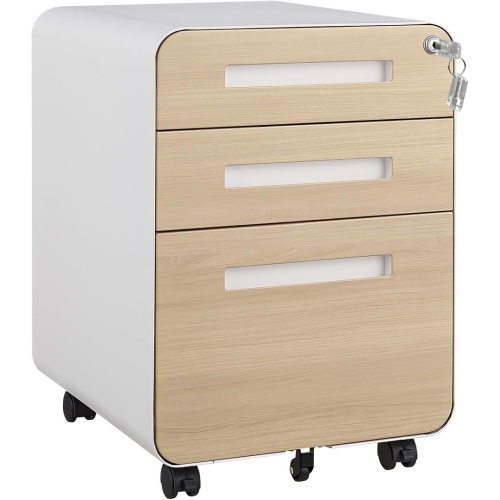

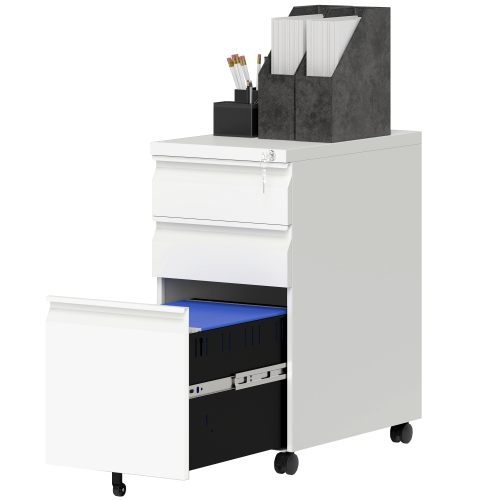
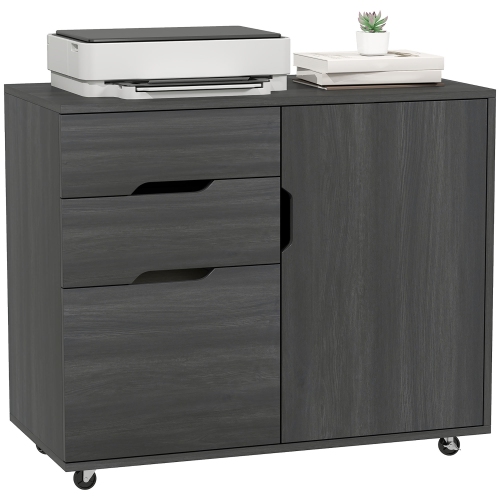
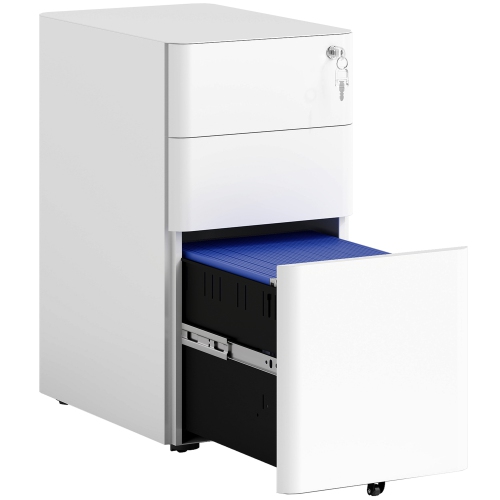
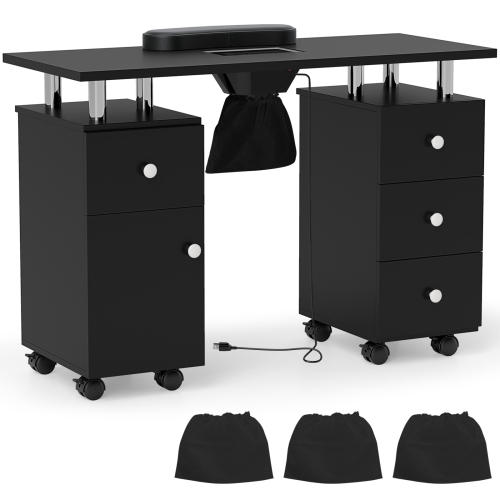
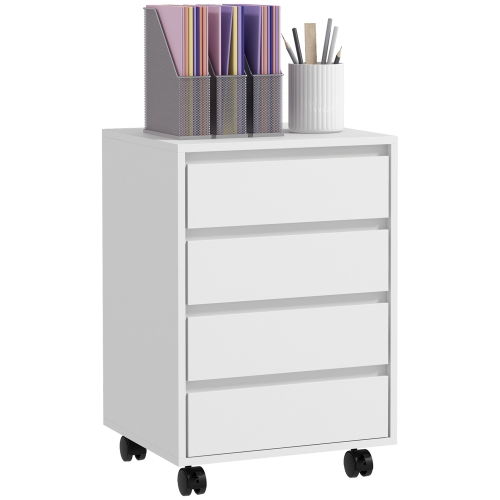
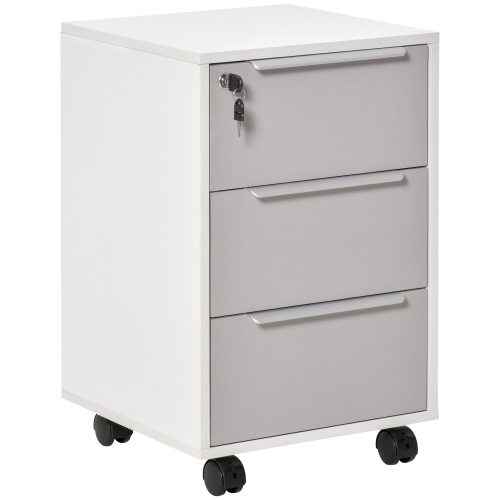
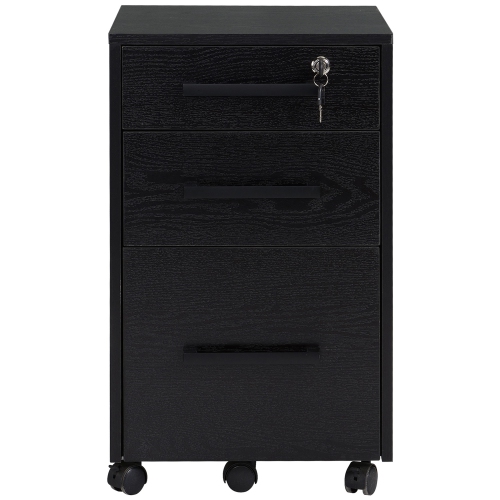
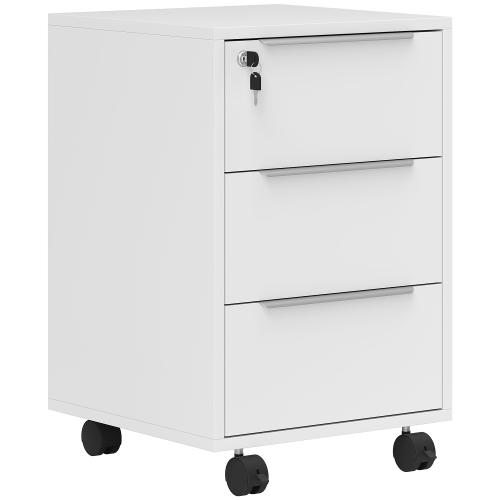
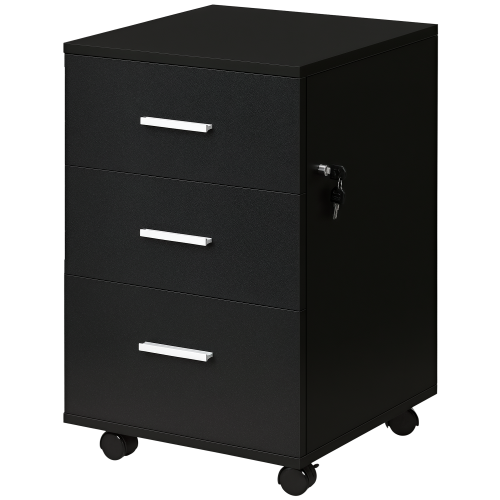
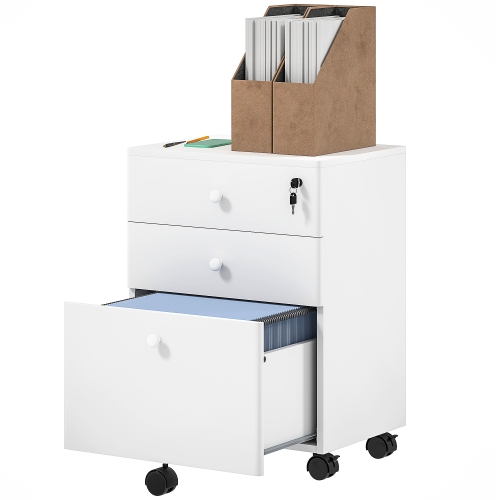
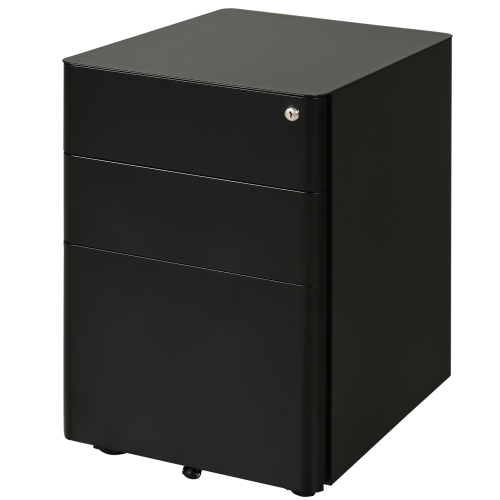
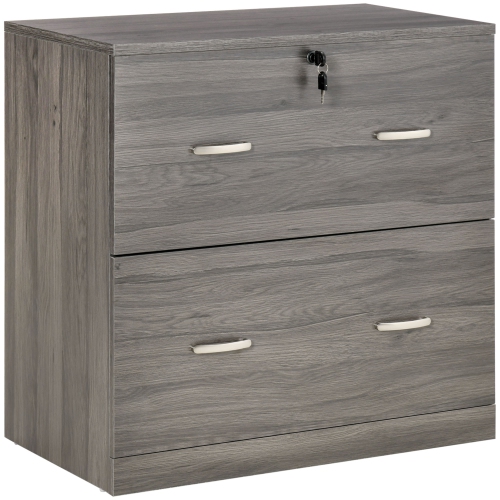
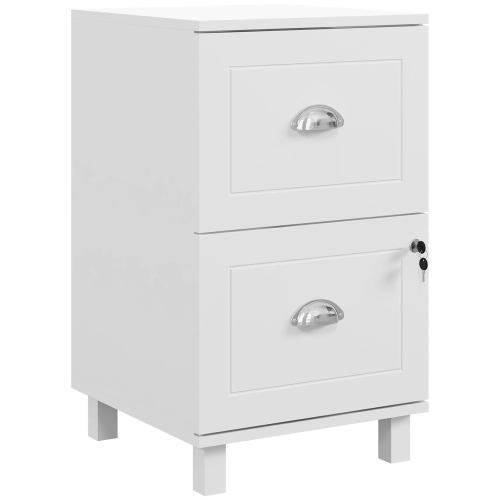
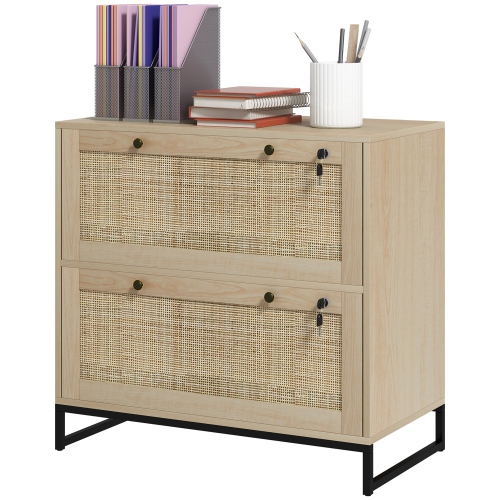
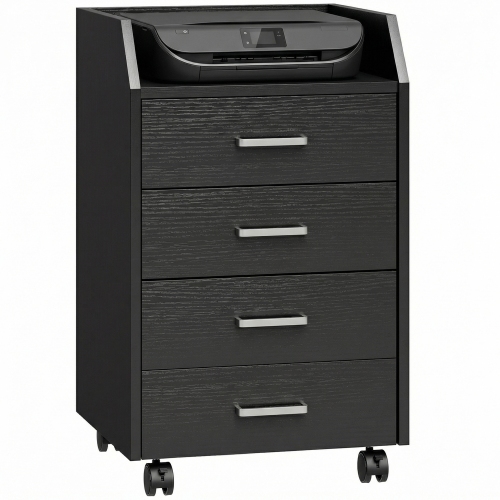
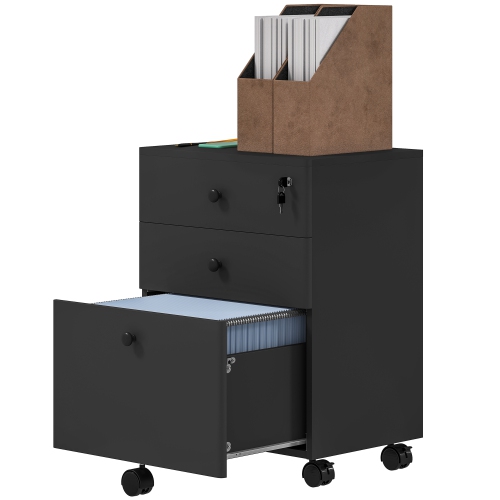
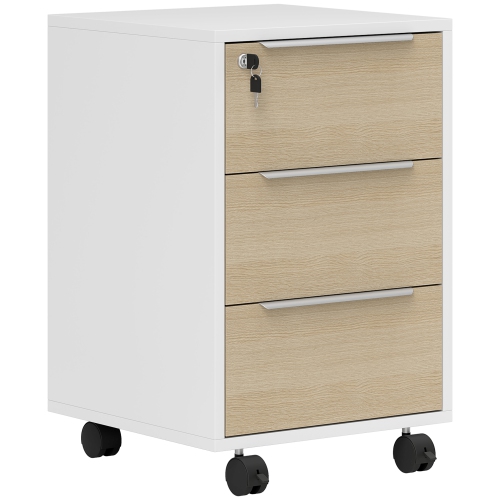
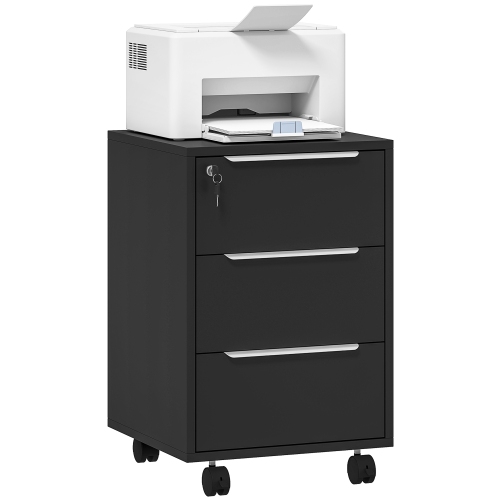
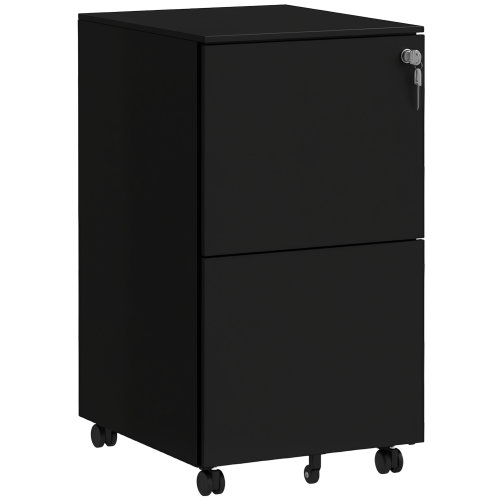
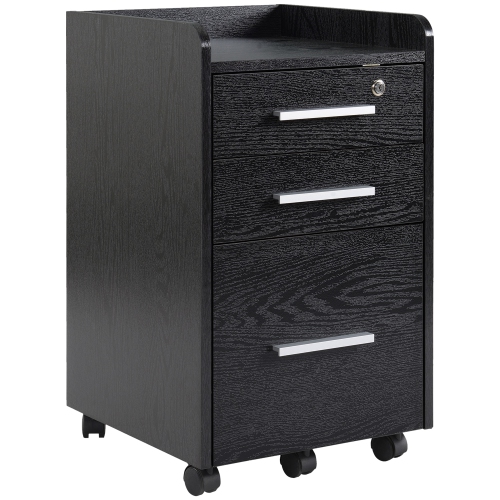
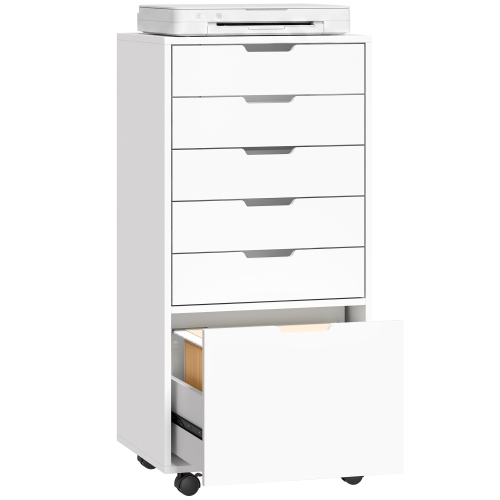
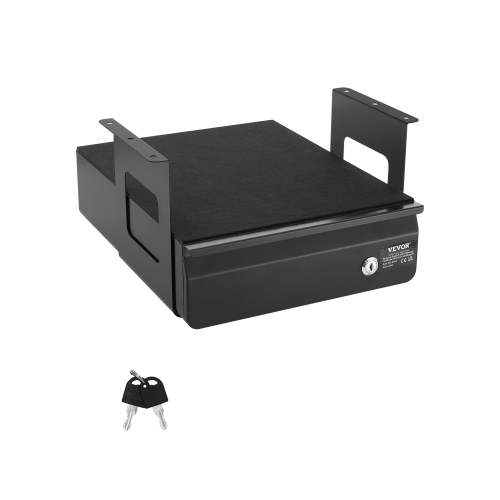
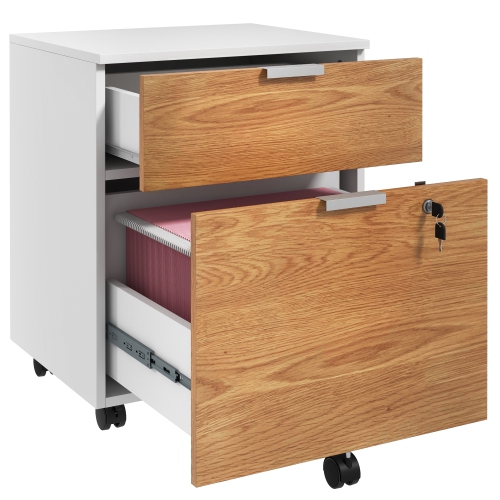
A place to work and lock away paperwork
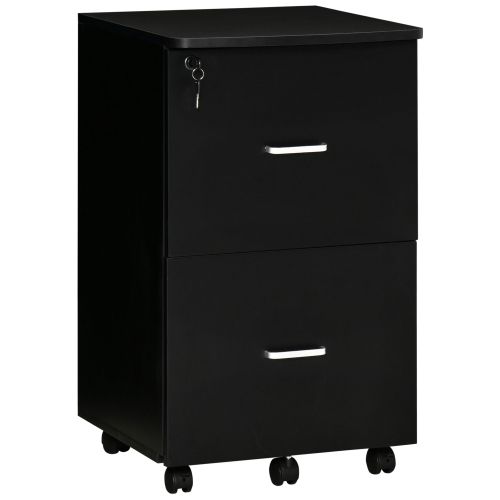
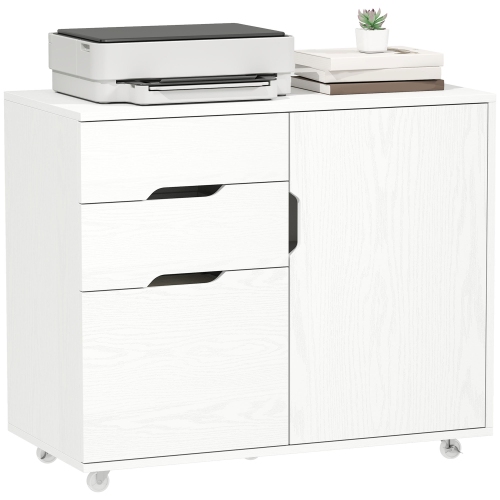
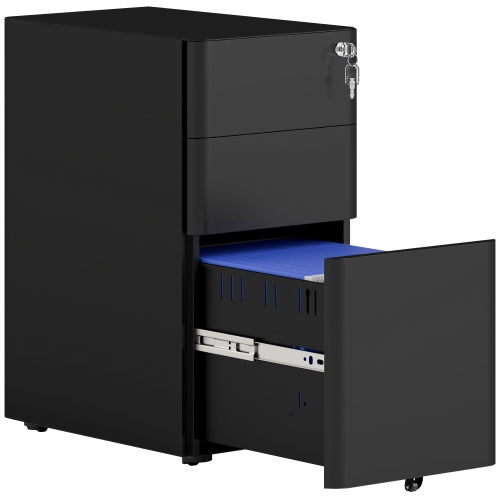
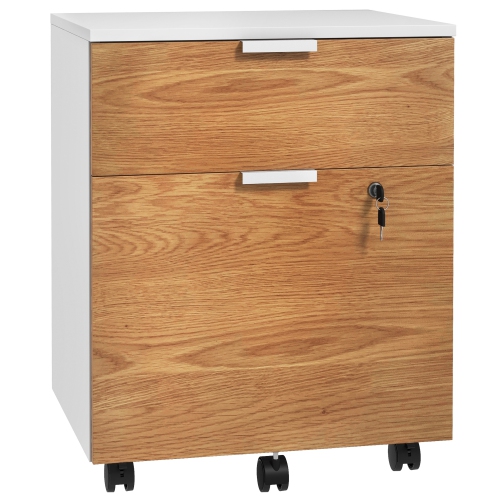
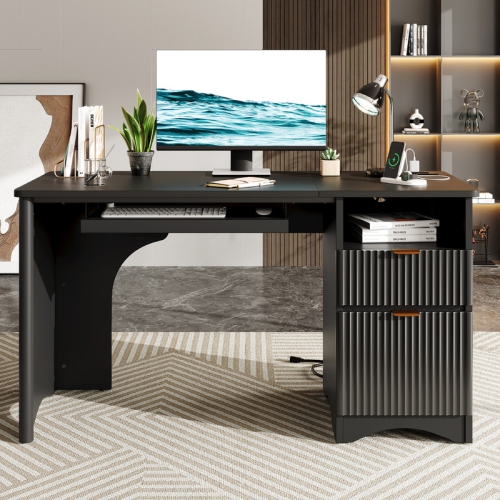
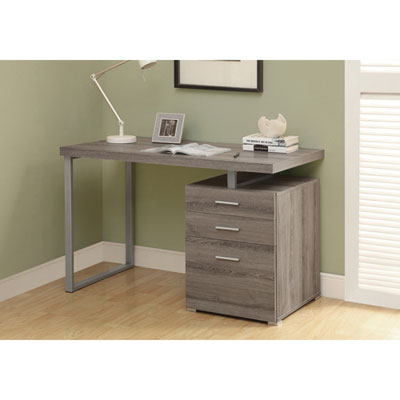
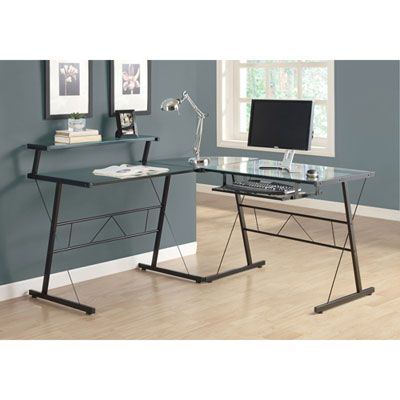
Desks with lockable drawers combine an everyday work surface with enclosed storage that helps keep paperwork, small devices, and personal belongings out of casual reach. They suit home offices, shared study areas, reception spaces, and multipurpose rooms where a desktop may be visible to family members, visitors, or colleagues. A lockable drawer can give household records a dedicated home, keep a journal separate from shared stationery, or hold work accessories between tasks. The main styles include compact writing desks, computer desks, L-shaped desks, and larger executive desks, with storage arrangements that range from a single locking drawer to a full drawer pedestal. Compact designs leave room for a laptop and notebook without taking over a bedroom or living area, while a wider desktop can accommodate a monitor, keyboard, and space for handwritten notes. An L-shaped layout separates screen-based work from reading or paperwork, although its usefulness depends on how comfortably it fits the room. Executive-style desks generally offer a deeper work surface and more substantial storage, making them suited to dedicated offices with enough clearance around the furniture. Lock coverage matters as much as drawer count: one lock may secure only the top drawer, while a central locking mechanism may control several drawers in the same pedestal. A keyed lock is straightforward to operate, but the key needs a secure home away from the desk. If a design uses a combination or electronic lock, its power requirements, reset process, and backup access deserve attention. Ordinary furniture locks are intended to limit casual access rather than provide the protection of a safe, and workplace requirements may call for a different storage solution for sensitive documents. For shoppers comparing secure storage with other drawer layouts, Office Desks With Drawers provides a broader starting point. The practical distinction is whether a drawer simply keeps belongings tidy or also restricts access when the workday ends.
A desk fits well when its desktop, storage, and surrounding clearance all support the way the space is used. Overall width and depth are only part of that calculation. Drawer pedestals reduce the open area beneath the desk, so knee clearance and room to move a chair deserve the same attention as the work surface. A desk may fit neatly against a wall yet feel cramped once a chair is pulled back or a deep file drawer is open. In a shared room, leaving a clear walking route helps prevent the workstation from becoming an obstacle. For an L-shaped desk, the return should sit on the side that works with the room’s doorway, outlets, and other furniture; some designs have a reversible return, while others have a fixed orientation. Monitor placement also affects the depth needed. A laptop-only setup can occupy less space than a desktop computer with a separate keyboard, two displays, and reference documents spread nearby. Cable openings or a cable tray, where included, help route cords without trapping them behind drawers or running them across the writing area. Inside the storage compartment, usable measurements matter more than the size of the drawer front. A shallow locking drawer may suit a passport, notebook, and small accessories, but not a closed laptop or a bulky folder. File drawers should match the intended paper format, particularly when choosing between letter-size and legal-size hanging files. Some require separate rails or inserts, so a tall drawer should not automatically be treated as ready-to-use filing storage. Smooth drawer slides, comfortable handles, and access to the lock all contribute to daily ease of use. A drawer that opens fully makes rear contents easier to reach, while dividers can prevent smaller belongings from shifting. Students, remote workers, and people managing household paperwork may need different layouts, but each benefits from storage that keeps frequently used materials close without crowding the desktop.
Materials and construction influence how a desk looks, feels, and stands up to repeated use. Solid wood brings distinctive grain and can be long-lasting with suitable care, though it may develop marks and respond to changes in indoor humidity. Wood veneer provides a real-wood surface over a supporting core, with durability that depends partly on the quality of the finish and edge protection. Engineered wood with a laminate or melamine surface offers a consistent appearance and is often easy to wipe clean; sealed edges are particularly important around areas exposed to spills. Metal frames can provide a firm base, but stability also depends on the frame design, connections, and assembly rather than material alone. A sturdy desk should feel steady during typing and writing, with drawers that sit squarely and a lock that engages without needing to lift or force the drawer front. Published weight limits apply separately to desktops and drawers where specified, so heavy books, equipment, and files should be distributed accordingly. Deep drawers filled with paper can become surprisingly heavy, making correct assembly and any specified anti-tip hardware important. Opening one loaded drawer at a time and keeping children from climbing on drawers are sensible precautions. Routine care is usually uncomplicated: remove dust with a soft cloth, wipe spills promptly, and follow the finish-specific cleaning directions. Excess water can damage wood-based panels, while abrasive cleaners may scratch surfaces or dull a protective coating. A desk mat can reduce wear beneath a keyboard or writing area, and lifting equipment rather than dragging it helps protect the finish. Colour and proportions help the desk settle into its room, too. A lighter finish can blend with pale shelving, while a dark desktop or metal frame can complement existing office furniture. In a multipurpose space, closed drawers leave fewer work materials on display after tasks are finished. Whether furnishing a first home office or replacing a desk that no longer supports daily routines, a well-proportioned design with dependable locking storage keeps the focus on comfortable work and organized belongings.
Top selling and popular products
-
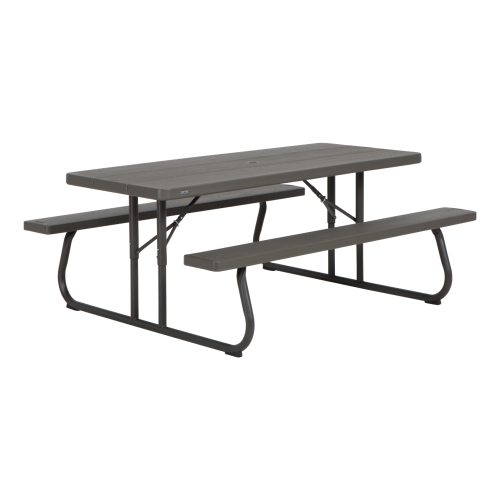 Your price for this item is $399.99
-
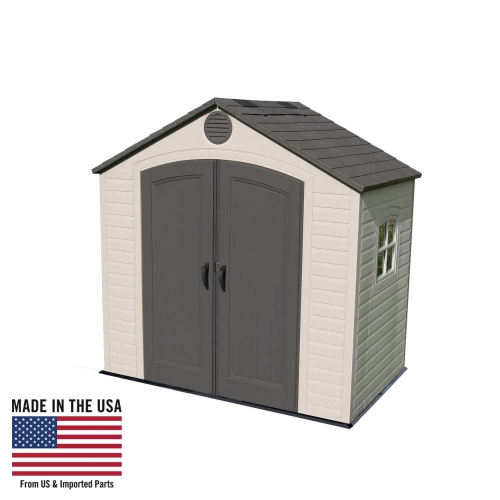 Your price for this item is $2399.99
-
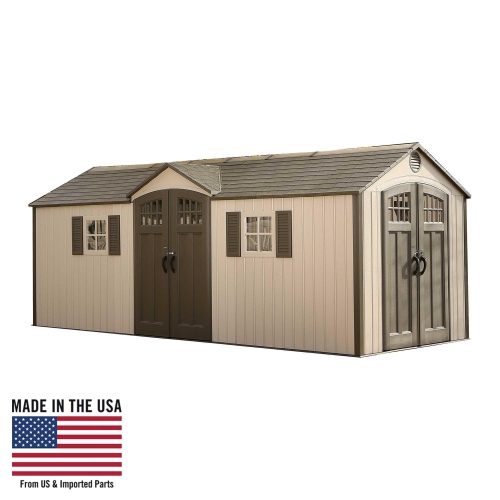 Your price for this item is $5999.99
-
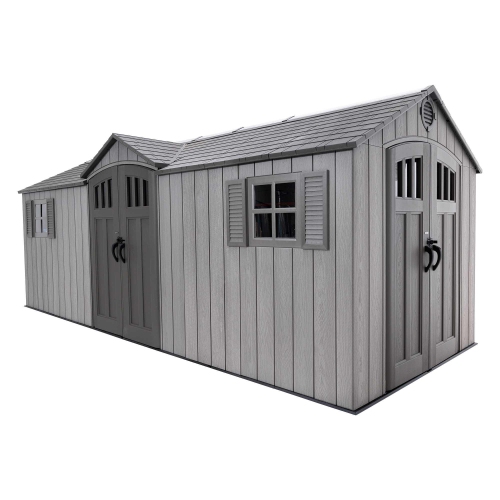 Your price for this item is $5999.99
-
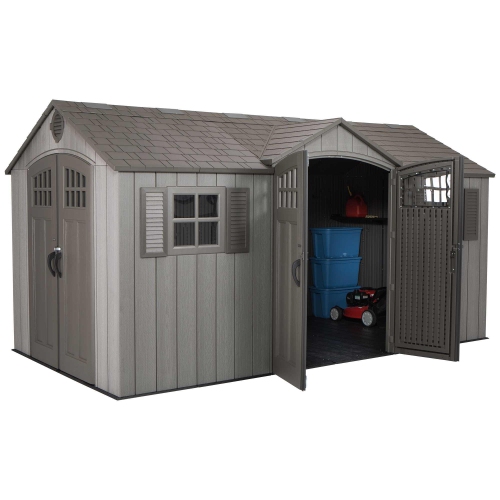 Your price for this item is $4499.99
-
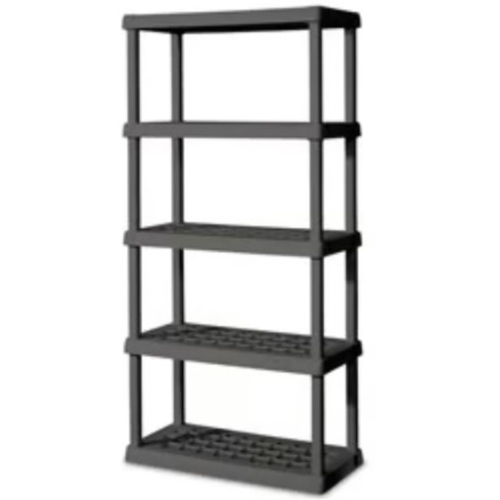 Your price for this item is $691.99
-
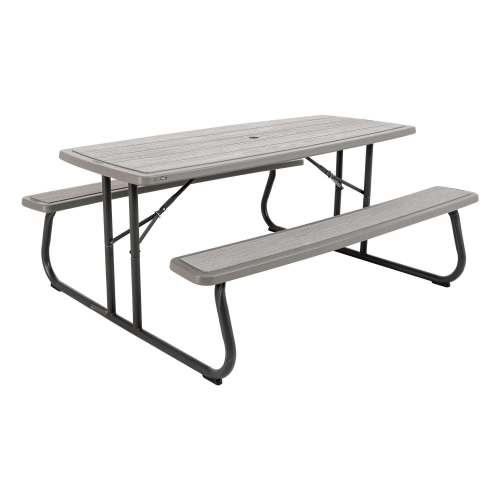 Your price for this item is $399.99
-
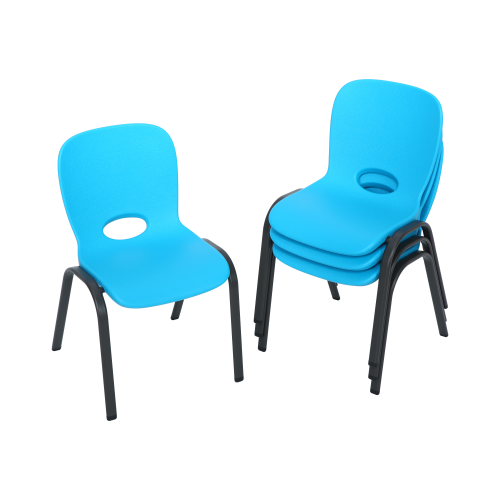 Your price for this item is $134.99
Discover more categories related to Desks With Lockable Drawers
Top Collections:
Best Black Friday Deals This Year, Best Black Friday Deals On Electronics, Kindle Devices, Pokemon Centers, Best Black Friday Deals On Apple Products, Best Cameras for Sports Photography, Dyson Airwrap, Pokémon 30th Celebration Cards, Apple iPhone 17 Pro, Canon G7X Cameras
Some products may be subject to Environmental Handling Fees
(EHF) depending on your province.
Learn more about EHFs.