Desktop Storage Boxes
Organize your workspace with our selection of desktop storage boxes. These versatile and functional solutions are designed to keep your desk clutter-free and your essentials within easy reach. Whether you need to store pens, paperclips, notepads, or other small items, our range of desktop storage boxes offers a variety of sizes and styles to suit your needs. From sleek and modern designs to more traditional options, you'll find the perfect storage solution to enhance both the functionality and aesthetics of your workspace. Say goodbye to messy desks and hello to a more organized and productive work environment with our collection of desktop storage boxes.
Sort
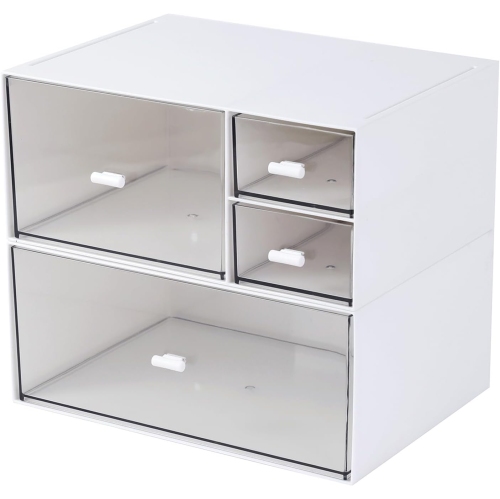
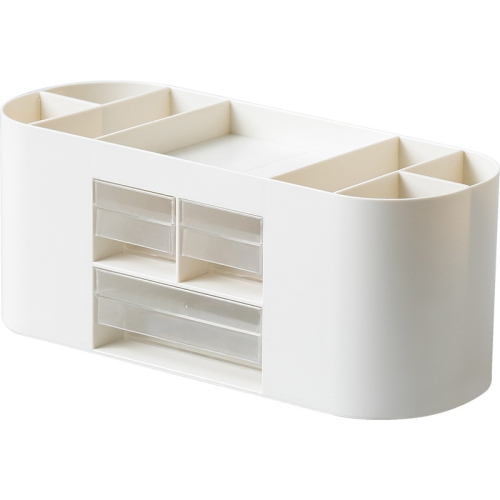
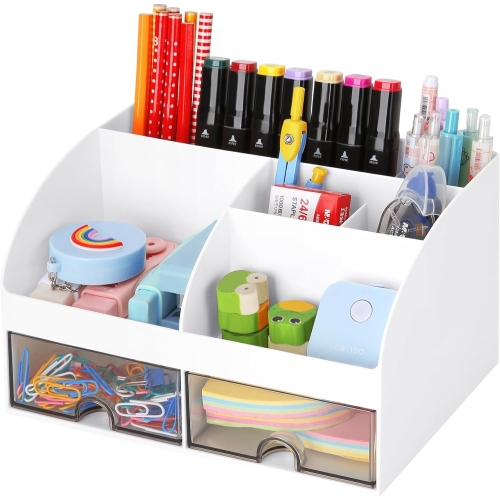
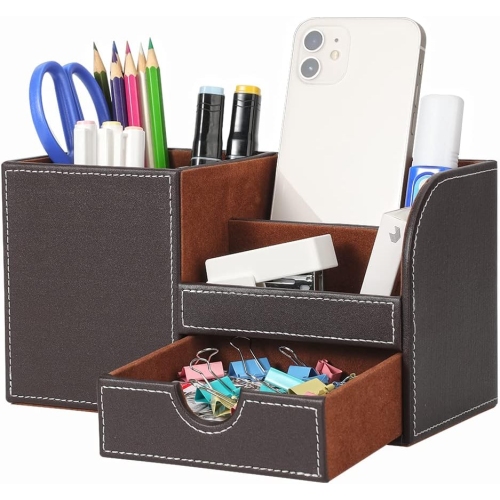

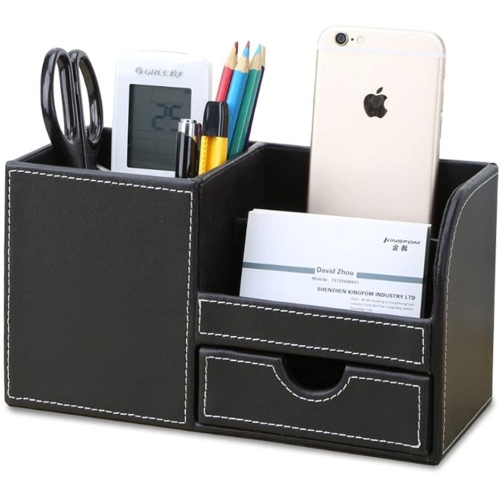
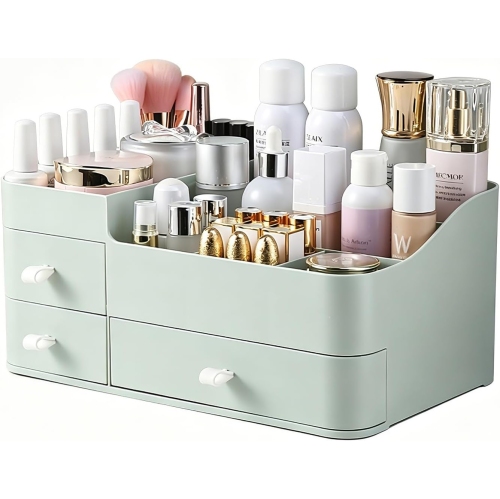
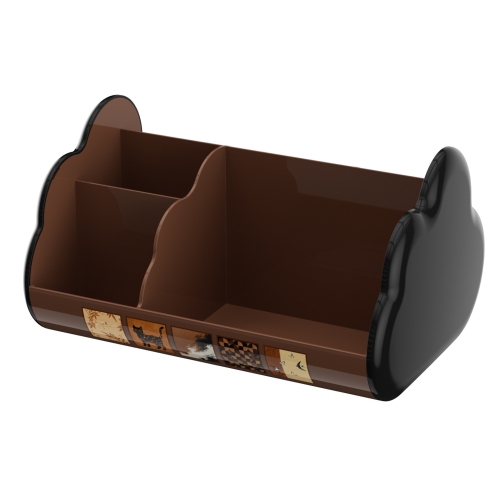
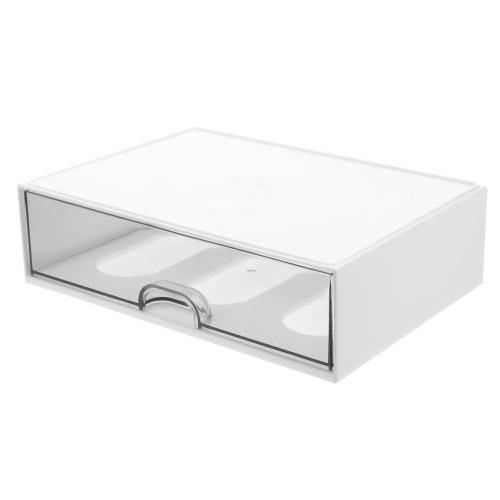
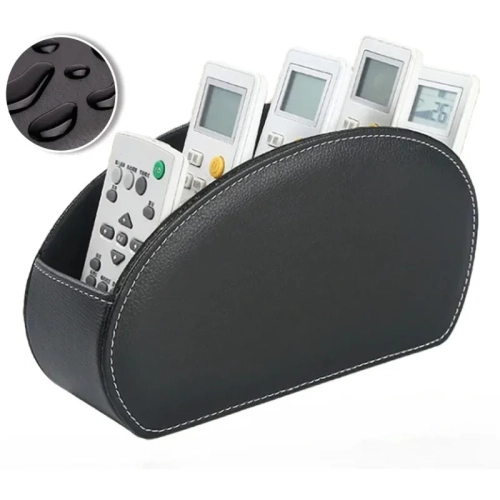
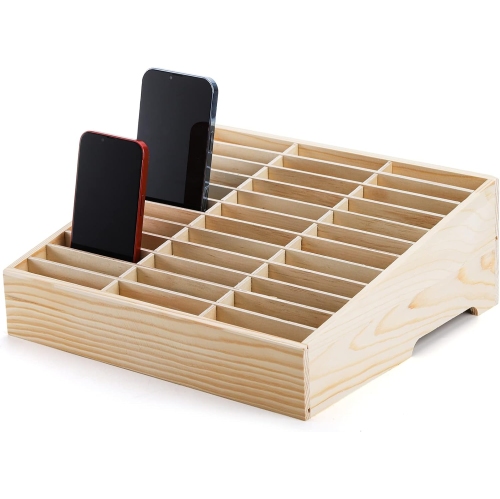
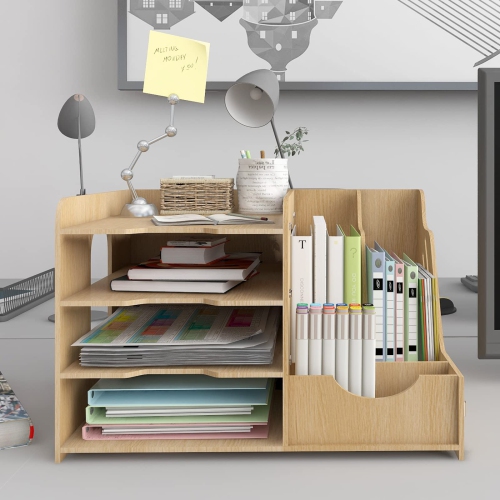
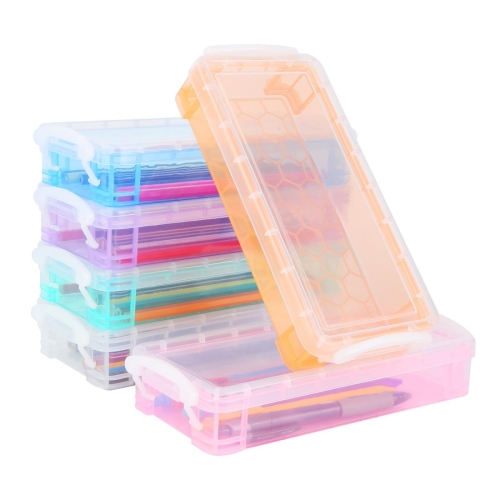
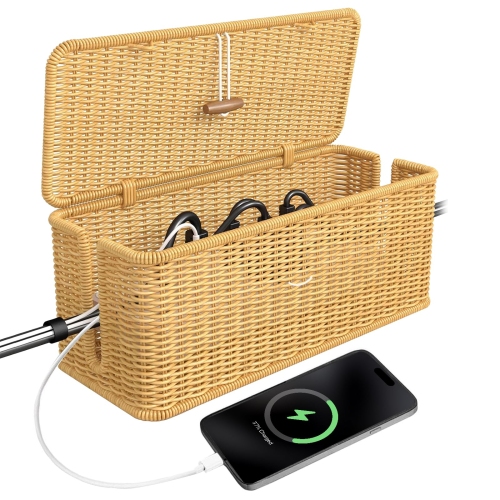
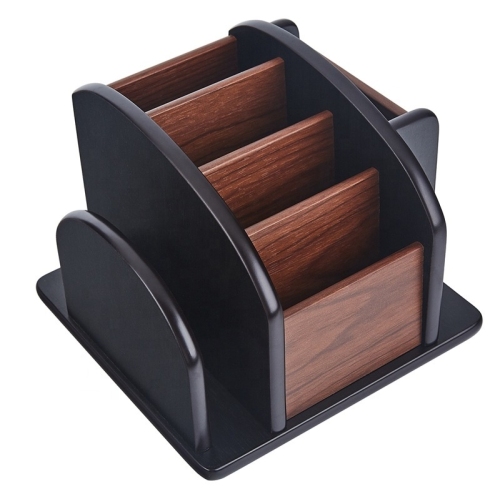
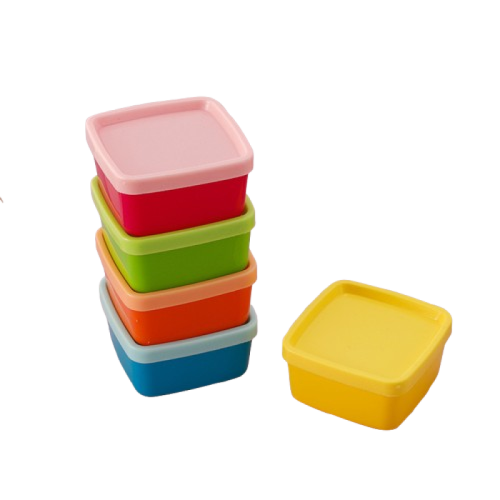
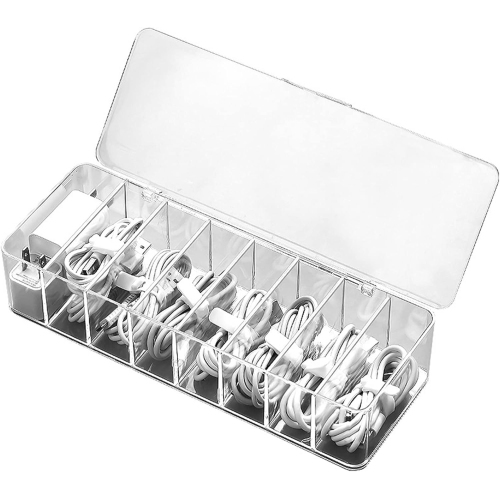
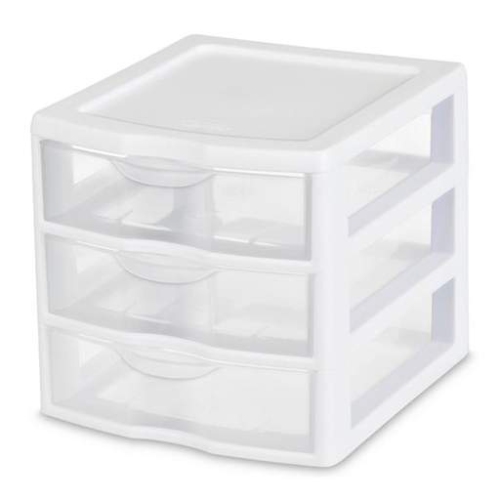
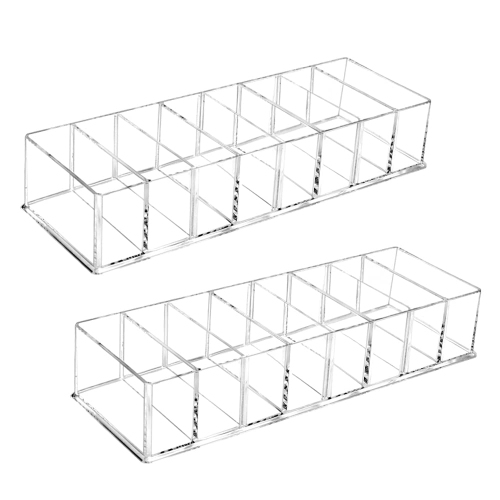
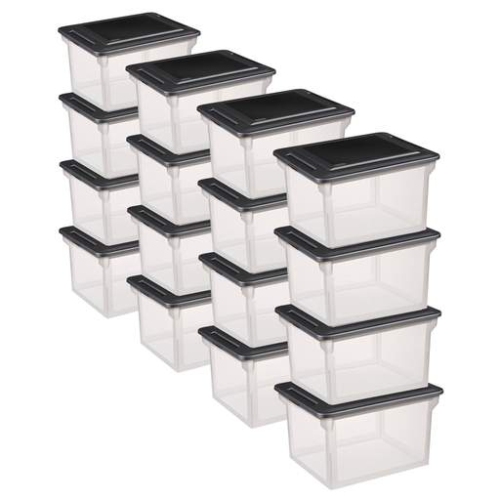
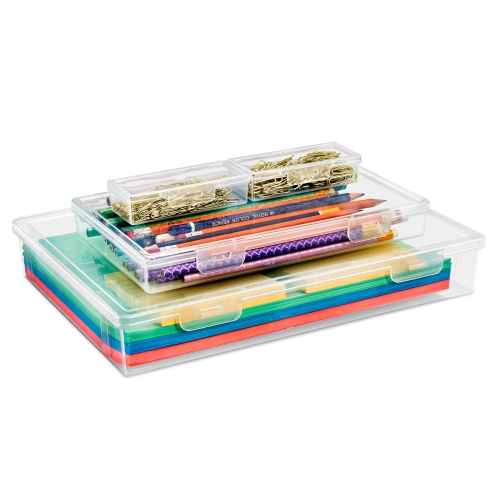
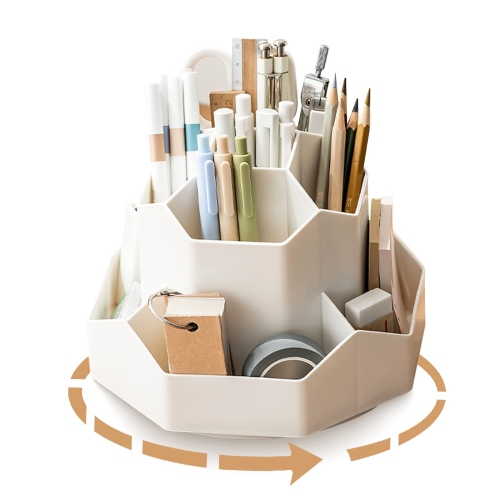
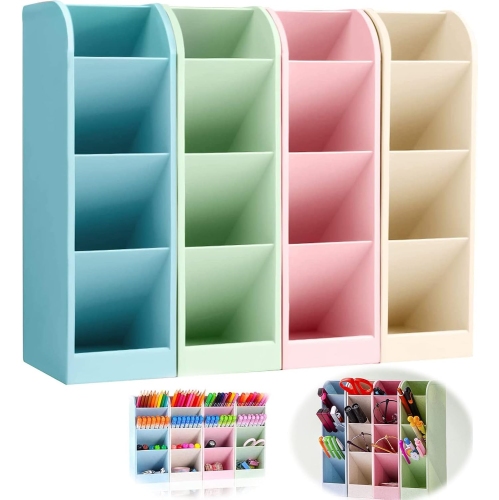
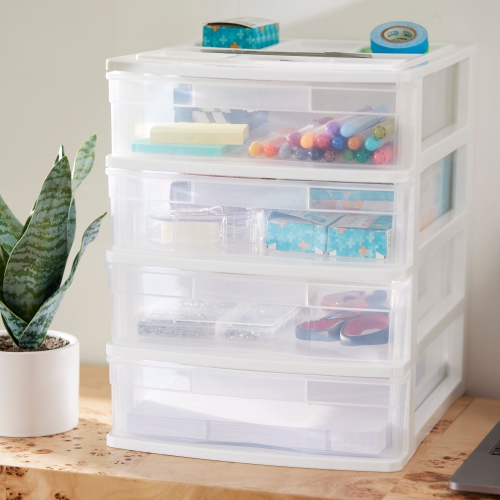
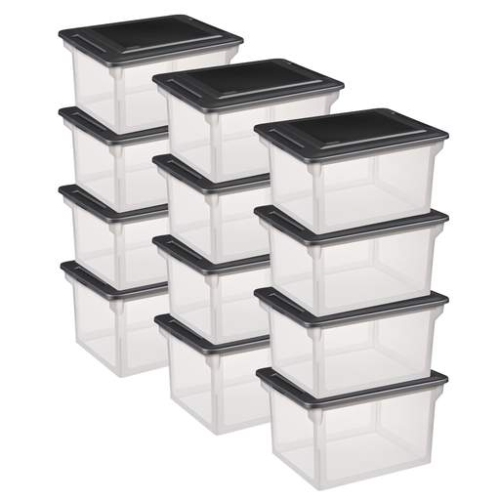
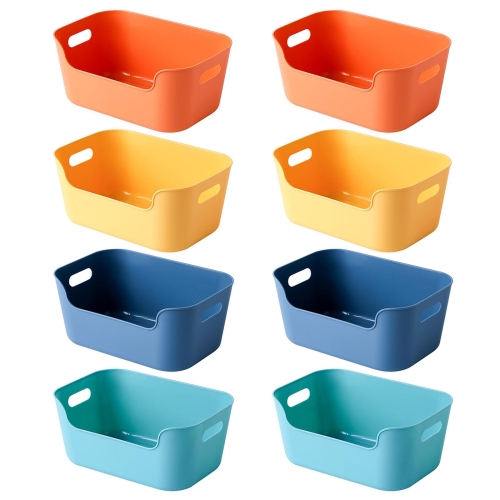
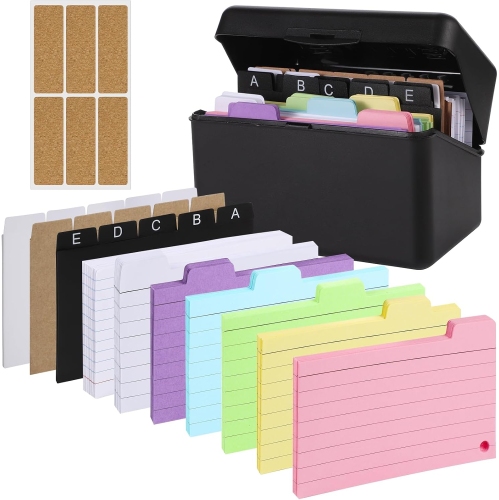
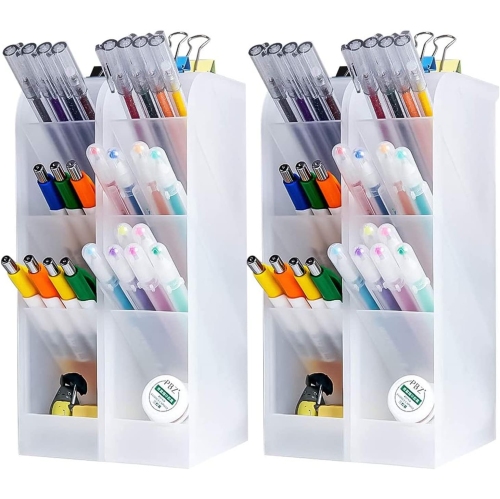
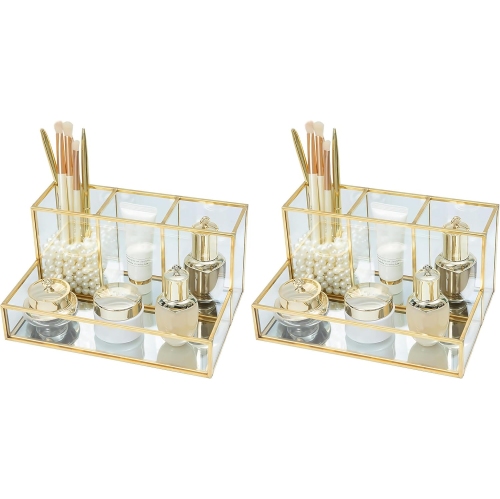
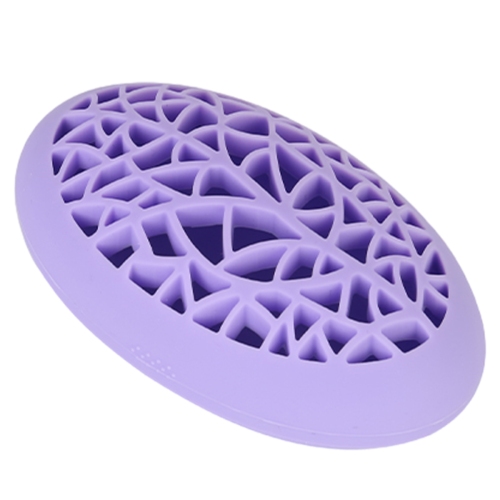
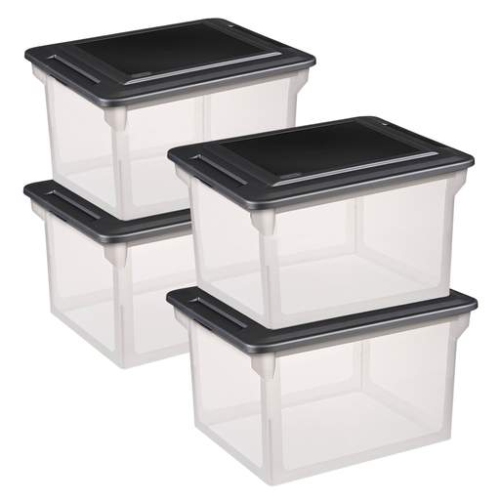
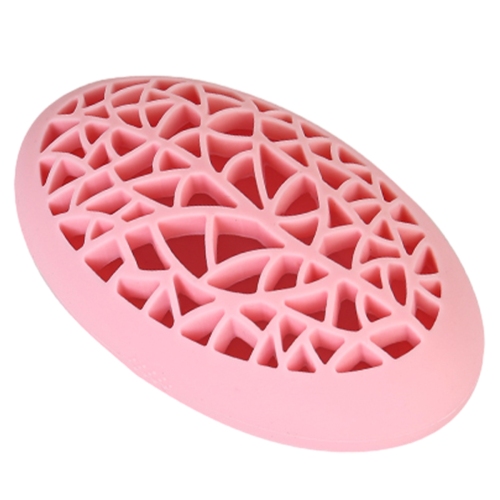
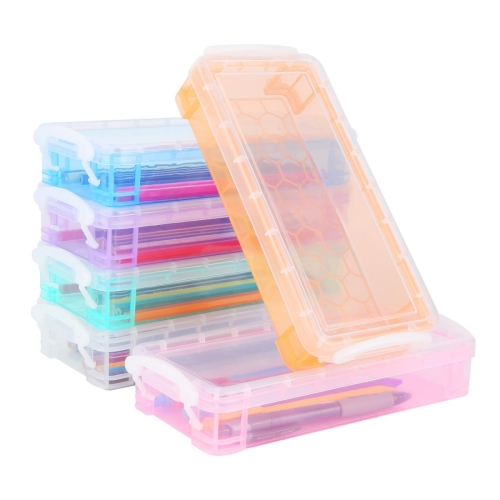
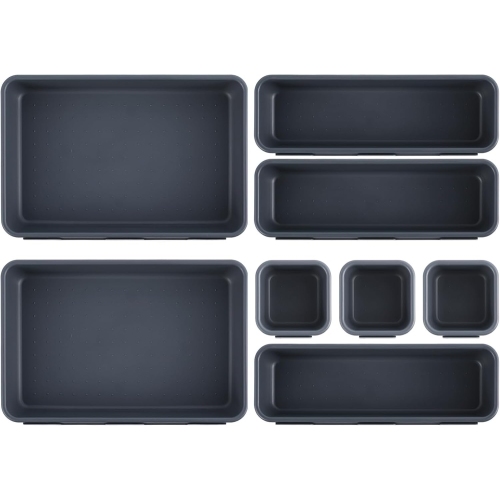
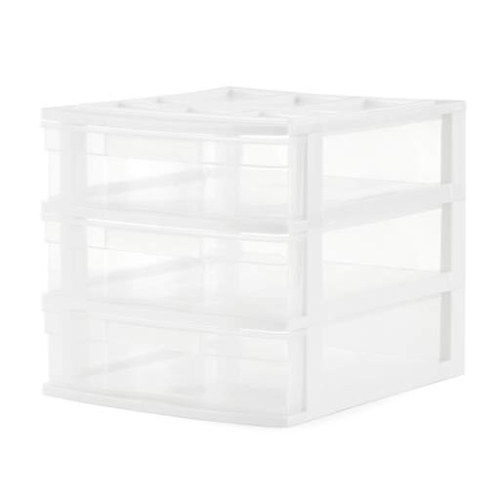

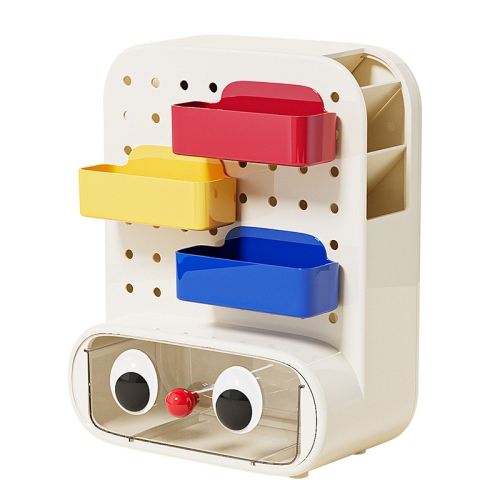
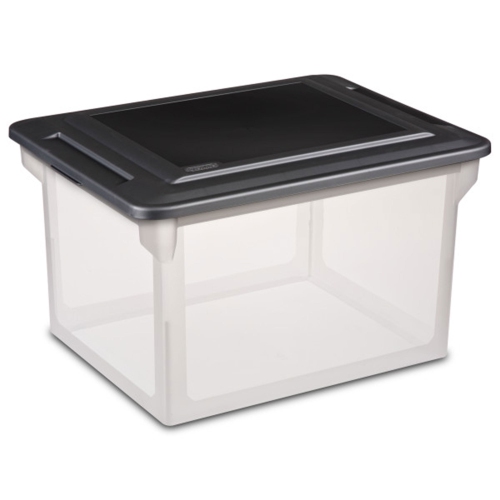
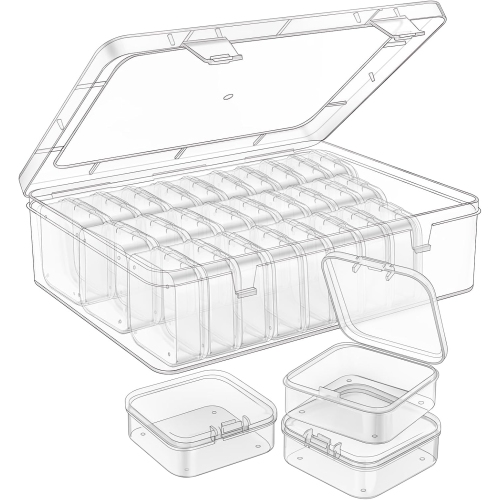
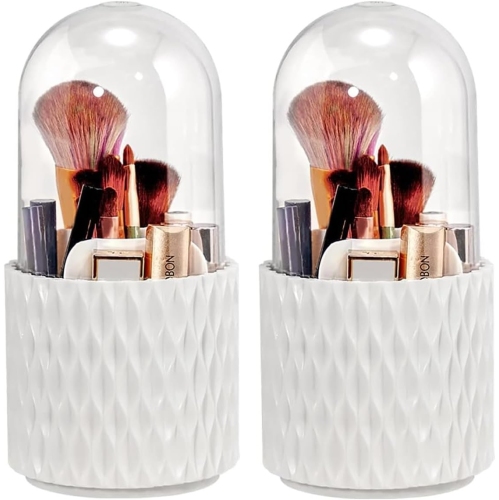
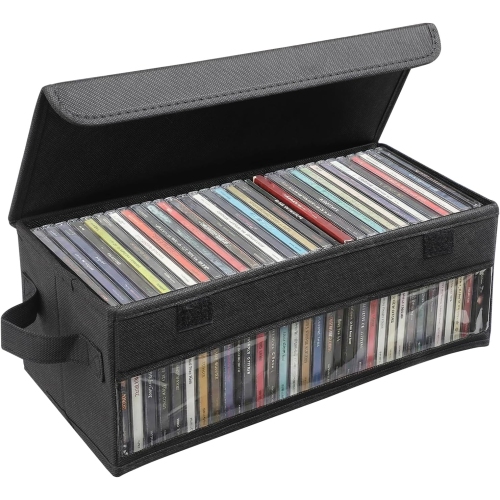
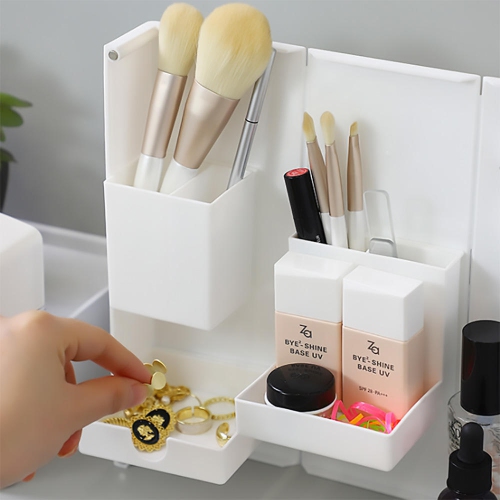
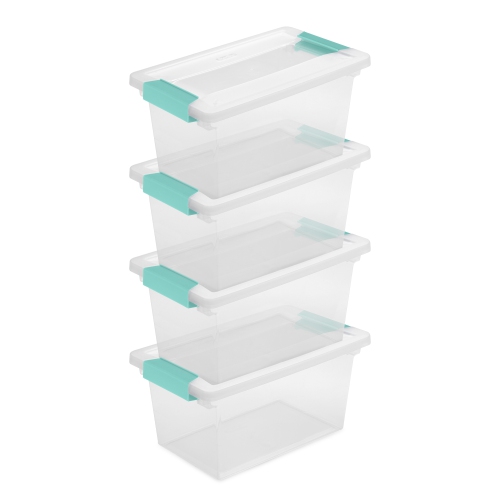
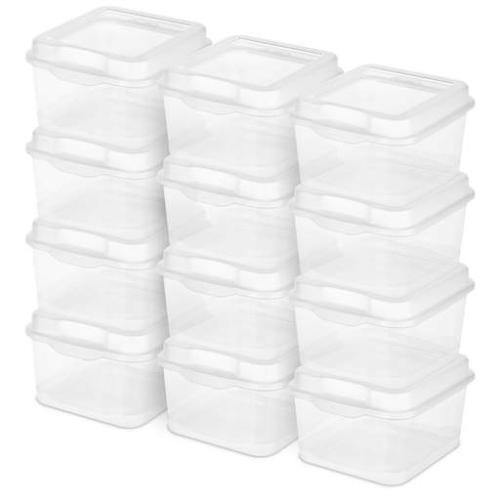
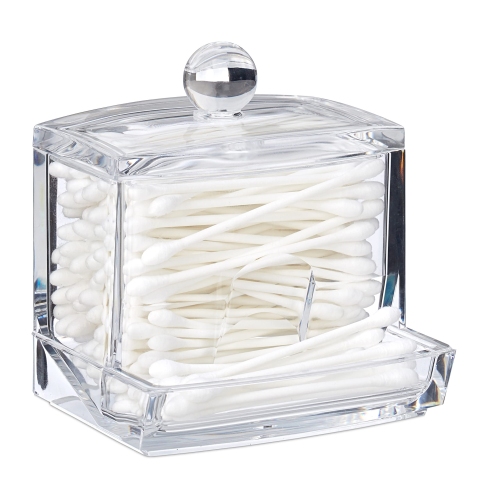
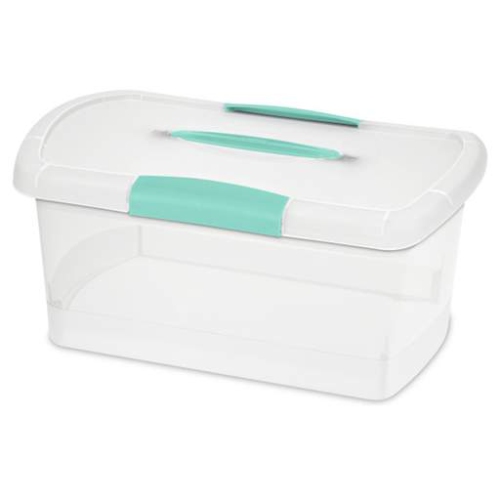
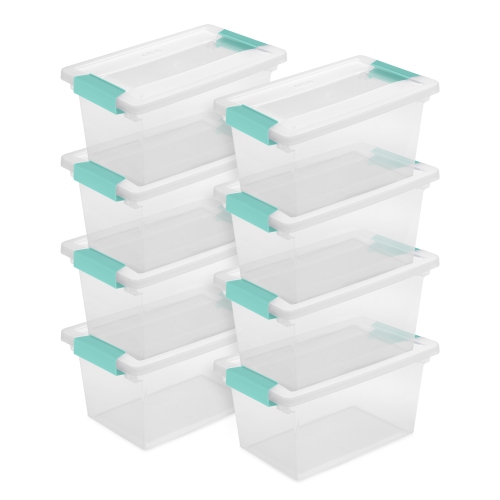
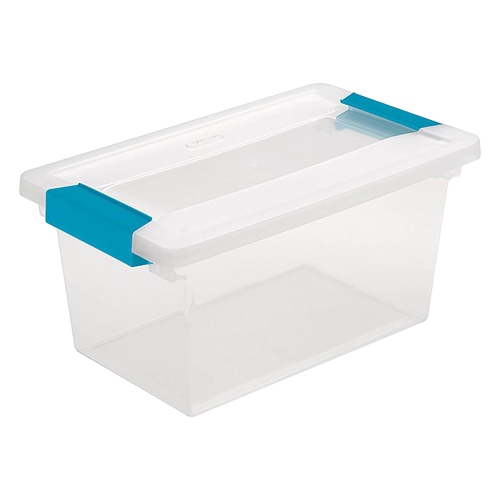
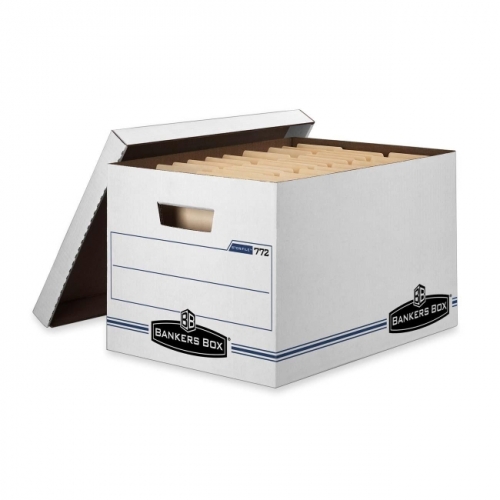
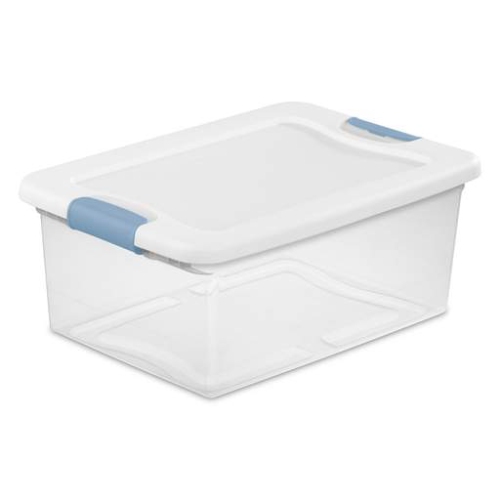
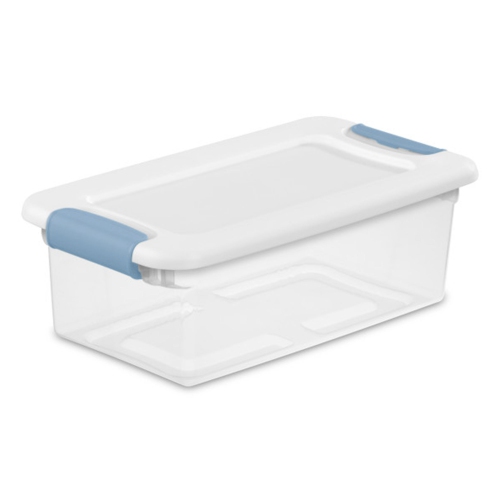
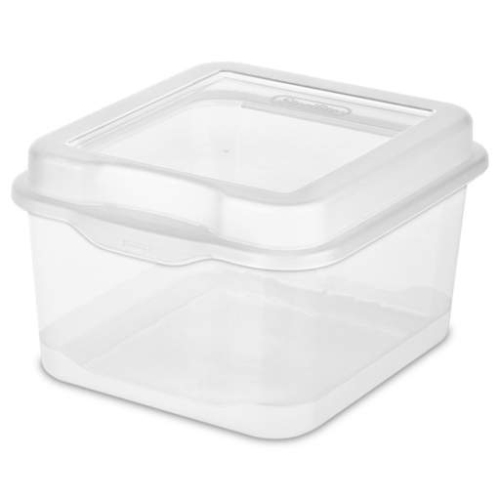
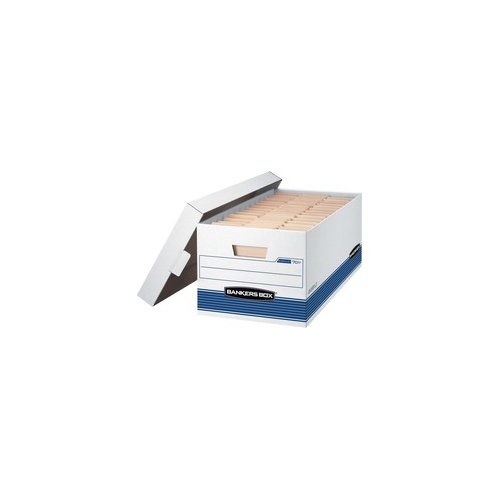
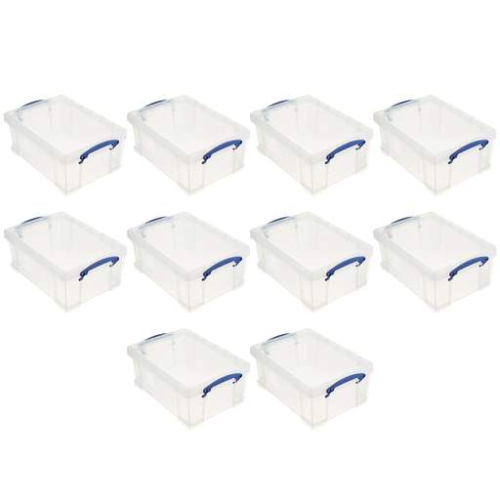
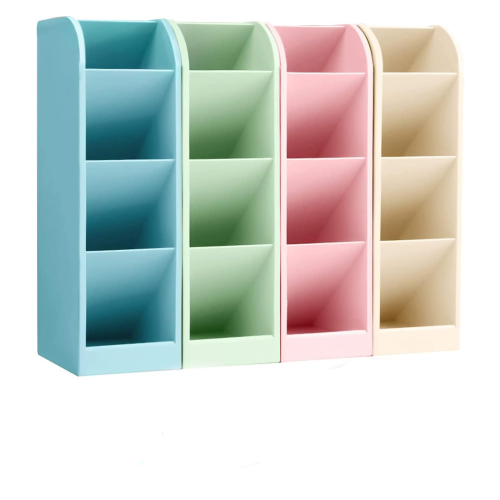
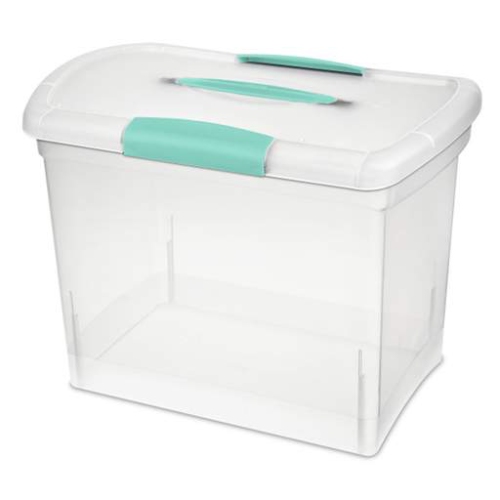
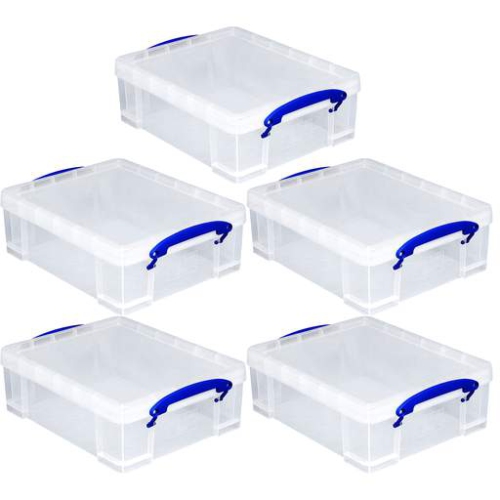
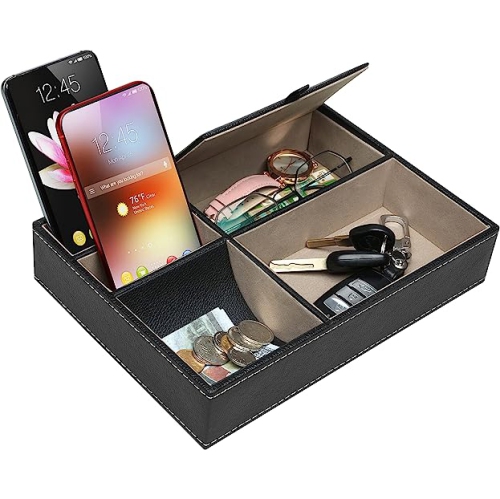

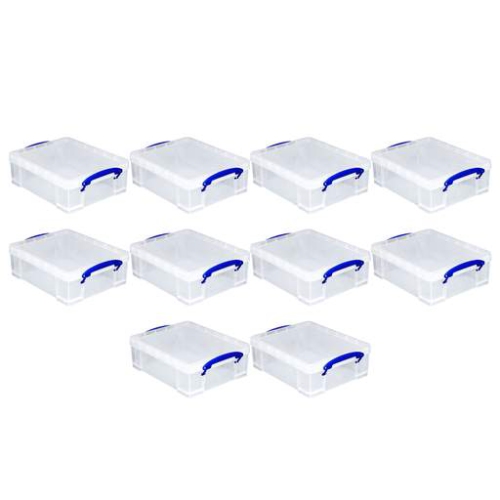
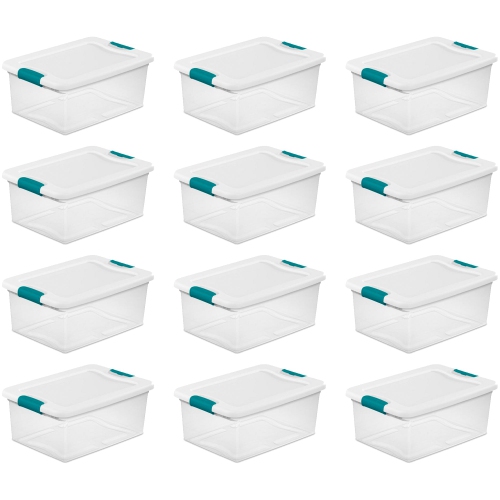
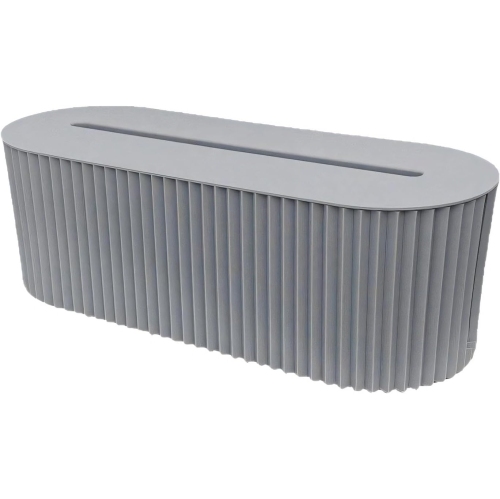
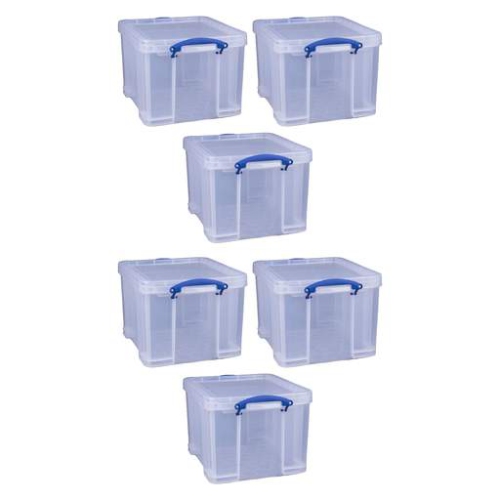
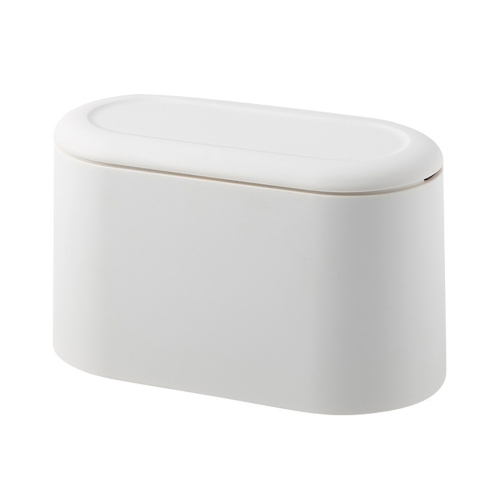
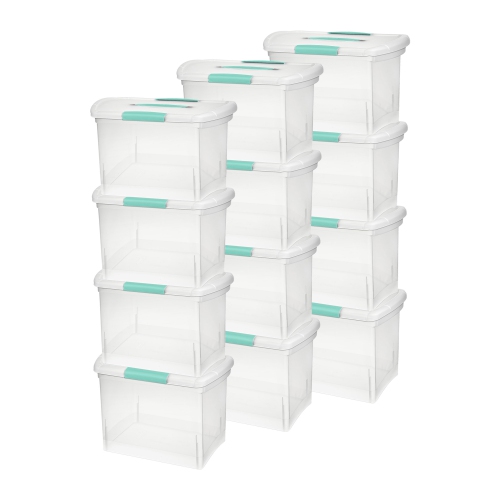
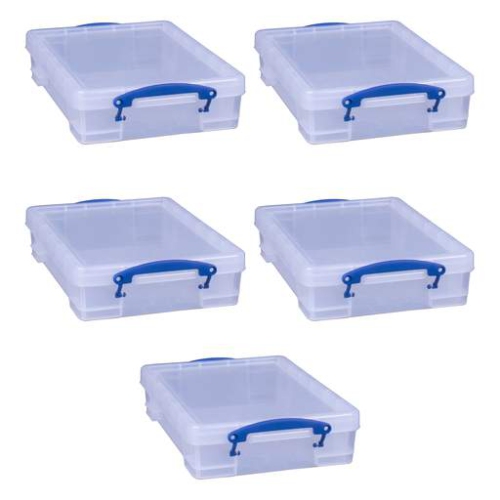
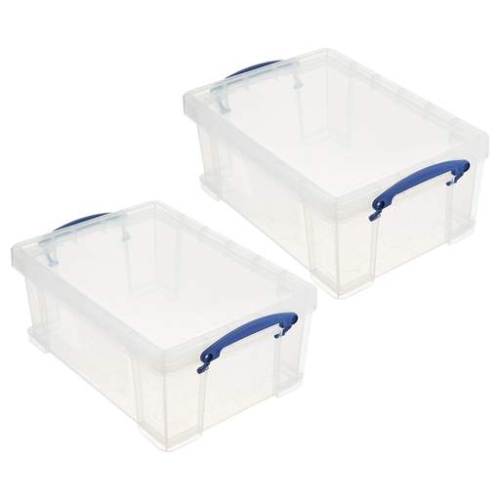
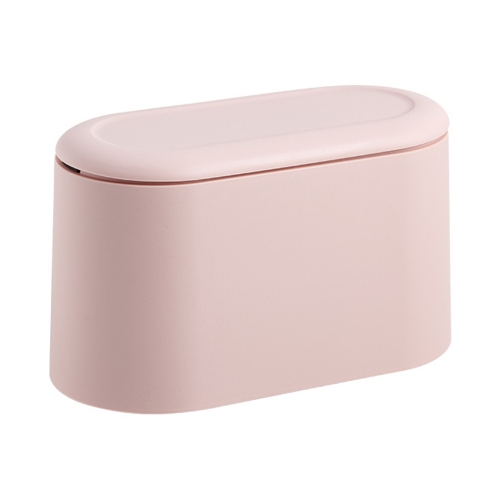
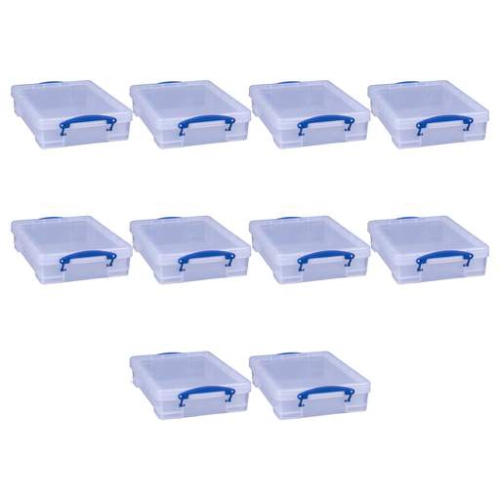
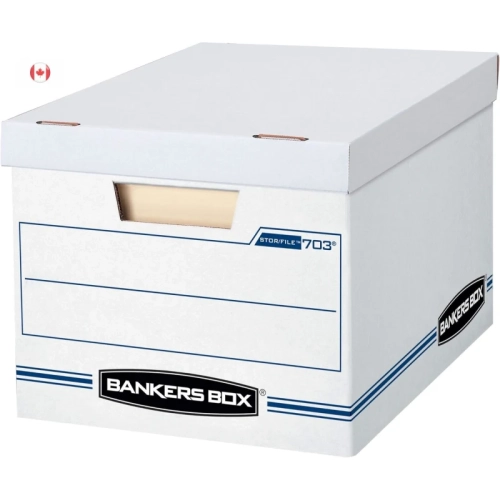
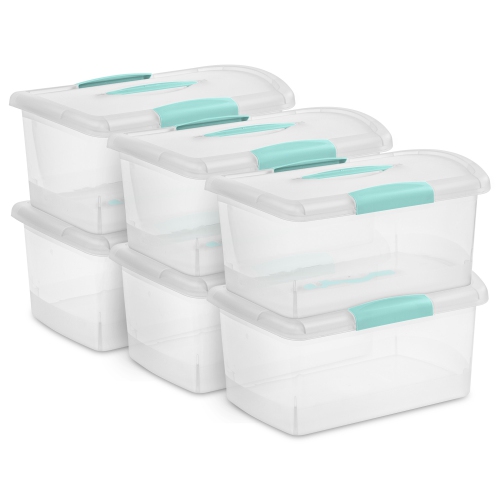
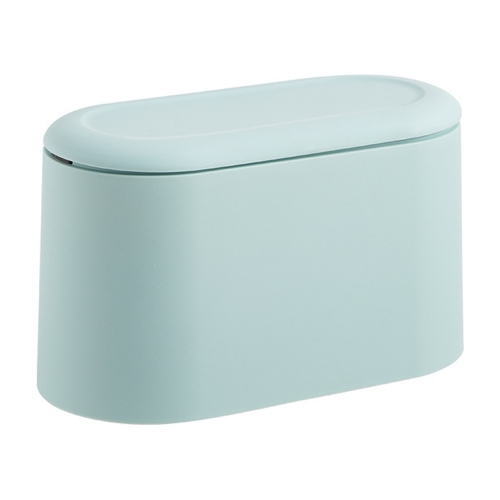
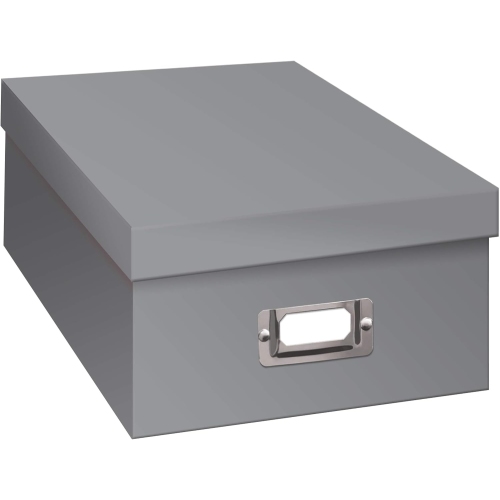
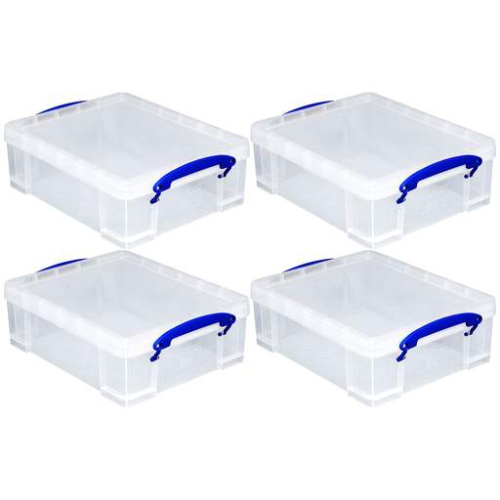
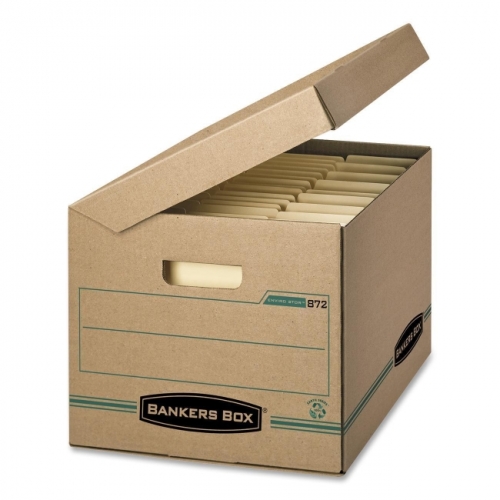
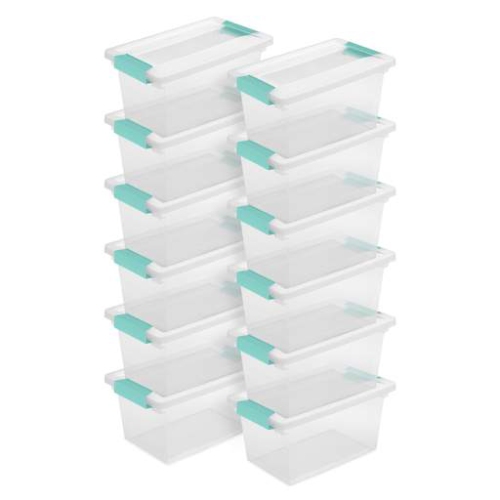
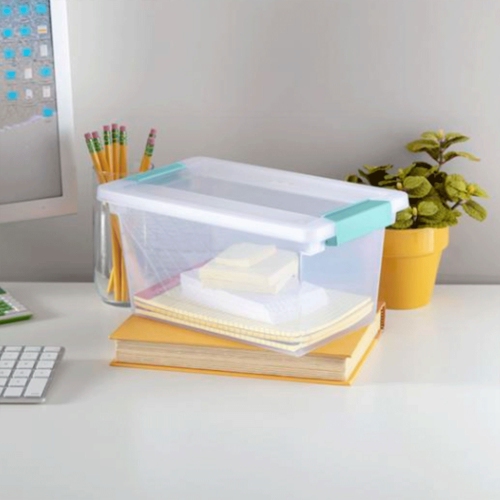

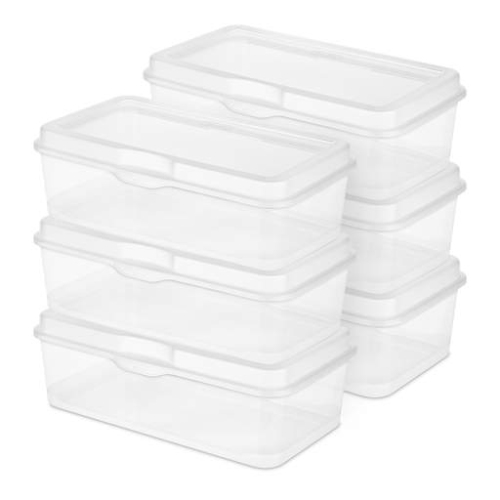
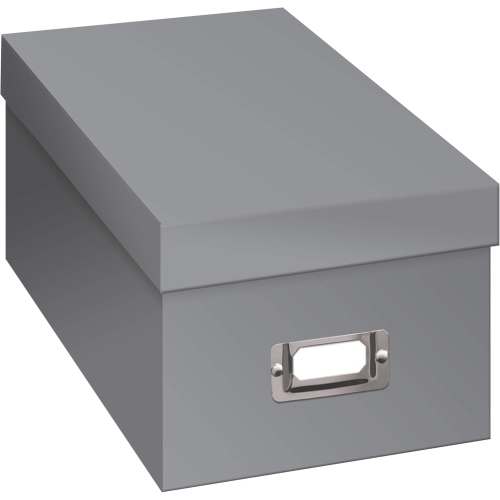
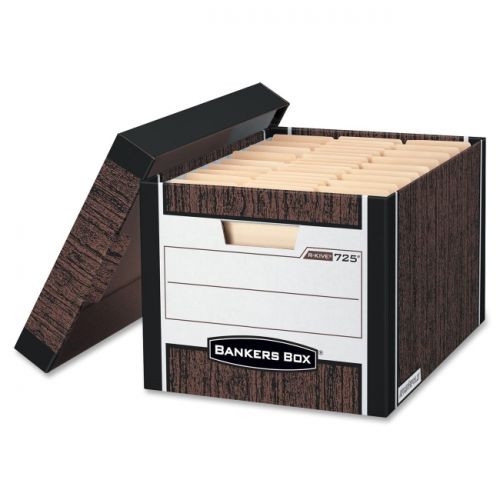
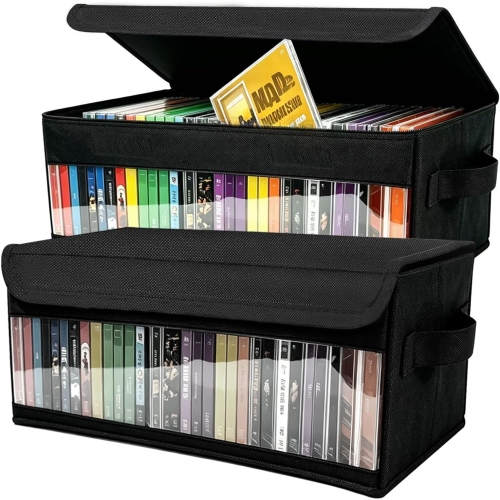
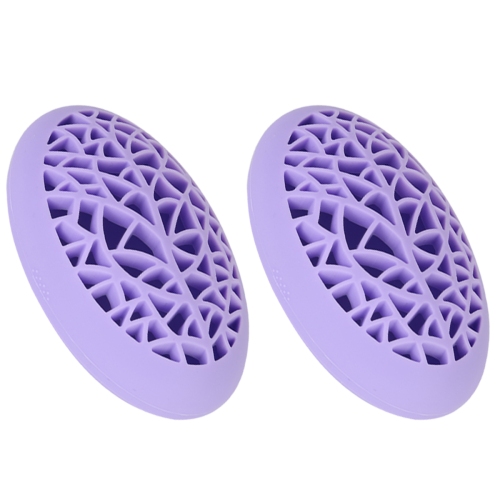
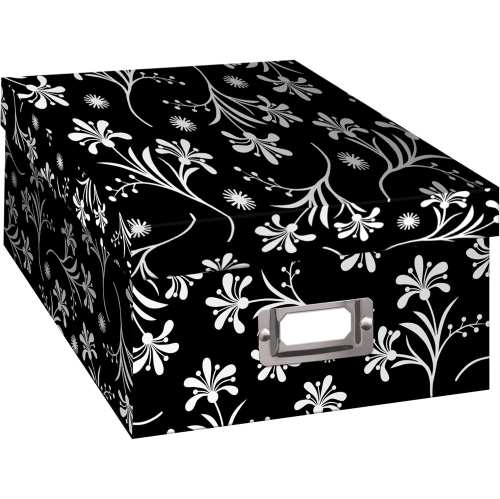
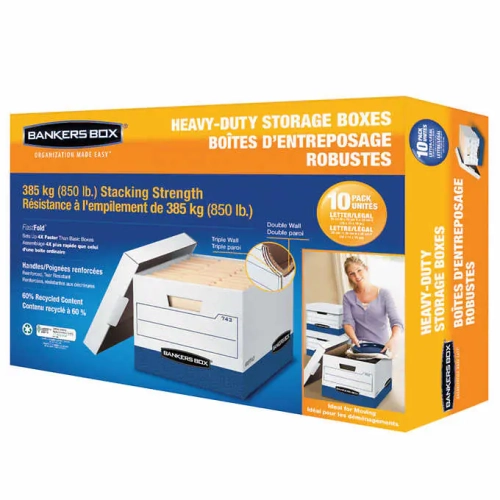
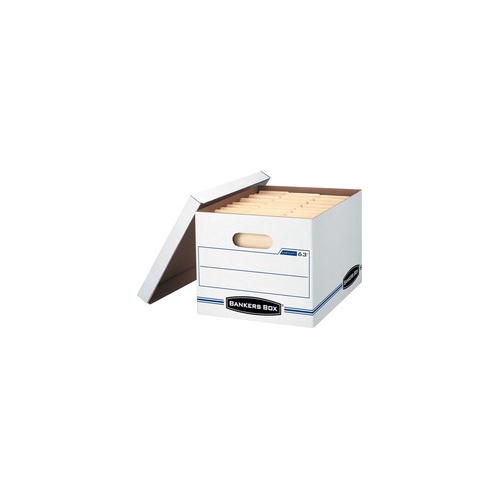
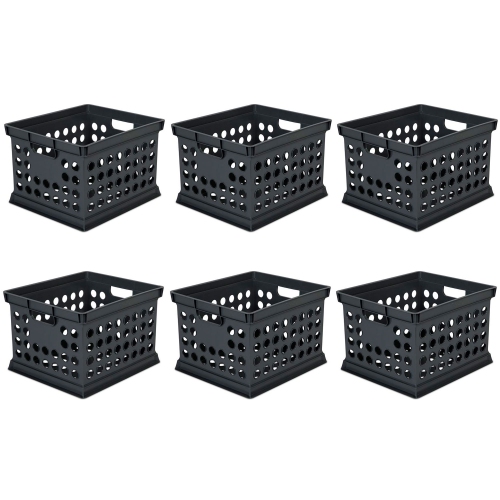
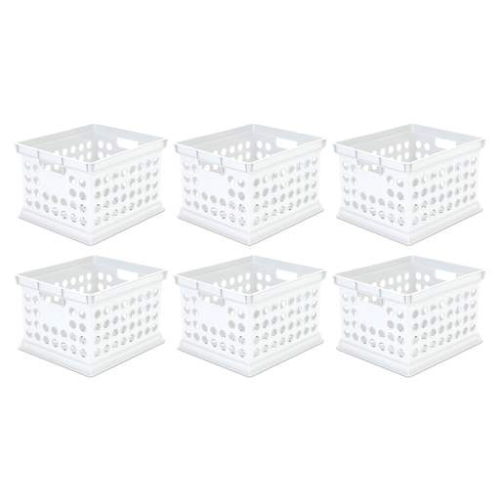
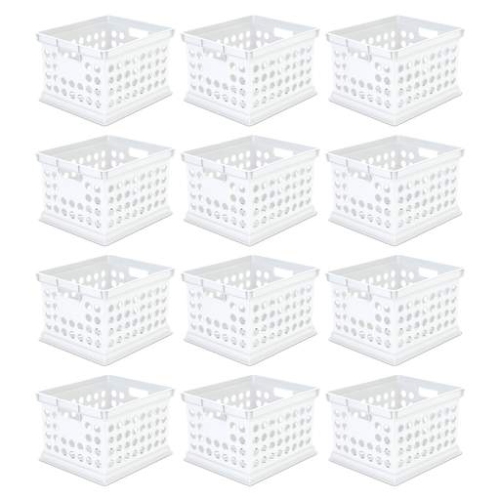
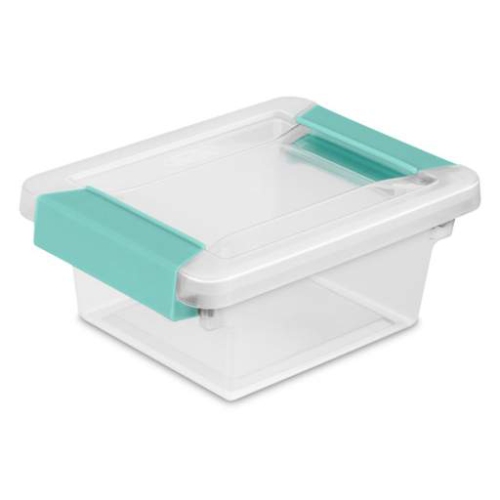
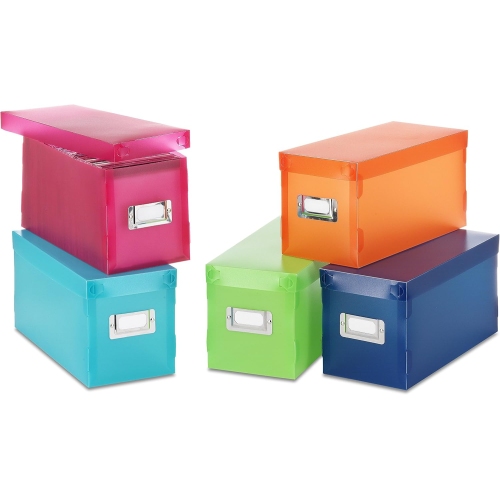
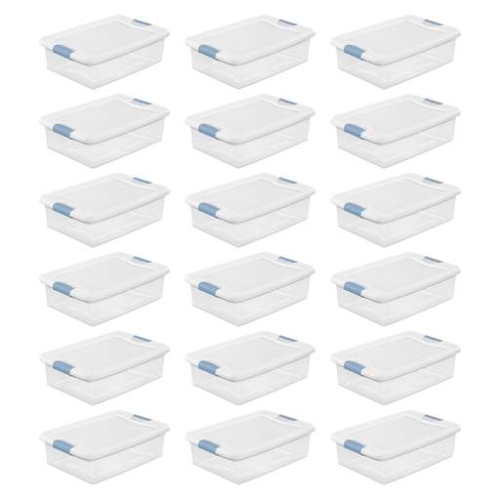
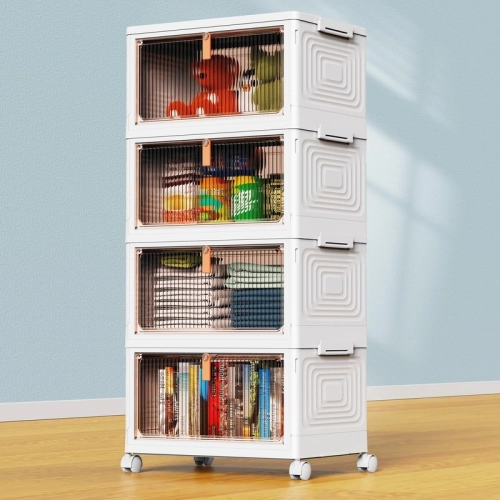
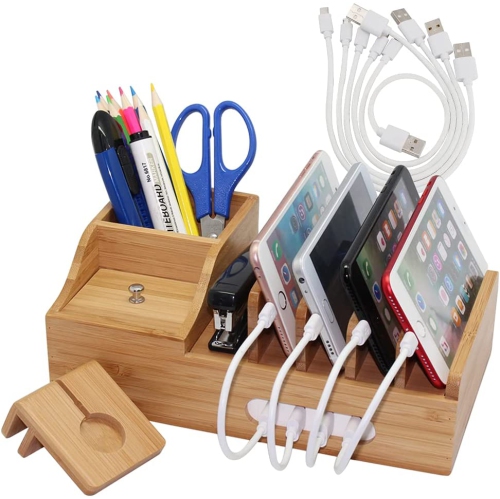
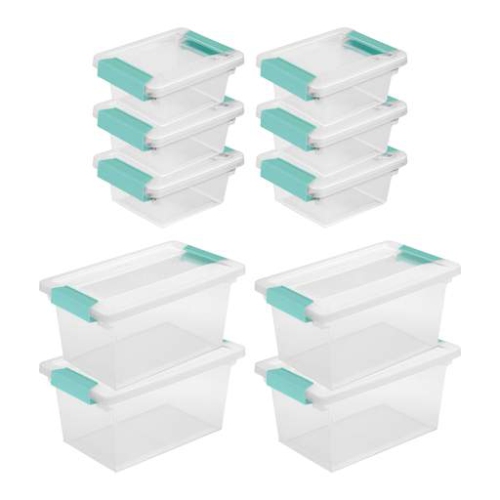
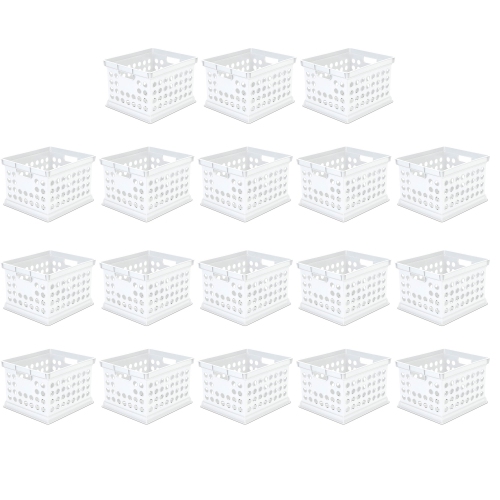
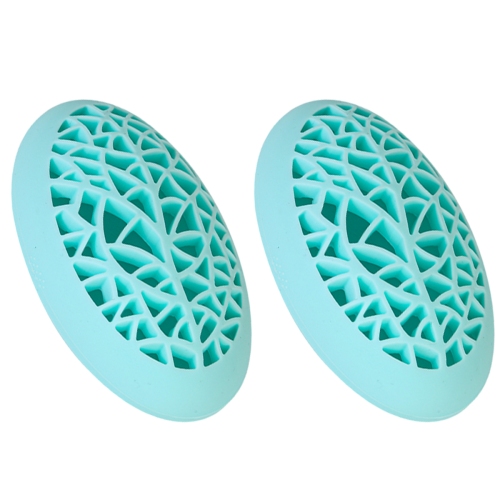
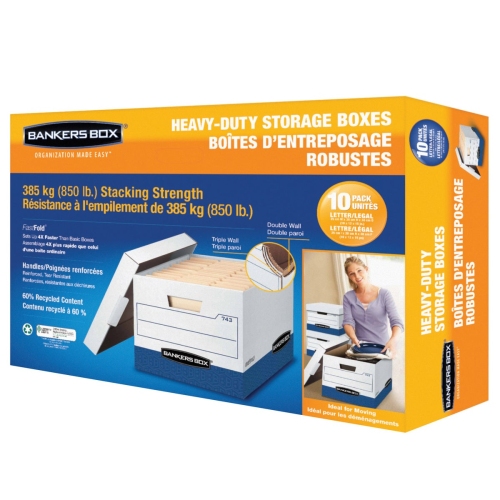
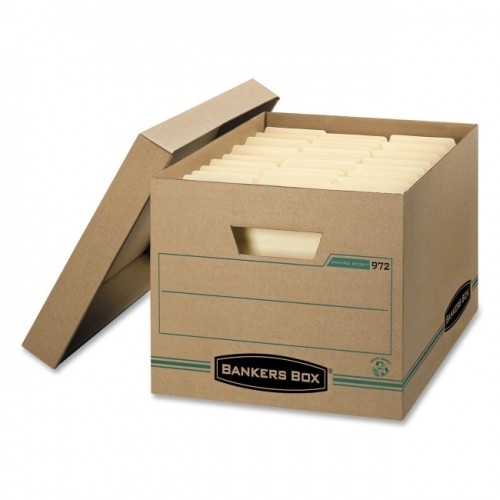
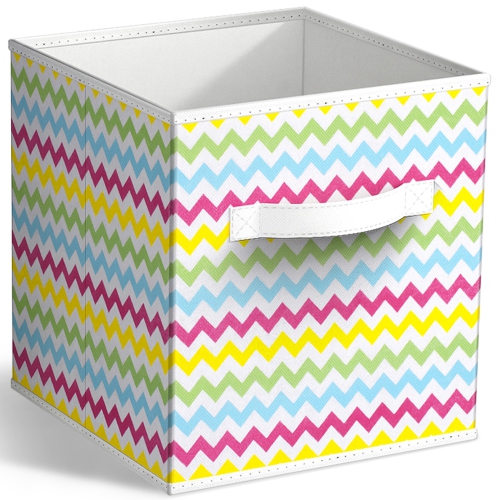
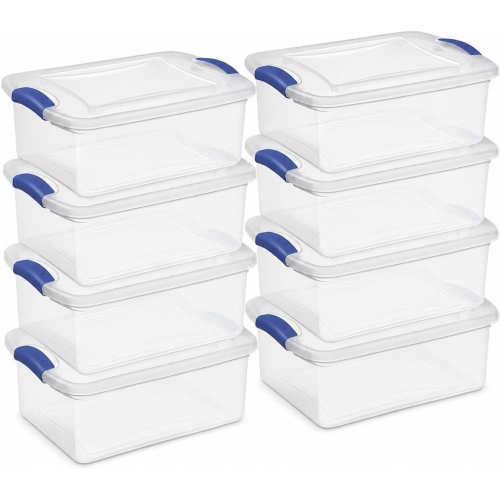
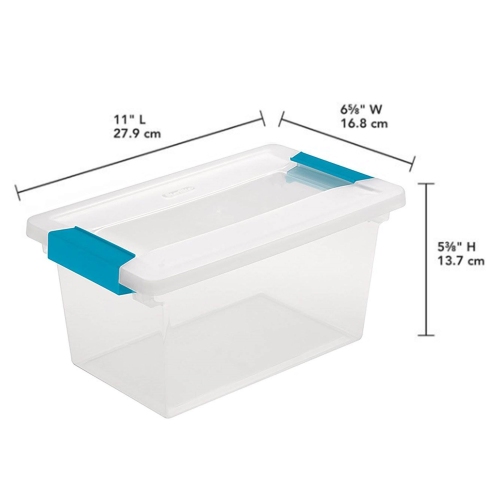
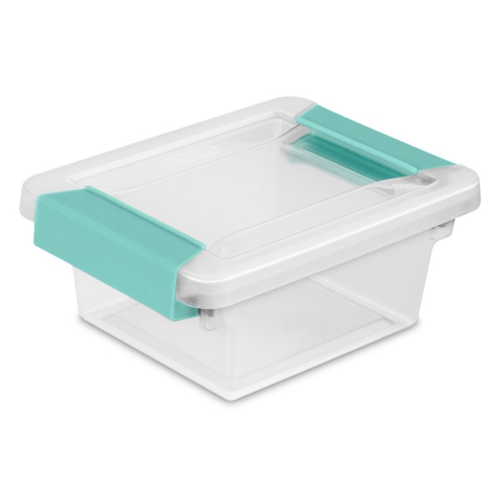
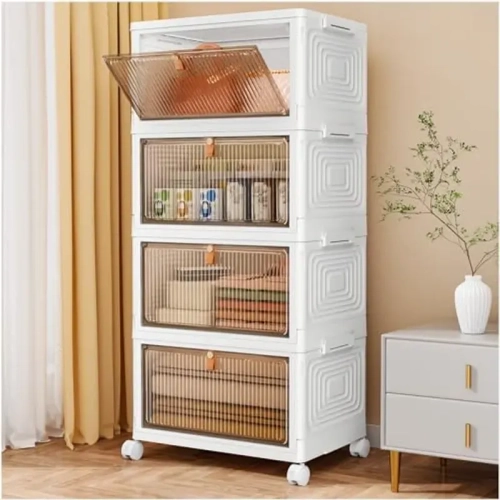
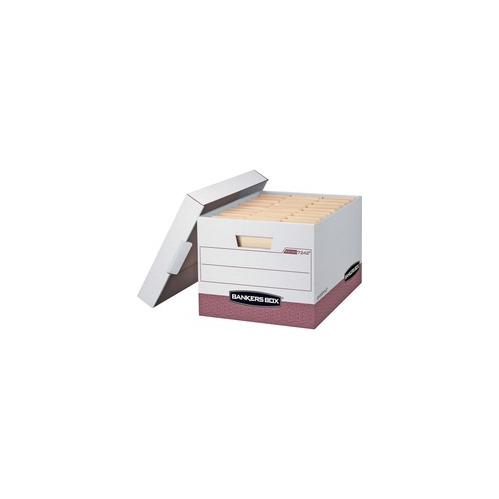
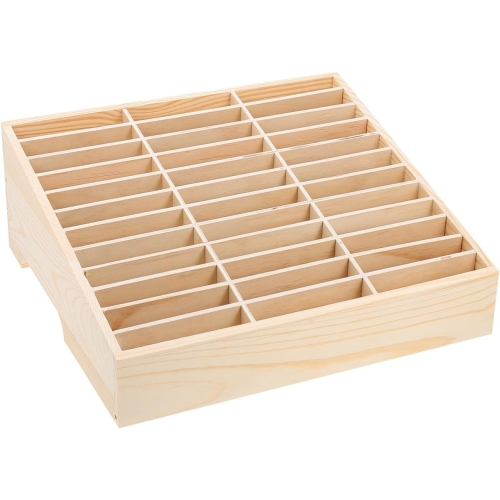
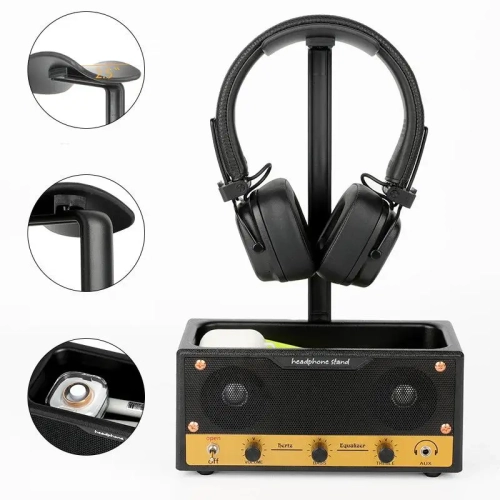
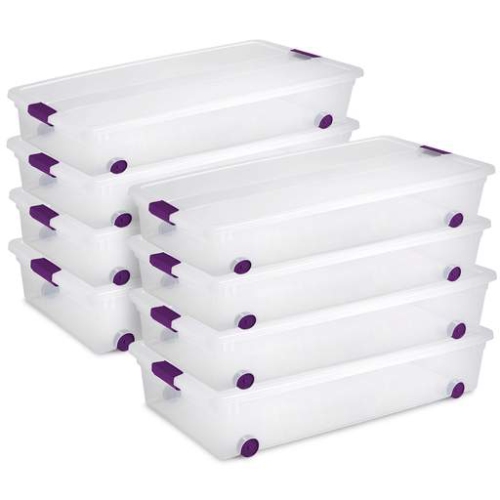
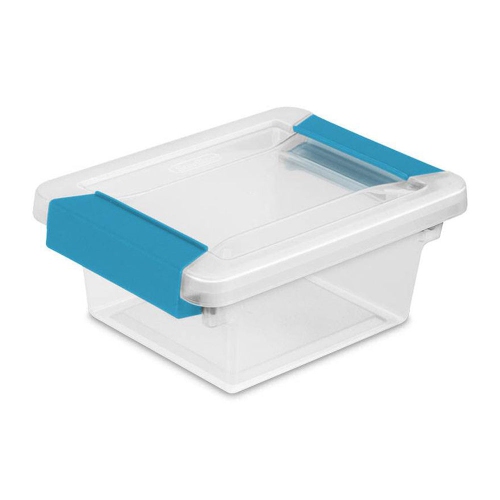
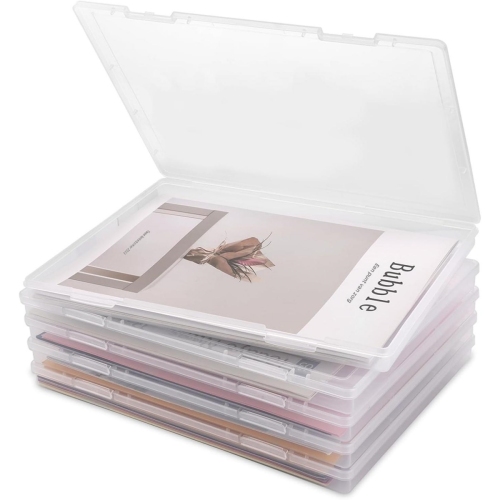
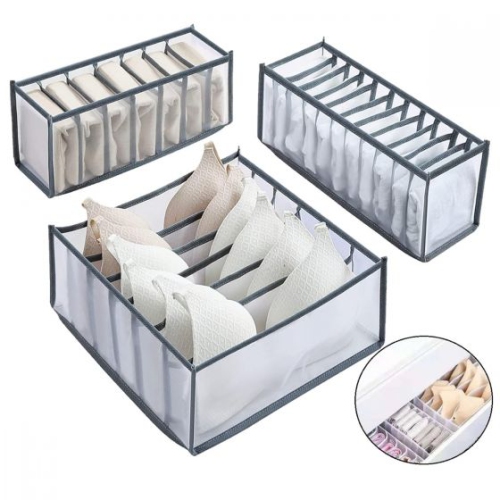
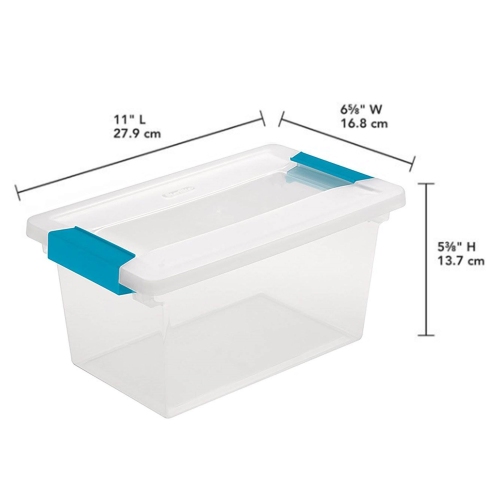
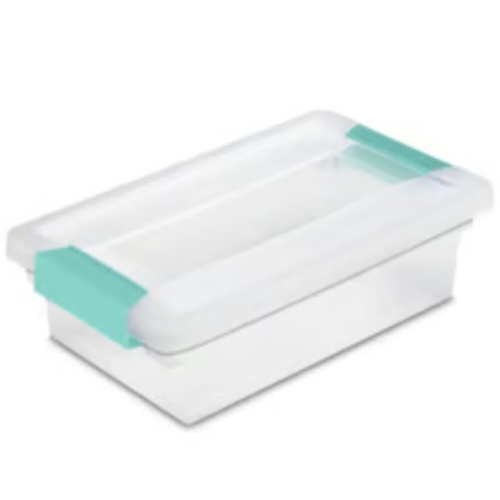
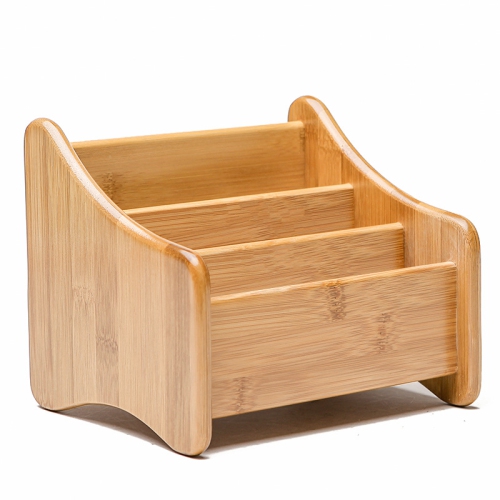
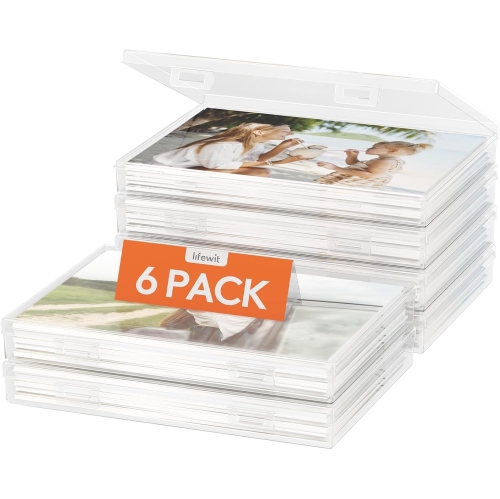
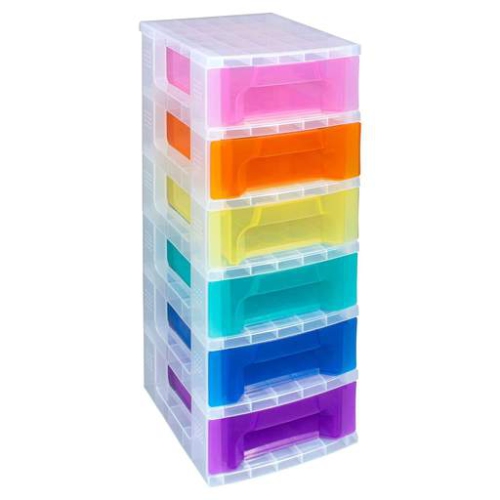
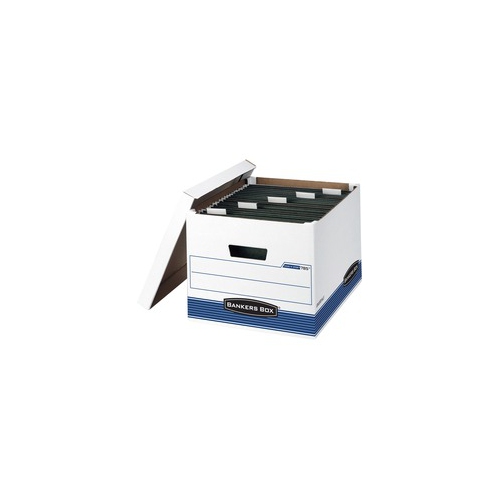
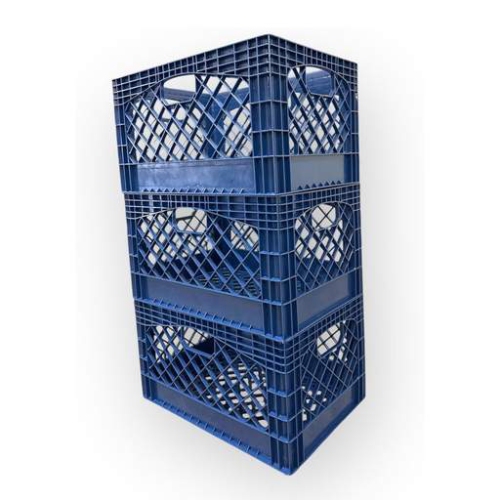
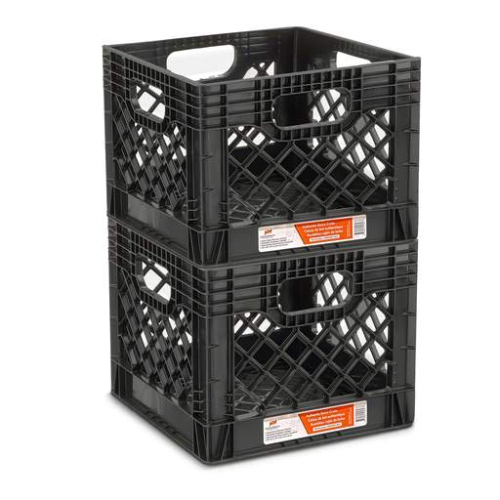
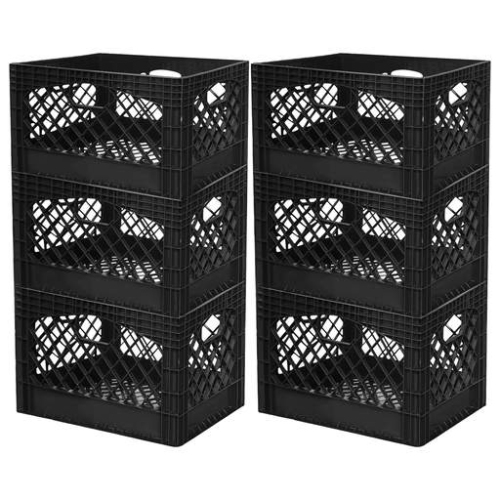


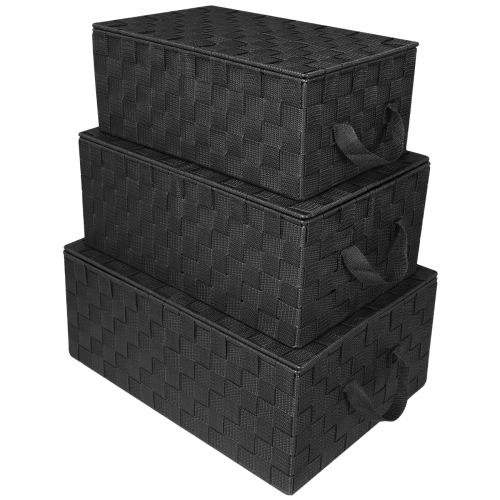
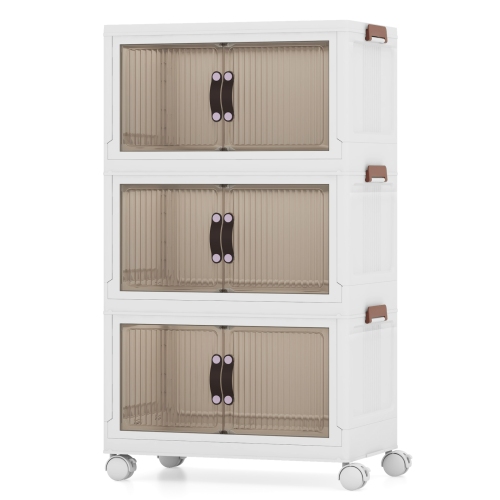
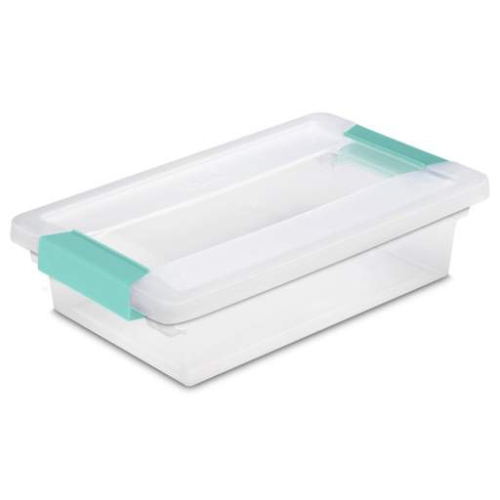
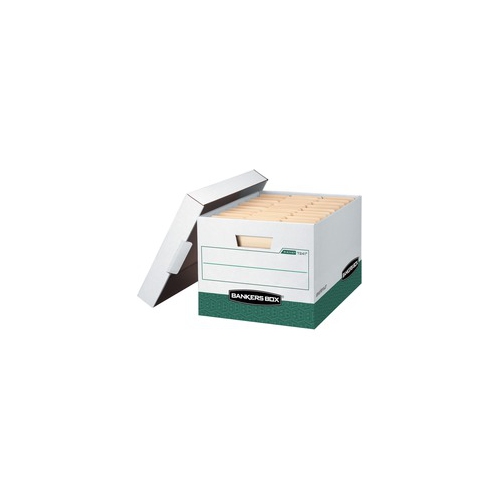

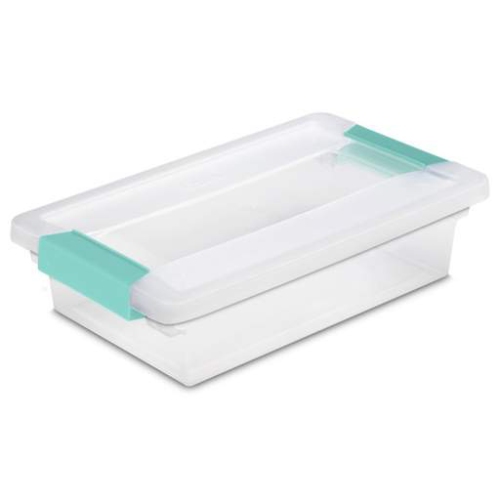
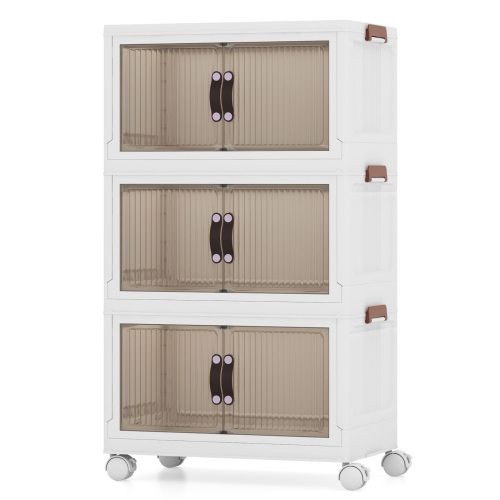
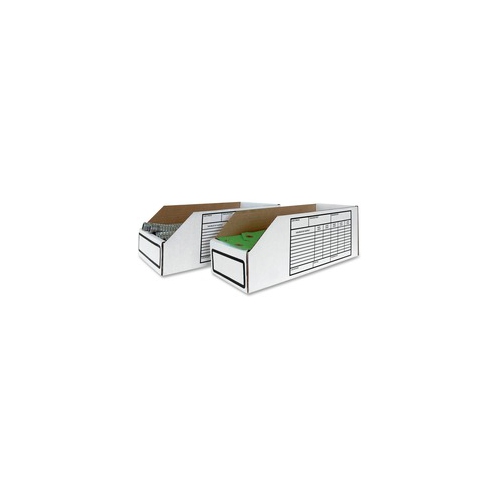
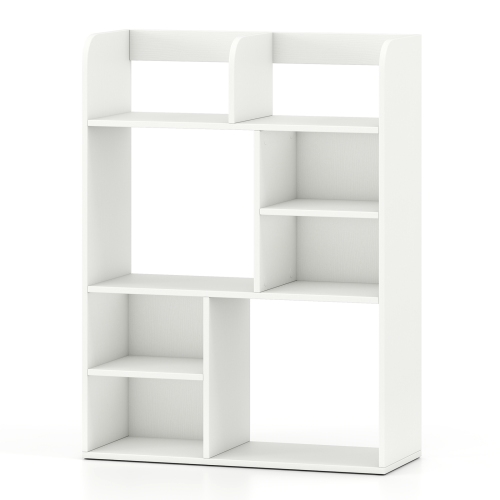
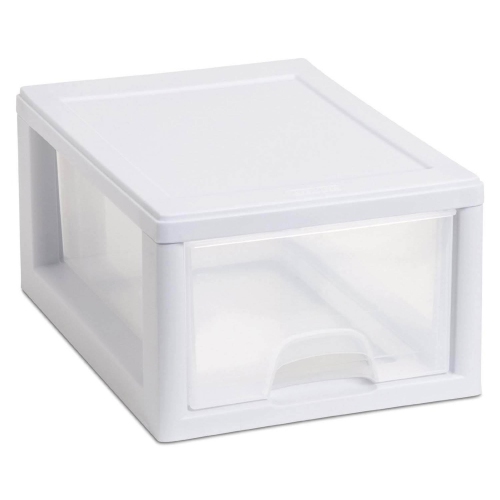
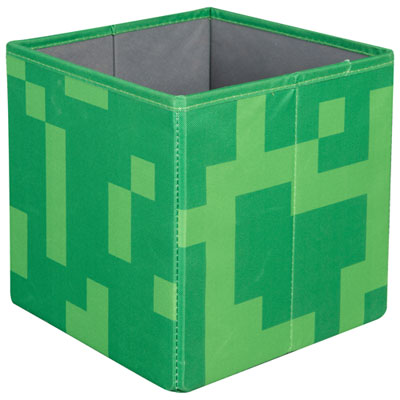
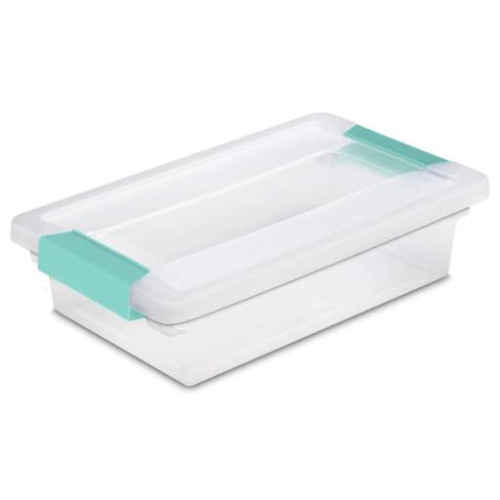
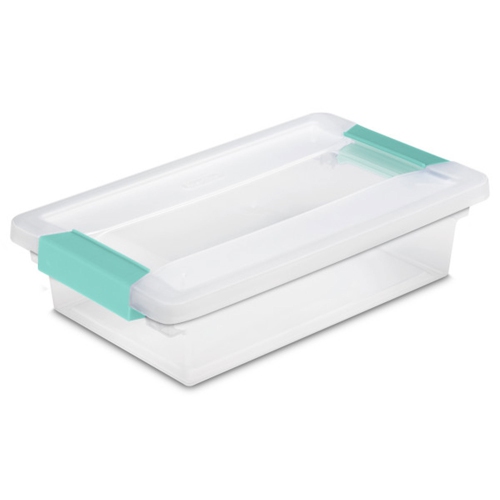
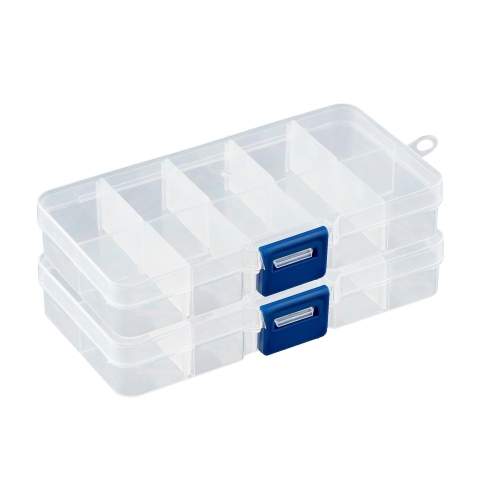

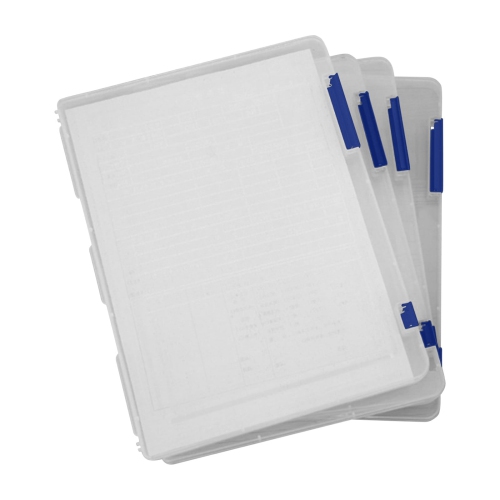
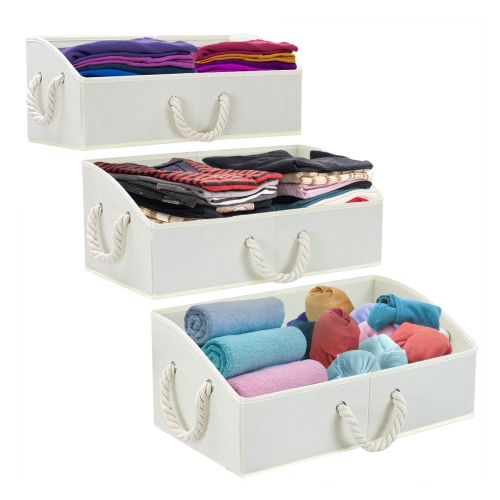
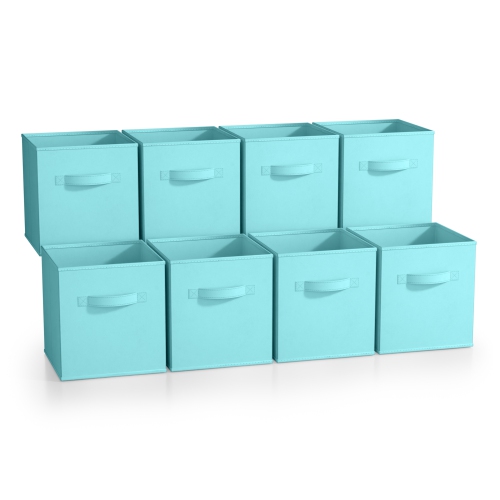
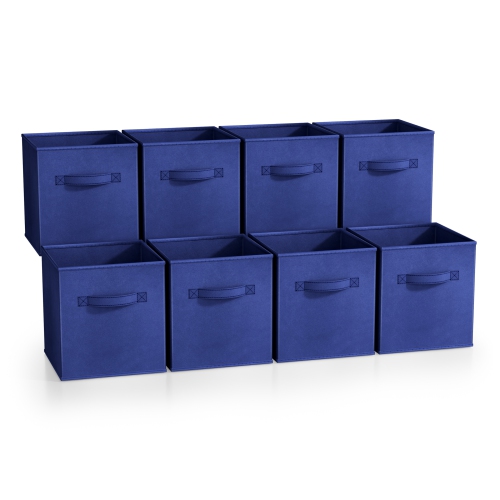
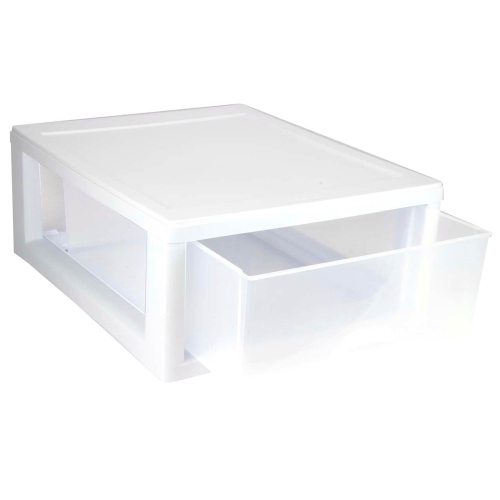
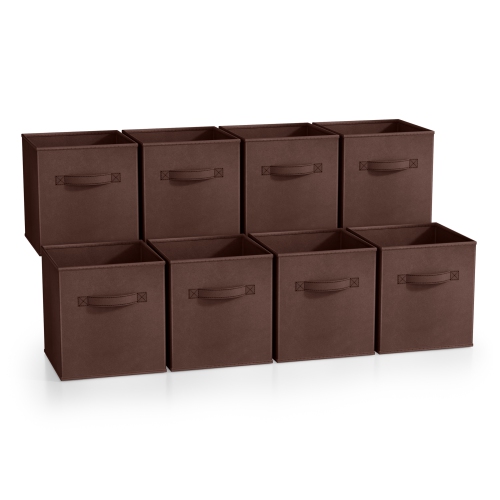
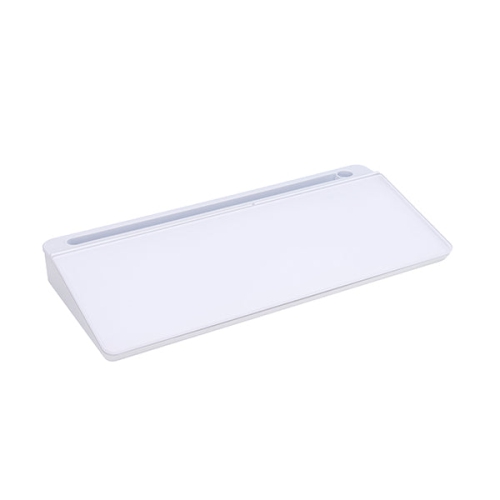
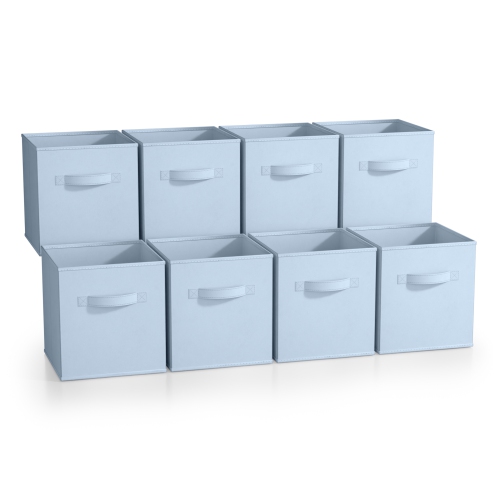
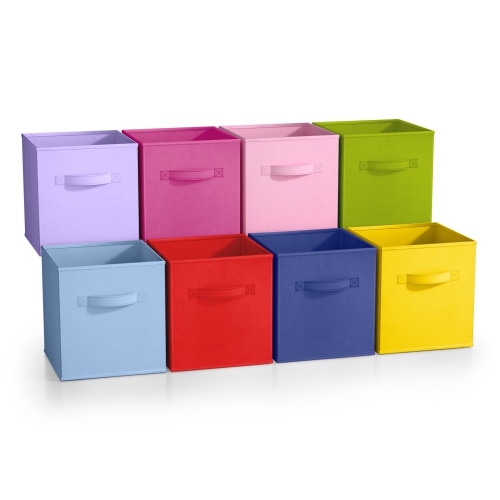
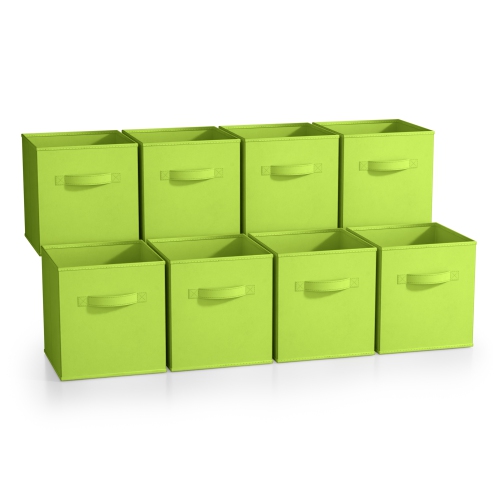
The right compartments put everyday essentials within reach
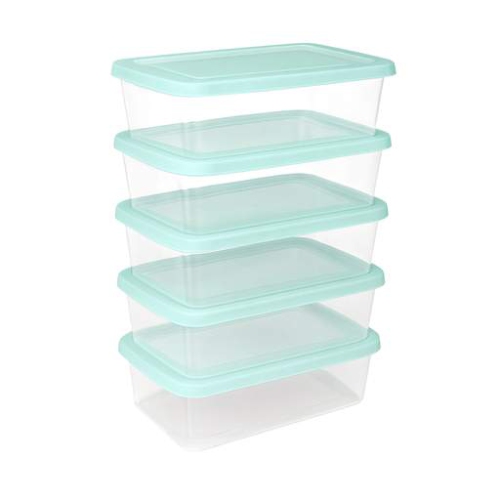
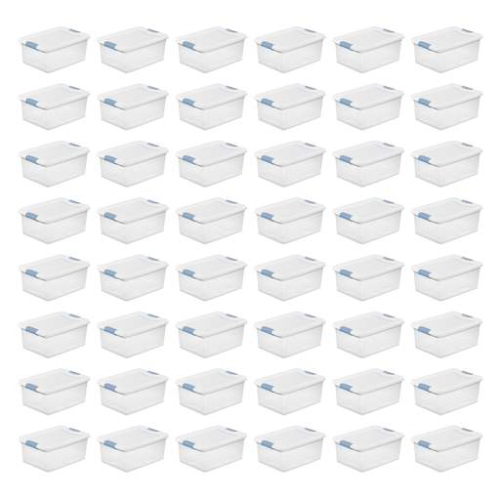
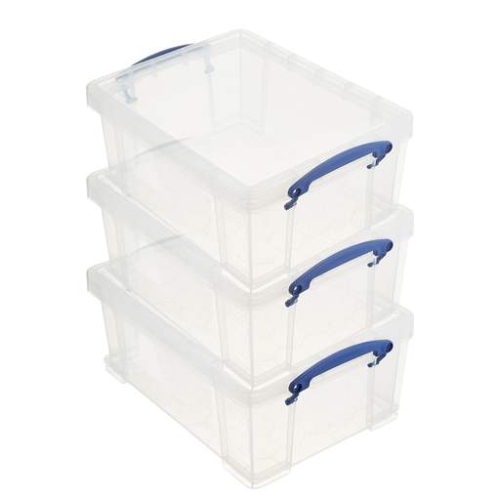
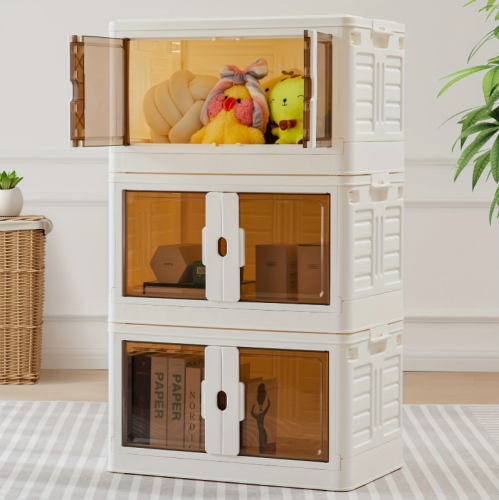
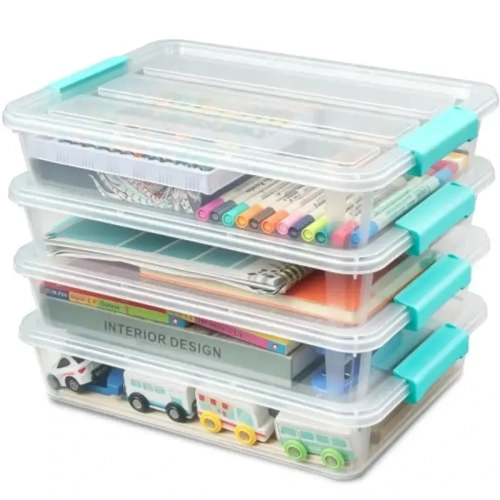
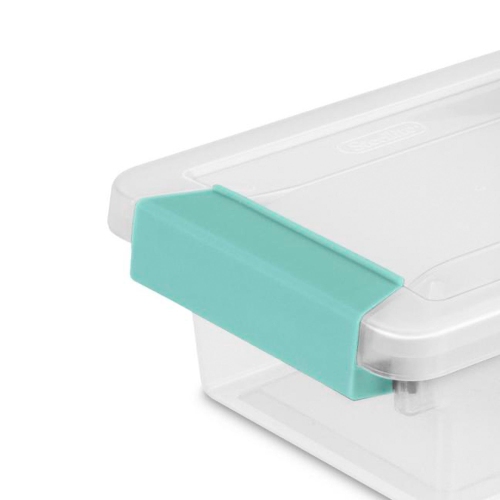
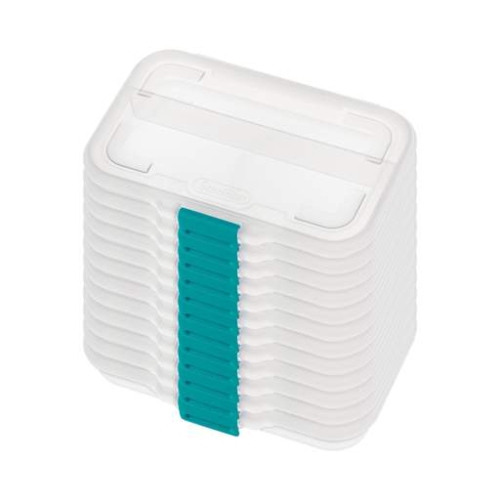
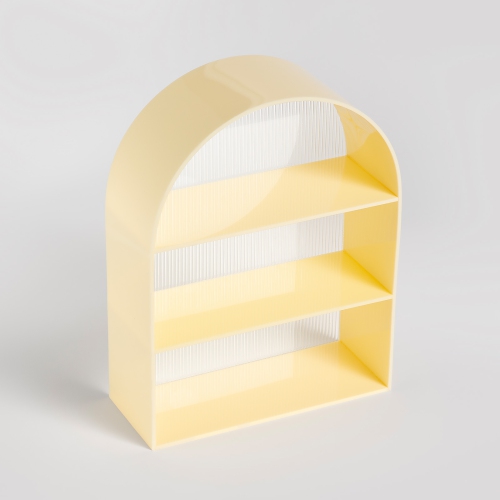
Desktop storage boxes organize office supplies, paperwork, and small accessories in compact containers that sit on a desk, shelf, or work surface. They give loose essentials a defined home, from pens and sticky notes to charging cables, spare batteries, and memory cards. The most useful format depends on what needs to stay visible and what can be tucked away. Open compartments keep frequently used supplies within reach, while lidded boxes conceal mixed contents and help limit dust between uses. Drawer-style boxes offer access without removing a lid, making them practical beside a monitor or at the edge of a writing area. Divided interiors separate small accessories that would otherwise collect at the bottom of a larger container. A shallow section suits paper clips and erasers; a deeper compartment can accommodate markers, scissors, or bundled cords. Removable dividers allow the layout to change as the contents change, which can be useful on a desk shared between work, study, and creative projects. Stackable desktop storage boxes make use of vertical space, although their usefulness depends on how securely the pieces fit together and whether the lower compartments remain accessible. A stack of lidded boxes works differently from a drawer unit: reaching something at the bottom may mean lifting the containers above it. Clear fronts or transparent walls make contents easy to identify, while opaque boxes provide a quieter visual backdrop during video calls or focused work. Label holders offer another way to distinguish stationery, receipts, and technology accessories without opening every compartment. These formats suit home offices, student desks, reception counters, and craft areas alike. On a compact workspace, a small box for daily essentials can keep a notebook from competing with loose supplies. On a larger desk, several coordinated containers can separate active tasks from supplies used less often, keeping the surface useful without requiring everything to remain on display.
Materials affect the weight, appearance, cleaning needs, and everyday durability of desktop storage boxes. Polypropylene and other moulded plastics are often lightweight and easy to wipe down, making them practical for stationery, craft supplies, and frequently handled accessories. Clear acrylic provides a crisp view of the contents, though its surface can show fingerprints and scratches more readily than a textured finish. Thick walls, smoothly finished edges, and well-fitted corners contribute to a sturdy feel, but material alone does not determine how much a box can hold. Drawer runners, handles, hinges, and the base all influence how the container performs when filled. Wood and bamboo boxes bring visible grain and a firmer, furniture-like presence to a workspace; their finishes need protection from standing water and prolonged dampness. Metal containers can withstand regular handling, while smooth edges and a suitable lining help protect delicate contents from rubbing against the interior. Mesh designs keep supplies visible and let dust pass through openings, so they offer a different level of coverage from solid-sided boxes. Fabric-covered and paperboard boxes provide softer surfaces and a broad range of colours, but generally suit dry contents and gentler cleaning rather than wet wiping. A fabric lining can cushion small accessories, although loose fibres and dust may collect along seams. Care is usually straightforward when it matches the construction: many hard surfaces respond well to a soft cloth, while abrasive pads and harsh cleaners can damage finishes or cloud clear plastic. Product care directions remain important for coated wood, fabric, and mixed-material designs. Everyday durability also depends on the details that are easy to overlook, such as a lid that closes without catching, a drawer that opens without pulling the whole unit forward, and feet that help prevent sliding. A well-finished underside matters on painted, veneered, or polished desks, where rough edges and trapped grit can leave marks during repeated movement.
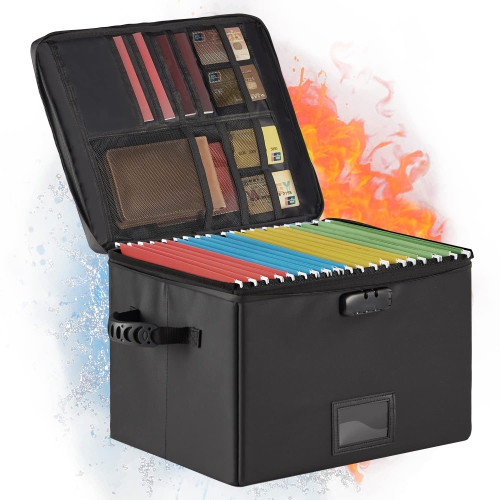
Fit is about more than finding a box that occupies an empty corner. External measurements describe the space a container takes up, while internal measurements determine what actually fits inside it. Thick walls, rounded corners, dividers, and drawer mechanisms can reduce usable room, especially for flat supplies or longer tools. Paper storage needs particular attention because letter-size sheets, legal-size documents, and folders do not share the same footprint. A desktop box intended for loose stationery may be too short for paperwork even when it looks generous from the outside. For documents kept beyond the daily working pile, File Storage Boxes serve a different role, grouping records and folders rather than small desk essentials. Keeping those functions separate can leave more room beside a keyboard for the supplies used throughout the day. Clearance also matters: a hinged lid needs room to open, a lift-off lid needs somewhere to rest, and a drawer needs space in front of the box to extend. Beneath a monitor riser or shelf, a low-profile container can be more accessible than a tall box with a top opening. Weight distribution becomes important when boxes are stacked, with heavier contents better suited to a stable lower position within the limits of the design. Visual fit has its place, too. Matching colours can make several containers read as one organized group, while contrasting fronts can distinguish shared supplies from personal belongings. Neutral finishes suit many offices, and a brighter colour can make a child's homework supplies easy to recognize. Desktop storage boxes can also be thoughtful gifts for students, teachers, hobbyists, or someone setting up a home office, particularly when the size and compartment layout match an established routine. Their value lies in ordinary moments: finding an adapter without emptying a drawer, putting pens away after a study session, or clearing enough space to open a notebook comfortably.
Top selling and popular products
-
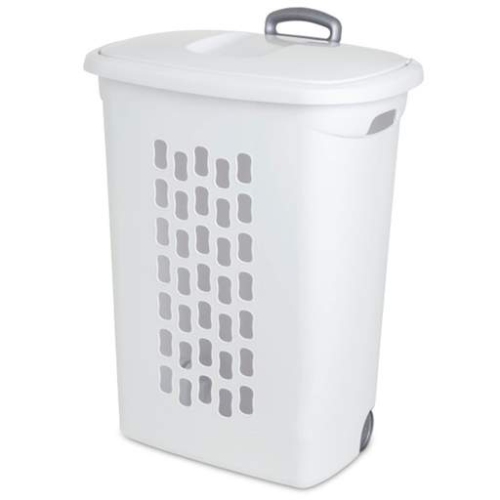 Your price for this item is $557.99
-
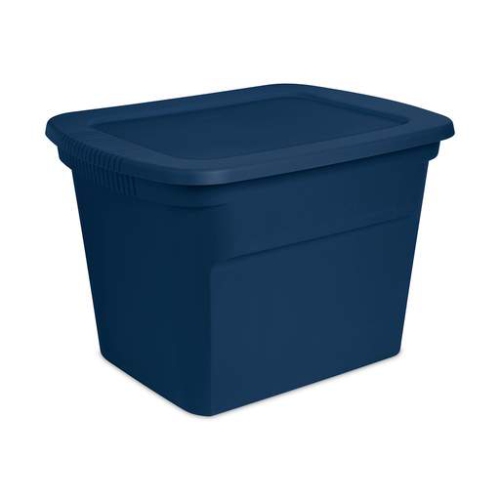 Your price for this item is $886.99
-
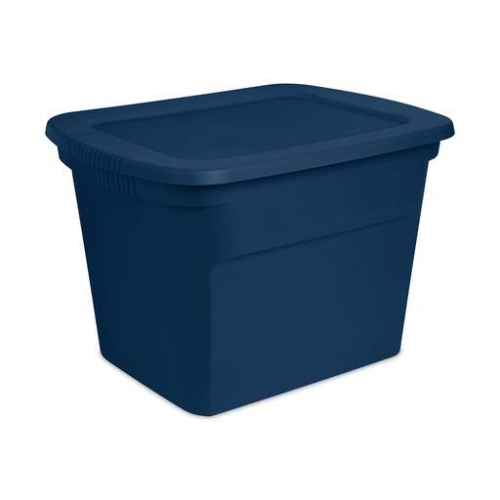 Your price for this item is $1197.99
-
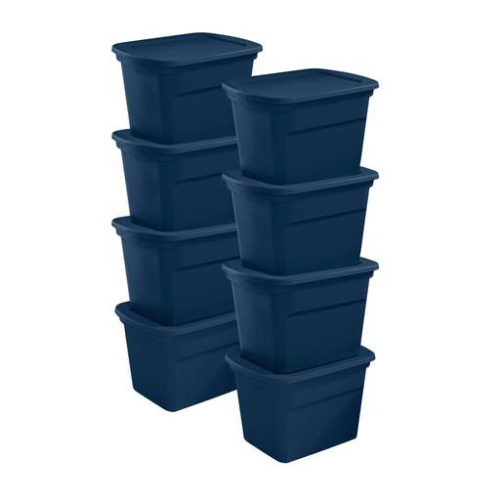 Your price for this item is $298.99
-
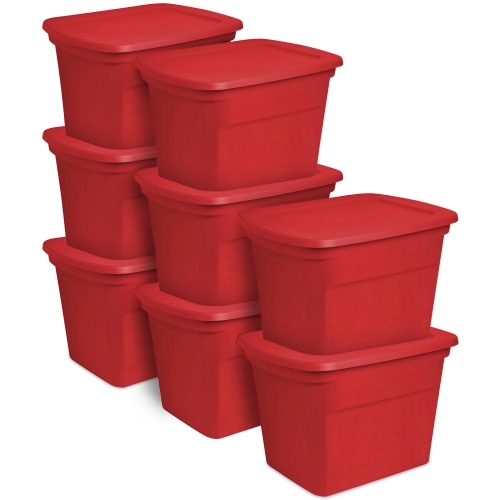 Your price for this item is $254.99
-
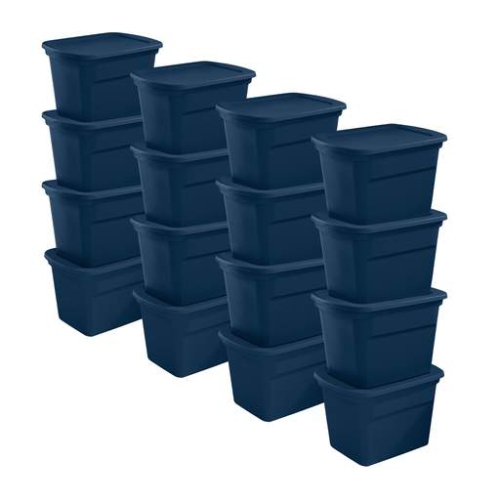 Your price for this item is $598.99
-
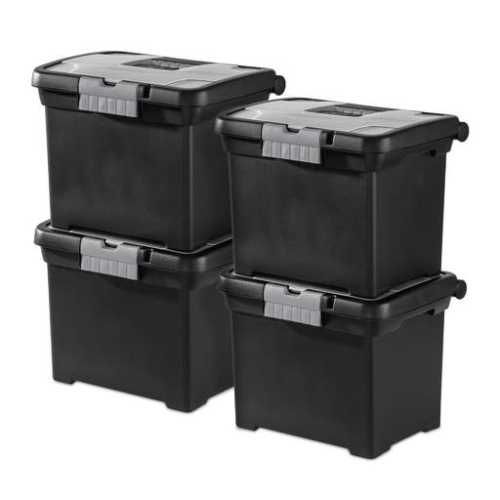 Your price for this item is $176.99
-
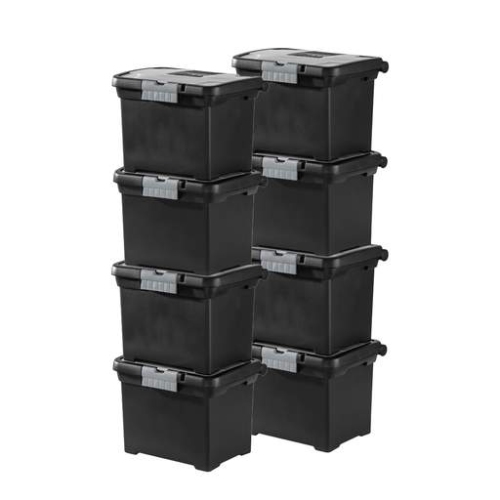 Your price for this item is $278.99
Discover more categories related to Desktop Storage Boxes
Top Collections:
Best Black Friday Deals This Year, Best Black Friday Deals On Electronics, Kindle Devices, Best Black Friday Deals On Apple Products, Best Budget Office Chairs, Best Cameras for Sports Photography, Dyson Airwrap, Canon G7X Cameras, Best Laptops for Writers, Samsung Galaxy Phones
Some products may be subject to Environmental Handling Fees
(EHF) depending on your province.
Learn more about EHFs.