Dessert Boxes
Dessert boxes offer a delightful way to indulge your sweet tooth or surprise someone special with a thoughtful treat. Perfect for celebrations, gifting, or simply enjoying a variety of confections at home, dessert boxes bring together an assortment of tempting sweets in one convenient package. Whether you’re planning a party or looking for a unique gift idea, explore our selection of dessert boxes to find the perfect option for any occasion.
Sort
Sweet treats need more than a pretty package
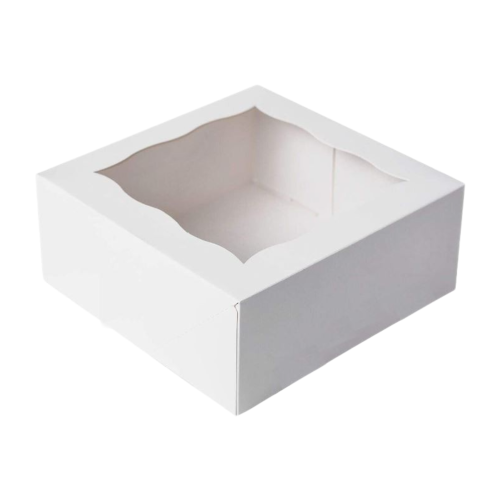
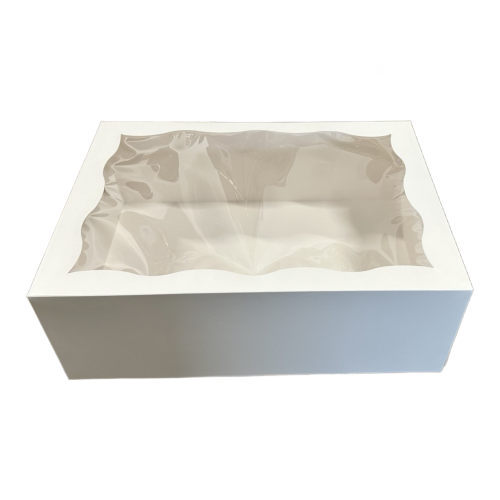
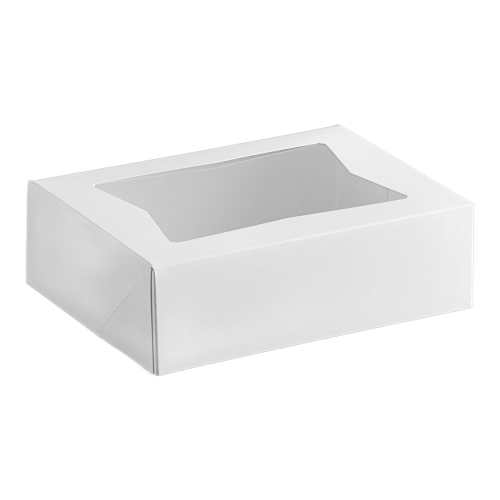
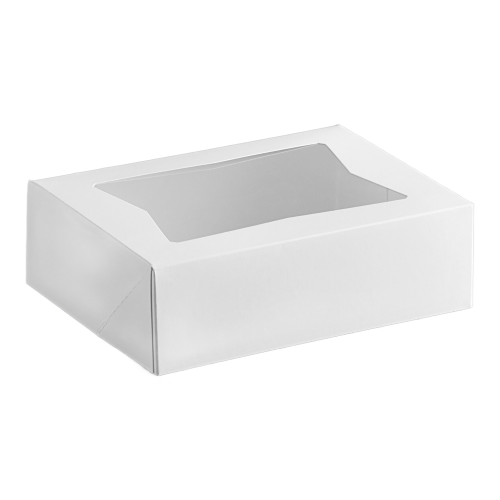
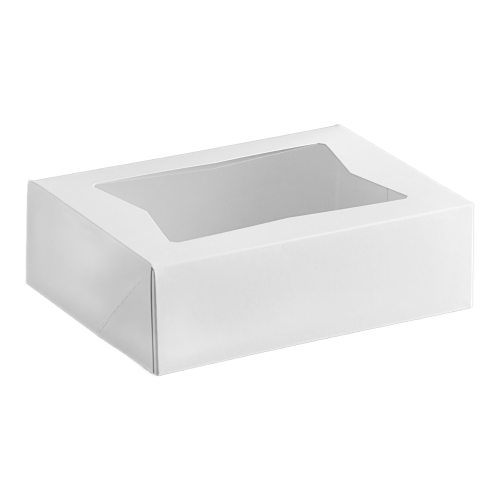
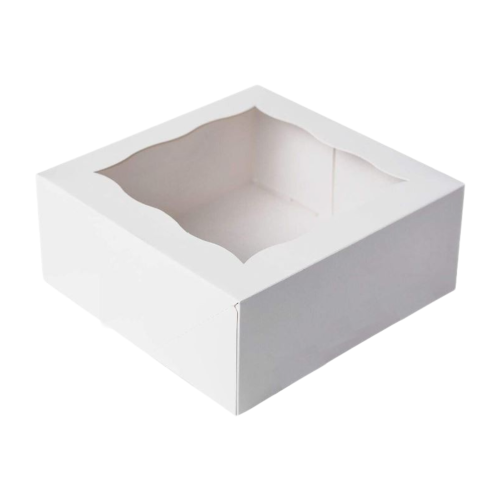
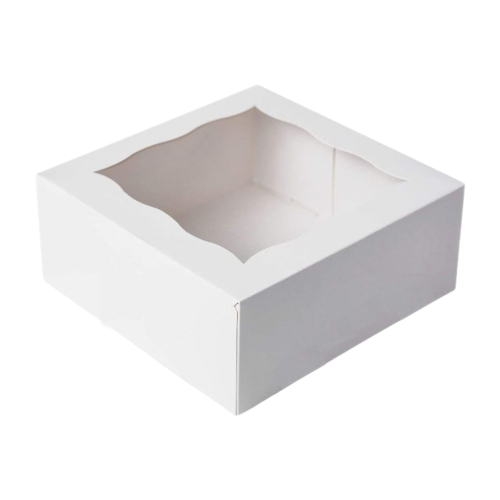
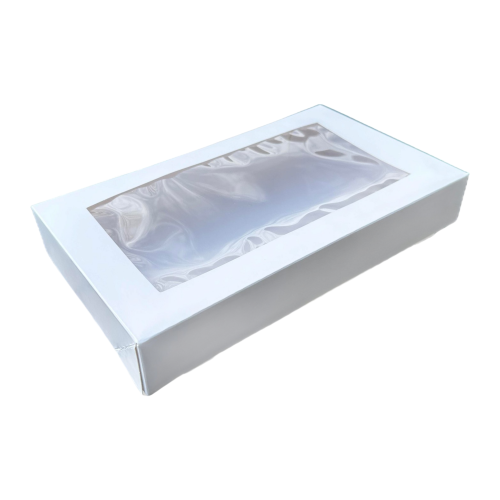
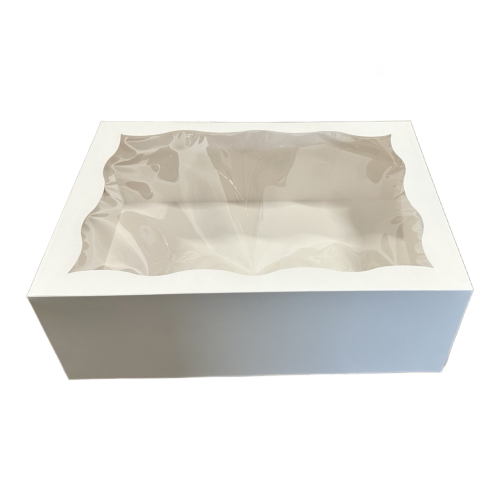
Dessert boxes are containers designed to hold, protect, and present sweet treats, from cookies and brownies to cupcakes, macarons, and small pastries. The term can describe either empty packaging for homemade or professionally prepared desserts or a gift assortment that already contains food, so the distinction matters when choosing a box for a particular occasion. For packing and serving your own baking, the most useful features are a suitable interior size, a secure closure, and a structure that supports the weight of the contents. A shallow box can display a neat layer of shortbread without leaving much room for movement, while a taller design gives piped icing and delicate toppings the clearance they need. Paperboard is a familiar material for lightweight bakery packaging because it folds into shape and offers a smooth surface for labels or ribbon. Heavier board and corrugated constructions can provide more support for denser portions or larger assortments, although strength also depends on the base, folds, and overall design. Windowed lids let the contents become part of the presentation: a row of colourful macarons or neatly cut squares needs little additional embellishment when it is visible from above. Solid lids offer a more understated appearance and keep a gift hidden until it is opened. Clear plastic containers can make individual portions easy to identify, with suitability for chilling or repeated use depending on the material and the maker’s directions. Any surface intended to touch food should be identified as suitable for food contact; appearance alone does not establish that a craft or gift box is appropriate for unwrapped desserts. Food-safe liners and cups help separate portions and manage crumbs, while grease-resistant surfaces can reduce marks from buttery baking. Dessert packaging overlaps with Bakery Boxes, particularly for cakes, pastries, and mixed baked goods, with the best fit determined by the shape, weight, and finish of what goes inside.
Fit is about more than whether the lid closes. Interior dimensions need to accommodate the dessert itself, any paper cup or supporting board, and enough space to lift each portion out without smudging its neighbours. A cupcake with a tall swirl of buttercream may require considerably more headroom than its cake base suggests, and a wide cookie can sit awkwardly in a compartment intended for a smaller round treat. Where dimensions are supplied, it helps to distinguish the usable interior from the outside measurements, especially when a box has sloping sides or folded tabs. Too much empty space can be as troublesome as too little: loose pieces may slide into each other during a short drive, leaving crumbs on icing or cracking a delicate shell. Inserts, dividers, and individual cups can hold portions apart, provided they fit both the container and its contents. A mixed assortment benefits from thoughtful placement, with sturdy squares separated from fragile pastries and sticky finishes kept away from dry biscuits. Strong flavours and aromas can also transfer in a shared container, making separate wrapping useful when combining peppermint, coffee, or other distinctive flavours with more delicate baking. Weight should rest evenly across the base rather than collect in one corner. Larger or heavier desserts may need a rigid, food-safe supporting board, since a neatly folded lid does not make a flexible base stronger. For transport, a flat position and support underneath the whole box help prevent bending; carrying a loaded box by its lid or side flaps can strain the closure. A container that looks tidy on a table may still need an outer carrier to keep it level on the way to a gathering. Stacking works only when the packaging is designed to bear the load without pressing on the contents below. For cream-filled pastries and other perishable desserts, the box is a presentation container, not a substitute for refrigeration or temperature-controlled transport. Time away from chilling should follow the food’s storage requirements, even during the cooler months.
Dessert boxes suit a wide range of everyday exchanges and larger celebrations, including a neighbour’s thank-you gift, a birthday assortment, a workplace gathering, or take-home portions after a family meal. Home bakers may value packaging that folds flat between uses and assembles without complicated steps, while frequent gift-givers may prefer a consistent shape that is easy to finish with a small card. For catered occasions or community bake sales, individual compartments can make portions easier to distribute without handling the food directly. The recipient’s experience matters too: a lid that opens cleanly, portions that lift out easily, and a base that stays steady on a crowded table all make the presentation feel considered. Plain finishes offer room for handwritten names or occasion labels, while a visible assortment can provide its own colour and texture. Labels are also useful for identifying flavours, noting storage needs, and sharing ingredient or allergen information accurately. Separate compartments do not prevent allergen cross-contact, and packaging alone cannot make a dessert suitable for someone with a food allergy. Care and durability depend on the construction. Paperboard boxes generally need dry storage away from splashes, grease, and strong household odours before use, and many are intended for a single serving or gifting occasion rather than washing. Moisture can soften board, loosen seams, and affect the clarity of a window, so refrigerator or freezer suitability should be confirmed rather than assumed. Desserts should be cooled appropriately before packing to avoid trapping steam that can soften crisp textures and dampen the container. Reusable containers need cleaning according to their material and care directions, with particular attention to corners, lid rims, and removable inserts where crumbs can collect. Dishwasher, microwave, and freezer compatibility are separate features, not automatic benefits of a plastic construction. Stored clean and dry, the right packaging is ready for a small batch of weekend baking or a carefully arranged gift. Its purpose is straightforward: to keep the treats supported, make them inviting to share, and help them arrive looking much as they did when they left the kitchen.
Fit is about more than whether the lid closes. Interior dimensions need to accommodate the dessert itself, any paper cup or supporting board, and enough space to lift each portion out without smudging its neighbours. A cupcake with a tall swirl of buttercream may require considerably more headroom than its cake base suggests, and a wide cookie can sit awkwardly in a compartment intended for a smaller round treat. Where dimensions are supplied, it helps to distinguish the usable interior from the outside measurements, especially when a box has sloping sides or folded tabs. Too much empty space can be as troublesome as too little: loose pieces may slide into each other during a short drive, leaving crumbs on icing or cracking a delicate shell. Inserts, dividers, and individual cups can hold portions apart, provided they fit both the container and its contents. A mixed assortment benefits from thoughtful placement, with sturdy squares separated from fragile pastries and sticky finishes kept away from dry biscuits. Strong flavours and aromas can also transfer in a shared container, making separate wrapping useful when combining peppermint, coffee, or other distinctive flavours with more delicate baking. Weight should rest evenly across the base rather than collect in one corner. Larger or heavier desserts may need a rigid, food-safe supporting board, since a neatly folded lid does not make a flexible base stronger. For transport, a flat position and support underneath the whole box help prevent bending; carrying a loaded box by its lid or side flaps can strain the closure. A container that looks tidy on a table may still need an outer carrier to keep it level on the way to a gathering. Stacking works only when the packaging is designed to bear the load without pressing on the contents below. For cream-filled pastries and other perishable desserts, the box is a presentation container, not a substitute for refrigeration or temperature-controlled transport. Time away from chilling should follow the food’s storage requirements, even during the cooler months.
Dessert boxes suit a wide range of everyday exchanges and larger celebrations, including a neighbour’s thank-you gift, a birthday assortment, a workplace gathering, or take-home portions after a family meal. Home bakers may value packaging that folds flat between uses and assembles without complicated steps, while frequent gift-givers may prefer a consistent shape that is easy to finish with a small card. For catered occasions or community bake sales, individual compartments can make portions easier to distribute without handling the food directly. The recipient’s experience matters too: a lid that opens cleanly, portions that lift out easily, and a base that stays steady on a crowded table all make the presentation feel considered. Plain finishes offer room for handwritten names or occasion labels, while a visible assortment can provide its own colour and texture. Labels are also useful for identifying flavours, noting storage needs, and sharing ingredient or allergen information accurately. Separate compartments do not prevent allergen cross-contact, and packaging alone cannot make a dessert suitable for someone with a food allergy. Care and durability depend on the construction. Paperboard boxes generally need dry storage away from splashes, grease, and strong household odours before use, and many are intended for a single serving or gifting occasion rather than washing. Moisture can soften board, loosen seams, and affect the clarity of a window, so refrigerator or freezer suitability should be confirmed rather than assumed. Desserts should be cooled appropriately before packing to avoid trapping steam that can soften crisp textures and dampen the container. Reusable containers need cleaning according to their material and care directions, with particular attention to corners, lid rims, and removable inserts where crumbs can collect. Dishwasher, microwave, and freezer compatibility are separate features, not automatic benefits of a plastic construction. Stored clean and dry, the right packaging is ready for a small batch of weekend baking or a carefully arranged gift. Its purpose is straightforward: to keep the treats supported, make them inviting to share, and help them arrive looking much as they did when they left the kitchen.
Top selling and popular products
-
 Your price for this item is $144
 -
 Your price for this item is $21
 -
 Your price for this item is $18
 -
 Your price for this item is $499.99
 -
 Your price for this item is $24
 -
 Your price for this item is $34.78
 -
 Your price for this item is $95
 -
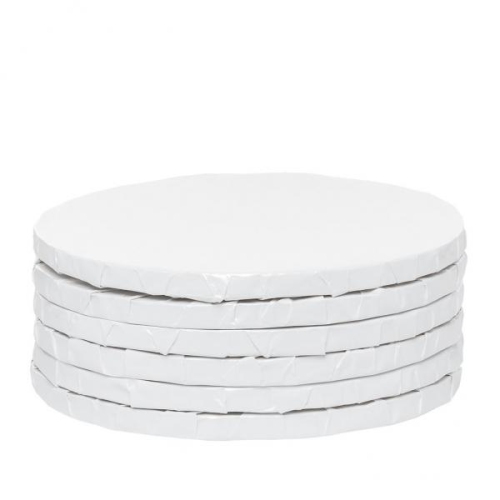 Your price for this item is $24
Discover more categories related to Dessert Boxes
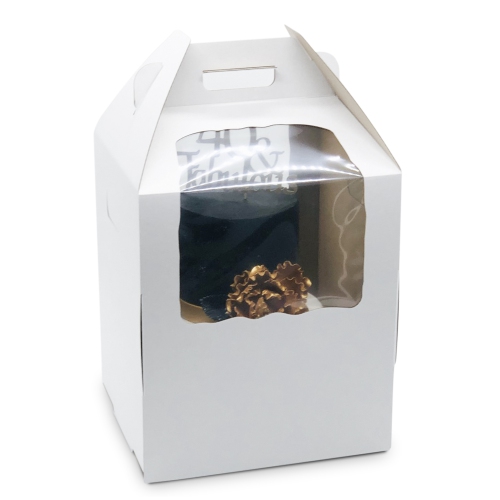
Top Collections:
Pokemon Centers, Kindle Devices, Apple iPhones 16, Canon G7X Cameras, iPhone 15 Apple, Refurbished Apple Laptops, Motorola Razr Phones, Flip Phones, Apple iPad 10th Gen, Alarm Clock
Some products may be subject to Environmental Handling Fees
(EHF) depending on your province.
Learn more about EHFs.